Why Ravenna feels easier than most Italian city breaks right now
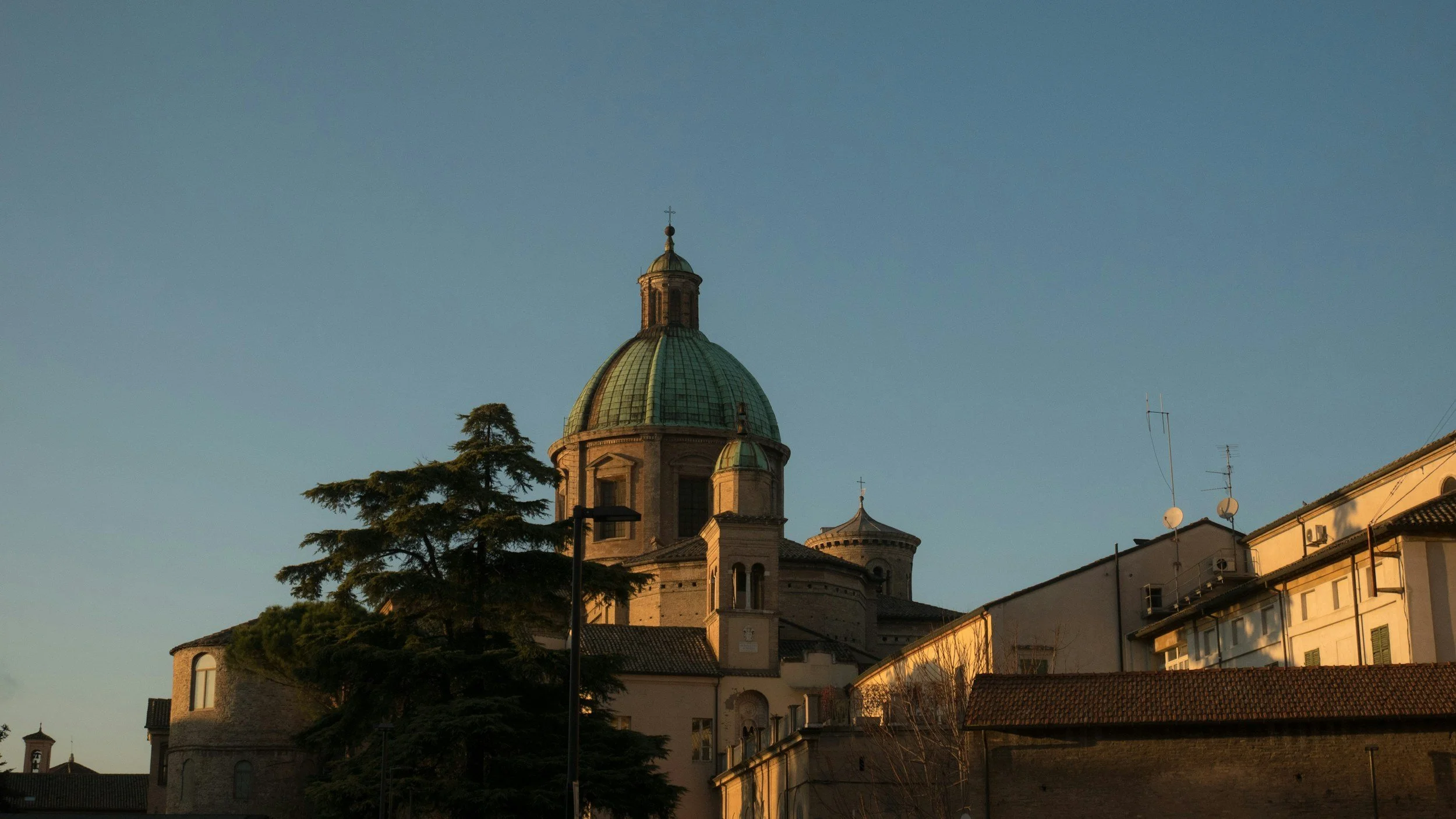
Most people do not book a long weekend in Ravenna first. They usually end up looking at Bologna, Florence, Venice, maybe even Rimini, and somewhere during all that planning they realize they want somewhere that still feels interesting and distinctly Italian, but where they are not going to spend three days dealing with crowds, complicated logistics, overpriced hotels, or the constant feeling that they need to move quickly from one major sight to the next just to make the trip feel worthwhile.
And Ravenna really is easier in that sense, although it takes a few hours before you properly notice it.
The station sits close enough to the center that arriving feels straightforward from the beginning, the city itself is flat enough that walking everywhere stays comfortable even after a full day out, and within an afternoon the whole weekend already starts feeling less complicated than a lot of other Italian city breaks. You walk to coffee instead of figuring out transport, you drift between churches, piazzas, and smaller residential streets without thinking too much about timing, and by the second day you usually stop checking maps altogether because the center is manageable enough that you naturally start recognizing shortcuts, cafés, and quieter streets you want to return to later.
What surprises people most, though, is probably how calm Ravenna feels once the day-trippers disappear in the late afternoon, especially if you are arriving with expectations shaped by places like Florence or Venice.
During the middle of the day there are obviously visitors around the mosaic sites, particularly near San Vitale and Galla Placidia, but mornings and evenings feel completely different from that. Parts of the historic center become very quiet after dinner, particularly outside summer, and the atmosphere shifts back toward ordinary everyday life again. Students cycle home through the center, people stop for wine near Piazza del Popolo, grocery stores begin closing for the evening, and suddenly you are in a historic Italian city where tourism does not seem to dominate every single street around you.
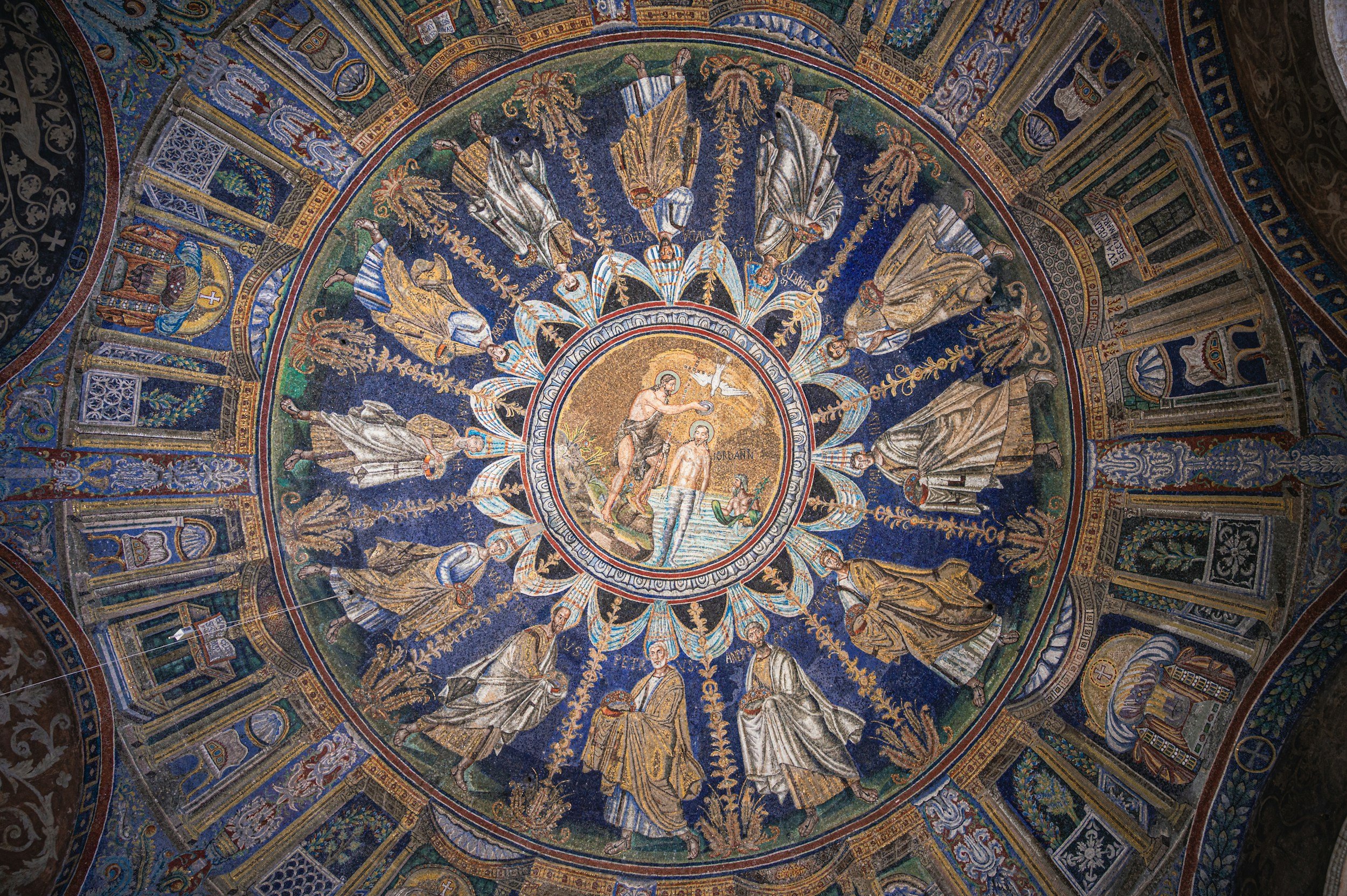
The mosaics also work much better when you spread them across several days instead of trying to force everything into one overloaded afternoon, partly because people often underestimate how visually intense those interiors actually are once you start moving between them properly. They are darker, more detailed, and far more atmospheric in person than they look in photographs, and after a while you naturally slow down anyway. Coffee stops become longer, lunch becomes part of the day instead of a quick pause between sights, and you end up wandering through ordinary residential streets without really heading anywhere specific because the city itself starts becoming part of the experience rather than just the monuments.
That is usually when Ravenna starts making sense properly, not as a city packed with endless attractions or dramatic bucket-list moments, but as a place where a few days feel surprisingly full without becoming exhausting.
A lot of people who enjoy Ravenna end up liking Parma too, especially if you want another Italian city that feels manageable without needing a packed itinerary, and this Parma guide helps you quickly figure out whether the atmosphere fits the kind of weekend you actually want.
Where Ravenna is located and how to get there
Ravenna sits in the eastern part of Emilia-Romagna, fairly close to the Adriatic coast, although the city itself does not feel particularly coastal when you are in the center. A lot of people assume it is either difficult to reach or somehow isolated because it is not on the main high-speed train route through Italy, but getting there is usually much easier than expected once you look at the map properly.
Most people arrive through Bologna, and honestly, that is usually the smoothest option. Bologna Airport is well connected internationally, Bologna Centrale is one of the easiest train stations in Italy to navigate, and from there you can get to Ravenna in around 1 hour 15 minutes to 1 hour 30 minutes depending on the train. The journey itself feels very different from the fast Milan-Florence-Rome routes. Once you leave Bologna behind, everything starts flattening out. Smaller towns, farmland, industrial stretches, long straight tracks through the Po Valley.
The station is close enough to the historic center that most people can just walk to their hotel, which already changes the feeling of the trip a bit compared to cities where you are dragging luggage over bridges, stairs, or endless cobblestones. In Ravenna, you are usually checked in and sitting at a café within half an hour of arriving.
If you are coming from Florence or Venice, the trip is still manageable, but it takes longer than people often expect when they first look at Italy on a map. Venice usually means changing trains in either Ferrara or Bologna, while Florence almost always goes through Bologna first. Ravenna is connected well regionally, just not through the big high-speed network that moves huge numbers of tourists quickly between the major cities.
Which is probably part of why the city still feels relatively calm.
You can absolutely drive here too, especially if you want to continue toward smaller towns, the wetlands near Comacchio, or the Adriatic coast afterward, but inside Ravenna itself a car is mostly unnecessary. The historic center works best on foot anyway, and parts of the city have restricted traffic zones that are easy to accidentally drive into if you are unfamiliar with Italy.
Ravenna works unusually well without a car, and if you are trying to build a larger Italy trip around that idea, these car-free stays are some of the few countryside options that still feel realistic without complicated logistics.
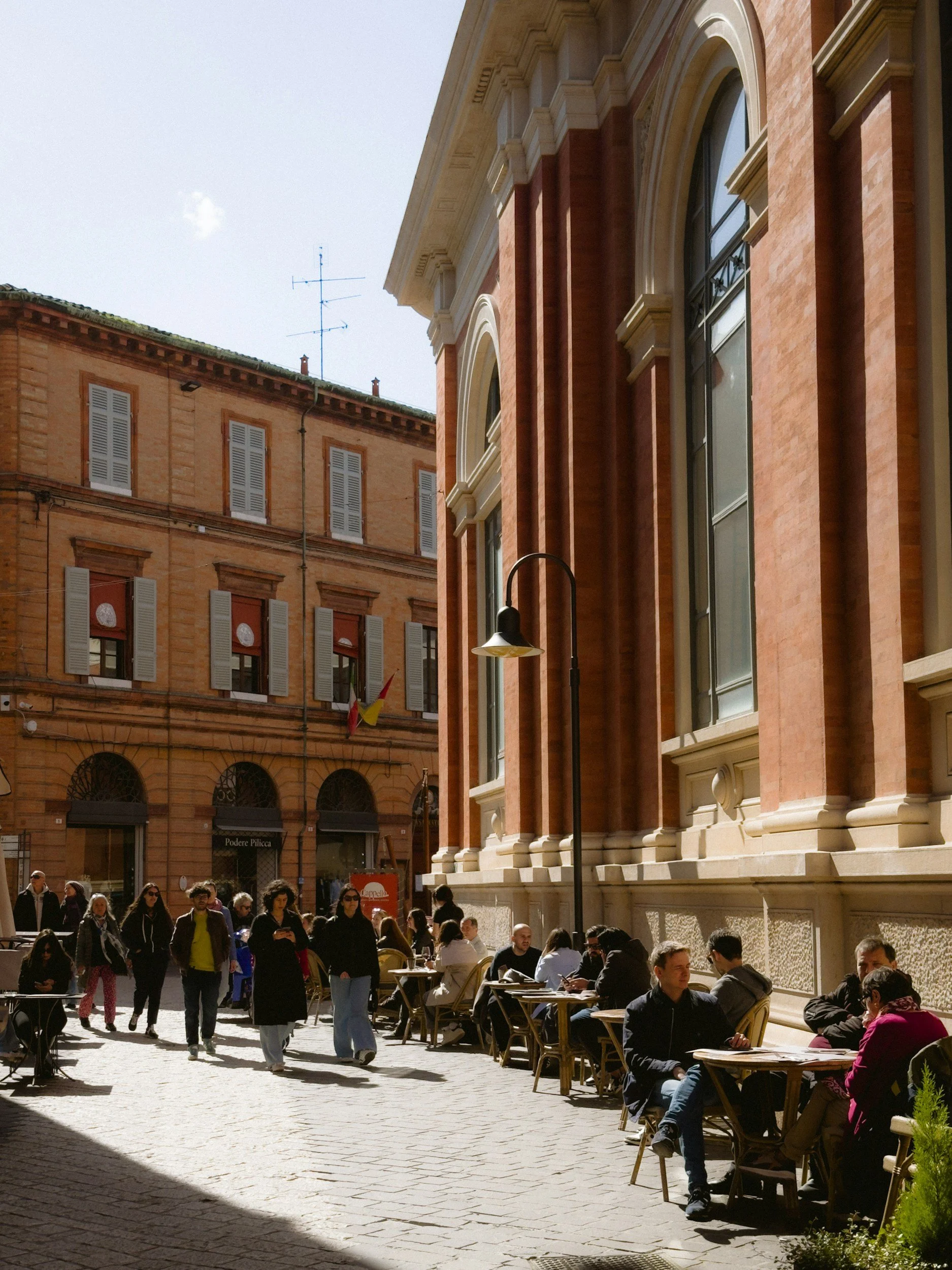
Ravenna is one of the few Italian cities where getting around is easy
The difference starts almost immediately after arriving because Ravenna station is genuinely close to the center, not “close” in the way many Italian cities describe it where you still end up dragging a suitcase uphill over cobblestones for half an hour. You leave the station, cross Viale Farini past pharmacies, apartment blocks, a couple of slightly faded cafés, and within ten or fifteen minutes you are already near Sant’Apollinare Nuovo with the whole city suddenly feeling much smaller and easier than expected.
A lot of weekends in Italy become tiring for reasons that have nothing to do with the place itself. Long walks between neighborhoods that looked connected on Google Maps, crowded streets where moving 300 meters somehow takes twenty minutes, buses that stop running earlier than expected, hotel locations that looked central until you arrived with luggage. Ravenna avoids most of that without making a big deal about it.
The center stays surprisingly manageable even in late spring because the crowds spread out instead of collecting in one overloaded historic core. You can walk out of San Vitale at midday, turn down Via Galla Placidia where tourists thin out almost immediately, pass quiet brick residential buildings with bicycles leaning against the walls, and five minutes later find yourself on a nearly empty street near the Teatro Alighieri wondering where everybody disappeared to.
And because the city is flat, your days stretch in a completely different way here.
You leave the hotel thinking you will quickly stop for coffee before the mosaics open and suddenly it is nearly lunchtime because you ended up lingering at Pasticceria Palumbo watching locals come in for espresso and tiny custard-filled pastries, wandered through Via Diaz toward Mercato Coperto, then got distracted by bookshops and side streets near Dante’s tomb where older residents still sit outside talking in the evenings once the heat drops.
The city feels most alive in these in-between hours rather than at the monuments themselves.
Around late morning, Via Cavour starts filling gradually with cyclists, students, and people stopping for quick lunches, while streets closer to the Basilica di San Francesco stay strangely calm apart from church bells and delivery scooters passing through. Near Piazza del Popolo, aperitivo begins earlier than visitors often expect, especially on Fridays and Saturdays, but two streets away parts of the center already feel almost residential again.
Even the rhythm of meals changes the atmosphere of the day. Ca’ de Ven gets busy quickly in the evenings, particularly around 19:30 when locals come for piadina, cured meats, and Sangiovese before dinner elsewhere, while smaller places around Via Mentana or Via Ponte Marino can feel half-empty until much later. Sunday evenings are particularly quiet here outside summer. Not cozy quiet. Properly quiet! Some bars close early, parts of the center empty out after dinner, and walking back through the streets near the Arian Baptistery around 22:00 can feel almost strangely peaceful for a city with this much history packed into it.
The mosaics themselves also change depending on when you see them. Galla Placidia in softer late afternoon light feels completely different from the crowded middle of the day when groups cycle through quickly with guides holding flags overhead. The Neonian Baptistery catches people off guard because the building outside looks so restrained compared to the ceiling once you step in. And Sant’Apollinare Nuovo, especially earlier in the morning before the streets fully wake up, has a stillness that photographs never really capture properly.
After a couple of days, Ravenna stops feeling like a sightseeing city and starts feeling more like somewhere you temporarily settle into. You begin recognizing the same people at cafés in the morning, noticing which streets stay lively later, which corners empty first after dinner, which route back to the hotel feels nicest at night. The city gives you enough space between things that the weekend never really hardens into an itinerary.
If Ravenna leaves you wanting another quieter northern Italy weekend that still has good food, wine, and walkable streets, this Asolo vs Bassano comparison makes the differences between the two towns much clearer than most guides do.
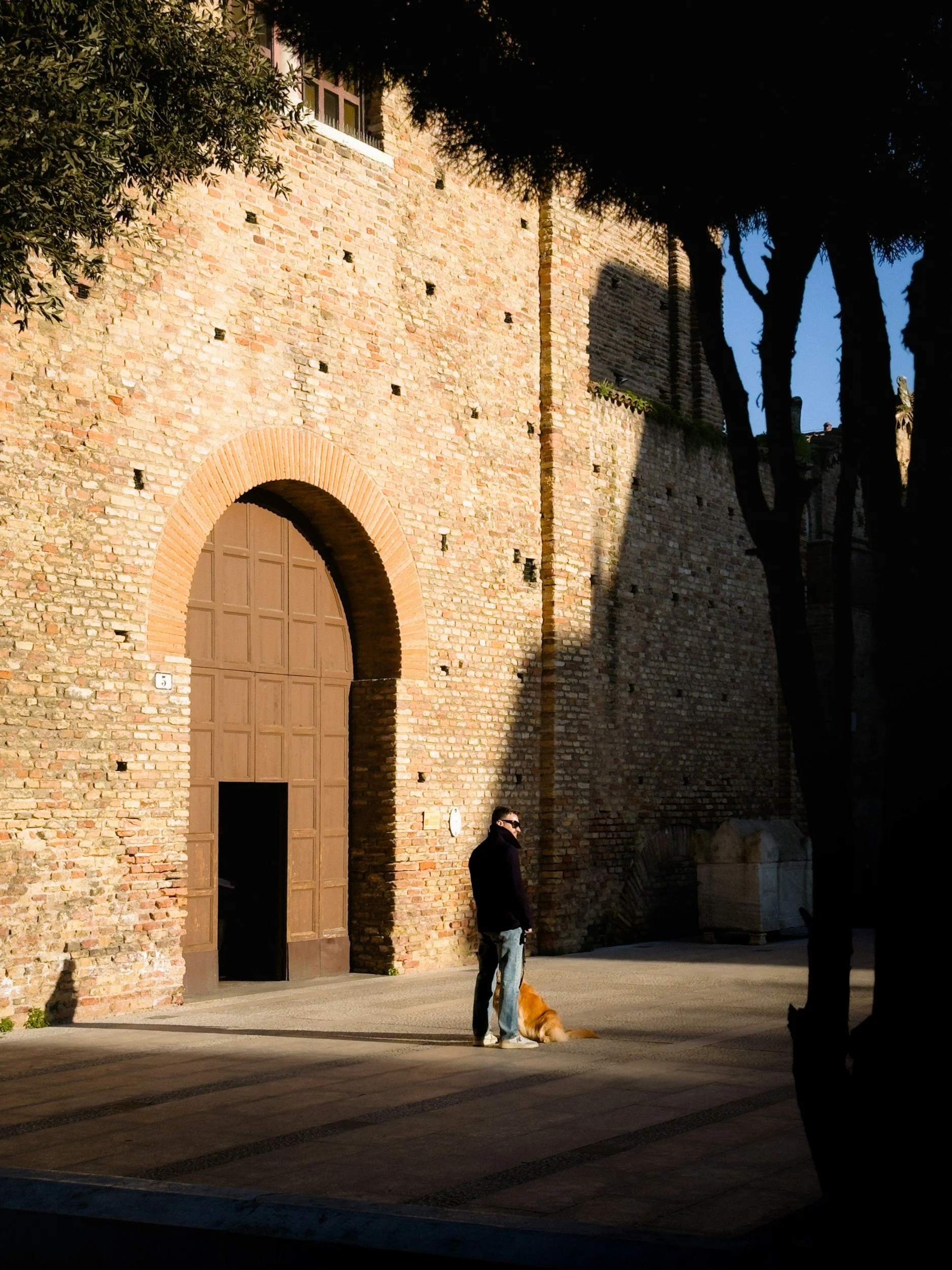
The mosaics are much better when you stop trying to see all of Ravenna in one afternoon
A lot of people arrive in Ravenna with a very organized plan for the mosaics because the city looks small on the map and all the major sites seem close together. Then somewhere around the third church the whole thing starts blurring slightly. Not because the buildings feel the same, but because your eyes get tired in a very specific way here.
The interiors are darker than most people expect before arriving. Gold mosaics everywhere, deep blue ceilings, saints covering entire walls, tiny details packed into corners you barely notice at first unless you stop moving for a minute. By midday you start seeing people drift through the churches faster and faster, taking photos almost automatically without really looking upward anymore because visually it becomes a lot to absorb all at once.
San Vitale usually gets crowded first. Around late morning the Bologna trains arrive, coastal day groups appear, guides start gathering outside the entrance with umbrellas held high above the crowd, and suddenly the little square feels much tighter than it did an hour earlier. People line the brick walls looking for shade while bicycles squeeze past toward Via Galla Placidia. Go back later instead! Especially outside peak summer, and the square quiets down, footsteps echo again inside the church, and the old brick buildings around the basilica start catching warmer light toward evening.
Galla Placidia feels intense at almost any hour because the building is so small. You wait outside in bright sunlight with scooters passing nearby, then step directly into near-darkness under thousands of tiny gold stars. The silence inside always feels slightly abrupt after the noise outside. Even school groups lower their voices without really thinking about it.
The Neonian Baptistery works differently. From the outside it barely prepares you for anything at all... You walk through fairly ordinary streets near the Archbishop’s Museum, climb slightly upward, and then suddenly the entire dome opens above you in blue and gold mosaics that feel much larger than the room itself. Around mid-afternoon it often becomes quieter there because most visitors have drifted toward lunch around Piazza del Popolo or Mercato Coperto by then.
And after a while the spaces between the churches start becoming just as memorable as the interiors themselves.
You leave one mosaic site and wander down Via Argentario without any real plan, maybe stopping outside Pasticceria Ferrari because the tables are finally free, maybe ending up near Piazza San Francesco where people sit along the stone walls eating gelato while the flooded crypt beneath the church reflects light through the water below. Around lunchtime Mercato Coperto fills with office workers, students, and locals grabbing quick plates of pasta or glasses of wine, while a few streets away the quieter lanes behind Basilica di San Francesco can feel almost empty apart from delivery scooters and older residents cycling home with grocery bags hanging from the handlebars.
Some parts of Ravenna feel especially good late in the day once the heat drops slightly and the light changes against the brick buildings. Via Ponte Marino around sunset. The quieter stretch behind Teatro Alighieri where shutters stay half-open and restaurant kitchens start warming up for dinner service. The small lanes between Via Diaz and Via Mentana where you mostly hear cutlery, conversation drifting from open windows, and bicycle wheels over the pavement.
And then around 17:00 or 18:00, the queue outside Galla Placidia starts thinning out, souvenir shops begin closing one by one, and parts of the center slowly fall back into ordinary daily life. Near Piazza del Popolo people gather outside bars for aperitivo, but only a few streets away things become unexpectedly quiet. Around Dante’s tomb later in the evening, especially outside July and August, you can walk several blocks hearing almost nothing apart from church bells, bicycles, and chairs scraping against stone outside restaurants preparing to close.
Even the churches carry different moods depending on the hour. Sant’Apollinare Nuovo early in the morning feels long, pale, and almost severe before Via di Roma fully wakes up outside. Basilica di San Francesco feels completely different after dark when the square empties and the flooded crypt glows softly beneath the floorboards.
By the second or third day, the mosaics stop feeling like separate attractions you move between and start blending into the rhythm of the city itself. Coffee before one church, and a long lunch that accidentally turns into two hours. Wandering through residential streets without really heading anywhere before stepping into another dark interior covered in blue and gold again.
Ravenna feels far better once the summer heat drops away a little
In July and August, the middle of the day can feel strangely draining here, even when the actual temperature does not look extreme compared to southern Italy. The humidity hangs over the city in this heavy, unmoving way, especially around the older brick streets where there is very little breeze moving through the center. By around 13:30, parts of Ravenna start emptying out almost instinctively. Shutters close halfway, waiters disappear indoors for a while, and even short walks between churches suddenly feel much longer than they looked on the map earlier that morning.
The city behaves completely differently in May or September!
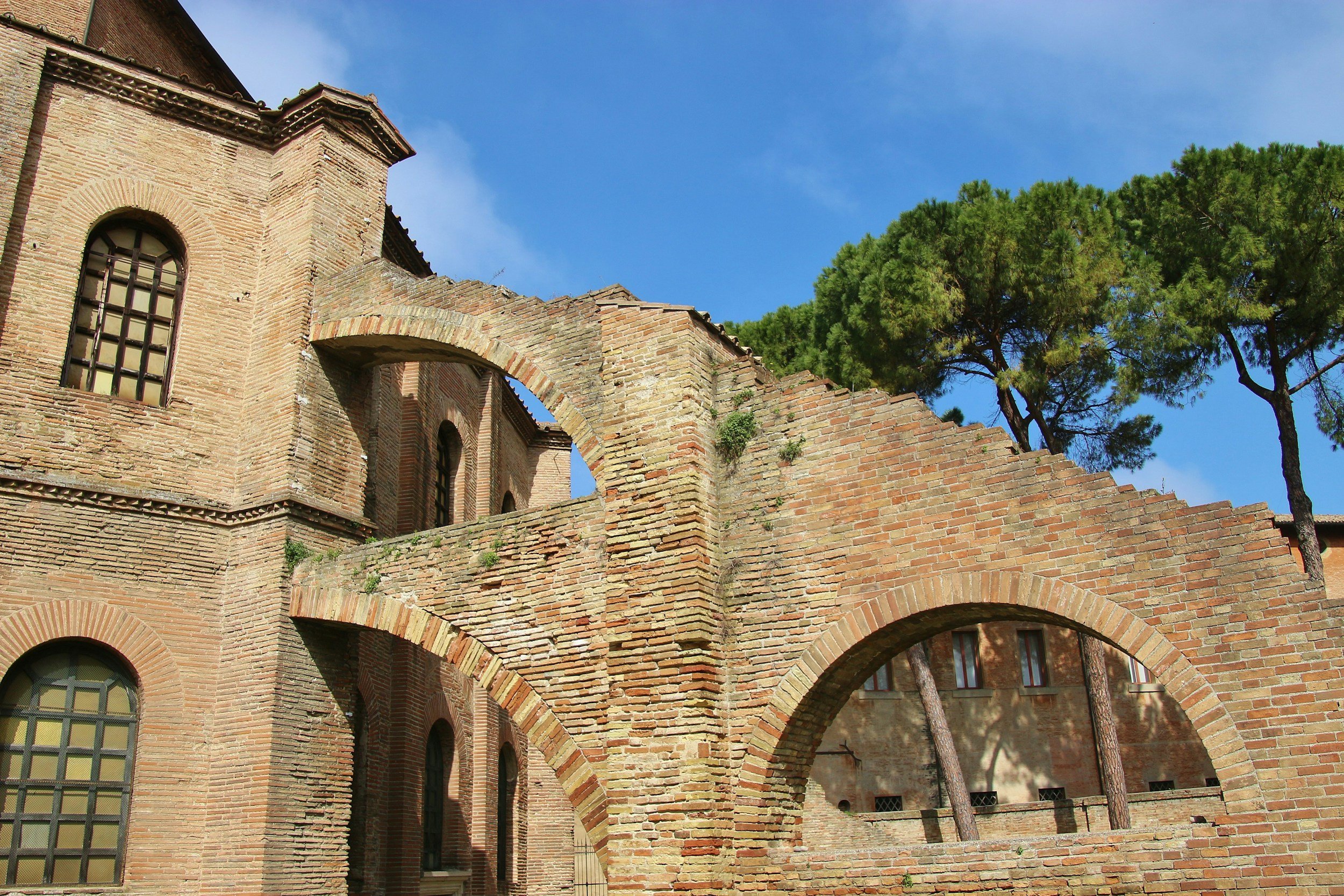
You notice it straight away around breakfast time because people are actually outside again. Tables fill gradually near Piazza del Popolo instead of everybody hiding indoors until evening, cyclists cut through the center constantly, and the mornings stretch naturally instead of turning into a race against heat by lunchtime. Ravenna also has this very particular soft light in late spring that works beautifully with the brick architecture, especially in the quieter lanes around Via Pasolini, Via Salara, and the small streets behind the Baptistery where old terracotta walls start glowing properly toward evening.
And unlike larger Italian cities, Ravenna does not really need constant activity around it to feel good.
Some of the nicest parts of the day happen when almost nothing is going on. Sitting outside Fargo on Via Giuseppe Pasolini in late afternoon watching locals drift through the center after work. Wandering into Libreria Longo near Via Diaz while the heat fades outside. Taking the longer route toward Porta Adriana instead of staying near the UNESCO sites because the residential streets out there feel calmer and more local once the day visitors leave.
September probably gives the city its best balance overall. The beach traffic along the Adriatic starts fading after Ferragosto, but restaurants and bars still spill outside in the evenings, and Ravenna settles back into itself a little. Around aperitivo time, people gather outside places like Mercato Coperto or the smaller wine bars near Via Mentana, while other streets stay almost strangely quiet only a block away.
There are also these tiny seasonal details you only really notice after a few days.
In late summer, the pine smell drifting in from the coastal side of the region becomes stronger in the evenings, especially after rain. Around sunset, the warm light catches the brick walls near Basilica di San Giovanni Evangelista in a way that makes even ordinary side streets look cinematic for twenty minutes before everything turns muted again. Some cafés near Piazza Kennedy suddenly fill all at once around 19:00, then empty surprisingly early compared to bigger cities further north.
October feels completely different again. Wetter, quieter, softer around the edges.
Early mornings near Classe can become foggy enough that the basilica almost disappears into the landscape for a while, and inside Ravenna itself the city starts leaning more local than touristic very quickly once autumn arrives properly. Small things become more noticeable then. Bookshop windows lit up early because daylight fades fast. The smell of coffee and pastries drifting out from Pasticceria Palumbo on colder mornings. People lingering longer inside wine bars because the evenings cool down enough for jackets again.
Winter here is not for people looking for busy Italian street life every night… Some evenings become almost silent after dinner, particularly Sundays outside December. Around Via Cairoli and the smaller lanes behind Piazza del Popolo, chairs start stacking outside restaurants surprisingly early and entire stretches of the center can feel almost empty by 21:00. If you arrive expecting Florence-level energy, the city might initially feel too subdued.
And because Ravenna is relatively small, weather changes the emotional feel of the whole city unusually quickly. A sunny evening in May makes Piazza del Popolo feel lively and social. Rain in November turns the same streets quiet and reflective within an hour. Few Italian cities shift mood this noticeably between seasons.
A lot of Ravenna visitors continue west afterward toward wine country, and these Piedmont stays are especially useful if you care more about atmosphere and scenery than formal wine tourism.
Ravenna’s food scene makes much more sense once you stop expecting Bologna
A lot of people arrive expecting the kind of Emilia-Romagna food culture that immediately throws itself at you in Bologna, where entire streets seem built around fresh pasta shops, packed wine bars, loud aperitivo scenes, and restaurants with queues outside before lunch has even started properly. Ravenna feels quieter than that from the beginning, and honestly, the first evening can almost feel underwhelming if you arrive expecting dramatic food experiences on every corner.
The city hides its good places much more than people expect.
You walk past plain brick buildings without realizing there is a crowded dining room inside, or you end up eating somewhere too central on the first night because the smaller streets around Via Mentana, Via Cairoli, or the lanes near Porta Adriana do not immediately look like restaurant areas until you spend more time wandering around the city properly.
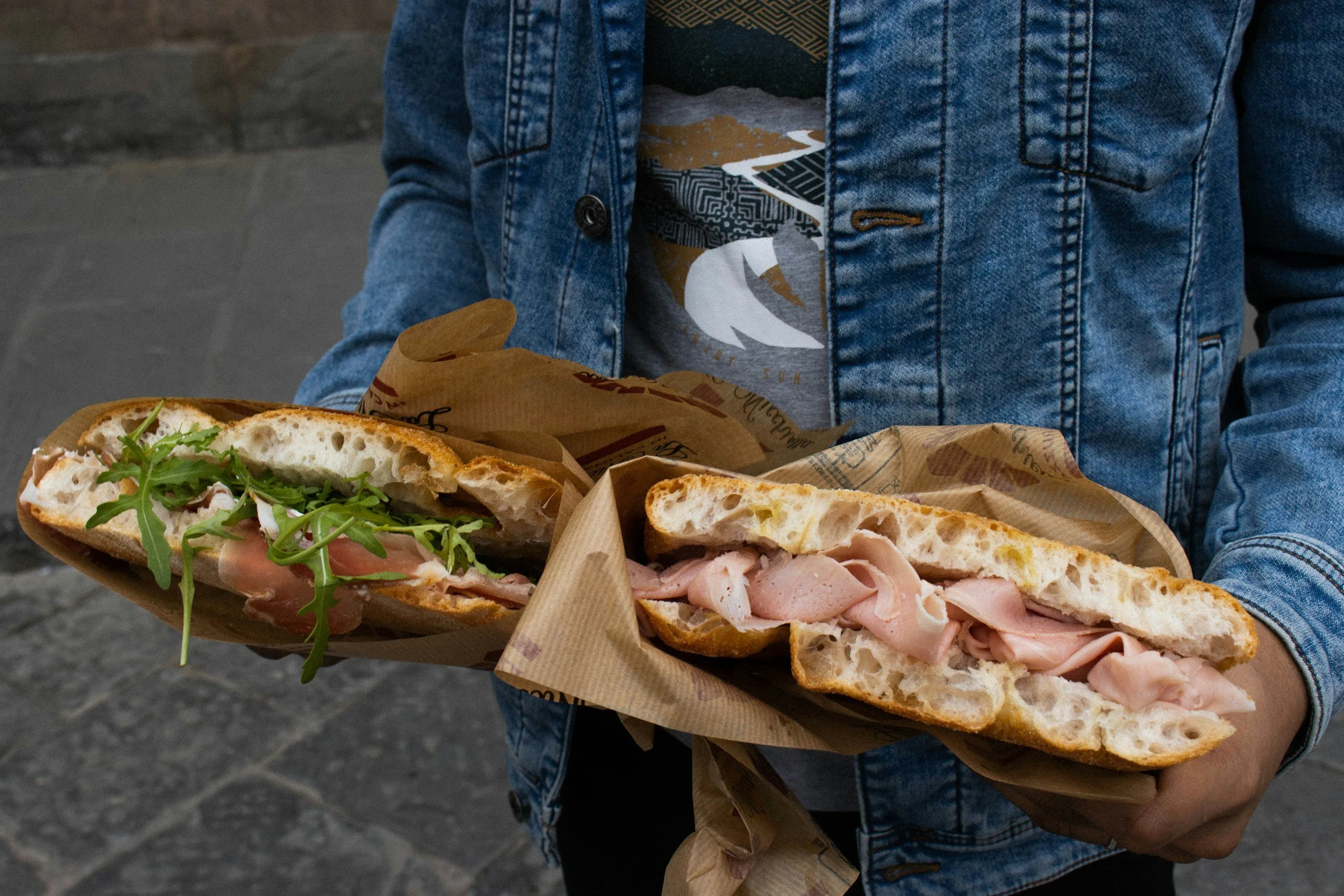
And the food itself leans more toward the Adriatic than people often realize before arriving. Seafood appears constantly once you start paying attention to menus. Tiny clams, grilled squid, anchovies, sardines, eel in colder months, lighter sauces, simpler plates. Even the piadina feels slightly different here compared to other parts of Romagna. Softer, sometimes thicker, usually less overloaded with fillings.
At Osteria del Tempo Perso, which sits tucked away near Via Gamba, the seafood pasta tends to be far more interesting than the heavier meat dishes people instinctively order in Emilia-Romagna. The restaurant itself feels busy in this slightly chaotic, lived-in way that suits Ravenna well, mosaic-covered walls, handwritten menus, tables squeezed close together so conversations blur into each other once the place fills up. By around 20:00 on weekends, the street outside is usually crowded with people waiting for tables because the center is smaller than visitors expect and the genuinely good places book out quickly.
Ca’ de Ven gets mentioned everywhere now, but it is still worth going because locals genuinely use it too, especially earlier in the evening. The vaulted brick rooms inside feel very Ravenna, and it works at almost any hour of the day depending on what you want. A quick piadina and wine in the afternoon, cappelletti later in the evening when the weather cools down, or simply sitting there too long over Sangiovese while the streets outside start emptying after dinner.
In summer, the center stays too warm until fairly late, so dinner drifts later too. Streets that looked completely empty at 18:30 suddenly fill around 21:00 once the heat finally drops. In autumn and winter the opposite happens. People eat earlier, restaurants quiet down faster, and by 22:00 parts of the city near Via Salara or behind Basilica dello Spirito Santo can already feel almost residential again apart from bicycles crossing the streets and the occasional wine bar still open.
Breakfast is slower here than many visitors expect too, especially if you are used to bigger Italian cities where cafés feel fully awake early in the morning. Before around 08:00, much of Ravenna still feels half asleep outside the station area. Pasticceria Palumbo near Piazza Kennedy fills first with locals grabbing espresso quickly at the counter before work, while cafés around Piazza del Popolo take longer to wake up properly, particularly on Sundays when the city can feel unusually quiet until almost mid-morning.
Some of the nicest places are not really restaurants at all. Fargo near Via Pasolini works well late in the afternoon when people spill outside with drinks after work, and Fresco along Via IV Novembre is good for smaller plates and wine when you do not want a full formal dinner. Near Mercato Coperto, you also find tiny independent food shops, wine counters, and bakeries that feel far more local, especially during lunchtime when office workers crowd the market while visitors mostly stay near the UNESCO sites.
By the second or third morning you start returning to the same café automatically, recognizing waiters, taking the same route back through Via Ponte Marino after dinner, stopping at the same wine bar before heading back to the hotel. The city is small enough that those little habits settle in very quickly.
If Bologna feels slightly too intense for a full long weekend but you still care a lot about food, this Bologna food guide breaks down which parts of the city still work well when you want slower mornings and longer lunches instead of rushing between restaurants.
Menus around Ravenna change more than people expect depending on the season and the coast, and this Italian food seasons guide makes it much easier to know what is actually regional and worth ordering when you travel through different parts of Italy.
Adding the Adriatic coast changes the whole weekend
After two or three days in Ravenna, there is a good chance you will start wanting a break from the dark church interiors and brick streets for an afternoon, and that is where the coast comes in naturally because you can leave the center after lunch and be by the sea quickly without turning the entire trip into a beach holiday.
And the coastline here is probably not what most international visitors picture when they think about Italy.
This stretch of the Adriatic is flat and practical rather than dramatic. Long sandy beaches, rows of umbrella pines, beach bars built directly into the dunes, campsites hidden behind trees, old family-run stabilimenti that have clearly looked almost the same for decades. Some parts feel slightly faded in a way that actually suits the area quite well.
Marina di Ravenna is the easiest place to reach from the city and where most locals from Ravenna head once the weather gets warm enough. In summer, the bus from near Ravenna station fills with teenagers carrying towels, older couples going for seafood lunches, and groups heading out for beach aperitivo later in the evening. The journey itself passes through fairly ordinary industrial and residential areas first, which makes arriving at the sea feel strangely abrupt because suddenly the road opens into pine trees, bicycles everywhere, beach kiosks, and rows of restaurants near the marina.
The best time to go is usually later in the afternoon once the strongest heat starts dropping.
Around 18:00 the whole atmosphere changes there. People start showering off sand near the beach entrances, restaurants drag tables outside, cyclists move slowly along Viale delle Nazioni, and bars around the harbor begin filling for aperitivo. It feels much younger than Ravenna itself during summer, especially on weekends when people stay by the water late into the night.
For seafood, locals often head toward places that look almost too simple from outside. At La Piadina del Melarancio, people stop for quick piadina stuffed with grilled vegetables or squacquerone before heading back to the beach, while restaurants around the marina area focus heavily on Adriatic seafood. Spaghetti alle vongole, grilled cuttlefish, sardines, tiny fried fish served with lemon and cold white wine. The menus become noticeably lighter than what you find further inland in Emilia-Romagna.
Punta Marina feels quieter and slightly older overall, with more apartment buildings, smaller cafés, and long stretches where people mostly walk along the beach in the evenings rather than treating it like a nightlife destination. During September especially, it becomes very calm there once Italian holiday season ends. Some beach clubs stay open, but whole sections of the coastline start emptying out again apart from locals cycling or older residents sitting outside bars drinking espresso late in the afternoon.
And then there is the whole area around Pineta di Classe, which honestly changes the trip more than the beaches themselves sometimes.
A lot of visitors never go there because they focus only on the mosaic sites and the city center, but the pine forests south of Ravenna are one of the nicest parts of the region if you need a slower day. Long cycling paths cut through the trees for kilometers, the terrain stays completely flat, and the scenery becomes very quiet very quickly once you move away from the main roads. You pass canals, wetlands, abandoned-looking watchtowers, little wooden bridges, bird reserves near Pialassa Baiona, and stretches where the only sound is bicycles moving over gravel paths and wind through the pines.
Near Classe, the landscape starts feeling almost strangely open because the sky is enormous out there compared to the narrow streets inside Ravenna. Basilica di Sant’Apollinare in Classe also sits out there almost by itself, surrounded by flat land and pine trees, which gives it a completely different atmosphere from the churches inside the city center. Early evening is best there, especially when the buses leave and the whole area becomes quiet again.
And that contrast is probably why adding the coast works so well during a longer Ravenna weekend. You spend part of the trip inside dark Byzantine interiors, then suddenly you are eating grilled fish near the Adriatic or cycling through pine forests where almost nothing happens for hours.
If you are drawn to the quieter side of Italian cities rather than the busiest months, this Matera escape pairs surprisingly well with Ravenna’s mood outside peak season.
People who enjoy Ravenna’s calmer mornings often end up liking central Italy’s smaller hill regions too, and this Sabina Hills guide is especially good if you are heading south afterward and want somewhere far quieter than Tuscany.
Ravenna works far better with smaller Emilia-Romagna towns nearby
Trying to combine Ravenna with Florence or Venice during the same long weekend usually changes the entire feeling of the trip because those cities immediately pull you back into crowds, queues, packed stations, restaurant reservations, and long exhausting days where you constantly feel slightly behind. Ravenna works best once the days stop feeling structured like that, which is probably why the smaller towns around Emilia-Romagna fit so naturally beside it.
If you are debating whether to stay inside Florence or somewhere quieter nearby before heading toward Emilia-Romagna, this Florence stay guide saves a lot of back-and-forth research very quickly.
Faenza is probably the easiest addition because the train ride is short enough that you barely think about it. You leave Ravenna after breakfast, sit on a regional train for a while watching flat farmland and industrial edges pass outside the window, and then suddenly you are walking beneath the arcades toward Piazza del Popolo with locals cycling past carrying flowers, groceries, bread, ordinary weekday things that immediately make the town feel lived-in rather than staged around tourism.
And Faenza really does feel built around ceramics in a much more natural way than people expect beforehand. Not souvenir shops everywhere, not curated “artisan districts,” but actual workshops woven through ordinary streets where shelves of unfinished bowls sit beside open doorways and old signs still hang above family-run studios along Via Torricelli and the smaller lanes near Corso Mazzini. Some afternoons those streets become so quiet that you mostly hear someone sanding pottery somewhere inside a workshop or cups clattering beneath the arcades near Piazza della Libertà while people sit drinking coffee long after lunch should technically be over.
The International Museum of Ceramics is also the kind of place people regularly underestimate because from outside it does not prepare you at all for how large and absorbing the building actually is. You move slowly through room after room without realizing how much time has passed, and around lunchtime the upper floors often become almost completely empty apart from the occasional student sketching in the galleries or somebody sheltering from rain outside.
Lunch in Faenza tends to stretch naturally too because nobody seems especially interested in rushing anything there. Osteria della Sghisa fills gradually throughout the afternoon with locals ordering wine and pasta long after standard lunch hours would normally end elsewhere, while cafés around Piazza del Popolo stay busy with people drifting between bookstores, bakeries, errands, and aperitivo without any obvious rhythm to the day beyond whatever the weather happens to be doing.
Ferrara changes the atmosphere completely again because the city feels much wider and more spacious than Ravenna from the moment you arrive. The streets open out beneath rows of trees, bicycles dominate almost everything, and large parts of the center feel strangely calm considering how historically important the city actually is. Corso Ercole I d’Este especially has this openness that feels unusual in Italy because the Renaissance palaces sit spaced far enough apart that the street almost feels residential in places despite how grand the architecture is.
Later in the evening Ferrara becomes particularly good for wandering without much direction. Around Via delle Volte, the old brick alleyways darken beneath the arches while restaurant lights begin glowing against the walls and people drift slowly between wine bars before dinner. Some of the nicest details there are not even the famous buildings themselves but the smaller things you start noticing after a few hours: old grocery shops tucked beneath medieval archways, bicycle repair stores somehow still surviving in the middle of the center, students sitting along the city walls eating takeaway pizza while the light fades, bookshops like Libreria Libraccio staying busy during rainy evenings while the streets outside slowly empty.
And then there is Comacchio, which feels almost disconnected from the rest of Emilia-Romagna altogether once you start driving north because the landscape slowly flattens into wetlands, fishing lagoons, canals, reeds, and enormous skies that look nothing like the version of northern Italy most people picture before arriving. The roads stretch through water and marshland for long sections at a time until Ravenna’s brick streets start feeling very far away.
The town itself feels rougher around the edges than Ravenna and much quieter outside summer weekends. Around Trepponti Bridge there are usually visitors taking photographs near the canals, but once you move a few streets further back the atmosphere changes quickly into ordinary residential lanes where faded buildings lean over the water, laundry hangs between windows above tiny bridges, and older locals sit outside bars drinking espresso while bicycles move slowly across the canals.
Weather changes Comacchio more than almost anywhere else in the region too. In warm evening light the canals turn soft pink and seafood restaurants begin filling gradually toward dinner, but during fog or rain, especially in autumn, the whole town can feel almost completely silent for hours apart from fishermen moving near the lagoons and the occasional sound of boats somewhere out on the water.
The food shifts heavily toward the sea there as well. Grilled eel, anchovies, clam pasta, little fried seafood plates, soft-shell crab when it is in season. Osteria del Delta works particularly well for long seafood lunches because nobody seems interested in turning tables quickly, especially during weekdays when locals stay lingering over wine halfway through the afternoon while rain moves across the wetlands outside.
And the wetlands themselves are probably one of the strangest landscapes in northern Italy once you actually spend time driving through them properly. Around Valli di Comacchio there are enormous stretches where you barely pass another car for twenty minutes, flamingos standing in shallow water beside abandoned-looking fishing huts, narrow roads disappearing into reeds for kilometers at a time, and skies so huge that the scale of the whole trip suddenly changes after days spent inside Ravenna’s enclosed historic center.
Transport is usually the part people misjudge around here because Emilia-Romagna’s main train routes work so smoothly that everything else looks simpler on the map than it actually feels once you are moving around. Faenza and Ferrara are easy enough by train, but Comacchio gets awkward fairly quickly without a car, especially outside summer when buses become infrequent and connections stop lining up properly. Inside Ravenna itself though, having a car mostly just becomes irritating after the first day or two because the city works much better once you stop thinking about transport altogether and simply move through it slowly on foot.
Where you stay changes the whole feel of your weekend in Ravenna
If you stay somewhere around Piazza del Popolo or near Via Cavour on your first trip to Ravenna, the city usually clicks much faster because you walk outside in the evening and immediately land in the part of town where people are actually still out doing things. Someone stopping for wine before dinner, groups sitting outside bars near Via IV Novembre, people wandering slowly home through the center once the heat drops a bit.
And Ravenna changes a lot depending on which side of the center you stay in.
Around Via Ponte Marino and the smaller lanes near Teatro Alighieri, the evenings stay alive longer without ever becoming loud or chaotic. You can stop for a drink at Moog Slow Bar or Fargo, wander toward dinner afterward, then keep walking through the center for an hour without really needing a plan because there are enough cafés, wine bars, bookstores, and people outside that the city still feels awake.
If you book somewhere closer to San Vitale or the quieter eastern side of the historic center though, the atmosphere shifts pretty quickly after dinner, especially during autumn and winter. Around Via Galla Placidia or Via Cura, you can walk outside at 21:30 and suddenly the streets are almost empty apart from bicycles crossing the pavement and the occasional restaurant kitchen closing down for the night.
Some people absolutely love that version of Ravenna because it feels calm in a way bigger Italian cities rarely do anymore. Other people arrive expecting the same late-night energy they had in Bologna or Florence and get slightly caught off guard the first evening.
And the buildings themselves affect the stay more than the photos usually suggest because a lot of the accommodation inside Ravenna sits inside old converted buildings rather than high-end international hotels. So you end up with beautiful ceilings, amazing locations, brick walls, old staircases, tiny courtyards, but also things like awkward layouts, no elevator, thinner walls, or windows directly above restaurant streets where you hear chairs scraping outside late into the evening.
Checking the exact location matters much more here than whether somewhere has fancy interiors or rooftop photos because some hotels advertise themselves as “central” while actually sitting closer to Viale Farini near the station where everything feels much more modern and practical. That area works completely fine if you are arriving late or leaving early, but it feels very different from waking up inside the older streets near Piazza del Popolo where cafés slowly open beneath the arcades and locals cycle through the center carrying bread home in the mornings.
Apartments usually work especially well in Ravenna because after a day or two the city naturally pulls you into slower routines anyway. You stop trying to optimize every hour. You grab pastries from Pasticceria Palumbo in the morning, bring them back to the apartment with coffee, head out for a few hours, then return briefly in the late afternoon before dinner once the streets quiet down and the light starts softening against the brick buildings again.
There are also loads of smaller places around the center that only really start standing out once you stop moving through the city like a checklist. Tiny ceramic shops near Via Corrado Ricci connected to workshops in Faenza, old stationery stores, little galleries tucked into side streets, bookstores where people linger for ages during rainy afternoons instead of sightseeing.
And Ravenna is not really a rooftop-view city. The nicest views happen much lower down. Looking along Via Cavour early in the morning before the cafés fill up properly, sitting beneath the arcades around Piazza del Popolo late at night while the center slowly empties, or standing upstairs inside Mercato Coperto watching church towers rise above the brick rooftops while people drift through the market below.
Small places to add into the day once you stop trying to see everything
By the second day in Ravenna, there is a good chance you stop caring quite so much about “covering” the city properly because the places that stay with you are often the smaller parts of the day anyway. A coffee that turns into an hour, and a quiet street you keep walking down for no real reason. A bookstore you end up returning to because it is raining outside and the city suddenly feels slower.
The mornings around Piazza Kennedy and Via Diaz usually wake up earlier than the streets closer to the mosaics, which is why places like Pasticceria Palumbo feel very different at 07:30 compared to mid-morning once visitors finally start appearing around the center. Locals stop briefly at the counter for espresso before work, pastry trays empty quickly, somebody is always carrying boxes through the doorway, and if you arrive too late some of the smaller pastries are already gone.
A lot of the cafés nearer Piazza del Popolo take much longer to properly come alive, especially Sundays outside summer when parts of Ravenna stay surprisingly quiet until almost 10:00. You notice it walking through the center early because half the shutters are still down, chairs remain stacked outside restaurants, and the only real movement comes from bicycles cutting through empty streets toward the market.
And the city becomes much nicer once you stop staying only on the obvious routes between San Vitale and Piazza del Popolo.
Around Via Corrado Ricci and the smaller streets leading toward Teatro Alighieri, there are little ceramic shops tied to workshops in Faenza, old stationery stores, independent clothing boutiques, galleries that barely announce themselves from outside, and bookshops where people actually spend time rather than quickly browsing before moving on somewhere else.
Libreria Dante near Via Diaz is one of those places that suits Ravenna very well because it feels quiet without trying to manufacture atmosphere. People drift in slowly during the afternoon, especially when the weather turns bad, and the whole place has the slightly worn comfortable feeling that a lot of independent bookstores in larger cities have already lost.
MAR, the Ravenna Art Museum, also works well on the kind of afternoon where you no longer feel like staring upward at mosaics for another three hours. The exhibitions rotate constantly so it depends what is on, but the building itself changes the pace of the day because the streets around it feel more residential and local again almost immediately once you leave the busiest parts of the center behind.
Some of the nicest streets are not the ones people photograph most either.
Via Ponte Marino is particularly good later in the evening when the restaurants begin filling and the warm brick buildings start picking up softer light before dark. Around Piazza San Francesco after dinner, the atmosphere changes completely once most visitors disappear and the flooded crypt beneath the basilica glows faintly through the windows while people sit quietly around the square finishing wine or gelato.
And there are certain routes through Ravenna you end up repeating without really planning to because they simply feel good to walk at certain times of day. The smaller lanes behind Via Cavour early in the morning before cafés fully open. The stretch between Mercato Coperto and Via Mentana around aperitivo time when people start drifting outside after work. The quieter residential streets near Porta Adriana where laundry hangs across narrow alleys and almost nobody seems to be sightseeing anymore.
Mercato Coperto is also worth keeping in mind when the weather turns bad or you need a slower afternoon because the upstairs level feels calmer than the ground floor and you can easily lose time there over wine, coffee, or small plates while watching the center move below through the windows. The rooftop terrace is not dramatic in the classic Italian rooftop sense, but you do get one of the few slightly elevated views across Ravenna where church towers rise above flat brick rooftops and pine trees in the distance.
If you are planning an autumn Italy trip after reading this, these wine villages fit surprisingly well into the same kind of slower itinerary as Ravenna.
And if the market side of Emilia-Romagna and smaller Italian towns appeals to you more than major cities now, these summer market towns are some of the easiest places to continue toward without the trip suddenly becoming exhausting again.
FAQ: Long weekend in Ravenna
Is Ravenna worth visiting for more than a day?
Yes, and the city usually makes far more sense once you stay at least two or three nights instead of visiting on a rushed day trip from Bologna or Venice. Most people who only spend a few hours there end up seeing the mosaics during the busiest part of the day, eating lunch near the main tourist routes, then leaving before Ravenna actually settles into itself properly later in the afternoon.
The atmosphere changes noticeably once the day-trippers leave. Around Via Cavour, Piazza del Popolo, and the smaller lanes near Via Diaz, evenings start feeling calmer and much more local again, especially outside peak summer weekends.
Is Ravenna too quiet at night?
Sometimes, yes, depending on what you are expecting beforehand.
If you arrive expecting the same late-night energy as Florence, Bologna, or Rome, Ravenna can feel surprisingly subdued after dinner, especially midweek outside summer. Around 21:30, parts of the historic center near San Vitale and Via Galla Placidia are already very quiet apart from bicycles crossing the streets and restaurant staff closing up for the evening.
The area around Piazza del Popolo, Via Cavour, and Via IV Novembre usually keeps more movement later into the evening with wine bars, aperitivo spots, and restaurants staying active longer.
Is Ravenna better than Bologna for a long weekend?
They work very differently.
Bologna is larger, louder, more food-focused, and far more intense socially from morning until late evening. Ravenna feels calmer and easier to settle into because the city is smaller, flatter, and much less dominated by tourism throughout the day.
A lot of people end up preferring Ravenna when they want a long weekend that actually feels manageable instead of constantly overstimulating.
How many days do you need in Ravenna?
Three nights works particularly well because it gives you enough time to spread the mosaic sites across multiple days instead of trying to see everything in one afternoon. It also leaves room for slower mornings, longer lunches, bookstores, cafés, the Adriatic coast, or smaller towns like Faenza and Comacchio nearby.
Ravenna becomes much more enjoyable once you stop treating it like a checklist city.
Does Ravenna feel touristy?
Much less than most well-known Italian city breaks.
The mosaic sites obviously attract visitors during the middle of the day, especially Basilica di San Vitale and the Mausoleo di Galla Placidia, but large parts of the city still feel very rooted in everyday life outside those areas. You notice it in the mornings especially, when people cycle through the center carrying groceries or stop briefly for coffee before work while many of the tourist-focused streets are still half asleep.
Which area is best to stay in Ravenna?
For a first visit, staying near Piazza del Popolo, Via Cavour, Via Diaz, or Via IV Novembre usually works best because you stay close to restaurants, cafés, wine bars, bookstores, and the parts of the center that still feel active later in the evening.
Areas closer to San Vitale become much quieter at night, particularly outside summer.
Hotels near the station work fine for convenience, but the atmosphere there feels much more modern and functional compared to staying inside the older brick streets around the historic core.
Can you visit Ravenna without a car?
Very easily.
The train station sits within walking distance of the historic center, the city itself is flat and compact, and most visitors end up walking almost everywhere once they arrive. Regional trains connect well with Bologna, Ferrara, Rimini, and Faenza, while buses run toward the Adriatic coast during most of the year.
A car only really becomes useful once you start exploring the lagoon areas near Comacchio or smaller countryside areas where public transport becomes slower and less frequent.
Is Ravenna a good Italy destination for solo travelers?
Yes, particularly if you enjoy quieter travel days and places that do not require constant planning.
The center feels safe and manageable, restaurants are generally comfortable for solo dining, and after a day or two you naturally start recognizing streets, cafés, and routines because the city is small enough that repetition settles in quickly.
Places like Moog Slow Bar, Mercato Coperto, Libreria Dante, and the cafés around Piazza Kennedy work especially well when traveling alone because people genuinely linger there instead of rushing through.
Which cafés are actually worth going to in Ravenna?
Pasticceria Palumbo near Piazza Kennedy is one of the best early-morning stops because locals genuinely use it before work and the pastries often sell out earlier than people expect. Around Piazza del Popolo, cafés tend to wake up more slowly, especially Sundays outside summer when much of the city stays quiet until mid-morning.
Moog Slow Bar works particularly well later in the afternoon around aperitivo time, while smaller cafés around Via Diaz and Via IV Novembre tend to feel more local than the places directly beside the major mosaic routes.
Is Ravenna good in winter?
Very.
Winter changes the atmosphere of the city completely because the crowds thin dramatically, hotel prices soften, and the mosaics feel much more atmospheric in colder weather and fog. Some mornings the streets around Basilica di San Francesco become almost silent apart from bicycles and church bells, while fog occasionally hangs low enough around the brick buildings that the whole center feels muted and slower.
The trade-off is that evenings become very quiet outside December, especially Sundays when restaurants close earlier than many visitors expect.
Which mosaic sites are actually worth prioritizing?
San Vitale and the Mausoleo di Galla Placidia are the obvious priorities, but the Neonian Baptistery is often the one people remember most afterward because the interior feels much more intimate and compact than the larger basilicas.
Sant’Apollinare Nuovo works especially well earlier in the day when the light enters the basilica differently, while Sant’Apollinare in Classe feels completely different from the city churches because of its isolated setting outside Ravenna near the pine forests and flat countryside.
Trying to see all the mosaic sites in one afternoon usually becomes visually exhausting surprisingly quickly.
Can you combine Ravenna with the Adriatic coast without a car?
Yes, quite easily during most of the year.
Local buses run from Ravenna toward Marina di Ravenna and Punta Marina, and the journey is short enough that you can spend half a day by the sea without turning the trip into a full beach holiday. Marina di Ravenna tends to feel younger and more social in summer evenings, while Punta Marina stays quieter and more residential.
Which nearby towns pair best with Ravenna?
Faenza works very well if you want ceramics, quieter streets, bookstores, and slower lunches without complicated logistics. Ferrara pairs naturally with Ravenna too because the city feels manageable despite being larger, especially if you enjoy cycling culture and Renaissance architecture without huge tourist crowds.
Comacchio creates a completely different atmosphere altogether with canals, lagoons, seafood restaurants, wetlands, and eel fishing history, though transport there becomes much easier with a car.
Is Ravenna easier than Florence or Venice for a weekend?
For many people, yes.
The center is flat, manageable, walkable, and far less crowded, which means you spend much less energy navigating logistics throughout the day. You are not constantly dealing with queues, packed public transport, steep streets, or huge distances between neighborhoods.
After a few hours in Ravenna, most people stop checking maps altogether because the city becomes easy to move through very quickly.