Skip Tuscany for a weekend. Go to Ascoli Piceno instead.
Ascoli Piceno tends to come up when people start looking for an alternative to Tuscany, usually after a trip that felt a bit more managed than expected. The same kind of stone streets, similar scale, similar architecture on paper, but in practice it works differently. It hasn’t adjusted itself in the same way, and that shows up quickly once you arrive.
What stands out isn’t what there is to see, but how little you need to organise. You’re not timing your day around queues or reservations, and you’re not constantly deciding where to go next. Most of the centre sits within a few minutes of itself, and after a short walk, you stop checking directions altogether. You move between coffee, errands, and meals in a way that feels unplanned but still makes sense.
That difference becomes more noticeable the longer you stay. In places where tourism shapes the day, there’s usually a push to keep moving. Here, the day has a structure already. Cafés open when they always do, shops close when it makes sense locally, and the centre stays active without needing to feel busy. You’re not trying to “see” Ascoli Piceno. You’re just fitting into it.
It’s not as immediately convenient as Tuscany, and that’s part of why it works. Getting here takes a bit more time, and you don’t end up here by accident. But once you arrive, everything becomes easier than expected, especially if you’re travelling without a car and staying inside the historic centre.
If you’re trying to figure out whether it’s actually worth the detour, the easiest way to understand it is to look at how the town works day to day.
Where is Ascoli Piceno and why people compare it to Tuscany
Ascoli Piceno is down in the southern part of the Marche, close to the Abruzzo border and far enough inland that you never feel like you’ve drifted into a seaside place by accident.
From Rome, the trip usually takes around three and a half to four hours, depending on connections and waiting time. From Florence, it’s longer and a bit more awkward, closer to five hours, with changes that slow things down rather than smooth them out. Bologna is similar. None of these routes are stressful, but none of them are quick enough to make Ascoli Piceno feel convenient. That alone filters out a lot of short, casual visits.
Once you arrive, the town is easy to understand. The historic centre is compact, and everything you need is close together. You can walk between the main squares in a few minutes, and after the first loop you stop checking where you are. Streets repeat, corners start to look familiar, and distances stop being something you think about.
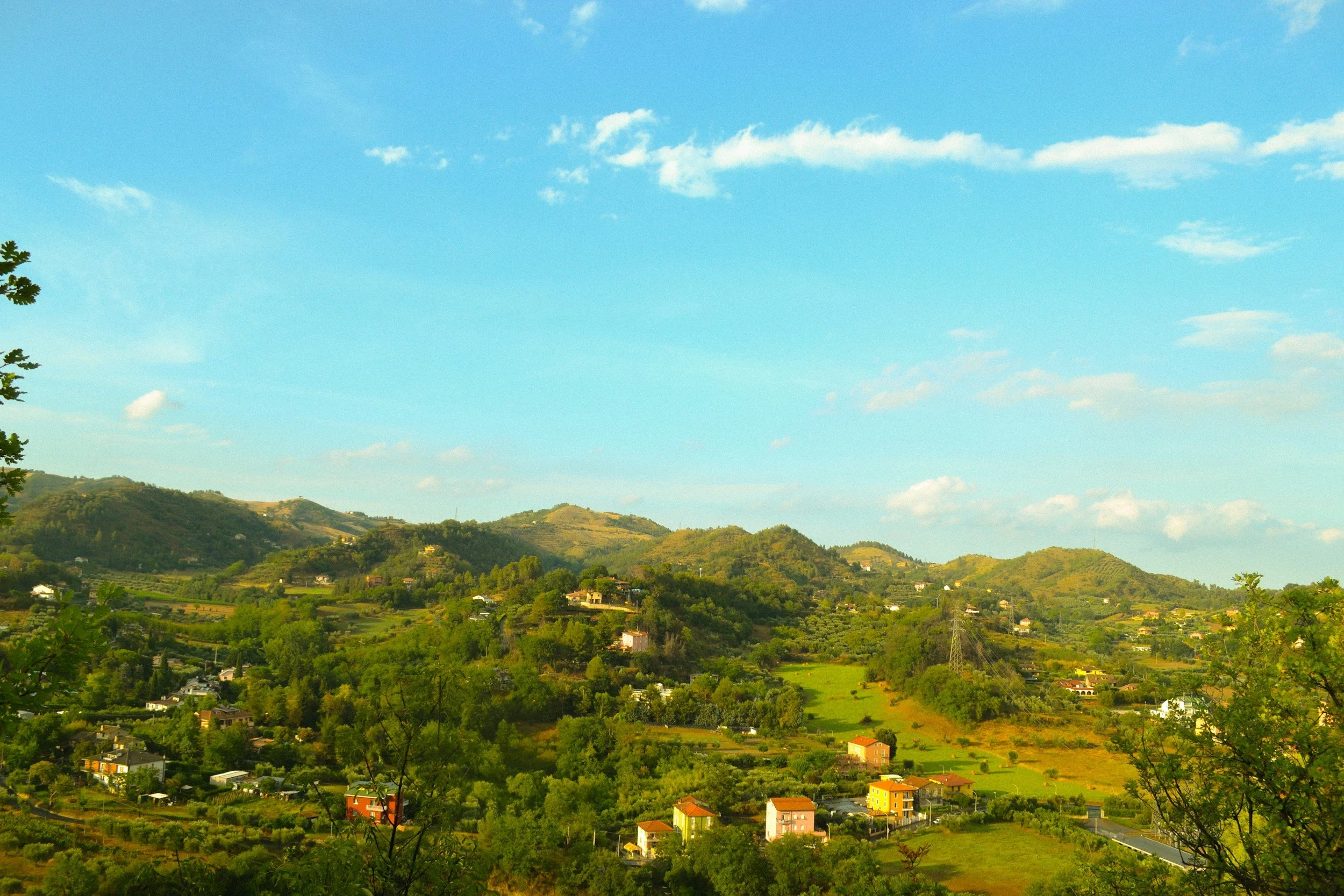
Outside the centre, the town spreads out fairly quickly, but unless you’re staying longer or driving, there’s not much reason to go there. Most daily life happens inside the old walls. The landscape around Ascoli Piceno only really registers once you leave. Hills sit behind the town, the road opens up as you head toward the coast, and it becomes clear how separate this place feels from both the mountains and the sea, even though neither is that far away.
If you start wondering what this kind of pace feels like by the sea, these Liguria towns near Cinque Terre are a good contrast, same idea, just with salt in the air.
How to get to Ascoli Piceno (by train or car)
Most people come by train, and almost everyone changes at least once. The usual route runs along the Adriatic coast, then turns inland at San Benedetto del Tronto. You notice the change more than you admire it. The train slows down, stations get smaller, and there’s less going on outside the window. It feels like you’re leaving the busy part behind rather than arriving somewhere new, which is actually useful after a few hours of travel.
Driving only really makes sense if you want to explore beyond the town. Getting into Ascoli Piceno by car is easy enough, but once you’re there, it mostly gets in the way. The historic centre isn’t built for traffic, and parking isn’t something that magically works on the first try. You usually circle once, maybe twice, then leave the car outside the walls and walk in. The distances are short enough that it doesn’t feel like a hassle, just part of arriving.
Arrival is understated. The station is practical and a little dull, with nothing announcing that you’ve reached somewhere special. You step out, start walking, and within ten or fifteen minutes you’re inside the historic centre.
If you’re thinking about arriving here without a car, especially for a short stay, you might want to look at this guide to solo travel in Italy by train for a long weekend. It walks through how train-based trips actually feel once you’re moving at a slower pace, including what works well and what quietly doesn’t.
In case you’re second-guessing the train setup before you even go, this Eurail for slower routes is one of the few explanations that actually makes sense once you read it.
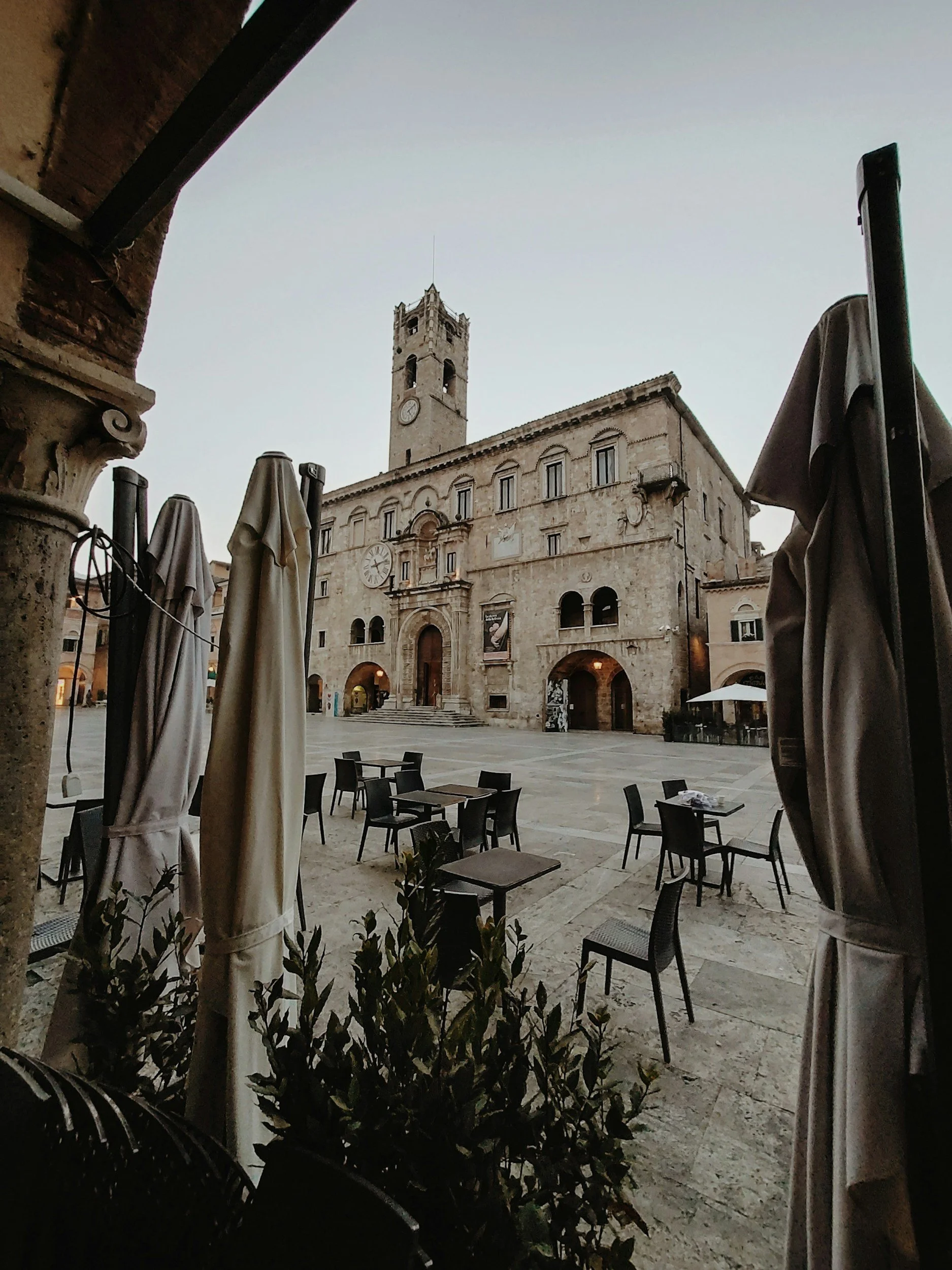
Piazza del Popolo and the historic centre
Your first day almost always ends up circling Piazza del Popolo, mostly because you keep drifting back to it without meaning to. In the morning it feels straightforward and a bit quiet. People cross the square on their way to work, someone stops for a quick coffee, someone else cuts through carrying bread. Nothing lingers for long. By late afternoon more people are around, but it never turns hectic. You can still walk straight across without slowing down or stepping around groups.
The stone makes everything look pulled together. The buildings are solid and evenly sized, tall enough to frame the square without making it feel enclosed. Streets leading away from it are narrow and repeat themselves quickly. After one or two walks, you stop thinking about where you’re going. You can cross the centre in less than ten minutes, and that never really changes.
What stands out by the end of the day is how much of the centre is just being used. Shops open when they always do and close when it makes sense locally, even if people are still around. People stop to talk pretty much because they’ve run into someone they know, not because it’s a nice place to be seen.
If Tuscany is the reference point for you, but parts of it have started to feel like work, this guide to slower, quieter Tuscan towns helps put that feeling into words. It’s useful for understanding why some places feel calm and others don’t, even when they look similar on paper.
What daily life in Ascoli Piceno actually looks like
After a couple of days, mornings start to feel predictable in a very literal way. You’ll notice the same people standing at the bar at places like Caffè Meletti or the smaller cafés just off Piazza del Popolo, usually before nine. Coffee is taken standing up, almost always an espresso, sometimes with a small pastry if it’s a slower morning. Nobody is stretching it into a ritual. People order, drink, exchange a few words if they know each other, and leave. By mid-morning, the bars thin out and the centre goes quiet again.
Lunch has a narrow window and doesn’t bend much. Restaurants that serve proper meals open around 12:30 or 1:00, and by 3:00 most kitchens are finished. If you sit down at 2:45, you feel it. After lunch, the town really slows down. Shutters come down, smaller shops close completely, and even the main streets feel half-empty. This stretch can last a few hours. It’s not a great time to run errands or expect things to be open. Most people either walk the same loop again, sit somewhere with a coffee, or go back to where they’re staying and wait it out.
Evenings don’t build toward anything in particular. There’s no moment when Piazza del Popolo suddenly fills up for drinks. A few people sit outside cafés, others head straight to dinner, often later than you’d expect if you’re coming from northern Italy. After that, people drift home. By ten or eleven, the centre is quiet again, even on weekends. You’ll recognise faces from earlier in the day, just moving more slowly. Streets stay calm, and by the time you’re back inside, it’s quiet enough that you can hear the doors closing on nearby buildings.
When to visit Ascoli Piceno (seasons and weather)
Summer in Ascoli Piceno is warm, but it’s a different kind of warm than what you might be used to in inland Tuscany. July and August bring hot afternoons, especially around Piazza del Popolo where the stone holds the heat, but it rarely feels suffocating all day. Mornings are still usable. You can walk across the centre before ten without feeling drained, grab a coffee, run an errand, and be back inside before the heat settles in. Being less than an hour from the coast around San Benedetto del Tronto also changes how summer feels here. Locals talk about “going down to the sea” for the afternoon, and you notice the town empty slightly in late summer weekends. What really makes summer manageable, though, is the lack of crowds. Streets don’t clog up, restaurants don’t overbook, and you’re not adjusting your day around other people’s schedules.
If you’re here outside summer, this Italian markets off-season gives a much more honest picture of what they’re actually like.
Spring and autumn are when the town feels easiest to live in. Temperatures are mild enough that walking across the centre never feels like a decision, and you can spend long stretches outside without thinking about shade or layers. In April, May, late September, and October, the routine stays exactly the same as in summer, just more comfortable. Cafés open at the same hours, shops keep their usual schedules, and there’s no sense of the town switching modes. Rain shows up now and then, usually as short spells rather than full days, and it doesn’t shut things down. You wait it out, then continue on.
Winter is quieter, but not closed. The centre still functions, just with fewer people around and shorter days. Places like bakeries, food shops, and cafés stay open, though some restaurants reduce hours or close one or two extra days a week. Evenings empty out early, especially on weekdays, and by nine or ten the streets can feel very still. That can be a plus if you like quiet nights, but it does mean fewer spontaneous options after dinner. Cold days are more common than freezing ones, and when the weather clears, you’ll see people walking through town bundled up, running errands the same way they do the rest of the year.
For something that runs on a similar rhythm but feels completely different, these lake towns without a car have that same “nothing needs to happen” kind of day.
Where to eat in Ascoli Piceno
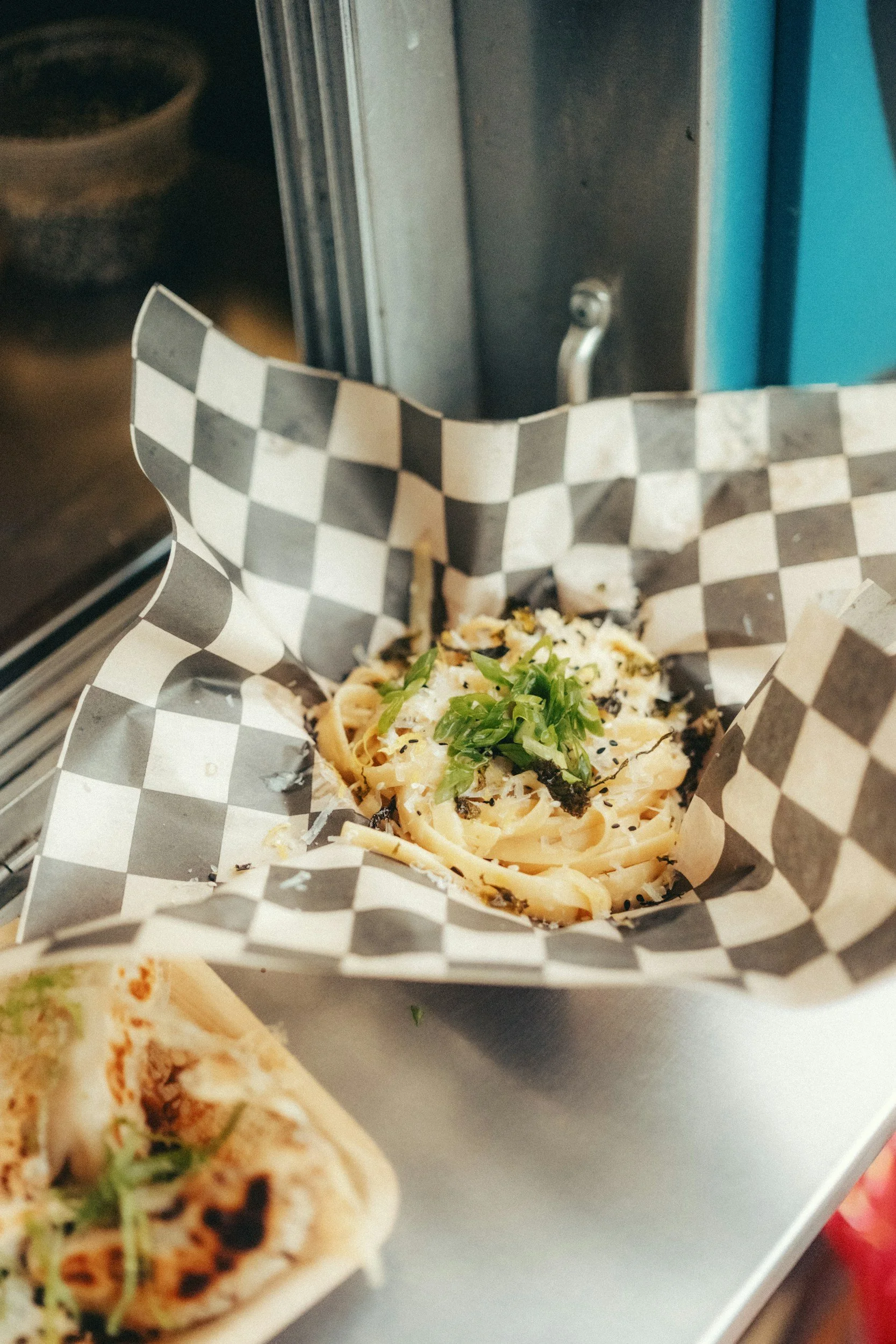
Olive all’ascolana is everywhere, but it’s not treated like a must-order dish. It just appears. You’ll see it on plates at the next table, mixed in with other fried things, sometimes brought out without any comment. People eat it quickly, usually sharing, then move on to whatever comes next.
Trattorias feel settled and slightly unmoved by visitors. Menus are short and familiar, often handwritten, and they don’t change much. At places like Osteria Nonna Nina or Ristorante Vittoria, nobody is trying to guide you through the menu or check in constantly. You sit down, order, eat, and that’s it. Kitchens close when they close, sometimes earlier than you expect, and if you arrive late you’re usually told they’re done, even if there are still people eating. Once you find a place that works for you, you tend to go back rather than keep searching.
Cafés are part of the daily routine in a more visible way. Caffè Meletti is the obvious name people mention, and it does get visitors, but it’s also used like a normal café. People stop for a quick espresso, read the paper, or meet someone briefly before moving on. Smaller bars just off Piazza del Popolo often feel more local, especially in the morning, when the same faces appear at the same counter stools day after day.
What really shapes your days, though, are the bakeries and food shops. In the morning, people stop in for bread or something small to eat with coffee. Later on, usually just before lunch or dinner, the same places fill up again with people buying a few things to take home. Timing matters more than choice. One bakery runs out of bread early. Another opens late but stays open longer. Some places feel almost closed in the afternoon even if the door is still unlocked.
If you’re staying in an apartment, these stops quietly organise your day. You head out earlier than planned because you know the bread won’t last. You pass the same shop twice because it’s open now but won’t be later. After a few days, you’re not thinking about where to eat anymore. You’re just moving through the same cafés, bakeries, and small restaurants at roughly the same times as everyone else, and food starts to feel like part of the day rather than something you need to plan around.
Food here starts to click once you realise it’s not random, and this Italian food by season explains why certain things just appear when they do.
Where to stay in Ascoli Piceno (best areas)
Places to stay in Ascoli Piceno are fairly limited, but that also means most of them fit the town well. Inside the historic centre, small hotels and guesthouses make life easy if you plan to walk everywhere. Staying near Piazza del Popolo or along streets like Via del Trivio means you’re never more than a few minutes from cafés, food shops, or somewhere to sit down. Noise depends much more on the street than the building. A room facing a narrow side street will usually be quiet, and even places closer to the square calm down early in the evening.
Hotels like Palazzo dei Mercanti or Residenza dei Capitani work well if you want something central without feeling cut off from daily life. You step outside and immediately see people heading to work, stopping for coffee, or running errands. It feels practical rather than tucked away.
Apartments make a lot of sense if you’re staying more than a couple of nights. Being inside the walls means you can head out in the morning, come back during the long quiet stretch in the afternoon, and go out again later without thinking about distance or transport. Streets close to Piazza del Popolo stay busy during the day but are usually quiet by night, which makes them easier to live with than you might expect.
Staying outside the centre gives you more space and easier parking, but the trade-off shows up quickly. Distances add up, especially in the heat or late at night. For short stays, walking back and forth starts to feel unnecessary. Unless you’re driving every day or staying longer, being inside the historic centre usually makes the whole experience simpler.
In case Tuscany is still on your mind but you’re trying to make it feel easier, this where to stay near Florence breaks down what staying just outside the centre really means once you’re there.
If what you’re really drawn to is Italy that still runs on its own routines, the Cilento Coast guide is worth reading next. It’s a very different region, but the pace and way daily life works there makes sense if Ascoli Piceno appealed to you.
Is Ascoli Piceno walkable? Getting around on foot
Walking is how you end up doing almost everything here, mostly because the distances are so short that anything else feels unnecessary. From Piazza del Popolo to Piazza Arringo is about 300 metres. At a normal pace, that’s three or four minutes. Even if you take a slightly longer route along Via del Trivio, stopping to look into a bakery window or a small shop, you’re still there quickly. Corso Giuseppe Mazzini cuts straight through the centre and connects most of the places you’ll use during the day without any detours.
Once you leave the main squares, the streets start to slope gently. Via delle Donne and some of the smaller streets toward the edge of the centre rise just enough that you notice it, especially if you’re carrying groceries, but it’s over in seconds. Nothing is steep, and nothing forces you to change plans. Cars are rare inside the historic centre, and when they do appear, they move slowly. Most of the time, you’re sharing the street with people walking home, kids heading somewhere with backpacks, or someone pushing a shopping trolley.
If you keep walking outward, toward the old walls or streets like Via dei Soderini, things thin out fast. Shops disappear, foot traffic drops, and you start seeing gaps between buildings where the hills behind the town come into view. Some streets simply end, others turn into quieter residential stretches. Once you step beyond the historic centre, distances grow quickly and walking stops being practical for everyday errands. That’s where a car becomes useful. Inside the centre, though, driving mostly adds steps and delays. Walking is faster, simpler, and lines up with how the town actually functions.
And if the whole reason this place works for you is that you don’t need a car, these Italy countryside stays without one are worth a look before you book anything.
Easy day trips from Ascoli Piceno
Most trips people take from Ascoli Piceno are small and fairly casual. The coast is the obvious one. San Benedetto del Tronto is about forty minutes by train, with connections that run often enough that you don’t need to plan around them. People usually go late morning or around lunchtime, walk along the seafront, sit down somewhere simple to eat, maybe dip into the water in summer, and head back before the day stretches too long. It doesn’t feel like a beach excursion, more like a change of scenery for a few hours.
If you go the other direction, inland toward the Sibillini foothills, things get quieter very quickly. This is where people go when they want fresh air without committing to a full hiking plan. Driving toward places like Montemonaco or Montefortino takes under an hour, depending on where you stop. Roads get narrower, traffic drops off, and you’ll see people pulling over for short walks rather than marked trails. It’s common to walk for half an hour, sit somewhere with a view, then drive back without feeling like you’ve missed anything.
The smaller towns nearby tend to be visits you decide on the same day. Offida is close enough to feel easy, and Acquaviva Picena works the same way. You arrive, walk through the centre, look around, maybe stop for a coffee if something’s open, and leave again. These places don’t ask for much time, and they don’t give you much to organise. They’re useful if you’re curious about the area beyond Ascoli Piceno, but they’re not places you build a whole day around.
If you’re travelling later in the year, or just prefer places once things quiet down, this guide to underrated Italian wine villages in autumn looks at towns that feel better once the season slows. It’s the same kind of logic that makes Ascoli Piceno work.
Markets and everyday shopping in Ascoli Piceno
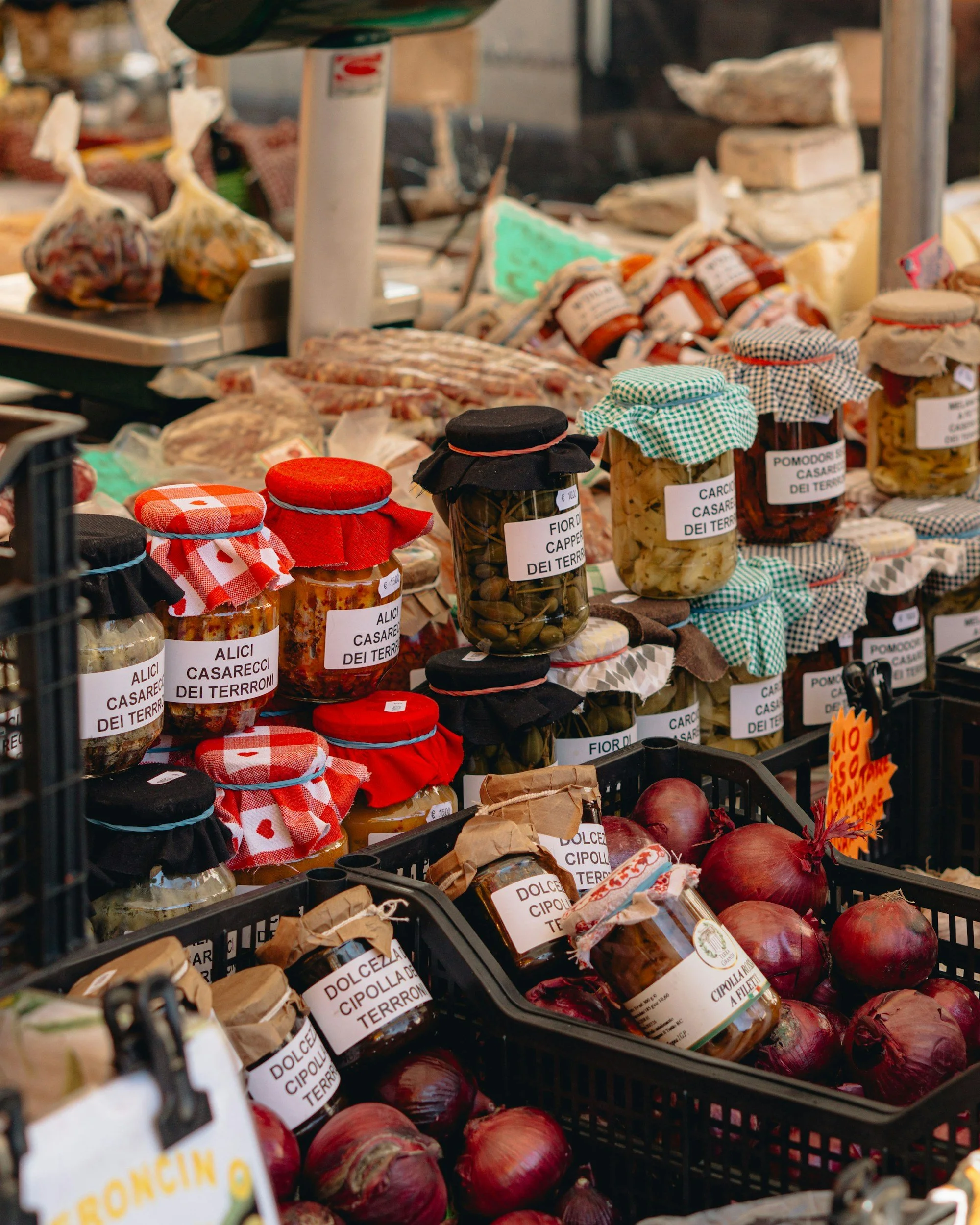
Markets in Ascoli Piceno are easy to miss if you’re not paying attention, which says a lot about who they’re for. The main weekly market usually spreads out around the edges of the centre, including streets near Piazza Arringo and toward the river side. It starts early. By nine in the morning, people are already walking away with full bags. Stalls sell vegetables, fruit, cheese, clothes, underwear, shoes, and basic household things. Nothing is labelled or explained. People know what they’re there for. By early afternoon, most of it is already being packed away, and if you show up around two, you’ve missed it.
Food shops are scattered rather than concentrated, and you end up building a mental map without trying. A bakery on Via del Trivio where bread sells out before noon. A small cheese shop closer to Piazza Arringo that’s busy late morning and nearly empty after lunch. A deli on a side street that looks closed but isn’t, until it suddenly is. Most places specialise in one thing and don’t stretch beyond that. They open when they always open, close when they always close, and don’t adjust much for anyone walking past. After a couple of days, you start heading out earlier because you know what won’t be there later.
Timing matters more than location. Late morning is when things work best. Just before lunch is busy again. Early afternoon is unpredictable. You’ll walk up to a shop once or twice expecting it to be open and find the door locked with no sign. Eventually, you stop being surprised and start planning errands around those gaps without thinking about it.
Clothing and household shops are very much part of everyday life. These are places along streets like Corso Giuseppe Mazzini where locals go when they need something specific, not when they feel like shopping. Selection is limited. Styles don’t change quickly. Nobody is browsing for fun. You walk in, check if they have what you need, and leave. That’s it. It’s useful to know this before you arrive, because Ascoli Piceno isn’t a place where shopping fills an afternoon. It’s something you do between coffee, lunch, and going home, exactly the way people who live there do.
Small shops that make the town feel lived-in
If you like shops that feel calm and useful rather than curated, Ascoli Piceno has a few that slowly make themselves known. Not because they stand out, but because you keep passing them on normal walks and eventually think, “oh, that’s still there.” That’s usually how it works here.
Around Via del Trivio and the streets between Piazza del Popolo and Piazza Arringo, there are a handful of independent places that locals clearly use. Bottega Artigiana Ascoli is one of those shops people step into without announcing it. Leather bags, belts, small everyday things, all made locally. Nothing is labelled as special…
Ceramiche d'Arte di Ascoli feels similar in spirit. Traditional ceramics, not redesigned or softened for visitors. Plates, bowls, simple pieces that look like they belong in someone’s kitchen rather than on a shelf. You’ll often see people come in, buy one thing, and leave. No browsing loop, no gift wrapping unless you ask.
For books, Libreria Rinascita feels very much like a working bookshop. People pop in between errands, pick something up, ask a quick question, and move on. It’s mostly Italian titles, regional history, everyday reading. Not a place you photograph, but a place you might come back to once you realise it’s there.
Along Corso Giuseppe Mazzini, there are also small household and linen shops that don’t really announce themselves. Tablecloths, towels, kitchen things. The kind of places locals go when something needs replacing, not when they feel like shopping. You walk in, see if they have what you need, and leave again.
None of these shops are trying to be found. They sit on streets people already use, mixed in with bakeries and cafés. If you enjoy buying things that feel normal, well made, and meant to be used rather than remembered, these are the places that quietly make Ascoli Piceno feel lived-in.
Ascoli Piceno vs Tuscany: what feels different
If you’ve been to places like Siena or San Gimignano, the difference hits you in fairly ordinary ways. The first one is space. In Ascoli Piceno, even in summer, you’re not timing your day around crowds. You can walk through the centre late morning, stop for lunch without checking reservations, and cross Piazza del Popolo without slowing down. That alone changes how the day feels. Prices is the same… Meals and rooms cost what they usually cost because locals eat there year-round, not because it’s peak season.
Things to do in Ascoli Piceno (without planning much)
Most of the sights in Ascoli Piceno are things you step into because you’re already passing by, not because you’ve planned your day around them. The Duomo di Sant'Emidio sits right on Piazza Arringo, and you’ll probably walk past it several times before deciding to go in. Doors are usually open during the day, there’s no queue, and nobody is rushing you. You go in, look around for ten or fifteen minutes, then leave when you’ve had enough.
The same goes for places like the Chiesa di San Francesco near Piazza del Popolo. It’s there, part of the square, and people drift in and out between errands or on the way to coffee. You don’t need to check times carefully or work around other plans. If it’s open, you go in. If it’s not, you come back later or don’t bother at all.
Small museums work the same way. The Pinacoteca Civica is easy to fit into the day because visits are short and predictable. You’re not committing to hours. You step in, walk through at your own pace, and leave without feeling like you’ve interrupted anything else.
What’s noticeable is how these places sit directly on everyday routes. People pass through the same squares to buy bread, go to work, or meet someone, and the churches and museums are just there along the way. There’s no clear line between sightseeing and daily life. If you like building your day around fixed schedules, the options here are limited. If you prefer slipping things in between lunch, coffee, and walking home, Ascoli Piceno makes that very easy.
Practical tips before visiting Ascoli Piceno
You’ll notice pretty fast that having some cash on you makes life easier. Cards work in plenty of places, especially restaurants and hotels, but smaller cafés, bakeries, and shops don’t always bother. Sometimes the machine is “not working,” sometimes it’s just easier to pay in cash. After the first or second time of having to ask, you start carrying a bit with you and stop thinking about it.
Sundays are genuinely quiet. Not “reduced hours” quiet, but properly closed in parts of the centre. Mondays can feel oddly slow too, especially after lunch. Some places take an extra day off, others open late, and opening hours aren’t always written anywhere obvious. You find out by walking up to a door and trying it. After a day or two, you stop expecting everything to be open and adjust without much effort.
English is spoken, but not everywhere and not automatically. In hotels and restaurants it’s usually fine. In bakeries, markets, or small shops, it’s hit or miss. Basic Italian goes a long way, even just a few words. People are patient and practical, and communication usually works itself out without drama. You point, you smile, you try, and it’s enough.
FAQ: visiting Ascoli Piceno, Italy
Is Ascoli Piceno worth visiting instead of Tuscany?
If you’re looking for something quieter and less structured, yes. Ascoli Piceno has the same kind of historic centre and café culture you’d expect in smaller Tuscan towns, but without the same level of day-trip traffic. You’re not planning around crowds or reservations, and the town doesn’t shift its rhythm depending on the season.
Why do people compare Ascoli Piceno to Tuscany?
The comparison comes from the setting, stone streets, piazzas, and a compact historic centre. The difference is how the town functions. In Ascoli Piceno, daily routines stay consistent whether visitors are there or not, which makes it feel more stable and easier to settle into.
How do you get to Ascoli Piceno from Rome?
Most routes from Rome take around 3.5 to 4 hours by train, usually with a change along the Adriatic line, often at San Benedetto del Tronto. The final stretch inland is slower, with smaller stations and fewer people. It’s not the fastest journey, but it’s straightforward once you’re on the route.
Can you visit Ascoli Piceno without a car?
Yes. The historic centre is compact, and almost everything you’ll use sits within a 5–10 minute walk of Piazza del Popolo. You only really need a car if you plan to explore nearby villages or the Sibillini foothills.
How many days do you need in Ascoli Piceno?
Two to three nights works well. One night tends to feel too short, especially because the town isn’t built around quick visits. It takes a day or two before the rhythm starts to make sense.
What is Ascoli Piceno like in summer?
Summer is warm, especially in the afternoons, but the town doesn’t feel overcrowded. Mornings and evenings are easy to use, and the coast at San Benedetto del Tronto is about 40 minutes away if you want a break from the heat.
When is the best time to visit Ascoli Piceno?
Spring and early autumn are the easiest seasons. Temperatures are mild, daily routines stay consistent, and you can spend most of the day outside without adjusting your plans.
What is there to do in Ascoli Piceno?
Most of what you do isn’t planned as “activities.” You move between cafés, bakeries, short walks, and places like Piazza del Popolo or the Duomo di Sant’Emidio as they fit into the day. It’s more about how the day flows than ticking off sights.
Is Ascoli Piceno walkable?
Yes. The centre is small enough that you can cross it in under ten minutes. Streets connect naturally, and after a short time you stop checking directions altogether.
Are restaurants and shops open all year?
Yes, but with small seasonal shifts. Cafés, bakeries, and food shops stay open year-round. Some restaurants close an extra day or shorten hours in winter, and afternoons can feel quiet when shops shut for a few hours.