Alsace, Champagne or Burgundy? The harvest trip I’d actually book
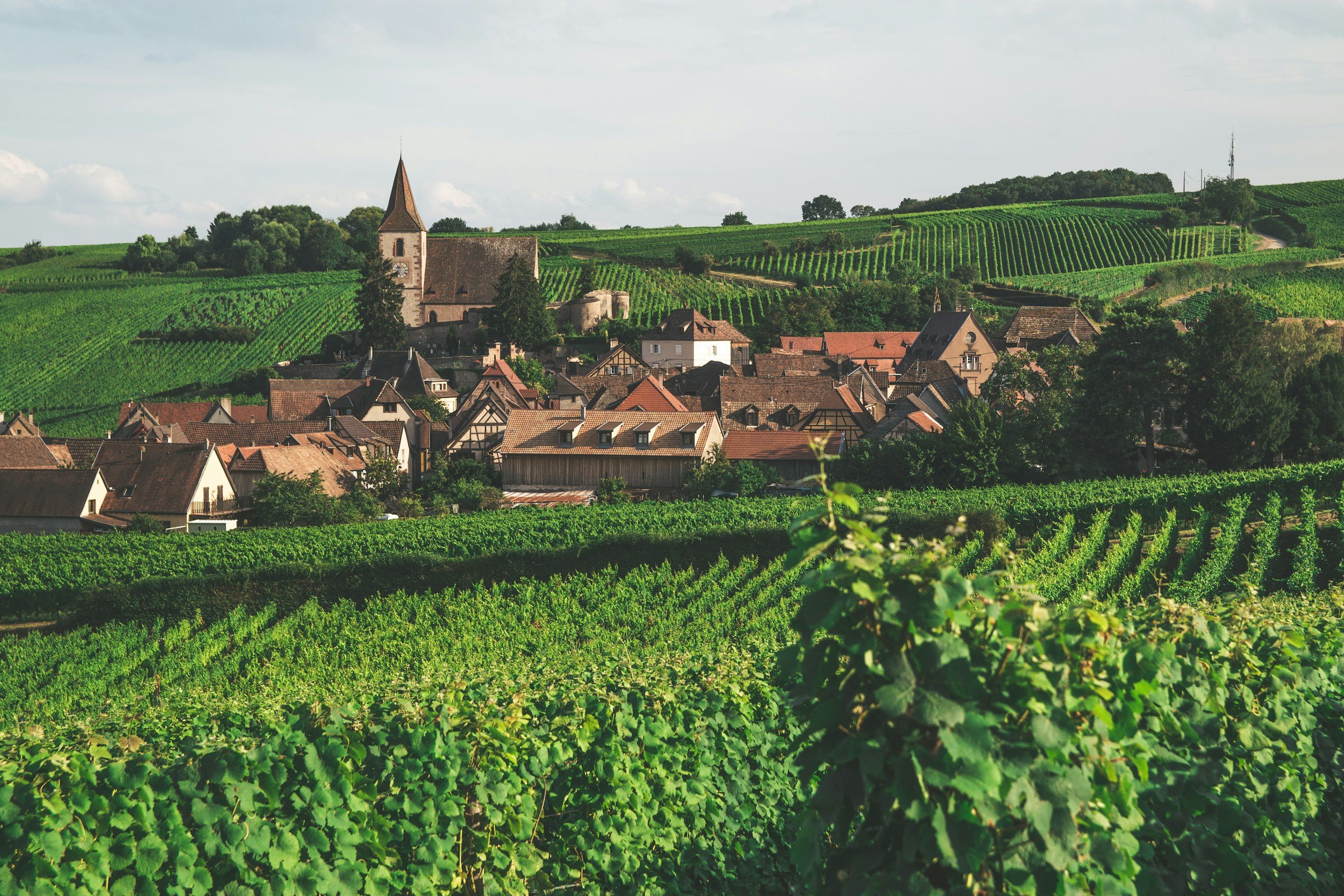
Planning a wine trip around harvest is one of those ideas that sounds wonderfully simple until you try to choose the actual dates. You imagine arriving while the grapes are coming in, booking a few tastings, maybe seeing some of the work happening in the vineyards, and then discover that harvest can shift by weeks and that the small producer you wanted to visit may be far too busy making wine to show you around.
That is why, for most people, I would choose Alsace. It gives you more room for the trip to still feel worthwhile even if you are a little early or a little late, with Colmar and the wine villages giving you plenty to do beyond the exact picking days. Champagne is easier if you only have a couple of nights and want something simple to organise from Paris, while Burgundy suits the traveller who is coming primarily for the wine and does not mind planning appointments or paying for a guide.
The real choice is therefore less about which region has the “best” harvest, and more about how much of your trip you want to depend on getting the timing exactly right.
You can book September. You can’t book the harvest.
This is the frustrating part of planning a trip around the vendanges: you may need to reserve your hotel months before anyone can tell you exactly when the grapes will come in.
The harvest begins when the grapes are ready, not when the tourism calendar says they should be. Official opening dates are linked to ripeness, but even those do not create one neat regional start. Champagne, for example, publishes permitted dates by commune and grape variety, so neighbouring villages can begin at different times. Burgundy varies by parcel and wine style, while Alsace has its own sequence depending on whether grapes are destined for Crémant, still wine or one of its later-picked categories.
Individual producers then work to their own timetable within that bigger picture. France’s official tourism site puts a typical estate harvest at around 8 to 15 days, which is a surprisingly narrow window when you are trying to choose flights in February.
It also helps to stop thinking of “harvest season” as one calendar. There are three.
The first is the agricultural calendar: when grapes are physically being picked. The second is the visitor calendar: whether producers are still running tastings and tours while everyone is working. The third is the public calendar of harvest festivals, new-wine events and seasonal celebrations. They can overlap, but they often don’t. You could arrive during a festival after the last grapes have already been picked, or find yourself surrounded by harvest activity while the small domaine you hoped to visit has closed its tasting room for the week.
That gap has become harder to plan around because the old September assumptions are no longer especially dependable. Recent hot vintages have pushed harvest earlier across northern France, sometimes considerably earlier than the dates still repeated in older travel guides. September can absolutely be a very good month for Burgundy, Alsace or Champagne, but I would not choose a particular September week because somebody has labelled it “peak harvest”.
October is even more dependent on what you mean by harvest. For widespread active picking, it may well be too late. For the season around it, however, it can still be excellent, particularly if you care just as much about new wine, village events, cellar visits and the atmosphere after the work has finished. Alsace’s later-picked wine categories sometimes cause confusion here too. Their existence does not mean you can safely book an October trip expecting to find the ordinary harvest still happening across the Wine Route.
The easiest way to avoid turning this into a guessing game is to book the parts you can control first. Choose a region you would happily visit even if the grapes came in early, take a reasonably flexible hotel rate, and reserve at least one experience that does not depend on active picking. Then, once the current harvest dates and events begin appearing, you can add something genuinely harvest-specific.
And if seeing people pick grapes is the whole reason for the trip, I would be stricter than that. Don’t choose a promising week and hope. Wait for a dated experience you can reserve, because an 8-day harvest window is not something I’d gamble an entire French wine trip on.
How much of the harvest do you really want to see?
This is probably the most useful thing to decide before choosing between Alsace, Champagne and Burgundy, because “visiting during harvest” can mean several completely different trips.
You might be perfectly happy seeing the season from the outside: picking teams in the vineyards, tractors moving between parcels, crates stacked beside a winery and a general sense that the region is busy with the current vintage. For some travellers, that is enough. You get the atmosphere without needing special access.
The next level is simply visiting wineries while harvest is happening. That sounds more intimate, but it often isn’t. You may be sitting in a tasting room trying wines from previous vintages while the current grapes are being picked somewhere else entirely. At larger visitor operations this can run quite smoothly, but small domaines are a different story. The same people who normally welcome guests may be out in the vines or working in the cuverie, and some estates suspend visits altogether. For example, Domaine Creusefond in Burgundy states in its official listing that it welcomes visitors throughout the year except during the grape harvest, while Champagne Rémy Massin & Fils similarly excludes cellar visits during harvest. That is a pretty useful reality check: the week when the vineyard is most interesting to watch may be the exact week when the people you hoped to meet have no time to show you around.
A proper harvest tour should get you closer to the working side of things, but the description needs reading carefully. Some experiences include a vineyard walk, explanations of picking, pressing or fermentation, while others are essentially a normal cellar visit sold during harvest season. Before paying, I would ask two questions: Will this still run if the estate is actively harvesting? And does the visit include the vineyard or press area, or only a tasting?
If you want to go further and physically take part, there are supervised picker-for-a-day experiences in French wine regions, including official tourism programmes in Alsace. These are organised, dated activities rather than an invitation to turn up at a vineyard and join in. The fact that Champagne is entirely hand-harvested, or that many Burgundy estates still pick manually, does not mean tourists are automatically welcome among the rows.
Harvest festivals are another thing entirely. They can be a very good reason to travel, especially if you are more interested in food, wine and village atmosphere than agricultural access, but the celebration may happen after the last grapes have already been brought in.
So if your dream is very specific, perhaps cutting grapes yourself or watching them arrive at the press, I would choose the experience first and the region second. If you mainly want to be in wine country while harvest season is happening around you, you have far more flexibility, and that changes which of the three regions is the better choice.
Alsace gives you more room for the harvest dates to move
Alsace is the region I would be least nervous about booking before the exact harvest dates are known. The grapes may come in earlier than expected, the producer you hoped to visit may be busy, and you can still end up with the autumn wine trip you had in mind.
Part of that comes from the way the harvest unfolds here. Grapes for Crémant are generally picked before many of the still wines, while the special late-harvest categories come later again. That does not give Alsace one long, dependable harvest window, but it does mean the season is visible in more than one way.
You may come across vin nouveau, the cloudy, lightly fermenting wine made from the new vintage and drunk locally soon after harvest begins. It is very much a seasonal thing rather than a finished bottle to bring home, and that is part of its appeal. Public wine events continue around the same period too. Barr is known for its harvest festival and Eguisheim has new-wine celebrations, although I would always check the current year's dates rather than choosing a weekend from an old article.
So missing the exact days when grapes are being cut from the vines is less disastrous here. You still have tasting rooms, vineyard walks, food tied closely to the wine villages and a decent chance of finding something happening around the new vintage. You do not need an advanced knowledge of Alsace wine, or a diary full of appointments, for the trip to feel connected to harvest season.
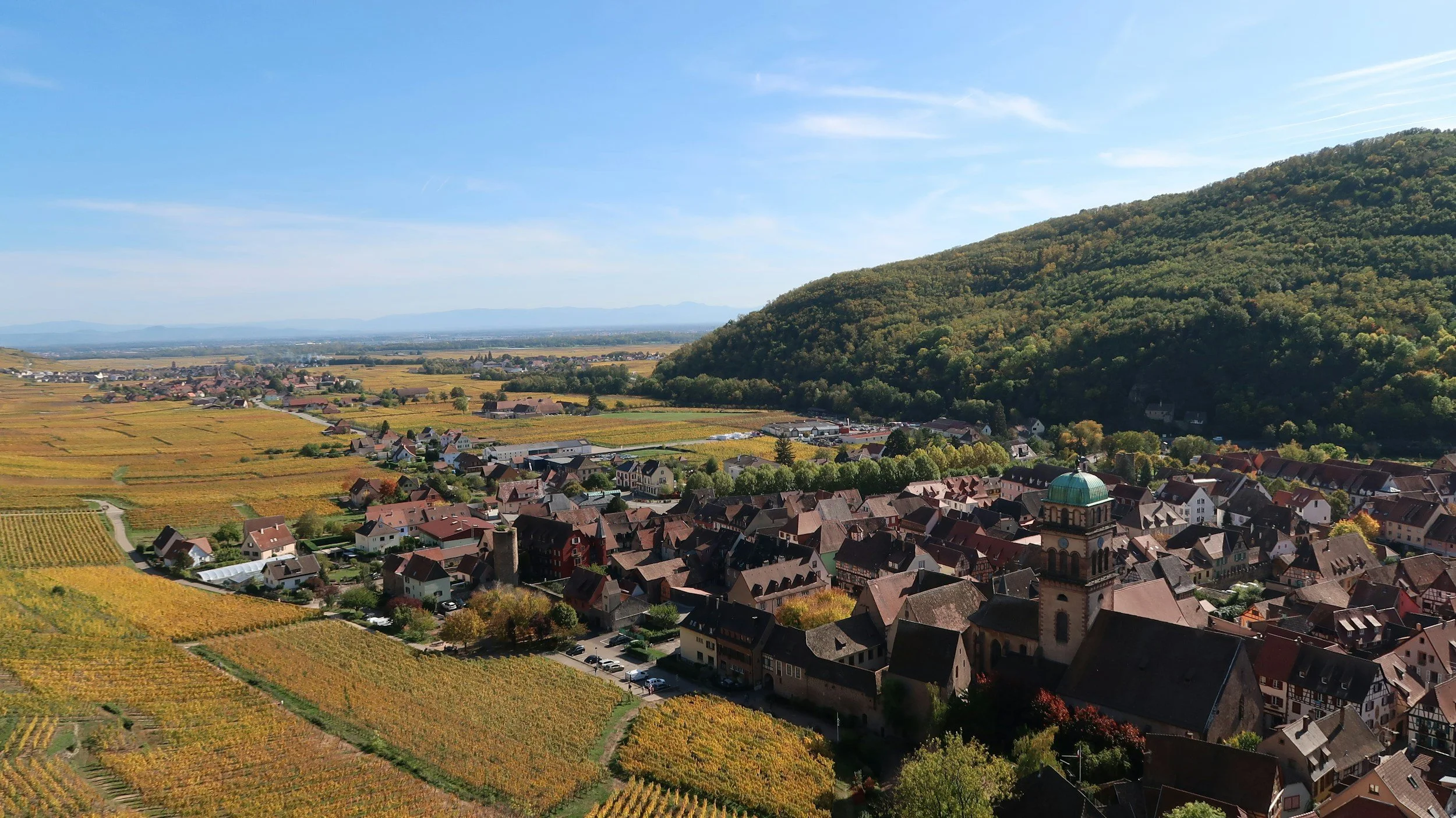
I would stay in Colmar and resist trying to see the whole Wine Route
Colmar is the most useful base for a first trip, particularly if you are not driving. The fastest Paris services can get there in around 2 hours 20 minutes, while Strasbourg is roughly 26 minutes away by the quickest trains, so you can keep one hotel and still have an easy city day if you want one.
The bit that catches people out is the scale of the Wine Route. It stretches for more than 170 kilometres, so “explore the Alsace Wine Route” is not particularly useful advice for a three-night trip.
The seasonal Kut’zig bus makes the central section much easier. It runs from Colmar through Ribeauvillé, Hunawihr, Riquewihr, Kaysersberg, Turckheim and Eguisheim, which is unusually helpful in a wine region where the villages people most want to visit are not all sitting neatly on a railway line.
I still would not use it to collect villages all day. Pick a small area and give yourself time for a tasting, lunch or a vineyard walk rather than spending the afternoon calculating whether you can squeeze in one more stop before the last bus. Kaysersberg and Turckheim, for example, can comfortably fill the useful part of a day without adding another three villages simply because the bus goes there.
Three or four nights feels about right. That gives you Colmar, one proper Wine Route day and another day that can follow whatever is happening locally, whether that is a tasting, an event or simply a different village cluster.
Strasbourg is the better base if the wine route is only one part of the trip and you want stronger rail connections and more city time. I would be more cautious about sleeping in a small wine village without a car. It can look idyllic when you are choosing accommodation, but the romance wears off slightly when dinner is over and the last useful bus has already gone.
And Colmar itself is popular. I would use it because it is practical, not because I expect empty lanes and an undiscovered corner of Alsace.
I would still book one tasting properly
Alsace gives you more opportunities to be spontaneous than Burgundy, but harvest is not the moment when I would rely entirely on knocking on doors.
Many of the estates are family-run, which is lovely when somebody has time to receive you and less useful when that same person is needed in the vineyard or winery. I would book one tasting that matters to you, confirm that visits are running during your dates, and then leave room for anything else you find along the way.
The Kut’zig needs the same treatment. Its season is limited, so check the operating dates and the final departure before building a car-free trip around it.
October also needs a little restraint. Alsace has late-harvest wine categories and plenty of wine events after the main picking period, but that does not mean the ordinary harvest is still happening across the villages. If you come in October, come because the wine route, new-wine culture and autumn events interest you too. That way you are not spending the trip looking at already-picked vines wondering whether you arrived two weeks too late.
Champagne is the easiest short harvest trip to organise
Champagne is the obvious choice if you only have a couple of nights and do not want the entire trip to depend on complicated winery appointments. Reims is exceptionally easy to reach from Paris, the larger houses have proper visitor programmes, and there is enough structure here that you can book most of the important pieces before you arrive.
That makes Champagne easier than Burgundy. It does not make the harvest itself easier to catch.
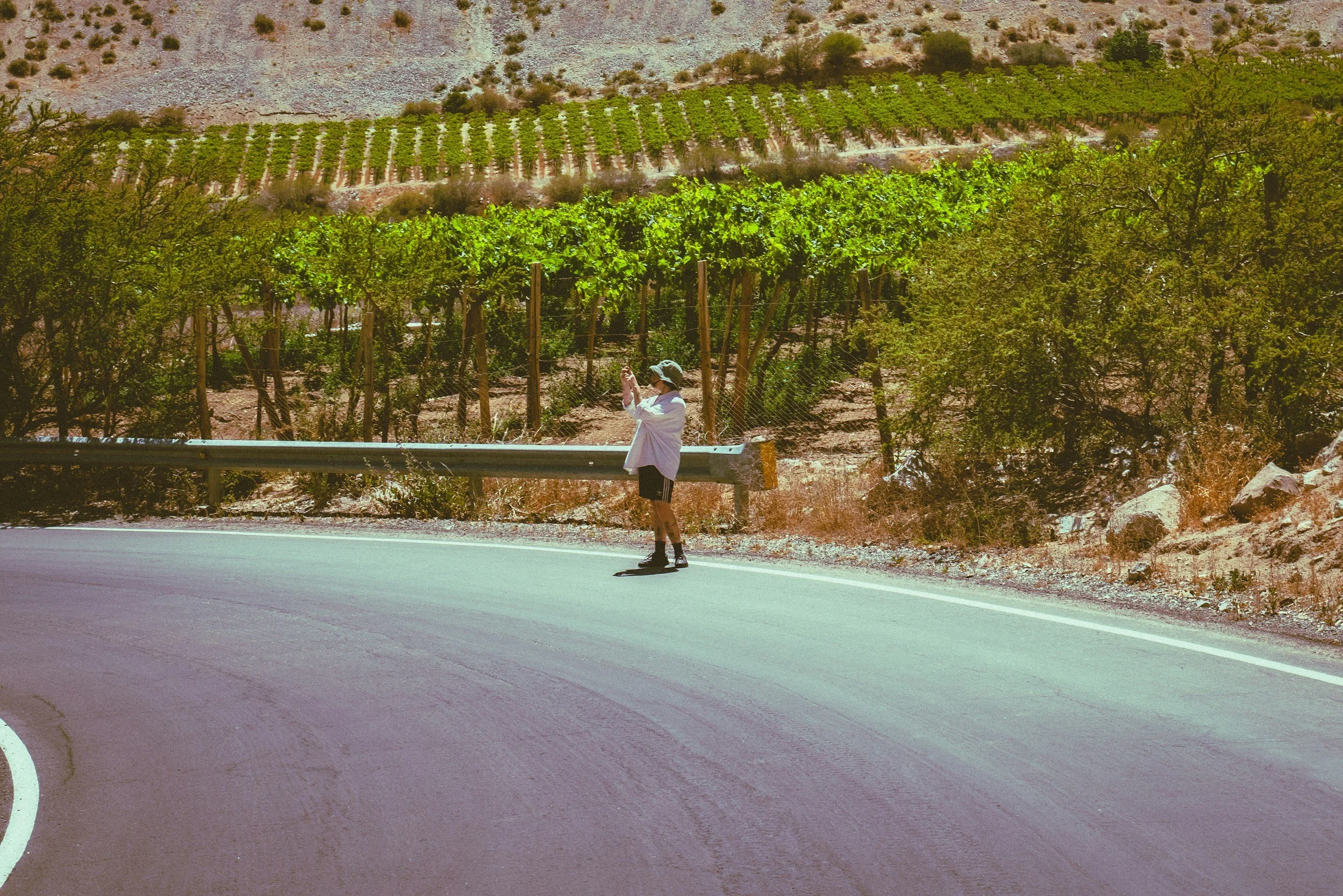
If you time it right, the hand harvest is hard to miss
Champagne is the strongest of the three regions for seeing a genuinely large hand harvest. Every bunch destined for Champagne is picked by hand, and around 120,000 seasonal workers take part across the appellation. During those days, grapes need to move quickly from the vineyards to the pressing centres, so the activity is not confined to people quietly cutting bunches between rows. Roads get busier, crates move through the villages and the presses become part of the working day.
The difficulty is how short that period can be. Champagne publishes authorised start dates by commune and grape variety, and recent vintages have repeatedly started earlier than travellers relying on the traditional September calendar might expect.
So I would choose Champagne for an active hand-harvest trip only if I had the date confirmed. I would not book an arbitrary September weekend and assume the vineyards would oblige.
There is also a fairly important difference between seeing Champagne being made and touring a Champagne cellar. The underground cellars in Reims and Épernay are primarily where bottles mature, and some are spectacular places to visit, but they are not necessarily where that morning’s grapes are arriving. A standard house tour may take you deep underground, explain the production process beautifully and finish with a tasting while giving you no view of the current harvest at all.
If fresh grapes, pressing or the working side of the vintage is the reason you are travelling, the tour description needs to say so.
I would stay in Reims for a first trip
From Paris, the fastest trains to Reims take around 46 minutes, which is hard to beat for a wine region of this calibre. It also means Champagne works unusually well as a two-night extension to a Paris trip without wasting half a day getting there.
Reims is the easier base because you can combine booked house visits with restaurants, the cathedral and plenty of options if weather or winery plans change. You are not stranded with nothing to do because one grower cancels.
Épernay puts the wine slightly more front and centre. Avenue de Champagne is walkable, and it is a more natural jumping-off point for the Marne Valley and Côte des Blancs. Reims and Épernay are only around 34 minutes apart by train, so I would not move hotels simply to experience both.
Where the car-free promise starts to get shakier is once you want to leave those two towns.
The regional rail line marketed around Champagne does stop in wine-country places, and villages such as Aÿ-Champagne can be reached by train. But a station does not solve the rest of the day for you. The grower still needs to be receiving visitors, the appointment needs to match the timetable, and the winery may not be beside the platform. Places such as Hautvillers or Verzenay add another layer again.
For one countryside day involving several growers, I would rather book a small-group tour or driver than spend harvest season trying to synchronise rural trains, walking distances and tasting appointments.
Two nights is enough to do Champagne properly at this level: one large-house visit, one countryside or grower experience, and time in Reims or Épernay that is not dictated by the next reservation.
If you’re still deciding between Reims, Épernay and a smaller village, I’ve compared the options in more detail in my guide to where to stay in Champagne.
For a more detailed look at the logistics, I’ve put together a separate guide to visiting Champagne without a car, including where the trains are genuinely useful and where a tour makes life much easier.
A cellar tour is not automatically a harvest tour
Champagne’s large houses are one of its biggest strengths during a busy period because they can handle visitors at a scale that a small grower often cannot. A timed multilingual tour is far less vulnerable to somebody suddenly needing to spend the day in the vineyard.
But reliability and harvest access are two different things.
A small grower may be the person who can explain exactly what is happening with that year’s grapes, while simultaneously being the person who has absolutely no time to spend an hour showing visitors around. Some producer listings explicitly exclude visits during harvest for this reason.
I would therefore book based on what the visit includes, not simply whose name is above the door. If the description only promises cellars and a tasting, assume that is what you are getting. If you want vineyards, pressing or access to a working production area, ask before booking.
That distinction matters even more because Champagne is not particularly cheap to experiment with. House tours, tastings and a guided countryside day can add up quickly, and I would much rather spend more on one visit that gives me the experience I came for than book several polished cellar tours that largely cover the same ground.
And bring another layer even on a warm day. The chalk cellars stay cool, sometimes considerably cooler than the streets above, and some visits involve plenty of stairs and walking. Accessibility differs between houses, so anyone who needs step-free access or shorter walking distances should check the exact tour rather than assuming “cellar visit” means the same thing everywhere.
If French regional trains are the part you’re least confident about, this guide explains how TER trains in France actually work, including tickets, connections and the bits that are easy to misunderstand when planning from abroad.
Burgundy is the one I would plan properly
Burgundy is the region I would choose if the wine itself is the main reason for the trip. It asks more of you than Alsace or Champagne, particularly during harvest, but there is a reason serious wine travellers keep coming back to this narrow strip between Dijon and Santenay.
Here, the geography is part of the experience. The Côte d’Or runs in a long, surprisingly slim band, with villages and vineyard parcels changing over relatively short distances. Burgundy’s famous climats are precisely defined vineyard plots with their own names and identities, sometimes sitting directly beside one another. Once you understand that, driving or cycling past Pommard, Volnay or Meursault stops feeling like a tour of interchangeable vineyards and starts to explain why Burgundy people can spend an entire lunch discussing a few hundred metres of slope.
Most harvesting in the region is still done by hand, and during the vendanges Pinot Noir and Chardonnay move from those individual parcels into often quite small domaines. That closeness between vineyard, village and producer is exactly why harvest can be so interesting here.
It is also why it can be awkward for visitors.
If the grapes are already in by the time you arrive, Burgundy is hardly a wasted trip. I’d happily turn the weekend towards food and markets instead, which is exactly what I did in this Burgundy market weekend guide.
The extra planning is worth it if you care about the wine
For a first trip, I would keep the geography tight and concentrate on the Côte d’Or between Dijon, Beaune and Santenay rather than trying to cover “Burgundy” as a whole. The wider wine region stretches far beyond this, and adding Chablis or the Mâconnais simply because they share the Burgundy name turns a three-night trip into far too much transport.
Three nights is a much better minimum than a rushed day from Paris. That gives you time for Beaune itself, one proper day through the vineyards and some flexibility if an appointment changes.
Beaune is particularly useful during harvest because the trip does not depend entirely on getting through the door of a small domaine. The Cité des Climats is genuinely helpful for understanding how the vineyard geography fits together, and the town has merchant cellars and plenty of places to taste wine without arranging a private visit weeks in advance. That matters if your carefully chosen domaine suddenly tells you that everyone is needed for harvest.
And if Beaune feels a little too busy for the whole stay, there are quieter Burgundy towns around Beaune that make more sense for a second trip or if you have a car.
This is also where paying for a good guide can be money well spent rather than an indulgence. Burgundy becomes far more interesting when someone can point out why one vineyard boundary matters, explain the villages as you move through them and handle appointments that would be awkward to coordinate independently. For a casual visitor who mainly wants to see people picking grapes, I would not spend the extra money. For someone who wants to understand why the wines change from one village or plot to the next, I probably would.
Beaune puts you in the vineyards; Dijon makes getting there easier
If I were building the trip around wine, I would stay in Beaune. You are closer to the Côte de Beaune villages and can start a guided vineyard day without first travelling south from Dijon.
Dijon still has one very useful advantage: the fastest trains from Paris take around 1 hour 34 minutes, and trains between Dijon and Beaune can take roughly 18 minutes. So if Burgundy is one part of a longer rail trip through France, Dijon can be the easier base, especially if you want more city time alongside the wine.
What the railway does not do is turn the Route des Grands Crus into an easy hop-on, hop-off tasting route. Getting to Beaune is simple. Getting from a station to several specific domaines, at booked times, while tasting wine along the way is a different problem.
Without a car, I would book one guided Côte d’Or day and let somebody else deal with the rural logistics. It is a much nicer use of the day than trying to match regional trains, village transfers and appointments that may already be fragile during harvest.
Cycling is another possibility, particularly around the Côte de Beaune, but harvest changes the feel of those roads. Tractors, vans and agricultural vehicles are moving between vineyards and wineries, so this is not the week I would combine ambitious tasting plans with a carefree afternoon on a bike. The wine and the traffic both deserve a bit more respect than that.
If you’re trying to work out how far you can realistically get without driving, my guide to Burgundy without a car goes much deeper into Beaune, Dijon, wine towns and day-trip logistics.
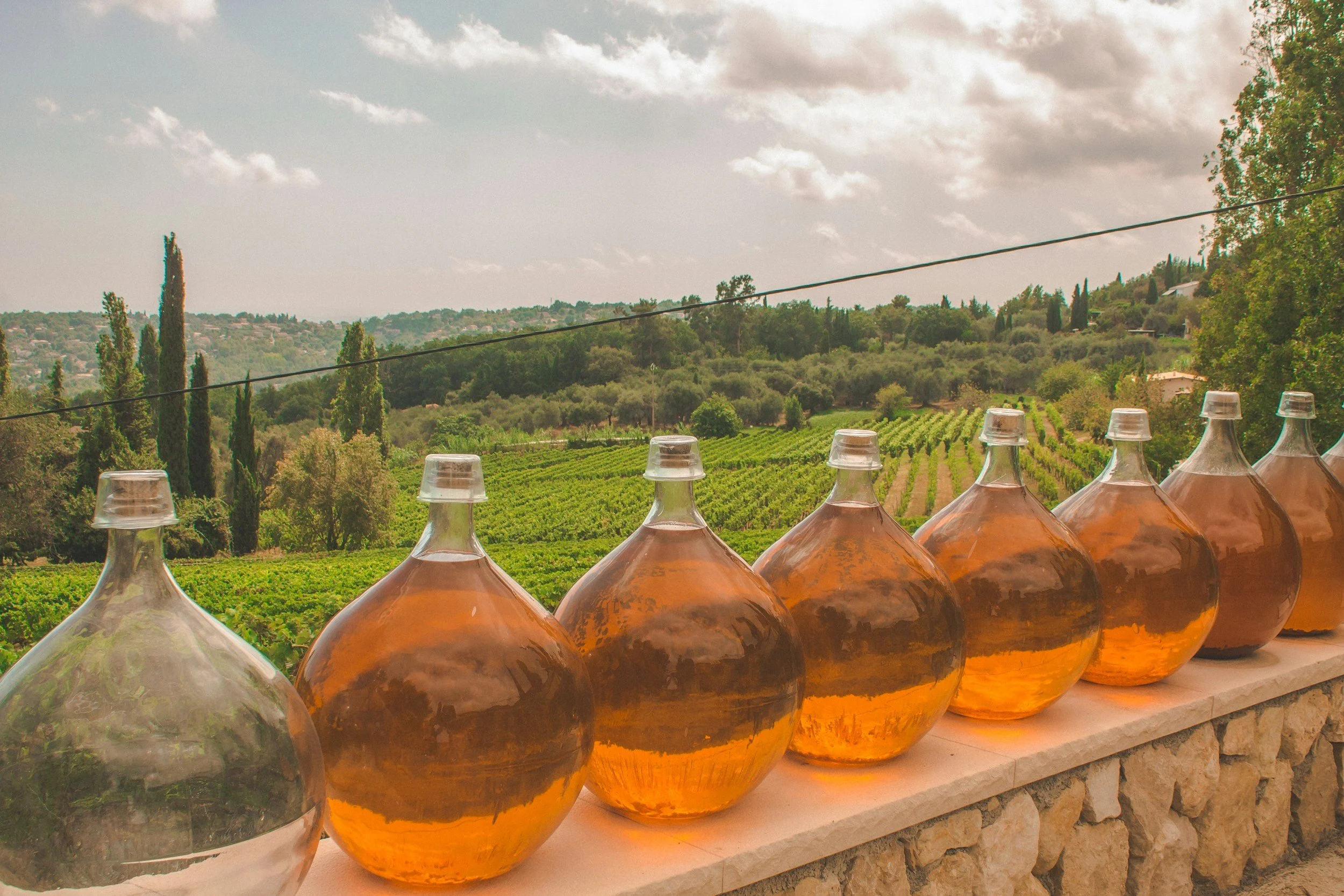
Burgundy is not a good place to rely on famous names and open doors
The biggest mistake I would avoid here is assuming that prestige means visitor access. Some of Burgundy’s most interesting producers are very small operations, and harvest is exactly when normal hospitality can disappear.
There are official examples of this in the region’s own producer listings. Domaine Creusefond in Auxey-Duresses, for instance, states that visitors are welcomed throughout the year except during the grape harvest. That does not mean every Burgundy domaine closes, but it is a good illustration of how different the reality can be from the idea of arriving in wine country at its most exciting moment and finding everyone eager to pour you a glass.
Burgundy can also become expensive very quickly if you start adding private guides, prestige tastings and famous bottles. There are perfectly reasonable group tours and more approachable tasting options, but this is the region where chasing names can send both the budget and the planning workload upwards.
I would treat any Paulée the same way. The word refers to an end-of-harvest meal or celebration, but some are private domaine traditions and others are organised public or ticketed events. Seeing “Paulée” on an autumn calendar does not mean you have accidentally found yourself invited to a winemaker’s harvest dinner.
For a first harvest trip where you want to arrive and see what happens, Burgundy would be my third choice. For a three-night trip where you have booked a good guide, chosen a couple of visits carefully and genuinely want to understand the vineyards in front of you, I would put it ahead of both Alsace and Champagne.
Chablis is absolutely worth its own trip, but I wouldn’t squeeze it into three nights around Beaune. I’d treat it as a separate weekend and use this Chablis weekend guide instead.
The easiest way to choose is to start with the trip
By now, I would stop comparing the three regions as if one of them has to win on every measure. The more useful question is what your trip is going to look like once you are there.
If you are coming from Paris for a weekend, Champagne has a very obvious advantage. Two nights in Reims gives you enough time for a proper wine trip without turning the journey itself into part of the project. Burgundy can also be reached quickly via Dijon, but it asks for more organisation once you arrive, while Alsace starts to feel slightly wasted if you only give it a hurried weekend.
With three or four nights, I would swing the other way and choose Alsace. That is enough time for Colmar, a day out among the wine villages and another day that does not need to be planned down to the hour. It is also the option I would choose for two people who are not equally obsessed with wine. You can book one tasting and still have a day that revolves around lunch, walking and whatever is happening locally rather than moving from cellar to cellar.
Burgundy becomes much more convincing when you are willing to make the wine the point of the trip. If I had three nights, a larger budget and wanted to come home understanding the Côte d’Or rather than simply having tasted several Burgundies, Beaune would be my base and I would spend properly on one guided vineyard day. That is a very different trip from Champagne or Alsace, and probably the reason to choose it.
Travelling without a car nudges me back towards Alsace while the Kut’zig is running. It is one of the few situations here where you can base yourself somewhere useful and still reach a string of wine villages without having to turn every rural transfer into a small research project. Outside its season, I would be much quicker to book a guided day than spend valuable holiday time trying to make an awkward route work simply because it is technically possible.
The one case where I would ignore all of those preferences is if picking grapes yourself is the reason for the trip. Then the confirmed experience matters more than the region. If the available date puts you in Champagne rather than Alsace, or Burgundy rather than Champagne, that is where I would go.
And by early October, I would be making the decision differently again. I would no longer choose on the assumption that I was going to catch widespread active picking. Alsace would still be my first choice because the season carries on through new wine and village events, while Champagne suits someone who would be perfectly happy with booked cellar visits and autumn events instead. Burgundy still has plenty of appeal then, but I would go for the wine and food rather than spend the trip hoping to catch a harvest that may already be over.
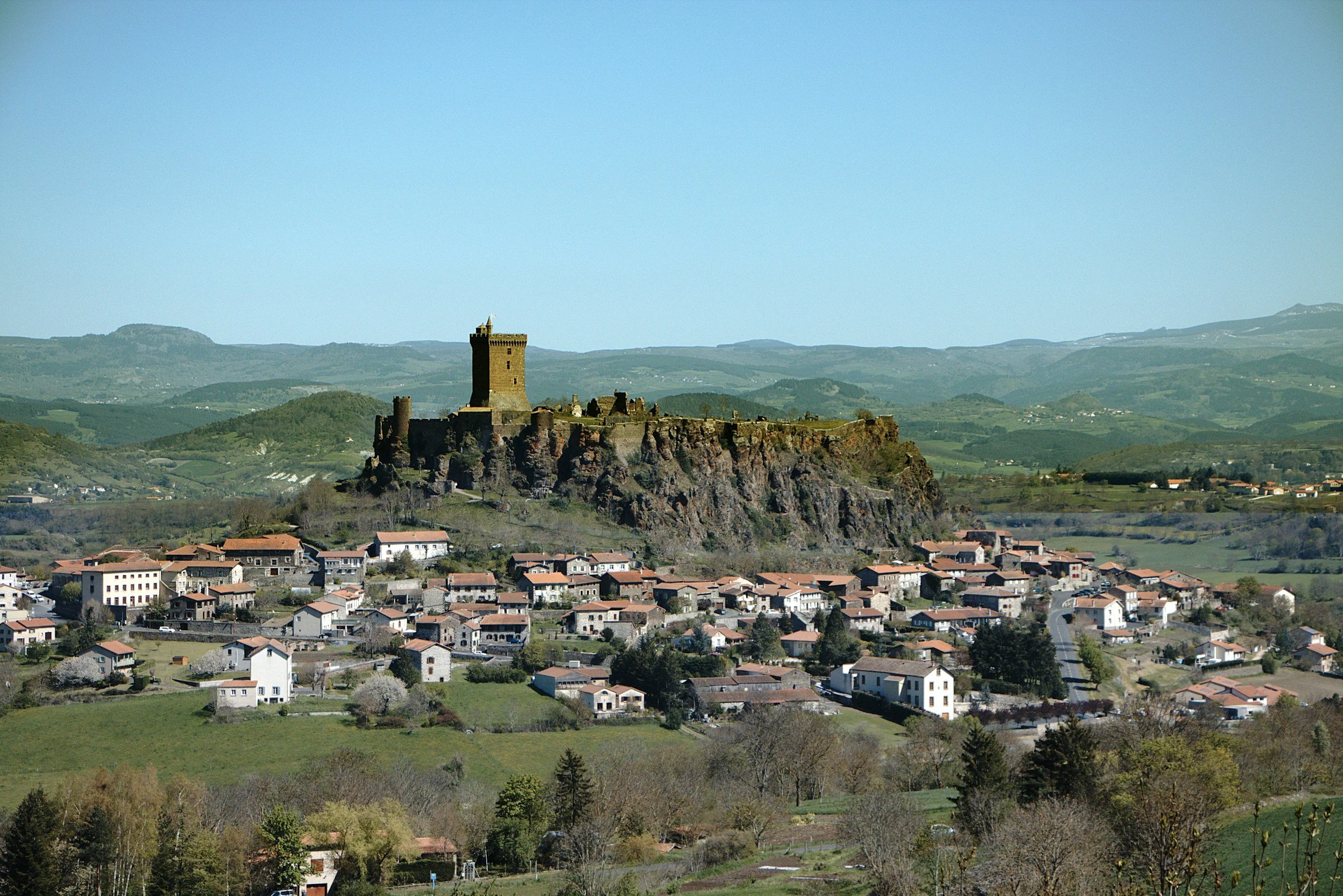
If France is only one of the autumn options you’re considering, I’ve also compared European towns that are especially good in late September for markets and harvest season.
The safest way to book is to leave yourself some room
Harvest trips are awkward because you usually need to book the expensive parts before the vineyards can tell you exactly what will be happening that week.
I would therefore make the hotel and transport decisions first, but choose them around a region you would still be happy to visit if the grapes came in early. In Champagne, that might mean staying in Reims because the major houses and the city itself still give you a solid trip. In Burgundy, Beaune gives you enough wine infrastructure to avoid depending on one tiny domaine. In Alsace, Colmar gives you the easiest base if the harvest-specific plans end up shifting.
After that, I would lock in one dependable visit that is not vulnerable to the exact picking dates, and leave the more harvest-specific part open for later.
That later stage can come surprisingly close to the trip. Champagne’s official 2026 harvest dates, for example, were published on 12 August, which is a useful reminder of how late the details may become clear. By then, most people travelling in September would already have booked flights, trains and accommodation.
Once the current harvest updates begin appearing, that is when I would add the experience that depends on the vintage itself: a picker-for-a-day session, a vineyard visit tied to the harvest, a press visit or a dated public event.
I would also reconfirm any small-estate visit about a week before travelling. A producer who happily accepted your booking in May may be working to a very different schedule once the grapes are coming in. I would ask whether the tasting is still running during active harvest, whether the visit includes the vineyard or production area, whether English is available on that time slot, and what happens if rain changes the day. It is also useful to know in advance whether there is a tasting fee or whether a purchase is expected.
Then check the practical side again just before the rural day. Seasonal transport, event dates and producer opening hours can all change independently of one another. The Kut’zig may have one timetable, a Champagne village train another, and your tasting appointment a third. I would much rather spend five minutes checking those 48 hours before than discover over lunch that the last useful bus has already gone.
This is also where a guide starts to make more sense, especially in Burgundy or for a Champagne day involving several growers. Part of what you are paying for is the wine knowledge, but part of it is simply having someone else deal with the logistics if a producer changes plans.
The one thing I would avoid is tying a large, non-refundable expense to the hope of catching active picking. Harvest is too short and too local for that. Book the trip so it still feels worthwhile without it, then add the harvest-specific piece once you know what that year is really doing.
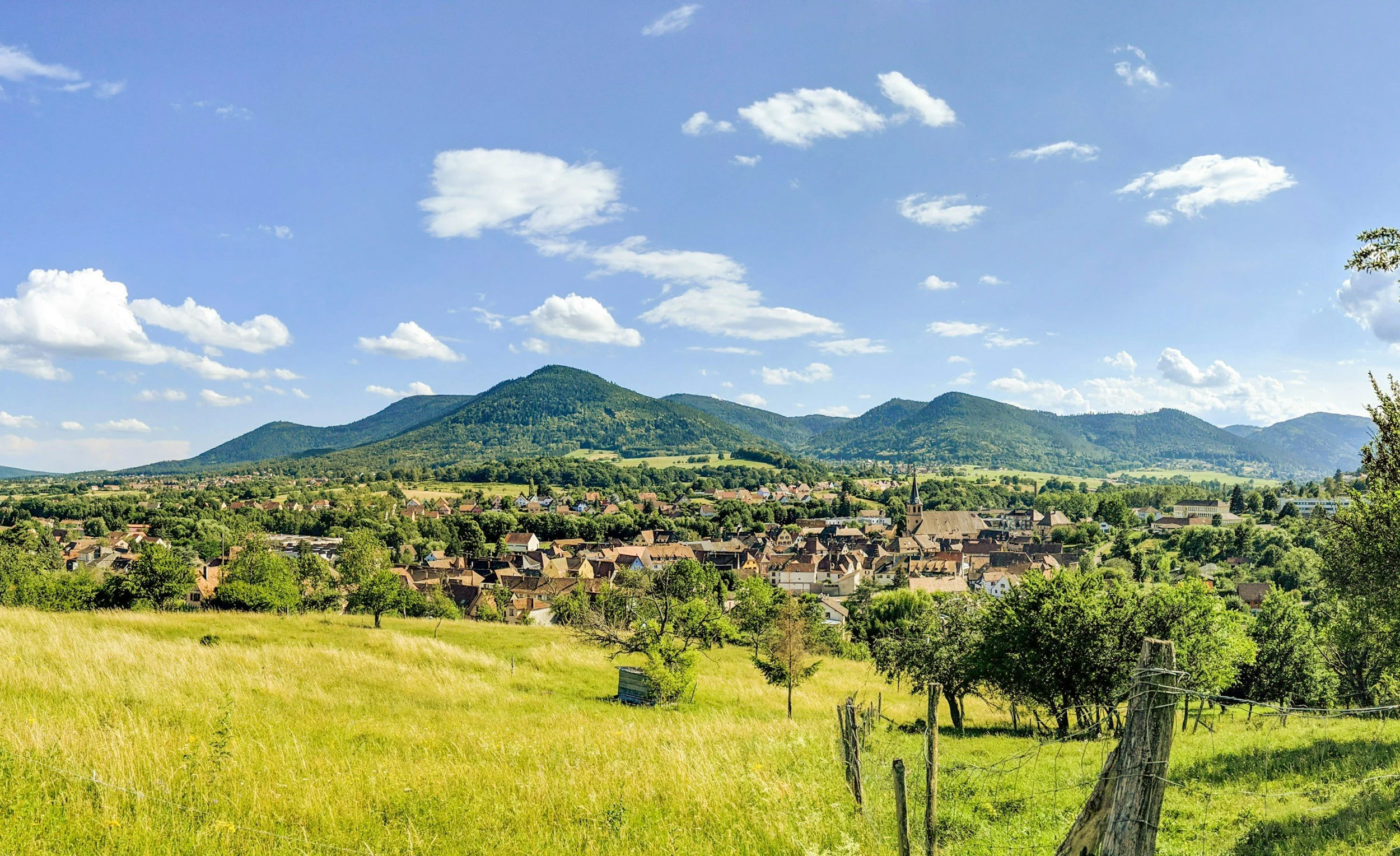
One last thing before you book
I think the easiest mistake is to make harvest the whole point of the trip, when really it is just the working season everything else has to fit around. So I would worry less about whether you can say you saw grapes being picked, and more about whether you would still enjoy being there if the picking had already finished.
In Alsace, that could mean being back in Colmar with a glass of vin nouveau and still being perfectly happy to spend the next day in Kaysersberg or Turckheim. In Champagne, it could be a cellar visit in Reims and a countryside day towards Épernay, even if the presses are quiet by the time you arrive. And in Burgundy, it might simply mean spending a day around Beaune and the Côte d’Or, getting a much better feel for the vineyards even if the domaine you had hoped to visit is too busy to see you.
That is the test I would use before booking anything. Pick the region you would still want to be in on an ordinary autumn day, and let the harvest be the extra bit you get lucky enough to catch.
FAQs about visiting French wine regions during harvest
Is September still the best month to see the grape harvest in France?
September can still be a very good month for a wine trip, but I would no longer book a particular week assuming the harvest will be happening. Champagne, Burgundy and Alsace have all seen increasingly early harvests, and the exact timing changes with the vintage, grape variety and producer. If seeing active picking matters to you, follow the official regional updates for that year and add a dated harvest experience once the schedule becomes clearer.
Is October too late for harvest in Burgundy, Alsace or Champagne?
For the main grape harvest, quite possibly. By early October, much of the picking may already be finished, particularly after a warm year. I would be most comfortable booking Alsace at that point because vin nouveau, wine festivals and village events give the season a life beyond the picking itself. Champagne can still be very good for cellar visits and autumn events, while Burgundy is better approached as a wine-and-food trip rather than a promise of active harvest.
Can tourists help pick grapes in France?
Yes, but look for a specific visitor harvest or picker-for-a-day experience rather than assuming you can turn up and join a working team. These organised experiences exist in French wine regions and give visitors supervised access to part of the harvest. The fact that Champagne is picked entirely by hand, or that many Burgundy estates harvest manually, does not mean the vineyards are automatically open to visitors.
Are wineries open during grape harvest?
Some are and some definitely are not. Large Champagne houses and other visitor-focused operations are generally better equipped to keep tours running, while a small family domaine may temporarily stop visits because everyone is needed for harvest and winemaking. If you have a particular producer in mind, confirm the appointment again shortly before travelling rather than assuming its normal opening hours still apply.
How do you visit wine regions without driving after tastings?
I would plan the transport before choosing the tastings. Reims and Épernay work well for a city-based Champagne trip, Colmar and the seasonal Kut’zig give you useful options in Alsace, and a guided vineyard day is often the easiest solution around Beaune. If you do rent a car, use a designated non-drinking driver rather than treating the legal alcohol limit as something to aim for. A taxi, train or organised tour is much nicer than spending every tasting calculating whether you should have the next glass.
Are vineyard and cellar tours accessible?
It varies much more than the word “tour” suggests. Historic cellars can involve stairs, low light and long underground walks, while vineyard visits may include grass, slopes, mud or uneven tracks. Before booking, ask whether there are steps or lifts, how far the walking section is, whether the vineyard portion can be skipped, and whether accessible toilets and seating are available. A step-free tasting room does not necessarily mean the vineyard or cellar portion is step-free too.