
Where I'd stay if I only had one weekend in Champagne
Most people end up staying in Reims or Épernay because it’s easy. Trains arrive there, the big houses are there, and everything is set up for short visits. The downside is that your day starts to follow their schedule, with fixed tasting times, busy streets, and more movement than you might expect.
If you stay a bit outside, the whole trip works differently. Villages like Hautvillers, Verzy, or anywhere along the smaller roads between Ay and Mareuil-sur-Aÿ put you right among the vineyards. You’re still 10–20 minutes from the main towns if you need them, but once you’re back where you’re staying, it’s quiet again.
The places to stay here are smaller and less standardised. Some are vineyard estates where dinner is served at a set time and most guests stay in for the evening. Others are simple guesthouses where you head out to a nearby village for dinner, usually between 19:00 and 20:00. It’s worth knowing that in advance, because it shapes how you plan your day more than anything else.
Mornings are simple. You either have breakfast where you’re staying, or you drive a few minutes to a bakery in a place like Ay or Mareuil-sur-Aÿ. Markets are worth catching, but they’re not all-day events. Most start early and finish by early afternoon, so you need to time them rather than fitting them in later.
This guide focuses on places that make that kind of stay easy. You’re close enough to move between villages without thinking about it, but far enough out that you’re not dealing with crowds once the day visitors leave.
If you’re leaning towards something smaller and more personal rather than a polished hotel, rural guesthouses shows what that kind of stay looks like in practice.
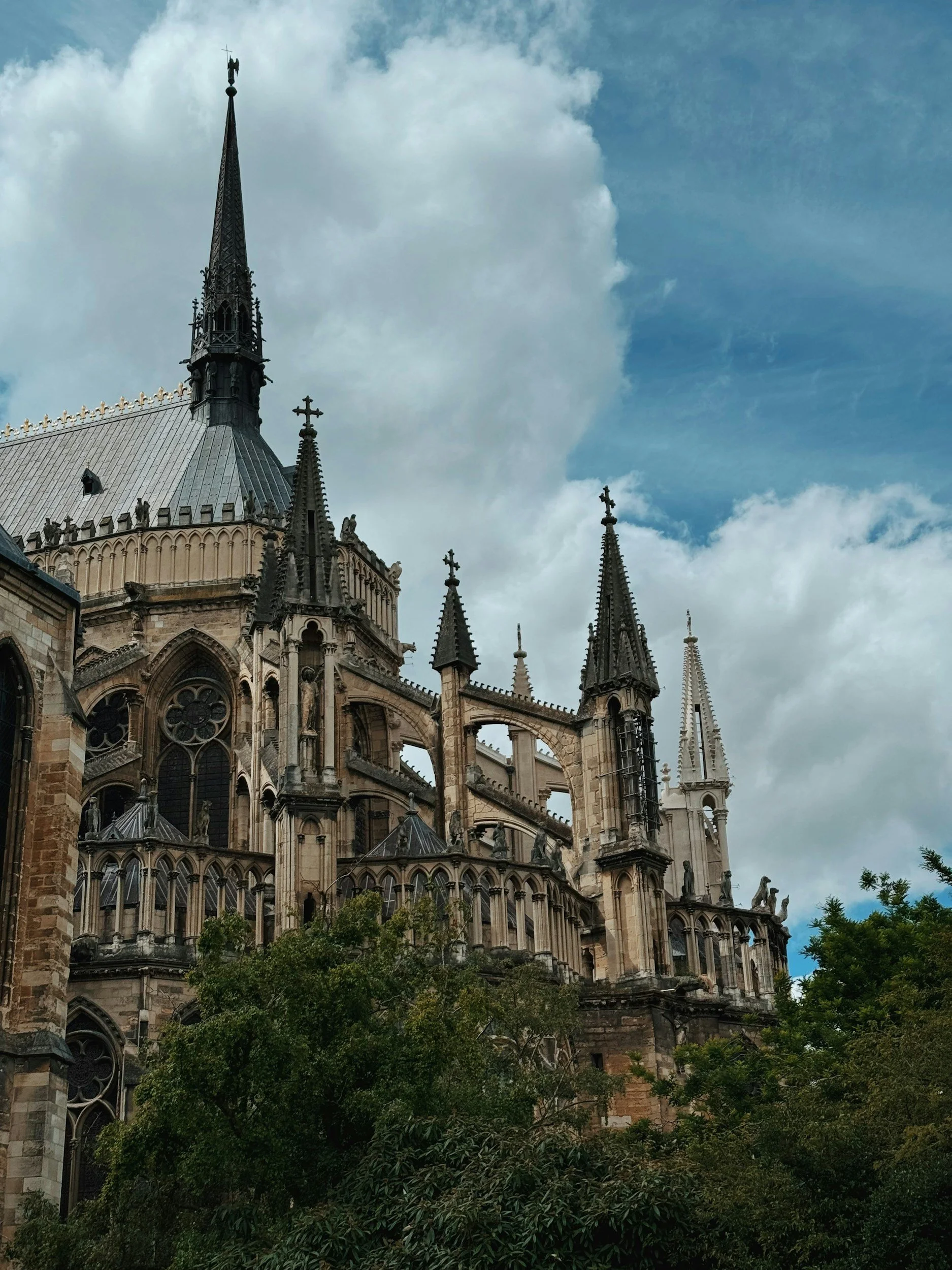
Les Crayères, Reims: quiet stay near the champagne houses
Les Crayères sits on the southern edge of Reims, in the residential area around Parc de Champagne, away from the busier streets near the cathedral and Place Drouet d’Erlon. You usually arrive via Avenue du Général Giraud or Boulevard Henry Vasnier, both of which feel noticeably calmer than the centre. The last few minutes are lined with large houses, embassy-style buildings, and long stretches without shops or cafés, which already sets the tone before you even reach the hotel.
The property is set behind gates within its own grounds, backing directly onto Parc de Champagne. You’re not stepping out into a city street straight away. Instead, you move through a garden with gravel paths, mature trees, and open lawn space before reaching the outside road. In the evening, this makes a difference. There’s no passing traffic noise, and no foot traffic cutting through the area, which you do get in central Reims even on quieter streets.
Inside, the château layout means rooms vary, but most have high ceilings, thick walls, and windows facing the garden or park side. It’s worth requesting a room on that side rather than facing the entrance driveway, especially if you want it as quiet as possible in the morning. Curtains are heavy enough to block early light, and because there are no nearby buildings with bright exterior lighting, nights stay properly dark.
One of the main advantages of staying here is how close you are to several of the larger champagne houses without needing to cross the city. Veuve Clicquot is about a 10-minute walk away along Rue du Temple, and Taittinger is also within walking distance, slightly further along the same side of town. Pommery is even closer, just a few minutes by car or around 12 minutes on foot. If you book early tours, which often start around 10:00, you can get there without dealing with traffic or parking.
For anything in central Reims, you’ll likely use a car or taxi. The drive to the cathedral takes about 10 minutes depending on traffic, and it’s easiest to park near Rue Libergier or Place du Forum if you’re planning to walk around the old centre. Walking from the hotel is possible, but it takes around 30 minutes and involves crossing busier roads, so most people don’t do it more than once.
Food is one of the reasons people stay here, but it still helps to know how the area works. The hotel’s restaurant is structured and requires planning, so many people combine one evening on-site with one or two dinners in town. In Reims centre, places around Rue de Mars and Place du Forum are the easiest to navigate without reservations if you arrive early, around 19:00–19:30. Around the cathedral, restaurants fill up faster and tend to be more formal.
If you want something simpler during the day, there are a few practical stops nearby that don’t always show up in guides. There’s a small bakery cluster along Avenue Jean Jaurès about 5–7 minutes by car where locals pick up bread and pastries in the morning, and a few wine shops along the same stretch if you want to buy bottles without going through the larger houses. For a quick lunch, heading toward Boulingrin Market Hall near the centre works well, but it’s best to go before 13:30 when things start closing.
Mornings at Les Crayères are noticeably slower than in the centre. Parc de Champagne next door is used later in the day for walking and running, but early on it stays almost empty. You can step out onto the paths directly from the property and walk for 20–30 minutes without crossing traffic or dealing with crowds, which isn’t possible if you’re staying closer to the cathedral.
If you’re planning to leave Reims and explore smaller villages, the location also works well for getting out of the city quickly. You can reach places like Verzenay or Verzy in about 20 minutes, heading straight into vineyard areas without needing to drive through the centre first. That saves time, especially if you’re trying to visit a couple of smaller producers in one day.
What makes Les Crayères different is how it separates you from the parts of Reims that tend to feel busy, while still keeping everything within reach. You can go into the centre, visit a few houses, pick up what you need, and then come back somewhere that doesn’t carry that movement into the evening.
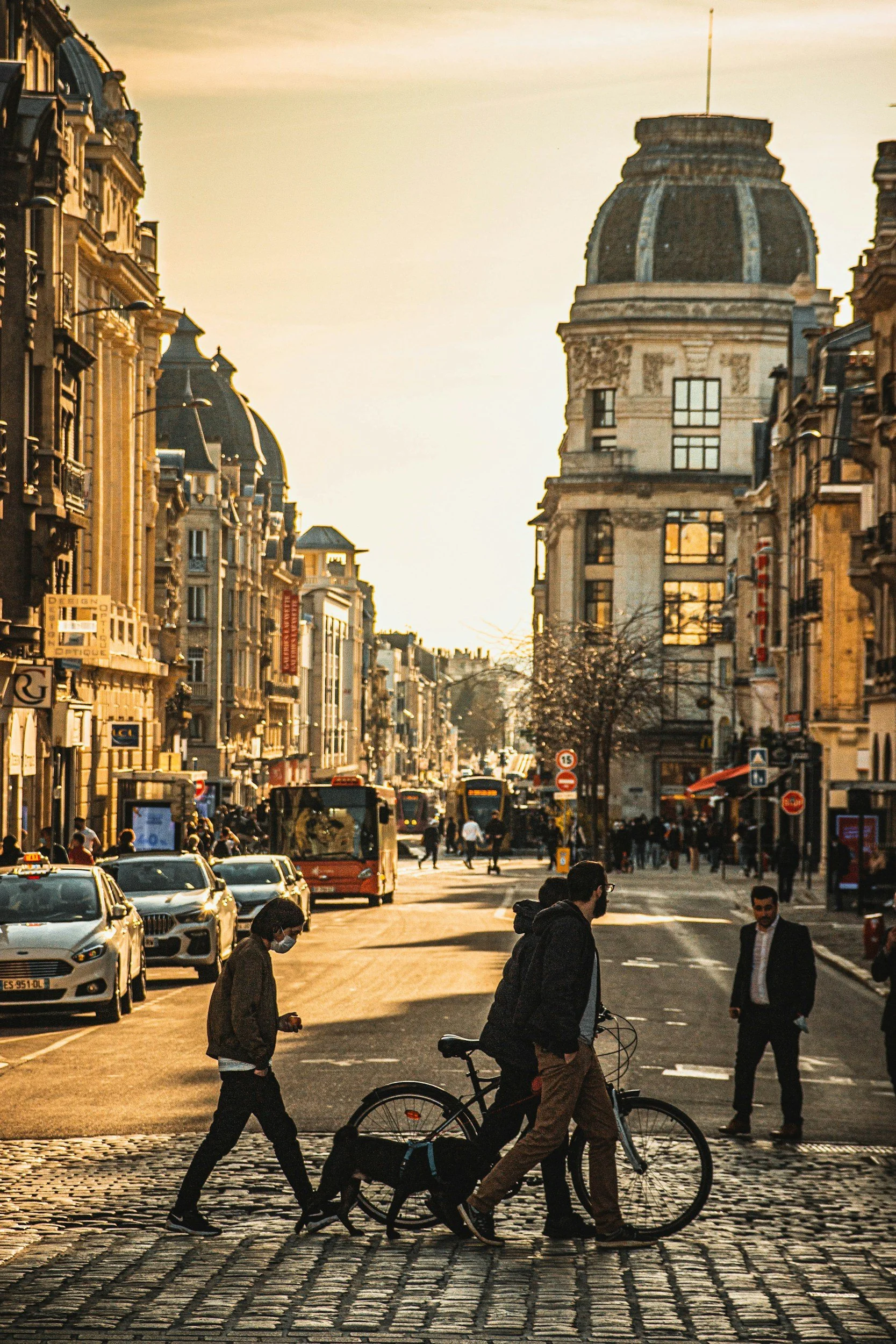
For a version of this trip that’s less about tastings and more about how you spend your days, countryside weekend helps you shape the pace a bit differently.
La Maison Penet, Verzy: stay among the vineyards in Montagne de Reims
La Maison Penet is in Verzy, a small village about 20 minutes southeast of Reims, right inside the Montagne de Reims vineyards. You get there via the D26, the same road that links Verzenay, Mailly-Champagne, and Louvois. Once you leave Reims, it changes quickly. Fewer houses, narrower roads, and long stretches where it’s just vines and low stone walls on both sides. If you arrive late in the day, there’s very little traffic, and after sunset the roads are mostly empty.
Verzy itself is compact and easy to understand within a few minutes. The main streets run around the church and a handful of small champagne producers, but there’s no real centre in the way a town has one. You’re not walking out for coffee in the morning or browsing shops. It’s more practical than that. You stay here for the setting, not for what’s in the village.
La Maison Penet is part of a working estate rather than a separate hotel. You’re staying inside the house where things actually happen during the day, which makes it feel more contained. There are only a few rooms, so you don’t get that constant in-and-out movement you notice in larger places. Once guests have settled in for the evening, it stays quiet without trying to be quiet.
Rooms follow the structure of the building, so they’re not identical. Wooden floors, high ceilings, and windows that either face the village or open out toward the vineyards. If you can choose, the vineyard side is worth it. You’re looking out over rows of vines with nothing in between, and in the morning the light comes in gradually rather than all at once. At night, it gets properly dark. No streetlights, no glow from neighbouring buildings, just the occasional light from a distant house further down the slope.
Breakfast is served in a set window and is simple but consistent. Bread, pastries, fruit, and local products, usually with a view out toward the vines if you sit near the windows. It’s not something you linger over for hours, but it gives you a clear start to the day before heading out. There’s no all-day service, so once breakfast is done, you’re moving on.
Dinner is the one thing you need to plan. There isn’t a reliable on-site option every night, and Verzy doesn’t have enough places to leave it until the last minute. Verzenay, about 5 minutes away, is the closest practical choice. Around the area near the Phare de Verzenay and Rue Gambetta, there are a couple of restaurants that open in the evening. Booking ahead helps, especially on weekends. Bouzy is another option, about 10 minutes in the other direction, with a few small places and a bakery you can use earlier in the day. If you want more choice, you’ll need to go back to Reims, which turns dinner into a 20-minute drive each way.
During the day, this is one of the easiest bases in Champagne if you want to visit smaller producers without spending time on the road. Mailly-Champagne is 5–10 minutes away, Louvois just beyond that, and you can move between them without thinking too much about routes. The D26 and surrounding roads are quiet, and you’re not dealing with tour buses or heavy traffic unless you head back toward the bigger houses near Reims or Épernay.
One detail that’s easy to miss before you arrive is the forest just above the village. Forêt de Verzy starts a few minutes’ drive uphill, with small parking areas where the marked trails begin. This is where you’ll find the twisted beech trees, les Faux de Verzy. The loops are short and manageable, usually 45 minutes to an hour, and it’s one of the few places in the area where you’re walking under cover rather than through open vineyards.
If you want to break up the day without driving far, it works well to head out for a visit or two in the morning, stop somewhere like Bouzy for something simple to eat, and then come back in the afternoon. Most people don’t stay out all day here. The distances are short enough that returning feels easier than pushing on to the next place.
Evenings are consistent. Once you’re back, there’s no movement in the village. No cars passing through, no late-night noise, and nothing carrying from nearby buildings. Compared to staying in Reims, or even in larger villages, the difference is noticeable after the first night.
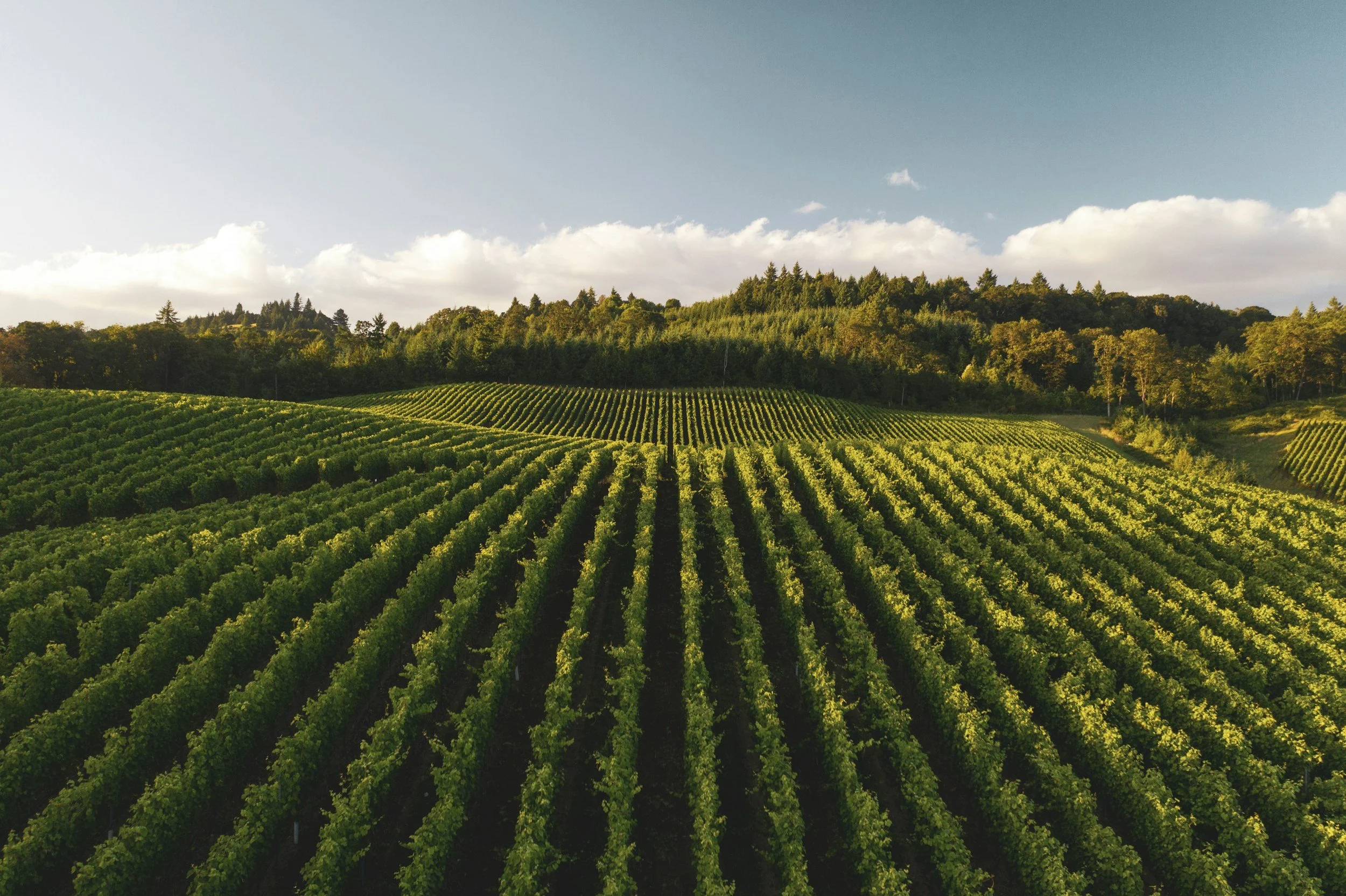
Cottage Saint-Oinette, near Mareuil-sur-Aÿ: countryside stay between the vineyards
Cottage Saint-Oinette sits just outside Mareuil-sur-Aÿ, on the Vallée de la Marne side of Champagne, about 10–15 minutes from Épernay and 25 minutes from Reims. You usually approach via the D1 that runs along the river, then turn uphill onto smaller vineyard roads where the houses thin out quickly. The last stretch is narrow, with low stone walls, vine rows, and very little traffic unless it’s local growers moving between plots.
Mareuil-sur-Aÿ itself is small but practical. There’s a bakery on Rue Carnot that opens early in the morning, and if you arrive before 09:00 you’ll still catch fresh bread and pastries before things start to sell out. Along Rue Pasteur and the streets closer to the river, you’ll find a few small champagne producers and basic services, but nothing that keeps the village active late into the day. After mid-afternoon, it slows down noticeably, especially outside harvest season.
The cottage is set slightly apart from the centre, which is what makes it work. You’re close enough to reach the village in a couple of minutes by car, but far enough out that you’re not seeing or hearing anything once you’re back for the evening. There’s no through road past the property, so no cars passing by, and no people walking past your windows.
Inside, it’s straightforward and self-contained. A small kitchen, seating area, and bedroom space that’s easy to use for a few nights. Nothing feels over-designed. Windows look out toward the surrounding vineyards or open countryside rather than onto neighbouring buildings, so you’re not dealing with movement outside your space. In the afternoon, it helps to close shutters or curtains to keep the heat out, and by evening the temperature usually drops enough that you don’t need much cooling.
Food is something you plan around here. You can cook at the cottage, which most people do at least once, or head into Épernay for dinner. If you’re stocking up, it’s easiest to stop in Épernay before arriving. There’s a Carrefour Market near Avenue de Champagne and several smaller shops along Rue de Reims where you can pick up everything you need without going out of your way.
If you want to eat out, Épernay is the most reliable option. Around Avenue de Champagne and the streets just behind it, you’ll find restaurants that open from around 19:00–19:30. Arriving early usually means you don’t need a reservation, especially on weekdays. Aÿ is closer, about 5 minutes away, but options are more limited and not always open in the evening, so it’s better as a daytime stop.
During the day, this location makes it easy to move without planning long routes. Hautvillers is about 10 minutes away, and you can walk through the village, follow the vineyard viewpoints above the Marne, and then head back without committing to a full day out. Dizy and Aÿ are even closer, connected by the same river road, so you can stop in briefly without needing to map out a full itinerary.
If you prefer to stay local, there are vineyard tracks just above Mareuil-sur-Aÿ that you can reach within a few minutes by car. These aren’t marked hiking routes, but they’re easy to follow and give you open views across the valley. A short walk here, especially early in the morning or later in the day, feels completely different from being down on the main road.
Evenings are the main reason to stay here. Once you’re back at the cottage, there’s no movement around you. No traffic, no nearby terraces, and no lights coming in from other buildings. Compared to staying in Épernay or even in the centre of Mareuil, it’s noticeably quieter.
What makes Cottage Saint-Oinette work is how easy it is to balance the two sides of Champagne. You can spend a few hours in the busier areas if you want, then come back somewhere that stays completely still once the day ends.
If you’re wondering whether Champagne is the right region or if something quieter might suit you better, bugey weekend gives a really clear comparison without overcomplicating it.
For a softer, more seasonal alternative, especially outside peak months, périgord noir shows how the experience shifts when you’re not focused on wine regions alone.
Hotel Le Dormeur du Val, Reims: central stay on a quieter street
Le Dormeur du Val is just off Rue des Moissons, a small street that sits between the busier centre and the more residential parts of Reims. You’re about 5 minutes from Place Drouet d’Erlon, where most people end up for cafés and casual dinners, and around 10 minutes on foot to the cathedral. The difference is that once you turn back toward the hotel, you’re not in the middle of that movement anymore.
The street itself doesn’t carry much traffic. It’s mostly locals coming and going, a few parked cars, and not much else after early evening. That makes a noticeable difference compared to staying directly on Rue de Vesle or closer to the main squares, where there’s always something happening.
The hotel is small, more like a converted townhouse than a typical hotel. You don’t get groups arriving all at once or a busy reception area. Most of the time it feels quiet, especially once people have checked in and gone out for the evening.
Rooms vary quite a bit, which is worth knowing when booking. Some face the street, others the inner courtyard. If you want it as quiet as possible, the courtyard side is the better option. The street isn’t loud, but you’ll still hear the occasional car or people passing earlier in the evening. The courtyard stays still once it gets dark.
Inside, things are simple but slightly more personal than standard hotels in Reims. Not overdesigned, just a bit more variation in layout and furniture. Lighting stays soft, and rooms don’t feel overly bright at night, which helps if you’re coming back late from dinner.
What works really well here is how easy it is to move around on foot. From the hotel, you can walk straight down toward Place Drouet d’Erlon in a few minutes. That’s where most casual restaurants are, but it can feel busy, especially later in the evening. If you keep going another few minutes toward Place du Forum and Rue de Mars, it’s usually easier to find something without a reservation, especially if you arrive before 19:30.
For something quick during the day, Boulingrin Market Hall is about 10–12 minutes away on foot. In the morning, you can pick up bread, cheese, and simple lunch options, but it starts closing down after early afternoon, so it’s not somewhere to leave until later.
There are also several bakeries within a short walk of the hotel. Along Rue de Vesle and nearby streets, places open early, which is useful if you’re heading out to the vineyards and don’t want to wait around. Picking something up and eating as you walk toward the centre tends to be easier than planning a sit-down breakfast.
If you’re visiting champagne houses in Reims, you’ll probably use a car or taxi. Veuve Clicquot, Pommery, and Taittinger are all about 10–15 minutes away depending on traffic. It’s straightforward to leave the centre in the morning, visit one or two places, and then come back and park the car for the rest of the day.
Parking isn’t directly at the hotel, so you’ll need to use street parking or a nearby public car park. Boulingrin is one of the easier options, about a 10-minute walk away, and it’s usually simpler to park there than try to find a space right outside.
Evenings depend on where you spend them. If you stay around Drouet d’Erlon, it stays active quite late. But once you walk back toward Rue des Moissons, it drops off quickly. You’re not completely removed from the city, but you’re far enough from the busiest streets that it doesn’t carry into the night.
What makes this place work is that you don’t have to think too much about logistics. You can walk out, find something to eat, wander a bit, and come back without dealing with noise or crowds right outside your room.
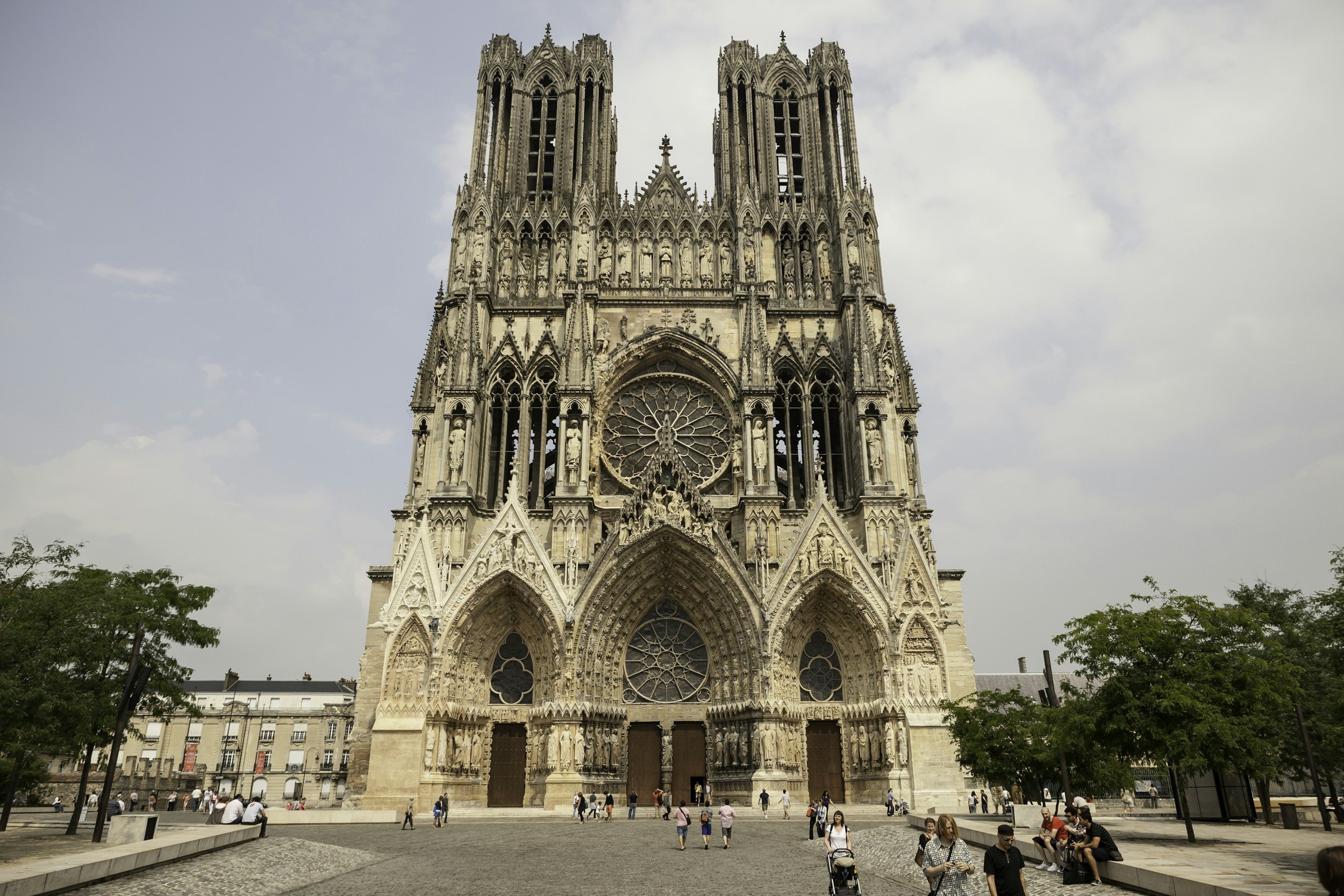
The vineyards of Montagne de Reims: walks, forest trails, and small producers
The Montagne de Reims sits between Reims and Épernay, and most of the smaller roads you’ll use run along or across it. The D26 is the main one to know. It links villages like Verzenay, Verzy, Mailly-Champagne, and Louvois, and it’s where you start to see how close everything is once you’re out of the main towns. Distances are short, but the roads are narrow and wind through the vines, so you’re not moving quickly.
Walking here is less about marked routes and more about using the vineyard tracks that run between the plots. Around Verzenay and Verzy, you’ll find paths branching off the D26 and the smaller connecting roads. Some are gravel, some are just compacted dirt, and most are used by growers rather than set up for visitors. You can walk for 30–60 minutes without needing to follow a loop, just turning back when it makes sense.
If you want something more structured, the forest above Verzy is the easiest place to start. Forêt de Verzy has marked trails and small parking areas where you can leave the car. The paths are clearly signposted, and you can choose shorter loops of around an hour or longer walks if you want to stay out. The twisted beech trees, known as les Faux de Verzy, are spread across parts of the forest and are easy to reach without needing to plan a full hike.
Back down in the vineyards, moving between villages works best by car with short stops rather than trying to link everything on foot. Mailly-Champagne is about 5–10 minutes from Verzy, and Louvois slightly further, but all within a compact area. You can visit one or two producers in a morning without covering much distance. Many of the smaller houses don’t have clear signage or fixed opening hours, so it’s worth deciding where you’re going in advance rather than expecting to drop in everywhere.
Verzenay is one of the easier stops to plan around. The lighthouse (Phare de Verzenay) sits just above the village and gives you a clear view over the vineyards. There’s a small museum there as well, but most people come for the viewpoint. From there, you can walk short sections along the edge of the vines before heading back down into the village.
Food options in this area are limited during the day, so it helps to plan that part as well. Verzenay and Mailly-Champagne have a couple of places, but not all are open consistently. Bouzy is a bit more reliable for a simple lunch or a bakery stop earlier in the day, and it’s only about 10 minutes away by car.
What makes this part of Champagne work is how little you need to cover to see different sides of it. You can move between villages, walk a short section of vineyard, and stop at a producer without turning it into a full itinerary.
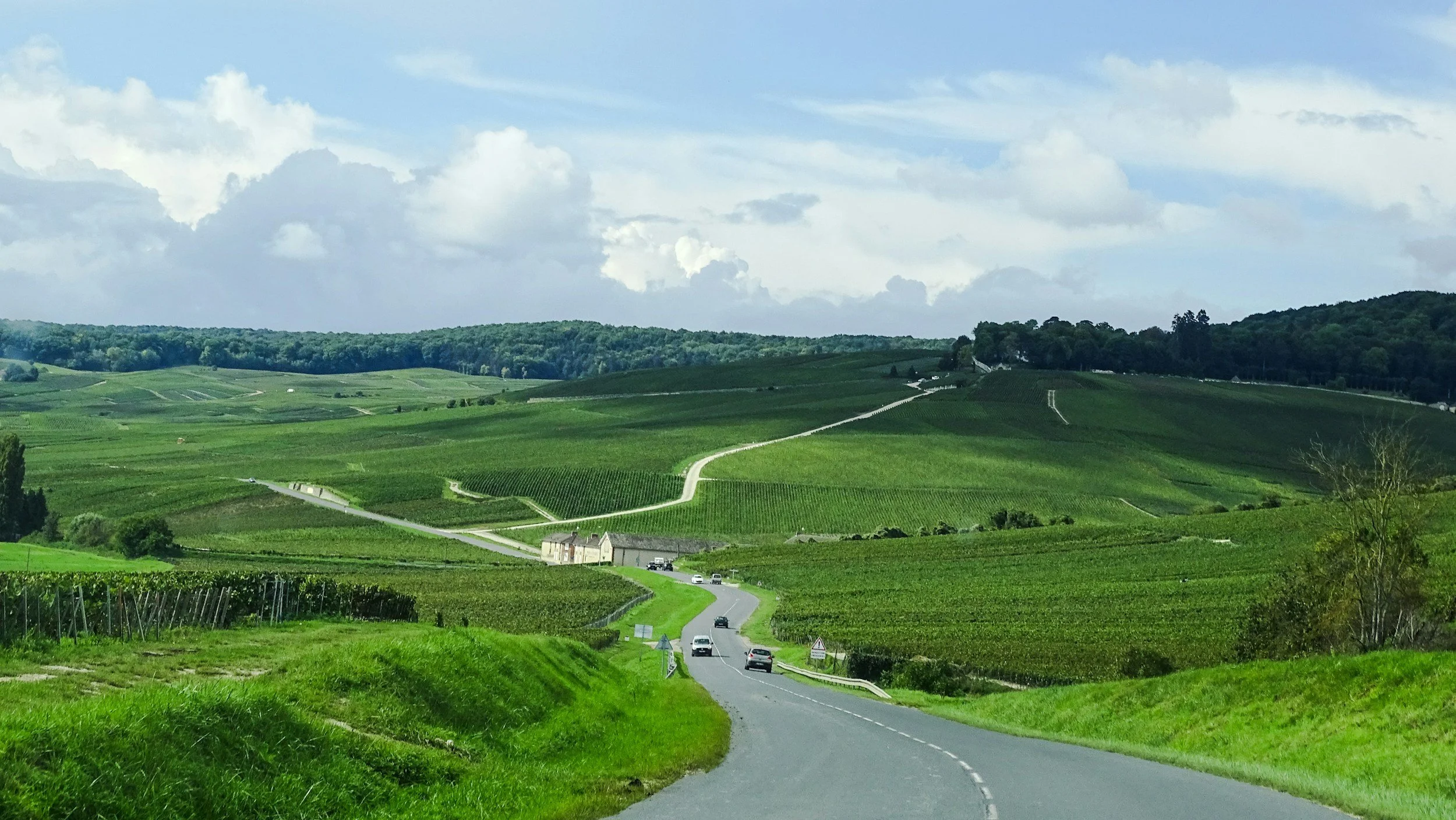
Épernay: a quieter Champagne base around Avenue de Champagne
Épernay is often treated as a quick stop between tastings, but it works better if you stay just off Avenue de Champagne and use it as a base. The avenue runs south from the station area toward the hills, lined with large houses like Moët & Chandon and Perrier-Jouët. It’s busiest between late morning and mid-afternoon when tours are running. After that, it empties out quickly, especially once the last visits finish around 16:30–17:00.
Where you stay makes a difference. If you’re directly on the avenue, you’ll notice more movement during the day. If you stay a street or two away, around Rue de Reims, Rue Gambetta, or closer to the centre near Place Hugues Plomb, you’re still within a few minutes’ walk but without the same flow of visitors outside your door.
The town is compact enough to move around on foot without planning routes. From the middle of Avenue de Champagne, it’s about 5–10 minutes to Place Hugues Plomb, which acts as the centre. From there, Rue Saint-Thibault runs through the main shopping area, with bakeries, wine shops, and small cafés. It’s where you’ll end up most mornings if you’re picking something up rather than sitting down for breakfast.
For bakeries, it’s worth going early. Places along Rue Saint-Thibault and nearby streets open from around 07:00, and by mid-morning the selection is already reduced. It’s easier to grab something and walk than to wait for a full café breakfast, especially if you’re heading out to a vineyard visit.
If you want a proper market stop, the Halle Saint-Thibault near the centre is the main indoor market. It’s best between 08:00 and 13:00, after which stalls start closing. You can pick up cheese, bread, and simple lunch items, but it’s not somewhere that stays active into the afternoon.
Champagne houses along Avenue de Champagne are easy to manage if you keep it simple. Instead of trying to fit in multiple visits, it works better to book one in the morning. Moët & Chandon is at the lower end near the town centre, Perrier-Jouët slightly further up, and smaller houses like Mercier are spaced along the same stretch. Because everything is within walking distance, you don’t need to move the car once you’re in place.
After visiting one house, most people leave the avenue rather than staying there all day. Walking back toward the centre or heading out by car into the surrounding villages breaks it up. Hautvillers is about 10 minutes away uphill, with viewpoints over the Marne and a small village centre that’s easy to walk through in under an hour. Mareuil-sur-Aÿ and Dizy sit along the river and can be reached via the D1, making for a simple loop without covering much distance.
For lunch, options in Épernay are straightforward rather than varied. Around Place Hugues Plomb and Rue Gambetta, you’ll find a mix of casual restaurants and cafés. Most start serving from around 12:00 and close again mid-afternoon, so timing matters if you don’t want to wait.
Restaurants open around 19:00–19:30, and outside peak weekends, you can usually find a table if you arrive early. The centre is the easiest place for this. The avenue itself becomes quiet in the evening once the houses close, so most people head back toward the main square area.
If you’re driving, parking is relatively easy compared to Reims. There are several public car parks near the centre, and street parking is manageable if you’re not arriving at peak times. Once you’ve parked, it’s easier to leave the car and move around on foot for the rest of the day.
What makes Épernay work as a base is how contained everything is. You can walk to the main houses, pick up food without planning too far ahead, and reach nearby villages within 10–15 minutes when you want to leave town. It keeps the trip simple without feeling limited.
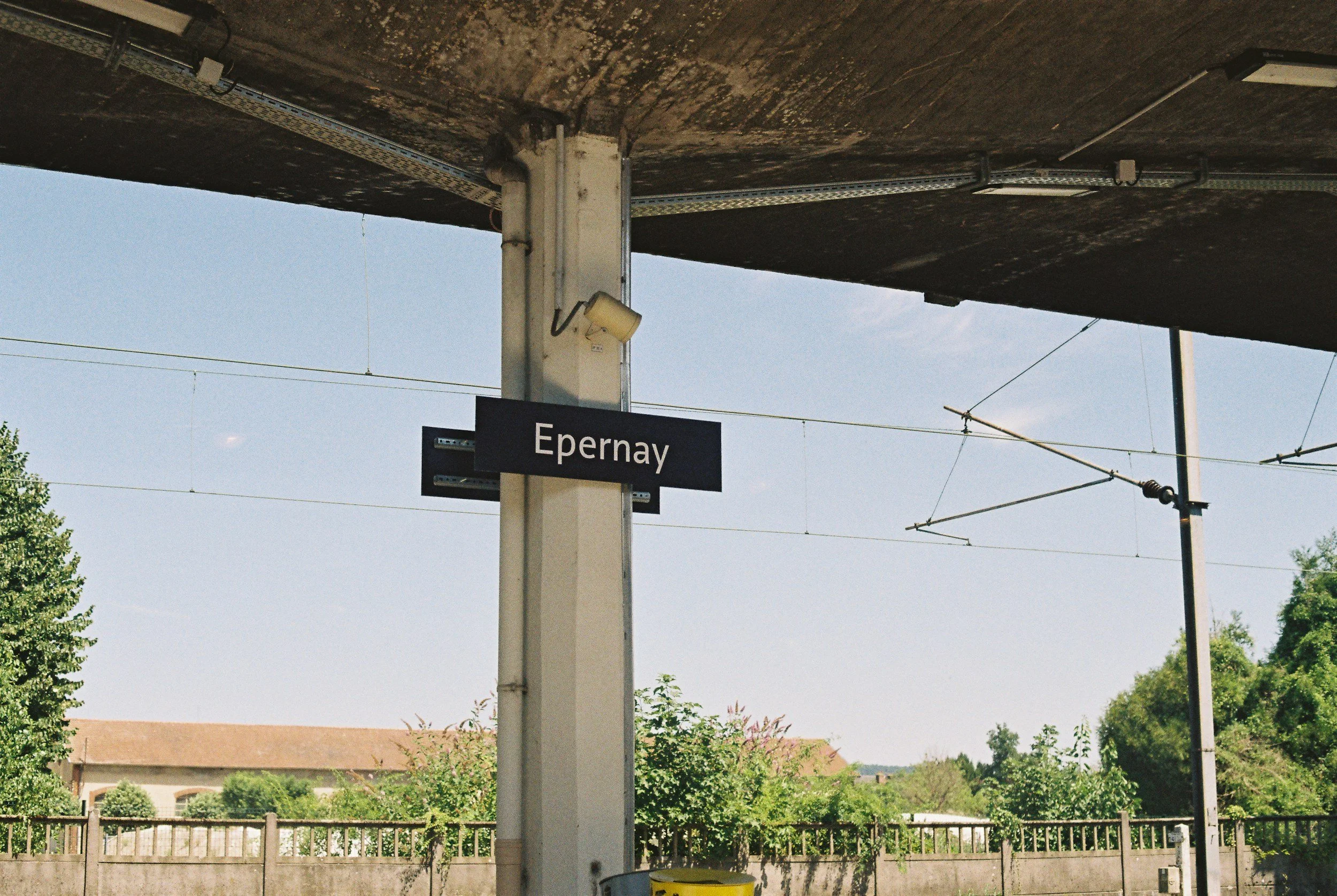
Getting to Champagne: trains from Paris and the easiest driving routes
Champagne is one of the easier regions to reach from Paris, but how you arrive changes how the rest of the trip works. The main choice is between taking the train into Reims or Épernay, or driving out and using smaller roads once you leave the city.
The fastest option is the TGV from Paris Gare de l’Est to Reims. The journey takes about 45 minutes, and trains run regularly throughout the day. The station you arrive at is Champagne-Ardenne TGV, which sits outside the centre, so you’ll need a short taxi or local train into Reims itself. There are also direct trains to Reims Centre that take slightly longer but arrive within walking distance of the main areas.
For Épernay, trains from Gare de l’Est take around 1 hour 20 minutes. These are regional TER trains rather than high-speed, but they arrive directly in the town centre, a few minutes’ walk from Avenue de Champagne. If you’re planning to stay in Épernay and move mostly on foot, this is often the simplest option.
Trains work well if you’re staying in Reims or Épernay, but they don’t take you into the smaller villages where many quieter stays are located. Places like Verzy, Mareuil-sur-Aÿ, or the roads around Montagne de Reims aren’t connected in a way that makes sense without a car. You can combine train travel with a short car rental once you arrive, which is what many people end up doing.
Driving from Paris takes around 1 hour 30 minutes to Reims and slightly longer to Épernay, depending on traffic leaving the city. The A4 is the main route east, and it’s straightforward but not particularly interesting. If you want a slower approach, it’s better to leave the motorway earlier and follow smaller roads into the region.
One option is to exit toward Château-Thierry and follow the Marne valley west toward Épernay. The D1 runs along the river and passes through villages like Dormans and Aÿ, where the landscape shifts from open countryside into vineyards. The pace drops immediately compared to the motorway, and you start to see how close the villages are to each other.
Another route is to head toward Reims and then cut south into the Montagne de Reims via roads like the D26. This takes you through villages like Verzenay and Mailly-Champagne, with stretches where you’re driving directly between the vines. Roads are narrower here, but distances are short, so it doesn’t add much time.
If you’re arriving by train and picking up a car, it’s usually easier to do that in Reims rather than Épernay, as there are more options near the station. From there, you can reach most villages within 15–25 minutes without needing to cross large towns.
If you’re still figuring out where to base yourself within the region, champagne guide makes it much easier to understand how the different areas actually feel once you’re there.
And if you’re comparing Champagne to somewhere with a broader wine culture and slightly different pace, bordeaux guide helps you decide which direction makes more sense for your trip.
FAQs about where to stay in Champagne, France
Where should you stay in Champagne, France for the best experience?
Reims is the easiest base if you want restaurants, shops, and train access. Épernay is smaller and more walkable, especially around Avenue de Champagne. For a quieter stay, villages like Verzy, Verzenay, Mareuil-sur-Aÿ, and Hautvillers put you closer to the vineyards with less day traffic.
Is it better to stay in Reims or Épernay in Champagne?
Reims works better for variety and convenience, especially if you’re arriving by train. Épernay is more compact and easier to navigate on foot. Many visitors stay in one and visit the other, as the drive between them takes about 25 minutes.
What are the best vineyard villages to stay in Champagne?
Villages in the Montagne de Reims like Verzy, Verzenay, and Mailly-Champagne are good for vineyard views and short drives between producers. Around Épernay, Mareuil-sur-Aÿ, Dizy, and Hautvillers are among the easiest to base yourself in.
Do you need a car to visit Champagne and stay in the countryside?
Yes in most cases. While Reims and Épernay are accessible by train, most vineyard stays are 10–20 minutes outside town with no direct public transport. A car makes it much easier to visit smaller producers and move between villages.
Where to stay in Champagne for vineyard views and quiet evenings?
Look at villages just outside the main towns, especially along the D26 (Montagne de Reims) or the D1 (Vallée de la Marne). Staying slightly outside places like Verzenay or Mareuil-sur-Aÿ means fewer cars, less foot traffic, and darker, quieter nights.
How do you get to Champagne from Paris without a car?
You can take a train from Paris Gare de l’Est to Reims in about 45 minutes or to Épernay in around 1 hour 20 minutes. From there, you can walk in the main towns or use taxis, but reaching smaller villages is difficult without a car.
How far is Reims from Épernay and the vineyards?
Reims to Épernay takes about 25–30 minutes by car. From Reims, Montagne de Reims villages like Verzy or Mailly-Champagne are around 20 minutes away. From Épernay, Hautvillers and Mareuil-sur-Aÿ are about 10 minutes.
When is the best time to visit Champagne for fewer crowds?
May to June and September are the most consistent months. July and August bring more visitors, especially to the larger houses. In smaller villages, evenings still stay quiet even during busier periods.
Can you visit champagne houses without booking tastings in advance?
Large houses in Reims and Épernay usually require advance booking. Smaller producers in villages sometimes accept walk-ins, but it’s not consistent. Booking at least one visit ahead makes the day easier to plan.
Is Champagne worth visiting for a 2–3 day trip?
Yes. Distances are short, so you can stay in one place, visit one or two houses, explore a nearby village, and still have time to enjoy where you’re staying without rushing.