
Skip staying in Florence. These towns make a better base.
Staying inside Florence usually makes sense when the plan is simple and the stay is short. The biggest advantage is how close everything is. From most places in the historic centre, it’s an easy ten to twenty minute walk to the Duomo, Santa Croce, Santo Spirito, or San Lorenzo. You don’t think much about transport, and that alone makes mornings feel easier. You step outside, grab a coffee on your street, and you’re already where you need to be. In the evening, it’s the same thing. When you’re tired, you just walk home, no buses, no timing it.
That closeness is also what makes the centre feel full very quickly. Grocery shopping often means places like Conad City or Carrefour Express tucked onto narrow streets, with a limited selection and prices that add up fast. It works fine if you’re picking up a few things, but if you like cooking even basic meals, you start adjusting to what’s available rather than shopping properly. Mornings get busy between about 8:30 and 10:00, especially around Piazza della Repubblica or along Via dei Calzaiuoli, and finding a quiet café seat during that window can be hit or miss. By late afternoon, the mood shifts again when offices close and people return from day trips, and suddenly the streets feel noticeably more crowded.
Noise is uneven, which is sometimes harder than constant noise. One small street near Santo Spirito might be almost silent after 22:00, while another a few blocks away, closer to Via dei Benci, stays lively well past midnight, especially from spring through early autumn. Apartments that face inner courtyards are usually quieter, but they often feel darker during the day, which changes how comfortable the space feels if you’re staying in. In summer, the thick stone buildings hold onto heat, and without proper air conditioning, nights can be uncomfortable, particularly during warmer weeks. For a couple of nights, these things barely register. Stay longer, and they start shaping how rested you feel and how much you enjoy being at home between outings.
If you stay inside the historic centre, where you sleep matters more than usual. The wrong place makes the centre feel noisy and cramped very fast. The right place makes it manageable, even pleasant, for a few nights.
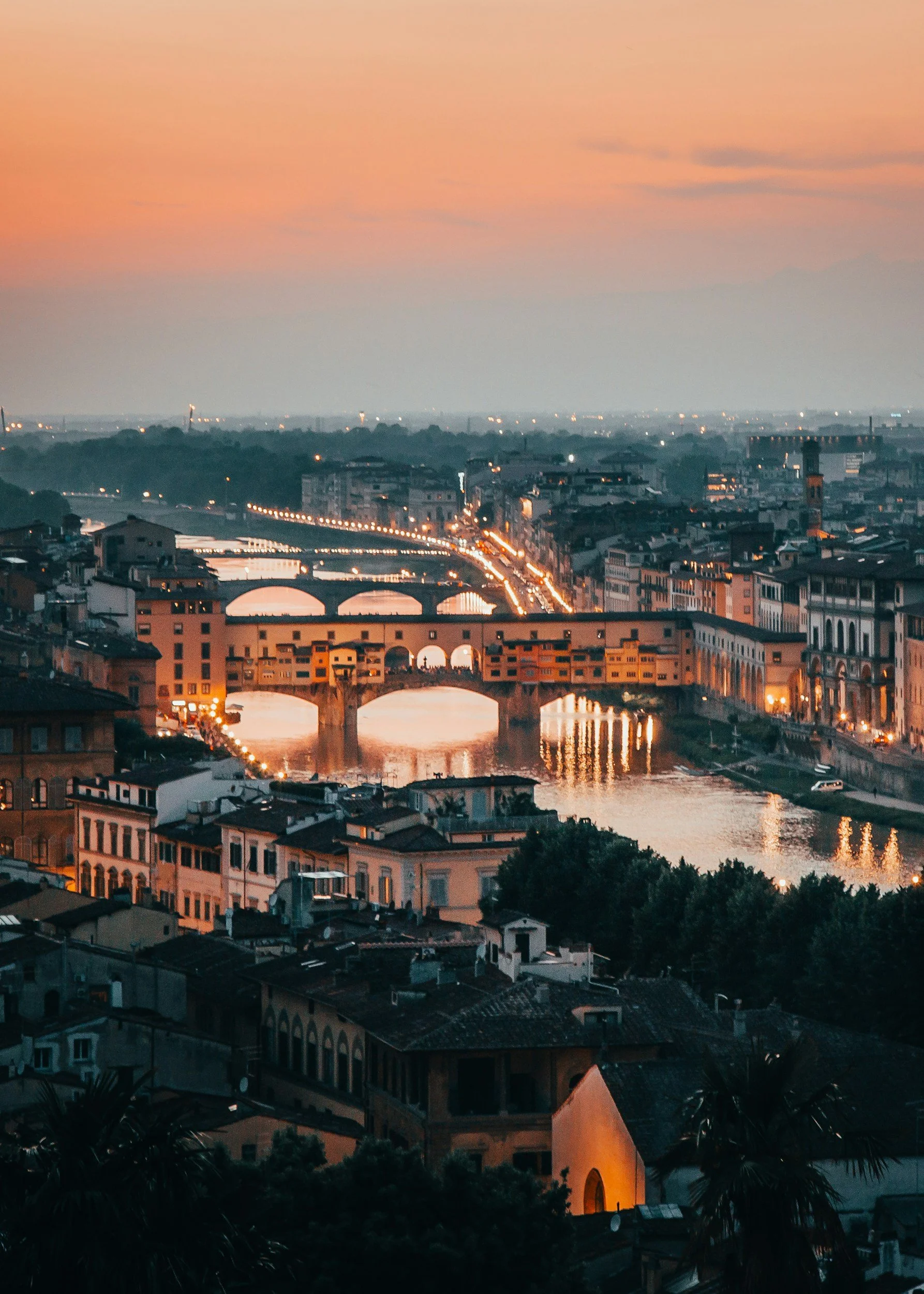
One place that works especially well around Santo Spirito is Palazzo Guadagni. It’s in an old palazzo, but it doesn’t feel stiff or overdone. The rooms are simple and calm, and the terrace looks straight out over Santo Spirito church. Once the square quiets down in the evening, it actually feels quite peaceful up there. It’s a good option if you want to stay central but still feel slightly removed from the busiest parts of the city.
In the Oltrarno, AdAstra is one of those places people remember. It sits inside the Torrigiani garden, so instead of opening your windows onto a street, you’re looking at trees. That alone changes the experience. The interiors feel personal and a bit creative, with art on the walls and rooms that don’t all look the same. Mornings here are noticeably quieter than around the Duomo, even though you’re still close enough to walk everywhere.
If you like places with character, Casa Howard Firenze is another good fit. It feels more like staying in someone’s apartment than in a hotel. The rooms are filled with objects, fabrics, and slightly unexpected details. It’s not for everyone, but if you enjoy spaces that feel collected rather than styled, it can be a really comfortable base.
For something calmer and more spacious, SoprArno Suites is worth considering. The rooms are large, light, and uncluttered, with antique pieces mixed in without making the place feel heavy. It’s the kind of hotel where you don’t rush out the door in the morning, which helps balance out how busy Florence can feel outside.
Places like these don’t change the fact that the historic centre is busy. What they do change is how you recover from it. When your room is quiet and comfortable, the city feels easier to handle, even if you’re only there for a few days.
When day trips from Florence start to feel repetitive
Florence is easy in a very specific way. You walk to Santa Maria Novella, usually along the same stretch of street every morning, maybe Via Faenza or past the market at San Lorenzo, grab a quick coffee standing at the bar, and head down to the platforms. The first couple of days, that routine feels efficient. You barely have to think about it.
After a few trips, it starts feeling a bit automatic. You’re checking the same departure board, aiming for trains between 8:00 and 9:30, because later than that everything feels rushed. If you’re taking a bus instead, you’re working around a timetable that doesn’t leave much room for changing your mind. Miss one bus to a hill town and you’re suddenly waiting forty minutes in the sun, standing next to other people doing the same calculation.
Even places that look close on the map don’t feel casual once you’re actually doing it. A town in Chianti might only be thirty kilometres away, but that still means a bus from Florence, limited return options, and planning your whole day around the last ride back. By the time you return in the late afternoon, Florence is busy again. Streets around the Duomo and Via dei Calzaiuoli are full, grocery shops are crowded, and the quieter mood from wherever you’ve been disappears pretty quickly.
After a while, it’s not that the destinations blur together, it’s that the days do. Same walk out, same return time, same feeling of arriving back just as the centre fills up…
A week near Florence also changes how Tuscany feels. Once you’re not trying to see everything, smaller towns start making more sense. I wrote about a few that are genuinely calm but still have proper cafés and daily life.
Evenings, dinner times, and how crowded the centre feels after dark
Around 19:30, places start filling up properly, and by 20:30 a lot of kitchens are already working at full speed. If you haven’t booked, you often end up wandering a bit, checking menus around Santa Croce or Santo Spirito, hoping for a free table. Sometimes it works, sometimes you wait longer than planned. Small, cozy places like Il Santino or Gustapizza can be great, but they fill quickly, and timing matters more than people expect.

Some of the nicest, quieter restaurants don’t stay open very late. Kitchens close earlier, especially during the week, which means that if you miss that window, your options narrow fast. You either eat later than you wanted or end up somewhere louder and more crowded than planned. In winter, once shops close, parts of the centre calm down, especially a few streets away from the main routes. In summer, it’s different. Areas around the Duomo, Ponte Vecchio, and along Via dei Benci stay busy late, with people moving between bars, gelato places, and late dinners. Even if you’re done for the day, you still walk through that on the way home.
When you stay outside the centre, evenings change in small but noticeable ways. Dinner often happens earlier, and you’re more likely to walk into a place without thinking twice. In neighbourhoods or nearby towns, spots like Enoteca Pitti Gola or simple trattorias that mainly serve locals feel calmer, especially after 20:00. Streets empty out sooner, and once you’re home, it actually feels like the day has ended.
If wine is one of the reasons you’re looking at staying outside Florence, there are smaller vineyards that feel much more personal than the standard tastings.
Fiesole as a base near Florence for a quieter pace
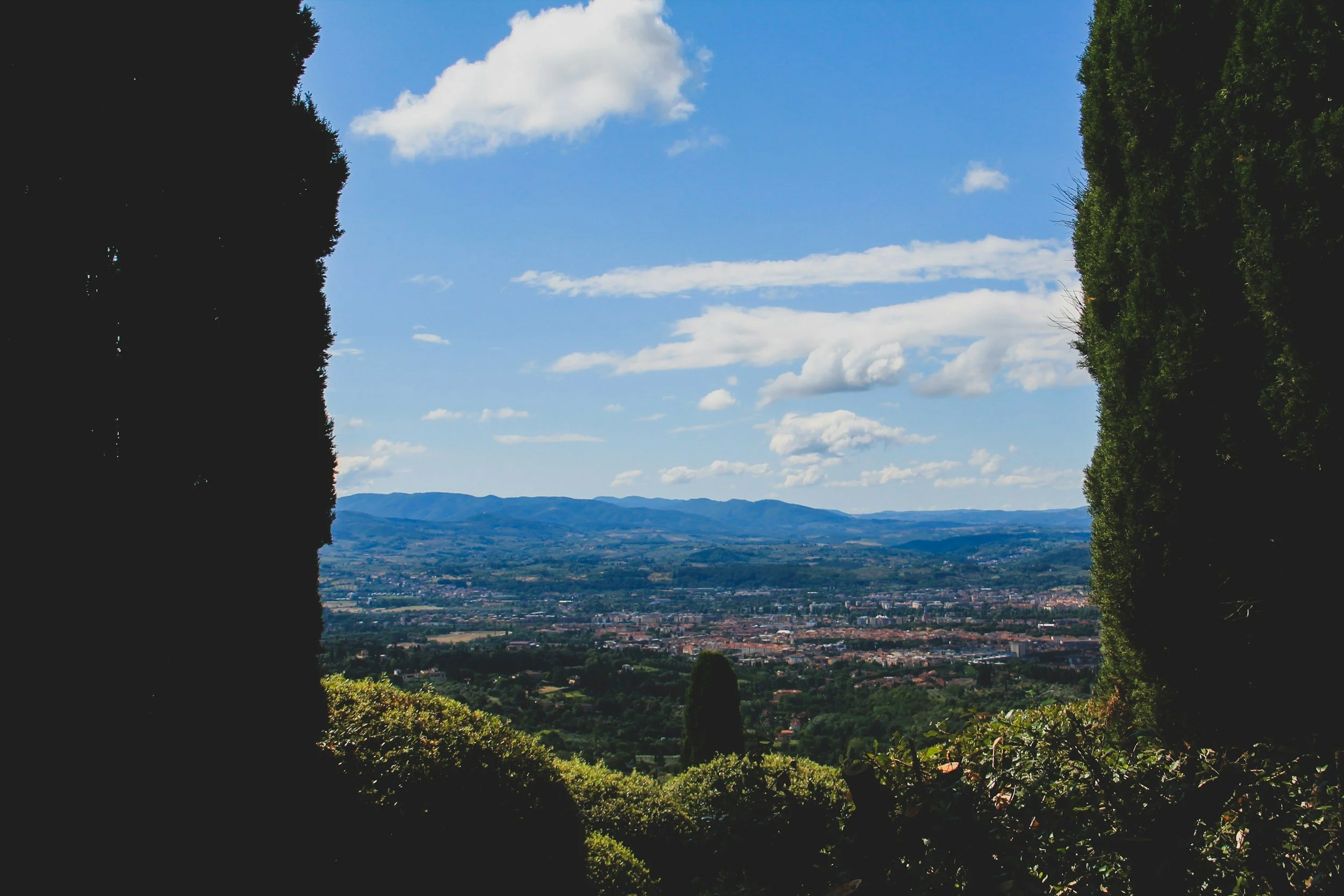
Getting between Fiesole and Florence by bus
Getting between Fiesole and Florence is simple once you’ve done it once, but it’s not something you do on autopilot. The main bus runs regularly during the day, usually every 15 to 30 minutes depending on the hour, and the ride into Florence takes about 20 minutes when traffic is light. The road winds its way down the hill, which is part of the charm the first time and something you feel very clearly during rush hour, when the bus slows and stops more often than you expect.
In the evenings, the rhythm changes. Buses still run, but less often, and you do start thinking about the last one if you’re planning dinner in Florence. It’s not stressful, but it’s not completely casual either. You check the time before ordering dessert, and that becomes part of the routine pretty quickly.
The bus drops you near San Marco, which is convenient if you’re heading toward the Duomo, Santa Croce, or anywhere in the northern part of the centre. It’s less ideal if you’re spending a lot of time in Santo Spirito or San Frediano, since that adds another long walk or a second bus. Going back up to Fiesole, the last stretch is always uphill. From the bus stop, most places involve steep streets and uneven pavements, which you really notice with luggage or groceries. It’s manageable, but it’s something you feel every day, especially if you’re staying for more than a couple of nights and moving around a lot.
What it’s like to spend full days in Fiesole
Outside the busiest sightseeing hours, Fiesole quickly drops into everyday mode. By late morning, the groups around the Roman theatre thin out, and the centre around Piazza Mino feels almost empty. You notice it especially if you stop at Bar Alcedo or Perseus Fiesolano earlier in the day. Locals come in for a quick coffee, exchange a few words with the staff, and then head off downhill toward Florence. By early afternoon, many cafés close, sometimes as early as 14:00, and if you miss that window, you wait until evening.
There aren’t many places to eat, and you become aware of that fast. Dinner usually means choosing between the same small handful of trattorias, and they fill up easily because there aren’t alternatives nearby. Grocery shopping is equally straightforward. There’s a small supermarket near the centre, a bakery, and a couple of places to pick up basics, but nothing that invites wandering or choice. You buy what’s there, carry it uphill, and that’s that. After a few days, you know exactly where everything is, because there aren’t many options to remember.
During the day, Fiesole can feel surprisingly empty. Between late morning and late afternoon, the streets around Via San Francesco and the roads leading uphill are quiet, sometimes almost still. Shutters are half closed, buses pass through occasionally, and you hear your own footsteps more than anything else. It’s not sleepy in a neglected way, just paused. If you’re used to places that constantly offer distractions, the stillness stands out.
Cooler temperatures and fog in winter
Fiesole is only a bit higher than Florence, but in winter that small difference shows up straight away. You notice it first thing in the morning, when the air feels heavier and colder than down in the city. Between December and February, it’s pretty common to wake up to fog sitting over the hill. Some mornings you can’t see much past the first row of buildings, and everything feels slightly damp, especially early on.
The fog usually clears by late morning, and when it does, the day often turns out brighter than you expected. But those first hours matter. If you like slow mornings at home, you really feel the difference between places that heat well and places that don’t. Buildings in Fiesole vary a lot! Some apartments are warm and comfortable, others never quite get there, no matter how high you turn the heating. It’s one of those details that doesn’t sound important until you’re there, and then it shapes how pleasant winter days actually feel…
Settignano for a village feel close to Florence
Settignano looks close to Florence on a map, and in practice it is, but you feel the terrain straight away. The village is built on a hill, and most streets slope either up or down, sometimes more sharply than you expect. Pavements are narrow, a bit uneven, and not always continuous, so walking is something you pay attention to, especially if you’re carrying groceries or pulling a suitcase behind you. It’s not difficult, but it’s not absent-minded walking either.
How close you feel to Florence depends a lot on where you’re staying. Some addresses are only a short bus ride away, others involve a longer uphill walk to reach the stop. The buses themselves are frequent and reliable, and once you’re on one, getting into Florence is easy. The bigger adjustment is the last stretch on foot, which becomes part of your daily routine very quickly.
Settignano’s centre is small and straightforward. Around Piazza Niccolò Tommaseo, you’ll find a couple of cafés, a bakery, and a few everyday shops clustered together. Once you’ve been there a day or two, you know exactly where everything is. Daily errands stay contained within a short loop, which makes the village feel manageable even if the streets are steep.
Cafés and small places that stay open year-round
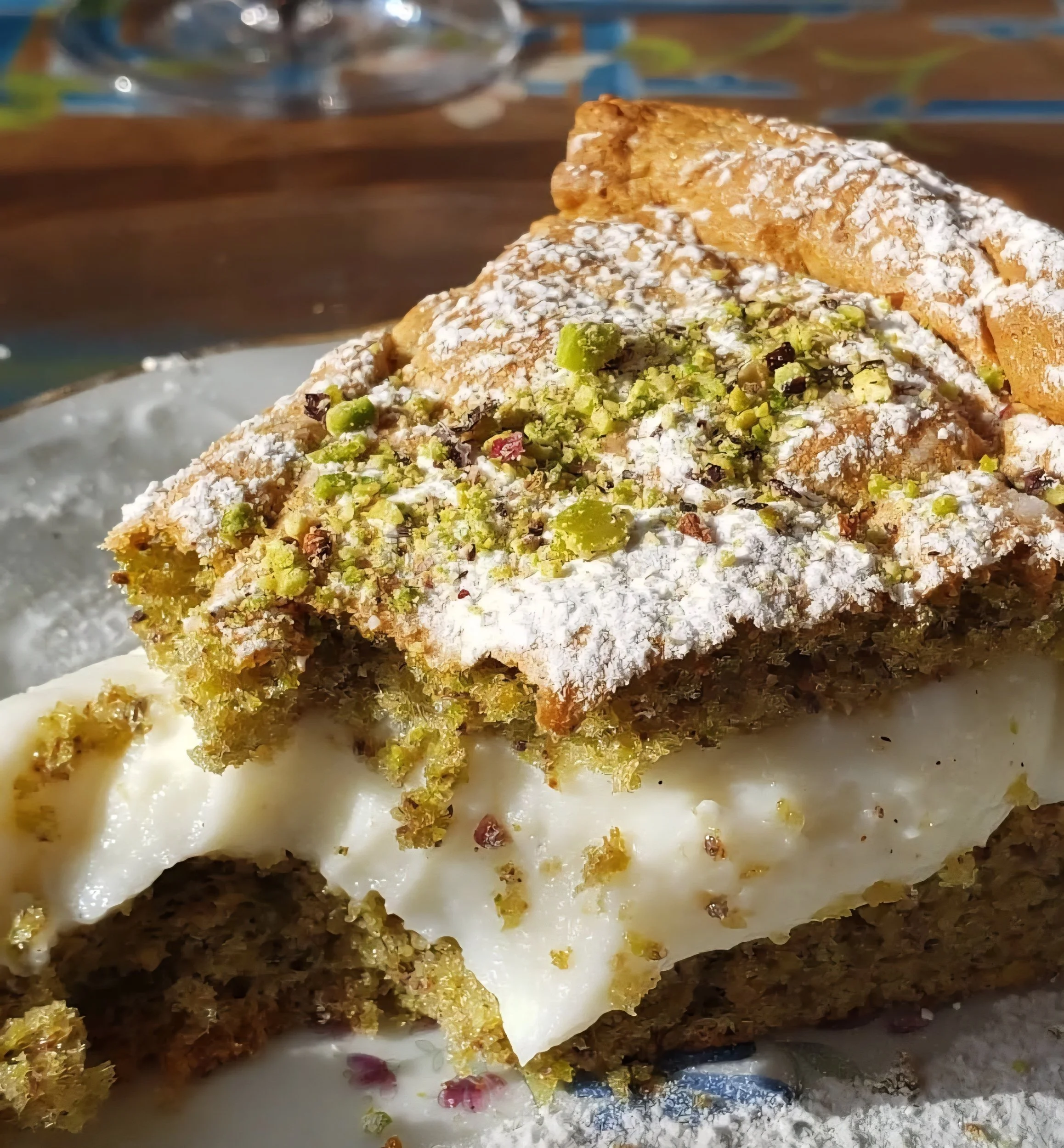
Settignano doesn’t have many cafés, and you notice that straight away. Most mornings, people end up in the same places. La Sosta del Rossellino opens early and is usually the easiest option. On weekdays, you can walk in, order a coffee, and sit down without waiting. There’s no queue forming behind you, and nobody is in a hurry to move you along. By late morning, it often empties out again, and by early afternoon it’s common for places to close.
Restaurants follow a similar pattern. They’re aimed at people who live nearby, not visitors passing through. Opening days are limited, kitchens don’t stay open late, and if a place is closed, there usually isn’t another option a few doors down. Il Macigno is one of the more reliable spots, which is why it fills up. After a couple of days, you stop checking menus and just plan around when places are actually open. Eating happens earlier, and there’s less flexibility, but also fewer decisions to make.
Staying in Settignano without needing a car
Settignano works without a car if your plans stay local. Buses into Florence run often enough that you don’t need to plan far ahead. Once you know which stop you’re using, you just head down and wait. Getting into the city doesn’t feel like a project.
Having a car doesn’t add much for everyday use. Streets are narrow, parking is limited, and driving down toward Florence during busy hours is slow. If you want to go further out into Tuscany, most routes still make more sense via Florence by train. For day-to-day movement, walking and using the bus is usually easier than dealing with a car.
If you’re staying in Settignano, accommodation choices are fairly limited - you’re not scrolling through dozens of options. Most places are small, residential, and feel more like someone’s home than a hotel.
Hotel Villa La Sosta is one of the few proper hotels in the village, and it works well for short stays. It’s quiet, slightly old-fashioned in a comfortable way, and close enough to the centre that you don’t have to think much about walking back uphill at night.
For something more private, a lot of people end up in small apartments around Via San Romano or the streets just above Piazza Niccolò Tommaseo. These tend to be simple places, often in older buildings, with basic kitchens and no extra services. What you get instead is quiet at night and a sense of being part of the village rather than passing through it.
The main thing in Settignano isn’t finding something special, it’s finding something practical. Close to the centre, not too far uphill, and easy to reach from the bus.
Bagno a Ripoli and the southeastern side of Florence
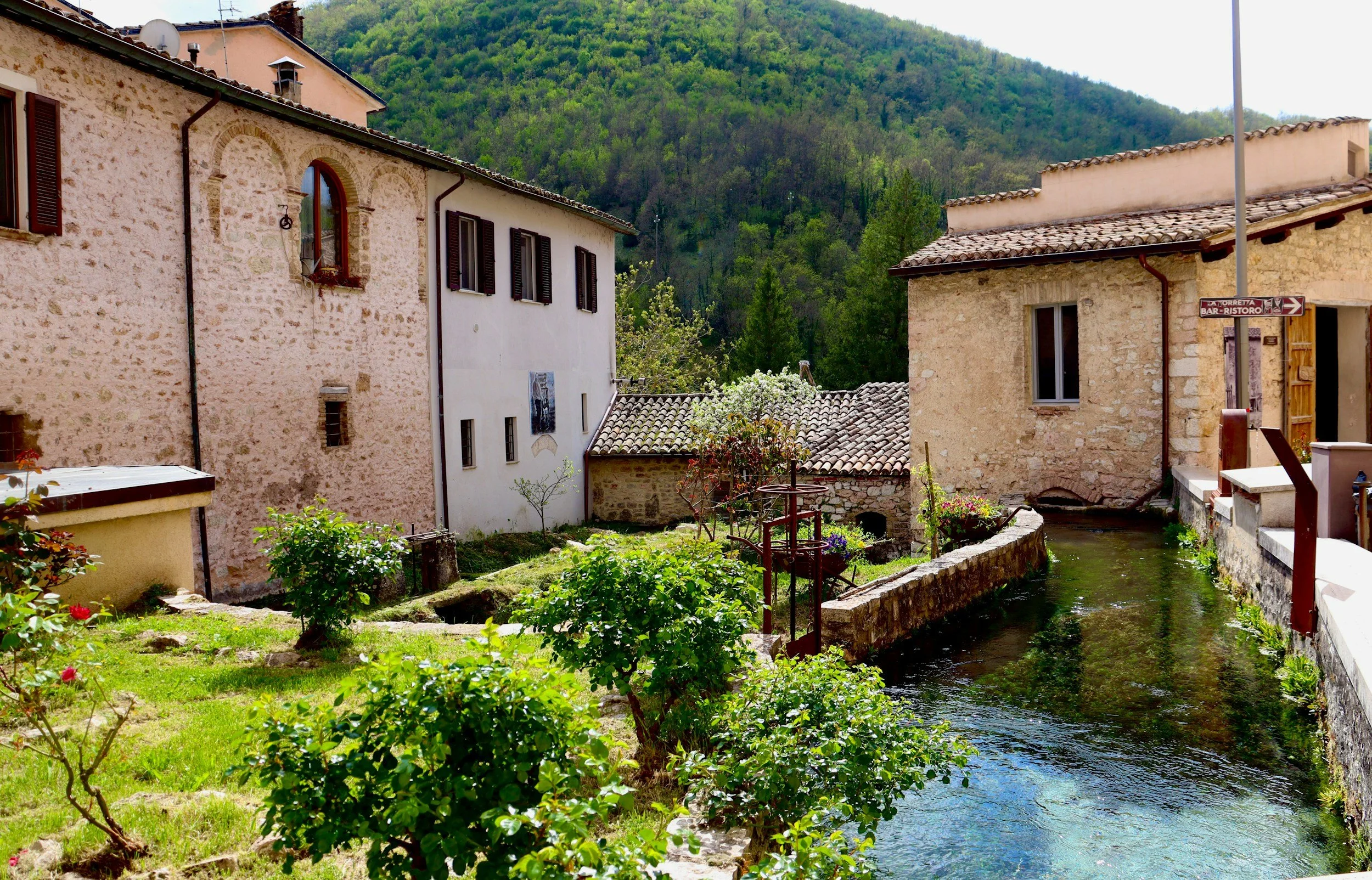
Bus connections that actually make sense day to day
Bagno a Ripoli feels like the kind of place you end up living in by accident. You’re not here for views or atmosphere. You’re here because the apartment was decent, the area worked, and getting into Florence didn’t feel like a project. Most of it looks residential. Apartment blocks, schools, a sports centre, long stretches of road with bakeries and pharmacies spaced out between them. Via Roma is the main reference point. It’s busy in the morning, quieter by midday, then picks up again late afternoon.
Buses run through constantly. The 23 and the 32 are the ones you end up using without thinking about it. After the first day or two, you stop checking times. You leave the house, walk to the stop, and one shows up. Sometimes you wait a couple of minutes, sometimes a bit longer, but it never feels uncertain. Stops are right there on the main roads, so you’re not cutting through side streets or walking uphill just to get started.
The ride into Florence usually takes around 25 or 30 minutes. Traffic slows things down near Gavinana, especially during school hours, but it’s the same kind of delay every day. You learn where it happens and factor it in without really noticing. It doesn’t feel like travelling out of town. It feels like moving across the city.
What you notice after a few days is how easy everyday stuff is. There are proper supermarkets where you can do a full shop without improvising. Bakeries that open early and don’t care how long you sit there. Cafés where people stop briefly, drink their coffee, and leave.
Evenings work in a very low-effort way. You can eat in Florence and come back without watching the clock. Buses still run, and when you get off, the area is quiet but awake.
That said, Bagno a Ripoli isn’t memorable in the way places usually are. But if you’re staying near Florence for a while, that’s exactly why it is a good option. You’re close enough to dip in and out of the city, and far enough away that the days don’t all feel the same.
Easy access to countryside walks near Florence
One of the reasons Bagno a Ripoli works so well is that you don’t need to plan walks. You don’t get on a bus or drive anywhere, you just leave the house and start walking. From residential streets, you’re quickly on quiet roads or paths that lead past olive groves, low stone walls, and small farms. In some areas, it only takes a few minutes before traffic drops off and you’re sharing the road with the occasional cyclist or dog walker instead of cars.
These aren’t big hiking routes or marked trails you need to research. They’re the kinds of walks locals use every day. Short loops in the morning, longer ones if you have time. In spring and autumn, they’re easy at almost any hour. In summer, you quickly learn to go early or later in the day, because midday heat settles in and there’s not much shade once you’re out in the open. The main difference compared to staying in Florence is how immediate it all is. Walking becomes part of the day rather than something you plan around transport or timing.
One common walk starts near the centre of Bagno a Ripoli and heads toward Antella. You follow quiet roads past houses and gardens, then out toward olive groves and open fields. It’s mostly flat, easy to shorten or extend, and works well early in the day before traffic picks up. You’ll see locals out walking dogs or heading out with a coffee in hand.
Another easy option is walking toward Ponte a Ema, especially from the western side of Bagno a Ripoli. This route mixes residential streets with stretches of countryside and feels very everyday. It’s not scenic in a postcard way, but it’s calm and practical, and it’s easy to turn back whenever you want. It’s the kind of walk people fit in before work.
If you want something a bit more open, there are quiet roads heading east toward Vallina and the Arno valley. These walks feel slightly longer and more exposed, especially in summer, but early in the morning they’re comfortable and quiet. You’re mostly walking past fields, vineyards, and low farm buildings, with very little traffic before mid-morning.
If walking is part of why you’re staying outside Florence, there’s a completely different version of this further north in the Prosecco hills that’s worth knowing about.
Quieter evenings compared to central Florence
Evenings in Bagno a Ripoli are noticeably calmer than in central Florence. Restaurants are aimed at people who live nearby, not at visitors coming in for one night, so dinner starts earlier and finishes earlier too. By around 21:30 or 22:00, most places have settled down, and streets are already quiet.
There’s no late-night drift from bar to bar, no clusters of people outside restaurants, and no constant background noise.
Scandicci as a practical base near Florence
Scandicci works because of the tram. That’s really the whole point. The T1 line runs straight between Scandicci and Florence, and once you’ve used it once, you don’t really think about transport again. Trams come often, usually every few minutes during the day, and the ride into Florence takes about 20 minutes, depending on where you get on.
The line drops you near places like Santa Maria Novella and Porta al Prato, so you’re already where you need to be without changing or walking far. In the evening, the tram keeps running late enough that you don’t have to rush dinner or check the time constantly. You leave when you’re ready, get on, and go back.
What makes Scandicci especially easy is how the stops are spaced out. If you stay anywhere near the tram line, walking distances stay short. You’re not hiking uphill to catch transport or cutting through back streets. You leave the building, walk a few minutes, and you’re there. That’s a big difference if you’re doing this every day.
Compared to relying on buses, the tram feels simpler. There’s no traffic to slow it down, no guessing where to get off, and no variation in routes. It runs the same way every time. For longer stays near Florence, that predictability is what makes Scandicci one of the easiest places to base yourself without needing a car.
Food shops, coffee, and everyday habits in Scandicci
In Scandicci, daily routines are straightforward. Most areas near the tram line have at least one large supermarket within walking distance. Coop and Esselunga are the most common, and they’re the kind of places where locals do a full weekly shop. You don’t need to plan meals around what’s available. You basically buy what you need and go home.
Bakeries open early, usually before 7:30, and mornings are when cafés are busiest. People stop in briefly, have an espresso at the bar, and leave. By mid-morning, most places are quiet again. Finding a seat is rarely an issue, and cafés don’t feel crowded outside the early rush.
Everyday errands are easy to fit in. Pharmacies, tabacchi, and small shops are located along main roads and close to tram stops.
Staying somewhere practical rather than scenic
Scandicci doesn’t have a historic centre or areas people walk around in the evening. Streets are residential, and most activity winds down after dinner. Restaurants nearby are aimed at locals, open on regular schedules, and close earlier than places in central Florence.
What Scandicci offers instead is ease of movement. If you’re going into Florence often, being able to walk to the tram, ride for about twenty minutes, and step off near the centre without changing lines makes a difference. Coming back is just as simple, even later in the evening.
Scandicci works best as a base when the focus is Florence rather than the neighbourhood itself. It’s functional, quiet at night, and easy to live in for more than a few days without adjusting how you eat, shop, or move around.
Prato as an alternative base near Florence
Train times between Prato and Florence Santa Maria Novella
Prato works because the train connection is easy and constant. Regional trains run back and forth all day, and the ride to Florence Santa Maria Novella takes about 20 minutes. You don’t have to plan much around it. Trains start early in the morning and keep running late into the evening, so whether you’re heading in for a full day or just dinner, it rarely feels tight.
The station in Prato is close to the centre, which you notice straight away. You get off the train and you’re already near shops, cafés, and residential streets, not stuck on the edge of town trying to figure out how to get in. Walking distances stay short, even with luggage, and arrivals feel uncomplicated. After a couple of trips, the route almost becomes automatic…
If you end up basing yourself somewhere like Empoli or Prato and using trains daily, you’ll probably enjoy seeing how a short Italy-by-train weekend actually plays out in real life. It’s very different from rushing between cities. I broke that down here.
What it’s like to stay in Prato day to day
Prato feels different straight away because it isn’t organised around visitors. Shops open and close on local schedules, not extended hours, and you notice that quickly. In the morning, cafés around streets like Via Garibaldi or near Piazza del Comune are busy with people stopping in before work. By early afternoon, many of those same places are almost empty. There’s no steady stream of people coming and going all day, just short bursts when locals are on their way somewhere.
Restaurants work the same way. They’re set up for people who live nearby, not for travellers deciding where to eat at the last minute. Dinner starts earlier, places close on their regular days without much warning, and evenings stay fairly quiet. You’re not choosing between dozens of options, but you’re also not fighting for a table. After a few days, you start eating at the same places simply because it’s easy.
You’re not walking the same few streets over and over. One day you’re near the centre, another day you’re cutting through quieter residential areas, then suddenly you’re passing old industrial buildings tied to the textile trade that’s still very much part of the city. Warehouses, workshops, apartment blocks, small parks, all mixed together. It feels lived-in rather than curated.
Sundays, holidays, and when Prato goes quiet
Sundays in Prato feel slower almost across the board. A lot of shops close, especially once you move away from the very centre, and the streets are noticeably emptier by late morning. If you haven’t picked up groceries beforehand, you usually notice it pretty quickly. Bakeries might open for a few hours in the morning, but by midday options thin out, and you’re working with what you already have.
Things don’t stop completely, but they do scale back. Smaller shops close, cafés keep shorter hours, and whole stretches of the city can feel paused. Public transport still runs, but less often, so you wait longer and trips take a bit more patience.
Empoli for train access and slower evenings
Empoli sits on one of the main regional train lines, which makes getting to Florence straightforward. Direct trains run throughout the day, and there’s usually no long gap between departures. Depending on the train, the ride takes between 30 and 40 minutes. Faster regional trains are closer to the lower end of that range, while slower services take a bit longer.
You don’t need to plan tightly. If you miss a train, another one usually comes along fairly soon. That makes day-to-day movement easier, especially if you’re going into Florence more than once during your stay. It doesn’t feel like a day trip setup, more like a regular commute.
Empoli’s train station is part of the town, not set on the outskirts. When you arrive, you’re already close to cafés, bakeries, and residential streets. Walking distances are short, even with luggage. There’s no extra bus ride or long walk just to reach the centre.
For practical purposes, Empoli works if you’re comfortable with a 30–40 minute train ride and want evenings somewhere quieter than Florence. The connection is reliable, and the logistics stay simple once you’ve done it once or twice.
Where to stay in Empoli: centre vs residential areas
In Empoli, staying close to the centre usually makes life easier. Areas around the train station and toward Piazza Farinata degli Uberti keep everything within walking distance. You can step out for coffee, pick up bread, walk to the station, and be on a train without thinking much about it. Noise isn’t really an issue, even near the centre. Empoli doesn’t have late-night foot traffic, and evenings quiet down early.
Places like Hotel Il Sole or Hotel Da Vinci work well for this kind of stay. They’re simple, well-located, and close enough to the station that coming back late doesn’t feel like a trek. They’re not design hotels, but they’re comfortable, clean, and practical, which matters more here than style.
If you stay further out in residential areas, streets are quieter, but you lose some convenience. You might need a longer walk to reach the station or rely on local buses for short trips. That’s fine if you’re mostly staying put, but if Florence is part of your daily plan, those extra minutes start to add up. For most stays, being close to the centre strikes the best balance.
Summer heat compared to Florence and nearby hills
Empoli sits lower than the hill towns around Florence, and in summer that becomes noticeable. Heat builds up during the day and tends to linger. In July and August, mornings are the easiest time to be out. By early afternoon, streets feel heavy, and most people slow things down until later.
The centre helps a little because of shade from buildings, but there’s not much airflow once temperatures rise. Evenings stay warm, and nights don’t cool off quickly. This makes accommodation choice important! Places with good ventilation or air conditioning are worth prioritising here more than in hill towns like Fiesole or Settignano.
Compared to Florence, Empoli can actually feel slightly warmer at night, especially during heatwaves. The upside is that the town is quieter, so sleeping with windows open is more realistic if the place allows it.
Chianti towns near Florence that work without a car
Greve in Chianti bus connections in real life
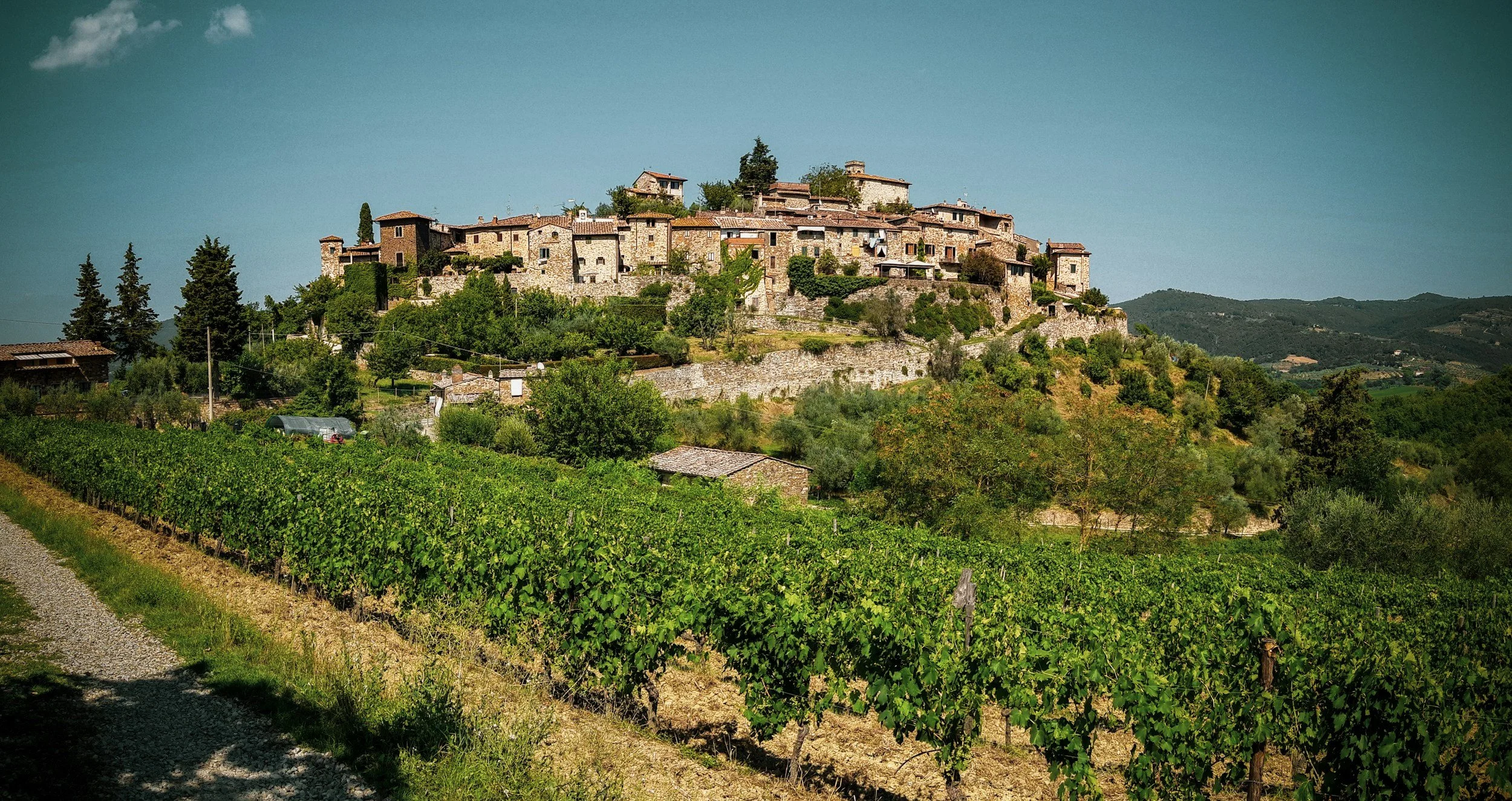
Getting to Greve by bus is doable, but it’s something you work around rather than forget about. Buses leave from Florence during the day at a reasonable pace, but they don’t run on a “just turn up” rhythm. In the morning and early afternoon, you’ll usually find a few options, but later in the day the gaps get longer, and evenings are limited. Travel time can be anything from about 45 minutes to well over an hour, depending on traffic and how many stops the bus makes along the way.
Once you’re on the bus, the ride is straightforward but slow. You wind through smaller towns and countryside roads, and delays aren’t unusual, especially in summer. It’s fine if you’re settled into the idea that this is your main move for the day. It’s less fine if you’re trying to squeeze things in or change plans last minute.
When you arrive in Greve, things get easier again. The bus drops you close to the centre, and from there everything is walkable. Piazza Matteotti is the anchor point. Cafés, small food shops, wine bars, and a weekly market all sit around the square or just off it. You don’t need transport once you’re there. You walk out for coffee, pick up groceries, sit somewhere for lunch, and head back to your place without thinking about distance.
Greve works without a car if you’re staying put for a few days and keeping plans simple. It’s not a base for hopping between villages, and it’s not somewhere you dip in and out of Florence casually.
If you’re tempted by Chianti but don’t want the obvious villages, there are a few lesser-known onesthat are much easier to settle into quietly. I’ve listed the ones that actually work well for solo stays.
Castellina and Radda if you’re relying on public transport
Castellina and Radda are possible without a car, but only if you’re clear about what that means. Bus connections exist, but they’re limited. You’re usually working with a small number of departures during the day, and in the evening options drop off quickly. Missing the last bus isn’t an inconvenience, it’s the end of moving around for the day.
Getting there by bus from Florence already takes time, and once you arrive, you tend to stay put. There’s no hopping between nearby villages or heading out spontaneously. Everything you do is centred on the town itself. That works if you’re staying one or two nights and are happy to walk, eat locally, and keep plans very simple.
Both towns are compact and easy to get around on foot. In Castellina, everything runs along the main street and the area around the medieval walls. In Radda, the centre is even smaller, with a handful of restaurants and cafés clustered close together. You walk everywhere, often uphill, and daily movement is limited by the layout rather than distance.
Without a car, these places suit short, contained stays. You arrive, settle in, walk the same routes, eat at the same few places, and leave when it’s time. If you’re expecting flexibility or easy connections back and forth, they’ll feel restrictive. If you’re fine with staying still and letting the place set the pace, they can work, but only within those limits.
Food shopping vs restaurant-only towns in Chianti
This is one of those details that doesn’t sound important until you’re actually there. In Chianti, towns differ a lot when it comes to food shopping, and it affects how comfortable a longer stay feels.
Places like Greve in Chianti are set up for everyday life. You’ll find at least one proper supermarket, smaller food shops, bakeries, and places where locals actually buy groceries. You can cook simple meals, pick things up as you go, and not think too hard about opening hours. That makes a big difference if you’re staying more than a couple of nights or travelling outside peak season.
In smaller towns like Radda in Chianti or Castellina in Chianti, food shopping is much more limited. You might find a small shop with basics, but selection is narrow and hours can be unpredictable. These towns rely heavily on restaurants, which works fine for a short stay. For longer stays, especially in autumn or winter, it becomes more noticeable when restaurants close for a few days or shorten their hours.
If you like having the option to cook, eat early, or keep things flexible, this difference matters. In restaurant-only towns, your day starts and ends around where and when places are open.
Seasonal differences when staying near Florence
August changes things more than people expect, especially once you’re outside Florence itself. In smaller towns, a lot of everyday places simply close for part of the month. Bakeries, cafés, small restaurants. Sometimes for a week, sometimes longer. It’s not always obvious from the outside, and it can feel abrupt if you’re not used to it. One day everything is open, the next day half the street is shut.
Supermarkets usually stay open, but smaller food shops don’t always, so grocery shopping needs a bit of thought. You can’t rely on picking things up late or last minute. Eating out also becomes less predictable. Some restaurants reduce hours, others close entirely, especially places that mainly serve locals. August works best if you’re fine cooking at home some nights and adjusting plans when something you expected to be open isn’t.
Winter damp, fog, and colder hill towns
Winter around Florence isn’t harsh, but it’s not light either. Hill towns feel it more. In places like Fiesole, Settignano, or Chianti villages, mornings often start grey and damp, especially between December and February. Fog is common early in the day, and it can sit there for hours before lifting.
The cold isn’t extreme, but it gets into buildings. Older places vary a lot when it comes to heating. Some are warm and fine, others never quite dry out. You notice it most in the evenings and early mornings. Daylight disappears quickly in winter, which naturally shortens days. You end up doing errands earlier and spending more time indoors. Winter stays work if you’re comfortable with slower days and you pay attention to where you’re staying, especially heating.
Spring weekends and day-tripper traffic
Spring is when things start filling up again. Weekdays are usually calm, especially outside Florence, but weekends can feel like a switch flips. Saturdays and Sundays bring day-trippers into places that are easy to reach, like Fiesole or Greve. Cafés fill up, buses are busier, and streets feel more crowded from late morning onward.
Arrival details that affect the first few days
Late arrivals from Florence Airport or the train station
Late arrivals around Florence are where plans often start slipping. If you land at Florence Airport after around 22:00, your options narrow quickly. The tram into the city still runs, but less frequently, and if you’re heading beyond central Florence, you’re almost always switching to a bus or taxi anyway. The same goes for late arrivals at Santa Maria Novella. Trains might still be running, but onward connections thin out fast.
This matters more if you’re staying outside the centre. Getting to places like Fiesole, Settignano, or Bagno a Ripoli late in the evening usually means taking a taxi for the final stretch. Buses technically exist, but gaps can be long, and some routes stop earlier than expected. If your accommodation isn’t close to a main road, the last few minutes can turn into a long walk uphill or through poorly lit streets.
If you know you’re arriving late, staying close to a tram stop, a major bus route, or a train station makes a noticeable difference. Places near the T1 tram line in Scandicci, close to Santa Maria Novella in Florence, or near Empoli or Prato stations are much easier to reach after dark. You get dropped off close by and don’t need to navigate unfamiliar streets when you’re tired.
Luggage, hills, and staircases
This is where Florence and its surrounding towns catch people out. Hill towns look charming, but they’re built for walking, not rolling suitcases. In places like Fiesole or Settignano, streets are steep, pavements are uneven, and staircases appear without warning. Even short distances feel long when you’re pulling luggage uphill.
Within Florence itself, this is less about hills and more about surfaces. Cobblestones around Santa Croce, Santo Spirito, or San Lorenzo are rough on wheels, especially late at night when you’re not watching every step. Outside the city, it’s worth checking whether your accommodation is close to the main road or requires a climb from the nearest stop. A few hundred metres can feel very different depending on gradient and lighting.
If you’re arriving alone, this matters even more. Many experienced travellers choose places that are technically less “romantic” but easier to reach, especially for the first few nights. You can always move somewhere more tucked away once you’ve settled in.
Finding food after check-in
Florence is forgiving when it comes to late food. Even after 22:00, you’ll usually find something open near Santa Maria Novella, Santo Spirito, or around San Lorenzo. Outside the city, that safety net disappears quickly.
In towns like Fiesole, Settignano, or parts of Chianti, kitchens close early, and even casual places shut by the evening. Arriving hungry and realising there’s nowhere to eat happens more often than people expect, especially if you arrive midweek or outside summer.
The simplest fix is planning ahead. Pick up something before you leave Florence, even if it’s just bread, cheese, or fruit. If that’s not possible, choose accommodation close to a supermarket or bakery that opens early the next morning. In places like Empoli, Prato, or Scandicci, that’s easy. In hill towns, it’s not always guaranteed.
Those first few hours matter. Getting inside, eating something simple, and sleeping well makes a big difference to how the rest of the stay starts. Knowing how Florence and its surrounding areas actually function after dark is one of those small details that saves a lot of unnecessary stress.
Choosing where to stay near Florence based on trip length
If you’ve only got two or three nights, staying close to the centre makes life easier. This isn’t the moment to be figuring out bus routes or timing your return in the evening. You want to drop your bag, walk out the door, and be in the middle of things without thinking about it.
Areas like Santo Spirito, Santa Croce, or anywhere within easy walking distance of Santa Maria Novella work well for this. You can walk back after dinner, you don’t worry about missing the last bus, and early departures are simpler. Even places that look close on the map, like Fiesole or Settignano, start to feel like extra effort on a short stay, especially if you arrive late or leave early.
For trips this short, it’s usually better to accept a bit more noise and movement and keep everything else simple.
One-week stays near Florence
With a full week, you’ve got more room to breathe. This is where staying just outside Florence starts to feel worthwhile, as long as transport is straightforward. You’ve got time to learn one route and stick with it.
Places like Scandicci, Bagno a Ripoli, or Settignano work well if you choose somewhere close to a tram stop or a reliable bus line. You go into Florence when you want, come back when you’re done, and evenings feel calmer without being inconvenient. Fiesole can also work for a week if you’re happy with buses and don’t mind hills.
At this point, the balance shifts. Being slightly further out starts to feel like a benefit rather than a compromise, especially if you’re planning slower mornings or a few nights cooking at home.
Longer stays of two weeks or more
Once you’re staying two weeks or longer, everyday life starts to matter more than where you are on a postcard. You want a place where grocery shopping is easy, transport runs early and late, and you don’t feel like you’re constantly adjusting plans around opening hours.
This is where places like Prato, Empoli, Scandicci, or Bagno a Ripoli really start to make sense. They’re built around people who live there. Trains and trams run regularly, supermarkets are proper ones, and you can settle into a routine without thinking about it. Florence stays close, but it’s no longer everything.
Hill towns and Chianti villages tend to feel limiting at this stage unless you have a car or are deliberately staying put. Limited buses and early restaurant hours are fine for a few days, but they get old quickly.
For longer stays, the best base is usually somewhere that lets you move in and out of Florence easily and keeps the rest of the day uncomplicated.
How mornings and evenings really work outside Florence
Where you get your morning coffee matters more than people expect, especially around Florence. If your nearest bar is more than ten minutes away on foot, you feel it after a few days. Cobblestones, hills, heat in summer, damp cold in winter, it all adds up. What starts as a cozy walk quickly turns into something you debate before leaving the house.
In central Florence, this usually isn’t an issue. There’s almost always a bar on the same street or around the corner, whether you’re near Santo Spirito, Santa Croce, or San Lorenzo. Outside the centre, it becomes more uneven. In places like Settignano or Fiesole, cafés are fewer, and some open later or close early. You end up timing your mornings around when that one place opens. In towns like Scandicci, Prato, or Empoli, coffee is easier again. Bars open early, they’re spaced out evenly, and you don’t need to plan the first part of the day.
If you’re staying longer, being able to step out, get a coffee within a few minutes, and come back without turning it into a walk makes mornings feel lighter. It’s a small thing, but it shapes the whole day.
If you plan trips around markets as much as cafés, some Italian towns are far better than others in summer. I put together a list of the ones where the weekly market still feels like a real part of local life.
Eating dinner without reservations
Dinner habits change noticeably once you’re outside Florence. In the city, reservations become the norm, especially from spring through autumn. You either book ahead or accept that you’ll eat later than planned. Outside the centre, things loosen up, but not in the same way everywhere.
In residential areas and nearby towns, reservations often aren’t necessary, but opening days become more important. Many places close one or two days a week, and kitchens don’t stay open late. You learn quickly which nights work and which don’t. Turning up hungry on a Monday in a small town is a common mistake.
Eating earlier, having a couple of regular places, and keeping expectations simple makes evenings easier.
Evening walks and quiet streets
Evenings around Florence feel very different depending on where you’re based. In the historic centre, streets stay active late, especially around the Duomo, Santo Spirito, and Santa Croce. There’s movement, noise, and people out well past dinner. For short stays, that energy can be part of the experience. For longer ones, it starts to affect sleep and how rested you feel.
Outside the centre, evenings tend to wind down earlier. In places like Bagno a Ripoli, Scandicci, Prato, or Empoli, streets empty out after dinner. Shops close, traffic drops, and by 21:30 or 22:00 things are mostly quiet. You hear the difference as soon as you get home.
A few things worth knowing before choosing a base near Florence
Expecting rural bus services to work like city transport
One of the most common misjudgements is assuming buses outside Florence run often enough to be casual. They don’t. Once you’re in hill towns or rural areas, buses stop feeling like transport you dip in and out of. Miss one, and you might be waiting forty minutes or more, sometimes longer in the evening.
This comes up a lot in places like Chianti villages or smaller towns around Florence. On paper, the connection exists. In reality, you end up planning your day around it. People usually realise this a couple of days in, when they’ve missed a bus and are stuck deciding whether to wait or walk. Checking schedules before booking sounds obvious, but it’s one of the things people skip, and it shapes the whole stay.
Underestimating summer heat in exposed hill towns
Hill towns look appealing in summer, but many of them are far more exposed than Florence itself. Streets are often wide, paved in stone, and without much shade. Once the sun is up, walking even short distances becomes tiring, especially uphill.
Places like Fiesole, Settignano, and Chianti towns feel very different at midday in July or August than they do in spring. What looks like a short walk on a map can feel much longer in the heat. This affects everything. When you go out, how long you stay out, and whether you feel like cooking or eating late. People tend to adjust by staying in during the middle of the day, but that’s something worth expecting rather than discovering after arrival.
Assuming hill towns stay quiet all year
Another common assumption is that hill towns are always calm. Some are, but many aren’t, especially if they’re close to Florence or easy to reach. Accessibility brings people, particularly on weekends and during peak seasons.
Fiesole is a good example. It can feel very quiet early in the morning or late in the evening, but late mornings and afternoons, especially in spring and summer, are busy with day-trippers. The same applies to towns along direct bus routes or popular scenic roads. Proximity to Florence matters more than size.
FAQs where to stay near Florence
Where should you stay near Florence to avoid crowds?
The easiest way to avoid crowds is to stay outside the city in smaller towns within 20 to 40 minutes. Fiesole and Settignano sit just above Florence and are easy to reach, while places like Pontassieve or Figline Valdarno are further out but still connected by train. In Chianti, towns like Greve in Chianti or Panzano are quieter but require a car.
What are the best quiet towns near Florence with easy access?
Fiesole is the most practical if you want quick access without staying in the city, with buses running regularly into Florence. Settignano is smaller and more residential. Pontassieve works well for train access, with direct connections to Florence Santa Maria Novella in around 20 minutes.
Is it better to stay in Florence or outside Florence?
Staying outside Florence makes a noticeable difference in the evenings. Restaurants are easier to book, parking is simpler, and you are not moving through crowded streets late in the day. You can still visit Florence during the day and return to a quieter base in the evening.
Where to stay near Florence without a car?
Fiesole is the easiest option without a car, with frequent buses from central Florence. Pontassieve and Figline Valdarno are also practical, as both are on regional train lines. Areas in Chianti are not well suited without a car due to limited public transport and fewer evening options.
What towns near Florence have train access?
Pontassieve and Figline Valdarno both have regular trains into Florence, usually taking 20 to 30 minutes. These towns are useful if you want a quieter base but still rely on public transport rather than driving.
How far outside Florence should you stay?
A travel time of 20 to 40 minutes tends to work best. Closer than that, you may still deal with traffic and crowds. Further out, especially beyond an hour, the distance starts to affect how often you go into the city.
Is Chianti a good place to stay near Florence?
Chianti works well if you are driving and want a more rural setting. Greve in Chianti and Panzano have small centres with restaurants, but you will need a car to move between villages and to visit Florence comfortably.
Where to stay near Florence for walkability?
Fiesole is the most walkable option near Florence, with a central piazza, restaurants, and cafés within a short distance. In most other areas, especially countryside properties, you will need a car to reach restaurants and shops.
What areas near Florence are best for a quiet stay with restaurants nearby?
Fiesole and Greve in Chianti are two of the easiest options. Fiesole has a compact centre with several restaurants, while Greve has a main square with multiple places open in the evening. Smaller hamlets often have limited options and may require driving.
How do you get from Florence to nearby towns?
From Florence Santa Maria Novella, trains run frequently to Pontassieve and Figline Valdarno. Buses connect Florence to Fiesole and Settignano. For Chianti villages and more rural areas, you will usually need a car or a pre-booked transfer.
What is the best area near Florence for a calm base with easy evenings?
The hills just outside Florence, especially around Fiesole and Settignano, offer the easiest balance. You are close enough for short trips into the city but far enough to avoid the evening crowds. Chianti is quieter overall but requires more planning for transport and meals.
What should you check before booking a stay near Florence?
Confirm how you will get to and from Florence, especially in the evening. Check if restaurants are within walking distance, whether parking is available, and how long it takes to reach a train station or town centre. These details affect how easy your stay will feel once you arrive.