
The easiest small towns to visit from Copenhagen by train
There is a particular kind of day trip that looks wonderfully easy when you first search it, because the train takes 35 or 40 minutes and there are plenty of photos of a nice old centre, but then you arrive and realise the station is nowhere near the part you actually came to see, the castle needs another bus, or the whole day suddenly depends on matching three different timetables. As a Scandinavian myself, I have very little patience for that kind of unnecessary faff, especially when Copenhagen already gives you so many places that are genuinely easy to reach.
So for this guide, I have been stricter about what counts as an easy day trip. All six destinations can normally be reached directly from central Copenhagen in roughly 25 to 55 minutes, but the more important question is what happens when you step off the train: whether you can walk straight into the centre, whether the main things worth seeing are close enough together to make the day feel relaxed, and whether you can have a proper day out without renting a car or spending half the afternoon waiting for a local bus.
That also means I have not tried to force the whole list into the idea of tiny Danish villages. A few of these places are compact small cities, and I think that is actually more useful, because if you only have one free day in Copenhagen, ease matters more than whether somewhere technically qualifies as a village. Some are better if you want a castle or museum to anchor the day, others make more sense if you would rather walk around old streets, stop for coffee, have a long lunch and see where you end up, and a few are much better choices than others once summer is over.
I will be quite clear about those differences as we go, because Roskilde, Helsingør, Hillerød, Køge and the other options are not equally good for the same kind of traveller, and there is no point pretending otherwise. If you only have one free day, I want you to be able to choose the place that actually suits how you like to travel, rather than simply picking the town with the shortest train journey.
You should not need a car for any of the trips below, and for the main part of the day you should not need to rely on a local bus either. Train times, fares and engineering works do change, so it is always worth checking Rejseplanen before you leave, but once that part is sorted, the day itself should feel refreshingly uncomplicated.
Which Copenhagen day trip is actually right for you?
If you already have a rough idea of the kind of day you want, you can narrow this list down pretty quickly, because these six places feel very different once you stop looking at train times and start thinking about what you will actually do when you get there.
Choose Roskilde if you want the easiest trip with the most history packed into it. The train is usually around 25 minutes, and from Roskilde Station you can walk straight along Skomagergade towards Stændertorvet and Roskilde Cathedral, then carry on downhill through Byparken towards the Viking Ship Museum on the fjord. It is one of those places where two genuinely important sights fit into the same day without you having to rush between them, which makes Roskilde a very safe choice if you only have a few hours. I would also make the small detour to Lützhøft’s Old Grocer’s Shop, an original 1920s-style shop where you can still buy traditional goods, because it gives you something completely different from the cathedral-and-Vikings side of the city.
Choose Helsingør if you want the fullest day and do not want everything to depend on one attraction. Helsingør, or Elsinore in English, works so well because you step off the train beside the harbour and old centre, which means you can wander along Stengade and around Sct. Anna Gade, stop somewhere for coffee, then head towards Kronborg, the old shipyard and the M/S Maritime Museum without having to think about another bus or connection. The museum itself is built around a former dry dock by BIG, and I would still go in even if maritime history is not normally your thing because the building is a huge part of the experience. Strandvejsristeriet beside Kronborg is also a very easy coffee stop while you are out that way. Helsingør is the one I would choose if you want a bit of everything in the same day: proper old streets, the sea, a major castle, a very good museum and enough places to wander that the day still feels worthwhile if the weather turns grey.
Choose Køge if what you really want is a Danish market town rather than a big attraction telling you how to spend the day. This is probably the closest match to what a lot of Trippers Terminal readers are actually searching for. The station is only a few minutes from Torvet, and once you are there you can just wander into Kirkestræde, Nørregade and Vestergade without needing much of a plan. If your dates are flexible, I would absolutely try to come on a Wednesday or Saturday, when the market still fills Torvet, as it has for centuries, but Køge does not fall apart without it either. Køge Museum is inside an old merchant’s house, MAPS on Nørregade focuses on art in public space, and Køges Kaffebar on Vestergade is an easy coffee stop when you inevitably decide you are not quite ready to head back to Copenhagen yet. Kirkestræde is also where you will find the half-timbered house at no. 20 dating from 1527, and it is details like this that make Køge much nicer to explore slowly than it initially looks on a map.
Choose Hillerød if Frederiksborg Castle is the thing you actually want to see. I probably would not pick Hillerød over Helsingør or Køge just for the town itself, but Frederiksborg changes the decision completely. It is around a 15-minute walk from the station, and you can either go through the centre along Slotsgade or take the prettier route beside Slotssøen, which is what I would do if the weather is decent. After the castle, keep going into the formal Baroque Garden instead of immediately turning back towards the station, because the gardens and lake are a big part of why the day feels so calm. Café Havehuset sits inside the castle gardens and serves coffee, cake and Danish open sandwiches, while Annaborg beside the castle is worth checking if you like smaller exhibitions and local artists. This is the one to choose if your ideal day is one really good main sight, followed by a long walk and very little rushing around.
Choose Humlebæk if you care much more about art than you do about having a town centre to wander around. Humlebæk is definitely the odd one out, and I would rather say that clearly than pretend you are going there for the town itself. You are going for Louisiana, and that is more than enough reason. The museum is within walking distance of the station and combines modern art, architecture, gardens, sculpture and views across Øresund in a way that makes it very easy to spend several hours there without feeling as though you are working through exhibition rooms. The Giacometti Hall, Jorn Room and Kusama installation are among the permanent highlights, while the Calder Terrace at Louisiana Café is the kind of place where stopping for coffee actually feels like part of the visit. If the weather is good and you are not ready to go back afterwards, you can keep walking along the coast towards Sletten Havn, where Restaurant Sletten sits right by the water.
Choose Lund if the idea of taking the train into Sweden for coffee, old streets and a completely different vibe sounds more fun than seeing another Danish castle. The direct Øresund train normally takes around 50 minutes, and Lund Central is close enough to the centre that you can forget about buses once you arrive. I would start around Klostergatan, where Love Coffee roasts its own coffee and family-run Broder Jakobs does sourdough bread and pastries, then head towards the cathedral, Kulturen and the smaller streets around Hjortgatan, Adelgatan and Hospitalsgatan rather than spending the whole day around Stortorget. Lund is also noticeably better than most of the Danish options if you enjoy browsing between stops: Arken bookshop is on Kyrkogatan, there are independent shops around Stora Gråbrödersgatan and Lilla Fiskaregatan, and Mårtenstorget gives you Lund Saluhall if it is cold or raining and you want somewhere indoors to disappear into for a while.
If this is your first day trip from Copenhagen and you only have one day to play with, I would choose Helsingør. It just gives you the most complete day for the least effort, and there is enough happening beyond Kronborg that you never get that slightly disappointing feeling of travelling nearly an hour, seeing one major attraction and then wondering what to do next.
If you mainly want the easiest possible logistics, Roskilde wins. It is quick, compact and very straightforward once you step off the train, but still feels like you have actually gone somewhere for the day.
And if you are here because what you really want is a small-town day with a market square, old streets, coffee stops and time to wander without a big sightseeing agenda, I would choose Køge. Go on a Wednesday or Saturday if you can, start at the market on Torvet, and do not over-plan the rest. Køge is much better when you give yourself time to notice the streets around the square instead of trying to turn it into a list of things to see.
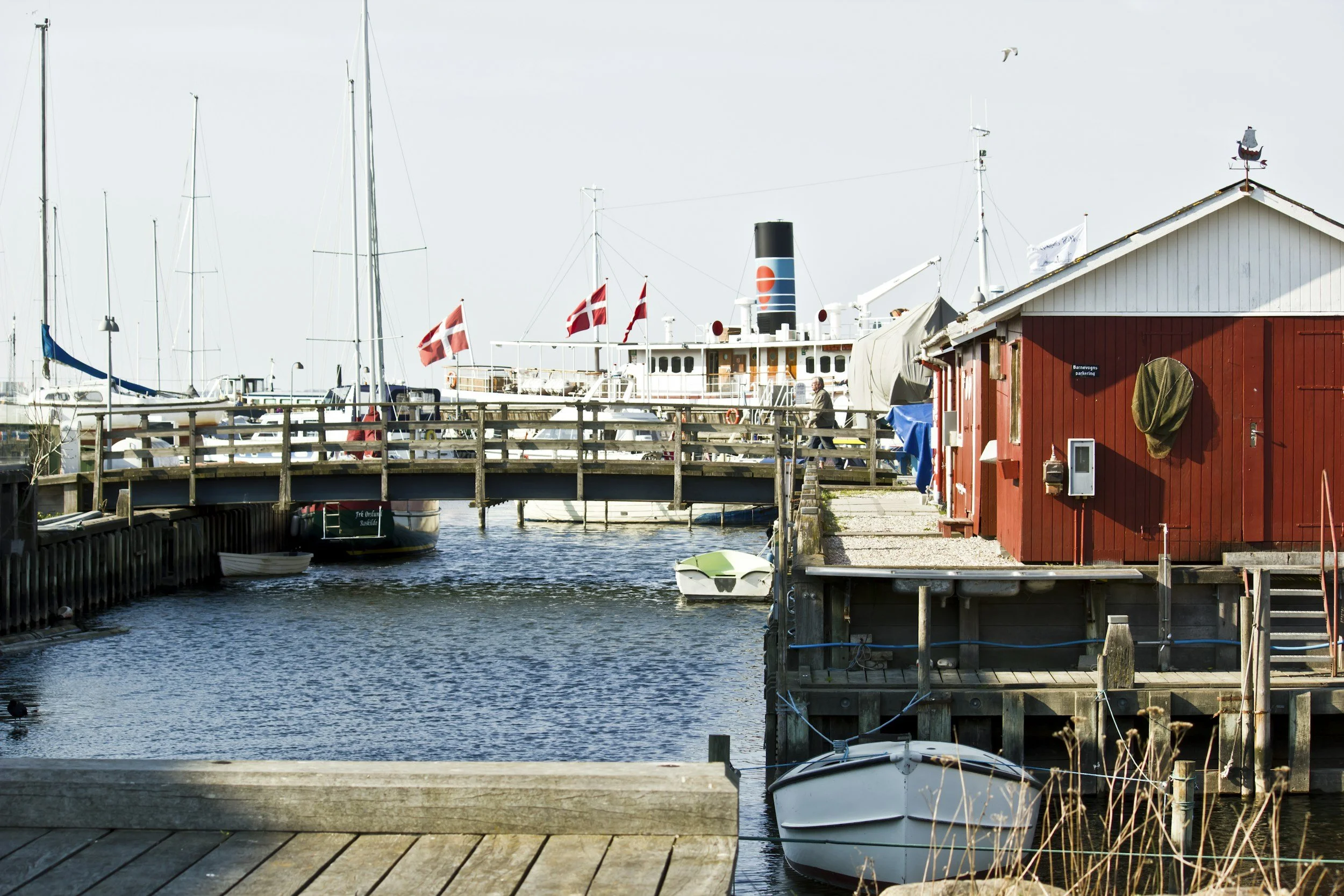
Roskilde
Before you leave Copenhagen
You do not need to learn Copenhagen’s entire zone system before taking any of these trips, and I honestly would not bother trying. The useful things to know are much simpler: København H is Copenhagen Central Station, and it is the easiest starting point to use when you are checking routes because every destination in this guide can normally be reached from there without changing trains. Depending on where you are staying and which departure you choose, Rejseplanen may also send you from Nørreport or Østerport, which can save you going all the way back to København H just to travel north again.
I would check the journey in Rejseplanen on the morning you travel, even if you already looked it up while planning the trip. It pulls together trains, buses and walking connections and is much more useful than memorising that Helsingør is supposedly on one particular train letter or Køge on another, because stopping patterns, platform assignments and line letters can change. At the station, follow the destination and stops shown on the departure board.
For the Danish trips, a normal ticket can be bought in Rejsebillet or the DSB app, and both are much easier for a visitor than trying to work out the system from a ticket machine while your train is sitting on the platform. Rejsebillet sells tickets for public transport throughout Denmark, while the DSB app also combines train tickets with live departure and disruption information. Older Copenhagen guides may still tell you to get a physical Rejsekort and tap in and out at the blue readers, but that advice is now out of date: the old physical Rejsekort has been discontinued, with digital alternatives replacing it.
There is also no need to start hunting for seat reservations for these day trips. S-trains do not work that way, and although reservations exist on some longer-distance regional services, they are not something you need to build these six outings around. Øresundståg does not sell seat reservations at all, so for Lund you simply board with a valid ticket and take an available seat.
If you already have a City Pass Large or Copenhagen Card Discover, it is worth checking what you have before automatically buying another ticket. City Pass Large covers zones 1–99 in Greater Copenhagen, including the area used for trips such as Roskilde and Helsingør, while Copenhagen Card Discover also includes unlimited public transport in zones 1–99 and can therefore make quite a lot of sense on a day when you are pairing the train with an attraction that the card covers. I would not buy either one purely because you are taking a day trip, though. Compare the cost of the whole day first, including what you actually plan to visit, because a simple return ticket may still be the more sensible option.
One genuinely useful detail if you are travelling as a family: an adult with a valid Danish public-transport ticket can bring up to two children under 12 free of charge. That can change the calculation quite a bit for a family day in Roskilde or Helsingør, so it is worth knowing before you buy separate tickets for everyone.
Lund is the one trip where the rules change slightly, because you are crossing into Sweden. Buy a ticket valid all the way to Lund rather than assuming your Danish day pass or Copenhagen Card will carry you across the Øresund Bridge, and have valid ID with you. Swedish border controls are currently carried out on travellers entering Sweden and can take place at Hyllie, the first Swedish stop after the bridge, so this is one day when I would actually check the current border guidance before leaving rather than discovering it when an officer walks through the carriage. Copenhagen Card Discover covers Copenhagen’s zone 1–99 transport network, not the international journey to Lund.
The good news is that once you have the right ticket, there really is not much else to organise. None of the six trips needs the sort of advance train planning you might associate with longer European rail journeys, which is exactly why they work so well when you wake up in Copenhagen, look outside and decide you would rather spend the day somewhere else.
If you’re taking one of the earlier trains, these Copenhagen breakfast spots are useful for coffee, pastries or something more substantial before you leave.
Roskilde: the easiest day trip when you still want plenty to see
Roskilde is the one I would choose if you are looking at this list and thinking, I do want to get out of Copenhagen, but I really do not want to spend half the day getting there. The direct regional train from København H takes around 25 minutes, departures are frequent, and when you arrive you are close enough to the centre that there is absolutely no reason to start figuring out buses. For such a short journey, Roskilde gives you a surprising amount to work with too: one of Denmark’s most important churches, the fjord, original Viking ships, a working wooden boatyard and a proper town centre in between, so it never feels like you have travelled out for one attraction and then have nothing else to do.
The easiest way to start is to leave Roskilde Station towards Hestetorvet and walk into town along Algade or Skomagergade. If you are the kind of person who needs coffee before churches and Viking ships, Kaffekilden is right by the station on Hestetorvet, while Kaffeekspressen at Algade 5 is a tiny local coffee bar on the way into the centre. Neither is somewhere I would tell you to cross Roskilde for, but both are exactly the sort of useful places I like knowing about beforehand, because otherwise you inevitably walk past them and start looking for coffee ten minutes later.
Within around ten minutes you reach Stændertorvet, the big square beside Roskilde Cathedral, and this is where Roskilde starts to feel much more like an actual town day rather than a trip built entirely around two museums. If you have some flexibility, Wednesday and Saturday are the days I would choose because the market takes over the square, with stalls allowed to sell produce, flowers, cheese, fish, prepared food, antiques and local crafts. Naturally the exact mix changes from week to week, but if you like markets, come in the morning while there is still some life around the stalls rather than arriving once everyone is packing up.
There is also a slightly odd little piece of Roskilde underneath your feet here. Beneath Stændertorvet are the excavated remains of Sankt Laurentius Church, including part of a church dating from around 1125 and an early red-and-black brick mosaic floor, while the surviving tower can also be climbed when the site is open. I would not restructure the whole day around it, but if the door happens to be open while you are crossing the square, this is exactly the kind of 20-minute detour I would make. It feels a lot more interesting than adding another big museum simply because it happens to be there.
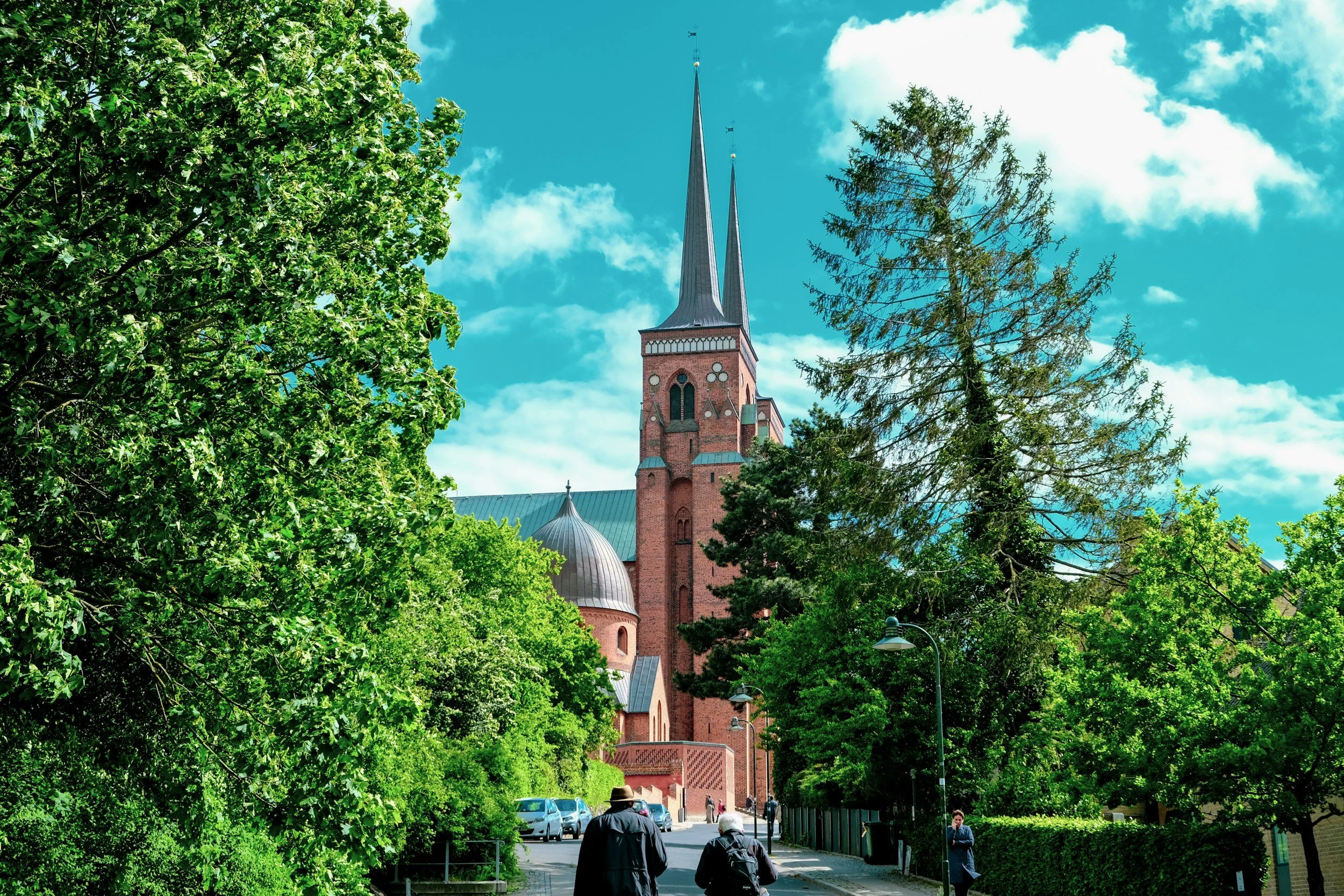
I would still go into Roskilde Cathedral first, mainly because it is a working church and visitor access can be interrupted by services, concerts and ceremonies. It is much better to see it while you are already beside it than assume you can wander back at the end of the afternoon and find the doors open. The cathedral is Denmark’s royal burial church and has been UNESCO-listed since 1995, but I do not think you need to know the story of every monarch buried there to enjoy it. What makes it interesting is seeing how different royal chapels and architectural periods have been added over time, so it feels much more layered than one perfectly preserved medieval church.
Before heading down towards the fjord, I would leave a little room for the centre rather than walking straight from cathedral to museum. Lützhøft’s Old Grocer’s Shop on Ringstedgade is one of the more unexpected stops: the shop first opened in 1892 and is now arranged around everyday Danish life in the 1920s, with old tins, goods, counters and original-style shop fittings. Behind it are historic craft workshops, and next door there is even a preserved butcher’s shop from 1922. Entry to the grocer’s house is free, and if you are anything like me and sometimes find old shops, kitchens and ordinary everyday objects more interesting than another room full of royal portraits, this is worth the detour.
For something edible, Caseus on Skomagergade is a proper cheese and delicatessen shop selling cheeses, charcuterie and fresh bread. If the weather is decent, this is the sort of place I would stop and pick up something for later rather than automatically sitting down for a big lunch in the centre, especially because the best part of the route is still ahead of you.
From the cathedral, walk downhill through Byparken towards Roskilde Fjord. This is also where you realise quite how Roskilde is laid out: the cathedral sits above the water, so the walk down is very easy and the walk back later is definitely less so. If you do want lunch before reaching the museum, Pipers Hus sits inside the park and has a terrace with the fjord in one direction and the cathedral in the other, which is a much nicer place to stop than simply choosing the first restaurant you see on the pedestrian street.
I would give the biggest chunk of the afternoon to the Viking Ship Museum, because the five original Viking ships are really only part of the reason to come. Outside the main hall there is a working boatyard where traditional Nordic wooden boats are still built and maintained, and in the warmer months the whole place feels much more active than a conventional museum. From May to September there are sailing trips on Roskilde Fjord where passengers actually help row, handle the sail and do some of the work on board. Those trips are seasonal and currently booked separately, so if that is the part you are especially excited about, check availability before you leave Copenhagen rather than turning up and hoping there is space.
Roskilde also works surprisingly well when the weather is bad, which is something I would genuinely factor in if you are deciding between these day trips on a grey morning. Between the cathedral and the Viking Ship Hall, you can spend a substantial part of the day indoors without feeling that you are hiding from the weather. The experience is a little different in winter, though: there are no sailing trips, you cannot board the outdoor ships in the same way, and access around the working boatyard is more limited, so summer Roskilde definitely has an extra layer to it.
If you want to eat without leaving the museum area, Café Knarr is the easy option and is more interesting than the words “museum café” might suggest. The food takes inspiration from ingredients available during the Viking period but interprets them in a modern Nordic way, and you look out over the boatyard and wooden vessels while you eat. For something a little slower by the water, Café Fjordliv at Vindeboder 15 sits directly at the harbour and does seasonal Nordic and French-influenced food, local ingredients, cakes and organic coffee.
And if you like small galleries, craft shops or watching people actually make things, do not immediately start the walk back uphill once you leave the museum. Glasgalleriet is inside Roskilde’s former gasworks by the harbour and combines a working glassblowing studio, exhibition space and shop. You can sometimes watch glassblower Skak Snitker working in the open workshop, and entry is free, so it is one of those very easy additions that gives the harbour area a bit more personality without turning the afternoon into another scheduled attraction.
When you are finally ready to head back, I would simply walk through the centre again rather than bother finding a bus unless you really need one. The walk from the Viking Ship Museum to Roskilde Station is around 20 to 25 minutes, but this is the part where you notice the hill you happily ignored on the way down. In summer, Roskilde Ismejeri has a harbour outlet as well as its shop on Algade, so having an ice cream beside the fjord before starting the climb feels like a fairly sensible strategy to me.
The one thing I would not do is look at that 25-minute train journey and decide Roskilde should therefore be squeezed into a rushed half-day. The cathedral and Viking Ship Museum are not beside each other, both deserve more than a quick walk-through, and the whole route is much nicer when you have time for the park, harbour and little stops in between. Roskilde is also a small city rather than a sleepy Danish village, so there are shopping streets, commuters and ordinary local life mixed in with the historical bits, which I actually think makes the day more interesting.
And definitely look at your dates if you are travelling around Roskilde Festival, normally held around late June and early July. The festival grounds are south of the station rather than around the cathedral and harbour, but trains, the station and the city in general become dramatically busier, so this is probably not the week I would pick if the whole reason you came to this article was to find the easiest possible escape from Copenhagen.
Roskilde is best for Viking history, royal history, families, anyone who feels slightly hesitant about committing to a longer train journey, and those very Danish days when the weather forecast is doing absolutely nothing to inspire you. It is not the smallest or slowest-feeling place in this guide, but for around 25 minutes on a train, you get a lot of day trip back.
If Copenhagen is part of a bigger autumn trip, I’ve also compared Scandinavia in autumn, including what Copenhagen, Stockholm and Bergen actually feel like once summer is over.
Helsingør: the best all-round day trip from Copenhagen
Helsingør is the one I would send you to if you told me you had one free day in Copenhagen and did not really know what you wanted beyond getting out of the city. There are easier trips and there are smaller towns in this guide, but Helsingør gives you the best mix of things I personally want from a day trip: an old centre that is genuinely worth walking around, cafés and shops that are not there purely for tourists, the sea almost constantly in the background, and two major attractions that would each justify the journey on their own.
The direct train from København H follows the coast north and normally takes somewhere around 50 minutes, with frequent departures, and the arrival is about as convenient as it gets. Helsingør Station is right beside the ferry terminal, the harbour is outside and the old centre begins almost immediately, so there is no slightly disappointing 20-minute walk through residential streets before you reach the bit you came to see. Current timetables show direct regional trains from København H, while Visit Copenhagen puts the journey at roughly 50 minutes.
I would actually resist walking straight to Kronborg, even though you can already see why everyone does it. The castle is close and it is the obvious headline attraction, but Helsingør is much better if you give the town an hour or two before disappearing inside a museum.
From the station, turn into Brostræde and Stengade, then let yourself zigzag a little rather than following the quickest route. Brostræde is narrow and old, with the sort of scale that makes you slow down without really trying, and it also happens to be home to Brostræde Is, Helsingør’s original ice-cream shop, which has been here since 1922 and still makes its waffles in-house. I would not suggest starting the morning with an enormous Danish ice cream in February, obviously, but on a warm day this is one of those local places that is actually worth knowing about rather than simply picking whichever gelato shop you happen to pass later.
For coffee, Miss Coffee at Stengade 17 is an easy early stop and opens earlier than a lot of the more tourist-facing places, with coffee, bagels and homemade pastries. If you would rather save the coffee for later, I would do exactly that and stop at Strandvejsristeriet once you reach Kronborg, because its location inside the castle area is far better than a museum coffee has any right to be.
Stengade is Helsingør’s main pedestrian street and there are chains mixed in with the independent places, so I would not sell it to you as some perfectly preserved historical street where every doorway contains a candle maker. What makes it good is the combination. You can turn into the older side streets, come back out for coffee or shopping, then disappear again towards the churches and harbour. If you like Scandinavian interiors and the sort of shop where you end up buying something completely unnecessary for your kitchen, Koloni at Stengade 29A carries clothing, jewellery, gifts and interiors from a mix of Scandinavian brands. A few doors away at Stengade 33, Atelier Grato focuses on handcrafted work, so this little stretch is worth slowing down for rather than treating Stengade simply as the route to the castle. Koloni’s Helsingør shop is still trading at that address.
Then turn towards Axeltorv, particularly if you are here on a market morning. Helsingør still has actual town-square trading rather than a market invented for visitors: the current town association lists market days from spring into late autumn, with fruit, vegetables, cheese and fresh fish among what can turn up on the square. There is also a sizeable Saturday flea market during the warmer part of the year that spills around the end of the pedestrian area and neighbouring streets, so for anyone who reads Trippers Terminal partly because they cannot walk past a crate of old ceramics without stopping, Saturday is a very good day to come. These seasonal calendars are exactly the kind of thing I would check again shortly before travelling, but it is worth knowing that Helsingør has this side to it at all.
Around here, I would also cut through Sct. Olai Gade, Sct. Anna Gade, Kirkestræde and Hestemøllestræde instead of staying religiously on the pedestrian street. Helsingør has one of Denmark’s better-preserved historic centres, with buildings from several different centuries rather than one uniform “old town” look, and Sct. Anna Gade and Stengade were historically two of its main streets.
You will pass Sankt Olai Cathedral, but there is another church nearby that I think is easier to miss and possibly more interesting if you like architecture. Sct. Mariæ Church on Sct. Anna Gade is attached to the old Carmelite monastery, a late-medieval complex founded in the 15th century and considered one of the best-preserved Carmelite monasteries in Northern Europe. The church itself has old wall paintings and an organ associated with composer Dietrich Buxtehude. You do not need to turn this into another hour-long attraction, and access to the actual monastery buildings can be more restricted than the church, but it is a very good example of why I would not rush through Helsingør’s centre just to reach Hamlet.
Also look up occasionally, because Helsingør has a series of large murals tucked into the old streets rather than concentrated in a formal art district. One depicts the Øresund tolls on Sct. Anna Gade 4, another is at the corner of Kirkestræde and Hestemøllestræde, while works around Allégade 7 and Kongensgade 23 deal with the shipyard period. I like these because they connect the pretty old centre to the part of Helsingør that actually made money and employed people, rather than leaving you with the impression that the city has spent 500 years waiting for tourists to arrive.
From here, start making your way towards the water and Kronborg Castle. The walk from the station area is only around ten to fifteen minutes if you go directly, but by this point you will hopefully have taken much longer. As you come out towards Kulturhavn Kronborg, the town suddenly opens up and you get the part of Helsingør that Copenhagen cannot really reproduce: the castle sitting on the edge of the Øresund, ferries moving back and forth, the old shipyard buildings behind you and Sweden looking absurdly close on the other side of the water.
This is the narrowest part of the Øresund, and Helsingborg is only a few kilometres away across the strait, so the Swedish coast feels like part of the view rather than a hazy line in the distance. It is one of the reasons I think Helsingør works even for someone who is not especially interested in castles. You can walk around the harbour and fortifications and still feel that the journey has taken you somewhere quite distinct from Copenhagen.
If you are going into Kronborg, I would give it proper time rather than racing around the state rooms because you also want to fit in the Maritime Museum. This is the castle associated with Hamlet: Shakespeare set the play at Elsinore, the English name traditionally used for Helsingør, and Kronborg is now widely known as Hamlet’s castle. There is no evidence that Shakespeare himself visited Kronborg, and the castle’s own history material says he likely never did, so I would leave the “Shakespeare walked these halls” stories to other travel blogs.
Kronborg itself gives you much more than the Hamlet connection anyway, including the royal apartments, ballroom, chapel, fortifications and the dark casemates underneath. The thing I would watch when planning an off-season trip is the calendar: Kronborg has Monday closures during parts of winter and late autumn, while the warmer season tends to have daily opening. Rather than building an evergreen article around dates that will eventually change, check the castle calendar before choosing your day.
And if you are thinking, castles are fine but I would rather see something a bit more contemporary, I would seriously consider making the M/S Maritime Museum of Denmark the main attraction instead. It is not a conventional maritime museum sitting in a nice old harbour building. BIG designed the museum below ground around the walls of a former dry dock, leaving the historic dock itself open in the middle, with sloping bridges cutting across it. Even before you start looking at ships, trade and life at sea, the architecture makes the visit worthwhile.
Its shop is also genuinely good if you like design, books and objects that do not look like standard museum souvenirs, with interiors, jewellery, books, clothing and children’s things linked to the exhibitions. That is where I would browse if the independent shops in the old centre have already done some damage to your luggage allowance.
I would pick Kronborg or M/S as the main museum of the day, especially if you are also spending time in town. You can visit both, of course, and if maritime history is your thing you may genuinely want to, but there is a difference between technically fitting everything into the opening hours and having a day that still feels enjoyable. If this were my first visit, I would do the old town properly, choose one museum for a deeper visit and leave enough time for the harbour afterwards.
Lunch is easy around here. Værftets Madmarked occupies one of the old shipyard halls just behind the museum and is the obvious option if you want something casual, particularly if you are travelling with people who never agree on what they want to eat. The current stalls range from ramen, sushi and tacos to Moroccan food, burgers and fish, with long communal tables inside the old industrial space. It stays open year-round but has a reduced weekly schedule in parts of winter, so this is another place where I would check the day rather than assume Monday in January works exactly like Saturday in July.
If the food hall feels a little too busy and you would rather go back into the old centre for lunch, Rådmand Davids Hus on Strandgade 70 is a much quieter alternative for lighter Danish café food, while Café Olai on Sct. Olai Gade is another central option if you want to sit down rather than eat at communal tables. Rådmand Davids Hus also has outdoor seating in summer.
There is one more coffee stop I would save specifically for this part of the day: Strandvejsristeriet at Kronborg 12A, a roastery and coffee bar right inside the Kronborg area. If you have just spent two hours in a castle and need coffee before committing to anything else, this is much nicer than walking back into town purely to find caffeine.
Before heading back to the station, walk through Kulturværftet, the former Helsingør shipyard that has been turned into a cultural centre with the library, exhibitions, events and huge windows looking towards the harbour and Kronborg. It is not something you necessarily need a ticket or a full hour for, but it ties the whole area together rather well: royal castle on one side, the buried maritime museum below you, old industrial halls around you and a working ferry route to Sweden still moving outside.
This is also why I rate Helsingør more highly than a lot of day trips that have one spectacular attraction. The town does not stop being useful once you have seen Kronborg. You can spend the first part of the morning among old streets and market stalls, the middle of the day immersed in one major museum, have lunch in the old shipyard and still finish beside the water with Sweden across the Øresund. There is enough contrast for a full day without needing a car or a local bus once you arrive.
There are compromises, though. Helsingør is one of the obvious Copenhagen day trips and it can be busy, particularly around Kronborg in summer, so I would not come here expecting to have the castle grounds to yourself. The old streets are cobbled in places and Kronborg itself includes uneven surfaces, stairs and the casemates, which is worth knowing if walking is difficult. And I really would not try to do the old town, Kronborg and a deep visit to M/S in a compressed half-day simply because the train timetable says you technically can.
Helsingør is best for a first day trip from Copenhagen, maritime history, architecture and anyone who wants the destination itself to be part of the reason for going rather than merely the place where a famous attraction happens to sit. If you only choose one day trip from this entire guide, this is still the one I would pick.
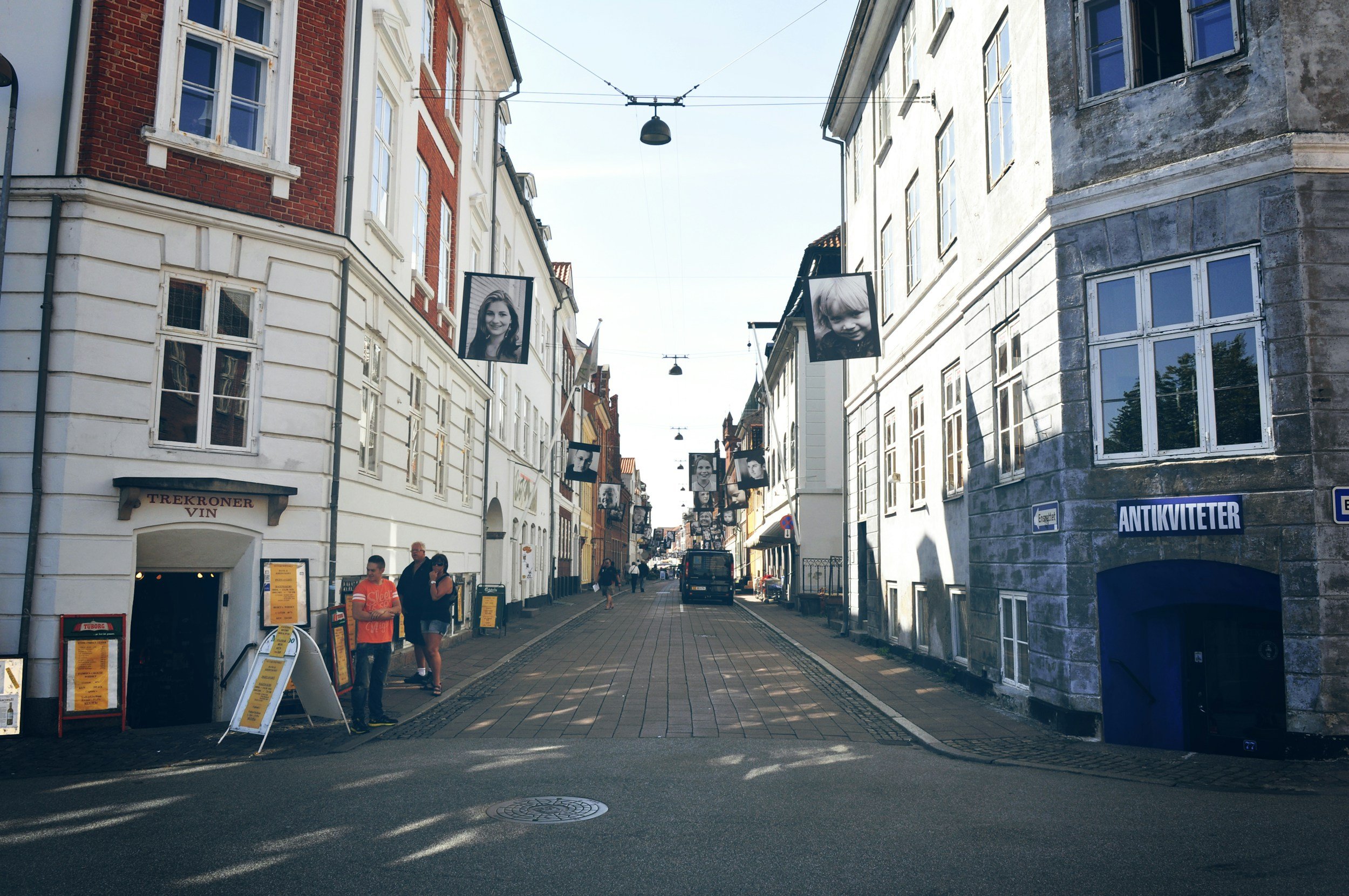
If this is exactly the kind of weekend day trip you like, these quiet European towns by train give you the same easy, car-free trip elsewhere in Europe.
Køge: the day trip for markets, old streets and aimless wandering
Køge is probably the place in this guide that needs the least help from a famous attraction, because the reason to come is really the town itself. You come for the market square, the old houses and little courtyards, the shops you actually want to go into rather than walk past, a good coffee somewhere along the way, and the fact that you can spend a few hours wandering without constantly feeling that you should be heading towards the next important sight. If that sounds more appealing than spending half the day inside a castle, Køge is probably the Copenhagen day trip I would look at first.
The direct S-train from København H takes roughly 40 to 45 minutes, depending on the service, and the arrival is unusually easy because Køge Station is basically beside the part of town you have come to see. Torvet is only around five minutes away on foot, so there is no bus to figure out, no long walk through residential streets and, really, no need for much of a plan at all once you get there. As with the other trips in this guide, I would still check Rejseplanen and follow the destination shown rather than memorising a particular S-train letter, because those things can change.
If you have any say over which day you go, I would make it Wednesday or Saturday, because this is when Køge makes the most sense to me. The market on Torvet has been part of town life for around 700 years and still takes place on both days throughout the year, with fruit and vegetables, cheese, fish, sausages, olives, honey, flowers, crafts and whatever else happens to turn up that week. It is not one of those polished weekend markets that seems to exist mainly so visitors can photograph sourdough and flowers either; Torvet has been Køge’s marketplace since the Middle Ages and, at almost 10,000 square metres, it is the largest provincial market square in Denmark.
I would start here and take my time rather than immediately disappearing into a museum. Køges Kaffebar on Vestergade 9 is only a short walk from the square and feels much more in keeping with this kind of day than finding the nearest chain café, while Åstrædes Ostehus at Torvet 13 is exactly the sort of shop I would go into with absolutely no intention of buying cheese and then somehow emerge from carrying cheese. It sits inside an old half-timbered building and has more than 175 Danish and international varieties, as well as charcuterie and other delicatessen things, so it is also useful if you fancy buying something for later rather than organising the whole day around a sit-down lunch.
The town hall on Torvet is worth properly looking at while you are there rather than letting it become background scenery. The present building dates from 1567 and is considered Denmark’s oldest town hall still in use, and the square has some rather darker stories attached to it too. Køge was the setting for the notorious early 17th-century witch trials known as Køge Huskors, something that keeps appearing as you follow the historical route through town and gives the old centre a bit more depth than a collection of photogenic façades.
From Torvet, turn into Kirkestræde, because this is probably the street I would be most annoyed to discover I had missed afterwards. At no. 20 stands one of Denmark’s oldest dated half-timbered houses, with an inscription found beneath layers of plaster during restoration work showing that it dates from 1527. It was originally one of a pair of tiny rental houses, and at one point during the 19th century a furrier apparently lived in its roughly four-by-five-metre interior with his wife and ten children, which is one of those details that makes you look at a pretty old house rather differently. The building now forms part of Køge Library, and when access allows you can step inside rather than only taking a photo from the street.
There are plenty more details like this if you follow part of VisitKøge’s self-guided city walk, and I think borrowing bits of that route works much better here than trying to march between attractions. On Brogade there is an 18-bay half-timbered house from 1636, while the old blacksmith’s courtyard still has its twisted chimney and the original bislagssten, the stone benches that once stood outside houses and workshops. Even Sct. Nicolai Church has its own slightly unexpected detail: the medieval tower dates from the 14th century and once incorporated a lantern that helped guide ships approaching the coast. You do not need to go inside every historic building you pass; a lot of the pleasure of Køge is simply noticing how much of the old trading town is still sitting between completely ordinary shops and streets.
And this is where Køge starts to win me over more than some of the attraction-heavy day trips, because there are still enough independent places in the centre that wandering without much purpose actually works. Candy Records at Vestergade 5 is tucked inside Garvergården and sells new, old and rare vinyl alongside imported wine, which is such an oddly specific combination that I would find it very difficult to walk past. Byens Vinhus on Brogade specialises in wine, spirits, chocolates and other delicacies, while Brauns Ost & Delikatesser does cheese, charcuterie, tapas and sandwiches on homemade bread. Then there is House of Pioneer, apparently Denmark’s oldest jeans shop, with a basement full of comics, films, games and merchandise. In other words, there is enough here beyond the predictable Scandinavian fashion chains to make “I’ll just have a look around the shops” a perfectly valid part of the day.
If you want to add one museum, I would choose whichever actually sounds interesting to you rather than feeling you need to squeeze in both. Køge Museum makes the most sense if walking around the old centre has made you curious about the town itself. It occupies a merchant’s house from 1619 and takes you from the Stone Age and Viking period through Køge’s later life as a market town, including the darker local history around the witch trials. There is also a courtyard and a small café, which makes it a particularly useful option when the weather suddenly decides your nice wandering day is over.
MAPS, the Museum of Art in Public Spaces, is the more unexpected choice and probably the one I would pick if I had already seen a lot of Danish local-history museums. It is on Nørregade 29 and focuses specifically on art made for streets, squares and other shared spaces rather than conventional gallery walls, with a collection of more than 19,000 sketches, models and preparatory works connected to public-art projects. What I particularly like about it is that the idea continues once you step back outside. At the end of Brogade, for example, Lea Guldditte Hestelund’s The Keeper initially looks like a large stone, until you walk around it and find the hollow form and polished egg inside, so the town itself starts becoming part of what you are looking at.
For lunch, I would probably stay in the old centre unless I already knew I wanted to end up at the harbour. Restaurant MALT, just off Torvet, is a good option if you fancy Danish lunch rather than generic café food, with classic smørrebrød given a slightly more modern treatment and homemade rye bread. If you mainly want coffee and something sweet, Café Le Jardin in Strandpassagen goes in a completely different direction with its rather unapologetically garden-inspired interior, cakes, coffee and afternoon tea. It is especially useful to know about on a cold or wet day when sitting outside on Torvet has suddenly become much less appealing than it sounded that morning.
If the weather is good, though, I would keep walking towards Køge Harbour after lunch. Just go knowing that this is where the feel of the day changes, because the harbour is working, newer and much less historically pretty than the area around Torvet, so there is no point walking down there expecting another row of half-timbered houses beside the water. I actually quite like having that contrast after a few hours in the old centre, and Søndre Havn has newer development, restaurants and life around the water, but I would treat it as an extra rather than the reason for coming to Køge.
If you want to continue all the way towards the marina and Nordstranden, factor in the extra walking rather than casually adding “and then the beach” to the end of your itinerary. The main marina is around a 20-minute walk from the centre and has restaurants, a harbour bath and the beach beside it, so in summer this can be a lovely way to finish if you deliberately want some time by the water. Outside the warmer months, I would personally be much more tempted to spend those extra 40 minutes wandering back through the centre, unless the coastal walk itself is what you are after.
I would also leave Borgring for another day, even though discovering that there is a UNESCO-listed Viking ring fortress nearby makes it very tempting to start squeezing things in. Borgring is around four kilometres from Torvet in Lellinge, and getting there by public transport involves taking bus 260R from Køge Station and then walking roughly 500 metres from the stop. It may absolutely be worth visiting in its own right, especially now that there is a dedicated museum there, but adding it changes the whole nature of this particular trip. One of the best things about Køge is that you get off the train and basically forget about transport for the rest of the day, and I would keep it that way.
The one day I am much less enthusiastic about is Sunday. Køge obviously does not suddenly stop being worth seeing, and MAPS, cafés and the old streets are still there, but the market is gone and quite a few of the smaller independent shops close, which removes some of the life that makes Køge feel different from the other destinations in this guide. If your whole reason for choosing it is the market square, local shops and the pleasure of seeing a small Danish town going about its normal day, Wednesday or Saturday is easily the better choice.
And that is also Køge’s limitation, depending on what you want from a day trip: there is no Kronborg or Louisiana waiting at the end of the walk. If you need a famous attraction to give the day a purpose, you may prefer Helsingør, Roskilde or Humlebæk. But if your ideal day is buying coffee, browsing a 700-year-old market square, turning down Kirkestræde because it looks interesting, accidentally spending too long in a record shop or cheese shop, choosing one small museum, having lunch and deciding afterwards whether you can be bothered walking to the harbour, then Køge suddenly makes a lot of sense.
That is much closer to my idea of a good small-town day anyway.
Køge is best for markets, old streets, independent shops, repeat visitors to Copenhagen and anyone who would happily swap one blockbuster sight for several hours of being able to wander properly. It works very easily as a half-day because everything important is so close to the station, although put me here on a Wednesday or Saturday with a market, coffee and a few shops to poke around in and I could quite happily turn it into a full one.
And if Køge is the one that caught your attention, I’ve collected more European market towns by train where you can arrive and spend the day entirely on foot.
Hillerød: the Copenhagen day trip for castle lovers
Hillerød is a little different from Køge and Helsingør because I would not pretend the town itself is the main reason to come. Frederiksborg Castle is the reason, and it is a very good one. What makes Hillerød work so well as a day trip is that reaching it never feels like a chore: you get a direct S-train from central Copenhagen, step off around 40 minutes later, and instead of transferring to a bus or walking along a busy road, you can be beside Slotssøen with the castle appearing across the water within about 15 minutes.
There are actually two good ways to do that first walk, and I would deliberately use one on the way there and the other on the way back. From Hillerød Station, head down towards Torvet via Vibekevej, Østergade and Kannikegade, then decide whether you want to follow Slotsgade through the centre or pick up Søstien, the path beside Slotssøen. The official walking route uses the lake on the way to Frederiksborg and the pedestrian streets on the return, which is probably how I would do it too, because your first proper view of the castle across the lake is much better than simply arriving at its front gate.
Torvet itself is worth a pause before you disappear towards the castle, mainly because this is where Hillerød suddenly opens onto the water. The statue of Frederik VII stands facing the lake, and there are cafés along the square where you can sit with the castle visible in the distance. Torvets Café & Vinbar is right here and was opened by two local owners specifically around the idea of having coffee or wine with a view towards Frederiksborg, so if you arrive slightly too early for the museum or simply need coffee before a few hours of Danish royal history, this is a much nicer place to stop than somewhere inside the shopping centre.
If you follow the lake from Torvet, you pass Posen, a little green area beside the water, and the castle gradually comes into view from different angles rather than appearing all at once. The full Søstien circuit around Slotssøen is only about 2.5 kilometres, so you do not have to save it for some separate afternoon walk either. It naturally links the centre, castle and gardens and is one of the easiest ways of making the day feel like more than “train, castle, train.”
Then you reach Frederiksborg Castle, and this is one place where I would not try to be efficient. Give it two or three hours with the gardens, because the interior is much bigger than the exterior makes you expect and it is not simply a sequence of furnished royal rooms. Frederiksborg has housed the Museum of National History since 1878, and the collection tells around 500 years of Danish history through portraits, paintings, furniture and interiors, with the story continuing right into the 20th and 21st centuries.
The rooms I would make sure not to rush are the Castle Chapel, the Audience Chamber and the Great Hall. The chapel survived the huge fire of 1859 largely intact and still has its original Renaissance decoration, including the 17th-century altarpiece and the historic Compenius organ. The Audience Chamber is one of the surviving Baroque interiors, while the Great Hall above the chapel was reconstructed after the fire and is filled with tapestries, royal portraits and an enormous decorated ceiling. If you happen to be interested in portraiture rather than castles as such, Frederiksborg is also Denmark’s national portrait collection, which makes the museum much more interesting than a straightforward royal residence tour.
Once you have been inside for a couple of hours, do not skip the gardens because you are mentally done with royal history. They are a big part of why I prefer Hillerød as a full day rather than a quick castle run. The formal Baroque Garden drops away from the castle in four terraces, with clipped hedges, royal monograms and the central cascade, while right beside it the landscape garden deliberately goes in the opposite direction with winding paths, trees, small lakes and a much looser layout. The Baroque section is free to enter and open year-round, although the fountains and cascade are seasonal.
It is worth walking a little farther into the landscape garden to see the Bath House Castle, a tiny late-16th-century pleasure palace that looks almost absurdly small after Frederiksborg. It is not normally open to wander into, so I would not build the day around seeing the interior, but the walk out there is one of the quieter parts of the grounds and particularly good in autumn when the trees around the lakes are changing. There is also Louise’s Island, with a small pavilion connected to Frederik VII and Countess Danner, which is an easy detail to miss if you only walk the formal garden and turn around.
For lunch, there are two castle-area options that make much more sense than walking all the way back into town halfway through the visit. Café Havehuset sits inside the gardens and does Danish open sandwiches, lunch plates, homemade apple cake and coffee, with a terrace overlooking the grounds. It is the one I would choose if I wanted something relaxed without turning lunch into another event. Rabarbergaarden Slottet, at Møntportvejen 5, is more food-led and uses local, organic produce from its own and nearby farms in Nordic dishes, so this is the better choice if you actually want lunch to be part of the day rather than simply fuel between castle and gardens. Its schedule is more seasonal, though, so I would check that one before relying on it, particularly in winter.
There is also a very small seasonal stop called The Pantry just outside the castle, inside a building dating from around 1580 that once stored the castle’s tableware and household goods. It now works partly as an introduction to the surrounding national park and sells takeaway coffee and treats from Rabarbergaarden when open. I would not plan the day around it because its opening is seasonal, but it is exactly the sort of useful place to know about if you want coffee to take into the gardens rather than another sit-down meal.
In the warmer months, there is one extra that I think suits Hillerød unusually well: Den Lille Færge, the tiny ferry on Slotssøen. It leaves from below Torvet and stops at Rosenhaven and the Baroque Garden, so you can actually use it as transport rather than simply taking a sightseeing loop. The sailing season is limited, currently running mainly from mid-May into September with an additional autumn-holiday period, and the schedule can obviously change from year to year, but if it is running I would be very tempted to walk to the castle and take the little ferry back towards town later. It gives you the castle and gardens from the water and saves your legs at exactly the point when you have already done much more walking than the “15 minutes from the station” description suggests.
On the way back, take Slotsgade rather than retracing the entire lakeside route. This is Hillerød’s main pedestrian street and, yes, there are plenty of normal chain shops, so I would not oversell it as some perfectly preserved old quarter. But there are enough smaller places mixed in to make the walk useful. Vinhuset Stoltz at Slotsgade 3B is an independent wine specialist, and if you want something sweet, Peter Beier has a two-level chocolate, ice cream and café shop at the Slotsgade entrance to SlotsArkaderne, with its production based at nearby Ørsholt Gods in North Zealand.
I would also make a short detour along Helsingørgade, especially if you like local art. Gallery ArtTour at no. 29 is run as an artists’ community rather than a conventional commercial gallery and currently represents around 25 artists working across painting, ceramics, glass, sculpture, jewellery and clothing. There is a little café inside too, which makes it one of the nicer places to stop if you still want coffee but have had enough of standard cafés by that point.
Closer to the castle, Annaborg at Frederiksværksgade 2A is another one worth knowing about because it is very easy to walk past without realising what is inside. The neoclassical house is home to Hillerød Art Association and has changing exhibitions of Danish and international painting, graphics, sculpture and ceramics, usually with a new show each month and free admission. Its opening days are limited, so I would treat it as a bonus rather than something the whole itinerary depends on, but if the doors are open when you pass, I would absolutely have a look.
Hillerød has also added a 1.5-kilometre historical walk through the centre with 15 information signs, which is a useful little extra if you find yourself enjoying the town more than expected. The signs include Annaborg, the old town hall on Torvet, the parsonage on Kannikegade and a house on Møllestræde where Henrik Pontoppidan worked on Lykke-Per. I would not follow every marker after spending three hours at Frederiksborg, but they are good for giving some context to the streets you are already walking through.
The main thing to be realistic about is the amount of walking. The castle may only be around 15 minutes from Hillerød Station if you go straight there, but a proper visit that includes the interiors, Baroque Garden, landscape garden and a loop around part of Slotssøen is obviously much longer. The official castle walking route is around 3.5 kilometres before you add all the wandering inside Frederiksborg itself, and the surfaces include asphalt, gravel and cobbles, so this is not quite the tiny stroll that the station-to-castle number makes it sound like.
That said, Hillerød is one of the easiest trips in this guide to enjoy outside summer. Frederiksborg itself is open year-round, the town does not depend on a harbour or summer market to make sense, and on a cold day you can spend a large chunk of the afternoon inside the museum before walking around the lake with a coffee afterwards. Autumn may actually be one of the nicest times for the gardens, while in winter the whole day feels much more convincing than travelling somewhere coastal only to discover half the reason for being there has shut for the season.
The honest truth is that if Frederiksborg Castle does not interest you, I would probably choose somewhere else from this list. Hillerød has shops, cafés, galleries and a very pleasant lake walk, but I would not send you here ahead of Køge simply to wander the town, or ahead of Helsingør for a day built around old streets and the waterfront.
But if you like the idea of getting on one easy train, walking towards a castle across a lake, spending a few hours properly exploring one excellent attraction and then taking your time through the gardens and town afterwards, Hillerød is a really satisfying day.
Hillerød is best for castle interiors, gardens, autumn colour, colder-weather trips and anyone who would rather do one major sight properly than spend the day racing through five of them.
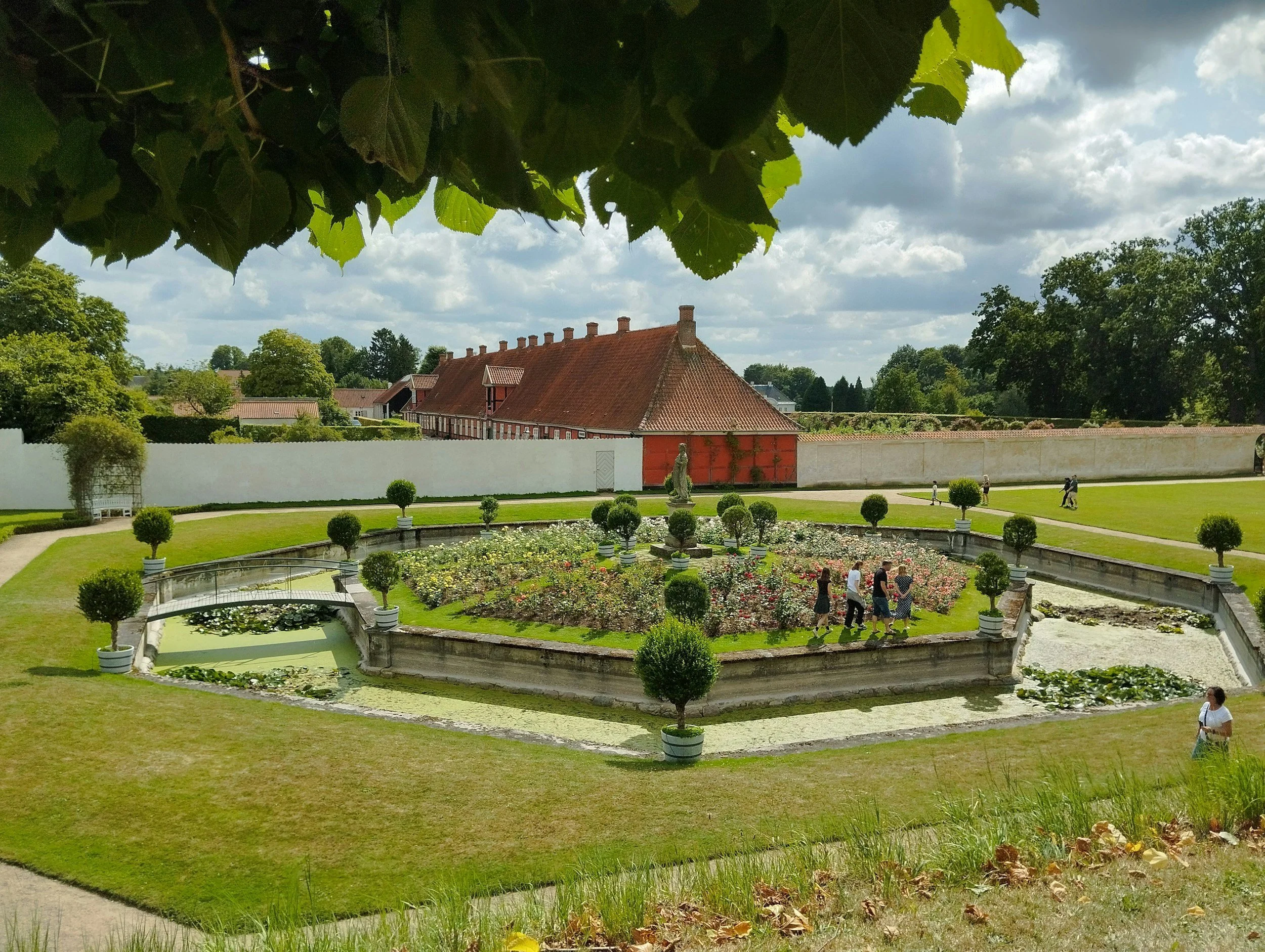
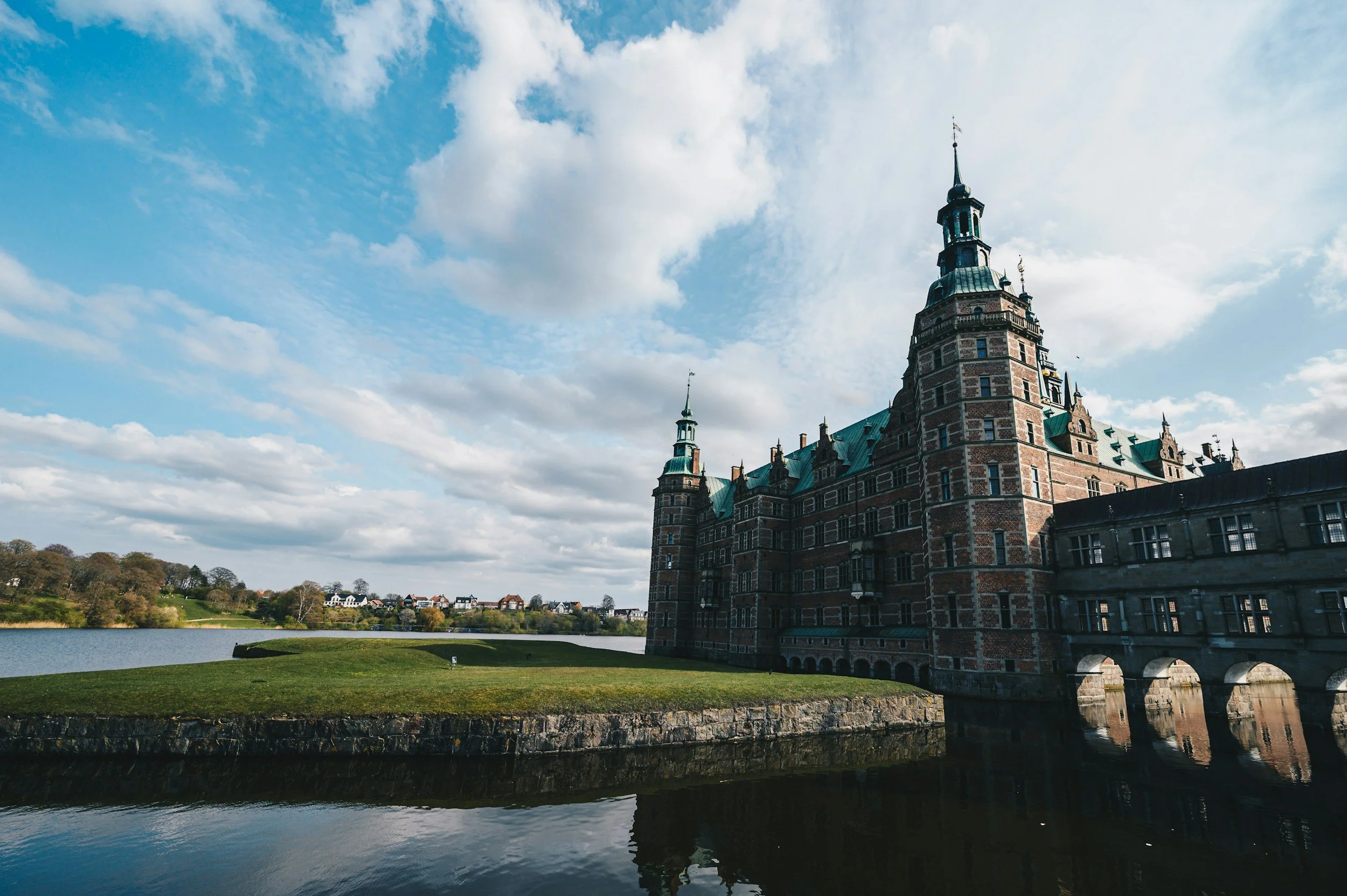
If these trips feel a little too easy and you’re ready to go farther, these small towns in Denmark are the ones I’d look at once you move beyond straightforward Copenhagen day-trip distance.
Humlebæk: the day trip for when you want art, sea views and almost no planning
Humlebæk is the one I would choose if I wanted to get out of Copenhagen for the day without turning it into a whole project. You take a direct train north for around 40 minutes, walk ten or fifteen minutes through a very normal residential part of town, and then spend most of the day somewhere that already gives you art, architecture, gardens, sea views, coffee and lunch in one place. For a solo day especially, I think that is a pretty great setup because you can arrive with almost no plan and still end up having a really full day.
You get a little hint of what Humlebæk is about as soon as you step off the train, because Humlebæk Station has a red-brick sculpture by Danish artist Per Kirkeby, installed here in 1994. After that, though, the walk towards Louisiana is mostly residential, so I would not come expecting an old centre, a market square or rows of independent shops. Humlebæk is not really competing with Køge or Helsingør in that way, and I think it is better to be clear about that from the start. You come here because Louisiana is excellent, and then the coast and quieter surroundings make the rest of the day feel easy.
There is one very handy stop almost immediately after you leave the station. Lind’s Kaffebar at Oscar Brunsvej 9 is only around a hundred metres away and has much more personality than the average station café, with homemade cakes, brunch and lunch food, coffee and wine, rotating work by local artists and a small shop/gallery element inside. It also doubles as Humlebæk’s local tourist-information point, which is such a very Scandinavian combination somehow. If you arrive before Louisiana opens or want breakfast first, I would stop here. Otherwise, I would probably keep walking and save the coffee for later because Louisiana’s setting is hard to beat.
Once you reach Louisiana Museum of Modern Art, I would completely abandon the idea of being efficient. This is not the sort of museum where I would map out the exhibitions and try to see everything in the correct order. Louisiana is much better when you move back and forth between the galleries, the long glass corridors, the sculpture garden and the water, then sit down when you feel like it and carry on afterwards. The original museum opened in 1958 around an old villa, with architects Jørgen Bo and Wilhelm Wohlert designing low buildings that sit very quietly in the landscape, and it has been expanded several times since without losing that feeling. Sometimes the best bit is not even the room you have just been in, but the view through the glass as you walk to the next one.
The temporary exhibitions change, which is one reason it is always worth checking what is on before you go, but there are a few parts of Louisiana that feel especially tied to the place itself. The Giacometti Gallery is built into the original North Wing, the Asger Jorn collection is another important part of the museum, and the sculpture garden has around 50 works set into the grounds, including pieces by artists such as Henry Moore and Alexander Calder. I would definitely not treat the garden as the thing you do at the end if you have ten minutes left, because it is really part of the museum experience rather than something decorative wrapped around the building.
And then there is the location. The gardens slope down towards Øresund, and from the lawn and Calder Terrace you are looking straight across the water towards Sweden, with sculpture, trees and those low museum buildings around you. Even if modern art is not normally something you would build a whole day around, Louisiana is unusually easy to spend time in because you never feel trapped indoors for hours. If it is raining, you can stay in the galleries and wait it out; if the clouds suddenly clear, you are outside in the sculpture park two minutes later.
I would also actually eat at Louisiana Café instead of feeling like you need to leave the museum to find somewhere more authentic. The café looks out over Øresund and the Calder Terrace and serves lunch, cake, coffee and dinner depending on the time of day, and in this case I think staying put is part of what makes the day work so well. You do not have to leave, walk fifteen or twenty minutes in search of food and then make your way back again. If the weather is good and you can get a table facing the water, I would absolutely sit there for a while rather than eating quickly so you can get back to the art.
And leave some time for Louisiana Butik, even if museum shops normally make you walk straight past. It is spread over two floors and feels much more like a very good Scandinavian design and art shop than somewhere selling endless branded souvenirs, with art and architecture books, exhibition catalogues, posters, ceramics, interiors, toys and work by both established and newer Danish and Scandinavian designers. If you like bookshops and design stores, this is the dangerous part of the day because half an hour can disappear very easily.
Something that really matters here is Monday. Louisiana normally closes on Mondays, and because the museum is the whole reason I would choose Humlebæk over the other places in this guide, I would honestly just pick another day trip rather than trying to make Humlebæk work without it. The sculpture garden is part of the museum too, so you cannot simply come on a closed day and wander around outside instead. Opening hours can shift around holidays and seasons, so check before you travel rather than relying on an old timetable.
If you come out of Louisiana after three or four hours feeling completely done, that is absolutely enough. One of the reasons I like this trip is that you do not have to start adding things just because you took a train out of Copenhagen. You can walk back to Humlebæk Station, grab a coffee on the way and go home without feeling like you have somehow wasted the day.
But if the weather is good and you still want to walk, there is more around Humlebæk than you might expect. Visit North Zealand has a 3.5-kilometre Humlebæk walking route connecting the station, museum, surrounding countryside and harbour, so you can extend the day without needing another train or bus. The route is officially classed as easy and takes you away from the purely residential streets into the greener landscape around Krogerup, which is a nice change after several hours indoors.
One stop I would definitely consider if you take that side of the route is Aarstiderne at Krogerup Avlsgaard, because it shifts the whole mood of the day. The organic farm has a proper farm shop selling seasonal fruit and vegetables, bread, dairy products, wine, beer and pantry goods, along with a café serving coffee, pastries and a changing green lunch. The surrounding land is farmed organically and biodynamically, so you go from international modern art to something much more local without having to make a complicated detour. It is exactly the sort of stop that makes an afternoon feel a bit more rounded without turning it into another attraction to “do”.
The official route also brings you towards Humlebæk Harbour, and it is worth pointing out that this is not the same as Sletten Harbour farther south. Humlebæk Harbour sits in a protected coastal area with fishermen’s houses, woodland and small beaches around it, and this is the easiest waterfront extension if you just want an extra hour outside before heading back. I would not come to Humlebæk specifically for the harbour, but after spending half the day in galleries, it makes a lot of sense to finish with some sea air.
If you have more time and still feel like walking, I would continue south towards Sletten, around Gammel Strandvej, because this is the part of Humlebæk that gives you more of that small-scale coastal feeling. Sletten is an old fishing settlement with around 130 restored fishermen’s cottages clustered around the harbour, plus a boatyard, fishmonger and a few small harbour businesses. If you have come to this article because you like places that still feel lived-in rather than arranged around tourism, this is the part I would add. The immediate area around Louisiana is lovely, but Sletten has more of a village feel.
Sletten is also where you find Restaurant Sletten at Gl. Strandvej 137, although I would think of this as a proper destination meal rather than somewhere you casually wander into because you happen to be hungry. It sits in a whitewashed house beside the harbour and serves modern Nordic-French food, especially fish and seafood, with some of the fish bought from boats working right outside. If a long lunch by the water is part of the day you want, I would book it and build the museum visit around that. I definitely would not walk all the way down on a busy weekend assuming a table will magically appear.
If you want something much simpler, Sletten Harbour also has a fishmonger and seasonal places for things like ice cream, so the coastal extension does not have to become an expensive meal. On a warm day, I would be perfectly happy just wandering between the fishermen’s houses, watching what is going on around the harbour and then making my way back towards Humlebæk.
The one thing I would not do is notice that Helsingør is only another short train ride north and think you may as well add Kronborg while you are already on the same railway line. Yes, it is completely possible. And yes, it is exactly the kind of idea that looks clever when you are planning and then makes the whole day worse in practice. You start checking the time halfway through an exhibition, skip part of the sculpture garden because you want to catch a particular train, eat quickly, and then arrive in Helsingør late enough to start worrying about closing times there too.
Louisiana is much better when you let it be the reason for the day.
That is also why Humlebæk works especially well for solo travellers, introverts and anyone who gets tired of constantly managing logistics. There is one train, one short walk and one genuinely excellent place where you can decide for yourself whether you want to spend two hours or five, and if the weather improves you can always add the coast afterwards. The limitation is just as clear: if you have no interest in Louisiana, I would choose somewhere else, because Humlebæk is not the kind of town where old streets, shops and historical sights will keep you busy for a full day on their own.
Humlebæk is best for modern art, solo days, quieter itineraries, unpredictable weather and anyone who would rather properly enjoy one place than keep checking what comes next. If you still want more when you leave Louisiana, add Humlebæk Harbour, Krogerup or Sletten depending on the weather and how much walking you still feel like doing; if you do not, head back to the station and call it a very good day.
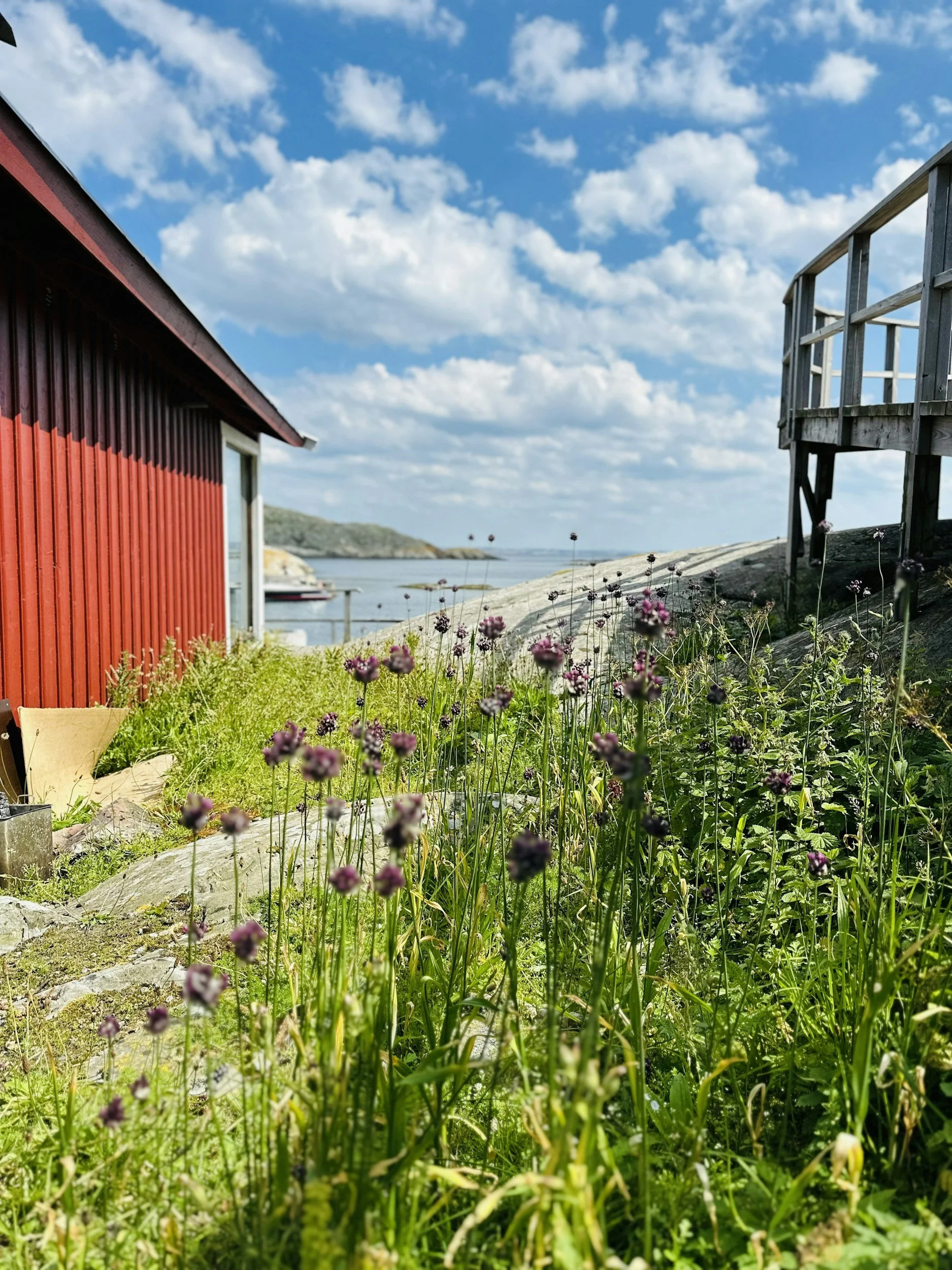
And if what you really want is a few quiet days in Denmark rather than another return train to Copenhagen, a visit to Ærø is a completely different kind of trip, with small towns, coastal walks and much more reason to stay overnight.
Lund: the day trip for fika, old streets and a little taste of Sweden
Lund is the odd one out in this guide for the obvious reason that you are actually leaving Denmark, but it sounds far more ambitious than it feels once you do it. Direct Øresundståg trains normally run from Copenhagen across the bridge into Sweden, the journey takes roughly 50 to 55 minutes, and Lund C drops you right into the middle of town, so there is no second train, no bus and no awkward arrival on the outskirts. You can quite literally be sitting with a coffee on Klostergatan within ten minutes of stepping off the train.
And despite how easy the journey is, it really does feel like you have gone somewhere different. Lund is a university city rather than a Danish market town, the money changes to Swedish kronor, the café culture feels noticeably Swedish, and the streets around the cathedral have a completely different look from Køge or Helsingør. There is also a nice historical twist to the whole thing because Lund was actually Danish for most of its early history. It became one of medieval Denmark’s most important religious centres before Skåne became Swedish under the Treaty of Roskilde in 1658, and Lund University followed soon afterwards, with teaching beginning in 1668.
There is just one extra bit of admin compared with the Danish trips. You need a cross-border ticket valid all the way to Lund, rather than assuming a Copenhagen transport pass will take you there, and you should carry the right ID for your nationality because Swedish border checks can happen at Hyllie after the train crosses from Denmark. Nordic citizens can currently use a Nordic driving licence, passport or national ID card, while other European citizens should carry a passport or national ID card. I would check the current rules before travelling, but once that is sorted, Lund is really no more complicated than Roskilde or Hillerød.
When you arrive, I would resist heading straight for the cathedral and turn onto Klostergatan first, because Lund is such a good fika city that starting anywhere else feels slightly wrong. Several of the best-known local coffee and bakery stops are only a few doors apart here. Love Coffee at Klostergatan 1L is the obvious choice if you actually care about the coffee, as they have been roasting in Lund since 2009 and specialise in small-batch specialty coffee. A little farther along, Broder Jakobs Stenugnsbageri at no. 9 has its bakery, shop and café in the same building, while Patisseriet at no. 3 makes pastries on site and also does sourdough sandwiches.
Basically, this is not the day to tell yourself you will get coffee later. Get the cardamom bun.
Klostergatan is also a nice way into the older part of Lund rather than just somewhere to eat. Within a few minutes you reach Lundagård, where the cathedral, university buildings and park all sit surprisingly close together. Around Universitetsplatsen you have the main university building, Akademiska Föreningen, Kungshuset and Palaestra et Odeum, and the whole area feels much smaller and more intimate than you might expect from one of Scandinavia’s major university cities. The university is not sitting out on a separate campus somewhere; it is completely woven into the centre, which is one of the things I like most about Lund.
I would definitely go inside Lund Cathedral, even if churches are normally something you walk past rather than plan your day around. The cathedral was largely completed in the 12th century, when Lund was still part of Denmark, and there are enough slightly strange and specific details inside to make it more interesting than a five-minute look at the nave. The astronomical clock dates from around 1425 and still has its mechanical procession, while down in the crypt you will find the figure traditionally known as Finn the Giant, wrapped around one of the pillars. There are also medieval choir stalls and a huge seven-branched candelabrum from the late 15th century. If seeing the astronomical clock move is something you specifically want to catch, check the current times before you go rather than arranging the whole morning around an old blog post.
Just beside the cathedral at Kyrkogatan 4 is Arken, and I would pop in if you are a bookshop person. It started in Lund in 1972 as a cooperative Christian book café run largely by students and moved into its current location beside the cathedral in the 1980s. Theology and religion are still the speciality, so this is not somewhere I would send you for a stack of holiday novels, but that is exactly what makes it interesting. It feels very Lund: academic, niche and somehow completely at home beside the cathedral.
From here, I would wander through Adelgatan, Hjortgatan and Sankt Annegatan rather than taking the quickest route to the next attraction. Lund’s central street plan still has medieval roots, although the buildings themselves come from many different periods, so I would not describe the whole centre as “medieval” and leave it at that. One little stop worth knowing about is Hökeriet on Sankt Annegatan, a preserved grocery shop where local families bought everyday goods from the mid-19th into the early 20th century. You can still buy old-fashioned sweets and small things there when it is open, and there is a tiny café too. It is exactly the sort of place I would rather stumble into than spend another hour inside a major attraction.
Then I would give a proper chunk of the day to Kulturen, rather than squeezing it into 45 minutes because it happens to be central. The museum spreads across two city blocks around Tegnérsplatsen and Adelgatan, with historic buildings showing life in town and countryside from the Middle Ages into the 20th century, gardens and around twenty permanent and temporary exhibitions. It is one of the world’s earliest open-air museums, but unlike the huge versions that sit somewhere outside a city, this one is right in the middle of Lund, so you can step from a normal street straight into centuries of buildings and everyday life.
There is a useful practical detail here if stairs are difficult. Kulturen’s north and south sections are connected by an underpass beneath Adelgatan with steps, but step-free access to the northern section can be arranged through the Green Gate by collecting a code at the main entrance. It is exactly the kind of thing that is much better to know before you are already standing at the stairs wondering what the alternative is.
If cultural-history museums are really not your thing, I would swap Kulturen for Skissernas Museum rather than trying to fit both in. At Finngatan 2, just north-east of Lundagård, it has the world’s largest collection of sketches, models and preparatory work connected with Swedish and international public art. The whole point is to show what happens before a finished work appears in a square, station or public building, from tiny pencil studies to huge plaster models, which makes it much more interesting than the name initially suggests. The collection includes work connected to artists such as Henri Matisse, Sonia Delaunay, Jenny Holzer, Fernand Léger, Henry Moore and Christo and Jeanne-Claude.
From Kulturen, it is an easy walk to Lund University’s Botanical Garden on Östra Vallgatan, and I would still include it even with the current renovation. The outdoor garden remains open and free, but the historic greenhouses are being renovated and are expected to reopen in May 2027. So for now, think of Botaniska trädgården as a proper outdoor garden walk rather than a tropical-greenhouse stop, and check the latest university update once that reopening date gets closer.
The garden itself has thousands of plant species and is big enough to give you a genuine green break without taking you far out of the centre. There is also a rather handy temporary solution while the greenhouses are closed: Patisseriet Botan is currently operating from a food truck in the southern part of the garden near the Östervångsvägen entrance, serving pastries from the same bakers as the Klostergatan café, along with sourdough sandwiches, coffee and ice cream. That may move again once the greenhouse project is finished, but for now it is much more useful to know than a vague “there is somewhere to get coffee nearby.”
After that, I would drift south-west towards Mårtenstorget, because this is another part of Lund where you can decide what you feel like doing once you arrive rather than planning every stop in advance. Lund Saluhall has stood here since 1909 and is still used for food shopping, with specialist counters for things like cheese, fish and delicatessen produce alongside restaurants. If it has started raining, or you are simply at the point where choosing lunch from somewhere indoors sounds very appealing, this is a particularly good place to end up.
Do not immediately leave the square after eating, either, because Lunds konsthall is right at Mårtenstorget 3. It was designed by local architect Klas Anshelm and opened in 1957, with contemporary exhibitions and free public tours at certain times. Almost ridiculously, another gallery sits right opposite: Krognoshuset, one of Lund’s oldest surviving buildings and now used by Konstföreningen Aura for exhibitions. If you like contemporary art but have no desire to commit another two hours to a museum, this little pair is perfect because you are already there.
By this point you may also have reached the stage of the day where another fika sounds more attractive than another cultural institution, which is completely fair. Ramklints at Mårtenstorget 10 is one of the bakeries included in Visit Lund’s local guide to cinnamon and cardamom buns, and of course Broder Jakobs and Patisseriet are still waiting back towards Klostergatan if you have already started forming strong opinions about which bun deserves a second visit.
If you still have an hour and want to see a part of Lund that feels very different from the cathedral and university, I would finish by walking through Nöden, around Korsgatan, Trädgårdsgatan, Mariagatan and Hospitalsgatan. The name means something close to “hardship” or “distress”, and the neighbourhood developed in the 1870s as Lund’s population grew and poorer workers needed somewhere to live. It later had a substantial Jewish population too, and the area was sometimes called Judéen. Much of Nöden was threatened with demolition during the 1960s and 70s, but several blocks survived, which is why you can still walk through the low houses and narrow residential streets today.
I like adding Nöden because it stops the day becoming too neat. Cathedral, university, museum, botanical garden, food hall is a very polished version of Lund, while Nöden gives you another side of the city entirely, one tied to workers, cramped housing and migration rather than grand institutions. You do not need a ticket, there is nothing you have to “see” in the usual sense, and from here you can easily loop back towards the central shopping streets and Lund C.
And I really would not add Malmö simply because the train already passes through it. Yes, Lund and Malmö are easy to combine geographically, but that does not automatically mean they belong in the same day. If your actual goal is to see two Swedish cities, then fine, but otherwise you end up shortening the things Lund does best: the long fika, the little streets you had not planned to walk down, Kulturen without checking the time every twenty minutes, and maybe another wander through Saluhallen before heading home.
Lund is much better when you just let it be Lund.
It also works very well outside summer, which is another reason I think it deserves a place in this guide. You are not relying on beaches, boat trips or harbour terraces to make the day feel worthwhile; the cathedral, cafés, bakeries, university streets, Kulturen, Saluhallen and galleries all give you plenty to do when it is cold or raining, and because this is a real university city, Lund does not suddenly feel as if someone has packed it away for winter. The flip side is that university life is very visible here, so graduation periods, big student events and the start of term can make the centre much livelier than the quiet bookish image you might have in mind.
And one final very obvious thing that your brain may still somehow forget when you arrive: Sweden uses SEK rather than Danish kroner. It sounds ridiculous to point out, but it is surprisingly easy to stare at the price of a cardamom bun for a few seconds and wonder what on earth has happened to Scandinavian café prices before remembering that you crossed a national border less than an hour ago.
Lund is best for cafés and bakeries, old streets, books, university atmosphere, winter days and anyone who wants to add Sweden to a Copenhagen trip without defaulting to a much bigger city. There is slightly more to remember before you leave because of the cross-border ticket and ID, but once you step out of Lund C, it is one of the easiest places in this guide to simply start walking and see where the day takes you.
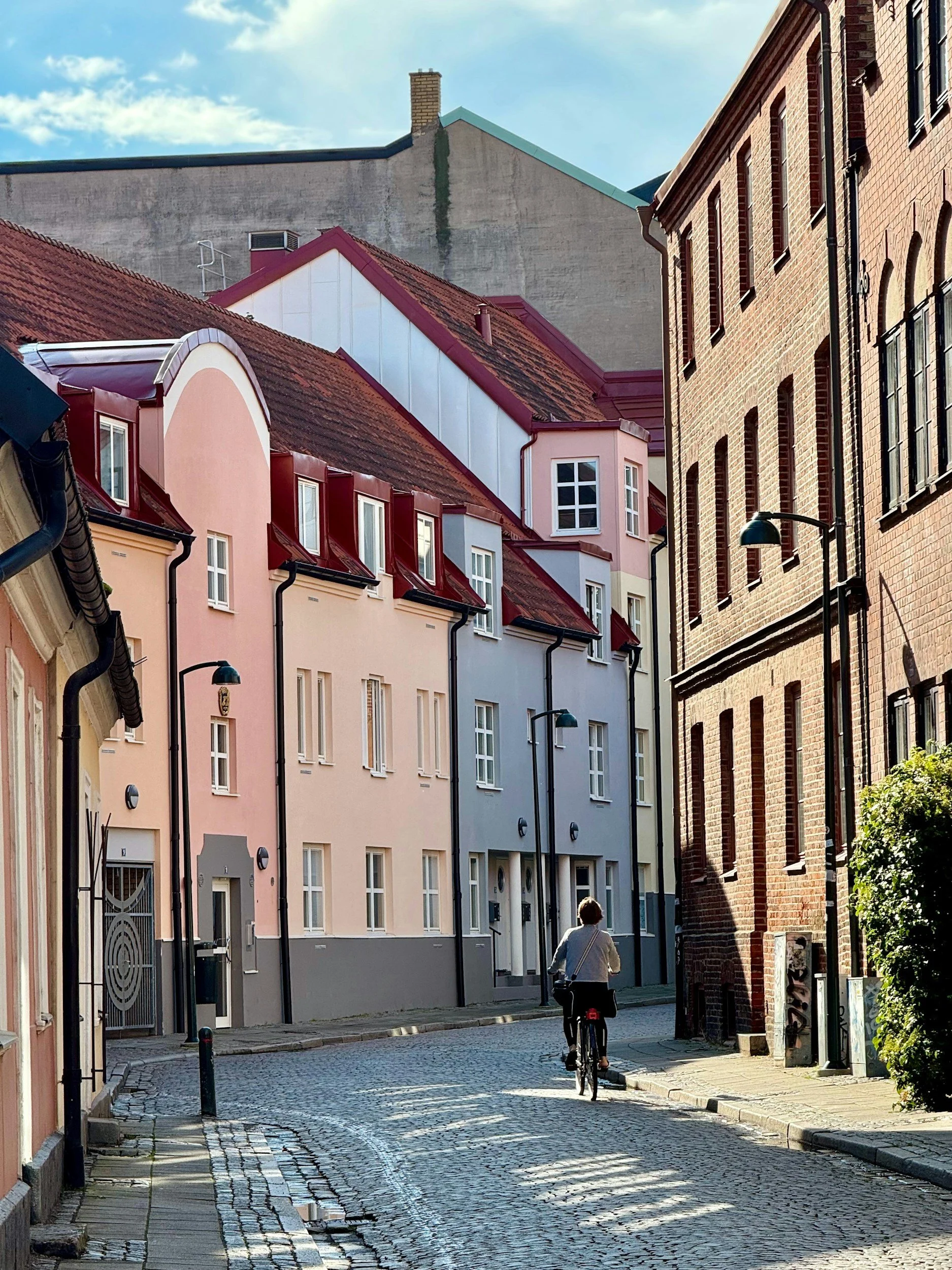
Still deciding? These are the choices that are easiest to mix up
By this point, you can probably rule out two or three of the options quite easily. If Louisiana is the thing you are excited about, go to Humlebæk. If Frederiksborg is already on your must-see list, go to Hillerød. The harder decisions are between places that sound quite similar on paper but give you very different days once you are actually there.
Roskilde or Helsingør? This is probably the trickiest one, especially if history is the main reason you are leaving Copenhagen. I would choose Roskilde if I had five or six hours rather than an entire day, because the shorter journey gives you much more breathing room and the day has two very clear anchors. Helsingør is the better choice when you want the hours between the attractions to matter just as much as the attractions themselves. You can have a really satisfying Roskilde day by seeing what you came for and heading home; in Helsingør, I would be slightly annoyed with myself if I had to leave just as I was getting into the old streets and harbour.
There is also a different sort of energy to them. Roskilde feels more like a small Danish city where some extremely important history happens to sit within walking distance of the station, while Helsingør feels much more shaped by its position on the Øresund. If I woke up late and decided spontaneously to go somewhere, I would pick Roskilde. If I knew in advance that I was giving up a full Copenhagen day for the trip, I would pick Helsingør.
Hillerød or Helsingør? I would make this decision almost entirely around how you like to sightsee. Hillerød suits people who are happiest choosing one excellent place, spending several hours there and letting the rest of the day form around it. Frederiksborg is not merely one stop among several; once you include the interiors, lake and gardens, it becomes the structure of the whole outing, and I think Hillerød is much better when you accept that rather than trying to turn the town into something it is not.
Helsingør gives you more freedom to change your mind halfway through. You can spend longer in the old centre, decide you have had enough of museum interiors, eat by the shipyard, walk beside the water or suddenly realise that the Maritime Museum interests you more than Kronborg. So if you are someone who likes knowing exactly what the main event of the day is, I would choose Hillerød. If you would rather have several good possibilities and see what you feel like once you arrive, Helsingør wins.
Køge or Lund? These are the two I would compare if the words “three-hour castle visit” are doing absolutely nothing for you. Both work wonderfully well when most of what you want to do is walk, stop for coffee, browse shops and follow streets because they look interesting, but the atmosphere is completely different. Køge is the more low-key choice and, particularly on a Wednesday or Saturday, feels centred around ordinary town life and its market. Lund has more going on culturally, more cafés and student life, and enough museums, galleries and indoor places that you can change the plan very easily if the weather turns.
I would choose Køge when I wanted the least structured day of all, especially if I had already spent several days sightseeing in Copenhagen and was ready to stop looking at important things for a while. I would choose Lund if I still wanted plenty to dip in and out of but fancied a change from Denmark altogether. Lund also makes more sense to me in the middle of winter, while Køge gains quite a lot from arriving when Torvet is busy and you actually feel like wandering outdoors for a few hours.
And Humlebæk may be the easiest decision of the six: if several unhurried hours at Louisiana sounds like an excellent use of a day, go. If you are reading the description and mainly wondering what else there is to do, choose somewhere else. There is no need to talk yourself into it simply because it is an easy train ride from Copenhagen.
When do these day trips work best?
You can take all six of these trips for most of the year, but I would not choose exactly the same one in February as I would in June. Some genuinely gain something from longer days and outdoor life, while others barely depend on the season at all.
Spring is probably the easiest all-round time to choose almost anywhere on this list, particularly once you get into late April and May. Hillerød is especially good once the Baroque Garden has properly woken up and the fountains and cascades are running again, while May brings one of Lund’s nicest little seasonal details: the magnolias around the university buildings come into flower. It is also a good time for Helsingør because you can comfortably spend part of the day outside without the summer crowds around Kronborg being at their peak. Around Easter and the spring public holidays, though, I would check museum and church hours before deciding which day to travel.
Summer is when the trips start to spread out beyond their basic itineraries. Roskilde becomes a much better choice if going onto the fjord appeals to you, because the Viking Ship Museum normally runs its sailing trips from May through September, while Hillerød’s tiny M/F Frederiksborg usually starts crossing Slotssøen around mid-May and continues into September. Longer evenings also make the extra coastal walks around Humlebæk and Helsingør much easier to add without spending the second half of the day watching the clock. The trade-off is obvious: this is also when the major sights are at their busiest, and if you are thinking about Roskilde around late June or early July, check the Roskilde Festival dates before booking the day.
Autumn is the season when I would move Hillerød and Lund higher up the list. Frederiksborg has both the formal Baroque Garden and a much looser landscape garden around the lake, so by autumn the walk becomes much more than the nice route between station and castle. Lund is another very good choice at this time of year, particularly around the university quarter, where the vine-covered University Library is one of those buildings that genuinely looks better once the leaves start changing. You still have enough of the day to combine museums with a proper walk, but without needing summer weather to make the destination work.
Winter is when I would become much pickier. This is not the time I would choose a destination mainly because I fancied sitting beside a harbour, and the shorter daylight means I would do any lake, garden or old-town walking earlier and save museums, shops and cafés for later in the afternoon. Roskilde, Hillerød and Lund are the easiest choices because the day does not fall apart when the weather is cold or wet, while Helsingør still works well as long as you check Kronborg’s winter schedule, because Monday closures return during parts of the colder season. Køge can still be a very nice winter trip, especially because its Wednesday and Saturday market continues year-round, but I would choose one of those days rather than a quiet winter Sunday.
If summer train trips like these are exactly what you are looking for, I have also put together more quiet European towns you can reach easily by train, with options beyond Denmark when you want the same kind of easy, car-free day somewhere else in Europe.