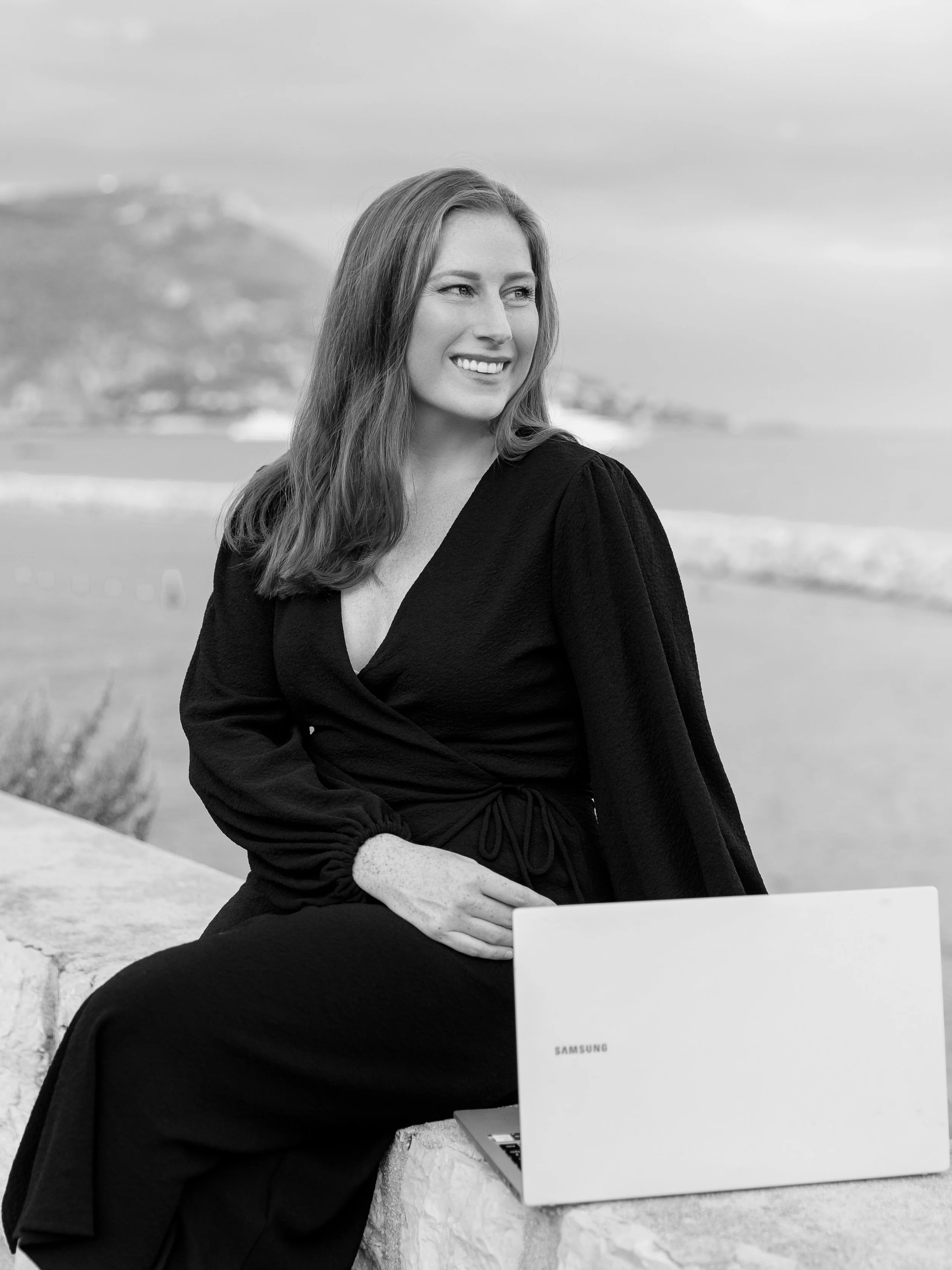
Ærø is the Danish island I'd disappear to for a few days
When you arrive on Ærø, there’s no transition period. In Ærøskøbing, the ferry docks right beside the town, and within a few minutes you’re walking along Brogade with your bag, past low houses, small gardens, and cafés that haven’t fully opened yet. There’s no station, no waiting around, no need to figure anything out first. You’re already in it!
That changes how you use the island. You don’t need to plan full days or move between “sights.” From the harbour, you can cross town in ten minutes and be on the path towards Vesterstrand, walking along the coast without checking directions. If you stay a bit longer, you start to notice how everything connects. The road out of town turns into a walking path, the walking path runs into a stretch of coastline, and before you realise it, you’ve covered more ground than you planned without trying to.
The same applies if you arrive in Marstal. You step off near the harbour, walk past Havnepladsen, and you’re already moving through the part of the island you’ll spend time in. It’s not about getting somewhere. It’s about how little you need to do to get started.
This guide focuses on that. Where to stay so you don’t need to think about transport, which coastal walks actually work without a bike or car, and how to structure your time so the days feel simple instead of planned out.
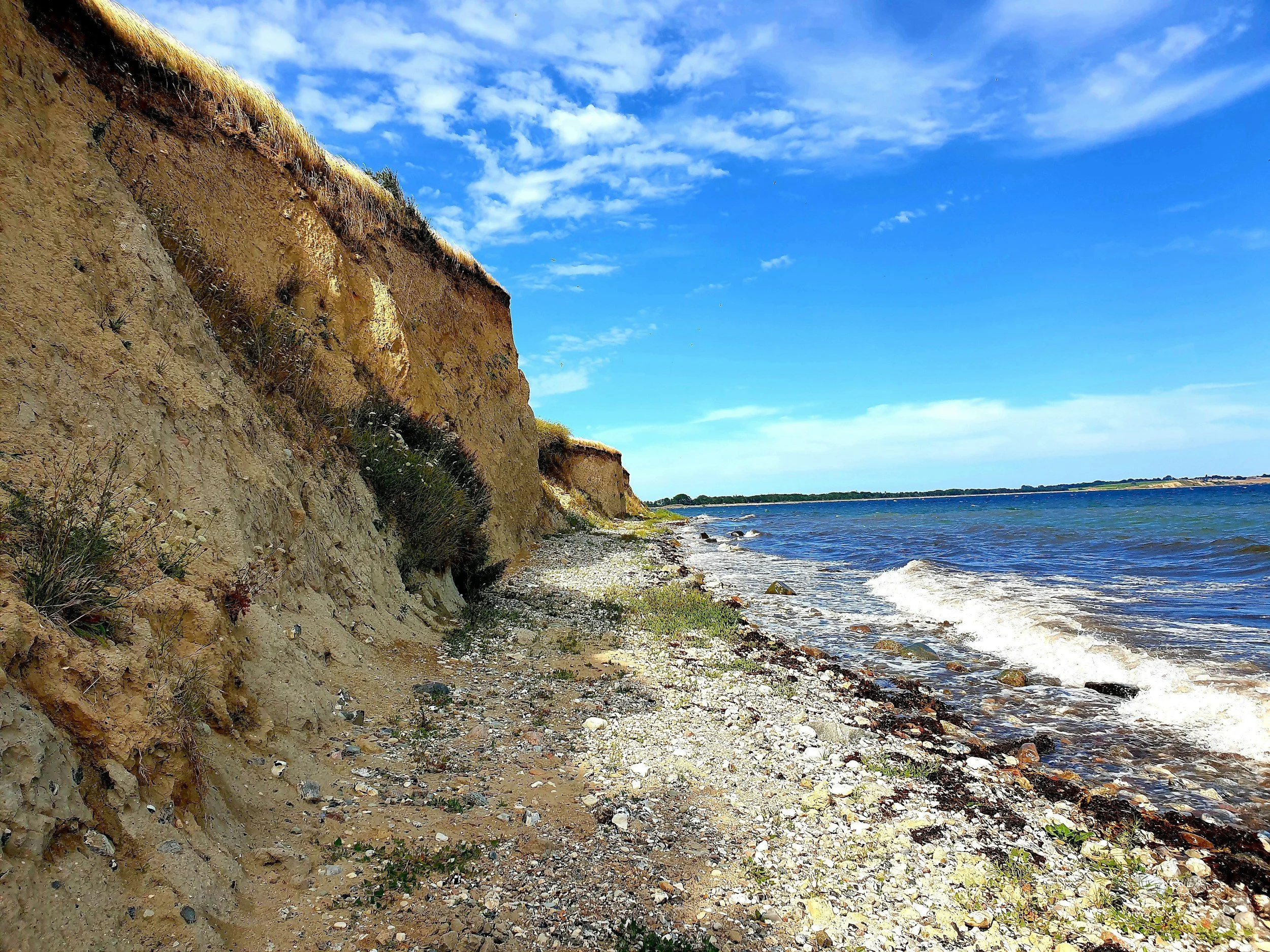
So calming. So beautiful.
How to get to Ærø
Getting to Ærø is straightforward, but it always involves a ferry, and that’s part of how the island stays quieter than other places in Denmark. Once you understand the routes, it’s easy to plan without overthinking it.
Most people arrive via Svendborg. From there, ferries run regularly to Ærøskøbing, and the crossing takes about an hour. The ferry terminal in Svendborg is a short walk from the train station, so if you’re coming from Copenhagen, you can take the train to Svendborg (usually around 2.5–3 hours with one change in Odense), then walk straight onto the ferry without needing a taxi.
Most people pass through Copenhagen before heading to the islands anyway, and this Copenhagen weekend helps you figure out how much time to actually give it.
If you’re driving, you can take your car on the same ferry from Svendborg. Boarding is simple, but it’s worth arriving at least 20–30 minutes before departure, especially in summer. Once you arrive in Ærøskøbing, you’re already in the town centre, so there’s no extra driving unless your accommodation is elsewhere on the island.
Another option is the ferry from Faaborg to Søby, which lands on the northern side of the island. This route is slightly shorter and can be useful if you’re planning to explore the western part of Ærø first. From Søby, it takes around 30 minutes by car to reach Ærøskøbing or Marstal.
There are also seasonal routes, including connections from Rudkøbing and occasionally from Germany, but these run less frequently and are usually used by people already travelling in the region.
Once you’re on the island, distances are short. It takes about 25 minutes to drive from Ærøskøbing to Marstal, and slightly longer to reach Søby. If you’re not bringing a car, buses connect the main towns, and the schedules are timed around ferry arrivals, but they don’t run constantly throughout the day. Many visitors either bring a car or rent bikes locally, depending on how much of the island they want to cover.
The key thing to know is that you don’t need complicated logistics to get here. Train to Svendborg, walk onto the ferry, and you’re in Ærøskøbing about an hour later, already in the middle of the town.
When is the best time to visit Ærø?
Timing makes a bigger difference on Ærø than you might expect, mainly because so much of the experience depends on small places being open and the weather being right for walking along the coast.
Late May to early July is one of the easiest times to get it right. The ferries into Ærøskøbing and Marstal run regularly, most cafés are open, and the island feels active without being busy. You can arrive in Ærøskøbing, walk straight up Brogade, and actually find places open for coffee without checking opening hours in advance. The coastal path out towards Vesterstrand is dry and easy to follow, and the long daylight hours mean you don’t need to plan your walks around the clock.
July and August are more predictable but also more crowded. Ferries are fuller, especially on routes from Svendborg, and places along the harbour in Ærøskøbing fill up quickly around lunch and early evening. Vesterstrand and the marina area in Marstal see more people in the middle of the day. It still works well, but it helps to shift your day slightly earlier or later if you want quieter stretches along the coast.
September is often overlooked but works well in practice. Most places are still open, but the pace slows down again. You can walk from Ærøskøbing towards the coastline or through the smaller streets without the same level of foot traffic, and it’s easier to find space at cafés without waiting. The sea is still relatively warm, so swimming is still an option if the weather holds.
In winter, the island changes quite a bit. Ferries still run, but less frequently, and some cafés and guesthouses close or reduce their hours. Walking is still possible, especially along the coastline near Ærøskøbing and out towards Marstal, but the wind can be strong and the exposed sections feel colder than the temperature suggests. If you come at this time, it’s less about variety and more about having space and quiet surroundings.
If you want a simple guideline: late May, June, and September are the easiest months to visit without needing to adjust your plans too much. Everything is open enough to be convenient, and the island still feels manageable without the peak summer flow.
Where to stay on Ærø
Where you stay on Ærø changes how the island feels, because the towns are small but spread along different parts of the coastline. Choosing between them isn’t about “better or worse,” it’s about how you want your days to unfold.
If you want to step off the ferry and not think about logistics again, stay in Ærøskøbing. The ferry arrives directly by the harbour, and within a few minutes you’re walking along Brogade or Vestergade, past low houses, cafés, and small shops. From here, it’s easy to walk straight out of town towards Vesterstrand, where the beach huts sit along the shore, or follow the coastal path without needing a bike or car. Accommodation here is mostly small guesthouses and apartments set inside old townhouses rather than larger hotels, which keeps everything close together. If you’re staying around Torvet or Vestergade, you can walk to cafés, the harbour, and the start of the coastal path in under ten minutes.
If you prefer being closer to the sea and a working harbour, Marstal makes sense. The town stretches along the waterfront, with the marina and boatyards giving it a more everyday feel. Staying near Havnepladsen puts you within walking distance of the harbour, the coastal path, and small local places to eat. This side of the island feels less focused on visitors and more lived-in, especially outside the summer months. From here, you can follow the shoreline south or head inland on smaller roads without passing through the busier parts of the island first.
For something quieter, the northern end around Søby has a slower vibe. It’s smaller, with fewer cafés and shops, but that also means fewer people and quieter evenings. Staying here suits you if you don’t mind driving or cycling to reach the rest of the island. The roads leading out of Søby connect easily to the rest of Ærø, and you’re never more than 30 minutes by car from the other towns.
Across the island, accommodation tends to be small-scale. You’ll mostly find guesthouses, B&Bs, and self-catering apartments rather than hotels. Many are in older houses, often with simple rooms and small courtyards or gardens. Because the towns are compact, you’re rarely far from the water, and even if you stay slightly outside the centre, the walk into town is usually short. That makes it easy to structure your days without needing to rely on transport or detailed planning.
If you’re drawn to the quieter side of Denmark, it’s worth looking at Anholt island as well, especially if you’re deciding between somewhere remote and somewhere more lived-in.
What to do on Ærø: coastal walks, small towns and slow days
In Ærøskøbing, the most natural place to begin is the harbour. From the ferry terminal, walk along Havnepladsen, then continue through the older part of town along Vestergade and Brogade. These streets are lined with low, colourful houses, small cafés, and quiet courtyards. If you keep going west out of town, the road leads straight towards Vesterstrand. The walk from the centre to the beach takes about 15 minutes at a relaxed pace. Once you reach the beach huts, you can follow the shoreline path north or south without needing to decide in advance how far to go. The path stays close to the water and is flat, so it’s easy to walk for an hour or two and turn back when you feel like it.
If you’re based in Marstal, the waterfront shapes most of what you’ll do. Start near Havnepladsen, then follow the path along the marina. You’ll pass boatyards, working docks, and small slips where fishing boats are tied up. Continuing along the coast takes you out of the town quickly, and within 10–15 minutes you’re walking beside open water rather than houses. This side of the island feels more open and less focused on tourism, which makes it a good option if you prefer quieter routes.
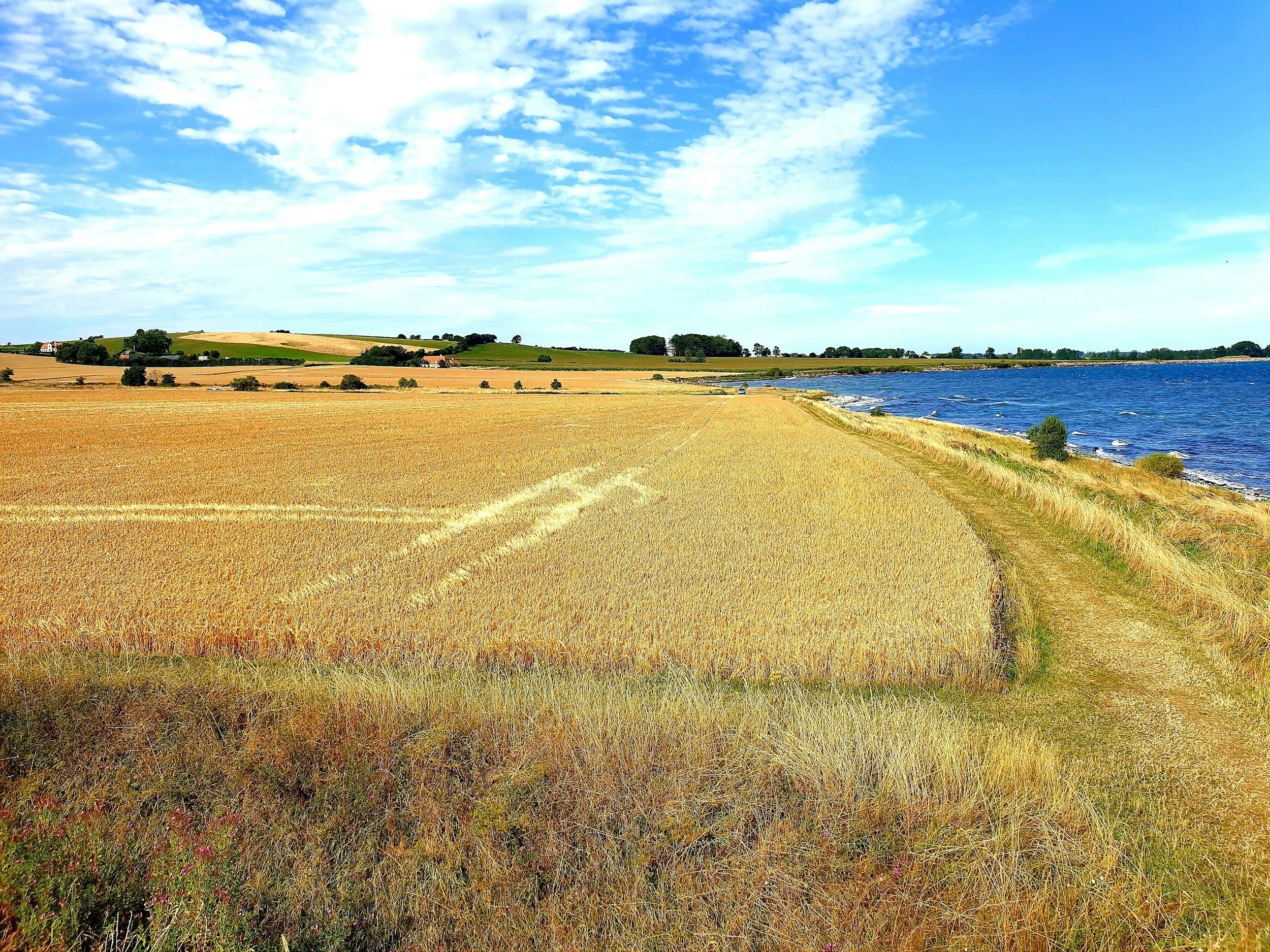
Cycling works particularly well here because the distances between towns are short and the roads are quiet. The ride between Ærøskøbing and Marstal takes around 45–60 minutes at an easy pace, mostly on small roads with light traffic. From Ærøskøbing, you can follow the main road east out of town and then turn onto smaller lanes that cut through fields and along the coast. If you’re heading towards Søby, the northern roads feel even quieter, with long stretches between clusters of houses.
One of the most practical things to do on Ærø is to combine short walks with unplanned stops. You might walk from Ærøskøbing towards Vesterstrand in the morning, stop at a small café near the harbour on the way back, then take a bike ride in the afternoon without needing to plan a route. If you’re in Marstal, it’s easy to walk the harbour in the morning, stop for lunch near the marina, then continue along the coast later in the day.
Markets and small shops on Ærø
In Ærøskøbing, the most interesting browsing is along Brogade and Vestergade. These two streets make up the heart of the old town, and they’re where you’ll find small independent shops rather than chains. You’ll see places selling ceramics, local crafts, vintage pieces, and small-batch food items. The shops are scattered along the street rather than clustered in one place, so it’s more about walking slowly and stepping in when something catches your eye.
There’s also a small seasonal market at Torvet in Ærøskøbing during summer months. It’s not a big weekly market, but on certain days you’ll find stalls selling local produce, flowers, honey, and sometimes baked goods. It feels more like a local gathering than a formal market, and the timing can vary, so it’s worth asking locally or checking notice boards around town.
In Marstal, the focus is less on shopping and more on practical local stores. Around Kirkestræde and Kongensgade, you’ll find small shops, bakeries, and a few places selling local food products. It’s not a place for browsing in the same way as Ærøskøbing, but it’s useful if you’re staying nearby and want to pick up something simple.
If you’re on the island in summer, keep an eye out for small roadside stalls outside houses, especially on the roads between Ærøskøbing and Marstal. Locals often sell seasonal produce like berries, vegetables, or flowers from small tables by the roadside. Payment is usually cash or mobile payment, and there’s rarely any signage in advance, so these are things you come across rather than plan for.
Overall, shopping here is low-key. It’s more about small, individual places than a single market or shopping area, and it fits the slower pace of the island rather than being something you build a day around.
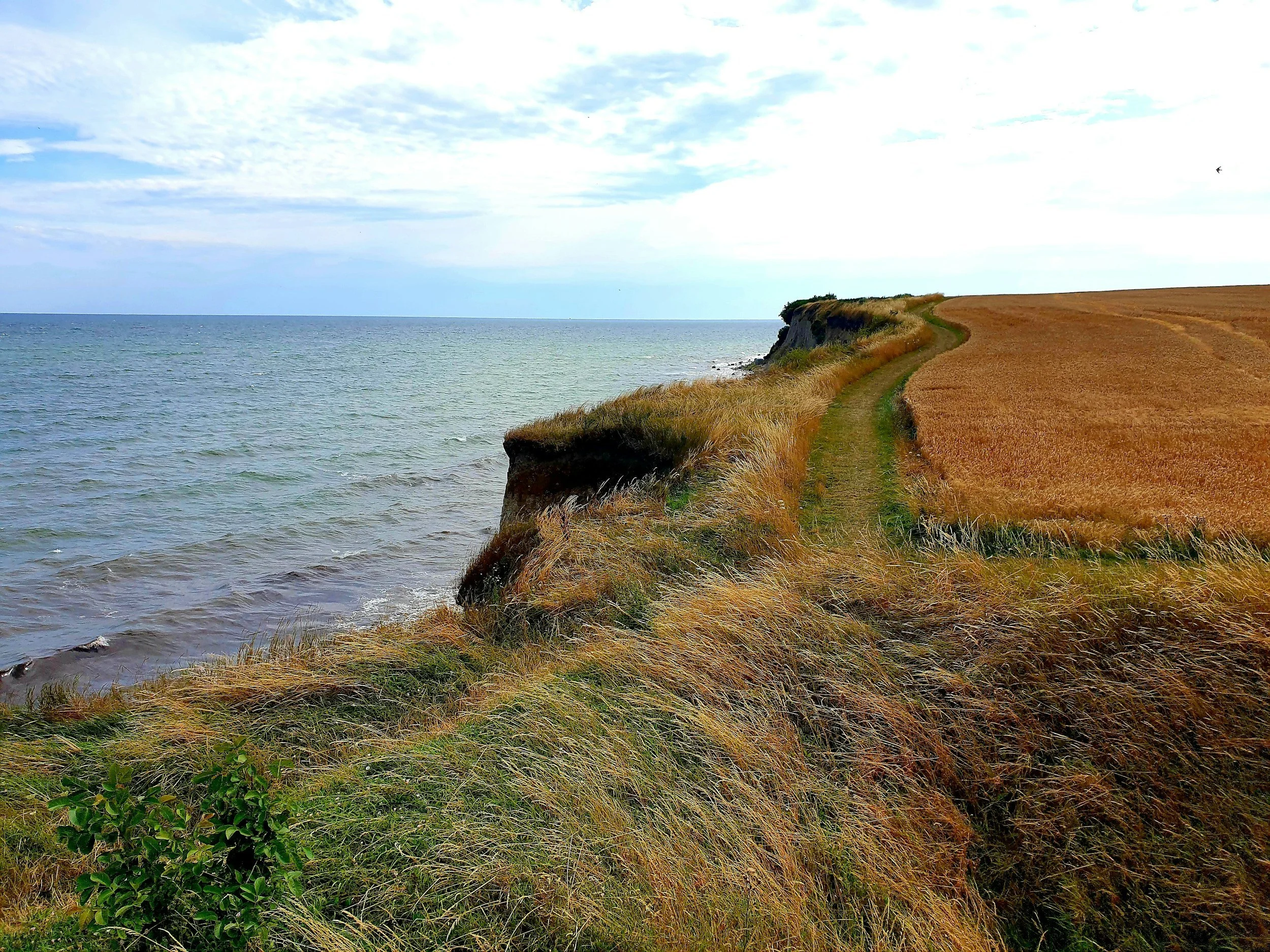
Where to eat on Ærø: small cafés, harbourside spots and simple local food
Eating on Ærø is fairly straightforward once you know where to look. There aren’t a huge number of places, and opening hours shift with the season, so it helps to have a couple of reliable options in mind.
In Ærøskøbing, most of the cafés and casual places to eat are found along Brogade, Vestergade, and the streets around the harbour. Café Aroma on Brogade is one of the easiest places to rely on during the day. It opens earlier than many other spots and is a practical stop for coffee, pastries, or a light lunch before or after walking towards Vesterstrand. A short walk away, På Torvet Café by the main square works well for a simple meal without needing to book ahead.
If you’re staying in Marstal, one of the most dependable options for dinner is Den Gamle Vingaard. It’s located a few minutes’ walk from Havnepladsen, close enough to the harbour that you can easily head there after an evening walk along the waterfront. The restaurant focuses on classic Danish cooking, with seasonal dishes and a short, well-curated menu rather than a long list of options. It’s a good choice if you want a proper sit-down dinner rather than a quick café meal, and it’s one of the few places on the island where you can count on a full dinner service outside peak summer.
Around the marina in Marstal, you’ll also find a few smaller cafés and informal places that work well during the day, especially if you’re already walking along the harbour or visiting the boatyards. These spots tend to be relaxed, with simple menus and outdoor seating when the weather allows.
One thing that matters here is timing. Kitchens don’t stay open all day, and many places close between lunch and dinner or shut earlier in the evening than you might expect. If you’re planning to eat later, it’s worth checking opening hours earlier in the day rather than assuming you’ll find something open late. If you’re staying near Søby, dining options are more limited, so many visitors plan their meals in Ærøskøbing or Marstal before heading back.
Food on Ærø tends to be simple and local, but that fits the island. You’re not building your day around restaurant reservations…
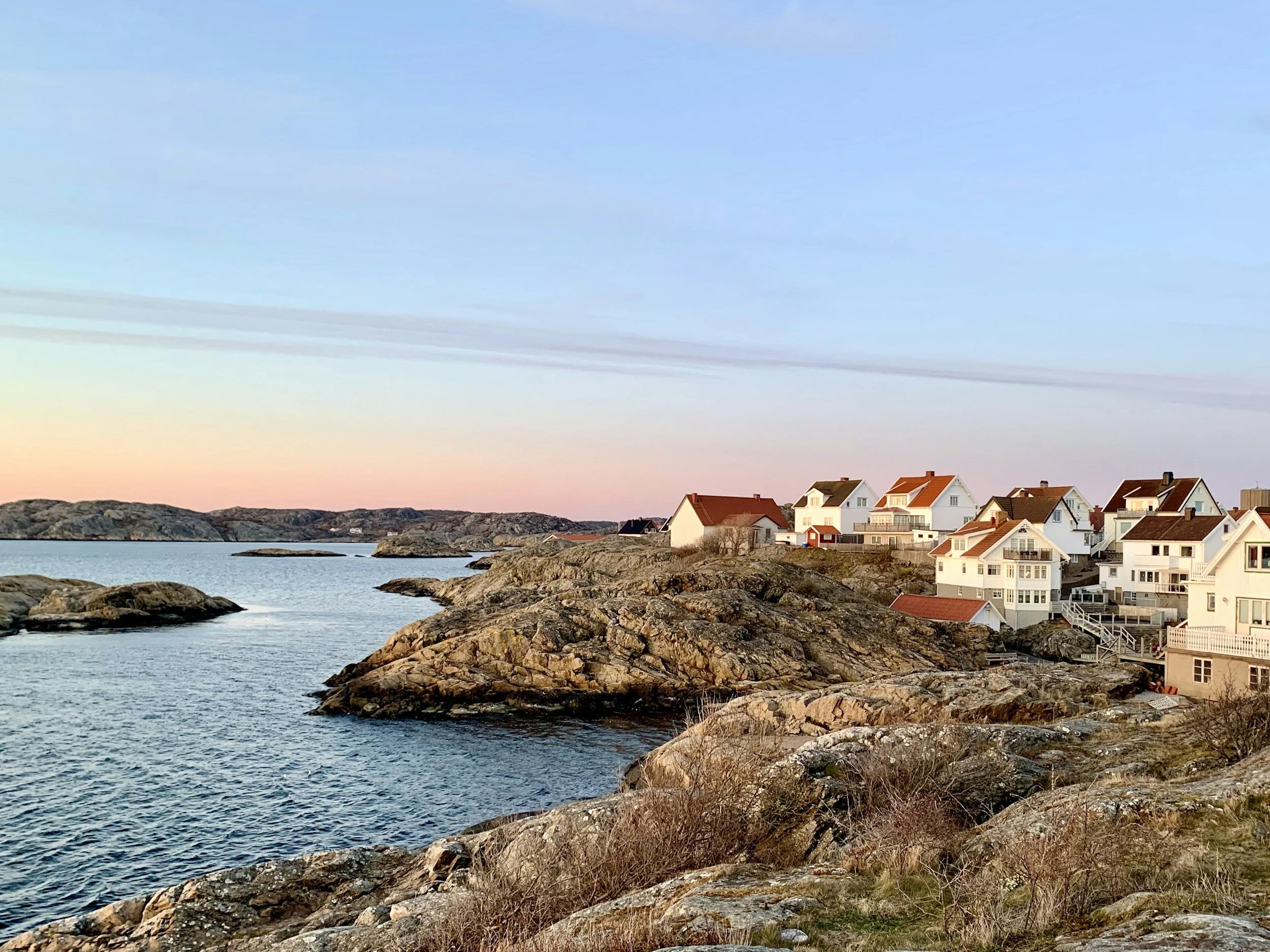
Planning a slow stay on Ærø
What tends to surprise people once they arrive on Ærø is how quickly you settle into the island without needing to “figure it out.” In Ærøskøbing, you step off the ferry and you’re already on Havnepladsen. From there, it’s a few minutes to Brogade and Vestergade, and within ten minutes you can be walking out of town towards Vesterstrand without passing a single chain shop or busy junction. That’s not something you really grasp from maps or guidebooks - it becomes obvious the moment you start moving.
One detail that makes a big difference is how the ferry shapes the rhythm of the town. When a ferry pulls in, the harbour and the first stretch of Vestergade briefly fill with people, suitcases, and bikes. About half an hour later, it all settles again and the streets feel almost empty. If you prefer quiet walks, it’s worth paying attention to the ferry times and starting your walk either just before a boat arrives or a little after the initial rush.
In Marstal, the pace works slightly differently. The harbour area around Havnepladsen and the streets near the marina stay active a little longer in the evenings, especially in summer, but once you move a few streets back from the water, it quiets down quickly. If you’re staying here, evening walks along the harbourfront are easy to do without planning, and you rarely need to walk far to find a quiet stretch of water.
A practical thing many people don’t realise before coming is how early things close outside peak summer. Cafés on Brogade and around the harbour may close by late afternoon, and some restaurants in smaller villages only open a few days a week. If there’s somewhere you particularly want to eat, it’s worth checking opening hours the same day rather than assuming it’ll be open.
The distances here work in your favour. You can walk from one side of Ærøskøbing to the other in around 10 minutes, cycle from Ærøskøbing to Marstal in under an hour, and drive from one end of the island to the other in about half an hour. That makes it easy to change plans as the day goes on. If the wind picks up on the coast, you can shift inland. If a place is closed, you’re never far from another option.
In practice, Ærø works best when you don’t overplan it. A couple of walks, a few stops in small cafés, and some time by the water usually fill the day more easily than you expect. That’s the part that’s hard to understand before you arrive, but it’s what makes the island so easy to settle into once you’re there.
FAQs Visiting Ærø, Denmark
How do you get to Ærø from Copenhagen?
The easiest way to reach Ærø from Copenhagen is to take the train to Svendborg (around 2.5–3 hours, usually with one change in Odense), then walk a few minutes to the ferry terminal. The ferry from Svendborg arrives directly into Ærøskøbing, right by the harbour, so you don’t need any onward transport.
Some people combine Ærø with a few nights across the water, and these Sweden stays give you a sense of where to go next without overplanning it.
Is Ærø easy to visit without a car?
Yes, if you base yourself in Ærøskøbing or Marstal. Both towns are walkable, and you can reach coastal paths, cafés, and beaches on foot. Buses connect the main towns, but they run infrequently, especially in the evening, so most people rely on walking or cycling.
How many days should you spend on Ærø?
Two nights works well for a short trip. That gives you one full day around Ærøskøbing, including the walk to Vesterstrand, and another day to explore Marstal or cycle part of the island. Three nights lets you slow down and repeat favourite walks without rushing.
What is the best time of year to visit Ærø?
Late May through June and September are ideal. Ferries run frequently, most cafés and guesthouses are open, and the weather is comfortable for walking. July and August are busier, especially around the harbours, while winter is quieter with shorter opening hours.
Where is the best place to stay on Ærø?
Ærøskøbing is the most convenient base if you’re arriving by ferry and want everything within walking distance. Marstal works well if you prefer a harbour setting and more everyday local life. Søby is quieter and more spread out, but you’ll rely more on a car or bike.
Are there good restaurants on Ærø?
Yes, but options are small-scale. In Ærøskøbing, Café Aroma and På Torvet Café are reliable daytime spots. In Marstal, Den Gamle Vingaard is one of the best choices for dinner. Opening hours vary, so check the same day.
Can you walk between towns on Ærø?
Technically yes, but it’s a long walk. Walking from Ærøskøbing to Marstal takes several hours. Most visitors choose shorter coastal walks or use a bike for longer distances.
Is Ærø good for a quiet trip?
Yes. Outside peak summer, the island feels calm, especially in the mornings and evenings. The streets around the harbour in Ærøskøbing and the waterfront in Marstal are noticeably quieter early in the day.
Want more slow islands, secret coasts, and off-the-map summer ideas?
Sign up for the Trippers Terminal newsletter for your weekly dose of travel inspiration