
These train journeys end in exactly the kind of towns I look for in summer
There’s a very specific kind of ease that comes with arriving somewhere and not having to solve anything. When you step off the train in Cava de' Tirreni, you don’t need a taxi or a bus. You walk straight out of the station, cross the road, and you’re already under the long arcades of Corso Umberto I with cafés opening their shutters and locals picking up morning bread. In Albi, the walk from the station takes you along quiet streets toward the brick façades near the cathedral, and within fifteen minutes you’re standing in the middle of the old town. That kind of arrival changes how a trip feels from the start.
These places work especially well without a car because their centres are built around walking. In San Sebastián, you can leave the station, follow the river for a few minutes, and reach the pintxo bars of Parte Vieja without needing transport. In Kinsale, the bus drops you near the harbour, and from there you can walk to cafés, coastal paths, and small guesthouses without planning a route.
The real advantage isn’t just that these towns are reachable by train, but that once you arrive, the days fall into place naturally. You don’t spend time figuring out parking or connections. Instead, you walk, stop for coffee when something catches your eye, and plan the next part of the day based on what’s open or how far you feel like going. That makes a noticeable difference if you’re travelling alone or simply want a few days where getting around doesn’t require constant decisions.
Cava de’ Tirreni: an easy base near the Amalfi Coast without the crowds
Arriving in Cava de' Tirreni feels easy in a way that matters when you’re travelling without a car. The regional train from Salerno takes around ten minutes, and when you step out of the station you’re already on the edge of the historic centre. There’s no need to work out a bus route or wait for a taxi. You cross the street, walk a few minutes, and you’re already among cafés and small shops.
Most of everyday life happens along Corso Umberto I. It’s a long pedestrian street lined with arcades, and you end up walking it several times a day without trying. In the morning, people stand at the bar counters for espresso and warm cornetti before heading off to work. By early evening, the same stretch fills with people out for a slow walk before dinner. A reliable stop along here is Pasticceria Tirrena, where people drop in for coffee, pastries, or a quick break rather than hanging around over long meals.
A few minutes from the main street, you reach Porta di Benevento, the old gateway that marks the entrance into the medieval part of town. Beyond it, the streets narrow and climb gently uphill. You’ll pass small grocery shops, older stone buildings, and quiet squares where locals sit outside in the early evening.
If you want to spend part of the day outdoors, you don’t need to travel far. Trails leading into the lower parts of the Valle delle Ferriere begin not far from town. The paths run through shaded woodland and along small streams, with occasional clearings where you can stop for a rest. It’s not a difficult hike, but it feels removed from the busier coastal areas. Locals use these routes regularly, especially on weekends, and you’ll often pass people walking dogs or out for a quiet morning walk rather than large groups of hikers.
Staying in or near the centre keeps things simple. One option slightly uphill from town is Relais Paradiso, which sits above the town with views across the valley. If you prefer to be right in the middle of things, there are smaller guesthouses and B&Bs around Corso Umberto I that make it easy to step out for breakfast or dinner without planning much.
Food is easy and satisfying here. You’ll see Gnocchi alla Sorrentina on plenty of menus, usually served bubbling in a small dish with tomato and melted mozzarella. It’s a local favourite and a good choice after a day of walking. Prices tend to be more reasonable than in the coastal towns, and you’re more likely to be sitting among residents than visitors.
In many parts of Italy, what’s in season matters more than where you are, so checking Italian food seasons before booking can completely change how the trip turns out.
Market towns don’t adapt to visitors, which means timing matters more than people expect, and a quick look at market days in Italy helps you avoid arriving when everything is closed.
Cava de’ Tirreni works well if you want to be close to the coast but prefer a place where daily life feels lived-in rather than built around tourism. You can be on the coast in a short train ride, but when you return in the evening, you’re back somewhere calmer, where evenings revolve around simple meals, local bars, and walking rather than sightseeing.
Heading to southern Italy often sounds better than it actually feels in peak season, and this breakdown of quieter Amalfi stays makes it much clearer which towns are still manageable in summer.
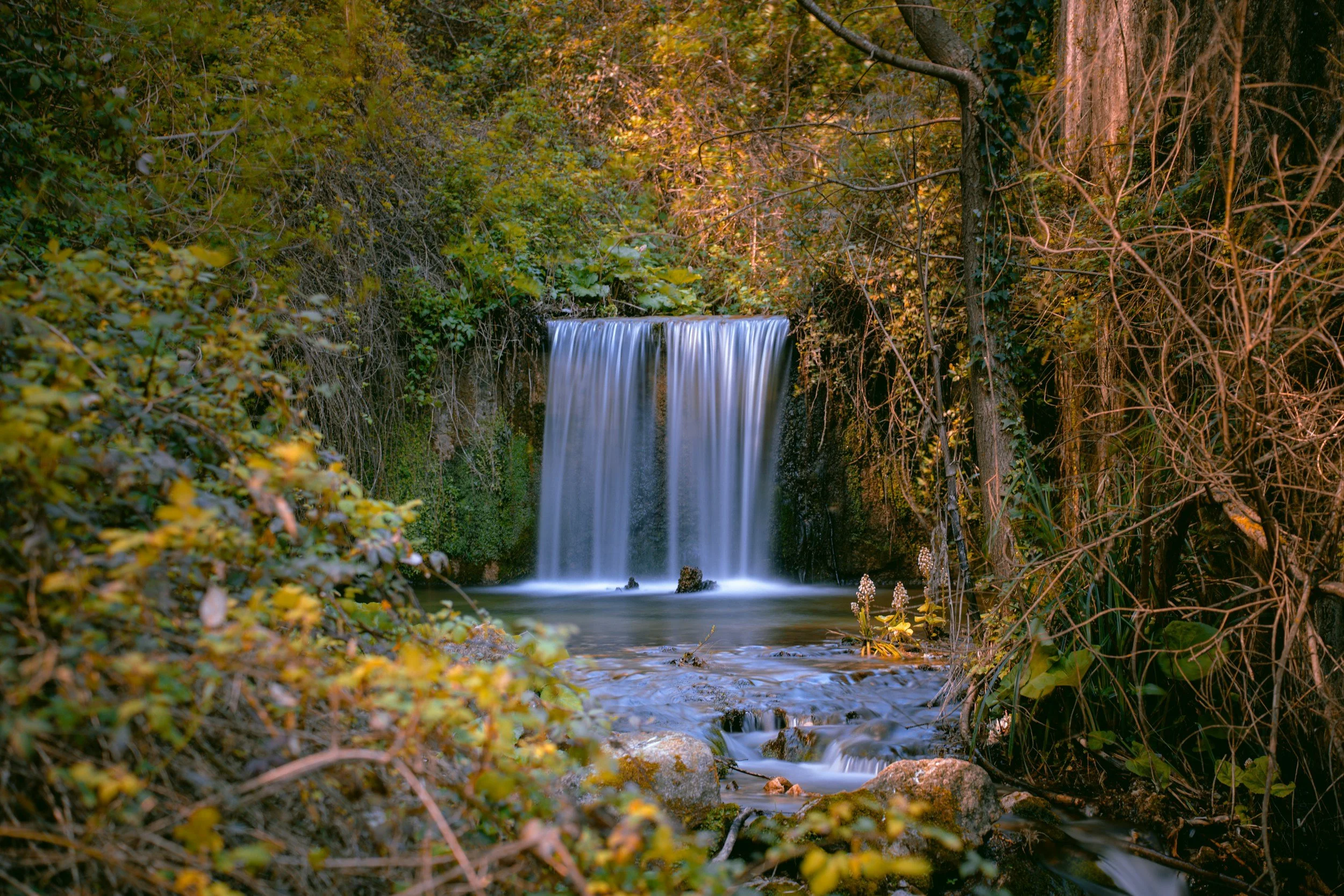
Valle delle Ferriere
Albi: a walkable southern French town that works well without a car
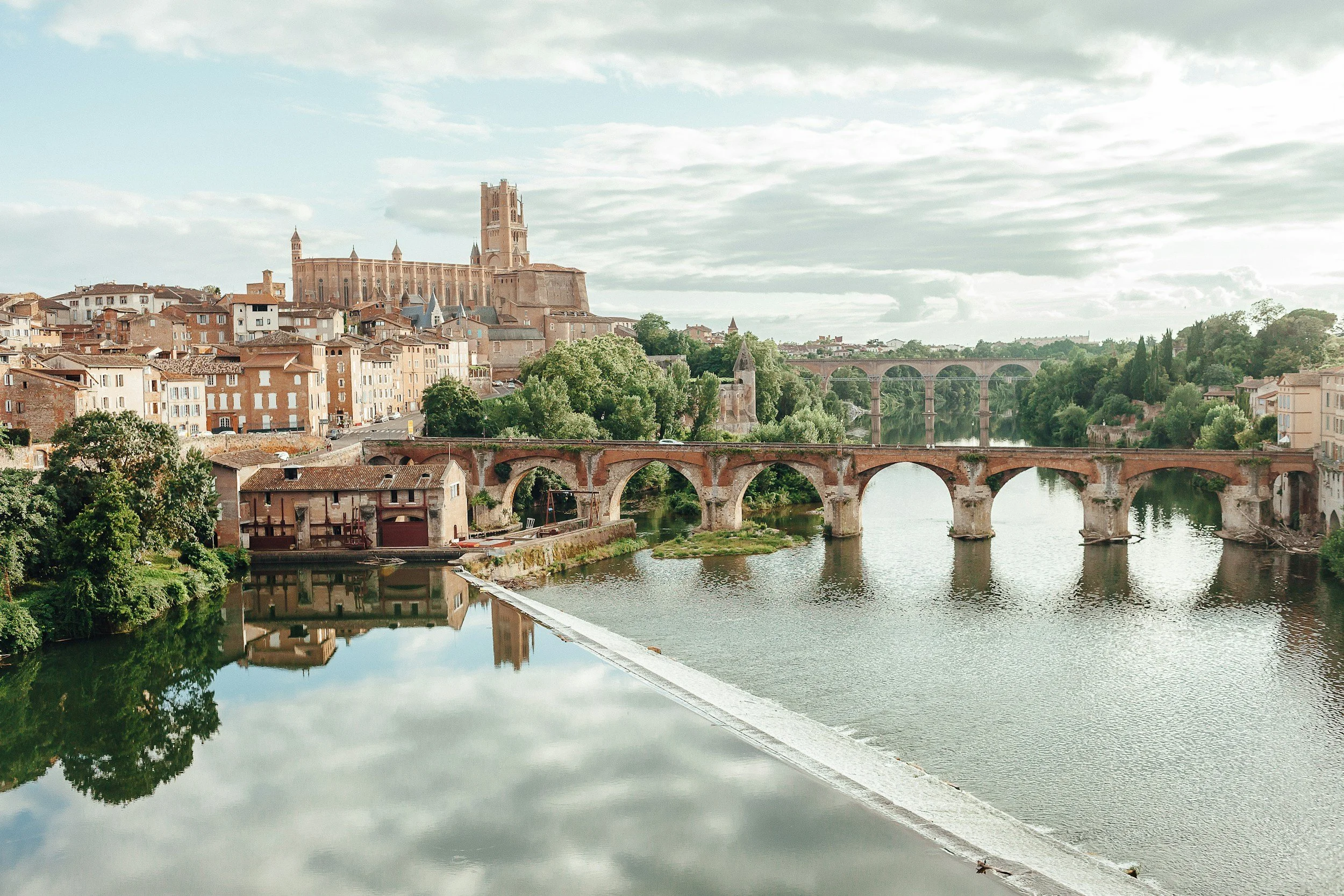
Albi sits along the Tarn River in southern France and works surprisingly well as a car-free stop. The train station is about a fifteen-minute walk from the old town, and the route is straightforward. You follow Avenue Maréchal Foch straight in, and within a few minutes the red-brick buildings start to appear. You don’t need a car here at all; once you’re in the centre, everything is walkable.
The heart of town is the area around Sainte‑Cécile Cathedral. The cathedral is hard to miss because of its sheer size and the deep red brickwork. Around it, the streets narrow and curve into a compact medieval centre where you’ll find small bookshops, local bakeries, and cafés tucked into the corners of old buildings. The area between the cathedral and the river is especially good for wandering, with narrow lanes leading down toward the water and small terraces where people stop for coffee.
The riverfront path is one of the easiest walks to do on your own. From the centre, you can walk down toward the banks of the Tarn and follow the path along the water. The stretch near the Pont Vieux is especially good in spring, with views back toward the cathedral and the old town. You can cross the bridge and continue along the opposite bank if you want a longer loop, or just find a bench and sit for a while.
If you’re interested in museums, the Musée Toulouse‑Lautrec is housed in the old bishop’s palace next to the cathedral. It’s a manageable size, which makes it easy to visit without feeling overwhelmed. Even if you’re not a huge museum person, the building itself and the garden terraces overlooking the river make it worth a stop.
For food, the area around Place du Vigan and the streets leading off it have several small restaurants and wine bars. You’ll find simple menus with regional dishes, and in spring it’s usually possible to get a table without booking far ahead. A lot of places close between lunch and dinner, so it helps to plan your meals around that rhythm rather than expecting food at all hours.
Albi works well if you want a town that feels substantial but not overwhelming. It has enough going on that you don’t feel like you’ve seen everything in a day, but it’s small enough that you can move around without planning. For a solo traveller, that balance makes a big difference.
Train travel in France works best when you know which towns are still active outside peak weeks, and this guide to countryside France routes makes that distinction much easier.
San Sebastián: a coastal city where walking and food shape the days
San Sebastián works incredibly well if you’re travelling without a car, partly because the food culture is built around walking. If you arrive by train at San Sebastián Railway Station, you can walk straight into the centre in about ten minutes. The riverfront path leads you directly toward the old town, so you don’t need taxis or transfers.
Most visitors split their time between the old town, Parte Vieja, and the more residential neighbourhood of Gros. Parte Vieja is where the highest concentration of pintxo bars sits, packed into a tight grid of narrow streets. The tradition here is to move from bar to bar, ordering one or two small plates at each stop rather than sitting down for a long meal. A good starting point is Bar Nestor, known for its tomato salad and tortilla, but only a limited number of tortillas are made each day, and they usually sell out quickly. A few streets over, La Cuchara de San Telmo serves hot pintxos cooked to order, like slow-cooked pork cheek and grilled octopus, and tends to get busy by early evening.
In Gros, things feel slightly more spread out and calmer, especially during the day. Around Calle Zabaleta, you’ll find smaller cafés and bars where locals stop for coffee or a quick bite. Bodega Donostiarra is a reliable spot for simple pintxos and a glass of txakoli, and it’s easy to drop in without a reservation. Because Gros sits next to Zurriola Beach, you can combine a morning walk along the seafront with breakfast or lunch nearby.
Walking is the easiest way to explore. From Parte Vieja, you can follow the promenade along La Concha Beach toward the base of Monte Igueldo, a flat route that takes around 30 minutes one way. If you want a view over the bay, the path up Monte Urgull starts just behind the old town and climbs through wooded paths to lookout points and old fortifications.
Eating alone here feels normal rather than uncomfortable. Bars are designed for quick stops, and standing at the counter with a drink and a small plate is standard practice. That makes it easy to move between places at your own pace, whether you’re trying a few different spots in one evening or returning to the same bar the next day.

Kinsale, Ireland – a laid-back eeaside escape
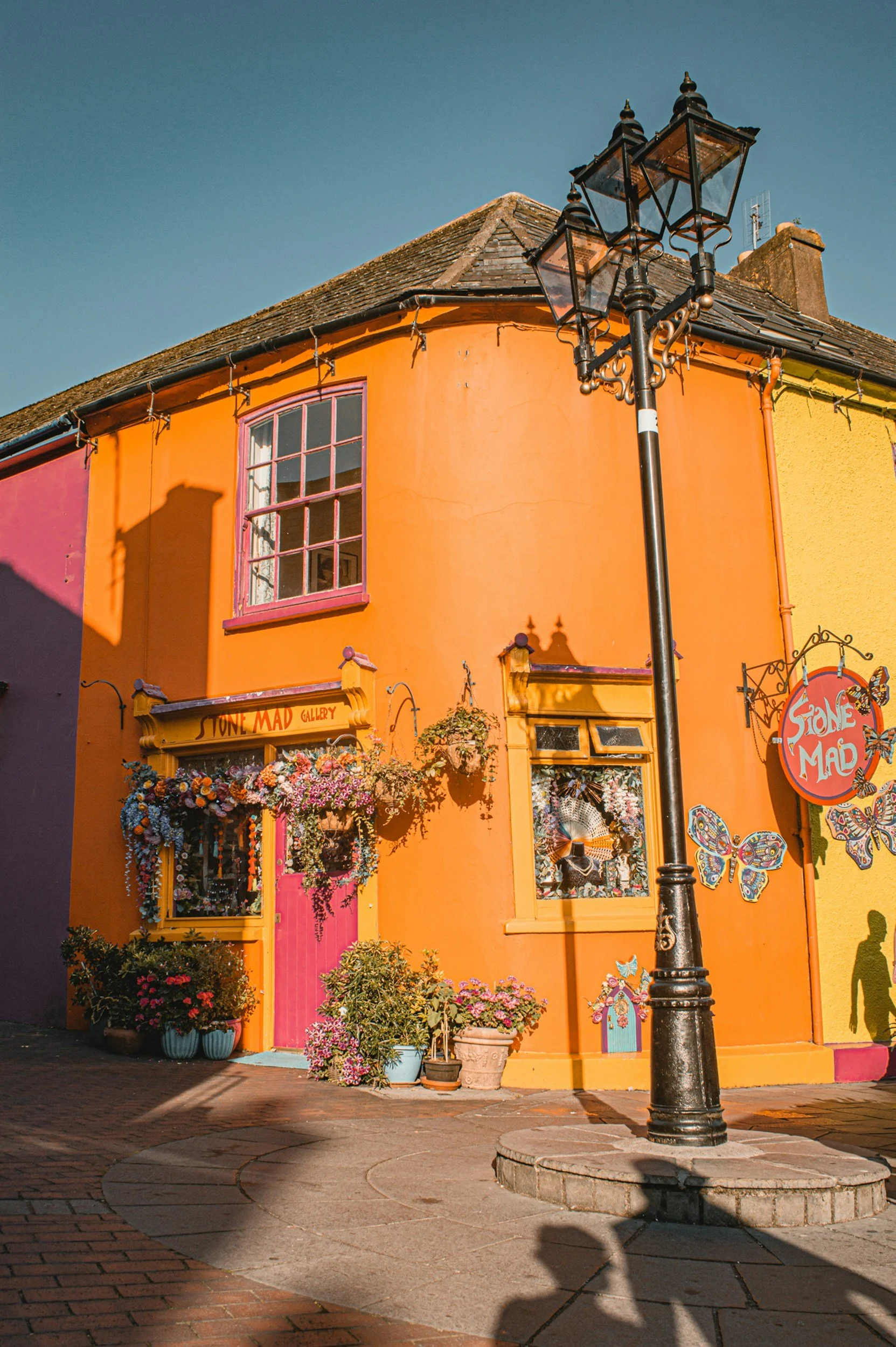
Kinsale is easy to settle into without a car because the town is compact, but it doesn’t feel sleepy or overly tidy. The bus from Cork takes around 45 minutes and drops you right by Pier Road, a few minutes’ walk from the harbour. From there, you can walk straight into the centre along Pier Road or turn up Pearse Street if you’re staying further inland.
Most of the town’s daily life sits between Main Street, Pearse Street, and the lanes running down toward the water. If you want a reliable morning routine, Poet’s Corner Café is one of the few places that opens early and stays busy with a mix of locals and visitors. It’s a good spot for breakfast or a coffee before heading out for the day. If you’re staying centrally, you’ll pass it naturally as you move between the harbour and the shops.
One of the most useful walks to know is the route out to Charles Fort. The path starts near the centre and follows Scilly Walk along the water. It’s an easy, well-marked route with benches along the way and views back toward the harbour. The walk takes around 40–50 minutes each way, and there’s a small café near the fort if you want to stop before turning back. You’ll see plenty of locals doing this route in the mornings or late afternoons, often with dogs, which makes it feel like part of everyday life rather than a set “activity”.
Food is a big part of why people come here, but it doesn’t feel formal or complicated. Down by the harbour, Fishy Fishy is known for seafood, and it’s worth booking ahead for dinner, especially on weekends. A little further out along the Scilly Walk, The Bulman Bar & Restaurant serves seafood chowder, fish and chips, and simple plates that make sense after the walk to the fort. Both spots feel easy to drop into on your own, and it’s common to see people eating alone at the bar or at small tables.
Kinsale works well if you like to have a clear structure to your day without planning too much. You can spend the morning walking out to Charles Fort, come back for lunch near the harbour, browse the small shops around Market Street and Newman’s Mall in the afternoon, and have dinner within a short walk of wherever you’re staying. Because the town is compact, you don’t need to think much about logistics, which makes it a comfortable base for a few days, especially if you’re travelling on your own.
Ireland tends to get overlooked for train-based trips, but these quiet Irish villages show how easy it actually is to build a slower route there.
Before you plan your trip
One of the most useful things to know before you go is that these towns don’t run on the kind of constant schedule you might expect in bigger cities. Trains are reliable, but local services and opening hours can be surprisingly specific. In Cava de' Tirreni, smaller cafés and bakeries often close after lunch and reopen in the early evening, so if you arrive mid-afternoon it’s worth grabbing something at the station before walking into the centre. In Albi, the market hall and smaller food shops are busiest before midday, and by early afternoon many stalls wind down. Planning around these patterns makes a real difference if you’re travelling without a car.
If you’re heading to San Sebastián, it helps to know that many pintxo bars don’t fully come alive until early evening. Around lunchtime, you’ll still find food, but the best atmosphere and the widest choice usually start after 19:00. In Kinsale, a lot of the smaller kitchens pause between lunch and dinner, and in spring some places close on certain weekdays, so checking ahead saves you from wandering around looking for an open kitchen.
Another practical point is that “no car needed” doesn’t mean every transfer is instant. On travel days, the timing of your train, bus, and ferry matters. Missing a connection can mean waiting several hours for the next one, especially for the ferry routes to the car-free islands. It’s worth checking the full route before you book, not just the train times. This is particularly true for reaching places like the East Frisian islands, where the ferry schedule shifts with the tides rather than running on a regular hourly timetable.
If you’re travelling solo, these towns and islands make life easier simply because everything is close together. You don’t need to map out every move in advance. Once you’re there, most of what you’ll do comes down to simple choices: walk, stop for coffee, walk again, have dinner nearby. If that’s the kind of trip you’re after, these places work well without much effort, and that’s exactly what makes them worth considering.
FAQ: train-friendly towns in Europe without a car
What are the best towns in Europe you can visit by train without a car?
The best options are towns where the train station is either in the centre or within a short walk. In this guide, places like Annecy, Girona, and Bolzano work well because you can step off the train and reach the old town in 5–15 minutes on foot, without needing a taxi or bus.
How do you know if a town in Europe is walkable from the train station?
Check the exact station location before booking. If it’s within 1 km of the centre, it’s usually a 10–15 minute walk. For example, Girona station is about a 12-minute walk to the old town, while Annecy station is even closer at around 5–10 minutes.
Are train stations in small European towns usually central?
Often, yes, especially in older towns. In places like Bolzano, the station is directly next to the town centre. However, in some rural areas, stations can be several kilometres away, so it’s important to check this rather than assuming.
Can you realistically travel Europe without a car using only trains?
Yes, if you choose towns with direct connections and central stations. Regional trains connect most areas, but the experience depends on how close the station is to where you are staying and how often trains run.
What should you check before booking a train-based trip in Europe?
Look at:
Distance from the station to your accommodation
Train frequency (especially last return train)
Whether the route is direct or requires changes
If taxis or buses are available on arrival
These details matter more than the destination itself.
Are these towns good for a weekend trip by train?
Yes. Towns within 1–2 hours of a major city are the easiest. For example, Girona from Barcelona or Annecy from Lyon can both be reached directly and work well for short stays without needing a car.
Do you need to book train tickets in advance in Europe?
For regional trains, usually not. You can often buy tickets on the day. For high-speed trains, especially in France, Italy, and Spain, booking in advance is recommended for better prices and guaranteed seats.
Is it easy to get around these towns without a car once you arrive?
Yes, if you choose towns with compact centres. In places like Annecy or Girona, you can walk between cafés, restaurants, and main streets without needing transport. That’s what makes them practical for car-free travel.
Are trains reliable for reaching smaller towns in Europe?
In most regions, yes. Networks in France, Italy, and Spain are generally reliable, but delays can happen. It helps to allow some buffer time if you’re changing trains.
Is it easy to travel with luggage on regional trains?
Yes, but simpler stations make a difference. Towns with central, smaller stations like Annecy or Girona are easier to manage than larger hubs. Lifts and step-free access are common, but not guaranteed in smaller stations.
What makes a town “train-friendly” in Europe?
A town is truly train-friendly when:
The station is within walking distance of the centre
You don’t need a taxi on arrival
Restaurants and cafés are close to where you stay
You can explore on foot for most of your visit
If any of these are missing, the trip becomes more complicated without a car.