The Corsican coastal villages I'd choose over the busy beach towns
Corsica sits between France and Italy in the western Mediterranean, but the island feels very different from both. Mountains rise straight out of the sea, forests cover the interior, and small villages cling to the cliffs above the coastline.
While many visitors head to popular beaches around Porto-Vecchio or Calvi, some of the most memorable places in Corsica are the quiet coastal villages scattered around Cap Corse, the rugged peninsula in the north of the island. Here, life moves slowly. Fishing boats drift in small harbors, cafés open onto tiny village squares, and walking trails follow the cliffs above the Mediterranean.
Cap Corse has historically been one of the island’s most maritime regions, with villages built high above the coastline to watch for pirate ships centuries ago.
If you enjoy places where the days revolve around sea swims, local food, and long coastal walks, these three villages offer a glimpse of Corsica’s quieter side. Pino, Nonza, and Cagnano each sit along the Cap Corse coastline and make ideal bases for travelers who want to explore the island at a slower pace.
The Villages of Cap Corse
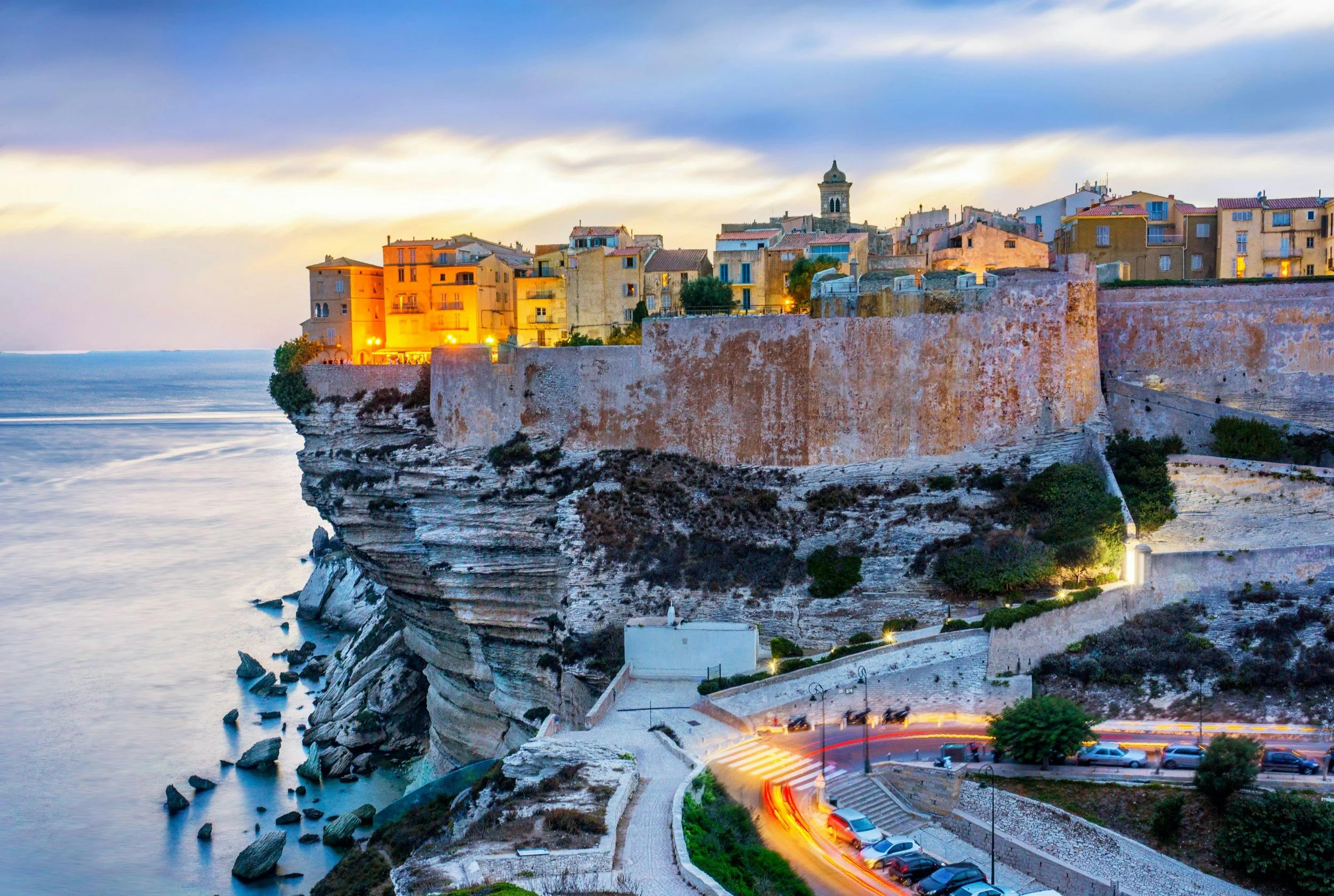
The villages in this guide are all located on Cap Corse, the narrow peninsula that stretches north from Bastia. Often called “Corsica in miniature,” this region is known for its dramatic coastline, historic Genoese watchtowers, and quiet villages perched above the sea.
Driving around Cap Corse is one of the most scenic routes on the island, with winding coastal roads linking tiny fishing villages, hidden beaches, and hillside hamlets that still feel largely untouched by mass tourism.
Because Cap Corse begins just north of Bastia, these villages are also easy day trips if you’re staying in the island’s main northern city.
If you enjoy discovering places where life still moves slowly, you might also like this guide to quiet villages in Europe worth visiting before the crowds arrive - a collection of small towns where mornings begin with bakery visits and evenings end in peaceful village squares.
Let’s dive into Corsica’s slower side and discover the beauty of its lesser-known coastal villages, where life’s simple things are the main event.
Pino - A Quiet Coastal Village in Cap Corse
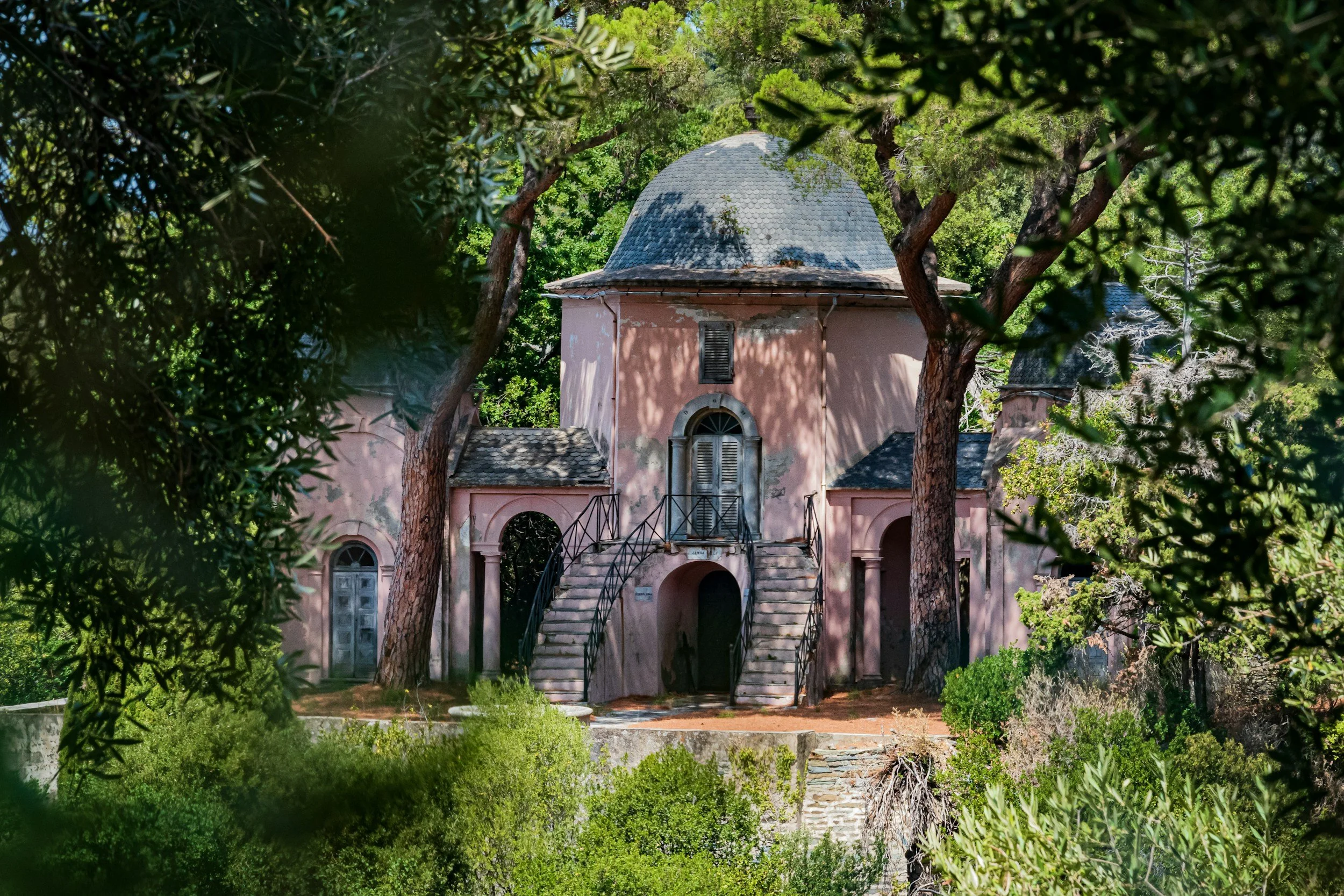
Pino sits on the western side of the Cap Corse peninsula, about one hour north of Bastia by car. The village itself is perched high above the coastline, with narrow streets winding between old stone houses and terraced gardens. From the upper part of the village you can see the Mediterranean stretching toward the Italian island of Elba on clear days.
Pino isn’t just a stop on your itinerary - it’s the kind of place where you’ll find that elusive balance between nature, culture, and quiet reflection. Tucked away in the rugged Cap Corse region, this peaceful village is one of Corsica’s hidden gems. Perched high above the crystal-clear Mediterranean, the village offers uninterrupted views of the coastline and a refreshing absence of crowds.
Walking through Pino is like stepping back in time. The narrow, winding streets are lined with centuries-old stone houses, many still bearing the marks of the island’s traditional architecture. Wild fig trees and vibrant bougainvillea brighten every corner, adding to the village’s raw beauty. What’s remarkable about Pino is how untouched it feels. While many parts of Corsica can be busy with tourists, Pino has retained a sense of authenticity that’s hard to find these days.
For those who prefer the slower side of life, Pino offers a perfect escape. The village’s pace is unhurried, inviting you to explore at your own speed, whether that’s enjoying quiet moments by the sea, wandering the historic streets, or getting lost in the natural beauty surrounding the village. Here, you’ll connect with Corsica in its most pure and peaceful form.
What to Do in Pino
Plage de Pino: The highlight of this village is undoubtedly its secluded beach. Plage de Pino is a quiet, almost private cove that lets you unwind without the usual crowds. You can spend hours here, either swimming in the calm waters or simply lying on the smooth pebbles, letting the gentle waves provide the perfect soundtrack. The beach is surrounded by dramatic cliffs, making it feel like your own little world.
Explore the Village Streets: Pino’s charm lies in its simplicity. The narrow, winding streets are perfect for leisurely walks. As you explore, you’ll stumble upon small squares, old stone houses, and local artisans who keep Corsica’s traditions alive. One of the village’s best-kept secrets is its old church, which adds a spiritual layer to the experience. It’s quiet, authentic, and a real glimpse into the island’s roots.
Hiking Trails: Pino is surrounded by trails that offer some of the best coastal hikes in Corsica. You can hike along rugged cliffs and through lush forests, with panoramic views of the Mediterranean.
Immerse Yourself in Nature: Pino’s hiking trails offer not only stunning coastal views but also a deep connection to the island’s rugged natural beauty. For a more leisurely hike, head to the Sentier des Douaniers, a coastal path that connects Pino to nearby villages. The hike is not too challenging, but the views are absolutely worth it. You’ll pass secluded beaches, lush Mediterranean vegetation, and cliffs that drop into the sea. The peace you’ll find on these trails is unmatched - just you, the landscape, and the sound of the waves!
In Pino itself, dining options are limited, with only one or two places, offering a simple spot for a drink or light snack. If you're looking for more substantial meals or a wider selection, you'll need to head to nearby villages like Erbalunga or Bastia, where you'll find a better variety of Corsican restaurants serving fresh seafood and traditional dishes. Pino is definitely more about the peaceful atmosphere and natural beauty than its dining scene, so if food is a big part of your travel experience, plan to explore a bit beyond the village.
Why Pino is a gem for slow travelers
What makes Pino stand out is how little it has changed. There’s no rush here, no big tour buses or crowds to navigate. The village invites you to move at your own pace, whether that’s spending an entire afternoon in a café, wandering the streets, or simply sitting by the water, watching the light shift over the Mediterranean. The local culture and lifestyle are still very much present here: Corsican traditions are woven into the fabric of daily life, from the local cuisine to the way the village is maintained.
If you’re looking to truly disconnect, Pino offers the kind of space you need to recharge, slow down, and embrace Corsica in its rawest, most beautiful form. The local businesses are welcoming and authentic, and the pace of life gives you permission to be present. In Pino, you’re not just a visitor - you’re part of the landscape, even if just for a few days.
Nonza – The Most Dramatic Village in Cap Corse
Perched on the rugged cliffs of Cap Corse, Nonza feels like a place frozen in time: a realgem waiting to be uncovered. With its dramatic views over the dark sands of its beach and the turquoise waters below, this village offers a unique combination of rugged beauty and peaceful serenity. Nonza’s iconic whitewashed houses and narrow, winding streets add to its charm, making it feel like something straight out of a Mediterranean postcard.
Below the village lies Plage de Nonza, famous for its dark volcanic pebbles that contrast sharply with the turquoise Mediterranean water.
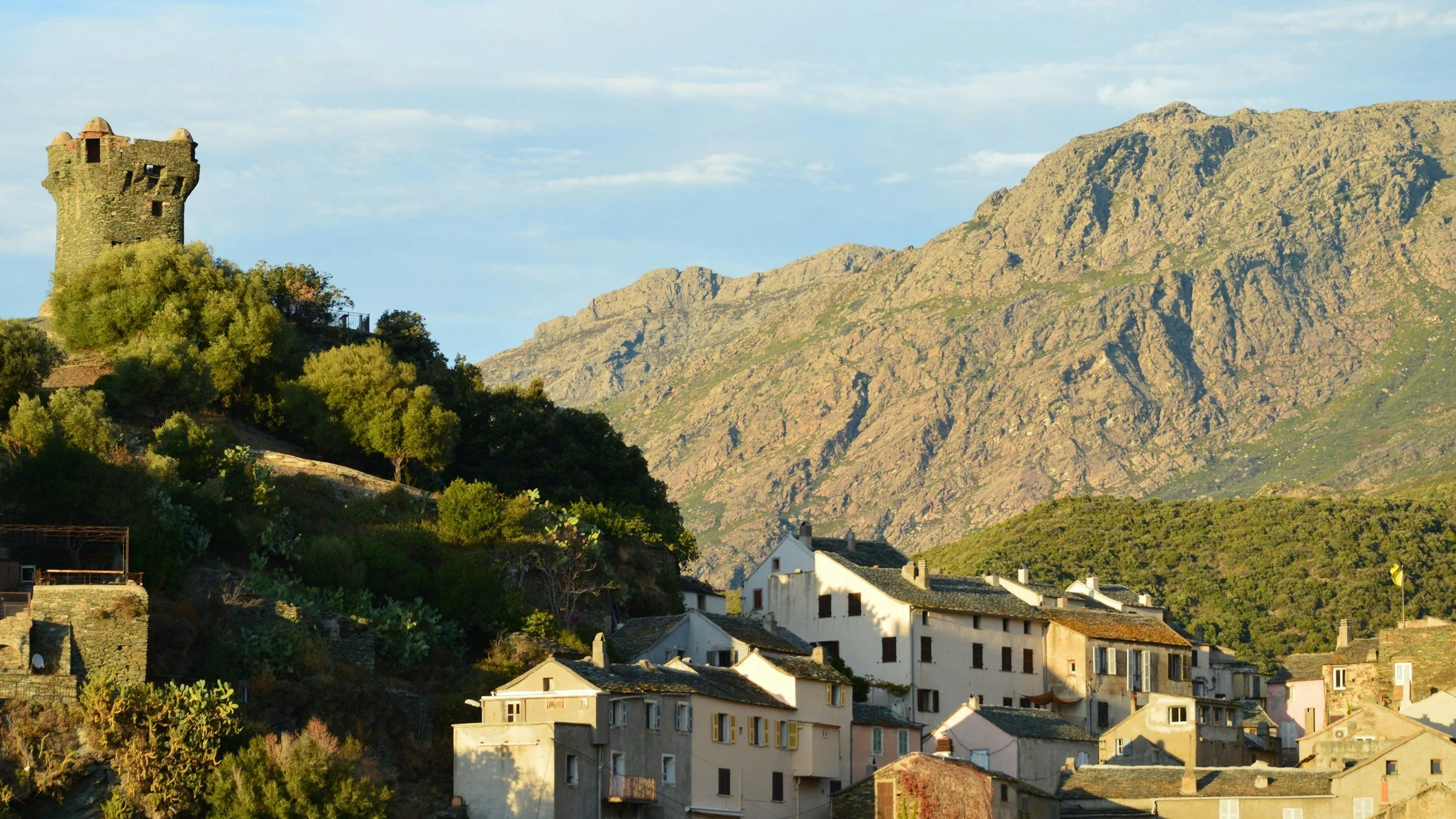
Nonza is located about 35 minutes north of Bastia along the winding D80 coastal road that loops around Cap Corse. The village sits dramatically on a cliff about 100 meters above the sea, which is why the views here feel so spectacular.
What makes Nonza even more special is how untouched it feels by modern development. While many parts of Corsica have been transformed by tourism, Nonza has retained its authentic character, making it the perfect destination for travelers seeking a quiet escape. The village’s location on the cliffs offers breathtaking views from every angle—whether you’re walking through the streets or simply sitting by the sea, you can’t help but feel a sense of calm and wonder.
In Nonza, life moves slowly. It’s a place to wander through cobblestone alleys, to breathe in the salty Mediterranean air, and to let the beauty of the landscape envelop you. The village is perfect for exploration and relaxation, where you can enjoy leisurely walks, soak in the incredible views, and savor simple moments in a charming local restaurant.
If cliffside villages overlooking the sea appeal to you, the Greek island of Tinos offers another surprisingly peaceful Mediterranean escape, with whitewashed villages, quiet cafés, and hiking trails between traditional hill towns.
What to Do in Nonza
Take in the Views: The moment you arrive in Nonza, you’ll be captivated by the stunning vistas. The village sits high on the cliffs, offering sweeping views over the Mediterranean and the surrounding rugged landscape. Whether you’re enjoying a coffee in the village square or taking a walk along the winding streets, the beauty of the coastline is always in sight.
Visit the Old Watchtower: Nonza’s watchtower is a must-see for history buffs and those who want to take in the best panoramic views in the village. From here, you can look out over the entire coastline of Cap Corse, with its black pebble beaches and sparkling blue waters. It’s a perfect spot for photos or simply to take in the serenity of the area.
Explore the Black Sand Beach: Below the village, you’ll find Nonza’s unique black sand beach. The beach’s dark pebbles, formed by volcanic rock, create a striking contrast with the vibrant blue of the sea. It’s a peaceful spot to relax, swim, or enjoy the quiet beauty of the Mediterranean. Unlike many popular beaches, Nonza’s beach feels untouched, offering a tranquil atmosphere perfect for those seeking a quiet escape by the sea. It’s not pitch black sand, but well worth a visit.
Wander the Streets: Nonza’s narrow, winding streets are a joy to explore. As you walk through the village, you’ll come across old stone houses, small local shops, and tucked-away cafés, all framed by the dramatic cliffs and the Mediterranean below. The charm of Nonza is in its simplicity - the slower pace of life here allows you to fully appreciate the stunning surroundings and immerse yourself in the village’s peaceful vibe.
Enjoy Local Dining: While Nonza is not known for a bustling dining scene, it does offer a few spots where you can enjoy local Corsican cuisine. In the village’s small restaurants, you’ll find fresh seafood, traditional Corsican dishes, and plenty of opportunities to enjoy a quiet meal with a view of the sea. Dining here is more about the experience than the variety…
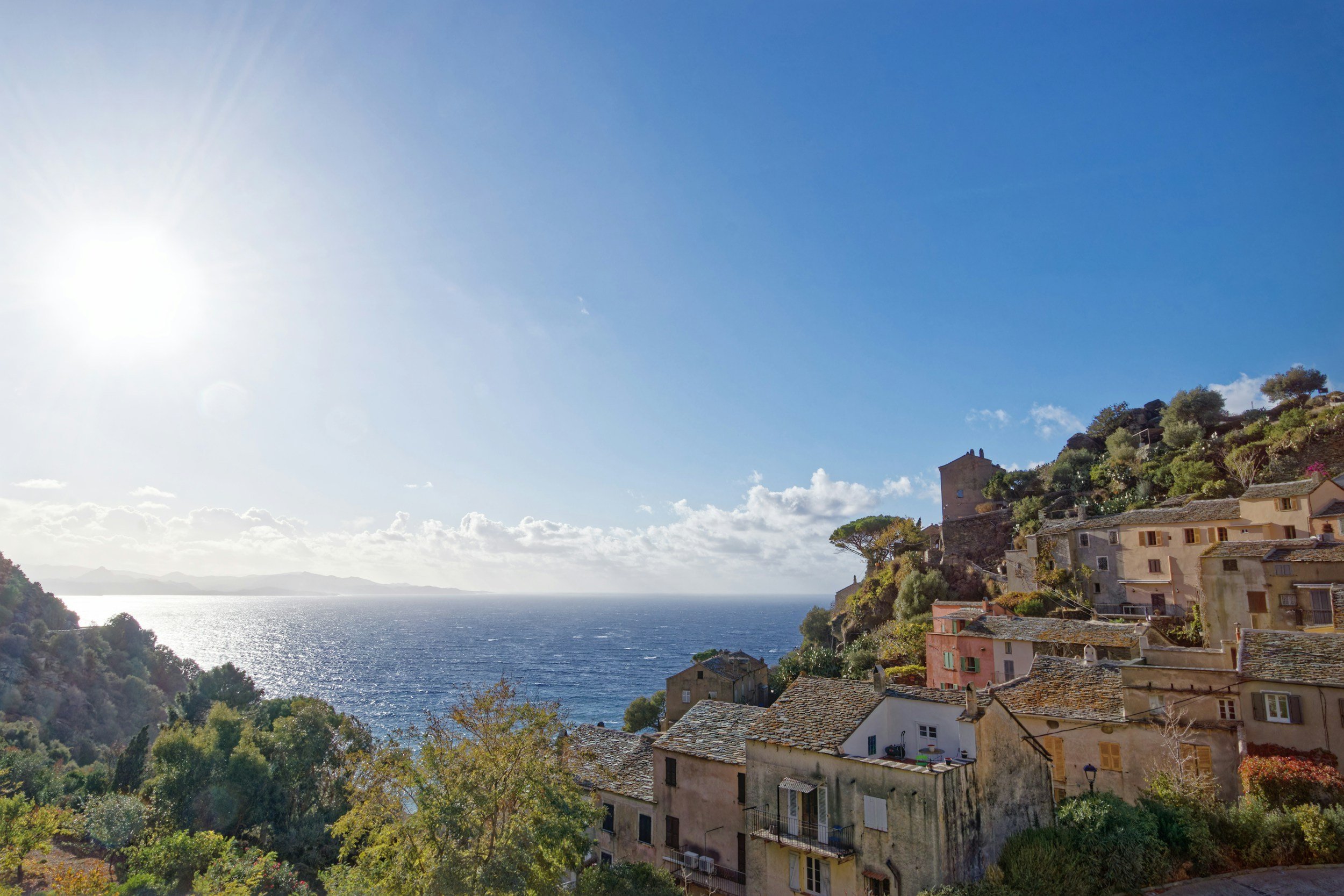
Cagnano – A Peaceful Village Near Bastia
Cagnano lies on the eastern side of Cap Corse, around a 45-minute drive from Bastia. Unlike some of the more visited villages on the peninsula, Cagnano feels residential and local, with small stone houses scattered across the hills above the coastline.
The small harbor area known as Porticciolo sits just below the village and offers one of the quietest stretches of coast in this part of Corsica.
If you’re seeking a true escape from the noise and crowds, Cagnano is the village you’ve been dreaming of. Tucked away on the eastern coast of Corsica, Cagnano is one of those rare, untouched places that feels like a well-kept secret. Surrounded by lush hills, rolling countryside, and stunning Mediterranean views, the village has a perfect mix of isolation and natural beauty - making it a sanctuary for nature lovers and slow travelers.
Cagnano’s charm lies in its peaceful, almost timeless atmosphere. This small, beautifully preserved village has maintained its authenticity with traditional stone houses and narrow, winding streets that weave through landscapes dotted with wildflowers and fragrant herbs. Walking through Cagnano feels like stepping into a simpler, quieter world where the rhythm of life is dictated by nature, not the clock.
What makes Cagnano unique is its remote, unspoiled character. Here, there’s no rush, no pressure to keep moving - just the opportunity to slow down and fully embrace the serenity around you.
Travelers who enjoy quiet Mediterranean villages like Pino often fall in love with the rugged coastline of the Mani Peninsula in southern Greece - a dramatic region of stone tower villages, hidden coves, and slow village life.
What to Do in Cagnano
Plage de Lavasina: For those in need of some true relaxation, Plage de Lavasina is the place to be. This peaceful beach, located just outside the village, is one of Corsica’s lesser-known spots, meaning it’s rarely crowded. With its crystal-clear waters and tranquil atmosphere, it’s the perfect spot to unwind, swim, or simply enjoy the sound of the waves. The beach is surrounded by wild greenery, creating a sense of isolation that feels miles away from the busy world. Pack a picnic, relax on the sand, and let the slow rhythm of the sea help you recharge.
Hike the Surrounding Hills: The surrounding hills offer some of the most breathtaking views in Corsica. The hiking trails around Cagnano take you through lush Mediterranean vegetation and offer panoramic views of both the sea and the mountains. Whether you’re an experienced hiker or just looking for a peaceful walk, these trails provide an incredible opportunity to immerse yourself in Corsica’s natural beauty. The routes are quiet and largely unspoiled, making them ideal for reflection and connecting with the landscape. Some trails even lead you to ancient Corsican shepherds' huts, offering a glimpse into the island’s history and traditional way of life.
Visit the Genoese Tower: For those who love history, Cagnano’s Genoese tower is a must-visit. The tower is part of Corsica’s ancient defense system, built by the Genoese in the 16th century to protect the island from invaders. The tower offers a fascinating look into Corsica’s past, and the view from its base is spectacular - offering sweeping vistas of the coastline and the surrounding hills. The tower is perched high on a rocky outcrop, giving you a perfect spot to reflect on the island’s rich history and the natural beauty that surrounds you.
Discover Cagnano’s Streets: The village itself is a joy to explore, with its narrow streets, stone houses, and quiet charm. Wander through the village and admire the simple beauty of traditional Corsican architecture. You’ll find small gardens bursting with flowers, peaceful courtyards, and little moments of village life that seem to have stood still in time. Cagnano offers an authentic, unhurried experience, perfect for those who prefer to explore at a relaxed pace.
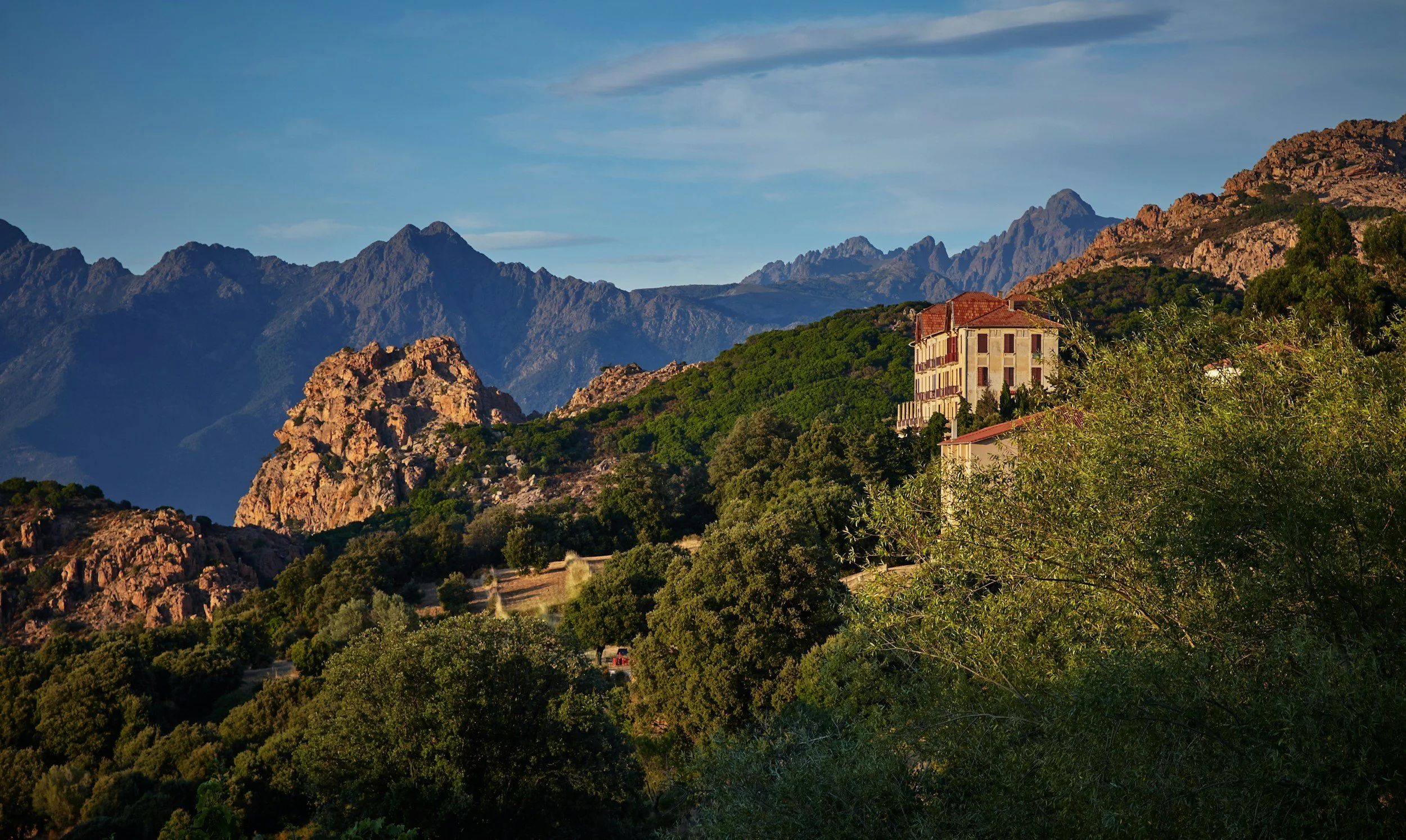
View from Hotel Misincu
Cagnano is perfect for travelers who want to escape the usual tourist routes and truly immerse themselves in the untouched beauty of Corsica. Whether you’re lounging by the quiet beaches, hiking through the hills, or simply wandering the peaceful streets, the village offers a rare sense of calm and authenticity. If you’re craving a destination that allows you to connect with nature and Corsica’s rich history while escaping the pressures of everyday life, Cagnano is your hidden oasis.
How to get there
Most travelers reach Corsica through Bastia, which sits at the base of the Cap Corse peninsula. From Bastia, all three villages in this guide can be reached by car in under an hour.
The easiest and fastest way to get to Corsica is by flying. The island has four main airports:
Ajaccio Napoleon Bonaparte Airport (AJA): Located in the capital city of Ajaccio.
Bastia Poretta Airport (BIA): Situated in the northeast, near Bastia.
Figari Sud-Corse Airport (FSC): Located in the south of Corsica, near Porto-Vecchio.
Calvi Sainte-Catherine Airport (CLY): In the northwest, close to Calvi.
You can fly to Corsica from several major cities in France (like Paris, Marseille, Nice), Italy (Rome, Milan), or even direct flights from a few cities in the UK and mainland Europe during peak travel seasons.
By Ferry
Corsica is also well connected by ferries, especially if you're coming from mainland France or Italy:
From France: You can take a ferry from several ports in France, including Nice, Marseille, and Toulon. The ferry ride can take between 5 and 10 hours, depending on the route.
From Italy: Ferries depart from Livorno and Savona in Italy, with trips typically lasting around 4-6 hours. This is a great option if you're coming from the Italian mainland.
By Car (via Ferry)
If you're planning to rent a car and explore the island, you can take your car on the ferry from mainland France or Italy. Once you arrive, Corsica’s well-maintained roads make it easy to travel around and explore hidden villages, quiet beaches, and scenic spots at your own pace.
By Train (and Ferry)
If you're traveling from mainland France, you can take a train to a port city like Marseille or Nice, and then catch a ferry to Corsica. This option can be scenic and relaxing if you enjoy train journeys.
Why Cap Corse Is One of Corsica’s Most Peaceful Regions
Cap Corse is the narrow peninsula that stretches north from Bastia. Because the roads are winding and the villages small, it has never developed the same mass tourism as parts of southern Corsica. Instead, travelers find fishing villages, cliffside walking trails, and quiet beaches that feel far removed from the busy Mediterranean resorts.
Travel Tip:
Booking ferry tickets: Ferries can get busy, especially in peak travel seasons (summer months). It's a good idea to book in advance, especially if you plan on taking your car along.
Frequently Asked Questions (FAQs)
1. How do I get to Cagnano, Corsica?
Cagnano is located on the eastern coast of Corsica, about a 45-minute drive from Bastia, the island’s largest city. You can either fly into Bastia’s Poretta Airport (BIA) or take a ferry to Bastia Port. Once in Bastia, rent a car for the scenic drive along the coast to Cagnano. The roads are well-maintained, and the drive is an experience in itself with beautiful views.
2. What is the best time to visit Cagnano?
The best time to visit Cagnano is in the spring (April to June) and autumn (September to October), when the weather is pleasant, and the village is less crowded. The summer months can get a bit busier, especially in the more popular parts of Corsica, but Cagnano’s secluded beaches and quiet atmosphere still offer a peaceful retreat even during peak season.
3. Are there good beaches in Cagnano?
Yes, Cagnano is home to Plage de Lavasina, a quiet, secluded beach perfect for relaxing away from the crowds. With its clear waters and natural surroundings, it’s ideal for swimming, sunbathing, or enjoying a peaceful picnic. It's one of those hidden gems that makes Cagnano such a special place to visit.
4. What hiking trails are available in Cagnano?
Cagnano offers a variety of hiking trails through its surrounding hills, all offering stunning views of the Mediterranean and rugged mountains. The Sentier des Crêtes is a popular route that takes you through Mediterranean vegetation and up to panoramic viewpoints, perfect for capturing breathtaking photos. These trails are perfect for both beginners and experienced hikers and allow you to experience Corsica's untouched natural beauty.
5. What historical sites can I visit in Cagnano?
The Genoese tower in Cagnano is a must-visit historical site. Built in the 16th century, this tower was part of the island's defense system. It’s located on a rocky outcrop with incredible views of the coast and surrounding hills. It’s a great spot for history buffs or anyone interested in Corsican heritage.
6. Is Cap Corse good for slow travel?
Cagnano is perfect for slow travel. The village itself is quiet and authentic, ideal for leisurely strolls along its narrow streets. Spend your days relaxing at the beach, hiking through the hills, or simply enjoying the peaceful environment. If you're looking for a place to relax, connect with nature, and embrace a slower pace of life, Cagnano is the ideal destination.
If you're looking for a digital detox that doesn’t feel forced, this is your moment to learn more aboot the Danish island of Ærø - a quietly magical Danish island in the South Funen Archipelago. Read our guide here.