6 European towns where it's easy to enjoy doing very little
Sometimes the best trips aren’t about seeing more - they’re about finding places where the day naturally slows down.
Across Europe there are still towns where mornings begin with coffee in a quiet square, shops close for long lunches, and the main plan for the afternoon might simply be a walk. No packed itineraries. No crowds moving from one attraction to the next. Just ordinary places where life moves at a pace that feels manageable again.
The six towns in this guide are spread across very different parts of Europe - from the wooded hills of southern Spain to a tiny stone village in Portugal’s mountains. What they have in common is how easy it is to settle into them. You can arrive without much planning and quickly fall into the rhythm of the place.
Most of them are small enough to explore on foot, with cafés, bakeries, walking paths, and small restaurants that feel part of daily life rather than designed for visitors.
If your idea of a good trip involves quiet streets, good food, and the freedom to wander without rushing anywhere, these towns are a good place to start.
Aracena, Spain
A small Andalusian town surrounded by cork forests and mountain air
Aracena sits about 90 minutes north of Seville, tucked into the hills of the Sierra de Aracena Natural Park. The landscape here feels very different from the heat and intensity of southern Spanish cities. Pine trees and cork oak forests surround the town, and the air often smells faintly of wood smoke and herbs from the countryside.
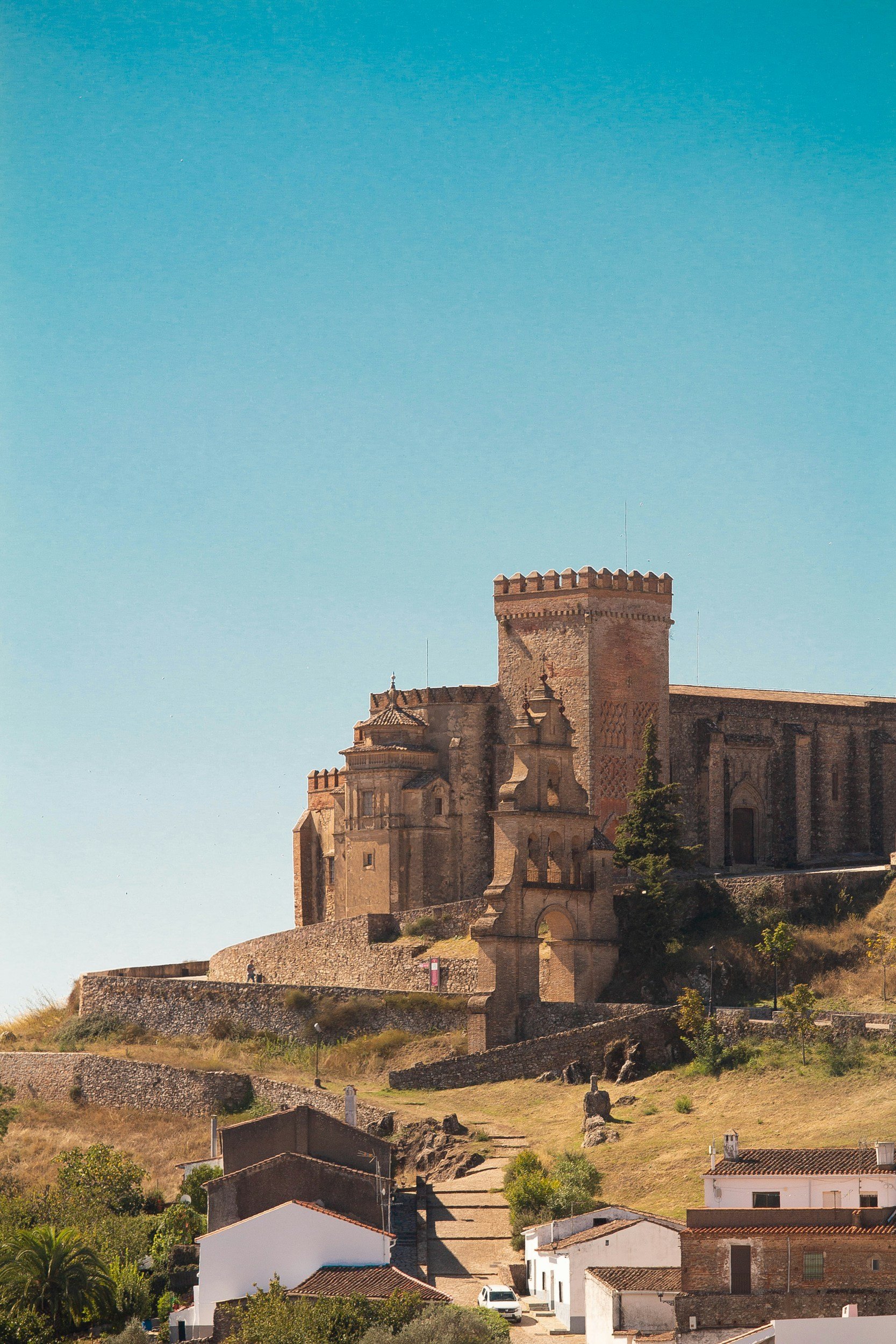
The town itself spreads across a hillside beneath Castillo de Aracena, a medieval fortress that rises above the rooftops. Walking up there in the morning is one of the nicest ways to start the day. The path climbs slowly through quiet residential streets where locals open shutters and sweep their doorsteps.
At the top, the castle walls look out across a patchwork of forest and farmland that stretches deep into the natural park.
Aracena is especially well known in Spain for Jamón Ibérico, and the surrounding region produces some of the country’s best. Black Iberian pigs roam freely in the oak forests nearby, feeding on acorns, which gives the ham its rich flavor. If you stop for lunch, you’ll likely see it served simply - thin slices with crusty bread and olive oil.
For something sweet, locals often head to Confitería Rufino, a traditional bakery near the center of town that has been open since the 19th century. Their almond pastries and small cakes are perfect with a café con leche.
One of the most surprising places in Aracena lies underground. Beneath the castle hill sits Gruta de las Maravillas, a network of caves discovered in the early 1900s. Walking through it feels almost surreal, with narrow passages open into large chambers filled with still underground lakes and strange rock formations reflected in the water.
When you come back into daylight, the rest of the afternoon can be as simple as wandering the old streets or walking into the countryside just outside town. Trails begin right at the edge of Aracena and wind through cork forests, small farms, and stone walls.
You don’t need to go far to feel completely removed from city life.
Getting there:
Buses run directly from Seville’s Plaza de Armas station and take about 90 minutes. Once in Aracena, everything is easily walkable.
One thing you quickly notice in places like these is that there’s a big difference between a town that’s genuinely quiet and one that’s simply closed down outside the tourist season. If you’re curious about that difference, this guide on quiet towns vs closed towns when traveling off season explains it really well.
If you’re staying overnight, Hotel Convento Aracena is a peaceful place just outside the historic center. The hotel is set inside a restored 17th-century convent, with quiet gardens and views over the surrounding hills.
It’s the kind of place where mornings start slowly - coffee on the terrace, mountain air, and very little noise.
Uzès, France
A market town in southern France where daily life still revolves around the square
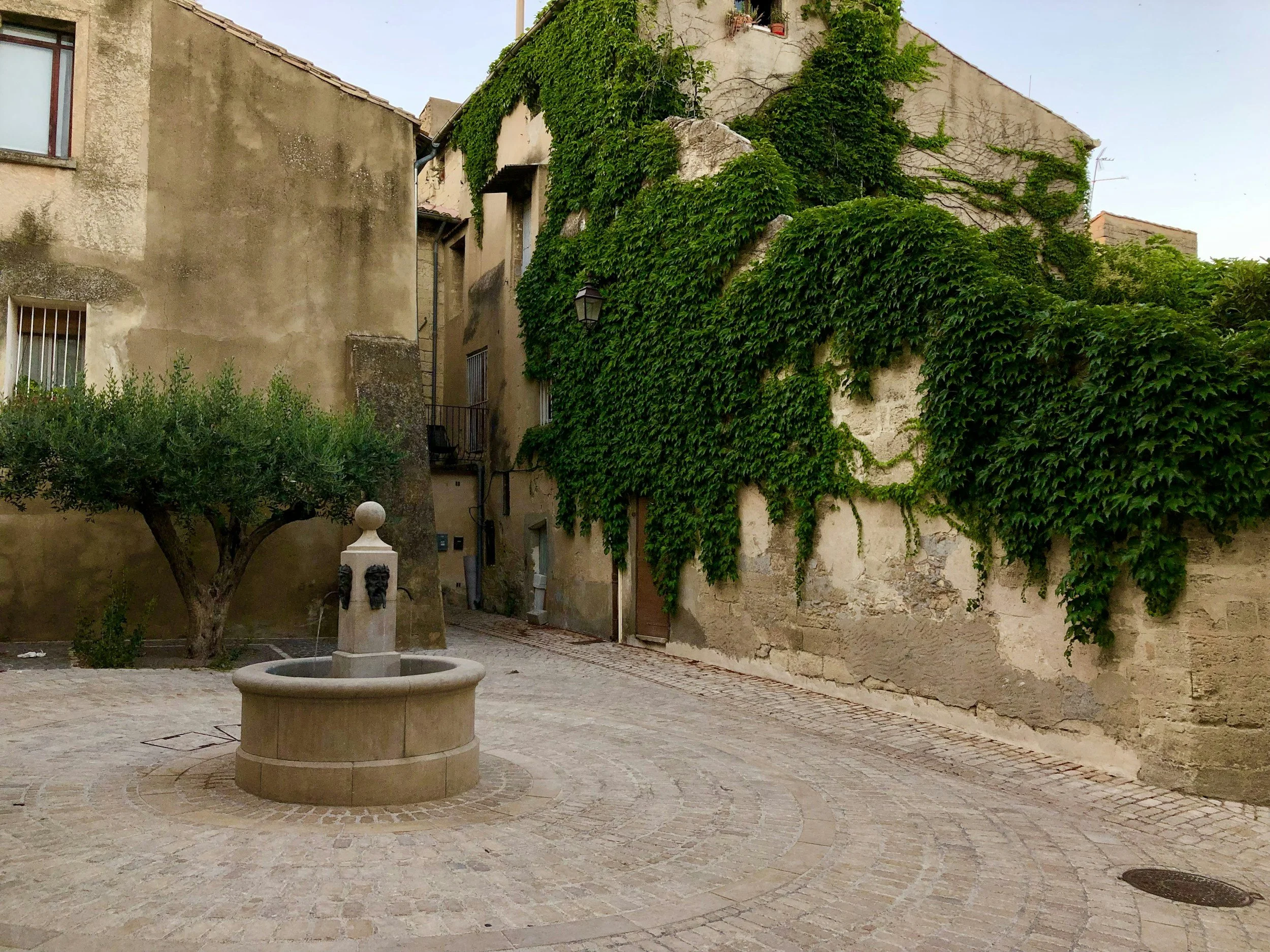
Uzès sits between Nîmes and Avignon, surrounded by vineyards, olive groves, and small villages scattered across the countryside. It’s the kind of town where most days start slowly and end the same way - with people sitting outside cafés as the evening cools down.
Everything revolves around Place aux Herbes, the main square in the historic center. It’s shaded by large plane trees, and cafés line the edges of the square. In the morning you’ll see locals reading the paper with coffee, picking up bread from nearby bakeries, or meeting friends before the day really begins.
On Saturdays, the square transforms into one of the best markets in southern France. Stalls fill the surrounding streets selling goat cheese from nearby farms, olives cured with herbs, woven baskets, linen dresses, honey from the Garrigue countryside, and sun-warmed peaches that taste like summer. It’s busy, but in a relaxed way. People wander slowly between stalls, tasting things, catching up with friends, filling baskets for lunch.
A simple picnic from the market often ends up being the best meal of the day - fresh bread, ripe tomatoes, local cheese, maybe a bottle of rosé from one of the nearby vineyards.
Away from the market, Uzès becomes much quieter. The old town is full of narrow streets that twist between tall stone houses. Some streets have small galleries or ceramic shops, others feel almost residential. You’ll see laundry hanging from windows, flower pots outside doorways, the occasional cat stretched out in the sun.
If you need a break from walking, Chez Cerise near Place Dampmartin is a nice place to sit for a while. It’s a small tearoom with stone walls, homemade cakes, and shelves of teapots. The atmosphere feels relaxed and slightly old-fashioned in the best way.
Just around the corner, Le Suisse d’Alger has a big terrace where people gather for a glass of wine in the late afternoon. It’s the kind of place where you can sit with a small plate of charcuterie and watch the square slowly change from afternoon into evening.
If you want some quiet after the market crowds, walk down to the Eure Valley, a green area just outside the historic center. A small path leads past limestone walls and fig trees down to a river and grassy picnic spots. This valley is actually where the Roman aqueduct that eventually becomes the Pont du Gard begins, but today it’s simply a peaceful place where locals come for walks.
Uzès is easy to settle into. You can spend a whole day moving slowly between the market, the cafés, and the quiet streets without feeling like you’re missing anything important.
If this kind of slower destination appeals to you, there are also some underrated spring weekend getaways in Europe where you’ll find the same relaxed atmosphere without the usual crowds.
Where to stay
Small chambres d’hôtes in the old town are usually the nicest option. Many are inside historic houses with inner courtyards and just a handful of rooms.
Getting there
Take a train to Nîmes or Avignon, then a short regional bus to Uzès. Once you arrive, the historic center is compact and easy to explore on foot.
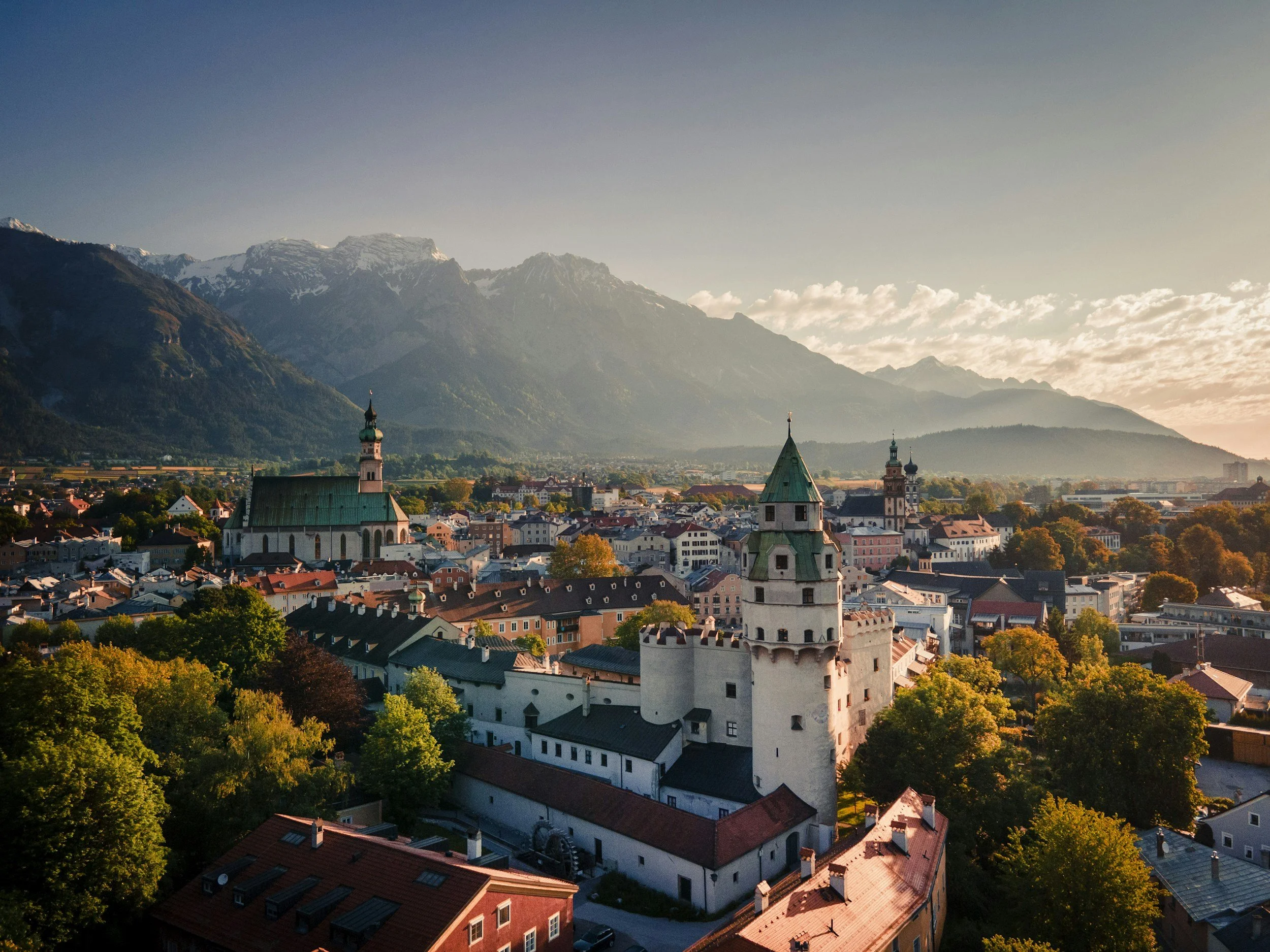
Hall in Tirol, Austria
A small Alpine town with quiet streets and a surprising history
Hall in Tirol sits just 15 minutes east of Innsbruck, but it feels very different from its busy neighbour. Instead of ski shops and tour groups, you’ll find narrow medieval streets, pastel houses, and a town square where daily life still feels local.
The old town is one of the best preserved medieval centers in western Austria, and it’s surprisingly calm considering how close it is to a major city. Cobblestone streets wind between tall buildings with wooden shutters and painted facades. Many of the shop signs are still carved from wood or wrought iron, which gives the streets a slightly old-fashioned character.
The large square at the centre of town, Oberer Stadtplatz, is where most people naturally end up. Locals pass through on their way to the bakery or the market, students sit on the steps with coffee, and cafés set out tables when the weather is good. It’s a place where you can easily sit for an hour without feeling like you should be doing something else.
If you're looking for a cozy place to eat in Hall that feels genuinely local, head to Bretze Wirtshaus. It’s tucked just off the main square and has that classic Austrian charm: wooden interiors, friendly staff, and a menu full of comfort food. Think käsespätzle, hearty soups, and a really good schnitzel if that’s your thing.
The atmosphere is relaxed and welcoming, even if you’re dining solo. You can take your time here - order a glass of wine or a local beer, and just enjoy the slower pace. It’s the kind of place locals go for a proper meal without any fuss, and that’s what makes it feel like a find.
There are also wellness options nearby (love that!) You’re close enough to dip into one of the Tirol thermal spas for a late afternoon soak, or just take a nature walk into the foothills if the mood hits. The town gives you room to decide how much (or how little) you want to do.
If you’re planning to stay overnight, Gartenhotel Maria Theresia is a peaceful base just a short walk from the town center. The rooms are simple and bright, with views of the surrounding mountains, and there's a quiet garden where you can sit and unwind with a book or your morning coffee.
Getting there
Trains from Innsbruck Hauptbahnhof take about 10–15 minutes and run frequently. From the station it’s a short walk into the historic centre.
Soglio, Switzerland
A tiny stone village overlooking the Bregaglia Valley
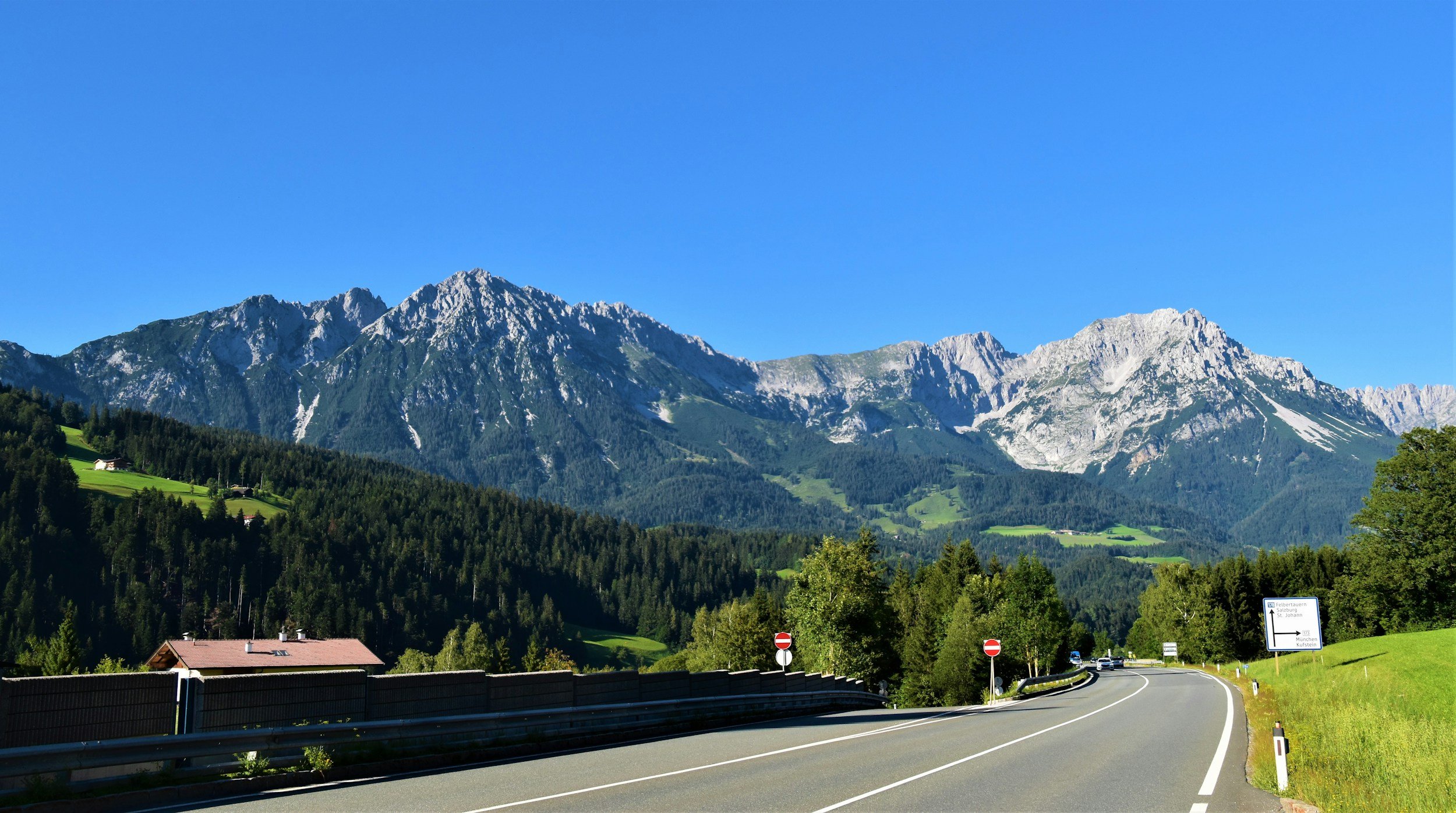
Soglio sits high above the Bregaglia Valley in southeastern Switzerland, close to the Italian border. It’s the kind of place you notice long before you arrive. The road climbs slowly through forests and small farms, and then suddenly the village appears on a sunny terrace overlooking the entire valley.
The village itself is very small - a cluster of stone houses, narrow lanes, and a few historic buildings that have barely changed in centuries. You can walk from one end to the other in a few minutes, but that’s not really the point of coming here.
Soglio has been attracting artists and writers for a long time. The painter Giovanni Segantini, who lived nearby in the late 1800s, once described the village as “the gateway to paradise,” mostly because of the views. On clear days you can see across the valley to the granite peaks of the Sciora group, part of the Alps that mark the border between Switzerland and Italy.
Walking through the village feels almost quiet enough to hear your own footsteps. Narrow stone alleys run between old houses, many with wooden balconies and small gardens filled with herbs or roses. The scent of hay and wood smoke often drifts through the air, especially in the evening.
One of the nicest things to do here is simply follow the Via Panoramica trail, which begins just outside the village. The path runs along the hillside with open views over the valley, passing meadows, chestnut trees, and old stone barns. It’s not a difficult walk - more of a gentle path where you stop often just to look around.
Back in the village, there are only a few places to eat, but they fit the atmosphere perfectly. Hotel Palazzo Salis, a historic mansion dating back to the 17th century, has a restaurant and garden terrace where you can sit beneath chestnut trees with a view of the mountains. The menu usually focuses on regional ingredients from the Bregaglia valley.
Evenings in Soglio are especially calm. As the sun sets behind the mountains, the light turns the stone houses warm and golden. After that, the village becomes very quiet.
There’s no nightlife here, no big list of attractions, and very little traffic. That’s exactly what makes it memorable.
Where to stay
Hotel Palazzo Salis is the most atmospheric place to stay in the village. The historic rooms, large garden, and mountain views make it feel more like a retreat than a hotel.
Getting there
Take the train to St. Moritz or Chiavenna (Italy), then continue by PostBus into the Bregaglia Valley. The bus climbs the valley to Promontogno, where a short connecting bus goes up to Soglio.
Sovana, Italy
A quiet Tuscan village shaped by ancient history
Sovana sits in the southern part of Tuscany, not far from the better-known hill towns of Pitigliano and Sorano. It’s small enough that you can walk through the entire historic center in about ten minutes, but the atmosphere makes you want to stay longer.
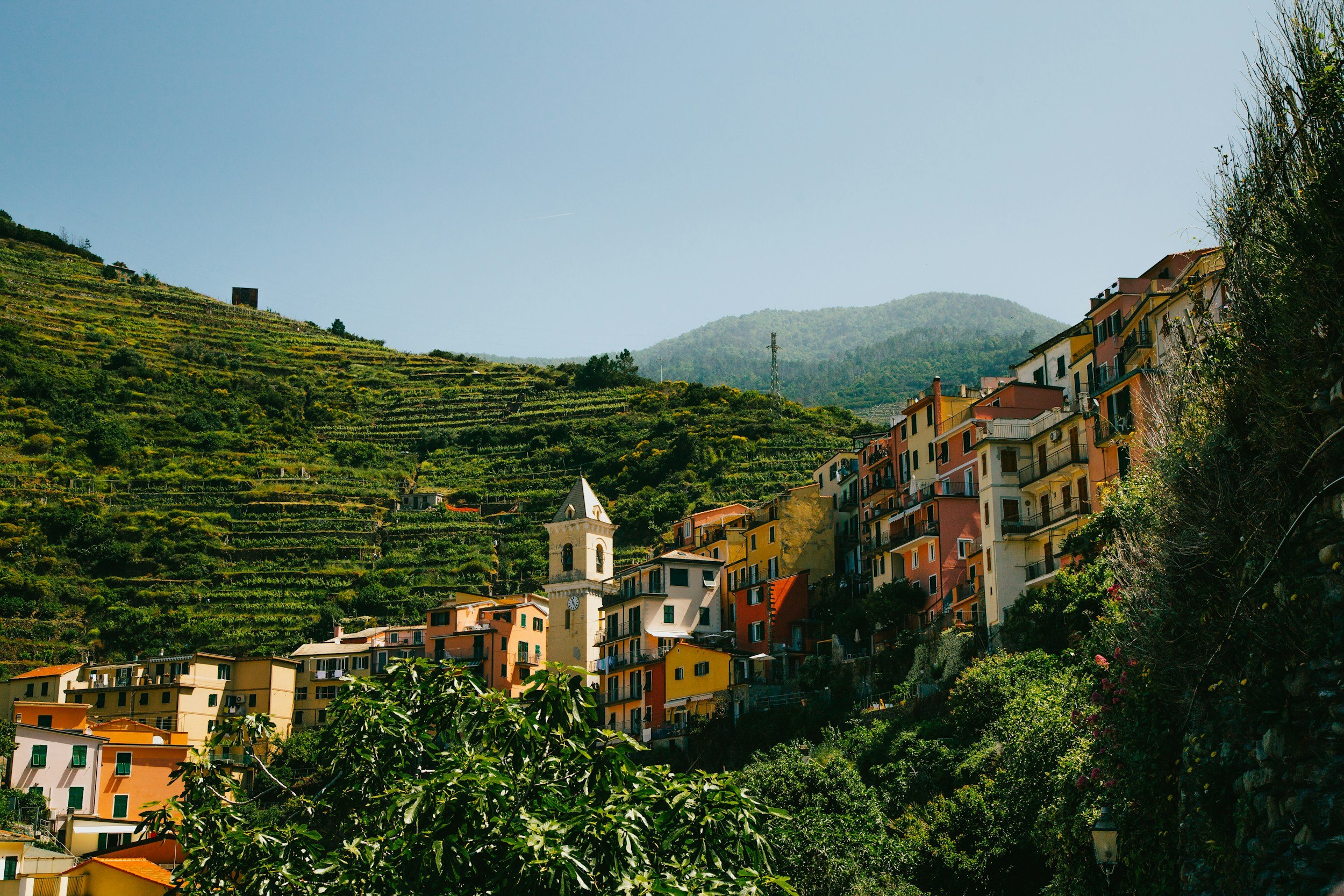
The village is built around a single stone street that opens into Piazza del Pretorio, one of the most beautiful squares in the region. Medieval buildings frame the square, and the pale stone seems to glow in the late afternoon light. Even in summer, Sovana stays relatively calm compared to other Tuscan towns.
Long before the medieval village existed, this area was an important Etruscan settlement. Just outside town you’ll find one of the most fascinating reminders of that history: the Etruscan necropolis and the network of ancient sunken roads known as the Vie Cave. These narrow passageways were carved directly into the volcanic rock thousands of years ago and are now shaded by trees and moss-covered walls.
Walking through them feels surprisingly peaceful… almost like moving through a natural corridor cut into the forest.
Back in the village, the rhythm returns to something simpler. A few cafés set out tables along the main street, and the small number of visitors usually drift between lunch, a short walk, and a slow afternoon in the square.
For dinner, La Taverna Etrusca is one of the most welcoming places in town. The menu focuses on traditional Tuscan dishes - homemade pasta, grilled vegetables, wild boar when it’s in season, and local wines from the surrounding countryside.
Sovana doesn’t try to entertain you with a long list of attractions. Instead, it gives you a setting where time naturally stretches out. Sitting in the square with a glass of wine while the light fades over the old buildings can easily become the highlight of the day.
These towns also work surprisingly well for traveling alone. If you enjoy exploring at your own pace, you might also like this guide to quiet solo travel destinations across Europe.
Where to stay
Small agriturismos in the countryside around Sovana offer the most peaceful stays. Agriturismo San Vincenzo is a good option, with simple rooms and views over the surrounding hills.
Getting there
Sovana is easiest to reach by car. It’s about a 25-minute drive from Saturnia, known for its natural hot springs, and about 2 hours from Rome.
Piódão, Portugal
A mountain village built from dark schist stone
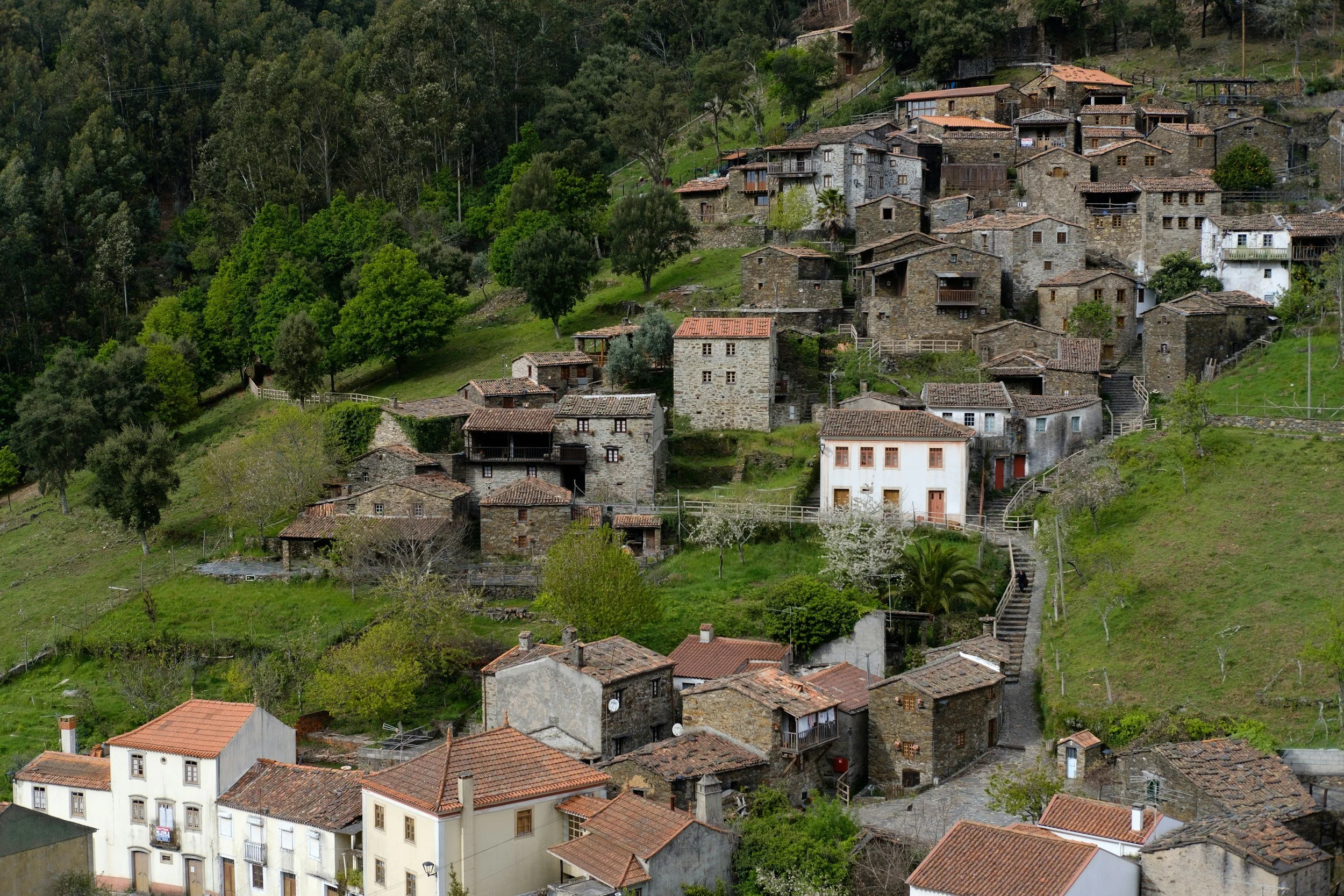
Piódão sits high in the Serra do Açor mountains in central Portugal, surrounded by forested hills and deep valleys that feel far removed from the country’s bigger cities. The road into the village winds through the mountains for the last stretch, and when Piódão finally appears on the hillside it almost looks unreal - a cluster of dark stone houses rising up the slope like a small amphitheater.
The houses are built from schist, a local stone that gives the entire village its deep grey colour. Windows and doors are traditionally painted white or bright blue, which creates a striking contrast against the dark stone. The same building style has been used here for generations, back when villages in this region were largely isolated from the rest of the country.
Even today, Piódão still feels somewhat tucked away.
Cars stop just outside the historic center, so once you arrive everything happens on foot. Narrow stone paths connect the houses, small staircases climb the hillside, and every turn opens another view over the valley and the surrounding mountains.
Despite its dramatic setting, daily life here is simple. A few small cafés and guesthouses sit around the village square, and locals still greet each other as they pass through the lanes. In the warmer months you’ll see visitors sitting outside with coffee or a glass of vinho verde while the afternoon sun moves slowly across the mountains.
One of the nicest ways to spend time here is simply wandering the village without a plan. The paths wind past old doorways, flower pots, and small terraces where people dry herbs or sit in the shade. It doesn’t take long to see the whole village, but the atmosphere encourages you to slow down and linger.
The surrounding landscape is also part of the experience. Piódão sits inside the Serra do Açor Protected Landscape, an area known for its chestnut forests, river valleys, and quiet walking trails. A few paths begin just outside the village and lead into the hills, where you might pass old farm terraces, small chapels, or viewpoints looking across the mountains.
Local traditions still appear in small ways. Some stalls sell regional products like chestnut honey, goat cheese, woven baskets, and handmade crafts made from local materials. These aren’t souvenir shops in the usual sense — they feel more like extensions of everyday village life.
If you stay overnight, Piódão changes completely once the day visitors leave. By early evening the lanes become quiet again and the village lights start glowing softly against the dark stone walls. With very little traffic or street lighting, the mountains around the village turn almost completely black, and the night sky can be surprisingly clear.
It’s one of those places where the silence becomes part of the experience.
Where to stay
INATEL Piódão sits just outside the historic village and blends into the hillside with its schist stone architecture. The rooms are simple but comfortable, and the hotel has a small pool and terrace overlooking the valley. Staying here means you can explore the village early in the morning or later in the evening when it’s at its most peaceful.
Getting there
Piódão is best reached by rental car. The drive takes about 2.5 hours from Porto or 1.5 hours from Coimbra, with winding mountain roads for the final stretch. The journey itself is part of the experience, passing forests, small villages, and wide mountain views before the road climbs up to Piódão.