Should you stay in Cedeira? Here's what I'd know before booking
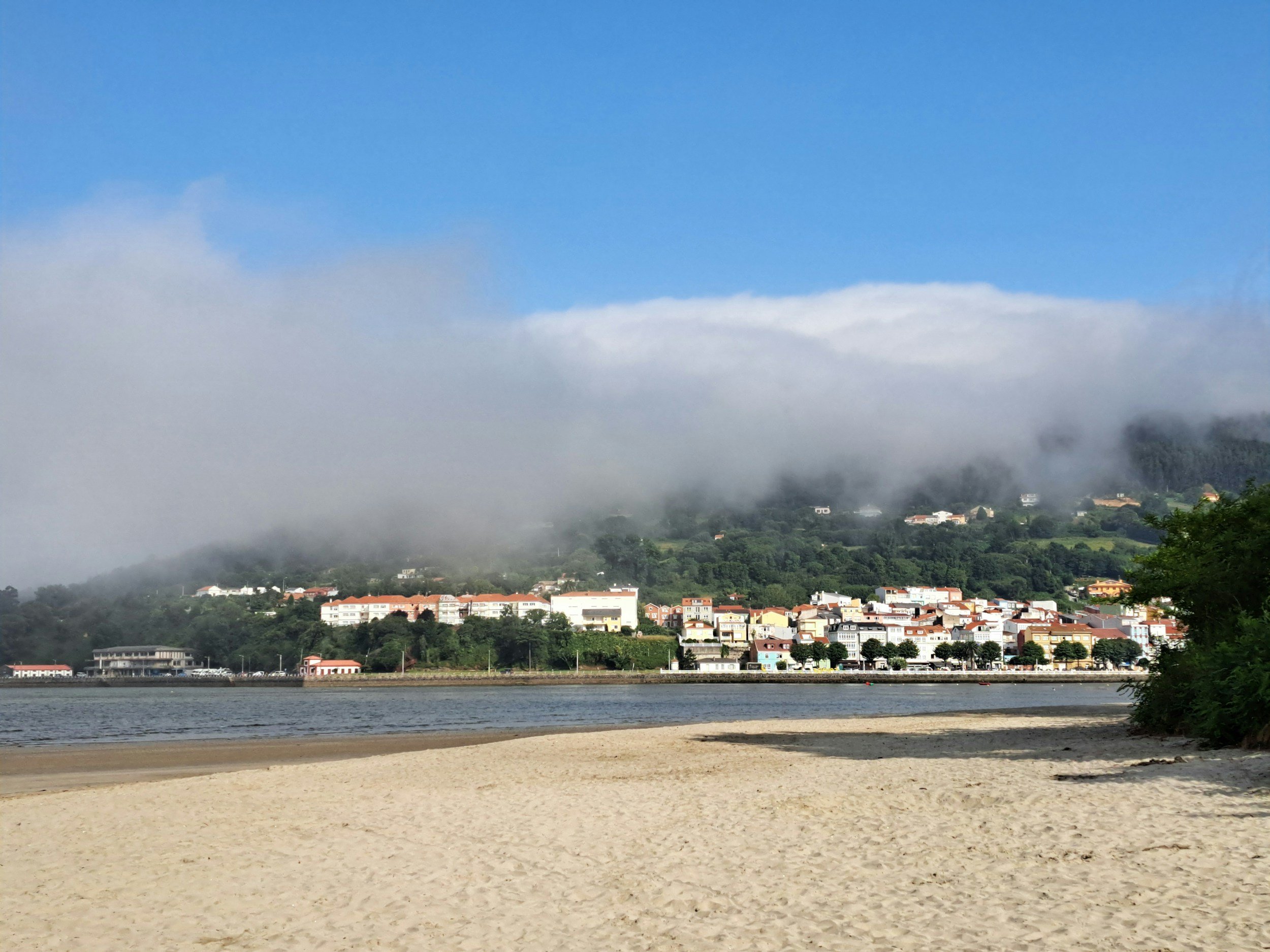
Booking accommodation in Cedeira is surprisingly easy. Working out whether it's actually the place you want to come back to every evening is the part that takes a little longer.
When I started looking at where to stay, I realised I wasn't really comparing hotels at all. I was trying to work out whether Cedeira itself was the right choice. It's easy to get distracted by sea views, harbour apartments and places within walking distance of Praia da Madalena, but none of that matters very much if, a couple of days into your trip, you find yourself wishing you'd based yourself somewhere else along this stretch of Galicia instead. Some coastal towns work perfectly as somewhere to sleep before heading off again the next morning. Others quietly become one of the reasons the trip works as well as it does, simply because you're happy to wander back through the centre in the evening, stop for a drink on Praza Roxa, watch the fishing boats return to the harbour and never really feel any pressure to be somewhere else.
I don't think that's obvious when you're planning from home. Looking at a map, Cedeira, Ferrol, Valdoviño and Ortigueira all seem close enough that it hardly matters where you stay, especially if you're hiring a car, and it's tempting to choose whichever apartment has the nicest photos or whichever hotel happens to be a little cheaper. It was only once I started planning the days properly that the questions became much more practical. Would I actually enjoy coming back to Cedeira every evening? Would two nights feel too many? Would I rather stay in Ferrol and visit Cedeira for the day? If I wasn't driving, would the town still make sense as a base?
Those are the questions this guide answers. It isn't a list of the best hotels or the highest-rated apartments because, in my experience, choosing where to stay in Cedeira has much more to do with how you want your trip to feel than whether your room has a balcony or a sea view. If you can work that part out first, narrowing down the accommodation becomes surprisingly straightforward.
If you're wondering whether Cedeira is actually worth the journey in the first place, my first impressions might answer that before you start comparing accommodation.
Is Cedeira the kind of place you'll enjoy staying in?
This is probably the question I'd spend the most time thinking about before booking because, although Cedeira is easy to like, it's also very easy to imagine the wrong kind of trip before you arrive. Looking at photos, it's easy to assume you'll spend every day driving to a different beach, ticking off viewpoints along the coast and finding somewhere new for lunch before doing it all again the next morning. That's certainly possible, but I don't think it's what Cedeira does best.
What surprised me was how quickly the town itself became part of the routine. It's small enough that you naturally start repeating things without even planning to. You cross the bridge over the Río Condomiñas on the way back from the beach, end up walking along the harbour before dinner even if you hadn't intended to, and before long you're buying pastries from the same bakery because you know exactly what you want rather than because you're trying somewhere new. By the second or third day, the faces behind the café counters on Praza Roxa are becoming familiar, the fishing boats coming back into the harbour start feeling like part of the evening rather than something to stop and photograph, and you realise you've spent far less time looking at Google Maps than you usually would in a new place.
Whether that sounds appealing or not probably tells you whether Cedeira is the right base. If you're happiest somewhere that constantly gives you a new neighbourhood to explore or a long list of places to work through, you might find yourself ready to move on sooner than you expected. If, on the other hand, your favourite trips are the ones where a place begins to feel comfortably familiar after a couple of days, where you already know which table you'd like if the terrace outside your favourite café is free, then I think Cedeira makes much more sense than it first appears.
The answer depends almost entirely on what you hope your days will look like once you're there.
If your favourite trips are the ones where every day is packed with somewhere new to explore, where you finish one museum and immediately start looking for the next neighbourhood to wander around, Cedeira might feel smaller than you were expecting. There aren't endless streets to work your way through or dozens of places competing for your attention. Before long you'll realise that most days naturally begin or end somewhere around the harbour, that you'll probably cross the bridge over the Río Condomiñas more than once without even thinking about it, and that walking back through Praza Roxa has quietly become part of the day rather than something you've planned.
What I found, though, was that Cedeira works best when you stop expecting the town itself to fill every hour. One morning you might leave early for Serra da Capelada while the cliffs are still disappearing in and out of the Atlantic mist, continue on to San Andrés de Teixido before the road starts getting busier and make it back to Cedeira in time for a long seafood lunch overlooking the harbour. The following day could be almost the opposite. The weather rolls in overnight, the sea looks completely different, and instead of driving anywhere you end up ordering another coffee near Praza Roxa, wandering down to Praia da Madalena when the clouds begin to clear and picking up an empanada on the way back to your apartment because dinner suddenly feels like something that can wait.
That's the balance I ended up appreciating most. Cedeira gives you enough that staying in town never feels like settling for second best, but it also sits in exactly the right place for days when you want to spend hours exploring the coastline before returning somewhere that already feels familiar by the time you unlock your front door.
The evenings probably surprised me more than anything else because they never felt particularly busy, yet they never felt sleepy either. Around the time people finish work, the waterfront begins to change almost without you noticing. Small groups stop to talk along the promenade, families drift down towards the harbour, restaurant terraces slowly fill, and by the time you're deciding where to eat there's enough going on that the town feels comfortably lived in without ever becoming hectic. It's the sort of place where you can walk the harbour after dinner and recognise half the people you passed earlier that afternoon rather than feeling as though the evening has only just begun.
If what you're hoping for is somewhere with cocktail bars, live music and a different place to try every night, you'll probably outgrow Cedeira quite quickly. If your idea of a good evening is ordering fresh hake or octopus, taking the long way back along the harbour afterwards and ending the day with the windows open because you can hear the masts knocking gently against each other in the marina, I think you'll settle into Cedeira remarkably quickly.
For me, that's also why I wouldn't choose it simply because the photographs look good. Plenty of places along the Galician coast have beautiful beaches, dramatic cliffs and attractive harbours, and if those were the only things I cared about I'd probably have struggled to choose between them. What kept bringing me back to Cedeira was that, once the day visitors disappeared, it never felt as though the town had finished for the day. People were still out walking, neighbours were still stopping to chat in the square, the fishing boats were still coming and going, and it carried on feeling like somewhere people genuinely lived rather than somewhere that simply happened to look beautiful from a viewpoint. I don't think that's something you notice while you're booking accommodation, but it's exactly the sort of detail that decides whether you're happy returning somewhere every evening or whether you start wondering if you should have based yourself somewhere else.
If you're planning to keep exploring this coastline afterwards, this Northern Spain route helps you work out where Cedeira fits naturally without adding unnecessary detours.
I don't think your first afternoon in Cedeira gives you a particularly fair impression of the town.
By the time you've checked into your accommodation and wandered down towards the harbour, it's already easy to fall into the same walk that almost everyone seems to take. You head along Avenida Castelao, continue towards Praia da Madalena to see the beach for the first time, drift back through Praza Roxa when it's time to find somewhere for a drink, then realise it's almost dinner without ever having planned much of the afternoon. It's an enjoyable introduction, but it still feels like you're finding your bearings more than getting to know the place, which is why I think leaving the following morning only shows you one version of Cedeira.
If you're travelling through Galicia and simply want to spend a night somewhere on the coast before moving on, I think one night works perfectly well. You'll have time for dinner overlooking the harbour, you'll see the town at its quietest the following morning while the fishing boats are already out and the cafés are only just setting up for the day, and you can still leave early enough to drive through Serra da Capelada or continue towards San Andrés de Teixido before the roads become busier. What I wouldn't expect after a single night is to have worked out whether Cedeira is actually somewhere you'd choose to come back to, because that only really starts becoming clear once you've stopped treating it as another stop along the route and begun returning to the same streets for a second evening.
For me, Cedeira only really clicked on the second morning.
The first day is mostly spent working things out. By the second, you're no longer wondering where to have breakfast because you already know you're going back to Panadería Pallares for another pastry before setting off, and the walk down towards the harbour feels different simply because you're no longer looking at everything for the first time. The fishing boats have already disappeared out towards the Atlantic, the promenade is quieter than it was the previous evening, and instead of feeling as though you ought to be somewhere else, you start noticing the smaller things that were easy to miss when you arrived. Which café catches the morning sun first. Which streets are almost empty once you leave Avenida Castelao. How quickly the town settles back into its everyday pace after the early activity around the harbour.
That second day also gives you something the first one rarely can: flexibility. The Atlantic has a habit of changing the plan for you. You might wake up expecting to drive to Serra da Capelada only to find the cliffs hidden behind low cloud, while two hours later the sky has cleared enough to see all the way along the coast. Having another day means you don't feel obliged to go anyway just because it's the only chance you've got. Instead, you order another coffee near Praza Roxa, wander through the streets for a while longer, perhaps pick up an empanada for later, and leave the dramatic scenery until it's actually worth seeing. I ended up enjoying those slower mornings just as much as the days spent exploring the coastline because they never felt like a compromise. They simply became part of staying in Cedeira.
Three nights is what I'd choose if Cedeira was the main reason I'd travelled to this part of Galicia.
Three nights is what I'd choose if Cedeira was the main reason I'd come to this part of Galicia, not because you'll suddenly uncover dozens of places you somehow missed before, but because by then the town has quietly become part of the trip instead of simply the place you're sleeping. You stop wondering where to have dinner because you've already found somewhere you'd happily order the same dish again, you know which stretch of the harbour is nicest once the evening light reaches the water, and walking back from Praia da Madalena feels familiar enough that you barely think about which street you're taking. There's also less pressure to make every day feel productive. One morning might disappear on the road to San Andrés de Teixido, another exploring the beaches around Valdoviño, while the following day ends up revolving around little more than coffee, lunch, a walk along the waterfront and watching the fishing boats come back in. I never found myself comparing those days or feeling that one had somehow been more worthwhile than another because they all suited Cedeira in different ways.
A full week is something I'd only book if I wanted one place to return to every evening while exploring northern Galicia more widely. After a couple of days, I found there was something reassuring about recognising the same faces around the harbour, already knowing where I'd go for breakfast the next morning and driving back into town after a day on the coast without feeling as though I still needed to squeeze something else into the evening. From Cedeira it's easy to spend one day up around Vixía Herbeira, another around the beaches near Vilarrube or further along the coast, yet I never felt disappointed to be heading back to the same apartment afterwards. If anything, that familiarity became part of the appeal. The town wasn't competing with the places I'd visited during the day. It simply became somewhere I was always pleased to return to before the day was over.
I think this is the point where it's easiest to get Cedeira wrong. If I'd arrived expecting the town itself to keep surprising me for a week, I'd probably have left disappointed. After a couple of days you already know your way around, you've settled into your favourite café, you've walked along the harbour often enough that it feels familiar, and there aren't suddenly another twenty places waiting to be discovered. I don't see that as a weakness, but I do think it's something people should know before they book.
The reason I'd happily stay longer had very little to do with Cedeira itself. Most mornings I was somewhere else entirely. One day it was the road through Serra da Capelada, another it was the beaches around Valdoviño, another I found myself stopping in villages I'd never originally planned to visit. What I started looking forward to wasn't finding somewhere different to sleep each night. It was driving back into Cedeira knowing exactly where I'd go for dinner, taking the same walk along the harbour afterwards and recognising enough of the town that it already felt familiar. That, more than anything, is what convinced me it works so well as a base.
Still deciding between the Atlantic coast and somewhere with a livelier atmosphere? My Sitges guide shows just how different two Spanish seaside towns can feel.
Would I stay in Cedeira... or somewhere else?
Choosing between A Coruña and Cedeira turned out to be much harder than choosing between any of the hotels because, without really noticing it at first, I realised I wasn't comparing accommodation at all. I was trying to picture what an ordinary Tuesday evening would actually look like after a day out exploring the coast, and the answer was completely different depending on which place I picked.
At first, I was convinced A Coruña would be the safer choice. It's the sort of city where you can leave your hotel in the afternoon with no plan whatsoever and still end up filling the next six or seven hours without trying. You wander through Cidade Vella until something catches your eye, stop for a drink on Praza de María Pita because one terrace happens to look nicer than the others, drift towards Orzán Beach as the light begins to change and, if it suddenly starts raining, it barely interrupts the day because there are galleries, bookshops, wine bars and cafés everywhere you look. You never really get the feeling that you've run out of places to go because another street always seems to lead to something else.
Cedeira doesn't work like that, and I think that's exactly why some people end up loving it while others quietly decide they would have been happier somewhere else. By the second or third evening, you're no longer wandering around trying to decide what to do next because you've already fallen into the same routine as everyone else. You find yourself walking along Avenida Castelao again without consciously choosing to, stopping for a few minutes to watch the fishing boats coming back into the harbour, noticing families gathering along the waterfront while people chat outside the cafés, and before long you realise the evening isn't really about finding the next place to go. It's about being perfectly content exactly where you already are.
Looking back, I don't think I was really choosing between two destinations at all. I was choosing what I wanted the end of each day to feel like, and that's a much more useful question to ask before booking than comparing hotel ratings or counting how many attractions are nearby.
One thing I hadn't really appreciated while planning the trip was how little I thought about getting around once I was actually in Cedeira. After checking in, the car often stayed exactly where I'd left it until the following morning because there was simply no reason to use it. Breakfast, the harbour, Praia da Madalena, dinner and the evening walk all sit comfortably within walking distance of each other, so by the second day I wasn't even thinking in terms of driving into town. I was already there.
The car only started to matter when I looked beyond Cedeira itself, and that's really the decision I'd be making before booking. One morning the sky might clear unexpectedly and suddenly Serra da Capelada becomes the obvious place to spend the day. Another afternoon you realise you're only a short drive from San Andrés de Teixido and decide to carry on rather than turning back. A couple of days later you might end up following the coast towards Valdoviño simply because the beaches look tempting and you've got nowhere else you need to be. None of those days require much planning when you've got your own car, and I found myself making those decisions almost on instinct rather than the night before.
If I knew I wasn't hiring a car, I'd probably make a different decision altogether. Cedeira itself is still easy to enjoy on foot, but the freedom that made me enjoy staying there so much came from knowing I could change the plan halfway through the day without checking a timetable first. In that situation, I'd be much more tempted to stay in Ferrol instead, where the train station and transport connections make it easier to explore the region without feeling quite so tied to one place.
Hiring a car ended up changing the trip in ways I hadn't really thought about before I arrived, not because Cedeira itself needed one, but because every morning started with a completely open decision about which direction to drive. If the skies were clear, I'd often head straight for Vixía Herbeira before the viewpoints became busier, continue on towards San Andrés de Teixido while I was already in that part of the coast and still make it back to Cedeira in plenty of time for a late lunch overlooking the harbour. On another day the Atlantic looked rougher further south, so I found myself wandering around the beaches near Pantín and Valdoviño instead before driving back as the afternoon started fading into evening. None of it ever felt particularly planned. The route usually came together as the day unfolded, partly because I knew I wasn't trying to reach another hotel before check-in closed.
That freedom also changed how Cedeira itself felt. The town gradually stopped being another destination on the itinerary and became the place everything else revolved around. I wasn't arriving each evening wondering where to eat or what to do next because those decisions had quietly disappeared after the first couple of days. Breakfast usually meant Panadería Pallares, I already knew which walk I'd take after dinner, and by then I could wander back from Praia da Madalena without paying much attention to where I was going because the streets had become familiar enough that I no longer needed to think about them.
I suspect that's the point where people either fall in love with Cedeira or decide it's time to move on. If you're someone who enjoys the feeling of gradually settling into a place, there's something very satisfying about returning to the same harbour after a different day out each morning. If, on the other hand, your favourite trips depend on constantly finding another district, another museum or another part of town to explore before dinner, A Coruña will probably suit you much better. I never really found myself choosing between the two places. I found myself choosing between two completely different ways of travelling.
Looking back, I don't think I was ever staying in Cedeira for the town alone. What I enjoyed was waking up each morning knowing I could head in whichever direction the weather or my mood happened to take me. Some days that meant following the road through Serra da Capelada, stopping whenever another viewpoint appeared around the next bend. Other days I found myself lingering around Pantín, Vilarrube or Valdoviño for much longer than I'd expected before eventually making my way back to Cedeira without ever feeling I was racing the clock. There were days when I barely left town at all because lunch overlooking the harbour quietly turned into the afternoon, and by the time I looked at my watch there wasn't really anywhere else I wanted to be. That's the part I remember now. Not how many places I managed to visit, but how natural it felt to end every day back in the same harbour without once feeling I'd chosen the wrong base.
I can just as easily imagine someone else making a completely different decision. If the highlight of your trips is wandering through different neighbourhoods every evening, choosing between dozens of restaurants or knowing there's always another museum, gallery or wine bar still open after dinner, I'd probably point you towards A Coruña instead. If I wasn't planning to hire a car, Ferrol would make much more sense because it gives you far more flexibility without having to organise every day around bus times. And if I were slowly making my way along Galicia's northern coast towards Asturias, I don't think I'd try to choose between Cedeira and Viveiro at all. I'd spend a few nights in each because they create completely different trips.
If markets are one of the reasons you travel, don't miss Cadaqués market before deciding where to spend a weekend elsewhere in Spain.
What I only noticed after actually staying in Cedeira
I honestly thought it would take me longer to get my bearings than it did. Looking at the map before arriving, Cedeira seemed much bigger than it actually feels once you're walking around. I imagined spending a couple of days gradually working my way through different parts of the centre, but by the second afternoon I was already cutting between Rúa Real, Rúa Ezequiel López and Praza do Peixe without thinking about where I was going. The old quarter is surprisingly compact, and it's entirely possible to wander through most of it without meaning to while you're looking for somewhere to eat or drifting back from the harbour. After that, the walks themselves don't really change very much. What changes is what catches your attention. One morning the cafés are only just putting their tables outside, another afternoon the shop shutters are already down and the streets feel noticeably quieter, and after a couple of days you start recognising the places where neighbours stop for a chat because they're standing in exactly the same corners they were yesterday.
I think that's why I never felt I needed another attraction to fill the day. The places I kept returning to gradually meant something different once I understood how they fitted together. Praza do Peixe barely registered with me the first time I crossed it, yet after I'd spent a little more time in town it became obvious how closely it still connects to the fishing harbour just a few steps away and to the Igrexa de Santa María do Mar overlooking the waterfront. Even the town's own Cedeira é mar walking route links those same places together, weaving between the fish market, the square and the church, and once I'd noticed that I found myself looking at the centre less as a collection of streets and more as a town that still revolves around the sea in the same way it always has.
I ended up walking through the harbour at completely different times without ever planning to, and it almost felt like a different place each time. Early in the morning there were vans coming and going, people were busy around the lonxa and hardly anyone seemed to be paying much attention to the view because everyone was getting on with their day. By lunchtime the whole place had shifted. Restaurant tables were filling up, people were wandering along the waterfront with no particular destination and suddenly it looked exactly like the version of Cedeira that made me want to come in the first place. If I'd only been there for a few hours, I don't think I'd ever have realised that both of those versions existed.
The same thing happened with the Mares de Cedeira museum. I walked past it more than once before deciding to go in because, if I'm honest, it didn't immediately feel like somewhere I needed to visit. It was only after a couple of mornings around the harbour that I became curious. I'd already watched the fishing boats heading out, noticed how much of the town still revolves around the port and started recognising the same corners every time I walked past, so the museum suddenly felt much more connected to everything I'd already seen. Instead of reading about fishing traditions in isolation, I could picture exactly where they belonged because I'd been walking through them for the last couple of days.
One thing that caught me out was how easy the old part of Cedeira is to walk straight past. If you stay on the wider streets between the harbour and Praia da Madalena, you can reach almost everything you'd planned to see without ever realising there's another layer tucked away just a few metres behind you. It was only when I wandered down Rúa Real and Rúa Ezequiel López without really looking for anything in particular that the town suddenly felt older than it had a few minutes earlier. Around Calexa Taberna there's a narrow passage built into what was once part of the old town wall, and it's exactly the kind of place you miss if you're busy deciding where to eat or glancing at Google Maps. I know I walked straight past it before noticing it, and afterwards I couldn't help looking for it every time I came back that way.
I found myself doing something similar up around Crónicas. It's not somewhere you'd naturally pin on a map before arriving, which is probably why I liked it so much. I only ended up there because I kept wandering a little further than I'd intended, and suddenly the whole town seemed to make sense. From up there you can see how tightly everything fits together: the curve of the ria, the fishing harbour, the rooftops and the hills rising behind them. I'd looked at that same map dozens of times while planning the trip, but it wasn't until I was standing there that I realised how compact Cedeira actually is.
One thing I hadn't really appreciated before arriving was how much the weather changed the feel of the place without ever completely changing the day. It wasn't usually a question of rain cancelling my plans. More often the clouds sat low over Serra da Capelada, the light across the ria became flat enough that the views suddenly didn't seem worth rushing towards, or the wind picked up along the waterfront while the streets a little further inland still felt perfectly comfortable. After a couple of days I stopped looking at the temperature altogether. Instead, I'd open the curtains and see whether I could actually make out the hills across the water because that usually told me far more about what kind of day it was going to be.
On the greyer mornings I found myself staying in Cedeira for longer than I'd expected. I'd wander around the harbour while people were opening up for the day, have another coffee, walk through the old streets or finally call in at the Mares de Cedeira museum instead of feeling I ought to leave town immediately. Then, almost without thinking about it, I'd look up after lunch and realise the clouds had lifted enough that Serra da Capelada suddenly made sense after all. It didn't take long before I stopped planning those days in advance because the weather seemed to have its own ideas anyway.
Breakfast ended up following a similar pattern. I'd imagined there would always be somewhere open whenever I felt like heading out, but Cedeira wakes up at its own pace, especially once you're outside the busiest summer weeks. Sonreiras on Praza Roxa quickly became one of those places I knew I could rely on if I wanted to get an early start, whereas on other mornings I'd simply take whatever looked open first rather than chasing somewhere I'd seen recommended online. After the first day I stopped thinking about it altogether because I already knew where I'd go, and that became one less decision to make before setting off.
I found myself drifting back to Praza Roxa most evenings without ever really deciding to. By then the square felt completely different from earlier in the day. Families were sitting around the gardens while children played, people stopped to talk outside the cafés instead of hurrying through, and it became one of those places where twenty minutes could easily turn into an hour without anything in particular happening. I only discovered later that the square officially adopted the name Praza Roxa in 2016 after years of local use, which also explains why older maps and guidebooks sometimes still call it Plaza del Sagrado Corazón. It felt like one of those small details that suited Cedeira rather well. The name most people actually used eventually became the official one.
After a few days I realised I wasn't really remembering individual sights anymore. I remembered the harbour before lunch when everyone around the port seemed busy with something, the old streets once the shutters started coming down for the afternoon, evenings when Praza Roxa slowly filled up again, and those mornings when one look across the ria was enough to decide whether Serra da Capelada could wait until later. Looking back, those are the things that stayed with me far more than any particular viewpoint or attraction because they only become part of the trip once you've spent long enough in Cedeira to notice them.
If I had another morning in Cedeira, I don't think I'd rush straight out towards the coast again. I'd probably stay in town for a little longer because that was when some of the smaller details started falling into place. I ended up following the Cedeira é mar route almost by accident, and it changed the way I looked at the centre afterwards. On paper it's only a short circular walk linking places like the lonxa, Praza do Peixe and Igrexa de Santa María do Mar, but after spending time around the harbour those stops no longer felt like separate sights. They felt connected to everything I'd already been watching outside. On another day I'd wander through the narrower streets around Rúa Real instead, eventually ending up near Crónicas without really aiming for it, and I'd leave the Mares de Cedeira museum until after I'd spent time around the port because it makes far more sense once you've already seen the town going about its day.
If you're continuing east along the northern coast, Santillana del Mar makes an interesting contrast. It's one of Spain's best-known historic villages, but the atmosphere is completely different from Cedeira.
What I'd check before booking accommodation
If I booked Cedeira again, I honestly don't think I'd spend very long comparing hotels. I'd spend that time looking at where they actually are.
Before arriving, I assumed staying a couple of kilometres outside town wouldn't make much difference because Cedeira looked so small on the map. Once I was there, I realised those extra few kilometres quietly change the whole feel of the stay. I wasn't setting out for the harbour every evening because I'd planned another walk. Quite often I'd only intended to stretch my legs for ten minutes before dinner or wander down to see what the light looked like across the water, and before I knew it I'd ended up walking all the way along Avenida Castelao, stopping by the marina and taking the longer route home without ever really deciding to.
That's why I'd stay within walking distance of the centre the first time. Not because it's inconvenient to drive, but because the nicest parts of staying in Cedeira were rarely the things I'd planned in advance. They were the moments when I found myself wandering back into town simply because I felt like it, without having to think about finding the car keys or wondering whether it was worth driving five minutes just to spend half an hour by the harbour.
If you've already been to Cedeira once, I'd probably look further out. There are some lovely places overlooking the ria or tucked away among the hills, and by then you're making a different choice. You're no longer trying to get to know the town. You're looking for somewhere quieter to come back to after spending the day exploring the coast.
I'd probably save those places for a second trip. Once you leave the centre, accommodation becomes much more spread out, with small rural hotels and guesthouses tucked away around Piñeiro, Cordobelas, Montoxo and the road climbing towards San Andrés de Teixido. A lot of them are exactly the sort of places I'd normally choose: old stone houses, gardens looking towards the coast, somewhere quiet to sit outside in the evening, and enough space that arriving by car feels effortless. If I were planning a week of walking, spending time around Serra da Capelada or driving between beaches like Vilarrube and Pantín, I'd be very tempted. The only reason I wouldn't choose them the first time is that I'd miss those moments when I wandered back into Cedeira without really thinking about it, whether that was for another coffee, a walk along the harbour or simply because the evening light made the town look different again.
I barely thought about parking until I started comparing places to stay. Hotels and guesthouses in the centre don't always have private spaces, which isn't unusual in older parts of town, while many of the rural properties outside Cedeira have plenty of room for cars simply because they have more land. Neither is necessarily better. It just changes how the day begins and ends. If I knew I was planning long drives along the coast every morning, I'd probably appreciate pulling straight into a private parking space. If I expected to spend most evenings walking into town, I'd happily trade that for being able to leave the car where it was for a couple of days.
The historic centre wasn't built around modern traffic, and while plenty of apartments mention parking, that doesn't always mean you'll pull up outside the front door. Sometimes it means a public parking area a few minutes away, which is absolutely fine if you're travelling light, but feels rather different if you've arrived late after a long drive or you're carrying luggage up narrow streets. I found myself reading reviews specifically to see whether guests mentioned arriving by car because they often explained the reality much better than the accommodation description itself…
I'd also look beyond the phrase "sea view."
When I was looking at places to stay, I found myself paying less attention to the size of the room than to what I'd see when I opened the curtains in the morning. Some look straight across the marina, others over the ria, while a few sit high enough above town that you can watch the weather creeping over the hills before it reaches the waterfront. After a couple of days I realised that view told me more than the forecast ever did. Some mornings Serra da Capelada was perfectly clear and I knew I'd head out early. On others the hills had disappeared completely, and without really thinking about it I'd end up spending another hour or two around Cedeira before deciding where to go.
I noticed something similar with the beach. Almost everywhere describes itself as being close to Praia da Madalena, and looking at a map it's easy to believe there's hardly any difference between one property and another. Walking it feels different. Five minutes back from the beach with nothing in your hands is one thing. Fifteen minutes carrying towels, bags and sandy shoes at the end of the afternoon is another. It isn't a huge distance, but it's enough that I'd zoom in on the map before booking instead of relying on phrases like close to the beach.
The same goes for evenings. Some apartments are only a street back from the harbour yet feel surprisingly peaceful once you close the door, while others sit directly above cafés and restaurant terraces that stay busy long after dinner during the summer. Cedeira is never especially noisy, but if I knew I'd be sleeping with the windows open every night, I'd spend a minute checking exactly what was underneath the apartment before pressing the booking button.
I also underestimated how much the land rises away from the harbour. Looking at the map before I arrived, everything seemed almost level, but once I was there I started noticing that some of the streets climbed just enough to make the walk home feel different at the end of the day. They're not steep hills by any means, and I certainly wouldn't avoid staying a little higher up because of them, but after a day walking around Serra da Capelada or spending the afternoon by the water, those last few minutes uphill felt much longer than they looked on a screen.
If I were choosing between two otherwise similar places to stay, I'd probably zoom in on the terrain before deciding. Not because the climb is difficult, but because it's one of those small things that quietly shapes your day without ever appearing in the property description.
If I were relying on buses instead of a car, I'd make a completely different booking. At that point I'd want to be able to walk everywhere without thinking about it, whether that was picking up something from the supermarket, heading out for dinner or catching the bus towards Ferrol. The rural guesthouses outside Cedeira would still be lovely places to stay, but I'd probably save them for a trip where I knew I'd have my own transport.
After spending time there, I realised I wasn't really choosing between hotels at all. I was choosing between two different versions of the trip. One revolves around the harbour, the cafés, the old streets and those moments when you wander back into town because you've got an hour to spare. The other revolves around the coastline, the hills and having somewhere peaceful to return to after a day exploring. I'd happily do both. I just wouldn't start with the second one.
If Cedeira's slower pace appeals to you, you'll probably enjoy these spring villages as well. They're very different places, but they share that same feeling of never needing to rush.
Would I stay in Cedeira without a car?
I would, although I'd plan a different kind of trip.
What surprised me most was how quickly transport stopped being something I thought about once I was actually in Cedeira. Breakfast, the harbour, Praia da Madalena, the supermarkets, the cafés around Praza Roxa, the old streets near Rúa Real... after the first day everything I kept returning to was only a short walk away. I wasn't checking maps anymore because I already knew how to get everywhere I wanted to be.
It was only when I started looking beyond the town that having a car began to matter. Places like San Andrés de Teixido, Cabo Ortegal, Vixía Herbeira or some of the quieter beaches further along the coast suddenly depended on bus timetables instead of a simple decision over breakfast. Some are perfectly possible to reach by public transport if you plan ahead, but the day feels much more structured because you're working around the timetable rather than following your mood.
That was probably the biggest difference I noticed. Staying in Cedeira without a car didn't make Cedeira itself any less enjoyable. It just meant accepting that the wider coastline wouldn't be quite as spontaneous. Once I looked at it that way, it felt much easier to decide what kind of trip I actually wanted.
One evening I noticed the forecast had finally cleared for the following morning, and my first thought was to head for San Andrés de Teixido before the clouds had a chance to roll back in. Half an hour later I'd changed my mind again because the light still looked good over the ria, so I stayed in Cedeira for another coffee before setting off. It wasn't a big decision, but I remember thinking afterwards that I probably wouldn't have made it if I'd been relying on the bus. Once your day depends on a timetable, you stop making those small last-minute choices, and along this stretch of coast the weather changes quickly enough that they matter more than I expected.
The beaches ended up surprising me for a different reason. Before arriving, I'd imagined I'd spend every day somewhere different, ticking off Pantín, Vilarrube, Valdoviño and whichever stretch of sand looked best on the map. Instead, I kept finding myself back at Praia da Madalena simply because it was there. If the weather suddenly improved in the afternoon or I fancied a swim before dinner, I didn't have to think about buses, parking or how long I'd stay. The beaches further along the coast are still perfectly possible without a car, especially during the summer, but getting there becomes the plan for the day rather than something you decide over your morning coffee.
I think I'd notice the difference most on the days I wanted to go walking.
The shorter routes weren't the problem. From the centre it's easy enough to wander out towards Punta Sarridal, follow the promenade or spend a few hours around the cliffs beyond the lighthouse without giving transport a second thought. It was the bigger days that looked different. More than once I found myself pulling over somewhere along the road to Serra da Capelada simply because the light had changed or the view opened up unexpectedly, and those are exactly the sort of stops you don't really plan. They just happen because you're passing by.
If I were travelling without a car, I'd probably approach those days completely differently. Rather than trying to fit in one of the longer walks further along the coast, I'd be more inclined to stay closer to Cedeira and let the town itself fill more of the day. After spending time there, that doesn't actually sound like much of a compromise.
More than anything, I'd miss being able to change my mind.
There were mornings when I'd fully intended to leave town early, then sat down with a coffee, looked across the ria and decided there wasn't any rush after all because the hills had disappeared behind low cloud. On other days it happened the other way around. I'd wander through the harbour thinking I'd stay in Cedeira until lunch, notice the sky clearing over Serra da Capelada and be in the car twenty minutes later. None of those decisions felt particularly important at the time, but looking back they shaped the whole trip. I never felt tied to a plan because I didn't really have one.
Without a car, I think my days would naturally become smaller, but not necessarily less enjoyable. I'd probably spend longer over lunch, wander through the independent shops along Rúa Ezequiel López without looking at the time, find myself back in Praza Roxa later in the afternoon simply because I was passing through, and walk down to the harbour again before dinner to see whether anything had changed since the morning. After spending time in Cedeira, that honestly sounds like a perfectly good way to experience the town as well.
If I only had two or three nights and wasn't hiring a car, I'd think less about how to reach Cedeira and more about how I imagined spending those days.
If I pictured slow mornings, long lunches, a swim at Praia da Madalena, wandering around the harbour in the evening and seeing where the day took me, I'd book Cedeira without thinking twice. There's more than enough here to fill a few days without feeling as though you're constantly missing out on somewhere else.
I'd feel differently if most of my plans were outside town. Once places like San Andrés de Teixido, Cabo Ortegal, Pantín, Vilarrube and the walking routes across Serra da Capelada become the reason for the trip, a car starts making life noticeably easier. If I didn't want to drive, I'd probably base myself in Ferrol instead, simply because the transport connections give you much more flexibility.
After spending time there, I don't really think of Cedeira as a place that needs a car. I think of it as a place that asks you to decide what kind of trip you want before you arrive. Mine ended up revolving around the harbour, the cafés, the changing weather and those moments when I altered my plans because I felt like it. If I'd spent the whole time trying to fit in every corner of the coastline, I suspect I'd have come home with a completely different impression of the town.
If you're travelling by rail before or after Galicia, this Renfe guide makes planning the longer journeys much less confusing.
The mistakes I'd avoid before booking
When I first started looking for somewhere to stay, I kept saving places I'd probably choose almost anywhere else. Apartments with wide views across the ria, old stone guesthouses up in the hills and little rural hotels that looked wonderfully quiet once the day was over. They were exactly the sort of places I thought I'd want.
Then I got to Cedeira.
Most evenings I wasn't in a hurry to go back to the apartment at all. I'd have dinner, wander down towards the harbour to see what it looked like before the light disappeared, end up walking along Avenida Castelao, cut back through the quieter streets around Rúa Ezequiel López and somehow realise far more time had passed than I'd expected. It became such an ordinary part of the day that I stopped thinking about it while I was there.
That's probably why I'd book differently the next time. Those countryside guesthouses still appeal to me, and I'd happily stay in one if I already knew the area, but on a first visit I'd rather be able to wander back into town on a whim than have a bigger terrace or a wider view from the bedroom window.
When I first started saving places to my shortlist, I kept clicking on the apartments with the biggest terraces and the widest views across the bay. Looking at the map, they didn't seem much further away than anywhere else. It wasn't until I switched to Street View and followed the walk back from the harbour that I realised some of them finish with a steady climb every single evening. It's not difficult, but after a full day around Praia da Madalena, Punta Sarridal or the waterfront, those last few minutes feel very different from a flat walk through the centre. A couple of places disappeared from my shortlist after that.
If I booked Cedeira again, I don't think I'd be chasing the biggest sea view quite so much either.
Some of the moments I remember most happened nowhere near a balcony. Walking back through the residential streets with windows open while people were cooking dinner, hearing the bells from Santa María do Mar carrying across the rooftops, or taking one of the narrow lanes down towards the marina instead of following Avenida Castelao yet again made me feel much closer to the town than any panorama ever could. The view across the ria is beautiful, of course, but after the first morning I found myself paying much more attention to everything happening at street level.
The time of year makes more of a difference here than I expected.
Cedeira doesn't suddenly become a different town once the summer holidays are over. It carries on much as it always does, which is part of the reason I liked it, but it also means cafés and restaurants keep their own opening patterns instead of staying open simply because visitors are around. Bon Pé Taberna, for example, is usually closed on Mondays outside the main holiday season but opens every day during August, and plenty of other places make similar changes as the seasons shift.
If I were arriving on a Sunday evening in spring or October, I'd probably spend a couple of minutes checking what was open for breakfast the next morning before I unpacked. Not because there isn't anywhere to eat, but because I know I'd rather walk straight to somewhere that's already open than wander around the harbour wondering why the café I'd saved the week before has its shutters down.
I also think it's easy to overestimate how much you'll want to see every single day.
When I was planning the trip, I kept trying to give every day its own destination. One morning for Serra da Capelada, another for Pantín, another for San Andrés de Teixido. Once I arrived, those plans gradually faded into the background. Some mornings the cloud sat low over the headlands and I couldn't see any reason to leave Cedeira just yet. On others I'd finish a coffee by the harbour, notice the light changing across the ria and order another without thinking twice. If I'd arrived with every hour already mapped out, I don't think those days would have unfolded in quite the same way.
I probably made one wrong assumption before I came as well. I expected Cedeira to keep giving me new places to discover in the way a larger city might. Instead, I found myself returning to the same places over and over again. The bakery where I'd started buying breakfast. The route home that somehow became my route without ever deciding it would. The bench by the waterfront that caught the last of the evening sun. By the second or third day I wasn't looking for something different. I was looking forward to seeing the same places again, and I hadn't expected that to happen quite so quickly.
Funny enough, I couldn't tell you now whether the apartment had the best view in town. I can remember exactly how I used to walk back to it every evening though.
If you're looking for another part of Spain where the landscape quietly becomes the reason to go, Soria Province is a surprisingly good next stop.
So... would I stay in Cedeira again?
Yes.
I don't think I'd spend nearly as much time comparing it with other towns next time. I'd just book it.
I'd leave in the morning with one small errand in mind, perhaps to pick something up along Rúa Ezequiel López, then wander down towards Praza do Peixe, carry on to the harbour almost without thinking about it, stop for a while because the fishing boats were coming back in or because the tide had changed the view across the ria, and eventually walk home by a completely different route simply because one of the quieter streets looked more appealing than the promenade that day. By the time I got back to the apartment, whatever I'd originally gone out to do had usually become the least interesting part of the afternoon.
I'd leave the apartment with one small thing to do, perhaps to pick something up along Rúa Ezequiel López, then drift down towards Praza do Peixe, stop by the harbour because the fishing boats were coming back in, walk a little further because the tide had changed again, and end up taking a completely different route home simply because one of the quieter streets looked nicer that afternoon. By the time I got back, whatever I'd gone out for in the first place had usually become the least memorable part of the day.
If someone asked me where to stay for a few days on this part of the Galician coast, I wouldn't recommend Cedeira to everyone. If their plan was to spend every day driving from one famous place to the next, I'd probably point them somewhere else because I don't think that's the kind of trip Cedeira suits particularly well.
I'd choose it again for the opposite reason.
I liked coming back in the late afternoon knowing there wasn't anything I needed to squeeze in before dinner. I'd wander down towards the harbour, see who was still sitting outside around Praza Roxa, take whichever route home looked nicest that evening and call it a day. After a while, that stopped feeling like time between activities and simply became what I enjoyed most about being there.
That's enough of a reason for me to go back.
FAQs about staying in Cedeira
Is Cedeira worth staying overnight, or is it better as a day trip?
I think this depends entirely on why you're coming. If you're already staying nearby and simply want to wander around the harbour, have lunch and spend a couple of hours in town before driving on, then a day trip works perfectly well. What surprised me, though, was how different Cedeira felt once the afternoon visitors disappeared. By early evening, the beach begins to empty, people drift towards the restaurants around the harbour and the whole town settles into a much slower pace. That's the version of Cedeira I enjoyed most, and it's something you'll completely miss if you leave straight after lunch.
How many nights should you stay in Cedeira?
For a first visit, I'd usually recommend two or three nights.
That gives you enough time to enjoy the town without feeling rushed, explore some of the coastline nearby and still have the flexibility to change your plans if the Atlantic weather doesn't cooperate. I wouldn't choose Cedeira for a week of sightseeing in the traditional sense because the town itself isn't packed with attractions. I'd choose it because it's a place that's easy to settle into, where spending another hour by the harbour or lingering over lunch never feels like wasted time.
Should I stay in Cedeira or Ferrol?
I'd choose Ferrol if convenience was my priority.
There are more hotels, more transport connections, a larger choice of restaurants and it's much easier to explore different parts of Galicia without constantly thinking about the journey.
I'd choose Cedeira if the place I'm staying is part of the holiday rather than simply somewhere to sleep. Once you're there, everything is within easy walking distance, the evenings feel noticeably calmer than in larger coastal towns and it's the sort of place where I naturally found myself slowing down instead of trying to fit one more stop into the day.
Is Cedeira too quiet for a holiday?
Some people will probably think so.
If you enjoy busy promenades, shopping streets that stay lively until late at night and feeling as though there's always another attraction waiting around the corner, Cedeira may feel a little understated.
That was never why I liked it.
What stayed with me wasn't a packed itinerary or a long list of things I'd managed to see. It was the fact that after a day or two I'd stopped checking maps, recognised the same faces around the harbour and found myself walking familiar streets simply because they were pleasant places to spend time. For me, that's a much rarer quality than somewhere that's busy all day.
Is Cedeira a good base for exploring northern Galicia?
For this particular stretch of the coast, yes.
If your plans include San Andrés de Teixido, Pantín, Valdoviño, the cliffs of Serra da Capelada or the dramatic scenery around Cabo Ortegal, Cedeira is in an excellent position because you're never travelling very far.
If you're hoping to explore Galicia as a whole, visiting Santiago de Compostela, Lugo, the Rías Baixas and the Atlantic coast all within the same trip, I'd choose a more central base instead. Northern Galicia deserves a slower approach than that.
Can you enjoy staying in Cedeira without a car?
You can, as long as you're choosing Cedeira for the town rather than for trying to see everything around it.
Once you've arrived, daily life is easy on foot. Restaurants, cafés, supermarkets, the harbour and Praia da Madalena are all within a comfortable walk if you're staying in the centre. Where you'll notice the difference is when you start looking beyond the town. Places like San Andrés de Teixido, some of the quieter beaches and several of the best coastal viewpoints become much easier to reach with your own car, so I'd think carefully about what kind of holiday you're actually planning before deciding whether you need one.
Is July or August too busy in Cedeira?
It's certainly busier than the rest of the year, but I never felt overwhelmed by it.
Most of the activity stays close to Praia da Madalena, the marina and the harbour restaurants during the middle of the day. Walk a street or two inland towards the older residential parts of town and the atmosphere changes surprisingly quickly. I actually enjoyed the contrast because it meant I could spend time where things were happening and then find somewhere much quieter within a couple of minutes.
What's the biggest mistake people make when booking accommodation in Cedeira?
I think many people book somewhere because the photographs look spectacular without really thinking about how they'll use the accommodation once they're there.
I nearly did exactly the same thing.
Looking back, being able to walk into town every evening mattered far more than having the widest sea view or the biggest terrace. The moments I remember most weren't sitting on a balcony looking across the bay. They were wandering back through the streets after dinner, taking the long way home because I wasn't in any hurry and realising I'd quietly started treating Cedeira like somewhere I lived rather than somewhere I was visiting.
Who is Cedeira best suited to?
I'd recommend it to travellers who genuinely enjoy staying in one place long enough for it to become familiar.
If your ideal holiday involves browsing independent shops, lingering over seafood lunches, walking to the beach without thinking about parking and ending the evening with another slow stroll around the harbour, I think you'll understand why people return here.
If you're happiest moving on to somewhere new every morning and measuring the day by how many places you've managed to fit in, there are probably better bases along the Galician coast.
Would I stay in Cedeira again?
Yes, although I'd book it for completely different reasons now.
The first time, I chose it because it looked like a practical base.
If I came back, it would be because I already know how the days tend to unfold there. I know I'll probably end up walking around the harbour one last time before dinner, taking whichever route back feels nicest rather than the quickest, and finding that I've spent far longer in town than I'd intended without ever feeling the need to look for something else to do.
That's not something I realised while planning the trip.
It's something I only understood after I'd been there.