The best way to spend a weekend in Cadaqués starts at the market
If you want to catch the Cadaqués market, plan to be here on a Monday. The stalls are set up at Sa Riera from 08:00 to 14:00, a short walk inland from the waterfront, rather than around the harbour itself. The market runs throughout the year, but during winter it moves into the Saba car park.
A Sunday night stay makes the most sense. You can arrive without rushing, have the evening in Cadaqués and visit the market early on Monday before the centre becomes busier. It isn’t a market you need to give the entire morning to, which is exactly why it works well as part of a weekend here. If Monday is a public holiday, take a quick look at the town council’s latest notice before travelling, as there is no fixed replacement-day rule.
Plan your stay around market day
Market day: Monday
Opening hours: 08:00–14:00
Usual location: Sa Riera
Winter location: Saba car park
Best plan: Stay on Sunday night and visit between 08:30 and 10:00 on Monday, before continuing into the centre for coffee or lunch.
Public holidays: Check the town council’s current notices before travelling. No fixed replacement day is published.
Monday mornings in Cadaqués begin gradually. Shops don’t all open at the same time, so don’t expect the rest of the village to be fully awake when you head to the market. People move slowly between the harbour, small grocery shops and cafés, and you’ll probably pass the same stretch of waterfront more than once.
The market gives the morning a useful starting point without taking over the rest of the day. Once you’ve looked around the stalls, you can walk back towards the harbour, find somewhere for coffee and continue through the village without needing much more of a plan.
If this pace works for you, there are other European towns where staying a few nights makes more sense than rushing through, especially places built around walking, swimming, and long mornings.
If you like how Cadaqués feels but want somewhere even more low-key, this guide to Soria province gives you a sense of rural Spain far from the coast.
What actually makes Cadaqués worth the trip
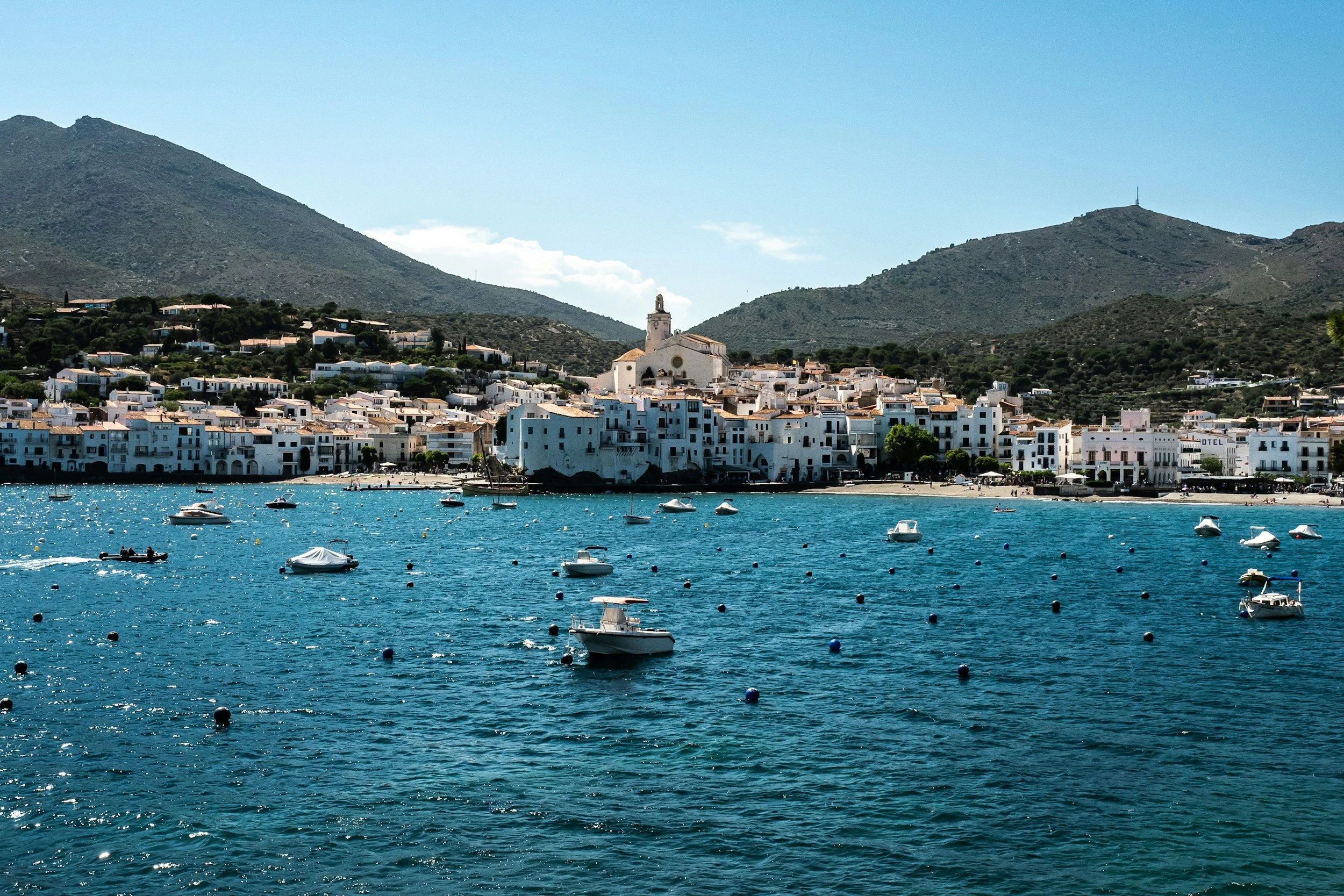
What makes Cadaqués worth the trip is how little distance there is between everything you actually use. Once you’ve walked in from the parking area, you’re already on Passeig Marítim, and from there it’s a few minutes in either direction before you’ve seen most of the centre. Going inland along Carrer des Call or up toward Carrer de Santa Maria doesn’t take you somewhere new, it just changes the pace slightly before you end up back by the water again.
After a while, you notice that people don’t really move through the village once and leave. They circle. You pass the same stretch of waterfront more than once without planning to, stop somewhere briefly, continue a bit further, and then come back again later. The harbour keeps pulling everything back toward it, so you don’t need to think about where you’re going.
The only time it feels straightforward is early. Before around 10:00, you can walk along the waterfront and into the centre without needing to slow down much. After that, it changes quickly. The area around the church and the tighter streets just behind it become harder to move through, not because anything is blocked, but because people stop more often and the ground makes you slow down anyway.
Travelling alone in places like Cadaqués can be really freeing. This piece on small Spanish towns for solo travellers is worth a look if you like wandering at your own pace.
What keeps it from feeling stuck is how easy it is to step away. If the centre feels too full, you don’t need to go far. Walking out toward Platja des Pianc or just following the edge of the bay in either direction changes the pace within a few minutes. Most people don’t stay in the centre for long stretches because of that. They move in and out of it throughout the day.
Food works in the same way. The places right on the waterfront fill first and stay full, especially from mid-morning onwards. If you walk one or two streets back, it’s often easier to sit down, even at the same time of day. People tend to sit longer than they expect, especially at lunch, so tables don’t turn over quickly in the centre.
What you end up doing here is simple. You walk a bit, stop somewhere, leave the centre when it slows, and come back later. Trying to plan it more than that doesn’t really improve anything.
That sense of running into the same people and settling in quickly is something shared by a handful of small European towns that still feel lived that are worth a visit.
What the Monday market in Cadaqués is like
Cadaqués is not one of those towns where the weekly market spreads across the historic centre or becomes the whole reason for visiting. It is held at Sa Riera, slightly inland from the waterfront, and feels much more like a useful local market than something arranged for visitors.
The mix of stalls can change, but you’ll generally find fresh produce alongside clothing, household items and other everyday goods. I wouldn’t come expecting a specialist food market filled with local delicacies. It makes more sense as part of a Monday morning you were already planning to spend in Cadaqués.
The official hours are 08:00 to 14:00, although I would go towards the beginning rather than turning up just before closing. Between 08:30 and 10:00 gives you enough time to look around without rushing, and you can then walk back towards the waterfront for coffee or something to eat.
During winter, the market moves from Sa Riera into the Saba car park. If you’re visiting on a Monday public holiday, check the town council’s latest notice before you go. There is no published rule saying that the market automatically moves to another day.
Markets like this show up all over Spain once you move away from the obvious stops, and this guide to local Spanish markets looks at places where shopping still feels like part of daily life rather than an “attraction”.
Where to eat after the market in Cadaqués
Once you’ve finished at the market, walk back down from Sa Riera towards the waterfront. It’s close enough that you won’t need to plan a separate journey for lunch, but the most central stretch of Passeig Marítim begins filling from around 11:00. Tables nearest the centre tend to go first, while the edges of the bay usually stay easier for a little longer.
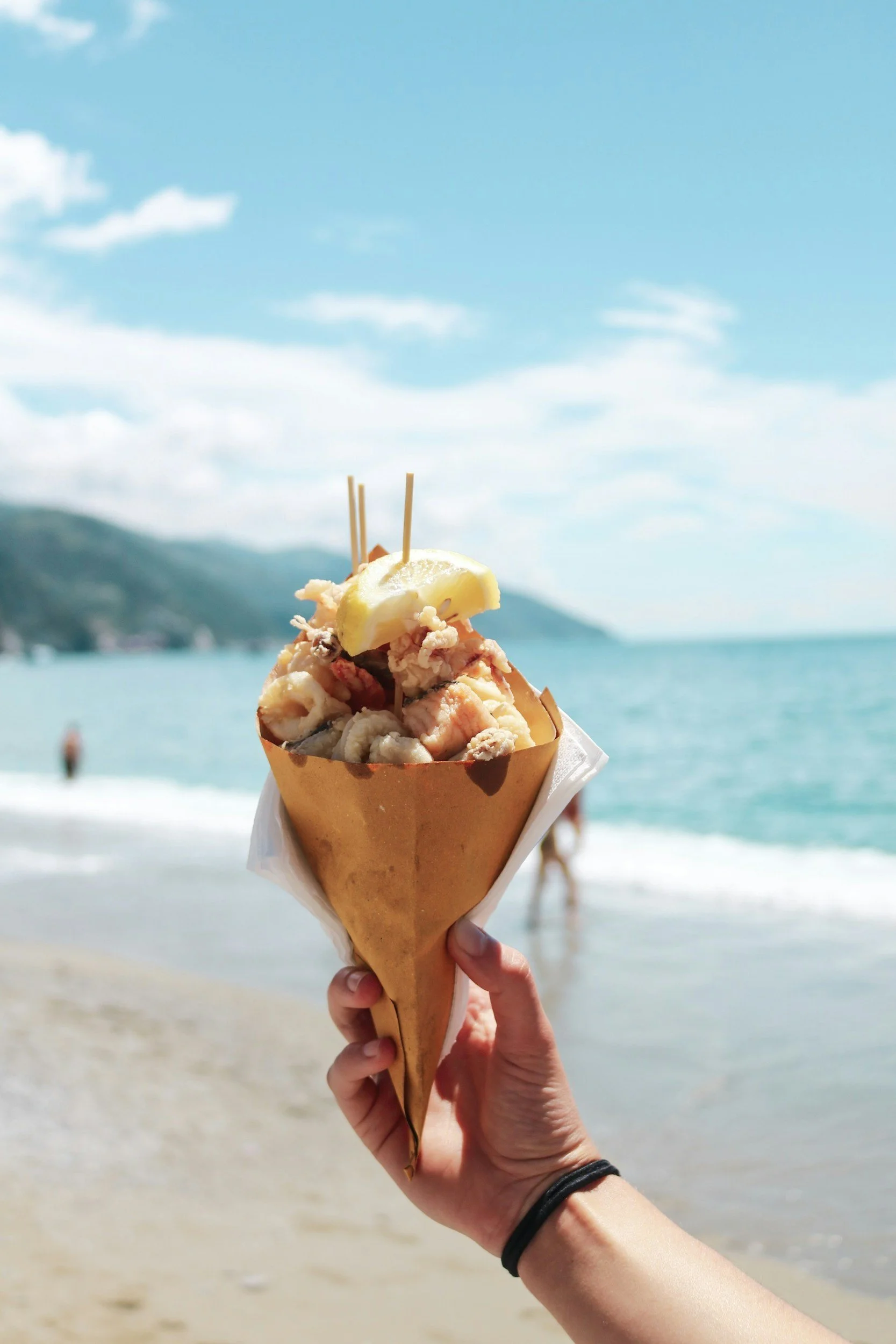
Food stays simple and consistent across the village. Grilled sardines, anchovies, and pan con tomate appear on most menus along the waterfront. It’s common to order a few small plates and a drink, then add more later rather than deciding everything at once. Meals stretch without feeling like a fixed lunch sitting, and service follows that pace.
If you walk one or two streets back from the water, it’s usually easier to find space, even at the same time of day. This is where places like Compartir sit, slightly removed from the busiest stretch. People tend to arrive here later, once the waterfront has already filled, and stay longer rather than moving on.
For something quicker, bakeries like Pastisseria Quer are part of the same movement as the market. By late morning, the selection is already reduced, and people take what’s available rather than waiting. Most leave with something in hand and continue walking rather than stopping inside.
Taking food away is just as common as sitting down. Platja Gran fills steadily, particularly along the central stretch closest to the village, while the rocks toward the edges of the bay remain quieter even at the same time. People sit close to the water rather than further back, and it’s common to stay there longer than expected once they’ve stepped away from the centre.
What stands out is how little planning is involved. People don’t compare options or walk the whole village before deciding. They stop where they are, eat, and stay there for as long as it makes sense before moving on again.
There are still Spanish towns that feel surprisingly calm even in high season. This guide to quiet Spanish towns gives you a few ideas if you’re craving somewhere with a similar feel to Cadaqués but with fewer people.
Compartir
Where to stay for a weekend in Cadaqués
Where you stay in Cadaqués affects how the whole weekend works. The village is built on a slope around the bay, and even a small change in position makes a difference once you’ve moved through it a few times.
Most people arrive by car and park outside the centre before walking in. There’s no direct access to most accommodation in the old town, which means the last part is always on foot. If you’re staying in the narrow streets around Carrer des Call or near the church, expect uneven ground and a short walk with luggage rather than a direct drop-off.
Staying close to Passeig Marítim puts you directly in the main flow. It’s the easiest option for moving in and out during the day, but it also means the busiest part of the village sits just outside your door. From mid-morning onwards, the waterfront stays active, and evenings don’t fully quiet down, especially closer to the centre.
A short walk uphill changes that quickly. Even one or two streets back from the water reduces the movement, particularly later in the day. This is where places like Hotel Villa Gala sit, slightly above the centre. You’re still within walking distance, but returning in the afternoon or evening feels noticeably calmer.
If Cadaqués sparks your curiosity about smaller places in general, this round-up of Spain’s small villages and lesser-known spots is a good place to continue exploring.
Further up the slope, it becomes more residential. Streets narrow, and movement drops off earlier. Places like Hotel Villa Salvador sit higher above the bay, where the view opens out but the walk back up at the end of the day becomes part of the routine. Most people adjust to it, but it changes how often you go back and forth.
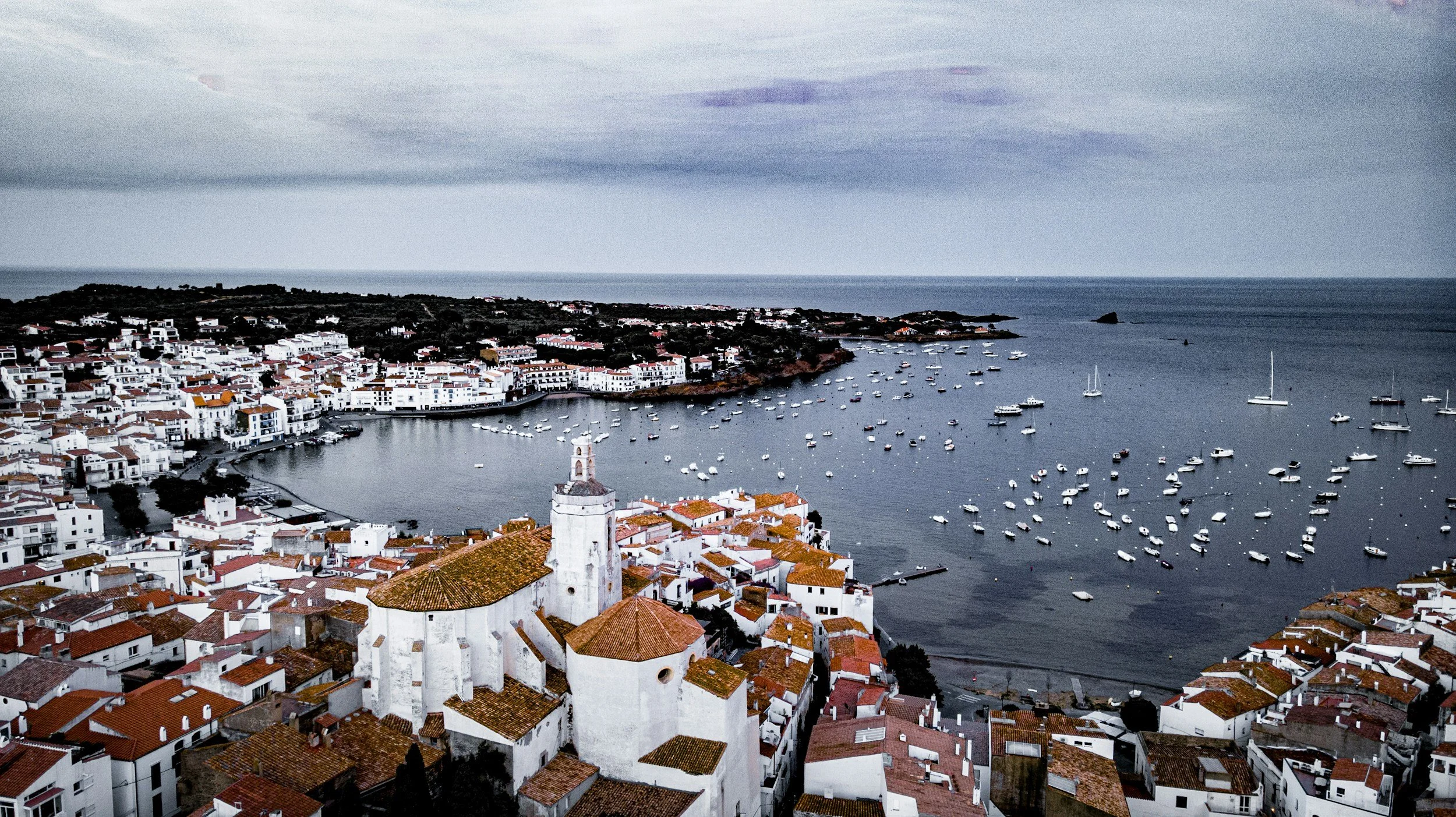
Staying in the old town means you’re close to everything, but the streets stay busy longer during the day, and access is less straightforward. It’s common to pass the same doorway more than once before realising it’s where you’re staying, especially on the first day.
For longer stays, places on the outer edges of the village tend to work better. These sit closer to where the built area meets the coastline, making it easier to step away from the centre without leaving the village entirely.
What matters most here isn’t the size of the room or the finish. It’s how easily you can move between where you’re staying and the centre, and how the pace changes once you step back. Most people don’t realise this before arriving, but it’s what shapes the whole weekend.
Booking ahead also matters. The village is small, and once the central options are taken, the remaining places are further out, which changes how you move through the day.
Ps. not all great coastal towns are well known. This guide to Cedeira, one of Spain’s smallest beach towns gives you a completely different kind of coastal experience.
What to do in Cadaqués beyond the market
Once you’ve moved through the centre and along the waterfront a few times, most of what’s left to do in Cadaqués happens just outside the busiest streets rather than within them. The village is compact, so extending the day usually means walking a little further rather than finding something separate.
From the far end of Passeig Marítim, the coastal path continues toward Portlligat. Within a few minutes, the pace changes. The main flow drops off quickly, and even short stretches along this route feel quieter than the centre. Most people don’t walk the full distance but turn back after reaching the first coves, especially once the ground becomes more uneven.
Closer to the centre, the area around Carrer de Santa Maria and the church is one of the few places where people pause without continuing straight away. The climb is short, and once you reach the top, the view opens across the bay. People stop briefly, then move on again rather than staying there for long.
If you stay near the harbour side, you’ll also pass Expo Dalí Cadaqués. It sits within the natural flow of the village rather than as a separate stop, and most people visit it in between walking the waterfront and moving through the inner streets. It doesn’t take long to go through, and it fits easily into the middle of the day without needing to plan around it.
Swimming is spread across the edges of the village rather than focused in one place. Platja Gran is the most accessible but also the busiest from late morning onwards. Smaller coves like Platja des Pianc, just beyond the centre, tend to have more space even at the same time of day. Most people move between short swims and time on the rocks rather than staying in one spot.
By early afternoon, a pattern sets in. Many people step out of the centre for a while, either toward the coastline or the quieter edges of the village, and return later once the main streets begin to clear. The centre doesn’t empty, but it becomes easier to move through again.
What you end up doing here isn’t adding more activities, but spacing out the same few areas. You move between the waterfront, the inner streets, and the edges of the village in short sections, and that’s usually enough to fill the day without needing anything extra.
If you’re the kind of traveler who loves history and a little adventure, this blog post will be right up your alley:
Exploring Spain’s Forgotten Castles: A Guide to Spain’s Best Hidden Ruins
Getting There
Most people come via Barcelona or Girona, both of which are easy to reach by plane. Girona is closer and makes the drive shorter, but Barcelona gives you more flight options and works well if you want to spend a night or two there before heading north.
Once you’re behind the wheel, the real journey begins. From Barcelona, it’s about a 2.5-hour drive, mostly on smooth highways that roll through Catalonia’s sunlit countryside. You’ll pass olive groves, crumbling stone farmhouses, and glimpses of the coast - but it’s the last 30 minutes that will stay with you.
As you leave the main road behind and begin the final stretch toward Cadaqués, the route narrows into winding curves. The hills rise around you, the sea appears and disappears in flashes, and everything starts to feel more secluded. This part of the drive requires your attention: it’s tight in places and full of bends… but it also forces you to slow down and start adjusting to the pace that defines the village ahead.
Take your time on this stretch. Pull over if you need to. Roll down the windows and breathe in the change of air - drier, saltier, quieter.
Ps. Once you reach town, don’t attempt to drive into the center! Cadaqués wasn’t built for cars, and it’s far too beautiful to experience from behind the wheel. Park in one of the designated lots just outside the old village - from there, it’s a short and scenic walk down to the bay.
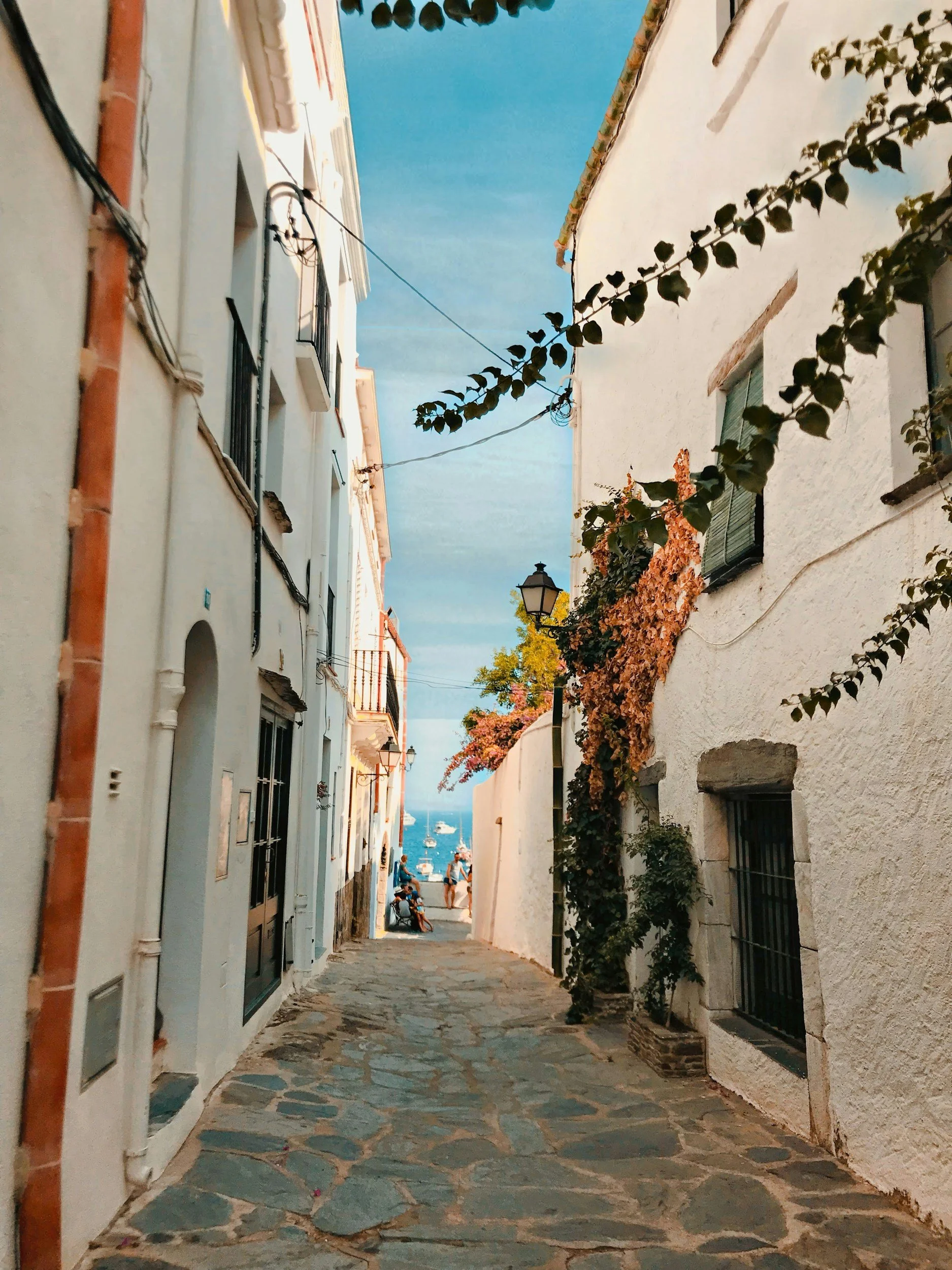
You’ll cross cobbled streets, pass shuttered shops and sleepy cats, and within a few minutes, the sea will appear. It’s one of those arrivals that feels cinematic (yes, that’s the best way to describe it).
If you’re planning a wider trip through Spain, this guide to Seville’s quiet cafés and local coffee spots is useful if you want slower mornings and good coffee between exploring.
And in case you’re extending your trip inland, quieter regions with markets, hill towns, and slower days tend to offer the same kind of breathing room as Cadaqués.
Closer to the coast, this Sitges guide helps you compare Cadaqués with another seaside town that’s easy to reach from Barcelona.
Tarragona is another good option if you want history and coast without the same intensity as bigger cities. This look at Tarragona in the low season shows what it feels like when the crowds ease.
And if you’re ending your trip in Valencia, this guide to Valencia’s quieter corners is helpful for finding slower pockets in a big city.
Common questions about visiting Cadaqués, Spain
Is Cadaqués worth visiting in Spain for a weekend?
Yes, but it works best if you stay at least one night. The village is compact, and most of the day happens between Passeig Marítim, Carrer des Call, and the streets around the church. Early morning and late afternoon are easier to move through, while the centre slows during the middle of the day.
When is the best time to visit Cadaqués to avoid crowds?
Before around 10:00 is the only time when movement stays consistent through the centre. Passeig Marítim and the streets near the church begin to slow after that. Late afternoon improves again once people move toward the coastline or leave the centre.
How do you get to Cadaqués?
Most people arrive by car via the GI-614 road from Roses. The final stretch has tight bends through the hills before dropping toward the village. Parking is outside the centre, and the last part is always on foot.
Do you need a car in Cadaqués?
For getting there, yes. Once you arrive, everything is done on foot. Streets like Carrer des Call and Carrer de Santa Maria are too narrow and uneven for regular traffic, and most accommodation in the old town requires walking from the nearest parking area.
Is Cadaqués difficult to walk around?
It’s walkable, but not flat. The village is built on a slope, and the ground is uneven in many places. Even short distances can take longer than expected, especially when moving between the waterfront and the streets behind the church.
Is there a market in Cadaqués?
Yes. Cadaqués has a weekly market every Monday from 08:00 to 14:00 at Sa Riera. During winter, it moves into the Saba car park. It is a small local market with a changing mix of food, clothing and everyday goods rather than a large specialist food market. If Monday is a public holiday, check the town council’s latest notice before travelling, as no fixed replacement day is published.
Where is the best area to stay in Cadaqués?
Staying near Passeig Marítim gives direct access to the centre but keeps you in the busiest area. A few streets uphill are quieter, especially in the evening. The old town near Carrer des Call places you close to everything but requires walking with luggage through narrow streets.
Where do locals swim in Cadaqués?
Platja Gran is the most accessible but also the busiest from late morning. Smaller coves like Platja des Pianc, just beyond the centre, tend to have more space. Most people move between short swims and sitting on the rocks rather than staying in one spot.
What is there to do in Cadaqués besides the market?
Most activity happens just outside the centre. Walking toward Portlligat along the coastal path is one of the most common routes. Places like Expo Dalí Cadaqués fit into the same movement between the waterfront and inner streets.
How long should you spend in Cadaqués?
Two days is usually enough. The village is compact, and most areas are covered within a short distance. Staying longer works if you prefer a slower pace, but the layout doesn’t require a longer itinerary.
Prefer quiet over rubbing shoulders?
If this kind of weekend is your style (slow, beautiful, and crowd-free) you’ll love our Summer Market Guide. It’s filled with local-loved markets like Cadaqués, complete with real dates, regions, and cozy tips.