Santillana del Mar is the kind of town you'll want to stay overnight in
Santillana del Mar is a small historic village in northern Spain’s Cantabria region, about 30 minutes from Santander. It’s often listed among the most beautiful villages in Spain, but in practice, most people only spend a couple of hours here before moving on.
That quick visit doesn’t really show what the place is like.
During the middle of the day, the main street fills up with short-term visitors following the same route past the Colegiata de Santa Juliana and through the old town. But if you stay overnight (or arrive early) the experience feels completely different. The streets are quieter, cafés open slowly, and it’s easier to notice the details that make the village feel lived-in rather than just visited.
Santillana del Mar is compact, which makes it easy to explore without planning much, but there’s more here than it first seems - from small artisan workshops to nearby sites like the Altamira cave museum just outside the village.
This guide covers what to do in Santillana del Mar, where to stay, and how to plan your visit in a way that actually makes the most of your time here.
If you like places like this, Soria province has the same quiet, lived-in feel, just even more remote.
Why Santillana del Mar Is One of the Best-Preserved Villages in Northern Spain
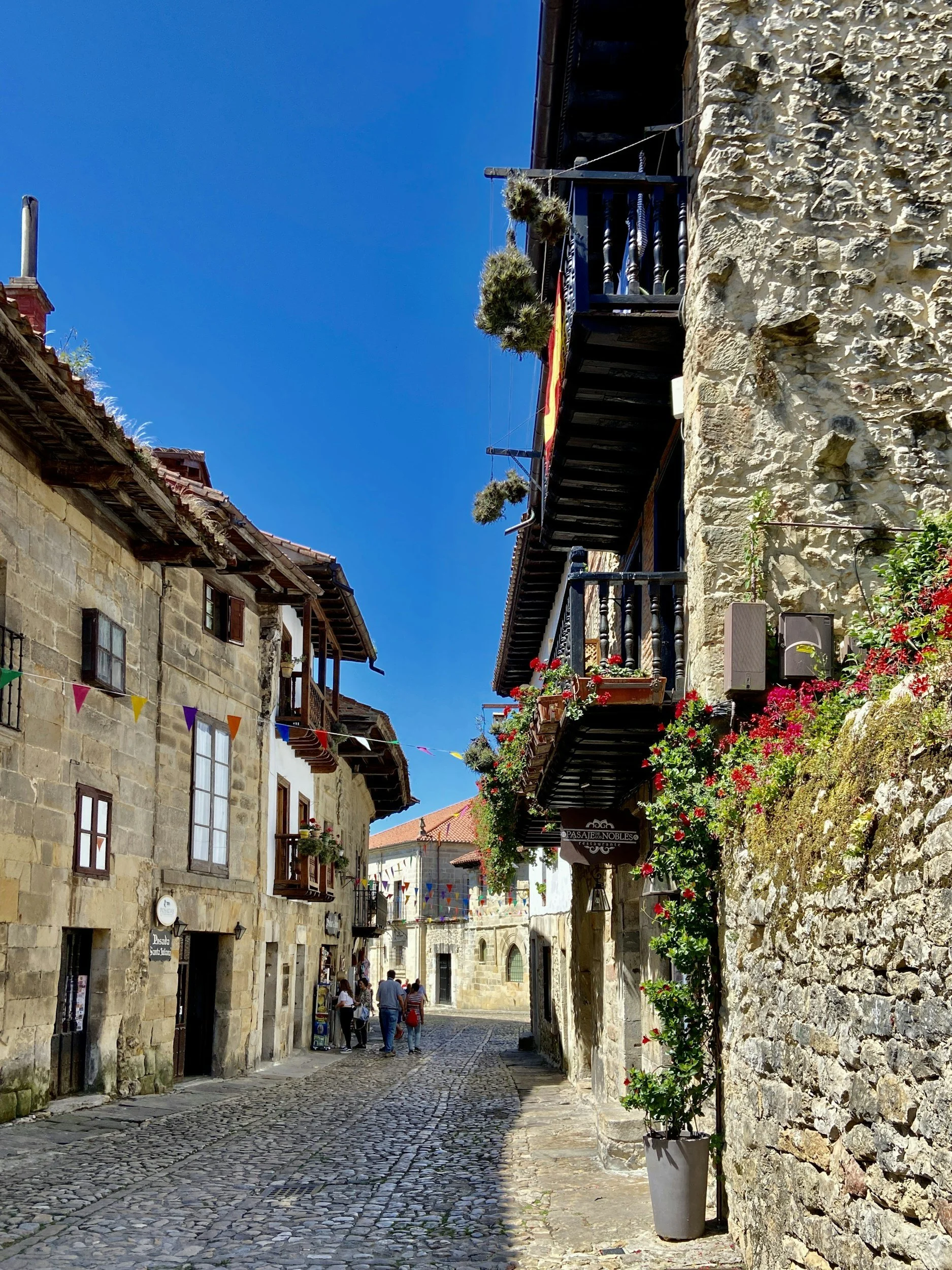
Santillana del Mar is easy to understand as soon as you arrive. The historic center is compact, and most of it follows a single stretch through the village. You walk it once, and you already know where everything is.
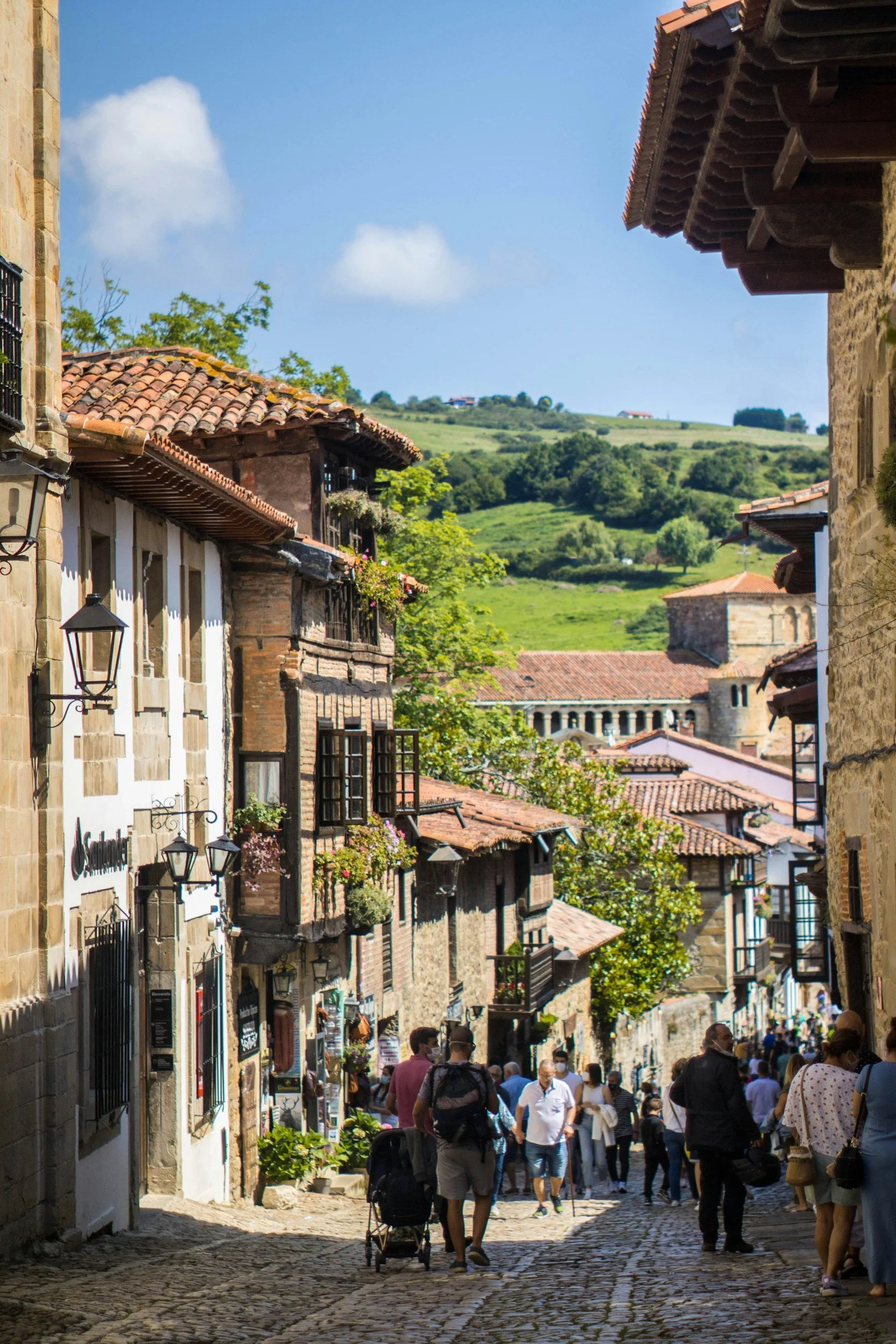
That’s also why many people don’t stay long. They come in, walk through the center, see the Colegiata, maybe stop for a coffee, and leave again. If that’s all you see, it can feel a bit one-dimensional.
Spend a little more time here and it changes.
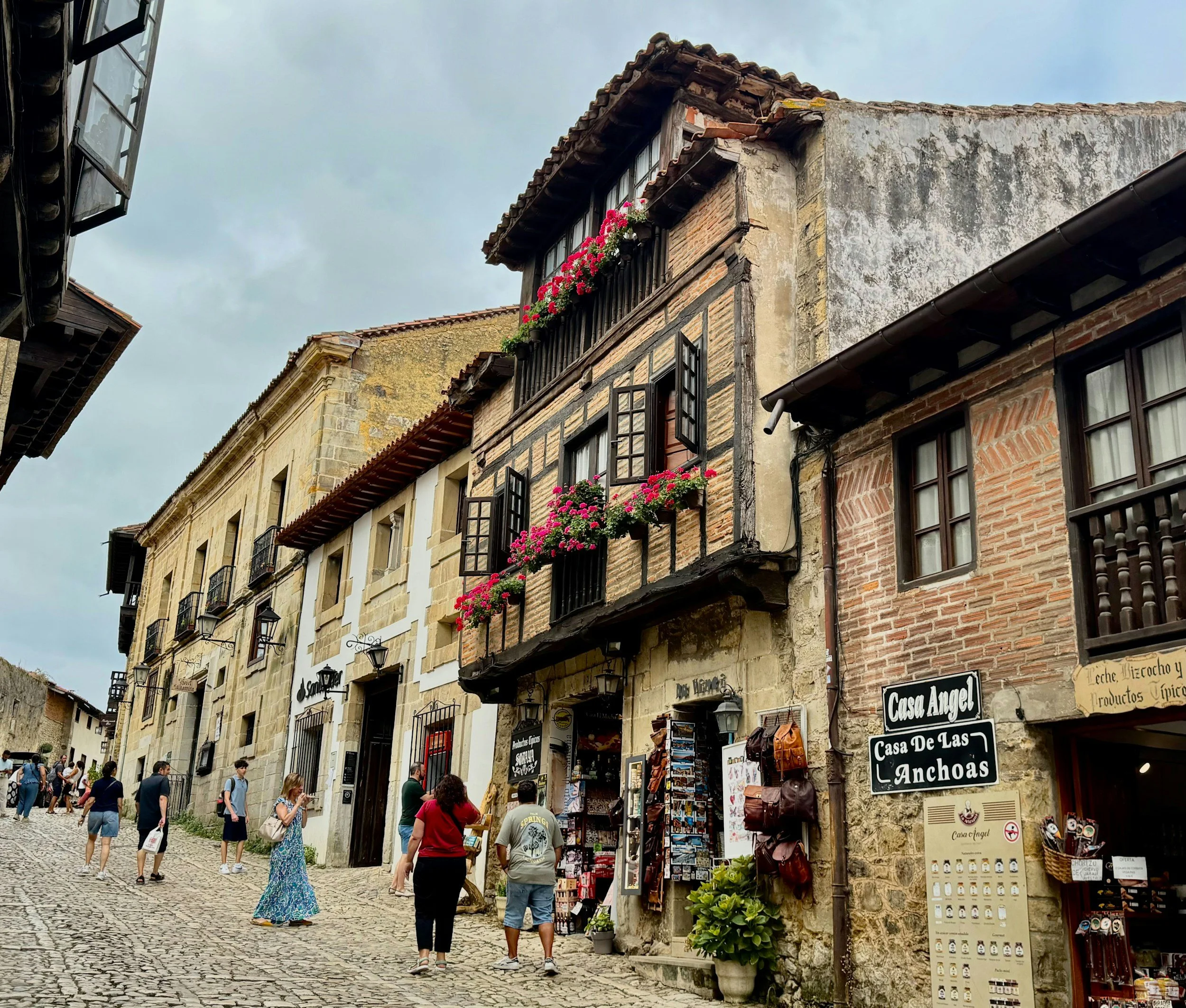
The side streets are quieter, even when the main path is busy. Some shops feel more like workshops than stores, with doors open and someone working in the back. A café might look closed at first, then slowly come to life as chairs are set out and a few locals drift in.
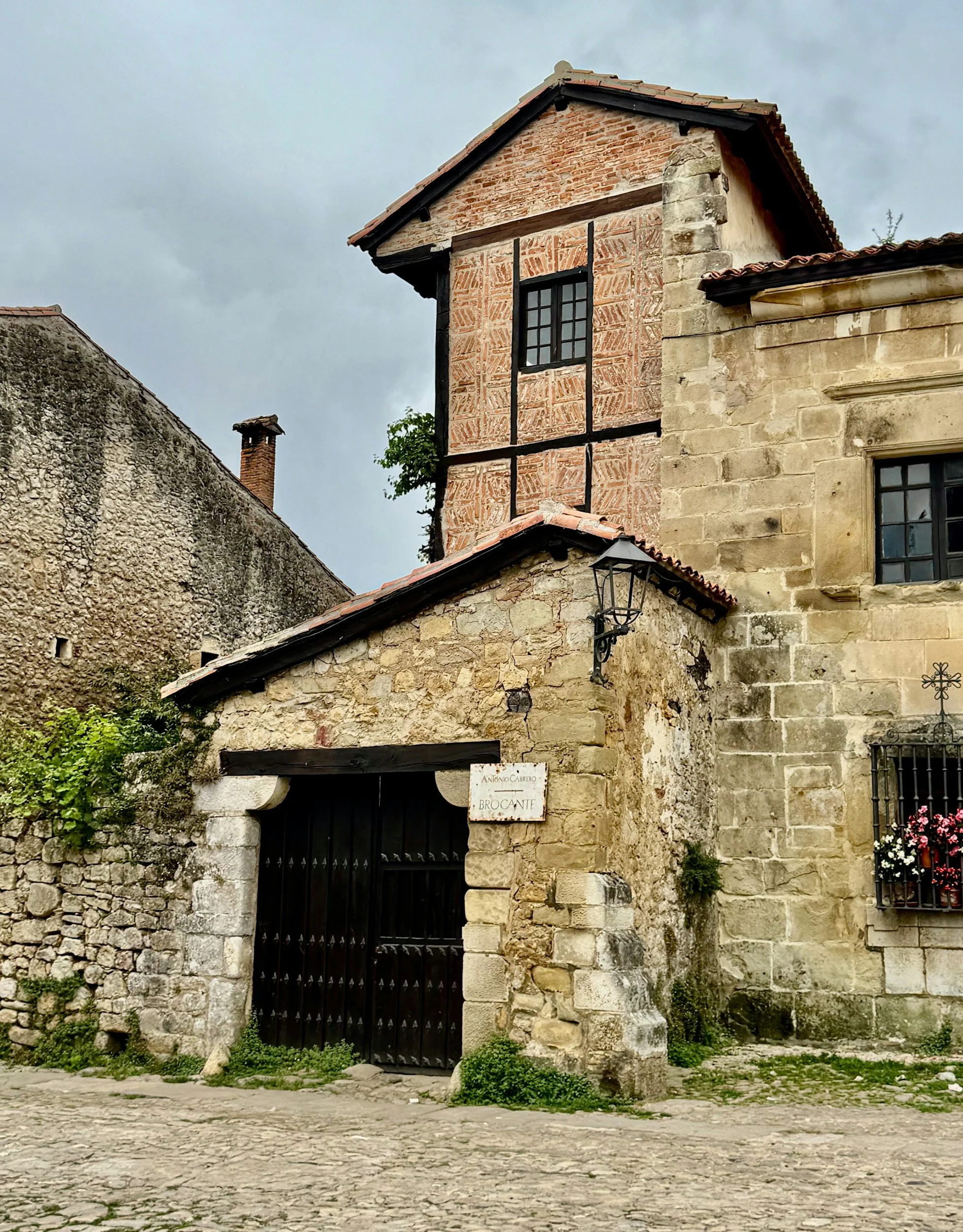
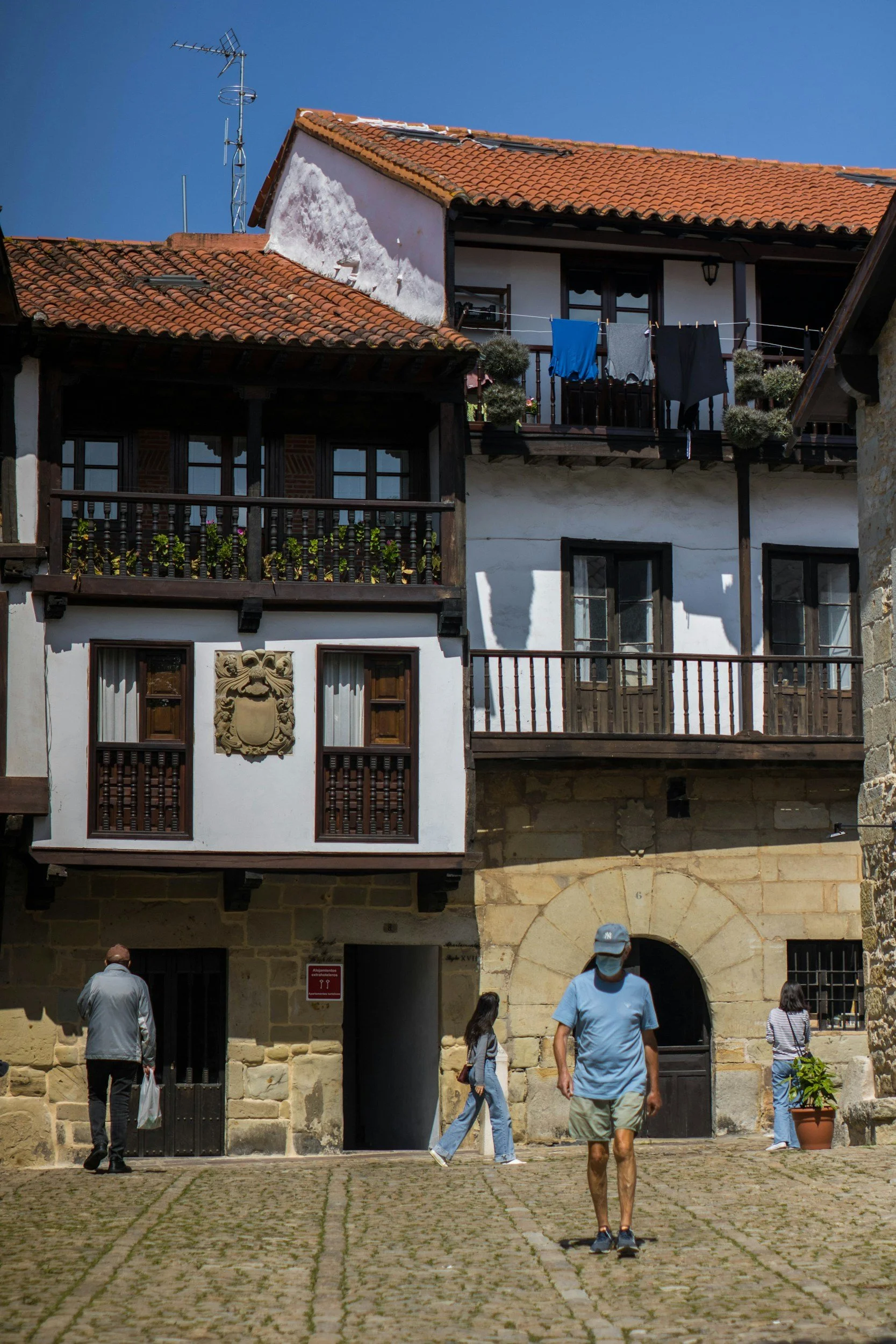
The buildings are what hold your attention if you start noticing them properly. The same pale stone runs through the whole village, but nothing is uniform. Balconies lean slightly, wood is worn from years of use, and small details show up the more you look. It hasn’t been polished into something perfect, which is why it still feels real.
The Colegiata de Santa Juliana sits just off the main street. It’s one of the few places where people naturally pause, not because they have to, but because it’s quieter than the rest of the village. The cloister, in particular, feels removed from everything else.
You can walk through Santillana del Mar in less than an hour. The difference is whether you keep moving or give it a bit more time. Compared to places like Comillas or the nearby coastal towns, Santillana del Mar is more about the village itself than beaches or sea views.
Cadaqués is more known, but still interesting to compare if you’re looking at market towns by the coast.
Ps. If you visit the Colegiata, don’t forget to stop by the nearby Museum of the Inquisition: it’s quirky, but it gives you a unique glimpse into the history of this small town. The museum is tucked away, and well worth a visit.
Explore Santillana del Mar’s Boutiques and Artisan Crafts
Most of the shops in Santillana del Mar sit along the main street through the old town, and at first they can look similar from the outside. Wooden doors, stone walls, a few items placed near the entrance. It’s only when you step inside that they start to feel different.
A lot of what’s sold here is still made locally. Ceramics, woven textiles, leather goods, small pieces of jewelry. Nothing is perfectly uniform, and you’ll notice that quickly. Plates in the same pattern come out slightly different, textiles vary in texture, and some pieces look like they’ve been made in small batches rather than produced all at once.
Taller de Cerámica de Jesús Otero sits just off the main square and is easy to miss if you’re not paying attention. Inside, the shelves are packed closely together with painted bowls, tiles, and plates, many in deep blues and earthy tones. Some are decorative, others feel like they’re meant to be used every day. It’s the kind of place where you pick something up, turn it over, and realise there are small differences in each piece.
Shops like Artesanía del Valle focus more on textiles. Wool blankets are stacked rather than displayed, and the materials feel thick and practical rather than delicate. Shawls, linen pieces, and woven fabrics are folded in piles, not styled for photos, which makes the whole space feel more functional than curated.
If you step a little away from the busiest part of the street, a few workshops feel closer to someone’s workspace than a shop. Doors are left open, you might hear tools or see someone working in the back, and there’s less pressure to buy anything. Those are usually the places where you slow down without really planning to.
It’s not somewhere you come to shop in a structured way. You walk, stop when something catches your eye, and move on again. Some shops close for a few hours in the afternoon, even during summer.
Where to stay in Santillana del Mar
Most places to stay in Santillana del Mar are small. You’re not choosing between big hotels here. It’s more guesthouses, small inns, and a few rentals, which fits the size of the village.
Posada la Casona de Revolgo is an easy option if you want to be close without being right in the middle of everything. It’s a short walk into the old town, but just far enough out that it stays quieter, especially in the morning. The rooms are simple, a bit rustic, and there’s a small garden where people usually sit with coffee rather than rushing out.
A lot of people end up booking a casa rural, either in the village or just outside. These are more like converted homes than hotels, so they all feel a bit different. Some are very basic, others more styled, but in general they’re relaxed and personal. Breakfast is usually straightforward, and the hosts tend to give better local tips than you’ll find online.
Northern Spain in general feels different, greener, slower, and less crowded than most people expect.
Airbnbs are split between the center and the countryside. In the village, places are often smaller and set in older buildings, which can mean less light but a better location. Just outside, you’ll find bigger houses with views over the hills. Those feel more private, but you’ll need a car.
The village itself is small, so you’re never far from anything. It’s more about whether you want to step straight out into the main street, or have a bit of distance from it once it gets busier during the day.
There are actually a few places like this across Spain, just not the ones you usually hear about.
Posada la Casona de Revolgo
What to Do in Santillana del Mar and Nearby
Santillana del Mar isn’t somewhere you fill with activities. Most of your time will be spent walking through the village, but there are a few places nearby that are worth knowing about before you arrive.
The Altamira cave museum is the main one. It’s about a 5-minute drive or roughly a 25-minute walk from the center of the village, following a quiet road out past open fields. The original cave is closed, but the museum includes a full-scale replica where you walk through the space as it would have looked, with the ceiling paintings above you. The visit takes around an hour, and it’s worth going early in the day before it gets busier.
Back in the village, the easiest thing to do is simply walk without a plan. Start at one end of the main street, go all the way through, then turn off onto one of the smaller side streets on your way back. Some of them loop back into the center, others just end quietly. It doesn’t matter which direction you take.
If you want to get out of the village for a bit, you don’t need to go far. Even a 10–15 minute walk outside the historic center brings you into open countryside, with low stone walls, fields, and very little traffic. It’s not marked as a “trail,” but that’s part of why it works.
The coast is also close if you have a car. Suances is about 10 minutes away and is where people from the area go for the beach. Playa de Los Locos is the more open stretch, while La Concha is smaller and more sheltered. It’s an easy way to break up your time in Santillana without committing to staying somewhere busier. If you’re heading towards the coast, Cedeira has a similar pace, but by the water.
Parque Natural de las Marismas de Santoña is further out, closer to an hour by car, so it only makes sense if you’re exploring more of Cantabria. It’s flat, open, and known for birdlife, especially outside peak summer. Not essential for a short stay, but worth knowing if you’re planning a longer route.
And if you like the local feel here, some of the smaller coastal towns do it really well in summer.
If you’re up for it, take a slow walk through the surrounding woods at sunset. The light on the trees and the peaceful silence make it one of the most tranquil moments of the day.
How to Get Here
Santillana del Mar is located about 30 minutes from the nearest airport, Santander, and is easily reachable by car or bus. It’s a perfect stop on a slow travel itinerary through northern Spain. If you’re arriving by train, Santander is well-connected to major cities like Madrid, Bilbao, and Oviedo, so it’s easy to combine Santillana with other nearby destinations.
If you’re coming from the coast, it’s just a short drive through scenic hills and along winding roads, making the journey as much a part of the experience as the destination itself.
FAQs about Santillana del Mar
Is Santillana del Mar worth visiting?
Yes, but it depends on how you visit. If you arrive for a quick stop in the middle of the day, it can feel crowded and a bit one-dimensional. Staying overnight or visiting early in the morning makes a big difference, when the streets are quieter and the village feels more local.
How much time do you need in Santillana del Mar?
You can walk through the village in under an hour, but most people spend 2–4 hours including a café stop. If you visit the Altamira museum or stay overnight, it’s easy to stretch it into a full day without rushing.
Is Santillana del Mar touristy?
It can feel busy during the middle of the day, especially along the main street through the old town. Early mornings and evenings are noticeably quieter, and that’s when the village feels at its best.
Can you stay overnight in Santillana del Mar?
Yes, and it’s actually one of the better ways to experience it. There are small guesthouses and rural stays both in the village and just outside. Staying overnight means you get the quieter hours before and after day visitors arrive.
Do you need a car in Santillana del Mar?
Not if you’re only staying in the village. Everything is walkable. But if you want to visit places nearby like the coast (Suances) or explore more of Cantabria, having a car makes it much easier.
How do you get to Santillana del Mar from Santander?
It’s about a 30-minute drive from Santander. You can also take a bus, which takes around 40–50 minutes depending on the route. If you’re arriving by train, Santander is the closest major station.
What is there to do near Santillana del Mar?
The Altamira cave museum is the closest major site, just a few minutes away. The beaches around Suances are about 10–15 minutes by car. For a longer outing, Parque Natural de las Marismas de Santoña is around an hour away.
When is the best time to visit Santillana del Mar?
Late spring and early autumn are the easiest times to visit, with milder weather and fewer people. In summer, it gets busier during the day, but mornings and evenings are still quieter.