
Cedeira, Spain: the Galician coastal town I’d visit before the beach season
Some towns are built for postcards. Others are built for peace of mind. Cedeira, a fishing village tucked into the wild north coast of Galicia, belongs firmly in the second camp. You won’t find neon signs pointing to “top attractions” or a curated old town polished up for Instagram. What you will find: cliffs that drop dramatically into the Atlantic, fishermen repairing nets on the pier at sunrise, cafés where the coffee is cheaper than your pastry, and a lifestyle so slow it feels like a reset button for your brain.
This is Galicia at its most honest. The region has always been different from the rest of Spain: more Celtic than Mediterranean, with misty green hills, bagpipes instead of flamenco, and a coastline that feels closer to Ireland than Ibiza. Cedeira reflects that spirit perfectly. It’s a working town first, a travel destination second, which is exactly what makes it feel so refreshing.
If you’ve ever thought, I just want to sit by the sea somewhere no one talks about yet, Cedeira is that place. And spring is when it truly shines. From March to June, the wildflowers bloom, the air smells of eucalyptus and salt, and the beaches are so quiet you might wonder if they’ve been forgotten. It’s warm enough to sit outside with a glass of Albariño, yet cool enough to make those long coastal walks feel easy.
Cedeira tends to attract the same kind of people who are already looking for quiet Spanish towns worth visiting. If that’s how you usually travel, this will feel very familiar in the best way.
Where Is Cedeira, Spain?
Cedeira sits on the Atlantic coast in Galicia, in the far northwest of Spain, about an hour north of A Coruña.
The town curves around a wide bay, with a small harbor at one end and a long stretch of sand, Praia da Madalena, running along the front. Most of what you’ll need is within walking distance: the seafront promenade, a handful of cafés, bakeries, and places to eat clustered near the water.
It’s not a place with distinct “districts.” You’ll walk the same few streets more than once, usually without noticing.
Getting here takes a bit of planning.
The closest airport is A Coruña (about 1h15 by car), followed by Santiago de Compostela at around 1h45. From either, you’ll need a car. There’s no train to Cedeira, and while buses do run, they’re limited and don’t give you much flexibility once you arrive.
The drive itself is straightforward at first, then slows as you get closer. Once you pass towns like Ferrol, the road narrows and starts to wind along the coast. You’ll go through small villages, pass roadside cafés and local bars, and get occasional views out over the Atlantic, especially on the final stretch into Cedeira.
Arriving is simple. You come down into the town from above, follow the road toward the harbor, and within a few minutes you’re at the waterfront. There’s parking along the promenade and in small lots just behind it.
From there, you won’t need the car much.
If you keep following the coast at some point, Cadaqués comes up a lot. It’s not the same, but there’s a similar coastal feel to it. This Cadaqués market weekend guide gives you a sense of what it’s like.
Further along the north coast, places like Santillana del Mar feel more preserved and a bit more “put together.” This guide to summer in Santillana del Mar shows the difference quite well.
If you head inland instead, Soria province has that same quiet, local feel, just without the coastline.

Where to Stay in Cedeira: Small, Local, and Personal
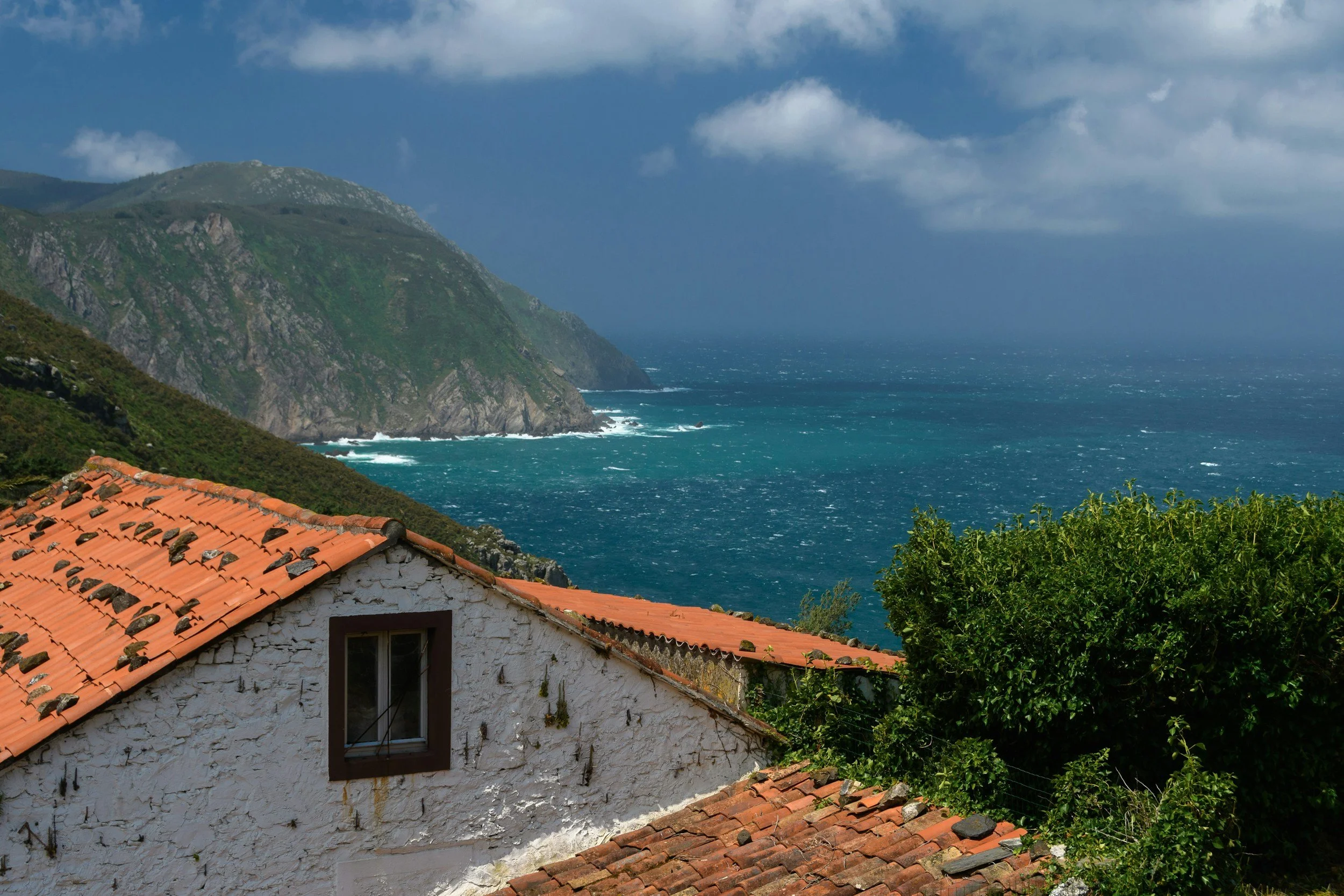
Cedeira isn’t a place where you scroll through pages of hotels trying to find “the best one.” Most stays here are small, slightly uneven, and very much part of the town itself. You’ll notice it as soon as you arrive. There’s no clear line between where people live and where visitors stay. A guesthouse might sit above a restaurant, or halfway down a quiet street where someone’s hanging laundry out the window in the morning.
That’s also why where you stay matters more here than in bigger destinations. It shapes your whole rhythm. You don’t come down to a polished breakfast setup. You might sit in a small dining room with a cup of coffee while someone in the kitchen is prepping for lunch service, or step straight out onto the street and walk down to the harbor before anything has really started for the day.
Hostal Mesón Leira Antiga is a good example of that. It’s right near the harbor, close enough that you can walk down in a couple of minutes and see what’s come in that morning. The building itself is simple, nothing styled or overthought, but downstairs the restaurant pulls in locals throughout the day. Around lunchtime, you’ll see a mix of fishermen, workers on their break, and a few visitors who’ve figured out it’s a reliable spot. Staying here means you’re right in it. You step outside and the town is already moving around you.
If you’d rather have a bit more distance, Casa Rural Cordobelas sits just outside town, where things start to open up. The drive there takes a few minutes, winding slightly uphill, and then suddenly it’s quieter. You’re surrounded by green hills, scattered houses, and that soft coastal air that always smells faintly of eucalyptus. Mornings feel slower here without you having to try. Windows open, light coming in early, and not much else going on. It works well if you want to dip into Cedeira for a few hours and then come back out again.
A lot of people end up choosing to rent instead, especially if they stay for more than a couple of nights. Around the bay, there are small apartments with balconies facing the water, and older houses with thick stone walls that keep things cool even on warmer days. In spring and early summer, before things get busy, some of these places are quietly available.
It’s a different kind of stay. You pick up bread from a local bakery in the morning, maybe stop by a small grocery shop for tomatoes and cheese, and have breakfast at your own pace. Later in the day, you might sit by the window with a coffee and watch the boats come back in. It’s simple, but it makes you feel less like you’re passing through and more like you’ve slipped into everyday life here for a while.
Cedeira also one of those places that just works if you’re on your own. You don’t have to fill your time or plan much. If that’s your thing, you’ll probably like this take on Spanish small towns for solo travelers.
What to Do in Cedeira
You don’t really plan your days in Cedeira. You head out for a walk, maybe thinking you’ll just stretch your legs, and then an hour later you’re still outside, somewhere along the coast, not quite sure when you decided to keep going.
That’s usually how the walk toward Punta Sarridal starts.
Walk the Coastal Path to Punta Sarridal
The walk to Punta Sarridal starts just behind the harbor, near the small beach Praia da Madalena. If you follow the road past the marina and keep going toward the quieter residential edge of town, you’ll see the path pick up from there. There’s no big entrance or sign telling you you’re heading somewhere special. It just gradually turns from street into a dirt and gravel track.
The first part still feels close to town. A few houses, parked cars, someone tending a garden. Then it opens up quickly. The path starts to climb slightly, and you get your first clear view back over the bay, with Cedeira spread out below and the curve of the beach easy to recognize.
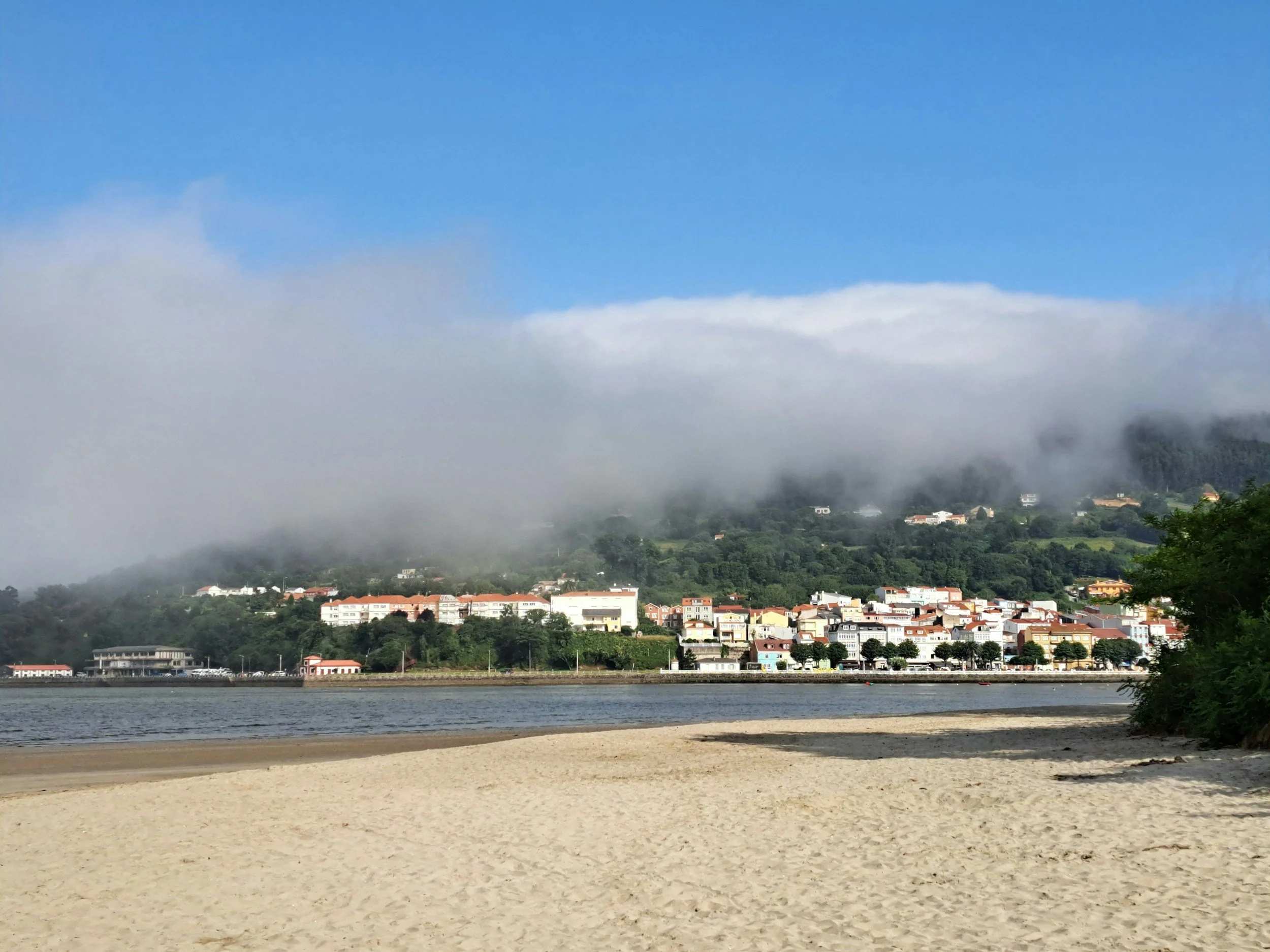
From there, the route follows the coastline without doing anything complicated. You don’t need hiking shoes or a map. It’s one clear path, with a few uneven sections where the ground is a bit rocky, but nothing technical. Some parts run close to the edge where you can look straight down at the water hitting the rocks. Other stretches pull slightly inland where you’re walking between grass, low shrubs, and patches of eucalyptus.
You’ll notice the smell in those sections, especially if it’s damp. It’s quite strong, almost minty, and it lingers as you pass through. On clearer days, you can also see further up the coast toward the cliffs around Serra da Capelada, which are some of the highest in this part of Spain.
There aren’t many people on the path, even in decent weather. You might pass one or two locals walking their dogs, but that’s usually it. Most of what you hear is the wind and the ocean below, which gets louder the closer you are to the edge.
At the end of the path, you reach the remains of the castro. It’s not marked in a dramatic way. Just low stone outlines, uneven and partly covered by grass. Easy to miss if you keep walking without stopping. But once you do stop, you realize how exposed the location is. There’s nothing in front of you except open Atlantic, and no real barrier between you and the drop.
If you go in the late afternoon, the light hits the bay behind you and the water in front of you at the same time, which makes the whole area feel a bit softer. It’s also quieter then. Just keep in mind that the wind here is usually stronger than in town, even on calm days, so bringing an extra layer makes a big difference once you stop moving.
If the old castro near Punta Sarridal got your attention, there’s quite a lot of that kind of history around Spain - just not always obvious. This piece on abandoned castles in Spain goes a bit further into that.
Hide Out in a Rainy-Day Café
Rain in Cedeira doesn’t really interrupt your plans. It just changes where you go next. You’ll notice it coming in quickly - the sky shifts, the air cools, and within a few minutes people start moving indoors without much hesitation.
That’s usually how you end up somewhere like Cafetería La Perla. It sits right in the center, close enough to the harbor that you’ll likely pass it more than once. Inside, it’s straightforward. No redesign, no effort to modernize anything. A glass counter with tortillas and pastries, a few small tables, and locals coming in throughout the day. The tortilla is always there, cut into thick slices, slightly glossy on top and served the way it usually is in Galicia: not hot, just right. Coffee comes quickly, and no one is trying to turn tables.
If you walk a couple of minutes further, Café Bar O Amanexo feels a bit more crowded, especially when the rain picks up. People stand by the counter, talk across each other, and stay longer than they probably planned. There are pastries under glass, newspapers on the bar, and windows that fog up enough that you stop paying attention to what’s happening outside.
What usually happens is simple. You go in to get out of the rain, order a coffee, maybe something small to eat, and then you just stay. Another coffee, maybe a slice of almond cake, and suddenly an hour has passed.
Eat Like You Actually Live Here
Food in Cedeira isn’t something you plan your day around. You eat when you’re hungry, where it makes sense to stop, and most places keep things simple on purpose. Menus are short, ingredients change depending on what came in that morning, and no one is trying to turn it into an “experience.” It’s just good food.
Right by the harbor, Taberna Praza do Peixe is one of those places you’ll probably walk past before realizing you should go in. It’s small, a bit tight inside, and the menu is usually written up on a board rather than handed to you. What you order depends on the day, but seafood is the reason to come here. Razor clams show up often, cooked simply with garlic and olive oil, and if percebes are available, you’ll see them on nearby tables before you decide whether to order them yourself. They don’t look appealing at first, but once you get past that, the taste is very clean, very salty, very much tied to the coast you’ve been walking along.
A few minutes away, closer to the waterfront, Mesón do Mar is more of a sit-down lunch place. Nothing about it feels designed or styled. You come here when you have time. Grilled hake, fried calamari, octopus with paprika and olive oil, usually served with boiled potatoes on the side. Portions are generous without being heavy, and meals tend to stretch a bit longer than expected. A glass of Albariño makes sense here, especially if you’re sitting down for a while.
For something simpler, Panadería Pallares is the kind of place you end up visiting more than once without planning to. It’s a local bakery, nothing fancy, but the empanadas are what people come in for. You’ll see trays behind the counter with different fillings - tuna with peppers is the most common, but it changes depending on the day.
It’s worth picking one up and walking back down toward the harbor. There’s a low wall along the water where people sit, especially later in the day, and it’s an easy place to stop for a while with something to eat.
Markets are very different depending on where you are in Spain. The quieter ones tend to feel more local, less set up for visitors. If that’s something you enjoy, these quiet summer markets in Spain are worth a look.
What It’s Actually Like to Spend Time in Cedeira
Cedeira is a working coastal town first, with everything else coming second. The harbor is still the center of things, and what happens during the day often depends on the weather more than anything else.
If you’re used to places like San Sebastián or Valencia, where things are more structured and predictable, this can feel a bit slower at first. Shops don’t always follow exact hours, restaurants open when they’re ready, and some afternoons feel almost too quiet if you’re expecting constant activity.
Order Albariño, Not Sangria
If you sit down at a bar and ask for sangria, you’ll get some polite looks - it’s just not the drink here. Cedeira is in Galicia, one of Spain’s best wine regions, and the local Albariño is the perfect choice. It’s crisp, slightly citrusy, and designed for seafood. A glass usually costs around €2–3, which makes it both affordable and better quality than anything bottled for tourists. Pair it with clams, razor shells, or grilled sardines, and you’ll understand why locals rarely drink anything else with seafood.
Shops Close in the Afternoon
Between 2 p.m. and 5 p.m., don’t expect to get much done. Shops close, many cafés shut their doors, and the streets go quiet. It’s not laziness - it’s the traditional siesta rhythm. Most people eat their biggest meal of the day at lunch, then rest before heading back to work or reopening in the evening. Plan ahead: buy your bread or pastries in the morning, and don’t leave shopping for later in the day. If you forget, use the quiet hours for a walk by the harbor or a nap, like the locals do.
Wi-Fi and Signal Aren’t Always Reliable
This is not the kind of town where you’ll set up a laptop in a café and stream for hours. Wi-Fi in guesthouses and apartments is usually fine for emails or casual browsing, but it’s not reliable enough for remote work. Mobile signal drops quickly once you leave the center and head for the cliffs or hiking paths. It’s better to think of Cedeira as an offline escape - bring a book, download maps ahead of time, and lean into the slower pace.
The Weather Will Keep You On Your Toes
Galicia is famous for its green landscapes, which means regular rain. In Cedeira, spring weather can be unpredictable: sunshine in the morning, drizzle by lunch, and mist in the evening. The good news is that it rarely rains all day. Pack layers, waterproof shoes, and a windbreaker. Instead of fighting the weather, embrace it - the clouds rolling over the cliffs are part of the scenery, and cafés are extra cozy when the rain taps on the windows.
Spring is the Best Time to Visit
Locals will tell you that April through June is when Cedeira shows its best side. The wildflowers are in bloom, the air is fresh, and the seafood is excellent after the winter season. The town feels lived-in but not busy, and beaches are often empty. Summer brings more Spanish visitors, especially families from Madrid and inland Galicia, but it never reaches the tourist levels of southern Spain. If you’re looking for peace and quiet, spring is your sweet spot.
Life Here is Simple
You won’t find boutique hotels, rooftop bars, or late-night clubs. What you will find: bakeries selling Galician empanadas that locals order by the tray, fishermen fixing nets at sunrise, neighbors playing dominoes outside small bars, and kids kicking footballs in the square until dark. It’s not curated for visitors… Cedeira is about everyday life.
Why Cedeira Is Worth Coming to in Spring
Cedeira makes more sense when you’re actually there than it does on paper. You arrive, walk down toward the harbor, and notice how everything is built around it - fishing boats tied up along the quay, a few people sorting nets, cafés already open along the edge of Praza Roxa. It’s not staged or especially pretty in a polished way, but it feels real straight away.
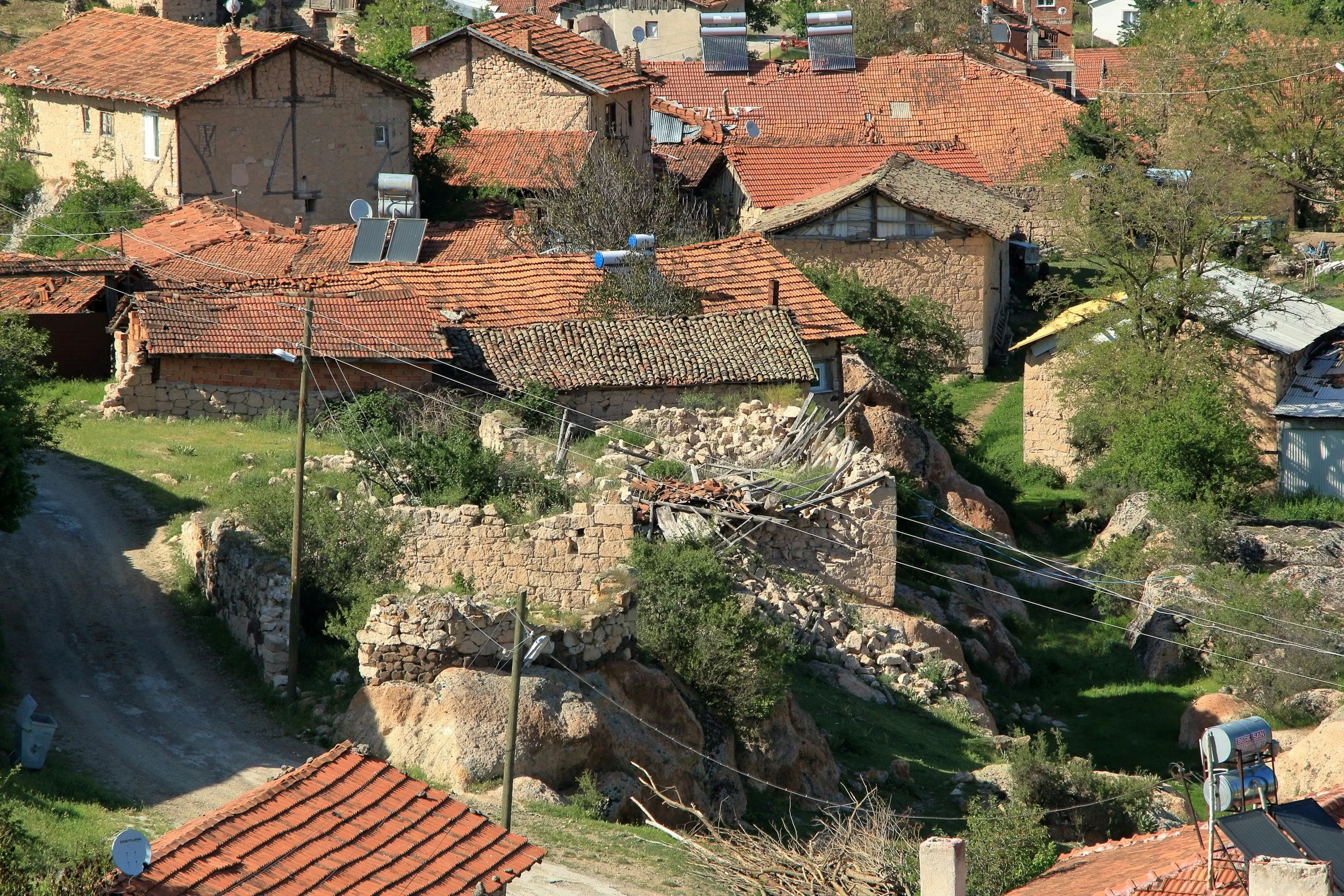
Spring is when the town feels the most balanced. You can walk the full stretch of Praia da Madalena without it being crowded, and the light is soft enough that the bay looks completely different depending on the time of day. In the morning, it’s quiet and slightly grey. By late afternoon, it picks up warmer tones, especially if you’re looking back toward the town from the far end of the beach.
Spring is also a really good time for this kind of travel in general. If you want more places with a similar feel, this list of Spain’s lesser-known villages to visit in spring is a good next step.
If you head out of the center, even just ten minutes on foot, things change quickly. The road toward Punta Sarridal pulls you away from everything - fewer buildings, more open land, and the coastline stretching out in a way that feels uninterrupted. On clear days, you can see up toward the cliffs of Serra da Capelada, which are some of the highest along this part of the Atlantic coast.
Food follows the same pattern as everything else here. You don’t book ahead or plan too much. You end up at places like Taberna Praza do Peixe, where the menu depends on what came in that day, or you sit down at Mesón do Mar and stay longer than expected over grilled fish and a glass of Albariño. It’s straightforward, but it’s exactly what fits the place.
What stands out most is how little anything is adapted. There are no signs pointing you toward “must-see” spots, no clear route through the town. You figure it out as you go, like which street leads back to the harbor, where people tend to stop for coffee, which bakery still has empanadas left in the afternoon.
Spring gives you space to do that without pressure. You’re not competing for tables, not adjusting your day around crowds, not stressing between places. You just move through the town at the same pace as everyone else, and after a day or two, that pace starts to feel natural.
If you’re thinking of turning this into a longer trip, northern Spain works best when you move between smaller places rather than staying in one base. This guide to autumn getaways in northern Spain villages is helpful for that.
And if you end up in a bigger city later on, it’s still possible to keep that slower pace. These cozy cafés in Seville are a good example of that.
FAQ: Visiting Cedeira, Spain
Is Cedeira worth visiting in spring?
Yes, spring is actually one of the best times to visit Cedeira. The coastline around Punta Sarridal is green, the air feels clear after winter, and the town is still quiet. You’ll have space on Praia da Madalena, and restaurants aren’t busy yet.
If you’re trying to avoid crowds in Spain, this is the timing that makes the biggest difference.
How do you get to Cedeira from A Coruña or Santiago?
The easiest way is to drive. From A Coruña Airport, it takes about 1 hour 15 minutes. From Santiago de Compostela Airport, closer to 1 hour 45 minutes.
There’s no train connection, and buses are limited, so having a car makes a big difference, especially if you want to explore the coastal roads toward Serra da Capelada.
Can you visit Cedeira without a car?
Yes, but it’s not the easiest destination without one. You can get there by bus, but schedules are limited and slower than driving.
Once you’re in town, everything is walkable -the harbor, Praia da Madalena, cafés, and restaurants. But if you want to reach places like Punta Sarridal or drive along the cliffs, a car makes the experience much better.
How many days do you need in Cedeira?
Most people stay 2–3 days. That’s enough time to:
walk the coastal path
spend time around the harbor
have a few long meals without rushing
If you enjoy slower travel, it’s the kind of place where staying longer actually works.
What is Cedeira known for?
Cedeira is known for its fishing culture, fresh seafood, and its location near the cliffs of Serra da Capelada.
It’s not known for landmarks or attractions. What stands out is how local it still feels compared to more developed coastal towns in Spain.
Is Cedeira similar to San Sebastián or northern Spain cities?
No… and that’s exactly why people like it.
Places like San Sebastián are more structured, with a clear food scene and more tourism infrastructure. Cedeira is much smaller, quieter, and less curated. There’s no “old town experience” or packed pintxos bars, just everyday life by the coast.
Is Cedeira crowded in summer?
July and especially August are busier, but it still doesn’t reach the level of southern Spain or major northern destinations.
Spring and early autumn are noticeably quieter, with more space in cafés, on the beach, and along the coastal paths.
What food should you try in Cedeira?
Seafood is the main reason to eat out here. Look for:
razor clams
octopus
grilled fish
percebes (if available)
For something simple, bakeries sell empanadas that are easy to take down to the harbor.
Is Cedeira a good destination for solo travel?
Yes. It’s small, safe, and easy to navigate. You won’t feel out of place on your own, whether you’re walking along the coast or sitting in a café for a while.