Where to stay on Bornholm without spending half the trip on buses
Bornholm works perfectly well without a car, but I would be quite picky about where I stayed. The Danish island is bigger than it first looks, at 588.3 square kilometres, and Rønne to Svaneke is around 30 km. Since the ferry arrives in Rønne and the town is the main bus hub, it is very tempting to book there and assume you have solved the transport question.
For a short trip, you probably have. For a longer one, not necessarily.
If most of what you want to do is around Gudhjem, Svaneke or the north coast, staying in Rønne can mean spending a surprising amount of time getting back there every evening. Saving yourself one transfer on arrival is less impressive when you then repeat the same long bus journey three or four times during the week.
The month also changes the answer. Bornholm’s summer coast buses make Gudhjem and Svaneke much more useful bases than they are at other times of year, so I would never book simply because somebody online said Rønne was “the easiest place to stay”. That advice may be completely sensible for one set of dates and unnecessarily inconvenient for another.
And then there is Gudhjem, where the exact hotel pin matters almost as much as choosing the town itself. The main intertown stop, Gudhjem Øvre, sits above the harbour. A room by the water sounds lovely until you realise that getting to many of the buses means climbing back uphill, potentially with luggage. I would still choose Gudhjem for the right trip, but I would definitely check that walk before paying for the room.
So my starting point is fairly simple. For two or three nights, a late arrival or a trip outside the main summer season, I would usually choose Rønne. For four or five summer nights, Gudhjem is much more interesting as a base, especially if you want to spend time in both the north and east. Svaneke is the one I would choose when the holiday is meant to stay more firmly on the east and south-east side of the island rather than trying to cover everything.
Before booking any of them, I would check the travel dates, the ferry arrival time and the exact accommodation pin. On Bornholm, those three details can make a bigger difference than which town looks nicest in the photos.
And if the ferry timings give you a morning in Copenhagen, I’ve already done the important research: where I’d go for breakfast before carrying on.
So, where should you stay?
For two or three nights, I would choose Rønne. The ferry arrives here, the bus network radiates out from here, and it is the place where a late arrival, early departure or change of plan causes the least fuss. It is also the safest choice from October into early June, when Bornholm’s more useful summer connections are no longer running and the smaller coastal towns become less forgiving if your timings are awkward. You are not choosing Rønne because it gives you the prettiest evenings on the island. You are choosing it because, on a short trip, wasting half a day fixing transport is much more annoying than spending an extra 20 minutes somewhere nicer for dinner.
For four or five summer nights, I would lean towards Gudhjem. This is where the geography starts working in your favour. You are closer to the north and east, the boat to Christiansø leaves from the harbour, and during the coast-bus season you can move between Gudhjem, Svaneke, Hammershus and the south-east far more easily than the map might suggest. The one thing I would not gloss over is the hill. Gudhjem Øvre sits above the harbour, so a room that looks beautifully central on a booking site can still leave you climbing steeply every time you need one of the main buses.
For four to six nights, Svaneke is the one I would choose when I had already accepted that I was not going to use the holiday to cover every corner of Bornholm. Svaneke Torv keeps the bus, groceries and most of the town’s evening life close together, and you are better placed for Nexø, Balka, Snogebæk and the south-east. It is a much less convincing choice if Hammershus and the north coast are going to appear on your itinerary every other day. At that point you have picked the wrong end of the island.
And if Hammershus, Hammerknuden and north-coast walking are the main event, I would ignore the three-town comparison altogether and stay in Allinge-Sandvig. Allinge is better for everyday services and buses, while Sandvig puts you closer to the walks and the beach. They are only a few kilometres apart, but on a car-free trip that is enough to matter.
Once you have six or seven nights, moving once starts to earn its keep. The easiest version is often a night in Rønne around the ferry and then a longer stay in Gudhjem or Svaneke. I would still avoid changing hotels just for the sake of seeing more towns. One move is useful when it cuts out several long return journeys; beyond that, you are mostly just repacking.
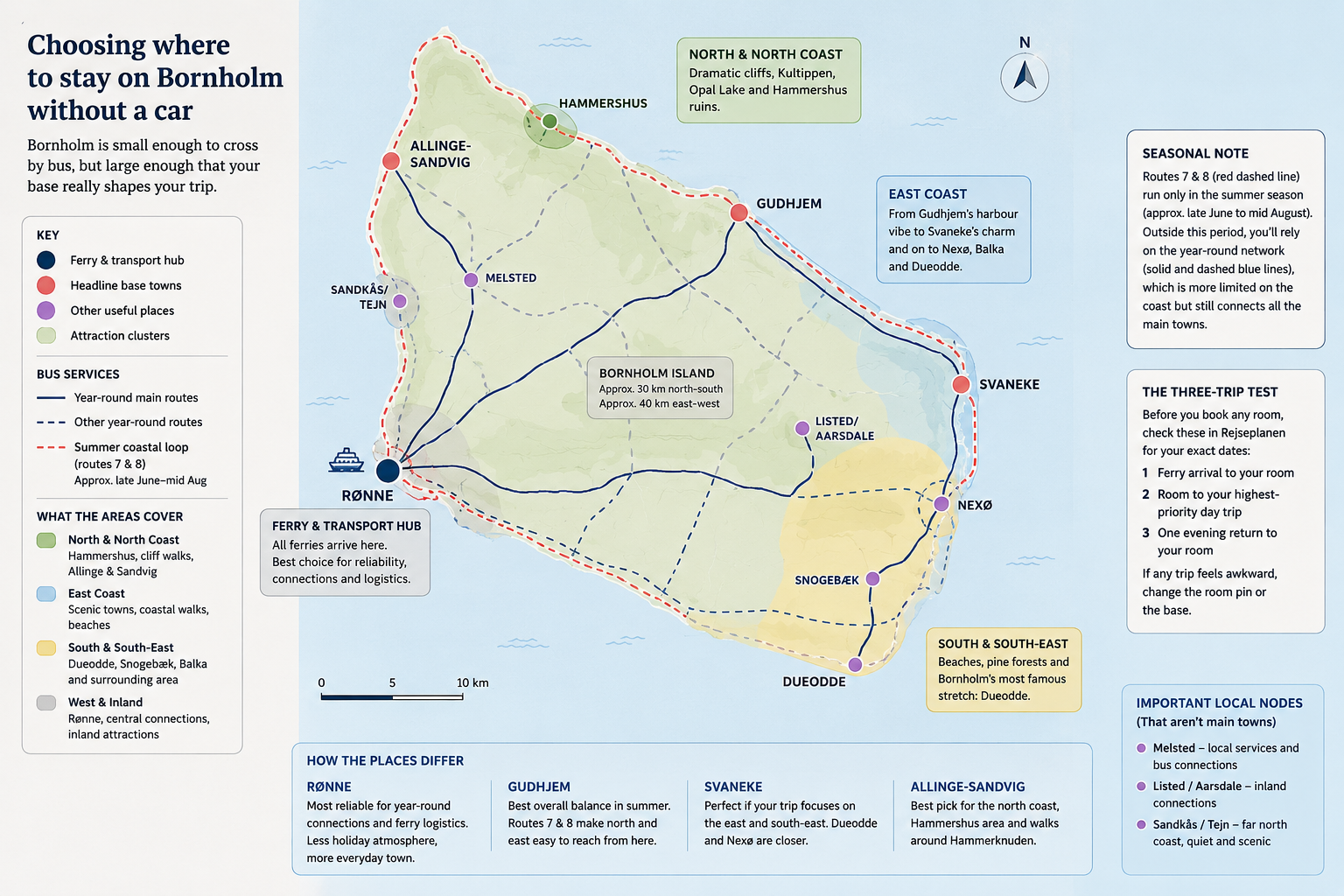
Bornholm is small enough to cross by bus, but large enough that your base matters. The summer coast routes make Gudhjem and Svaneke considerably more useful for trips between the north and south-east.
Check these two things before choosing a town
Are the summer coast buses running on your dates?
Before deciding between Rønne, Gudhjem and Svaneke, I would check whether BAT’s seasonal routes 7 and 8 are operating, because they change the usefulness of the east-coast towns quite dramatically and are one of the main reasons that advice about the “best” Bornholm base can seem so inconsistent.
The coast buses generally operate from early June until late September, but the exact dates change, so this is one timetable I would check before booking rather than assuming that a September trip automatically counts as summer. While they are running, routes 7 and 8 travel around the island in opposite directions and connect places including Rønne, Hammershus, Gudhjem, Svaneke, Nexø, Balka, Snogebæk and Dueodde, which gives both Gudhjem and Svaneke far more useful direct connections than they have during the rest of the year.
From Gudhjem, that means you can head north towards Hammershus or south through Svaneke towards the beaches without first returning to Rønne, and Gudhjem Øvre to Svaneke Torv is only around half an hour on a representative summer service. That is a big enough difference to change how I would plan four or five nights, because Gudhjem stops being somewhere you choose mainly for the town itself and becomes a genuinely useful base for seeing quite a large part of Bornholm.
Svaneke gets an equally important boost in summer. It already has year-round connections towards Nexø and the east coast, but the seasonal routes give it a much simpler direct journey towards Dueodde and, in the other direction, Gudhjem and the north. If beach days around Balka, Snogebæk and Dueodde are high on your list, that can make Svaneke far easier to live with than its position on the map initially suggests.
The awkward period is late September, when accommodation may still look firmly in summer mode while the transport network is about to change. I would check the exact BAT operating dates before paying for a room, particularly if your plan depends on travelling directly between Gudhjem, Svaneke and the south coast, because arriving only a few days after the seasonal routes finish can remove some of the journeys that made the base attractive in the first place.
So when the coast buses are running, Rønne does not automatically deserve the booking simply because it is the main hub. Outside that period, its year-round connections, shops and services become much more persuasive, especially if you want to cover several parts of Bornholm rather than staying mostly in one area.
Does your ferry arrive before the last useful bus?
The next check is much simpler, but it is one I would do before getting attached to any hotel: put your ferry arrival into Rejseplanen and see whether you can genuinely reach the property that evening.
The major ferry services arrive in Rønne, so choosing Gudhjem or Svaneke means adding another journey after you step off the boat, and while Kombardo currently offers a BAT add-on that can cover one onward local bus journey for a few hours after arrival, that only helps when there is still a bus to catch. Late ferry arrivals can fall after the final useful BAT connection, which means the elegant little plan of ferry, bus and hotel can suddenly turn into a taxi across the island at midnight.
In that situation, I would quite happily spend the first night in Rønne and move on after breakfast. It adds one hotel change, but it removes the least enjoyable version of arrival on Bornholm: dragging luggage off a late ferry, checking the bus app again, wondering whether the hotel reception is still open and trying to improvise transport to a town 25 or 30 kilometres away.
I would make the same calculation at the other end of the trip if the ferry leaves early or you have an onward train, flight or international connection that matters. One final night in Rønne can be more useful than squeezing another evening out of Svaneke and then starting departure day with several connections that all need to behave themselves.
There is one more part of this check that is easy to miss when comparing accommodation: make sure you can still get into the property when you arrive. Smaller guesthouses and seasonal hotels may have limited reception hours, particularly outside the busiest months, so I would confirm late check-in or self-check-in before assuming that a perfectly timed bus solves the whole problem.
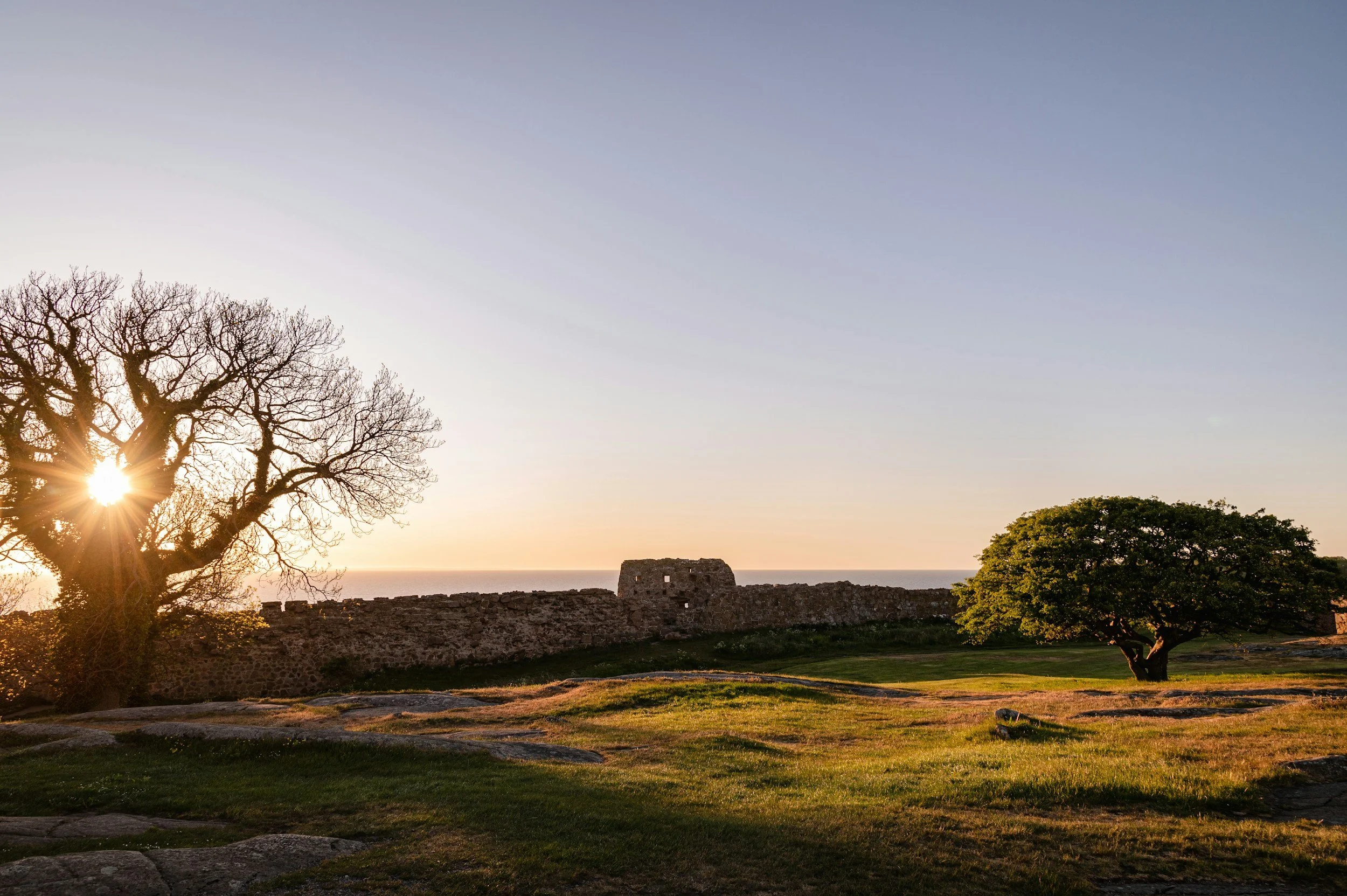
Bornholm’s bus map is easier once you stop treating every direct bus as equal
BAT’s network is quite workable for a car-free trip, but several of the main routes operate as loops or opposing route pairs, which means that two places can be connected directly and still have very different journey times depending on which way around the island the bus is travelling.
Routes 1 and 3 are particularly useful around Gudhjem, the north-east and inland Bornholm, while 2 and 10 are important for Allinge-Sandvig and Hammershus, and 4 and 6 cover much of the Svaneke, Nexø and south-east side. Routes 7 and 8 then add the seasonal coast connection, tying those regional networks together far more neatly during the summer months.
This is where I would be slightly sceptical of accommodation descriptions that simply say there is “good public transport”. From Rønne, a faster direct journey to Gudhjem is roughly an hour and Svaneke can be reached in a little under that on a representative service, which is perfectly reasonable for an occasional day trip, but less appealing when you repeat the journey every morning and evening for several days.
That is also why I would not judge a Bornholm base by the number of bus routes on a map. Rønne gives you the widest choice, but if three of your four days are going towards Gudhjem, Svaneke or the north coast, you may spend far more time travelling than you would by accepting one longer transfer at the beginning of the holiday and staying closer to the places you came to see.
Before booking, I would open Rejseplanen and test the exact accommodation against a real weekday rather than searching from the town centre. Try the journey to the place you most want to visit, then check the return at a time you might genuinely want to come home, because a convenient morning connection tells you very little about how flexible the evening will feel.
The same goes for rural hotels and guesthouses. BAT can stop on some eligible stretches of country road outside the towns, which can make properties that look surprisingly remote possible without a car, but I would still inspect the final walk carefully. A stop 500 metres from the hotel is very different when those 500 metres are along a lit pavement than when they are beside a dark road with luggage and no obvious verge.
I would also download RejseBillet before arriving. BAT currently directs passengers buying single tickets to use the app before boarding and does not allow those tickets to be bought on the bus by card or MobilePay, despite older tourism information online still mentioning cash. It is a small bit of preparation, but much nicer to sort out over coffee before the trip than while standing at a bus stop after the ferry.
BAT also offers day and multi-day passes, although I would compare the current price with the journeys you are genuinely planning rather than buying one automatically. Someone crossing Bornholm several times over two busy sightseeing days may save money and mental arithmetic with a pass, while someone spending most of the week around Svaneke and taking one short bus each day may not.
There are night routes too, but I would treat them as a useful bonus rather than a reason to stop checking return times, since operating days and stopping patterns matter. For any car-free stay, I would test at least one realistic evening journey before paying for the room, especially if being able to have dinner somewhere other than your own town matters to you.
If Bornholm is part of a longer Denmark trip, I’d be tempted to leave a couple of days at either end for a slower weekend in Copenhagen rather than treating the city purely as somewhere to catch the ferry connection.
When Rønne is the smarter place to stay
Rønne is the base I would choose when I wanted the trip to be easy first and pretty second, particularly for two or three nights, outside the main summer season, or when the ferry times leave very little room for error. Because this is where the ferries arrive and where the island’s bus network is easiest to pick up, you can get off the boat, drop your bag and start the trip without immediately adding another hour of travel.
There is also much more everyday life here than in the smaller coastal towns, which becomes useful surprisingly quickly on a car-free trip. Rønne has the island’s strongest choice of supermarkets and shops, a pharmacy, the largest shopping centre near the harbour and more services that stay useful when the weather changes or you suddenly need something you did not pack. If a wet afternoon means abandoning a walk, or you decide at breakfast that you would rather head somewhere completely different, Rønne gives you more ways to rearrange the day without having to build everything around one or two buses.
I would still be fairly specific about where I stayed, because “Rønne” covers more ground than the booking filters sometimes suggest. The most practical area is between Ndr. Kystvej, Snellemark, Store Torv and the old quarter, where you can keep the ferry, the main bus stops, groceries and dinner within an easy walk. The streets around St Nicolas’ Church, Laksegade and Storegade also have far more character than the port-side arrival might lead you to expect, so staying centrally does not mean accepting a purely functional town just for the sake of transport.
The main thing I would avoid is assuming that every property carrying a Rønne label gives you that same convenience. Hotel Skovly, for example, is around 5 km outside town, which may be lovely if you are deliberately booking a quieter coastal or forest stay, but it removes much of the reason for choosing Rønne in the first place. The same goes for hotels further down Strandvejen: they can be calmer and more appealing than the immediate centre, but I would check how I was getting back after dinner and how far I would be walking with luggage before deciding that the nicer setting was worth the extra faff.
Rønne’s weakness only becomes obvious once the itinerary starts leaning heavily east or north. A direct bus to Svaneke is roughly 48 minutes on a representative service, while Gudhjem is around 56 minutes in the faster direction, and those journeys are perfectly reasonable when you are making them once. If you are doing the same thing three or four days in a row, however, the convenience starts to wear thin because every outing ends with another fairly substantial trip back across the island.
That is why I would happily choose Rønne for a short break, an October trip, a late arrival or any stay where flexibility matters more than waking up beside a small harbour. For a longer summer trip built around Gudhjem, Svaneke or the north coast, I would probably use Rønne for the ferry and sleep somewhere else.
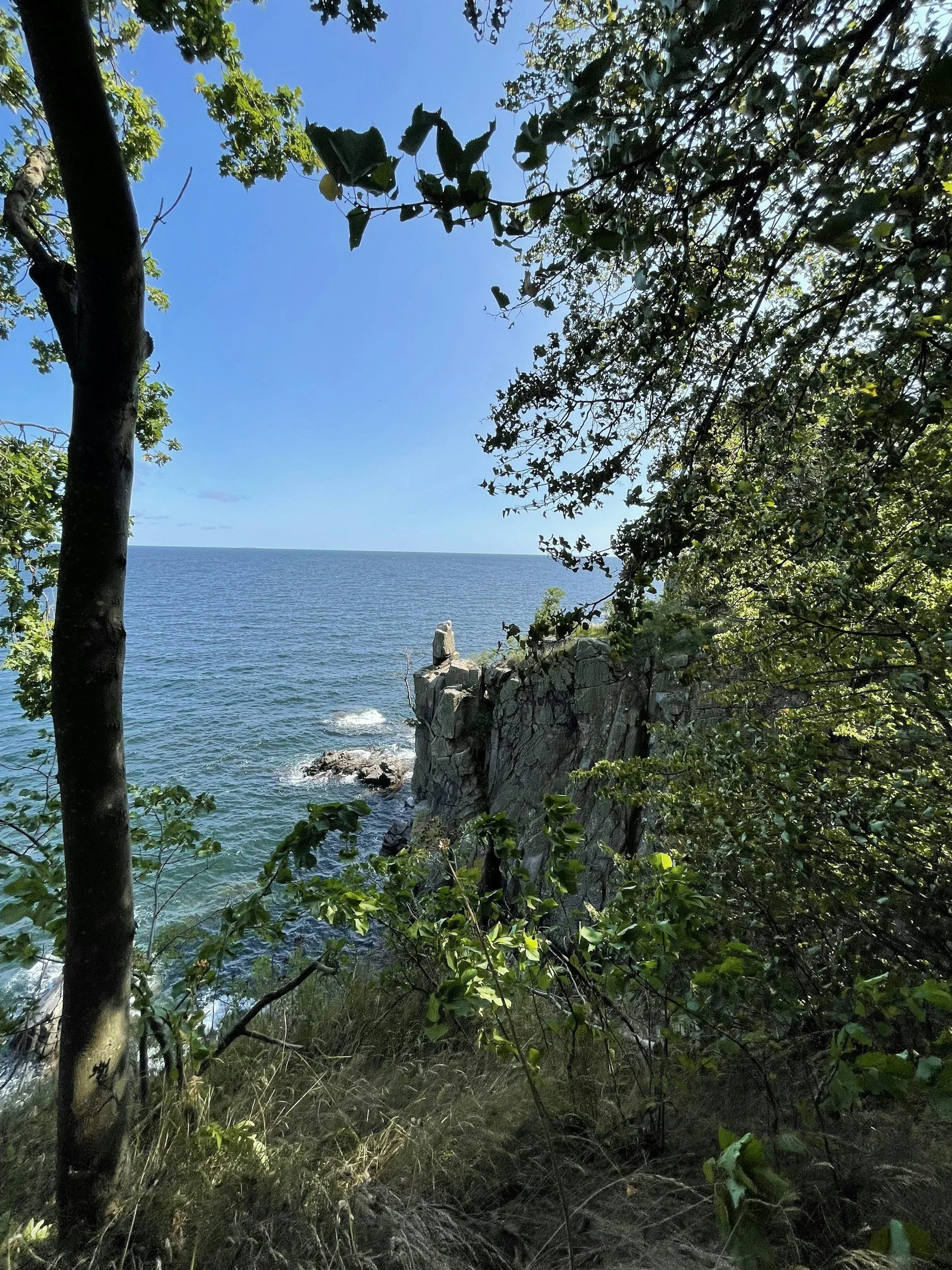
Gudhjem is probably the best summer base, as long as the hill doesn’t bother you
For four or five nights in summer, Gudhjem is the Bornholm base I would take most seriously. It sits in a useful middle ground between the north coast and the eastern side of the island, so once the seasonal coast buses are running you can head towards Hammershus in one direction and Svaneke and Dueodde in the other without constantly routing yourself back through Rønne. Gudhjem Øvre to Svaneke Torv is around half an hour on a representative summer service, which is short enough that Svaneke can be an easy afternoon or dinner trip rather than something that eats up most of the day.
Gudhjem also has the Christiansø ferry leaving directly from the harbour, and the crossing takes roughly an hour, with departures changing through the season. That is a bigger advantage than it may sound when you are travelling without a car, because a Christiansø day from another base begins with getting yourself to Gudhjem first, whereas from here you can simply walk down to the boat.
The catch is the hill, and it deserves more than the usual vague warning that Gudhjem is “a bit steep”. The main street climbs roughly 38 metres over about 400 metres, while Gudhjem Øvre, the stop used by many of the intertown buses, sits above the harbour. Brøddegade runs through that slope, so even something as ordinary as walking back from the grocery shop or heading for a morning bus can involve more climbing than the map suggests.
The best part of Gudhjem to stay in depends on which walk you’d rather repeat
If you plan to use the buses most days, the upper part of town around Gudhjem Øvre and the old station is the easier choice. You are already close to the main stop, arriving with luggage is far simpler, and you do not have to begin every day trip by hauling yourself uphill before the bus has even arrived.
You do, however, give up some of the convenience at the other end of the day. The harbour, the Christiansø boat, Nørresand and much of the evening activity are lower down, so dinner may end with a fairly determined walk back uphill. Personally, I think that is the easier compromise if you are spending several days exploring the island, because I would rather climb once after dinner than build the same climb into every departure.
Staying lower down around Brøddegade, the harbour or Nørresand gives you the nicer everyday version of Gudhjem, particularly in the evening, and it is clearly the better location if Christiansø is a priority. The downside is that many bus days begin with the climb towards Gudhjem Øvre, and after a long coastal walk or a day out that can become far more noticeable than the “eight-minute walk” shown on a booking site.
This is one town where I would completely ignore the distance-from-centre number and look at the actual route between the hotel and Gudhjem Øvre. A property can be only a few hundred metres away and still sit on the inconvenient side of a steep slope, which matters far more than whether Booking.com calls it central.
For reduced mobility, heavy luggage or anyone who already knows that steep streets become tiresome quickly, Gudhjem would not be my automatic recommendation. Rønne is much simpler, and Svaneke is easier to move around, so there is no need to force the Gudhjem choice purely because the harbour looks appealing.
Melsted and Stammershalle need a separate calculation
Accommodation searches around Gudhjem also stretch the geography enough that I would check every map pin before assuming the central-Gudhjem advice applies.
Melsted sits immediately south of Gudhjem and can suit someone who wants a quieter seaside stay, but it does not give you exactly the same bus-and-evening setup as staying around Gudhjem Øvre or the harbour. Fit walkers may be perfectly comfortable going back and forth, yet some of the easiest direct coast-bus connections are seasonal, so a room here needs its own transport check rather than borrowing Gudhjem’s convenience by association.
Stammershalle Badehotel is an even more obvious example. It sits on the coast between Allinge and Gudhjem and the hotel states that buses stop outside, which makes it unusually workable for a rural seaside property, but you are still relying much more heavily on the hotel itself for dinner and evenings. Missing a bus in central Gudhjem means finding somewhere else to eat while you wait; missing one outside a coastal hotel can change the whole evening.
That distinction is important because both places may appear when you start searching around Gudhjem, yet neither gives you quite the same trip as sleeping in town. For a four- or five-night summer stay, with hills not causing a problem, I would still choose central Gudhjem over both Rønne and Svaneke for the broadest mix of north and east, but I would choose the exact part of Gudhjem almost as carefully as the town itself.
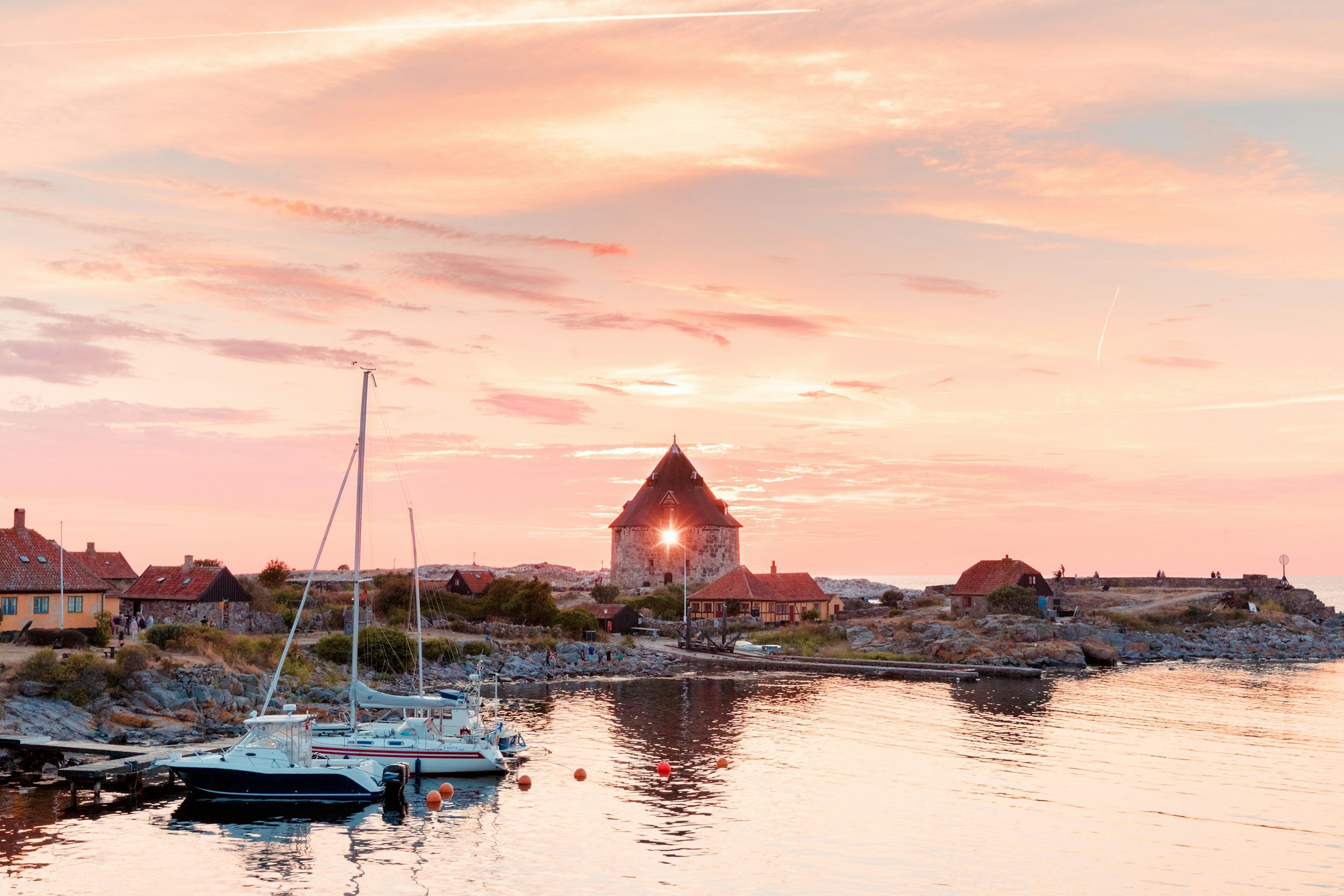
For an island trip that goes much further in the remote direction, Anholt in winter is in a completely different league, particularly if dark skies and a very quiet off-season stay appeal to you.
Svaneke works best when you are happy to stay on the east side
Svaneke is the base I would choose when the holiday is meant to feel quite local rather than like an island-wide operation. For four to six nights spent mostly around the east and south-east, the town is surprisingly easy to live in without a car because Svaneke Torv, the harbour, groceries and most of the useful evening life sit close together, so coming back at the end of the day does not usually involve another bus, another climb or another bit of planning.
That compactness is one of Svaneke’s biggest advantages over Gudhjem. You can get off at Svaneke Torv and be back in the middle of town almost immediately, while the harbour and the lanes around Postgade are still close enough that you are not choosing between transport convenience and somewhere pleasant to spend the evening. It is a small thing on paper, but after four or five days of relying on buses, not having to think about the final part of every journey starts to feel very useful.
The town also sits naturally on the right side of the island for Nexø, Balka, Snogebæk and the south-east, with routes 4 and 6 keeping those connections useful throughout the year and the seasonal coast buses making the wider network much easier during summer. When those buses are running, Gudhjem becomes a simple outing and Dueodde is much easier to reach directly, which is why Svaneke can work very well for someone who wants a few beach days without basing themselves in the south.
I would still be careful with the idea that Svaneke is automatically the best Dueodde base simply because it is closer. The geography is in its favour, but the cleanest direct connection is seasonal, so outside the summer timetable the journey needs a proper check rather than a quick glance at the map. Proximity on Bornholm can be slightly misleading once bus routes enter the picture.
Where Svaneke really suits the trip is on days when you do not particularly need to go anywhere far. Hullehavn gives you a small beach within walking distance of the centre, while the town itself has enough food, craft and everyday services around the Torv and harbour that staying local for an afternoon does not feel like the day you failed to plan properly. That is a useful distinction from Rønne, where the strength is being able to leave easily, and Gudhjem, where the strength is reaching more of the island efficiently in summer.
The trade-off is the north. One day at Hammershus or around Allinge-Sandvig is completely reasonable from Svaneke, but if those places keep appearing in the itinerary, the location starts working against you. Spending several days travelling north and then all the way back to Svaneke in the evening rather defeats the point of choosing such an easy little base in the first place.
Stay near Svaneke Torv, not just somewhere labelled Svaneke
The most useful area for a car-free stay is around Svaneke Torv, Postgade and the harbour, where the main stop, groceries and most dinner options are close enough together that ordinary daily life is simple. You can arrive back from a day out, drop your things and head for dinner without checking another timetable, which is exactly the sort of convenience that booking maps rarely manage to communicate.
The southern edge towards Svaneke Church, the lighthouse and Hullehavn can also work very well if you would rather be a little away from the centre while keeping everything within walking distance. I would still look at the actual route rather than trusting a distance number, particularly if you are arriving with a suitcase, because cobbles, darker streets and a slightly awkward final stretch can turn a short walk into something you resent after a late bus.
The bigger trap is allowing a booking search to stretch Svaneke much further along the coast than you intended. Listed, Bølshavn and Aarsdale are separate villages, not outer parts of central Svaneke, and while some have perfectly usable bus connections, they do not give you the same cluster of buses, groceries and evening choices around Svaneke Torv. A property in Aarsdale can be several kilometres from the centre, which is a meaningful difference when dinner suddenly requires another bus instead of a five-minute walk.
Those villages can be lovely choices when that quieter setup is exactly what you want, but they should be booked as village stays rather than as cheaper versions of Svaneke.
For a trip centred on the east coast, with a few beach days, good food, craft and enough space in the itinerary to spend an afternoon close to home, Svaneke is probably the nicest place of the three to settle into. If the plan keeps dragging you towards Hammershus and the north coast, I would take that as a sign that the accommodation belongs further north too.
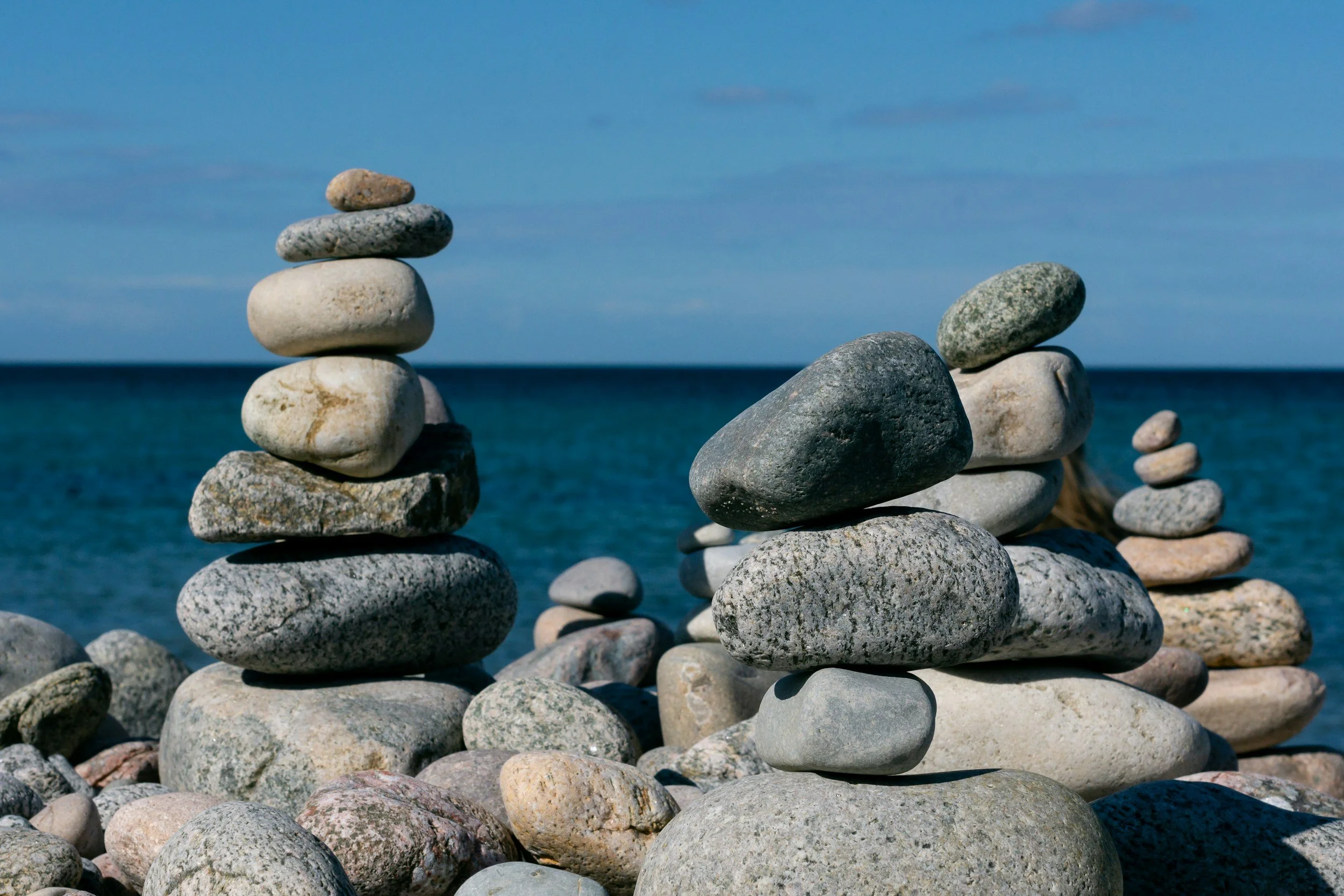
Staying north? Look at Allinge-Sandvig instead
If Hammershus, Hammerknuden, Opalsøen and the north-coast paths are taking up most of your itinerary, I would stop trying to make Rønne, Gudhjem or Svaneke fit and look at Allinge-Sandvig instead. For three to five nights centred on this part of Bornholm, being able to start a walking day close to the trail rather than with a bus across the island is a much bigger advantage than having the widest possible choice of routes elsewhere.
The slightly confusing part is that Allinge-Sandvig is usually spoken about as one destination even though Allinge and Sandvig are a few kilometres apart, and they make quite different bases once you are travelling without a car.
Allinge is the easier one for everyday logistics. Lindeplads is the useful transport point to look for when comparing accommodation, and the town has the stronger concentration of groceries and other practical services, so it suits someone who still wants to make day trips rather than spend the whole stay walking from the door. Hammershus is well placed from here, with the northern route network serving this part of the island and the summer coast buses adding more options when they are running.
Sandvig is the one I would choose when the north-coast landscape is the holiday. The beach is in town, while Hammerknuden and Opalsøen sit close enough that a day can begin on foot rather than with a timetable, which is a fairly rare luxury on Bornholm when you do not have a car. You give up some of Allinge’s day-to-day convenience, but if the whole reason for coming north is walking, I think that is a very reasonable trade.
This is also a good example of why I would not choose a Bornholm base according to how centrally it sits on the island. Allinge is roughly 48 km from Dueodde, so a northern stay becomes much less convincing if the plan also includes several days around Balka, Snogebæk and the south-east. One trip down there is manageable; repeatedly travelling almost the length of the island rather defeats the reason for sleeping beside the northern walks.
And watch the accommodation search radius here too. Sandkås and Tejn are separate coastal settlements east of Allinge, yet properties there can appear in an Allinge search. They may have perfectly usable buses and could be great choices in their own right, but they do not give you the same experience as being able to walk to Lindeplads in Allinge or out towards Hammerknuden from Sandvig. I would check the pin before deciding that two similarly priced rooms are offering the same base.
There are also dates when I would be much more cautious about booking the north casually. Folkemødet in Allinge and Wonderfestiwall near Hammershus can put serious pressure on accommodation and change the feel of the area, so checking the event calendar is particularly important here if a quiet northern stay is part of the appeal.
Between the two, I would choose Allinge when buses, groceries and flexibility matter more, and Sandvig when walking straight out towards the coast is the priority. If the itinerary keeps drifting south every time you plan a day, though, that is probably the clearest sign that you should not be staying this far north in the first place.
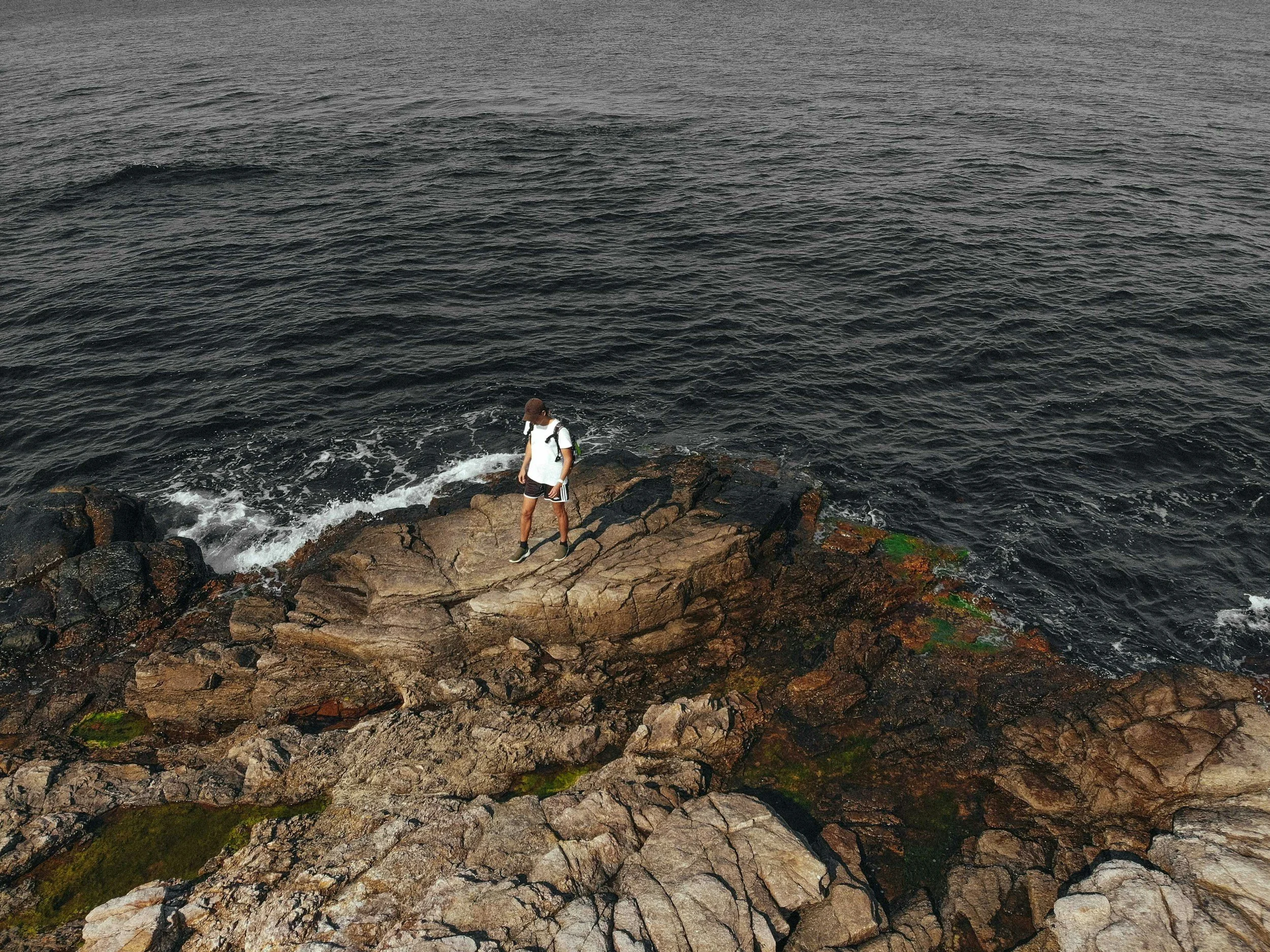
Bornholm is surprisingly substantial for a Danish island, so if you were imagining something smaller and quieter, Ærø is a very different kind of Danish island trip, with little towns, walks and much less ground to cover.
Before you book, do this five-minute map check
Once you have decided which part of Bornholm suits the trip, I would spend a few minutes looking at the exact accommodation pin before getting too attached to the room itself, because the town name in a booking search can be surprisingly generous. A property can be sold as Rønne, Gudhjem or Allinge and still sit far enough outside the centre that the practical advantages you chose that town for disappear.
The quickest way to catch that is to check five things.
Find the nearest useful bus stop, then look at the walk from the door.
I would not stop at seeing a little bus symbol on the map, because the useful question is where that bus goes, how often it runs and what the walk feels like when you step off with luggage. Hotel Skovly is a good example of why this matters: it is officially around 5 km outside Rønne, so although it may appear in a Rønne search, staying there is a very different proposition from being able to walk between the harbour, Snellemark and your room.Test a journey you are genuinely likely to make, in both directions.
Put the accommodation itself into Rejseplanen, choose one of your priority days and check both a realistic morning departure and the journey home at the time you might actually want to return. I would rather discover before booking that the convenient bus back leaves much earlier than expected than find out over dinner, particularly with a rural hotel where missing one service may mean a long wait or a taxi rather than simply taking the next bus.Zoom in on the final walk rather than trusting the distance.
This is especially important in Gudhjem, where a few hundred metres can contain far more hill than the map suggests, but the same rule applies around the island. Look for steps, steep streets, cobbles, country roads without pavements and dark final stretches, because “nine minutes from the bus stop” tells you very little about whether those nine minutes will be pleasant with a suitcase after a late ferry.Check what happens when you do not want another bus that evening.
I would want a grocery shop and at least one dependable dinner option within a comfortable walk, unless the hotel itself serves dinner on the nights I am there. This is where places such as Melsted, Stammershalle or Sandkås need a slightly different calculation from central Gudhjem, Svaneke or Allinge: they may be beautiful places to stay and may even have a bus close by, but you are more dependent on the property and timetable once the sightseeing day is over.Follow arrival day all the way to the front door.
Do not finish the planning at “the ferry arrives in Rønne at 8pm”. Check the onward bus, the walk from the final stop and the hotel’s reception or self-check-in arrangements as one continuous journey. A room that saves a little money or comes with the better sea view stops looking like much of a bargain if reaching it on the first night means an unexpected taxi across Bornholm.
This is also why I would be cautious about choosing the cheapest room simply because it appears under the same town filter as everything else. Sometimes it is genuinely a bargain, but sometimes you are saving on the room because you have quietly moved yourself several kilometres away from the buses, groceries and evening life that made the town useful in the first place.
For a car-free Bornholm trip, I would take the slightly less exciting room beside the right stop over the beautiful isolated one surprisingly often. The view lasts for the stay, but so does getting home every evening.
Still deciding whether Bornholm is the right island altogether? These quieter European islands are worth comparing before you book.
When is it worth changing hotels on Bornholm?
For two or three nights, I would stay in one place and be quite ruthless about what I leave out. Bornholm is big enough that your base matters, but a short trip disappears quickly once you add checkout, luggage, another bus across the island and a second check-in. If you have only three nights and want both Hammershus and Dueodde, the problem is not that you need two hotels; it is that you are trying to fit too much Bornholm into three days.
With four or five nights, one base still makes more sense for most people, but this is where you need to be honest about which side of the island you are really going to use. A summer stay in Gudhjem can cover a surprising amount of the north and east without moving, while Svaneke suits a trip that keeps pulling towards Nexø, Balka, Snogebæk and Dueodde. Changing hotels halfway through simply because both towns appeal to you usually creates more interruption than it saves.
At six or seven nights, one move becomes much easier to justify because you have enough time to recover the inconvenience, especially when the split removes several long return journeys rather than just giving you a different view from the bedroom.
The easiest version is often one night in Rønne at the beginning or end of the trip, followed by the main stay in Gudhjem or Svaneke. That works particularly well when the ferry timing is awkward, because Rønne handles the arrival or departure while the rest of the week is spent somewhere better matched to the holiday itself. You are not really “splitting the stay” in the usual sense; you are using Rønne as a practical buffer.
For a trip that genuinely spans several parts of Bornholm, Rønne and Gudhjem is probably the most balanced combination, with Rønne covering the west, inland connections and ferry logistics while Gudhjem puts the north-east and east coast much closer. Rønne and Svaneke is better when the second half of the trip is mostly about the east and south-east rather than Hammershus and the northern walks.
The split that changes the geography most clearly is Allinge-Sandvig and Svaneke. You can spend the first part walking around Hammerknuden, Hammershus and the north coast, then move once and stop travelling almost the full length of Bornholm every time you want to reach the east or south-east. That is a move I can see paying for itself over a week because the two bases are doing genuinely different jobs.
Once you have more than a week, two bases become quite reasonable, and a walking or cycling trip may make moving part of the route itself rather than something that interrupts the holiday. For a normal stay, though, I would still stop at two. Bornholm is not large enough to need three hotel changes unless the route itself is the point.
My rule would be to move only when the second base removes several substantial bus journeys or fixes an awkward ferry day. If the move mainly gives you another harbour to wake up beside, I would keep the suitcase closed and take the bus there instead.
If Bornholm has put you in the mood for more places like this, I’ve also collected some of my favourite small Danish towns worth leaving Copenhagen for.
If steep streets are going to be a problem, I’d keep Rønne on the shortlist
If walking hills is difficult, you use a mobility aid, or you simply know that steep streets can turn a nice day into hard work, I would be much more careful with Gudhjem than the photos might suggest. The harbour sits well below Gudhjem Øvre, which means that a room can look beautifully central and still leave you with a fairly serious climb every time you need one of the main intertown buses.
Rønne is the easier option in that situation because the ferry, buses, shops and other everyday services are much more straightforward to reach, even though parts of the old town still have cobbles. Svaneke is generally easier underfoot than Gudhjem too, but I would still check the exact route between the hotel, bus stop and town centre rather than assuming a short distance on the map means an easy walk.
If you need assistance with the ferry, Bornholmslinjen asks passengers to arrange it at least 48 hours in advance and to check in around 30 minutes early. I would also confirm the exact BAT bus and stop you plan to use rather than relying on a general assumption that every service is equally accessible, because the available information is not detailed enough to promise that.
For reduced mobility, I would only choose Gudhjem, Svaneke or Allinge-Sandvig over Rønne once I had checked the exact property entrance, the nearest useful stop and the walking route between the two. On Bornholm, the difference between a lovely location and an exhausting one can be a surprisingly small distance on the map.
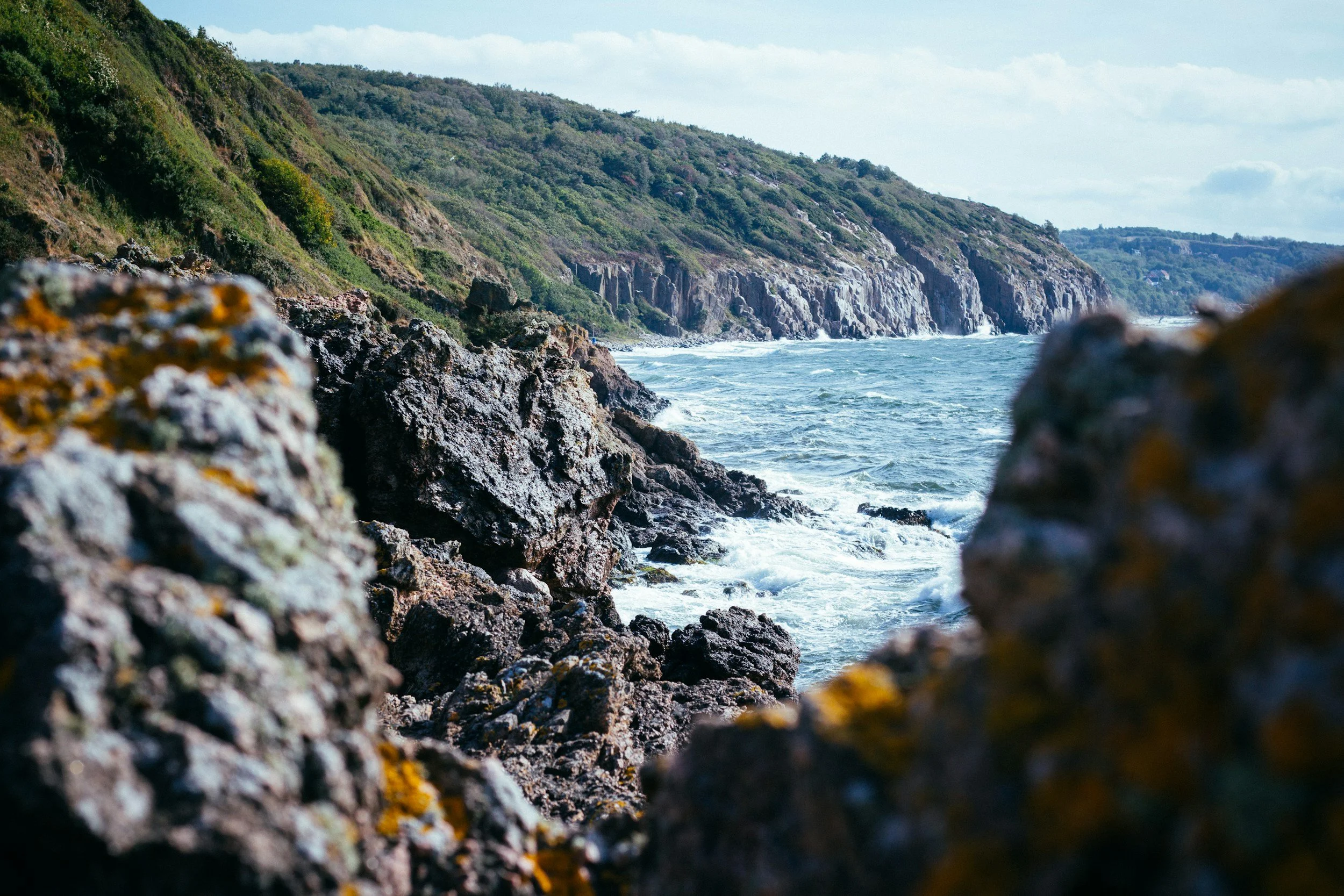
The point where I’d stop comparing tabs and book
By now, the choice should be fairly obvious: Rønne if you want the easiest logistics and the least chance of your plans becoming annoying, Gudhjem for the strongest summer balance between north and east, Svaneke when you are perfectly happy letting the east coast be most of the holiday, and Allinge-Sandvig when Hammershus and the northern walks are the main event.
Before paying, though, I would give the exact room one final reality check in Rejseplanen, because this is usually the point where the beautiful little guesthouse three kilometres outside town either survives the test or quietly gets closed in another tab.
I would check how I am getting there from Rønne Havn on arrival day, then look at the journey to the one place I would be genuinely annoyed to miss, and finally test an evening return at a time I might realistically want to come home. Not 5:15pm because the connection looks convenient. The time you might still be sitting over dinner wondering whether another glass of wine is a terrible transport decision.
Then look at the final walk from the stop to the accommodation and imagine doing it with your suitcase. If the three journeys work, the ferry connection leaves some breathing room and the last stretch does not involve an unexpected hill, dark roadside or heroic dash for the final bus, I would stop searching.
There will probably always be another prettier room somewhere on Bornholm. I would take the one that lets me forget about transport once I am there.
FAQs about getting around Bornholm without a car
Can you take a bicycle on the buses on Bornholm?
Yes, on BAT’s regional buses you can currently bring a normal bicycle, including an e-bike, free of charge when there is space, although you cannot reserve a bike space in advance and the driver can refuse it if the bus is full. Bikes are not accepted on Rønne’s city buses, so I would treat bus-plus-bike as a useful backup rather than building an itinerary around being guaranteed a place every time.
There is also a special restriction during Folkemødet, when BAT does not allow bicycles on the buses for the entire event week. If cycling is going to be a big part of the trip, that is definitely a date I would check before booking the north of Bornholm.
Can you use Rejsekort on Bornholm buses?
No. Rejsekort is not used on Bornholm, despite being the familiar option on public transport elsewhere in Denmark. BAT has its own ticket system, so this is one of those small differences that is much nicer to know before standing at your first bus stop in Rønne wondering why the card you used in Copenhagen is suddenly no help.
For a car-free trip, I would sort the BAT ticket setup before arrival and use Rejseplanen for the journeys themselves rather than assuming the Copenhagen public transport routine carries over to the island.
Should you avoid Allinge during Folkemødet?
Not necessarily, but I would only book Allinge during Folkemødet if attending the event is part of the plan. The festival takes over the town, accommodation can fill well in advance and traffic arrangements change, with extra buses brought in to handle the much larger number of visitors.
If you had been imagining a quiet few days based around Allinge, Hammershus and the northern walks, I would choose another week rather than paying more for a completely different version of the town. If you are coming specifically for Folkemødet, staying elsewhere on Bornholm and using the additional buses into Allinge can also be a sensible option.
How this guide was researched
The recommendations in this guide were checked against BAT bus routes and ticket information, Bornholm ferry connections, official Destination Bornholm information and the actual locations of accommodation around Rønne, Gudhjem, Svaneke and Allinge-Sandvig. Timetables and seasonal routes can change, so I always recommend checking your exact travel dates in Rejseplanen before booking.