
These villages are exactly why I'd travel in March or April
Spring is one of the easiest times to visit smaller villages in Europe, mostly because things have started opening again but it’s still quiet.
If you go in March or early April, you don’t have to plan your day around other people. You can arrive mid-morning, find a table outside without waiting, and walk through the village without it feeling busy.
Places like Annecy, Castellina in Tuscany, and smaller coastal towns along the Costa Brava all start to come back to life around this time. Cafés open their terraces again, local markets slowly return, and there’s a bit more movement without it feeling full.
That’s what makes it work. You’re not rushing between things or trying to fit everything in. You can stay in one place longer, walk a bit, stop for coffee, and let the day go from there.
The villages in this guide are all easy to reach, small enough to get around on foot, and have enough cafés, walks, and local spots to fill a few days without needing much of a plan.
If you’re planning around the season rather than a specific place, this guide to spring markets across Europe gives you a lot more options to work with.
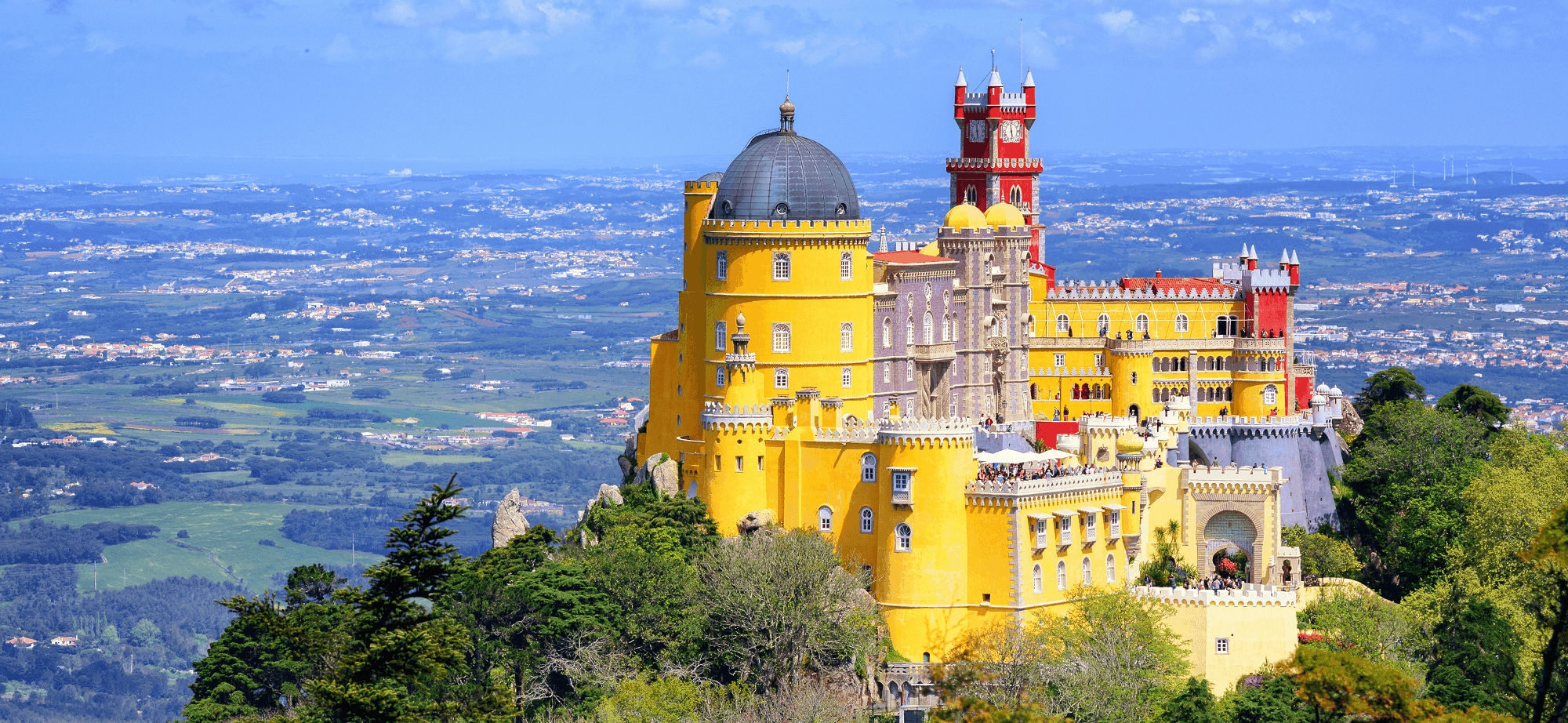
Alsace, France: Vineyards, Half-Timbered Houses, and Villages You Can Actually Spend Time In
Alsace works best if you base yourself in Colmar and move out from there. Trains from Strasbourg take about 30 minutes, and once you’re in Colmar, it’s easy to rent a bike or take a short taxi to nearby villages like Eguisheim or Riquewihr. You don’t need a car unless you want to cover a lot of ground.
Eguisheim is one of the easier places to start. The village is built in a loop, so you’ll keep circling through the same streets without really trying. Rue du Rempart Sud and Rue du Rempart Nord are where you’ll spend most of your time. There are small wine producers tucked between houses, usually open for tastings by late morning, and a few independent shops selling ceramics, linen, and local food products rather than souvenirs.
If you’re staying overnight, James Vignoble Hôtel just outside Eguisheim is a good option if you want something quiet with views over the vineyards. If you prefer to stay in the village itself, smaller chambres d’hôtes around Place du Château Saint-Léon tend to be more personal, often with just a few rooms.
For food, it’s worth keeping things simple. Au Vieux Porche in Eguisheim works well for a long lunch if you sit outside, especially mid-morning when the square is still quiet. In Riquewihr, La Table du Gourmet is more of a sit-down dinner option if you want something a bit more considered, while smaller winstubs (traditional wine taverns) are better if you just want something local without overthinking it.
Riquewihr is about a 15-minute drive or a longer bike ride away, and it’s a lot busier later in the day. If you go before 10, you can walk along Rue du Général de Gaulle without it feeling crowded. Step off into the side streets near Place des Trois Églises and it quiets down quickly.
Between the villages, the vineyard paths are easy to follow. The route between Eguisheim and Wettolsheim is one of the simplest if you’re walking or cycling, and you’ll pass rows of vines, a few small chapels, and the occasional bench where people stop for a break.
Back in Colmar, it’s worth setting aside some time just to walk through the centre without a plan. Marché Couvert Colmar is a good stop for something easy to eat, especially earlier in the day. For coffee, L’Un des Sens is a reliable spot if you want somewhere that isn’t rushed.
Alsace works because everything is close and practical. You can stay in one place, move between villages without much effort, and still have enough options for cafés, food, and small shops without needing to plan it all in advance.
If Alsace ends up being your favourite, it’s worth seeing it in another season too. Autumn there feels completely different, especially once the vineyards change.
If you’re travelling solo and want places that feel easy, calm, and not overwhelming, this is a good place to start.
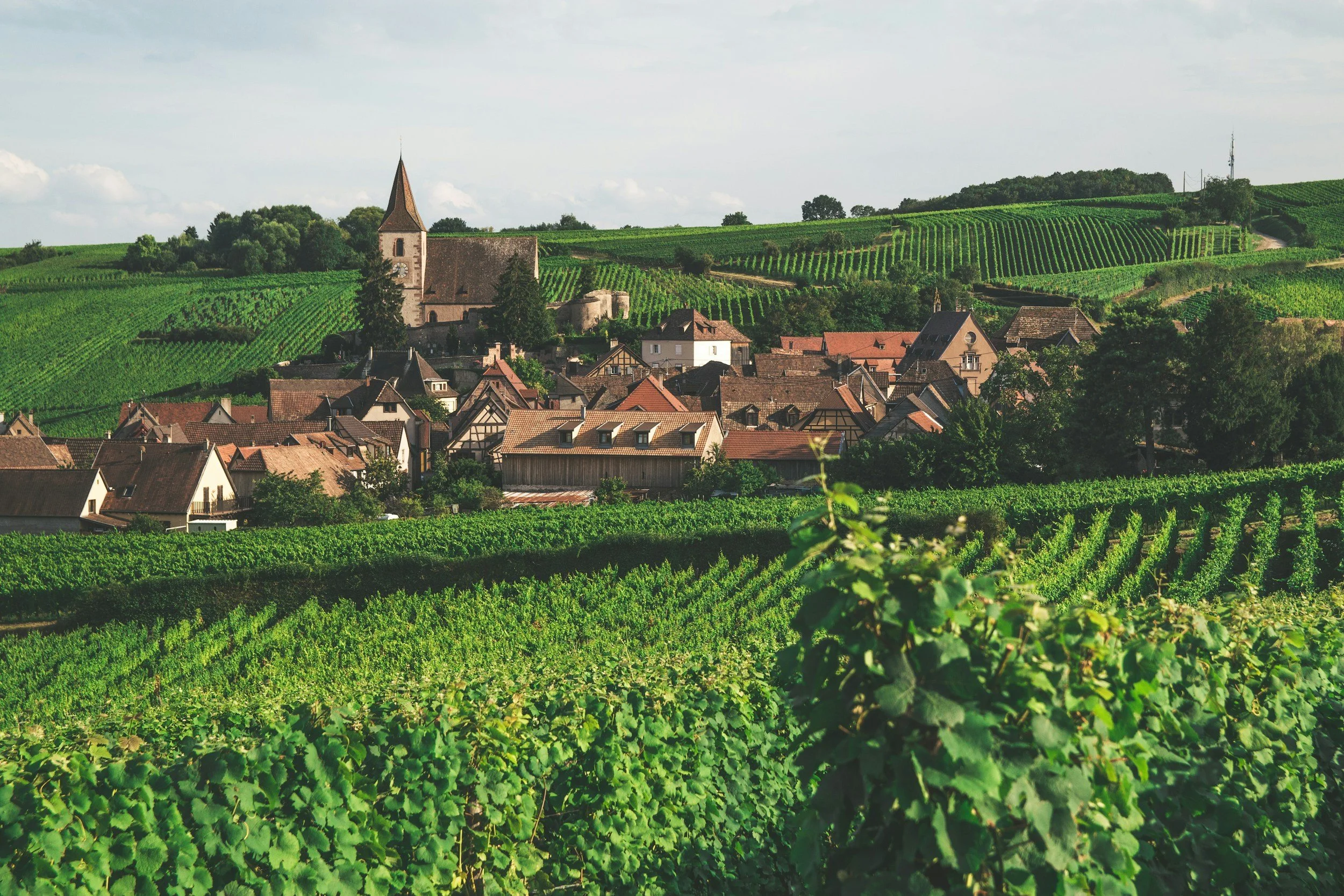
Riquewihr
Lake Bohinj, Slovenia: A Quieter Alpine Base
Lake Bohinj is about 30 minutes from Bled, but it feels completely different once you get there. No viewpoints, no constant movement. Mostly just the lake, a few people walking, and a lot of space.
The bus from Ljubljana drops you in Ribčev Laz, right by the water, so you don’t need to figure anything out when you arrive. From Bled it’s even easier, around 40 minutes. Once you’re there, you can just walk everywhere.
Ribčev Laz is where you’ll start without planning to. You cross the small stone bridge, pass the Church of St. John the Baptist, and you’re already at the lake. There’s a small grocery shop, a bakery, and a couple of cafés right there, so it’s easy to grab something and sit down without thinking too much about it.
If you’re staying overnight, Hotel Bohinj is the easiest option near the lake. Step outside and you’re there in a couple of minutes. If you want it quieter, look at Stara Fužina instead. It’s about a 10–15 minute walk, but evenings are noticeably calmer.
The lake is easy to move around. There’s a path that goes all the way around, but most people just walk part of it. The stretch between Ribčev Laz and Stara Fužina is the simplest. You’ll pass small pebble beaches, a few wooden jetties, and benches where people sit for a while without really doing anything.
If you want to get on the water, rentals are right by the bridge. Go earlier in the day if you can. By mid-afternoon the wind usually picks up a bit, and it’s not as calm.
Instead of going straight to Savica, it’s worth stopping at Mostnica Gorge first from Stara Fužina. It’s quieter, easier to walk, and you don’t feel like you’re following a line of people. If you do go to Savica Waterfall, go early. It’s a lot of steps up and it fills up quickly.
For food, keep it simple. Foksner is an easy stop near the lake if you just want something casual. Sunrose 7 is slower, a bit more thought-through, and changes what they serve depending on the day.
Evenings are quiet here. Most places close early, and once it gets dark, there’s not much going on.
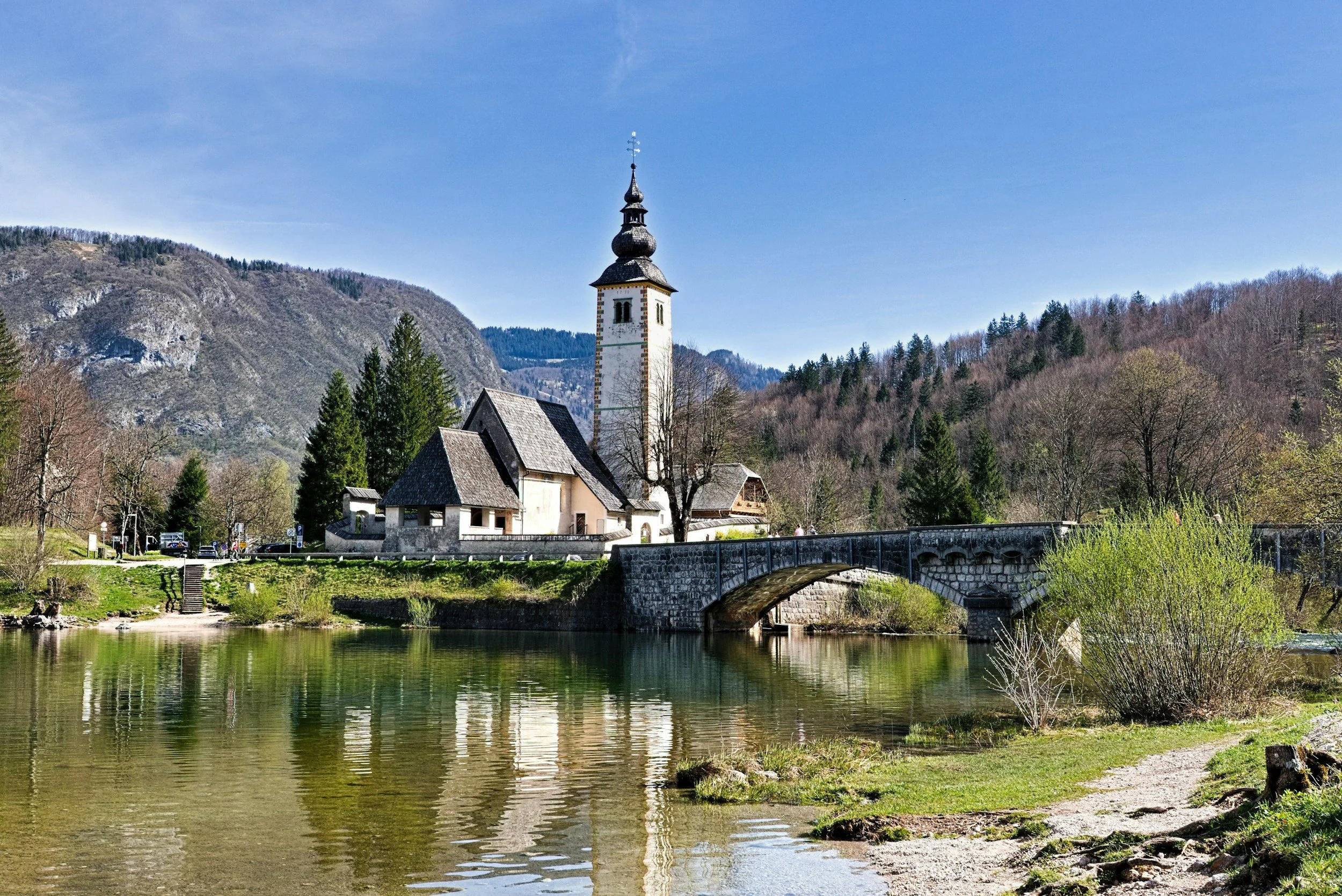
Sintra, Portugal: Gardens, Palaces, and the Quieter Hours Most People Miss
Most people arrive in Sintra late morning, follow the same route, and leave feeling like it was too crowded. That’s usually the problem.
If you take the early train from Lisbon (around 8:30), you get there just before things fill up. From the station, it’s about a 10-minute walk into the centre, and you’ll notice straight away how quiet it still is compared to a couple of hours later.
Going up to Palácio da Pena early makes the biggest difference. The first buses and tuk-tuks haven’t fully built up yet, and the park paths are still empty in parts. If you skip the shuttle and walk the first section, you avoid most of the queue and get a quieter approach.
Quinta da Regaleira works better later in the day. The Initiation Well is always busy, but if you keep moving past it instead of waiting, the upper paths and tunnels are much calmer.
Back in town, it’s worth dropping below the main centre rather than staying around the square. Café Saudade is one of the easier places to sit without waiting, especially mid-morning. For something quieter, Parque da Liberdade is just a few minutes away and usually has space even when the centre feels full.
Where you stay matters more than you expect. Staying right in the centre means dealing with crowds most of the day. Areas just outside, like toward São Pedro de Sintra, are noticeably calmer in the evening and still close enough to walk.
Getting around is simple, but not always quick. Bus 434 loops between the station, centre, and Pena Palace, but it fills up fast. If you have time, walking part of the route is often easier than waiting.
Sintra is easier when you don’t try to fit everything in. Go up early, pick one or two places, and leave the rest!
If the café part of this post is what you’re drawn to, you’ll probably like this one about Edinburgh - it leans more into quiet mornings, books, and places you can actually sit for a while.
If you’re already thinking about Portugal, this guide to Tomar is worth saving! It has the same historic feel as Sintra, just much quieter.
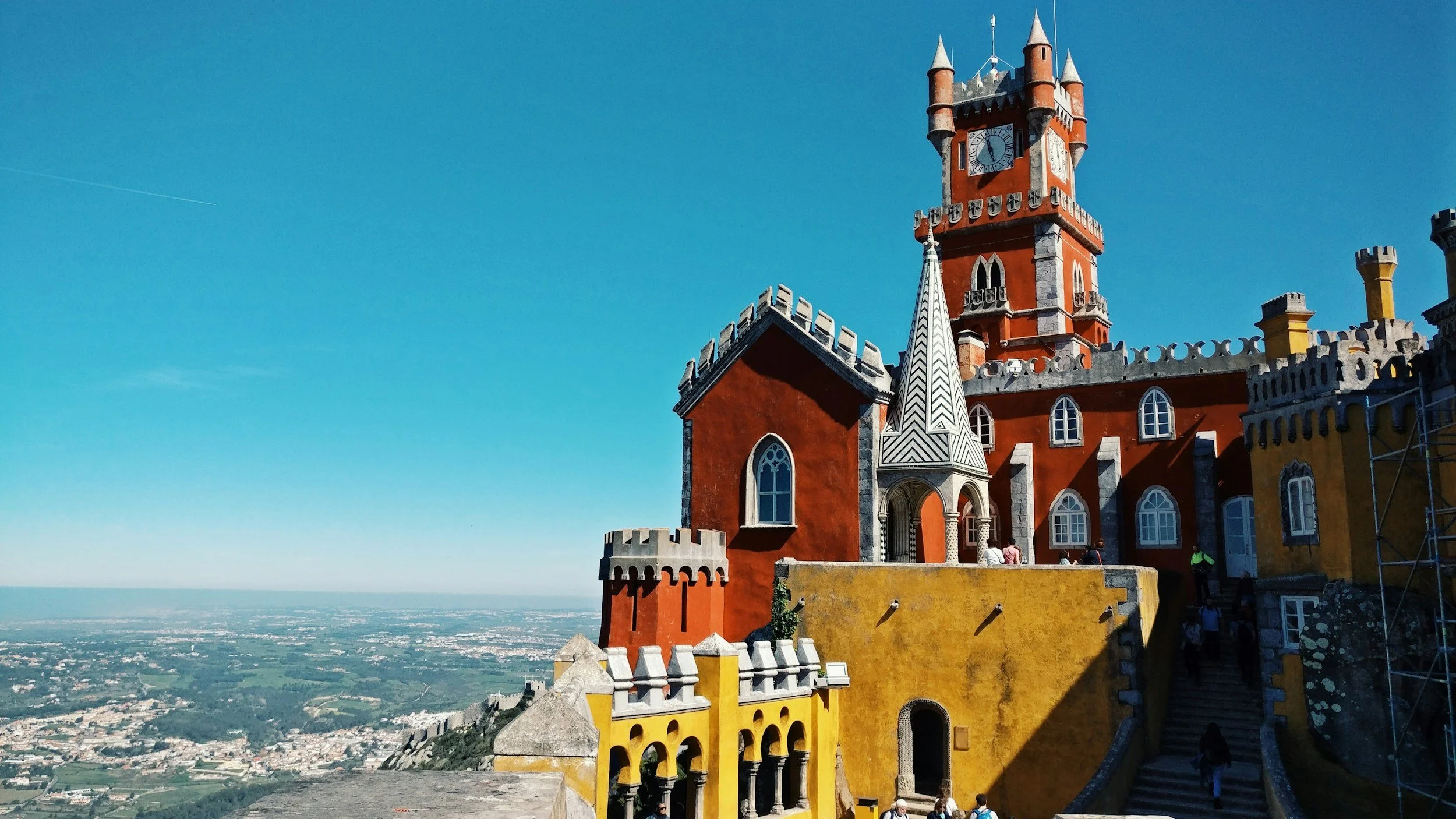
The colours in Sintra are just…wow.
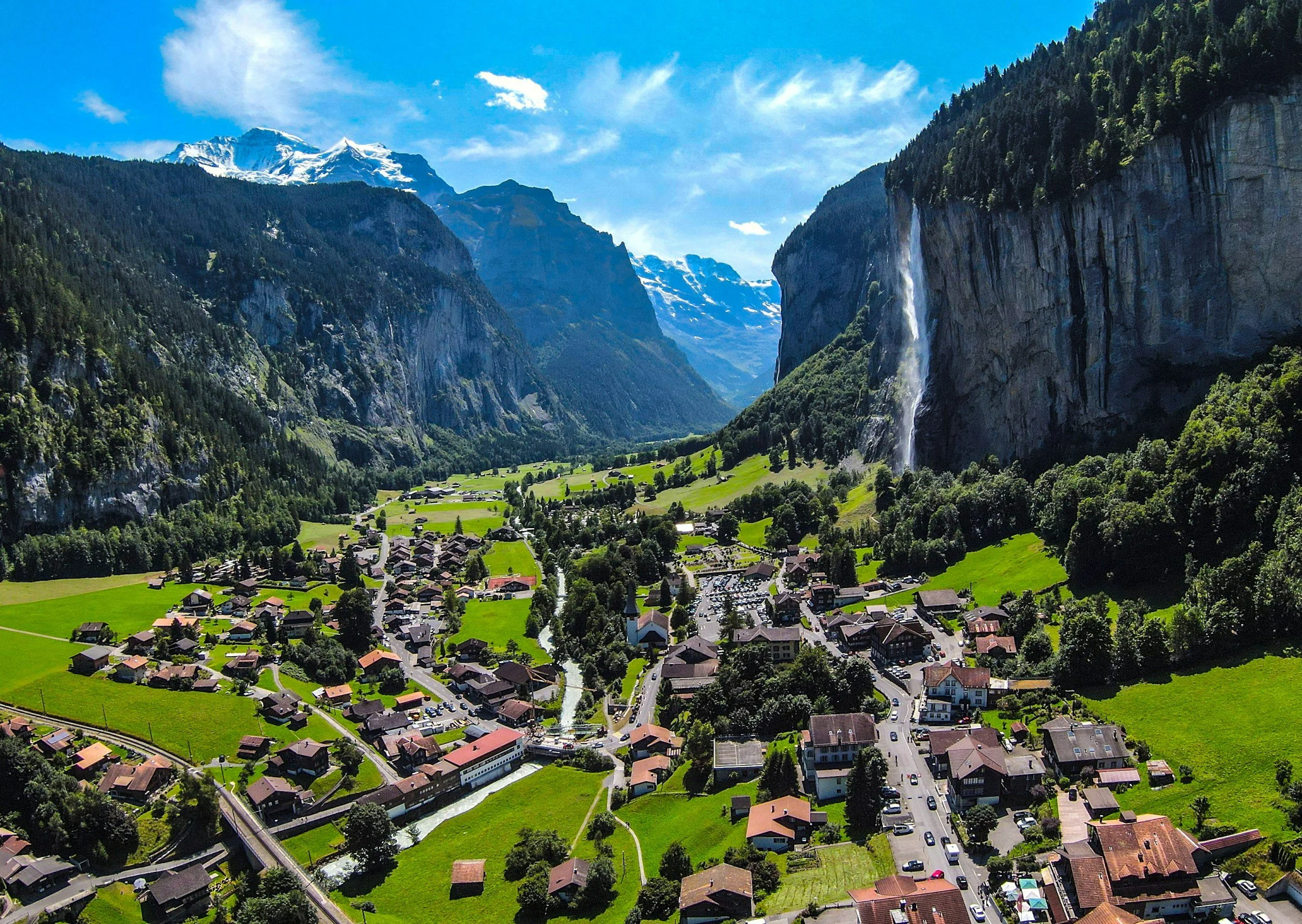
Lauterbrunnen and Mürren, Switzerland: Waterfalls, Car-Free Streets, and an Easy Alpine Base
Arriving in Lauterbrunnen feels dramatic at first, but once you step off the train, it’s surprisingly simple. Staubbach Falls is already in view, dropping down behind the houses, and within a few minutes you’re walking without having decided where you’re going.
There’s not much to figure out. One road, a few paths, and the rest is just open space. If you keep heading towards Stechelberg, it thins out quickly. Fewer people, more distance between things, waterfalls coming down on both sides without anyone stopping to photograph them every few minutes.
Most people look at Staubbach Falls from the front and leave it at that. If you take the short path behind it instead, it changes the perspective completely. It’s only a few minutes up, but suddenly the village feels further away than it actually is.
Where you stay makes more difference here than you expect. The centre is convenient, but it doesn’t stay quiet during the day. A bit further along the valley, things settle earlier in the evening. You notice it once the last trains have gone and everything drops off at once.
Getting up to Mürren isn’t complicated, but it takes a bit of time. You’re switching between cable car and train, waiting a little, moving again. It’s not something you rush, and it’s better that way.
Mürren feels completely different. No cars, just a long stretch of path with houses, a few cafés, and the mountains sitting right in front of you the whole time. You walk without checking anything, stop when something catches your eye, and then keep going.
Coffee ends up being less about the place and more about where you sit. Somewhere in the sun, somewhere a bit out of the way. If you go later in the morning, you’ll notice which tables stay occupied the longest. Those are usually the ones worth taking if they’re free.
The walk to Gimmelwald is one of those things you don’t need to plan. You just start and see how far you go. It’s flat enough, open the whole way, and quiet enough that you don’t feel like you’re following anyone.
Back down in Lauterbrunnen, evenings are short. Not in time, but in options. Places close, lights go off, and there isn’t much to do apart from eat and go back. It sounds limiting, but it’s actually what makes it work.
Food is simple and expensive, so it’s easier to choose one place and stay there a bit longer instead of trying several. During the day, something quick near the station is enough. In the evening, somewhere warmer, slower, and inside.
Late spring is when it feels most balanced. Snow still on the peaks, green in the valley, and enough space around you to not feel like you’re sharing it with too many people.
Lauterbrunnen and Mürren don’t really need explaining once you’re there. You walk, you stop, you sit for a while, and that’s enough.
Matera, Italy: Slow Days in the Sassi Without Overplanning It
Matera is one of those places where Google Maps stops being useful pretty quickly. You’ll open it, try to follow a route, and then end up on a set of stairs that wasn’t there a second ago.
You usually enter the old town from above, near Via Lucana or Via Ridola, and then it just drops away in front of you. From there, it’s all steps, stone paths, and small turns that don’t really look like streets.
If you keep heading down towards Via Fiorentini, you’ll pass a mix of small workshops and cave spaces that are still in use. Some of them are open, some not, but it doesn’t feel set up. You can step inside, look around for a minute, and leave again without it being a whole thing.
The further you go toward Sasso Caveoso, the more it opens up. It’s quieter there, especially earlier in the day or later in the afternoon. You’ll notice it straight away, with fewer people stopping, more space between things. The view from the edge near Casa Grotta di Vico Solitario is one of the easier ones to reach without climbing too much.
Finding somewhere to sit isn’t hard, but where you sit matters. Around the main paths it fills up quickly, but if you go slightly off, you’ll find places where people actually stay. Zipa Café is one of the easier ones if you want somewhere calmer. For something quicker, there are a few small spots near Piazza San Pietro Caveoso where you can just grab a coffee and move on.
Staying in the Sassi changes the whole experience. It’s not really about the room itself, it’s about being there once everything empties out. Sextantio Le Grotte della Civita is one of the more well-known places, but there are smaller cave stays around Sasso Caveoso that feel more low-key and just as good.
One thing people don’t always think about is luggage. Rolling a suitcase through Matera isn’t easy. Most places will help with transfers, and it’s worth arranging that instead of trying to carry everything yourself.
For food, keep it simple. Osteria La Grotta nei Sassi is a solid option if you want something traditional without overthinking it. Otherwise, it’s just as easy to pick somewhere that looks right and stay there a bit longer.
Evenings are when Matera really shifts. Once people head back, the Sassi empties out quickly. Same streets, but quieter, slower, and easier to move through.
Spring is one of the better times to be here. You can walk for longer without the heat, and you don’t have to work around crowds in the same way.
If you’re leaning more towards Italy, this guide about the Sabina Hills has a very similar pace but feels even more local and tucked away.
And if Matera stood out to you, this guide goes a bit deeper into what it’s like before everything gets busy.
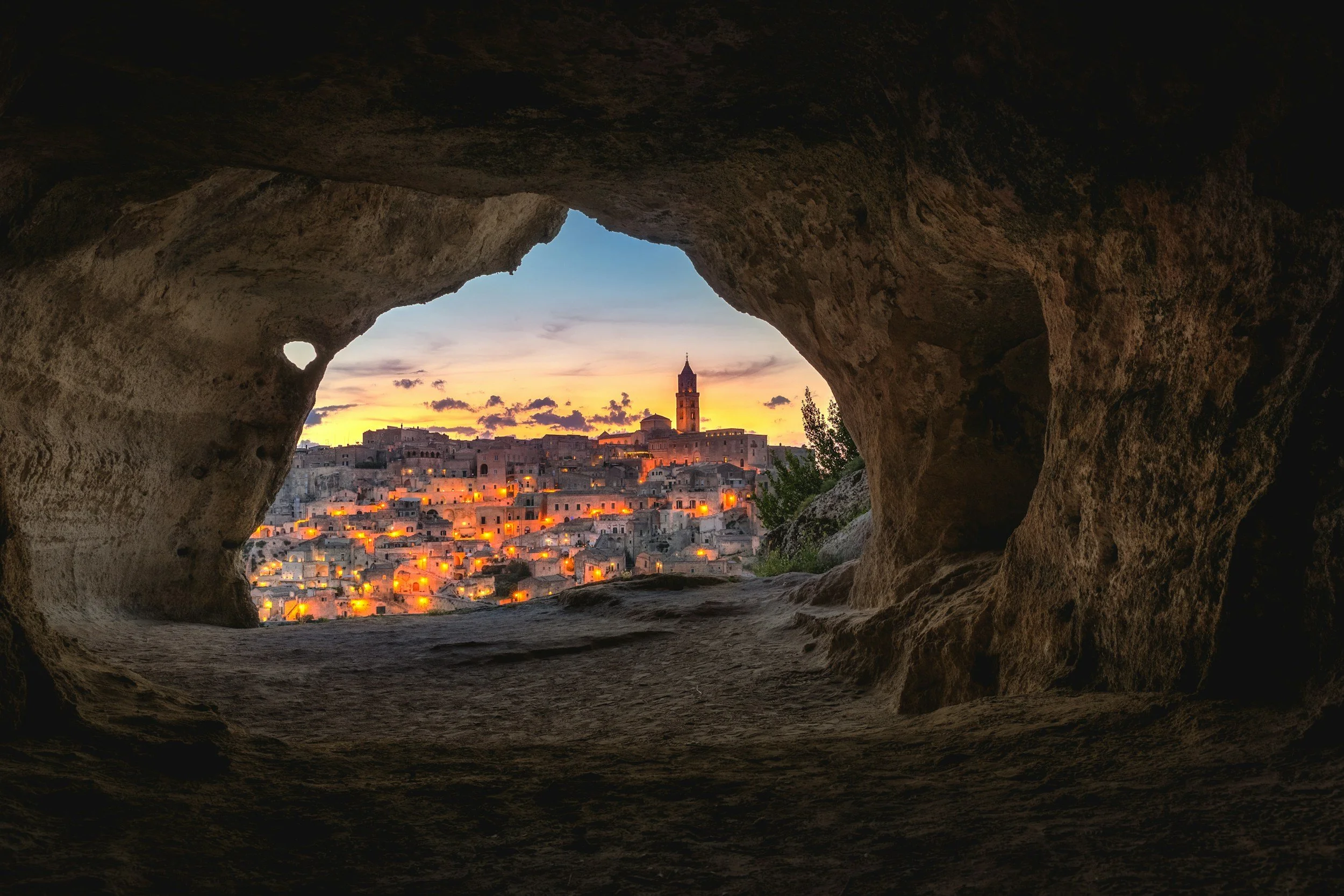
One of many cave hotels… you will fall in love with Corte san Pietro hotel…
Where to Find Peaceful Spring Getaways in Europe
With places like Alsace, Bohinj, Sintra, Lauterbrunnen, and Matera, the difference isn’t just the destination.
In Alsace, it’s easier to stay in Colmar and move out to villages like Eguisheim early in the day rather than staying right in the centre of the most photographed streets. You’ll have more options for cafés and shops in the morning, and you can choose when to head into quieter areas instead of being there all day.
If you like the idea of southern France but want somewhere a bit calmer than Provence, this one is a really good alternative to look at.
At Lake Bohinj, staying near Ribčev Laz means you can walk straight to the lake early, before anyone else arrives from Bled. Even a short walk toward Stara Fužina changes the atmosphere completely. It’s the same lake, just fewer people.
In Sintra, most of the crowding comes from timing, not the place itself. Going up to Pena Palace early and saving Quinta da Regaleira for later in the day spreads things out naturally. Staying overnight instead of doing a day trip makes the biggest difference.
For Lauterbrunnen, it’s less about the village itself and more about the direction you walk. Heading toward Stechelberg is usually quieter than staying near the station, and going up to Mürren earlier avoids most of the queues.
In Matera, where you stay matters more than what you plan to see. Staying in Sasso Caveoso instead of the busiest upper areas makes evenings noticeably calmer. During the day, moving between Sasso Barisano and Caveoso instead of staying in one section helps you avoid the busiest pockets.
What all of these places have in common is that they don’t need much structure. You don’t need a full itinerary, but you do need a good base, the right timing, and a sense of where to move once you’re there.
That’s usually enough to make the trip feel easy instead of crowded.
If you like this kind of slower travel, built around wandering and finding things as you go, this one is a really good follow-up - especially if you enjoy markets and second-hand finds.
Looking for More Quiet European Escapes?
If spring isn’t your only travel season, there are plenty of other places in Europe where you can find the same peace and slower pace.
For a summer trip with hardly any tourist noise, Tinos in Greece is as low-key as the Greek islands get. Think whitewashed villages, breezy tavernas, and beaches where you can spend the whole afternoon without seeing another soul.
If you like the idea of a nature-filled trip any time of year, The Azores might be your spot. These Portuguese islands are all about volcanic landscapes, thermal springs, and slow mornings looking out over green crater lakes.
And for a dose of coastal sunshine without the summer chaos, check out the Algarve in Portugal’s off-season. With mild weather, empty beaches, and affordable stays, it’s a completely different experience from the packed summer months.