The Danish towns that make the best autumn weekends without a car
Every year, once the summer holidays are over, I find myself looking at Denmark again, but not because I'm planning another weekend in Copenhagen. As much as I enjoy the capital, I always end up wondering which town I'd actually choose if what I really wanted was a slower few days filled with good food, long walks, cafés I'd happily return to and places that still felt interesting even if the weather decided not to cooperate.
Copenhagen is usually the obvious answer, and I completely understand why. It's easy to reach, there's more than enough to fill a long weekend and I'd never try to persuade someone to skip it. The more I looked into Denmark beyond the capital, though, the more I realised that autumn seemed to suit a completely different collection of towns. Not because they were trying to compete with Copenhagen, but because they offered the sort of weekend I naturally start looking for once summer begins fading into September.
By that point in the year, I'm no longer interested in squeezing one more attraction into the day simply because there's still plenty of daylight left. I'd much rather start the morning in a bakery that smells of freshly baked cardamom buns, wander until a bookshop, gallery or little design store catches my eye, spend far longer in a museum than I'd originally planned because it's raining outside or stretch lunch into most of the afternoon without feeling there was somewhere else I ought to be. I realised I wasn't really looking for the town with the longest list of attractions anymore. I was looking for somewhere I'd genuinely enjoy spending three or four days, even if one of them turned out to be wet, windy and perfect for doing very little at all.
That completely changed the way I approached this guide because I stopped comparing towns by how much there was to see and started thinking about how each of them actually felt to spend time in once the busiest weeks of summer were over. Some weekends naturally revolved around oyster season, migrating birds and long walks across the Wadden Sea, while others slowly took shape around independent bookshops, neighbourhood cafés, harvest festivals, harbour walks or museums that were just as enjoyable on a grey afternoon as they were on a sunny one.
In the end, I realised I wasn't choosing between Denmark's "best" towns at all. I was choosing between completely different kinds of weekends, and that's exactly how I'd read this guide. Rather than treating it as a ranking, I'd think of it as six different answers to the same question, because the best choice depends much less on which town is objectively better and much more on the kind of autumn weekend you're hoping to come home from.
I'd start with the weekend, not the town
I don't think I'd start with a map of Denmark.
I'd start by asking myself what I'd actually feel like doing once I got there, because that's usually what ends up deciding the destination anyway.
Some weekends, I wake up wanting to spend as much time outside as possible. If that was the mood, I'd probably end up looking at somewhere like Ribe, where I could spend the morning out around the Wadden Sea, watch the birdlife changing with the season and come back into town for a late lunch, or Ebeltoft, where walking through Mols Bjerge National Park feels just as much a part of the trip as wandering down Adelgade afterwards to browse the little shops and stop for coffee by the harbour.
Other weekends are completely different. Sometimes I know before I've even booked that I want museums, bookshops, bakeries and somewhere I can happily disappear for a few hours if it starts raining. That's exactly why I'd choose Odense or Aarhus instead. In Odense, I'd quite happily spend the morning around H.C. Andersens Hus, wander through Brandts afterwards and finish the day somewhere around Vestergade without feeling that the weather had changed my plans at all. Aarhus has much the same feeling, except I'd probably drift between the Latin Quarter, ARoS and Jægergårdsgade, stopping whenever somewhere looked too good to walk past.
Food changes the decision as well, probably more than I'd like to admit. If I knew the weekend was going to revolve around long lunches, good bakeries and seasonal menus, Aarhus would move much higher up my list, while Ebeltoft becomes particularly tempting once the apple harvest begins and the town starts celebrating it properly instead of simply decorating shop windows for autumn.
Then there are weekends where I don't really want to think about transport once I've arrived. That's when somewhere like Helsingør or Odense makes a lot of sense because you can step off the train and get on with the weekend almost immediately. If slowing down is the whole reason for going away, though, I'd happily take the ferry to Ærø instead because, somehow, the journey already feels like part of the holiday before you've even reached the island.
That's why I don't think there's one right answer in this guide. None of these towns are trying to offer the same weekend, and I honestly think that's what makes choosing between them much easier. Once you stop asking which one is the best and start asking how you actually want those three days to feel, the right destination usually becomes surprisingly obvious.
I don't think I'd choose between these towns by counting attractions. I'd choose them by imagining the weekend instead. Would I rather spend the morning walking along the coast before finding somewhere for a long lunch, or would I be happier drifting between bookshops, galleries and cafés while the weather did whatever it wanted outside? Once I started looking at the trip that way, picking a town became surprisingly straightforward because they all do something completely different, and that's exactly what makes this decision so interesting.
The towns
It quickly became obvious that there wasn't going to be one town I'd recommend above all the others. The answer kept changing depending on the sort of weekend I pictured having. Some places immediately made me think about long walks along the coast before settling into a café for lunch, while others felt much more suited to bookshops, museums, seasonal food and afternoons where the weather didn't really matter because there was never any rush to be somewhere else.
That's also why I haven't ranked these towns from first to last. I don't think that would make choosing any easier because they're all good at completely different things. Instead, I've picked the places I'd genuinely recommend once autumn arrives, and each one offers a different way to spend a long weekend. As you read through them, my guess is that one or two will stand out almost immediately, not because they have the most attractions, but because you'll find yourself thinking, that's exactly how I'd like to spend three days.
Ribe
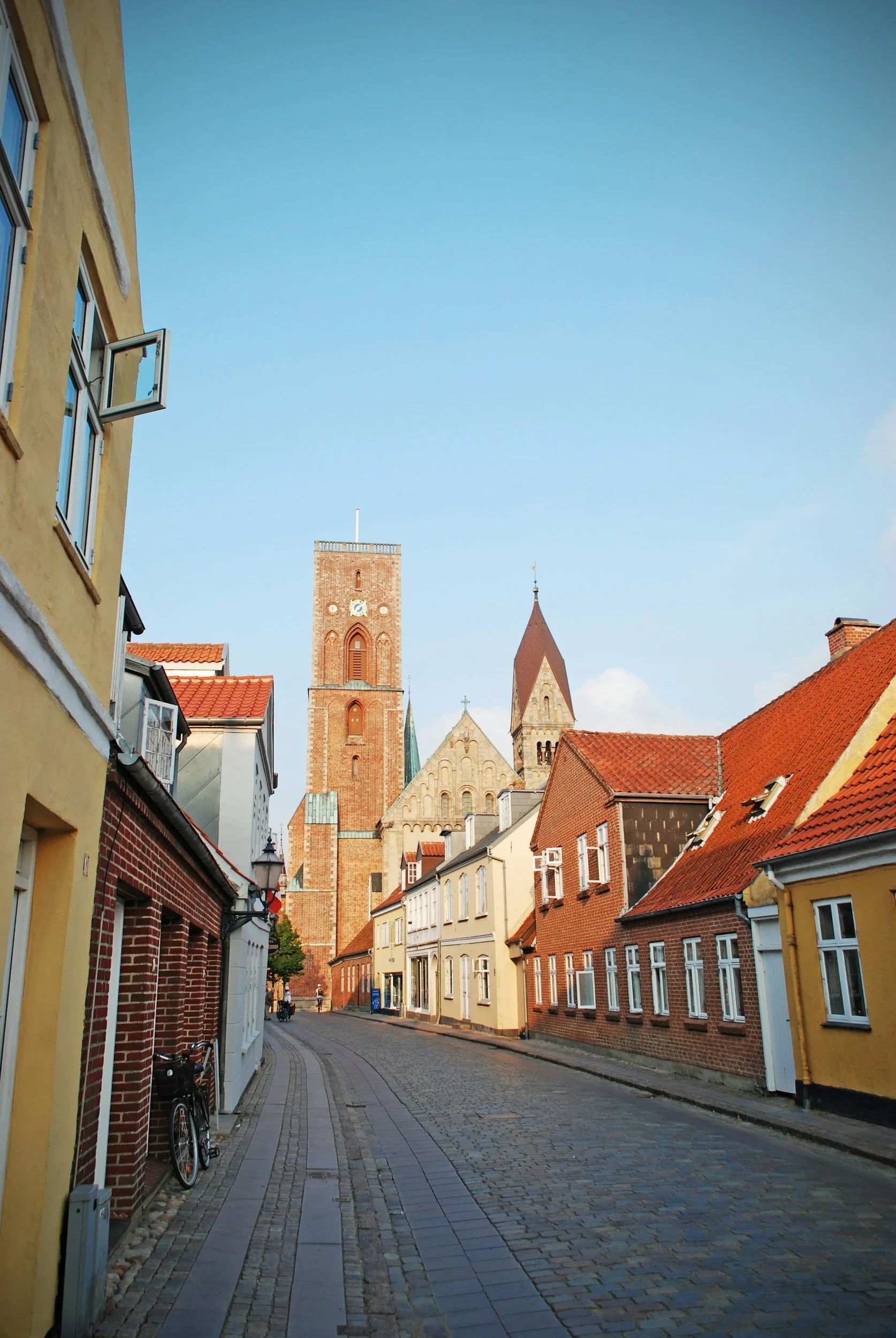
The more I looked into Ribe, the less I thought about the town itself and the more I found myself planning everything around what was happening beyond it. That's what makes an autumn weekend here feel so different from many other places in Denmark. The medieval streets are still there, the cathedral still dominates Torvet, and you'll still spend plenty of time wandering between the old houses along Overdammen, Mellemdammen and the quieter lanes behind the cathedral, but once autumn arrives it's the surrounding Wadden Sea that quietly becomes the reason to come.
Another thing I like is that you don't really need to think about transport once you've arrived. The station is only about a ten-minute walk from Torvet, so unless you're staying on the edge of town, there's a good chance you'll leave your bag at the hotel and spend the rest of the weekend exploring on foot.
If I was planning a weekend here, I'd almost start with the nature before I booked anything else. Autumn is when one of Europe's largest bird migrations passes through the Wadden Sea National Park, and between late August and October thousands of starlings gather before sunset in the extraordinary display known as Black Sun. It's one of those experiences that's almost impossible to describe properly until you've seen it. The birds fold and shift across the evening sky in constantly changing formations before dropping into the marshes for the night, but it's worth knowing that Black Sun isn't something that happens in exactly the same place every evening. The birds gather wherever conditions suit them that day, so I'd happily leave that part of the planning to local guides rather than trying to find them myself. They spend the afternoon tracking where the flocks are forming, which makes the whole experience much less of a gamble.
If I happened to be travelling a little later in autumn, there's a good chance I'd build the whole weekend around the oyster season instead. From early October, the Wadden Sea becomes one of the few places in northern Europe where you can join guided oyster safaris across the tidal flats, although they're quite different from what many people imagine. This isn't the sort of experience where you wander between tasting stalls before heading back into town for lunch. Most tours involve walking around ten kilometres through mudflats and shallow water, so I'd pack waterproof boots and clothes I didn't mind getting muddy because that's really the point of the day. By the time you sit down to eat the oysters, you've already spent hours learning how the tides shape the landscape, where the oyster beds are found and why this coastline is unlike anywhere else in Denmark. I honestly think that makes the experience much more memorable than simply turning up for a tasting.
The tides shape almost everything out here, which is why I'd book the excursion before planning anything else. Walking routes, oyster safaris and even parts of the coastline are only accessible at certain times of day, so it makes much more sense to organise the rest of the weekend around that than to hope everything fits afterwards. I'd probably do the same with my accommodation. Finding somewhere to stay in Ribe is rarely the difficult part, but places on the smaller guided tours can disappear surprisingly quickly once autumn gets underway.
Ribe itself is wonderfully straightforward without a car. Regular trains arrive from Esbjerg, the station is only a short walk from the medieval centre, and once you've checked into your hotel there's very little reason to think about transport again while you're exploring the town. The Wadden Sea is slightly different. Some tours leave directly from Ribe and include transport to the marshes, while others expect everyone to meet at a specific location outside town. That's something I'd always check before booking because it can completely change which hotel makes the most sense and whether you need to arrange a taxi or local bus. It's only a small detail, but it's exactly the sort of thing that's much easier to sort out at home than the evening before you're due to head out across the mudflats.
Back in Ribe, the whole weekend seems to settle into a different pace. After spending half a day out on the Wadden Sea, I don't think I'd feel any need to rush towards another big attraction because almost everything I'd want to do afterwards sits within a few minutes' walk. The cathedral, Skibbroen, the cafés and the narrow streets of the old town all naturally lead into one another, which makes Ribe one of those places where it's surprisingly easy to put the map away and simply wander. I'd probably start the morning at Pompei Bakery, where the shelves fill with fresh sourdough, cardamom buns and pastries before most visitors have even left their hotels, then slowly make my way towards Torvet and Ribe Cathedral, following whichever side street looked the most interesting rather than worrying about the quickest route.
Lunch would almost certainly end up at Restaurant Postgaarden, partly because it's exactly the sort of place that suits the season. By autumn, menus begin changing almost everywhere in town, and local oysters from the Wadden Sea sit alongside mushrooms, game, root vegetables and other ingredients that only really appear for a few months each year. I always think those small seasonal changes say far more about a destination than whether the leaves have started changing colour, because they're the sort of details that make an October weekend feel completely different from one in July.
I'd also be a little more realistic about how much fits into a day here. By October, daylight disappears much earlier than many visitors expect, and I'd rather give the Wadden Sea and Ribe their own space than try to squeeze both into one hurried afternoon. The weather rarely worries me very much, but the wind certainly would. Out on the marshes there's almost no shelter at all, and even when the sun is shining it can feel surprisingly cold until you find yourself back among the medieval streets, where everything suddenly feels much calmer again.
One of my favourite things about Ribe is what happens once the day visitors leave. The streets become noticeably quieter, the lights begin glowing behind the old windows and, until the end of October, the Night Watchman still walks his traditional evening route through the town, stopping to sing at different points along the way. I think that's a far more memorable introduction to Ribe than trying to see it in the middle of a busy summer afternoon because, by then, it feels much less like an attraction and much more like a town that's simply settling into another evening.
If someone asked me which Danish town I'd choose for an autumn weekend centred around one unforgettable outdoor experience, I'd probably say Ribe without thinking for very long. It's the place I'd come for the changing landscapes of the Wadden Sea, the bird migrations, oyster season and long walks where the weather becomes part of the experience rather than something that gets in the way. The fact that you can come back afterwards to a compact medieval town filled with good bakeries, seasonal restaurants and streets that are best explored on foot is what turns it from a day trip into a weekend I'd happily come back for again.
Getting to Ribe without a car
Getting to Ribe is much easier than many people expect. If I was travelling from Copenhagen, I'd simply take the train towards Esbjerg, usually changing once before continuing to Ribe. The journey takes around three hours, but I don't think it's one I'd mind because most of it passes through the changing landscapes of western Denmark rather than busy motorways. If I was arriving from Hamburg, Ribe also works surprisingly well by rail via Tønder, which makes it one of the easiest Danish towns to include as part of a longer trip through northern Germany and southern Jutland.
One thing I'd pay attention to is the arrival time. If I reached Ribe just after lunch, I probably wouldn't rush straight out to the Wadden Sea. I'd use the afternoon to settle into the town instead, wander through the streets around Torvet, stop for coffee or visit the cathedral, then save the Wadden Sea for the following day when I could plan around the tides rather than trying to squeeze everything into a single afternoon. That's another reason I think Ribe works particularly well as a two or three-night destination rather than somewhere you only stop for a few hours on the way to somewhere else.
Ebeltoft
Ebeltoft wasn't the town I expected to keep thinking about. At first glance, it's easy to assume the half-timbered houses and cobbled streets are the main reason people come here, but I don't actually think that's what makes it such a good autumn destination. What stayed with me was how naturally the whole town seems to change once summer fades. Instead of imagining beaches and busy harbour cafés, I found myself picturing early mornings on Adelgade, when the bakeries are just opening, the shopkeepers are putting out signs for the day and there's enough time to wander through the old streets before deciding whether the morning should continue at Glasmuseet Ebeltoft, Maltfabrikken or simply another café.
Autumn quietly becomes part of everyday life here rather than something that's only celebrated during a single festival. Most people know about Ebeltoft's Apple Festival, but I actually think that's only one part of the story. Throughout September and October, apples begin appearing almost everywhere, from bakery windows filled with seasonal cakes to cafés serving freshly pressed juice and restaurants working local fruit into desserts and autumn menus. Drive a few minutes beyond the town and you'll find roadside farm shops selling apples, squash, pumpkins, honey and other produce from the surrounding countryside, so even if your visit doesn't fall on the festival weekend itself, the season still feels very much present.
I'd always make time for a bakery before doing anything else. Danish bakeries have a completely different atmosphere first thing in the morning, when local people are stopping in for breakfast rolls, pastries and coffee on their way to work, and I honestly think that's one of the nicest times to experience Adelgade. The street feels quieter, the old houses catch the soft morning light and it's much easier to notice the little details that disappear later in the day when more visitors arrive. Rather than heading straight for the museums, I'd probably wander for an hour with no particular destination in mind because places like Ebeltoft are often at their best before you've started ticking anything off.
Glass ended up becoming a much bigger part of Ebeltoft than I expected, although not because of Glasmuseet Ebeltoft itself. What I liked most was the feeling that glassmaking still belongs to the town rather than sitting behind museum walls. Before walking down towards the museum, I'd spend time wandering through the small galleries and workshops around Adelgade, where contemporary glass artists are still working by hand and where it's perfectly normal to stop for a conversation before carrying on towards the harbour. By the time I reached Glasmuseet, it would almost feel like the natural continuation of the morning rather than the main attraction. The museum sits right beside Ebeltoft Vig, and one detail that's easy to overlook is that your ticket is valid for seven days. I love that because it removes any pressure to see everything in one visit. I'd happily stop for lunch overlooking the water, then come back later if another exhibition caught my attention.
A few minutes away, Maltfabrikken is the sort of place I'd leave deliberately unplanned. The old malt factory has become one of the town's cultural meeting places, with changing exhibitions, artist studios, talks, concerts, workshops, a café and a small food market depending on the time of year. Autumn is often when new exhibitions begin replacing the summer programme, so I'd always have a quick look at the calendar before travelling because there's a good chance something interesting will be happening while you're there. I also like that it gives the town another dimension. If the rain suddenly arrives after lunch, you're not simply looking for somewhere to hide until it stops. You already have somewhere worth spending the afternoon, which makes the weather feel much less important than it would in a destination built entirely around being outdoors.
I'd still make time for Mols Bjerge National Park, because I honestly don't think you can understand why so many people love Ebeltoft without spending a few hours outside the town itself. Rather than trying to complete one of the longer hikes, I'd head out early while the light is still soft and walk around Trehøje or Skelhøje, where the paths climb gently through heathland before opening onto wide views across Ebeltoft Vig. It's one of those landscapes that feels surprisingly big once you're standing in it. I'd probably be back in town by lunchtime because I like the contrast of spending the morning out in the hills before settling into a café or restaurant for the rest of the afternoon. October actually appeals to me more than July here. The cooler air makes walking much more comfortable, the colours begin changing across the heathland and the lower autumn light gives the whole landscape a completely different character.
Getting here without a car is easier than it first appears, although I'd plan the journey before booking the hotel. The train takes you as far as Aarhus, where the 123 and 123X buses continue directly to Ebeltoft and stop only a few minutes' walk from Adelgade. I'd still check the timetable if I was travelling on a Sunday or later in October because the frequency isn't always identical to the busiest summer weeks, but once you've arrived there's very little reason to think about transport again. The harbour, Fregatten Jylland, Glasmuseet, Maltfabrikken and the old streets are all close enough that the whole weekend naturally happens on foot.
I also wouldn't arrive expecting to see everything on the first afternoon. Ebeltoft isn't the sort of place that rewards rushing from one attraction to the next, and I'd happily leave Mols Bjerge until the following morning. Instead, I'd check into the hotel, wander slowly along Adelgade, browse whichever gallery or little shop happened to catch my eye, continue down towards the harbour and find somewhere for coffee before thinking about anything else. That slower start feels much more in keeping with the town than trying to squeeze four different places into a couple of hours.
The harbour changes quite a lot once October arrives. Most of the visiting yachts have disappeared, it's much easier to find a table overlooking Ebeltoft Vig, and the waterfront feels as though it belongs to the town again rather than to the holiday season. I'd almost always save that walk until later in the afternoon because the light across the bay becomes particularly beautiful as the sun begins dropping towards the horizon, especially on the clear, crisp days that often arrive in early autumn. It's a quiet ending to the day, but I think that's exactly why it stays in your memory.
Smaller galleries and independent workshops also begin settling into autumn once the busiest weeks of summer are over, so I'd always make a shortlist of the places I most wanted to visit rather than assuming everything would be open every afternoon. Glasværkstedet, the working studios around Adelgade, smaller exhibitions at Maltfabrikken and independent shops such as Nicolas Vahe Ebeltoft, Butik Tusindfryd and the local craft and design stores often keep more flexible opening hours outside the main holiday season. I'd also remember that daylight disappears much earlier by late October than many people expect, which is another reason I'd head out to Mols Bjerge while the light is at its best and leave galleries, cafés and a slow walk around the harbour until later in the afternoon.
If someone asked me to describe the difference between Ebeltoft in July and Ebeltoft in October, I don't think I'd start with the weather. I'd probably talk about how the town is used instead. In summer, it's easy to keep moving between the beach, the harbour and the next thing on your list. By October, I can imagine lingering over another coffee at Lundbergs Spisehus, browsing the glass galleries without watching the time or ending up back at the waterfront simply because the light across Ebeltoft Vig makes it difficult to leave. The town seems to encourage longer pauses rather than fuller itineraries, and I honestly think that's when it feels most like itself.
I'd choose Ebeltoft if I wanted an autumn weekend where good food, local craft and time outdoors naturally blended together instead of competing for my attention. I like the idea of spending the morning walking across the hills of Mols Bjerge, returning for a late lunch before drifting between the galleries on Adelgade, then finishing the day by the harbour as the light begins fading over Ebeltoft Vig. If I wanted a city that constantly changed pace, I'd probably head to Aarhus instead, but if what I was really looking for was somewhere that encouraged me to slow down without ever feeling as though there wasn't enough to do, Ebeltoft would be one of the easiest choices in Denmark.
Odense
If I was looking at the forecast a few days before travelling and it showed showers for most of the weekend, Odense would probably move straight to the top of my list. I don't mean that because there's nothing to do outside. Quite the opposite! What I like is that the town never really asks you to organise the day around the weather. If the rain arrives, you wander into a museum, a gallery or a café. When it clears for an hour, you head back outside and carry on where you left off. By the time I'd finished researching Odense, I realised it was one of the few places where I'd almost stop checking the forecast altogether because the day still seemed to come together naturally either way.
Odense feels very different from places like Ribe and Ebeltoft, and I think that's exactly why it deserves a place in this guide. Even once summer is over, it never feels as though the city is waiting for visitors to arrive because everyday life simply carries on around you. Students cycle across town to the university, people stop for coffee before work, friends meet after lectures and the cafés fill with local people who would probably be there whether anyone was travelling through Odense or not. I actually like that. It gives the city a sense of everyday life that's sometimes missing in destinations built almost entirely around tourism.
Most people arrive expecting H.C. Andersens Hus to be another traditional museum, but I don't think that's the best way to think about it. Designed by Kengo Kuma, it's somewhere I'd happily spend an entire morning because the architecture is as much a part of the visit as the exhibitions themselves. The buildings seem to disappear into the gardens, the pathways lead you gradually between indoor and outdoor spaces and the whole place feels much calmer than I expected. Even if I wasn't planning to spend several hours inside, I'd still wander through the public gardens before carrying on towards the old town, and I'd almost certainly leave a little time for the museum shop because it feels more like a Scandinavian design store than the sort of gift shop you usually rush through on your way out.
From there, I'd naturally drift along Overgade, continue towards Vestergade and eventually find myself around Brandts, although I don't think of Brandts as just another museum. It's really a whole neighbourhood built around former industrial buildings, where galleries, small courtyards, cafés, design shops and creative workspaces all blend into one another. I'd probably end up browsing Stilleben, popping into Kunstbygningen Filosoffen if there happened to be an exhibition on, then stopping for coffee at Nelle's or Café Fleuri before deciding what to do next. That's one of the reasons I'd happily choose Odense for an autumn weekend. If the rain suddenly arrived for an hour or two, I'd simply carry on exploring indoors because the city naturally gives you somewhere else to wander instead of forcing you to wait for the weather to improve.
I don't think I'd plan every stop before arriving either. Odense is one of those places where I'd rather leave a little room for curiosity because the streets around Vestergade, Kongensgade and Brandts Passage are full of independent shops where it's easy to lose half an hour without noticing. I'd almost certainly end up browsing Bog & Idé, one of the smaller second-hand bookshops or a local design store before sitting down somewhere that looked inviting rather than somewhere I'd bookmarked weeks earlier. Autumn changes that part of the city in a subtle way. Instead of everyone grabbing a coffee before heading somewhere else, people seem much happier staying for another cup, reading the newspaper, working on a laptop or simply watching the afternoon pass outside the window. I think that's exactly why Odense works so well once the days become shorter, bacuase the cafés really become part of the weekend itself.
When I'd had enough museums and cafés for a while, I have a feeling I'd end up by Odense Å without really planning it. The river quietly threads its way through the city, and it's the sort of place that naturally pulls you outside for an hour before dinner or after lunch, even if you hadn't intended to go for a walk at all. I'd probably just follow the path until it felt like the right moment to turn back, stopping now and then to watch the rowing boats or the ducks drifting downstream before wandering back towards the old centre. If I had another full day, though, I'd hire a bike and keep going to Stige Ø. It's one of those places that completely changes your idea of what a city park can be. Not many people would guess it used to be a landfill, because today it's all walking trails, wetlands, birdlife and wide views across Odense Fjord. I can imagine liking it even more in October than July, partly because walking is so much more comfortable once the summer heat has disappeared, but mostly because the softer autumn light seems to suit that landscape.
Food would probably shape my weekend here more than I'd expect. Not because I'd spend weeks booking restaurants before arriving, but because I'd keep walking past places that looked too good to ignore. I could easily imagine starting the day with a pastry from Wendorff, stopping for lunch at Restaurant Grønttorvet simply because I wasn't ready to leave the square yet, then ending up somewhere completely different for dinner after wandering through Brandts Passage for the afternoon. That's one of the things I enjoy about travelling in autumn. Instead of rushing between attractions and fitting meals into the gaps, the cafés, bakeries and restaurants quietly become part of the day themselves. By October, menus also begin changing, with mushrooms, apples, root vegetables and game appearing alongside the dishes that have carried the restaurants through summer, and I always think those small seasonal changes tell you just as much about a place as any museum ever could.
Odense is also one of the easiest places in Denmark to visit without a car, which definitely adds to its appeal for a long weekend. The train from Copenhagen takes a little over an hour, and from Odense Station it's only a short walk into the historic centre. Once I'd dropped my bag at the hotel, I don't think I'd think about transport again unless I decided to cycle out to Stige Ø. I certainly wouldn't try to fit H.C. Andersens Hus, Brandts, the river and the old town into the first afternoon. I'd much rather wander through Overgade, stop for lunch somewhere that looked inviting and then decide what to do next once I'd settled into the city instead of trying to stick to a timetable.
The shorter days would change the order of things, though. I'd use the brightest hours for walking beside Odense Å, exploring the older streets or cycling out towards the fjord, then leave museums, galleries and cafés until later in the afternoon when everyone else seems to drift indoors as well. If you're travelling during Denmark's autumn school holiday in week 42, it's worth booking H.C. Andersens Hus before you arrive because it's one of the busiest weeks of the season. I'd also spend a minute checking what was happening at Brandts and Kunstbygningen Filosoffen, because autumn is often when new exhibitions begin and it's entirely possible you'll stumble across something that wasn't there a month earlier.
What I like most about Odense, though, is that I never get the feeling I'm trying to keep up with the city. It doesn't matter if the rain starts halfway through the afternoon because there's always another gallery to wander into, another café where nobody seems in a hurry to leave or another street that looks worth exploring before heading back to the hotel. That's why I'd come here in autumn, because it's one of those places where the whole weekend feels easy from the moment you arrive until it's time to catch the train home.
If this article has put you in the mood for long lunches with a view, these cafés and restaurants might help you decide where to go next.
Helsingør
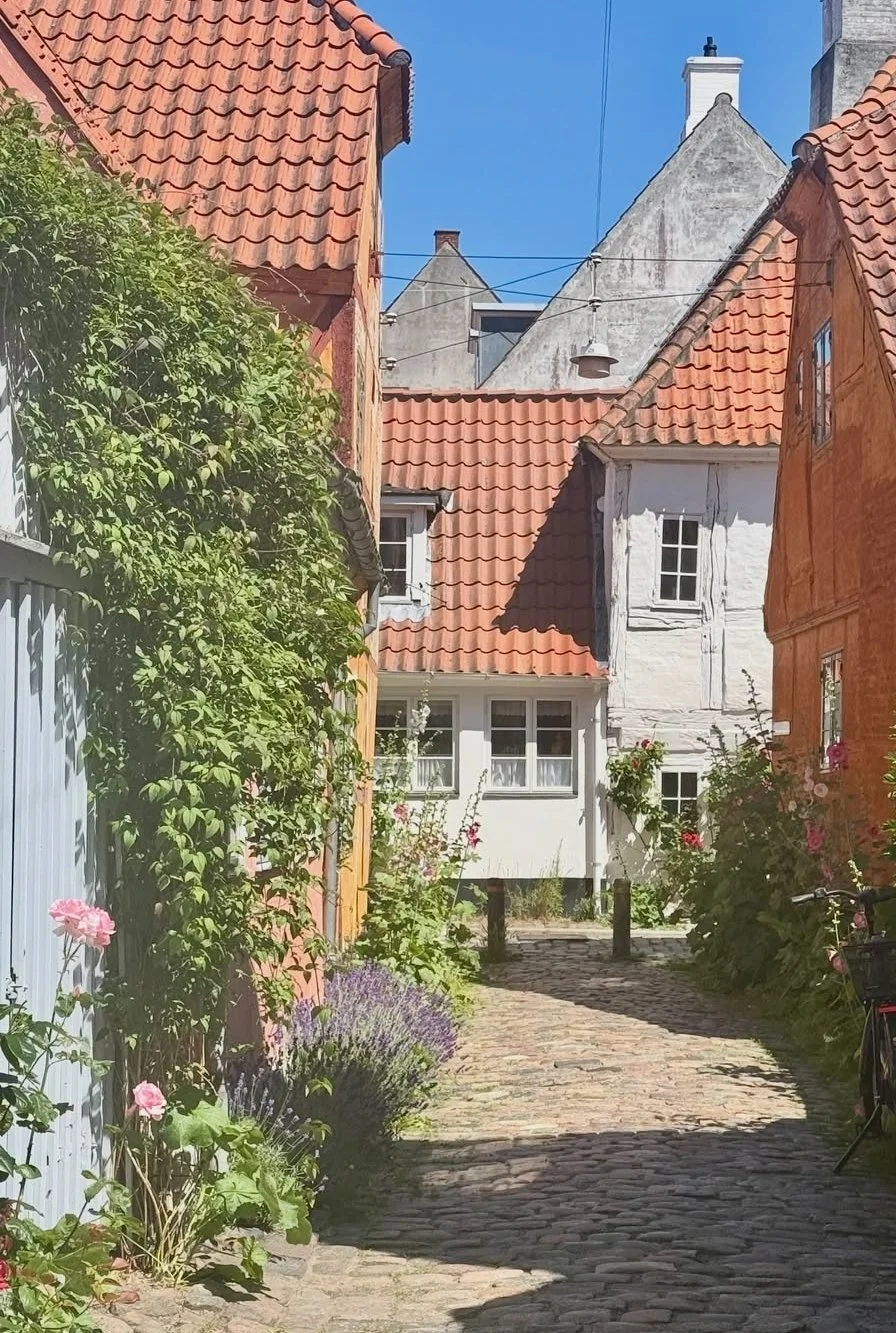
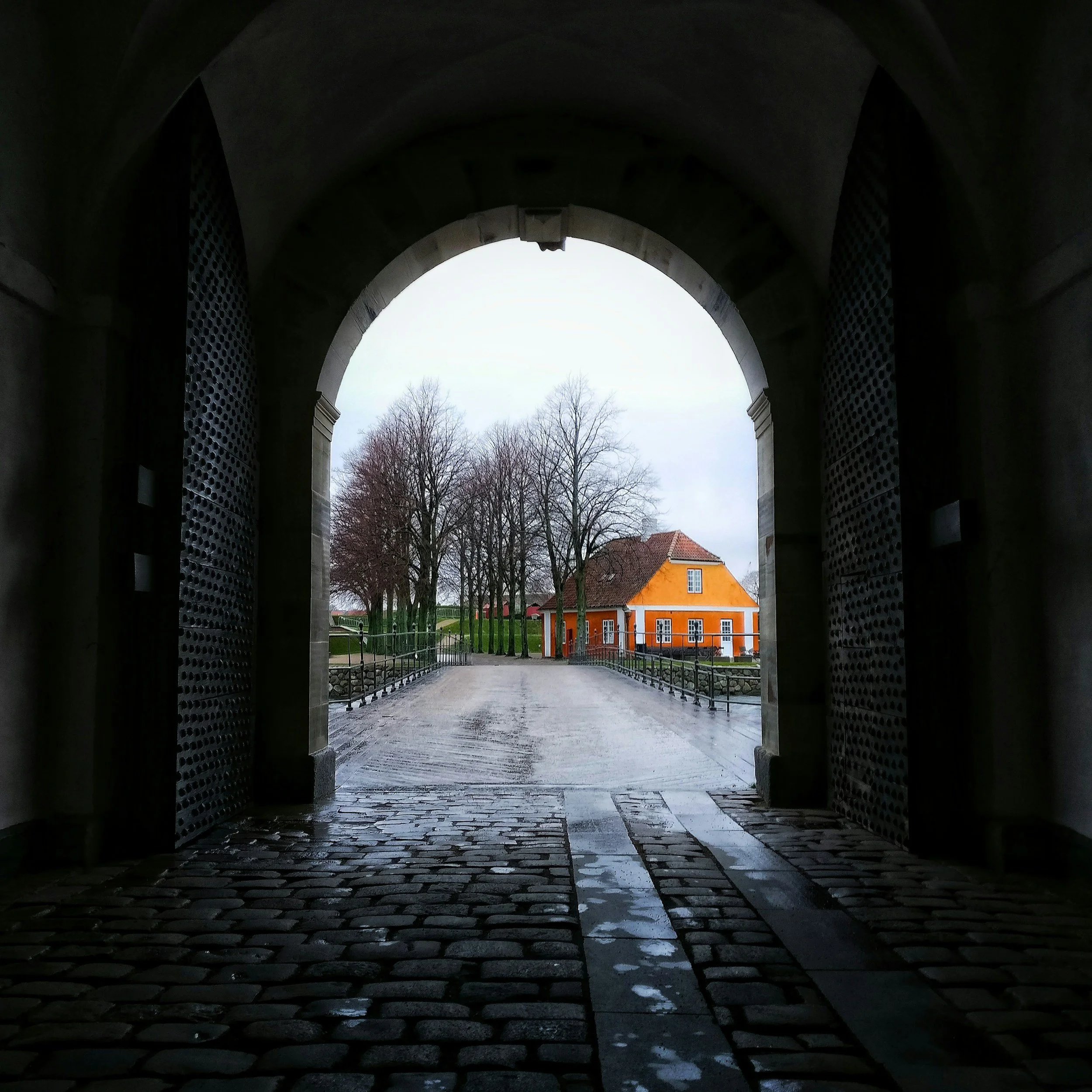
The more I thought about Helsingør, the less I liked the idea of treating it as a day trip from Copenhagen. Almost every guide recommends catching the train in the morning, visiting Kronborg, perhaps squeezing in Louisiana Museum of Modern Art, then heading back to the capital before dinner. I honestly think that's where a lot of people miss the best part of the town. By the time I'd finished researching Helsingør, I found myself planning the opposite. I'd arrive around lunchtime, stay for two or three nights and let Copenhagen become the place I flew into rather than the place I hurried back to.
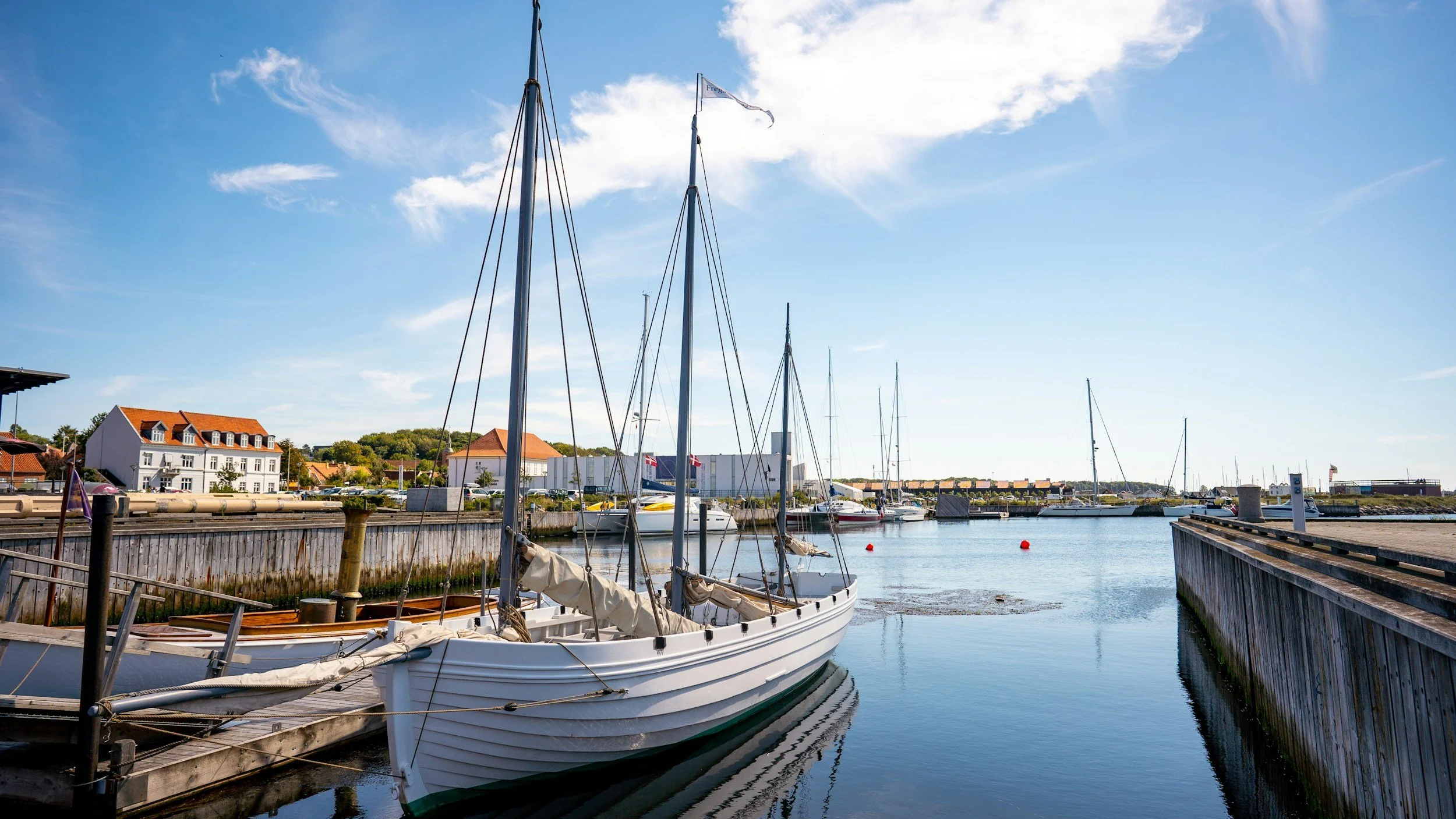
The easiest thing about Helsingør is how little planning the town asks from you once you arrive. The station sits only a few minutes from the harbour, and from there you can walk through the old centre, past cafés and independent shops, before the streets open up around Kulturhavn Kronborg. The whole waterfront was redesigned to connect Kronborg Castle, the harbour, the M/S Maritime Museum of Denmark and the old dockyards into one cultural district, which means they never feel like separate attractions you need to travel between. They become part of the same walk, and you simply keep going because the next place is already in sight.
I’d still give Kronborg a proper morning rather than rushing through it on the way to somewhere else. After seeing the castle, I’d stay out on the old ramparts for a while and watch the ferries crossing the Øresund, especially once the summer tour groups have thinned out and there’s more room to stop without feeling you’re holding anyone up. Helsingborg sits so close across the water that Sweden never really feels separate from the town, and the ferries reinforce that all day long. They usually leave roughly every twenty minutes, so after a while you stop noticing them as transport and start noticing them as part of Helsingør itself, constantly arriving, turning around and heading back across the sound.
I can easily imagine ending up by the harbour with a coffee and watching several of those crossings without meaning to stay that long. That steady movement gives Helsingør a very different atmosphere from other Danish towns in this article because the waterfront never feels sleepy, even when the streets behind it have gone quiet. It feels active, but not hectic, and I think that balance is one of the reasons the town works so well for a couple of nights rather than a rushed day trip.
I also wouldn’t try to combine Louisiana Museum of Modern Art, Kronborg and the whole of Helsingør in a single day. Travelling from Copenhagen, I’d get off at Humlebæk, spend three or four hours at Louisiana and then continue north to Helsingør afterwards. Louisiana deserves that time because the visit isn’t only about the exhibitions. The sculpture park, the buildings and the views across the Øresund are part of the experience, and trying to squeeze all of that into ninety minutes before hurrying back to the station would miss the point. Continuing to Helsingør afterwards makes far more sense because you arrive with the evening still ahead of you instead of spending it travelling back into Copenhagen.
Once I was back in the centre, I don’t think I’d follow a fixed route. I’d wander along Stengade, turn into Brostræde, continue through Strandgade and eventually end up around Axeltorv, stopping whenever something looked worth a closer look. This is where Helsingør becomes much more interesting than a castle-and-harbour stop because the old centre still has independent makers and small shops rather than just souvenir stores and international chains. Hands of Elsinore, Studio Kala, Egeværk and SÆTTER are the sort of places I’d naturally spend time in, whether I was looking at locally made ceramics, textiles, jewellery or contemporary Danish design. They give the town another layer and make a rainy afternoon feel like part of the weekend rather than time you need to fill until the weather improves.
Autumn suits this part of Helsingør particularly well, and I’d be much happier spending half an hour in one shop, stopping for another coffee near the harbour and then wandering back through Stengade towards dinner than trying to fit in one more attraction before closing time. By then, most of the day visitors have already caught the train south, the ferries are still moving across the Øresund and the town feels noticeably more local than it does in the middle of the afternoon. That quieter evening is exactly why I wouldn’t treat Helsingør as another Copenhagen day trip.
Coffee would almost certainly become part of my routine here as well, although I don't think I'd be in any hurry to drink it. I'd probably stop at Strandvejsristeriet, where coffee is taken seriously without feeling pretentious, then wander back towards the harbour before I'd really decided what I was doing next. That's something I kept noticing about Helsingør. Even though it's one of Denmark's best-known day trips, it never felt like a town where everyone was rushing from one attraction to the next. By autumn, the cafés seem to fill with students from the nearby campus, people working on laptops, friends catching up after work and locals reading the newspaper over another cup of coffee. It gives the whole town a much more everyday feel than I expected, and I think that's one of the reasons it works so well once summer is over.
If I still felt like walking afterwards, I don't think I'd head back into the old town straight away. I'd probably follow the coast instead because the path from Kronborg towards Marienlyst is exactly the sort of walk I'd look for at this time of year. I wouldn't be thinking about beaches or swimming. I'd simply enjoy being beside the Øresund, watching another ferry leave for Helsingborg, then another one arriving twenty minutes later while the light kept changing across the water. Even in October, you'll often spot local people heading into the sea for a quick swim, which always makes me smile because it reminds you that the waterfront isn't there for visitors. It's part of everyday life, whatever the season happens to be.
Getting here is almost effortless, which is another reason I'd happily come for a long weekend instead of just a day. Direct trains leave Copenhagen Central Station throughout the day and reach Helsingør in around fifty minutes, with long stretches of the journey following the Øresund coastline. I'd definitely choose a window seat because it's one of those journeys where the sea keeps appearing beside the tracks just as you think you've left it behind. Once I'd arrived, I'd probably forget about transport altogether. Staying somewhere between Axeltorv, Stengade and the harbour means you can walk to Kronborg, the M/S Maritime Museum, the ferry terminal, cafés and restaurants without really thinking about how you're getting from one place to the next.
If there's one mistake I think people make here, it's trying to squeeze Helsingør into a few hours before rushing back to Copenhagen. I completely understand the temptation because it's so easy to reach, but I honestly think the town changes once the afternoon trains leave. The queues outside Kronborg disappear, the harbour becomes quieter, restaurants begin filling with local people instead of day visitors and the old streets feel much more relaxed than they do at lunchtime. That's usually the point where I'd start enjoying the town the most, which is why I'd always stay at least one night rather than treating it as somewhere to tick off on the way back to the capital.
I don't think I'd come to Helsingør because it has more attractions than Copenhagen. I'd come because everything sits so comfortably together. You can spend the morning at a world-famous castle, lose yourself in a brilliant museum after lunch, browse independent shops around Stengade, walk beside the Øresund before dinner and finish the evening watching the ferries crossing to Sweden without ever opening a map or checking a timetable. For me, that's exactly what makes Helsingør such a satisfying autumn weekend!
Aarhus
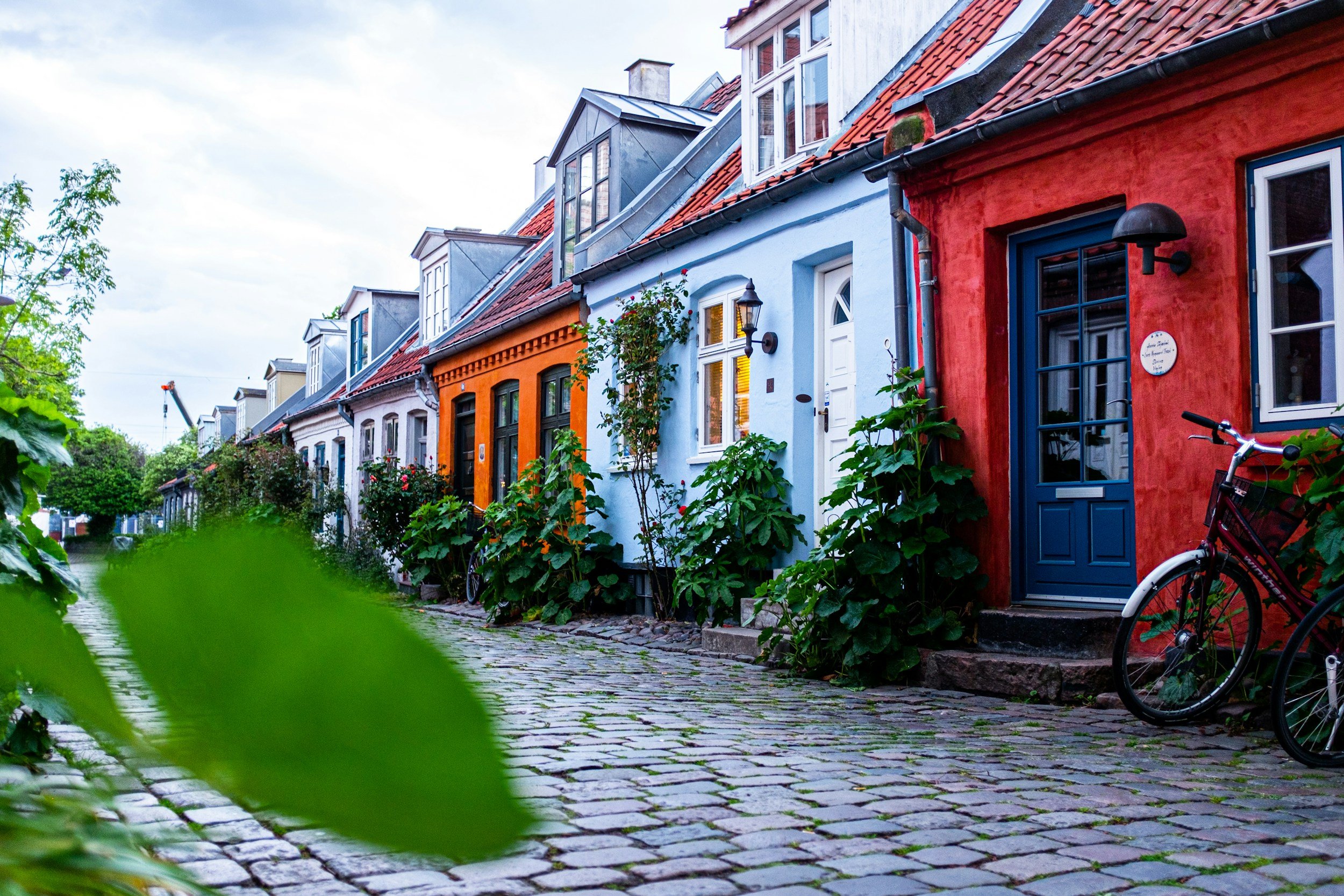
If food was the main reason I was going away for a long weekend, I honestly think I'd book Aarhus before Copenhagen. That's not because the city has more Michelin stars or a longer list of restaurants. It's because eating well seems to happen naturally here. I can already picture the weekend drifting from one place to the next without ever really planning it. Breakfast from DavidBreadHead, coffee somewhere around Graven, lunch that somehow turns into two hours at Aarhus Street Food, then changing my dinner plans because I happened to walk past a restaurant that looked too good to ignore. I love trips like that because they never feel organised around food, even though food quietly ends up shaping the whole day.
Autumn seems to suit Aarhus particularly well because everyday life quickly takes over again once the summer holidays are over. Students return to the university, new exhibitions begin opening, theatres launch their autumn programmes and restaurants start changing their menus almost as soon as the evenings become cooler. I always enjoy cities more when they feel like they're being used by the people who actually live there rather than simply welcoming visitors, and Aarhus has exactly that feeling. Instead of wondering whether somewhere will still be lively after summer, I'd expect it to be.
I have a feeling most of my mornings would begin in Latinerkvarteret. Around Graven, Mejlgade, Badstuegade and Studsgade, the city seems to wake up at a gentler pace than the main shopping streets. I'd wander between DavidBreadHead, La Cabra, little ceramic studios, vintage shops, independent bookshops and design stores without really caring what order they came in. That's another thing I like about this part of Aarhus. It doesn't feel curated for visitors. It feels like the sort of neighbourhood where local people pick up bread on the way to work, stop for coffee with friends or disappear into a gallery because they've got an hour to spare before lunch.
I have a feeling most of my mornings would begin at La Cabra, partly because it's right in the middle of Latinerkvarteret, but mostly because it seems like the sort of place that encourages you to slow down before the day has really started. You can watch the bakers working behind the glass while trays of sourdough, croissants and cardamom buns keep appearing from the ovens, and I don't think I'd be in any hurry to leave. I'd probably sit there with another coffee, work out what I felt like doing next and let the rest of the day grow from there instead of deciding everything before breakfast.
Then again, I'd probably end up somewhere completely different the following morning. The more I read about Aarhus, the clearer it became that everyone seems to have their own favourite bakery, and I actually love that. Some people won't hear a bad word said about DavidBreadHead, others insist the seasonal pastries at Jumbo Bakery are worth crossing the city for, while plenty of locals point straight towards Berta or Mor Anna. That usually tells me more than any list of awards ever could because it suggests there's no single "correct" answer. I'd never try to visit all of them just because they're famous. I'd rather wander until I felt hungry again, then see which bakery happened to be around the next corner.
I don't think I'd head to ARoS first thing either. I'd much rather spend the morning around the Latin Quarter, browse a few independent shops, maybe stop somewhere else for coffee, then wander up towards the museum once the afternoon light started softening. Most people make a beeline for Your Rainbow Panorama, and I'd definitely end up there too, but I think it would be a completely different experience later in the day when the lower autumn light begins filtering through Olafur Eliasson's coloured glass. I'd also have a quick look at the temporary exhibitions before travelling because that's often where the biggest surprises are. It's one of those museums that gives you a good reason to come back rather than feeling as though you've seen everything in one visit.
If there's one thing I wouldn't do, it's try to fit ARoS, Den Gamle By and Moesgaard Museum into the same weekend simply because they're Aarhus' biggest attractions. I'd rather choose whichever one I felt most excited about and leave enough space for everything else that makes the city enjoyable. Some of my favourite moments would probably have nothing to do with museums at all. They'd be the walk back through Mejlgade, stumbling across a little design shop I hadn't planned to visit, finding another bakery because something in the window looked impossible to ignore or sitting outside with a coffee wondering where the afternoon had gone.
One thing I like about Aarhus is that food never feels separated from everything else you're doing. I'd happily spend lunch at Aarhus Street Food if I wanted plenty of choice and a lively atmosphere, but I can just as easily imagine ending up at Aarhus Central Food Market on a quieter day, ordering something simple and sitting there much longer than I'd planned because there was no reason to rush anywhere else. Neither place feels like somewhere you visit just to eat before moving on. They're the sort of places that naturally become part of the afternoon.
I'd definitely leave time for Godsbanen as well, although I don't think I'd come here just for lunch. What used to be a railway freight yard has grown into one of the city's most interesting creative neighbourhoods, with working artists' studios, exhibition spaces, workshops, small events and cafés spread through the old industrial buildings. I could easily see myself wandering through a gallery, stopping to watch somebody working in one of the studios, then sitting down for lunch without ever feeling as though I'd arrived at a specific attraction. That's probably why it appeals to me so much. It feels like somewhere people genuinely spend time rather than somewhere they simply visit. The restaurant fits that feeling too, with a menu that changes throughout the year and makes the most of seasonal Danish ingredients, preserving, fermenting and pickling as autumn settles in.
Rain wouldn't really change much here either. If anything, I'd probably slow down even more, spend another hour at Godsbanen, wander into another exhibition or find somewhere for coffee before carrying on. Aarhus seems surprisingly good at giving you interesting places to drift between without making the weather feel like it's dictating the day.
The same goes for the restaurants. Autumn quietly changes what arrives on the plate, and I think that's one of the nicest reasons to visit at this time of year. Mushrooms, apples, root vegetables, game and preserved ingredients begin appearing on menus all over the city, and I'd rather decide where to eat after seeing where the day had taken me than book every meal weeks in advance. The only exception would probably be a Friday or Saturday evening because the smaller neighbourhood restaurants fill up quickly once local people are back into their routines after the summer holidays.
By evening, I have a feeling I'd end up around Jægergårdsgade. That street came up so often while I was planning this guide that I started wondering why more visitors don't spend their evenings there instead of around Åboulevarden. It's only a short walk from the station, but the atmosphere is completely different. Neighbourhood cafés, wine bars, bakeries and independent restaurants sit side by side, and it feels much more like somewhere people actually meet friends after work than a street designed for visitors. That's usually a good sign.
If I still felt like walking afterwards, I'd continue towards Dokk1 and follow the harbour before looping back into the centre. I wouldn't really think of Dokk1 as a destination in its own right because it simply extends the walk. Within half an hour you've moved from narrow streets in the Latin Quarter to the waterfront without ever needing a bus or tram, and I think that's one of Aarhus' biggest strengths. The only thing I'd remember is that the harbour nearly always feels windier than the streets around Mejlgade or Graven, so I'd happily save the waterfront until later in the afternoon once the day had warmed up a little.
Getting here is wonderfully uncomplicated. Direct trains connect Copenhagen and Aarhus in about three hours, and once I'd walked out of the station I don't think I'd think about transport again for the rest of the weekend. ARoS, Godsbanen, the Latin Quarter, Jægergårdsgade, Dokk1 and the river are all close enough to reach on foot, which makes the city feel much smaller than it really is. If I was booking a hotel, I'd look somewhere between the station and the Latin Quarter because it makes wandering back for a break in the afternoon just as easy as heading out again later for dinner.
I also wouldn't fill every hour simply because there was more to see. Aarhus feels like one of those cities that rewards leaving space in the day. Space for another bakery you hadn't planned on, another coffee because the café was too nice to leave, another gallery you spotted while wandering through Mejlgade, or another glass of wine because dinner somehow stretched long into the evening. Those are usually the moments I remember afterwards, and I have a feeling Aarhus produces quite a lot of them.
If somebody asked me which Danish city I'd choose for an autumn weekend centred around food, I'd still say Aarhus before Copenhagen. Not because Copenhagen doesn't have more restaurants or bigger names, but because Aarhus feels much easier to settle into. Everything sits close enough together that the city quietly carries you from breakfast to dinner without much planning, and by the end of the weekend I'd probably remember the bakeries, neighbourhood cafés and long lunches just as clearly as any museum I'd visited. That's exactly the sort of city I find myself wanting to come back to.
Reading about Aarhus might leave you wondering whether Copenhagen is actually the best place to experience Danish design in the first place. If that thought crossed your mind too, this guide is worth a quick read before you decide.
Even after writing about Denmark's smaller towns, I'd still find it hard to leave Copenhagen without one more slow breakfast. If you're planning to spend a day or two there as well, these breakfast spots are the ones I'd start with.
Ærø
If I was craving a few days where absolutely nothing needed to happen, Ærø would probably be the first place I'd look. Not because there's a never-ending list of things to do, but because it feels like the sort of island where you stop checking the time almost as soon as the ferry leaves the mainland behind. I don't think I'd arrive with much of a plan either. I'd book somewhere to stay, throw a book into my bag and trust that the island would give me enough reasons to keep wandering for the next three days.
One thing I'd resist is the temptation to see everything. Looking at a map, it's easy to think you should squeeze Ærøskøbing, Marstal and Søby into the same weekend because none of them seem particularly far apart, but I honestly think you'd lose something by treating the island like a checklist. I'd rather unpack once, get to know one town properly and let the rest of the island become excuses for slow bus rides, ferry crossings or a cycle ride on another day. For a first visit, I'd choose Ærøskøbing every time.
Not because it's the prettiest place on the island, although it's certainly difficult to argue with those cobbled streets, but because the whole atmosphere changes once the last afternoon ferry from Svendborg has emptied and the day visitors begin heading home again. That's usually when I'd want to be there. The little shops start closing, the streets become noticeably quieter and suddenly it feels less like somewhere people have come to photograph and much more like a small island town settling into another evening. I have a feeling I'd enjoy those hours just as much as anything I'd planned during the day.
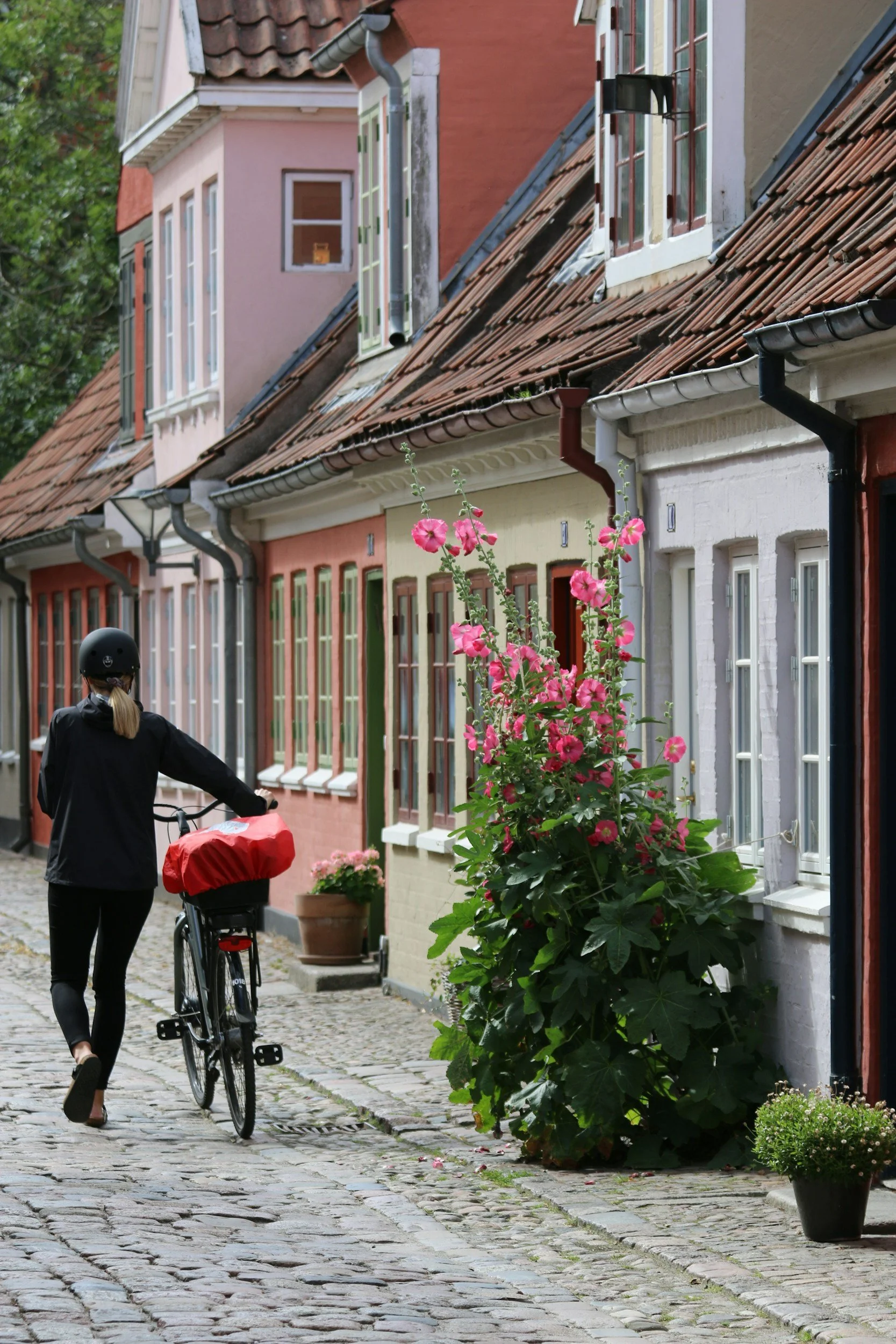
I don't think I'd rush into doing very much the following morning either. I'd probably wander along Brogade, continue through Vestergade, stop at Bageriet Ø, pick up something warm for breakfast and eventually find myself down by the harbour without really deciding to go there. That's one of the things I like most about Ærøskøbing. It's almost impossible to walk anywhere without being distracted by another little lane, another hollyhock-covered house or another front garden that makes you stop for a second before carrying on.
Sooner or later I'd end up at Vesterstrand. Most people know it because of the colourful beach huts, but I honestly think they look even better in October than they do in the middle of summer. The beach is almost empty, the wind has picked up across the Baltic and the whole place feels wonderfully open. If I still felt like walking, I'd carry on towards Urehoved, where the coastline becomes quieter still. It isn't the sort of walk you do to reach one spectacular viewpoint. You keep going simply because the sea stays beside you, the path is easy to follow and every so often you turn around and realise Ærøskøbing already looks much further away than you expected. Those are usually my favourite kinds of walks because there's never a feeling that you're trying to get somewhere before turning back.
I'd definitely make time for Voderup Klint, although I don't think I'd be in any hurry once I got there. It's one of the most unusual stretches of coastline in Denmark, where thousands of years of landslides have left behind a series of stepped clay cliffs above the Baltic Sea. It feels much wilder than most people expect from Denmark. One local tip I came across suggested bringing a blanket and a flask of hot chocolate and staying until sunset in autumn instead of leaving after ten minutes with a few photos. I honestly can't think of a better way to spend an October evening on Ærø, and it's exactly the sort of recommendation you only hear from people who know the island well.
Getting around turned out to be much easier than I'd expected too. I think a lot of people assume an island like Ærø only really works if you've hired a car, but the buses are free and they're timed to meet the ferries, which makes a huge difference. I'd happily arrive on foot in Ærøskøbing or Søby, step straight onto the next bus and carry on without giving transport another thought. I'd still check the timetable before travelling because ferry departures become a little less frequent later in autumn, but once you're on the island the different connections fit together surprisingly well.
I also hadn't realised how different the three towns would feel from one another. Marstal still feels like a proper working harbour, where ferries, fishing boats and maritime history are part of everyday life rather than something preserved for visitors. The Marstal Maritime Museum tells the story of how this small island became one of Denmark's most important seafaring communities, and it's well worth a couple of hours. Søby has a completely different character. The landscape opens up almost as soon as you leave the harbour, the roads become quieter and it's easy to walk out towards the western coastline or over to Søbygaard, the island's beautifully restored manor house. I'd definitely spend time in both towns, but I'd still stay in the same place for the whole weekend. Packing a bag every morning somehow feels like the opposite of what Ærø is about.
Coming from Copenhagen, I'd take the train to Svendborg and catch the ferry into Ærøskøbing, because arriving straight into those old streets feels like the best possible introduction to the island. If I was travelling from southern Jutland instead, I'd use the ferry from Fynshav to Søby, which saves crossing the whole of Funen first. The only thing I wouldn't do is try to squeeze Ærø into a day trip. Arriving on the first ferry and leaving on the last might look efficient on paper, but I think you'd miss the nicest part of the island. Everything changes once the afternoon ferries have gone and the streets become quiet again.
After a walk beside the sea, I'd probably end up thinking about food without really planning to. Smoked fish suddenly sounds like exactly the right lunch, local apples start appearing in cakes and pastries all over the island, and places like Ærø Bryggeri and Hattesens Konfektfabrik are the sort of places I'd wander into simply because I happened to be passing.
If you're wondering whether Ærø deserves a whole long weekend, which town I'd stay in, how to explore the island without a car and how I'd plan each day, I've put everything together in my dedicated guide to visiting Ærø without a car.
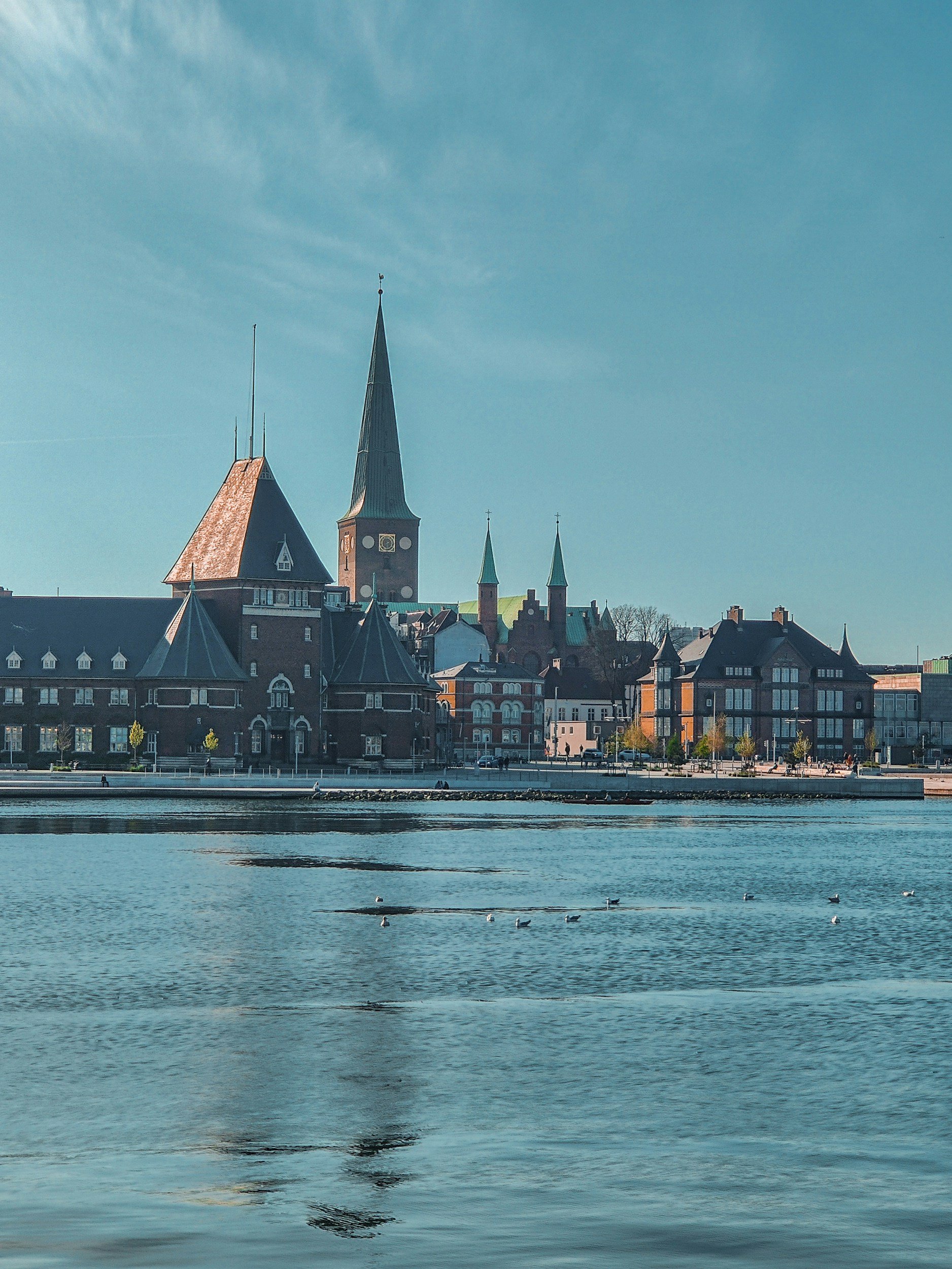
If you're the sort of traveller who notices the buildings almost as much as the destination itself, this guide is well worth bookmarking for later.
This is how I'd decide
The funny thing is that after spending so much time researching these towns, I didn't end up with one clear favourite. I kept changing my mind, but not because I was discovering new attractions or finding somewhere prettier than everywhere else. It was because I gradually realised I wasn't comparing towns anymore. I was comparing completely different weekends, and that's a much more useful way to think about it if you're trying to decide where to go!
If this was my first autumn trip to Denmark, I'd stop overthinking it and book Helsingør. I don't necessarily think it's the most beautiful town in this guide or the one that surprised me the most, but I do think it's the easiest place to visit. You can leave Copenhagen after breakfast, be walking through the old streets before lunch, spend the afternoon between Kronborg and the waterfront, and still have plenty of time to wander back through the town once most of the day visitors have caught the train home. That's actually the version of Helsingør I'd want people to experience. Not the busy few hours in the middle of the day, but the quieter evening afterwards, when the ferries are still crossing the Øresund, local people start filling the cafés again and the whole place feels much less like a day trip destination.
If I checked the forecast before leaving and saw rain every single day, I honestly wouldn't feel disappointed if I was heading to Odense. In fact, it's probably the only place in this guide where I'd almost stop checking the weather altogether because I don't think it changes the experience very much. I'd spend longer inside H.C. Andersens Hus, wander through Brandts, browse another bookshop, settle into a café for another coffee and carry on with the day once the rain eased. Some destinations really depend on sunshine to show their best side. Odense doesn't strike me as one of them, and I actually think that's one of its biggest strengths.
If I already knew I'd spend half the weekend thinking about where to eat next, I'd book Aarhus. I'd probably start the morning at La Cabra, tell myself one bakery was enough, then end up buying another pastry from DavidBreadHead because somebody at the next table insisted I should. Lunch might happen at Godsbanen simply because I wasn't ready to leave, and I'd almost certainly change my dinner plans at least once after walking past somewhere that looked too good to ignore. That's what appeals to me about Aarhus. I wouldn't spend the weekend chasing restaurant reservations or ticking famous places off a list. I'd simply keep eating well because everywhere I wandered seemed to offer another good reason to stop.
Other weekends feel completely different. Sometimes the thing I want most is a place where nobody expects me to do very much at all, and that's when I'd book Ærø. I'd stay in Ærøskøbing, carry a flask of coffee out to Voderup Klint, wander back through the old streets after the afternoon ferry from Svendborg had left and leave enough empty space in the day that I stopped wondering what I should do next. I think that's where people often get Ærø wrong. They try to see every corner of the island instead of giving themselves time to settle into one small part of it, and for me that's probably where the island is at its best.
Ribe would be the easiest decision of all if I knew I wanted to spend most of the weekend outside. Before looking into the town, I thought the medieval streets would be the obvious highlight, but they're probably the part I'd remember least. I'd remember pulling on waterproof boots before heading out across the Wadden Sea, looking up every few minutes to watch another flock of migrating birds crossing the marshes and coming back into town tired, windswept and ready for a late lunch. If somebody offered me another museum or another couple of hours out in that landscape, I honestly don't think I'd hesitate for very long.
Ebeltoft kept creeping back into my thoughts for a different reason. Every time I imagined the weekend, it felt easy. I could spend the morning walking in Mols Bjerge National Park, wander back into town for lunch, lose an hour or two around the glass studios and Glasmuseet Ebeltoft, then end the day by the harbour without ever feeling I needed to rush somewhere else. I think that's why I'd choose it if I couldn't quite decide what sort of weekend I wanted. It gives you countryside, good cafés, the sea and a genuinely interesting old town, but it never feels as though you're trying to squeeze too much into two or three days.
In the end, I don't think I'd make this decision by comparing museums or counting attractions. I'd think about the Sunday evening instead. Would I rather come home with a list of restaurants I wanted to return to? Then I'd book Aarhus. Would I rather feel as though I'd barely looked at my phone for three days? Then I'd head for Ærø. If I knew I wanted to spend most of the weekend outdoors, I'd choose Ribe or Ebeltoft, and if it was my first trip to Denmark I'd book Helsingør because everything is so straightforward from the moment you step off the train. If the forecast looked miserable but I still wanted to go away, I'd pick Odense without giving it much more thought because I know I'd still have a good weekend.
That's why I haven't tried to rank these towns from first to last. I honestly don't think one of them is objectively better than the others. They all suit different weekends, and that's exactly why this decision is more interesting than it first seems. Once you stop asking which Danish town is supposed to be the best and start asking how you actually want to spend three autumn days, the answer usually becomes much easier. I think you'll probably know which one is right for you before you've even finished reading the guide.
If Ribe and Ærø are the places that caught your attention most, you'll probably enjoy these towns too. They're the sort of places where the weekend slows down without ever feeling boring.
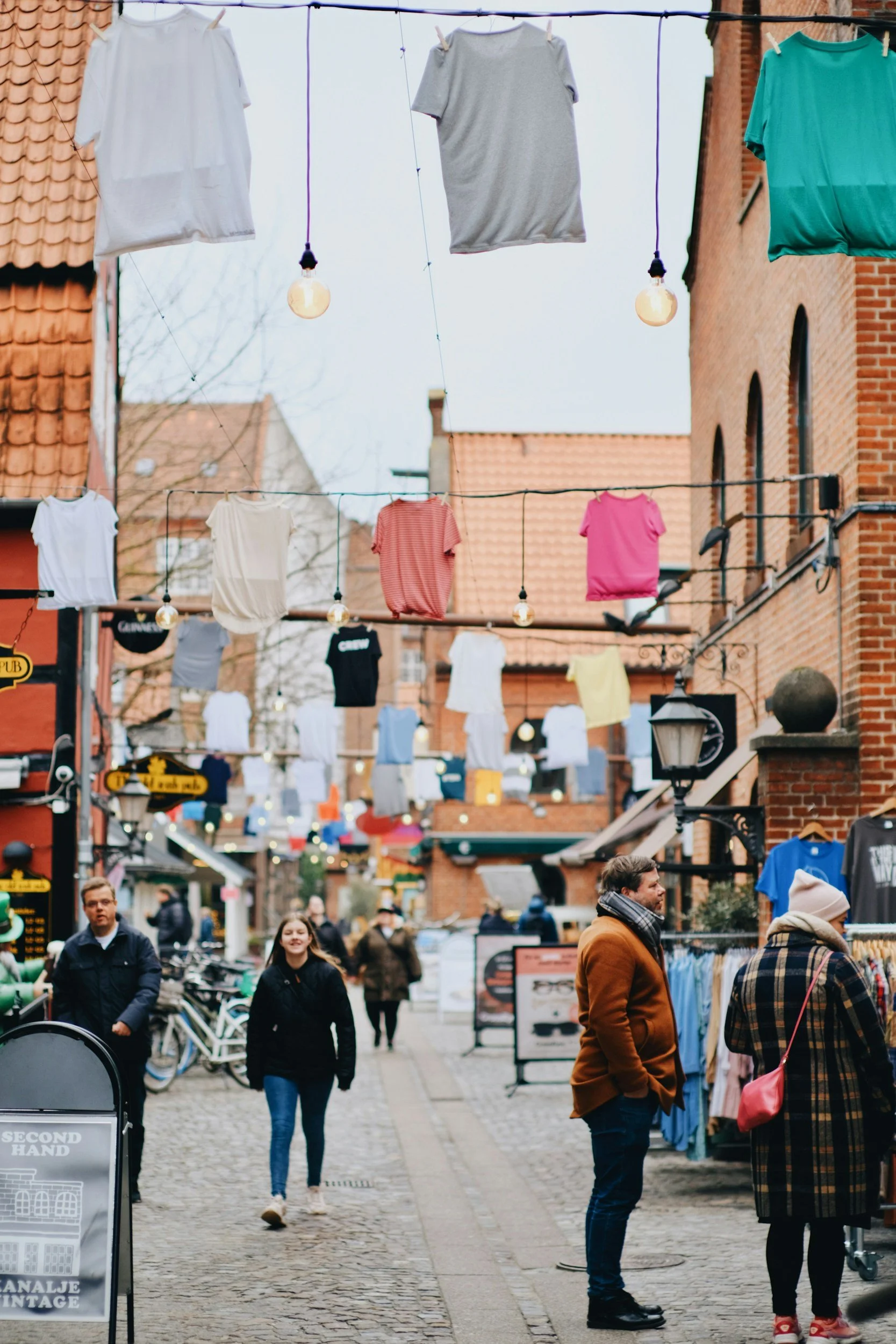
What I'd actually do over a long weekend
One thing I'd definitely avoid is arriving with every hour already planned. I used to think that was the best way to make the most of a long weekend, but the more I researched these towns, the more I realised I'd probably enjoy them by doing almost the opposite.
Friday would never be about trying to squeeze in the biggest attraction before it closed. I'd simply want to arrive, leave my bag at the hotel and get my bearings before dinner. In Helsingør, I'd probably wander down towards the harbour and watch the ferries crossing to Helsingborg while deciding where to eat. In Odense, I'd walk through Vestergade and the little streets around Brandts before finding a café that looked busy with local people rather than one aimed at visitors. If I was arriving in Aarhus, I already know I'd end up somewhere around Jægergårdsgade or the Latin Quarter, partly because they're full of places I'd struggle to walk past without stopping, and partly because they're exactly the sort of neighbourhoods that immediately make you feel you've arrived somewhere worth exploring.
The only places where I'd think a little more carefully about Friday are Ærø and Ebeltoft. On Ærø, I'd check the ferry before I booked the hotel rather than assuming another departure would appear an hour later, because once you're on the island I'd rather spend the evening wandering around Ærøskøbing than worrying about transport. Ebeltoft is similar. The buses from Aarhus are straightforward, but I'd still aim to arrive with enough daylight left to walk down towards the harbour before dinner because that's one of the nicest introductions to the town.
Saturday is the day I'd stop looking at maps and opening hours quite so much. By then I'd already know my way around a little, I'd have found a favourite café and I'd probably have a much better idea of what I felt like doing than I did on Friday evening.
In Ribe, I'd let the Wadden Sea decide the plan. Oyster safaris, guided walks across the tidal flats and Black Sun all happen when nature says they happen, not when it's convenient, so I'd book whichever experience interested me most and build the rest of the day around that. The medieval streets, the bakeries and the cafés aren't going anywhere, but the tide will.
In Ebeltoft, I'd be out in Mols Bjerge National Park while the light was still soft and the paths were quiet, then wander back into town when I started thinking about lunch. That feels like a much nicer order than sitting in cafés all morning because I'd happily spend the afternoon drifting between Glasmuseet Ebeltoft, Maltfabrikken, the little galleries around Adelgade and the harbour without ever looking at the time. If I happened to be there during the Apple Festival, I'd probably forget the original plan altogether because that's exactly the sort of weekend where it's worth following whatever is happening around the town instead.
Odense would start differently again. If it happened to be Wednesday or Saturday, I'd make a beeline for the market at Sortebrødre Torv, grab something for breakfast and spend a while wandering between the stalls before heading over to H.C. Andersens Hus. I like the idea of seeing the museum after the market rather than the other way round because by then I'd already feel as though I'd spent the morning in the city instead of simply arriving at another attraction.
I'd do almost the same thing in Aarhus, except my first stop would be Ingerslevs Boulevard Market. I'd pick up breakfast there, wander back through Frederiksbjerg, follow Jægergårdsgade towards the Latin Quarter and leave ARoS until later in the afternoon. I'd rather arrive at the museum after a few hours of wandering than make it the first thing I saw that day.
On Ærø, I'd make one decision in the morning and stick with it. Either I'd catch the free island bus towards Voderup Klint with a flask of coffee in my backpack or I'd head over to Marstal and spend the afternoon around the harbour and the Marstal Maritime Museum before catching the bus back to Ærøskøbing. The buses are timed to meet the ferries, which makes travelling around the island surprisingly easy without a car, although I'd still check the return times before leaving because there are fewer departures once autumn gets underway.
By Sunday, I don't think I'd be looking for another big experience. I'd rather have one last breakfast, wander through a few streets I'd enjoyed the day before, maybe pick up something from a bakery for the journey home and leave without feeling I'd squeezed every last minute out of the trip. I've done weekends where the final morning became a race between attractions and train departures, and I never enjoy them as much. I'd much rather come home wishing I'd stayed another day than feeling exhausted because I tried to fit one more thing in before catching the train.
In Helsingør, I'd probably spend my last hour wandering back through Stengade, stopping somewhere for coffee before catching the train to Copenhagen. In Ribe, I'd stay around Torvet, Ribe Cathedral and Skibbroen rather than heading back out towards the Wadden Sea because I'd rather leave with one quiet morning in town than spend it watching the clock on another excursion. In Odense, I could easily imagine one last walk through the gardens at H.C. Andersens Hus before wandering back to the station, while Aarhus feels like the sort of place where I'd finally buy something from whichever bakery I'd been meaning to visit all weekend and carry it with me as I wandered through the Latin Quarter. On Ærø, I'd let the ferry departure decide the morning. There's something about the island that makes you think you've got plenty of time, right up until you realise the boat is leaving in half an hour.
I'd also have a quick look at market days before choosing the dates. Not because I'd rearrange the whole trip for them, but because they genuinely change what a Saturday morning looks like. Sortebrødre Torv in Odense and Ingerslevs Boulevard in Aarhus are both worth timing your visit around if you can, while Ribe's regular market finishes at the end of September, so an October weekend there feels noticeably different from one a few weeks earlier. It's the sort of detail that's easy to miss when you're booking trains and hotels, but it often ends up being one of the things you remember afterwards.
I don't think I'd overcomplicate these weekends either. Friday would simply be about arriving, finding my bearings and settling in. Saturday is the day I'd give to the reason I'd chosen that destination in the first place, whether that meant walking across the Wadden Sea, spending hours in Mols Bjerge, wandering around ARoS or catching the bus across Ærø. By Sunday, I'd be quite happy slowing down again. Another coffee, another walk, one last bakery or bookshop, then the journey home.
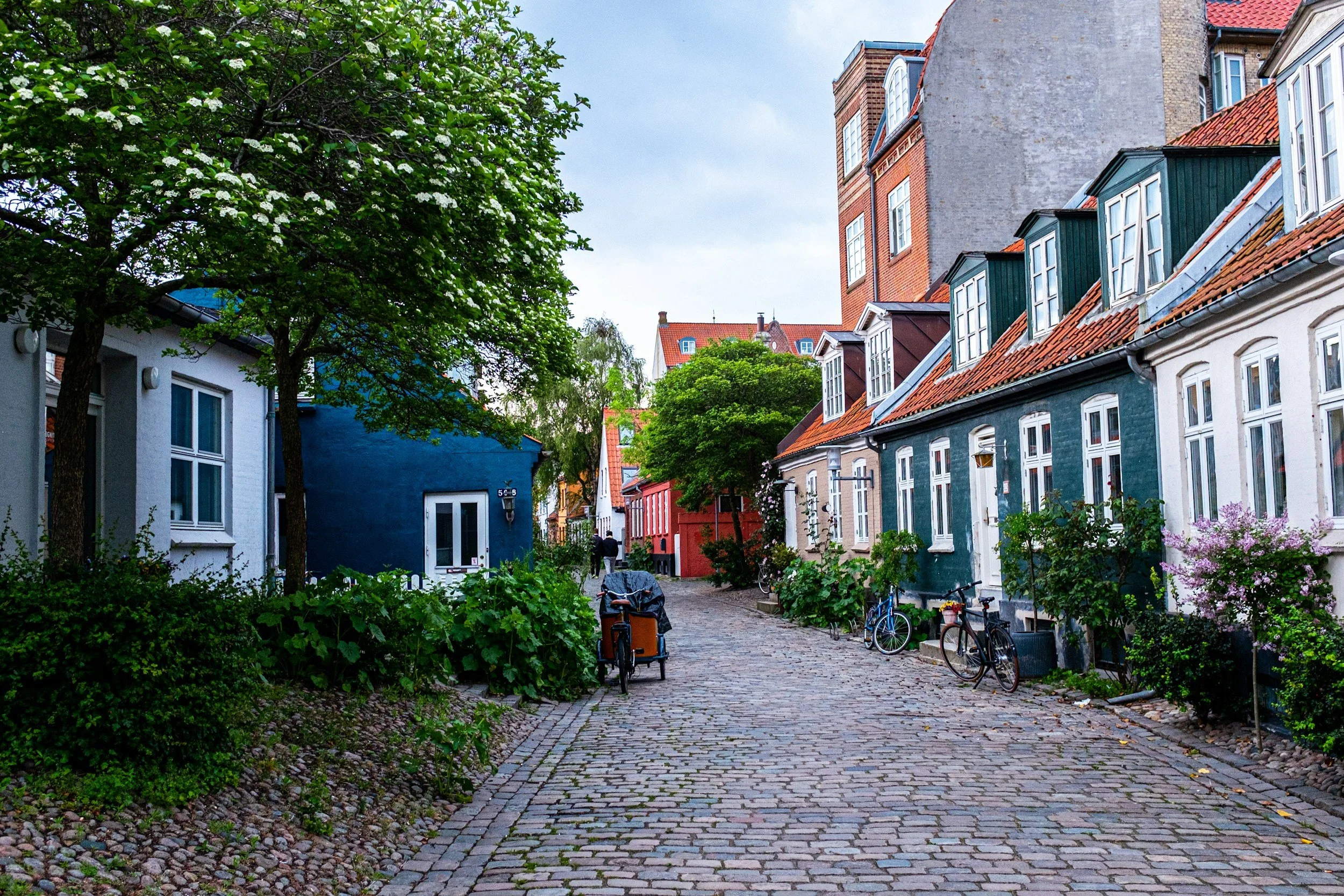
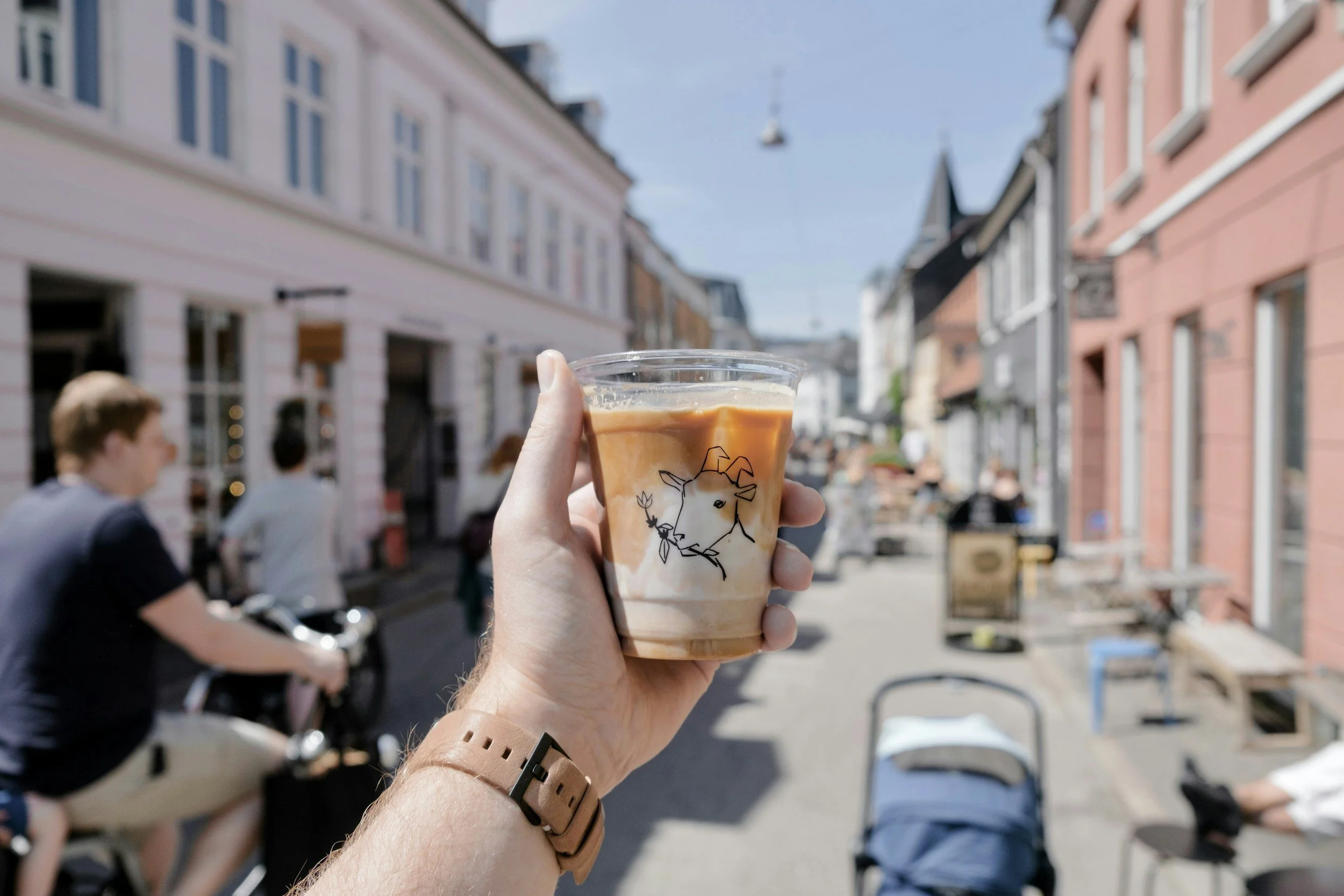
I kept comparing these autumn weekends with the rest of Scandinavia while I was writing this. If you're doing the same, this guide makes choosing between Denmark, Sweden and Norway much easier.
Things I'd know before booking
The biggest surprise for me wasn't that Denmark changes in autumn. It was how many of the changes are practical rather than seasonal. The ferries still sail, the cafés are still busy and there's no shortage of places to visit, but September and late October can feel surprisingly different once you start looking at timetables, opening hours and the number of daylight hours you've actually got to play with.
Before I'd even booked a hotel, I'd be looking at transport. That's particularly true on Ærø, where the ferries still run throughout autumn but become a little less frequent once the busiest season is over. The buses are timed to meet the boats, which makes travelling around the island wonderfully easy, but I'd still make sure I was looking at the timetable for my actual travel dates rather than assuming October would work exactly the same as September. I'd do the same anywhere a bus or ferry was part of the plan because it's much nicer choosing a hotel once you already know how you'll arrive and get home.
The weather is another thing I'd look at differently. I honestly don't pay much attention to the temperature on its own because fifteen degrees can feel completely different depending on where you are. Walking around Ribe Cathedral or through the streets of Odense, it can be the perfect temperature for a light jacket. Spend an hour out on the Wadden Sea, at Voderup Klint or beside the Øresund in Helsingør, though, and a fresh wind coming off the water changes everything. If I had to choose one forecast to keep checking before the trip, it would be the wind rather than the temperature.
I'd also think a little more carefully about daylight than I usually do. There's a big difference between a weekend at the end of September and one in the second half of October, so I'd always use the brightest hours for places like Mols Bjerge National Park, the marshes around Ribe or the coastal paths on Ærø. Museums, galleries, long lunches and another coffee can wait until later because they're just as enjoyable once it starts getting dark outside.
Opening hours are worth five minutes of planning as well. I'd never rely entirely on Google, especially for independent places. Glasmuseet Ebeltoft, Maltfabrikken, smaller galleries in Helsingør, local workshops on Ærø or bakeries that close once they've sold out can all have different opening hours outside the main season. I always end up checking the official website or Instagram page for the handful of places I'm most looking forward to because it's much easier than discovering a handwritten "closed today" sign after you've walked across town.
One thing I didn't expect was that some restaurants become harder to book once summer is over. You'd think everything would suddenly be quieter, but that's not always how it works. Visitors thin out, yet local people are back from their holidays and meeting friends again, so places like Restaurant ET in Aarhus, smaller restaurants around Jægergårdsgade or popular spots in Odense can still be completely full on Friday and Saturday evenings. If there was one dinner I really didn't want to miss, I'd book that before travelling and leave everything else to chance. I know from experience that some of the nicest meals happen because you wandered past somewhere that looked inviting, and I'd rather leave room for that than have every table reserved weeks in advance.
Before booking anything, I'd have a quick look to see whether my weekend happened to line up with a market, harvest event or festival. I wouldn't move the whole trip by a month just for one event, but shifting it by a week or two can make a surprising difference. Ebeltoft's Apple Festival, autumn markets on Ærø, Black Sun around Ribe or a temporary exhibition at ARoS or Brandts can easily become the thing you end up talking about afterwards, and they're much more enjoyable when you've planned for them instead of discovering you missed them by three days.
I'd spend a lot more time choosing the area than choosing the hotel. Once the evenings get cooler, I don't really want to be thinking about buses after dinner. In Helsingør, I'd stay somewhere between the harbour and Axeltorv so I could wander back through the old streets whenever I felt like it. In Odense, I'd look around the old town or Brandts, while in Aarhus I'd probably choose somewhere between the Latin Quarter, Jægergårdsgade and the station because almost everything I'd want to do is within walking distance. On Ærø, I'd stay in Ærøskøbing every time. It makes the ferries, cafés, restaurants and buses wonderfully easy, and I'd rather unpack once than spend the weekend moving between different parts of the island.
I'd also spend five minutes checking opening days for the handful of places I really wanted to visit. Some museums close on Mondays, smaller galleries don't always open every day outside the main season and cafés in the smaller towns sometimes finish a little earlier than they do in July. None of that would put me off travelling, but it might change whether I visited somewhere on Saturday afternoon instead of Sunday morning.
I'd make the same plan with bakeries. If there was somewhere I'd been looking forward to, whether that was La Cabra in Aarhus, Pompei Bakery in Ribe, Bageriet Ø on Ærø or another local favourite, I'd go earlier than I thought I needed to. The best pastries often disappear surprisingly quickly on Saturday mornings because local people are buying bread and cakes for the weekend long before most visitors have left their hotels. Turning up at eleven and finding the cardamom buns sold out is a slightly disappointing way to start the day.
More than anything else, I wouldn't plan an October weekend as though it were simply July with fewer people. The ferries run a little differently, daylight disappears much earlier, seasonal dishes begin replacing summer menus and little things like harvest weekends or temporary exhibitions start becoming some of the best reasons to visit. I actually think that's why I ended up liking the idea of autumn in Denmark so much!
Where I'd stay
I don't think I'd spend much time comparing hotel ratings or whether one room had a slightly nicer view than another. I'd be looking almost entirely at the map instead. By October, I'd much rather stay somewhere that made the mornings and evenings easy than somewhere with a bigger room a couple of kilometres outside the centre. In July, I'd happily book a place beside the beach or out on the edge of town because I'd expect to spend most of the day outdoors. In autumn, though, I'd rather wander back after dinner, stop for another drink if somewhere looked inviting or wake up knowing a good bakery was only a few minutes away.
That's probably one of the biggest differences between how I'd plan a summer trip and an autumn one.
In Ribe, I wouldn't even think about staying outside the medieval centre. Somewhere around Torvet, Mellemdammen, Sortebrødregade or the streets leading towards Ribe Cathedral would completely change the feel of the weekend. I love the idea of walking over to Pompei Bakery while the town is only just waking up, hearing the cathedral bells across the square, then wandering back through those same streets after dinner when most of the day visitors have gone home. There are perfectly good hotels outside Ribe, but I honestly think you'd miss one of the nicest parts of the town if every evening ended with getting back into the car.
I'd think about Ebeltoft in almost exactly the same way. It's very tempting to book somewhere overlooking the coast or closer to Mols Bjerge National Park, and if I were staying for a week I'd probably consider it. For a long weekend, though, I'd choose somewhere between Adelgade and the harbour every time. That way I could spend the morning walking in Mols Bjerge, come back into town for lunch, wander through the glass studios, spend an hour in Glasmuseet Ebeltoft, have a look around Maltfabrikken and still end the day by the harbour without once thinking about the car. I can also picture walking over to Bageriet first thing in the morning, picking up breakfast and sitting by the water with a coffee while the harbour slowly comes to life before deciding what I felt like doing next.
In Odense, I'd look somewhere between Vestergade, Brandts, Overgade and the older part of the city instead of focusing on being as close to the station as possible. It's only about a ten-minute walk with a suitcase anyway, so I'd much rather spend those few days stepping straight out into streets full of cafés, independent bookshops, museums and little side streets than save five minutes on departure day. One of the things I like about this part of Odense is that people don't seem to hurry from one place to the next. They stop for coffee, sit outside if the weather allows, wander through Brandts Passage or browse the shops along Overgade, and I think staying here makes it much easier to slip into that way of spending the day yourself.
In Helsingør, I'd happily pay a little extra to stay somewhere between Axeltorv, Stengade and the harbour. Being able to wander down to the waterfront before breakfast, spend the afternoon at Kronborg or the M/S Maritime Museum, then stroll back through the old streets after dinner without thinking about buses or taxis would be worth it to me. I suspect those quiet evening walks would end up being just as memorable as the castle itself.
For Aarhus, I'd be looking around the Latin Quarter, Graven, Jægergårdsgade or somewhere between the station and ARoS. One of the things I like most about Aarhus is how little time you spend travelling across the city. You can start the day with breakfast at La Cabra, end up in Godsbanen, wander through the Latin Quarter, stop at DavidBreadHead because the queue looked promising, then head out for dinner without ever feeling you've spent half the day getting from one neighbourhood to another. Staying in the middle of it all makes those spontaneous little detours much easier.
On Ærø, I'd stay in Ærøskøbing every single time. Not because Marstal or Søby aren't worth visiting, but because I think the island is much nicer when you unpack once and forget about your luggage until it's time to leave. The free buses make both towns easy to reach, the ferry is only a short walk away and it's lovely knowing you can wander back through the old streets after dinner without thinking about the journey home. That's exactly the sort of thing that matters much more in October than it does in the middle of summer.
Helsingør surprised me a little. Before researching it, I assumed I'd want to stay as close to Kronborg as possible, but I don't think I would anymore. I'd much rather stay somewhere between Axeltorv, Stengade and the harbour because that's where I'd probably spend most of my time once the museums had closed. I like the thought of finishing dinner, walking down towards the waterfront to watch another ferry crossing to Helsingborg, then wandering back through the old streets without thinking about taxis or train times. Kronborg is only a nice walk away anyway, so I don't really see the need for staying right beside it.
For Aarhus, I'd almost ignore the hotel photos at first and just open the map. If I found somewhere between the station, the Latin Quarter, Frederiksbjerg and ARoS, I'd probably stop looking because that's exactly where I'd want to spend most of my time anyway. I could start the morning at La Cabra, wander through Graven and Mejlgade, end up at ARoS later in the afternoon and finish the evening around Jægergårdsgade without ever thinking about buses or taxis. I probably wouldn't stay out by Aarhus Ø, even if the hotel looked impressive. It's an interesting part of the city to walk around for an hour, but I'd much rather open the hotel door and have bakeries, little cafés and neighbourhood restaurants waiting outside than spend every morning walking back into the centre.
On Ærø, I'd book Ærøskøbing every single time. Not just because it's the prettiest town on the island, but because everything becomes so much easier once you're there. I could walk to the ferry, jump on the free island bus to Marstal or Søby, spend the afternoon exploring another part of the island and still be back in time for dinner without thinking about parking or driving home in the dark. I also love the way the town changes once the afternoon ferry has sailed back to Svendborg. The streets become quieter, the cafés empty out and it's the perfect time to wander through Brogade or down towards the harbour before finding somewhere to eat. I honestly think I'd miss that feeling if I stayed anywhere else.
Before I'd book anywhere, I'd ask myself one very simple question: would I actually enjoy the walk back after dinner? If the answer was no because the hotel sat beside a busy road, out on the edge of town or meant waiting for another bus, I'd keep looking. I'd rather have a slightly smaller room if it meant I could wander home through Stengade in Helsingør, across Torvet in Ribe or along the harbour in Ebeltoft without thinking about how I was getting back. Those walks are part of the weekend just as much as the museums or cafés.
I'd probably skip hotel breakfast as well unless it was already included. One of the nicest parts of travelling around Denmark is that breakfast gives you an excuse to discover another local favourite. I'd much rather start the day with a cardamom bun from La Cabra, fresh bread from Pompei Bakery, breakfast from Bageriet Ø or whatever bakery had the longest queue of local people that morning than another buffet that could have been anywhere in Europe. I actually found myself judging hotels by that more than anything else. If I could walk out of the door, have excellent coffee in one hand, something warm from the bakery in the other and no real plan for the next couple of hours, I usually knew I'd chosen exactly the right part of town…
Ærø isn't the only Danish island that becomes quieter once summer ends. If you're curious what Denmark feels like once autumn slips into winter, this island is a fascinating next stop.
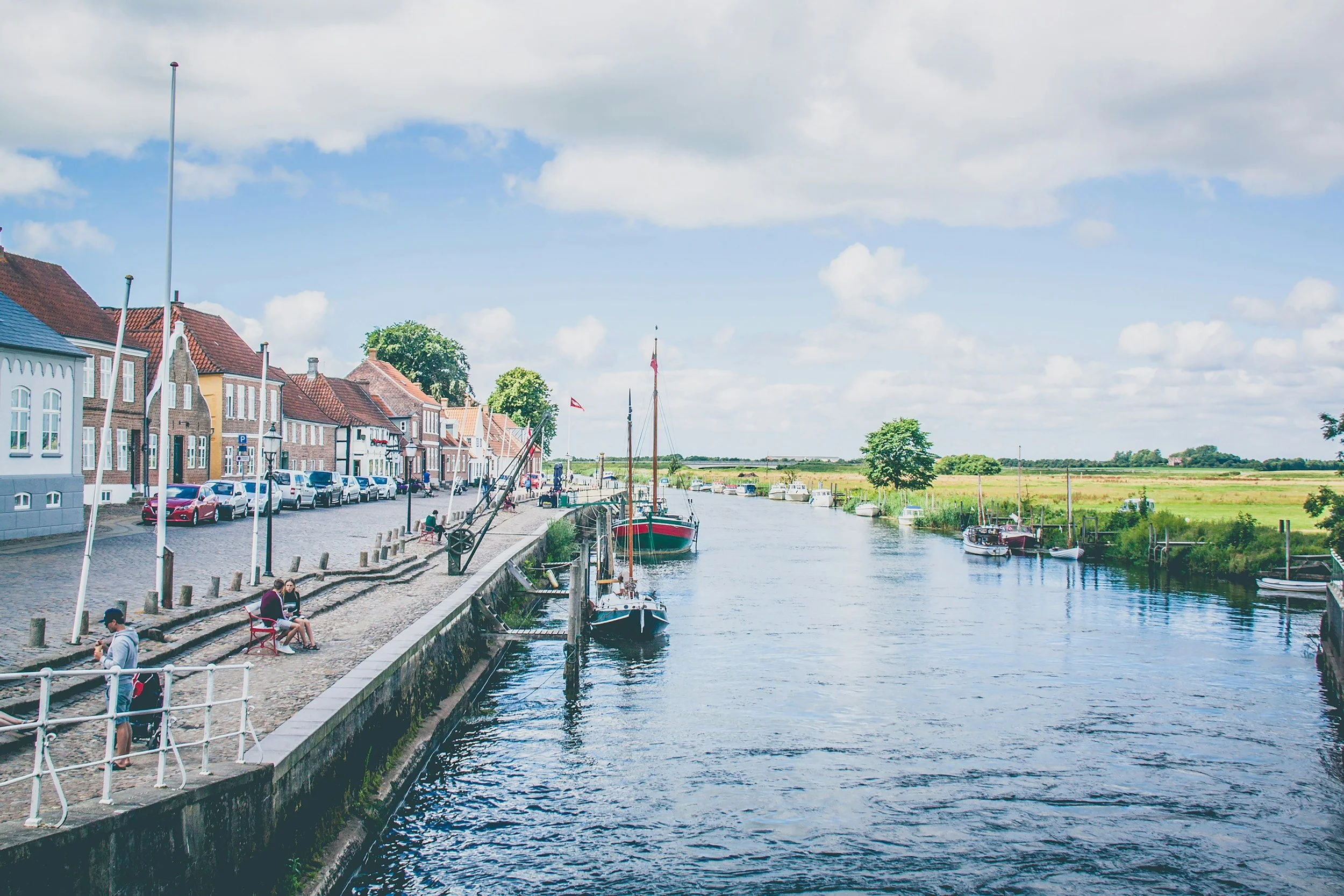
Is autumn actually the best time?
I don't think there's one perfect month to visit Denmark anymore. If you'd asked me before I started planning this guide, I'd probably have said summer without thinking twice. Now I'm not so sure. I'd happily visit the same town in June, September and October, but I know I'd spend those weekends very differently.
If all I wanted was as much daylight as possible, I'd still choose June. I love those evenings when you've finished dinner, it's nearly ten o'clock and there's still enough light for another walk along the harbour or through the old streets. At the same time, I know exactly what I'd do with all those extra hours. I'd convince myself there was time for one more museum, another village or another coastal walk before heading back, and somehow the weekend would end up feeling busier than I'd planned. That's probably why I enjoy autumn so much. Once it starts getting dark earlier, I stop trying to fit everything in.
If somebody asked me to pick one month without giving me any other information, I'd probably say September. The sea has kept its summer warmth, outdoor tables are still busy on a sunny afternoon and places like Mols Bjerge, the Wadden Sea and the coastal paths on Ærø are comfortable to walk without the heat of July. It's also the month when orchards begin harvesting apples, restaurants start bringing mushrooms and root vegetables onto the menu and the busiest weeks of the school holidays are already over. For me, it's a lovely balance because it still feels like summer in some ways, but the weekends already begin slowing down.
October is when I'd start planning the days differently. I wouldn't expect to spend all afternoon outside anymore, so I'd happily leave ARoS, H.C. Andersens Hus, Brandts, Glasmuseet Ebeltoft or the M/S Maritime Museum until later in the day instead of trying to fit them in around walks and cafés. I'd also be much more inclined to linger over lunch or stay for another coffee because it was already getting dark outside. That's one of the things I like most about October. I stop feeling as though I ought to be somewhere else before sunset, and I think towns like Odense, Aarhus and Helsingør are particularly enjoyable because there's no pressure to spend every hour outdoors.
I actually think that's where autumn changes the weekend the most. It isn't the temperature that makes me travel differently. It's the fact that I stop trying to fill every hour with another sight or another walk and become much happier letting the day unfold at a slower pace. For me, that's a much better reason to travel in October than autumn colours ever could be.
By October, the menus start looking completely different, and that's something I'd genuinely look forward to. The apples that were everywhere in September are joined by mushrooms, pumpkins, root vegetables, game and richer autumn dishes that make lingering over lunch or dinner feel like part of the trip rather than just something you fit in between sightseeing. If I was planning a weekend around Ebeltoft's Apple Festival, Black Sun outside Ribe or the start of the oyster season on the Wadden Sea, I'd happily choose October over almost any other month because those experiences simply don't exist in the same way at other times of the year.
I'd still travel in November, but I'd be much pickier about where I went. I wouldn't choose it for long days outside or a weekend built around coastal walks because daylight disappears quickly and the weather becomes much harder to predict. Aarhus, Odense and Helsingør would all still be high on my list, though. They're the sort of places where I could spend the morning in a bakery, lose a few hours in a museum, settle into a café when the rain started and finish the evening over dinner without feeling as though the weather had ruined the day. If anything, November suits that kind of weekend particularly well.
I'd also match the month to the place instead of trying to force every destination into the same season. I'd visit Ribe for Black Sun, bird migration or oyster season. I'd aim for Ebeltoft while the Apple Festival was on or just afterwards, when apples still seem to appear everywhere you look. I'd choose Ærø in September or early October, while the ferry timetable is still close to its summer schedule and the days are long enough to spend hours by the coast. Aarhus and Odense, on the other hand, are just as tempting later in autumn because the exhibitions change, restaurants settle into their autumn menus and spending half the afternoon indoors doesn't feel like a compromise.
I don't think autumn is better than summer, and I don't think summer is better than autumn either. They're simply good at different things. If I wanted long evenings, swimming and as much time outside as possible, I'd still travel in June. If I wanted weekends built around bakeries, seasonal food, museums, quieter streets and coming home feeling properly rested instead of slightly worn out, I'd wait a few more weeks.
If you're still torn between spending the weekend in a city or somewhere much quieter, this comparison might make the decision surprisingly easy.
FAQs about small towns in Demnark
Is autumn actually a good time to visit Denmark, or would I enjoy summer more?
I don't think autumn is simply a quieter version of summer. It feels like a different trip altogether. In June, I'd naturally spend longer outside because the days seem to go on forever, while September still gives you warm enough weather for coastal walks and even the occasional swim. By October, I'd happily swap beach afternoons for museums, cafés and long dinners, and that's exactly when towns like Aarhus, Odense and Helsingør start making even more sense to me. If you're travelling because you enjoy slower weekends rather than hot weather, I honestly think autumn is one of the best times to see Denmark.
Which Danish town would I choose if I only had one long weekend?
I don't think there's one right answer because each town offers a completely different sort of weekend. I'd choose Aarhus if food and cafés were the reason for travelling, Ribe if I wanted dramatic landscapes and long walks around the Wadden Sea, Ærø if I needed a few days to properly slow down, Odense if the weather looked unpredictable and Helsingør if it was my first trip beyond Copenhagen. I'd probably choose Ebeltoft when I wanted a little bit of everything without the weekend ever feeling rushed.
Is it easy to explore these Danish towns without a car?
Much easier than many people expect. Aarhus, Odense, Helsingør and Ribe all have railway stations within walking distance of the historic centre, so I'd happily visit any of them by train alone. Ærø is just as straightforward because the island's buses are free and timed around the ferry arrivals, which means you can travel between Ærøskøbing, Marstal and Søby without needing to hire a car. Ebeltoft takes a little longer to reach because you'll change to a bus from Aarhus, but once you're there the old town, harbour and cafés are all easily explored on foot.
Which Danish town feels the cosiest once summer is over?
For me, it's probably a choice between Odense and Ærø. Odense has the sort of cafés, museums and bookshops that make rainy afternoons feel like part of the holiday rather than something to work around, while Ærø becomes wonderfully peaceful once many of the day visitors have gone home. They're cosy for completely different reasons, which is why I'd happily recommend either depending on what sort of weekend you were looking for.
Is Ribe worth visiting if I'm not particularly interested in history?
Absolutely. Before researching Ribe, I assumed the medieval streets would be the main reason to visit, but by the time I'd finished I realised the Wadden Sea had become the real highlight. If you enjoy birdlife, coastal landscapes, autumn walks or experiences like Black Sun and oyster season, I'd still recommend Ribe even if you never stepped inside a museum.
Which Danish town has the best food scene?
If food was the main reason I was travelling, I'd book Aarhus without hesitation. What I like most isn't that the city has Michelin-starred restaurants, although it certainly does. It's that excellent bakeries, neighbourhood cafés, wine bars and seasonal restaurants all sit within walking distance of one another, so food naturally becomes part of the day instead of something you only think about at dinner.
Are Danish islands still worth visiting in October?
Yes, but I'd choose the island carefully. Ærø works particularly well because the experience isn't built around beaches or summer nightlife. I'd spend my time walking along the coast, exploring Ærøskøbing, taking the free island bus to Marstal or Voderup Klint and enjoying the slower pace that arrives once summer fades. I'd simply check the ferry timetable before booking because departures become less frequent later in autumn.
How many days do I actually need for a Danish autumn weekend?
I'd choose three nights if I could. That gives you time to arrive without rushing, enjoy one full day built around the reason you travelled there in the first place, then spend another day wandering without constantly watching the clock. Two nights can work in places like Helsingør or Ribe, but I think Aarhus and Ærø are much easier to appreciate when you give them an extra day.
I've already been to Copenhagen. Where should I go next?
I'd avoid trying to find another version of Copenhagen because I don't think that's where Denmark becomes most interesting. If you loved the cafés and restaurants, I'd head to Aarhus. If you'd rather spend a few days by the sea, I'd choose Ærø or Ebeltoft, and if you're curious about a completely different landscape, I'd go straight to Ribe and the Wadden Sea. All three show a side of Denmark that's very different from the capital.
What's the biggest mistake people make when planning an autumn weekend in Denmark?
I think many people plan it as though autumn is simply July with fewer visitors. It really isn't. Ferry timetables begin changing, daylight disappears much earlier than many people expect, seasonal food starts shaping restaurant menus and events like Black Sun, the Ebeltoft Apple Festival or local autumn markets become some of the best reasons to visit. I'd always check what was happening during my exact travel dates before deciding where to go, because that often changes my choice more than the weather forecast ever does.
Which Danish town has the nicest autumn walks?
If I was choosing a destination mainly for walking, I'd probably head to Ribe. The Wadden Sea is never quite the same twice because the tides, migrating birds and changing weather constantly reshape the landscape, so even a familiar route can feel completely different from one day to the next. Ebeltoft would be my second choice thanks to the trails through Mols Bjerge National Park, where woodland, open hills and coastal views all come together in a surprisingly compact area. If I wanted gentler walks with cafés never too far away, I'd probably choose Ærø, where paths between Ærøskøbing, Vesterstrand and Urehoved are less about reaching a famous viewpoint and more about enjoying the coastline at an unhurried pace.
Which Danish town is best if I don't like crowds?
I'd probably recommend Ærø first, particularly in September and early October when the island feels noticeably quieter after the busiest summer weeks. Ribe is another good choice because the town changes completely once the coach tours have left for the afternoon, and the evenings become wonderfully peaceful. If you'd still like plenty of cafés, restaurants and things to do without the pace of Copenhagen, I think Odense strikes one of the nicest balances. It stays lively throughout autumn without ever feeling overwhelming.
Can I visit Denmark in autumn without worrying too much about the weather?
I think it's better to plan around the weather than worry about it. Rain rarely ruins an autumn weekend in Denmark because towns like Odense, Aarhus and Helsingør make it easy to move between museums, cafés, bakeries and galleries whenever you need to. I'd actually pay more attention to the wind forecast than the temperature, especially if I was planning to spend time along the Wadden Sea, on Ærø or beside the Øresund, because a windy day changes those experiences far more than another couple of degrees ever will.
Should I stay in one town or move around during a long weekend?
For a three-night trip, I'd almost always stay in one place. Denmark's trains and ferries make it tempting to squeeze another destination into the itinerary, but I honestly think you'll enjoy the weekend much more if you unpack once and give yourself time to settle into one town. Some of my favourite moments while researching these places weren't the major attractions at all. They were the cafés I returned to twice, the evening walks after dinner and the feeling of already knowing my way around by the second morning.
Is Copenhagen still the best choice for an autumn weekend in Denmark?
If you've never been to Copenhagen, I'd absolutely recommend visiting at some point. But I also don't think it's the automatic answer once you've already experienced the city. If you're looking for a slower autumn weekend, I'd happily choose Aarhus for its food scene, Ribe for the Wadden Sea, Ærø for island life or Ebeltoft for the mix of coastline and countryside before booking another weekend in the capital. They show a quieter and, in many ways, more everyday side of Denmark that I think is just as rewarding.
Which Danish town would I go back to first?
That's probably the hardest question in the whole guide, but I think I'd choose Aarhus. It feels like a city that changes with the seasons, where different exhibitions, seasonal menus and neighbourhood cafés mean the weekend would never be exactly the same twice. If I wanted to completely switch off instead, I'd keep returning to Ærø because I have a feeling I'd never get tired of those slow mornings wandering around Ærøskøbing before the first ferry passengers arrived.