Tinos or Sifnos? Two very different Greek islands
Choosing between Tinos and Sifnos sounds surprisingly simple until you actually try to book the trip. You open a few guides, save a handful of villages on Google Maps, read that both islands have excellent food, beautiful beaches, walking trails and a more relaxed atmosphere than places like Mykonos or Santorini, and before long they start looking almost identical. I completely understand why so many people get stuck at that point because, on paper, they really do seem to promise the same kind of holiday.
The more I looked at the two islands, the less interested I became in comparing individual beaches, villages or restaurants. On paper, they often seem remarkably similar. Both promise good food, whitewashed villages, walking trails and a slower pace than many of the Cyclades' better-known islands. It wasn't until I started piecing together what an actual week would look like that the differences became much clearer.
On Tinos, I'd already be thinking about tomorrow before today had finished. One day might take me to Pyrgos and Panormos, the next to Volax or Kardiani, and I'd probably end up changing my plans halfway through because someone had recommended another beach or village I'd never even heard of. Sifnos doesn't pull me in that direction. Once I'm staying around Apollonia or Artemonas, the days seem to connect much more naturally. I can walk to dinner, decide over breakfast whether I feel like heading to Kastro, Faros or Platys Gialos, and never feel as though I'm constantly moving from one part of the island to another.
That's why I don't think the real decision is whether Tinos or Sifnos has the better beaches, the better food or the prettier villages. I'd be thinking about something much simpler than that. Do I want a holiday where each morning begins with another part of the island waiting to be explored, or do I want somewhere that quickly starts feeling familiar? For me, that's the question that ends up deciding it far more often than any list of attractions ever could.
Once I stopped comparing attractions and started planning the sort of trip I'd actually book myself, the questions became much more practical. How easy is it to travel without a car? Which island would I still choose for a long weekend? Does staying in Apollonia feel very different from staying in Chora? Would I plan the same trip in June as I would in October? Those are the decisions that ended up making the biggest difference, so that's exactly what this guide focuses on.
Getting there might influence your decision more than you expect
I wouldn't choose between Tinos and Sifnos because one ferry is forty minutes quicker than the other. Once you've spent four or five days on an island, you'll barely remember how long the crossing took. What I would think about is everything around the ferry, because that's often what shapes the first and last day of the trip much more than the sailing itself.
Getting to Tinos
Most people arrive in Tinos from Rafina, and if you're flying into Athens I honestly think that's one of the island's biggest advantages. Rafina is much closer to the airport than Piraeus, so after landing you can often be checking in for your ferry without having to cross the whole city first. It's a much calmer way to start the holiday, especially if you've landed on an early morning or evening flight.
Fast ferries usually reach Tinos in around 1 hour 30 minutes, although conventional ferries take longer and often stop at islands such as Andros on the way. I actually don't mind those slower crossings because they give you a first glimpse of the northern Cyclades before you even arrive.
Stepping off the ferry, you're already in Tinos Chora, which makes arrival very straightforward if that's where you're staying. The waterfront, Akti Elli, the cafés around the harbour and many of the town's hotels are only a few minutes' walk away, so it's perfectly possible to leave the ferry, drop your bag and be sitting outside with a coffee twenty minutes later. If you've booked somewhere like Pyrgos, Kardiani, Isternia or Panormos, though, I'd look at the bus timetable before booking your ferry because afternoon and evening connections become much less frequent outside the busiest summer weeks. I wouldn't assume you can simply jump on the next bus.
Another thing worth knowing is that Tinos fits naturally with the northern Cyclades. If you're thinking about combining islands, Syros, Andros and Mykonos are all straightforward additions, and because Mykonos is so close, some travellers even fly there before taking the short ferry across to Tinos.
If Tinos is already catching your attention, my guide to Tinos explains why the island ended up feeling so different from what I expected after spending time researching it.
Getting to Sifnos
Sifnos is a bit different because almost everyone arrives from Piraeus, which means the journey through Athens usually takes longer than it would if you were heading to Rafina. If you're already spending a night in the city that probably won't matter, but if you're landing at the airport and travelling straight to the island it's worth allowing plenty of time between your flight and ferry.
The crossing itself is usually around 2½ hours on a fast ferry, and when you arrive you're immediately in Kamares, Sifnos' main port. Kamares has a completely different feel from Tinos Chora. Instead of arriving in the island's main town, you arrive beside a long sandy beach with cafés, bakeries, small supermarkets, car hire offices and the central bus stop all within a few minutes of the harbour. Some people stay here for the whole holiday because it's so convenient, but personally I'd only do that if I wanted the beach right outside my hotel or I had a very short trip.
Most visitors continue inland to Apollonia or Artemonas, which I think work much better as bases if you're planning to spend your evenings wandering between restaurants, bars and little shops rather than staying around the port.
Sifnos also pairs naturally with Serifos, Milos and Kimolos, so if you're planning a two-island holiday, those combinations usually make much more sense than trying to cross between the northern and western Cyclades.
If you're already leaning towards Sifnos but thinking about travelling outside the busiest months, autumn on Sifnos gives a much clearer picture of what the island actually feels like once September begins to fade into October.
I'd think about what happens after the ferry, not just the crossing
I've stopped paying much attention to ferry times on their own because, once the boat docks, the day can unfold in completely different ways depending on which island you've chosen.
On Tinos, arriving in Chora is wonderfully straightforward if that's where you're staying. Within a few minutes you're walking along the waterfront, passing the cafés around Akti Elli, wandering up towards the narrow streets behind Plateia Pantanassis, and it already feels as though you've arrived somewhere rather than simply reached a ferry port. But that's only one version of Tinos. If you've booked somewhere in Pyrgos, Kardiani or Isternia, the arrival day naturally becomes quieter. I'd be much more inclined to collect the hire car, enjoy the drive through the island and let that first evening be about settling into one village instead of trying to fit sightseeing into the few hours before dinner.
Sifnos always begins in Kamares, but I don't think many people spend long there unless that's where they're staying. Most visitors are heading inland to Apollonia or Artemonas, or continuing towards one of the beach villages, so the ferry is really just the beginning of another short journey. The upside is that, once you've arrived, you rarely have to think about moving again. After checking in, I'd probably wander out for dinner, get my bearings and leave the exploring until the following morning rather than feeling as though I had to make the first afternoon count.
One thing I have changed over the years is how I plan arrival days. I used to squeeze as much as possible into them because it felt like wasting time otherwise. These days I'd much rather arrive, have an unhurried dinner, maybe walk through a few streets while everything is still unfamiliar and leave the rest for tomorrow. I honestly think I enjoy the first full day much more when I haven't tried to turn the travel day into another sightseeing itinerary.
I'd also never assume that the arrival will look the same in every season. In July and August it's easy to find a bus from Kamares up to Apollonia or a connection from Chora to another part of Tinos without thinking too much about it. By late September and October, I'd always check the timetable for my actual travel dates before choosing where to stay. I've learnt that it's often the first and last journeys of the day that change first, and those are usually the ones that matter most when you're arriving from the ferry.
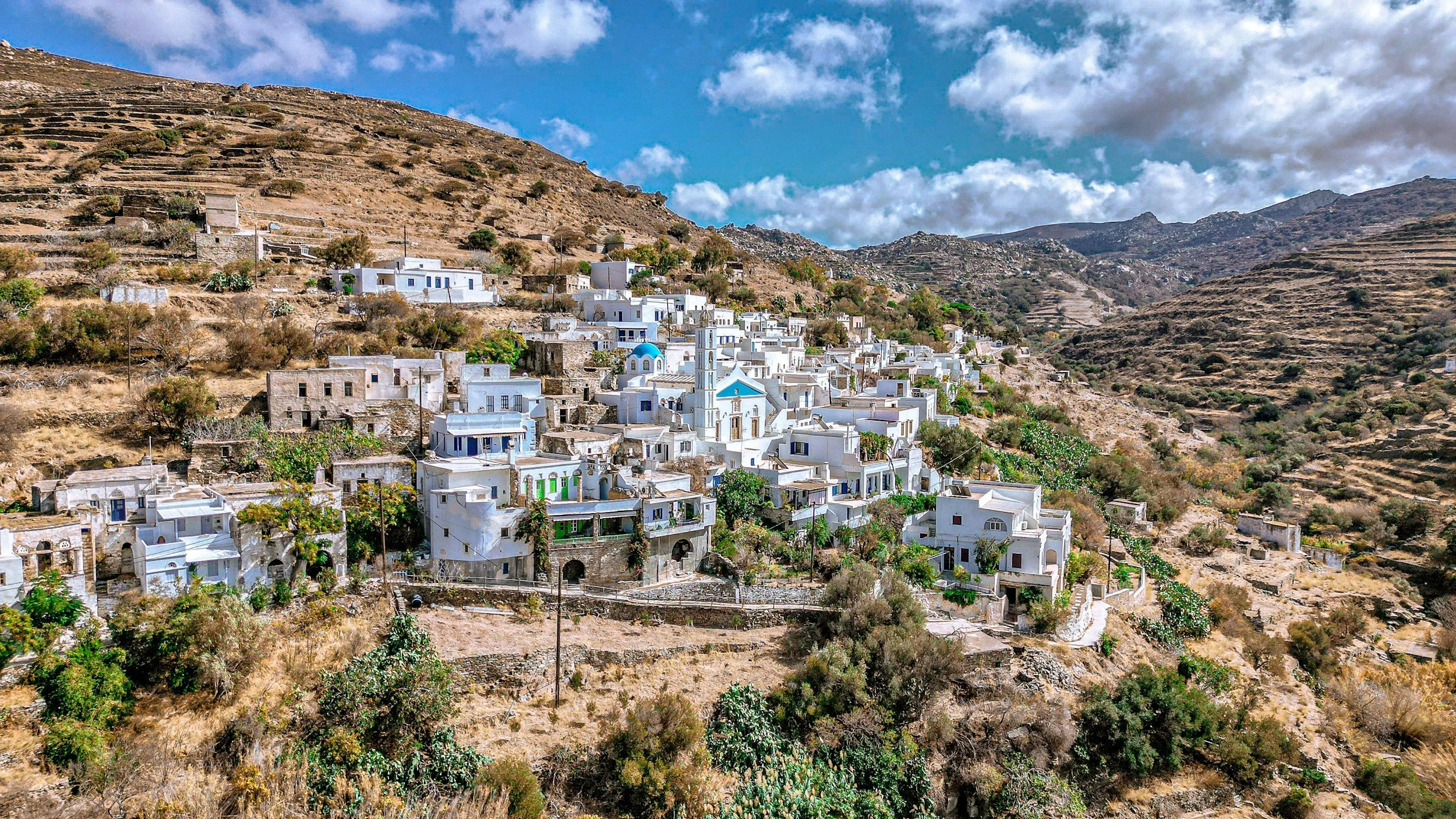
Tinos
The biggest difference shows up before lunch
When I first started comparing Tinos and Sifnos, I kept making the same mistake as almost everyone else. I was looking at beaches, villages and restaurants as separate categories, but that's not really how either island works once you're actually there. What matters much more is how one decision naturally leads to the next, because that's what shapes the whole day.
Let's say it's nine o'clock on a Tuesday morning.
On Tinos, I'd probably already know which part of the island I was heading for because that one decision tends to shape everything that comes afterwards. If I drove north to Pyrgos, I wouldn't just be going there for the village itself. I'd probably spend an hour wandering around the marble lanes, stop at the Museum of Marble Crafts to understand why almost every balcony, fountain and doorway looks different from anywhere else in the Cyclades, then call into one of the little cafés around the square before continuing another ten minutes down to Panormos for lunch beside the fishing harbour. If I still had time afterwards, I'd probably stop at Rohari Beach or Agia Thalassa, depending on how the wind looked that day, before taking a different inland road back towards Chora.
The next day could look completely different without travelling any further. If I chose Volax instead, I'd spend the morning walking between the huge rounded granite boulders that almost look as though they've been dropped onto the landscape from somewhere else, watch basket makers working in tiny family workshops and then continue through villages like Kardiani or Isternia, where whitewashed houses cling to the hillside above terraced slopes and the west coast. Kardiani is known for its natural springs and shady plane trees, while Isternia has some of the island's best sunset views and several tavernas looking towards Syros. I wouldn't try to squeeze all of those places into one day because they're worth slowing down for, and that's probably the biggest mistake I see people making when they're planning Tinos. The villages might not look very far apart on Google Maps, but each one deserves its own time.
You'll probably notice the same thing with the beaches. I don't think I'd wake up saying, "Today I'm going to Kolymbithra." I'd choose the beach that made sense after everything else I'd already done. If I'd spent the morning exploring the marble villages in the north, I'd stay nearby. If I was around Kardiani or Isternia, I'd probably end the afternoon somewhere along the west coast instead of driving all the way across the island just because I'd saved another beach on Instagram.
Sifnos makes me think about the day in a different way.
If I was staying in Artemonas or Apollonia, I'd probably wander out without much of a plan because I wouldn't need one. Breakfast might be at Kafeneio Drakakis in Apollonia before the streets get busy, then I'd wander through the little lanes towards Artemonas, stopping in pottery shops or small galleries that happened to be open. Only after that would I decide whether I felt like following the walking path down to Kastro, catching the bus to Faros for a swim or spending the afternoon around Chrysopigi, where the monastery sits on its rocky headland and swimming platforms are only a few minutes away.
One thing I really like about Sifnos is that I don't feel as though I'm constantly committing to one part of the island. If lunch runs longer than expected in Apollonia, nothing really changes. If I suddenly decide I'd rather spend the afternoon at Platys Gialos than Faros, it's usually just a different bus rather than a completely different route across the island. By the evening, I'd almost certainly find myself back in Apollonia anyway because that's where so much of the restaurant scene naturally gathers, whether I'm eating revithada in a family taverna or simply stopping for a drink before walking back to Artemonas under the lights.
I think that's the biggest difference between these islands, and it's one that doesn't really become obvious until you start planning actual days instead of comparing lists of attractions.
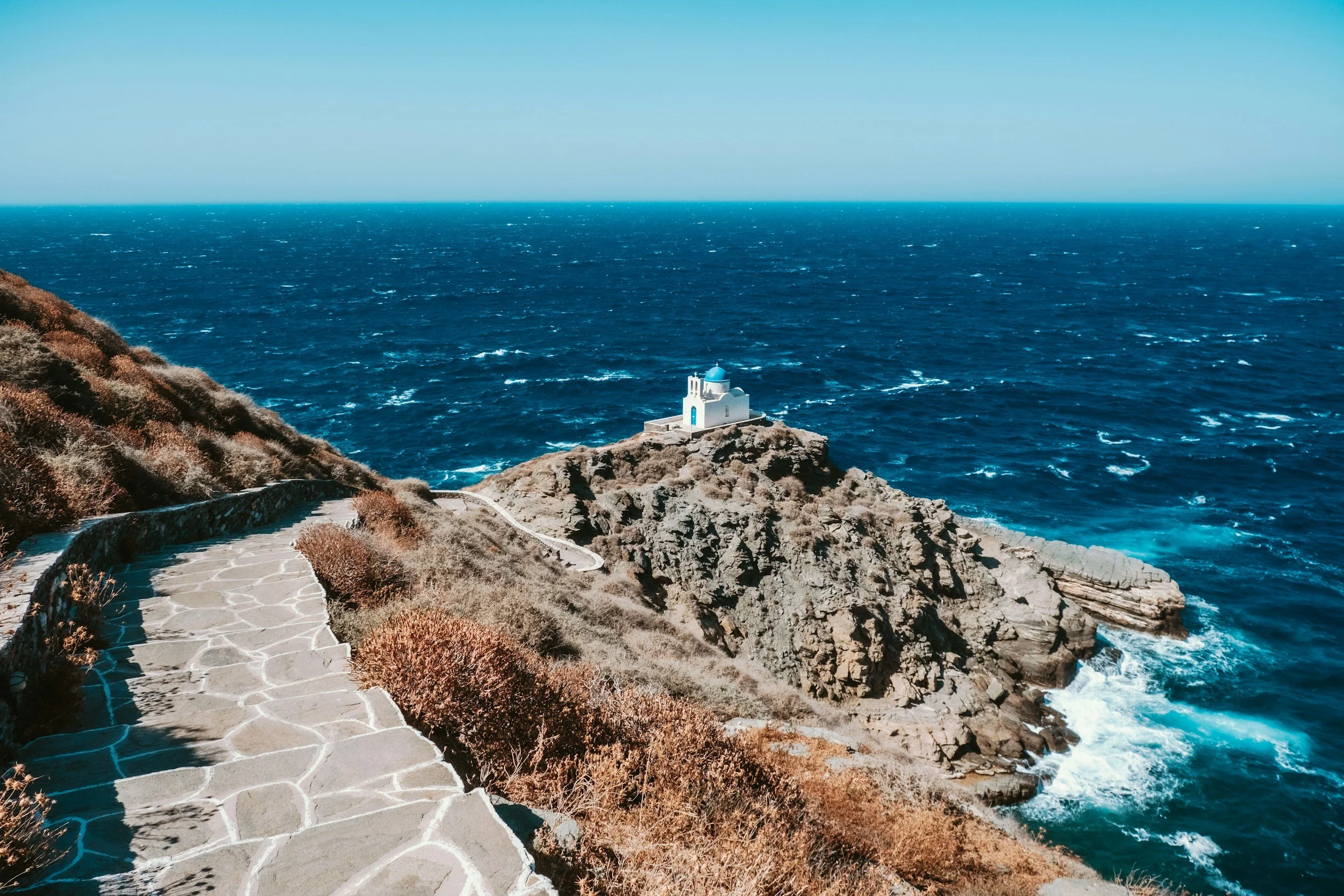
Sifnos
Without a car, I'd probably make the decision much more quickly
If I wasn't hiring a car, I honestly don't think I'd spend very long deciding between these two islands because this is where they start feeling quite different.
The buses aren't really the deciding factor. Both islands have them. What changes is how much freedom you still have once you've finished breakfast and decide you'd rather do something completely different from what you'd planned the night before.
On Sifnos, I'd happily book a hotel in Apollonia or Artemonas and leave most mornings without much of an itinerary at all. If I wandered into a bakery and decided I felt more like walking than swimming, I could follow the old kalderimia down towards Kastro, continue to Seralia for a swim and catch the bus back later. If the weather looked too good to spend in the villages, I'd just as easily head for Faros, Platys Gialos or Chrysopigi instead. None of those decisions really changes the rest of the day because everything naturally comes back towards the centre of the island. By evening, I'd probably be back in Apollonia choosing somewhere for dinner without having thought much about transport since breakfast.
That's what I think Sifnos gets right. The bus network doesn't just connect places on a map. It makes changing your mind surprisingly easy, which is something I value much more than simply having lots of routes.
I would still check the timetable before travelling, though. Bus services become less frequent as the season progresses, particularly towards the end of September and into October, so I'd always look at the published schedule for my travel dates rather than assuming the summer timetable will still be running. That's especially important if you're staying somewhere like Faros, Platys Gialos or Vathy, because those are lovely places to wake up beside the sea, but they don't give you the same flexibility for evenings as staying around Apollonia or Artemonas. If I wasn't renting a car, I'd much rather walk out of my hotel and have dozens of restaurants, cafés and bus connections within a few minutes than need transport every time I wanted dinner.
If I was travelling without a car, Tinos would probably make me slow down a little, and I don't actually mind that.
I'd still stay in Chora, simply because it makes everything easier. The ferries arrive here, almost every bus leaves from here, and after a day exploring it's the sort of town I'd genuinely want to come back to for dinner rather than just somewhere practical to sleep. I don't think I'd spend much time looking for a quieter base because, without a car, I'd probably end up passing through Chora most days anyway.
Where I think people get caught out is when they're planning from home.
Looking at Google Maps, it's very easy to save Pyrgos, Volax, Kardiani, Isternia, Panormos and Kolymbithra, then imagine deciding where to go once you've finished breakfast. I know I would have done exactly the same a few years ago. The map makes everything look surprisingly close together, but once you start looking at the bus network, you realise those places don't naturally fit into one day at all.
If I woke up wanting to spend the morning in Pyrgos, I'd just let that part of the island become the day. I'd wander through the marble streets, probably spend longer than expected around the workshops, call into the Museum of Marble Crafts, then head down to Panormos for lunch or a swim before going back to Chora in the evening. I wouldn't already be thinking about how to squeeze Volax into the same itinerary because they're completely different parts of the island, and I honestly think trying to connect them would mean spending more time watching the clock than enjoying where I was.
The same goes for Volax. Once I'm there, I'd much rather carry on towards Tarampados to look at the old dovecotes, stop in Loutra or Kambos if I still had time, then leave the western villages for another day altogether. That's probably the biggest difference between travelling around Tinos with and without a car. The island almost encourages you to see it in chapters rather than trying to read the whole book at once.
I also wouldn't spend the trip feeling as though I was missing out.
Would I reach every beach, every tiny chapel or every mountain road? Probably not. But I don't think that's really the point. I'd rather come home feeling as though I'd got to know Pyrgos properly than spend the whole week collecting villages without remembering much about any of them afterwards.
If I only had four or five nights and wasn't hiring a car, I'd almost certainly book Sifnos. I know I'd spend less time thinking about buses and more time deciding whether I felt like walking to Kastro, swimming at Faros or finding somewhere nice for lunch before wandering back towards Apollonia in the evening. That's exactly the sort of trip I'd want if I only had a few days.
I'd still be very happy to visit Tinos without a car, but I'd plan it differently from the start. Instead of trying to keep every option open each morning, I'd decide the night before which part of the island I wanted to explore and let the day unfold from there. I actually think Tinos becomes much more enjoyable once you stop trying to fit the whole island into one visit and simply give yourself time to get to know one corner of it properly.
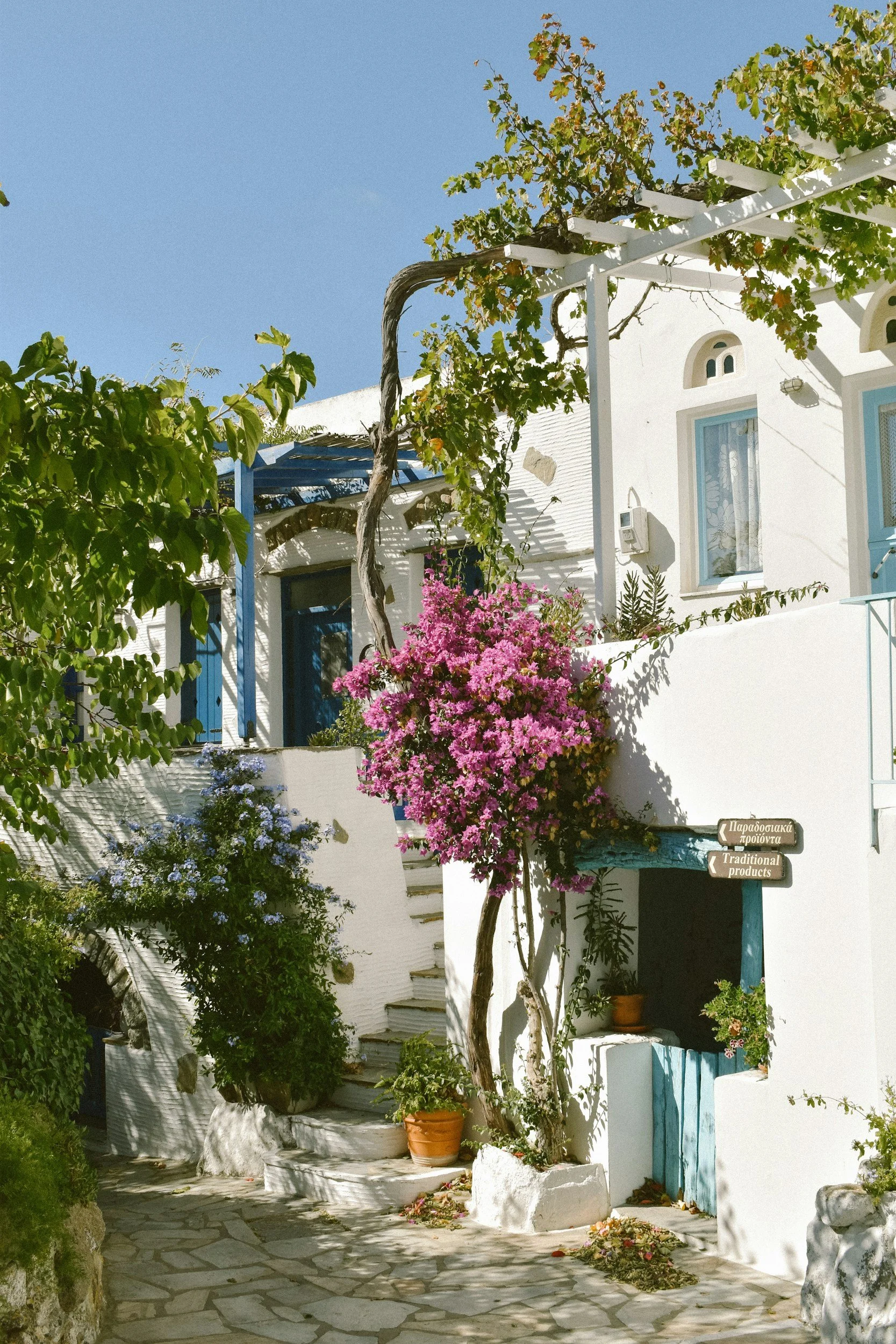
Tinos
Choosing between Tinos and Sifnos becomes much easier once you look at the villages
One of the biggest differences between these islands only really becomes obvious once you start deciding what to do each day.
On Tinos, the villages aren't places I'd simply call into because they happened to be nearby. If I'd decided to go to Pyrgos, I'd expect that part of the island to fill most of the day, and I'd be perfectly happy with that. The village is full of marble, but not in the way people often imagine. It isn't something that's been preserved for visitors. You notice it everywhere without really thinking about it at first. Window surrounds, village fountains, church steps, balconies, little details above front doors and even benches in the square have all been shaped by local craftsmen, so after half an hour you stop looking for marble because it's simply part of the village.
I'd probably spend a while just wandering before doing anything else. Pyrgos has a habit of slowing you down because there's always another lane worth following or another workshop with the door open. Some sculptors still work here today, and it's not unusual to hear somebody cutting or polishing marble while you're walking through the village. That's something I didn't really expect until I started looking into Pyrgos more closely, and I think it says much more about the place than calling it "the marble village" ever could.
The Museum of Marble Crafts, just outside the centre, is somewhere I'd visit afterwards rather than first. Once you've already walked around the village, the museum suddenly explains why the houses look the way they do, how the tools evolved and why marble became such an important part of life on this side of Tinos. Going in the opposite direction somehow makes the whole visit feel much more connected.
After that, I don't think I'd rush anywhere. Panormos is only a few minutes away, and that's usually enough for the rest of the afternoon. I'd probably wander along the little harbour, have lunch there instead of driving back inland and stay until it felt like time to head back towards Chora. Trying to add another corner of the island after that would honestly feel unnecessary.
From Pyrgos, I don't think I'd be in any hurry to drive back inland because Panormos is only a few minutes further down the road and the two places naturally belong together. I'd probably spend the rest of the afternoon there rather than treating it as another quick stop. The little harbour is still used by local fishing boats, the waterfront tavernas start filling around lunchtime, and if the sea is calm it's an easy walk over to Rochari Beach, where you can end the day with a swim before heading back towards Chora. Looking at a map, it might seem tempting to carry on somewhere else afterwards, but this is one of those parts of Tinos where I'd be quite happy letting one village turn into the whole afternoon.
I'd feel exactly the same about Volax, although for completely different reasons. Most people know it because of the enormous granite boulders scattered across the landscape, and they're every bit as unusual as they look in the photographs, but once I started reading more about the village I found myself much more interested in what people had built around them. The lanes weave between the rocks instead of cutting through them, houses seem to have grown into the landscape rather than replacing it, and basket weaving is still part of everyday life here rather than something recreated for visitors. There are small family workshops where the craft continues, and I think I'd be just as curious to stop and watch somebody weaving a basket as I would be to photograph the rocks outside the village.
If I was already spending the day in this part of the island, I'd probably keep going afterwards, but I wouldn't try to fit everything into one itinerary. Kardiani and Isternia are only a few kilometres apart, yet they have completely different personalities, and I'd rather spend proper time in one of them than rush through both.
Kardiani is one of the greenest villages on Tinos, which comes as a bit of a surprise if you've spent the morning driving through the drier parts of the island. Natural springs still feed the village, plane trees provide shade around the little squares, and terraces covered with olive trees climb the hillside towards the mountains. It feels softer than many Cycladic villages, and I'd happily wander around without much of a plan before stopping somewhere for a late coffee.
Isternia has a different atmosphere altogether. Marble is part of everyday life here as well, but in a quieter, more artistic way. Studios are tucked between the whitewashed houses, local sculptors still work in the village, and the little square outside the church has one of those views that seems to make everyone stay longer than they intended. From here you can see across to Syros, and if I knew I was going to Isternia I'd probably leave it until later in the afternoon. As the sun starts dropping towards the western horizon, the light changes across the sea, the marble begins reflecting warmer colours, and it feels like exactly the sort of place where I'd want the day to slow down rather than already thinking about where to go next.
The roads are part of the reason I'd happily spend a full week on Tinos. One morning you're driving through the valleys around Tarampados, where the island's stone dovecotes still stand between old terraces and olive groves, then half an hour later you're climbing towards the central plateau with completely different views across the island. There are little villages like Kambos, Loutra, Xinara and Falatados that many people drive straight past on the way to somewhere else, but I'd be just as tempted to stop there for a coffee or a walk around the square because they still feel like ordinary villages rather than places waiting for visitors to arrive.
That's probably why I wouldn't try to see too much each day. The interesting part isn't only where you're going. It's everything in between. A marble chapel appears beside the road, somebody is selling honey outside their gate, there's a tiny village bakery you hadn't planned to stop at, or another view opens up across the terraces towards the sea. Those are the things that would make me slow down, and they're much harder to enjoy if every day already has four villages squeezed into it.
Sifnos never gave me quite the same feeling, but that's not because the villages are less interesting. They simply work together differently.
If I was staying in Apollonia, I don't think I'd wake up wondering which village I was going to visit that day because several of them naturally become part of the same walk. After breakfast I'd probably drift through the little pedestrian streets around Plateia Iroon, where cafés were filling up and bakeries were putting the first trays outside, then carry on towards Ano Petali without really noticing I'd left one village and entered another. From there it's an easy walk to Artemonas, where the streets become a little quieter, old captain's houses sit behind garden walls and little ceramic studios appear between the cafés.
I'd probably keep walking after that.
The old stone paths continue towards Kastro, and that's something I really like about Sifnos. The villages don't ask you to keep making decisions all day. One naturally leads to the next. You might stop for coffee in Apollonia, find yourself buying pottery in Artemonas, spend an hour wandering around the lanes in Kastro and end up swimming below the village at Seralia before catching the bus back later in the afternoon. None of it feels especially planned, and I think that's one of the reasons Sifnos suits people who don't want every day to revolve around maps and timetables.
That central part of Sifnos is probably where I'd stay, not because it's the prettiest part of the island but because everyday life becomes so easy once you're there. Apollonia sits at the heart of the bus network, so whether I felt like spending the morning in Faros, walking down to Kastro, catching the bus towards Platys Gialos or heading over to Kamares for a swim before my ferry home, I wouldn't spend much time thinking about the practical side of it. By the evening, people naturally seem to drift back again. The little lanes fill with families out for a stroll, tables spill onto the streets around Plateia Iroon, and deciding where to eat somehow becomes the hardest decision of the day.
I don't think I'd overlook Artemonas, though. It's only a short walk away, but the atmosphere changes almost immediately. The streets become quieter, old captain's houses sit behind whitewashed walls covered in bougainvillea, little courtyards are filled with citrus trees and jasmine, and you'll come across family-run pastry shops and ceramic studios that are easy to miss if you only spend your time in Apollonia. I can imagine starting almost every morning there before wandering back towards the busier centre once the cafés begin filling up.
Then there's Kastro, which feels different without ever feeling disconnected from the rest of the island. The walk there is part of the reason I'd go. Following the old kalderimi from Apollonia, you gradually leave the busiest streets behind before reaching the old fortified settlement, where narrow lanes wind between houses built with fragments of ancient marble still visible in the walls. I'd probably spend longer looking out across the cliffs than I would photographing the buildings, then keep going down the path to Seralia for a swim before making my way back inland later in the afternoon. None of it feels like a separate excursion. It just feels like the day carrying on.
That's probably the biggest contrast with Tinos. On Tinos, I'd expect each day to begin with a destination already in mind because the villages are spread across the island and getting to them is part of the experience. On Sifnos, I'd be much happier leaving the hotel with only a vague idea of where I was heading because one village naturally leads into the next. Some days I'd probably end up exactly where I'd planned. Other days I'd stop for a coffee in Artemonas, realise I wasn't in any hurry, and not get much further than Kastro before deciding that was enough for one day.
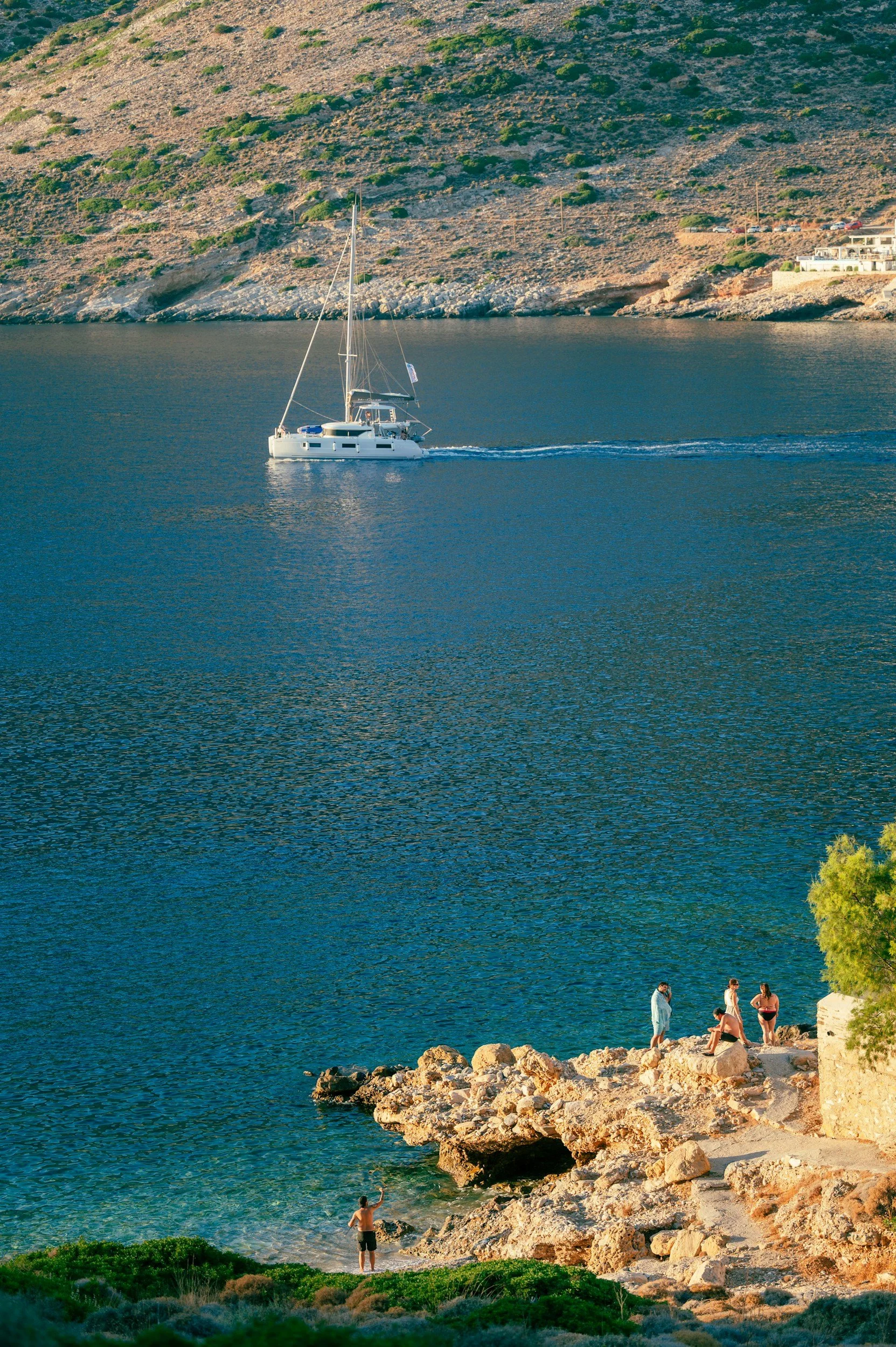
Sifnos
The food question is more complicated than simply choosing Sifnos
If you read enough guides about these islands, it doesn't take long before Sifnos gets labelled as the food island. I don't disagree with that, but I also think it's an answer that's often left hanging there without much explanation. After spending time looking into both islands, I don't think the interesting question is which one has the better food. It's how food becomes part of the holiday once you're actually there.
On Sifnos, meals never seem to sit separately from everything else. They quietly shape the day. You'll walk through Apollonia in the morning and pass bakeries already preparing for lunch, pottery workshops displaying the same clay pots that are still used in kitchens across the island, and little grocery shops selling local capers, thyme honey and herbs alongside everyday shopping. By the evening, the tavernas fill slowly rather than all at once, and it feels perfectly normal to spend two hours over dinner before wandering home through the village.
The connection between food and pottery is something I hadn't appreciated before I started researching the island. Dishes like revithada weren't simply invented here. They developed alongside the pottery that made them possible. Families traditionally prepare the chickpeas on Saturday evening, seal them inside a handmade clay pot and leave them in the residual heat of the village bakery after the bread has finished baking, ready for Sunday lunch after church. Mastelo has a similar story. Lamb or goat is slowly cooked with white wine, dill and herbs inside the deep clay vessel that gave the dish its name, and you'll still find potters producing those cooking pots today because people continue to use them at home rather than treating them as souvenirs.
That's one of the things I like most about Sifnos. The pottery isn't there because visitors expect to buy ceramics. If you walk into workshops like Atsonios Ceramics in Artemonas or some of the smaller family studios around the island, you'll see shelves filled with casseroles, baking dishes and cooking pots alongside bowls and plates because local people still buy them. I think that tells you much more about the island than any list of famous recipes ever could.
After spending time looking into Sifnos, I don't think I'd plan my days around restaurants. I'd simply expect good food to become part of whatever else I was doing. If I was wandering around Artemonas in the morning, I'd probably stop for coffee and a pastry without thinking too much about it. If I ended up walking over to Kastro, I'd be in no hurry to leave for lunch somewhere else because there are already good places nearby. Even dinner feels uncomplicated. Most evenings I'd find myself back around Apollonia, where I'd probably choose somewhere that looked busy with local families rather than somewhere I'd bookmarked weeks before the trip.
That feels quite different from a lot of Greek islands, where lunch can easily become something you fit in between beaches or boat trips. On Sifnos, I'd happily let it become the main event for a couple of hours, then carry on with the day afterwards. Looking at the island on a map, I think that's partly because so many places naturally connect with one another. You're rarely travelling a long distance just to eat.
Food has been taken seriously here for generations, and it's difficult to separate that from the island itself. Nikolaos Tselementes, whose cookbooks helped shape modern Greek cooking, grew up on Sifnos, but what interested me much more was seeing how those traditions still show up in everyday life. The bakeries, pottery workshops and village tavernas don't feel like they're preserving something from the past. They still seem to be part of how the island lives today.
Rather than one strong food identity, it feels as though every part of the Tinos quietly adds something else. Lunch in Pyrgos won't necessarily look the same as lunch in Panormos, and the villages around Kardiani, Isternia or Komi all have their own tavernas, producers and small food shops that you'd probably never visit unless you were already exploring that side of the island. I actually ended up liking that idea more than I expected because it makes food feel connected to where you happen to be rather than something everybody travels across the island to experience.
That's probably the biggest difference between eating on Tinos and eating on Sifnos.
On Tinos, I don't think I'd spend much time deciding where to book lunch before I arrived because I'd have no idea where the morning was going to take me. If I'd driven north to Pyrgos, it would feel completely natural to carry on down to Panormos, find a table overlooking the little fishing harbour and order whatever had come in with the boats that day. If I'd spent the morning around Volax, I'd probably stay inland instead, where the tavernas lean much more towards the produce from the surrounding farms than the sea. And if I'd ended up around Kardiani or Isternia, I can't imagine being in a hurry to leave. I'd much rather find a shaded terrace, order lunch, look out across the western coast towards Syros and let that become the afternoon.
The evening would probably look different again because I'd almost always drift back towards Chora, where the restaurants take the same local ingredients in a slightly different direction. That's something I enjoyed discovering while researching the island. Food changes as you move around Tinos because every part of the island has its own producers, its own tavernas and its own way of using what's grown or caught nearby. I think that's much more interesting than travelling somewhere with one famous dish that everybody comes to try.
You notice that variety in the ingredients as well. Louza appears almost everywhere, but so do local cheeses like xinomyzithra, salty capers, sun-dried tomatoes, thyme honey and the artichokes that have become one of the island's best-known crops. Around Komi, one of the greenest and most fertile parts of Tinos, you'll see vegetable fields stretching across the valley, and every spring the village celebrates the artichoke harvest with a festival that draws people from across the island rather than just visitors.
Wine has quietly become another reason people travel here. Vineyards like T-Oinos, high above Falatados, Clos Stegasta and Volacus Wine have helped put Tinos firmly on the Greek wine map over the last couple of decades, showing what the island's granite soils, strong winds and higher altitudes can produce. Even if I wasn't planning winery visits, I'd probably end up ordering a local Assyrtiko or Mavrotragano with dinner simply because it felt like part of being there.
And if wine isn't really your thing, there's a good chance you'll still come across Nissos. The brewery started here on Tinos before becoming one of Greece's best-known craft beers, but it still feels closely connected to the island. It's exactly the sort of thing I'd order without thinking too much about it while sitting outside somewhere in Chora on my last evening.
One thing I kept coming back to while planning these two trips was how differently I'd end up making decisions each morning.
On Sifnos, I'd probably start by asking myself where I wanted to eat later. If I knew I wanted lunch overlooking the sea near Faros, or dinner somewhere in Apollonia, the rest of the day would naturally fall into place around that. I'd walk, swim or wander through the villages in between, but I already know the meal is going to be one of the highlights of the day, so I'd happily build the itinerary around it.
I don't think I'd do that on Tinos.
If I woke up and decided to spend the morning in Pyrgos, I'd leave without giving lunch much thought because I know there will be somewhere good once I get there. The same would happen around Volax, Kardiani or the villages in the Komi valley. I'd end up eating wherever the day happened to take me, and I actually like that because every part of the island seems to introduce you to different producers, different tavernas and slightly different local specialities.
That's probably why I never found myself thinking one island had "better" food than the other.
If food was one of the reasons I'd booked the trip in the first place, I'd still choose Sifnos because nowhere else in the Cyclades seems to weave cooking, pottery and everyday life together in quite the same way. But if I wanted to explore an island slowly and let good meals appear naturally along the way instead of planning them in advance, I'd probably find myself booking Tinos instead.
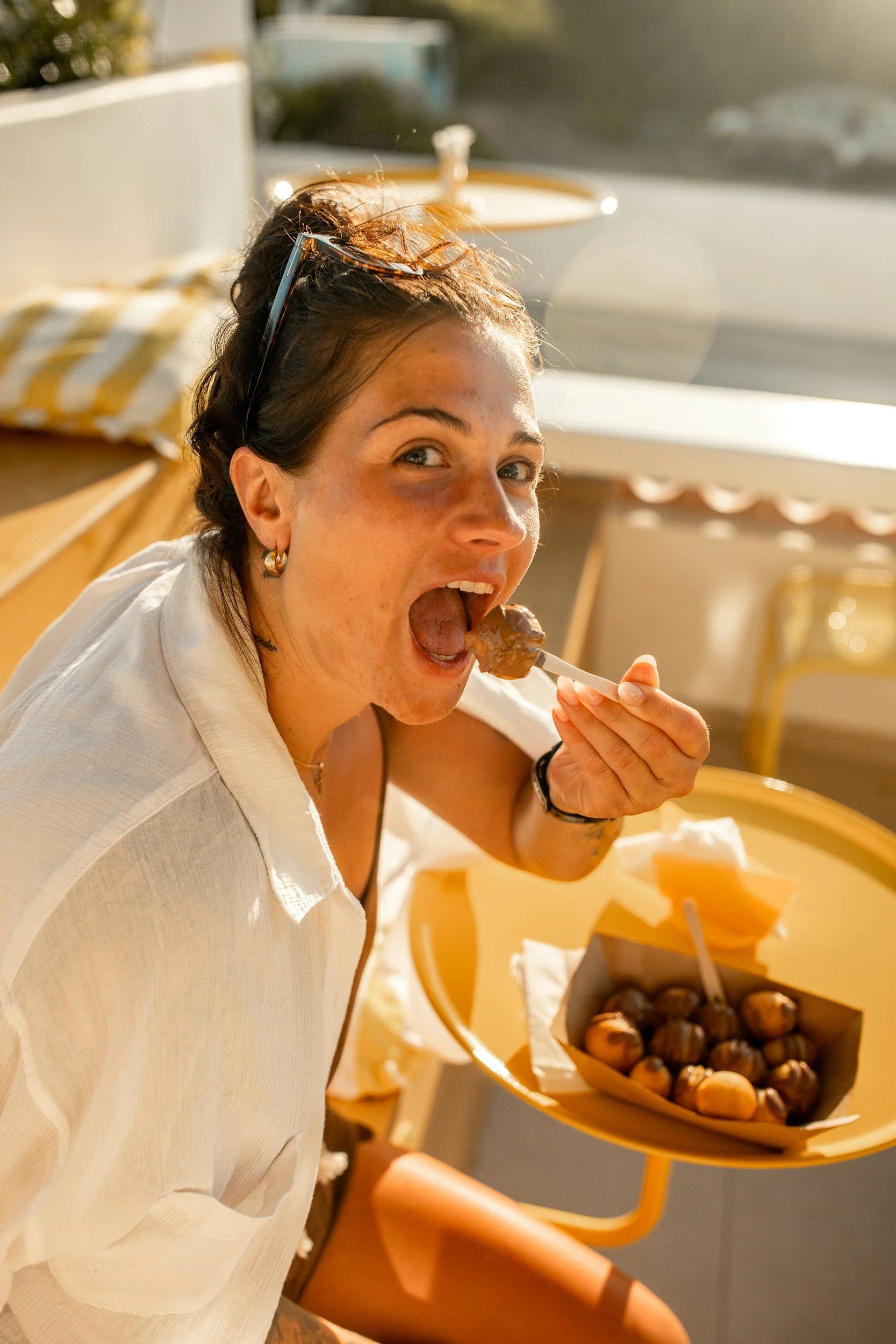
Tinos
If this trip is really about finding somewhere quieter rather than choosing between two specific islands, five underrated islands might introduce you to somewhere you hadn't even considered yet.
Beaches are easier on Sifnos, but Tinos gives you more to choose between
I'd probably never choose between these islands by looking at beach photos because that's not really how I'd end up using them.
On Sifnos, a swim seems to fit into the day almost without any planning. If I was staying around Apollonia or Artemonas, I could spend the morning wandering through the villages, stop for coffee, browse a pottery workshop or two, then decide over lunch that the weather was too good not to head for the sea. From there it's an easy bus to places like Faros, Platys Gialos, Kamares or Vathy, and because the buses all come back towards the centre of the island, I'd never feel as though choosing one beach meant giving up the rest of the afternoon.
I also like that they all feel slightly different. Faros is really three small beaches rather than one, with Fassolou and Glyfo only a short walk away if you fancy somewhere a little quieter. Chrysopigi isn't somewhere I'd spend hours stretched out on the sand, but I'd still make time to swim there because the little white monastery sitting on the rocky headland is one of those places that looks every bit as good in real life as it does in photographs. Platys Gialos has the longest sandy beach on the island, plenty of tavernas and enough space that it rarely feels crowded outside August, while Vathy feels much more tucked away, with calm water and a slower pace that makes it very easy to lose track of time over lunch.
That's another reason I think Sifnos works so well without a car. I wouldn't feel any pressure to visit every beach because they naturally belong to different parts of the island. If I'd already spent the morning around Faros, I'd probably stay there, wander over to Fassolou, have lunch nearby and call that a very good day rather than immediately jumping on another bus because there was another beach twenty minutes away.
Kamares is probably where I'd stay if I was only coming over for a long weekend. I really like the fact that the ferry arrives almost on the beach because it changes the whole feel of the first and last day. Instead of spending another hour getting across the island, you can leave your bag at the hotel, walk straight onto the sand and be in the water before you've really had time to think about it. The beach stretches right around the bay, the water stays shallow for quite a long way out, and there are bakeries, little supermarkets and cafés just behind the promenade, so it's an easy place to settle into for a day or two. I also wouldn't underestimate it in the evening. Once the day-trippers have disappeared and the ferries have left, the bay becomes much quieter, and I can easily imagine finishing the day with a swim before wandering a couple of minutes back for dinner.
I'd probably leave Platys Gialos for another day altogether. It's the longest sandy beach on Sifnos, but what appeals to me most is that it never has to be only a beach day. There are pottery workshops nearby, including Tsikalario Ceramic Studio, so I'd almost certainly spend part of the morning looking around there before heading down to the sea. The beach itself is broad enough that you can usually find plenty of space if you walk a little further from the main access points, and because the bay is sheltered it often stays calmer than some of the island's more exposed beaches when the meltemi is blowing. By the time lunch comes around, I'd already be exactly where I'd want to be. Several excellent fish tavernas sit just behind the beach, so there'd be no reason to rush anywhere else before heading back towards Apollonia later in the afternoon.
Faros is somewhere I'd probably end up spending much longer than I'd planned because it gives you several different places to stop without ever feeling as though you're moving very far. Most people simply say they're going to Faros, but once you're there it's easy to wander between Faros Beach, Fassolou and the little cove at Glyfo, all within a fairly short walk of each other. If one beach feels busier than you'd hoped, there's no real reason to stay put. I'd probably keep walking instead, stop for a swim wherever looked most inviting and leave lunch until I felt hungry rather than trying to follow a timetable.
If I still had plenty of time afterwards, I'd continue along the coastal path towards the old lighthouse. It's not a demanding walk, but it changes the perspective completely. Looking back towards the whitewashed villages and the little bays from the headland gives you a completely different sense of this part of the island than you get from the beach itself.
I'd also make time for Vathy, although I'd probably choose it for a different kind of day. The bay sits deep inside the coastline, so the water is often calmer when other parts of the island are a little more exposed, and the whole place seems to move at a slower pace. Fishing boats are still pulled up beside the waterfront, tamarisk trees provide shade along the edge of the beach and it's very easy to drift from a morning swim into a long lunch without ever moving more than a few minutes from the sea. If I was looking for somewhere to spend most of the afternoon without feeling the need to keep exploring, Vathy would probably be my first choice.
Chrysopigi is somewhere I'd visit slightly differently again. I wouldn't go there expecting a classic sandy beach because that's not really why people come. The little monastery, balanced on its rocky headland, is the first thing you notice, but once you walk down towards the water you'll find stone platforms, smooth rocks for sunbathing and remarkably clear water that's popular with snorkellers. I'd probably bring a mask if I was already planning to spend a couple of hours there because the rocky coastline is much more interesting below the surface than many of the island's sandy beaches. Afterwards, I'd be quite happy sitting on the rocks for a while before walking back rather than trying to squeeze another beach into the same afternoon.
That's probably why I'd never plan a whole day around one beach on Sifnos. A swim almost feels like something you add once you've already decided where you want to spend the morning. I might wander around Apollonia, stop for coffee in Artemonas, then catch the bus down to Faros after lunch without feeling as though I'd committed the whole day to being at the coast. By early evening I'd already be back in the villages, looking for somewhere to eat, and none of it would feel rushed.
On Tinos, I'd almost always end up at the beach because of where I'd already been rather than because I'd chosen it first.
If I'd spent the morning in Pyrgos, I can't imagine driving back inland straight away when Panormos and Rochari Beach are only a few minutes further on. I'd probably have lunch overlooking the harbour, wander down to the beach afterwards and stay until the sun started dropping a little lower over the bay. Rochari is one of those places that changes through the afternoon. Families begin heading home, the light softens across the water and it becomes much quieter than it felt around lunchtime. If I still felt like exploring, I'd walk a little further towards Agia Thalassa, where the shoreline becomes rockier, the water is beautifully clear and it's much better suited to snorkelling than simply lying on the sand.
A morning around Volax, Tarampados or the villages on the central plateau would probably end somewhere completely different. Kolymbithra isn't really one beach at all. Two bays sit on either side of the headland, and they often feel like two different places. When the meltemi is blowing, surfers gather on the more exposed northern beach while the sheltered bay on the other side is usually much calmer for swimming. Behind them, the protected wetland attracts herons and other birdlife, which gives this whole stretch of coastline a much wilder feel than many of the beaches people picture when they think about the Cyclades.
That's what I kept coming back to while planning Tinos. I don't think I'd ever wake up and decide I was having a "beach day". I'd decide I wanted to spend the day in one part of the island, and the beach would almost always become part of that without much planning.
If I didn't feel like driving far from Chora, I don't think I'd feel as though I was compromising. Agios Fokas begins just outside town and stretches for almost two kilometres along the coast, so it's easy to walk a little further until the beach opens up. I could easily imagine finishing a day in Chora there instead of setting off across the island again. A swim, a drink somewhere along the waterfront, then back into town for dinner sounds like a pretty good way to end the day without ever getting back in the car.
Kionia appeals to me for a different reason. I'd probably go there because it never has to be only a beach. The Sanctuary of Poseidon and Amphitrite sits just behind the shoreline, so it's one of those places where it's completely normal to spend an hour looking around the archaeological site before wandering down to the sea afterwards. I always like those combinations because they make the day feel less divided into "sightseeing" and "beach time". Everything happens in the same place, at its own pace.
The more I looked into Tinos, the more one small detail kept coming up. People don't seem to spend much time arguing about which beach is the best. They ask where the sea is calm today, and that actually makes perfect sense once you look at a map. Tinos has beaches facing in different directions, so when the meltemi picks up, conditions can change surprisingly quickly from one side of the island to the other. Kolymbithra might be busy with surfers while somewhere on the west coast feels almost completely different, or Agios Fokas can be much calmer than beaches further north. I'd probably ask at the hotel before setting off each morning because local advice is likely to be far more useful than a list I'd saved months earlier. I think that's one of those little habits that quietly makes the whole trip better, especially if you're visiting in July or August when the wind is part of everyday life rather than an exception.
One thing I hadn't really appreciated before looking into both islands was how much hiring a car changes the way Tinos works.
It isn't because suddenly dozens of extra beaches become possible. It's because the island starts making much more sense geographically. Pyrgos naturally turns into Panormos and Rochari, Volax fits easily with Kolymbithra, while a slower day around Chora almost invites you to finish with a swim at Kionia or Agios Fokas before heading back into town for dinner. I don't think I'd ever leave the hotel in the morning thinking, today is a beach day. I'd simply head for one part of the island and see where that took me.
That's probably why I ended up thinking about the two islands quite differently by the time I'd finished planning this guide.
On Sifnos, I'd happily decide after lunch that the sea looked too inviting to ignore, catch the next bus to Faros or Platys Gialos, stay for a swim and still be back in Apollonia later that evening without feeling as though I'd changed the day very much.
On Tinos, the beach feels much more like the final part of wherever the day has already taken you. Some afternoons that might be Rochari, others Kolymbithra, Agios Fokas or somewhere completely different because the wind has changed or somebody in the village has suggested another bay instead. I actually like that it isn't always predictable!
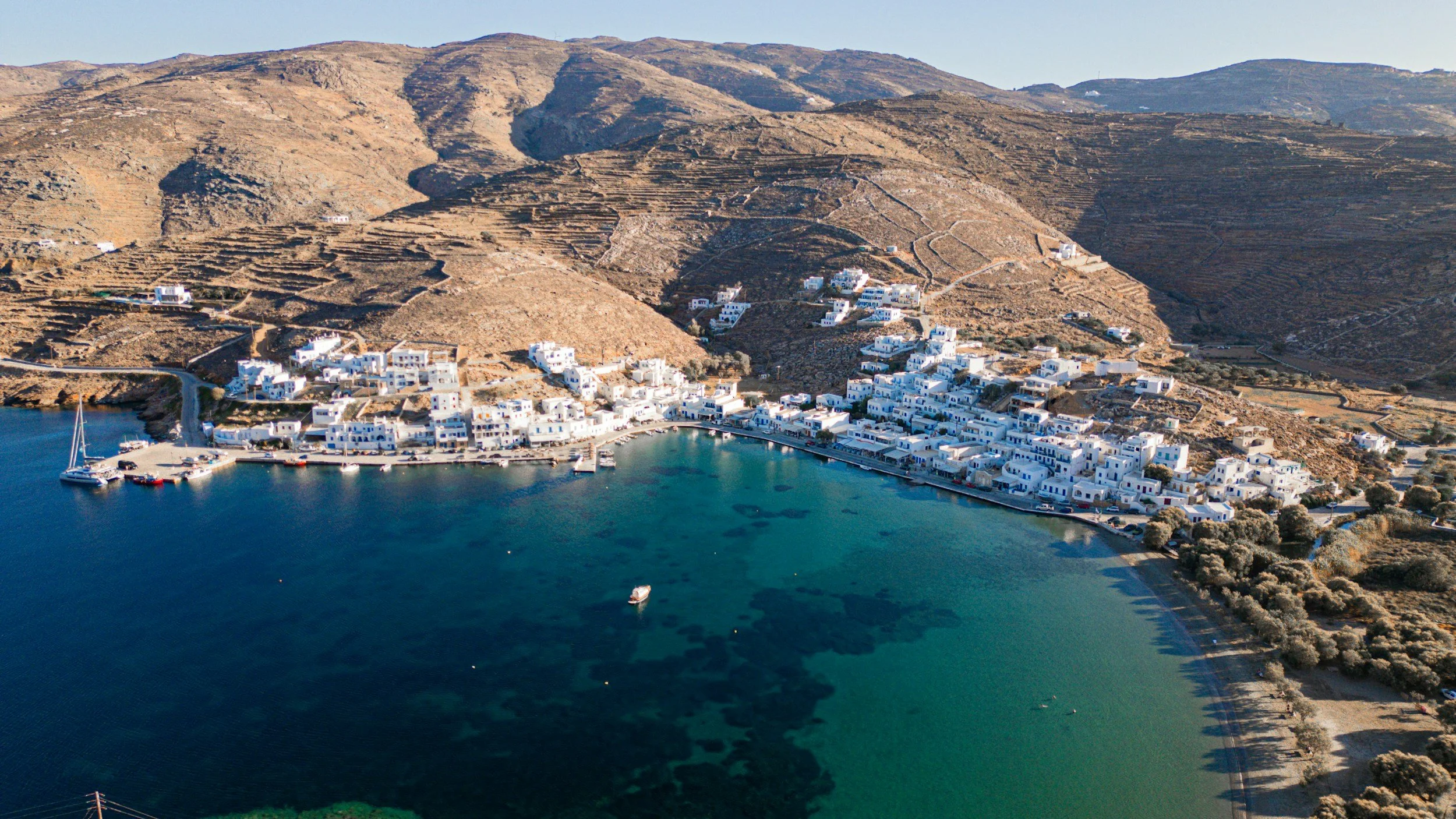
Tinos
I'd plan a walking holiday very differently on these two islands
If walking is one of the reasons you're looking at Tinos and Sifnos, I wouldn't choose between them by comparing how many kilometres of trails each island has. I'd be thinking about something much simpler than that. Do I want to walk straight from the village where I'm staying, or am I happy to drive somewhere different before setting off? That ended up making much more difference than the trails themselves because the two islands encourage completely different kinds of walking.
On Sifnos, I'd happily leave the hotel after breakfast without having decided exactly where I was going because the island's walking network is so well organised. More than 100 kilometres of restored and professionally waymarked trails connect villages, beaches, old monasteries, farmland and some of the island's oldest settlements, and many of them begin only a few minutes from Apollonia or Artemonas. The old kalderimia, the traditional stone mule paths that once linked communities across the island, have been restored, vegetation has been cleared, dry-stone walls rebuilt and route markers maintained by the Sifnos Trails project, so following a path rarely feels like guesswork. I think that's one of the reasons so many people who don't normally describe themselves as hikers end up enjoying walking here.
One of the walks I'd be most tempted to do starts in Artemonas and hardly feels like a hike in the traditional sense. You leave the village on one of the old kalderimia, pass little white chapels, dry-stone terraces and olive trees, then gradually reach the cliffs above Poulati. I'd probably spend longer there than I'd planned because the coastline looks completely different from above, and if the sea was calm enough I'd be very tempted to walk down for a swim before carrying on.
From Poulati, it makes much more sense to keep going than to turn around. The path continues towards Kastro, so instead of ending the walk back where it started, you arrive in one of the island's most interesting villages. I'd wander through the old fortified settlement, follow the little lanes down towards Seralia and probably stop there for another swim before catching the bus back later. I like walks that finish somewhere different because they feel much more like travelling than exercise.
I'd probably plan another day completely differently. Rather than following the coast, I'd head towards Agios Andreas, where the archaeological site sits among old terraces and open countryside, then carry on towards Faros or Chrysopigi instead of retracing my steps. Looking at the trail map, that's what struck me most about Sifnos. So many of the routes link places I'd already want to visit that it almost seems a shame not to walk between them. You're not hiking simply for the sake of hiking. You're moving between villages, beaches, churches and viewpoints that would probably have been on the itinerary anyway.
The climb to Profitis Ilias works in much the same way. It's the highest point on Sifnos, so the views reach across much of the Cyclades on a clear day, but what I like is what happens afterwards. You're never particularly far from another village, another café or a bus stop that lets the day continue somewhere else. I think that's why walking feels so easy to build into a holiday here. You don't need to set aside a whole day for it unless you want to.
Walking is one of the reasons I'd happily spend longer on Tinos, but not because there are more trails than on Sifnos. It's because every part of the island seems to offer a completely different landscape, so choosing a walk almost feels like choosing which version of Tinos you want to get to know that day. Looking at the trail map, I don't think I'd start by asking myself which route looked the most interesting. I'd be deciding whether I wanted to spend the day around Exomvourgo, the valleys below Tarampados, the granite landscape around Volax, or somewhere else entirely, because each area feels distinct enough to deserve its own day.
If I only had time for one longer walk, I'd almost certainly head for Exomvourgo. The more I looked into it, the more it felt like one of those places that quietly explains the whole island. The path climbs through a landscape that's been shaped over centuries, passing the remains of what was once the largest Venetian fortress in the Cyclades, old Catholic churches, traces of Byzantine occupation and the scattered walls of buildings that have stood here for hundreds of years. None of that feels arranged for visitors. It's simply part of the hillside, so the walk becomes as much about noticing where you are as reaching the summit.
The landscape changes constantly as you climb. Lower down, you're walking between terraces edged with dry-stone walls, wild herbs and olive trees, but the higher you go the more the granite begins to dominate until the views suddenly open in every direction. From the top you can see across much of Tinos, with Syros, Mykonos, Delos and, on a clear day, several more Cycladic islands appearing on the horizon. I'd probably spend just as long looking back across the route I'd already walked as looking out to sea because it's only from up there that you really appreciate how varied the island is.
What I like just as much is that the day doesn't have to finish when the walk does. Once you're back down, it's easy to carry on towards villages like Xinara or Kechrovouni, stop somewhere for a late lunch, or spend the rest of the afternoon driving through another part of the island that you'd never have reached on foot. That's probably the biggest difference I kept coming back to while planning these two trips. On Sifnos, many of the walks naturally connect places you were already going to visit. On Tinos, the walks introduce you to completely different corners of the island, and I'd happily let one of them become the whole focus of the day before moving on somewhere else afterwards.
If I was in the mood for a completely different landscape, I'd head towards Tarampados instead. The villages themselves are lovely, but I'd really be going for everything in between. This is where many of Tinos' famous stone dovecotes stand among old terraces, olive groves and little valleys, and I don't think I'd appreciate them nearly as much from behind the wheel. There are more than six hundred of them scattered across the island, many dating back to Venetian rule, and they're all slightly different. Some are decorated with intricate geometric patterns carved into the stone, others still carry old family crests, and once you start noticing those details it's surprisingly difficult to stop looking for the next one. I'd probably spend as much time wandering between the dovecotes as I would in the villages themselves because the countryside is every bit as interesting here.
The old footpaths make it easy to keep going. Depending on how much walking I felt like, I could carry on towards Kambos, Loutra or Falatados, and I'd be in no hurry to decide which one before setting off because they're close enough that the day doesn't have to be planned down to the hour. Loutra would tempt me if I wanted to spend a little time around the old Ursuline Convent, which tells such an important part of Tinos' Catholic history, while Falatados appeals for almost the opposite reason. It feels like an ordinary mountain village where people still live their everyday lives, with little cafés around the square, old stone houses climbing the hillside and none of the feeling that you've arrived somewhere simply because visitors are expected.
The walks around Volax would probably be the ones I'd save for another day altogether because the landscape couldn't feel more different. The old paths thread their way between enormous granite boulders before crossing the central plateau towards neighbouring villages, and looking at photographs I kept thinking it would be somewhere I'd stop far more often than I'd planned. Not because the route is difficult, but because there's always something else catching your eye. A tiny chapel appears between the rocks, another view opens across the hills, or the smell of wild thyme, sage and oregano drifts across the path once the weather starts warming up. It's the sort of place where I don't think I'd cover huge distances because I'd spend too much time looking around me.
One practical thing I would think about before leaving in the morning is how I wanted the walk to end. Quite a few of Tinos' old footpaths don't naturally loop back to where they began, which is part of what makes them so enjoyable, but it does mean I'd have a quick look at the map before setting off. Sometimes that might mean leaving the car in a different village, finishing where a bus passes later in the afternoon, or simply booking a taxi back. I don't see that as an inconvenience. If anything, it encourages me to think about the walk as one journey across the island rather than an out-and-back route where I spend the second half retracing my own footsteps.
Looking through the walking routes, I found myself planning the two islands in completely different ways.
On Sifnos, I don't think I'd ever feel the need to make a big plan the night before. If the weather looked good over breakfast, I'd probably decide to spend the morning on one of the old kalderimia, knowing I could walk towards Kastro, Faros or Poulati, stop whenever somewhere caught my eye and still have an easy way back later in the afternoon. The walks fit so naturally into everything else that I'd never feel as though I had to dedicate the whole day to hiking.
Planning a walk on Tinos feels different because choosing the route almost means choosing a completely different part of the island. One morning could take me through the granite landscape around Volax, another across the terraces and dovecote valleys near Tarampados, another up to Exomvourgo, or over to the greener hillsides around Kardiani. By the time I finished looking at the map, I realised I wasn't really deciding between trails anymore. I was deciding which side of Tinos I wanted to get to know that day, and I think that's one of the reasons the island rewards a longer stay. It would be very easy to spend a week here and still leave with another handful of walks I'd already want to come back for.
If the walking trails are one of the reasons Sifnos appeals to you, Menalon Trail shows a completely different side of Greece that's equally rewarding if you're planning a longer trip.
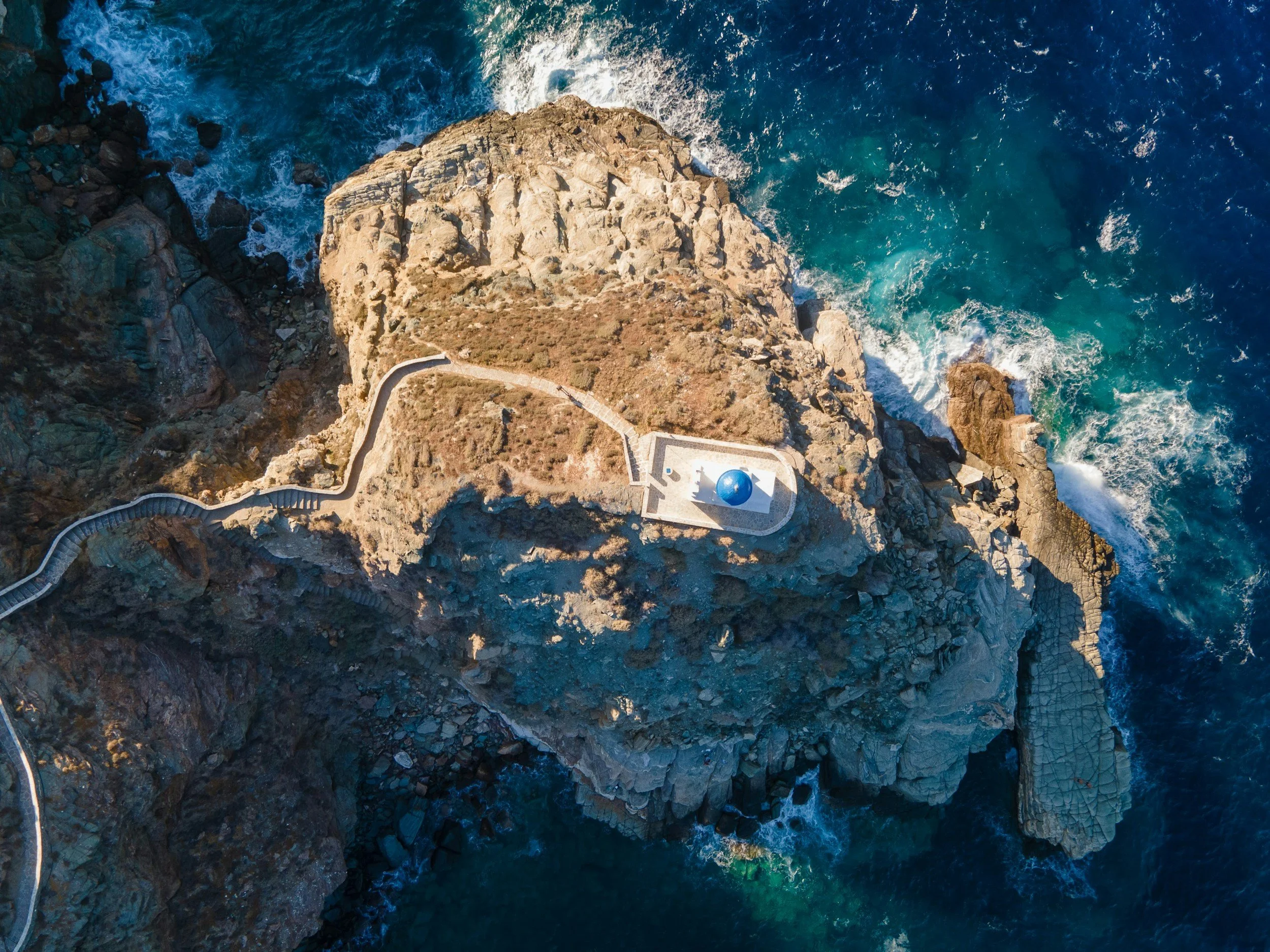
Sifnos
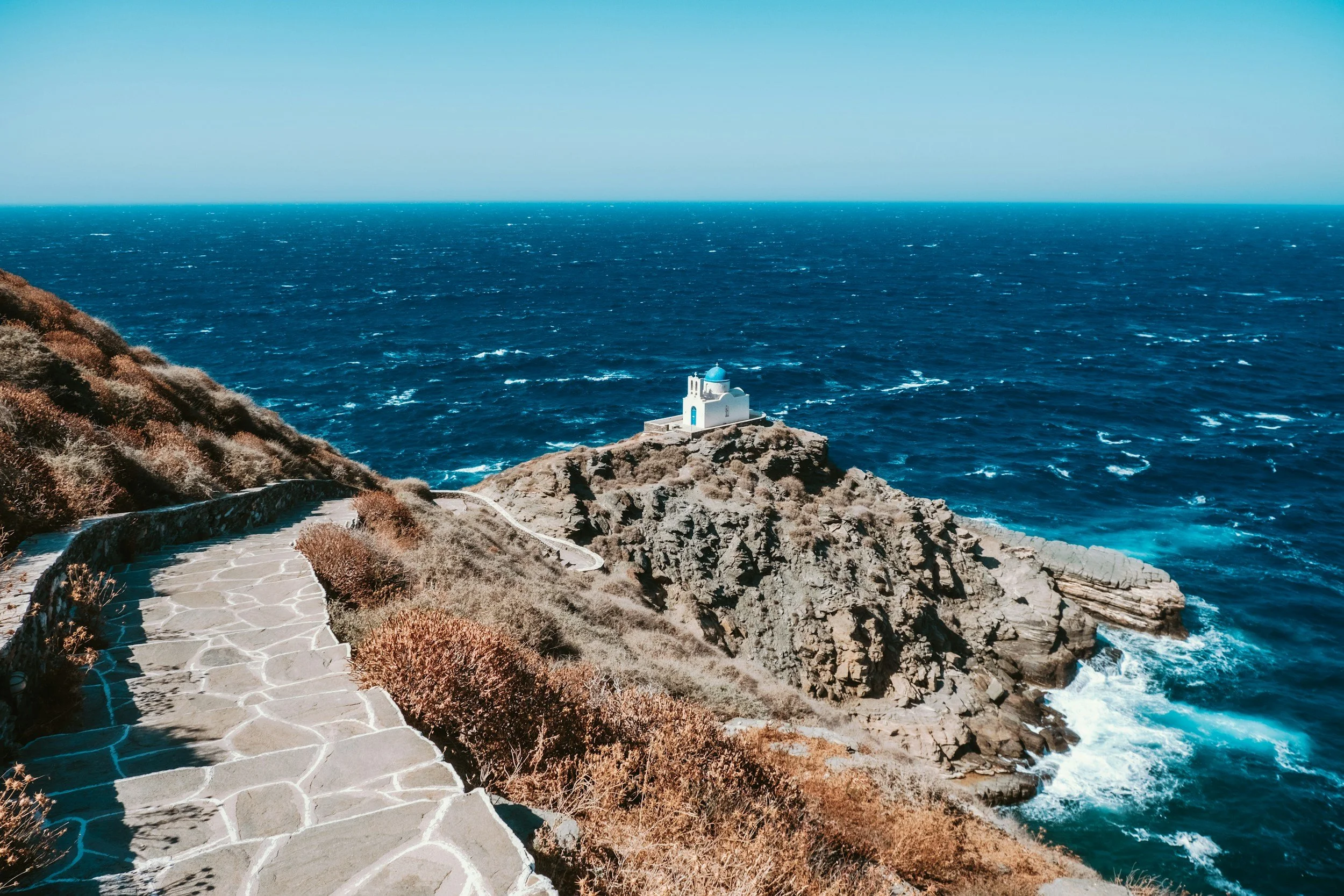
Sifnos
If you're travelling alone in Greece, I'd also read solo island guide because choosing somewhere that feels comfortable after dinner often matters just as much as choosing the prettiest beaches.
Where you stay matters more than most people realise
Looking through hotels on both islands, I found myself caring less and less about the hotel itself and much more about where it was. A beautiful room only really improves the holiday if it puts you in the right place, and I honestly think choosing the wrong base creates more frustration than choosing the wrong hotel ever will.
For a first visit, I wouldn't make this decision complicated. I'd stay in Chora on Tinos and Apollonia on Sifnos, not because they're the most beautiful places on either island, but because they make the rest of the week feel much easier.
On Tinos, I can't really imagine staying anywhere other than Chora without a very specific reason. It's where the ferries arrive, where almost every KTEL bus begins its journey, and where I'd probably end up most evenings anyway. After a day in Pyrgos, Volax or Kardiani, I'd quite like the idea of wandering back through the little streets around the harbour, stopping for a drink before dinner and feeling as though there was still plenty happening around me. If I woke up and decided the weather looked better for swimming than driving across the island, it would be just as easy to spend the day around Agios Fokas or walk over to Kionia instead. That's something I value more than I expected. Staying in Chora leaves far more room for changing your mind without the whole day becoming awkward.
That doesn't mean I'd stay in Chora every time I visited Tinos. Quite the opposite, actually. The more I looked into the island, the more I found myself thinking that Chora is the easiest place to begin, but probably not the place I'd be most excited to return to.
If I only had three or four nights, I'd still book a hotel there because it takes so much of the practical planning out of the trip. After a day exploring the island, I'd quite enjoy wandering back through the harbour, finding somewhere for dinner and knowing I could catch a bus almost anywhere the following morning. But if I had a full week, I'd start looking much more seriously at places like Pyrgos instead.
The reason isn't that Pyrgos has more to do. It's that I'd finally have enough time to slow down. Instead of treating it as somewhere to spend a couple of hours before moving on to Panormos, I could imagine wandering through the marble streets early in the morning before the day-trippers arrived, stopping at the bakery, recognising the same faces in the cafés and letting the village become home for a few days rather than another stop on the itinerary. That feels like a completely different holiday from staying in Chora, even though you're still on the same island.
I think the mistake would be trying to combine those two ideas.
If I'd chosen to stay in Pyrgos, I'd stop expecting to drive across the island every day. I wouldn't want to spend the week going backwards and forwards to Chora, then over to Volax, down to Kardiani and back again simply because I'd seen them all marked on a map. I'd rather explore the north properly, spend time around Panormos, maybe drive through Marlas or Mamados, discover a beach I hadn't planned to stop at and accept that some parts of Tinos could wait for another visit. To me, that's a much nicer way of using a full week than trying to turn the island into one long road trip.
Apollonia never gave me quite the same dilemma. The longer I looked at Sifnos, the more it seemed to become the obvious place to stay, not because every visitor has to choose it, but because so much of everyday life naturally returns there. I'd have no problem spending five or six nights in the same hotel, walking back through the village after dinner each evening and heading somewhere different the following morning without ever feeling the need to move accommodation. On Sifnos, changing hotels halfway through the trip would probably complicate things more than improve them.
I'd stay in Pyrgos because I'd want that part of Tinos to become familiar rather than trying to see the whole island in one trip. I like the thought of wandering through the marble streets while the village was only just waking up, stopping at a bakery before the workshops opened for the day, then seeing where things went from there. Some mornings I'd probably end up chatting to a marble sculptor for longer than I'd expected, while other days I'd drive the short distance down to Panormos, find somewhere overlooking the little harbour for lunch and finish the afternoon at Rochari Beach if the sea looked inviting. Nothing about that day feels rushed, and I think that's exactly why I'd choose to stay here instead of making Pyrgos another stop before driving somewhere else.
If I had a full week on Sifnos, I don't think I'd feel the need to stay quite so close to everything anymore. Once I'd stopped worrying about fitting the whole island into a few days, somewhere like Artemonas would become much more appealing. It's only a short walk from Apollonia, so I'd still have all the restaurants and bus connections within easy reach, but the village itself has a noticeably quieter feel. I'd like the idea of wandering out for breakfast while the bakeries were opening, following one of the old kalderimia straight from the village instead of catching a bus somewhere first, then walking back in the evening after dinner rather than staying right in the busiest part of the island.
I'd probably think about the beach villages differently as well because they stop being places I'd visit for a few hours and start becoming places I'd actually live for a few days.
On Tinos, that would almost certainly mean Panormos, but only if I already knew I wanted the north of the island to become the focus of the trip. I wouldn't choose it because it was central. Quite the opposite. I'd choose it because I'd already decided that wandering around the harbour in the evening, swimming at Rochari or Agia Thalassa, and spending time in Pyrgos mattered more to me than driving across the island every day. I think Panormos makes much more sense once you stop expecting to see everything.
The same thought kept coming back when I looked at Faros on Sifnos. If I stayed there, it wouldn't really be because of the beach outside the hotel. It would be because I could spend the morning swimming, wander over to Fassolou or Glyfo without moving the car, follow the coastal path towards Chrysopigi later in the afternoon and still finish the day in a village that feels much more like a working fishing community than a purpose-built holiday resort. I find that much more appealing than somewhere that's busy simply because there's a beach.
If I knew I wanted to spend most of the holiday by the sea, Platys Gialos would probably be the first place I'd look. I'd like being able to walk down for a swim before breakfast, wander back to the hotel whenever I felt like it and not have to think about driving anywhere unless I actually wanted to. There are plenty of places to eat along the beach, so it would be an easy place to settle into for a few days. The only thing I'd think about beforehand is how often I'd want to go into Apollonia. If I knew I'd be there every evening anyway, I'd probably question whether staying on the coast was worth it.
I'd think about Vathy slightly differently. It's somewhere I'd book once I already knew Sifnos a little better rather than on a first visit. The bay is beautifully sheltered, the water is usually calm and it's very easy to spend far longer there than you'd planned, but it's also the sort of place where you're more likely to stay put once you've arrived. That will suit plenty of people, but if I was trying to get a feel for the island for the first time, I'd rather stay somewhere with a bit more flexibility.
The place I kept coming back to was actually Kamares. I think people dismiss it too quickly because it's the ferry port, but if I only had two or three nights I'd seriously consider staying there. Walking off the ferry, dropping my bag at the hotel and being on the beach twenty minutes later sounds like a much better start to a long weekend than catching another bus across the island before I've even unpacked. I'd still have buses to the rest of Sifnos whenever I wanted them, but I wouldn't feel like I'd lost half the first afternoon getting there.
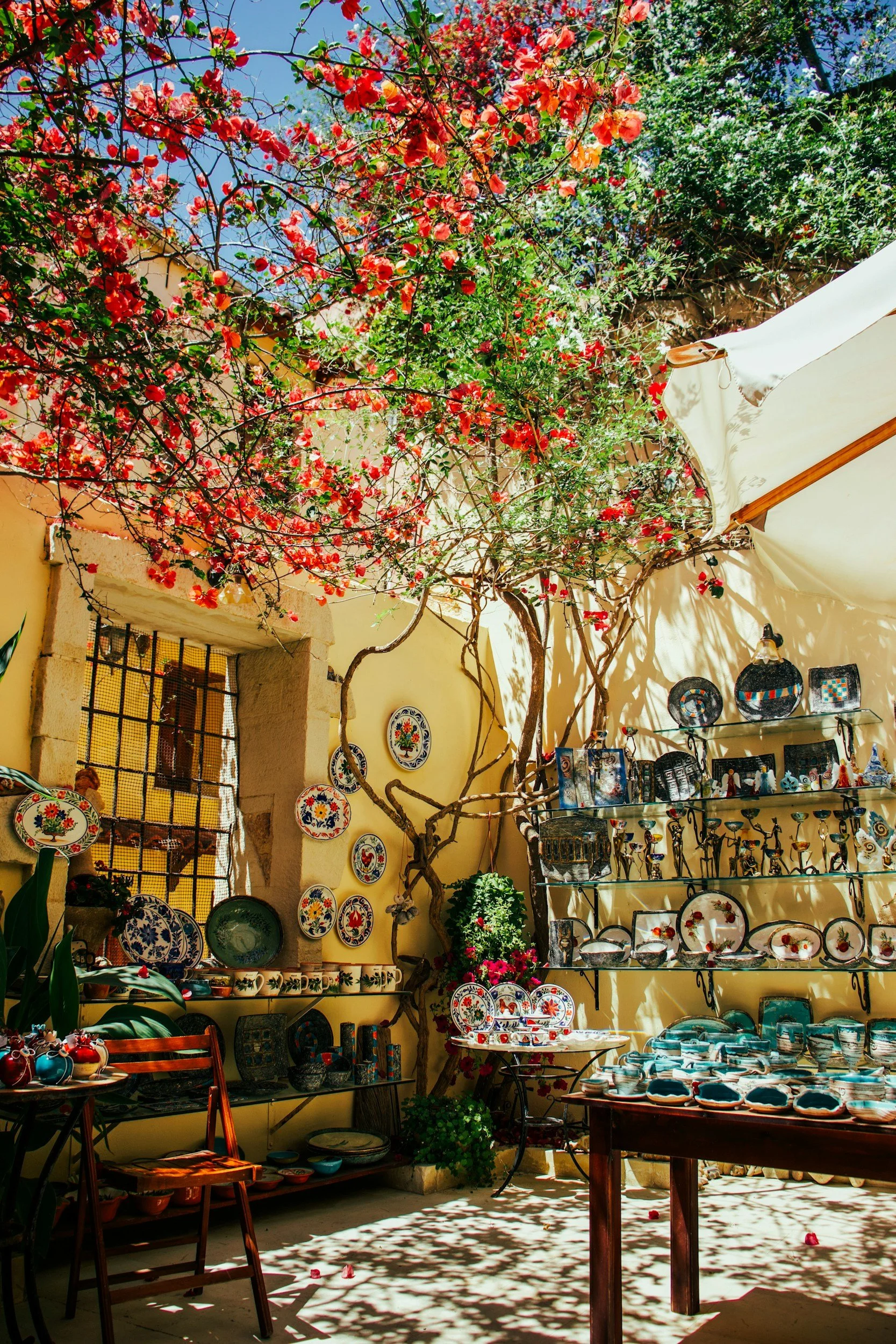
Sifnos
How long are you staying?
If I only had four nights, I don't think I'd spend much time trying to fit everything in. I'd want an island where I could unpack, get my bearings quickly and feel as though the holiday had properly started by the first full morning, and that's exactly how Sifnos comes across.
I can imagine arriving on the afternoon ferry, checking into a hotel in Apollonia, wandering out for dinner that evening and already knowing my way around well enough not to think about directions the following morning. One day might begin with a walk over to Artemonas, continue down the old kalderimi towards Kastro, then end with a swim at Seralia before catching the bus back. Another might start with coffee in the square before I decided the weather was too good not to head down to Faros or Platys Gialos, while a third could easily disappear wandering between little pottery studios, bakeries and cafés without ever feeling as though I needed a detailed plan.
That's what I like about Sifnos for a shorter trip. I don't feel any pressure to see the whole island because so much of it naturally connects together. If I changed my mind halfway through the day, it wouldn't really matter. I'd still end up somewhere worth being, and by the evening I'd almost certainly find myself back in Apollonia without having spent much of the day thinking about buses, parking or driving times.
I think that's a big part of why four nights feels enough. I'm not trying to cover every corner of the island. I'm simply making the most of the time I've got, and Sifnos makes that surprisingly easy.
I'd probably plan Tinos quite differently.
Four nights is still enough for a really good trip, but I don't think I'd leave feeling as though I'd "done" the island, and I wouldn't try to. The more I looked at a map, the more obvious it became that the mistake isn't booking too few nights. It's trying to fit too much into the ones you've got.
It's surprisingly easy to do. You save Pyrgos, Volax, Kolymbithra, Kardiani, Isternia, Panormos, Tarampados and Exomvourgo, then realise they're spread across very different parts of the island. On paper they don't always look that far apart, but once you start driving between them, stopping for lunch, wandering through a village or deciding to stay a little longer somewhere you hadn't expected, the day disappears much more quickly than the map suggests.
I'd be much happier treating each day as one part of the island rather than one collection of sights. The north could quite easily fill an entire day without ever feeling rushed. I'd spend the morning in Pyrgos, wander through the marble streets without worrying about the time, carry on to Panormos for lunch by the harbour, then see whether I still felt like a swim at Rochari afterwards. Another day could begin around Volax, continue through the valleys near Tarampados, stop somewhere completely unplanned for coffee and finish back in Chora whenever it felt like the right time to head back.
That's the approach that makes the most sense to me because it leaves room for the things you can't really plan. You notice a tiny bakery that's just opened, somebody points you towards a beach you hadn't heard of, or you end up sitting on a village square for longer than you'd expected because there's no particular reason to leave. I'd rather come home feeling as though I'd got to know one part of Tinos properly than spend four days driving from one pin on a map to the next.
The length of the ferry crossing would probably influence my decision more than I'd expected if I was only getting away for a long weekend.
Flying into Athens on a Thursday evening or Friday morning doesn't leave much time to waste, so I'd always look at the ferry timetable before booking anywhere. That's one of the reasons Tinos becomes such a strong option for a shorter break. The faster crossings from Rafina take around an hour and a half, which means it's perfectly realistic to arrive in Chora, check into the hotel and still have time for a swim at Agios Fokas or an early dinner by the harbour. When you've only got a few days, gaining half an afternoon at the beginning of the trip makes a much bigger difference than it sounds.
A full week changes the calculation completely.
Once I'd stopped counting days, I don't think I'd be looking at ferry times anymore. I'd be thinking about which part of the island I felt like exploring next. One day might disappear around Pyrgos and Panormos, another could be spent walking up to Exomvourgo, while another might never amount to much more than driving through the villages around Komi, stopping at a farm shop because something caught my eye, buying a few local cheeses or artichokes, then carrying on simply to see where the road ended. That's the sort of flexibility I don't think I'd ever have on a four-night trip because I'd always have one eye on the places I still wanted to see.
The more I planned Tinos, the less interested I became in covering the island efficiently. I'd rather spend an extra hour somewhere I hadn't expected to stop than arrive home knowing I'd technically seen everything but never really had time to enjoy any of it. For me, that's where a full week starts to feel like a completely different holiday rather than simply a longer version of the same trip.
One thing I didn't expect was how differently I'd end up thinking about a full week on Sifnos.
Before I started planning this comparison, I assumed seven nights would naturally make me lean towards Tinos because there's simply more ground to cover. The more time I spent looking at Sifnos, though, the less I found myself worrying about seeing more places. Instead, I started thinking about how nice it would be not to move around quite so much.
I can easily imagine spending the morning walking into Apollonia for coffee, deciding there wasn't any real reason to leave the central villages until lunchtime, then catching the bus down to Faros or Platys Gialos for a swim simply because the weather was too good to ignore. Another day might follow exactly the same pattern but end somewhere completely different, and I don't think I'd mind that at all. If I'd found a bakery I liked in Artemonas, I'd probably go back the next morning. If I'd enjoyed swimming at Seralia, there's every chance I'd end up there again before the week was over. I don't think I'd ever feel as though I was missing out by repeating something I'd already enjoyed.
That made me look at a week on Sifnos quite differently. I stopped thinking about how many places I could fit in and started thinking about how pleasant it would be to spend a few days somewhere that already felt familiar.
For a long weekend, I'd still let the ferry timetable influence the decision because gaining half a day on the island can make a real difference when you've only got four nights. With a full week, though, I don't think I'd be looking at ferry crossings anymore. By then, the decision becomes much more personal.
June, September or October? I wouldn't plan the same trip in each month
One thing I realised while researching both islands is that I wouldn't simply move the same itinerary from June to October and expect it to work in exactly the same way. The ferries still run, the villages are still beautiful and the beaches don't suddenly disappear, but the way I'd spend my days changes quite a bit as the season moves on.
June is when I'd spend as much time walking as swimming
Looking at both islands month by month, I don't think I'd copy the same itinerary from June into October and expect it to work in quite the same way. The ferries are running, the tavernas are open and you'll still have plenty of choice, but the way I'd use the days changes more than I expected once I started looking beyond the summer holidays.
If June was my only chance to visit, I wouldn't hesitate to book either island. By then, most hotels, restaurants and beach tavernas are open again, ferry services are close to their summer schedules and the local bus networks are generally much more useful than they become later in the season. Just as importantly, the days are so long that there never seems to be much pressure to rush. I could spend the morning wandering through villages, stop somewhere for a long lunch, head down to the sea in the late afternoon and still have plenty of daylight left by the time dinner came around.
I'd probably spend more time walking in June than at any other point in the year. On Tinos, the hillsides around Exomvourgo are usually still green, the valleys below Tarampados haven't yet taken on the dry golden colours of high summer and the terraces around Kardiani still feel surprisingly lush for the Cyclades. Around Volax, the granite boulders stand out against patches of spring vegetation and wildflowers that have largely disappeared by August, and I think that completely changes the feel of that landscape.
I'd plan Sifnos in much the same way. The old kalderimia linking Artemonas, Kastro, Poulati and Agios Andreas are simply more enjoyable before the hottest part of the summer arrives, particularly if you're planning longer walks in the middle of the day. By June, the sea is already inviting enough for a swim afterwards, but I don't think I'd structure every afternoon around the beach in the way I probably would later in the season.
One practical thing I'd keep in mind is the water temperature. It often looks wonderfully inviting in June, especially on calm days when the sea turns that deep turquoise you associate with the Cyclades, but appearances can be slightly misleading. After the winter, the sea is still warming up, so I'd probably leave my swim until later in the afternoon rather than jumping straight in after breakfast.
I also really like what June brings to the table. Village tavernas are full of fresh cheeses, capers, herbs and broad beans, the first figs usually begin appearing towards the end of the month, and if you wander through villages like Komi on Tinos or the central settlements on Sifnos, you'll often notice kitchen gardens and fruit trees looking far greener than they do later in the summer. It's a small detail, but I think it changes the atmosphere just as much as the weather does.
September is the month I'd keep coming back to
If someone asked me to choose one month for either island without worrying about work or school holidays, I'd probably say September without thinking very long about it.
By then the sea has spent months warming up, so swimming feels completely different from June, but the islands have also settled after the busiest part of the summer. The restaurants are still open, ferry services are generally frequent, village life carries on much as it did in August, yet the roads, beaches and cafés usually feel noticeably calmer once the Greek school holidays have finished.
That's probably when I'd enjoy Tinos the most.
I'd still hire a car, but I don't think I'd be trying to cover as much ground each day. September feels like the right month to leave room for small detours because the island is full of places that never seem to appear on anyone's itinerary. I might drive through Komi to buy vegetables from one of the roadside stalls, stop in Myrsini simply because the square looked inviting, or take the quieter road through Steni instead of heading straight back to Chora. Those aren't the places most people travel to Tinos to see, but they're often the ones I remember most when I look back at a trip.
I'd still spend time in Pyrgos, Volax and Exomvourgo, but I don't think September would make me feel as though I had to keep moving. Lunch could easily stretch into the afternoon somewhere overlooking the harbour in Panormos, or I might decide the weather was simply too good not to stop at a beach on the way back rather than sticking to whatever I'd planned that morning.
It's also one of the nicest times to see another side of Tinos that doesn't get talked about very often. Around Falatados, Steni and other vineyard areas, preparations for the grape harvest begin, and if you're interested in Greek wine it's worth checking whether producers like T-Oinos, Clos Stegasta or Volacus Wine are offering visits while you're there. Harvest dates change every year, so I wouldn't plan the whole trip around them, but September is one of the few times when you can see that side of the island at its busiest.
I'd slow things down on Sifnos for a different reason.
By September the sea is usually at its warmest, so I don't think I'd feel any rush to decide between walking and swimming because there's enough time for both. I could spend the morning following the old kalderimia from Artemonas towards Kastro, stop for a swim at Seralia, wander back through Apollonia for a late lunch, then decide over coffee whether I felt like another walk before dinner or whether I'd rather catch the bus down to Faros for the rest of the afternoon. The days don't really need much structure because almost everything still works as it does in summer, just at a slightly gentler pace.
I also think September is when the beach villages come into their own. Platys Gialos, Faros and Vathy all feel a little calmer once August is over, the sea is often warmer than it was earlier in the season, and it becomes much easier to treat swimming as something you dip in and out of throughout the day instead of building the whole afternoon around it. That's probably why I find September such a difficult month to choose between these two islands. They both seem to be doing exactly what they do best.
October is a different holiday altogether
I'd probably spend longer planning an October trip than one in June or September, not because I think either island becomes less enjoyable, but because October isn't really one season. The first week can still feel remarkably close to late September, with warm afternoons, outdoor lunches and plenty of places still operating much as they did during summer. Three weeks later, you're planning a completely different kind of trip, and I think that's where quite a few people get caught out.
Looking at both islands, Tinos gradually starts making more and more sense as the month goes on. Chora never depends entirely on summer visitors because it's a proper working town as well as the island's capital, and that's something I'd value much more in October than I would in July. The cafés around the harbour are still busy with local residents, the bakeries continue opening every morning, ferries still arrive from Rafina and Piraeus, and people are coming and going from the Panagia Evangelistria throughout the year rather than only during the holiday season. It gives the town a different sort of energy. Even after the busiest weeks have passed, it doesn't suddenly feel as though everything has packed up for the winter.
I'd probably enjoy the villages even more than I would in summer. Walking through Pyrgos without the heat of August, spending an afternoon in Kardiani, or climbing up to Exomvourgo all become much more appealing once the temperatures begin dropping a little. The autumn light is softer as well, and on clear days the views across to Syros, Mykonos and the rest of the Cyclades can be incredibly crisp after the haze of high summer has disappeared.
I'd still be very happy booking Sifnos in October, but I don't think I'd plan it in quite the same way as I would in September. Instead of looking at hotels beside the beach, I'd almost certainly start with Apollonia or Artemonas, simply because that's where everyday life continues most consistently through the season. By October, some of the seasonal tavernas around Platys Gialos, Faros and Vathy begin closing a few days each week, bus services are reduced compared with the summer timetable, and I'd much rather be able to walk out for dinner than realise the last bus back has already gone.
That doesn't mean I'd stop swimming. Early October often still brings sea temperatures of around 22 to 24°C, particularly after a warm summer, and if the weather stayed settled I'd almost certainly pack my swimsuit. I just don't think the beach would be deciding the day anymore. I'd be much more interested in walking between villages while the temperatures were comfortable, spending longer over lunch, browsing the pottery workshops around Artemonas, watching marble sculptors at work in Pyrgos, or taking one of the old footpaths simply because I knew I wouldn't be climbing back uphill in thirty-degree heat.
The only thing I'd never do is assume that a July itinerary will still work in late October. Ferry crossings change as seasonal services finish, bus timetables become less frequent and opening days begin varying from one business to another. None of that puts me off travelling at that time of year, but it does change the order I'd book things in. Before choosing a hotel, I'd already have the ferry timetable open in one tab and the current bus timetable in another, because a guesthouse that looks perfectly placed in August can become much less convenient once services are reduced later in the season.
That's probably the biggest difference October makes. I don't think I'd start by asking myself whether I wanted Tinos or Sifnos. I'd start by looking at the exact week I wanted to travel, see what was still running, and then choose the island that suited those dates best.
If reading about Tinos has made you realise you're drawn to quieter, less commercial parts of Greece in general, the Mani Peninsula is another region I'd happily recommend for exactly the same reason.
Which island fits better with the rest of your Greece itinerary?
I wouldn’t choose between Tinos and Sifnos by looking at the ferry from Athens alone, because the more useful question is where I was coming from before the island and where I wanted to go afterwards. They sit in different parts of the Cyclades ferry network, and once another island enters the plan, one of them often starts making far more sense without any need to compare beaches, food or villages again.
If I was flying into Athens and heading directly to an island, Tinos would be difficult to ignore. Most ferries leave from Rafina, which is much closer to Athens Airport than Piraeus, and there is a direct KTEL bus between the airport and the port. The exact timetable changes, so I would still check it for my arrival day, but the transfer is usually much less involved than crossing Athens with luggage to reach Piraeus. By contrast, Piraeus is directly connected to the airport by Metro Line 3, but the journey takes you across the city and makes more sense when you are already staying in central Athens or have deliberately left a generous gap before the ferry.
If I was flying into Athens just to reach the islands, Tinos immediately becomes a little easier because the ferries leave from Rafina, only a short drive from the airport. If my flight landed late, I'd probably stay somewhere around Rafina, have dinner by the harbour and catch one of the morning ferries the following day instead of crossing the whole of Athens first. It feels like a much calmer way to start the trip, especially when all I really want to do is get out to the islands. I still wouldn't book a flight that only gave me an hour or so to make the ferry because delays happen, but having the airport and the port on the same side of the city removes one part of the journey that I'd otherwise have to think about.
Anyone planning a few days in Athens before the ferry might also find spring in Athens useful if you'd rather experience the city beyond the obvious sights before heading out to the Cyclades.
I'd also look at Tinos differently if Mykonos was already on the itinerary. Until I started researching this article, I hadn't really appreciated how close the two islands are. Depending on the ferry, the crossing can take as little as fifteen minutes, so it's perfectly realistic to spend a few days on Mykonos before crossing over to somewhere that feels completely different. That could work particularly well if the flight options into Mykonos happened to be better on the dates I wanted to travel, because I wouldn't feel as though I was committing to spending the whole holiday there. I'd simply treat it as the easiest way of reaching Tinos.
I still wouldn't plan the whole trip around the last ferry of the day because I'd rather spend one night on Mykonos than start the holiday worrying about a delayed flight. But as island combinations go, I think it's one of the simplest in the Cyclades. You spend very little time travelling, which leaves much more time to actually enjoy both places.
I'd probably look at Syros before I looked at any of the southern Cyclades.
The crossing from Tinos is short, often somewhere between fifteen and forty minutes depending on the ferry, so it doesn't really feel as though you're losing a day to travel. What I like much more is that the two islands don't overlap very much. After a few days driving through the villages of Tinos, stopping in places like Pyrgos, Volax and Kardiani, arriving in Ermoupoli feels like a complete change of scene. Instead of mountain roads and little village squares, you're suddenly walking between neoclassical mansions, marble-paved streets, cafés around Miaouli Square and one of the most interesting town centres in the Cyclades. I'd happily combine those two because I don't think I'd ever feel as though I was visiting the same sort of place twice.
Andros is the other island I'd keep coming back to while planning a trip. Because both Andros and Tinos are served from Rafina, putting them together is surprisingly straightforward, and they also seem to suit the same kind of traveller. Neither island is somewhere I'd rush through. Both are larger than they first appear on a map, both reward getting away from the ferry port, and both have enough villages, walking routes and different landscapes to fill several days without trying very hard.
That's probably the only thing I'd be careful about. I wouldn't split four nights between Andros and Tinos because I think I'd spend too much of the holiday arriving, unpacking and leaving again. Give me a full week or longer, though, and I'd happily divide the time between the two. They have plenty in common, but not in a way that makes them repetitive. If anything, I think they encourage the same sort of slower travel, where the interesting part of the day often turns out to be somewhere you hadn't planned to stop in the first place.
If I already knew Milos was part of the trip, I don't think I'd spend very long deciding between Tinos and Sifnos. I'd almost certainly choose Sifnos.
The crossing to Milos is short enough that it doesn't feel like you're giving up a day to travel, and I really like how different the two islands are. After a few days walking between villages like Apollonia, Artemonas and Kastro, swimming at Faros or Platys Gialos and settling into Sifnos' slower pace, arriving in Adamantas feels like the holiday changes direction. Suddenly you're thinking about boat trips, volcanic landscapes and beaches that look completely different from anything you've just left behind.
I'd also find that transfer surprisingly straightforward. The ferry arrives in Adamantas, where it's easy to pick up a hire car, catch a bus or walk to plenty of hotels, so even if I travelled over in the morning I'd still feel as though I'd gained most of the afternoon rather than losing it to moving between islands. I still wouldn't book the tightest possible connection because ferry times change and delays happen, but this is one of those journeys that never feels particularly complicated.
I'd think about Serifos a little differently.
On a map, it's an obvious pairing because the islands sit so close together, but I don't think proximity is enough on its own. I'd only put them together if I had enough time for both islands to develop their own character instead of becoming one long ferry hop.
That's mainly because they create quite different holidays. Serifos feels wilder and more rugged, with its dramatic hilltop Chora, quieter beaches and a landscape that encourages you to slow down in a completely different way. Sifnos is much more about village life, walking, long lunches and food, so I don't think they'd ever feel repetitive. What I wouldn't do is split four or five nights between them simply because the crossing is short. I'd much rather give each island enough time to settle into its own pace, even if that meant seeing one less destination on the trip.
Kimolos kept finding its way into my plans as well, partly because it's so easy to combine with Sifnos. On some days the crossing only takes around twenty minutes, and because Kimolos also has regular ferries to Milos, it's very easy to sit looking at the route map and convince yourself that visiting all three islands is the obvious thing to do. The more I thought about it, though, the less appealing that idea became. A ferry timetable only tells you how long you'll be on the water. It doesn't include checking out of the hotel, walking down to the port with your luggage, waiting for the ferry, finding the next hotel and unpacking all over again. None of those things take very long on their own, but together they can easily turn a one-week holiday into a series of travel days rather than a week where you actually settle into the places you've chosen.
For that reason, I'd normally stop at two islands. Whether that ended up being Sifnos and Milos or Sifnos and Kimolos would depend entirely on what I wanted from the trip, but I'd rather come home feeling as though I'd really got to know two places than spend the week constantly watching the clock for the next ferry. Kimolos especially strikes me as somewhere that deserves a little patience. The island is quiet enough that its appeal isn't immediately obvious when you step off the boat in Psathi. It's the sort of place where you wander slowly through Chorio, discover a beach you hadn't planned to stop at, settle into one taverna for longer than expected and gradually realise that the slower pace is exactly why people return.
Where I was staying before the ferry would influence the decision just as much as the islands themselves. If I'd already planned to spend a couple of days in Athens, perhaps around Monastiraki, Syntagma or Kerameikos, I wouldn't think twice about travelling down to Piraeus for the ferry to Sifnos. The metro makes the journey straightforward, and once I'm already in the city it doesn't really feel like an inconvenience. I'd probably have dinner in Athens, enjoy one last evening there and head for the port the following morning without giving it much more thought.
The calculation changes a little if Athens is simply where the plane happens to land. If I arrived in the afternoon and wanted to be on an island as quickly as possible, I'd naturally look much more closely at Tinos because Rafina is so much closer to the airport than Piraeus. That doesn't mean I'd rule out Sifnos, but I certainly wouldn't rush across the city trying to catch the last ferry of the day. I'd much rather stay near the airport or the port, have a relaxed first evening and travel the following morning than begin the holiday worrying about traffic, delayed flights or whether I'd make the crossing. I've found that the first day of a trip often sets the tone for everything that follows, and I'd rather arrive feeling ucalm and stress-free than gain a couple of extra hours on the island by making the whole journey more stressful than it needs to be.
One thing I'd be careful about is assuming that a route showing up on a ferry website automatically makes sense for the trip I'm planning.
A crossing might only run on certain days of the week, one of the faster seasonal ferries may already have finished by the time I travel, and a connection that looks incredibly straightforward in August can turn into an overnight stay or a very early morning departure later in the season. I always think it's worth checking the timetable for the exact week I'm travelling rather than assuming every ferry I find online will still be there a month later.
Both islands are easy to continue from, but they naturally pull the trip in different directions. From Sifnos, I'd be looking towards places like Milos, Kimolos, Serifos or Folegandros, while Tinos sits much more naturally alongside Andros, Syros and Mykonos. Looking at a map, it's tempting to think they're all equally simple to combine, but once I started looking at actual ferry schedules it became obvious that some pairings work effortlessly while others depend entirely on which week you're travelling.
By that point, I wasn't really thinking about which island had come out slightly ahead in the comparison anymore. I was looking at the whole trip instead.
If I'd already decided that I wanted a few days on Syros or Andros, I'd naturally build the rest of the holiday around Tinos because everything sits within the same part of the Cyclades and the journey between islands feels straightforward. If Milos or Kimolos had been at the top of my list, I'd do exactly the opposite and start with Sifnos. It isn't really about choosing the "best" island at that stage. It's about avoiding unnecessary travel on a holiday that's probably only a week or so long.
I'd much rather spend an extra afternoon swimming, sit a little longer over lunch in a village square or add another evening somewhere I'd already settled into than cross Athens or change ferry corridors simply because one island happened to edge the other in a comparison. Once I started planning complete itineraries instead of individual islands, I found those decisions became much easier than I'd expected.
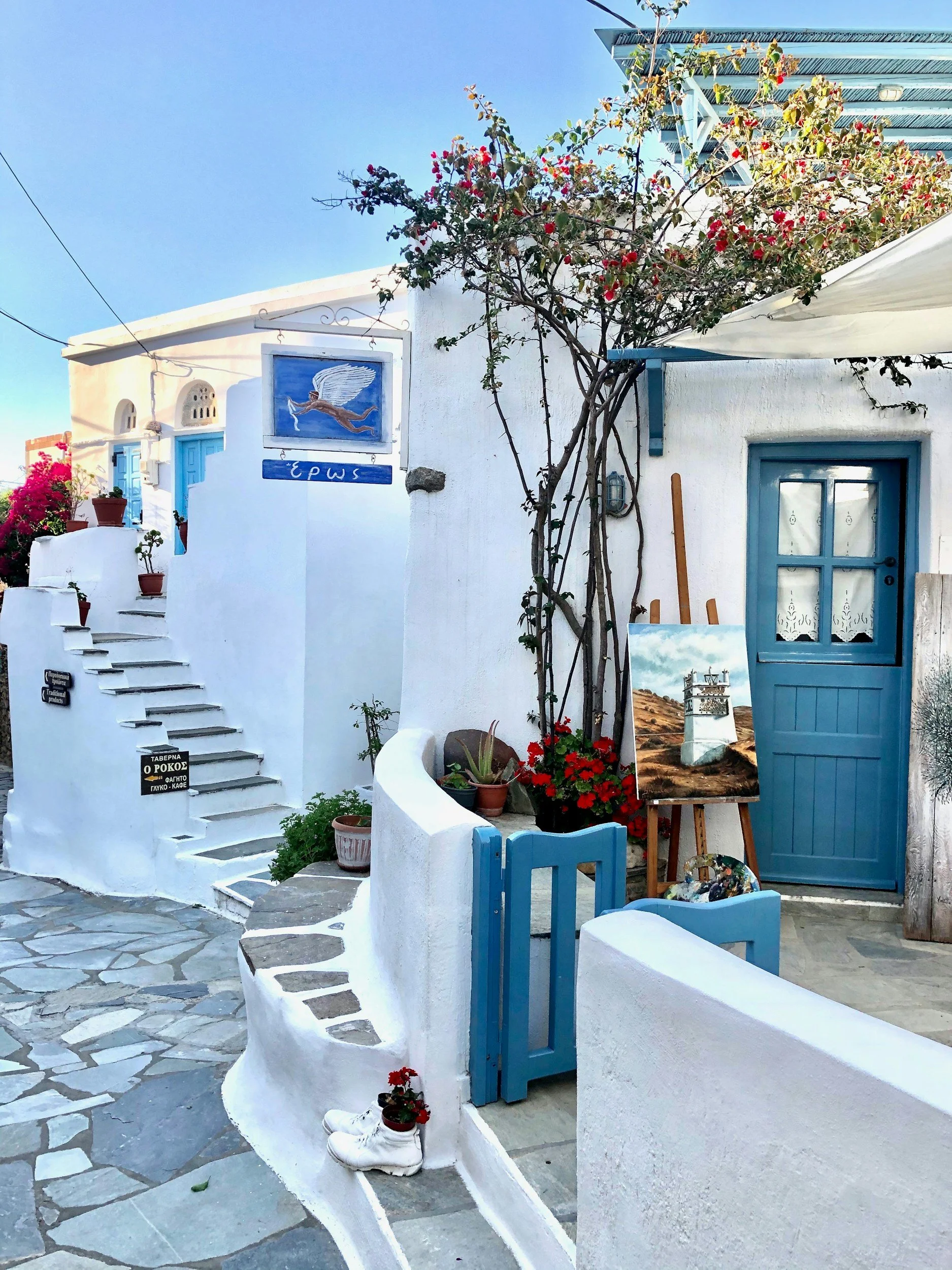
Tinos
After comparing two Cycladic islands, quite a few readers start wondering whether Greece has other places with the same slower atmosphere, so quiet Greek islands is worth a look before making the final decision.
Looking back, these are the plans I'd quietly change before booking
Looking through dozens of itineraries while researching this comparison, I noticed that very few people seemed disappointed with the island they chose. What often let them down was trying to fit far too much into each day.
I'd be particularly careful about that on Tinos… the villages don't look especially far apart when you first open Google Maps, so it's easy to save Pyrgos, Panormos, Volax, Tarampados, Kardiani, Isternia, Kolymbithra and Exomvourgo, then assume you'll simply work through the list one by one. I don't think that's how the island naturally wants to be explored. The driving itself is part of the experience, and I suspect I'd spend far more time stopping than I'd ever allow for when planning at home.
I'd see a marble workshop open in Pyrgos and wander in to watch someone carving. Somewhere between Tarampados and Kambos, I'd probably stop to look more closely at the dovecotes scattered across the valley instead of carrying straight on. Even something as simple as driving between Isternia and Kardiani could easily turn into half an hour longer than expected because the road keeps opening up towards the sea, there are little chapels tucked into the hillsides and every now and then there's another place that makes you want to pull over for a photograph. None of those moments appear on a route planner, but they're often the ones that stay with you afterwards.
If I was planning the week now, I don't think I'd build each day around a list of villages. I'd build it around one part of the island instead.
The northwestern corner already has more than enough for a full day between Pyrgos, Panormos, Rochari Beach and the quieter roads through villages like Marlas and Mamados. Around the centre of the island, I'd happily spend another day between Volax, Tarampados, Loutra, Kambos and whichever old footpath happened to look inviting once I got there. Kardiani, Isternia and the western side of the island would become something completely different again, where I'd leave much more room for a long lunch, an afternoon swim or simply following a road because it looked interesting.
I don't think I'd enjoy Tinos nearly as much if every day ended with three places I hadn't managed to see. I'd rather leave one whole corner of the island for another visit than spend the week watching the clock and driving straight past the things that made me stop in the first place.
Booking lunch in advance is probably something I'd avoid on Tinos, simply because the island has a habit of making the day unfold differently from how it looked on the map the night before. I can easily imagine arriving in Pyrgos expecting to spend an hour there, then spotting a marble workshop with the doors open and ending up talking to the person working inside for far longer than I'd planned. After that I'd probably wander through the quieter back streets, spend more time than expected in the Museum of Marble Crafts, notice somewhere for coffee that hadn't appeared on Google Maps and suddenly realise it's halfway through the afternoon. If I'd already booked a restaurant forty minutes away, I'd spend the last part of the morning thinking about leaving instead of enjoying where I already was.
I found myself thinking exactly the same about Panormos. Most people arrive for lunch, have a walk around the harbour and then drive somewhere else, but I'd probably do the opposite. Once the middle of the afternoon passes, the atmosphere changes quite noticeably. Day visitors begin disappearing, the waterfront becomes quieter, fishing boats start returning and it feels much easier to imagine ordering another coffee or staying for dinner instead of treating the harbour as another stop before the next village.
The beaches would probably stay flexible as well. Before leaving the hotel each morning, I'd much rather ask the owner where they'd swim that day than rely on a list I'd made months earlier because the answer changes with the weather. Kolymbithra is a good example. Most people think of it as one beach, but the two neighbouring bays can be completely different depending on the wind, and the same applies to several parts of the island. A five-minute conversation over breakfast is often worth far more than scrolling through dozens of saved Instagram posts because local people already know which side of the island is calm that morning.
The more I looked at the island, the less I liked the idea of hiring a car for only a day or two. On paper it sounds economical, but I'd probably spend those two days trying to fit in everything I'd highlighted beforehand, only to discover that the interesting parts of Tinos weren't the places I'd marked at all. They're the little bakeries you notice driving through a village, a handwritten sign pointing towards a chapel you hadn't heard of, or a road that suddenly opens onto a view good enough to make you stop without thinking twice. I'd rather have the car for the whole trip and leave half my list unexplored than spend two days rushing from one saved location to the next because I needed to return the keys before dinner.
I'd also check where my accommodation actually sits before booking villages like Kardiani or Isternia. Some beautiful guesthouses involve steep stone lanes, quite a few steps and parking outside the village rather than outside the hotel. None of that would stop me staying there, but I'd rather know before arriving with a suitcase than after…
If I was booking Sifnos, I'd probably start by thinking about where I wanted to end up every evening rather than which hotel had the nicest view.
It's easy to get drawn to places like Platys Gialos or Vathy because waking up beside the sea sounds lovely, and I completely understand why people book them. The only thing I'd ask myself first is whether I'd actually be happy staying there once the beach emptied out for the evening. If I knew I'd want to wander through Apollonia, try a different restaurant each night and sit outside for another drink before heading back to the hotel, I'd rather stay in Apollonia or Artemonas from the beginning instead of driving back and forwards every evening.
I'd probably slow down at the beaches as well.
When I first looked at the map, I caught myself thinking I should try to fit in Faros, Fassolou, Chrysopigi, Platys Gialos and Vathy, but after a while I realised there wasn't really any reason to do that. Faros, Fassolou and Chrysopigi are so close together that I'd happily spend the whole day there. I'd swim wherever the water looked nicest, walk along the coast when I felt like moving, find somewhere for lunch and stay until it felt like time to head back. I don't think I'd get in the car afterwards just because another beach had good reviews online.
I'd treat Kastro exactly the same way. Once I'd wandered through the village, I'd carry on down to Seralia, have a swim if the sea was calm and see where the afternoon went from there. Trying to squeeze Platys Gialos into the same day just because it was on my list doesn't really sound enjoyable to me. I'd much rather remember one really good afternoon than spend the day looking at Google Maps wondering where I needed to be next.
Walking around the villages is another thing I'd think about before booking a hotel because the map doesn't always tell the full story. Apollonia, Kastro and much of Artemonas are all explored on foot, but they're built on hillsides, so you're constantly walking up stone steps, down narrow lanes and back uphill again. None of it ever felt like a reason not to stay there, but I'd definitely keep it in mind if I was travelling with older family members or knew I'd be arriving with a heavy suitcase. A hotel that looks five minutes from the centre can feel very different when those five minutes include several flights of steps and uneven stone paths.
I'd probably make time for the pottery workshops much earlier in the trip as well.
The more I read about Sifnos, the more obvious it became that pottery isn't just something visitors buy before catching the ferry home. It's woven into the island's history in a way that's still very visible today. Workshops around places like Artemonas, Kastro and Vathi are still making cooking pots, serving bowls and everyday ceramics rather than only decorative pieces, and quite a few of them are happy to talk about the clay, the firing process or why certain shapes have hardly changed for generations. I know I'd end up spending much longer there than I'd planned because it's exactly the sort of place where you start asking questions and suddenly an hour has disappeared.
That's another reason I wouldn't leave pottery shopping until the last afternoon. If I found something I really wanted, there might be another colour in the kiln, a larger size still waiting to be fired or something that needed another day or two before it was ready to collect. Buying it early would also mean I wasn't trying to carry fragile ceramics around on the morning I was heading to the port.
I'd have a quick look at opening days before setting off as well, particularly if I was travelling in September or October. Some of the smaller family workshops don't keep exactly the same hours throughout the season, and I'd rather swap the order of my days around than arrive outside a locked studio I'd been looking forward to visiting.
The bus network is one of the reasons I'd happily visit Sifnos without hiring a car, but it's also something I'd check properly before booking anywhere to stay because the timetable you find in July isn't necessarily the one you'll be travelling with later in the season. If I was going in October and found a lovely hotel in Vathy, I'd want to know how easy it was to get back there after dinner before pressing the booking button rather than assuming the buses would still be running every hour. It's only a couple of minutes' work, but I'd rather make that decision while I'm still choosing hotels than after I've already paid for one.
Planning these two islands also made me realise that I probably fill my days a little too neatly when I'm sitting at home. Everything looks perfectly achievable on Google Maps. Breakfast here, another village before lunch, a beach afterwards, dinner somewhere else. Then you arrive and discover that Pyrgos wasn't somewhere you wanted to spend an hour after all because you wandered into a marble workshop and ended up talking to the owner, or you sat down for lunch in Panormos, looked out across the harbour and realised there wasn't really any reason to leave yet. I can imagine exactly the same thing happening on Sifnos. A swim at Faros turns into a walk over to Fassolou, then someone recommends another little cove on the way to Chrysopigi, lunch takes longer than expected, and before you know it the afternoon has disappeared without ever feeling as though you'd actually done very much.
The more I planned these trips, the less interested I became in squeezing another village or another beach into the day. I'd much rather have one afternoon where I didn't really know what was going to happen because those are usually the days that end up feeling the least planned and the most memorable. Maybe I'd come back from the beach earlier than expected because the light looked beautiful in Apollonia, or perhaps I'd decide to keep driving for another twenty minutes on Tinos because there was a road I hadn't noticed before. None of those decisions would have shown up on the itinerary I'd made at home, and I think I'd enjoy both islands much less if every hour had already been spoken for before I'd even stepped off the ferry.
So, which one would I actually book?
I thought I'd have made my mind up much earlier than this.
When I first started putting the two islands side by side, I assumed one of them would gradually pull ahead until the choice became obvious, but that never really happened. Every time I felt certain it would be Tinos, I'd come back to Sifnos and start imagining a completely different sort of holiday instead. After a while I stopped asking myself which island was better because that wasn't really the question anymore.
When I picture a week on Sifnos, I don't spend much time thinking about getting around. I imagine arriving in Apollonia, dropping my bag at the hotel and feeling as though everything settles into place remarkably quickly. I'd probably end up buying coffee from the same bakery more than once, wander over to Artemonas without really deciding to, spend a morning walking towards Kastro and Seralia, then catch a bus somewhere completely different the following day without giving it much thought beforehand. None of those decisions feel particularly complicated, and I think that's what appeals to me most. After the first day or so, I'd stop thinking about the practical side of the holiday altogether and simply get on with enjoying it.
I can just as easily understand why I'd choose Tinos, but the feeling is completely different. Instead of settling into one part of the island, I'd be looking forward to waking up each morning knowing there was another corner I hadn't explored yet. One day might disappear around Pyrgos and Panormos, another around Volax, Tarampados and the central villages, while another could end with a completely unplanned stop somewhere between Kardiani and Isternia because the road happened to catch my eye. I'd probably spend more time behind the wheel than I would on Sifnos, but I don't think I'd mind because driving is part of discovering the island rather than simply getting from one place to another.
By the end of all this research, I realised I wasn't choosing between two islands that happened to look similar. I was choosing between two completely different ways of spending a week, and depending on what I wanted from that trip, I could genuinely see myself booking either of them.
When I picture Tinos, I don't imagine staying in one place for very long.
I'd probably walk out of a bakery in Chora in the morning thinking I was heading for Pyrgos, then end up somewhere completely different because somebody mentioned a village I'd never heard of over dinner the night before or pointed me towards a road with a view I hadn't seen before. I can just as easily imagine stopping at a marble workshop that wasn't marked on my map, changing plans because somebody suggested a calmer beach on the west coast that afternoon or deciding to stay in Panormos much longer than I'd intended because leaving simply didn't seem all that important anymore. The island feels as though it gives you a reason to keep looking around the next corner, and I suspect I'd spend quite a lot of the week doing exactly that.
By the time I'd finished researching both islands, I realised I wasn't comparing beaches, villages or restaurants anymore because neither island ever really came out ahead for very long. Instead, I kept asking myself what I wanted the week to feel like once I'd unpacked my suitcase.
Some holidays suit me because everything falls into place very quickly. I don't spend much time looking at maps, I find a café I like on the first morning, walk the same streets several evenings in a row and never feel as though I'm missing out because I haven't crossed the island to see something else. That's exactly how I imagine Sifnos.
Other trips make me want to keep moving. Not because I'm trying to fit in more places, but because every day seems to open up another part of the island that I'd be curious to see before going home. That's the feeling I get when I think about Tinos.
If somebody asked me today which one I'd book, I'd probably annoy them by saying it depends how much time I had and what sort of week I wanted.
Give me four or five nights without a car and I know I'd be looking very seriously at Sifnos because I like how quickly everything settles into place there. Give me a full week, a car and enough time to leave parts of the island unexplored, and I think I'd find it very difficult to turn down Tinos.
The interesting part is that I no longer think either choice means giving something up. They're simply two holidays that happen to be in the same part of Greece, and once I stopped asking which island was "better", the decision became much easier than I expected.
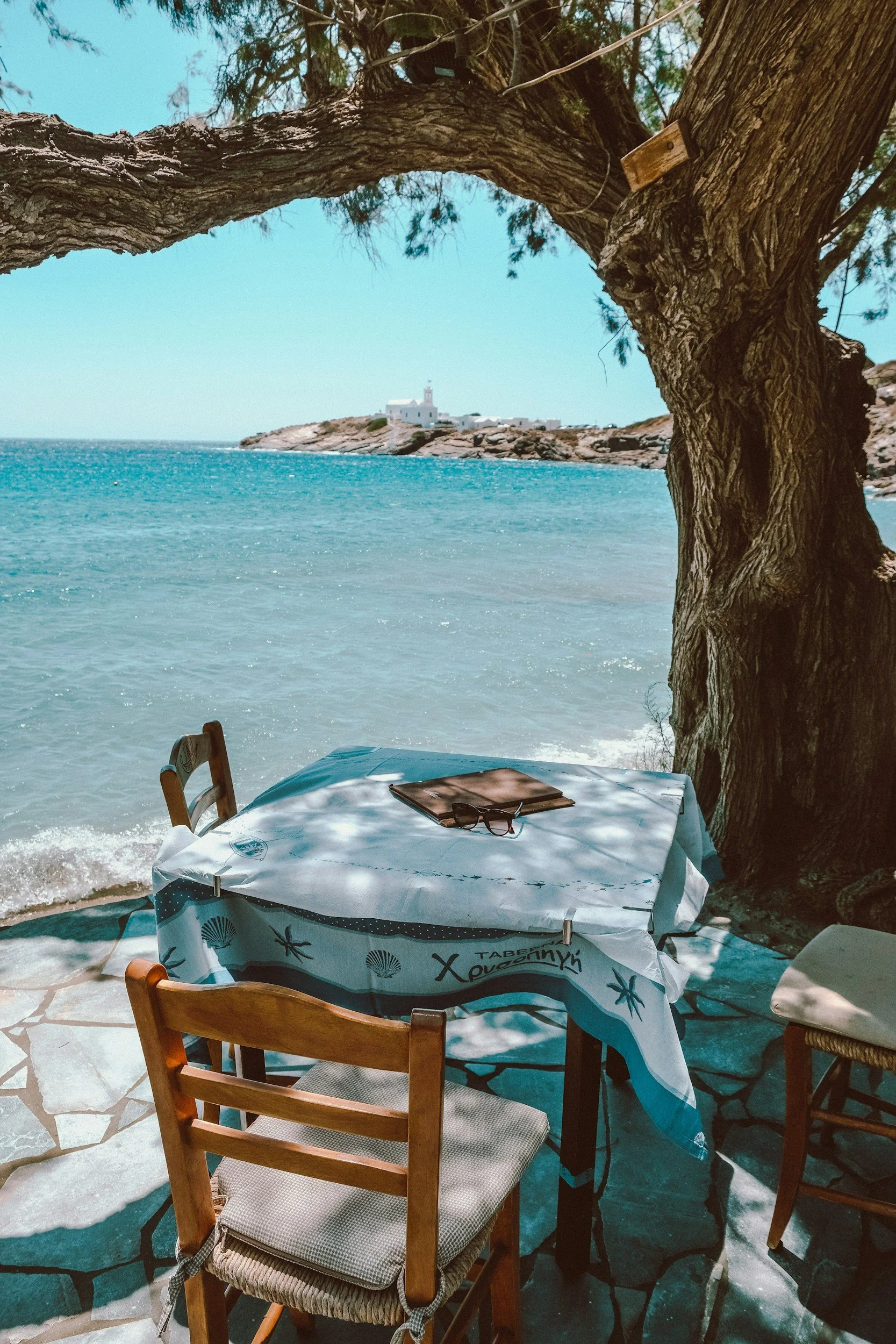
Maybe you’ll sit here in this lovely beach restarant on Sifnos at some point?
FAQs about Tinos & Sifnos
Is Tinos or Sifnos the better choice if it's your first time in Greece?
I don't think your first Greek island has to be the easiest one, but I do think it should match the kind of holiday you actually want. If you're hoping to unpack once, wander between villages, swim most days and never think too hard about transport, I'd recommend Sifnos. If you're excited by the idea of hiring a car, discovering different corners of an island and letting each day take you somewhere new, I'd choose Tinos. Neither island feels as busy or commercial as Santorini or Mykonos, so they're both excellent introductions to the Cyclades. They simply offer different ways of experiencing them.
Can you visit Tinos without renting a car?
Yes, but I'd plan the trip differently than I would with a car. I'd stay in Chora, use the bus network to visit a handful of villages like Pyrgos or Panormos and accept that I probably won't see every corner of the island on one visit. Tinos is much larger than it first appears, so trying to fit Volax, Kardiani, Isternia and several beaches into a few bus journeys usually becomes more stressful than enjoyable. I think Tinos works very well without a car if you're happy to explore one part of the island properly rather than trying to see everything.
Is Sifnos worth visiting if you don't drive?
I actually think Sifnos is one of the easiest Cycladic islands to enjoy without a car. Staying in Apollonia or Artemonas puts restaurants, buses and several walking routes within easy reach, while beaches like Faros, Platys Gialos, Kamares and Kastro can all be reached by public transport during the main season. You'll still need to check the timetable outside peak summer, but you can comfortably spend four or five nights here without feeling that you've missed the island's best experiences.
Is four nights enough for Tinos or Sifnos?
For Sifnos, I'd say yes. Four nights is usually enough to settle into one base, enjoy several beaches, explore the villages and fit in a few walks without feeling rushed. I'd answer Tinos a little differently. Four nights can make a wonderful trip, but I wouldn't try to "see Tinos" in that time. I'd choose one part of the island, enjoy it properly and leave the rest for another visit. Tinos rewards returning much more than rushing.
Which island has the better villages?
They're completely different. Tinos has more villages, and they feel much more distinct from one another. Pyrgos revolves around marble, Volax is shaped by its extraordinary granite landscape, Kardiani sits high on the hillside with springs running through the village, while Isternia is known for artists, marble architecture and sea views. On Sifnos, the villages work together rather than competing with one another. You can easily walk between Apollonia, Artemonas, Ano Petali and Kato Petali, while Kastro feels like a separate historic world looking out over the Aegean. I'd choose Tinos if exploring villages was one of the main reasons for the trip. I'd choose Sifnos if I wanted village life to become the backdrop to everything else.
Which island is better if food is one of the main reasons for travelling?
Sifnos has the stronger culinary reputation, and it's well deserved. Traditional dishes like revithada and mastelo, together with the island's pottery tradition, mean food is woven into everyday life rather than saved for special occasions. Tinos, though, surprised me. The village tavernas, local cheeses, louza, capers, artichokes and growing wine scene make it one of the most interesting food islands in the Cyclades. I'd choose Sifnos if I wanted to plan restaurants in advance. I'd choose Tinos if I preferred discovering somewhere to eat because I'd decided to stay another hour in a village I hadn't expected to like so much.
Which island is better in September?
I'd happily recommend either. September is probably the month when both islands are at their most balanced. The sea is warm, most businesses are still open, ferries and buses are running frequently and the intense pace of August has eased. I'd lean towards Tinos if I wanted to hire a car and explore a different landscape every day. I'd lean towards Sifnos if I wanted long swims, long lunches and walking between villages without needing to think too much about logistics.
Is October too late to visit Tinos or Sifnos?
Not at all, but I'd plan a different sort of holiday. Early October can still feel remarkably summery, while the end of the month is better suited to walking, village life and long lunches than spending every afternoon on the beach. Tinos has a slight advantage because Chora remains active throughout the year thanks to its permanent population and the Church of Panagia Evangelistria. On Sifnos, I'd simply check restaurant opening days and bus timetables for my exact travel dates before deciding where to stay.
Where should you stay without a car?
For Tinos, I'd choose Chora every time because ferries, buses, restaurants and everyday services are all within walking distance. For Sifnos, I'd stay in Apollonia if I wanted the easiest access to buses and evening restaurants, or Artemonas if I preferred somewhere a little quieter while still being close enough to walk into the centre. I probably wouldn't choose one of the beach villages unless I already knew I wanted the sea outside my door more than I wanted village evenings.
Which island is easier to reach from Athens?
That depends slightly on where you're starting. If you're flying into Athens and heading straight to the ferry, Tinos usually has the advantage because ferries leave from Rafina, which is much closer to the airport than Piraeus. If you're already spending a few days in central Athens, the difference becomes much smaller because Piraeus is easy to reach by metro. I'd always look at the whole journey rather than simply comparing ferry times.
Can you combine Tinos and Sifnos in the same holiday?
You can, but I don't think it's the most rewarding combination if you've only got a week. The islands sit in different parts of the Cyclades ferry network, so moving between them often takes longer than people expect. I'd usually pair Tinos with Andros, Syros or Mykonos, where the ferry routes feel much more natural, while Sifnos works particularly well with Serifos, Milos or Kimolos. Those combinations let you spend more time enjoying the islands and less time moving between them.
If I could only choose one, which would I book?
This is probably the question people really want answered, and I still don't think there's one correct choice. If I wanted the easiest, most relaxed holiday, especially without a car, I'd book Sifnos because so many practical decisions disappear once you're staying around Apollonia or Artemonas. If I had a week, a car and the feeling that half the fun was discovering another village, another road or another viewpoint, I'd book Tinos. I don't think the decision comes down to which island is prettier. It comes down to whether you want the holiday to feel settled quite quickly or whether you enjoy exploring somewhere that keeps surprising you right until the day you leave.