

The old-fashioned cafés I'd cross Europe to visit again
Most places in Europe that serve this kind of drink don’t stand out at first.
You walk past them while looking for something else. A small café with a few tables outside, a chalkboard menu, and a fridge with bottles you don’t recognise. Inside, there might be glass jars with syrups, or a short list of drinks that aren’t part of the usual coffee menu. Nothing about it feels styled or recreated. It’s just how these places have always worked!
In smaller towns across southern France, northern Italy, or parts of Spain, ordering something cold in the afternoon often means getting a simple drink made on the spot. Sparkling water with house syrup, a local soft drink poured over ice, or something mixed quickly behind the counter without much explanation. These aren’t branded or standardised, which is why they’re easy to miss if you don’t know what to look for.
What’s changed more recently is that a few newer cafés in larger towns have started doing the same thing again, but in a more visible way. Not as a theme, and not as a concept imported from somewhere else, but by using the same approach: fewer ingredients, local products, and drinks that make sense for the time of day rather than a fixed menu.
This guide focuses on where that still exists in practice, and how to recognise it when you come across it, especially in places where it fits naturally into a slower afternoon between a market, a walk, or a long lunch.
If you’re curious how this kind of café culture looks in Scandinavia, these Copenhagen breakfast spots give a slightly more modern version of it.
What to look for instead of “soda shops” in Europe
You won’t find a sign saying “soda shop,” so it comes down to noticing what’s actually happening in front of you.
Start with timing. If a café is open from early morning and still active around 11:00–12:00 and again mid-afternoon, it’s usually a better bet than places that only open for lunch or dinner. In towns like Lourmarin or Uzès, you’ll see this clearly. Around the edge of the main square, a few cafés stay open while others start closing between services. Those are the ones where people stop briefly rather than sit down for a full meal.
Look at how people are using the space. If most tables are turning over quickly, with people staying 10–20 minutes, ordering one drink, and leaving, that’s usually a good sign. You’ll often see a mix of people standing at the counter and others sitting outside with a single glass. In Italy, especially, the bar counter is a giveaway. If people are ordering, drinking, and moving on without hesitation, the place is set up for simple stops.
The menu tells you the rest. If everything is branded or listed in a long drinks menu, it’s probably the same as anywhere else. If there’s a short list, maybe written on a chalkboard or printed simply, with things like house syrup, citron pressé, or drinks you don’t immediately recognise, that’s where it gets more local. In parts of southern France, you’ll often see basic options like sirop with sparkling water rather than a full soft drinks list.
Pay attention to what’s behind the counter too. Glass bottles, metal taps, or jars with syrups usually mean things are mixed or poured on the spot. A fridge full of identical international brands usually means the opposite.
Timing still makes a difference. Late morning just before lunch, or mid-afternoon around 15:00–17:00, is when these places are easiest to spot in use. If you arrive too late, especially after 18:00 in smaller towns, many cafés shift towards dinner service or close…
Edinburgh has its own take on quieter cafés, and this guide to Edinburgh coffee spots shows where you can still find places that feel local.
Northern Italy: small-town cafés serving local soft drinks and syrups
In northern Italy, it usually comes down to one small decision: stay on the main square, or turn off it.
If you stay on Piazza Garibaldi in Parma, you’ll get a full menu, table service, and people sitting for aperitivo. Walk into Strada Cavour or cut through Borgo delle Colonne instead, and the setup changes almost immediately. The bar is right at the entrance, there’s barely space to stand, and people step in, order, drink, and leave within a few minutes.
Late morning is the easiest time to see it clearly. Around 11:30, just before lunch, there’s a steady flow of people coming in without hesitating. No one reads the menu because they already know what they’re getting.
This is where the drinks start to look slightly different. You’ll see glasses with sparkling water and a small amount of bright red or amber syrup at the bottom, not fully mixed. Some people order it as is, others stir it themselves. There are also small glass bottles in the fridge that aren’t the usual brands, often local sodas you won’t recognise unless you read Italian. If you ask for something simple like “acqua frizzante con sciroppo,” they’ll just make it without explaining.
In Modena, it’s the same vibe but easier to miss if you stay too central. Piazza Grande is slower and more set up for sitting. Walk into Via Taglio or along Corso Canalchiaro and you’ll find bars where people are standing at the counter with a cold drink in one hand, paying, and leaving within five minutes.
Around Treviso, especially near the smaller canals just off Piazza dei Signori, it shows up more in the afternoon. You’ll see people stopping between errands, ordering something cold, and standing outside rather than sitting down. The drinks are simple, often just sparkling water with syrup or a local soda poured over ice, but they’re part of a quick stop rather than something you plan.
The easiest way to get this right is to pause before going in. If people are sitting for a long time and looking at menus, it’s not the right place. If they’re stepping in, ordering immediately, and leaving within a few minutes, you’re in the right spot.
And if you’re unsure what to order, don’t overthink it. Watch what the person before you gets and ask for the same. That usually works better than trying to translate the menu!
In northern Italy, these café stops often sit in the middle of long, quiet walking days, and this Valle Maira weekend shows what that actually looks like once you’re there.
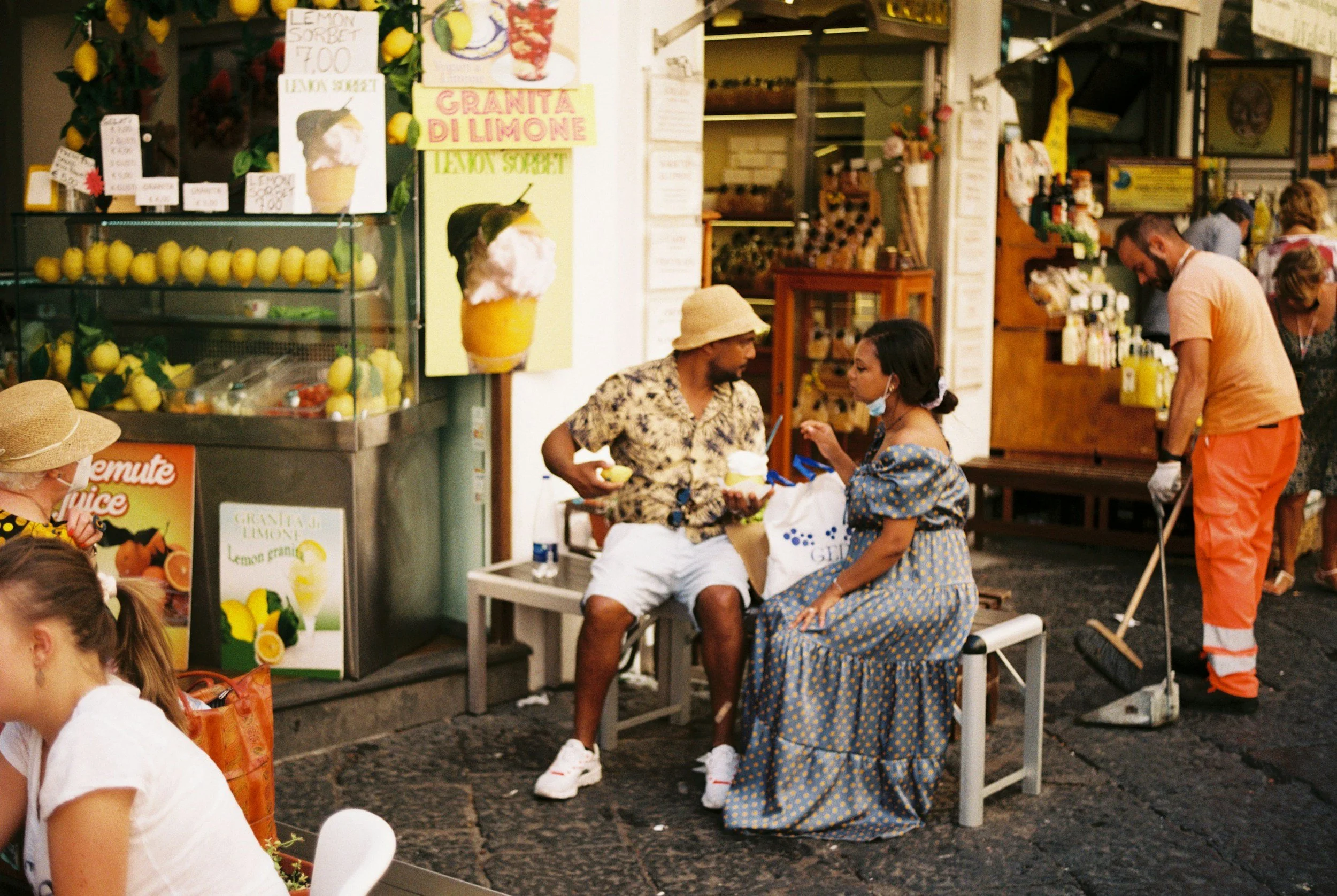
Southern France: café stops between markets and long lunches
In southern France, this part of the day only really works if you catch it at the right moment, and it’s easy to miss if you’re not paying attention to how the morning shifts into lunch.
On a Friday in Lourmarin, the centre is busy all morning, but just after midday you start noticing small changes. People aren’t browsing anymore, they’re carrying full bags, bread tucked under their arm, moving with purpose rather than stopping at every stall. Around 12:15–12:30, stallholders begin packing up, and at the same time the restaurants start filling quickly. That short overlap, when the market is ending but lunch hasn’t fully taken over yet, is where these café stops happen.
If you stay right on the main square, it’s harder to see. The tables there fill up with people ordering full meals, and everything slows down. Walk just slightly away from it instead, into Rue Henri de Savornin or along the quieter edges of the centre, and the pace changes almost immediately. The tables are closer together, there’s less space, and people aren’t settling in. They sit down, order one thing, finish it, and move on without hesitation.
What you order here is straightforward, but it doesn’t arrive in the way you might expect if you’re used to a fixed menu. A citron pressé comes out in parts rather than as a finished drink. You get a short glass with fresh lemon juice at the bottom, a small carafe of water, and sugar cubes or syrup on the side. You sit there for a minute, mixing it yourself, adjusting it depending on how sharp or diluted you want it. No one explains it because everyone around you already knows.
If you order a sirop à l’eau, it’s even simpler. A bright syrup poured into the bottom of the glass, water added on top, sometimes barely stirred. You’ll see people give it a quick mix with a spoon and start drinking straight away. There’s no long list of flavours or descriptions, just a few options that change depending on what the café uses.
In Uzès, especially around Place aux Herbes on market days, the same pattern plays out but across a larger space, which makes it slightly harder to spot at first. If you sit right in the centre of the square, it leans more towards a full lunch setting, with people ordering food and staying longer. If you walk to the outer edge or slip into one of the nearby side streets, you’ll find smaller cafés where people stop briefly before heading somewhere else.
What stands out most is how little time people spend deciding. They sit down and order almost immediately, often without looking at anything, and within a minute or two the drink is already on the table. There’s no pause, no discussion, and no sense of it being a planned stop. It’s just part of moving through the day.
If you’re picturing something more social than a quick drink, this take on Uzès in spring makes it clear how easily a “coffee stop” turns into a two-hour lunch.
Timing is what makes or breaks it. If you arrive too early, everyone is still focused on the market and not ready to stop. If you arrive too late, most people are already seated for lunch and the cafés shift into something slower and more structured. That narrow window in between is when this works naturally, without needing to think about it too much.
If you like the idea of drinks being tied to the region, this Normandy cider route is a good example of how that plays out beyond cafés.
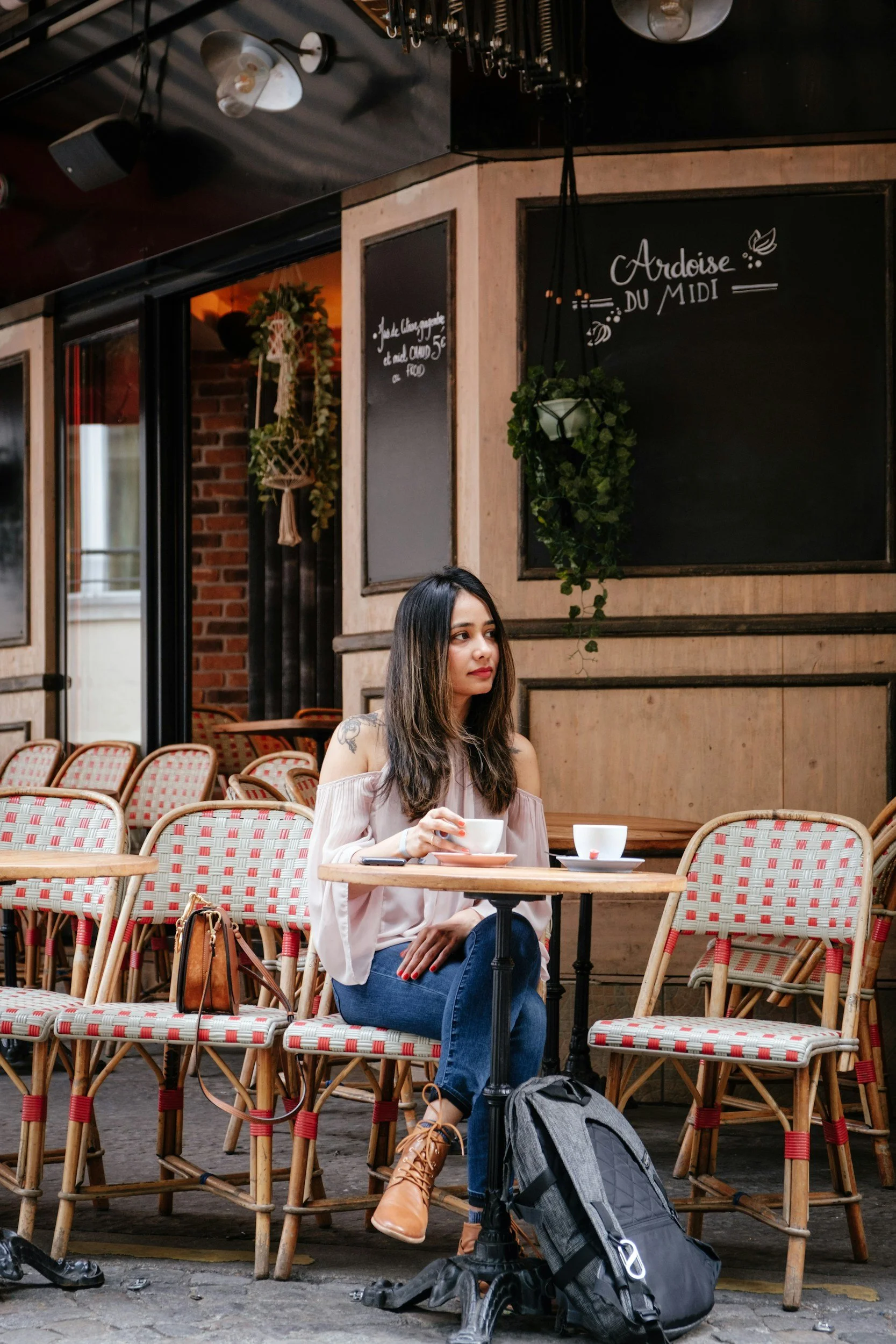
Spain: old cafés where locals still order simple cold drinks
In Spain, this part of the day doesn’t sit around the market or lunch in the same way. It shows up later, once the heat drops slightly and people start moving again.
In Girona, you’ll notice it most clearly if you walk through the old town after 16:00. Around Carrer de les Ballesteries, which runs along the river, and into smaller streets like Carrer de la Cort Reial or Carrer de les Olles, a few older cafés stay open while others are still between services. The doors are open, the counter is visible from the street, and there’s a mix of people stepping in and out rather than sitting down for a full break.
In parts of Spain, you’re just as likely to end up with a cold drink in a market square as in a café, and these quiet summer markets show where that still feels local.
If you continue towards Plaça del Vi or just outside Plaça de la Independència, you’ll see the same things The main square leans more towards longer stops, especially later in the evening, but one street away it changes. A couple of small tables outside, a narrow interior, and people ordering quickly at the bar without looking around.
What people actually order is simple, but the way it’s done is consistent. You’ll see small glass bottles taken straight from the fridge and poured over ice into short glasses, often without any garnish. Local sodas are common, but they’re not always labelled in a way that stands out if you’re not used to them. Sometimes it’s just sparkling water with ice and a slice of lemon, or something slightly bitter poured and served immediately without explanation.
If you stand for a minute before going in, you’ll see how fast it moves. Someone walks in, says what they want straight away, pays, takes a few sips at the counter or outside, and leaves. No menus open, no one asking what’s recommended.
In smaller towns outside Girona, the same thing becomes easier to spot because there’s less distraction. Around the edge of a main square, near a pharmacy or a small grocery shop that’s still open in the late afternoon, cafés tend to stay active with short stops rather than full seating. You’ll see people pausing on their way home, ordering something cold, and leaving again within a few minutes.
One detail that helps is the fridge behind the counter. If it’s stocked with a mix of local bottles rather than the same international brands, it usually means the drinks haven’t been standardised. The person behind the bar will grab something, pour it, and hand it over without much conversation.
Timing matters here more than anything else, just shifted later than in France or Italy. Around 16:30–18:30 is when it feels most natural. Earlier than that, most places are still in the middle of lunch or closed. Later, it starts turning into evening drinks, and people stay longer.
Seville does this differently again, especially in the afternoon, and this guide to Seville cafés is useful if you’re wondering where people actually go.
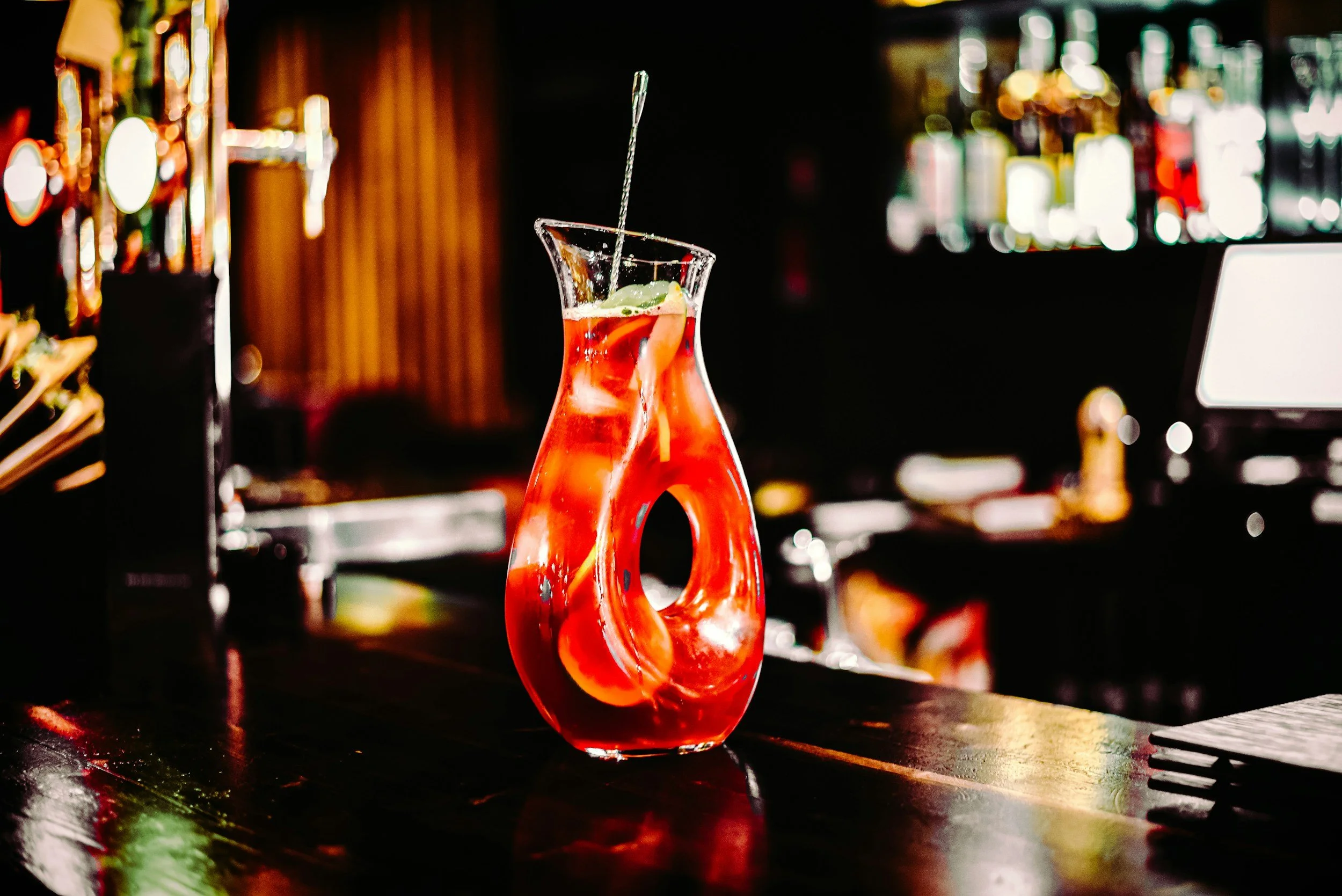
Austria & Germany: konditorei culture and house-made sodas
In Austria and southern Germany, this doesn’t happen at a bar or standing at a counter. It happens sitting down, usually with a glass on the table and something small next to it, even if you didn’t plan to order food.
In Salzburg, you’ll see it clearly once you step away from the busiest parts of Getreidegasse and move into quieter streets like Linzer Gasse or around the edge of the old town. The konditoreien here open early and stay consistent through the afternoon, and around 14:00–16:30, there’s a steady flow of people coming in for a short stop rather than a full meal.
In wine regions, the line between café and tasting disappears pretty quickly, and this Südsteiermark guide helps you see how that plays out in practice.
The setup is different from France or Italy. You’re seated, someone comes to the table, and you order there rather than at the counter. But the drinks themselves are still simple. A lot of places serve house syrups mixed with sparkling water, often listed briefly on the menu or sometimes just mentioned if you ask. You might see things like elderflower, raspberry, or herbal syrups, usually served in a tall glass with plenty of ice.
If you look around before ordering, you’ll notice that many tables have the same type of drink. A clear glass, lightly coloured, sometimes with a slice of lemon or a sprig of mint, but nothing overdone. People sip slowly, often alongside a small pastry or cake, but the drink itself is what they came in for.
In smaller towns across Bavaria, like Bad Tölz or similar places along the Alpenstraße, the pattern is almost identical but slightly quieter. Cafés around the main street or just off it stay active through the afternoon, especially on weekends. You’ll see people coming in after a walk, sitting down for 20–30 minutes, ordering something cold, and leaving again without turning it into a long visit.
The drinks here are often written as “hausgemacht” on the menu, but not always explained further. It usually means a simple syrup mixed with sparkling water rather than anything complex. If you’re unsure, asking for a hausgemachte Limonade is enough, and they’ll bring whatever they’re making that day.
What helps here is choosing a place where people are ordering both coffee and cold drinks. If every table has cake and coffee, it’s more of a traditional stop. If you see a mix of drinks and shorter stays, it usually means you’re in the right place for this kind of break.
Once you get further north, the whole idea shifts a bit, and this Bavarian forest route shows how these stops fit into colder, slower days.
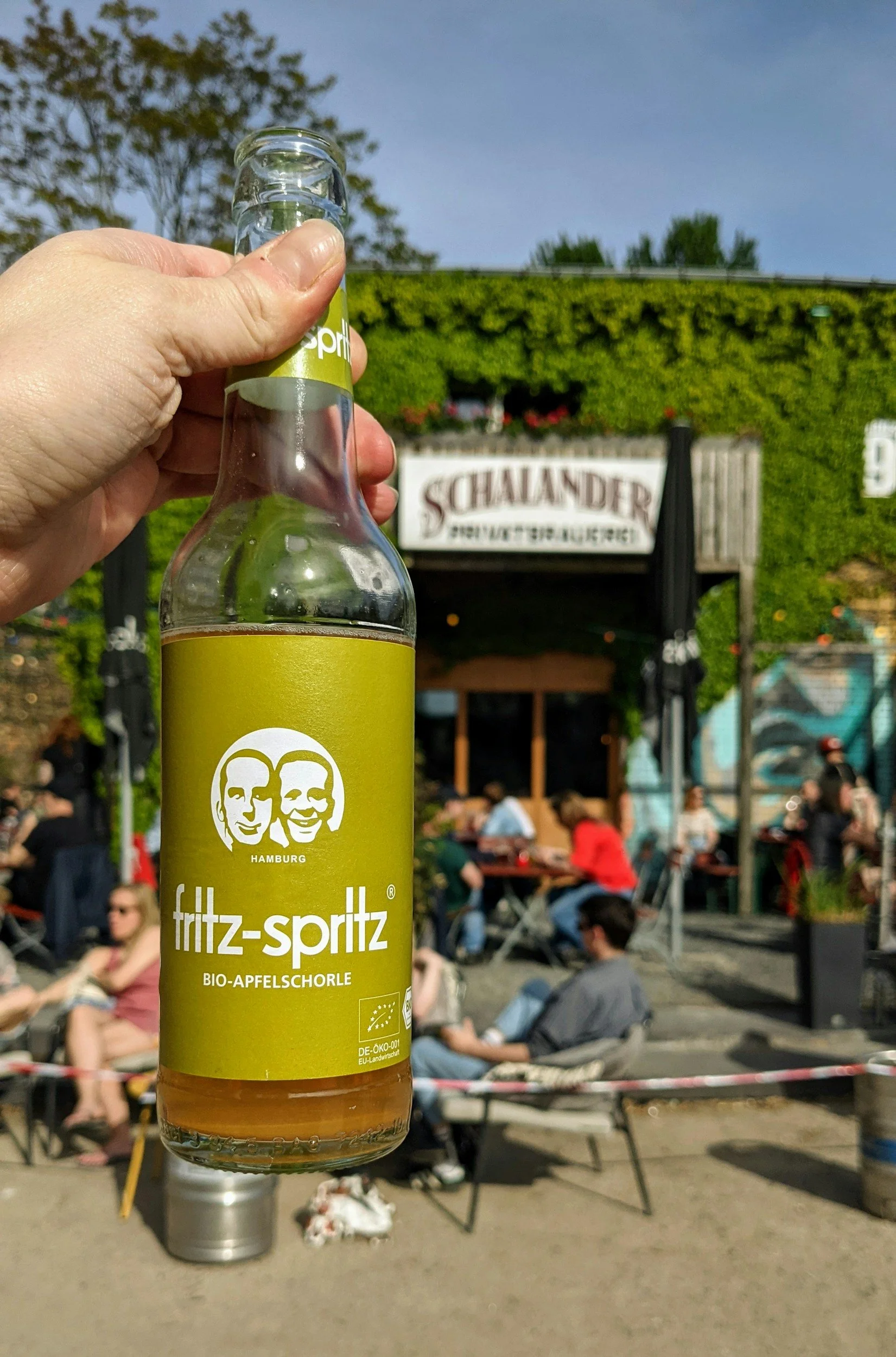
What actually makes these places worth stopping at
You’ve been walking for a while, maybe just left the market, maybe heading somewhere else, and you realise you don’t want a full lunch yet. You just want to sit down for a bit and have something cold. That’s when these places come in.
In Lourmarin, it often happens right after you’ve picked up food and you’re on your way out of the centre. Instead of staying on the main square, you turn into Rue Henri de Savornin, see a couple of free tables, and sit down without thinking too much about it. You order a citron pressé, mix it yourself, drink it slowly, and then get up and leave. No one around you is staying long either.
In Parma, it’s even quicker. You step into a bar on Strada Cavour because you see a few people doing the same, order something cold at the counter, drink part of it standing there, and walk back out again. It takes five minutes, maybe less, and then you carry on.
If you’re curious what this looks like in a city where drinks and food overlap all day, this Parma guide shows how easily a simple stop turns into a full afternoon.
In Girona, it’s more of a late afternoon thing. You’ve already eaten, you’re walking through the old town again, and you pass a café where a few people are standing with drinks near the door. You go in, order something cold, stand there for a bit, then head back out.
That’s really all it is.
FAQs about traditional cafés and local drinks in Europe
Where can I find local sodas or traditional soft drinks in Europe?
You’ll usually find them in smaller cafés just outside the main square rather than directly on it. In places like Lourmarin, Parma, or Girona, walking one street away from the busiest area is often enough. Look for cafés where people stop briefly rather than sit for a full meal.
What is a citron pressé and how do you order it?
A citron pressé is a common drink in France made with fresh lemon juice, water, and sugar. It’s usually served in parts, not mixed. You’ll get a glass with lemon juice, a small carafe of water, and sugar on the side, and you mix it yourself at the table. You can order it simply by saying “un citron pressé.”
Do European cafés serve house-made sodas?
Yes, but they’re not always labelled clearly. In Austria and parts of Germany, you’ll often see “hausgemachte Limonade” on the menu, which means a house-made soda using local syrups. In France and Italy, it’s more common to find syrups mixed with sparkling water rather than a named soda.
What time of day is best to stop for a drink in Europe?
It depends on the country. In southern France, the best time is just after the market ends, around 12:00–13:00. In Italy, late morning before lunch (around 11:00–12:30) works best. In Spain, it shifts later, usually between 16:00–18:30 when people come back out after lunch.
How do I know if a café is local or touristy?
Watch how people are using it. If people are ordering quickly, staying for a short time, and not looking at menus, it’s usually more local. If most tables are filled with people eating full meals or sitting for a long time, it’s more geared towards visitors or longer stops.
Do I need to sit down or order at the counter?
It depends on the country. In Italy and Spain, it’s common to order at the counter and either stand or sit briefly. In France, you’ll usually sit down and order at the table. In Austria and Germany, table service is standard in most cafés.
What should I order in a traditional European café if I don’t know the menu?
The easiest approach is to listen to what others are ordering or look at what’s being served. In France, a citron pressé or sirop à l’eau is a safe choice. In Italy or Spain, asking for a simple sparkling water or a local soda usually works. In Austria or Germany, “hausgemachte Limonade” is a good option.
Are these cafés easy to find in big cities?
They’re harder to find in large cities unless you move into residential neighbourhoods. They’re much easier to spot in smaller towns or quieter areas where daily routines haven’t shifted as much towards tourism.
Can I find these types of cafés near markets in Europe?
Yes, especially in France and Italy. After markets in towns like Uzès or Modena, nearby cafés often fill with people stopping briefly for a drink before heading home or to lunch.
Why don’t these places show up on Google Maps or travel guides?
Because they’re not destinations. They’re part of everyday routines, so they don’t always stand out online. It’s easier to find them by walking slightly away from main squares and paying attention to where locals stop for short breaks.
Want more slow, unexpected travel spots like this?
Join the Trippers Terminal newsletter for cozy guides, secret cafés, and places that feel just right - without the noise.