

The Austrian wine region I'd recommend before Tuscany
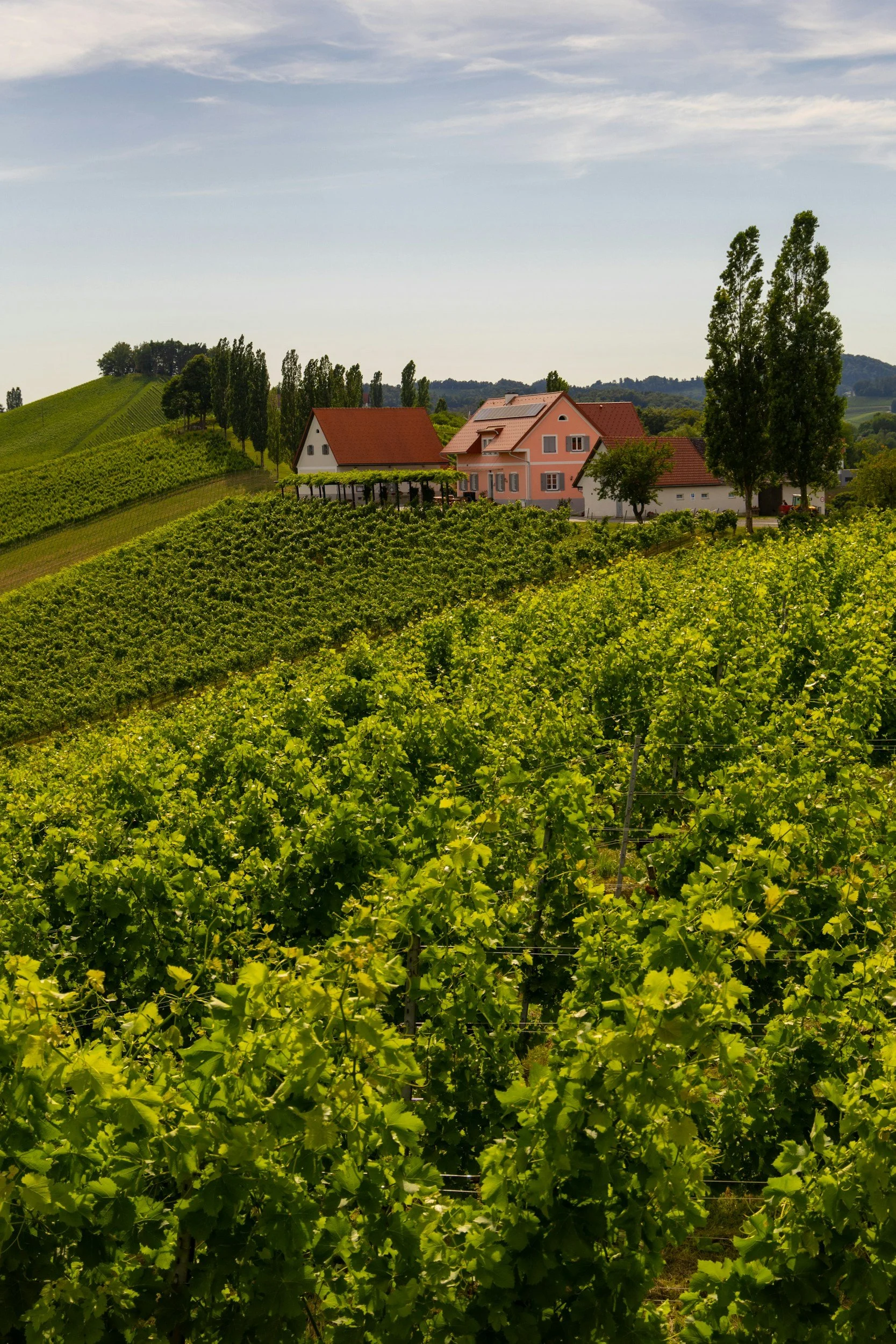
If you start your morning somewhere along the Südsteirische Weinstraße, just after the road curves past Ehrenhausen, you’ll notice how quickly things slow down. There’s no real town centre to orient yourself around, just a series of small wineries, narrow roads, and walking paths that run between the vineyards. You park by the side of the road, follow a gravel track uphill, and within a few minutes you’re above the vines looking across rolling hills that stretch towards the Slovenian border.
That’s the part that isn’t always obvious before arriving in Südsteiermark. It’s not a place where you move between sights. Most of your time is spent walking short sections between wineries, stopping for a glass of wine or something simple to eat, then continuing on foot or by car to the next stretch of road. Distances are small, but the terrain is constantly changing, so even a short walk feels varied.
The area works best if you approach it without trying to cover too much. You might start the day near Gamlitz, follow one of the marked vineyard trails for an hour, then stop at a Buschenschank for lunch before heading back out for a shorter walk in the afternoon. Places like Kitzeck im Sausal sit higher up, with wider views and quieter roads, while the lower sections closer to Ehrenhausen feel more connected and easier to navigate without a plan.
This guide focuses on how to actually move through Südsteiermark in a way that makes sense once you’re there. Where to start your walks, which roads are worth following, how to combine short hikes with local wine taverns, and how to plan your time so it feels relaxed rather than scattered.
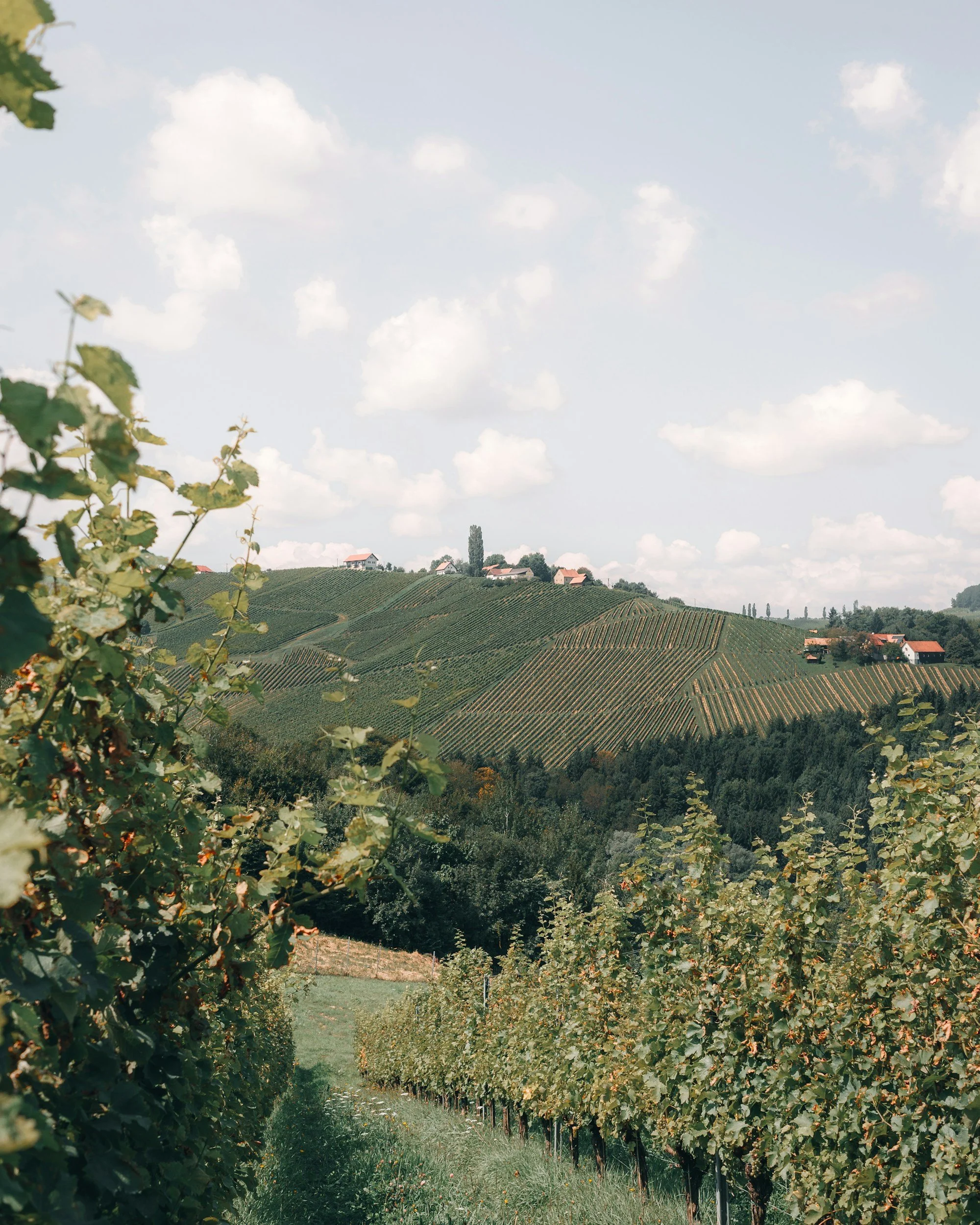
Stunning views and rolling hills in Südsteiermark
Best time to visit Südsteiermark: spring and early summer
Spring is when Südsteiermark really starts to make sense as a place to spend time rather than just pass through. From late April onwards, the hills between Ehrenhausen, Ratsch an der Weinstraße, and Gamlitz start to fill in with green again, and the vineyard roads become much easier to enjoy on foot. The small roads around Eckberg, Sernau, and the stretch of the Südsteirische Weinstraße that runs towards Kitzeck im Sausal are quiet enough that you can walk sections of them without worrying about traffic, especially on weekday mornings.
One of the biggest reasons to come in this season is that the Buschenschanken begin to open their terraces again. These are small, family-run wine taverns that usually sit on narrow lanes between the vineyards rather than in the village centres. You’ll find them dotted along the roads above Gamlitz and Ratsch, often marked by a small wooden sign or a bunch of greenery hung above the entrance. In spring, you can usually walk in without a reservation, sit outside with a glass of local Sauvignon Blanc, and eat simple plates of cured meats, cheese, and bread. By late summer, those same terraces are often fully booked.
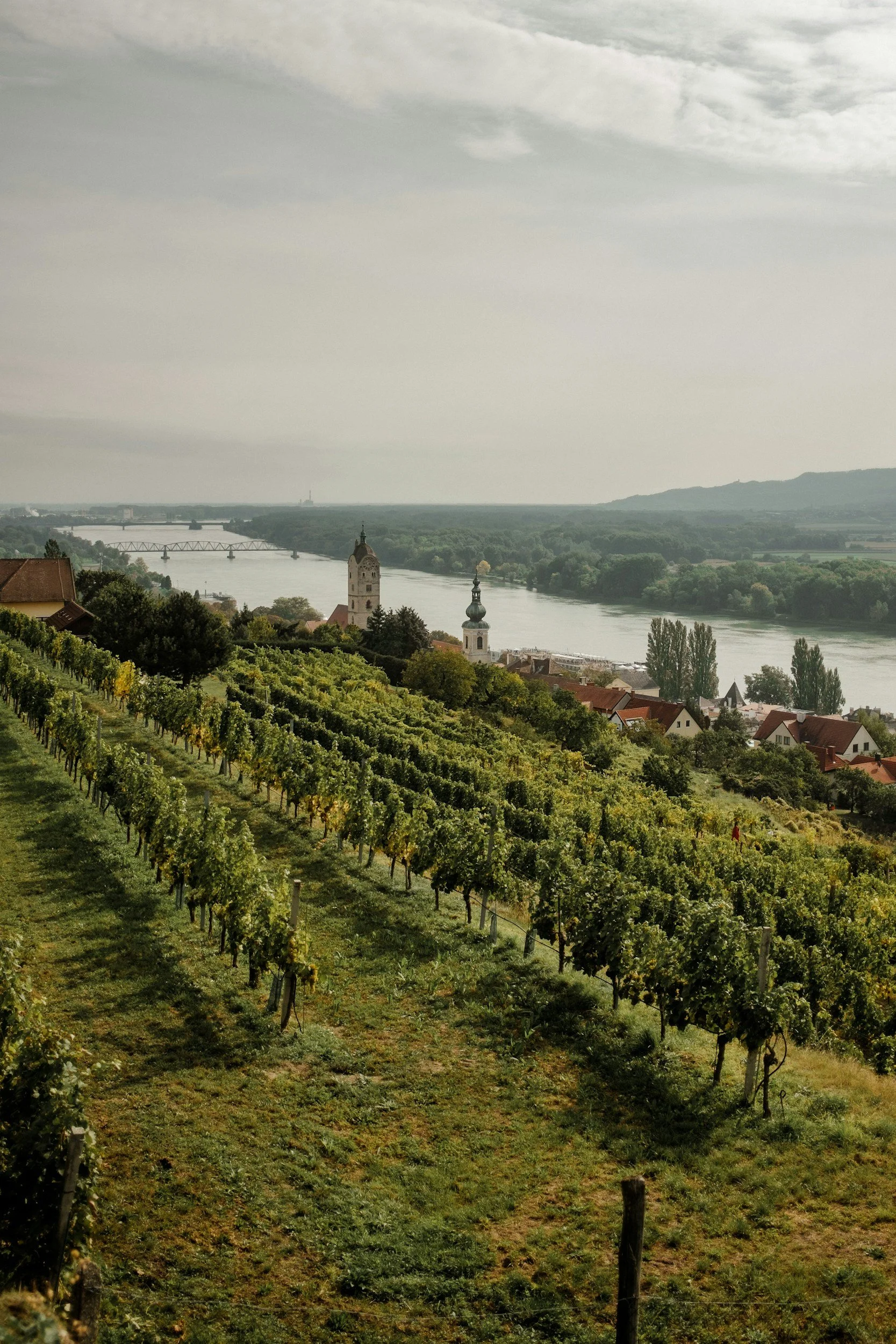
The views in Südsteiermark are just…wow.
The weather also plays a big role in how comfortable it is to explore. The climbs here aren’t long, but they are constant, and the roads wind between the vines with very little shade. In May and June, temperatures usually sit in the low to mid-20s, which makes walking uphill manageable. Later in the summer, the same routes can feel much heavier in the heat, especially in the middle of the day.
Visibility is another factor. From the higher points around Kitzeck and along the ridge roads near Sausal, you get long views across the vineyards and towards the border with Slovenia. In early summer, the air is generally clearer, and the hills have more contrast before the haze of hotter months sets in. It’s also when the vines are in their most vivid green stage, before the heavier tones of late summer.
There’s a practical side to this timing too. Many of the walking routes that connect the villages are in good condition by late spring, but not yet crowded. You’ll see locals out on the paths between Ehrenhausen and Gamlitz, especially on weekend mornings, often combining short walks with a stop at a nearby Buschenschank. Parking along the smaller roads is easier in this period as well, which matters if you’re exploring by car and stopping for short walks rather than doing one long route.
If you’re coming for a mix of walking, food, and quiet time outdoors, late April through June is the most comfortable window to do it. The infrastructure is open, the weather supports being outside for hours at a time, and the pace of the region hasn’t yet shifted into peak season.
Where to stay in Südsteiermark: small guesthouses and vineyard stays
Accommodation in Südsteiermark tends to be small-scale, family-run, and tied to the landscape. You won’t find large resort hotels here. Most places to stay are either vineyard guesthouses or small countryside hotels where the owners live on site, make wine, and serve breakfast with produce from the region. Staying in or around Gamlitz or along the Südsteirische Weinstraße makes it easy to step outside and be straight onto a walking path without needing to drive.
Weingut Dreisiebner Stammhaus
Weingut Dreisiebner Stammhaus sits just outside Gamlitz, tucked between rows of vines. This is a working winery first and a guesthouse second, which shapes the experience. Mornings usually start quietly here, with breakfast served in the main house and a view across the vineyards rather than a busy dining room. Rooms are simple but comfortable, and if you can, it’s worth asking for one with a small terrace so you can sit outside in the evening. There’s also a small wine shop on site where you can buy bottles from their own production, which is handy if you want to take something home or enjoy a glass without leaving the property.
Ratscher Landhaus
Ratscher Landhaus is a small hotel surrounded by vineyards a few minutes’ drive from Gamlitz, close to the border with Slovenia. It’s one of the better options if you want a bit more comfort without losing the local feel. The property has an outdoor pool, a small spa area, and rooms that open onto the surrounding hills. Breakfast is generous and focused on local produce, and the restaurant serves seasonal dishes in the evening, so you don’t need to leave if you’d rather stay put after a day out. From here, you can walk directly onto vineyard paths without getting in the car, which makes it a good base if you want to keep things simple.
If you’re thinking about adding a proper spa day to break up the walks, these Austrian thermal spas are an easy extension without changing the pace of the trip.
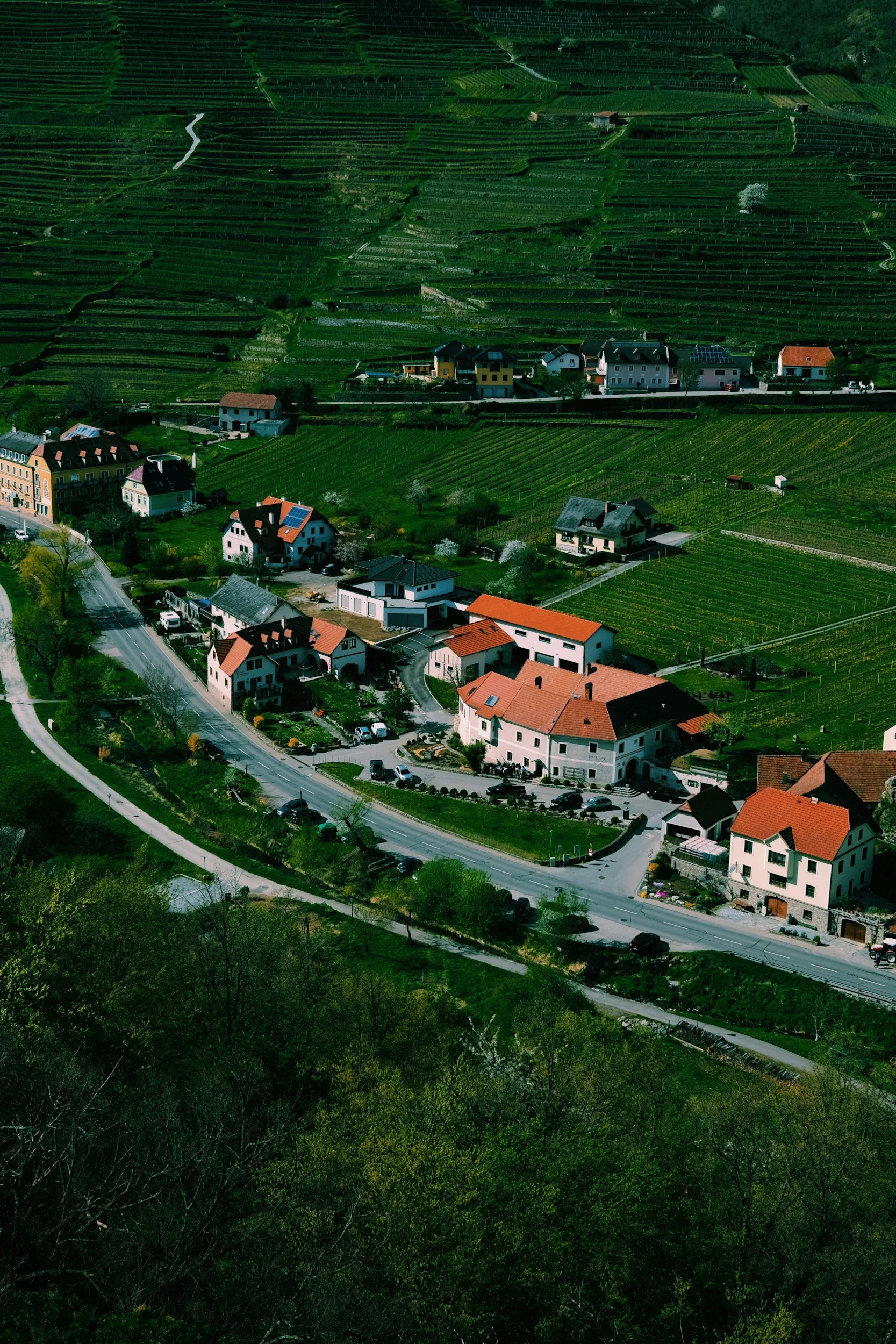
Ratscher Landhaus
Winzerhaus Kogelhuber
Winzerhaus Kogelhuber sits slightly higher up in the hills, away from the main flow of the Südsteirische Weinstraße, and you notice the difference as soon as you arrive. The last part of the drive is along a narrow road with very little traffic, and once you’re there, it feels more like a private spot than a typical guesthouse.
This is a self-catering stay, set up more like a small cottage than a hotel room. You’ll need to think ahead a bit, especially for groceries, since there aren’t shops within walking distance. Most people stop in Gamlitz on the way in to pick up what they need. In return, you get a quiet base surrounded by vineyards and forest, with walking paths starting directly from the property rather than having to drive to them.
The setting works particularly well if you want to keep your days simple. You can head out on foot in the morning, follow the vineyard tracks for an hour or two, come back for lunch, and go out again later without needing to plan routes in advance. Evenings here are noticeably quieter than in the villages, with very little passing traffic and open views across the hills.
It’s a good option if you prefer space and privacy over having everything immediately nearby.
Most guesthouses here include a hearty local breakfast. Many also have “honesty fridges” full of local wines and juices.
Walking through Südsteiermark’s vineyards and small villages
What stands out immediately in Südsteiermark is how the walking routes weave directly through working vineyards instead of staying separate from them. Around Gamlitz and Ratsch an der Weinstraße, narrow paved lanes and farm tracks cut between rows of vines, linking small hamlets, wine estates, and viewpoints. You’re not following a remote hiking trail so much as moving through the everyday landscape of the region.
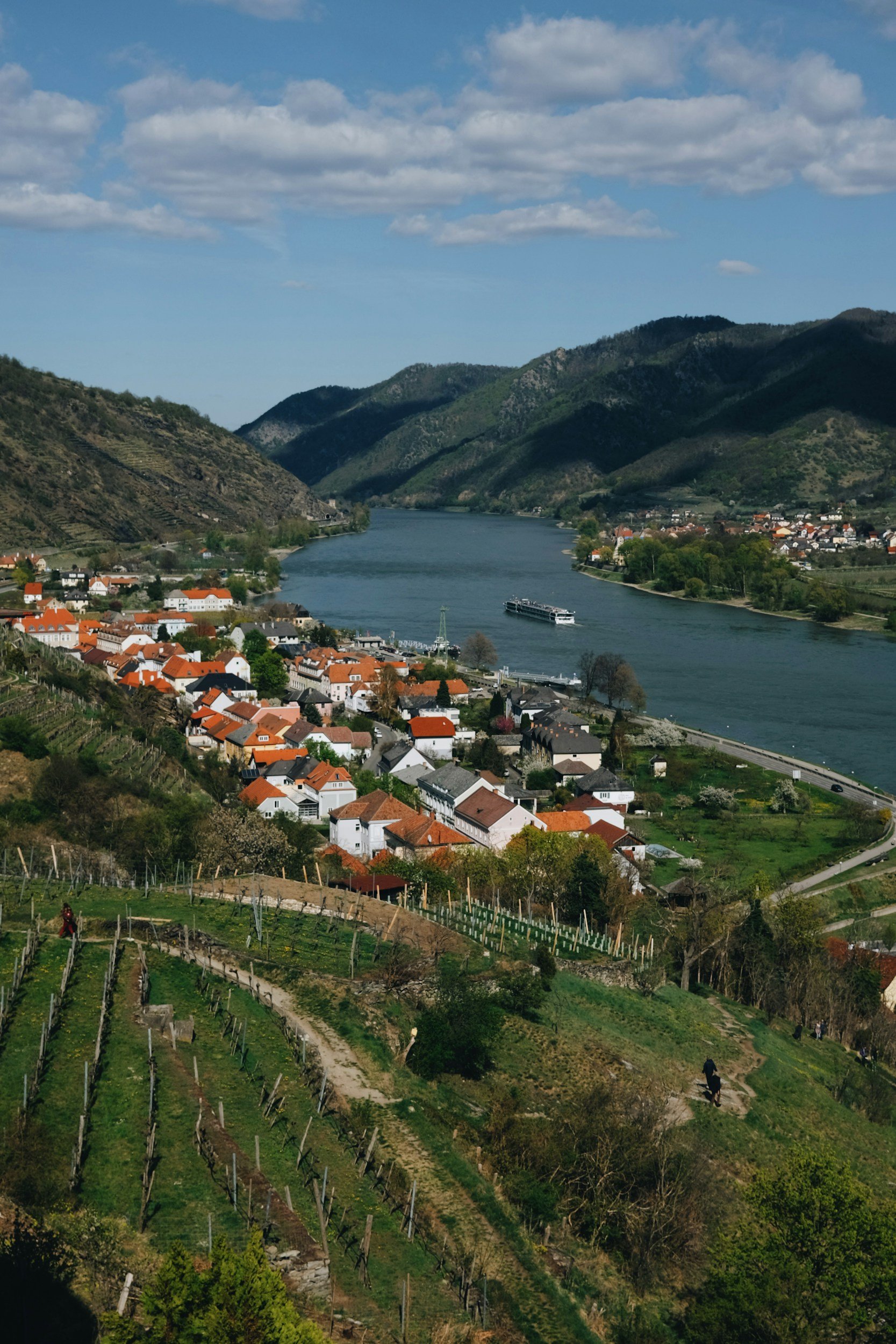
A good place to begin is the area just above the centre of Gamlitz. From Eckberger Weinstraße, several small roads climb gently uphill. These aren’t busy traffic roads; they’re mainly used by locals, tractors, and cyclists. As you gain a bit of height, the views open across the vineyards towards Ratsch, with the rolling hills stepping away in layers. There are benches placed along the way, usually where the views are widest, and you’ll often see locals stopping there rather than treating the walk as a continuous push to a destination.
Onegood thing about of walking here is that the paths connect naturally. You can start in Gamlitz, follow the signs towards Eckberg, then continue on towards Ratsch without ever needing to retrace your steps. If you feel like shortening the walk, there are small side roads that lead back down towards the valley floor and reconnect with the main road. It means you don’t need to commit to a fixed route in advance.
Around Kitzeck im Sausal, the terrain becomes steeper and more exposed. The village itself sits high on the ridge, and several walking paths start just outside the main square. The climbs are sharper here than around Gamlitz, but the views are wider, especially looking south towards the hills near the border with Slovenia. If you prefer quieter walking, this area usually has fewer people on the paths than the more accessible routes closer to Gamlitz.
What also shapes the experience is the way Buschenschanken fit into the landscape. These small wine taverns aren’t clustered in one place; they’re spread along the vineyard roads. You’ll often come across them mid-walk, marked by a small sign or a green wreath above the door. It’s common to stop for a plate of local food and a glass of wine before continuing rather than treating the walk and the meal as separate parts of the day.
The result is a place where you don’t need a strict plan. You can basically start walking from almost anywhere along the Südsteirische Weinstraße, follow the roads that look interesting, and adjust as you go. Because the distances between villages are short and the paths are well used, it’s easy to move at your own pace without worrying about getting stuck far from where you started.
If you’re comparing wine regions before deciding, this look at Wachau Valley gives you a slightly different version of Austria, more along the river than in the hills.
Where to eat in Südsteiermark: small taverns, vineyard kitchens and real local food
Eating in Südsteiermark isn’t centred around restaurants in town squares. Most of the food you’ll actually remember comes from the Buschenschanken - the small, family-run wine taverns scattered along the vineyard roads between Gamlitz, Eckberg, Ratsch an der Weinstraße, and Kitzeck im Sausal. These places are usually part of working farms, and the people pouring the wine are often the same families growing the grapes.
A typical place sits slightly above the road, with a gravel driveway, a few outdoor tables, and a simple handwritten menu. Along Eckberger Weinstraße and the narrow lanes around Ratsch, you’ll find several within a short stretch, which makes it easy to combine a walk with a meal rather than planning your day around a single restaurant booking. Many have views across the vines, so it’s common to sit outside for a couple of hours rather than rush through a meal.
The food is simple and tied to the region. You’ll see plates of Brettljause (cold meats, cheeses, spreads, and bread), salads with Styrian pumpkin seed oil, and homemade pastries. Hot dishes are usually limited to a couple of daily options, depending on what’s available. This isn’t a place for long menus; it’s more about whatever the kitchen is preparing that day.
Opening hours are one of the practical things to be aware of. Buschenschanken don’t all follow standard restaurant hours. Some open from late morning until mid-afternoon, others from early afternoon into the evening, and many close one or two days a week. Around Gamlitz and Ratsch, you’ll often see a small board or chalk sign by the roadside showing whether they’re open that day. If you’re planning to walk between places, it’s worth checking before you head out rather than assuming everything will be open when you arrive.
In the lower parts of the region, around Gamlitz and Ehrenhausen, it’s easier to walk between several options in one outing. In the higher areas near Kitzeck, the taverns are more spread out, so it’s better to plan your route or drive between stops. On sunny weekends, tables fill up quickly, especially between 12:00 and 15:00. If you prefer quieter moments, arriving slightly earlier or later usually means more space and slower service.
What makes eating here different is how closely it connects to the landscape. You’re not moving between restaurants; you’re moving between farms and vineyards. It’s common to stop once or twice during a walk, have a glass of local wine, share a plate of food, and then continue on foot. This is how most people actually experience this region.
Things to do in Südsteiermark: how to actually spend your time here
Most days in Südsteiermark don’t revolve around one main activity. You’ll usually combine a few short walks with stops along the way, and the area is set up in a way that makes that easy without much planning.
A good place to start is around Gamlitz. From the village centre, you can head up towards Eckberger Weinstraße, where the road begins to climb through the vineyards. This stretch works well in the morning when it’s quiet. You don’t need to follow a marked trail the whole time. Walking the smaller side lanes that branch off the main road often leads to better views, especially once you gain a bit of height. Most of these roads loop back down again, so you can walk for an hour or so without worrying about getting stuck far from where you started.
From there, it’s easy to continue towards Ratsch an der Weinstraße. The roads between Gamlitz and Ratsch are some of the most useful to know because they connect several vineyard areas without long distances in between. You can park near one section, walk for 30–60 minutes, then move on to the next stretch. This works better than trying to do one long route, especially if you want to stop along the way.
If you’re looking for wider views, drive up towards Kitzeck im Sausal. The road up is steeper and more winding, but once you’re at the top, the landscape opens up. From the village square, you can follow the smaller roads out towards the vineyards. These are quieter than the areas around Gamlitz, and you’ll often have longer stretches to yourself, especially outside weekends. The paths here are shorter but more exposed, which makes them a good option later in the day when the light is softer.
Another simple thing to do is follow sections of the Südsteirische Weinstraße by car, but not as a continuous drive. Instead, use it to connect different walking spots. There are plenty of small pull-offs along the road where you can stop without planning it in advance. From there, you can walk a short section, return to the car, and continue further along. This approach works better here than trying to cover the entire route in one go.
Wine tasting also fits into the day without needing a separate plan. Many of the Buschenschanken you’ll pass along these roads serve their own wines by the glass, so you can stop for a tasting without booking ahead. If you want something more structured, some of the larger wineries near Gamlitz offer tastings during the day, but most people keep it informal and stop where it feels right.
What tends to work best is keeping the day flexible. Walk one section in the morning, stop somewhere for food, then either continue on foot or move to a different area in the afternoon. Distances between places are short, so you don’t lose time by changing plans.
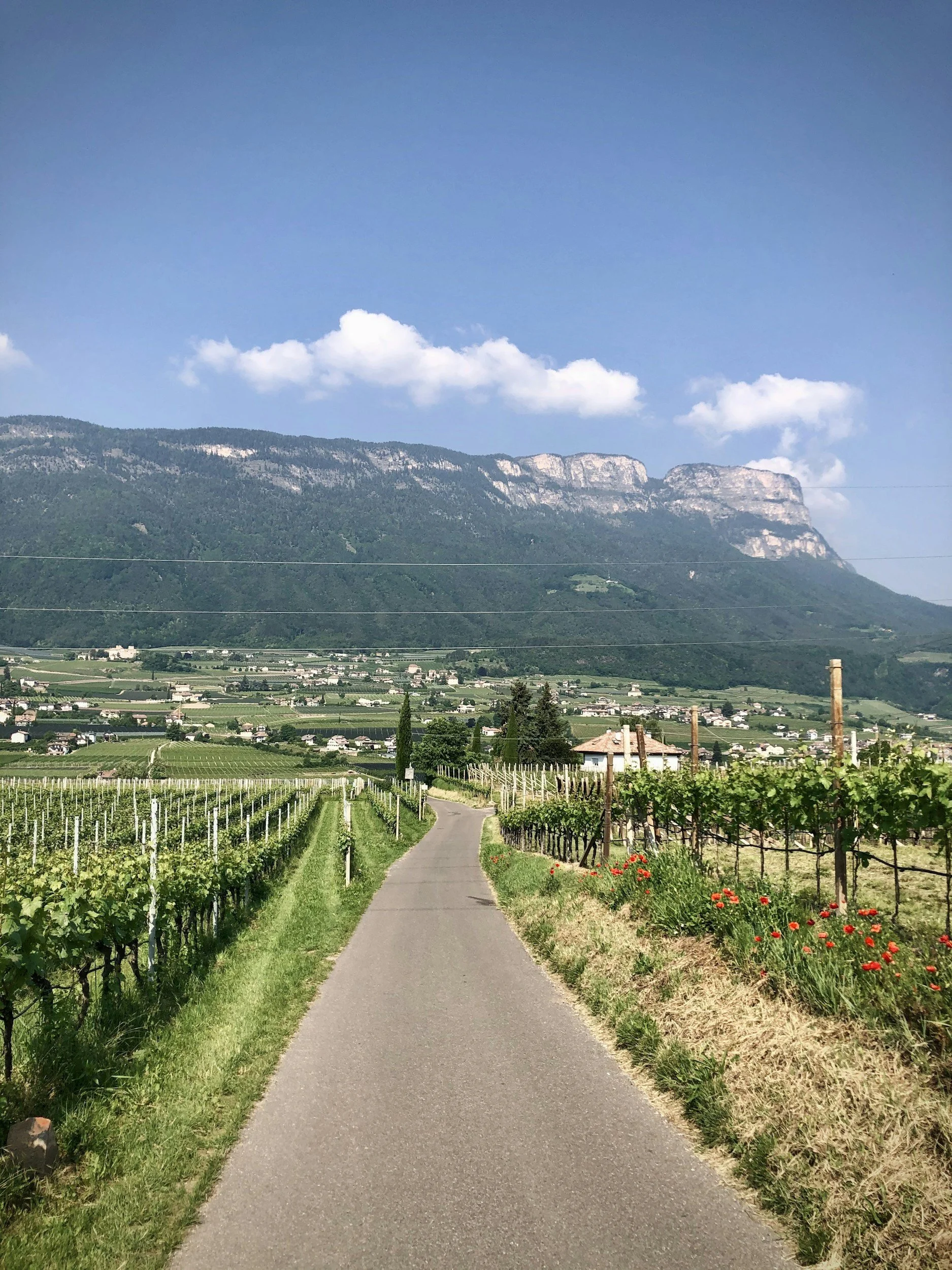
South Styrian Wine Road
How to get to Südsteiermark
Most people reach Südsteiermark via Graz, which is the closest major city and the most practical arrival point. From Graz, it’s about a 45–60 minute drive south to the wine villages around Gamlitz, Ratsch an der Weinstraße, and Ehrenhausen an der Weinstraße. If you’re renting a car, pick it up in Graz rather than waiting until you reach the wine region, because there are far more rental options and it saves you a transfer later.
There is a regional train line that runs from Graz Hauptbahnhof to Ehrenhausen an der Weinstraße, and the journey takes about 50 minutes. From Ehrenhausen, you can reach Gamlitz in roughly 10 minutes by taxi or local bus. It’s possible to visit this area without a car, but having one makes a noticeable difference. The vineyards are spread out, and while there are walking routes connecting the villages, many of the wine taverns and guesthouses sit along narrow roads outside the centres rather than in the villages themselves.
If you’re driving from elsewhere in Austria, the main access route is via the A9 motorway (Phyrn Autobahn). Take the exit for Vogau–Straß, then follow signs towards Gamlitz or Ehrenhausen. From the motorway, the roads quickly narrow into smaller countryside routes, especially once you reach the vineyard hills. Some of these roads are steep and winding, particularly around Eckberg and Kitzeck, but they’re well maintained and manageable with a standard car.
Parking in the villages is generally straightforward. Gamlitz and Ehrenhausen both have small public car parks near the centre, and most wineries and Buschenschanken have their own parking areas. In the higher areas around Kitzeck, parking is usually along the roadside or in small gravel pull-offs near the walking paths.
If you’re flying in, Graz Airport is the closest airport, with connections from several European cities. From the airport, it’s about a 35–45 minute drive to the Südsteiermark wine area. Public transport is possible but slower, usually involving a train into Graz and then a connection south.
Overall, the area is reachable without too much effort, but it’s much easier to move around once you’re there if you have a car. That gives you the freedom to reach the higher vineyards, stop at small taverns along the way, and explore different parts of the region without being tied to bus schedules.
How to make the most of your time in Südsteiermark
What makes Südsteiermark work so well is how naturally the day shapes itself once you’re here. You don’t need a packed schedule or detailed planning. If you start the morning in Gamlitz, you can walk up Eckberger Weinstraße straight from the village centre and already be among the vines within minutes. From there, you might continue along one of the narrow lanes towards Ratsch an der Weinstraße, or loop back down for a slow lunch before heading out again.
The geography makes this kind of day possible. The villages aren’t far apart, but they don’t blend into one another either. You move between them gradually, often along small roads rather than designated hiking trails. Around Eckberg and Sernauberg, many of the lanes sit above the valley, which means even short walks give you views without needing to climb for hours. You’ll often find benches placed at points where the hills open up, usually near a bend in the road or beside a vineyard track.
It’s also worth knowing that many of the Buschenschanken and small wine taverns don’t keep strict hours. Some open only in the afternoon, some close midweek, and a few change their hours depending on the season. That’s not something you’ll always find clearly online. If you’re walking between places, it helps to check opening times in advance or have a backup option in mind rather than aiming for a single stop.
Moving around is straightforward once you understand the layout. The road between Gamlitz and Ratsch is one of the most useful to know because it links several walking areas and wine taverns. From there, you can continue towards Kitzeck im Sausal, where the landscape opens up more and the roads feel quieter, especially later in the day. The drive up is short but steep, and once you’re there, the walks tend to be shorter but with wider views.
The overall experience here is about combining small elements that work well together: a walk that doesn’t take all day, a stop at a local tavern, a quiet stretch of road, and time spent in places where nothing feels rushed.
Some people end up wanting something a bit more structured after a few days of vineyard walks, and these castle hiking routes show how that kind of route can come together across regions.
Good to know before visiting Südsteiermark
One thing that’s useful to understand about Südsteiermark before you arrive is how spread out everything actually is. The villages like Gamlitz, Ratsch an der Weinstraße, and Kitzeck im Sausal sit across rolling hills rather than in a compact area, and the vineyard roads climb and dip constantly. Distances on the map can look short, but the terrain means it usually takes longer than you expect to move between places, especially on foot.
If you’re planning to eat at Buschenschanken, don’t rely on regular restaurant hours. Many open only a few days a week, some open only in the afternoon, and others close earlier than you might expect. Around Eckberg and Ratsch, you’ll often see a simple sign by the road showing opening times for that day. It’s a good idea to have a backup option in mind, especially if you’re walking between stops.
Payment is another thing to keep in mind. Smaller places, particularly family-run Buschenschanken, don’t always accept cards. Carrying some cash saves you from awkward moments, especially if you’re stopping at places outside the main villages.
The walking here is mostly on small paved roads and gravel tracks rather than narrow forest paths. That makes the terrain easier than it looks, but the climbs can still be steady, especially around Eckberg and the hills above Kitzeck. Good walking shoes make a difference, particularly after rain when some sections can be slick.
If you’re driving, expect narrow roads with frequent bends. Around Sernauberg and the higher parts of Kitzeck, some roads feel barely wide enough for two cars to pass, so it’s worth taking your time. Parking is usually informal (small gravel pull-offs or spaces beside wineries) rather than marked car parks.
Mobile signal can be patchy in parts of the hills. It’s not a major issue, but it’s worth downloading offline maps if you plan to walk or drive between smaller places. Signposting for walking routes is generally good, but junctions aren’t always clearly marked, so it helps to have a basic sense of where you’re heading.
Finally, shops and services are limited once you’re outside the main villages. If you’re staying in a guesthouse higher up in the hills, it’s easier to pick up groceries or supplies in Gamlitz or Ehrenhausen before heading out. Once you’re up in the vineyards, options are fewer and opening hours are shorter.
FAQs about Südsteiermark
Is Südsteiermark worth visiting without a car?
You can reach Südsteiermark without a car, but it’s limiting. Trains from Graz run to Ehrenhausen an der Weinstraße in under an hour, but once you’re in the wine hills, public transport is limited. If you want to visit wineries around Eckberg, Ratsch an der Weinstraße, or Kitzeck im Sausal, a car makes the experience far easier.
How many days do you need in Südsteiermark?
Two full days gives you time to walk between vineyards around Gamlitz and explore the higher roads near Kitzeck. Three days lets you take your time, repeat favourite walks, and visit more than one Buschenschank without rushing. This area works best at a slower pace rather than trying to cover everything in one day.
What’s the best time of year to visit Südsteiermark?
Late April to June and September to early October are the most comfortable periods. In spring, the vineyard hills are green and the Buschenschanken terraces open again. In autumn, harvest season brings more activity, but also more visitors. July and August are warmer and busier, especially on weekends.
Can you walk between wineries in Südsteiermark?
Yes. Around Gamlitz and along Eckberger Weinstraße, many wineries and Buschenschanken sit within 20–40 minutes’ walk of each other. The walks usually follow narrow paved roads or gravel tracks through the vineyards, with gentle but constant elevation changes.
Where is the best area to stay in Südsteiermark?
Staying near Gamlitz works well if you want easy access to walking routes and wine taverns without long drives. For quieter evenings and wider views, Kitzeck im Sausal is a good option, though you’ll rely more on a car to move between places.
What is a Buschenschank and what do you eat there?
A Buschenschank is a small, family-run wine tavern, usually attached to a working vineyard. Food is simple and local: cured meats, cheeses, spreads, bread, and seasonal dishes. Opening hours vary, and many close on specific weekdays, so it’s worth checking ahead.
Is Südsteiermark good for a short trip or a long weekend?
Yes. The distances between villages are short, which makes it easy to combine short walks, wine stops, and relaxed meals over two or three days. You don’t need a long itinerary to make the trip feel worthwhile.