The Seville cafés I'd plan my mornings around
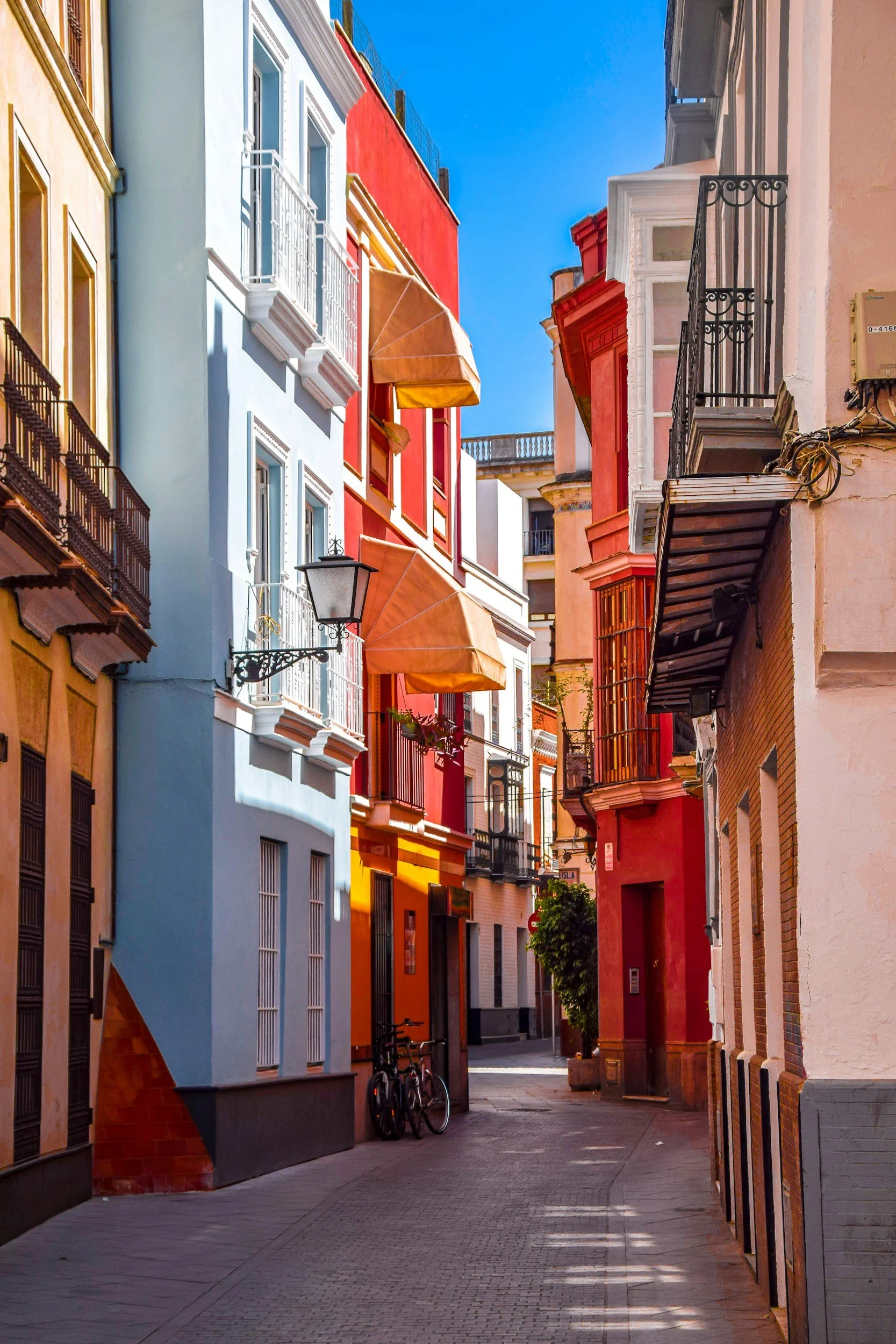
You step out from around Catedral de Sevilla around 9:30, already thinking about coffee. The cafés right by the square are full, tables tight, people coming and going fast. Walk a couple of streets away, toward Santa Cruz or over to Arenal, and it changes almost immediately. A few tables outside, someone reading the paper, someone standing at the counter ordering without even looking up.
That’s usually how mornings in Seville work, and you’ll notice some cafés are built for quick stops. You stand, drink your coffee, and leave. Others are easier to sit in, a couple of tables inside, maybe a shaded spot outside where people stay a bit longer. You don’t always see the difference straight away, but once you’ve stepped in a few times, you start to notice it.
Ordering is simple. Most people go for a café con leche or a cortado, and a tostada if it’s morning, usually with olive oil and tomato. In some places you order at the counter, in others someone comes to you. It’s easier to just watch what the person before you does and follow that.
Around 9:00–10:30, you can usually find a table without waiting. Closer to midday, especially near the main streets, it fills up and people don’t stay as long. Later in the afternoon, it slows again, but some kitchens close for a few hours, so the choice is smaller.
You don’t need to go far to find somewhere better. Even one or two streets away from the busiest areas is usually enough. That’s where cafés feel more like part of the day rather than somewhere people pass through.
This guide focuses on those places. Cafés where you can sit on your own, take your time, and not feel like you need to move on after ten minutes.
How to get to Seville
Most people arrive through Seville Airport, which sits about 20–25 minutes from the centre. The easiest option is the EA airport bus, which runs regularly and stops at key points including Prado de San Sebastián and near the historic centre. From there, it’s usually a short walk to areas like Santa Cruz or Arenal. Taxis are straightforward as well, with a fixed fare into the city depending on the time of day.
If you’re arriving by train, you’ll come into Sevilla Santa Justa Station. From the station, it’s about 10–15 minutes by taxi to the centre, or you can take a bus toward the old town. Walking is possible but takes closer to 30 minutes, depending on where you’re staying.
High-speed trains connect Seville with Madrid in around 2.5 hours, and with Córdoba in under an hour, which makes it easy to include as part of a longer trip without needing a car.
If you’re wondering whether Seville’s café culture is always this slow, this Madrid in autumn shows what happens once you move somewhere a bit more fast-paced.
If you’re driving, it’s worth knowing that the historic centre has restricted access and narrow streets. Most people park just outside the old town and walk in, especially if staying near the cathedral or Santa Cruz.
If you’re trying to figure out where this kind of everyday café rhythm still feels real, these quiet Spanish towns narrow it down fast.
La cacharrería: homemade pastries and one of Seville’s better cappuccinos
La Cacharrería sits just outside the busiest part of the centre, a short walk from the shopping streets but far enough that people aren’t passing constantly. If you’re coming from Catedral de Sevilla, it’s around 10–12 minutes on foot, heading north past Calle Sierpes and into quieter streets where things start to slow down.
From the outside, it’s easy to walk past. The entrance is simple, and unless you’re looking for it, it doesn’t stand out. Inside, it’s a small space, a few tables, a counter, and usually a mix of people sitting longer rather than just stopping in quickly. It fills up around brunch hours, so if you want a table without waiting, it’s better to come earlier rather than showing up right at midday.
Coffee is taken more seriously here than in most traditional spots in Seville. If you’re used to café con leche everywhere, this is one of the places where a cappuccino actually makes sense to order. It’s made properly, and you’ll notice the difference straight away.
The pastries are made in-house, and that’s what most people come for. Tortas de aceite show up regularly, thin, slightly crisp, with a light sweetness, and the orange cake is usually on the counter as well. Portions are generous enough that one coffee and one pastry is enough to sit with for a while without needing to order more.
If you’re coming for something more filling, brunch is a good option, but that’s also when it gets busiest. Between 11:00 and 13:30, tables turn quickly, and you might need to wait. Earlier in the morning, around 9:30–10:30, it’s easier to find a spot and stay longer.
One small thing that makes a difference here is where you sit. Tables near the entrance are better for people watching, while those further inside feel more calm. It’s not a large café, but the difference is noticeable once you’re there for a bit.
Valencia sounds similar on paper, but the way people use cafés is completely different, and this Valencia guide makes that obvious pretty quickly.
El viajero sedentario: a quiet, book-lined café to sit and stay in Seville
El Viajero Sedentario is the kind of place you end up in when you’ve already walked past the cafés that look too obvious and a bit too busy, and you decide to keep going just a little further than planned, away from the flow around Catedral de Sevilla and into streets where things start to slow down without you really noticing when it happened.
From the outside, it doesn’t try to pull you in, and that’s usually why people miss it, but once you step through the door, it changes quickly because the space is completely wrapped in books, not arranged to look a certain way, just shelves filled over time, some uneven, some worn, some close enough that you can reach out without thinking and take one down while you’re sitting there.
You order at the counter as you walk in, something simple, a coffee, maybe a small pastry, and then you turn around and take a moment to look for where you actually want to sit, because the first tables are almost always taken, while the better ones sit a bit further inside where there’s less movement and where you can settle in without people constantly passing by.
Once you’re there, the pace shifts in a way that’s hard to explain but easy to notice, because no one seems to be in a rush to finish and leave, and the books play into that more than you expect, people picking them up, reading a few pages, putting them back, not as a big moment but just as part of sitting there, which makes it easier to stay longer without thinking about it.
Mid-morning is when it works best, somewhere between 10:00 and 11:30, when the café is already in motion but not full, and you can hear a low mix of conversation, cups being set down, pages turning, without it tipping into noise, while later in the day it tightens up slightly, with more people coming in and fewer places to sit in the same way.
And if your “quick coffee” usually turns into something else, these Spain summer markets show where the day tends to drift next.
Café de la alfalfa: traditional coffee in a small Seville square
Café de la Alfalfa sits right on Plaza de la Alfalfa, a small square that people actually use rather than just pass through, and that changes how the café feels the moment you sit down. It’s a few minutes’ walk from Catedral de Sevilla, but the route matters. If you come through Calle Pérez Galdós or cut across from Calle Jesús de las Tres Caídas, the streets tighten before opening into the square, and you arrive without the build-up you get at larger plazas.
The café itself is small, and most people aim for the outdoor tables facing the square. They don’t stay empty for long. Around 9:00–10:30, you’ve got a better chance of getting one without waiting, especially on weekdays. After that, you’ll usually see people hovering slightly, waiting for someone to leave rather than giving up the spot.
Ordering is quick and direct. Most people go for a café con leche or cortado, and in the morning, a tostada with olive oil and tomato. You’ll notice how fast it comes out, bread already toasted, olive oil poured without measuring, salt on the side. It’s not presented as anything special, but it’s consistent, and that’s what people come back for.
What makes this place stand out is what’s happening around you. Plaza de la Alfalfa isn’t quiet, but it’s not chaotic either. You’ll see people stopping for five minutes, others sitting longer, someone greeting the staff without needing to order straight away. There’s a rhythm to it that feels different from the streets closer to the cathedral, where everything moves faster.
If you stay a bit longer, you start noticing the same people passing through, deliveries coming in along the edge of the square, chairs being moved slightly to catch or avoid the sun. By midday, the light shifts, and the shaded tables are the first to fill, especially in warmer months.
If you don’t find a seat outside, the inside space works, but it feels more like a quick stop. Most people who come here want the square, not just the coffee.
Up north, mornings feel completely different again, and this Santillana del Mar shows what happens when everything slows down a bit more.
La gata en bicicleta: books, art and coffee in a quieter corner of Seville
If you're wandering around Seville and in need of a cozy spot to recharge with some seriously good coffee, you have to check out La Gata en Bicicleta. The vibe here is so laid-back and artsy - it’s the kind of place where you can really relax, whether you’re reading, people-watching, or just enjoying your own company.
And yes, they have books too! From the outside, it looks like a mix between a café and a small cultural space, and inside that’s more or less what it is. Books line the walls, but not in the same way as a quiet reading café. Here they sit alongside posters, artwork, and small details that change over time. Tables are scattered rather than aligned, some better for sitting alone, others clearly used by groups or people working.
The coffee? Honestly, it’s one of the best in Seville. I’m talking smooth, rich, perfectly brewed coffee - whether you’re into a classic café con leche or a cappuccino, they nail it every time. And if you’re like me and can’t resist a little treat with your coffee, their carrot cake is delicious. It’s homemade, soft, and goes so well with a hot drink. Actually all cakes looks super tasty.
La Gata en Bicicleta sits just north of the main centre, closer to the stretch between Feria and the edge of Alameda, and you usually reach it after a longer walk rather than by accident. From Catedral de Sevilla, it’s around 15–20 minutes on foot, heading past Calle Sierpes, then continuing north where the streets open up slightly and the pace drops.
Where to stay in Seville for easy café mornings
Where you stay in Seville makes more difference than you expect if your days revolve around coffee stops rather than ticking off sights. Being a few streets closer or further out changes how your mornings start, whether you step straight into busy areas or ease into them more gradually.
Hotel Casa 1800 Sevilla sits right by Santa Cruz, which means you’re within a couple of minutes of the cathedral but still tucked into smaller streets. In the morning, you can step out early, before the area fills up, and walk straight into nearby cafés while they’re just opening. Later in the day, when Santa Cruz gets crowded, it’s easy to head back and reset before going out again. The rooftop is useful for that, not in a dramatic way, just somewhere to sit for a bit at the end of the day without needing to go anywhere else.
If you’d rather stay somewhere that feels a bit less central from the start, La Banda Rooftop Hostel sits closer to Arenal, which works well if you want to move between cafés without constantly crossing the busiest streets. Mornings here are slower. You can grab a coffee nearby, walk a few minutes, and not feel like you’ve stepped straight into the main flow of the city. The rooftop is where people end up spending time…!
Tarragona tends to fly under the radar, but once you see how the days actually play out, it’s easier to understand why, and this Tarragona off-season gives you that perspective.
If you’re heading toward Barcelona after this, it’s worth seeing how things shift by the coast, and this Sitges guide is a good example of that change.
How to get around Seville for café hopping
Most of the cafés in this guide sit within walking distance of each other, so you won’t need to plan transport in advance. If you’re staying anywhere near Catedral de Sevilla, Santa Cruz, or Arenal, you can reach everything on foot.
Start around the cathedral or Archivo de Indias area and move outward. From there, it’s a 5–10 minute walk into Santa Cruz through smaller streets, or across toward Arenal along wider roads like Calle Adriano. The distances are short, but the layout matters. Some streets are narrow and slow you down, others are more direct.
If you want to go slightly further, toward Alameda de Hércules, it’s about a 15–20 minute walk from the cathedral area. The route takes you through central streets like Calle Sierpes or Calle Trajano before opening up into a larger square with more space and a different mix of cafés.
Trams and buses run through the city, but for this kind of plan they’re not necessary. Walking is usually faster once you factor in waiting times and short distances. Taxis are easy to find if you need one, but most of the time you won’t.
One thing to keep in mind is the heat. From late morning onward, especially in warmer months, it’s easier to move between cafés by staying in shaded streets rather than crossing open squares. Planning shorter walks with stops in between works better than trying to cover a larger area in one go.

FAQs about cafés in Seville for coffee and breakfast
Where can I find quiet cafés in Seville away from tourists?
The easiest way is to move a few streets away from Catedral de Sevilla rather than staying directly around it. Areas like Alfalfa and the streets between Alfalfa and Arenal tend to have smaller cafés where people sit longer. Places like El Viajero Sedentario or La Cacharrería are easier to settle into compared to cafés right on the main squares.
What is the best area in Seville for café hopping on foot?
The most practical route is between Santa Cruz, Alfalfa, and Arenal. You can start near Santa Cruz, move toward Alfalfa, and then continue toward Arenal, all within 10–15 minutes on foot. This gives you a mix of traditional cafés and more modern spots without needing transport.
What time should I go to cafés in Seville to avoid crowds?
Between 9:00 and 10:30 is the easiest time to find a table, especially in central areas. Around 11:30–13:30, cafés near the cathedral and Santa Cruz fill quickly. After 16:00, it becomes easier again, but some kitchens pause between lunch and evening service.
What coffee should I order in Seville cafés?
Most locals order café con leche or cortado. If you want something stronger, ask for a solo or doble. In more modern cafés like La Gata en Bicicleta, you’ll also find cappuccinos and specialty brews, which aren’t as common in traditional spots.
Where can I get a good breakfast in Seville cafés?
Breakfast usually means a tostada with olive oil and tomato or butter and jam, served quickly and without much variation. For something more filling, cafés like La Cacharrería offer brunch-style options, but these places are busiest from late morning onward.
Is Seville good for solo café visits?
Yes, especially in smaller cafés slightly outside the busiest streets. Sitting alone is common, and places like El Viajero Sedentario or quieter spots around Alfalfa make it easy to stay without feeling rushed.
Do I need to book cafés in Seville?
No. Cafés are walk-in only. If a place is full, it’s usually faster to try another nearby rather than waiting, since tables turn regularly.
Are cafés in Seville open all day?
Most open in the morning and stay open through lunch, but some reduce their menu or pause food service in the afternoon before reopening later. Coffee is usually available throughout the day.
What’s the difference between cafés in Santa Cruz and Arenal?
Santa Cruz cafés are closer to major sights and tend to fill up earlier. Arenal cafés are slightly easier to access and often feel less crowded, especially if you’re moving between places on foot.
Can I work from cafés in Seville with a laptop?
You can, but it depends on the café. Smaller traditional cafés are more focused on short visits, while places like La Gata en Bicicleta are more suited for sitting longer with a laptop.
Where to get specialty coffee in Seville city centre?
If you’re staying near Catedral de Sevilla and want something beyond standard café con leche, you’ll need to move slightly away from the immediate area. Around Alfalfa and further north, places like La Gata en Bicicleta focus more on how the coffee is prepared, with options like filter coffee and properly made cappuccinos. These cafés are smaller and slower-paced, so it’s better to go mid-morning rather than during the lunch rush.
Best cafés in Seville for breakfast near the cathedral
Close to Catedral de Sevilla, most cafés serve a quick breakfast, but if you want somewhere you can actually sit for a bit, it helps to walk 5–10 minutes out. Café de la Alfalfa is one of the easier options, with outdoor tables in a small square and fast service for coffee and tostadas. For something more substantial, La Cacharrería works better, but it fills up quickly from late morning, so earlier is easier.