Where to go in Europe if you want quiet, not sightseeing
At some point, sightseeing stops being the “point”.
Not because Europe suddenly becomes less interesting, but because moving through places on someone else’s agenda gets tiring. The queues. The routes. The sense that you’re always slightly behind, even when nothing is actually wrong.
You might still enjoy travel. You just don’t enjoy being managed by it.
This guide is for that stage. For trips where the goal isn’t to cover ground or collect moments, but to stay somewhere that doesn’t constantly ask you to do things. Places where waking up without a plan feels normal, not wasteful.
Quiet travel isn’t about emptiness
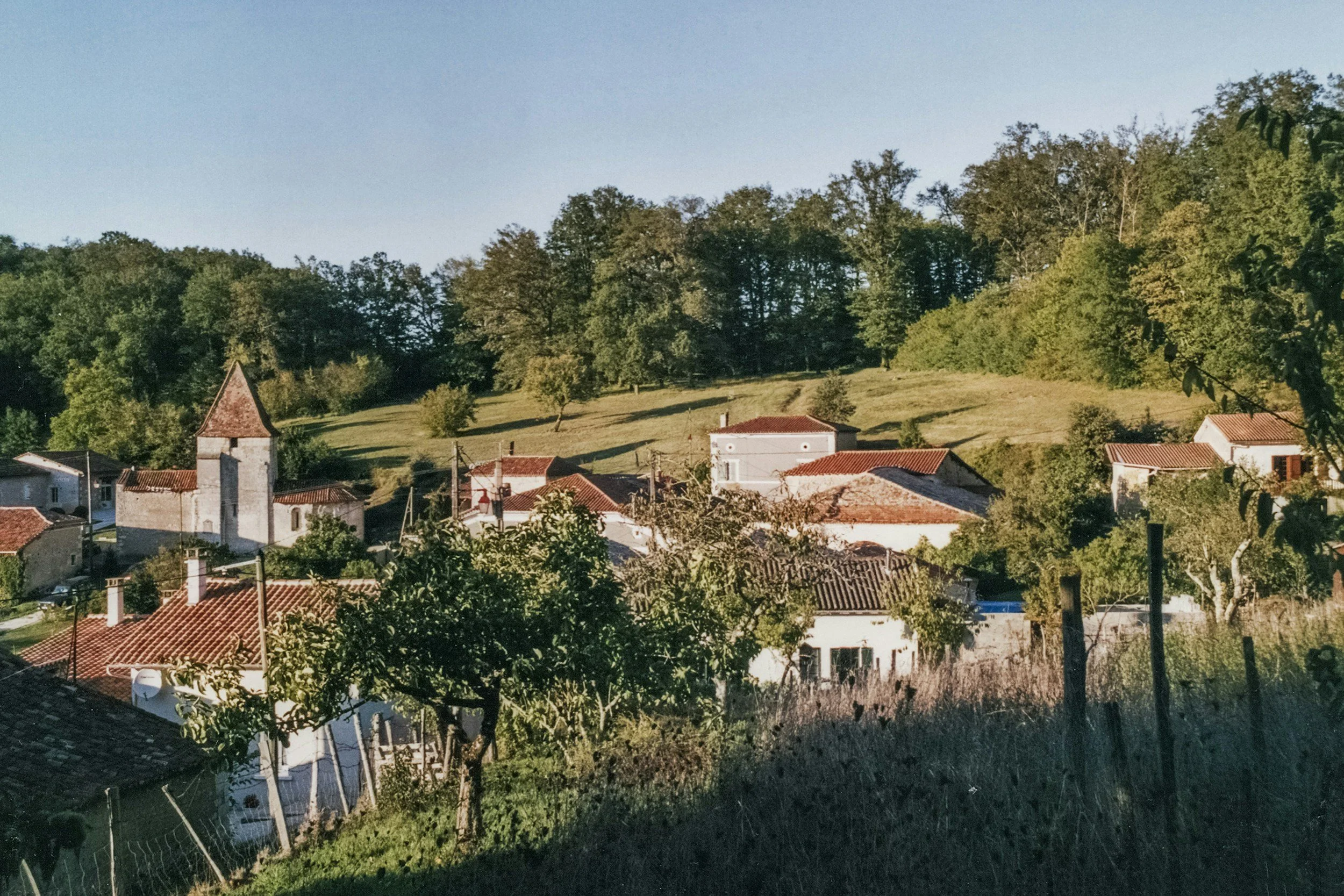
That difference matters more than most travel writing admits. Emptiness can feel uncomfortable, almost like you arrived at the wrong moment. Calm, on the other hand, usually comes from things continuing as normal. People going about their day, cafés opening when they always do, familiar faces appearing at familiar times.
There’s still movement, but it’s not directed at you. Someone sweeping outside a shop in the morning, a regular taking the same seat every day, the low background noise of a town that doesn’t need to explain itself. You’re not the reason anything is happening, and that’s what makes it easier to settle in.
What’s missing is the feeling that you’re supposed to be doing something with your time.
In places built around sightseeing, the moment you stop moving, you start to feel it. You sit down and immediately wonder whether you should be somewhere else, whether you’re missing something, whether the day is slipping away. The place only works if you keep participating.
Calmer places don’t operate like that. They still make sense when you slow down. You can sit longer than planned without checking the time, walk the same streets twice without feeling like you’ve misjudged the day, leave hours open and let them pass without trying to fill them.
Why small towns often feel better than famous ones
Large destinations demand attention in a weird way, even when you’re trying to take things slowly. You’re still working around peak hours, popular routes, and that low-level awareness that there’s always something else you could be doing instead. It doesn’t have to be stressful to be tiring. Just staying slightly alert all day adds up.
Smaller towns don’t create that same background noise.
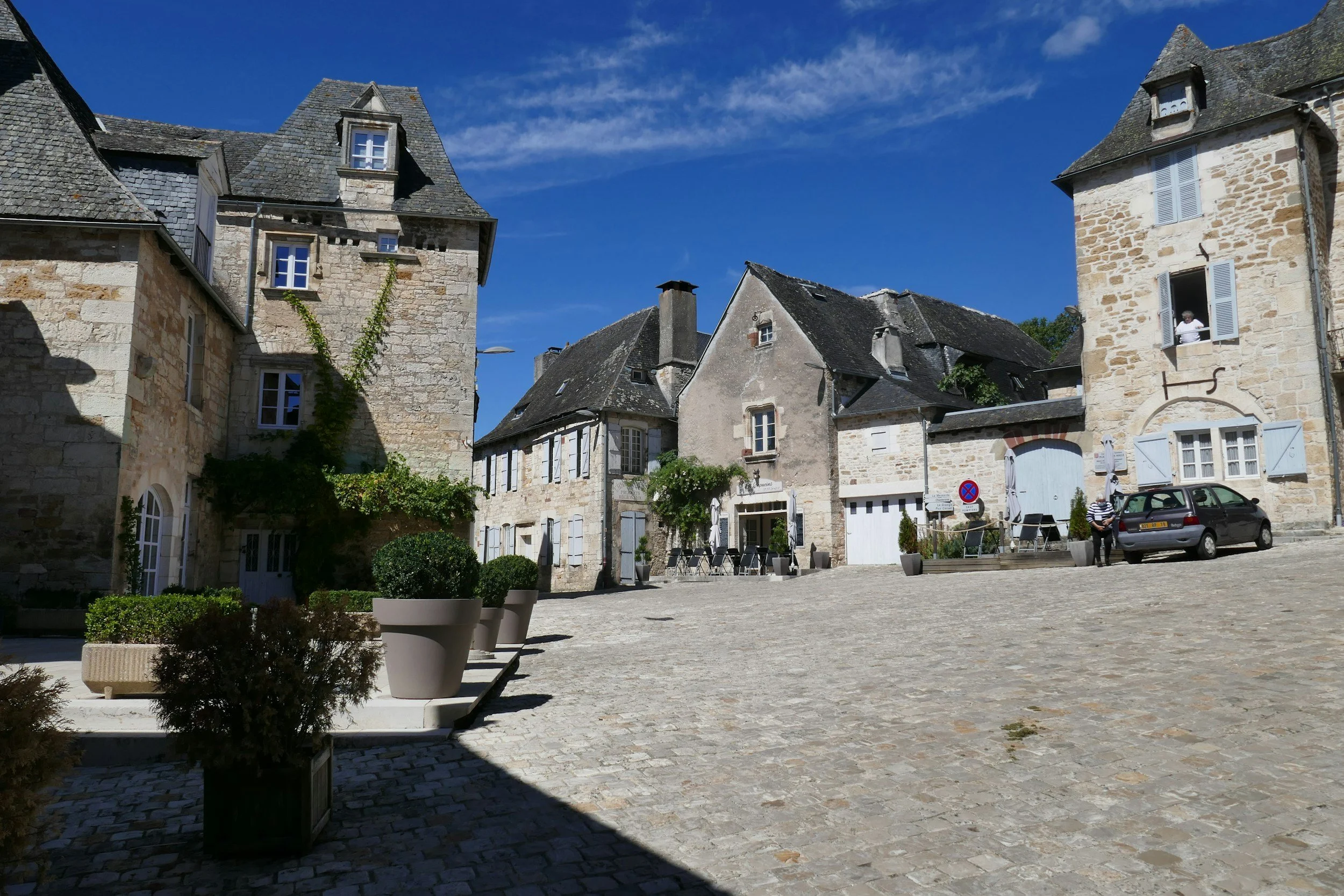
They don’t present themselves as experiences, and they don’t really care whether you arrived with a plan or not. Life continues at its own pace, and you either fall into it or you don’t. There’s nothing to keep up with, and nothing to feel behind on.
That’s why they tend to feel easier to be in, especially if you’re not interested in managing a full itinerary or making constant decisions about how to spend your time. The days organise themselves in a quieter way.
The Eifel region in western Germany is a good example of this. Forested, volcanic, and deliberately understated, it doesn’t offer much in terms of obvious attractions. Instead, the landscape sets the rhythm. You walk because it makes sense to walk. You eat when you’re hungry. You slow down without trying to. Even a short stay there feels grounding, because nothing is pushing you to move faster than the place itself. That’s exactly what a day in the Eifel looks like when you let the place lead instead of trying to optimise it.
Geography does more work than marketing ever will
Crowds are rarely accidental.
They tend to follow the same conditions. Places that are easy to reach, heavily photographed, and constantly recommended start to attract a very particular kind of movement. People arrive quickly, stay briefly, and try to fit as much as possible into a short window of time. Even outside peak season, the rhythm stays hurried.
Quieter places usually have a bit of resistance built in. Not enough to make them difficult, just enough to slow things down. A longer journey, a change of trains, or the simple fact that there isn’t one image that explains why you’ve come. You’re not chasing a moment, so there’s less urgency once you arrive.
Coastal towns make this especially clear. Some exist almost entirely for visitors, organised around arrivals and departures, beach access, and seasonal turnover. Others just happen to be by the sea. Life there isn’t structured around the waterfront, it’s simply part of the backdrop.
In those towns, summer doesn’t take over completely. People still live there year-round. Shops keep their usual routines. Evenings feel like evenings, not events. The sea is present, but it isn’t the reason everything else bends out of shape. You can see how that balance plays out in these peaceful European coastal towns, where being near the water adds to daily life instead of overwhelming it.
Why Some European Towns Don’t Cater to Visitors (and Feel Better for It)
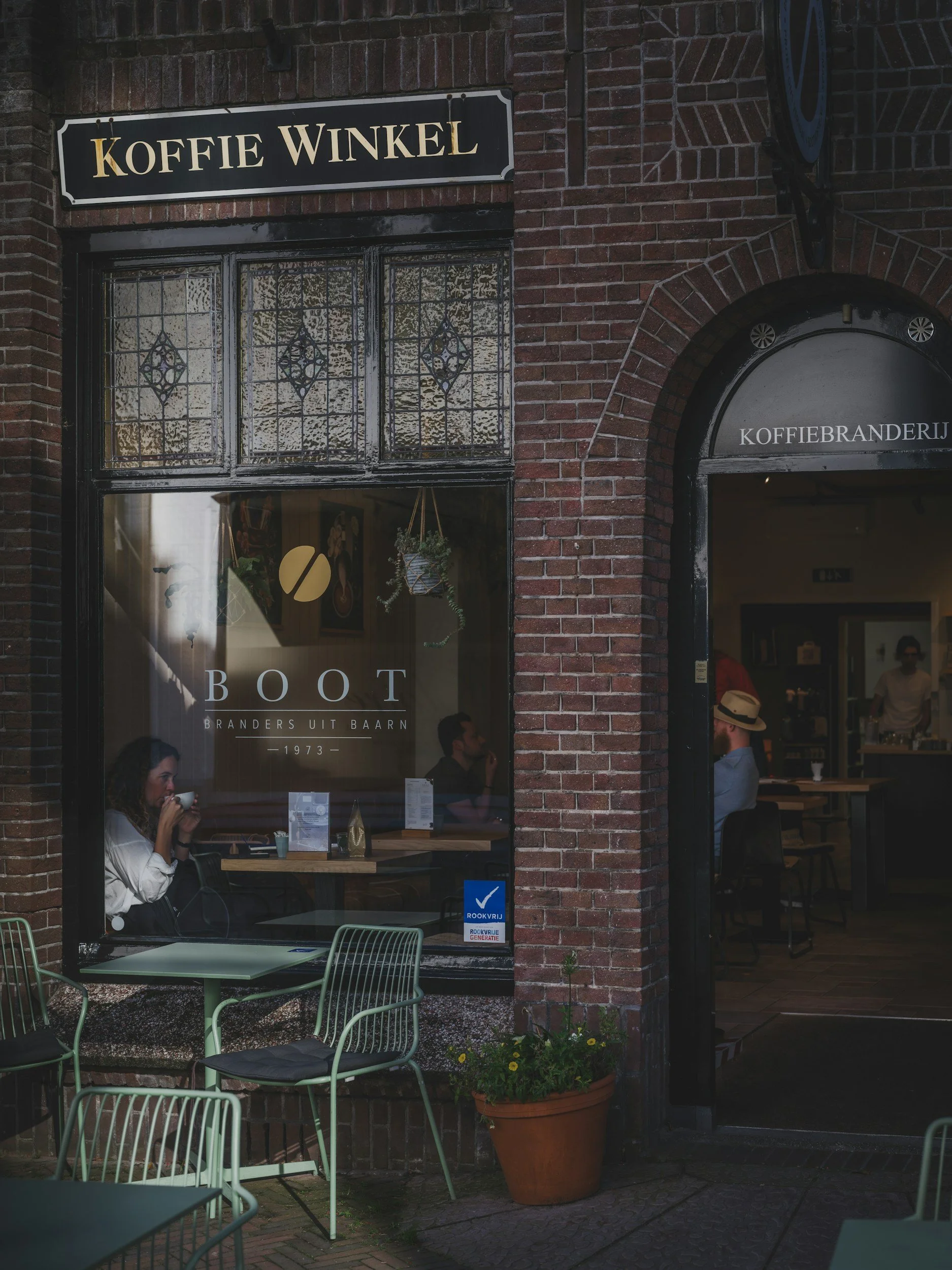
Some of the calmest places in Europe are also the least accommodating, and that’s usually the reason they feel the way they do.
Nothing bends very much when you arrive. Shops open when they always have. Lunch happens at the same time it did yesterday. If something is closed, it’s just closed. You’re not being catered to, and no one seems particularly concerned about that.
At first, that can feel slightly awkward. You realise you’re the one who has to adjust. You wait. You come back later. You pay attention instead of expecting instructions. But once that shift happens, the place starts to make more sense.
Market towns work like this almost without trying. There’s already a rhythm in place. The market day arrives when it arrives. If you happen to be there, it becomes part of your stay. If you miss it, nothing compensates for that. The town doesn’t fill the gap. It just continues.
Cabourg in Normandy has the same quality. It’s by the sea, but it doesn’t feel like it’s built around arrivals or short visits. People live there properly. They have routines that don’t change much depending on who’s passing through. You notice it in small ways, in how the days unfold and how little effort the town makes to hold your attention.
That’s why places like this tend to feel calmer than destinations designed around constant turnover. They’re not trying to keep you engaged. They’re just getting on with things, and you’re allowed to join in quietly, rather than being managed.
Why “beautiful” doesn’t always mean restful
Some of the most visually striking places in Europe are also the ones people leave feeling oddly tired.
It’s not only about crowds. Even when a place is relatively quiet, it can still feel demanding. There’s often an unspoken instruction attached to it. Look here. Take this in. Don’t miss that angle. Move through it in the right order. Beauty becomes something you’re meant to engage with constantly, rather than something that simply exists around you.
After a while, that kind of attention adds up. You’re always slightly switched on, even when you’re sitting still.
Places shaped by use rather than display tend to feel different. Routes that were walked because they connected one place to another. Gardens that were tended because people spent time there, not because they were meant to impress anyone passing through. These spaces don’t ask much of you. They work whether you’re paying attention or not.
Europe’s historic horticulture trails are a good example. They weren’t created as highlights or experiences. They were part of everyday movement through the landscape. Walking them doesn’t feel like an activity you’re doing on purpose. It feels more like time moving at a normal, unhurried pace, with nothing asking to be documented or justified.
Regions that stay calm because they never became “destinations”
Some regions never fully turned into travel products, and you can feel it almost immediately when you arrive.
There’s no single centre pulling everyone in. No obvious route you’re meant to follow. No sense that the place has been simplified or condensed for short visits. Instead, life is spread out. Towns connect loosely. Days don’t build toward a highlight.
Inland regions often work like this. So do secondary coastlines, where the sea is part of everyday life rather than the reason everything exists. These places can absorb visitors without tipping out of balance, because they were never organised around them in the first place. Tourism didn’t replace daily life. It just settled in alongside it.
That’s usually why they feel calmer. Not because nothing is happening, but because nothing is being performed.
You notice it in small, practical ways. Shops close when they close, even if it’s inconvenient. Restaurants don’t stretch their hours to catch one more sitting. Evenings stay quiet because that’s how evenings normally are. The place doesn’t rearrange itself just because it’s being visited.
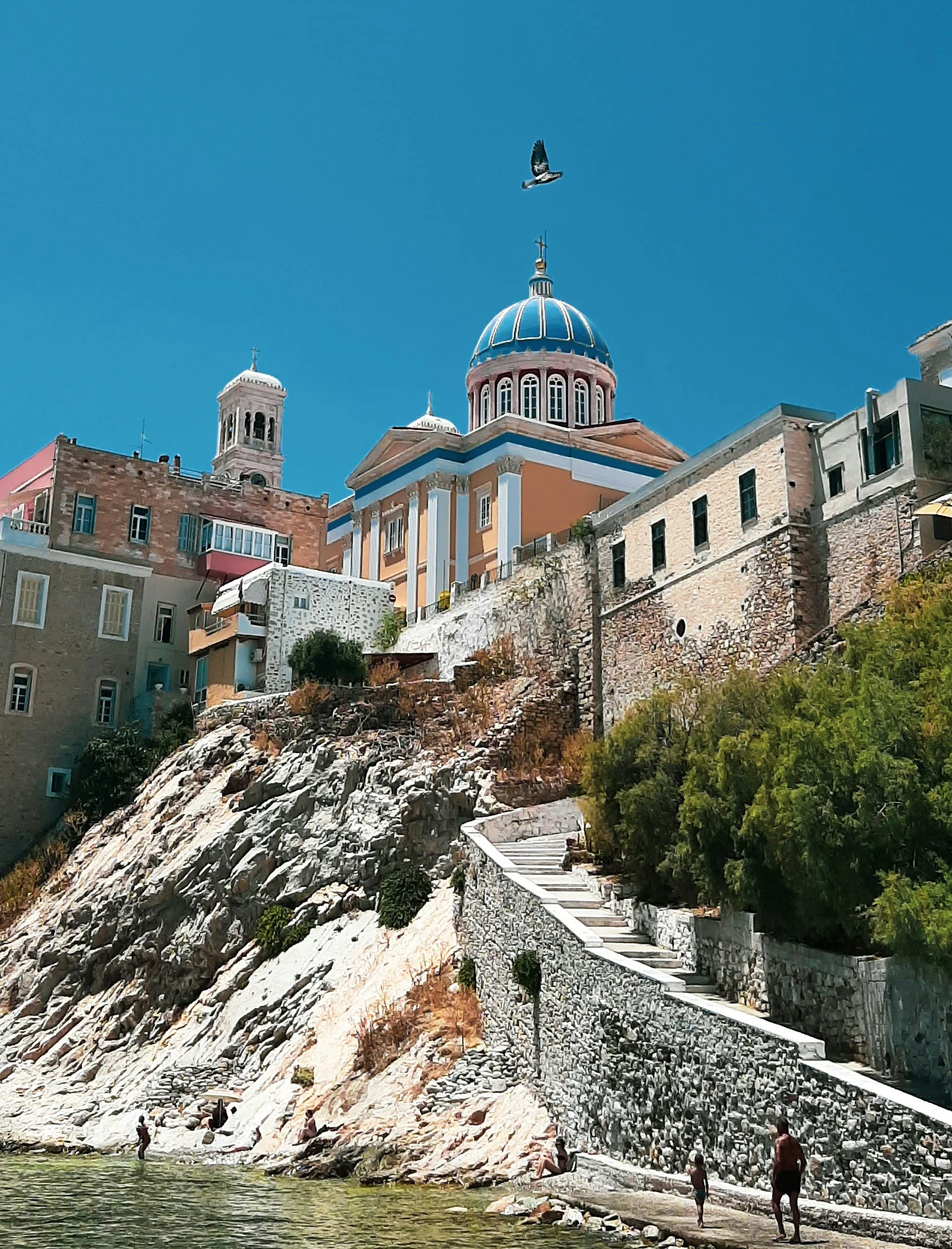
Greek islands are often misunderstood here. They’re usually framed as either lively or postcard-perfect, with very little space in between. But beyond the familiar names, there are islands where life continues largely on its own terms. People work, rest, and socialise in patterns that don’t shift much depending on the season. Visitors are present, but they’re not the reason things happen.
In those places, the island itself isn’t the experience. There’s no pressure to “do” it properly. You’re not moving from one moment to the next. You’re just there, fitting into whatever the day already holds. They’re just places where people live, and where visitors are allowed to pass through without changing much at all.
This is exactly the lens behind the guide to quieter Greek islands, which focuses on islands shaped by everyday routines rather than arrival schedules or expectations.
How to travel without turning it into a project
Most trips don’t become tiring because of where you go. They become tiring because you keep managing them.
You arrive and immediately start tracking time. When to leave. What to fit in. Whether staying longer means you’re missing something else. Even on a relaxed trip, there’s often a low-level sense that the day needs to justify itself.
Quiet travel usually starts when you stop doing that.
Staying in one place helps, not because it’s a rule, but because it removes decisions. You don’t wake up thinking about logistics. You don’t pack and repack. You don’t keep resetting yourself. You just wake up where you already are.
It also helps to stay long enough for the place to stop feeling new. The first day is usually about orientation. The second is still slightly alert. Somewhere after that, you stop paying attention in the same way. You take the same walk again without questioning it. You sit somewhere longer than planned. You realise you’re not really keeping track anymore.
That’s usually when things loosen.
The moment you stop trying to make the trip productive, places change. Or maybe you do. You stop scanning streets for something better. You stop thinking in terms of “use of time”. Hours pass without being accounted for, and nothing feels wrong because of it.
That’s when travel stops feeling like something you’re running, and starts feeling like somewhere you’re simply staying for a while.
Who this kind of travel actually works for
This way of traveling isn’t going to suit everyone, and that’s fine.
If you enjoy full days, lots of variety, and the feeling of moving on all the time, these places might feel a bit slow. You could end up wondering what you’re meant to be doing, or whether you’ve chosen the wrong place.
But if you’ve ever come home from a trip feeling more tired than when you left, this approach usually makes sense pretty quickly.
It tends to work for people who are a bit done with planning every detail, timing their days around highlights, and constantly thinking about what comes next. If you like the idea of days that don’t need much structure, and places that don’t mind if you repeat the same walk or café a few times.
There are still plenty of places in Europe where nothing much is expected of you. The only real shift is letting go of the idea that a place has to keep you busy to be worth being there.
FAQs About Quiet Travel in Europe
Where can I go in Europe if I don’t like sightseeing?
Look for towns and regions shaped by daily life rather than attractions. Market towns, inland areas, and places with slower transport connections tend to feel calmer and less demanding.
Are there still quiet places in Europe that aren’t touristy?
Yes. They’re usually places that don’t rely on tourism as their main identity and haven’t been reorganised around short-term visitors.
What are the best European destinations for a calm, slow trip?
Smaller towns, inland regions, and secondary coastlines often work well, especially when there’s no single landmark or must-see experience driving visitor flow.
What makes a place feel calm rather than boring?
Rhythm. When a place functions well without your participation, it’s easier to relax. You’re not expected to fill the day or keep moving for it to feel worthwhile.
How do I avoid crowds when traveling in Europe?
Choose places that take a little longer to reach, stay in one location longer, and avoid destinations built around a single attraction or highlight.
Can coastal destinations in Europe still be quiet in summer?
They can, especially when the town serves a year-round community rather than existing mainly for seasonal visitors.
Is quiet travel better suited for longer stays?
Often, yes. Staying longer allows the place to stop feeling new, which is usually when it starts to feel calmer and more natural.
Are small towns better than big cities for quiet travel?
In many cases, yes. Smaller towns tend to involve fewer decisions, less time pressure, and a slower daily rhythm.
Is it possible to travel in Europe without planning much?
It depends on the destination, but places with strong local routines and fewer attractions usually make low-planning travel much easier.