
Athens isn't just about the Acropolis. Here's where I'd go instead.
Athens isn’t just somewhere you pass through on the way to the islands. Not in spring.
In April, the city shifts in a way that’s easy to miss if you’re only here for the main sights. Bitter orange trees line streets like Ermou and in neighborhoods like Pangrati, and when they bloom, you smell them before you notice anything else. Cafés start pulling tables further out onto the pavement, and people stay longer, especially in the late morning when the light is softer and the city hasn’t heated up yet.
If you’re the kind of traveler who ends up in places like Koukaki or Exarchia rather than circling the Acropolis all day, this is when Athens makes more sense. You spend more time walking between neighborhoods than ticking off landmarks. You stop for coffee without checking where to go next. You sit down somewhere with a notebook or a book and don’t feel like you’re missing anything.
This isn’t about covering the city. It’s about noticing how it feels to be in it between late March and early May, when everything is open, but nothing feels pushed.
If you’re only in Athens for a couple of days and don’t want to waste time figuring it out, this 48-hour Athens guide walks you through what actually works and how to make the most our of your trip.
Best Places for a Slow Morning in Koukaki, Athens
Mornings in Koukaki feel different from the rest of Athens, especially in spring. If you’re out before 9:30, the streets are still quiet, and the light moves slowly between the buildings along Veikou and Dimitrakopoulou.
Around this time, cafés are open but not full. A few tables outside, someone reading, someone on their second coffee already. You’ll notice how people stay longer than you expect.
Takis Bakery (Koukaki)
If you’re staying in Koukaki (which is one of the best areas in the city for independent travelers, by the way) your day should start at Takis Bakery. It’s been family-run since the early ‘60s, and even though it’s just a few streets away from the Acropolis, it doesn’t feel touristy. It gets busy later, but early on it’s mostly locals picking up bread and pastries.
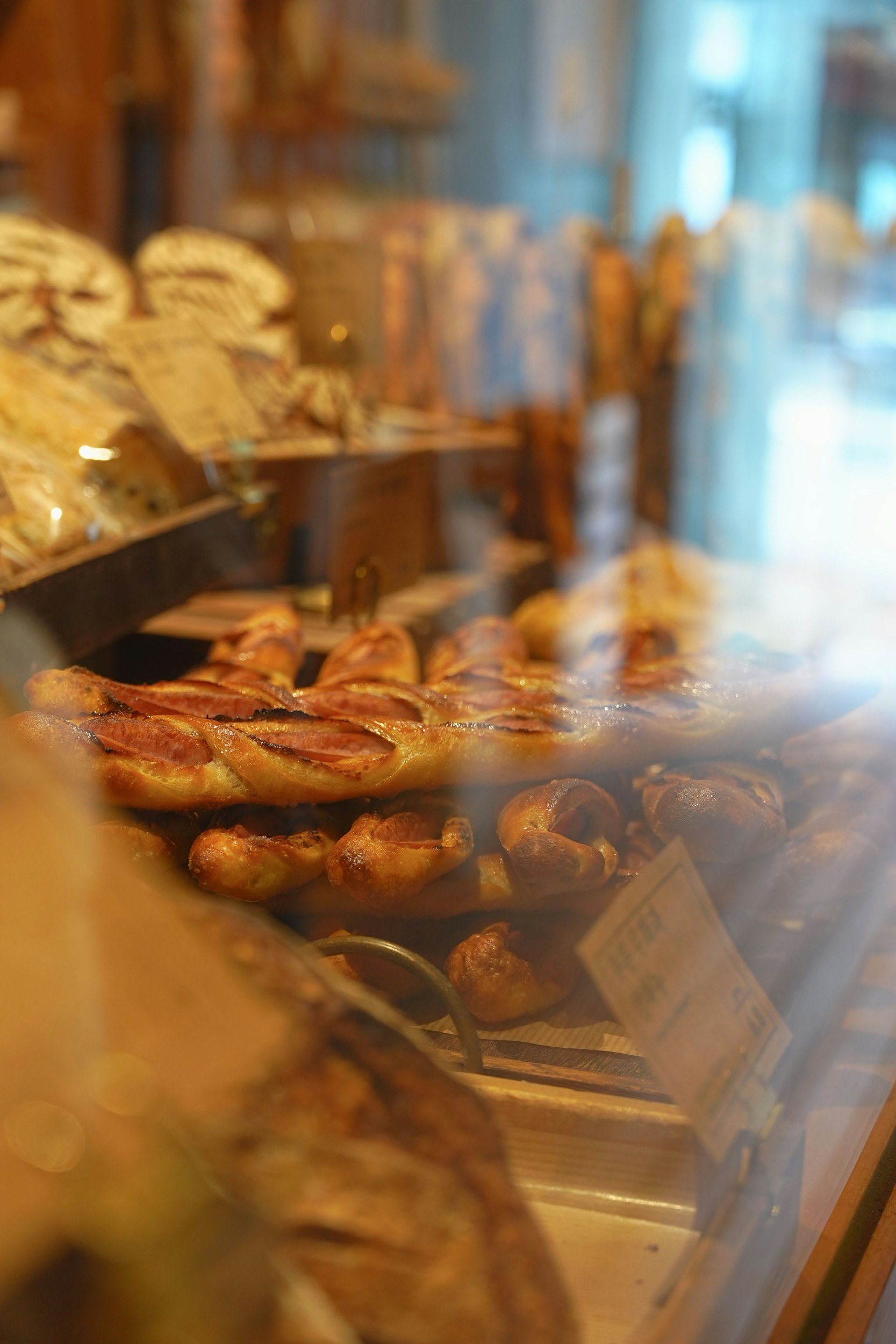
Inside, the shelves are stacked with everything from warm, pillowy koulouri (those round sesame bread rings) to trays of golden spanakopita that practically flake apart when you pick one up. If you’re lucky, the tiropita (cheese pie) will still be warm, with that crispy phyllo and creamy filling… yummy!
There’s also a small selection of sweet stuff - the kind of rustic Greek pastries that aren’t Instagram-pretty, but they’re honest and addictive. Try the bougatsa if you see it: custard wrapped in phyllo and dusted with powdered sugar and cinnamon. A square of that and a cup of strong Greek coffee? You’re set.
There’s no seating, but that’s part of the charm. Grab your breakfast to go, and follow the locals down the quiet back streets toward one of Athens’ most underrated spots.
Take Your Coffee to the National Garden
From Takis Bakery on Misaraliotou, it’s a 10–15 minute walk. Cut up past the Acropolis Museum, cross Syngrou Avenue, then follow Amalias Avenue until you see the gates just opposite the Parliament building. It’s a busy stretch right before you go in, buses, traffic, people moving fast, and then you step through and it drops off almost immediately.
The paths aren’t straight or planned in any obvious way. They curve, split, double back. If you turn left after the entrance and keep walking without trying to figure it out, you’ll end up in a quieter section where there are more benches and fewer people passing through.
You’ll notice small things first. Gravel under your shoes instead of pavement. Sprinklers running in certain corners. Someone feeding the ducks near the pond without making a thing of it. The peacocks are usually somewhere nearby, you hear them before you see them.
In spring, the citrus trees start blooming along the wider paths. You don’t need to look for them. The smell just hits you when you pass through certain sections, especially mid-morning when the air warms up a bit!
Around 9:00 to 10:30 is when it feels right. Not empty, but not busy either. A few joggers doing the same loop, older men sitting on the same benches, people walking dogs slowly like they’ve done it every morning for years.
If you’ve picked something up from Takis, this is where it makes sense to eat it. Sit down, take your time, and don’t think about where to go next. Just enjoy the greek atmosphere.
If you’re traveling alone and thinking about what comes after Athens, this solo guide to the Greek islands breaks down what it’s really like to move between them without overcomplicating things.
Creative Neighborhoods in Athens: Exploring Psiri & Metaxourgeio
Athens isn’t a city that smooths itself out for visitors. You notice that pretty quickly once you move a few streets away from the Acropolis.
Walk from Monastiraki towards Psiri, crossing Ermou and heading into streets like Karaiskaki or Miaouli, and the shift is immediate. The shopfronts change, the streets narrow, and you start seeing layers of graffiti that cover entire buildings rather than just corners. Some of it feels temporary, some of it clearly isn’t.
Psiri moves in pockets. Around Iroon Square, it’s louder, bars open early, tables spill out, people coming and going. Walk two streets away, down something like Sarri or Pittaki Street, and it quiets down again. Pittaki is worth passing through just to see the hanging lights strung across the alley, even during the day when they’re off.
Psiri in the Morning: Quiet Streets Before Everything Opens
Go mid-morning. Not early enough that everything’s closed, but before it flips into its usual pace. Around 9:30, maybe closer to 10.
Start near Monastiraki and walk in without overthinking it. Cross Ermou, pass a few souvenir shops still half-opening, then turn into Psiri and it changes quickly. The noise drops a bit. Metal shutters are still down on most of the bars around Iroon Square, chairs stacked, last night still hanging in the air.
Walk down Miaouli or cut across Karaiskaki. It doesn’t really matter which direction you take, the point is to not decide too much. Some streets feel almost empty, then suddenly there’s a bakery open, someone unloading crates, a guy standing outside smoking like he’s been there for a while.
The walls pull your attention more than anything else. Not one mural you stop for, but layers. Old posters peeling off, tags written over older tags, colours that don’t match anything around them. You slow down without meaning to, just looking.
Turn into Pittaki Street at some point. Even during the day, when the hanging lights aren’t on, it still feels slightly different. Narrow, a bit darker, wires and lamps overhead that don’t make much sense until you stop and look up.
You’ll pass small places that don’t try to bring you in. A leather shop with belts hanging outside, a record store with the door open but no music playing loud enough to spill out. You either go in or you don’t. No one’s watching.
Then you almost miss it.
A wooden door on Normanou Street, easy to walk past if you’re not paying attention. Push it open anyway.
Inside is The Art Foundation (T.A.F.), and it feels like stepping out of the street entirely. A courtyard, uneven stone, trees pushing up between columns, tables scattered without any real order.
Sit down. Order a freddo cappuccino. You’ll hear a few conversations, cups moving, someone walking through the back rooms. Nothing loud enough to pull you out of it.
You might wander into the small rooms behind the courtyard. There’s usually something on, photos, installations, whatever’s there at the time. Then back out again, same seat, same coffee.
Metaxourgeio in the Late Afternoon: Slower Streets, Fewer People
When you’re ready to leave Psiri, Metaxourgeio is close. One stop on the red line, or a longer walk if you feel like watching the city shift as you go.
If you walk, you’ll pass through Omonia and into Kerameikos. It’s not the version of Athens people usually talk about. More worn, more uneven. Closed shopfronts next to newer places, traffic that doesn’t slow down, people moving through rather than lingering.
If you’re on your own, the metro is easier. Get off at Metaxourgeio station and take the exit towards Karaiskaki Square, then walk straight down Achilleos before cutting across towards Avdi Square.
At first, it can feel like nothing is happening. Wide streets, not much to orient yourself around.
Give it a few minutes.
Walk past Avdi Square instead of stopping there. Head down Leonidou or cut across to Kerameikou. That’s where things start to shift. A bookstore with the door open but no sign outside. A small café where people are already on their second coffee, sitting without moving on.
If you pass Blue Parrot on Leonidou earlier in the evening, around 17:30–18:30, it’s still quiet enough to sit outside without it turning into a full bar scene. Order something simple, coffee or a glass of wine, and just watch how slowly the street fills in.
A few minutes further down, you might notice a smaller spot like This is Loco. Easy to miss, a couple of tables outside, usually people sitting with laptops or journals. It’s the kind of place where you go in for one coffee and end up staying longer without planning to.
You’ll notice the graffiti here is different. Less decorative, more direct. Layers of text, political slogans, older tags that haven’t been painted over. It feels like people are speaking to each other through the walls.
Some of the more interesting places don’t look like anything from the outside. A door slightly open, light upstairs, voices coming from inside. Sometimes it’s an exhibition, sometimes a studio, sometimes nothing you can clearly place.
If you want something more defined, look up Victoria Square Project before you go. It’s a bit further out, closer to Victoria Square, but worth the walk or a short taxi. The space changes depending on what’s happening, exhibitions, talks, small events. If you go around 18:00–19:00, you’ll often catch people arriving without it feeling like an event yet.
Most people go straight to the obvious islands in Greecce. These quieter Greek islands feel completely different, slower, less crowded, and much easier to actually enjoy.
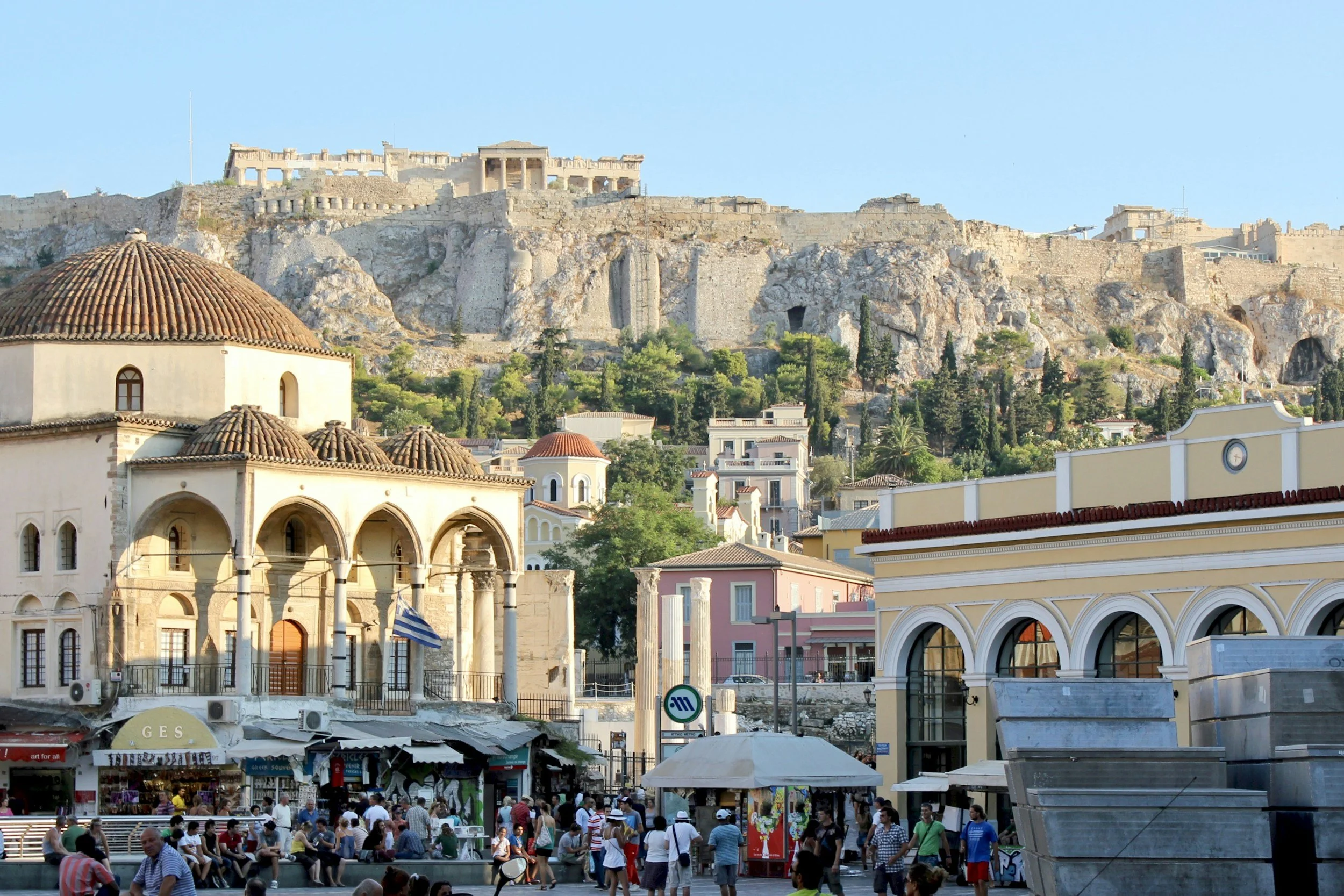
Explore Psiri and Metaxourgeio
It’s worth knowing what you’re walking into here.
These aren’t the parts of Athens that feel tidy or easy to figure out. Pavements are uneven. You’ll show up somewhere that says it’s open and find the door closed. A gallery you planned to see might just not be there anymore, or only open when someone feels like it.
In Psiri, one street can feel busy, then you turn a corner and it’s quiet again with shutters still down. In Metaxourgeio, you might walk for ten minutes wondering if anything’s happening, then suddenly land somewhere where people have clearly been sitting for hours.
Plans don’t always work here, so it’s easier not to rely on them too much. If something’s closed, keep walking. If a street looks interesting, follow it. If not, turn around.
A lot of places don’t announce themselves. No big signs, no obvious entrance. Sometimes it’s just a door slightly open, or voices coming from inside.
That’s really the difference.
If you want everything to run smoothly and make sense straight away, it can feel a bit frustrating.
If you’re okay with things not quite lining up, and you don’t mind figuring it out as you go, these are the parts of Athens that you’ll appreciate.
Best Rooftop Views & Wine Bars in Athens
Let’s say it straight: not every rooftop needs a DJ and €14 cocktails. And not every wine bar needs to be a “scene.” If you're the kind of person who prefers a view you can actually enjoy (with space to think, talk, or just sit quietly for a while). Athens has a few places that deliver. Especially in spring, when the air stays soft into the evening and the city lights feel like part of the skyline.
Here’s where to go when you want a glass of wine, a decent view, and the big city vibe.
Couleur Locale: Casual Rooftop with a Real View
Couleur Locale is one of those places you find once and keep coming back to. It’s tucked behind Monastiraki Square, and from the street, it looks like absolutely nothing. You take an elevator up through what feels like an office building, then boom - there’s the Acropolis, right in front of you.
It’s not fancy. Think simple chairs, chill music, and tables that fill up around golden hour. The staff doesn’t hover, and you can order just a drink without feeling rushed. There’s a solid list of Greek wines and a short food menu (mostly meze and light bites). If you’re solo, it’s totally comfortable to just grab a drink and take in the view. No one will care that you’re not taking selfies every five minutes.
When to go: Just before sunset for golden light and fewer people. It gets busier later, but it’s rarely rowdy. Spring evenings are especially good - not too hot, no jackets needed.
Materia Prima: Natural Wines and Quiet Company
If you like wine and quiet conversation (or no conversation at all) Materia Prima is your spot. There are two locations (one in Koukaki, one in Pangrati), and both have that calm, slightly bookish energy. It’s the kind of bar where the staff is more likely to talk to you about grape varietals than push the latest cocktail trend.
They specialize in natural and biodynamic Greek wines, and there’s always something interesting on the list, stuff from small producers you probably won’t find outside the country. The pours are generous, and the vibe is relaxed. You can ask for a recommendation, or just say what kind of thing you’re in the mood for (fruity? dry? earthy?), and they’ll walk you through a few options without making it feel like a quiz.
Sometimes they host poetry nights, DJ sets (think ambient, not club), or small art installations. It’s usually posted on their Instagram, or you can just ask when you stop by.
Tip: Go earlier in the evening (before 9pm) if you want a table and a quieter setting.
Heteroclito: Sidewalk Wine and Easy Atmosphere
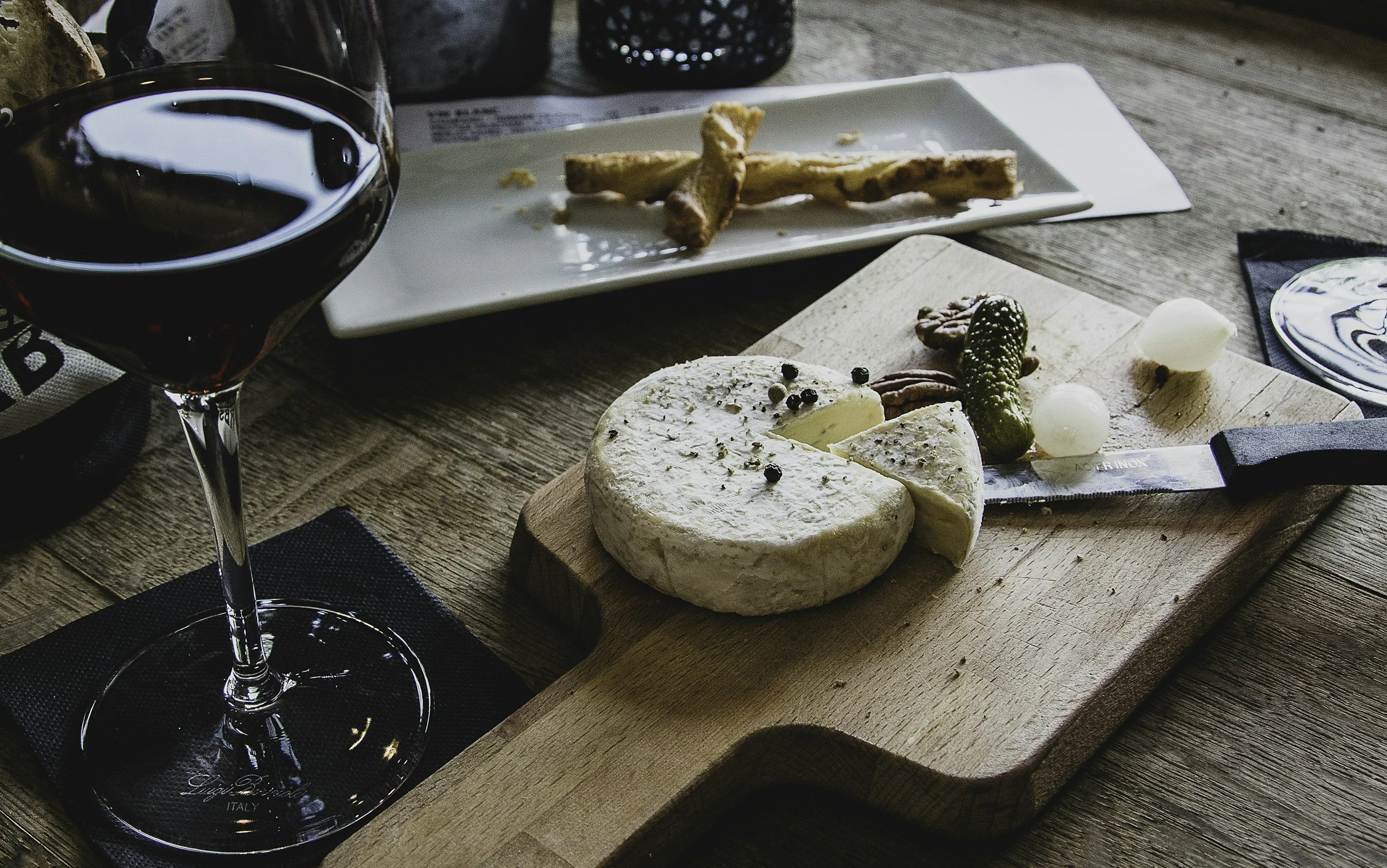
Tucked away near Syntagma, Heteroclito Cave & Bar à Vin is a small sidewalk wine bar with just the right amount of buzz. It’s not trendy. It’s not expensive. It’s just a good, solid spot for people who want to sit down with a glass of something good and relax for an hour or two.
The wine list focuses on Greek natural wines, and they serve them by the glass, which is great if you’re on your own or just want to try something without committing to a bottle. The owner is super friendly, always happy to chat if you’re curious - or leave you alone if you’re clearly in “quiet mode.”
There are a few small plates if you’re hungry (olives, cheese, that sort of thing), but mostly it’s about the wine and the street. People come here after work, before dinner, or sometimes just to sit for a bit with a book.
Good for: Solo evenings. People watching. Good wine.
They’re all places where you can actually hear the person next to you. Or not talk at all. You won’t need reservations, you won’t be underdressed, and no one’s going to give you side-eye for ordering one drink and just soaking it all in.
These aren’t “hidden gems” (they’re not secrets), but they both are and feel unbothered. And that’s rare enough to be worth seeking out.
Where to Sit Alone in Athens (Without Feeling Out of Place)
At some point in Athens, you’ll want somewhere to sit that isn’t tied to a plan.
Not another café on a busy street where people are moving in and out every few minutes, and not a square where you feel like you’re in the way if you stay too long. Just somewhere you can stop for a bit and not think about what’s next.
Athens is actually easier for this than it first seems, but it depends on where you are.
In places like Koukaki, you can take a coffee and walk a few minutes into the National Garden, find a bench under the trees, and sit there for as long as you like without anyone paying attention. In Pangrati, you’ll see people doing the same thing around the edges of Alsos Pangratiou, sitting with a book or just watching the path in front of them.
Even in the centre, it works if you move slightly off the main streets. Around Filopappou Hill, for example, there are quieter spots facing back towards the city where people sit on the rocks or low walls without it feeling like a “viewpoint.”
What stands out is how normal it feels to be on your own in these places. You’re not expected to keep ordering, and no one’s watching how long you stay.
Little Tree Books & Coffee (Koukaki)
If you only go to one café during your trip, make it this one. Little Tree Books & Coffee feels like it was designed for solo travelers. It’s cozy, warm, and filled with shelves of well-picked books: both Greek and international titles, including some in English. The coffee’s great, the staff are kind, and the homemade cakes are worth staying for.
The vibe is quiet but not too quiet. You’ll see people working on laptops, couples whispering over tea, and the occasional writer typing away. Outside, a few tables face the Acropolis if you catch the right seat. Inside, it’s all soft lighting, wood floors, and that calm bookstore energy that makes you want to stay longer than you planned.
It’s also one of the few spots in Athens where it’s totally normal to hang out solo for a while. No one will bother you or make you feel like you have to leave once your coffee’s gone.
Best for: Reading, journaling, rainy mornings, introvert-friendly hangs.
Numismatic Museum Garden Café (Syntagma)
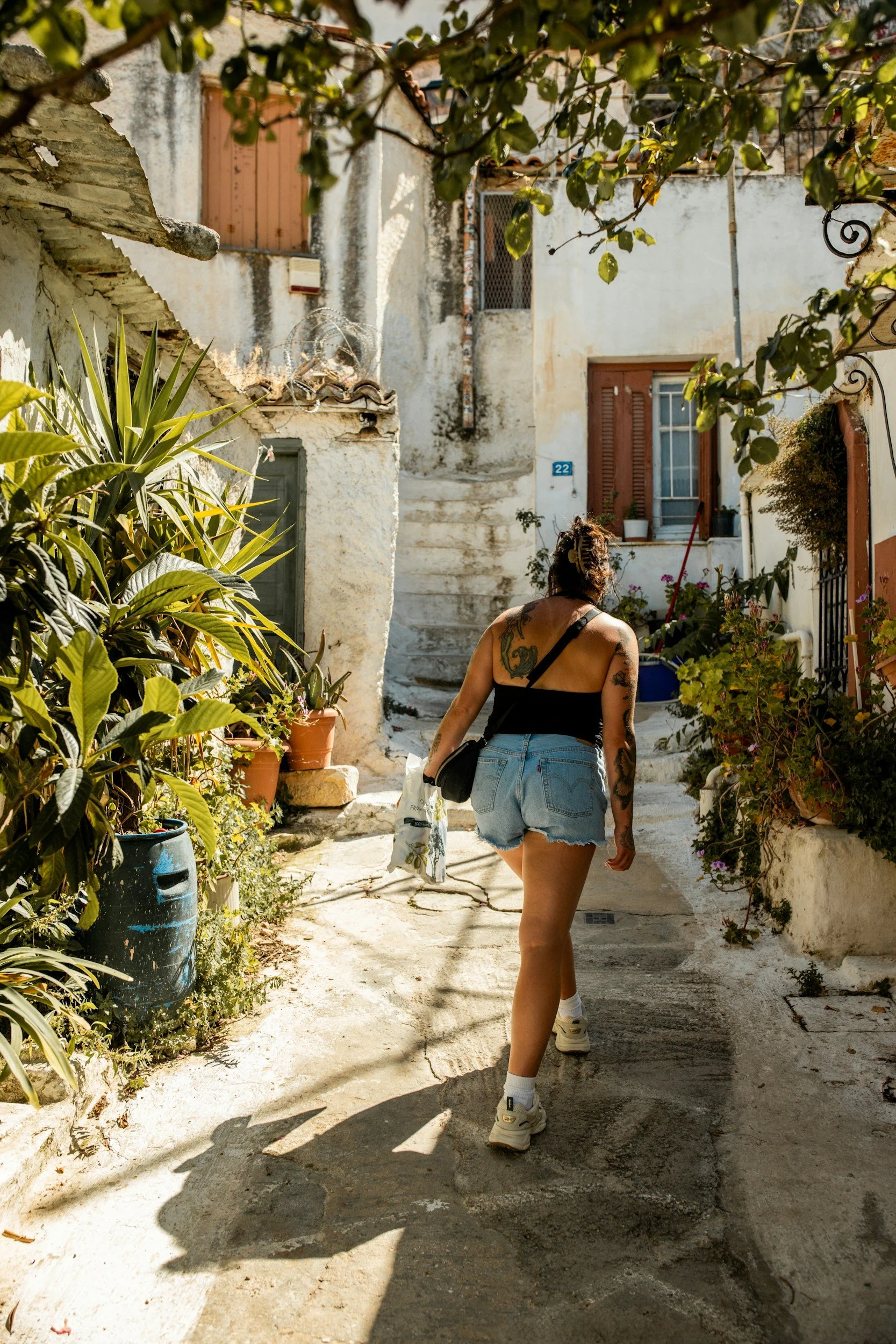
This place is one of Athens’ best-kept peaceful spots - and most people walk right past it. Hidden behind the Numismatic Museum (yep, the coin museum), this garden café is open to everyone: you don’t need a ticket to enter, just walk through the gate and you’re in.
The café sits in a lush courtyard filled with plants, marble sculptures, and wrought-iron tables. It’s quiet, central, and somehow never too busy. Even though it’s just off Panepistimiou Street (one of the city’s main roads) it feels miles away from the traffic.
Service is slow in the best way. You can sit here with a book or a glass of wine and completely forget you're in the middle of downtown Athens. There’s usually soft music playing, birds overhead, and the occasional clink of coffee cups from a nearby table.
Best for: Midday breaks, peaceful writing time, escaping the city buzz without going far.
Strefi Hill: For Solo Sunset Watching
Strefi Hill is the kind of place you hear about from someone who lives in Athens, not from a travel guide. It’s not as famous as nearby Lycabettus Hill, and that’s a good thing. It’s quieter, more laid-back, and way more local.
You’ll find it just north of Exarchia, and while the walk up can feel a bit scruffy (especially around the edges of the neighborhood), the views from the top are seriously worth it - especially at sunset. Students, young artists, and neighbors come up here with snacks and beers to watch the light fade over the city. It’s a mix of conversations, music on phone speakers, and moments of calm.
Bring your own drink, maybe something from a local bakery, and settle in on the rocks or one of the benches. Relax and enjoy!
Safety note: It’s fine in the late afternoon or early evening, but if you're solo and it's your first time in the area, head down before it gets too dark.
Benaki Museum Café (Kolonaki)
The Benaki Museum itself is fantastic if you’re into art and history, but even if you skip the exhibitions, the upstairs café is worth visiting. It has a quiet indoor section and a breezy rooftop terrace with big city views - not of the Acropolis, but of modern Athens spread out below.
It’s a great place to take a break, especially after walking through the elegant (but steep) streets of Kolonaki. The terrace usually has space, the drinks are reasonably priced, and it’s one of those rare spots where you can sit for over an hour and just enjoy the view.
Best for: Low-key rooftop time, writing with a view, cooling off after museum hopping.
Where to Stay in Athens for a Quiet, Local Experience
Finding the right place to stay in Athens can really shape how your trip feels - especially if you're traveling solo or prefer to keep things calm and low-key. If you want walkable neighborhoods, small guesthouses, and places where you won’t be kept up by late-night crowds, skip the busy hotel zones and consider these neighborhoods instead.
These areas are central enough to reach everything easily, but still have that lived-in feel. And the best part? You can walk out your door and head straight to a bakery, café, or quiet park without bumping into tour groups.
Koukaki: Quiet, Walkable, and Full of Character
If you’re looking for the best area to stay in Athens for solo travelers, it’s hard to beat Koukaki. It’s residential but central: just a short walk from the Acropolis, the National Museum of Contemporary Art, and the Filopappou Hill paths. But unlike nearby Plaka, it’s not packed with souvenir shops or tour buses.
Streets are tree-lined and calm. You’ll find indie bookstores, neighborhood bakeries (hi, Takis), casual wine bars, and plenty of spots to sit with a coffee and just watch life go by. It’s the kind of place where you can feel at home, even if it’s your first time in the city.
Where to Stay in Koukaki
Coco-Mat Athens BC sits right by the Acropolis Museum, but once you’re inside, it feels surprisingly quiet. The rooms are simple, lots of natural materials, and the rooftop is where you’ll probably end up in the evening. There’s a pool, and the view across to the Acropolis is exactly what you’d want after a long day walking.
A few minutes away, NLH Fix is more straightforward. It’s right next to Syngrou-Fix metro, which makes getting around easy, especially if you’re arriving from the airport. Rooms are modern, comfortable, nothing overdone. It’s the kind of place you choose when you want everything to just work without thinking about it.
If you’re booking an apartment, focus on the streets rather than the listing. Veikou is a good anchor, and Drakou is one of the nicest streets to stay near, cafés, a bit of movement during the day, but still quiet at night. Even a street or two behind them can feel noticeably calmer, which makes a difference if you’re staying a few nights.
Exarchia: Creative, Real, and Surprisingly Chill
Exarchia has a bit of a reputation (anarchist stronghold, protest central), but don’t let that put you off. It’s actually one of the most interesting areas to stay in Athens for travelers - especially if you like bookstores, art, and staying somewhere that doesn’t feel like a theme park version of the city.
Yes, it has political graffiti and edge: but it also has tree-filled squares, vintage shops, and some of the best cafes and tavernas in Athens. And unlike more touristy areas, the pace is slower. People sit, talk, read. There’s a sense of community that’s easy to feel part of, even if you’re just passing through.
Dryades Hotel sits higher up, closer to Strefi Hill, which already makes it feel a bit removed from the busier streets below. The walk up is slightly steep, but once you’re there it’s quieter, with balconies looking out over the city and the hill just behind you if you want a quick evening walk. It feels more like staying in someone’s neighbourhood than in a central district.
Closer to the centre, Selina Theatrou is more social, with shared spaces, events, and people coming and going throughout the day. It works if you want a bit of energy around you, but still something more relaxed than a typical hostel. The location also makes it easy to walk towards Psiri or Omonia without thinking too much about directions.
If you’re booking an apartment, look around Navarinou Park and the surrounding streets like Valtetsiou or Kallidromiou. During the day, there’s a steady local vibe, cafés open, people sitting outside, small shops running as usual. In the evening, it changes slightly, more people out, more movement, but still manageable if you’re a couple of streets away from the busiest corners.
Pangrati: Local, Underrated, and Close to Everything
If you want to stay somewhere that feels more “everyday Athens” (in a good way) Pangrati is worth considering. It’s a little southeast of the center, and still mostly residential, but full of small bakeries, independent coffee shops, and late-night bookstores.
You won’t find major sights here, but you’re within walking distance of the Panathenaic Stadium, the National Garden, and the Benaki Museum. The neighborhood feels authentic without being chaotic, and it’s a great choice if you like quiet nights and morning walks.
Athens Green Apartments sits in a quieter pocket, a few minutes from Alsos Pangratiou. It’s the kind of place where mornings start slowly. You step outside, walk past the park, and you’re already in a part of the city where people are sitting with coffee rather than rushing somewhere.
Urban Frame Hotel is more central and a bit more “polished”, but still close enough to Pangrati to feel part of it. It works well if you want something straightforward after long days out, good sleep, no noise, and an easy start in the morning without needing to think about logistics.
If you’re booking an apartment, focus on the area around Varnava Square or along streets like Empedokleous and Archimidous. During the day, it’s steady but not crowded. In the evening, people come out for dinner, sit outside longer, and the whole area feels lived-in rather than visited.
A few accommodation tips for mindful travelers
Avoid staying in Monastiraki or Plaka if you’re sensitive to noise. They’re beautiful, but very busy - especially at night.
Look for listings that mention balconies, courtyards, or terraces. Even a small outdoor space makes a big difference if you’re staying a few days.
Don’t worry about being too central. The Athens metro is cheap and easy to use, and many of the best neighborhoods are just a 10-minute ride from major sights.
Smaller hotels or family-run guesthouses tend to be more relaxed. You’ll often get better sleep, better tips, and a better feel for the local rhythm.
Where to Eat and Slow Down in Athens: Cafés, Long Lunches and Local Spots
Athens is easy to eat well in, but where you sit makes a big difference.
If you stay around the obvious places, everything feels a bit rushed. Menus in five languages, tables turning quickly, people moving in and out all the time. Walk ten minutes out, though, into Pangrati, Koukaki, even parts of Exarchia, and it changes. You’ll notice it straight away. Fewer menus on display, more people already sitting, less of a push to order.
Mornings usually start slow. Not just a quick coffee and go. People sit with a freddo espresso or cappuccino, maybe something small to eat, and stay longer than you expect. In Koukaki, along Drakou or the side streets off Veikou, you’ll see the same tables filled for an hour or more, laptops open, notebooks out, or just people watching the street without doing much else.
By midday, things stretch rather than pick up. Lunch isn’t rushed. If you sit down somewhere in Pangrati near Varnava Square, you’ll notice how meals arrive in their own time. A few small plates, bread, something to drink, and no one checking if you’re finished. People lean back, talk, stay.
Dinner is similar, just later. Around 20:30–21:30, places start filling slowly. In areas like Exarchia, you might walk past a place that looks closed, then realise people are already sitting inside, lights low, conversations carrying out onto the street.
The food itself is simple in a good way. Grilled vegetables, fresh salads, seafood, things that don’t need explaining. What stands out more is how it’s served and how long you’re allowed to stay with it.
Ama Lachei (Exarchia)
Ama Lachei sits on a quiet corner just off Kallidromiou, in what used to be a school building. If you’re walking there from Exarchia Square, you’ll probably pass it once without noticing, there’s no big sign, just a gate and a courtyard behind it.
Go for lunch if you want it quieter, especially around 13:30–15:00. In the evening it fills up slowly, but it never turns into a rushed place.
The garden is what makes it. Tables spread out under trees, a bit uneven, chairs that don’t quite match. It feels more like someone’s yard than a restaurant. You’ll see groups sharing plates, but sitting alone doesn’t feel out of place at all. People stay, talk, order another glass without looking at the menu again.
The food comes in small dishes, so you can order a couple and take your time. Baked feta is almost always on, usually served warm with honey or herbs. If there’s a chickpea dish that day, it’s worth getting. Bread comes automatically, and you’ll end up using it for everything without thinking about it.
Service isn’t quick, but that’s part of it. You’re not expected to move on, and no one is watching how long you’ve been there.
If you go early evening, around 19:00–20:00, you’ll notice the place filling up without it ever feeling busy. Conversations stay low, plates come and go, and you can sit there for a long time without needing to do anything else.
In case you want a break from cafés and cities altogether, this Menalon Trail guide is one of the easiest ways to experience a quieter, more rural side of Greece.
To Lokali (Psiri)
To Lokali sits just off the busier part of Psiri, on a quieter side street where things slow down a bit. If you’re coming from Monastiraki, it’s a short walk in, but it already feels removed from the main flow of people moving between bars and shops.
The courtyard is what you’re here for. Open, a bit spread out, with tables that don’t feel packed together. In spring, especially around 19:30–21:00, it’s one of those places where the light hangs on a little longer and people settle in rather than moving on quickly.
The menu leans modern, but it still feels rooted in what you expect from a taverna. Dishes come out when they’re ready, meant to be shared or picked at slowly. Fava with pickled onions, grilled chicken with herbs, seasonal vegetables that change depending on what’s available.
It’s a good place if you want something that feels slightly more put together without losing that relaxed pace. You’ll see a mix of people, small groups, couples, a few solo diners, all staying longer than planned.
Service stays in the background. You order, food arrives, and then you’re left alone to sit, talk, or just stay there for a while without being interrupted.
Riza Riza (Koukaki)
Riza Riza sits on Falirou, a street you’ll probably pass more than once if you’re staying in Koukaki. It doesn’t stand out much at first, which is part of the reason people keep coming back.
It works at almost any time of day. Late morning, you’ll see people with coffee and laptops, or just sitting without doing much. Early afternoon, it shifts into a place for a light lunch, salads, sandwiches, something simple that doesn’t slow you down too much. Then in the evening, it turns slightly more into a bar, but still keeps that same easy pace.
If you sit outside, you’re close enough to watch the street without feeling like you’re in the middle of it. Tables aren’t packed together, and no one’s rushing to free them up. You can order one thing and stay for a while without it feeling awkward.
Food is straightforward. A sandwich, a salad, something small to go with your drink. It’s not the kind of place you plan your day around, but it’s exactly the kind of place you end up staying longer than expected once you sit down.
If you go mid-morning, around 10:30–12:00, it’s at its best. Busy enough to feel lived-in, but still calm enough to just sit and let time pass a bit.
Museums and Cultural Stops
Culturally, Athens works in a similar way.
If you go early, places like the Benaki Museum or the Museum of Cycladic Art feel completely different from the middle of the day. Around opening time, you can walk through slowly without adjusting your pace to anyone else. You stop where you want, sit when you feel like it, and take it in properly.
The same goes for smaller galleries. You’ll find them scattered through neighbourhoods like Metaxourgeio or tucked into streets you wouldn’t plan to visit. Some are barely marked, a door, a small sign, maybe a light on upstairs. You go in, look around, leave when you’re done. No pressure to follow a route or spend a set amount of time.
That’s really what ties the food and cultural side of Athens together.
You’re not moving from one “must-do” to the next. You’re sitting, walking, stopping, and letting things take a bit longer than planned.
And after a couple of days, that starts to feel like the better way to experience the city.
Benaki Museum – Pireos Annex
Skip the main building on Vasilissis Sofias for a bit and head to the Pireos Annex instead. It sits out on Pireos Street, about a 10–15 minute walk from Kerameikos, and feels completely different from the more traditional museum spaces in the centre.
The building itself is open and stripped back. High ceilings, wide rooms, lots of space between things. You’re not moving in a fixed direction, you just walk, stop, double back if something catches your attention.
Exhibitions change regularly, but they tend to lean towards contemporary work, photography, installations, things that take a bit longer to take in. It’s not a place you rush through. Around late morning or early afternoon, it’s usually quiet enough that you can move at your own pace without adjusting to anyone else.
What stands out is how calm it feels inside compared to the street outside. Pireos is busy, a constant flow of traffic, then you walk in and it drops away.
If you head up to the café after, it’s a good place to stay for a while. It’s rarely crowded, even on weekends, and you’ll see people sitting alone with a notebook or just looking out over the city.
Go earlier in the day if you can, around 11:00–13:00. It’s at its best then, before anything starts to pick up.
Museum of Cycladic Art
This one sits just off Vasilissis Sofias, close to Kolonaki, but it feels quieter the moment you step inside. Not a huge museum, and that’s part of why it works. You’re not following a long route or trying to “get through it.” You just move at your own pace.
The Cycladic figures are the main draw. Small, pale marble sculptures with clean lines and almost no detail, but they hold your attention longer than you expect. You’ll notice how still the rooms feel around them. People move slowly, stop often, then move on again.
If you go in the late morning, around 10:30–12:00, it’s usually at its calmest. No groups moving through, no pressure to keep going. You can stand in front of one piece for a while without anyone waiting behind you.
Afterwards, head to the café in the garden courtyard. It’s tucked away from the street, shaded, and quiet enough to sit on your own without it feeling awkward. People come in for lunch, but they don’t rush.
EMST – National Museum of Contemporary Art
Right by Syngrou–Fix metro, EMST is easy to reach and easy to spend time in. It sits in a former brewery, and you still feel that scale inside. Wide floors, long sightlines, plenty of space between works.
Go late morning or early afternoon, around 11:30–14:00, when it’s at its quietest. You can move through without following a set path. Some rooms feel almost empty, others hold you longer than expected. The exhibitions tend to focus on contemporary work with a social angle, things tied to the city, migration, everyday life, rather than big headline pieces.
What stands out is how unhurried it feels. No one is pushing you along, no groups moving through in a line. You stop when something catches your attention, skip what doesn’t, double back if you want.
If you head up to the top floor or out towards the terrace areas, you’ll find quieter corners where people sit for a bit before moving on.
Athens Public Transport & Walking Tips for First-Time Visitors
Athens isn’t hard to get around - but it can feel a little chaotic at first, especially if you’re used to cities with clean signage and quiet crosswalks. Traffic is loud, scooters fly past, sidewalks disappear, and Google Maps doesn’t always get it right. But here’s the thing: once you find your rhythm, getting around Athens is actually simple… and kind of satisfying.
This section is for anyone who doesn’t love crowds, doesn’t want to deal with taxis, and just wants to get from A to B without unnecessary stress.
Walking Is Your Best Friend
If you’re staying in Koukaki, Exarchia, Pangrati, or even Metaxourgeio, you can walk to most places you’ll want to see. And when we say walkable, we mean actual 10–25 minute walks - not those “technically walkable but unpleasant” ones. Athens has its rough edges, sure, but there’s something grounding about exploring on foot here.
That said, sidewalks come and go, curbs can be high, and you’ll be dodging the occasional parked motorcycle. It’s not always smooth, but it is doable - and it’s the best way to stumble across little bookstores, backstreet cafés, and tiny galleries you’d never find otherwise.
Bring decent shoes. Not hiking boots, but something sturdy. This city was built on hills and marble. Your flip-flops will not survive!
The Metro is surprisingly chill
The Athens metro system is clean, easy to navigate, and nowhere near as overwhelming as it looks on the map. If you’re traveling solo and want to avoid busy buses or noisy taxis, this is your go-to option.
Here’s what you need to know:
You can buy a paper ticket or a rechargeable card at any station (machines have English).
A single ticket (€1.20) gives you 90 minutes of travel (including transfers between lines).
Major stops like Syntagma, Monastiraki, and Acropoli are well-signposted and easy to navigate, even if you're new to the city.
The trains are usually on time and not super crowded outside of rush hour (8–9:30am, 5–7pm).
If you're heading to or from the airport, there's a dedicated line: it’s a bit pricier (€9), but it’s way easier than navigating a taxi queue after a long flight.
Most stations are well-lit and feel safe, even in the evening. If you’re ever unsure, ride in the car closer to the driver’s end or where other people are sitting.
Skip the Taxis (unless you’re really tired)
Taxis are everywhere in Athens, but they’re not always worth the stress. Some drivers are friendly and fair, others will try to overcharge if they know you’re a visitor. If you do need to take one, use an app like BEAT (the Greek version of Uber, but with real taxis). It’s safer, faster, and you’ll get a set price up front.
Otherwise? Walk or take the metro. It’s honestly faster 80% of the time.
Buses and Trams Exist (but aren’t necessary)
Unless you're staying in a more residential area or heading to the coast, you can ignore the bus system. It’s not bad, it’s just confusing unless you know exactly where you're going and speak Greek. The trams mostly go toward the coast (Palaio Faliro, Glyfada) and are scenic if you’re doing a longer, slow day - but not essential for a first-time trip.
If you want to stay on the mainland but leave the city behind, this Mani Peninsula guide is a completely different version of Greece, quieter, more rugged, and not built around tourism.
Apps That Actually Help in Athens
Here’s what’s worth downloading before or during your trip:
Google Maps – Surprisingly accurate for metro and walking in Athens. Sometimes off for buses.
OASA Telematics – For bus schedules, if you decide to brave the buses.
BEAT – The safest way to take a taxi, especially solo.
Welcome Pickups – A good airport pickup option if you want to land and just not deal.
You don’t need to download five apps and plan every route. Just have one or two basics, and trust that most of the city unfolds best by walking anyway.
Best time to visit Athens (when the city feels easier to enjoy)
Athens feels completely different depending on when you go, and you notice it pretty quickly.
Spring is when it’s easiest. Late March through May, especially April. You can walk between places like Koukaki, Pangrati, and the centre without thinking too much about the heat. Mornings are still a bit cool, you might even want a light jacket around 8:00–9:00, and then it warms up slowly instead of all at once.
You’ll feel it in small things. Cafés aren’t rushed. You sit down, order a coffee, and no one’s trying to turn your table. Streets have people in them, but you’re not constantly stepping aside or waiting to cross.
April is probably the best window. The orange trees are blooming around the National Garden and along streets like Veikou, and you catch the smell randomly as you walk. It sounds like a small thing, but it changes how the city feels.
By June, it shifts. The heat starts to build, especially in the middle of the day. You end up planning around it without meaning to, walking earlier, stopping more often, staying inside longer in the afternoon.
July and August are heavier. It’s hot enough that the centre can feel slow and a bit drained during the day, then pick up again late in the evening. Some neighbourhoods empty out because people leave the city, but around the Acropolis it stays busy.
If you want Athens to feel easy, where you can walk, sit, stop somewhere without thinking too much about it, spring is when it works best.
Love the Greek lifestyle and curious of the islands?
Tinos is one of those places in Greece people don’t plan for, then end up loving. This guide to Tinos shows what it’s like once you step off the usual route.
For a softer, slower version of island life, this Sifnos autumn guide shows how good Greece can feel once the summer crowds disappear.
If you’re still undecided, these underrated Greek islands are the kind of places people usually wish they’d found earlier.
Athens in Spring: What to Know Before You Go
Is April a good time to visit Athens?
Yes, April is one of the easiest months to visit.
You can walk between areas like Koukaki, Pangrati, and the centre without stopping constantly for shade. Mornings feel cool, especially before 10:00, and by midday it’s warm enough to sit outside comfortably.
You’ll notice cafés are busy but not rushed, and you don’t need to plan your day around crowds.
Is Athens crowded in spring?
Not in the same way as summer.
Areas around the Acropolis and Plaka still get busy during the day, especially late morning. But if you move into neighborhoods like Koukaki or Pangrati, it feels much calmer.
You can usually find a table, walk without weaving through people, and spend time in places without being pushed along.
Which neighborhoods in Athens feel quieter to stay in?
Koukaki, Pangrati, and parts of Exarchia are the easiest.
Koukaki works well if you want everything within walking distance. Streets like Veikou and Drakou have cafés and movement, but mornings and evenings stay calm.
Pangrati feels more local, especially around Varnava Square and Alsos Pangratiou, where people spend time during the day rather than just passing through.
Exarchia is more mixed, quieter near Strefi Hill, busier closer to the centre.
Where can you sit and relax in Athens without crowds?
You don’t need to go far.
The National Garden is one of the easiest places to sit for an hour without feeling watched, especially in the morning.
Filopappou Hill works the same way if you walk slightly off the main paths. You’ll find spots where people sit alone on rocks or low walls, not just viewpoints.
Is Athens good for solo travel?
Yes, especially if you’re comfortable doing things without a plan.
It’s normal to sit alone at cafés, walk through neighborhoods, or spend time in parks and museums without anyone paying attention. In areas like Koukaki and Pangrati, you’ll see people doing exactly that.
You don’t stand out for being on your own.
What is café culture like in Athens?
Slower than most people expect.
People sit for a long time, especially in the morning or late afternoon. It’s common to see someone with one coffee for an hour or more.
In places like Koukaki or Exarchia, tables aren’t turned quickly, and there’s no pressure to order again.
How many days do you need in Athens?
Three to four days is enough if you don’t try to cover everything.
Most people end up spending:
one day around Koukaki and the centre
one day in Pangrati
one slower day walking without a plan
It’s less about how much you see and more about how you spend the time.
What time of day is best to explore Athens?
Early morning and early evening.
Between 8:00–11:00, the city feels calm and easier to walk through. Around 18:00–21:00, neighborhoods fill again, but in a slower way.
Midday is when you’ll feel the heat most, even in spring.
Are restaurants in Athens solo-friendly?
Yes! You can sit alone at places like Riza Riza or Ama Lachei without it feeling unusual.
You don’t need to order much, and you won’t be rushed.