
The Menalon Trail is one of Greece's best long walks. Here's how I'd plan it.
You wake up in Dimitsana just after 07:00, step out onto the stone street while everything is still quiet, and walk a few minutes past the main square towards the start of the Lousios Gorge path. There’s no formal entrance or checkpoint, just a small trail marker fixed to a wall and a narrow path dropping down out of the village. Within ten minutes, you’re already below the houses, walking under trees with the sound of water further down in the gorge.
The Menalon Trail runs through this part of the Peloponnese in a way that doesn’t require constant planning once you’re on it. It connects villages like Stemnitsa, Vytina, and smaller places in between, but the structure stays simple. You walk for a few hours, stop somewhere along the way, and end the day in the village where you’re already staying. There’s no need to double back if you plan each stage as a one-way route.
Most of the path follows older routes that were used long before the trail was marked. You’ll notice it in small details rather than big viewpoints. Sections through forest where the ground stays cool even later in the morning, stone bridges crossing narrow parts of the gorge, and short climbs back up towards villages where the path opens out again. Signage is generally clear, but not constant, so it helps to pay attention at junctions rather than expect markers every few minutes.
What matters here is not walking the full 75 km, but choosing the sections that fit your time and linking them in a way that works without adding unnecessary travel. Some stages take around 3–4 hours, others a bit longer depending on elevation, but none require technical experience. Good shoes, water, and a clear idea of where you’re ending the day is enough. Water isn’t available on every section, so it’s worth filling up before leaving each village rather than relying on finding it along the way.
Timing changes the experience more than anything else. Starting early means you’ll walk most of the day in shade and reach the next village before the afternoon heat builds. By the time you sit down for lunch or check into your guesthouse, the walking part of the day is already done, which makes the rest of it feel unhurried.
Along the way, local guesthouses and family-run tavernas offer simple, delicious food made with ingredients from the region. Expect dishes like slow-cooked lamb, fresh mountain greens, homemade bread, and local cheeses, often served with a glass of crisp Greek wine. These stops are highlights, giving you a chance to rest, recharge, and soak up genuine hospitality.
This guide follows the Menalon Trail in the way it’s easiest to walk it. Not every stage, and not every variation, but the sections that connect well, where to stop, and how to move between villages without overcomplicating it.
If you’re wondering what the opposite of this mountain route would feel like, this guide to Tinos island gives you a much slower, coastal version of Greece.
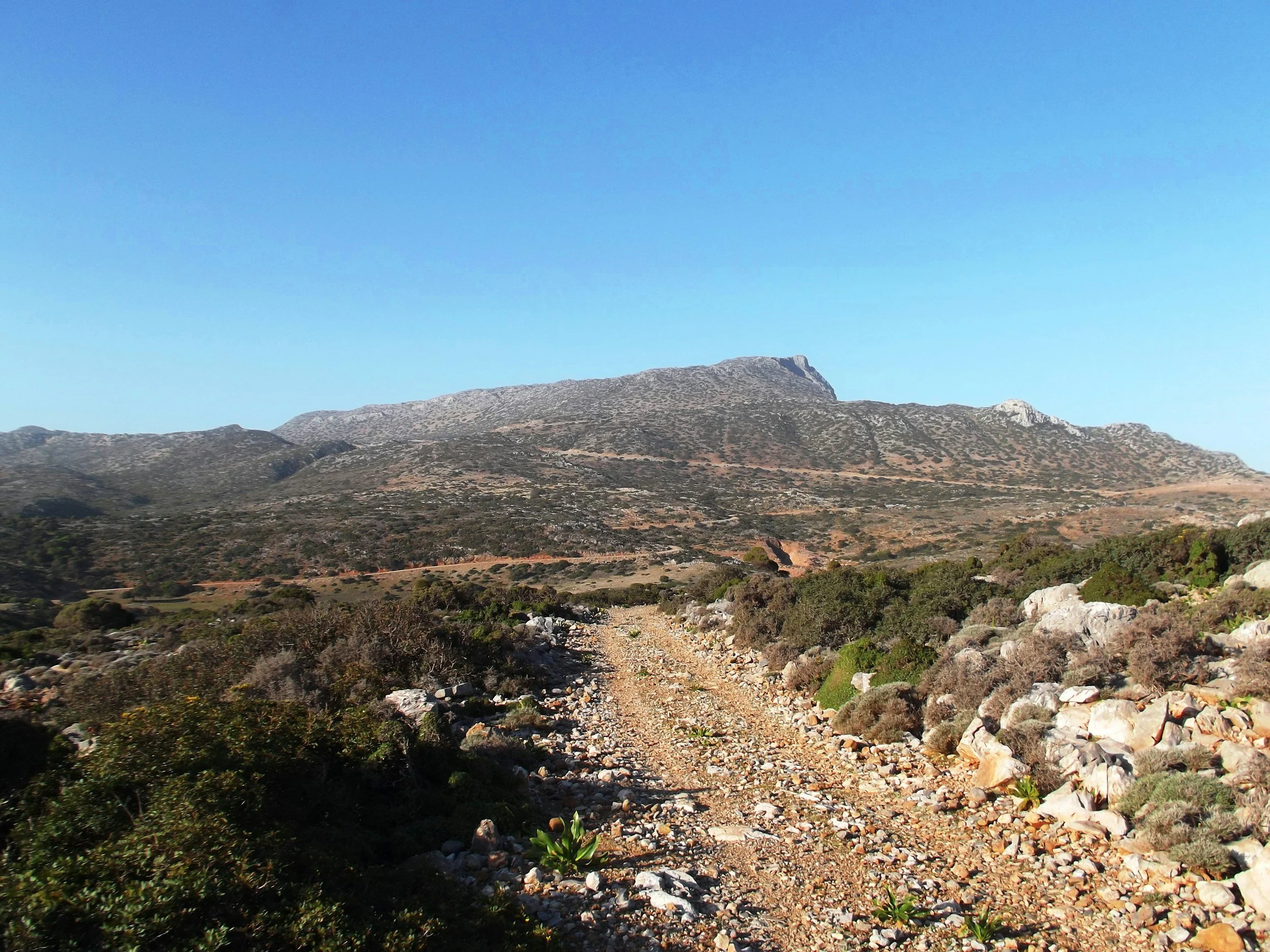
What to expect on the Menalon Trail
Once you’re actually on the Menalon Trail, it doesn’t feel like a “route” in the way you might expect. There’s no clear start line or buildup. In places like Dimitsana, you leave from a normal street, pass a few houses, and then the path just drops away from the village. If you’re not looking for the small red-and-white markers, it’s easy to miss the turn completely.
The first section down towards the Lousios Gorge sets the tone. The path narrows quickly, with stone underfoot in some parts and softer dirt in others, and within 20–30 minutes you’re fully under tree cover. You’ll hear the river before you see it. The air feels cooler here, even later in the morning, and there are a few natural stopping points where people tend to pause without planning to, usually where the path opens slightly or where you cross one of the old stone bridges.
Some of the most noticeable details aren’t marked on any map. On the stretch between Dimitsana and Stemnitsa, you pass sections where the trail runs just below the monasteries built into the rock. You don’t need to detour to see them, they’re right there above you as you move through the gorge. A bit further on, the path flattens out briefly before the climb back up begins, and that’s usually where people stop to drink water or adjust their pace before continuing.
Signage is there, but you don’t see it constantly. You’ll find markers at turns, on rocks, or painted onto trees, but there are stretches where you won’t see anything for a while. The main path is usually clear, but at wider junctions, especially where it meets dirt roads, it’s worth slowing down and checking rather than guessing. This is where people tend to take a wrong turn without realising straight away.
The climbs are steady rather than sharp, but they come at the end of stages when you’ve already been walking for a few hours. The approach up towards Vytina is a good example. It doesn’t feel difficult at the start, but the last section into the village is enough to slow your pace, especially if you’re walking later in the day.
Water is something you need to think about before you leave each village. There aren’t reliable places to refill once you’re on the trail. In Dimitsana, there’s a public fountain near the centre where most people fill up before heading out. In Stemnitsa, you’ll see the same near the main square. After that, you’re carrying what you need until you reach the next stop.
Arriving into villages is usually more subtle than expected. You don’t walk into a busy centre straight away. In Stemnitsa, you come in slightly above the village and work your way down into it. In Dimitsana, you approach from below, climbing back up into the streets you left earlier. There’s no “finish point,” just a gradual return to normal streets, cafés, and people going about their day.
What makes the trail easy to settle into is the repetition. You don’t need to rethink your plan every day. You start early, walk for a few hours, stop in the next village, and that’s enough. Once you get into that rhythm, the trail becomes much simpler than it looks on paper.
Some people combine this with a few days further south, and this look at Mani Peninsula shows how different the landscape feels once you leave the mountains behind.
Where to stay along the Menalon Trail: cozy stone guesthouses with fireplaces
Each village along the Menalon Trail has its own laid-back charm, and the best places to stay tend to be those small, family-run guesthouses where you really feel the local vibe. These spots are more about comfort and authenticity than flashy amenities: think stone walls, wooden beams, fireplaces, and homemade breakfasts that set you up for the day ahead.
In Stemnitsa, Guesthouse Mpelleiko is a solid pick. It’s a traditional stone building with those classic wooden shutters and balconies overlooking the mountains. The homemade breakfasts here have a bit of a local legend status - fresh eggs, honey, and yogurt from nearby farms, plus plenty of strong coffee to kick-start your morning. It’s simple, welcoming, and the kind of place where you can unwind after a day on the trail.
Down the road in Dimitsana, En Dimitsani is a quiet spot that feels like a home away from home. The rooms are cozy without being cramped, and the garden terrace is ideal for journaling, reading, or just stretching out your legs with a view. The village itself is small, so the pace here perfectly matches the slow rhythm of the trail.
If you’re heading to Vytina, the Art Mainalon Hotel strikes a nice balance between old and new. It mixes traditional stone architecture with some modern touches, and the food here really stands out - think hearty mountain dishes made with local ingredients. After a day hiking, you’ll appreciate the warm atmosphere and the chance to sit by a fireplace or enjoy a quiet drink in the lounge.
One thing to keep in mind: these guesthouses are all about unplugging and slowing down. Wi-Fi is spotty or non-existent in many places, but honestly, that’s part of the charm. It’s a chance to disconnect, breathe, and soak in the peaceful surroundings without distractions. Perfect if you want a real break from your usual digital life.
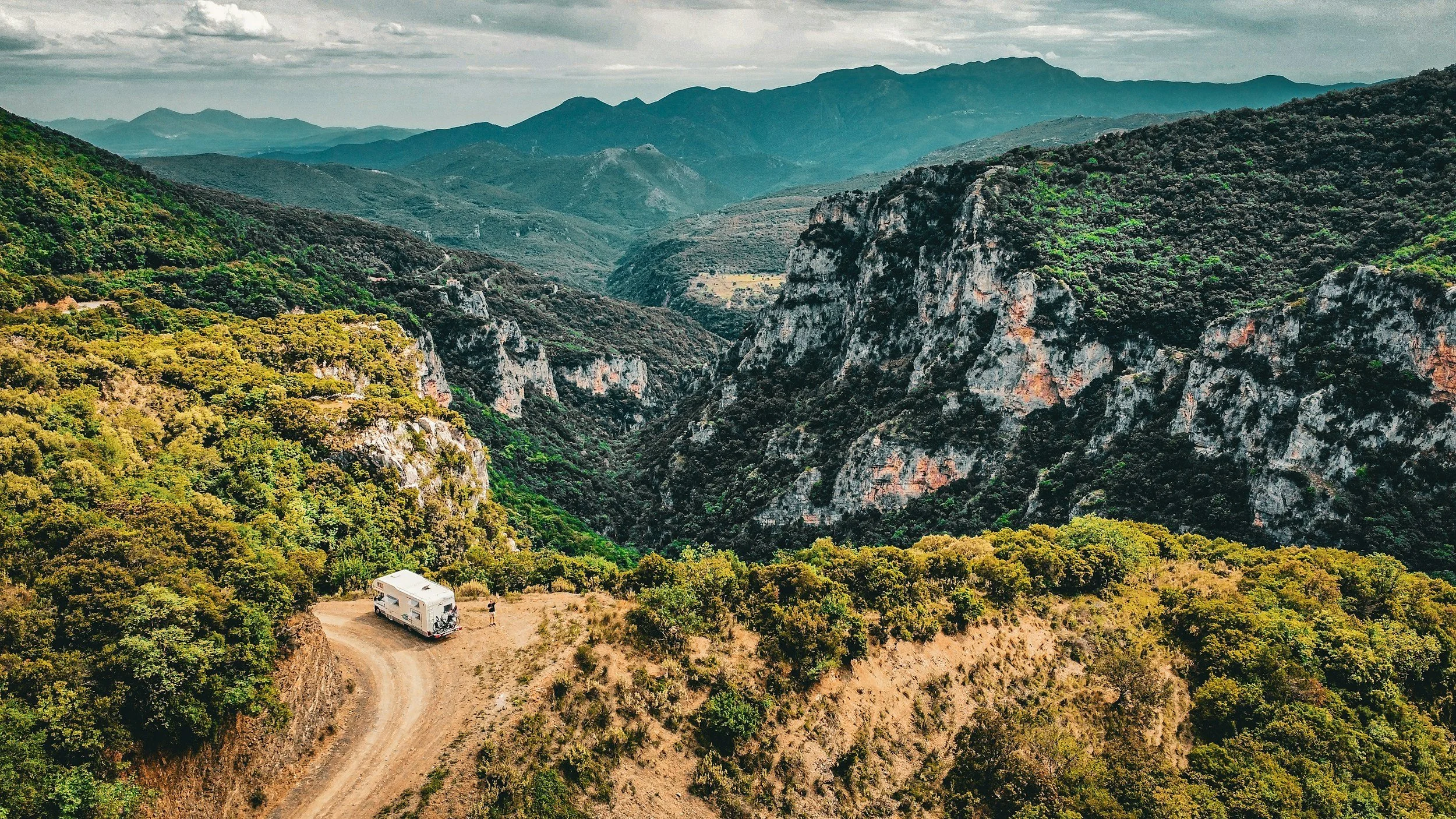
What to Eat when hiking the Menalon trail (Hint: everything)
Food along the Menalon Trail isn’t something you plan separately. It’s built into how the days work. You walk for a few hours, arrive in a village, and that’s where you eat. There are no cafés or stops along the trail itself, so everything happens once you’re back on a street or in a square.
In Dimitsana, most people end up eating somewhere around the main square after finishing a stage. Kitchens usually open for lunch from around 12:30, which lines up well if you’ve started early. You’ll see the same dishes across most menus, written in Greek with a few translations if you’re lucky, but it’s easier to ask what they have that day rather than trying to read through everything.
Hilopites show up often. They’re short, flat pieces of pasta, sometimes cut into small squares, served with tomato, butter, or slow-cooked meat depending on the kitchen. It’s filling without being heavy, which matters when you’re eating after walking. In places like Stemnitsa, you’ll also find pies made with wild greens, usually baked earlier in the day and served in slices. These aren’t styled dishes, just something locals eat regularly, especially in smaller villages.
Grilled meat is common in the evenings. Simple cuts of pork or lamb cooked over charcoal, served with bread, potatoes, or a small salad. In villages like Vytina, dinners tend to start around 19:00–20:00, and places fill gradually rather than all at once. It’s not rushed. You sit, order, and stay for a while, especially if you’ve been walking all day.
Bread is usually brought out without asking, and it’s worth keeping it for the end of the meal. Olive oil on the table is often local, and in some places you’ll also get honey alongside it. It’s not presented as anything special, but it’s one of those small details that stands out once you’ve had it a few times.
At the end of a meal, you’ll often be given something small without ordering it. Spoon sweets are the most common. A small piece of fruit preserved in syrup, served on a spoon with a glass of water. It’s a standard gesture here, not something added to the bill, and it usually arrives once you’ve finished eating rather than as a formal dessert.
Lunch timing matters more than people expect. If you arrive after 15:00, some kitchens will already be closing, especially outside peak season. It’s easier to aim for a slightly earlier stop, even if that means slowing your pace a bit in the morning rather than pushing through and missing it.
What you won’t find are long menus, fast service, or places designed around hikers passing through. Most tavernas serve the same local crowd every day, and you’re fitting into that rather than the other way around. That’s part of why it works. You basically eat what’s available, when it’s ready, and it ends up being exactly what you need after a few hours on the trail.

What to think about before walking the Menalon Trail
The Menalon Trail is simple once you’re on it, but a few small decisions before you start make the days much easier.
Start with how you want to move between villages. It’s tempting to base yourself in one place and return each day, but that usually adds unnecessary time and transport. The trail works better as a one-way walk between places like Dimitsana, Stemnitsa, and Vytina, staying overnight as you go. That way you finish the day where you need to be, without checking bus times or arranging lifts back.
Timing each day makes a bigger difference than distance. Leaving around 07:30–08:00 means you cover most of the walking before the temperature rises, especially on sections without full shade. It also means you arrive in the next village when kitchens are still open for lunch. Starting later often pushes everything forward, and you end up walking during the warmest part of the day and arriving when places are closing.
Water is something to think about before you leave each village. There are fountains in places like Dimitsana and Stemnitsa where you can fill up, but once you’re on the trail, you shouldn’t rely on finding water along the way. Carrying enough for a few hours is usually enough, but it depends on the stage and the time of year.
Navigation is simple but not automatic. The red-and-white Menalon Trail markers are there, but they’re not placed every few metres. At wider junctions or where paths meet dirt roads, it’s worth slowing down and looking for the next marker rather than continuing by instinct. A map or offline route on your phone helps, but most of the time you won’t need to check it if you stay aware of the signs.
Footwear matters more than anything else you pack. You don’t need heavy hiking boots, but the paths can be uneven, with loose stones and worn sections, especially on descents into the gorge. Good grip makes a big difference, particularly if the ground is dry and dusty.
Accommodation fills up faster than people expect, especially on weekends. In smaller villages, there are only a handful of guesthouses, and they don’t always appear on booking platforms. It’s worth confirming your stay a few days in advance rather than arriving and trying to find something on the spot.
Weather changes how the trail feels, even if it doesn’t stop you from walking. In late spring and early autumn, conditions are easier and more predictable. In summer, the trail is still manageable, but starting early becomes more important, and you’ll want to plan around the warmer hours rather than pushing through them.
Finally, don’t try to fit too much into each day. The distances look manageable, and they are, but the trail works best when you keep it simple.
How to get to the Menalon Trail
Getting to the Menalon Trail is fairly simple once you know which village you want to start from. Most people begin in Stemnitsa or Dimitsana, and both are reached the same way.
You’ll likely pass through Athens at some point anyway, and this take on Athens in spring helps you use the city without it taking over the trip.
If you’re coming from Athens, the drive takes around 2.5–3 hours. You follow the A7 motorway towards Tripoli, then leave the highway and continue on smaller mountain roads towards the villages. The last 30–40 minutes are slower, with narrower roads and more turns, especially as you approach Dimitsana. It’s not difficult driving, but you won’t be moving quickly.
Parking in these villages is limited but manageable. In Dimitsana, there are designated parking areas just outside the centre, and from there it’s a short walk into the village along stone streets where cars don’t always pass easily. In Stemnitsa, you’ll usually park near the entrance and walk a few minutes to your accommodation.
If you’re not driving, you can still reach the area by bus, but it takes more planning. Buses run from Athens to Tripoli, and from there you’ll need a local connection or taxi to reach Dimitsana or Stemnitsa. These connections aren’t frequent, so it’s important to check times in advance and avoid arriving late in the day.
Another option is to take a taxi from Tripoli for the final stretch. It’s more expensive than the bus, but it saves time and avoids waiting for limited local services. Once you’re in one of the villages, you won’t need transport during the hike itself if you’ve planned your stages as one-way walks.
If you’re doing a shorter section of the trail rather than the full route, it’s worth thinking about where you’ll finish as well as where you start. Transport between villages is possible, but not always frequent, so it’s easier to organise your route in advance rather than trying to arrange it at the end of the day.
And if you’re still figuring out which islands are actually worth considering, these underrated Greek islands make it easier to compare without going down a rabbit hole.
Before you finish the Menalon Trail
One thing that’s easy to overlook is how different the villages feel depending on the day of the week. If you finish your walk on a weekend, places like Dimitsana and Vytina pick up more visitors coming in from Athens. Cafés fill up, parking becomes tighter, and the pace shifts slightly. It’s not overwhelming, but it’s noticeable after a few quieter days on the trail. Midweek, everything settles back again.
Another detail most people don’t think about is how the villages handle deliveries. In the morning, especially before 09:00, you’ll see small vans coming into narrow streets, unloading bread, produce, and supplies for the day. If you’re staying centrally, it’s worth knowing that this is when streets are briefly busier, even though the rest of the day stays quiet.
If you’ve been walking for several days, your body will feel the descents more than the climbs. The stone sections and uneven paths, especially around the Lousios Gorge, tend to catch up with you towards the end. On your final day, it helps to slow your pace slightly on downhill sections rather than trying to finish quickly. Most people notice this only after the fact.
Laundry is another small practical thing. Very few guesthouses along the trail offer it as a standard service, and there are no laundrettes in the villages. If you’re walking multiple stages, it’s worth asking your accommodation early rather than assuming it’s available later in the trip.
If you’re buying anything to take home, local products like honey, herbs, or spoon sweets are often only sold in small shops or directly through guesthouses. They’re not always labelled or packaged for travel, so it’s easier to ask the person running the place what they have rather than looking for a dedicated shop.
If you like the idea of Greece feeling quieter overall, this guide to Sifnos in autumn shows how much timing changes the experience.

FAQ: walking the Menalon Trail in Greece
Where does the Menalon Trail start and end?
Most people start in Stemnitsa or Dimitsana, depending on how they structure the first stage. The trail itself doesn’t have a single “official” start point with an entrance. It begins at the edge of each village, marked by red-and-white signs, and continues through a series of connected stages across Arcadia.
How many days do you need to walk the Menalon Trail?
The full trail is around 75 km and usually takes 4–6 days if you walk one stage per day. If you’re short on time, it’s common to walk 2–3 stages instead, focusing on sections between Dimitsana, Stemnitsa, and Vytina.
Is the Menalon Trail difficult?
It’s considered moderate rather than difficult. Most stages take 3–5 hours, with steady climbs and descents rather than steep or technical sections. The main challenge is uneven terrain in parts of the Lousios Gorge and longer downhill sections, which can feel harder on your legs by the end of the day.
Do you need hiking experience for the Menalon Trail?
No technical experience is needed. If you’re comfortable walking for a few hours on mixed terrain, you’ll be fine. Good shoes, water, and a basic understanding of the route are more important than advanced hiking skills.
Is the Menalon Trail well marked?
Yes, but not constantly. The red-and-white Menalon Trail markers are placed at key turns and junctions, but you won’t see them every few minutes. At wider paths or where tracks split, it’s worth slowing down and checking for the next marker rather than continuing automatically.
Can you walk the Menalon Trail without a car?
Yes, but it requires some planning. You can reach the area via Tripoli and continue by taxi or limited local buses to villages like Dimitsana. Once you’re on the trail, you can walk between villages without transport if you plan each stage as a one-way route.
Where should you stay along the Menalon Trail?
Most people stay in small guesthouses in villages such as Stemnitsa, Dimitsana, and Vytina. Options are limited, especially on weekends, so it’s worth booking ahead rather than arriving without a reservation.
What is the best time of year to walk the Menalon Trail?
Late May to early June and September to early October are the easiest periods. Temperatures are more stable, and you avoid the higher heat of mid-summer. In July and August, the trail is still walkable, but starting early in the day becomes more important.
Are there places to eat along the Menalon Trail?
Not on the trail itself. You’ll find food in the villages at the start and end of each stage. Lunch is usually served from around 12:30 to 15:00, and dinner starts from around 19:00. It’s easier to plan your walking day around these times rather than arriving too late.
Do you need to carry a lot of water on the Menalon Trail?
You should carry enough for each stage. Villages like Dimitsana and Stemnitsa have fountains where you can refill before leaving, but there aren’t reliable water sources along the trail itself.
Is the Menalon Trail crowded?
No, especially compared to more well-known hiking routes in Europe. You may see a few other walkers during the day, but long stretches of the trail are quiet, particularly on weekdays.
Can you walk only part of the Menalon Trail?
Yes, and many people do. The stages are designed to work independently, so you can choose a section that fits your time rather than committing to the full route.
Want more thyme-scented trails and stone village stays? Sign up for the Trippers Terminal newsletter for thoughtful travel ideas every month.