
The Greek and Balearic islands I'd recommend for a solo trip
Not every island trip needs beach clubs, packed ports, or long restaurant waits. If you’re traveling on your own, the better islands are often the ones where daily life still feels intact: small harbors, walkable villages, quiet swimming spots, and places where sitting alone with a coffee doesn’t feel unusual.
That’s what this guide focuses on. These seven Greek and Balearic islands are good options for solo travel because they’re manageable, easy to settle into, and calm in ways that actually matter when you’re on your own. Some have reliable local buses, some are best explored by scooter or bike, and all of them have places where you can spend a full day without needing a packed plan.
If you’ve already looked at the usual island lists and they all feel a bit similar, it helps to narrow it down. This guide to quiet Greek islands gives a better sense of which ones actually feel calm once you’re there.
You’ll find islands here with working fishing villages, quieter beaches you can reach without much effort, and towns where evenings are more about a slow dinner by the water than nightlife. Places like Tinos and Syros give you a mix of local life and easy logistics. Folegandros and Alonissos feel smaller and more removed. Menorca and Formentera work well if you want simple beach days and room to breathe.
If you’re looking for islands where solo travel feels easy rather than lonely, these are worth considering.
Tinos, Greece
A good choice for village life, local food, and easy day-to-day travel without needing a car.
Tinos is one of those islands you arrive at and instantly feel you could stay forever. It’s quiet without being sleepy, beautiful without trying too hard, and full of friendly locals who seem genuinely happy you’re there. The pace is easy and unhurried - exactly what makes it so good for solo travelers who want to go with the flow.
Start your morning in Pyrgos, one of Tinos’s most picturesque villages. Its marble-paved alleys feel like an outdoor art gallery - full of tiny studios, traditional workshops, and cafés tucked into quiet corners. Pick a seat under the shade of a plane tree at a local kafenio, sip a Greek coffee, and just people-watch. There’s no rush, and nobody will give you that “hurry up” look. It’s the perfect spot to sit with a book, catch up in your journal, or simply do nothing at all.
If you’re visiting on a weekend, don’t miss the small farmers’ market in Chora. This is where locals come to stock up on thyme honey, handmade cheeses, olives, and dried herbs. It’s a very different feel to the bigger, touristy markets you’ll find elsewhere. Here you can take your time tasting, chatting with the vendors (many speak enough English to share their stories), and learning about the produce. These kinds of connections are one of the best parts of solo travel, and they happen naturally on Tinos.
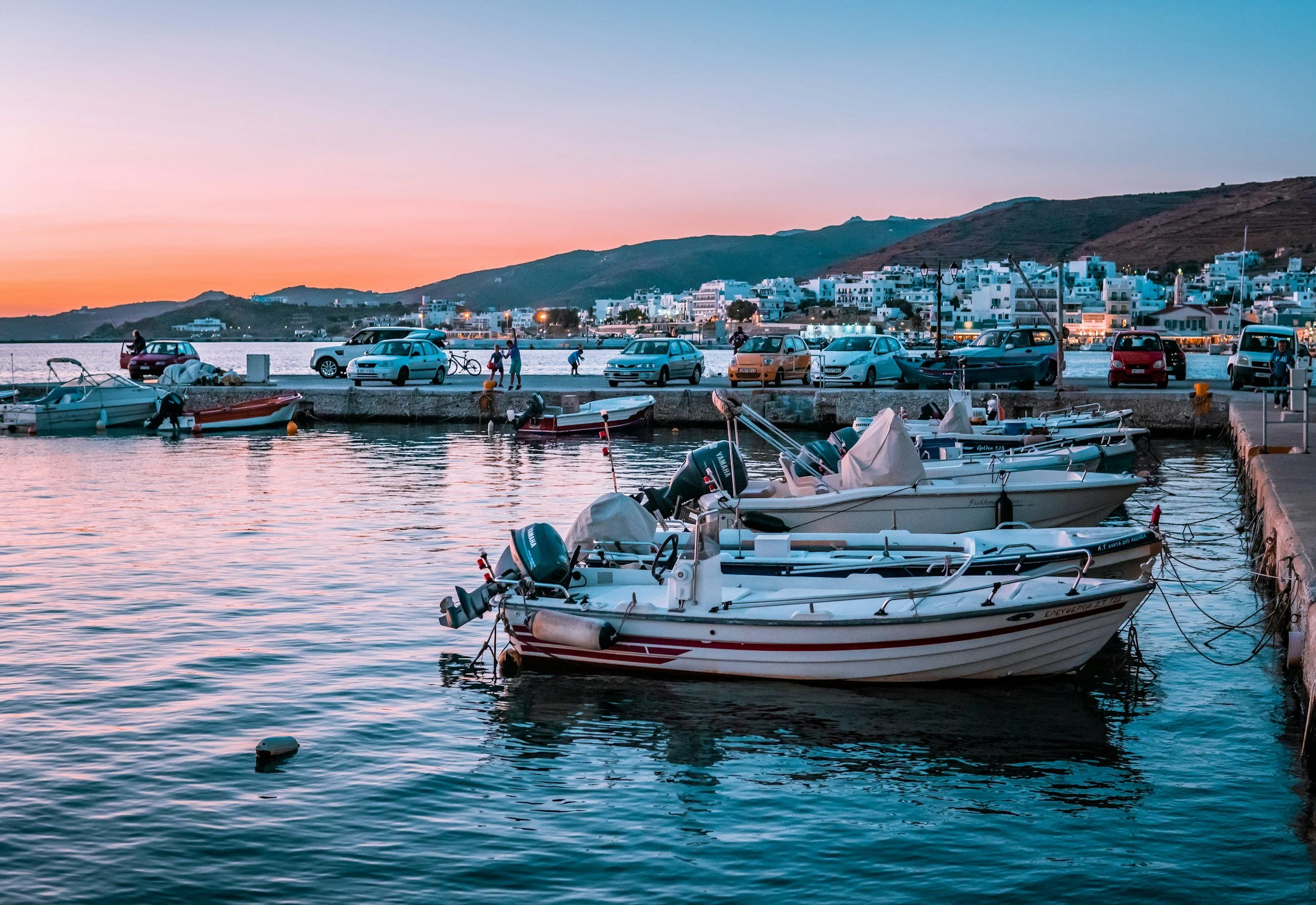
Tinos is also famous for its beaches, and they’re easy to reach even if you’re not driving. Kolymbithra and Livada are two of the most peaceful: you can catch a local bus from Chora or hop in a taxi for a short ride. Once you arrive, it’s just you, the water, and a small taverna or two for lunch. Bring a towel, a good book, and maybe even a snorkeling mask; the water is clear and full of tiny fish.
And for dinner? To Thalassaki in Isternia is a favorite among solo travelers. This place is right on the water’s edge, and the seafood couldn’t be fresher - think grilled octopus, lemony fish fillets, and chilled white wine as you watch the light fade. Sitting at one of the outdoor tables on your own feels natural and relaxed here; the friendly servers will make sure you’re well looked after without fussing too much. Afterwards, you can take your time wandering back under a starry sky, feeling like you truly have the island to yourself.
When it’s time to turn in, Voreades in Chora is a lovely place to stay. It’s a small, family-run guesthouse with simple, comfortable rooms and one of those breakfasts that make you feel looked after. Homemade jam, fresh bread, strong coffee, and a quiet terrace to enjoy it all. The owners will happily give you personal tips for things to do if you want them, or just leave you to enjoy your stay.
If Tinos is the kind of place you’re drawn to, this piece on what a slower stay here really feels like captures it well.
How to get there:
Tinos is easy to reach with ferries from Rafina port (near Athens) take around 3–4 hours and run regularly. Once you’re there, you can rent a scooter or small car to explore at your own pace, or rely on local buses that cover the main villages and beaches surprisingly well.
Folegandros, Greece
Small, walkable, and quiet in the mornings and evenings, with simple beaches and slow days.
Folegandros is often called one of Greece’s most unspoiled islands - and with good reason. Its main village, Chora, is as peaceful as they come, especially in the mornings before day-trippers and other visitors drift in. Whitewashed houses, tiny chapels, and bougainvillea-draped lanes make every corner feel like a postcard, yet there’s nothing showy or staged about it. Everything is simple and real, which is exactly why solo travelers feel so at ease here.
Start your morning with a wander through Chora’s sleepy backstreets. You’ll pass cats sunning themselves on doorsteps, friendly shop owners setting up for the day, and cafés slowly coming to life. Take a seat at one of the small kafeneia, order a Greek coffee or a freddo espresso, and just enjoy the quiet. It’s a lovely way to soak up the village’s unhurried rhythm before you go exploring.
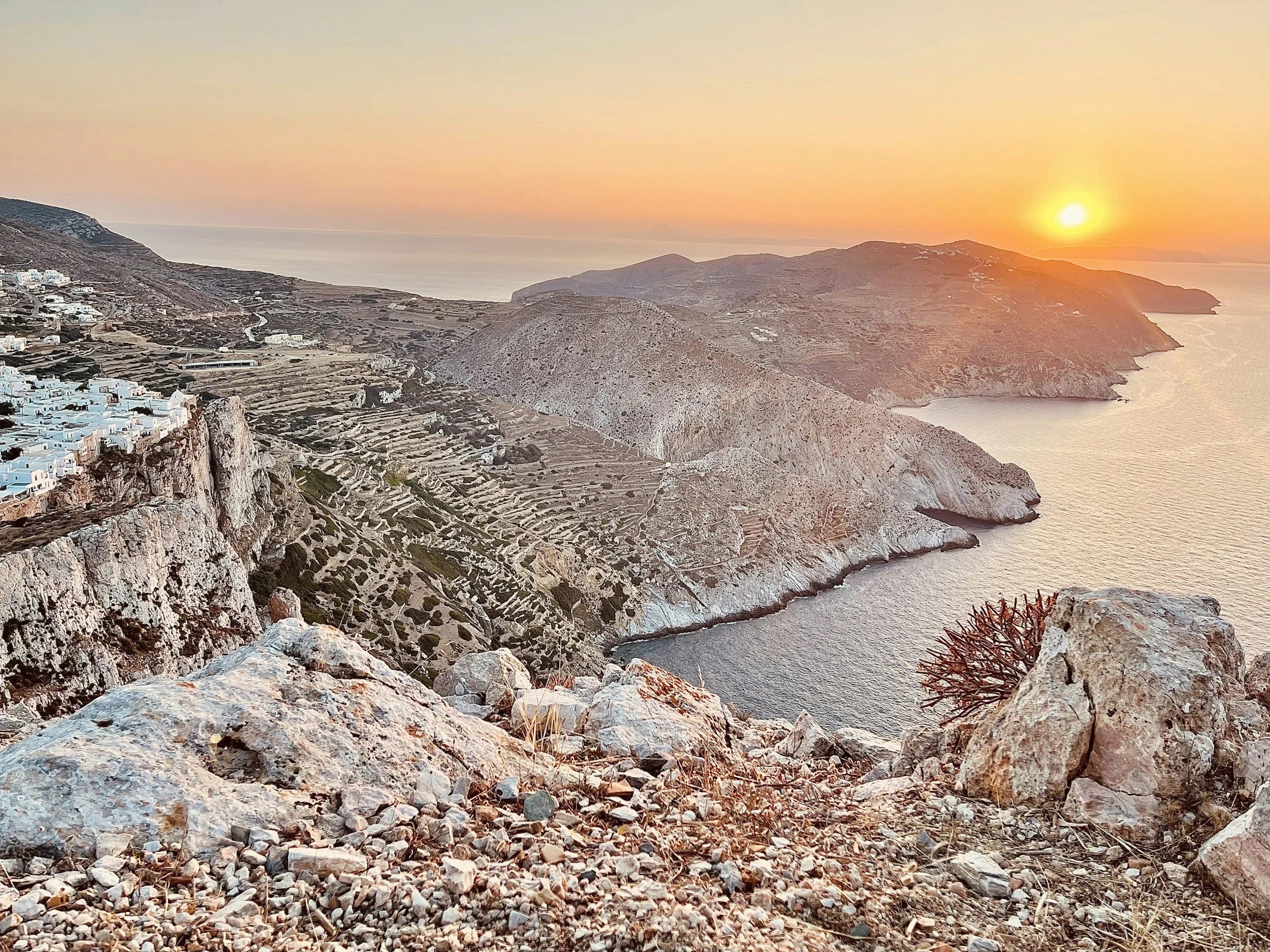
One of the best solo-friendly walks is up to the Church of Panagia. The trail is short and gentle: a broad, winding path that takes you up the hillside to a lovely whitewashed church perched above Chora. Go in the late afternoon when the light is softer and the crowds have thinned. Bring a bottle of water, a camera, or a journal as you’ll probably want to sit for a while at the top and take in the sweeping views of the Aegean. The sea stretches endlessly, and the village looks like a tiny scattering of white cubes far below.
When you’re ready for some beach time, Angali Beach is a perfect solo hangout. It’s easy to reach - you can hop on the local bus or follow the marked trail that winds its way down through hillsides dotted with wild thyme. The beach itself is small and scenic, with clear water that feels incredibly refreshing after a hike. Just above the beach, you’ll find a couple of low-key tavernas where you can linger over a plate of freshly grilled fish, a chilled glass of local wine, and a slow afternoon watching the waves.
And in the evening? Chora’s main square is a cozy place to settle in for dinner. Head to To Spitiko, one of the island’s most welcoming tavernas. The food is homemade (things like slow-cooked lamb, stuffed peppers, and crisp Greek salads) and there’s a gentle hum of conversation that feels intimate rather than loud. Even as a solo diner, you’ll feel part of the scene rather than an “observer”.
If you’re still deciding between islands, this list of less obvious Greek islands is useful for seeing how they differ without everything blending together.
Where to stay?
Try Anemomilos Boutique Hotel, a lovely family-run spot perched right at the edge of the village. The rooms are bright and airy with big terraces (perfect for sitting with a book as the sun goes down) and the hosts go out of their way to make solo travelers feel like guests, not tourists.
How to get there:
Folegandros is reachable by ferry from Santorini (about 1 hour) or Piraeus (about 4–5 hours). The island is small enough to explore easily on foot, though a scooter rental is also a good option if you’d like to roam further afield. The local bus is very simple to use too, making it an easy and low-stress destination for solo visitors.
Syros, Greece
A balanced option with architecture, local culture, and enough structure to stay a few days comfortably.
Syros is a gem that so many travelers overlook - and that’s exactly its charm. It strikes a rare balance between culture and calm, making it an ideal destination for solo visitors who appreciate a mix of local life, historic beauty, and easygoing days. Its capital, Ermoupoli, feels grand but never busy — elegant neoclassical buildings, marble-paved streets, and small cafés spilling onto shaded squares, where it’s perfectly normal to while away an hour with a coffee and nowhere to be.
Start your mornings by wandering up into Ano Syros, the medieval hilltop quarter that watches over the city. The narrow alleys and whitewashed houses are wonderfully quiet, especially before midday. Take your time! The path winds gently upward, revealing small churches, a few artisan shops, and lovely little viewpoints where you can look out over Ermoupoli and the sea. Stop for a coffee at a tiny place like Syriani Café, where the owner might come chat with you about the island or simply leave you to enjoy the breeze and the view.
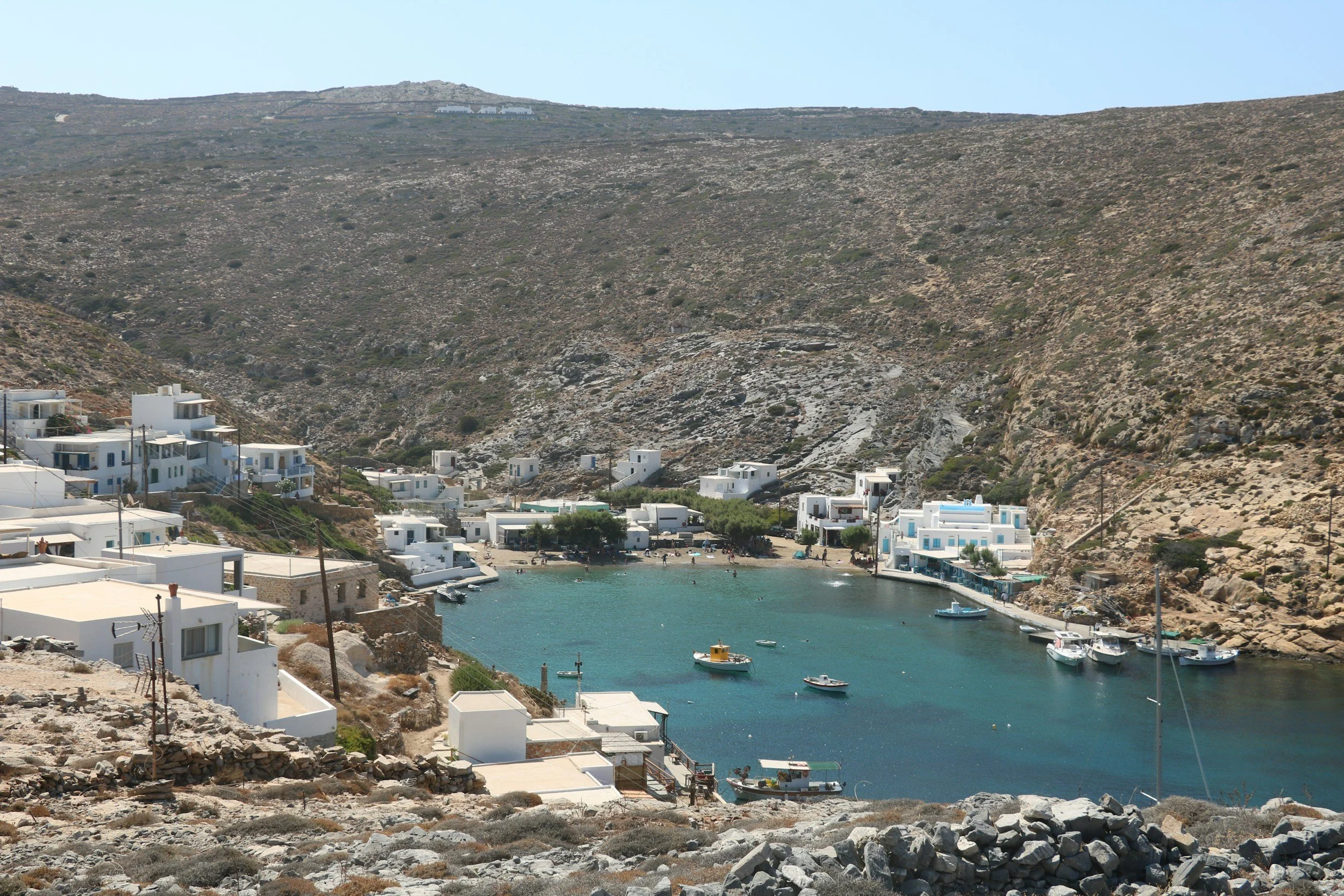
When you’re ready for some sea air, head to Kini Beach, a short bus ride away. It’s a gentle, horseshoe-shaped bay with clear, shallow water: great for a relaxed swim and an easy afternoon. You’ll find a few family-run tavernas right on the sand where you can order fresh fish, a crisp Greek salad, or simply sit with a drink and let the hours pass. The beach rarely feels crowded, and solo visitors often mention how easy it is to strike up a conversation if you feel like it - or just keep to yourself with a good book.
And when dinner rolls around? O Mitsos is a wonderful choice. Set in a quiet village a little outside Ermoupoli, this simple, traditional taverna is famous on the island for its slow-cooked stews, grilled vegetables, and local cheeses. Even on your own, you’ll feel completely at home: service is warm and friendly without being overbearing, and there’s never any rush to leave the table.
Where to stay?
Try one of Ermoupoli’s small, independent hotels like Hotel Hermes or Xenon Apollon. They offer comfortable rooms in central spots and the owners often go out of their way to make solo guests feel welcome with personal recommendations.
How to get there:
Syros is easily reached by ferry from Piraeus (3–4 hours) or from other islands like Mykonos and Tinos. Once you arrive, Ermoupoli itself is walkable, and regular local buses connect you to villages like Kini and Galissas if you want to explore the beaches without renting a car.
Alonissos, Greece
Best for nature, swimming spots, and a slower pace centered around the sea and walking trails.
Alonissos is one of those Greek islands that feels like a secret, even though it’s just a ferry hop away from Skiathos or Volos. Unlike its busier neighbors, this island moves to its own gentle pacew, wuth pine forests roll right down to the clear blue sea, and the hilltop village of Chora is a sleepy maze of whitewashed houses, flowering courtyards, and tiny cafés where time seems to stand still.
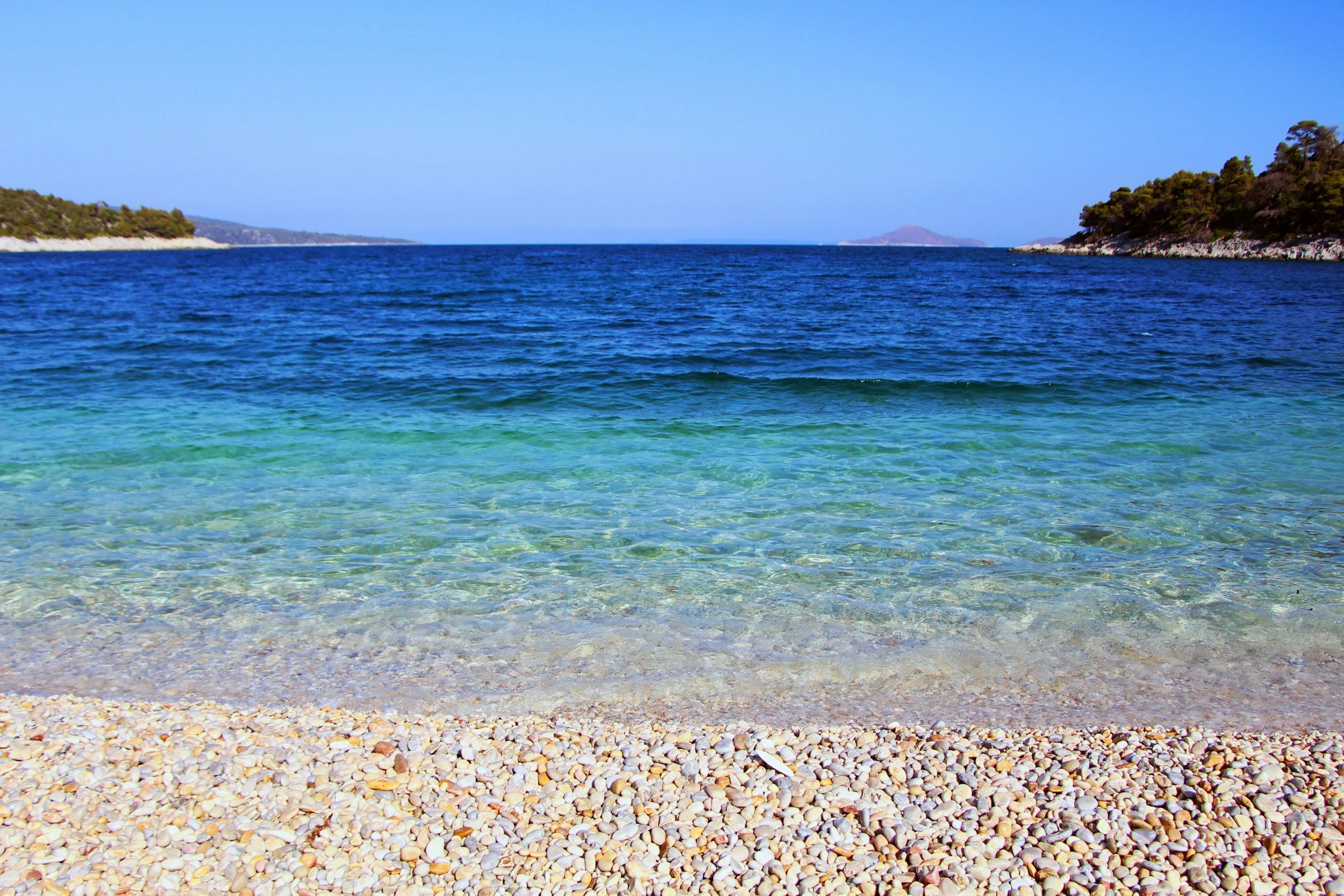
Start your morning with a quiet hike along one of the island’s gentle trails. The path to Agios Dimitrios Beach is especially lovely - it winds past hillsides scented with wild sage and thyme and opens onto one of Alonissos’s most peaceful beaches. Bring a towel and a good book and you’ll probably have the cove mostly to yourself. Or, if you’re looking for company, it’s easy to catch the local bus to Patitiri (the small, no-fuss port village) where you can hop on a water taxi to explore secluded swimming spots further along the coast. Being part of a national marine park means the water is incredibly clear, and if you’re lucky, you might even spot dolphins along the way.
When it’s time for lunch, Patitiri’s cafés and tavernas have a lovely, easygoing feel. Order a Greek salad and a plate of grilled calamari at one of the harborside spots and you’ll quickly see why solo visitors feel so at home here. There’s no pressure to move along, and locals are happy to chat if you feel like company.

And as the sun sets, make your way up to Chora for dinner. The village square is small and welcoming, with lanterns glowing overhead. Astrofegia is a favorite: their simple Greek menu (think slow-baked lamb, lemon-dressed salads, and creamy tzatziki) is exactly what you want after a day spent swimming or hiking. Bring a journal, your camera, or simply your thoughts - this is one of those places where sitting solo feels just right.
For something similar but further north, thesequiet North Sea islands in Germanyhave that same kind of stillness.
Where to stay?
If you’d like a cozy base, look at Konstantina Studios or Althea Suites. Small, family-run places in Chora with a warm atmosphere and personal touches. The owners often greet guests like old friends, and you can wake up to homemade breakfast on a terrace with panoramic views.
How to get there:
Catch a ferry from Volos, Skiathos, or Skopelos. Alonissos is compact and very easy to explore on foot or by bus, and if you’d like a bit more freedom, it’s simple to rent a scooter or small car once you’re there. This is a place that rewards going slowly, so leave yourself time to wander, swim, and simply enjoy.
Most trips naturally start in Athens anyway, so it’s worth giving it a bit of time instead of rushing through. This simple 48-hour Athens plan keeps things easy.
Formentera, Spain
Flat, easy to explore by bike, and ideal for long beach days without much planning.
Formentera is often overshadowed by its lively neighbor, Ibiza - and that’s exactly what makes it so special. This small, flat island is blissfully quiet, even in summer, and feels like it’s designed for slow, solo days. With a rental bike and a loose plan, you can follow sandy paths past salt lagoons and fragrant pine groves until you find a perfect stretch of empty beach.
Start your morning in Sant Francesc Xavier, the sleepy capital. Grab a café con leche and a pastry at a tiny café like Café Matinal and watch locals chat while they pick up their bread for the day. Once you’ve had your fill, it’s time to explore. Rent a bicycle (there are shops around the village and the port) and head off toward Playa Migjorn or Ses Illetes. Even at the height of summer, these beaches feel spacious and calm if you walk just a few minutes away from the main path. Lay down your towel, go for a swim in water so clear you can see your feet, and enjoy the silence.
When you feel like a change of scenery, follow one of the marked trails across the salt lagoons - especially lovely in the afternoon light, when the water glows pink and you might spot flamingos. You’ll rarely see more than a handful of other people, making it easy to take your time and enjoy the quiet.

And when dinner time rolls around?
Head to Es Caló (a tiny village on the water) where restaurants like Restaurante Es Caló serve up freshly caught fish and chilled wine on simple terraces right by the sea. It’s one of those places that invites you to stay for hours. Even dining solo, you’ll feel at ease: there’s no rush, just the sound of waves and the occasional clinking of plates as the sun goes down.
If you like this slower, low-key way of traveling, a place like Ponza in Italy has a very similar feel, just with a different setting.
How to get there:
Catch a ferry from Ibiza Town: the trip only takes about 35 minutes. Once you arrive at La Savina port, you can pick up a rental bike or scooter right on the dock and set off under your own steam. The whole island is very easy to navigate, so you can explore at your own pace without worrying about bus schedules or parking.
Milos, Greece
Known for its coastline, but still easy to navigate solo with a mix of villages and swimming spots.
Milos is one of those Greek islands that seems to have been made for solo travelers who appreciate quiet beauty. Unlike its glitzier neighbors, it never feels like it’s putting on a show - it’s just naturally stunning, with an easy pace and a welcoming local feel. The landscape is full of surprises too, from lunar-like cliffs to secret coves where you can easily spend a whole afternoon without seeing another soul.
Start your morning in Plaka, Milos’s hilltop capital. Its narrow alleys feel like they belong to another time, with whitewashed houses with blue shutters, tiny courtyards fragrant with jasmine, and sleepy cats lounging in every sunny corner. Wander slowly; this is a place where it pays to take your time. Stop for a coffee and a homemade pastry at Kokkino Podilato, a small café with terrace views over the bay: perfect for catching your breath and soaking up the atmosphere. Bring a journal, or simply sit and listen to the distant sound of church bells; nobody here will make you feel rushed.
When you’re ready for the sea, Sarakiniko Beach is a must. It’s one of Milos’s most famous spots, and for good reason! Smooth white volcanic rocks spill into brilliant turquoise water, creating a landscape that feels more like a dream than real life. It’s easiest to reach by scooter or local bus, and if you wander a little farther along the cliffs, you’ll often find a swimming spot entirely to yourself. Bring a towel, sunscreen, and maybe a picnic, as you’ll probably want to stay a while. Other beaches like Firiplaka and Tsigrado are also easy to explore solo, with lovely swims and very friendly tavernas nearby if you want to pause for a bite.
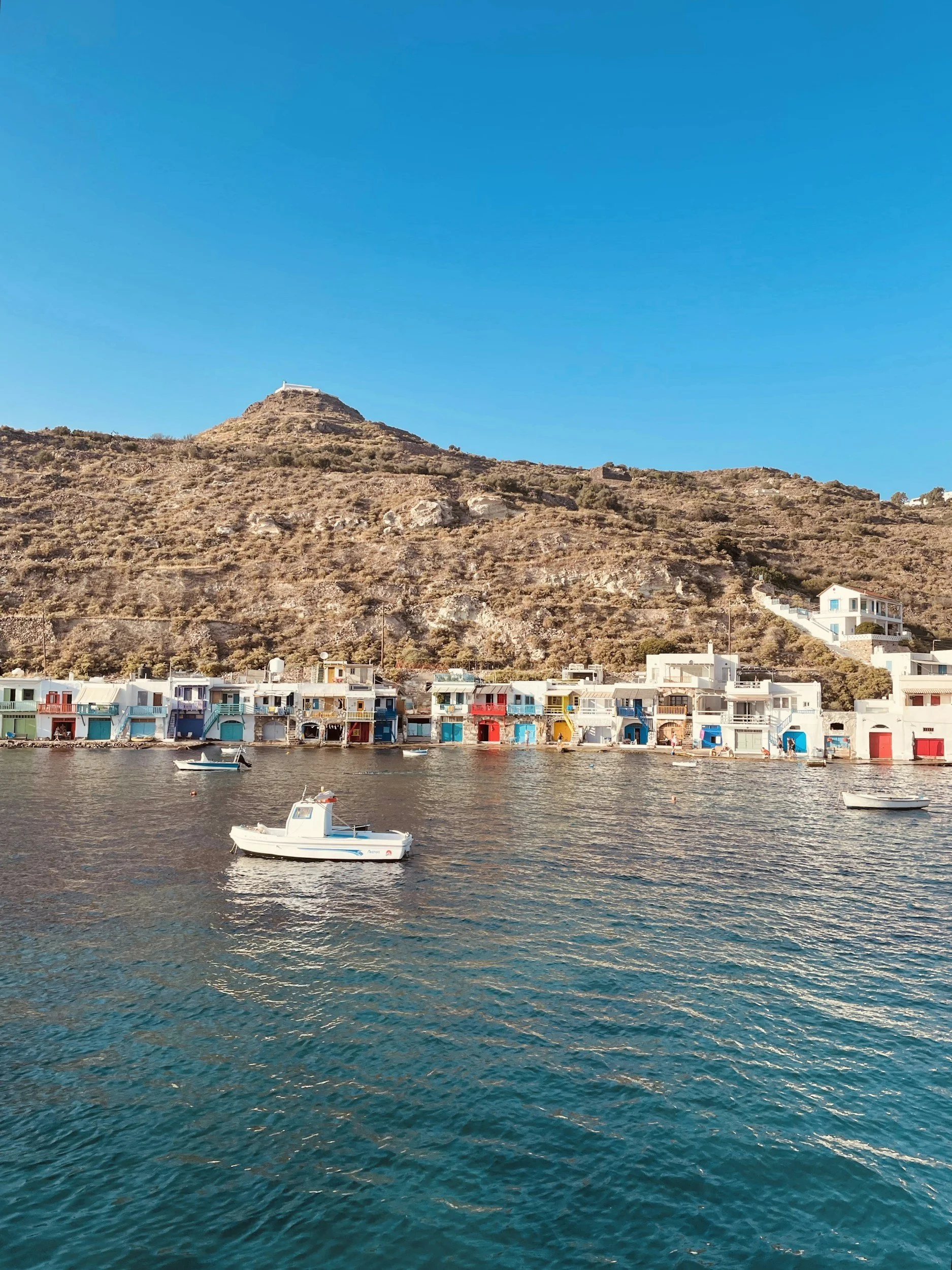
In the afternoon, take a walk around Plaka’s outer streets - you’ll stumble on small art galleries and handmade pottery shops, often run by locals who will gladly chat and recommend their favorite quiet spots on the island. Milos is also famous for its little fishing villages (Klima is a favorite) where brightly painted boat houses reflect in the water. It’s a gorgeous spot for photos, especially at sunset when the light is warm and golden.
And for dinner? Make your way back to Plaka and sit down at Archontoula — one of those traditional tavernas that solo travelers quickly come to love. The food is simple, generous, and full of flavor: try their slow-baked lamb or a plate of horta (wild greens) with lemon and olive oil. There’s always a relaxed buzz at dinnertime as locals and visitors mix, and you’ll never feel out of place on your own. Take your time with a glass of local wine as the village settles into evening, lanterns glowing and the hills fading into dusk.
Where to stay?
If you want a comfortable, welcoming base, look at Milos Inn or one of the small guesthouses in Plaka - they offer lovely rooms with private terraces and owners who’ll happily recommend their favorite quiet coves or cafés.
How to get there:
Milos has a small airport with direct flights from Athens, or you can take a ferry from Piraeus or Santorini. Once you arrive, renting a scooter or quad bike is the most fun and flexible way to explore, but there’s also a local bus that loops between the main villages and beaches during the summer months.
Menorca, Spain
A relaxed island with quiet coves, coastal walks, and small towns that feel easy to settle into.
Menorca is often overlooked in favor of its glitzier Balearic neighbors, and that’s exactly what makes it so special for solo travelers. It’s an island that seems to encourage you to slow down: life here moves gently, with empty beaches, sleepy fishing villages, and plenty of welcoming spots where you can take your time without feeling rushed.
Base yourself in a quiet village like Es Grau on the east coast. It’s just a few minutes from Mahón, but feels like a world of its own. Here, traditional white houses hug a small, sheltered bay, and the cafés and restaurants along the waterfront have a local, easygoing feel. Wake up with the sound of waves and take your morning coffee on a terrace where everyone knows each other’s name.
Spend your day hiking the trails of the Albufera des Grau Natural Park, where wooden boardwalks lead you past wetlands alive with birds and small paths take you to secluded beaches like Cala Rambla or Cala Tamarells. If you’d rather stay closer to home, Es Grau Beach is a long, shallow stretch of sand perfect for swimming, paddle-boarding, or simply lying in the sun with a good book.
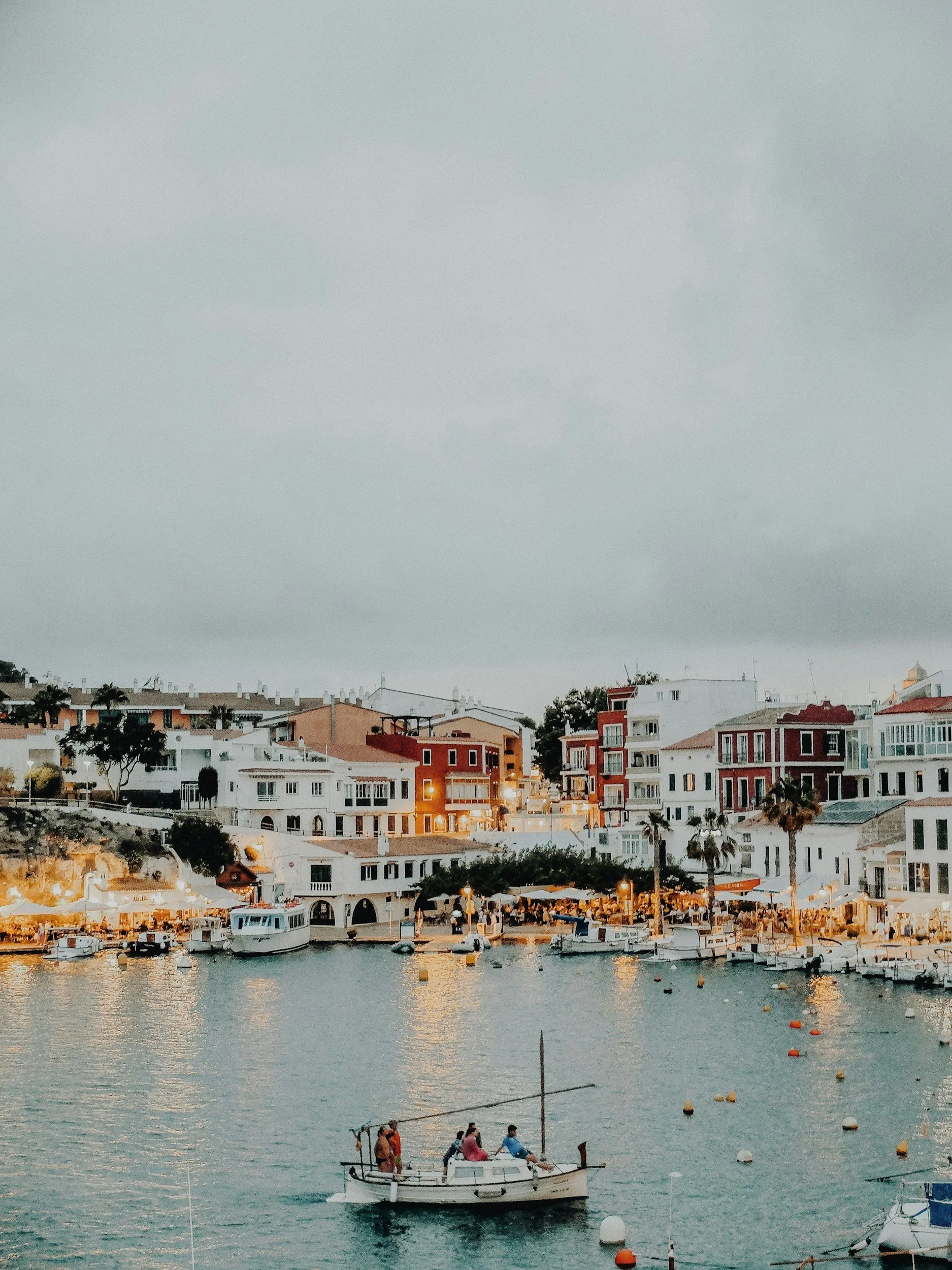
And when it’s time for dinner? Wander to Tamarindos, a friendly seafood restaurant right on the water’s edge. Order a glass of local Menorcan wine and a plate of pescado a la plancha (grilled fish caught that morning) and watch the light shift across the bay. It’s the kind of peaceful, unscripted evening that solo travelers treasure.
Where to stay?
Hotel Hevresac in Mahón is a beautiful boutique hotel set in a restored 18th-century townhouse. Its design is a lovely mix of traditional Menorcan architecture and modern, cozy touches. The owner and staff are incredibly welcoming (especially to solo guests) and you can enjoy a relaxed breakfast on the terrace before setting off to explore the island. Or, if you’d like to stay closer to nature, check out Agroturismo Binissafullet Vell near Sant Lluis, a charming countryside guesthouse with rustic rooms, a lovely garden, and a laid-back, personal feel.
How to get there:
Fly directly into Mahón (Menorca’s capital), or take a ferry from Mallorca or mainland Spain. From Mahón, it’s an easy 15-minute drive or bus ride to Es Grau - rent a small car if you’d like more flexibility to explore other quiet corners of the island.
Why the Greek & Balearic Islands Are Ideal for Solo Travel
What makes these islands stand out isn’t just that they’re quieter, it’s that they’re easy to settle into on your own.
You don’t have to build your day around bookings or complicated transport. Most places here are small enough to understand quickly, which makes a big difference when you’re traveling solo. Within a day or two, you know where to swim, where to eat, and how to get around without overthinking it.
They also give you flexibility without pressure. If you feel like being around people, there are always cafés, small tavernas, or shared spaces where conversation happens naturally. And if you don’t, it’s just as easy to spend a full day on your own without it feeling unusual.
That balance is what makes these islands work.
If you’re choosing between them, think in practical terms.
Do you want somewhere walkable like Syros?
Something more nature-focused like Alonissos?
Or somewhere you can explore easily by bike, like Formentera?
Start there instead of focusing on what’s most popular.
And once you’ve chosen, stay a little longer than you think you need. These aren’t places that show themselves all at once. The best parts tend to be the ones you notice after a few unplanned days. And because these islands are so low-key, it’s easy to make your trip whatever you want it to be. Spend a day hiking or do absolutely nothing. Treat yourself to dinner in a cozy restaurant without worrying about a dress code or needing a reservation. These are the kinds of places where you can slow down and actually enjoy being on your own - without ever feeling like you’re missing out.
And if you ever feel like going even quieter, these slow Danish islands are a completely different kind of reset.
FAQ: Solo Travel in the Greek and Balearic Islands
Which Greek islands are best for solo travel?
Greek islands like Tinos, Syros, Milos, and Folegandros are especially good for solo travel. They’re small enough to navigate easily, have reliable local transport, and offer a mix of cafés, beaches, and quiet places where being on your own feels comfortable.
What are the quietest Greek islands without crowds?
If you want to avoid busy islands like Mykonos or Santorini, places like Tinos, Alonissos, and Folegandros tend to feel much calmer. They still have good food, swimmable beaches, and small hotels, but without the constant flow of day-trippers.
Are the Balearic Islands good for solo travel?
Yes, especially Menorca and Formentera. Both islands are easy to get around, have a slower pace, and offer plenty of space, whether you want beach days, cycling routes, or quiet villages.
Do you need a car when visiting Greek islands solo?
Not always. Islands like Tinos and Syros have good bus networks that connect main towns and beaches. On islands like Milos or Alonissos, renting a scooter or small car makes it easier to reach quieter swimming spots.
Which islands are easiest to explore without a car?
Syros, Tinos, and Formentera are some of the easiest. Ermoupoli (Syros) is very walkable, Tinos has regular buses, and Formentera is flat and ideal for cycling between beaches and villages.
When is the best time to visit Greek and Balearic islands for solo travel?
Late May, June, and September are usually the best months. The weather is warm, ferries run regularly, and the islands feel noticeably less crowded than in peak summer.
Is it safe to travel solo on Greek islands at night?
Yes. Most Greek islands are very safe, including in the evenings. It’s common to walk alone after dinner or sit at a café at night. As always, basic awareness applies, but overall the atmosphere is relaxed and low-risk.
How long should you stay on one island?
At least 3–4 nights. This gives you time to settle in, return to the same café or beach, and avoid rushing between ferries.
What’s better for solo travel: Greek islands or Balearic islands?
Greek islands often feel more traditional and village-based, with a strong local rhythm. The Balearic islands, especially Menorca and Formentera, are slightly easier logistically and work well if you want simple beach days and less planning. Both are good - it depends on whether you prefer culture or ease.
What do you actually do on a solo island trip?
Most days are simple. A swim in the morning, lunch at a small taverna, a walk through a village, and dinner in the evening. These islands work well because you don’t need a full itinerary to enjoy them.