
Before You Book Lake Como, Consider Lake Iseo
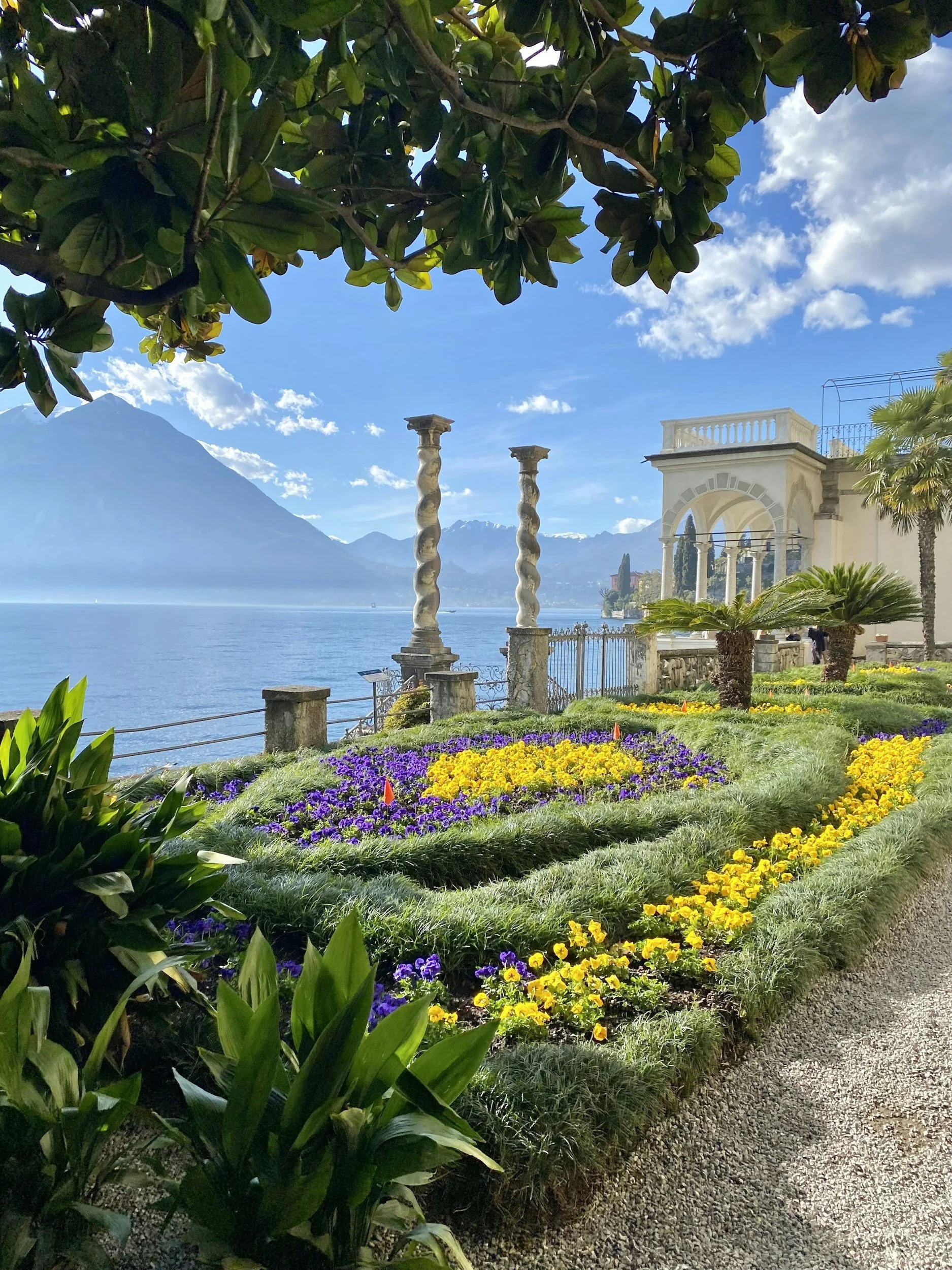
If I were choosing between Lake Iseo and Lake Como for a few days, I would probably start with Lake Iseo. Not because Como is too famous or too busy to be worth it, but because Iseo gives me more of the kind of trip I would actually want: one good base, a proper town, time by the water, Monte Isola as the main outing, and enough space in the day that everything does not need to be planned around a sight.
That said, I would not choose Iseo if what I really wanted was Como. If the trip in your head includes Varenna, Bellagio, Villa Carlotta or Villa del Balbianello, then I would go to Lake Como and enjoy those places for what they are. Iseo is not the “better” version of that holiday. It is simply a different one.
For me, that is the easiest way to separate the two. Iseo feels more appealing when the pleasure is in the stay itself: the Friday market in Iseo town, a short boat over to Monte Isola, a slower afternoon by the lake, perhaps a Franciacorta visit if wine is part of the reason you are there. Como makes more sense when the villas, gardens and central-lake towns are not just nice additions, but the reason you booked the trip.
Where you stay can change the trip just as much as the lake itself. Iseo town gives you a proper little base with the market, station and boats all close together, while Sulzano makes more sense if Monte Isola is the main reason you are coming. On Como, Varenna is the obvious choice for easy rail access and central-lake ferries, while Como city gives you a very different, more urban stay. Once you compare those places rather than the lakes as a whole, the decision gets much easier.
What the trip actually looks like on Lake Iseo and Lake Como
The more I look at these two lakes, the less useful the usual “Como is glamorous, Iseo is quieter” comparison feels. It does not really tell you what a few days there would look like.
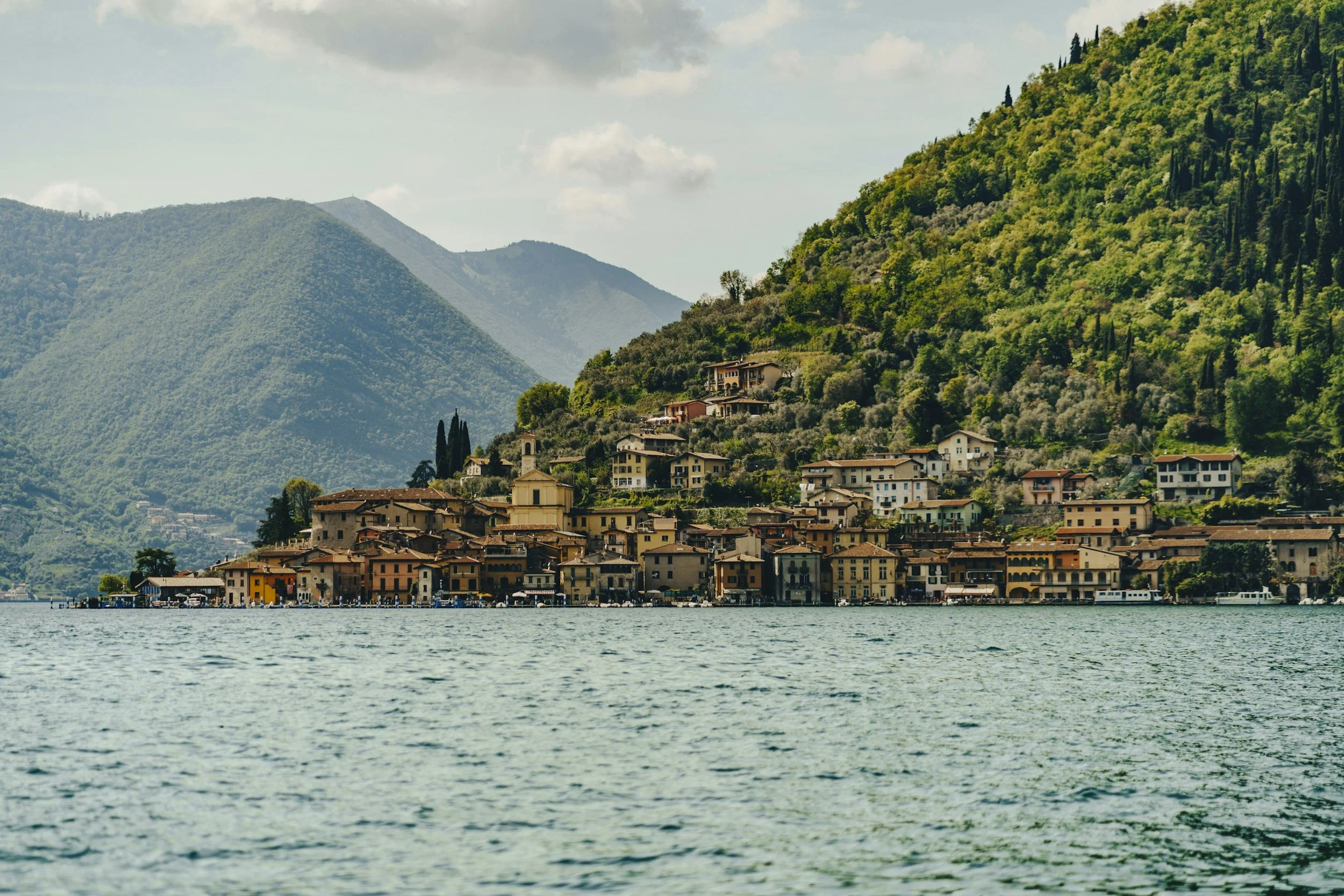
Iseo is easier to keep small. If you stay in Iseo town, you already have somewhere to spend time rather than somewhere you immediately need to leave. There is the Friday market, the waterfront, the old centre, and Monte Isola close enough to become one of the main days of the trip rather than a separate expedition. I like that balance. You can plan one or two things properly and leave the rest alone.
Monte Isola is a good example. From Sulzano, the crossing to Peschiera Maraglio takes only a few minutes. You can keep the day easy around the lower part of the island, or head further uphill if that is what you came for. It does not have to become an all-day circuit just because the island is there.
Como feels different because there are more places that can become the reason for the trip. Varenna, Bellagio, Villa Carlotta and Villa del Balbianello all pull in slightly different directions. If I were staying for only a few nights, I would not try to fit all of them in. I would rather have time in Varenna, choose one villa I really wanted to see, and leave Bellagio as a proper outing instead of adding it to an already full day.
I would also be careful about talking about “Lake Como” as though staying anywhere around it gives you the same trip. Como city and Varenna are very different bases. Varenna puts you right in the middle of the part of the lake most people have in mind, with Bellagio and the central-lake ferries close by. Como city gives you more of a city-and-lake stay, which can be lovely in its own way, but it is a much less convenient choice if Bellagio and the villas are what you really came for.
Iseo works in a similar way, just on a smaller scale. Sulzano is the obvious choice if you want Monte Isola right in front of you. Iseo town gives you more to come back to once the day is over, which I would personally prefer for a few nights.
That is probably the point where I would make the decision. I would think less about which lake sounds better in theory and more about the place I want to wake up in, come back to for dinner and spend the slower parts of the day in. Once that feels right, the lake usually follows.
Lake Iseo: where I would stay and how I would spend the days
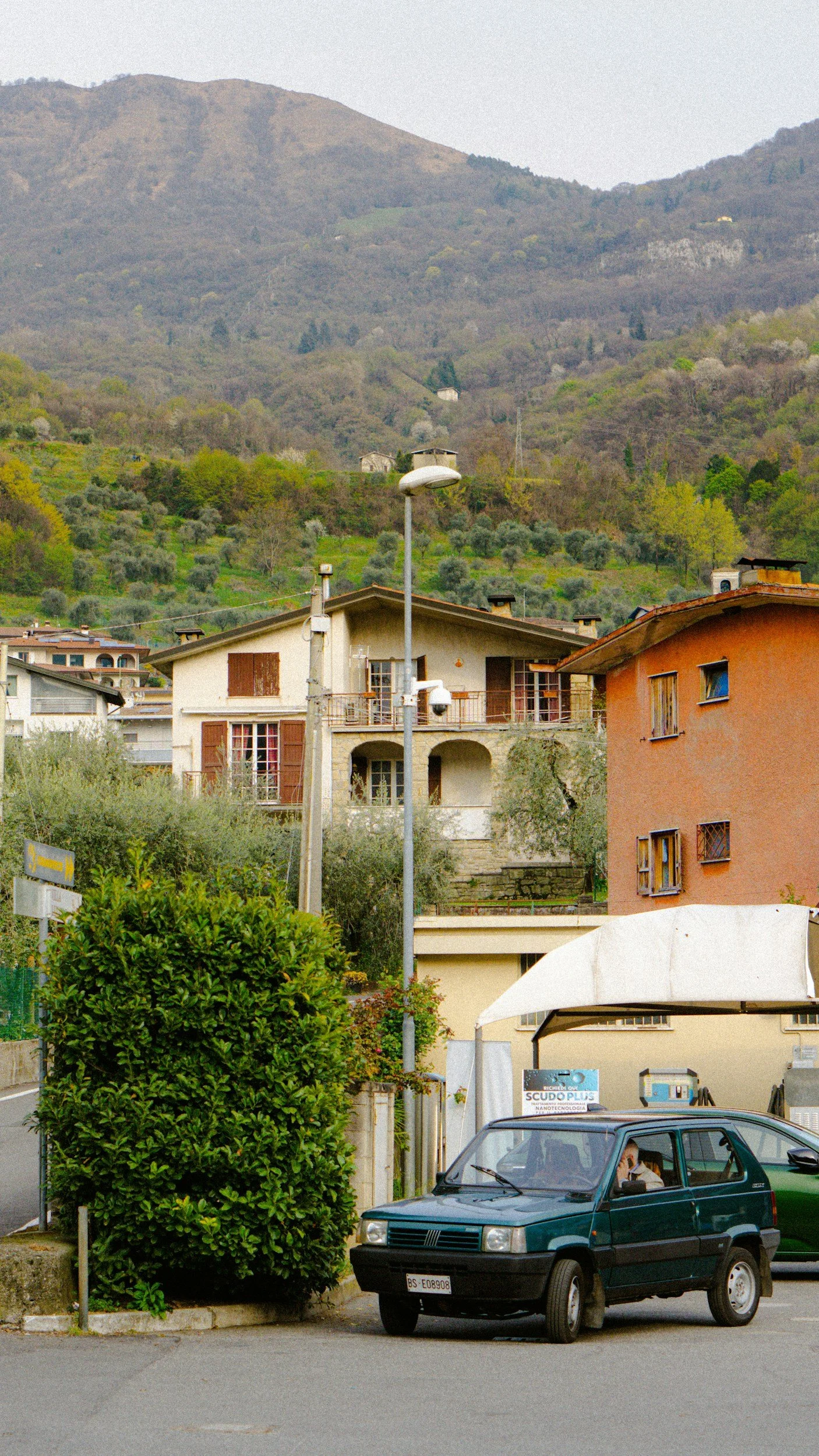
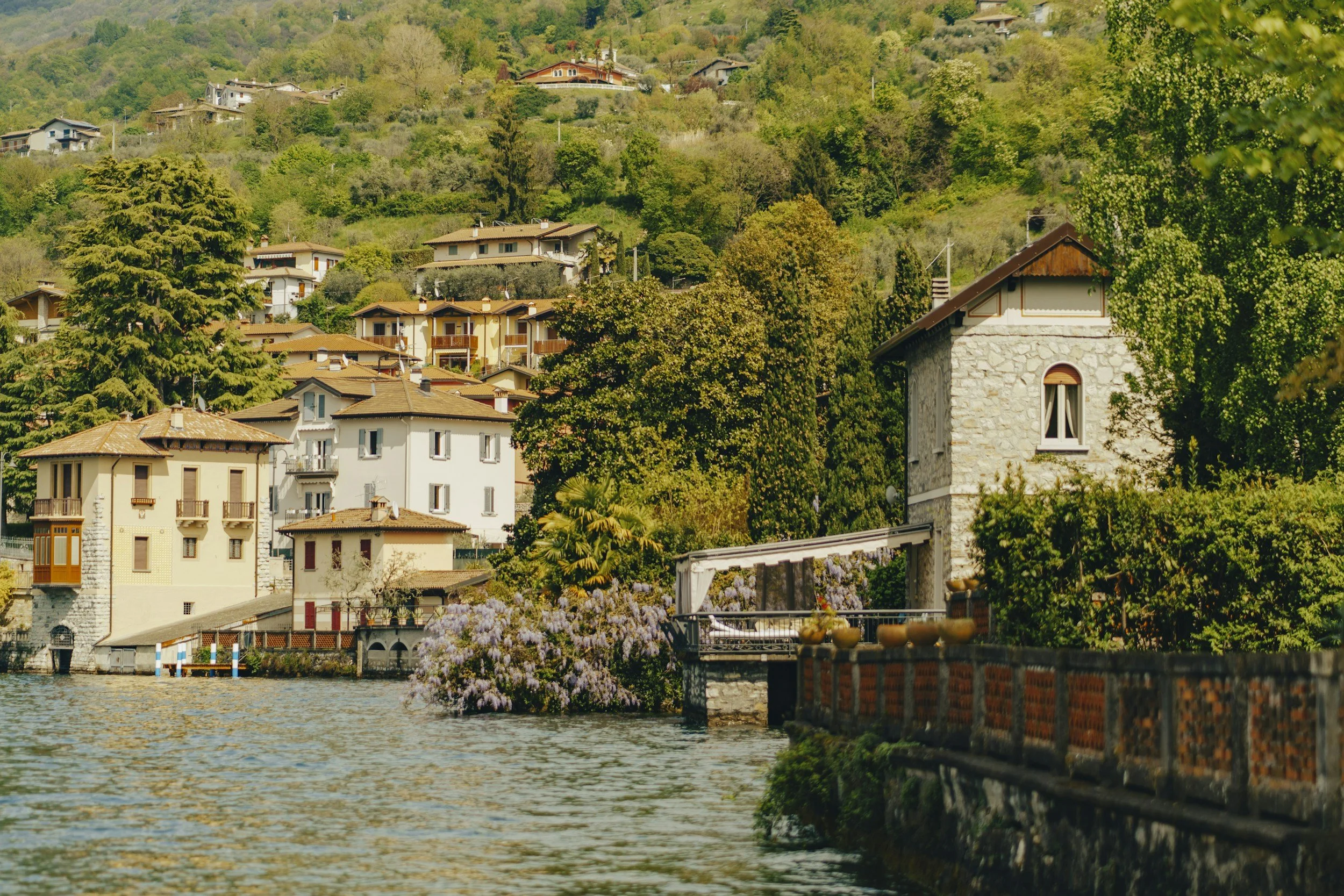
If I were booking Lake Iseo for the first time, I would probably stay in Iseo town. The station is only a few minutes from the centre, the pier is close by, and there is enough going on that you do not have to treat the town as somewhere you simply sleep between outings.
Friday morning is the clearest example. The market runs until early afternoon, and I would happily let that shape the first half of the day. Start with coffee, wander through the stalls, see what catches your eye, then carry on towards the water or stay around the centre for lunch. Sant’Andrea and the Arsenale are both close enough to drop into as you go, so the morning can stay loose without feeling empty.
That is the appeal of Iseo town for me. You can have a day that is not built around one headline attraction and still feel like you are properly in the place.
Sulzano is different. I would choose it if Monte Isola was the main reason for the trip, because the station and pier sit very close together and the crossing is right there. But for a few nights, I like having a little more around me once I am back on the mainland. Iseo town gives you that without making the trip more complicated.
I would also pay more attention to the exact address of a hotel than I normally would. Around a lake, a short distance on a booking map can hide a steep walk or an awkward final stretch. Here, being able to walk from the station to the centre, from the centre to the pier, and back again in the evening is part of what makes the base work.
The railway along the eastern shore gives you some freedom too. If you wake up and decide you want another town rather than another boat, Sulzano, Sale Marasino, Marone and Pisogne are all on the line. I would not try to turn that into a list of stops. It is simply nice to know the trip does not depend on ferries every single day.
Give Monte Isola most of a day
Monte Isola is the outing I would leave proper space for.
From Sulzano, the boat to Peschiera Maraglio takes around five minutes. There is another short crossing from Sale Marasino to Carzano, and during the day those links are usually frequent enough that you are not planning the whole morning around one departure.
The island is where I would slow down a little more. Peschiera Maraglio is the easiest place to begin, especially if you want a day near the water rather than a long walk. You can keep things simple there and let the village and shoreline take up the time.
The moment you start heading inland, though, the day changes. Monte Isola rises quickly from the lake, and the higher hamlets and sanctuary sit well above the shore. A gentle village day and a proper uphill walk are two different plans, even though they start from the same boat.
I would choose one of them and commit to it. If I wanted the climb, I would make that the focus. If I wanted a softer day around the lower part of the island, I would not feel any need to turn it into a full circuit just because the island is there.
It is also worth knowing that Monte Isola is not completely traffic-free. Visitors cannot simply bring a car over, but residents use motorcycles and there are local buses and authorised vehicles. That does not take away from the experience; it just gives you a more realistic picture of the island before you arrive.
Franciacorta is close enough to be very tempting, but I would not tack it onto the end of a Monte Isola day. A proper winery visit usually needs booking in advance, and getting there from Iseo depends on the producer. On a short trip, I would either give wine country its own time or keep it simple and order a glass of Franciacorta back in town.
And in case Franciacorta caught your attention, you might also like the Italian wine villages I would visit towards the end of the season.
If Iseo is winning you over, I have a separate guide to where I would stay on Lake Iseo without a car, including the difference between Iseo town, Sulzano and the other bases along the lake.
Why Como is worth choosing for the places you came to see
If I were spending a few days on Lake Como, Varenna is the place I would look at first.
You can get there directly from Milan, which already makes the trip feel much simpler, but I would stay for the village itself rather than treat it as a convenient ferry stop. Piazza San Giorgio sits just back from the water, the old centre is easy to wander, and the path towards Riva Grande gives you that classic lakeside setting without needing to organise anything around it.
That is useful on Como, because it is very easy to start overloading the days. Bellagio is across the water, Menaggio is nearby, and the western shore quickly adds villas and gardens into the mix. On paper, it all looks close enough to combine. In reality, I think the trip is better if you stop trying to make every ferry connection count.
Bellagio is the outing I would keep simple. Go over, spend time there, have lunch, walk around properly, then come back when you are ready. I would rather have one good afternoon than spend the day moving from one famous name to the next.
Varenna also gives you the option of doing very little, which I think matters more than it sounds. You can stay around the village, spend time by the water, and leave the boats for another day. On a short trip, that makes the whole place feel much easier to enjoy.
Pick one villa and give it the time
The villas are one of the strongest reasons to choose Como, so I would not rush them.
Villa Carlotta is the one I would choose if I wanted a mix of interiors, art and gardens. It is enough of a visit on its own, especially if you want time to walk through the grounds rather than just move through the house and leave.
Villa del Balbianello needs a bit more planning. You have to book in advance, and if you arrive on foot from Lenno there is an uphill walk of about 25 minutes before you reach the villa. The interior is visited on a guided tour lasting around 50 minutes, so I would decide before booking whether I really wanted to see inside or whether the gardens and setting were the main draw.
I would not try to do both villas just because they are famous. On a two- or three-night trip, one is enough unless villas are the whole point of your stay. I would rather spend the rest of the time in Varenna or Bellagio than turn the lake into a series of timed entrances.
And Como does not need to become a luxury trip to work well. A direct train to Varenna, public ferries, one villa you genuinely want to see and enough time to enjoy the towns between all of that is already a very good few days.
Planning this for spring? I have also looked at the Italian lake towns I would choose in April, when the experience can be very different from a summer lake trip.
Without a car, compare the base as carefully as the lake
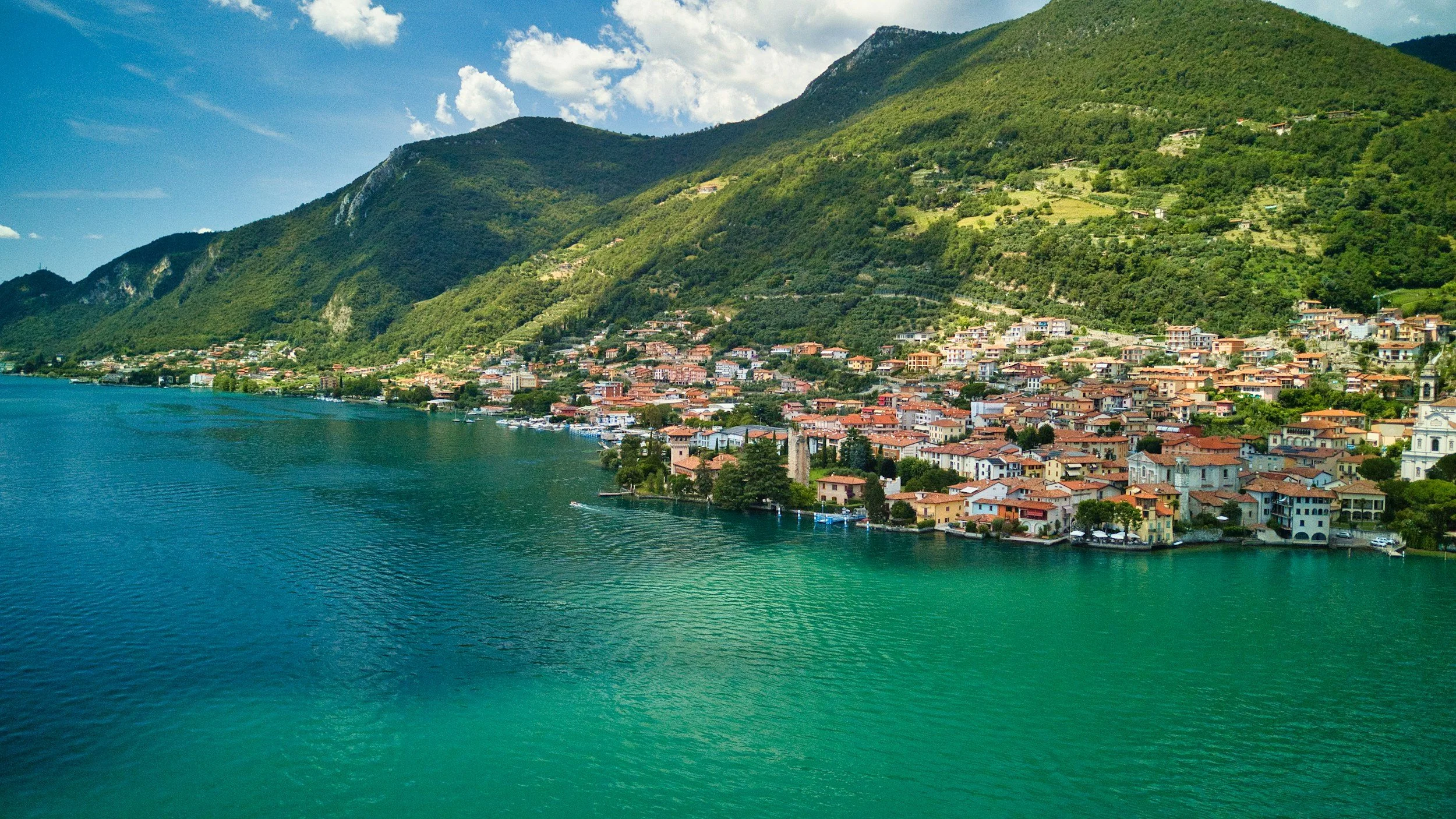
Iseo town or Sulzano, reached through the right gateway
The easiest way to plan Lake Iseo without a car is to stay on the eastern side of the lake and let the railway do most of the work.
From Brescia, the line runs through Iseo, Sulzano, Sale Marasino, Marone and Pisogne, so you are not relying on boats for every move. That gives you much more freedom than the map suggests, especially if the weather changes or you simply decide you would rather spend the day in another town than on the water.
If I were arriving from Milan or Verona, I would probably route through Brescia and continue straight to the town where I was staying. I would not book something vaguely described as being “on Lake Iseo” and work out the final stretch later. On a short trip, that last half-hour can be the difference between arriving feeling relaxed and arriving already annoyed with the logistics.
Iseo town is the safer bet for a first stay. The station is only a few minutes from the centre, the pier is close by, and you can walk straight into town without needing another connection. Once you are there, you still have the train for places farther north and the boats for the lake.
Sulzano is more tempting if Monte Isola is the main reason you are coming. The station and pier sit very close together, and the crossing to Peschiera Maraglio takes around five minutes. You can get off the train and be on the island very quickly, which is hard to beat if that is the day you are most excited about.
I would check the hotel pin carefully, though. Sulzano is compact down by the water, but some accommodation sits farther uphill, and that changes the feel of the base quite a lot. The same applies elsewhere around the lake: a room that looks only a short distance away on a booking map can feel very different with a suitcase, summer heat or a late walk back after dinner.
One thing I would keep separate is the frequent Monte Isola shuttle from the wider lake boats. The short crossings from Sulzano and Sale Marasino are much more dependable than the longer routes around the lake, especially outside summer. So I would happily use the island boats as part of a normal day, but I would check the wider timetable before planning dinner in another town or assuming I could move around the whole lake late in the day.
If Bergamo is your starting point, it is also worth checking the seasonal integrated bus-and-boat option rather than automatically doubling back through Brescia. It only runs on certain days and dates, so I would treat it as a useful alternative rather than the standard route.
For me, the choice between Iseo town and Sulzano comes down to what I want close by when I am not travelling anywhere. Iseo gives you more around you in the evening and more flexibility the next morning. Sulzano gives you Monte Isola almost on the doorstep.
Varenna or Como city are two very different arrival decisions
On Lake Como, I would choose the base before I booked the train.
Varenna is the obvious fit if the central lake is where you want to spend most of your time. Trains from Milano Centrale take roughly an hour, and once you arrive you are already in the part of the lake where Bellagio, Menaggio and the ferry crossings start to make sense. There is still a walk from the station down towards the boats, but it is a much cleaner arrival than reaching Como city and then continuing north by water.
Como city is easier in a different way. The train journey from Milan is shorter, and if you want a stay with more city life around you, fewer compulsory ferry days and the lake as part of the setting rather than the entire itinerary, it can be a very good base. I would just be careful not to confuse “easy to reach Como” with “easy to reach Bellagio”. They are not the same thing.
That distinction matters because the ordinary boat from Como to Bellagio can take close to two hours. It is a lovely journey if you want the boat ride itself, but I would not choose Como city and then plan to commute to the central lake every day. If Varenna, Bellagio and the villas are the places you keep coming back to, I would stay farther north from the start.
The station choice in Como city can also make a difference. Como San Giovanni and Como Lago are not interchangeable names for the same place. The Como Lago route brings you closer to the waterfront, while San Giovanni sits on a different rail line, so I would check which station works best with the hotel rather than simply booking the first “Como” train that appears.
Bellagio is the place where the arrival needs one more step. It has no railway station, so arriving by train means coming in through somewhere such as Varenna and taking the boat across. That is easy enough to do, but I would factor it into arrival day rather than treating Bellagio as though it had the same direct access as Varenna.
For a short trip, I would choose Varenna if the central-lake towns and villas are the main event. I would choose Como city when I wanted the lake alongside a proper city base and was happy to make the longer journey north only once or twice.
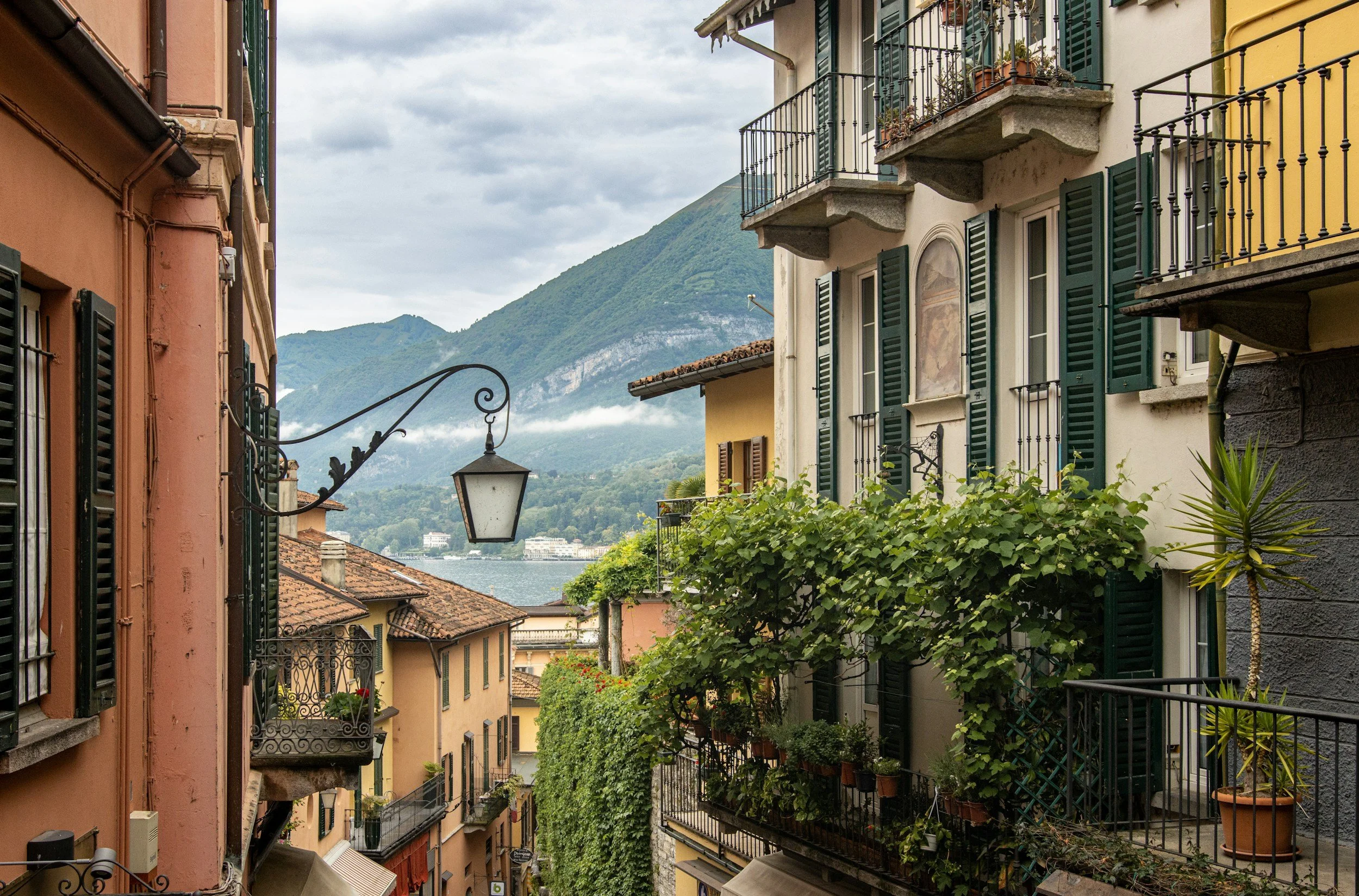
If this trip is part of a longer rail journey, these are the northern Italian towns I would add before renting a car or defaulting to another big city.
Pisogne or Bellano when you want a town that stands on its own
I would only choose Pisogne or Bellano if I liked the idea of staying there in its own right. That is the useful test!
Pisogne is farther up Lake Iseo, but the station, old centre and pier are all close enough that you can settle in without needing a car. I would choose it because I liked the idea of staying in Pisogne itself, with the older centre and the quieter upper-lake setting around me, not because I planned to spend every day travelling back south. If Monte Isola and Iseo town are the places you most want to see, I would stay nearer to them.
Bellano has the same kind of appeal on Lake Como. It is on the eastern-shore rail line, so arrival is straightforward, and the Orrido gorge gives you a reason to spend time in town rather than treating it as a cheaper alternative to Varenna. I would only choose it if Bellano itself appealed to me, not simply because the better-known bases felt too busy.
What I would not assume is that either place automatically gives you lower prices, emptier streets or easier transport. A smaller town can still be the wrong base if every day starts with a connection somewhere else.
For me, these are the alternatives that make sense when the town itself catches your attention. If you can imagine being happy coming back there for dinner and spending a slower morning there, then they are worth considering. If not, I would choose the base that puts you closer to the part of the lake you came for.
If being somewhere beautiful without driving is becoming the theme of the trip, I have also collected Italian countryside stays that are surprisingly practical without a car.
Is Lake Iseo actually cheaper than Lake Como?
I would not pick Lake Iseo just because someone told me it was the cheaper version of Como. It might be cheaper for your dates, but that is not really the interesting part. The bigger difference is what you end up spending money on once you are there.
On Iseo, one of the best days is also one of the least expensive. The return boat from Sulzano to Monte Isola is currently €5.20, plus the €1.50 daily landing contribution, so €6.70 gets you there and back. That leaves plenty of room for lunch, coffee or whatever else you feel like doing without the day suddenly becoming expensive.
Como is not automatically a money pit either. The train from Milano Centrale to Varenna is currently €7.40 each way, and the ordinary ferry between Varenna and Bellagio is €5.50 each way. So a simple Milan–Varenna return with a Bellagio trip comes to €25.80 before food or accommodation. For such a famous lake, that is more reasonable than people sometimes expect.
Where Como starts to cost more is when you add the places that are probably part of why you chose it. Villa Carlotta is €17.50, while Villa del Balbianello is €15 for the gardens or €25 for the villa and gardens. If you want several villas, more ferry rides and a room in one of the most popular towns, the total climbs pretty quickly.
But I do not think that makes Como bad value. If the villas are one of the main reasons you are going, then paying for them is part of the trip. It is not really fair to compare that with a day on Monte Isola where you might mostly be walking, sitting by the water and spending very little.
Accommodation is where I would look most carefully. I would compare the rooms I genuinely wanted for my dates and ignore big claims about Iseo being “half the price” or Como being impossibly expensive. A cheaper hotel is not much of a bargain if it means a taxi every night or a long uphill walk every time you come back.
For me, value comes down to this: am I spending money on the version of the trip I actually want? If Iseo gives me that and the room is cheaper too, perfect. If I really want Varenna, Bellagio and a villa visit, I would rather pay for that than save money by booking a different lake and spend the whole trip thinking about Como.
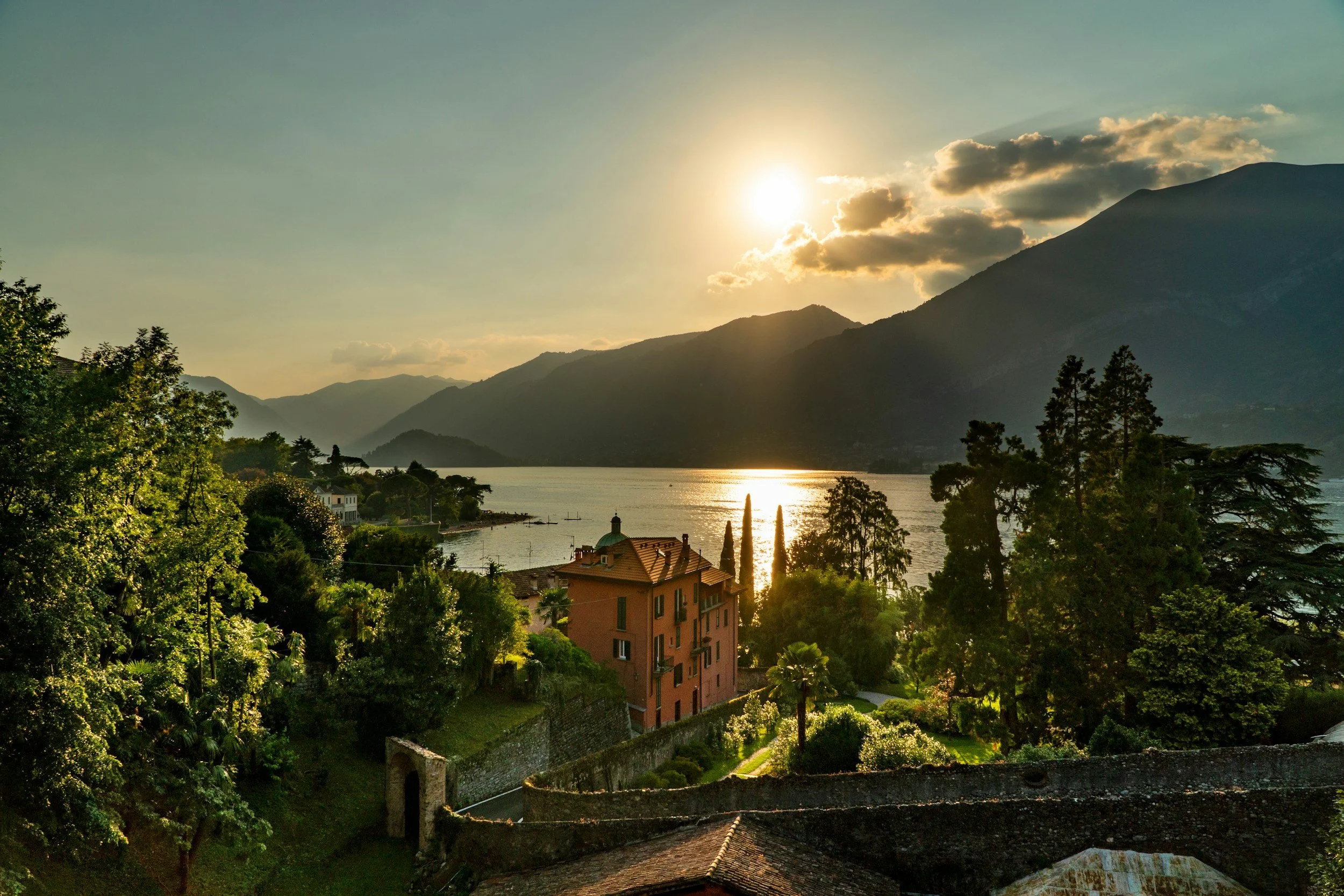
Still drawn to a smaller Italian lake? Lake Orta is the other one I would look at before booking Como, particularly if the famous villas are not the part of Como you care about most.
How the trip changes outside summer
The choice gets more interesting once you move beyond the obvious spring and summer months.
On Lake Iseo, Monte Isola is still very much part of the trip later in the year. The short crossings from Sulzano to Peschiera Maraglio and from Sale Marasino to Carzano continue through the winter timetable, which means you can still build a day around the island. What drops away first is the freedom to move around the wider lake as casually as you might in summer.
That matters most in the evening. A daytime island trip is one thing; dinner in another lakeside town is another. Later in the year, I would check the return before making plans rather than assume there will always be another boat. The current winter timetable, for example, runs from mid-October into March and treats the short island shuttles separately from the wider routes.
Como needs a different kind of date check. The villas do not all shut at the same time, and they do not all follow the same winter pattern either. Villa Carlotta has regular opening dates into early November, then selected later openings. Villa del Balbianello also opens on specific winter dates rather than every day. So a November or winter trip can still include a villa, but only if your dates line up.
I would check that before booking around a particular visit. If Villa del Balbianello is the thing you most want to see and it is closed on the days you are there, that changes the trip more than a reduced ferry timetable ever would.
Como’s boats also become less flexible outside the main season, especially if you are trying to connect several central-lake towns in one day. That does not make Varenna or Bellagio poor choices, but it does make me much less interested in building a complicated itinerary around them.
For late autumn and winter, I would choose a base I was happy to spend more time in and then add one or two things that are definitely operating. On Iseo, that might mean Iseo town plus Monte Isola. On Como, it might mean Varenna with one carefully timed villa day, or Como city if I wanted less dependence on boats altogether.
I would not avoid either lake just because the summer schedule has ended. I would just plan a smaller trip around what is genuinely open, rather than booking the same July itinerary and hoping November behaves the same way.
How many nights do you need?
I would not try to squeeze both lakes into the same short break. It sounds efficient on paper, but once you add check-out, getting to the station, changing trains and finding the next hotel, the day starts disappearing very quickly.
For me, the better test is not how many nights I have booked, but how many proper mornings I get in one place. If I arrive late, spend the next day out, then leave early the following morning, I have barely had time to settle in.
Iseo and Como can work very well together as part of a longer trip through northern Italy, but I would treat them as two separate stays. Give one lake a couple of days, move on, then do the same with the other.
If I only had a long weekend, I would choose one and enjoy it properly. I would much rather wake up in the same place twice than spend half the trip packing again.
If the gardens are what are pulling you towards Como, these are the European botanical gardens I would genuinely plan part of a trip around.
Lake Iseo or Lake Como: which would I choose?
By this point, I think I would stop trying to compare the two lakes on paper and pay attention to which trip I was already imagining. If that picture was a few days based in one town, Monte Isola as the main outing and enough space to decide things as I went, I would choose Iseo.
If I kept coming back to Varenna, Bellagio or one of the villas, I would take that seriously too. There is no point choosing the quieter option if the places you are genuinely excited about are on Como. I would rather book the trip I actually wanted than spend the whole time wondering whether I should have gone somewhere else.
Once that part feels clear, I would move straight to the base. Look at where you would stay, how you would arrive, and whether the one or two things you care about most work on your dates. That is usually where the choice becomes much easier.