
Lake Iseo without a car: where I'd stay and how the transport really works
Lake Iseo is very easy to book with your eyes. You find a lovely waterfront town, convince yourself the ferry will sort everything else out, and only later realise that getting around the lake depends quite a lot on where you sleep. The eastern shore has the railway, the short crossings to Monte Isola are much more dependable than the wider ferry network, and some places become noticeably less convenient once evening or low season enters the picture.
For most first trips, I would still choose Iseo, mainly because it gives you more ways to recover when plans change. You can arrive by train, use boats and buses when they suit the day, go out for dinner without immediately checking how you are getting home, and you have enough shops and services that a cancelled boat or wet afternoon does not suddenly derail the trip. Sulzano is the better fit when Monte Isola is the main reason you are there, because the station and pier sit so close together and the island crossing is the easy part of the network. Pisogne is more of a deliberate choice: quieter, further north, and less handy for the lower lake, but still reassuringly connected by rail.
So yes, you can absolutely visit Lake Iseo without a car. I just would not choose a base here purely because the hotel photos look nice. Once you understand which transport links are dependable and which ones become thinner by season, the decision gets much easier, and there is a big difference between staying somewhere peaceful and staying somewhere that leaves you stranded with a beautiful view.
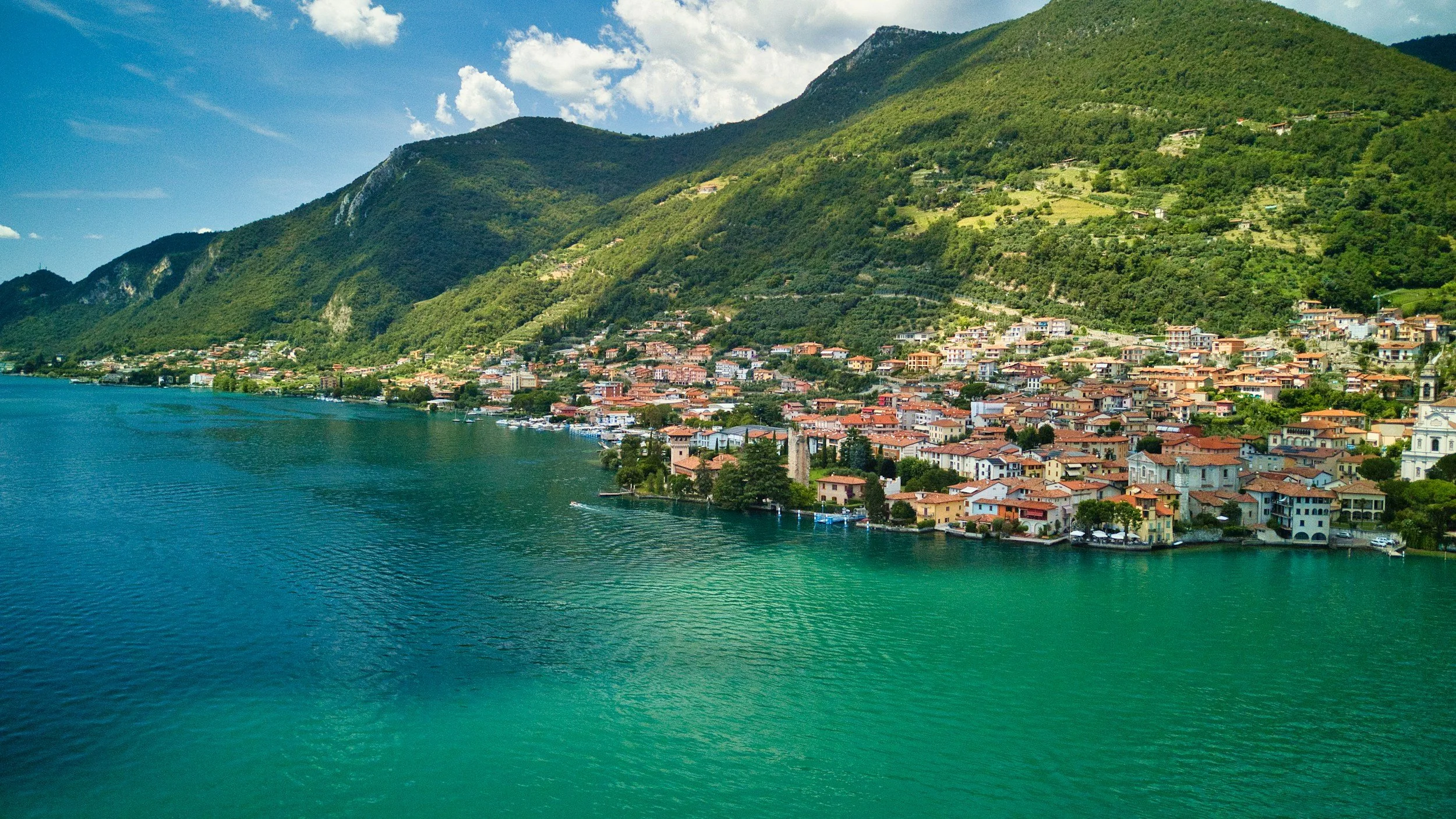
I’d book Iseo first and only change my mind for a good reason
If you’ve already got five accommodation tabs open in different towns around the lake, I’d narrow them down and start with Iseo. For a first trip of three to five nights, it gives you the most freedom without making you think about transport every single time you leave the hotel.
Iseo sits on the lower eastern side of the lake, with Franciacorta just south of it and the railway continuing north towards Sulzano, Pisogne and Val Camonica. The station is only around five minutes on foot from the centre and ferry pier, so you can arrive with a suitcase, walk to your accommodation and pretty much forget about the awkward arrival logistics. That sounds like a small thing until you compare it with a beautiful lakeside hotel that requires a bus, a steep walk or a ferry connection every time you want to go anywhere.
I also wouldn’t worry that choosing the practical base means choosing the “boring” one. Iseo is a proper little town, and that would matter to me if I were staying several nights. Piazza Garibaldi has been used for trading since the Middle Ages and is still right at the centre of town life, rather than being some historic square you look at once and move on from. The Friday market is the biggest around the lake, and behind the waterfront there are old lanes and buildings that make it very clear that Iseo had a life long before people started coming here for lake holidays.
And this is probably the part I’d appreciate most after a couple of days: you don’t have to leave Iseo to have a nice evening. You can come back from Monte Isola, wander into town, get dinner, buy whatever you forgot from the shops and head back to your room without pulling out your phone to check whether you’ve missed the last useful connection. On a car-free trip, I think that freedom is worth quite a lot.
I’d only choose Sulzano instead if Monte Isola was going to be a big part of the holiday. It’s quieter, the station and ferry are ridiculously close together, and getting across to Peschiera Maraglio is about as uncomplicated as transport gets on Lake Iseo. For two or three nights spent mostly around the island, I can absolutely see the appeal.
Pisogne would tempt me for a different reason. It’s up at the northern end of the lake, has its own station and still feels like a town rather than somewhere that exists mainly for visitors. You’re further away from Franciacorta and the lower lake, so I wouldn’t choose it and then spend every day travelling south, but for Lovere, walks around the upper lake and trips further into Val Camonica, it starts to look much more interesting.
And Lovere? I completely understand why people want to stay there. It’s probably the one I’d be most likely to fall for while scrolling through photos. But there’s no railway station, and that changes the calculation once you’re relying on public transport. I’d happily choose Lovere when Lovere itself was one of the main reasons for the trip. If I wanted to use my hotel as a base for exploring the lake in several directions, I’d keep coming back to Iseo.
The reason becomes much easier to see once you understand how transport around Lake Iseo is put together, because the trains and ferries aren’t nearly as interchangeable as the map makes them look.
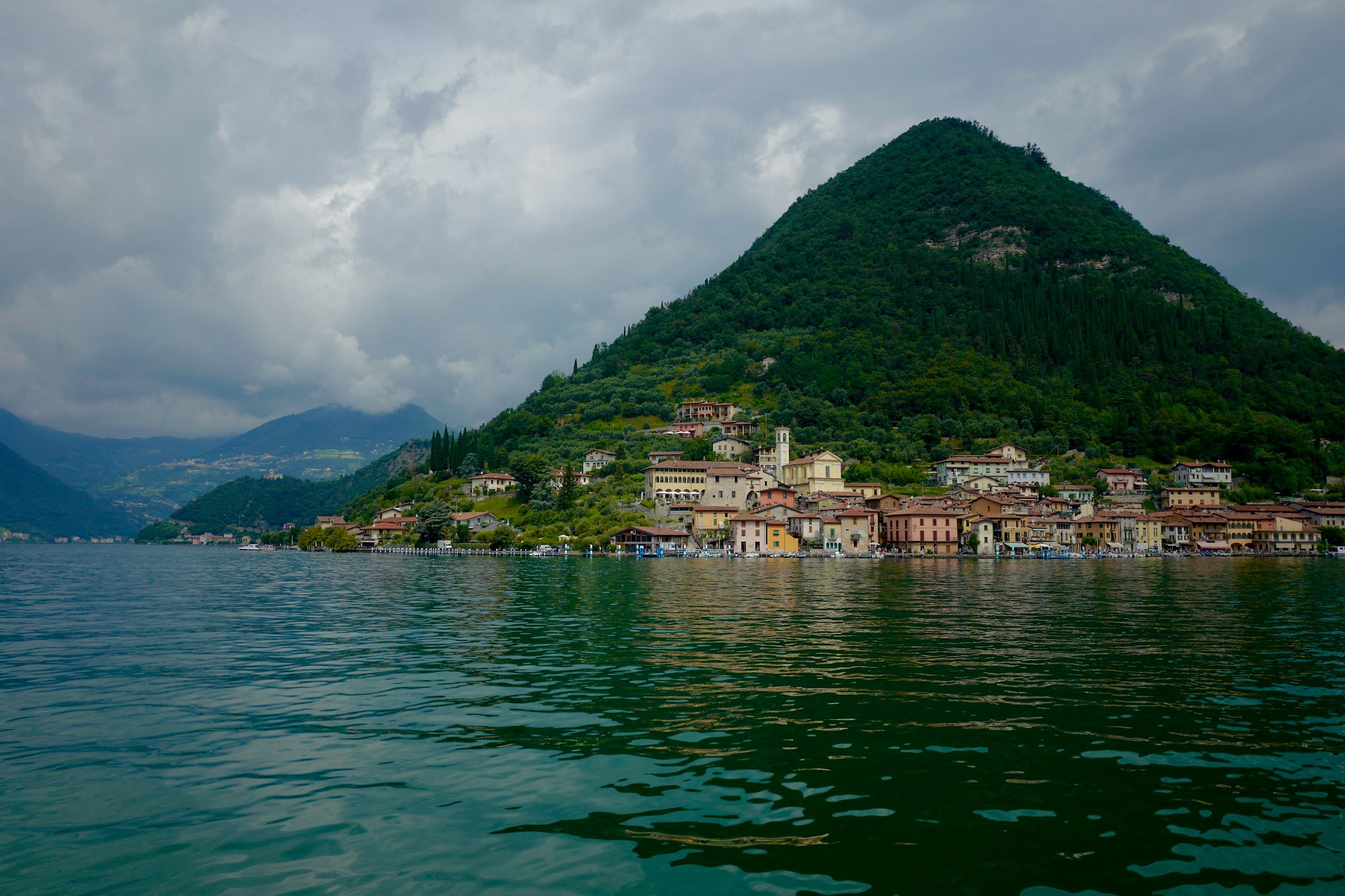
Lake Iseo gets much easier once you know which transport to trust
The map makes it very tempting to think the ferries will do most of the work here. I wouldn’t plan the trip that way….
The train along the eastern shore is the bit I’d plan around first. The short ferries to Monte Isola are actually quite easy and uncomplicated. Then you have the longer boats and buses, which are useful but need a little more checking because they change more by season, day and timetable period. Once you separate those three things, Lake Iseo suddenly feels much less confusing.
This is the simple version I’d keep in my head:
The train:
Brescia → Iseo → Sulzano → Sale Marasino → Marone → Vello / Toline → Pisogne → Val Camonica
The easy Monte Isola crossings:
Sulzano ↔ Peschiera Maraglio
Sale Marasino ↔ Carzano
The routes that need more planning:
Buses towards Sarnico and Lovere, plus the longer ferry services around the lake
That explains why two towns that look almost next door to each other can be very different places to stay when you don’t have a car.
The east-shore train is the bit I’d rely on
The railway runs up from Brescia through Iseo and continues along the eastern side of the lake through Sulzano, Sale Marasino, Marone and Pisogne, with smaller stops including Vello and Toline before the line carries on into Val Camonica. For a car-free trip, that is incredibly useful because you have one clear route running north and south even when the boat you wanted doesn’t fit your day.
Services are commonly around hourly, although there are gaps and not every train stops everywhere. I wouldn’t bother trying to memorise any of it before the trip. Check Trenord for the day you’re travelling, especially on a Sunday or if you know you’ll be coming back later in the evening.
This is one of the reasons the eastern-shore towns are so much easier to recommend. If the weather changes, you miss a boat, or you simply decide you’d rather go somewhere else that morning, you still have the railway sitting there as a backup.
One thing I would absolutely check before booking a room, though, is the actual walk from the station, not the distance shown on the accommodation listing. Some of these towns rise away from the lake pretty quickly. Sulzano is the obvious example: the station and ferry pier are brilliantly close together down by the water, but accommodation further uphill can turn “five minutes away” into a fairly committed little climb with a suitcase. The town name alone doesn’t tell you enough.
Lake Iseo also fits nicely into a wider train trip through northern Italy, and these are the northern Italian towns I’d happily plan a rail trip around.
The Monte Isola ferries are the easy part
The short crossings to Monte Isola are the ferries I’d feel most relaxed about using.
From Sulzano, you cross to Peschiera Maraglio in roughly five minutes, and the station is only a few minutes from the pier. Sale Marasino has the other frequent year-round connection across to Carzano. These are the dependable island links, and they’re the reason Monte Isola is so easy to add to a trip even if you’re staying somewhere else on the railway.
The longer boats around the rest of Lake Iseo are a different story. Services between places such as Iseo, Sarnico, Lovere, Pisogne and Marone can be very useful, and I’d definitely take advantage of them when they line up nicely, but they aren’t something I’d treat as a turn-up-and-go service. Routes and frequency change by season and sometimes by day of the week.
So I’d be completely comfortable deciding over breakfast in Sulzano that I fancied Monte Isola that day. I’d be much less casual about planning a chain of longer ferry journeys around several towns and assuming I could just catch the next one if lunch ran late.
There can also be request-based night service on the Monte Isola crossings during certain timetable periods, but I’d check that for my own dates rather than save it as a permanent rule. Ferry timetables here are one of those things where two minutes on the operator site before dinner can save a very annoying end to the evening.
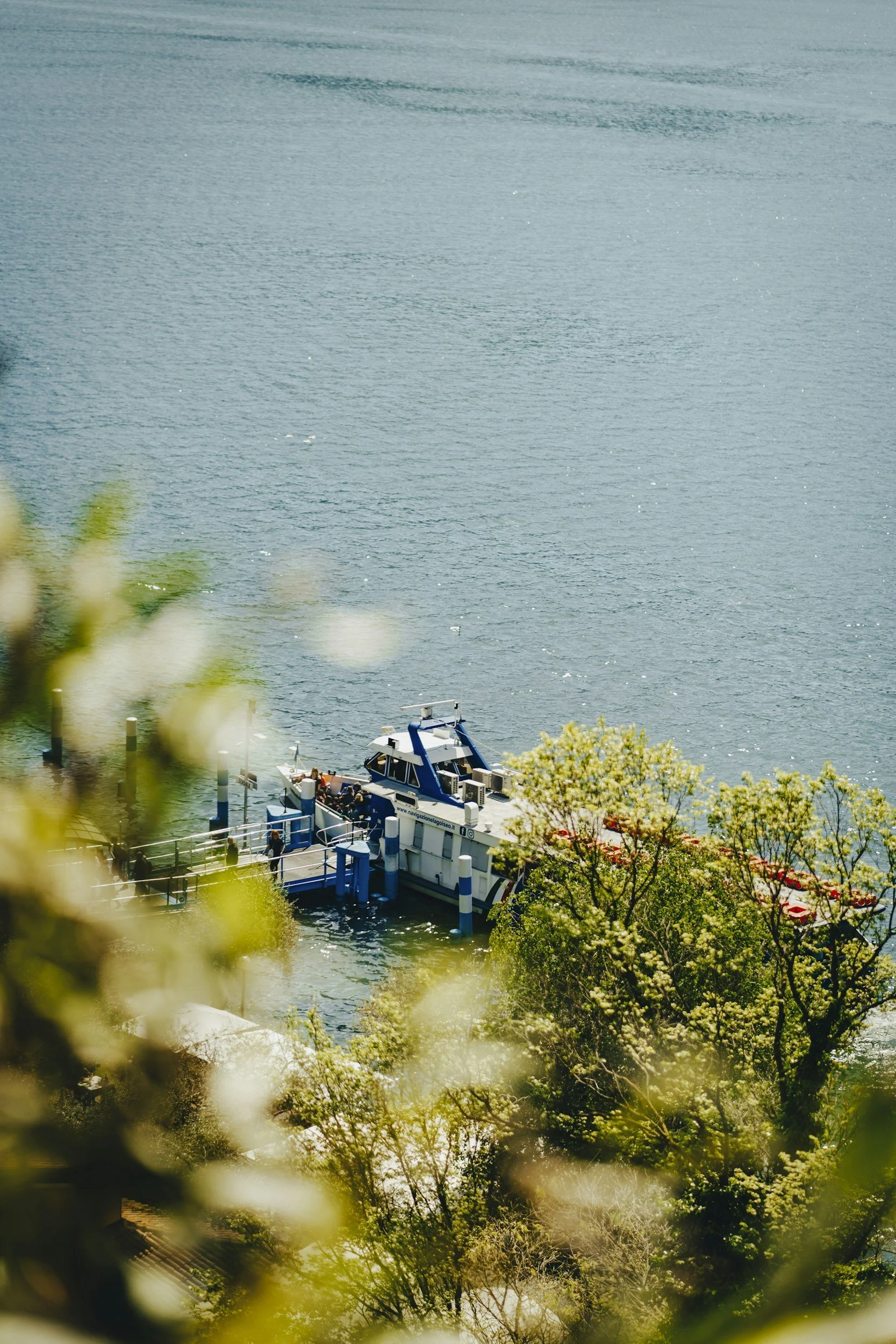
The west shore is where I’d stop winging it quite so much
Sarnico and Lovere don’t have railway stations, so once you move over to the western side of the lake, buses start doing more of the heavy lifting.
Bergamo is a useful gateway for this side, with bus connections towards Sarnico and Lovere. There are also links around the southern end of the lake between Iseo and Sarnico, while Pisogne can be useful when you’re trying to reach Lovere from the rail-served side.
I wouldn’t rule out the west shore because of that. I’d just plan it a little differently! Bus timetables can change between weekdays, Sundays and school days, so this is where I’d check the exact journey rather than assume yesterday’s connection will still be there tomorrow.
And that is really all you need to keep straight. Use the railway for the backbone of the trip, treat the Monte Isola ferries as the easy crossings, and use the longer boats and buses when they take you somewhere you specifically want to go.
Once you plan Lake Iseo like that, it stops feeling like a puzzle of little ports and starts feeling like a very doable car-free trip.
Iseo is the base I’d trust with a slightly messy itinerary
Iseo’s biggest advantage isn’t that it sits in the perfect spot on the lake. It’s that your day doesn’t fall apart quite so easily here.
You can head out by train in the morning, use a boat if the timing suits you, or take the bus towards Sarnico, but you’re not relying on any of those things just to have a decent day. If the weather turns, a ferry doesn’t line up, or you come back earlier than planned, you still have the town itself: restaurants, proper shops, the waterfront and enough everyday life that you don’t feel as though you’ve been deposited at your accommodation until tomorrow’s excursion. That’s a much bigger advantage after three or four nights than it looks when you’re comparing pretty lake towns online.
It’s also one of the easier places to get the location of your hotel right. I’d look for somewhere that keeps both the station and the waterfront comfortably walkable, rather than getting distracted by a room that technically has an Iseo address but sits well outside the compact centre. The useful part of staying here is being able to arrive, drop your bag, go out for dinner and get back without adding another little transport mission to the day.
And I don’t think choosing Iseo means taking the sensible option at the expense of the nice one. The centre and lakefront sit close together, so you can spend the evening around town rather than feeling you need to travel somewhere prettier once the sightseeing is done. Iseo is busier than Sulzano or Pisogne, yes, but for a first trip I’d rather have a bit more life around me in the evening than discover that my peaceful base has three dinner options and one of them is closed.
Monte Isola is the one day where I wouldn’t automatically assume the boat from Iseo is the best choice. Depending on the current timetable, it may be easier to take the short train to Sulzano and cross from there to Peschiera Maraglio, where the ferry runs far more frequently. That’s exactly the sort of flexibility Iseo gives you: you can use the direct option when it works, and switch to the rail-and-shuttle combination when it doesn’t.
For a trip where you want a bit of everything rather than one very specific corner of the lake, that margin for changing plans is hard to beat. The only time I’d happily give it up is when Monte Isola is going to be the main event, because then Sulzano starts making a very strong case for itself.
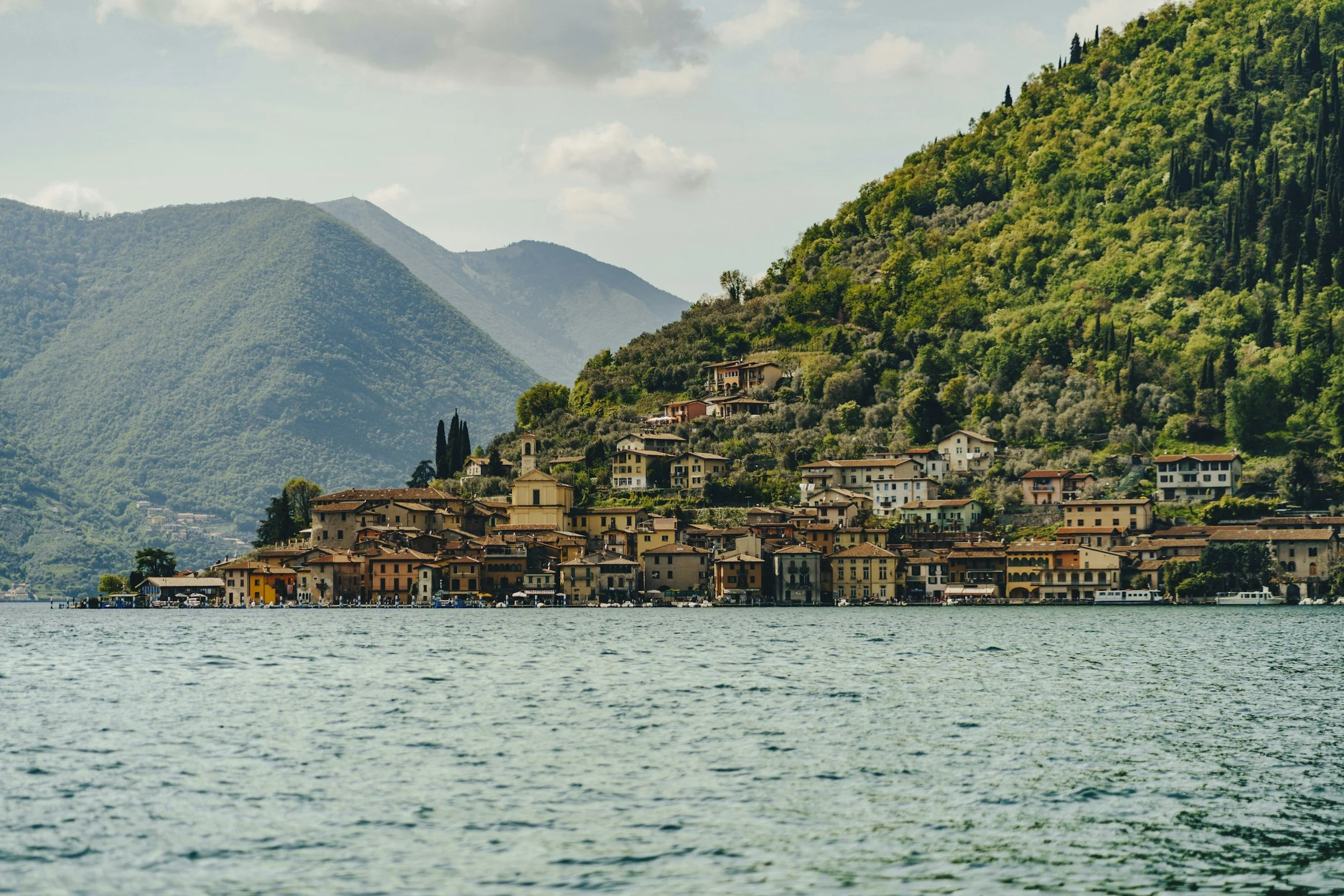
Sulzano would tempt me if Monte Isola was the reason I came
Sulzano is the place where I’d happily give up some of Iseo’s convenience, but only for a trip that was quite deliberately about Monte Isola. It sits almost directly opposite the island, and everything you need for that crossing is packed into a tiny area by the water. The railway station is around three minutes from the pier, then the boat over to Peschiera Maraglio takes roughly five minutes. You could arrive by train with your bag, walk down to the lake and be looking across at Monte Isola before you’ve really had time to wonder whether you’ve gone the right way.
And Sulzano has more personality than simply being “the ferry town”. It started life as a small port below the older hillside settlement of Martignago, with fishermen’s houses around the shore and boats leaving with agricultural goods for the market in Iseo. The village later grew down by the lake as the coastal road and railway made this the more useful place to live and trade. That history still fits the way Sulzano is laid out now: old lanes and houses close to the water, the port right in the middle of things, and the town rising quite sharply behind it towards San Giorgio and the hamlets higher up the slope.
For a couple of quiet nights, I can see why that would be lovely. You wake up with Monte Isola sitting right across the water, you don’t need to make a project out of getting there, and you can still hop on the train south to Iseo or north towards Pisogne when you want something different. There are also walking routes heading straight up from Sulzano towards the old Antica Strada Valeriana, so this is one of the bases I’d look at more seriously if the trip was going to involve walking as well as the island.
I would be much pickier about the hotel here than I would in Iseo, though. Down by the lake, Sulzano is wonderfully compact. A few streets back and uphill can mean something quite different. The municipality itself spreads into several settlements at different heights above the water, so I would zoom right in on the accommodation map and check the walking route rather than trust “Sulzano” in the address. A balcony halfway up the hill might look excellent at sunset and considerably less excellent when you arrive with a suitcase.
You’re still connected by rail to Iseo and north towards Pisogne, so staying in Sulzano doesn’t cut you off from the rest of the lake. Sulzano has places to eat, but nowhere near the choice you get in Iseo. Going into Iseo for dinner is easy enough by train, but this is where I’d check the return before ordering another glass of wine rather than assume there will be something convenient later. The late ferries for Monte Isola don’t help you if you are standing in Iseo and your bed is back in Sulzano.
So I wouldn’t choose Sulzano because I wanted a quieter version of Iseo. I’d choose it because I wanted this particular little stretch of Lake Iseo to be home for a few days: Monte Isola across the water, the ferry practically outside, the railway behind you and much less reason to spend every morning deciding where else to go.
For that trip, Sulzano could easily be the better choice. For a trip where I knew I’d want restaurants, different parts of the lake and plenty of last-minute changes, I’d still sleep in Iseo.
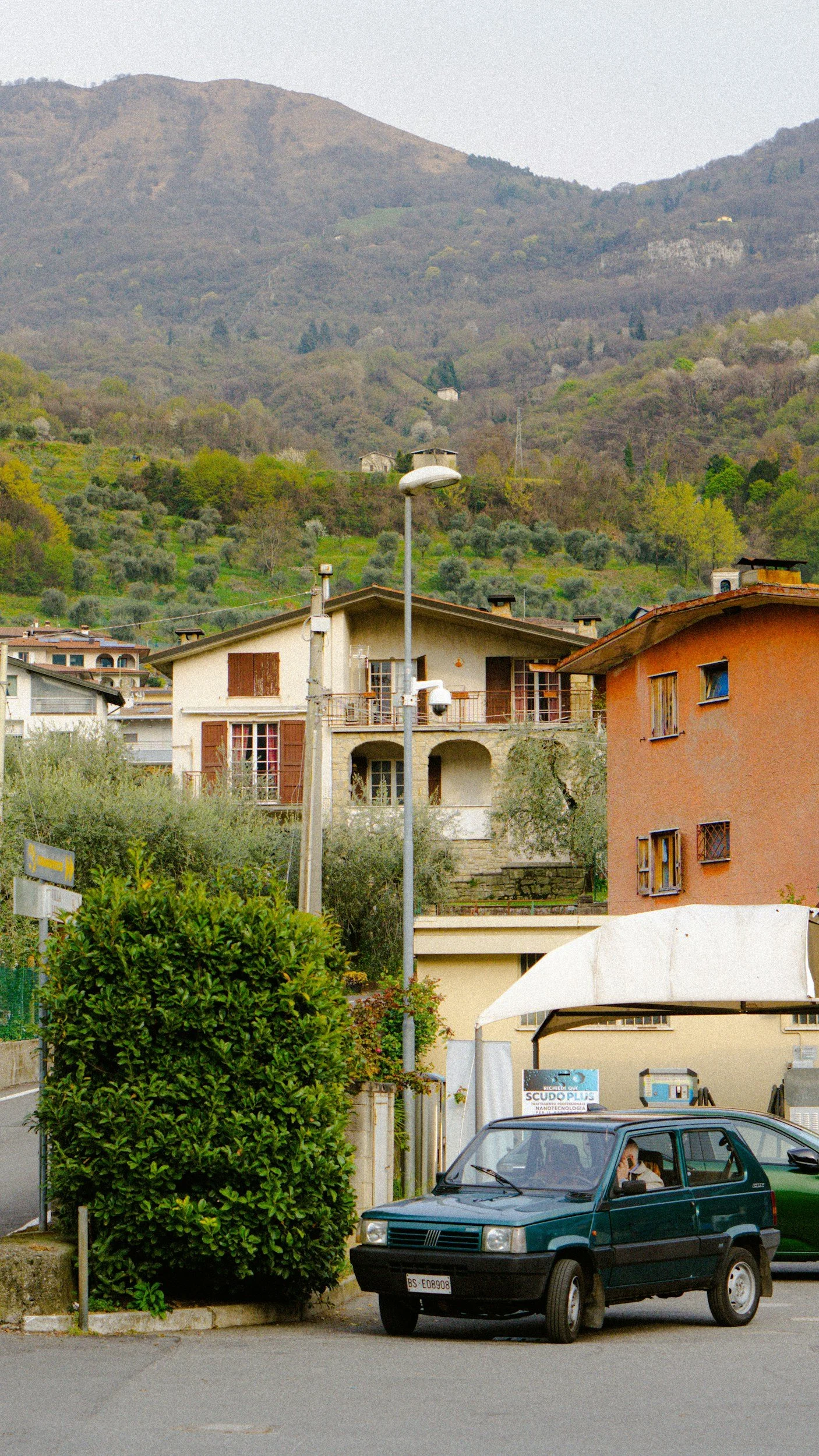
Pisogne is the one I’d seriously consider for a quieter few days
If I wanted Lake Iseo to feel a little quieter, Pisogne would be very high on my list. It sits right at the northern end of the lake, where the water narrows and Val Camonica begins, so you’re a fair distance from the busier lower-lake end. But crucially, you haven’t gone somewhere so peaceful that you’ve also lost the train.
The station is around five minutes from the centre and only a few minutes from the pier, which is exactly the setup I’d want here. You can arrive with a suitcase and walk into town, rather than finishing a long journey with another bus or taxi, and the railway is still there whenever you fancy heading south.
And Pisogne itself has enough going on that I wouldn’t feel I had chosen it purely as a base. Piazza Umberto I sits almost on the lake, with the old Bishop’s Tower beside it, and this has been Pisogne’s market and trading area since medieval times. The town developed here because it was the natural meeting point between boats on Lake Iseo and the route heading into Val Camonica, which explains why there’s a proper little centre behind the waterfront rather than just a promenade and a handful of holiday apartments.
There are some lovely surprises mixed into it too. Santa Maria della Neve, a short walk from the centre, contains a cycle of frescoes painted by Romanino in the 1530s, while the streets around the old square still lead back into the medieval part of town. I probably wouldn’t choose a base because of one church, but this is exactly the sort of thing I like having nearby on a day when I don’t feel like organising an outing.
Pisogne also starts to look particularly good if you enjoy walking. The Vello–Toline path runs along the eastern lakeshore just south of here, and Pisogne is also the starting point for a stretch of the Antica Strada Valeriana, which heads out from town through chestnut woods towards the hills. So you can have days where the train is simply getting you to the start of a walk, rather than spending hours trying to reach the other end of the lake.
This is also a much handier end of the lake for Lovere and for continuing further into Val Camonica. If those places were already on my list, I’d much rather stay up here than base myself in Iseo and keep travelling north every morning.
The compromise comes when your plans point south. Franciacorta, Sarnico and the lower part of Lake Iseo are all less convenient from Pisogne, so I wouldn’t book four nights here and then fill every day with things near Iseo. That would rather defeat the point.
Pisogne suits the trip where you’re happy to let the upper lake be your part of Lake Iseo, have dinner close to home, do some walking and use the train when you want to venture further. I think it’s a much more interesting option than the usual accommodation roundups give it credit for, especially if Iseo feels a little busier than what you had in mind.
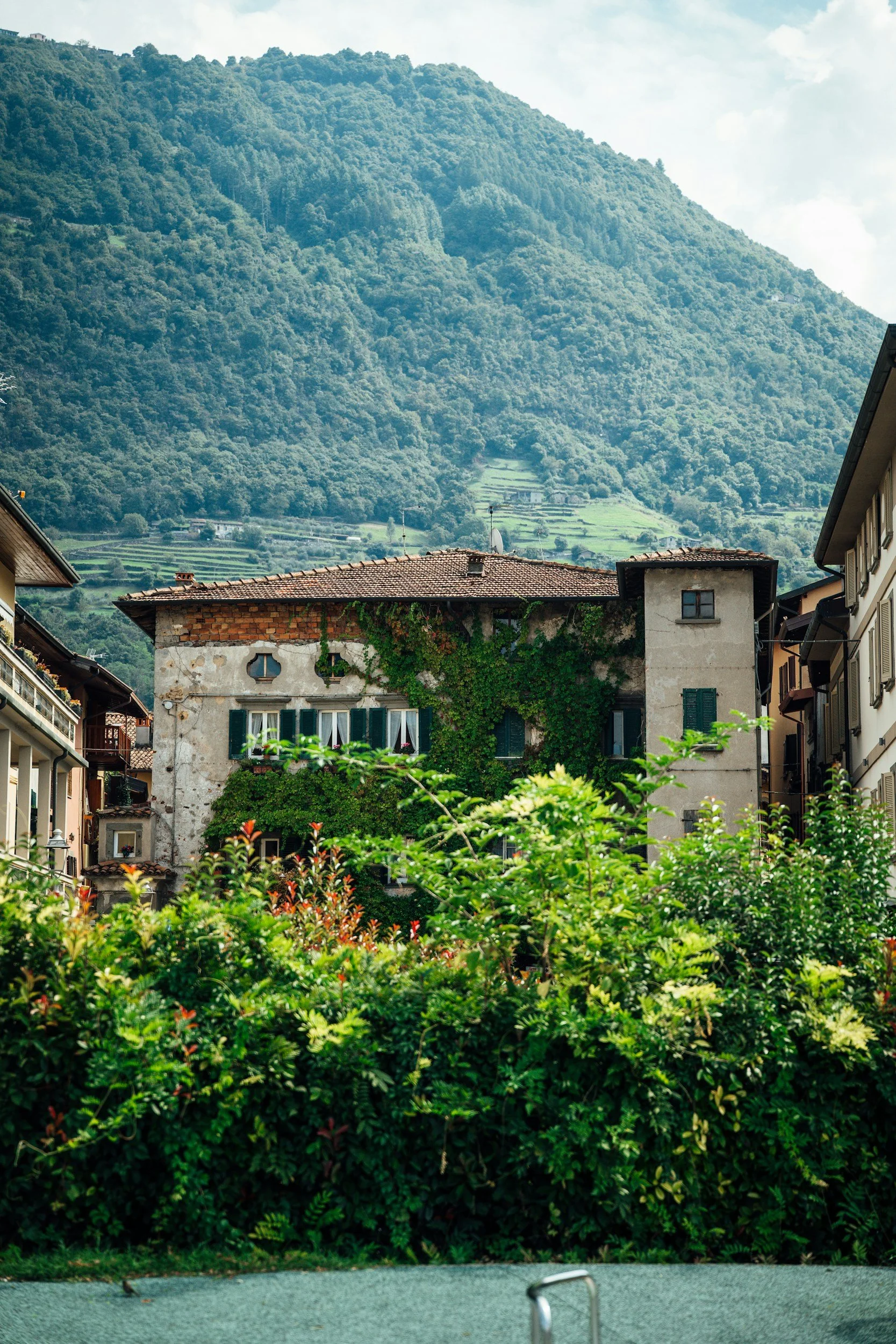
Lovere is the one that makes the sensible choice harder
Lovere is probably the town most likely to make you reconsider everything I’ve said so far. It sits up on the north-western shore with a long waterfront, a proper historic centre and Accademia Tadini, so there’s more here than a nice view and somewhere to have lunch. If I were choosing purely on where I most wanted to spend time, Lovere would be very hard to dismiss.
The problem is that there’s no railway station, and on a car-free trip that matters. You’re relying on buses, boats when the seasonal timetable is useful, or a connection through nearby Pisogne. That doesn’t make Lovere awkward in itself, but it does mean you lose the easy rail fallback you have on the eastern side of the lake. A late dinner, a reduced ferry timetable or a Sunday with thinner connections suddenly needs a bit more thought.
I can still see a very good case for staying here if Lovere is somewhere you genuinely want to spend a couple of days rather than just use as a base. The waterfront is long enough for an evening walk, the old centre gives you somewhere to wander once you’re done looking at the lake, and Accademia Tadini adds a proper cultural stop rather than another “nice little lakeside town” afternoon. In that kind of trip, the fact that you’re not jumping around the lake every day matters much less.
Where I’d hesitate is booking Lovere and then planning daily trips in three different directions. Outside the stronger navigation season, the official guidance leans much more on Pisogne as the connection point, which tells you quite a lot about how the town functions when the boats are less useful. If I wanted Lovere without committing the whole stay to it, I’d either visit from Pisogne when the connections line up nicely or do a short split stay and let Lovere be the part of the trip where I stop trying to cover ground.
So no, I don’t think Lovere is a better base than Iseo for most first-time visitors without a car, but I do think it may be the town you end up liking more.
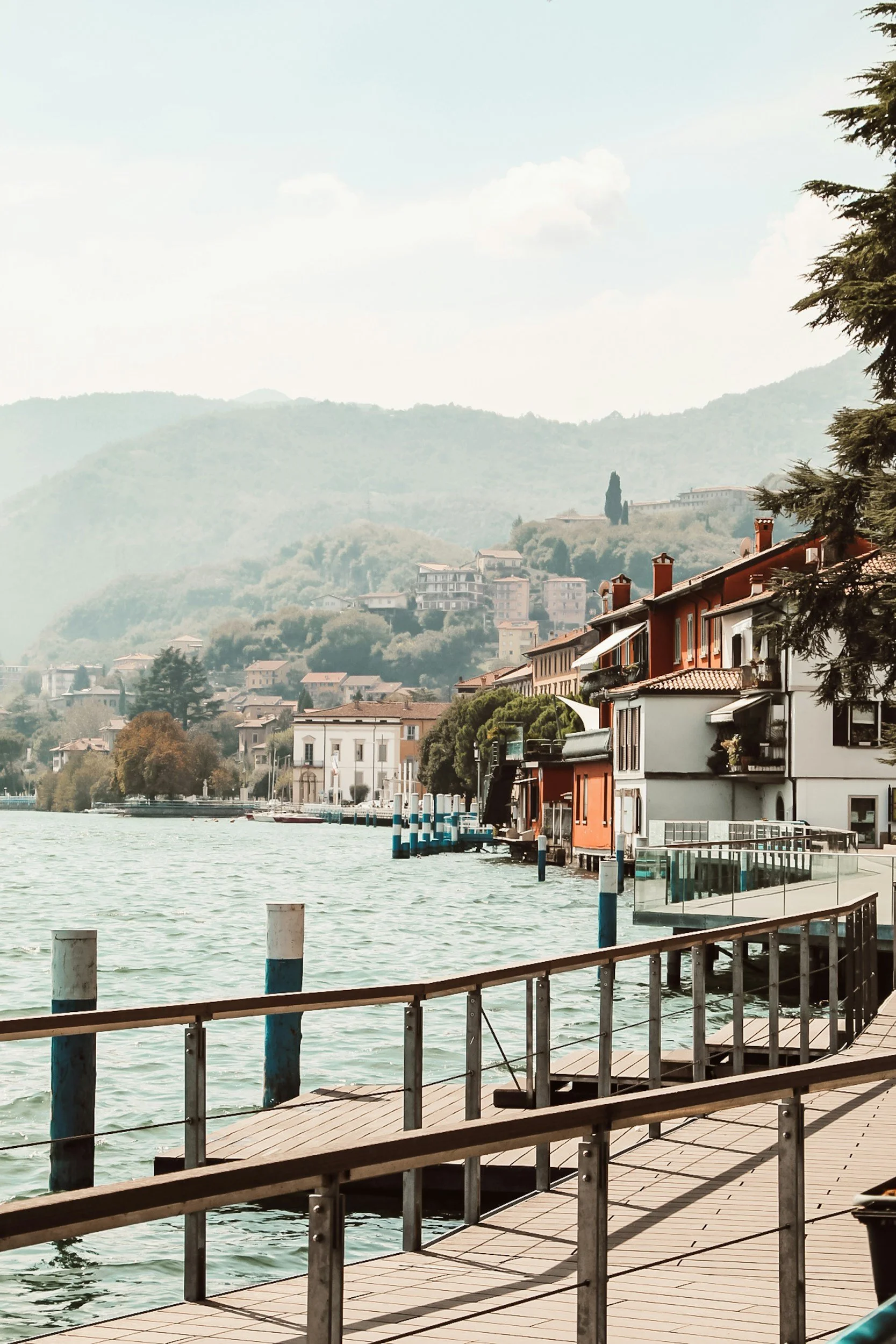
These four can work too, but I’d want a very clear reason to pick them
There are four more places around Lake Iseo that I’d happily consider in the right trip, but I wouldn’t put them on the same shortlist as Iseo, Sulzano and Pisogne by default.
With Sarnico, Monte Isola, Sale Marasino and Marone, the question is less “is this a good base?” and more “does this particular base suit the trip I’m planning?” Get that right and they can be brilliant. Get it wrong and you may spend a surprising amount of time travelling away from the place you chose to stay.
Sarnico is much more tempting when Bergamo is already in the plan
Sarnico sits right at the southern end of Lake Iseo, where the lake narrows and becomes the Oglio River again. That gives it quite a different feel from the villages further north. It’s not just a strip of houses facing the water. There’s a proper old centre behind the lakefront, with medieval lanes and stone buildings around Via Lantieri, and Sarnico has been an important trading and fishing place for centuries because of that position between the lake and river.
It also has a slightly unexpected architectural side. Sarnico was the birthplace of the Riva boatyard, and around town you’ll find some rather grand Liberty-style villas from the early 20th century alongside the much older centre. So if you’re worried that staying at the southern end means sacrificing character, I wouldn’t be. There’s enough town here to fill an evening without immediately plotting your escape to somewhere else.
The transport question is what changes things. There’s no regular railway station in Sarnico, so buses matter much more. Bergamo is the useful direction: there are bus connections between Bergamo and Sarnico, as well as links around the southern lake towards Iseo. The wider boat network helps more during the stronger navigation season, but I wouldn’t count on boats doing all the work outside it.
So if I were flying into Bergamo, staying there for a night and then wanted a few days around the lower part of Lake Iseo, Sarnico would suddenly look quite attractive. I’d probably enjoy having the waterfront, old streets, restaurants and shops within walking distance, then use buses for the trips I genuinely wanted to make.
What I wouldn’t do is sleep in Sarnico and then fill every day with Monte Isola, Pisogne and Val Camonica. You can get north, but you’d be choosing the part of the lake with the weaker transport setup and then repeatedly travelling away from it. That’s a lot of unnecessary admin for a holiday.
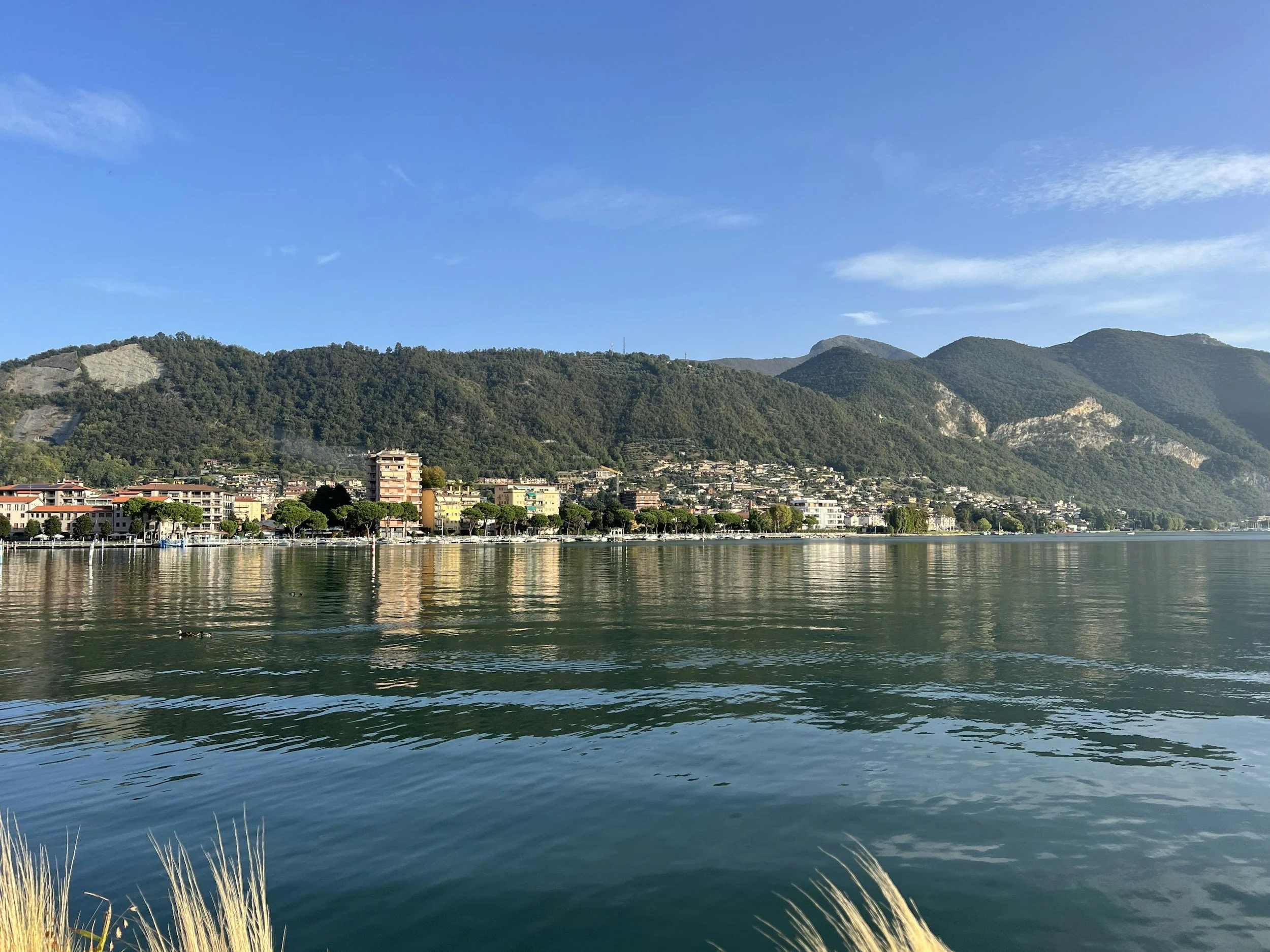
Monte Isola is better when you stop treating it as a day trip
Monte Isola is the one I’d be most tempted to add as a one- or two-night split stay.
Most people arrive at Peschiera Maraglio from Sulzano, and for a first overnight stay that’s where I’d probably start looking. You step off the boat and already have places to eat and the easiest stretch of island life around you, rather than arriving and immediately needing to work out another connection.
It’s also a lovely place to explore on foot from the door. The lakeside road from Peschiera Maraglio towards Sensole is roughly two kilometres and runs past olive trees with views across the water towards the private island of San Paolo. Keep going and the island begins to climb towards Menzino and Siviano. A full circuit is around nine kilometres, so you can cover a surprising amount without planning some heroic hiking day.
The important bit when booking is that Monte Isola is not flat. Peschiera Maraglio and Carzano sit down by the water, while places such as Siviano, Menzino and Cure are higher up. There are local minibuses, which helps, but this is one place where I’d look very carefully at the accommodation pin before getting seduced by a terrace halfway up the island. Carrying a suitcase uphill in July is not the romantic Italian island experience anyone is hoping for.
Staying overnight changes the feel of the trip in a way I quite like. You don’t have to rush around trying to “do Monte Isola” between two ferries. You can walk towards Sensole in the morning, come back for lunch, head somewhere else later or do very little at all. And once the day visitors start leaving for Sulzano, you’re still there.
The trade-off is obvious after a night or two: every mainland outing starts with a boat. If you’re planning several days of train trips around Lake Iseo, I think that would get old fairly quickly. If most of what you want is already on the island, it’s a completely different story.
And I’d be careful with old blog advice about bringing a bicycle. The current 2026 rules restrict bicycles and e-scooters from landing and circulating on days before public holidays and public holidays from March through September, plus every day in August, with defined exceptions. Bikes already on the island, including rentals, can fall under those exceptions, so checking the rule before you travel is much easier than turning up at the pier with your own bike and finding out there.
Sale Marasino is much more than “the other ferry village”
I think Sale Marasino gets slightly lost because Sulzano is so obviously useful for Monte Isola, but I wouldn’t treat the two as interchangeable.
The practical bit is excellent. The station is only a short walk from the pier, and boats cross frequently to Carzano on Monte Isola. If you stay down near the lake, you can move between train, ferry and accommodation with very little fuss.
But Sale Marasino spreads much further up the hillside than you might guess from the waterfront. The municipality is made up of several old settlements among olive groves, gardens and hillside lanes, with the old Via Valeriana threading through the higher villages. There are Renaissance and later villas down near the lake, including the Martinengo residence, while the older rural districts climb away behind them.
That means I’d be just as careful here as in Sulzano about where the room is. Somewhere near the lake and station gives you the version of Sale Marasino I’d want for a car-free trip. A beautiful place much higher up the hill is a different holiday entirely.
I also like that it still has some everyday life of its own. There’s a Saturday morning market around Piazza Marinai d’Italia and Via Mazzini, not far from the Monte Isola ferry pier, so this isn’t just a place where visitors pass through on their way to the island.
Still, it’s quieter than Sulzano and much quieter than Iseo when it comes to restaurants and general choice, and Carzano doesn’t have the same concentration of services you get when you arrive at Peschiera Maraglio.
I’d pick Sale Marasino if I found a really good place close to the water and wanted a few days where the train, Monte Isola and quiet evenings were enough. I wouldn’t choose it hoping for Iseo in miniature. That’s not really what you’re getting.
Marone gets much more interesting once walking becomes part of the trip
Marone is the one I’d look at differently if I knew I was going to walk a lot.
It sits about halfway between Iseo and Pisogne on the eastern shore, still on the railway, but the landscape behind it starts pulling you uphill fairly quickly. The town was once known for wool and felt production, while today olive groves are such a big part of the area that Marone is known locally as a “City of Oil.” Trails climb from around the town towards Croce di Marone and Monte Guglielmo, so this is somewhere where the countryside begins almost immediately rather than after another bus ride.
Then there’s Vello–Toline, probably the most obvious reason I’d consider staying here. The route follows the water between Vello, part of Marone, and Toline near Pisogne, with tunnels, little rest points and stretches right beside the lake. It’s flat and easy, so you don’t need to turn it into a serious hiking expedition, and because both ends sit on the eastern rail corridor it fits very neatly into a car-free day.
Marone itself also has more history behind the waterfront than I expected when looking into it. The older settlements originally sat higher up the slopes along the Via Valeriana, while the lakeside town later grew around the harbour and the church of San Martino. There are still old hillside hamlets such as Vesto, Pregasso and Collepiano above the modern centre.
So if the plan was “wake up, walk somewhere, have lunch, maybe take the train back,” Marone starts looking very appealing. If the plan was “see the whole lake, visit Franciacorta, have dinner in Iseo twice and squeeze in Sarnico,” I’d choose somewhere further south and save myself the extra travelling.
I’d still check current navigation notices before relying on the pier. Marone has had temporary boat-stop problems linked to low water in 2026, which is one more reason the railway matters here. You can be disappointed by a ferry change without suddenly losing the entire day!
That’s really how I’d think about these four. Sarnico changes the trip towards Bergamo and the lower lake. Monte Isola turns the island into part of the stay rather than an excursion. Sale Marasino gives you very easy island access with much quieter evenings. Marone is the one I’d move up the list if walking was one of the reasons I was coming in the first place.
I’d get much fussier about the base once the summer boats thin out
This is the point where the time of year can genuinely change where I’d stay. Lake Iseo doesn’t suddenly become impractical once summer is over, but the trip gets less forgiving if you’ve booked somewhere that depends heavily on boats.
Right now, for example, Navigazione Lago d’Iseo’s summer 2026 timetable ran from 15 June to 30 August, while the current autumn timetable runs 31 August to 11 October 2026. The ferries haven’t disappeared in September, but there are fewer of the wider lake connections than during summer. After the autumn timetable ends, I wouldn’t assume anything about a particular boat route until I’d checked the next published schedule.
That would push me even more strongly towards Iseo or Pisogne for a late-autumn or winter trip. Both keep you on the railway, so you’re not sitting in your hotel thinking, “Well, that was the one boat I needed today.” You can still use whatever lake services are running, but the trip doesn’t depend on them. Pisogne would be especially appealing if I wanted the upper lake and Lovere, while Iseo still gives you the easiest setup for a more mixed few days.
Sulzano is the exception I wouldn’t worry about nearly as much, because the important connection there is the short crossing to Monte Isola. The island remains connected by public ferry throughout the year, so an autumn or winter stay focused on Sulzano and Monte Isola can still work very nicely. What I wouldn’t do is book Sulzano in November and mentally carry over a July plan involving lots of longer boats around the rest of Lake Iseo.
I’d be more cautious with Lovere and Sarnico once the wider navigation network gets thinner. They’re still reachable, but you’re leaning harder on buses and whatever boat services are operating for your dates. That’s fine when you know you’re happy spending plenty of time in the town itself. It’s less appealing when the whole reason you booked there was to use it as a jumping-off point for the rest of the lake.
And I wouldn’t get too attached to any ferry itinerary months in advance, even in summer. Lake services can be affected by low water, weather, maintenance, events and temporary pier closures. Marone and Clusane, for example, had temporary navigation disruptions in 2026 before their stops reopened in late August. This isn’t something I’d worry about, but it is a very good reason not to create a holiday where one particular boat is holding the whole day together.
So if I were booking October, I wouldn’t automatically rule Lake Iseo out at all. I’d just reverse the usual booking process: check the ferry timetable for my exact dates first, then choose the hotel. And for a proper winter trip, I’d happily accept fewer boat days in exchange for staying somewhere on the rail line and treating the ferries that are running as a bonus rather than the plan.
If you’re still deciding when to go, I’d also read why April works so well for Italy’s lake towns, especially if you like the idea of quieter lakes without giving up easy public transport.
How to reach Lake Iseo if you’re not driving
If you’re staying in Iseo, Sulzano, Sale Marasino, Marone or Pisogne, the easiest way to think about the journey is this: get yourself to Brescia, then change onto the local train that runs up the eastern side of Lake Iseo. That’s the route I’d choose from Milan, Malpensa, Verona or Venice because it’s clear, predictable and doesn’t make arrival day more complicated than it needs to be.
From Milan, you head to Brescia and change there for the lake line. From Malpensa, get into Milan first, then do exactly the same. Verona and Venice also feed naturally into Brescia, so you’re not having to rethink the whole journey depending on which city you’re coming from.
If you’re staying on the western side of the lake, especially around Sarnico or Lovere, Bergamo becomes more useful because that side leans much more on buses. So the rule I’d keep in my head is very simple: east shore, think Brescia; west shore, think Bergamo.
Bergamo Airport can sometimes be even easier because there are seasonal direct services towards the lower lake. I’d check that when booking, but I wouldn’t count on it months in advance because those airport links can come and go. If one happens to line up with your trip, great. If not, the regular train-and-bus routes are the ones to plan around.
And I definitely wouldn’t overcomplicate the first day trying to find some clever ferry connection with luggage in tow. Get to the side of the lake where you’re staying first, check in, and save the scenic transport for when you’ve had a coffee and aren’t dragging a suitcase behind you.
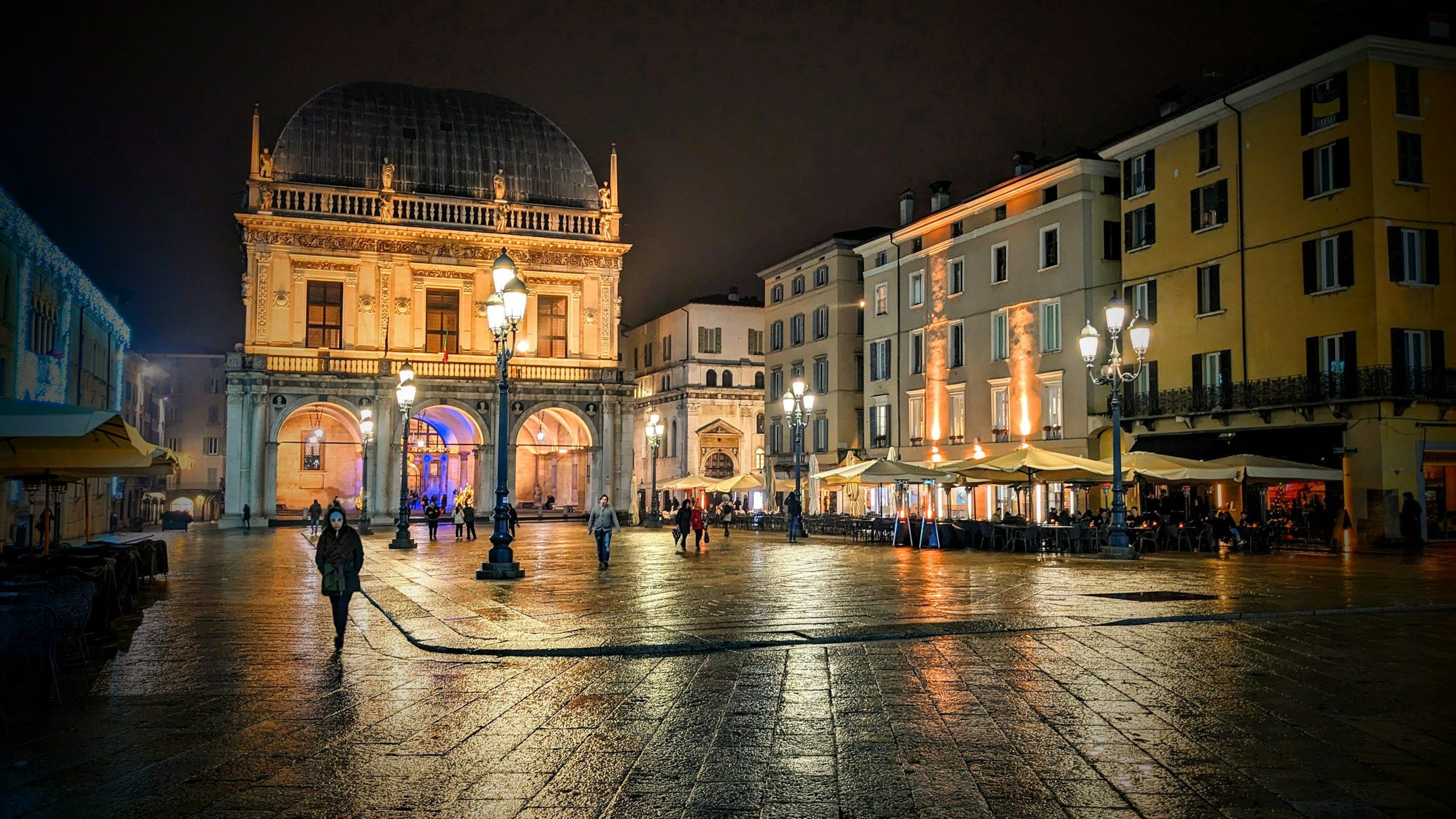
Brescia
Do you prefer quieter trips in general? These are the places in Italy I’d choose when I want things a little calmer.
How I’d spend three to five nights without overplanning the whole thing
I don’t think Lake Iseo needs a strict day-by-day itinerary, and I definitely wouldn’t book every ferry before I’d even seen the weather forecast.
For a first trip, three nights is enough to make the lake feel like more than a day trip, but four or five is where it starts to get really comfortable. You can have one proper outing, one day that depends on boats or weather, and still leave yourself time to stay close to wherever you’re sleeping rather than spending every morning marching back to the station.
If I were based in Iseo, I’d keep one day free for Monte Isola and decide the route that morning. Some days the direct boat from Iseo will be the obvious choice; other days I’d take the short train to Sulzano and use the frequent crossing from there. There’s no prize for committing to the more complicated option just because you found it first.
I’d probably use another day to head north. Pisogne and Lovere sit naturally together in the upper-lake part of the trip, as long as the current connection between them works well for your date. I wouldn’t try to add Sarnico and Monte Isola to the same day just because the lake looks small. That’s how a nice trip turns into a collection of departure times.
Then I’d leave one day deliberately loose. Stay around Iseo, go towards Franciacorta if there’s a specific place you’ve already checked you can reach, or take the train north for a walk such as Vello–Toline. That kind of day is useful because it can move around depending on the weather. If the lake is grey and windy, I’d rather change plans than force myself onto a ferry because Tuesday was “boat day.”
If I were staying in Sulzano, I’d make Monte Isola part of the trip rather than just another outing. I’d want at least one proper island day and probably one much quieter day around Sulzano itself, because otherwise I may as well have stayed in Iseo and had more choice in the evenings. Going into Iseo for dinner is easy enough by train, but that’s one evening I’d plan from the return journey backwards. Check the last useful train first, then decide how long dinner can become.
From Pisogne, I’d resist the urge to keep heading south just because Iseo appears in every Lake Iseo guide. You’re already in a really useful part of the upper lake, so I’d spend the time on Lovere, Vello–Toline and Val Camonica before thinking about lower-lake outings. That’s the whole advantage of choosing Pisogne. You’ve put yourself closer to things that would otherwise take longer from Iseo, so use it.
The only trip I wouldn’t recommend is the one where three nights somehow need to include Monte Isola, Lovere, Sarnico, Franciacorta, Pisogne and half the eastern shore. You could probably force parts of it to work on paper. I just don’t think that’s the Lake Iseo trip I’d want.
I’d rather have one afternoon where I changed my mind, sat somewhere by the water and did nothing remotely productive than spend the whole holiday proving that the timetable was technically possible.
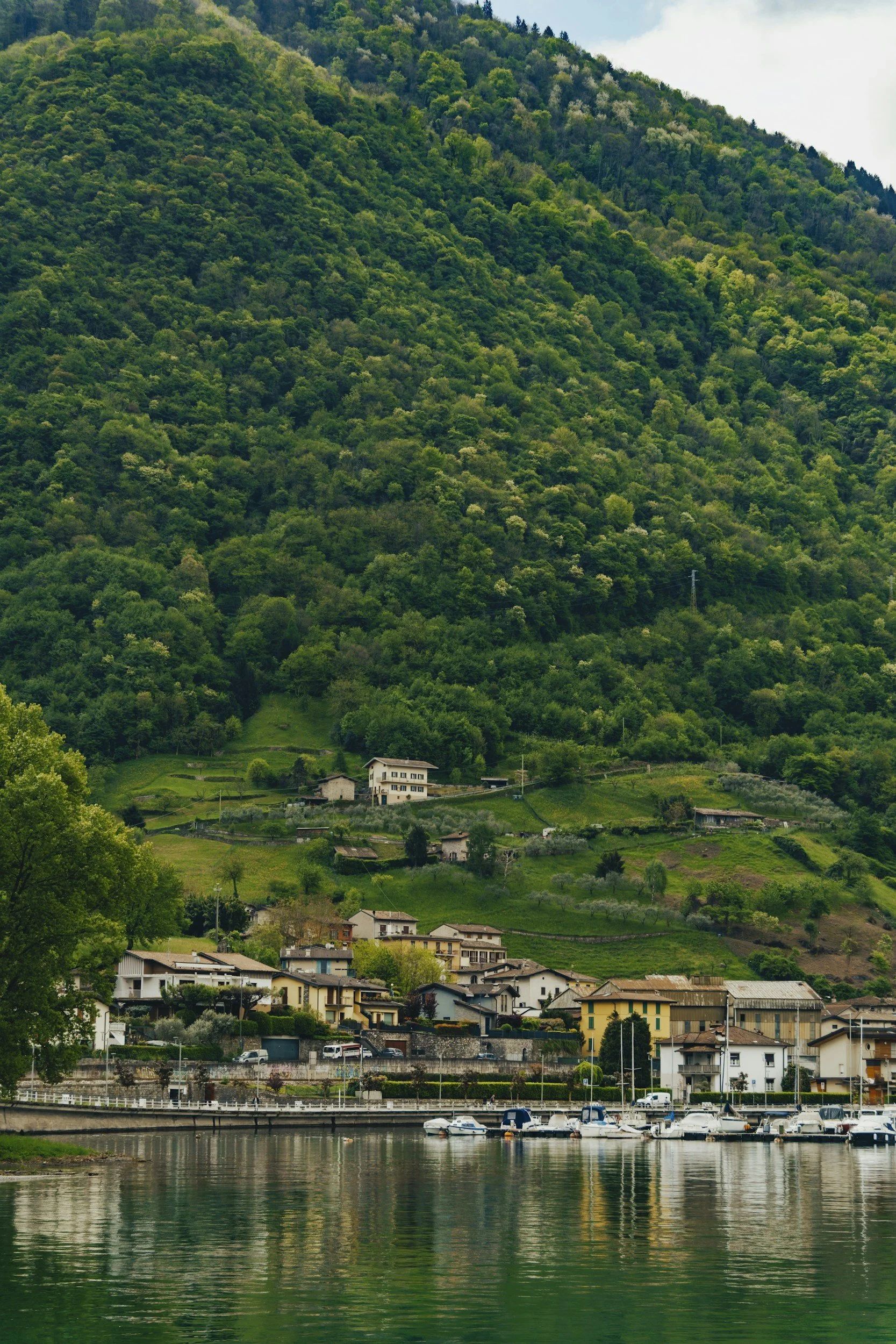
Tickets are fairly simple once you know which pass does what
I wouldn’t spend too much time worrying about tickets before the trip. Lake Iseo ferries use a zone system, so the price depends on how far around the lake you’re going rather than on a different fare for every pair of towns.
At the time of writing, ordinary one-way ferry fares run from €2.60 for one zone to €6.30 for five zones, and the ferry day ticket is €16.50. Landing on Monte Isola adds a €1.50 visitor fee. Those are the prices I’d check again shortly before travelling, but they give you a pretty good idea of the scale: individual boat trips aren’t especially expensive.
That’s also why I wouldn’t automatically buy the €16.50 ferry day ticket just because it sounds convenient. If your plan is Sulzano → Monte Isola → Sulzano and perhaps one other short crossing, individual fares may come out cheaper. If you’re spending the day moving around several parts of the lake, then the day ticket starts to look much more useful. I’d decide once I knew the day’s route rather than buy a pass first and then feel obliged to get my money’s worth.
Buying ferry tickets is pretty painless. You can buy many journeys online, or use the ticket offices at the main ports including Iseo, Sulzano and Sale Marasino. There are also ticket machines at Iseo, Sulzano, Sarnico and Sale Marasino, and if there’s no ticket office at your stop, or it’s closed, tickets can generally be bought on board. One slightly odd detail: the two frequent Monte Isola shuttle routes, Sulzano–Peschiera Maraglio and Sale Marasino–Carzano, can only be booked online for groups of at least 20 people, so as an individual traveller I wouldn’t waste time wondering why the website won’t sell me one.
Trains are normally ticketed separately through Trenord, but there is one pass that’s genuinely interesting if you’re planning a very transport-heavy day. Io Viaggio Ovunque in Lombardia (IVOL) covers local public transport across Lombardy, including regional trains, buses and Lake Iseo boats. The current one-day version is €18, with longer two-, three- and seven-day versions available too. Monte Isola’s €1.50 landing fee still needs to be paid separately.
That €18 price is the one I’d compare properly rather than dismiss. If your day includes, say, a train up the eastern shore, a couple of ferries and another train back, paying only a little more than the ferry-only day ticket could be very handy. If you’re staying in Iseo and only taking one boat that day, it probably isn’t.
So I’d keep it simple: buy individual tickets for lighter days, price up the ferry day ticket when you’re doing several boat journeys, and look at IVOL when trains and buses are joining the party as well. No need to turn a €3 ferry ride into an evening of spreadsheet analysis!
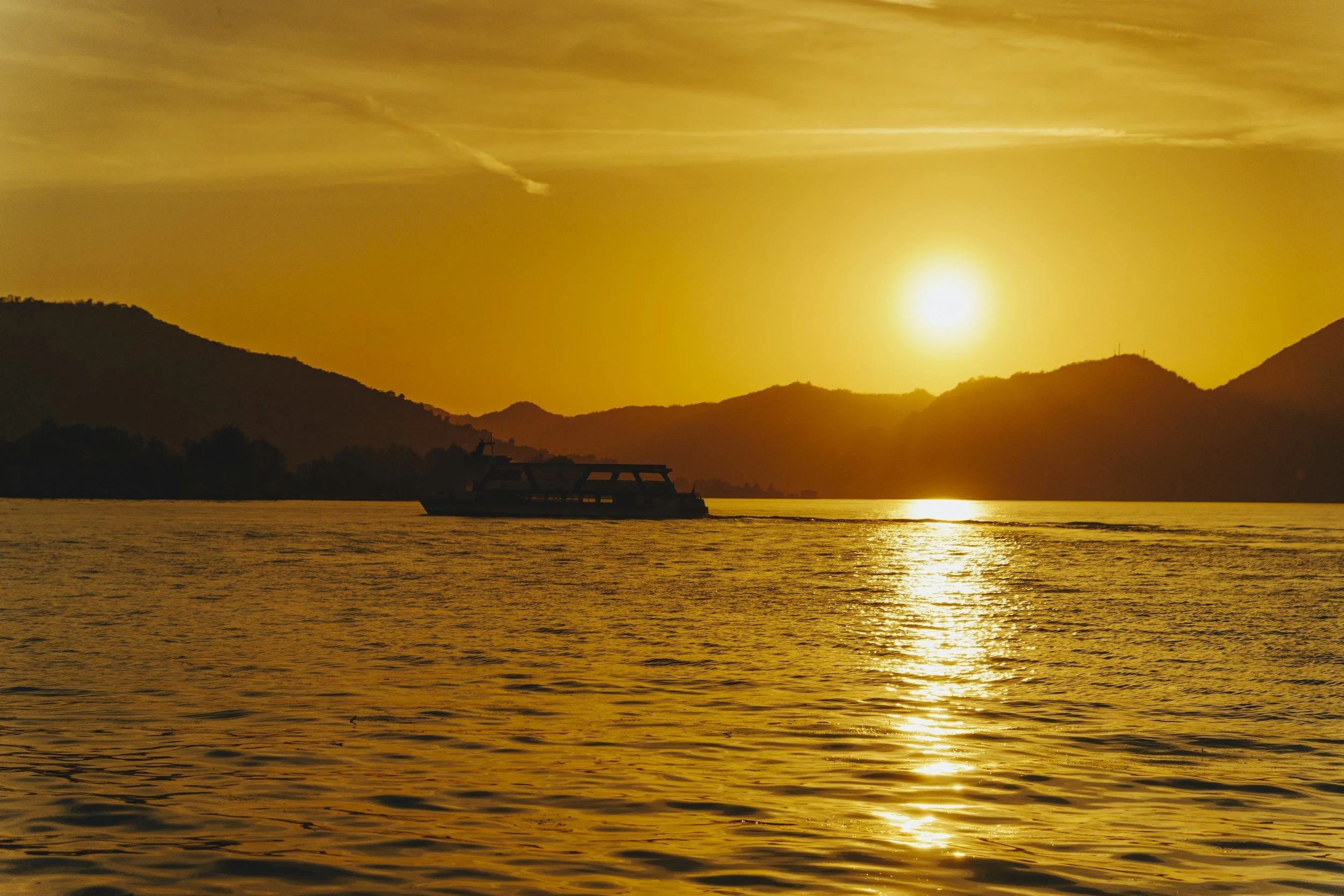
If Lake Iseo has made you rethink the obvious Italian lakes, Lake Orta is the next one I’d look at.
A few things I’d check before paying for anything
Most car-free Lake Iseo problems aren’t dramatic. They’re the small things that seem harmless when you’re booking from home and become irritating once you’re standing there with a suitcase or trying to get back after dinner.
The first thing I’d check is the real walking route to the hotel, not just the distance shown on the booking site. This matters especially in Sulzano, Sale Marasino and on Monte Isola, where a room can look very close to the station or pier and still sit noticeably uphill. Seven hundred metres sounds like nothing until you’ve already travelled for six hours and those seven hundred metres involve a steep final climb with luggage. I’d rather know that before paying than discover it on arrival.
I’d also get into the habit of checking the journey home before the journey out. It’s very easy to see that you can get from Sulzano to Iseo for dinner, or from one lakeside town to another during the day, and assume the return will sort itself out. Sometimes it does. Sometimes the last useful train is much earlier than you expected, while the ferry you were looking at runs on a completely different schedule. A quick look at the return before you sit down for dinner saves that slightly miserable moment when dessert arrives and you’re suddenly calculating whether you need to leave immediately.
I also wouldn’t try to create a perfect clockwise loop around the lake just because it looks neat on Google Maps. The distances are small, but the longer boat services don’t all run with the same frequency, and some connections change by season or day of the week. If a day only works because three different services line up perfectly, I’d test the whole thing for the exact date before getting attached to it. Otherwise you can end up spending far more time thinking about the next departure than enjoying where you are.
The same goes for anything described as a seasonal service. Airport buses and wider ferry routes can be really useful when they’re running, but I’d never assume something that operated in summer will still be there in October, or that a route I found in an old article still works the same way now. I’d plan the trip around the trains, regular buses and dependable island crossings first, then treat the seasonal extras as a nice bonus rather than something the whole arrival day depends on.
Monte Isola is another place where old advice can catch you out, especially with bikes. The rules changed in 2026, so I wouldn’t arrive at the ferry with my own bicycle unless I’d checked the current restrictions first. Renting one on the island can sometimes be the easier option, and it’s certainly easier than discovering at the pier that the advice you saved came from a blog post written three summers ago.
And finally, I’d be very careful with Sundays. A route that looks completely normal on a weekday can be thinner on Sundays, public holidays or school-day-sensitive bus schedules. This is probably the easiest planning mistake to make because nothing looks obviously wrong until you search the exact date.
None of this means Lake Iseo needs military-level planning. I’d just spend five minutes checking the hotel walk, the return journey and the timetable for the actual day I’m travelling. That tiny bit of effort removes most of the annoying surprises, which is exactly what I’d want from a car-free trip.
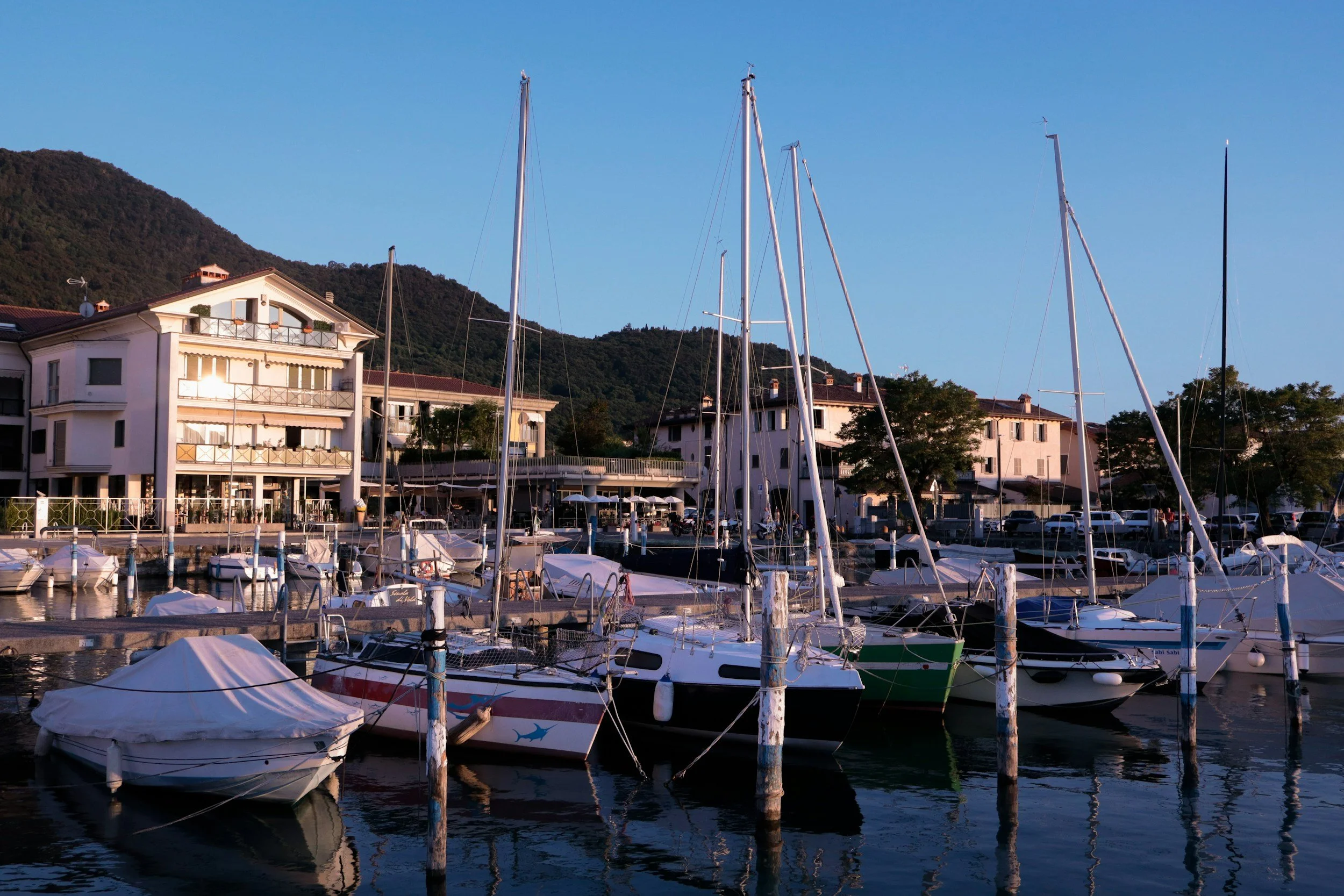
FAQs about Lake Iseo
Can you visit Lake Iseo without a car in winter?
Yes, but I’d be much more particular about where I stayed. In winter, I’d choose Iseo or Pisogne because both sit on the eastern railway, so you still have a dependable way to move around even when the wider boat network is much thinner.
Sulzano can still work very well if Monte Isola is the main reason for the trip, because the short crossing to the island is part of the year-round transport setup. I’d be more cautious with Lovere or Sarnico for a winter stay if I planned lots of day trips, simply because you’re relying more on buses and whatever broader ferry services are running for your dates.
So winter Lake Iseo is very doable. I just wouldn’t plan it as a summer trip with fewer people. I’d let the train do most of the work and use the boats that are running rather than building the whole holiday around them.
Is Lake Iseo a day trip from Milan, or is it better to stay overnight?
You can absolutely visit Lake Iseo as a day trip from Milan. The straightforward route is Milan to Brescia, then change for Iseo, and that gives you enough time for a look around town and potentially Monte Isola if the connections line up nicely.
But I think Lake Iseo is much better as an overnight trip. With only one day, you start making decisions around the train back to Milan before you’ve really settled in. Stay two or three nights and suddenly you can choose the better-weather day for Monte Isola, have dinner without watching the clock quite so closely, and head further up the lake without turning every outing into a transport calculation.
If you only have one free day from Milan, go. If you can steal a couple of nights, I would.
Can you take a bicycle to Monte Isola?
Not always, and this is one question where I would ignore older travel blogs and check the current rule before leaving.
Monte Isola introduced restrictions on bringing bicycles and e-scooters onto the island on certain busy dates, including parts of the spring and summer season, with exceptions. Bikes can still be rented on the island, which may be far easier than travelling with your own and discovering at the ferry that your particular day is restricted.
If cycling is a big part of your plan, check the official Monte Isola notice a few days before you go. I wouldn’t let a three-year-old blog post make that decision for me.
Does one ticket cover Lake Iseo trains and ferries?
Usually, no. Normal Trenord train tickets and Lake Iseo ferry tickets are separate, so for a simple day you’ll probably just buy each journey as you need it.
There are also Io Viaggio in Lombardia regional passes that can cover several types of public transport across Lombardy, including regional trains and some lake transport. Those can be useful if you’re planning a very transport-heavy day, but I wouldn’t buy one automatically just because it sounds convenient. Work out roughly what you’re taking first, then compare the cost. The separate Monte Isola landing fee may still apply.
For most travellers doing one train journey and one ferry return, separate tickets are perfectly fine. The regional pass starts becoming more interesting when you’re mixing trains, buses and boats several times in the same day.