Dalí Triangle without a car: Figueres, Portlligat and Púbol in three days
You can visit the full Dalí Triangle without hiring a car, and it is nowhere near as impossible as some of the transport information online can make it look. I also wouldn’t feel pressured to visit all three sites just because they have been grouped together as a Triangle. Depending on how interested you are in Dalí and Gala, two might genuinely be enough.
If you do want to see all three independently, I would give it three days rather than trying to prove anything by squeezing everything into two. Start in Figueres with the Dalí Theatre-Museum, take the afternoon bus out to Cadaqués, walk to Dalí’s house in Portlligat the following morning and then come back inland before visiting Púbol on day three. The first two days fit together quite nicely. Púbol is where things become a little less convenient, mostly because you need to think about that final stretch from the train or bus rather than simply turning up.
And the three places are different enough that I wouldn’t choose them purely on the basis of “more Dalí must be better”. Figueres is the one to prioritise if you mainly want the art. Portlligat is smaller and much more personal, with the house, studio and gardens where Dalí lived and worked. Púbol brings Gala properly into the trip, with her castle, furnished rooms, garden and crypt.
For a first Dalí trip, I think Figueres and Portlligat already give you a lot. You get the big, theatrical museum and then the much more intimate place where he spent his everyday life. I would add Púbol if Gala interests you, if you love old houses and interiors, or if seeing how the three places connect is part of what draws you to this trip. I would not add it because leaving one corner of the Triangle unfinished somehow feels wrong.
The full route is:
Day 1: Figueres → Cadaqués
Day 2: Portlligat → Figueres
Day 3: Flaçà → Púbol → onward
Before you start booking museum tickets, though, there is one thing I would sort first: Portlligat. The house is visited at a reserved time, and that one appointment has a surprisingly big say in how the rest of the trip falls into place. It is much easier to check the museum calendars, buses and luggage situation first than to buy a house ticket and then discover that getting there on time requires a ridiculous start to the day.
Before you book anything, check these three things
I would resist booking the first museum ticket that looks convenient. With this route, it is much easier to check the dates and transport together first, then start paying for things once you know the pieces line up.
1. Start with dates that fit all three museums
This is one trip where I would choose the dates before getting attached to a particular museum time. The three Dalí sites have their own opening calendars, and the bus between Figueres and Cadaqués changes with the season too, so a day that looks fine for one part of the route can quietly ruin another.
If your dates are flexible, I would start by checking a simple midweek run of three consecutive days and then compare all three museum calendars with the current Cadaqués bus timetable. Do not rely too heavily on the usual “museums close on Mondays” rule either. The Dalí Foundation sometimes adds extra Monday openings, while opening days and hours can change at different points in the year.
Later in the season, I would pay particular attention to Púbol. The castle can move onto shorter opening hours, which makes a morning visit much easier to work with than leaving it until late afternoon. Portlligat also follows a seasonal calendar, so I would check the house separately rather than assuming that because Figueres is open, Portlligat will be too.
There is also a difference between a museum being open and there being a useful ticket left. You might find that Portlligat is open all day but the remaining house slots do not fit the bus, which is why I would always check actual ticket availability before committing to the rest of the trip.
The easiest way to plan it is to have the three official museum calendars and the current Figueres–Cadaqués timetable open at the same time. It takes a few extra minutes, but it is much better than discovering after booking that one innocent-looking Tuesday has left you with a Portlligat slot you cannot comfortably reach.
2. Let Portlligat set the pace
Portlligat is the one ticket I would not book on impulse. The house is visited at a specific time, and you need to collect your ticket 30 minutes beforehand, so a slot that looks perfectly reasonable on the booking page can become much less appealing once you put the bus and the walk beside it.
I would also double-check which ticket you are buying. For this trip you want House + Olive Grove. The cheaper Olive Grove ticket does not include the house itself, and finding that out after travelling all the way to Portlligat would be rather painful.
A late-morning visit is the timing I would look for if you are staying in Cadaqués the night before. Around 11:00 gives you enough time to have breakfast, walk out to Portlligat and arrive with a bit of margin instead of spending the whole morning checking your phone and wondering whether you are going to make it. There is no need to chase that exact time, though. The important thing is to choose a slot that gives you room rather than one that only works if everything runs perfectly.
Before paying, I would check the bus that gets you to Cadaqués the day before and make sure your accommodation and luggage plans fit around the visit. Once the Portlligat reservation is in place, the other museum tickets are much easier to arrange around it.
And because this route relies on a few specific transport connections, I would always check the current timetable again shortly before travelling rather than trusting the version you saved when you first planned the trip.
3. Sort out your luggage before choosing the overnight
The Cadaqués overnight sounds like the nicest version of this trip, and I still think it is, but luggage is the one boring detail I would sort out before committing to it.
The Dalí Theatre-Museum has restrictions on suitcases and bulky bags, and I have not found anything official that I would trust as guaranteed storage for a large suitcase. So if you are arriving in Figueres with luggage on Day 1, I would arrange somewhere else to leave it while you visit the museum rather than turn up and hope for the best.
The same thing comes up the next morning in Cadaqués. If you have checked out before walking to Portlligat, make sure your accommodation can keep your bags until you come back for them before the bus inland.
For me, the night in Cadaqués is still worth the extra bit of organisation because you wake up close to Portlligat and can start the morning on foot instead of depending on an intercity bus before a timed visit. But if the luggage starts becoming a whole project in itself, I would simplify the trip and stay two nights in Figueres.
You lose the evening in Cadaqués, which is a shame, but you also get to leave your suitcase in one place and stop thinking about it. Sometimes that is the better trade-off.
Day 1: Dalí Theatre-Museum, then Cadaqués
If you are coming from Barcelona that morning, pay close attention to the station name before you book. Figueres has two railway stations, and for this itinerary I would care almost as much about where the train arrives as how fast it gets there.
The central Figueres station is the easier one for this day. Regional trains arrive here, and the bus station is right beside it. From the station area, allow roughly 15 to 20 minutes to reach the Dalí Theatre-Museum on foot. That gives the day a fairly tidy shape: arrive, walk into the centre, visit the museum, have lunch, then head back towards the same station area for the bus to Cadaqués.
Figueres-Vilafant is different. This is the high-speed station used by many of the faster trains from Barcelona, and it sits around 1.5 km outside central Figueres. You then need to get from Vilafant into town before the museum visit, and later make your way to the central bus station for Cadaqués.
I would not rule Vilafant out. If the high-speed departure is much better for your morning, it can still be the right choice. I just would not book it purely because Renfe shows a shorter journey time and assume you have saved that same amount of time overall. On a day when you are combining a museum visit with a specific afternoon bus, an extra transfer at the beginning is one more thing to allow for.
This is also why I would look at the full Barcelona-to-Cadaqués day before choosing the train, rather than comparing rail times in isolation. If the Renfe options are starting to look like alphabet soup, my guide to how to choose the right Renfe service explains the different train types and booking process in more detail.
Once you are in central Figueres, the rest of the day is much simpler: the museum first, then lunch, then back towards the bus station for the afternoon run to Cadaqués.
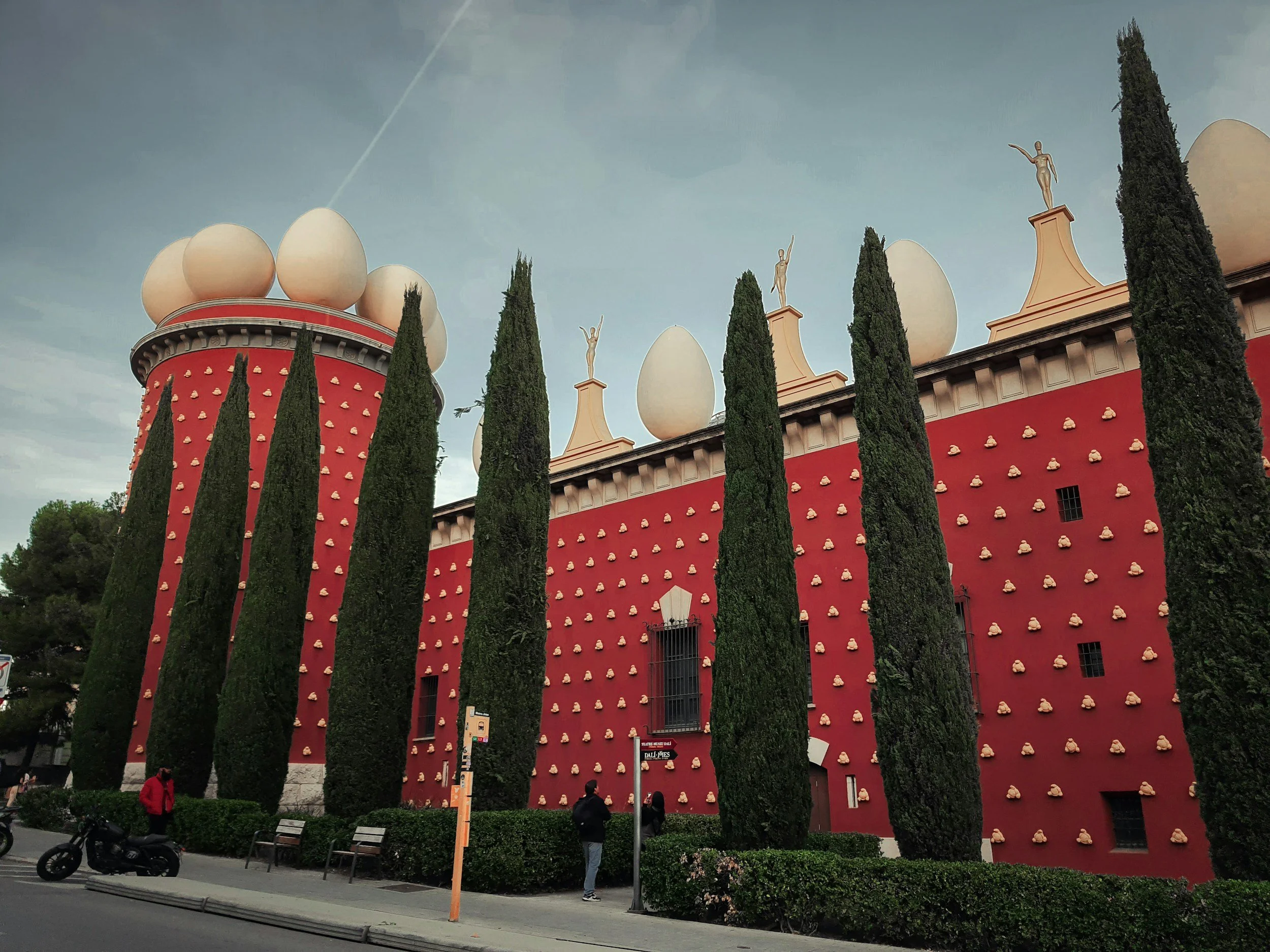
Visit the Dalí Theatre-Museum
For this itinerary, I would aim for a museum entry at around 10:30 and give yourself roughly 1.5 to 2 hours inside. That is enough time to see the main museum and the Dalí Jewels rooms without turning the visit into a race.
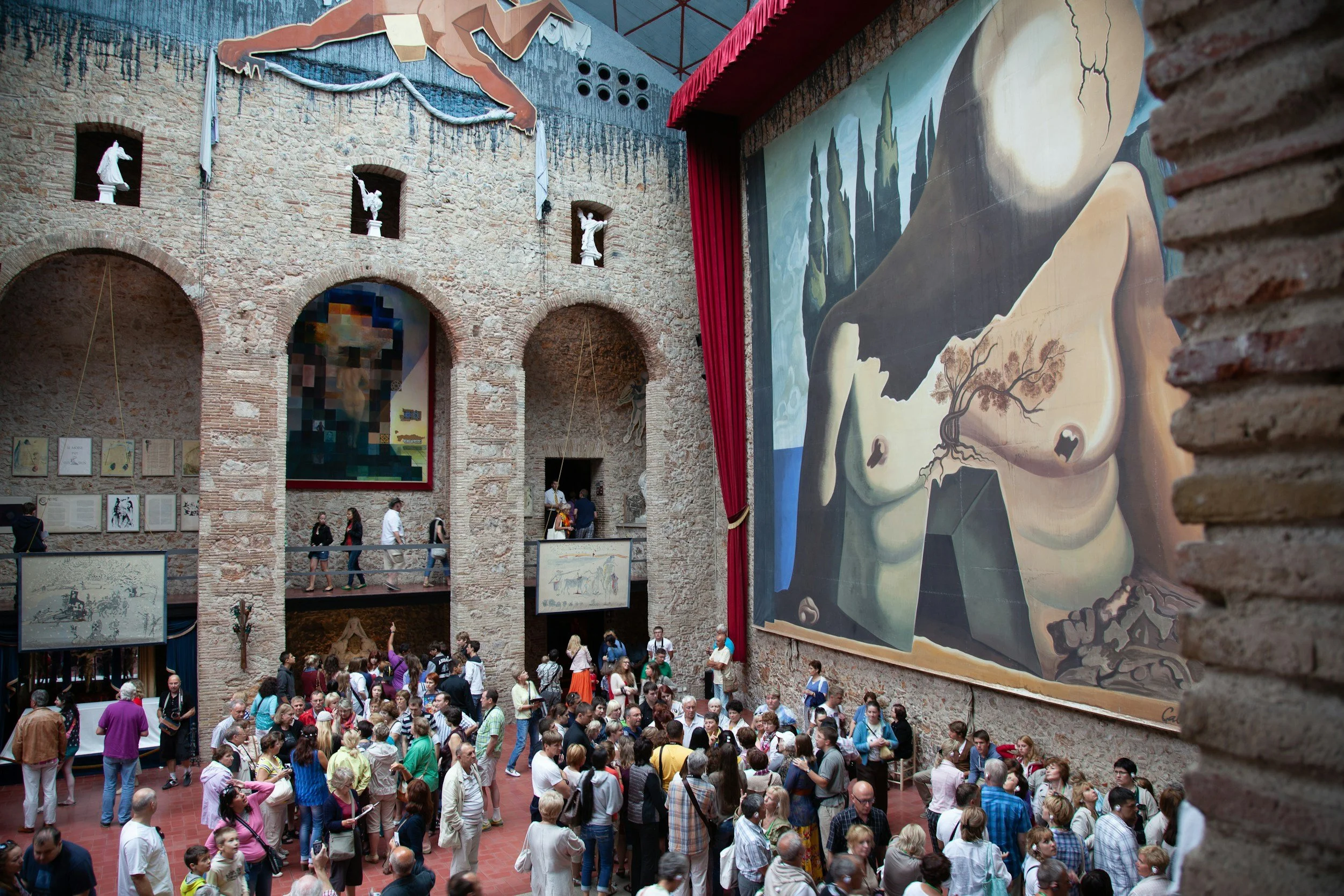
Figueres is also the place I would give the most museum time to. Of the three Dalí sites, this is the one that carries the most weight if your main interest is his art rather than the houses and personal spaces that come later.
I would not push the entry much later, even though there is technically enough time to do so. The afternoon still needs to hold lunch, luggage collection and the walk back towards the bus station. Leaving the museum around lunchtime gives you a comfortable gap before the coastal bus instead of spending the whole afternoon mentally calculating how long the bill is taking.
Take the afternoon bus to Cadaqués
For autumn 2026, the weekday departure I would plan around is:
16:15 Figueres → 17:25 Cadaqués
On Saturdays, Sundays and public holidays, the comparable service is:
16:30 → 17:40
This is one place where the timetable is slightly misleading at first glance. Line 12 runs towards the Costa Brava, but quite a few departures stop in Roses and do not continue to Cadaqués. So do not just look for “line 12” and assume you have several buses to choose from. Check the destination column and make sure the service continues all the way to Cadaqués.
There is also a daily 20:30 → 21:40 departure. I would treat that as a fallback rather than the plan. It buys you more time in Figueres, but not necessarily better time. By then you are stretching one museum day into a late arrival on the coast, and any delay with dinner, luggage or the hotel check-in becomes more annoying than it needs to be.
The 16:15 bus gives the day a much better balance. You can visit the museum properly, eat without rushing, collect your things and still arrive in Cadaqués in the early evening.
I would stop the itinerary there for the day. The point of arriving in Cadaqués now is not to squeeze in another round of sightseeing, but to already be in town when you wake up for Portlligat the next morning.
Day 2: Cadaqués to Portlligat, then back inland
The walk to Portlligat is short enough to do on foot, but the distance can be a bit misleading depending on where you start.
From the central Passeig in Cadaqués, the local tourist route is about 1 km, passing up through Carrer de la Miranda and the Sant Baldiri area before dropping down towards Portlligat. From the bus station, the Dalí Foundation gives the distance as closer to 2 km.
That is why I would not plan this walk from the shorter number unless your hotel is already near the centre. From the bus station, 35 to 45 minutes is a much more comfortable allowance.
It is also not a flat stroll all the way. There is a climb out of Cadaqués before the route descends towards Portlligat, and that matters more than the kilometre count suggests, especially in warm weather.
For an 11:00 house reservation, I would aim to arrive at around 10:20. The official ticket collection time would be 10:30, but arriving exactly then leaves no room for a slower walk, a wrong turn or just needing a minute to find the entrance.
An 11:00 visit is only the example used for this itinerary. If your slot is different, keep the same buffer and work backwards from the collection time rather than from the house opening hours.
Visit the Salvador Dalí House-Museum
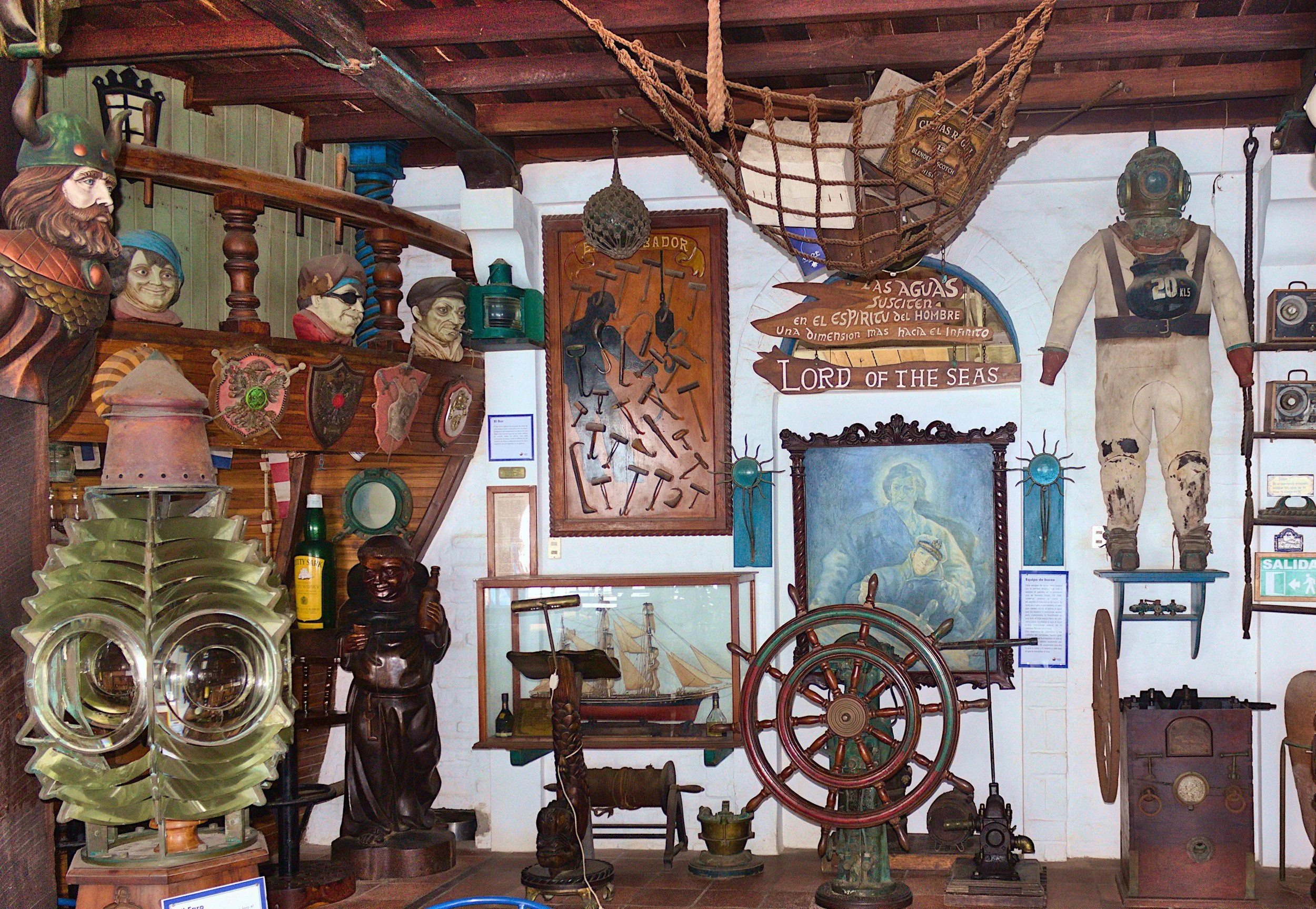
Portlligat feels much more personal than the museum in Figueres. You are visiting the house where Dalí lived and worked, moving through the rooms and studio rather than another large collection of his art. It gives the second day a completely different focus, which is one reason I think Figueres and Portlligat pair so well together.
The visit is timed and staff-accompanied, so you move through the house as part of a small group and cannot simply wander around at your own pace. I would not describe the standard ticket as a guided tour, though. Staff are there to accompany the visit and manage access rather than give you a full private explanation of every room.
The house is also not wheelchair accessible because of the narrow staircases and layout inside. If mobility is a concern, check the current access information before booking the rest of the trip, because this is one of the few parts of the Triangle where the building itself creates a real limitation.
Return to Cadaqués and head inland
Once you are finished at Portlligat, walk back into Cadaqués, collect your bags and leave yourself time for lunch before heading to the bus station.
For this three-day route, I would take the 15:00 bus back to Figueres, arriving at 16:10. It gives you a decent amount of time after the house without turning the afternoon into several hours of waiting around for transport.
There is a later 18:00 → 19:10 bus if you want more time in Cadaqués. That is the better choice if you genuinely want the extra afternoon there, rather than because you feel you should squeeze more into the day. For the full Dalí Triangle route, I would keep the earlier bus and save the energy for Púbol the next morning.
You can stop here after two museums
Once you are back in Figueres, I would genuinely ask myself whether I wanted another Dalí day or whether I was happy to leave it there. By this point you have already seen the big Theatre-Museum and then Dalí’s house and studio in Portlligat, which is a pretty good combination for two days.
And for plenty of people, I think that is enough.
If this is your first proper introduction to Dalí, you only have a couple of days, or you are travelling alone and the Púbol taxi is starting to feel like quite a lot of money for one extra stop, I would have no problem finishing the trip here. You have already seen the art on a much bigger scale in Figueres and then the place where he lived and worked, so the trip does not suddenly feel incomplete without a third museum.
Púbol is the one I would add if Gala interests you, or if you love seeing houses, interiors and the more private lives behind the people you have been reading about. That is what you are giving up by skipping it: Gala’s castle, her rooms, the garden and crypt, and another part of their personal story. You are not missing another huge museum packed with Dalí paintings.
If none of that is pulling you towards a third day, I would stop here rather than continue purely because there are three points in the Triangle. Sometimes two places you really wanted to see make a much better trip than adding a third because it feels like you should.
If you are continuing somewhere else from Figueres that evening, give yourself a comfortable gap between the bus from Cadaqués and your onward train. I would much rather have time for a coffee than spend the last part of the trip watching the traffic and wondering whether I am about to miss a connection.
Continuing to Púbol? Stay in Figueres tonight
If you are doing the full three-day route, I would stay in Figueres for the second night.
The reason is simple geography. Flaçà, the station you will use for the easiest Púbol route, sits on the regional line between Figueres and Girona. If you move to Girona tonight, you pass Flaçà on the way south and then travel back north again in the morning.
It is not a huge detour, but I would not create one unless Girona is somewhere you already want to be. Staying in Figueres keeps the evening easy and puts you on the right side of the journey for the next morning.
Girona still fits if you are already based there or folding this into a longer stay. If you are choosing between the two places more generally, I have a separate guide to choosing between Girona and Figueres as a base.
Day 3: Púbol is the part you need to plan properly
Púbol is where this trip gets a little fiddly.
You may come across advice saying that the castle has no public transport at all, but that is not quite right. There are ways to reach it without a taxi. The bigger question is how much time and coordination you want to spend avoiding one.
For this itinerary, I would use Flaçà as the rail stop and arrange a taxi from there in advance. The station is roughly 5 km from Púbol, so the road transfer itself is short. The important part is having the return arranged as well. I would not arrive at a small rural station, visit the castle and simply assume there will be another taxi waiting when I am ready to leave.
There is a cheaper route via La Pera, followed by roughly 2 km on foot. I am more cautious about recommending that one because the final walking approach has not been properly checked for pedestrian conditions. Two kilometres sounds harmless enough until the road itself turns out to be the unpleasant part.
You can also travel through La Bisbal d’Empordà and connect to Púbol using the on-demand Clic.cat service. That gives you a genuine public-transport route closer to the castle, but it has to be reserved and the current service is split into morning and late-afternoon windows. In other words, it can work very well when the times line up, but I would not build the day around it until both the outward and return journeys are confirmed.
So I would not describe Púbol as inaccessible without a car. I would describe it as the point where paying for one short taxi can save quite a lot of messing around. If keeping the budget down matters more, the other routes are there, but they need a closer look than the buses we used during the first two days.
The simplest route is Flaçà plus a prearranged taxi
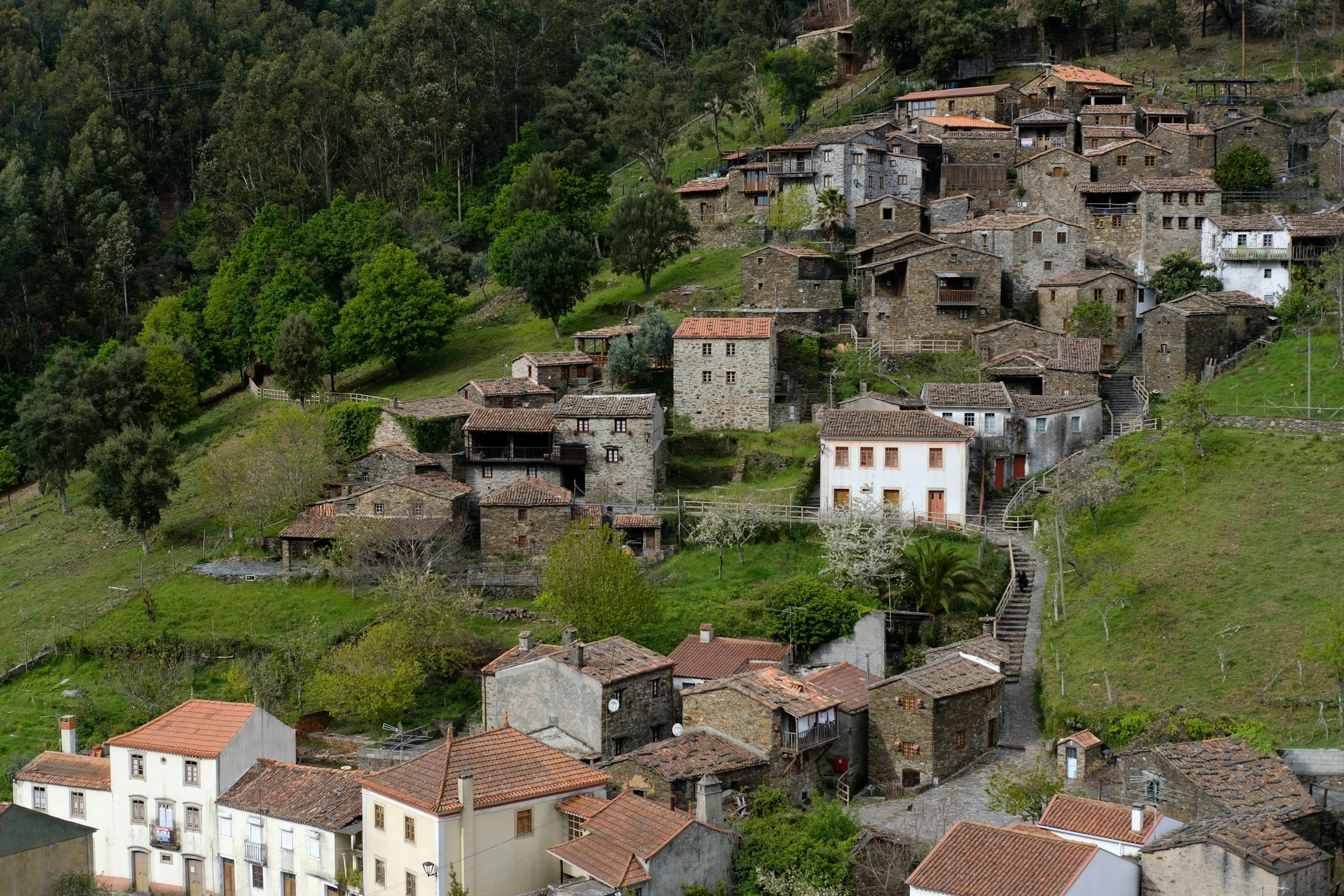
From Figueres, take a regional train south to Flaçà, on the line towards Girona. Flaçà is a small regional stop, so check the actual service rather than assuming every train heading south will stop there. The high-speed trains that look tempting from Barcelona are not the ones to use for this part of the trip.
As a rough guide, the journey is around 20–30 minutes from Figueres and 15–20 minutes from Girona, but I would check the Rodalies planner for your date rather than copy a fixed departure from an old timetable.
From Flaçà, Púbol is only about 5 km away. That short final stretch is why this is the option I would choose over trying to piece together several buses.
The one thing I would arrange before setting off is the taxi in both directions. Do not assume there will be a taxi waiting at Flaçà station, and do not leave the return until you are standing outside the castle ready to go.
When you contact a driver, send your train arrival time and the time you would like to be picked up again in Púbol. Ask for the total price for both journeys, and mention how many people are travelling and whether you have luggage. It is also useful to check whether the driver plans to wait or return later, as that can change the price.
I would be especially clear about the return pickup. The outward journey is easy enough once someone is meeting you at Flaçà; getting back is the part you do not want to improvise in a small village.
Taxi contacts published by Flaçà municipality
Taxi Jordi: +34 652 142 442
Taxi Sagué: +34 972 488 105 / +34 609 803 105
Taxi Enjoy: +34 695 717 185
These are local contacts listed by Flaçà municipality, not services I have personally tested. Confirm the price, both pickup points and the return time directly before you rely on the booking.
Visit Gala Dalí Castle
Allow around 75 minutes for the castle. After the scale of Figueres, Púbol is a much more contained visit, so there is no need to block out half the day for it.
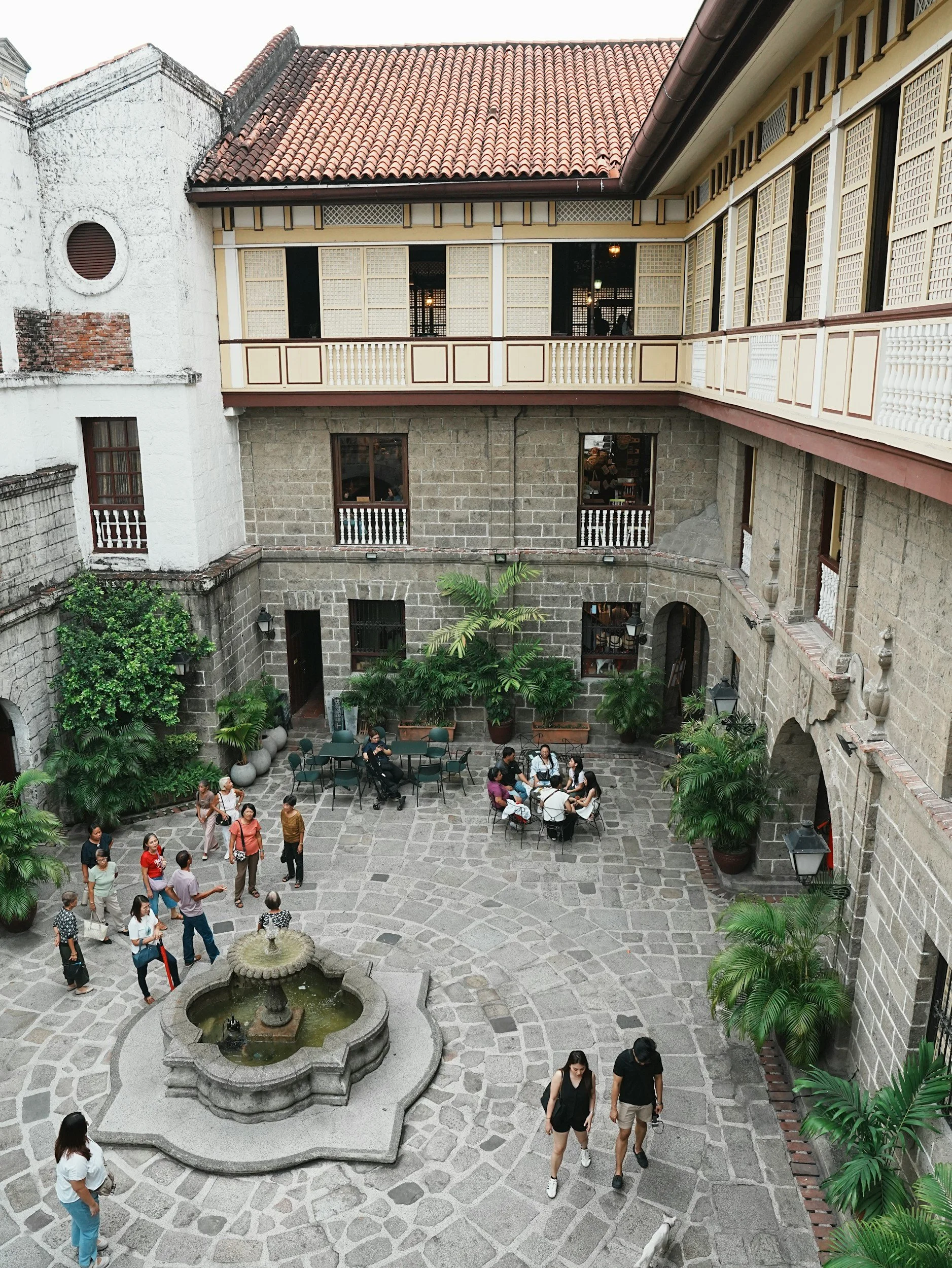
The focus here is on Gala’s furnished rooms, the garden and the crypt. By this point you have already seen Dalí’s major museum and his own home in Portlligat, so Púbol adds more of their private life rather than another large collection of his work.
From November, the castle closes earlier, which is another reason I would keep this as a morning visit. It also gives you more room afterwards if the taxi pickup or regional train does not run exactly as neatly as you hoped.
I would be careful about putting a flight or a tight long-distance train straight after Púbol. There are simply too many moving parts that day, with the regional train and prearranged taxi, to make a ten-minute connection a sensible idea.
You can avoid the taxi, but the journey gets more complicated
If you really want to avoid paying for the Flaçà taxi, there are two public-transport alternatives. Both are possible, but neither is as clean as simply getting off the train and having a driver waiting.
The first is the regular bus to La Pera. One current example is Girona 10:00 → La Pera Cruïlla 10:44, with a return bus at 14:06 → 14:50.
The bus stop is not at the castle, though. You still have roughly 2 km to walk, and this is the part I would check carefully before relying on the route. The distance itself is not much, but the pedestrian approach has not been properly inspected, so I would not assume the whole way is a comfortable pavement walk just because it looks short on a map.
If you are happy walking and the road conditions look fine for you, this can be a perfectly reasonable way to keep the cost down. I just would not present it as the obvious budget route until that final stretch has been checked properly.
The other option is via La Bisbal d’Empordà, using the on-demand Clic.cat R2 service to reach Púbol.
Clic.cat needs to be booked in advance through the app or by phone. The current service windows are 07:00–12:00 and 15:30–19:30, which is the detail that can make the day awkward. A morning visit to the castle can leave you stuck between those two windows, so you need to check the outward and return journey together before deciding that this is the cheaper solution.
Clic.cat is not a taxi where you can simply pick whatever time suits you. It follows its own route and booking system, and it does not run directly from Flaçà, so you need to check the stop, the departure and the return before relying on it for the day.
Personally, I would only bother with one of the cheaper options if the timings happened to fall into place nicely. Saving the taxi fare sounds good until it means a long wait, an awkward roadside walk or several extra connections just to reach one castle. At that point, I would probably pay for the taxi and enjoy the day a bit more.
Is Púbol worth adding?
Púbol is probably the easiest of the three sites to skip, but it can also be the one that adds the most if you are interested in Gala and in the more private side of Dalí’s life rather than only the art itself. The castle is much more about their relationship and the way they lived, with Gala’s furnished rooms, the garden and the crypt giving you something quite different from the large museum in Figueres.
If you enjoy old houses, interiors and the more personal details behind an artist’s life, I think Púbol is a strong addition. If your main interest is Dalí’s work, though, Figueres and Portlligat already give you a very solid two-day trip, and I would not add a third day just because the word “Triangle” makes it feel as though you should complete all three points.
What does the third day cost?
The museum tickets are not really the part that changes the budget much. At the current online starting prices, Figueres and Portlligat come to around €34, while adding Púbol brings the total to around €44.
The bigger difference comes from getting there, because you still need the regional train and then the final transfer from Flaçà. If you use a taxi, that price is usually for the vehicle rather than per person, which means the same trip can feel quite reasonable for a couple and noticeably more expensive if you are travelling alone.
A solo traveller covers the whole taxi quote, while two people split it and a small group splits it again, so this is one of those cases where party size genuinely changes whether the extra day feels like good value. I would also be careful about automatically counting another hotel night as part of the Púbol cost, because in this itinerary the night in Figueres already puts you in the right place for the morning train to Flaçà.
The cleanest way to think about it is:
€10 castle ticket + regional train + your share of the return taxi + any hotel cost that only exists because you added Púbol.
That is why I would not put one fixed “Púbol costs this much extra” figure on the trip. For a solo traveller who gets a high taxi quote, the third day may be hard to justify, while for two people sharing the ride it can feel completely reasonable.
I would add Púbol because I genuinely wanted to see Gala’s castle and complete that side of the story, not because I felt obliged to finish a triangle on the map.
Who I would add Púbol for, and who I wouldn’t
I would add Púbol if Gala is part of the reason you are doing this trip, or if you are someone who gets as much out of houses, rooms and gardens as you do from the art itself. It also becomes an easier yes if you are sharing the Flaçà taxi, because the extra cost starts to feel much less significant once it is split.
If your main interest is Dalí’s art and his own working life, I would be completely happy stopping after Portlligat. The same goes if you only have two days, you are travelling alone and get a high taxi quote, or you simply do not enjoy spending part of a holiday trying to line up rural transport.
That is probably the clearest distinction: Púbol adds another layer, but Figueres and Portlligat already make a very good Dalí trip on their own.
If you would rather do all three in one day
There is also a completely different way to do the Triangle if the transport is starting to look like more admin than you want on holiday: pay someone else to coordinate it.
One current example is Girona Explorers, which advertises a full-day Dalí Triangle excursion covering the three sites with transport and booking assistance. The day runs for roughly nine and a half hours, so this is very much the compressed version rather than the relaxed one.
I would check exactly what is included before booking. Museum admission is currently listed as extra, and the provider shows different adult prices in different parts of the same page, so I would ask for the current total rather than relying on the first figure you see.
I would also look closely at the actual itinerary. Plenty of tours use names like “Dalí”, “Figueres” and “Cadaqués” without visiting the full Triangle. Some include Cadaqués town but skip Púbol, while others stop near Portlligat without including entry to the house.
Before paying, I would confirm that the tour includes Púbol and the interior of the Portlligat house, then check the museum-ticket cost, pickup point, group size and cancellation terms. I would also ask what happens if there is no suitable house slot left for your date, because Portlligat availability can still affect an organised trip.
For someone with only one free day, this can be a very sensible way to see all three. If you have the time, though, I would still choose the independent three-day route rather than packing Figueres, Portlligat and Púbol into one long day.
Do you really need all three Dalí sites?
If you want to do the full Dalí Triangle, I would sort the awkward bits first and leave the easy bookings until afterwards. Find dates when all three museums are open, check that there is a Portlligat house slot that works with the buses, and get a proper return quote for Púbol before you start paying for everything else. Once those pieces are in place, the rest is much less likely to unravel.
If you are already thinking that two days might be enough, I honestly think that is a very sensible choice. Figueres and Portlligat give you the strongest combination for a shorter trip, and you still come away with both the big museum experience and the much more personal side of Dalí’s life.
At that point, the only real question is how much you want the Cadaqués overnight. I like it for this route because it gives you a much easier morning before Portlligat, but if moving luggage around sounds annoying, staying in Figueres is the cleaner option and I would not overcomplicate it just for the sake of one night by the coast.
I also would not let the word Triangle pressure you into adding Púbol. If Gala’s castle genuinely interests you, then yes, give it the extra day. If you are only adding it because three points somehow feels more complete than two, I would stop after Portlligat and be perfectly happy with that.
If you’re continuing along the Costa Brava without a car, I also have a guide to visiting Pals without a car, including the transport options that are easiest to work with.