Italy for introverts: 7 places that are easy to enjoy at your own pace
Italy gets talked about as if it’s all busy piazzas, famous landmarks, and restaurants you have to queue for. And yes, those places exist. But once you move a little away from the obvious stops, the country starts to feel very different.
There are plenty of towns where the pace slows down naturally. Places where the morning starts with a quick coffee at the bar, where people wander through the streets without much of a plan, and where dinner stretches out because no one’s in a hurry to leave.
That’s the side of Italy this guide focuses on. A small Renaissance town in Tuscany, a relaxed seaside town in Liguria, quiet hills in Veneto, and a lake in Piedmont that still feels surprisingly calm.
If you’re looking for somewhere in Italy where you can explore slowly, sit in cafés without feeling rushed, and spend the day wandering more than sightseeing, these places are a good place to start.
Why Some Parts of Italy Feel So Much Calmer
When people think about Italy, they usually picture places like Rome, Florence, the Amalfi Coast, or Lake Como. Those places are beautiful, but they’re also where most visitors go.
Once you move a little away from those areas, the atmosphere changes quite quickly. Across the country there are plenty of towns where life still feels local and unhurried. The kind of places where mornings start with coffee at the bar, people take their time walking through the streets, and dinner doesn’t feel rushed.
Regions like Abruzzo, the Marche, northern Piedmont, and parts of inland Tuscany still have that feeling. Visitors come, but they’re not overwhelmed by tourism.
That’s why towns like the ones in this guide work so well for slower trips through Italy. You can arrive, wander around, sit somewhere nice for lunch, and let the day unfold without needing a strict plan.
Not every quiet destination works well for travelers though. Some towns feel peaceful, while others can feel completely shut down outside peak season. If you're planning a slower trip through Europe, it helps to understand the difference between a quiet town and a closed town when traveling off season.
Pienza, Tuscany: A Small Renaissance Town in the Val d’Orcia
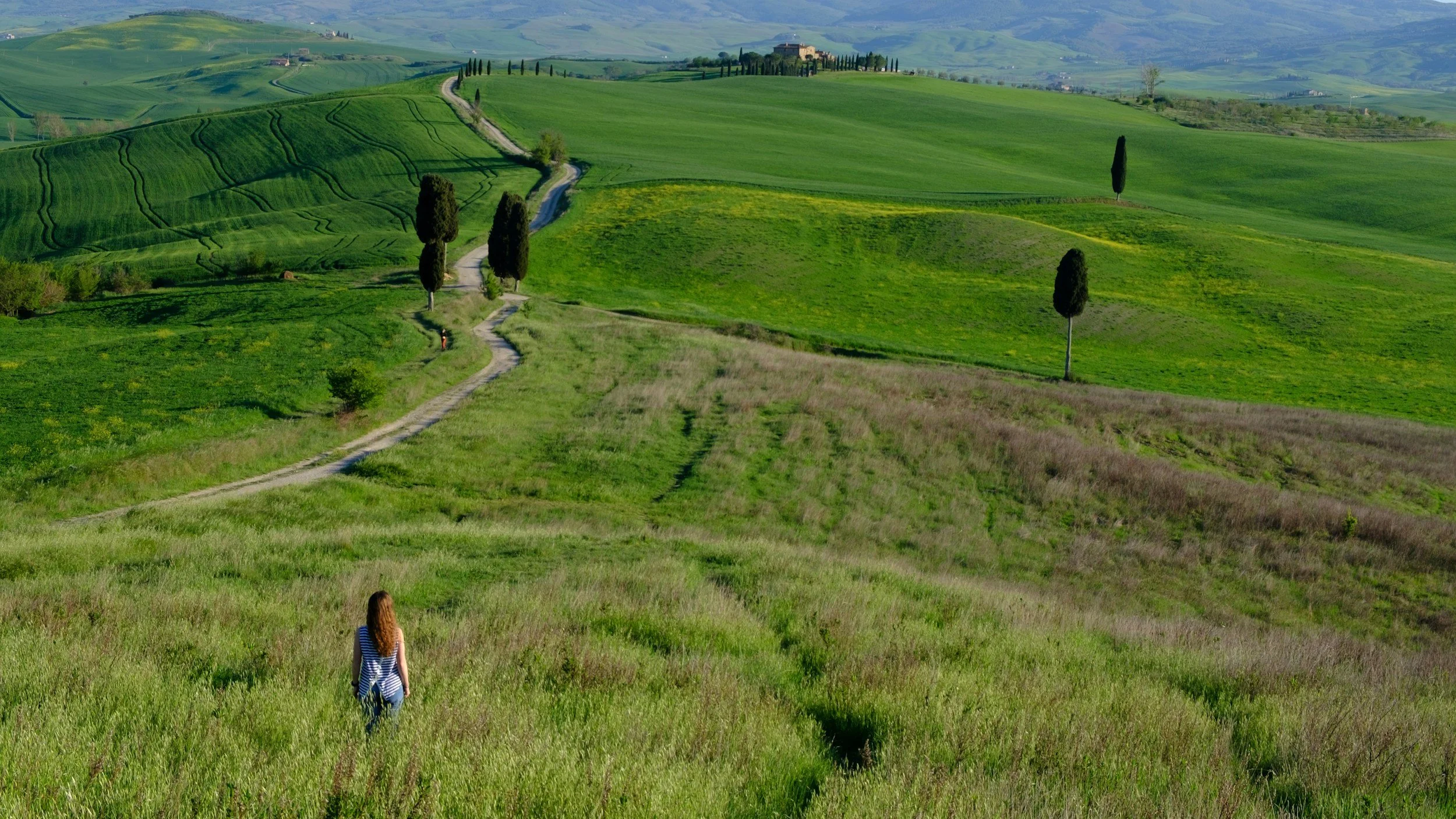
Pienza isn’t a town where you need an itinerary, and that’s what makes it perfect! It’s small enough that you can cross it in ten minutes, but every corner invites you to slow down.
If you’re a bookstore person: check out Librorcia, a tiny independent bookshop near Corso Rossellino. It’s small but thoughtfully curated - a cozy little space that feels like somewhere you can linger quietly and browse without interruption.
For coffee, avoid the obvious spots on Piazza Pio II and head to Bar Il Casello, tucked just outside the center. Locals hang out here in the mornings, and you can sip an espresso quietly with views stretching out over the Val d’Orcia. Perfect if you like to journal or read while you sip… no rush, no crowds!
Pienza’s also ideal for peaceful strolls. Walk Via del Casello all the way down and you’ll hit the town walls, where there’s a narrow path that loops gently around the edge. Early mornings or late afternoons, this spot feels like your own private viewing deck over the Tuscan hills.
If you want a place to sit and read quietly outdoors: there’s a little bench tucked along the walls near Porta al Prato, usually empty, shaded by trees, and with a breeze even in summer.
And for a genuinely low-key meal where you can sit without pressure? Trattoria Latte di Luna is on a quiet side street and serves simple local pasta dishes. No tourist rush, just slow service and traditional food.
How to get there:
Best with a rental car (about 2 hours from Florence), giving you the freedom to stop at quiet villages along the way.
If Pienza’s atmosphere appeals to you, there are several other small towns in Tuscany where the pace feels just as relaxed. These off-the-radar Tuscan villages are perfect if you’re looking for quieter places to stay in the region.
Camogli, Liguria: A Relaxed Seaside Town Near Genoa
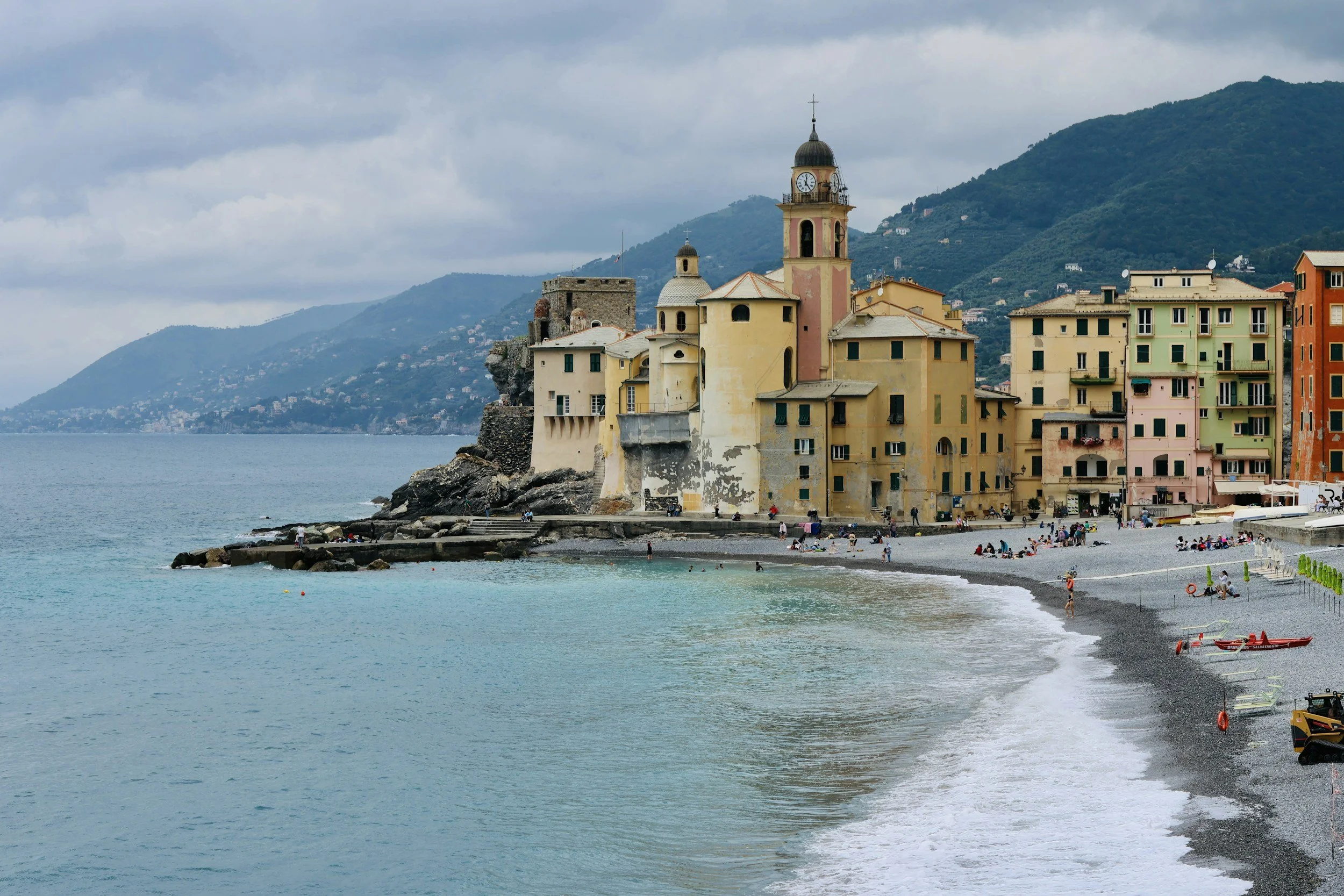
Camogli feels like one of those towns where you can immediately relax. It’s pretty, yes (colorful buildings right up against the water), but what makes it special is how relaxed it stays even when nearby spots like Portofino and Cinque Terre are packed.
If you love quiet cafés: skip the busy harborfront and head to Revello Pasticceria, just behind the main seafront. It’s been around forever and has this slightly old-fashioned charm: you can sit with a cappuccino and their famous camogliesi pastries, which are chocolate-covered and filled with rum cream, and nobody rushes you to leave. A lovely spot to sit quietly in the morning with a book.
For a peaceful walk, go past the harbor and take the path toward the far end of the promenade near the tiny pebbled beach. It’s quieter here, and you’ll find benches overlooking the sea where you can just sit and listen to the waves for as long as you want.
Camogli also has a hidden little museum most people miss: Museo Marinaro. It’s tiny, tucked away in an old building just off the harbor, and focuses on the town’s fishing and sailing history. No crowds, no loud tour groups - just a few rooms that feel almost forgotten but full of character.
If you’re looking for a solo lunch spot, Ostaia da o Sigu is a great little trattoria on a backstreet: family-run, friendly, and peaceful, with a short handwritten menu that changes daily depending on what’s fresh. No rush, just really good food and time to enjoy it.
How to get there:
Easiest by train from Genoa (30 minutes). Once you arrive, Camogli is completely walkable: you won’t need a car and everything unfolds at a gentle pace on foot.
Bressanone (Brixen), South Tyrol: A Calm Alpine Town
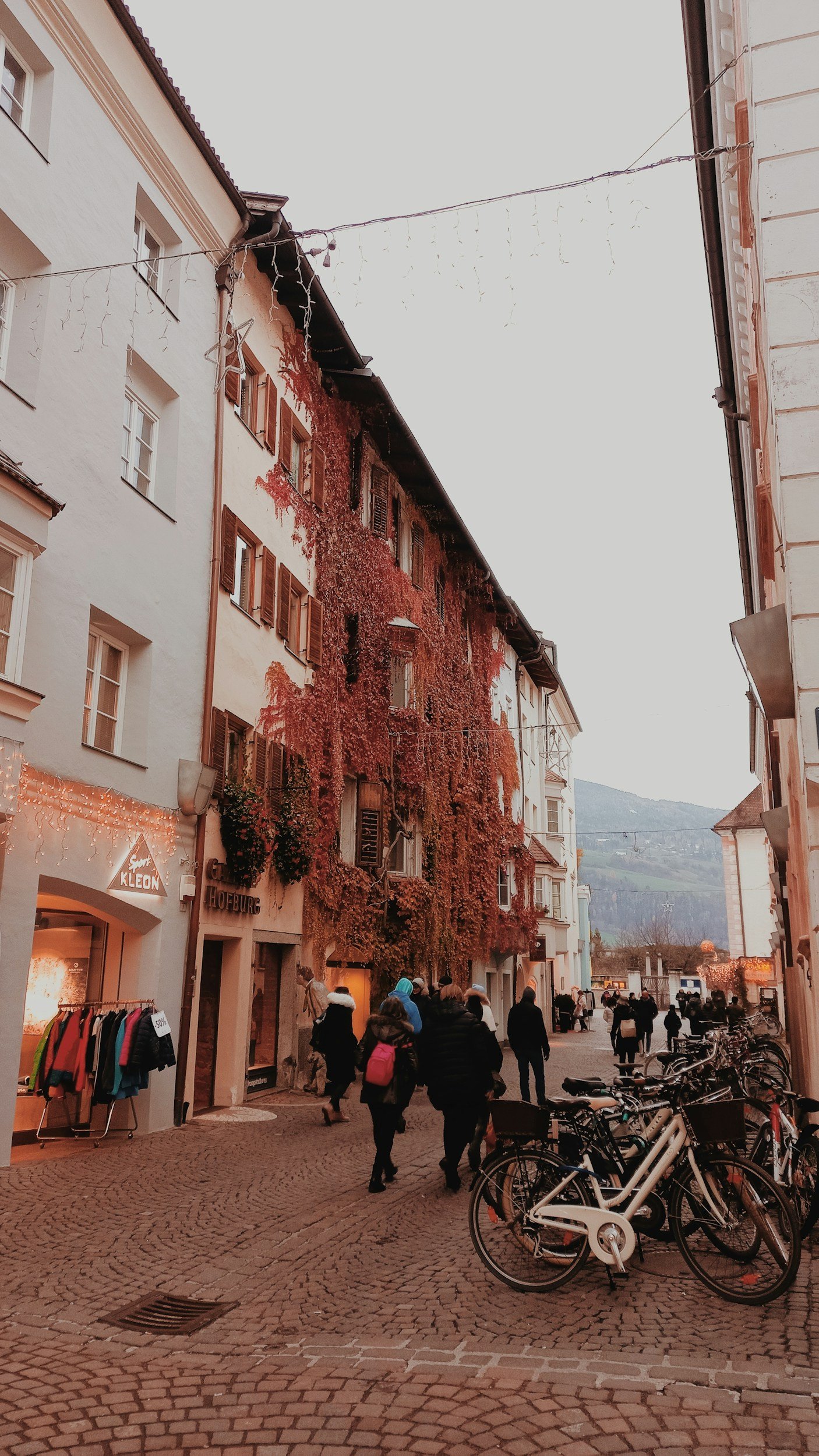
Bressanone is one of those towns that feels almost designed for introverted travelers. It’s small, walkable, and calm even in peak seasons. Definitely a place where you can wander without a plan and always find a quiet corner!
If you love a peaceful café scene, Kaffeehaus Trattoria Al Duomo is a favorite. Right on a little side street near the cathedral, it’s a casual spot where you can sit outside under the arcades and sip coffee slowly while watching the locals go about their day. Just space to enjoy your own company.
There’s also Libreria Athesia, a small independent bookshop on Via Mercato Vecchio. It’s a mix of Italian and German books, and while most tourists skip it, it’s an ideal place to browse slowly: a cool, quiet spot with a friendly but unobtrusive vibe.
For art lovers looking for something understated, the Pharmaziemuseum Brixen is a quirky, tiny pharmacy museum tucked into an old townhouse. It’s usually almost empty and full of historic curiosities (old medicine bottles, hand-carved wooden cabinets) all in a peaceful, atmospheric setting.
The riverside path just outside town is perfect for solo wandering. Start at the small bridge near Piazza Duomo and follow the Eisack River south - it’s shaded, green, and lined with benches where you can sit for as long as you like.
How to get there:
Train from Bolzano (45 minutes), and once you arrive, you can easily explore the whole town on foot.
If you enjoy quieter mountain regions like this, the valleys of Piedmont and northern Italy offer similar experiences. This guide to slow travel in Valle Maira explores one of the most peaceful corners of the Italian Alps.
Santo Stefano di Sessanio, Abruzzo: A Quiet Stone Village in the Mountains
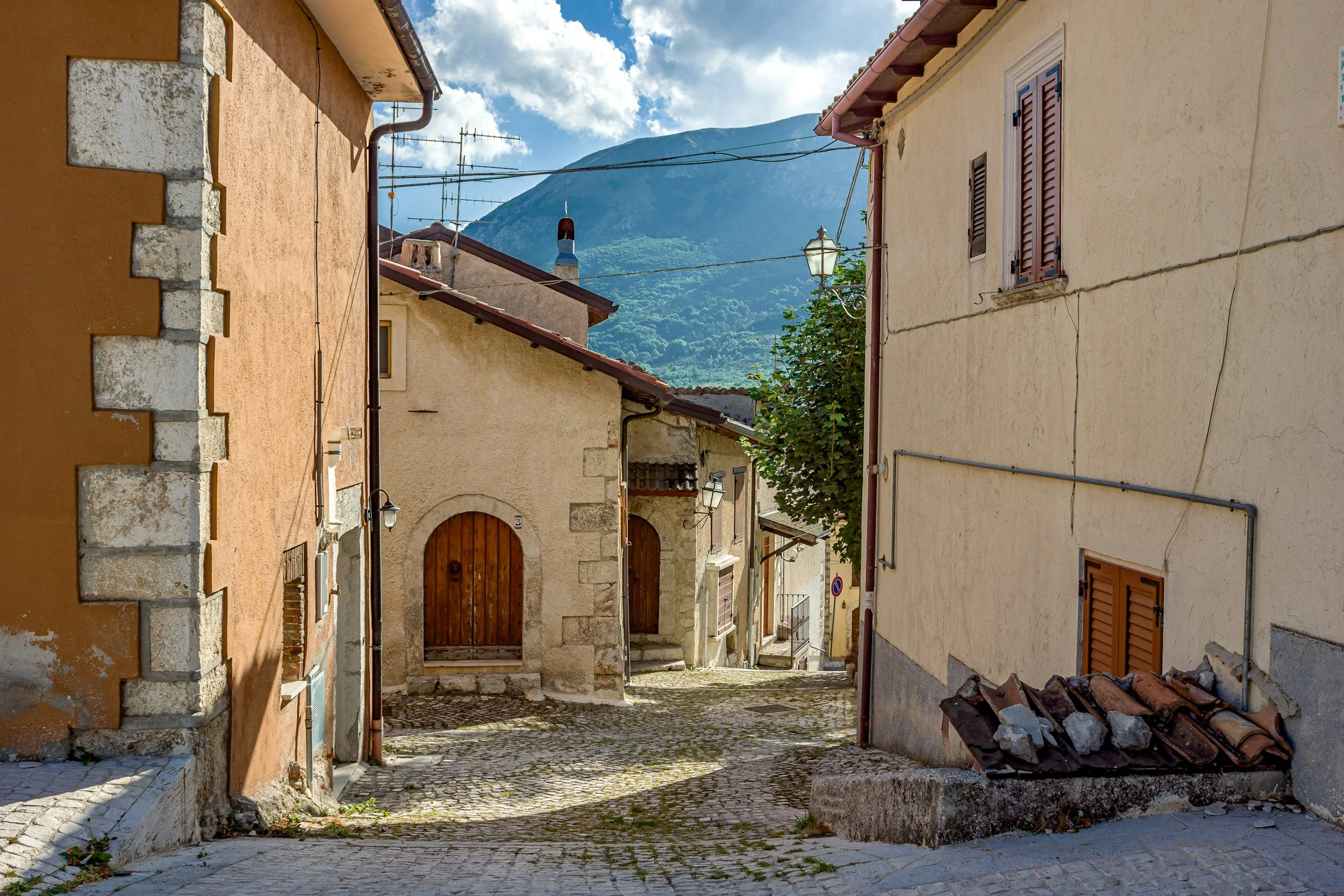
Santo Stefano di Sessanio is tiny and feels almost timeless. There’s barely a shopfront or café that feels commercial: it’s all stone alleys, medieval arches, and quiet corners.
For peaceful cafés, Caffè Damiani is worth finding - it’s simple, local, and relaxed. Sit outside with a coffee and you’ll often be the only visitor there, surrounded by old stone walls and soft mountain air.
If you like artisan shops, there’s a little weaving studio on Via della Chiesa where a local artisan still works on a traditional loom, making blankets and scarves from local wool. It’s low-key and friendly - you can step inside, watch quietly, and maybe chat if they aren’t busy.
For readers or sketchers: the small piazza in front of the old Medici tower has stone benches with mountain views that seem made for sitting and staying a while. There’s no traffic, no noise, just soft light and a peaceful breeze.
At night, this place feels almost like a retreat: very few visitors stay overnight, so after dark you can wander the alleys completely alone, hearing nothing but your footsteps and the wind.
How to get there:
Best with a rental car from Rome (about 2 hours). Public transport is patchy, and having your own car gives you the freedom to drive slowly through the Abruzzo hills, stopping at peaceful viewpoints along the way.
Central Italy is full of towns like this that rarely make it onto typical itineraries. Ascoli Piceno, in the Marche region, is another beautiful alternative to Tuscany with a slower pace and stunning historic streets.
Colli Euganei, Veneto: Peaceful Hills and Wine Villages Near Padua
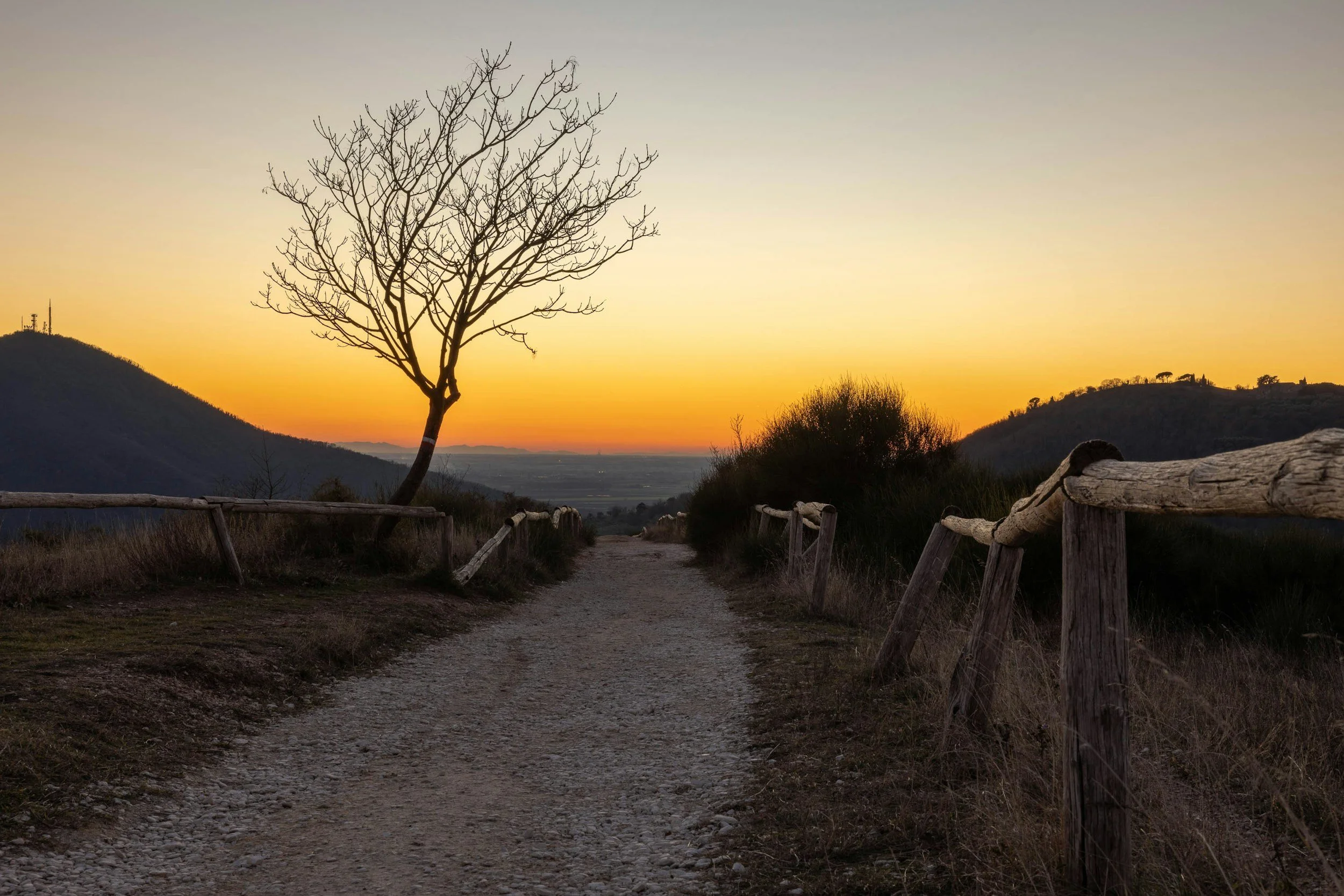
The Colli Euganei are a string of low, rounded hills southwest of Padua - and they’re so overlooked it’s almost surprising. Perfect if you want gentle walks, peaceful villages, and authentic cafés where nobody speaks in hashtags.
If you’re looking for a quiet village base, Arquà Petrarca is ideal. The lanes are steep and stone-paved, lined with old houses, tiny artisan shops, and not much else - which is exactly the appeal. Libreria Fahrenheit 451 is a small, local bookshop with a slightly chaotic charm that’s fun to browse; they stock both Italian and a few international books and it’s quiet enough to stay a while.
For peaceful café moments, look for Caffè del Petrarca, tucked in a corner just off the main piazza. It’s tiny, shaded, and feels like somewhere you could linger all afternoon with a glass of local white wine.
If you love slow countryside walks: the trail from Arquà Petrarca to Monte Piccolo is perfect: not long, but shaded, quiet, and lined with olive groves and vineyards. You’ll rarely pass more than a couple of walkers, even in summer.
How to get there:
Train to Monselice or Padua, then rent a car: driving the small country roads here is part of the charm, letting you stop at wineries or olive oil producers as you go.
Lake Orta, Piedmont: A Quiet Alternative to Italy’s Famous Lakes
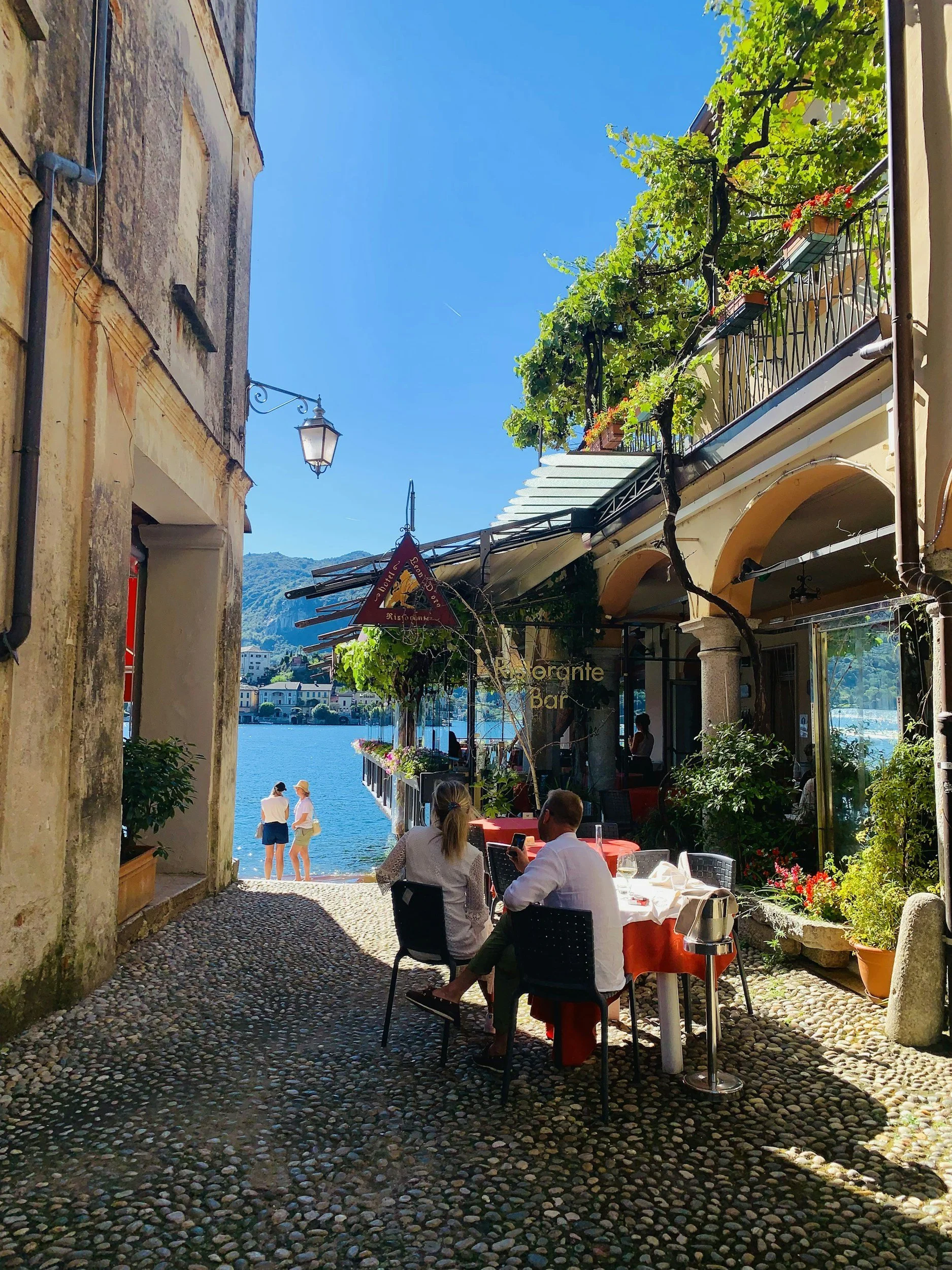
Lake Orta is often described as the “quiet alternative to Lake Como” - and while that’s true, it’s worth knowing how to experience its quietness properly. Timing matters: visit midweek, especially outside July and August, and the town of Orta San Giulio feels like a calm, old-world retreat.
If you’re looking for a peaceful café: Caffè del Lago on Piazza Motta is a perfect spot for sitting outside and watching the light shift over the water. Staff are used to locals lingering for hours…
A lovely place for a book or journal session is the shaded lakeside path that starts near Villa Bossi. It loops gently along the shore and has benches where you can sit and watch boats drift past in total calm.
For art lovers or history buffs: the tiny Museo dell’Arte della Tornitura del Legno (wood-turning museum) is tucked behind the main streets and usually empty. It’s a quirky little place showcasing local woodworking history: peaceful, low-key, and atmospheric.
How to get there:
Drive from Milan (around 1 hour) or take the train to Orta-Miasino station and a short taxi ride into the center.
Tropea, Calabria: A Cliffside Town with a Slower Pace
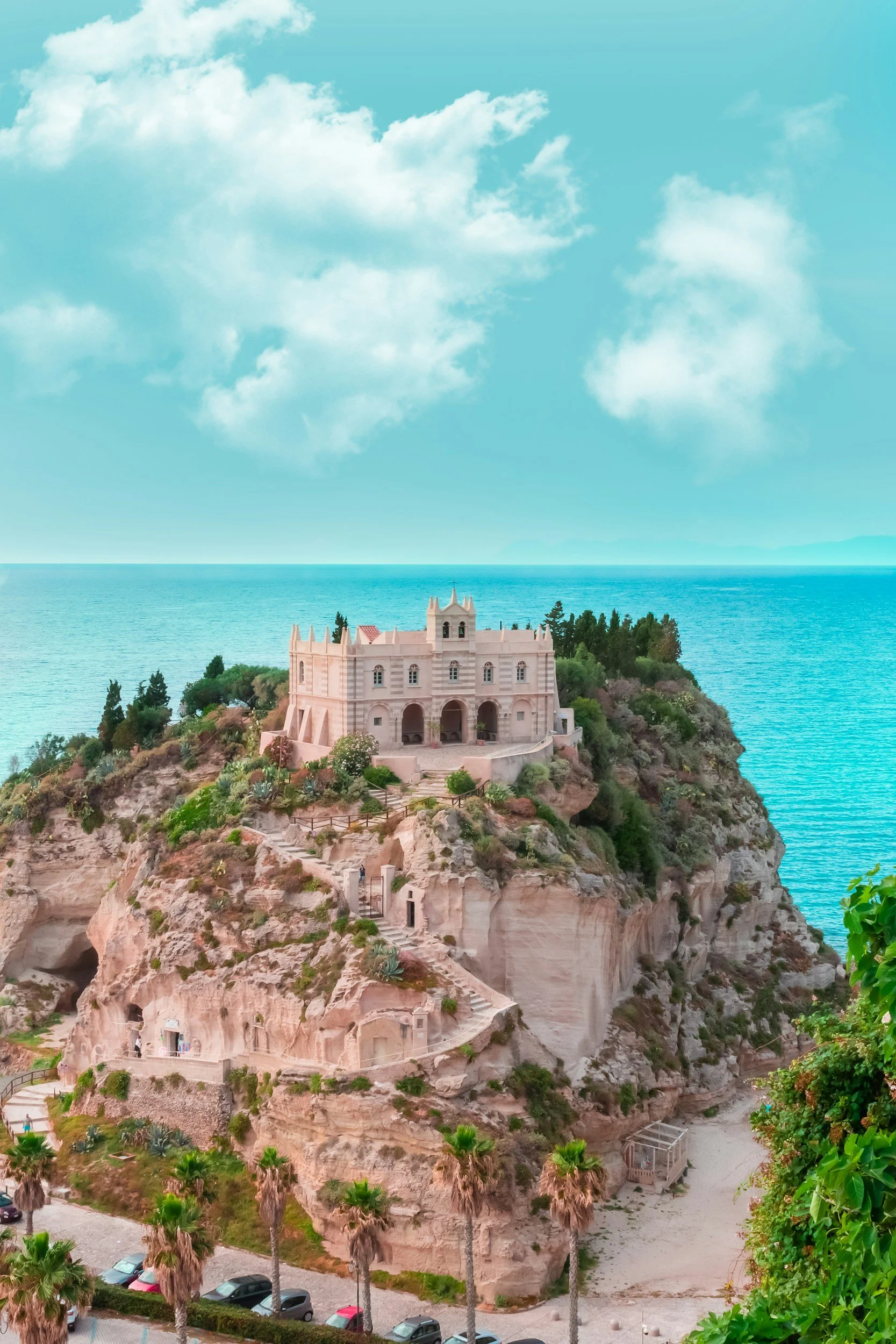
Tropea is famous for its setting (perched on cliffs above clear turquoise sea) but outside August, it still feels relaxed and welcoming, especially if you like quiet strolls and simple pleasures.
For a peaceful café stop, avoid the busy main square and head to Bar Lucertola, tucked into a backstreet with a tiny terrace. The atmosphere is casual and slow: a good place to sit with a coffee or cold drink and watch the quiet rhythm of local life.
If you love artisan shops, Tropea has a few tucked-away places worth finding. Ceramiche Artistiche di Tropea sells hand-painted ceramics in a tiny shop on Via Boiano - quiet, friendly, and ideal for browsing at your own pace.
For peaceful reading or sketching: the garden terrace just outside Santa Maria dell’Isola (the small church on the cliff) offers shady benches with sweeping sea views: an ideal spot where you can sit undisturbed, even when the town gets busier elsewhere.
The beaches themselves are peaceful in shoulder season, and early mornings here are magic: clear water, soft light, and hardly anyone around.
How to get there:
Train from Lamezia Terme (around 1 hour) or a scenic drive along the coast if you want to explore other quiet southern villages.
FAQ: Quiet Places to Visit in Italy
What are the quietest places to visit in Italy?
Smaller towns and countryside regions tend to be much calmer than Italy’s major cities. Places like Pienza, Lake Orta, and Santo Stefano di Sessanio offer beautiful scenery without the large crowds found in places like Rome or Venice.
Where can I experience slow travel in Italy?
Regions such as Tuscany, Piedmont, Abruzzo, and South Tyrol are ideal for slow travel. They offer small towns, scenic walking routes, and local food traditions that reward a relaxed pace.
Is Italy good for solo travel?
Yes. Italy is generally safe and welcoming for solo travelers, especially in smaller towns where daily life revolves around cafés, markets, and walkable streets.
What time of year is best for quiet travel in Italy?
Spring (April–June) and autumn (September–October) are ideal. The weather is pleasant for walking and many destinations are significantly quieter than during the peak summer months.