How I'd spend a day in Glasgow once the museums are done
Most people arrive through Glasgow Central or Queen Street, and the difference is obvious the moment you step outside. Central opens straight onto wide office streets with buses pulling in and out, people walking quickly, and very little room to stop without feeling like you’re blocking someone. Queen Street feels calmer once you’re above ground. There’s a bit more space, fewer people rushing, and it’s easier to pause, get your bearings, and take things in without pressure.
If you’re staying in the West End, Queen Street is usually the easier arrival. From there, it’s a short walk to Buchanan Street subway station, and the subway ride west is quick and uncomplicated. A taxi to areas around Byres Road or Great Western Road is also straightforward and usually takes under ten minutes outside peak hours. Central Station makes more sense if you’re staying south of the river or near the Merchant City, but after a long journey it can feel busy and slightly overwhelming.
Arriving early doesn’t mean you need to do anything straight away. It helps to take a short walk first, even if it’s only a few blocks, just to understand the scale of the city. Streets are wider than they appear on maps, crossings take time, and traffic lights add pauses you don’t always expect. A walk that looks like ten minutes often turns into fifteen, even when you’re not walking slowly.
Dropping your bag off early makes a big difference. Most hotels and guesthouses are used to holding luggage, especially in and around the West End, and it’s rarely a discussion. Once your bag is out of the way, it’s easier to move around without checking the time or planning the rest of the day too carefully.
Eating before doing anything else is a practical choice rather than a treat. Cafés serving breakfast and brunch usually keep going well into late morning and early afternoon, so arriving off a train doesn’t put you under pressure. Places like Singl-end Café or Kember & Jones are used to people turning up mid-morning, ordering something simple, and staying for a while. You don’t feel like you’ve missed a moment by not being out early.
It also helps to accept early on that the city centre isn’t where these days really take shape. It’s useful for arriving and sorting logistics, but the slower, café-led routines begin once you’ve walked or taken the subway a few stops away from it.
I tend to approach arrivals the same way in most cities, even very busy ones. The approach is similar to how I’ve written about spending 48 hours in Athens, where the focus is on easing in, finding cafés early, and not trying to cover too much too fast.
Where Glasgow actually works for café hopping on foot
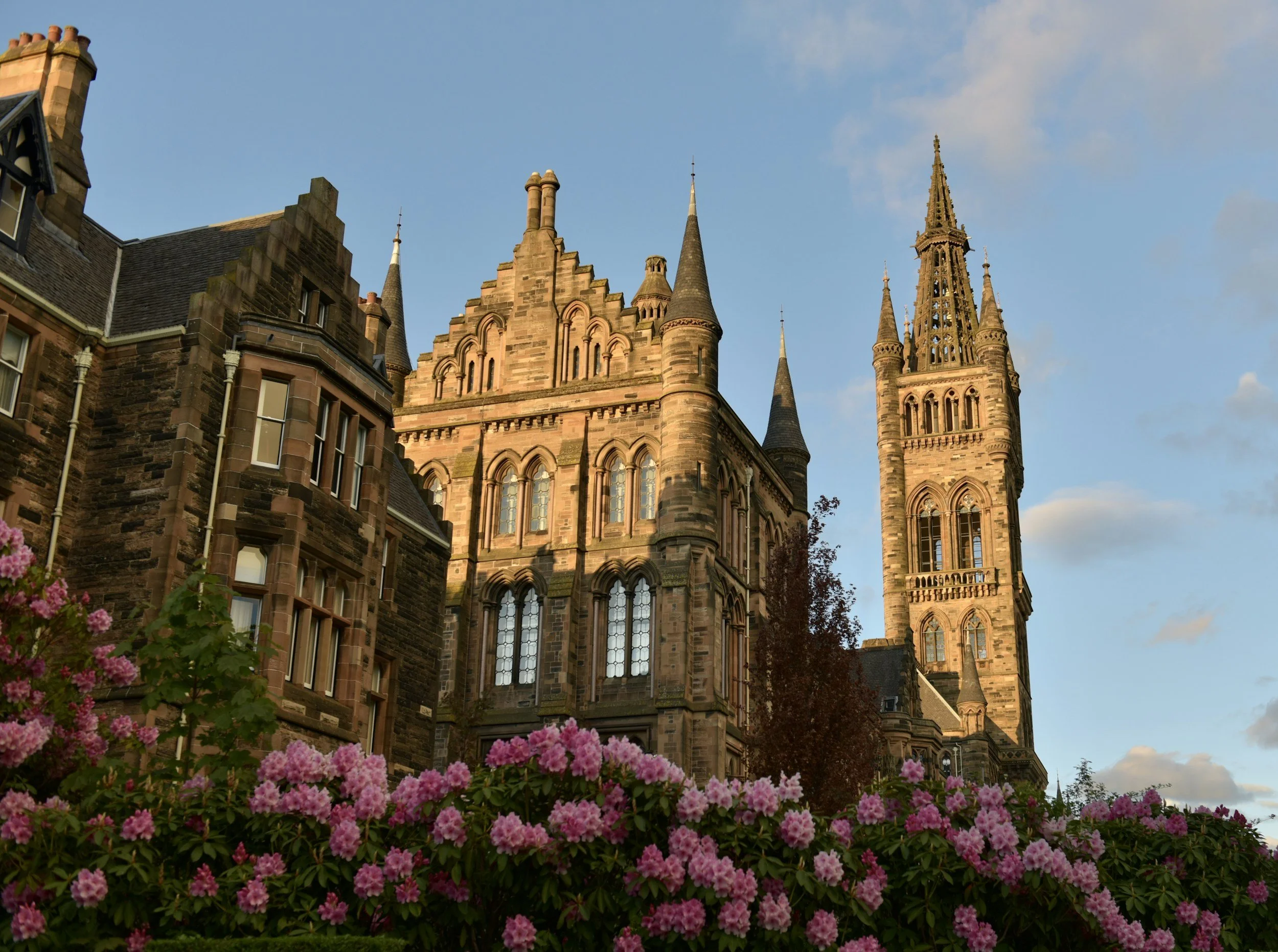
Glasgow is easier when you stop trying to cover it and just pick one area for the day. Getting from one neighbourhood to another takes more out of you than you’d think, mostly because streets are wide, crossings are slow, and walking isn’t as direct as it looks on a map. Café hopping only really works when places are close enough that you can stand up, put your coat on, and be somewhere else in a few minutes without checking directions.
The West End is the simplest area for this. Around Byres Road and Great Western Road, with the smaller streets running between them, things sit close together in a way that makes sense on foot. Cafés, bookshops, pubs, and small shops are usually five to ten minutes apart. You can move between places without constantly waiting at big junctions or feeling like you’ve walked too far just to get another coffee. Once you’re there, it’s easy to spend the whole day on the same few streets.
Days in the West End tend to start on Byres Road, cut down a quieter street, then end up back near where you began without meaning to. Seeing the same places more than once makes the area feel settled quite quickly, especially if you’re stopping rather than just passing through.
The Southside can work too, especially around Shawlands and Strathbungo, but it feels different. Streets are longer and things are more spread out, so walking feels more intentional. You usually end up focusing on one main stretch rather than drifting between lots of small streets. Once you know the area, it’s calm and local, but the first time it’s easy to underestimate how far apart things are.
The city centre doesn’t really suit this kind of day. There are cafés worth stopping in, but they’re spaced out, and there’s always a lot happening around you. Pavements are busy, crossings are frequent, and it’s harder to settle into staying somewhere for long. It works for one stop, not for slowly moving between places all afternoon.
Sticking to one neighbourhood makes the day easier without you having to think about it. You walk the same streets a few times, start recognising shop fronts, and stop checking your phone so often. By the second or third café, the area already feels familiar, which is usually the point.
The West End as a base for slow mornings and long afternoons
The West End works as a base because it’s easy to deal with day to day. You can walk out the door without much of a plan and still know you’ll find a café open nearby, somewhere you can sit without being rushed, and somewhere you can go back to later the same day. It’s not especially quiet, but it’s steady, and that makes a difference once you’ve been there more than a few hours.
Staying near Byres Road, Great Western Road, or on the smaller streets between them keeps things simple. From most places in this area, you’re five minutes from a café, ten minutes from a bookshop, and not much further from a pub that’s open during the day. You don’t need to cross the river or walk through shopping streets just to get started, which helps on slower mornings.
Cafés here tend to open mid-morning and don’t expect people to move on quickly. Sitting alone with a book or a notebook is normal, especially on weekdays. Students, locals, and people working remotely move in and out at different times, so you don’t feel out of place staying longer. It’s common to notice the same people popping up again later in the day in a different café or down the street.
Walking in the West End feels manageable without effort. From most central spots, you’re close to a café where staying a while is fine, a bookshop like Voltaire & Rousseau where browsing isn’t rushed, a pub that works in the afternoon, and a small grocery shop if you need something basic. Because everything is close, you don’t have to decide the whole day in advance or worry about the order you do things in.
Time stays flexible here. Leaving late doesn’t feel like you’ve missed the day, and heading back earlier doesn’t make it feel cut short. There’s usually somewhere nearby that’s still open and calm enough to sit for a bit longer, which suits days that aren’t built around plans.
If this way of staying put and letting the day narrow feels familiar, Cambridge works in a similar way. There’s a full guide to slow travel in Cambridge, written for days built around walking, cafés, and returning to the same places more than once.
Cafés in Glasgow where it’s easy to sit with a book
Not every café in Glasgow is a good place to sit for a long time. Some are built for quick stops, takeaway cups, people moving in and out. The ones that work for reading tend to be practical in small ways rather than trying to look a certain way.
Places like Papercup Coffee Company on Great Western Road or Kember & Jones are good examples of this. Mid-morning is usually the easiest time to go, when tables aren’t full yet and staff aren’t trying to turn them over quickly. Chairs are comfortable enough to sit in for a while, tables aren’t cramped, and ordering food along with coffee is normal, which makes it clear you’re there to stay for more than ten minutes.
Noise levels change a lot depending on the time of day. Late mornings during the week are usually calm enough to read without effort. Lunchtime can get busy, especially closer to the university, and it becomes harder to focus once queues build up and tables fill. By mid to late afternoon, things often slow down again, and it’s easier to sit without feeling surrounded.
What you order matters more than people admit. Getting something small to eat with your coffee makes staying longer feel natural, and coming back for another drink later doesn’t stand out. Staff are used to this pattern and don’t treat it as anything unusual.
If you like the kind of cafés where you can actually stay a while without feeling watched, you’d probably enjoy Windsor’s café spots too, they have that same unhurried feel once you step slightly away from the centre.
Bookshops in Glasgow worth spending time in
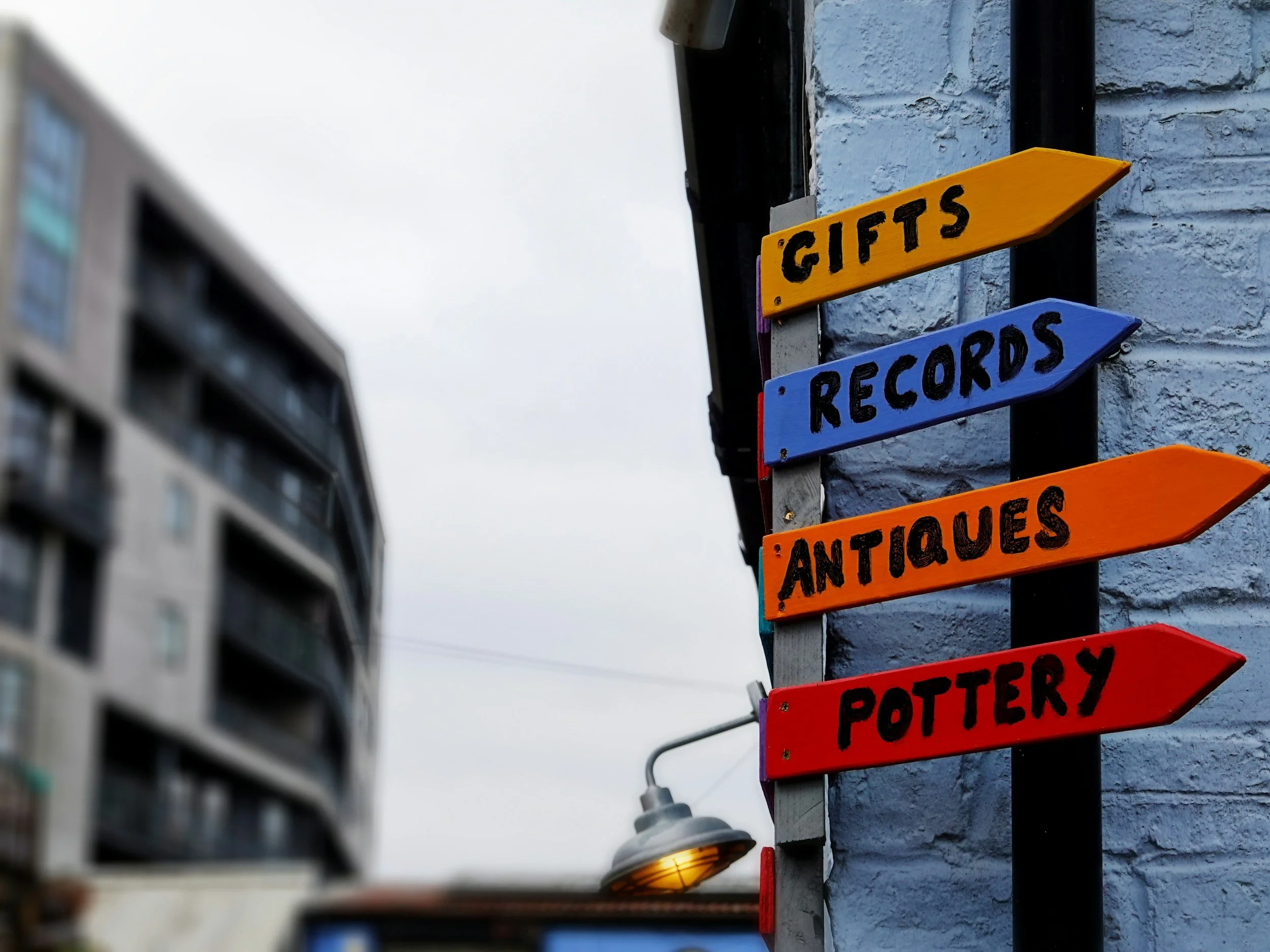
Bookshops in Glasgow tend to feel straightforward rather than styled. Shelves are full, layouts make sense, and the focus is clearly on what’s in stock rather than how it looks from the door. That makes a difference when you’re browsing without a specific title in mind, because you don’t feel like you need to know what you’re doing.
Voltaire & Rousseau in the West End is easy to spend time in, especially if you’re already nearby. It sits close enough to cafés that you can walk over in a few minutes without crossing busy roads or breaking the flow of the day. It’s the kind of place where you can move slowly along the shelves, pick things up, put them back, and not feel watched. Caledonia Books, closer to the centre, works in a similar way, but it’s best earlier in the day before foot traffic picks up around it.
Timing matters more than anything else. Late mornings and early afternoons are usually the calmest, when staff are around but not busy with boxes, deliveries, or weekend crowds. Saturdays do get busier, especially in the West End, but even then people tend to browse rather than rush, so the space doesn’t feel tense.
Taking your time without buying straight away doesn’t feel awkward. Staff generally leave you alone unless you ask for help, and there’s no pressure to justify being there. It suits people who want to look properly rather than skim shelves and leave.
If you plan trips around bookshops as much as cafés, you might also enjoy how this plays out in Oxford. I’ve written a separate guide to Oxford’s bookshops and cafés, focused on places where browsing and sitting for a while actually works, rather than trying to see everything in one go.
How to move between cafés and bookshops without overthinking it
What makes this work in Glasgow is how little ground you need to cover once you’re in the right area. In the West End, it’s normal to leave a café, walk five minutes, spend some time in a bookshop, and then sit down again somewhere else without having to think about routes or doubling back.
This matters more than you’d expect. Longer walks between stops break your focus, especially when you’re carrying a book or trying to keep a quiet afternoon going. Once you start crossing bigger roads or waiting through multiple traffic lights, the day starts to feel chopped up. Keeping everything within the same few streets helps the hours run together more naturally.
It’s usually easier to anchor the day around a bookshop rather than a café. Starting near Voltaire & Rousseau, for example, puts you within a short walk of several cafés in different directions. You can browse for half an hour, step outside, and be sitting down again with a coffee a few minutes later without needing the subway or a taxi.
Weather plays a role here as well. When it starts raining, which it often does without much warning, it helps to know you’re never far from another door to duck into. Staying within a tight area means you can adjust as you go instead of changing plans altogether.
Glasgow pubs that work just as well during the day
When you can’t choose cocktail…
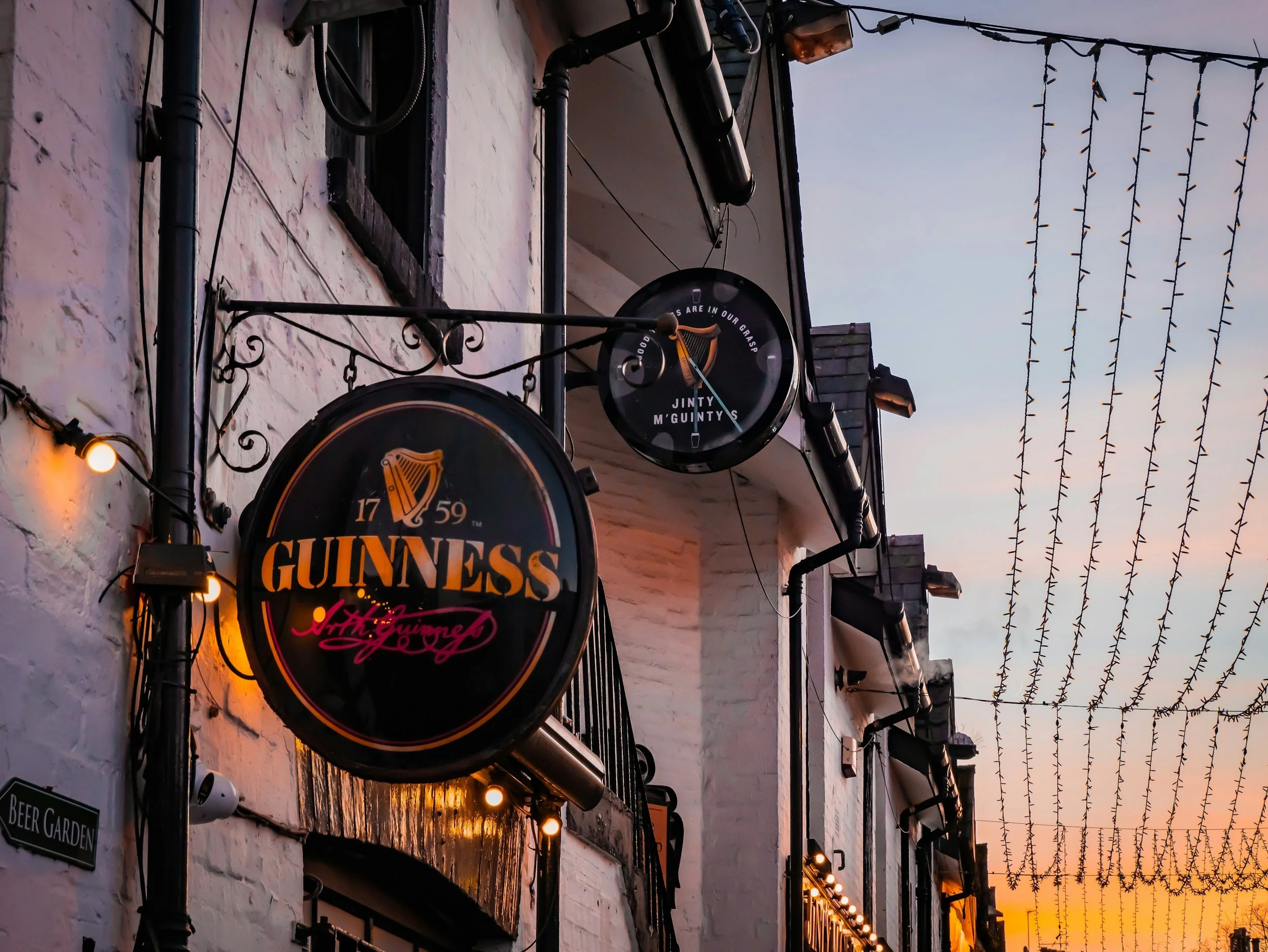
Going to a pub during the day in Glasgow doesn’t feel like a fallback or something you have to justify. It’s just part of how the city works. The pubs that suit solo visits best are usually already ticking along quietly, with people coming in on their own, ordering one drink, sitting for a bit, and leaving when they’re ready.
If you want something that feels easy the moment you walk in, The Pot Still is a very safe place to start. It’s well known, well run, and used to people coming in alone, especially during the day. You don’t need to know anything about whisky to sit comfortably there. Ordering a half pint or a simple whisky is completely normal, and no one expects you to turn it into an experience. It’s the kind of place where you can sit at the bar or at a small table, read a few pages, and not feel like you’re taking up space.
The Ben Nevis also works well earlier in the day, especially before late afternoon. It’s smaller and more traditional, which can feel intimidating at busy times, but in the early afternoon it’s relaxed and easy. Sitting on your own doesn’t stand out, and staff are used to people popping in for one drink rather than settling in for the evening. If you arrive before the after-work crowd, it feels calm and local rather than social.
In the West End, The Park Bar can be a good daytime option if you time it right. Earlier in the afternoon is usually best, before any music or evening crowd builds. At that time of day, it feels more like a neighbourhood pub than a destination, which makes sitting alone much easier. You can order one drink, take a seat near the edge of the room, and stay as long or as short as you like without it feeling noticeable.
If going to a pub alone feels awkward, timing and seating make the biggest difference. Turning up slightly off-peak helps. Ordering at the bar first, then choosing a seat once you have your drink, gives you something to do with your hands straight away. Keeping the first order simple also helps. After the first few minutes, it usually stops feeling like “being alone in a pub” and starts feeling like you’ve just found somewhere warm and steady to sit for a while.
The switch from café to pub often happens mid to late afternoon. Cafés start getting louder again, tables fill up, and a pub becomes the easier place to sit without feeling rushed. Outside of summer, the light drops early, and pubs naturally suit that part of the day better.
When a pub makes more sense than a café in bad weather
Weather changes the feel of places in Glasgow very quickly. When it starts raining, cafés tend to fill up almost at once. People come in to get out of the rain, tables disappear fast, and the noise level jumps. Even cafés that are usually calm can start to feel busy and slightly tense, especially if you’re trying to sit still and read.
Pubs often react in the opposite way, particularly earlier in the day. When the weather turns, people spread out rather than bunch together. There’s usually space to sit, and the background noise stays fairly even instead of rising all at once. You’re less aware of other people coming and going, which makes it easier to stay put.
Temperature matters more than you expect. Cafés can feel cold once you’ve been sitting still for a while, especially near windows or doors opening constantly. Pubs tend to be warmer and more consistent, so you don’t notice the cold creeping in if you’re not moving much. That makes a difference if you’re reading, writing, or just sitting longer than planned.
How rain changes where you go and how long you stay
Rain is part of everyday planning in Glasgow. It’s rarely heavy enough to stop you going out, but it’s common enough that you start adjusting the day without really thinking about it.
Short walks work better than long ones. Moving between places that are a few minutes apart feels fine, while longer stretches quickly start to feel unnecessary. Cafés and bookshops that sit close together make it easier to decide as you go rather than committing to a long walk in the rain. Carrying an umbrella is completely normal and doesn’t really draw attention.
On heavier rain days, it usually makes sense to stay longer in fewer places. Cafés that serve food are easier to settle into, and bookshops with wider aisles and slower layouts are more comfortable to browse without feeling rushed. This is also when small independent shops start to matter. Stepping into places like Starry Starry Night in the West End or Mr Ben Retro Clothing gives you somewhere warm to wander for ten minutes without needing to sit down again. They’re easy stops that break up the day without changing its pace.
Markets and flea markets depend more on the weather, but when they’re running, they fit naturally into rainy-day routines. The Barras Market is worth a slow walk-through even in light rain, especially if you’re nearby anyway. On days when markets aren’t practical, browsing charity shops or small second-hand stores fills the same role, giving you somewhere to move through slowly while the weather passes.
Getting a bit wet at some point is expected. Buildings are set up for people coming in and out all day, coats get shaken off near the door, and drying off happens as part of sitting down rather than something you stop the day for.
Evenings in Glasgow when you’re done walking but not ready to go home
Evenings in Glasgow work best when they stay small. If you’re staying nearby, heading out without a plan and heading back earlier than expected doesn’t feel like you’re missing anything. A lot of neighbourhoods ease into the evening rather than changing mood all at once, which makes it easier to stay out a bit without committing to a full night.
The coziest evenings usually happen in areas where everything sits close together. The West End around Byres Road, Hyndland, and Hillhead is good for this, because you can wander for a bit, stop somewhere, and still be back home within ten or fifteen minutes. Finnieston also works well if you like having food and pubs close together without needing to cross busy streets.
Earlier evenings are generally easier than late ones, especially if you’re on your own. Between six and eight, places are busy enough to feel comfortable but not so full that you have to work for a table. Later on, rooms get louder and more group-focused, which changes the feel quite quickly.
Eating earlier keeps things relaxed. Places like Mother India Café or Stravaigin are much calmer at the start of the evening. You can order one or two small dishes, have a drink, and sit without feeling like you’re holding a table. It’s normal to see people dining alone or lingering a bit longer, especially during the week. If you’re not in the mood for a full meal, stopping somewhere for soup or a small plate works just as well.
Some evenings don’t need food at all. Sitting in a pub you’ve already passed earlier in the day often feels easier than trying somewhere new. In neighbourhood pubs around the West End or Finnieston, early evenings are usually quiet enough to sit with a drink and unwind without feeling watched or rushed.
Walking back matters more than it sounds. Sticking to residential streets through areas like Hillhead, Hyndland, or Kelvingrove keeps the end of the day gentle. You pass rows of flats, side streets, and the odd corner shop instead of traffic and crowds. Because everything is close, you don’t need to plan the route. You just walk back the way you came, which is often exactly what you want by that point in the day.
What a quiet Sunday in Glasgow feels like
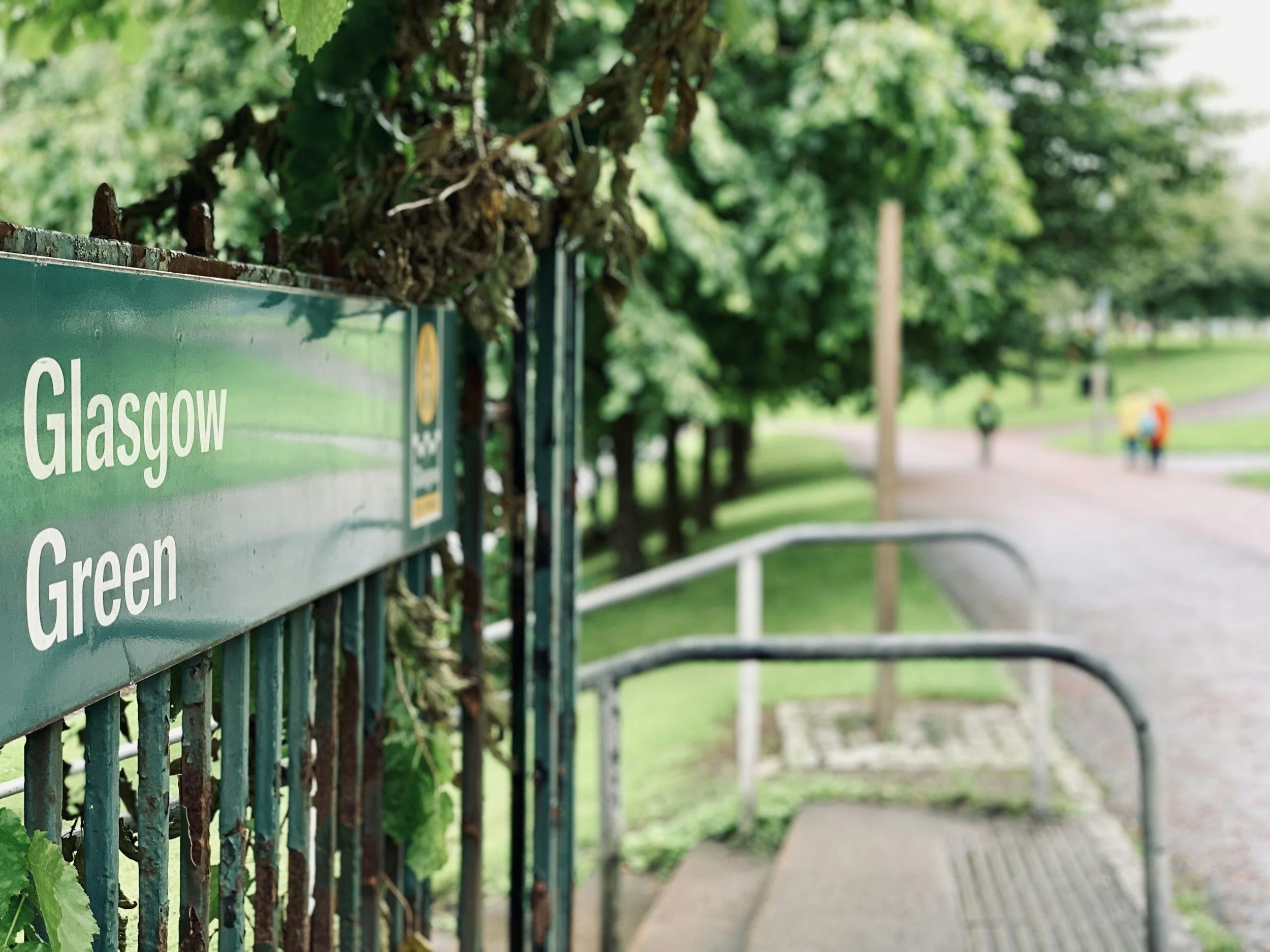
Sundays in Glasgow are slow in a very normal, everyday way. Things open later, people take their time, and there’s no feeling that you should be up and out early. Heading out closer to late morning or around lunchtime feels completely fine, and you’re not behind anyone else.
A really good way to start a Sunday is brunch at Singl-end Café, especially if you’re staying in the West End. It’s the kind of place where people sit for a while, order a proper plate of food, and don’t rush off. Sitting there on your own doesn’t feel strange at all. Having another coffee after you’ve finished eating feels normal, not like you’re overstaying.
After that, the day naturally becomes smaller. Cafés don’t stay open as long, and bookshops often only open for part of the afternoon, which quietly limits how much you try to do. By mid-afternoon, pubs become the easiest option. They’re open when other places aren’t, they’re warm, and no one minds if you sit with one drink for a long time. On Sundays, pubs feel calmer and less group-focused, especially earlier on.
Sundays are also when it makes sense to go back to places you already liked. Instead of walking across town to try something new and finding it closed, you return to a café or pub you’ve already been to once. You know where to sit and what to expect, which suits the slower pace of the day.
One of the nicest things about Sundays in Glasgow is that the afternoon and evening blend into each other. You might go somewhere for coffee, stay longer than planned, and then realise people around you are ordering drinks instead.
If you’re comfortable travelling in greyer weather and letting days run quietly, Utrecht works in a similar way. I’ve written about a winter weekend in Utrecht with the same focus on cafés, walking, and letting the day stay small.
Where to stay in Glasgow if cafés and bookshops matter
Where you stay in Glasgow makes a real difference to how the days feel. For café-led, bookish days, it helps to be somewhere you can leave without thinking too much, walk a few minutes, and be back easily if you’re tired or the weather turns. Areas matter more than hotel category.
In the West End, staying close to Byres Road, Hyndland, or the quieter streets around Kelvingrove keeps everything simple. One place that fits this pace well is The Alamo Guest House. It’s small, calm, and feels residential rather than hotel-like. You can walk out in the morning and be at a café in a few minutes, come back in the afternoon without it feeling like a retreat, and head out again later without committing to a big evening. It suits people who like quiet mornings and don’t want to feel anonymous.
If you want to stay closer to the centre but still avoid the busiest streets, Grasshopper Hotel works surprisingly well. It sits right by Central Station but feels tucked away once you’re inside. It’s a good option if you’re arriving by train and want to drop your bag quickly, then move out toward the West End or Merchant City without dealing with a long transfer.
For something that feels more like having your own place, Native Glasgow is a solid choice. The apartments are central, but the building itself is quiet, and having space to sit, read, or make a coffee in the morning makes slower days easier. It works well if you like returning early or staying in for part of the evening without feeling stuck in a hotel room.
Wherever you stay, the main thing is keeping daily movement easy. Being able to walk to cafés, bookshops, and a pub without planning routes or transport changes how relaxed the trip feels. In Glasgow, staying slightly closer to where you’ll spend your days is usually worth more than choosing a place based on stars or style alone.
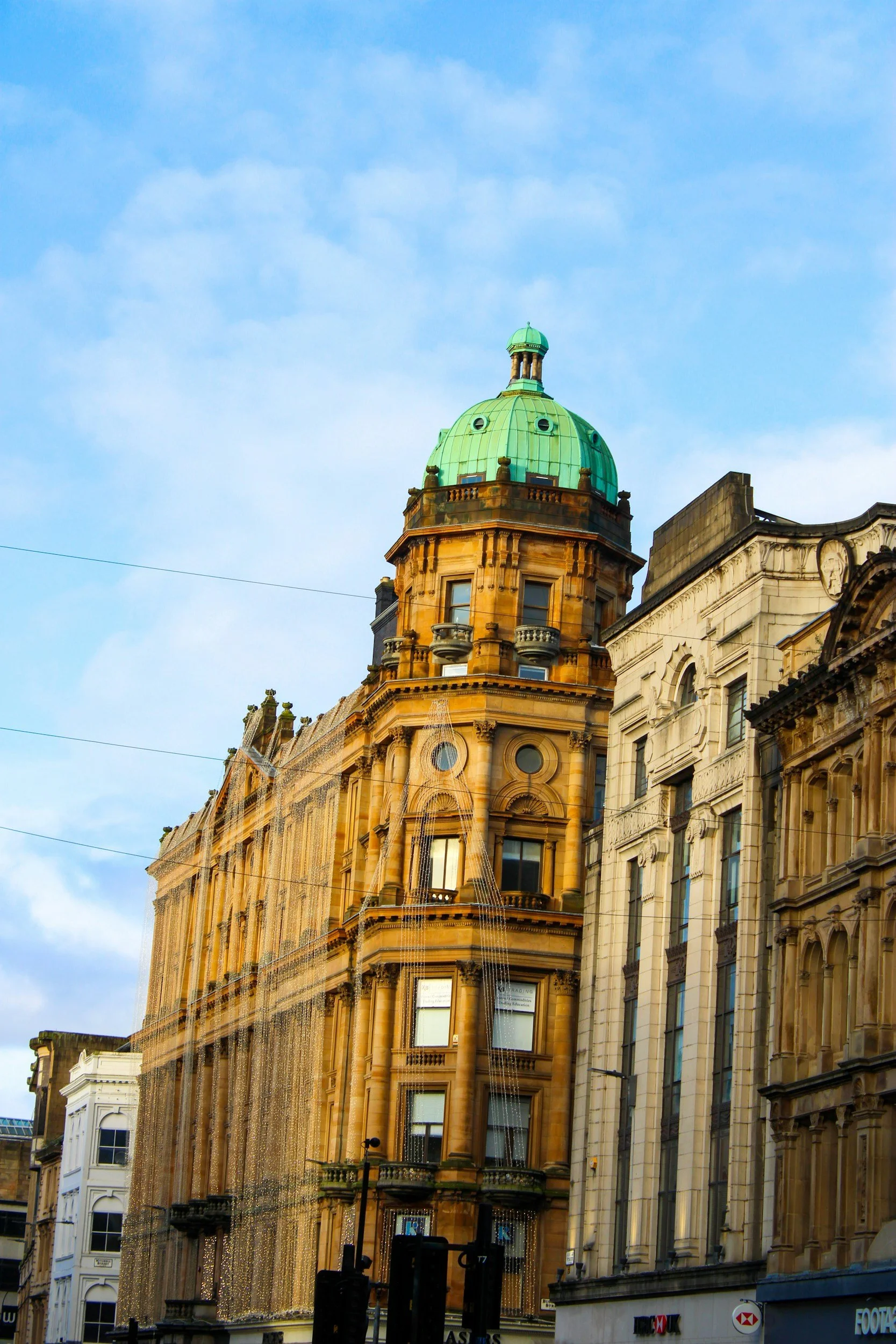
Glasgow or Edinburgh for cafés and bookshops?
If you’ve spent time in Edinburgh, it helps to reset your expectations a bit before arriving in Glasgow. Edinburgh’s bookish side is very visible. Bookshops, cafés, and literary references are easy to spot, and there’s a sense that you’re meant to move along certain routes. It’s simple to follow, but it also means you’re rarely alone for long, even on quieter days.
Glasgow works differently. There’s less signposting and fewer obvious “this way” cues. Instead of following a trail of known spots, you tend to settle into one area and build the day from there. You return to the same café, walk the same few streets, and slowly get a feel for what’s nearby rather than ticking things off.
Distances are part of the difference. In Edinburgh, places are often physically closer together, but crowds make it harder to sit for long without feeling in the way. In Glasgow, you might walk a bit further between places, but once you sit down, you’re less likely to feel rushed. Tables turn more slowly, and staying put is more accepted.
For café-led days built around reading, writing, or just sitting with a book, Glasgow tends to suit people who care less about setting and more about how a place actually works over a few hours. It’s less about being surrounded by references and more about finding somewhere you can return to without thinking twice.
And if you’re already thinking ahead to warmer months but want to keep that same low-key feeling, these quiet coastal villages in England have a very similar local life, just with more light and longer days.
Getting to Glasgow
Getting to Glasgow is simple, and it doesn’t really need much planning. If you’re already in the UK, the train is usually the easiest way in. Long-distance trains arrive at Glasgow Central or Queen Street. From London, trains to Central run often and take long enough that arriving and easing into the day matters. From Edinburgh, the train takes under an hour and drops you at Queen Street, which is an easy way to arrive without feeling thrown straight into busy streets.
If you’re flying, Glasgow Airport is close enough that it doesn’t take over the day. A taxi into the city usually takes around twenty minutes if traffic isn’t heavy, and it’s often the simplest option if you have a bag and just want to get settled. Edinburgh Airport also works well, especially if flights are cheaper, and the train from there to Glasgow is easy once you’re through arrivals.
Once you’re in the city, you don’t need a car. Walking covers a lot, especially if you’re staying in the West End, Finnieston, or close to the centre. The subway is small and circular, which makes it easy to use without thinking about routes too much. Taxis are easy to grab if the weather turns or you’re tired at the end of the day.
If this way of travelling suits you, there are similar places closer to London as well. I’ve put together a guide to quiet towns you can reach from London by train, written for the same kind of cozy days.
FAQ: Visiting Glasgow for cafés and bookshops
What are the best cafés in Glasgow to sit with a book?
The best cafés for reading in Glasgow are mostly in the West End, especially around Byres Road, Hillhead, and Kelvinbridge. You’re looking for places where people stay longer, not just stop for takeaway. Cafés like Papercup Coffee Company or Kember & Jones tend to feel more comfortable for sitting alone without needing to justify it.
Where can you spend a slow day in Glasgow?
The easiest way to spend a slow day in Glasgow is to stay in the West End and move between cafés, bookshops, and short walks. Start near Byres Road, drift toward the University of Glasgow, then down toward Kelvingrove Park. You don’t need a plan. The area is compact enough that the day fills itself in. For a different kind of reset, where the day is shaped more by landscape than cafés, this Wales nature escape shows how easily the pace shifts once you leave the city behind.
What are the best bookshops in Glasgow city centre and West End?
Glasgow has a mix of independent and second-hand bookshops worth visiting. Voltaire & Rousseau is one of the most distinctive, slightly chaotic, packed with books. Category Is Books is smaller but more curated. Around the West End, you’ll also find smaller shops near the university that feel more used than curated.
Is Glasgow good for a solo café and bookshop trip?
Yes, and it’s one of the easier UK cities for that kind of trip. It doesn’t feel overly structured or tourist-driven, and it’s normal to sit alone in cafés or pubs without standing out. Areas like the West End make it especially easy to move through the day without needing to plan much.
Which area of Glasgow is best to stay in for cafés and bookshops?
The West End is the most practical area to stay in. Neighbourhoods like Hillhead, Kelvinbridge, and Finnieston give you walking access to cafés, bookshops, and parks without needing to cross the city. Staying centrally makes a noticeable difference in winter or on rainy days.
How many days do you need in Glasgow for a slower trip?
Two to three days is enough if your focus is cafés, bookshops, and walking rather than sightseeing. Glasgow works better when you leave time open rather than trying to structure every hour.
If you’re thinking about doing something similar but even quieter, this Ayr solo guide gives a good sense of how a slower day plays out on the west coast.
Is Glasgow walkable for café hopping?
Yes, especially in the West End. You can move between cafés, bookshops, and parks on foot without thinking too much about routes. Distances are short enough that you can wander rather than plan.
What is Glasgow like in the rain?
Rain is common, but it doesn’t stop the day, it just shifts it indoors. You’ll spend longer in cafés, bookshops, and pubs, and move between them in shorter walks. Areas like Byres Road and Finnieston work well because everything is close together.
Are Glasgow pubs good for solo visits during the day?
Yes. Many pubs in Glasgow are relaxed during the day, especially in the afternoon. It’s normal to sit alone, read, or just spend time without being rushed. Traditional pubs in the West End and city centre are usually the easiest for this.
Glasgow or Edinburgh for cafés and bookshops, which is better?
Edinburgh is more compact and visually polished, but can feel more visitor-focused. Glasgow is more relaxed and easier to settle into, especially for café and bookshop days. If you prefer places that feel used rather than curated, Glasgow usually works better.
When is the best time to visit Glasgow for café and bookshop days?
Autumn and winter work well for this kind of trip. The weather naturally pushes you toward cafés and indoor spaces, and the city feels less busy. Spring is also good, especially when you can combine cafés with time in the parks.