
6 English coastal villages for a quieter summer by the sea
England has a long coastline, but most people end up visiting the same seaside towns. Look a little further along the map and you’ll find smaller villages where the pace feels very different.
Places like Mousehole in Cornwall, Staithes in North Yorkshire, and Alnmouth in Northumberland still revolve around harbours, fishing boats, and coastal paths rather than big attractions. They’re the kind of places where you might spend the morning walking along the water, stop for fish and chips by the harbour, and end up staying longer than you planned.
Another thing that surprises many people is how easy these places are to reach without a car. Trains from London connect to most parts of England’s coastline, and once you arrive the villages themselves are small enough to explore on foot.
This guide shares six coastal villages in England that still feel calm even in summer. They’re spread across the country (from Cornwall in the far southwest to Northumberland near the Scottish border) and each one offers a slightly different version of England’s coastline.
Travelers who fall in love with these quieter coastal villages often end up seeking out similar places elsewhere in northern Europe. Denmark has a few slow-moving islands that offer that same feeling of calm if you want another peaceful escape by the water.
About England’s Coastline
England’s coastline stretches for more than 7,700 miles and includes an extraordinary range of landscapes — from Cornwall’s granite cliffs and fishing harbours to the wide sandy beaches of Norfolk and the dramatic cliffs of Yorkshire. Many of the country’s smaller coastal villages developed around fishing or maritime trade, and although tourism has grown in recent decades, places like Mousehole, Staithes, and Alnmouth still keep much of their traditional character.
Exploring these villages often means walking coastal paths, visiting small harbours, and discovering local cafés and seafood restaurants that reflect the rhythms of the sea.
If you enjoy exploring places like this, England has plenty of quiet corners where the journey itself becomes part of the experience. Some of the most scenic routes in the UK pass through landscapes that feel surprisingly untouched.
Mousehole Harbour
Mousehole, Cornwall
A small harbour village on Cornwall’s far western coast
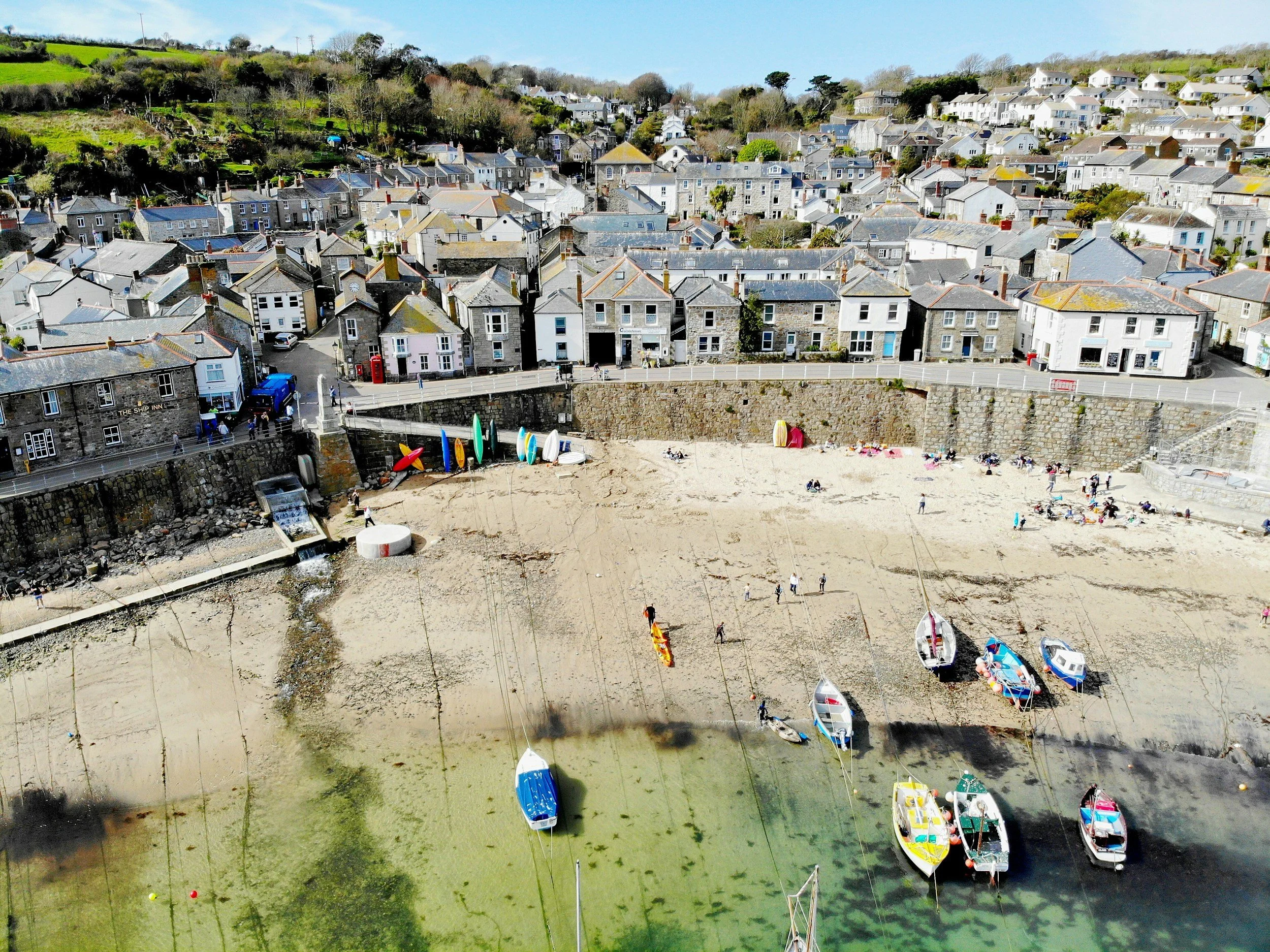
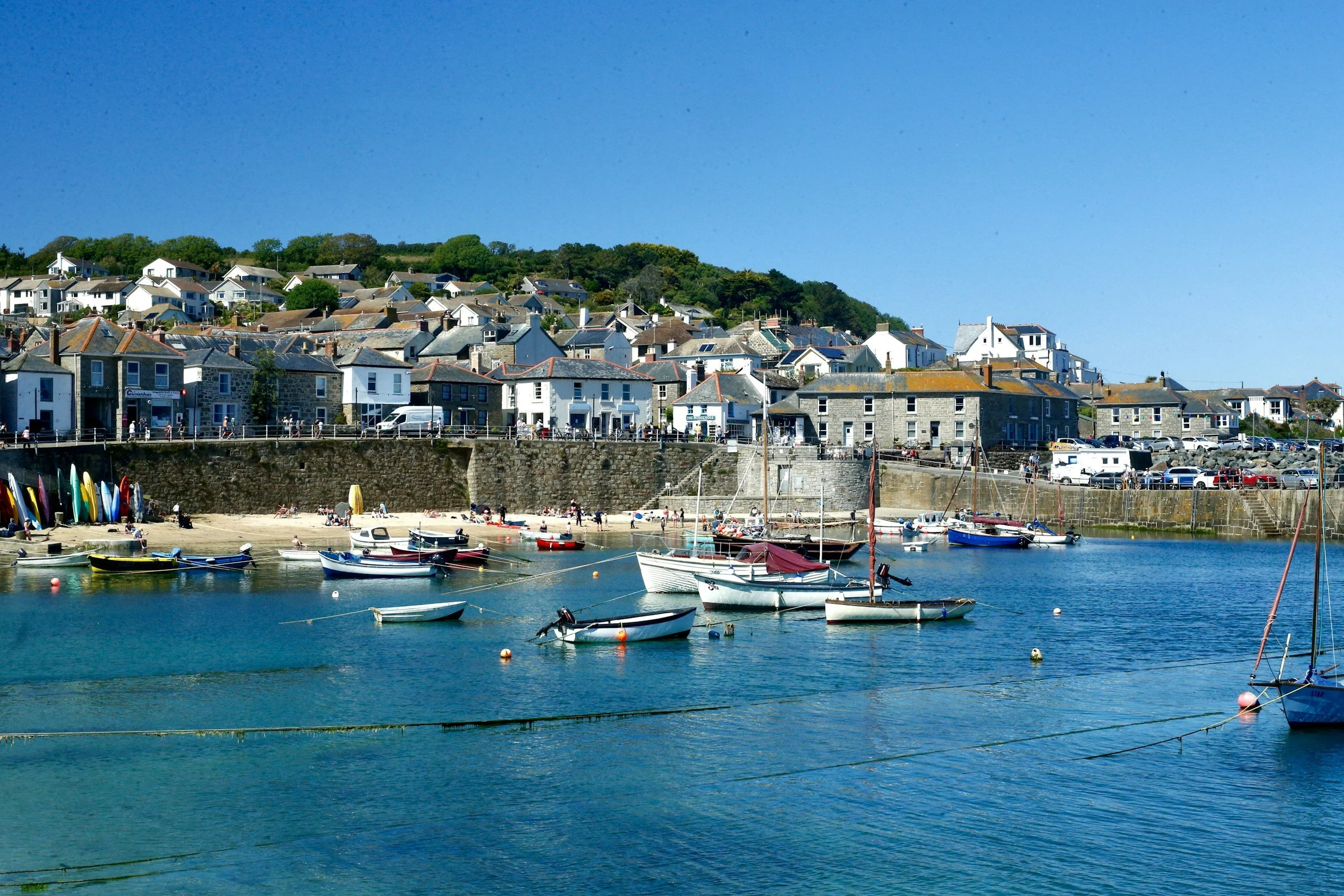
Mousehole (pronounced “Mow-zul”) sits just outside Penzance in west Cornwall, tucked around a tiny harbour that has sheltered fishing boats for centuries. The village is small, but it has one of the most atmospheric settings anywhere along the Cornish coast.
Most people arrive by walking down the narrow granite lanes that twist between cottages before suddenly opening onto the harbour. Stone walls wrap around the water, creating a natural shelter for small boats. When the tide is low, a small sandy beach appears inside the harbour, and you’ll often see children playing there while locals sit along the harbour wall watching the boats.
Mousehole is best explored slowly. A wander through the lanes usually leads past a handful of independent galleries, small bakeries, and shops selling Cornish pottery or sea-glass jewellery. Hole Foods Deli & Café, just a short walk from the harbour, is a popular stop for coffee, sandwiches, or a relaxed lunch.
One of the nicest things to do here is simply walk along the water’s edge early in the morning. The harbour is calm, fishing boats gently knock against the quay, and the village still feels half-asleep.
If you want a longer walk, the South West Coast Path runs just outside the village. One of the most rewarding routes heads west toward Lamorna Cove, a quiet inlet surrounded by steep cliffs and clear water. The walk takes about an hour and feels surprisingly remote considering how close it is to Penzance.
Getting to Mousehole is fairly easy. Trains run from London Paddington to Penzance, and from there the village is about 15 minutes by bus or taxi.
If you stay overnight, The Old Coastguard Hotel sits just outside the village overlooking Mount’s Bay. Its terrace faces the sea and is one of the nicest places in the area to watch the sunset.
Mousehole doesn’t rely on big attractions. Most people come for exactly the opposite reason - to spend a day or two by the water and slow down a little.
If the idea of staying somewhere peaceful near water or forests sounds appealing, you might also enjoy these beautiful countryside stays in Sweden, where the surroundings are just as calm and restorative.
Dungeness, Kent
A wild coastal landscape unlike anywhere else in England
Dungeness feels almost otherworldly compared with most English seaside towns. Instead of sandy beaches or bustling promenades, the landscape here is wide, flat, and covered in shingle that stretches toward the horizon.
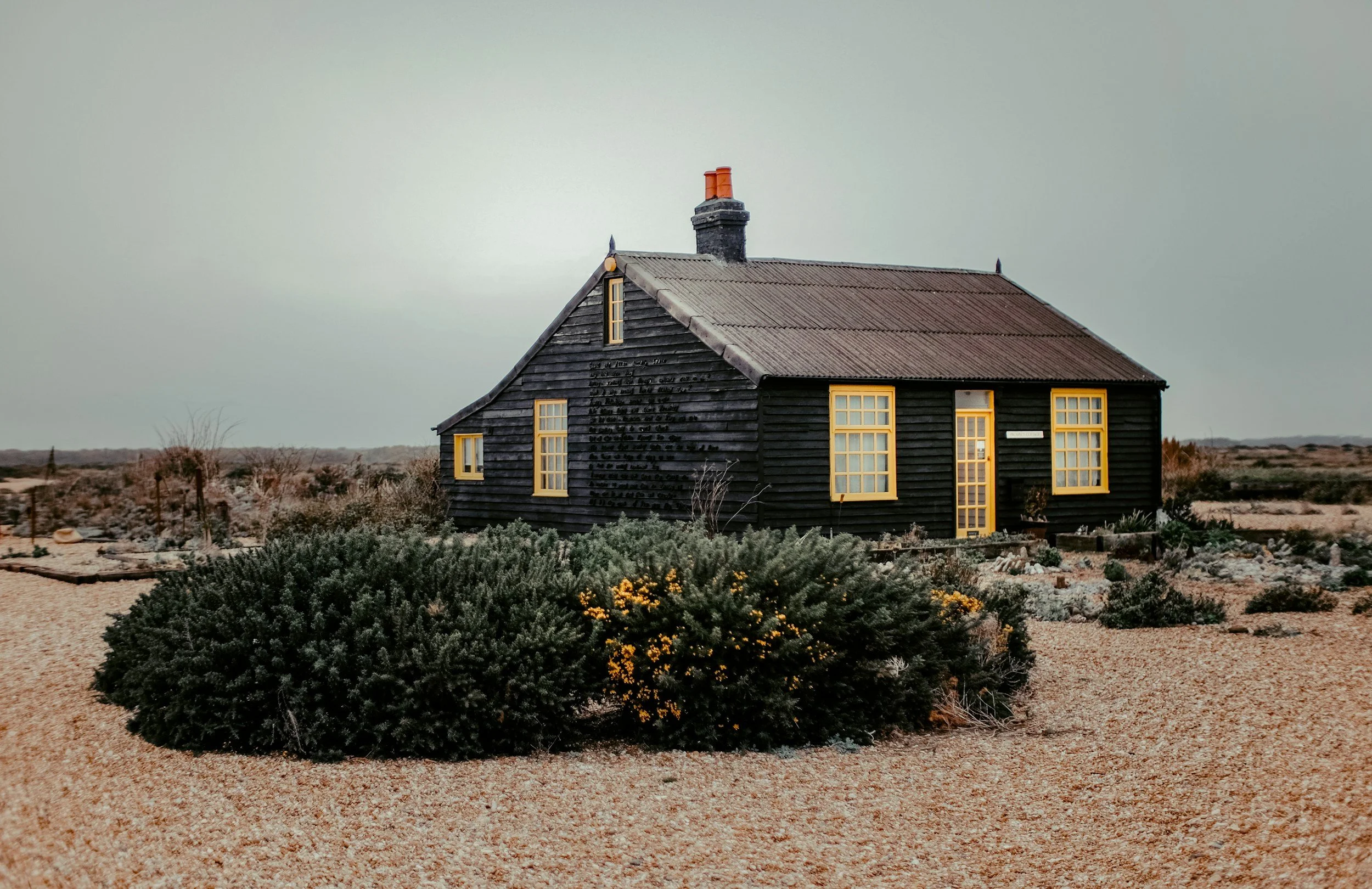
Located on the coast of Kent, about two hours from London, Dungeness sits on one of the largest shingle landscapes in Europe. The scenery is stark but strangely beautiful: weathered fishermen’s huts, wooden cottages painted in soft greys and blacks, and two lighthouses standing against the open sky.
Walking here feels very different from a typical seaside stroll. The ground is made of smooth pebbles, and the sea meets the shoreline in long, quiet waves. On calm days the sky and water almost blend together, giving the place an unusual sense of space.
Dungeness has long attracted artists and filmmakers. One of the most famous residents was filmmaker Derek Jarman, who built a small black cottage beside the lighthouse. His garden, planted with hardy coastal plants and driftwood sculptures, has become one of the most photographed spots on the headland.
Just inland you’ll find the RSPB Dungeness Nature Reserve, a series of wetlands and lakes where birdwatchers come to spot rare species like marsh harriers and avocets. Even if you’re not a dedicated birdwatcher, the wide open landscape makes for peaceful walking.
For food, The Pilot Inn is the best-known place to stop nearby. The pub serves simple seafood dishes and Kentish ales, and it’s a good place to warm up after exploring the shoreline.
Reaching Dungeness usually involves a train from London to Ashford International, followed by a short bus or taxi ride toward the coast. The final stretch of the journey feels increasingly remote as the landscape flattens into the shingle headland.
Dungeness isn’t the typical idea of a seaside destination. There are no beach resorts or arcades here. Instead, the appeal lies in the quiet, the unusual landscape, and the feeling of standing at the edge of the country.
Cromer, Norfolk
A classic seaside town on England’s North Norfolk coast
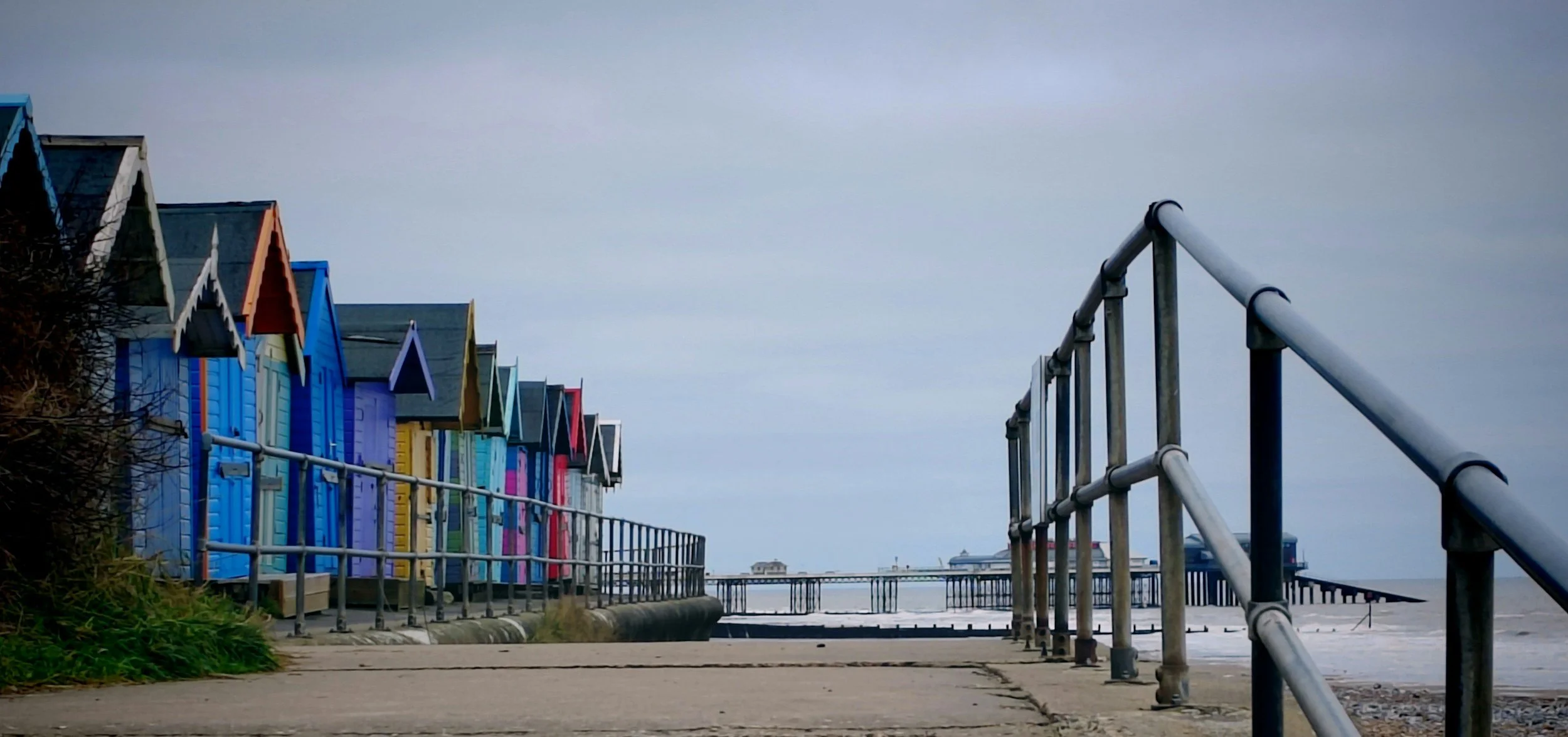
Cromer sits along the North Norfolk coast, a stretch of shoreline known for wide sandy beaches, big skies, and traditional seaside towns. While some parts of England’s coast have become heavily developed, Cromer still feels surprisingly relaxed.
The town is centred around its Victorian pier, which stretches out into the North Sea and remains one of the few working seaside piers left in the country. During summer evenings you’ll sometimes see small theatre performances taking place inside the pavilion at the end of the pier, something that has been part of Cromer’s seaside culture for more than a century.
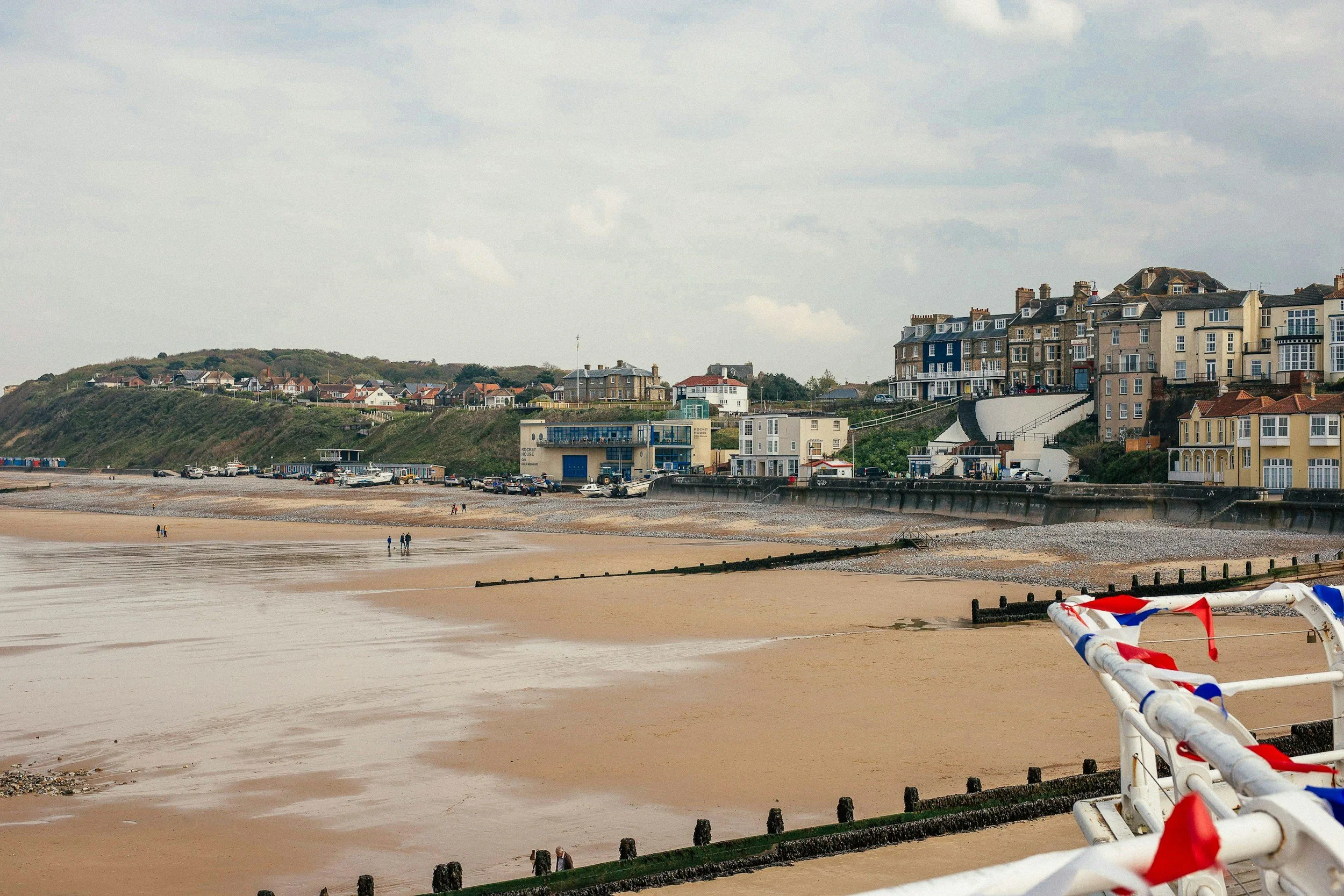
The beach itself is one of the town’s biggest draws. At low tide the sand stretches far across the bay, creating plenty of space for long walks along the water. Early mornings here are especially peaceful, you’ll often see locals walking dogs along the shoreline while fishing boats move slowly out to sea.
Cromer is also famous for Cromer crab, a sweet brown crab caught just offshore along the Norfolk coast. It’s considered one of the best shellfish in Britain, and many restaurants in town serve it during the warmer months. For a classic seaside meal, No1 Cromer near the pier is a good place to try freshly caught seafood while looking out over the water.
Behind the seafront you’ll find a small town centre filled with bakeries, fish-and-chip shops, and independent cafés. The Gangway Café, tucked just beside the pier, is a favourite spot for breakfast or coffee after a walk along the beach.
If you want a slightly different view of the coastline, follow the path up onto the cliffs above town. From here you can see miles of the Norfolk shoreline stretching in both directions, especially clear on bright days.
Getting to Cromer is straightforward by train. Travel from London to Norwich, then continue on the local line directly to Cromer. The journey takes a few hours but passes through quiet countryside and coastal landscapes along the way.
For accommodation with sea views, The Cliftonville Hotel sits just above the beach overlooking the pier and the bay.
Cromer isn’t trying to reinvent itself as a trendy destination. Instead, it holds onto the quieter traditions of an English seaside holiday - long walks by the water, fresh seafood, and slow afternoons by the sea.
Staithes, North Yorkshire
A historic fishing village tucked between steep cliffs
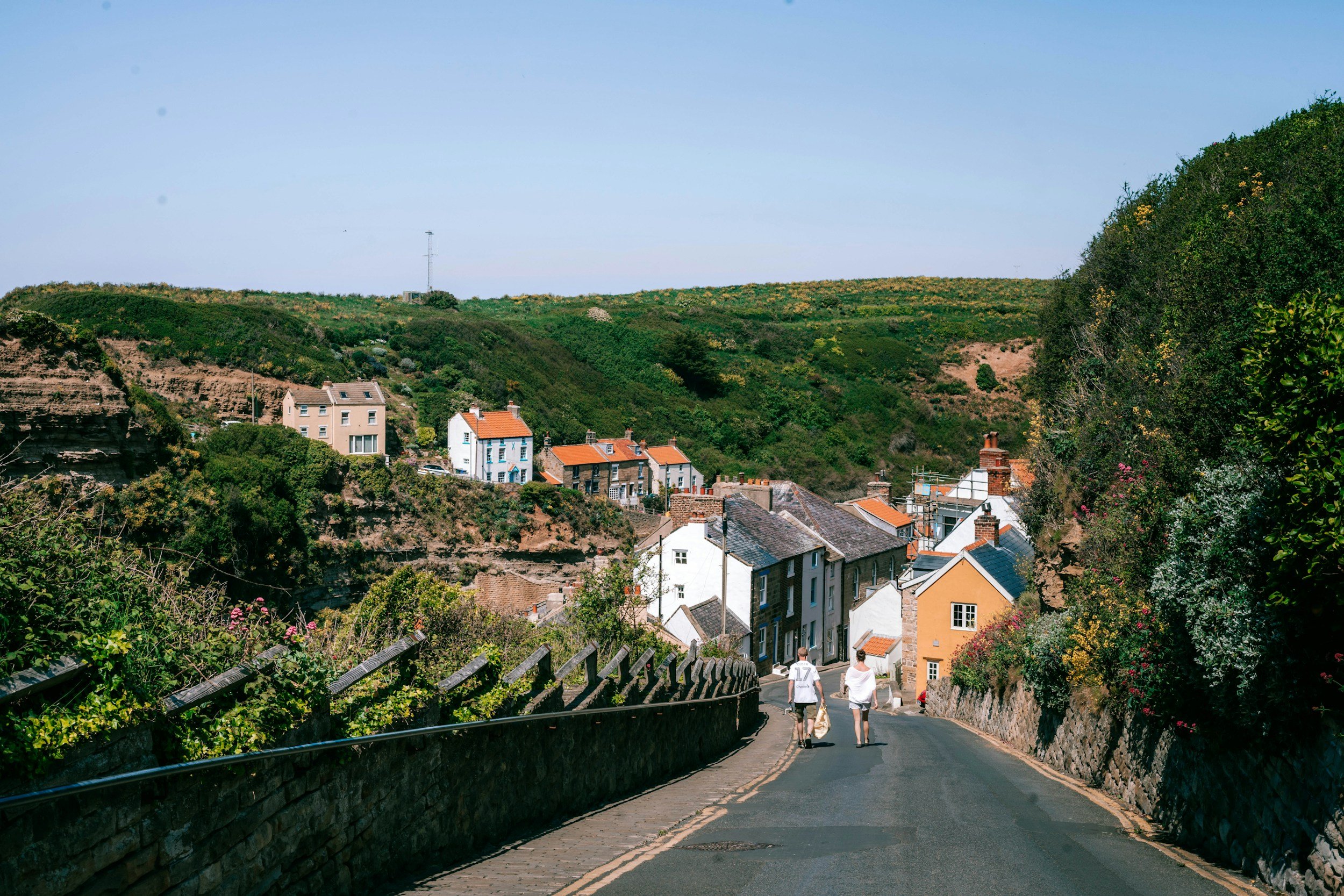
Staithes sits along the North Yorkshire coast, about halfway between Whitby and Saltburn. From above, the village almost looks hidden - a cluster of red-roofed cottages spilling down a steep hillside toward a small harbour.
The road into Staithes stops at the top of the village, which means the final stretch is always on foot. Walking down the narrow lanes toward the water is part of the experience. The streets wind between tightly packed cottages before suddenly opening onto the harbour and the wide bay beyond.
For centuries Staithes was a busy fishing port, and although the fishing fleet is smaller today, the harbour still feels closely connected to the sea. Boats rest along the water’s edge, and it’s easy to spend time simply sitting on the harbour wall watching the tide slowly move in and out.
Staithes has also been a place that attracts artists. In the late 19th century a group known as the Staithes Group of painters settled here, drawn by the dramatic light and coastal scenery. Today a few small galleries still reflect that creative tradition.
One of the best ways to experience the area is by walking the Cleveland Way, a long-distance coastal path that runs above the village cliffs. The trail offers sweeping views across the North Sea and the rugged Yorkshire coastline. Even a short walk along the path gives you a completely different perspective of the village and the bay.
Back in the village itself, there are a handful of small cafés and pubs tucked into the winding streets. Dotty’s Vintage Tearoom is a cosy place for tea and homemade cake, while Cod & Lobster sits right beside the harbour and is one of the best spots for fish and chips with a sea view.
Staithes is easiest to reach by train to Whitby or Saltburn, followed by a short bus ride along the coast. Because the village is so compact and largely car-free, everything is easy to explore on foot once you arrive.
For a place to stay nearby, The Captain Cook Inn sits just outside the village and offers comfortable rooms with views across the surrounding countryside.
Staithes is the kind of place where a day quickly turns into an afternoon of wandering narrow streets, walking coastal paths, and watching the sea. It feels quietly timeless - and that’s exactly its charm.
Port Isaac, Cornwall
A traditional harbour village on the rugged north Cornish coast
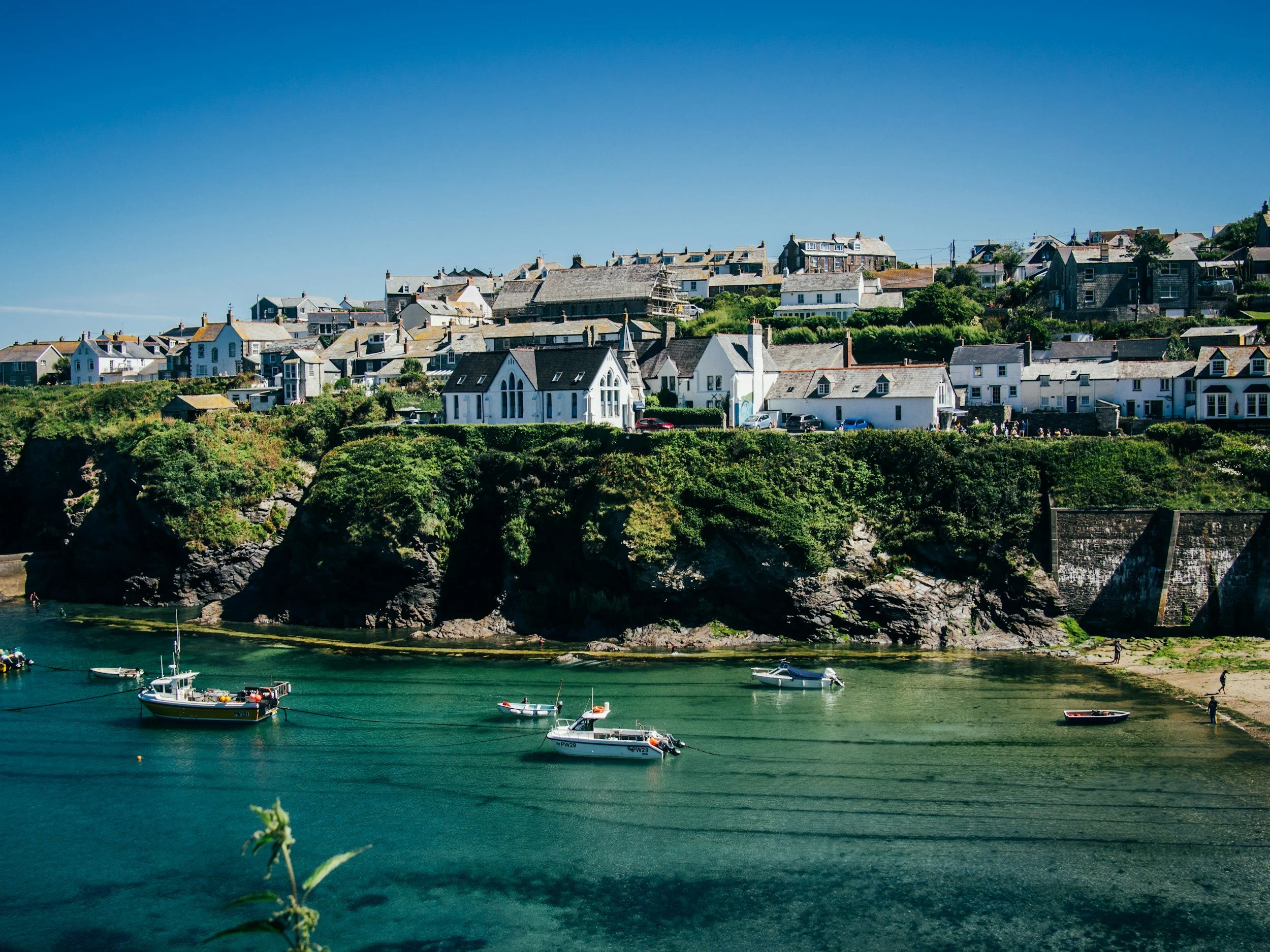
Port Isaac sits along the north coast of Cornwall, where steep cliffs drop down to a small natural harbour surrounded by whitewashed cottages. The village has become widely known as the filming location for the television series Doc Martin, but long before the cameras arrived it was already a working fishing village.
The streets leading down to the harbour are narrow and steep, twisting between old cottages that seem stacked on top of one another. Walking through these lanes is the best way to explore the village. Every turn reveals small details - weathered doors, flower boxes, fishing nets hanging outside houses.
At the bottom of the hill, the harbour opens out into a sheltered inlet where local fishing boats still unload their catch. Crab and lobster caught just offshore often appear on menus in the village the same day.
For seafood, Outlaw’s Fish Kitchen is one of the best-known restaurants in the area, serving small plates built around fresh local ingredients. If you prefer something more casual, Fresh From The Sea is a small takeaway near the harbour where you can grab a simple seafood lunch and sit by the water.
One of the nicest things to do in Port Isaac is walk part of the South West Coast Path. The trail runs along the cliffs above the village and offers wide views over the Atlantic. The section heading toward Port Gaverne is particularly beautiful and only takes about 20 minutes.
Because the streets are so narrow, most visitors park outside the village and walk in. Once you’re down by the harbour, everything is close together and easy to explore on foot.
If you plan to stay overnight, Port Gaverne Hotel sits just around the corner from the village in a small sheltered cove. It’s slightly quieter than staying directly in Port Isaac but still within walking distance.
Port Isaac has grown more popular over the years, but it still keeps the feeling of a traditional Cornish harbour village - fishing boats in the water, steep lanes, and sea air drifting through the streets.
If you enjoy wandering coastal paths like this, there are a few other walks around the UK that feel just as beautiful and unhurried. This guide to some of the most scenic walking paths in the UK is a good place to start if you're planning more trips like this.
Alnmouth, Northumberland
A colourful village beside one of England’s widest beaches
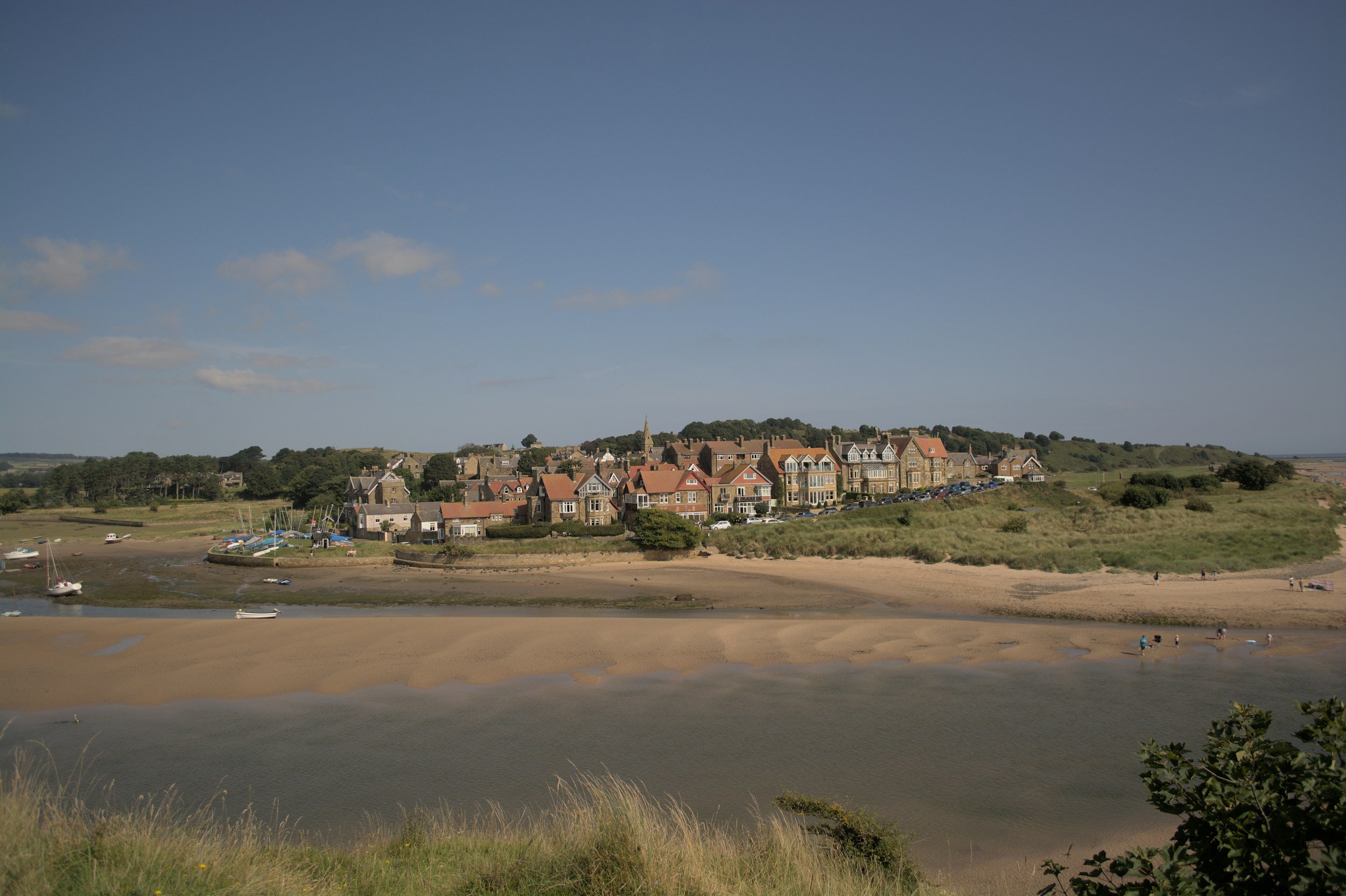
Alnmouth sits along the Northumberland coast, where the River Aln meets the North Sea. The village is instantly recognisable thanks to its row of pastel-coloured houses overlooking the estuary.
Just beyond the village lies one of the widest beaches in northern England. The sand stretches for miles along the coastline, and even during summer it rarely feels crowded. Long walks along the shore are one of the simplest pleasures here.
The meeting point between the river and the sea also attracts birdlife, and it’s common to see seabirds drifting over the estuary or resting along the sandbanks.
Parts of this coastline have the same wild, open feeling you find in Wales, where cliffs, sea air, and long walking trails dominate the landscape. If that kind of scenery appeals to you, these quiet nature spots in Wales are worth adding to your list.
Back in the village itself, Alnmouth has a relaxed rhythm. Small pubs, cafés, and local shops sit along the main street leading down to the water. The Village Tearoom is a popular stop for coffee, light lunches, and homemade cakes, especially if you grab a table outside overlooking the estuary.
For something heartier, The Sun Inn is one of the village’s oldest pubs and a good place for a relaxed meal after a walk along the beach.
If you want to explore further inland, Alnwick Castle is only about 15 minutes away by car. The castle is famous for its appearance in the Harry Potter films and has one of the largest inhabited castles in England.
One of the reasons Alnmouth works so well as a quiet seaside escape is how easy it is to reach. The village sits on the East Coast Main Line, meaning trains from Newcastle or Edinburgh stop nearby. From the station it’s about a 20-minute walk into the village.
For accommodation, The Schooner Hotel sits right in the centre of Alnmouth within walking distance of both the beach and the river.
Alnmouth feels calm in a way that many seaside towns no longer do. There are no big attractions here - just wide beaches, fresh sea air, and a village that moves at its own pace.
If you enjoy discovering places like these (towns that feel local, relaxed, and slightly removed from the main travel routes) you might also like these underrated spring destinations across Europe.
If you’re dreaming of a peaceful summer getaway, download our Summer Market Guide to find more quiet, authentic destinations to explore. Sign up for our newsletter to stay updated on the best slow travel destinations for your next adventure.
FAQs About England's Coastal Villages
What are the best hidden coastal villages in Cornwall to visit in 2025?
Mousehole, with its narrow streets and harbor full of small boats, is one of Cornwall’s best-kept secrets. For a quieter experience, check out Lamorna Cove nearby, known for its crystal-clear waters and stunning coastline. Both offer peaceful escapes without the usual tourist crowds.
How do I get to Mousehole, Cornwall by train?
To reach Mousehole, take a train from London to Penzance. Once you arrive, a short bus ride or taxi will get you to Mousehole. The village is small, so it's best explored on foot once you're there.
What are the best things to do in Dungeness, Kent?
Dungeness is all about its unique landscape. Walk along the shingle beach, visit the Dungeness Lighthouse for panoramic views, and explore the RSPB Dungeness Nature Reserve for birdwatching. The area offers a peaceful retreat for those looking for something a little different.
How can I get to Dungeness, Kent from London?
You can take a train from London to Ashford International, then catch a local bus or taxi to Dungeness. The journey takes about 1.5-2 hours, offering a scenic route as you head towards this remote coastal village.
What’s the best time to visit Port Isaac, Cornwall?
The best time to visit Port Isaac is during the spring or early autumn, when the weather is mild, and the village is less crowded. This is the perfect time to wander the streets, enjoy the views, and experience Cornwall without the summer crowds.
Where should I stay in Port Isaac?
The Port Gaverne Hotel, located just a short walk from Port Isaac, offers a peaceful stay with stunning sea views. It's a great option if you're looking to relax in a quieter bay while still being close to the action in Port Isaac.
What are the best things to do in Staithes, North Yorkshire?
In Staithes, explore the winding streets and picturesque harbor. Visit the Staithes Heritage Centre to learn about the village’s history, or take a walk along the Cleveland Way trail for breathtaking cliff views of the North Sea.
What’s the best way to get to Staithes from London?
You can catch a train from London to Whitby, then take a bus or taxi to Staithes. The village is a bit off the beaten path, but the journey is part of its charm, giving you a chance to see some of North Yorkshire’s beautiful landscapes.
Where can I stay in Alnmouth, Northumberland?
The Schooner Hotel in Alnmouth is a great option, offering cozy rooms and easy access to the beach. It’s centrally located, so you can walk to most places in the village, including the beach and local cafés.
What’s the best time to visit Alnmouth, Northumberland?
Alnmouth is a year-round destination, but the best time to visit for a peaceful experience is in late spring or early autumn. The weather is still mild, and you’ll find fewer tourists compared to the summer months.