
Småland is the Sweden I'd recommend after Stockholm
You arrive in Vimmerby just before 9:00. The train has barely emptied, and within a few minutes you’re walking along Storgatan without needing directions. A bakery door is open, someone is picking up bread, and if you keep walking straight you reach Stora Torget in under ten minutes. Nothing about it feels like a place you need to “figure out,” but if you stay too long, you’ll notice the day starts slipping.
By 10:30, the interesting part of Småland is no longer in town. It’s on the road out toward Mariannelund or along the turn-offs toward Frödinge, where small handwritten “Loppis” signs start appearing at the edge of fields and gravel driveways. Some lead to open barns, others to a couple of tables set up outside a house. There’s no map for this, and most of these places don’t exist unless you happen to pass them at the right time.
Later, around 12:00, you need to be somewhere that actually serves lunch. In Vimmerby, that means back along Storgatan. In Eksjö, it’s near Stora Torget and the surrounding streets. In Mariannelund, it depends entirely on what’s open that day, which is why arriving there without eating first often doesn’t work.
By the afternoon, the pace drops again. You might be walking down from Centralgatan in Mariannelund toward Svartsjön, or moving through the wooden streets in Eksjö without heading anywhere specific. Nothing is closed because it’s late. It’s closed because the day has already moved on.
This is where most guides don’t help. They tell you what’s there, but not when it actually happens, or how to move between places without missing the parts that aren’t listed anywhere.
This guide is built around that instead. It shows how to use Vimmerby as a base, when to leave town, which roads between Vimmerby, Mariannelund, and Eksjö are worth slowing down on, where flea markets actually show up, and how to plan your day so you’re there while things are still open, not after.
If you’re wondering how this compares to the north, this High Coast guide makes the difference pretty obvious once you see the landscape.
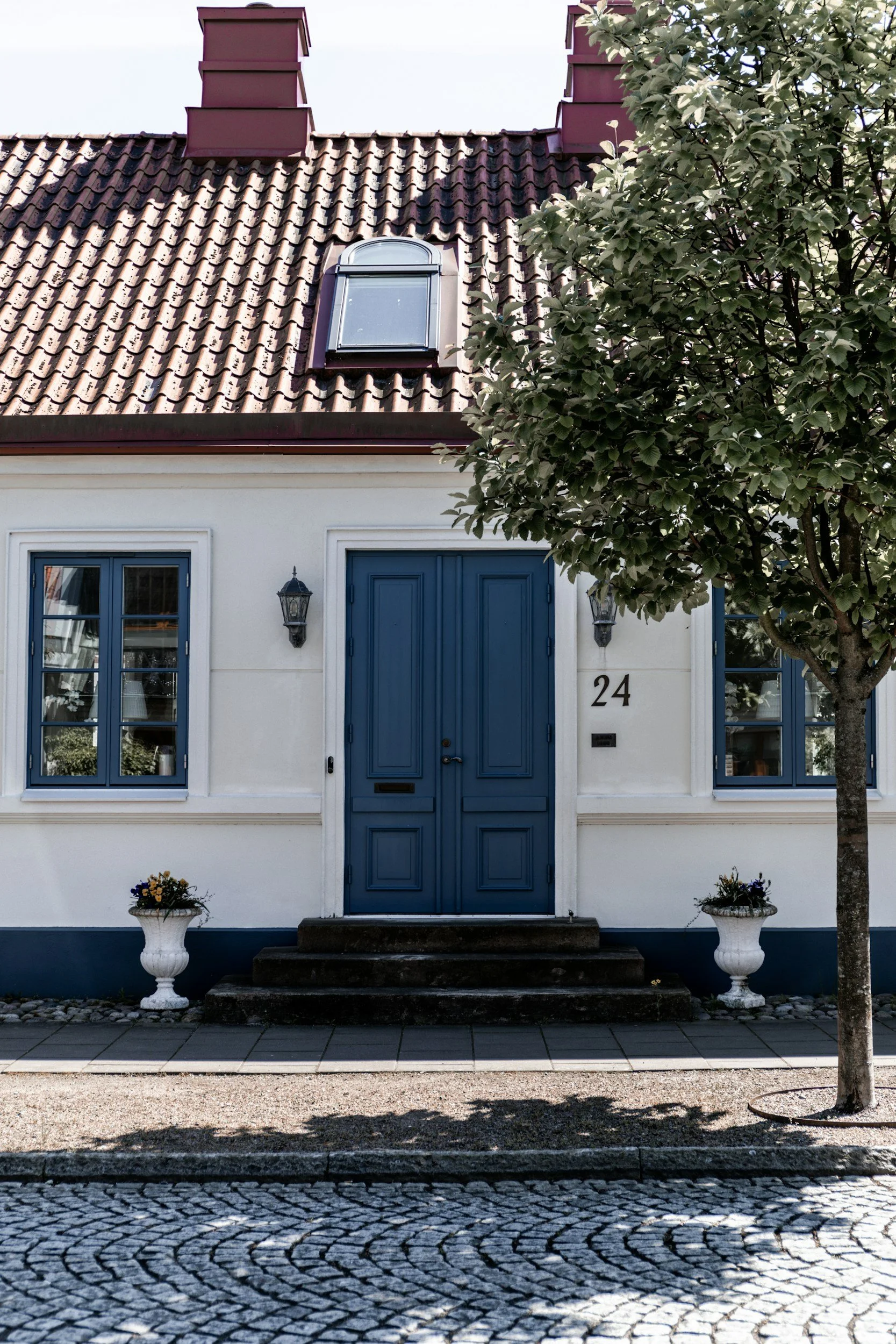
Eksjö
How to spend time in Vimmerby, Småland
Vimmerby is one of those places where you notice the details quite quickly once you arrive. The train station is small and functional, and from there it’s a straight walk along Storgatan into town. It takes about 8–10 minutes at a normal pace, passing a few low-rise buildings, a supermarket, and then gradually more cafés and small shops as you get closer to Stora Torget. This is where most people end up without really planning it, because everything naturally leads here.
Around the square, the pace is steady but never crowded. In the morning, people stop by Konditori Rendez-vous to pick up bread or sit down briefly with coffee before work. If you go early, around 8:30, you’ll mostly see locals rather than visitors. The selection is what you’d expect in a Swedish konditori, with cinnamon buns, smaller pastries, and simple sandwiches, but what stands out is how consistent it is. This is not a place that changes for seasons or trends, and that’s part of why people keep coming back.
A few minutes away on the same street, Bakfickan fills up more towards lunchtime and early afternoon. People come in for a quick meal or fika, often staying just long enough before heading back out. If you sit by the window, you’ll see how the town moves through the day, with school kids passing by, people running errands, and the same faces returning at similar times. It’s a small detail, but it tells you more about the place than any main attraction.
The Astrid Lindgren connection is present, but it doesn’t dominate the town in the way you might expect. Her childhood home, Näs, is about a 15-minute walk from the centre. You get there by leaving the main streets behind and following quieter residential roads where the houses sit slightly further apart. The shift is noticeable. Within a few minutes, you’re no longer in the town centre but in a more open landscape with fields and trees. At Näs, the house itself is simple, painted in the same deep red you see across Småland, with a garden that’s kept in good condition but not overly arranged. If you visit outside the busiest summer weeks, it’s easy to spend time there without feeling like you’re part of a queue or a set schedule.
Back in Vimmerby, most things are within walking distance, which changes how you plan your day. There’s no need to move around quickly or fit things in. You can walk from your accommodation to the bakery in the morning, back through the centre, and then out again later without thinking about transport. Streets like Norrtullsgatan and Södra Ringleden are mostly residential, and that’s where you’ll find smaller guesthouses or rooms to rent rather than larger hotels. Staying here means you’re a few minutes from everything but still in a quieter part of town where evenings are noticeably calm.
Dinner is something to think about earlier than you might be used to. Most places slow down after 20:00, and some kitchens close before that. Restaurang Prime near the centre is one of the more reliable options if you want something slightly more structured, but even there the atmosphere stays relaxed. It’s common to see people arrive around 18:00, eat, and leave without the evening stretching much longer. If you want something simpler, picking up food earlier in the day and eating at your accommodation is often just as common.
If you stay for more than a day, it’s worth stepping slightly outside the centre. Lake Krön is one of the closer options and can be reached in about 10–15 minutes by car, or longer if you cycle. There are small access points used by locals for swimming during summer, usually marked by a short gravel road or a clearing rather than a formal entrance. These are easy to miss if you’re only following main roads, but once you find one, it’s usually quiet and used by the same handful of people throughout the day.
Astrid Lindgren’s World sits just outside town and can be reached on foot in about 25 minutes if you follow Fabriksgatan out of the centre. This is where you’ll notice a clear difference in pace, especially in July when families arrive early and spend most of the day inside the park. If you’re staying in Vimmerby but not visiting the park, it’s still useful to know how it affects the town. Mornings are busier, and then things calm down again in the late afternoon when people head back to their accommodation. Outside of peak summer, the impact is minimal and the town returns to its usual routine.
What makes Vimmerby work as part of a longer trip through Småland is how easy it is to connect it with other places that follow a similar pattern. Roads leading out toward smaller villages pass through stretches of forest and farmland where you’ll occasionally see signs for farm shops or seasonal cafés, often handwritten and placed close to the road rather than advertised online. These places don’t always keep fixed hours, which means you either arrive at the right time or you don’t, but when they’re open, they tend to be more rooted in the area than anything listed as a main attraction.
If you’re planning to continue exploring Småland after Vimmerby, it helps to think in terms of distance rather than highlights. Most drives between towns are under an hour, and you’ll pass through several smaller communities along the way that are worth stopping in briefly.
Vimmerby is not a place where you need to plan much in advance. It works better when you follow the same routines as the people who live there, starting the day early, keeping distances short, and adjusting to the fact that things close earlier than in larger towns. That’s when the town starts to make sense beyond its name and its connection to Astrid Lindgren.
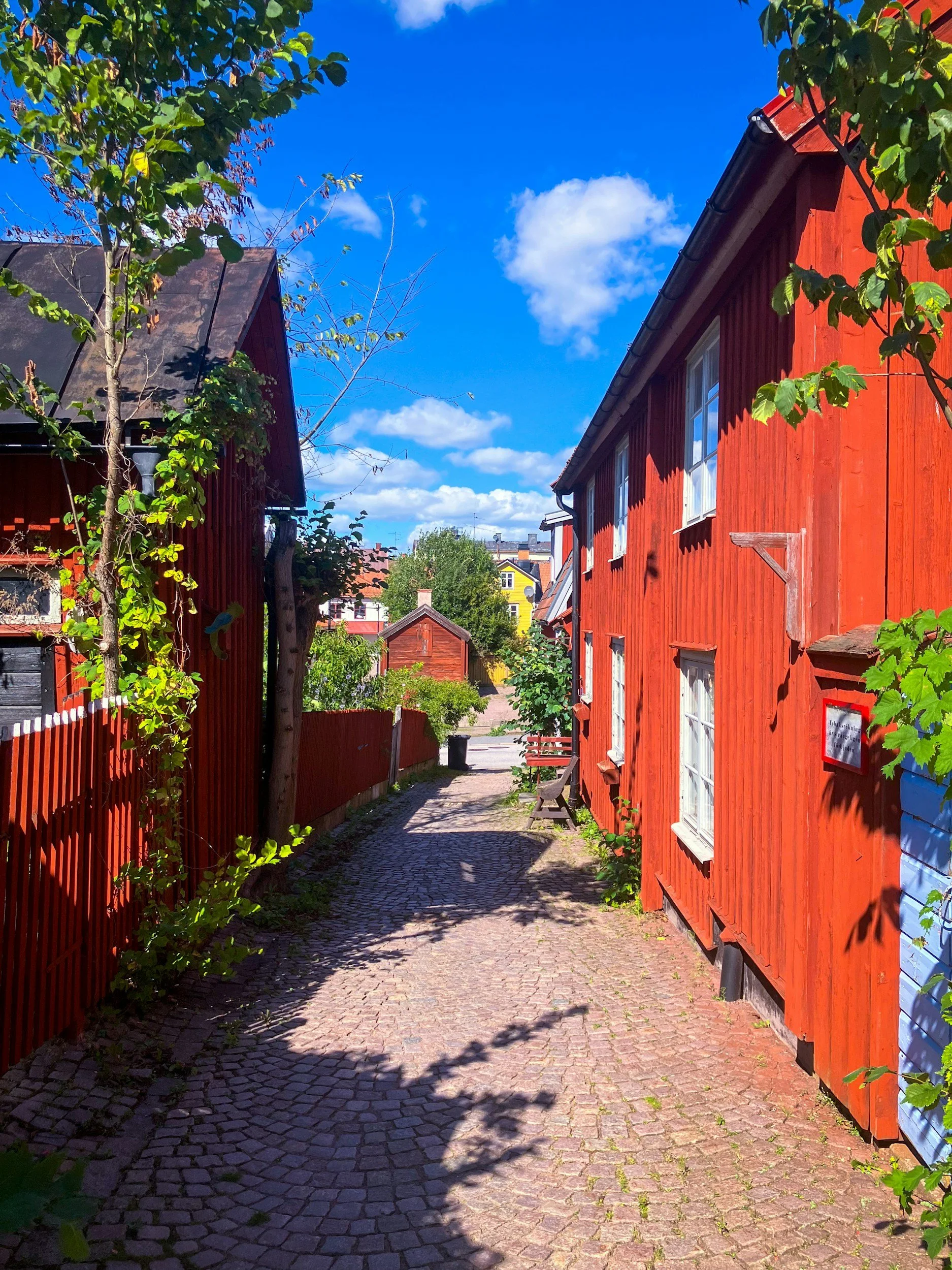
How to get to Vimmerby, Småland
Getting to Vimmerby is straightforward, but it helps to plan the last part of the journey properly since connections are not as frequent as in larger cities.
If you’re coming by train, the most common route is via Linköping. From Stockholm, you take an SJ train to Linköping, which takes just under two hours, and then switch to a regional Östgötatrafiken train toward Vimmerby. The second leg takes about 1 hour and 20 minutes and runs a few times per day rather than every hour, so it’s worth checking the timing in advance to avoid long waits. The train arrives directly in Vimmerby centre, and from the platform you can walk to Stora Torget in about 10 minutes without needing a taxi.
From Kalmar, the journey is slightly shorter but less direct. You’ll usually take a regional train toward Linköping and get off in Vimmerby after about 2 hours and 30 minutes. If you’re already moving along the east coast, this is often the easiest way to reach the town without doubling back inland.
Driving gives you more flexibility, especially if you plan to explore the surrounding countryside. From Stockholm, the drive takes around 3 hours and 30 minutes, following the E4 south before turning inland toward smaller regional roads near Kisa. From Gothenburg, expect closer to 4 hours, usually via Jönköping and then east toward Vimmerby. The last part of the drive is on narrower roads through forest and farmland, with very little traffic, and you’ll pass small villages and occasional farm shops along the way.
Parking in Vimmerby is uncomplicated. There are several free or low-cost parking areas near the centre, including spots just off Storgatan and around the edges of Stora Torget. If you’re staying in a guesthouse or smaller accommodation, they often have their own parking on-site or nearby, so it’s rarely something you need to plan in detail.
If you’re relying on public transport once you’re there, most of what you need is within walking distance. For places slightly outside town, like lake areas or smaller villages, local buses do run but not frequently enough to depend on without checking schedules carefully. That’s why many people either rent a car for a day or bring one if they plan to explore beyond Vimmerby itself.
Gothenburg tends to come up before or after a trip like this, and these Gothenburg cafés are worth a look if you’re planning that part too.
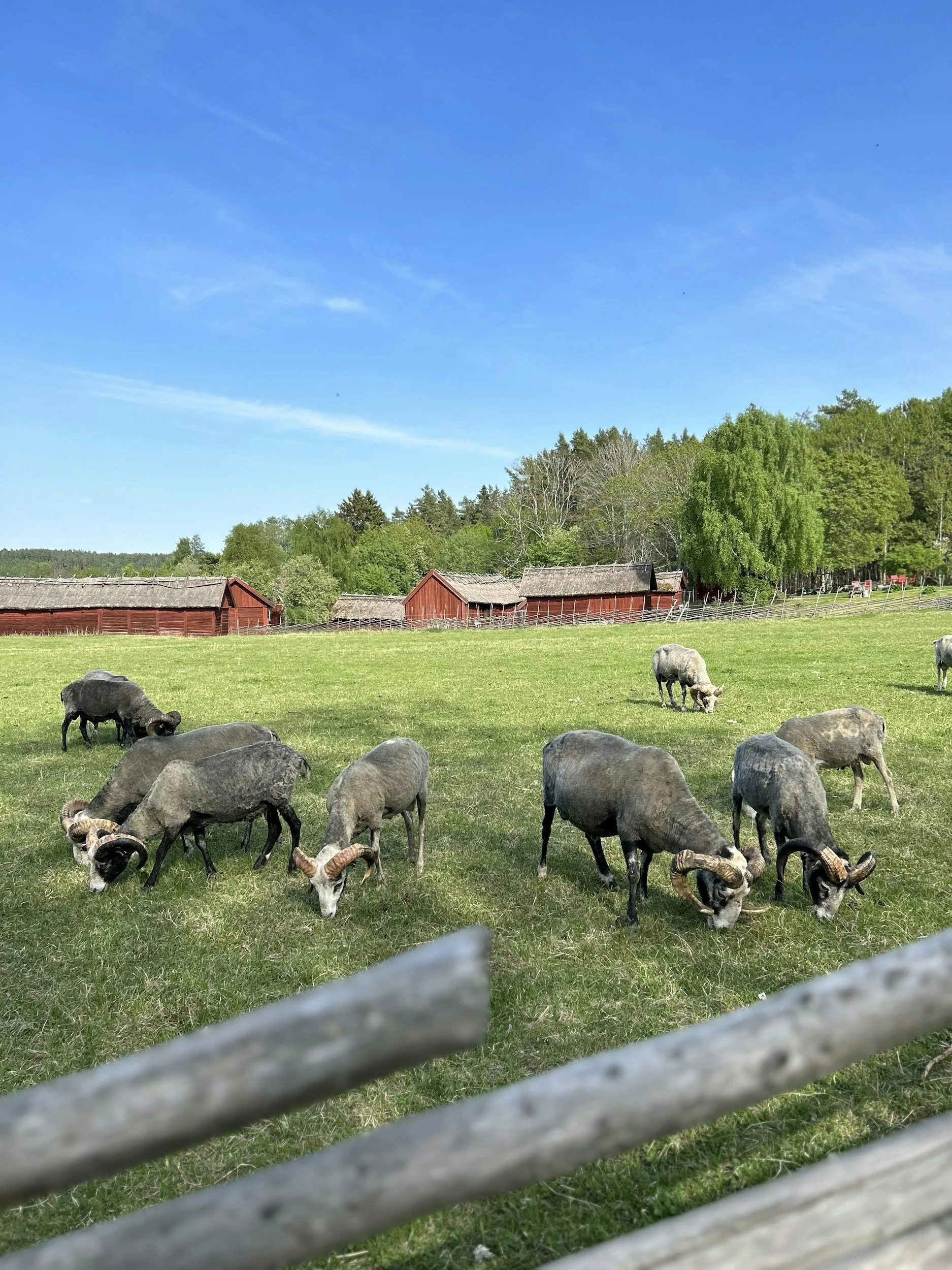
This is a typical view i Småland - small farms, red houses and lakes
Where to stay in and around Vimmerby
Where you stay in Vimmerby changes how the town feels quite a lot, so it’s worth choosing based on how you actually want to spend your time rather than just what looks good on a map.
If you want something quieter but still very easy to reach, Södra Vi is one of the better options. It’s about 10 minutes south of Vimmerby by car, or one stop on the small regional train line that runs a few times a day. From the tiny station in Södra Vi, you walk a few minutes through the village and then out toward the lake.
This is where Snickarboa i Solbacka sits. It’s not signposted in a big way, and you usually arrive via a smaller road that feels more residential than anything else. The house is close to the water, and there’s a simple sandy edge by the lake that people use for swimming when it’s warm. It’s not a structured beach, more a local access point with a short path down and a few spots to sit.
What makes this place work is how easy everything feels once you’re there. You’re not dealing with check-in desks or fixed schedules. The garden is used properly, not just something you look at, and most people end up spending time outside in the evening if the weather allows. If you’ve picked up food in Vimmerby earlier in the day, it makes sense to eat here rather than heading back out again. The rooms are simple, but that’s not really the point. It’s more about having space, quiet, and a place that doesn’t feel like it’s set up for short stays only.
If you stay in Vimmerby itself, the layout is very easy to understand. Storgatan runs through the centre and connects directly to Stora Torget, so anything near that line puts you within a few minutes of everything. Vimmerby Stadshotell sits right by the square, which means you can walk out in the morning and be at Konditori Rendez-vous in under a minute. It’s practical, especially if you arrive by train and don’t want to think about transport at all.
That said, staying right on Storgatan can feel a bit exposed in summer when more visitors are moving through. If you want it quieter, look just one or two streets away instead. Areas around Norrtullsgatan or toward Södra Ringleden are still central, but you’re in residential streets where things slow down quickly in the evening. You’ll hear less, and it feels more like you’re staying in the town rather than next to it.
There are also a few smaller guesthouses and room rentals scattered in these areas, often in older wooden houses. These don’t always show up clearly unless you search for specific dates, but they’re usually more personal and less structured than the hotel options. Some include breakfast, others don’t, so it’s worth checking in advance rather than assuming.
If you have a car, it opens up a different type of stay altogether. The roads out of Vimmerby toward places like Frödinge or Rumskulla pass through forest and farmland, and along those roads you’ll find converted farmhouses and small countryside stays. These are not clustered in one place, and you won’t pass them unless you’re already driving through the area. What you get instead is space, quiet evenings, and the option to stop at places like Frödinge Ostkaka café during the day without planning it in advance.
One thing to keep in mind is timing. Even in summer, Vimmerby doesn’t run late. If you’re staying in town, it makes sense to eat dinner between 17:30 and 19:00 while everything is still open. If you’re staying outside town, it’s easier to plan ahead, pick up food earlier, and use your accommodation in the evening rather than going back and forth.
There isn’t one “best” area to stay here, but there is a difference in how your days play out depending on where you base yourself. Staying central makes everything simple and walkable, while staying just outside gives you more space and a clearer connection to the landscape around Vimmerby.
Some stays here are deliberately simple, which is why these tree hotels in Europe are interesting to look at if you’re deciding how “designed” you want it to feel.
If you’re trying to figure out where to actually stay, these cozy Sweden stays give you a clearer starting point without overthinking it. Think the absolute best places to sleep under the stars!
What to eat in Vimmerby and the Småland region
Food in Vimmerby is easy to understand once you’ve spent a few hours in town, but timing matters more than the actual places. If you arrive late in the day expecting a long list of dinner options, you’ll feel like you missed something, but if you follow the same rhythm as locals, everything falls into place.
Mornings usually start on Storgatan. Konditori Rendez-vous opens early, and between 8:00 and 9:00 it’s mostly people from town stopping in before work. You’ll see regulars picking up the same order, often a coffee and a cinnamon bun or a slice of bread with cheese. If you sit inside, it’s quiet and functional rather than styled. By 10:00, more visitors start coming in, but earlier than that it still feels like part of everyday life. If you want something slightly different, it’s worth walking slowly along Storgatan and checking what’s open rather than heading to one place directly, since a few smaller spots open at slightly different times.
Lunch is where Vimmerby becomes more structured. Around 11:30, places start serving dagens lunch, and by 12:00 most tables are taken. This is when people working in town come out, and you’ll notice the same pattern across several restaurants. Bakfickan, a short walk from Stora Torget, is one of the places where this is easiest to understand. The menu is usually written on a board, often just one or two dishes for the day. It can be meatballs with mashed potatoes and lingonberries, fried fish with dill sauce, or pork with potatoes and gravy. The portions are generous, and coffee is often included at the end, which people take without rushing.
If you’re used to choosing from a long menu, this can feel limited, but it actually makes things easier. You don’t spend time deciding, and the food is prepared in a way that fits the timing of the day. Arriving closer to 11:30 rather than 12:30 makes a difference, especially in summer when more visitors are in town.
During the afternoon, everything slows down again. This is when fika happens, but not in a way that’s planned. People come and go throughout the afternoon, usually stopping for something small rather than sitting for a long time. Bakfickan works for this as well, especially if you want something sweet, but you’ll also see people going back to Konditori Rendez-vous or picking up something to take with them. It’s common to carry coffee while walking rather than staying seated.
One thing that’s specific to this part of Småland is ostkaka. It’s often translated as cheesecake, but it’s not similar in texture or taste. It’s firmer, slightly grainy, and served warm with cream and jam. The most straightforward place to try it is at Frödinge Ostkaka, about 10 minutes from Vimmerby by car along the road toward Västervik. The café there is simple, and most people come in, order the ostkaka, and leave again after sitting for a short time. It’s not something you plan a full meal around, more of a stop during the day.
Dinner is the part of the day where people sometimes get it wrong. Most kitchens don’t stay open late, and after 20:00 your options are limited. Restaurang Prime, close to Stora Torget, is one of the more reliable places in the evening, but even there the pace is calm. People arrive earlier than in larger cities, often just after 18:00, and tables start clearing before 20:00. If you want to eat out, it’s better to plan for that window rather than assuming you can go later.
A lot of people staying in Vimmerby handle dinner differently, especially if they’re in guesthouses or just outside town. It’s common to pick up food earlier in the day, either from a supermarket or a café, and eat where you’re staying. In places like Södra Vi or the countryside around Vimmerby, this makes more sense than driving back and forth in the evening when everything is already slowing down.
What stands out here is not a specific dish or restaurant, but how predictable everything is once you understand the pattern. Breakfast happens early and is simple, lunch is structured and filling, fika is flexible, and dinner is earlier than expected. If you follow that, eating in Vimmerby becomes straightforward without needing to plan much in advance.
Traditional Småland foods to try while staying in Vimmerby
You won’t find a separate “traditional food” section on menus in Vimmerby, so the easiest way to try local dishes is to look at what’s actually being served that day rather than searching for specific restaurants. Most of it shows up around lunch, especially on handwritten boards outside places along Storgatan and near Stora Torget.
Isterband is one of the dishes that still appears regularly. If you walk past Bakfickan around 11:15–11:30, before the lunch rush starts, you’ll usually see the day’s menu written outside. When isterband is on, it’s typically served with boiled potatoes, stewed cabbage, and lingonberries. The sausage itself has a slightly sour taste, which stands out if you’re expecting something milder. It’s not something you’ll see every day, but when it’s there, that’s the moment to try it rather than waiting for a “better” place.
Kroppkakor are less common in Vimmerby but still part of the region. You might see them listed occasionally at lunch spots or in smaller cafés outside town rather than in the centre. They’re potato dumplings filled with pork and onion, usually served with melted butter, cream, and lingonberries. They’re heavier than they sound, and most people eat them as a main lunch rather than in the evening. If you’re driving out toward places like Frödinge or along the smaller roads toward Rumskulla, it’s worth checking roadside cafés or lunch spots, since that’s where they tend to show up more often.
Ostkaka is the one thing you can actually plan for. In Vimmerby itself, it appears in cafés from time to time, but it’s not guaranteed every day. The most consistent place nearby is Frödinge Ostkaka, about 10 minutes from the centre along the road toward Västervik. You’ll see signs for it before you get there, and there’s a small café next to the production site. Most people go in, order a portion with cream and jam, sit for 20–30 minutes, and leave again. It’s usually done in the afternoon rather than after dinner. The texture is firmer than expected and not very sweet, so it works better as something small rather than a full dessert.
Polkagris shows up in Vimmerby as well, but more as something you notice while walking rather than something you go out of your way for. You’ll see it in small shops around Stora Torget, often near the checkout or in jars by the counter. It comes from Gränna, not from here, but it’s common enough in Småland that it feels part of the region. People usually buy a small pack and take it with them rather than sitting down to eat it.


Where to shop in Vimmerby: local markets and Swedish products
Shopping in Vimmerby is easy to miss if you only stay on Storgatan and walk straight through. Most of what feels local is either slightly off the main street or just outside town, and it doesn’t present itself clearly.
Start at Stora Torget and walk slowly along Storgatan, but pay attention to the side streets rather than just what’s directly in front of you. A lot of the smaller shops sit just a few steps away from the main flow. Presentbutiken i Vimmerby, for example, is not something you’ll notice unless you actually look into the window. Inside, it’s a mix of things people in the area buy for their homes or as gifts, like linen towels, simple ceramics, candles, and small seasonal items. It’s not arranged for browsing in a polished way, which is why it feels more real than most places you’ll come across in larger towns.
A few minutes’ walk away, near the centre, Vimmerby Bokhandel is still used by locals rather than just visitors. You’ll see a mix of everyday purchases, newspapers, paper goods, and books in Swedish, including a section connected to Astrid Lindgren that feels natural rather than built for display. People step in quickly, pick something up, and leave again. It’s part of how the town functions, not something separate from it.
If you’re looking for food-related things to bring back, it’s worth checking cafés rather than shops. At Konditori Rendez-vous, near the counter, there are usually a few shelves with packaged biscuits, jams, or smaller items from nearby producers. These are easy to overlook because they’re not highlighted, but they’re often more connected to the area than what you’ll find in larger stores. The same goes for smaller cafés around Stora Torget, where products are placed quietly near the register rather than displayed as a main feature.
Market activity in Vimmerby is not something you plan around, but if you happen to be there on the right day, you’ll see a few stalls set up near Stora Torget or along nearby streets. It’s usually in the morning, and by early afternoon it’s already packed away. Expect a handful of tables rather than a full market, often with strawberries, early potatoes, flowers, or honey depending on the season. Locals stop briefly, buy what they need, and leave, so it moves quickly.
To find the more interesting places, it helps to leave the centre. Driving out along the road toward Frödinge, you’ll start noticing small handwritten signs for gårdsbutik. These are not always visible until you’re close, and sometimes you need to turn onto a gravel road to reach them. Around Frödinge, you can combine a stop at Frödinge Ostkaka with nearby farm shops that sell eggs, honey, and seasonal produce. Some are self-service, where you take what you need and pay via Swish or leave cash in a box.
If you head in the direction of Rumskulla instead, the pattern is similar but more spread out. You won’t find a cluster of shops, but you might pass a small stand with berries or vegetables placed close to the road. These are often unmanned and only set up during certain hours, which means you either catch them at the right time or drive straight past.
Back in town, smaller items like polkagris are easy to find, but they’re usually placed near the checkout in mixed shops rather than in dedicated stores. You’ll notice them when you’re already paying for something else, not as a separate stop.
Eksjö, Sweden: historic wooden houses & slow village charm
Eksjö is one of those places where history feels alive, and the village has this effortless charm that makes it feel like it’s been frozen in time. The moment you step into Eksjö, you’re greeted by a town that’s full of character. It’s known for its incredible wooden architecture, with buildings that are painted in that classic, deep red you’ll recognize as part of Swedish rural architecture. Eksjö’s idyllic town centre actually has more than 50 listed wooden buildings, making it one of Europe’s best-preserved wooden towns. The idyllic town centre is super cozy, and it doesn’t get any more Swedish than this.
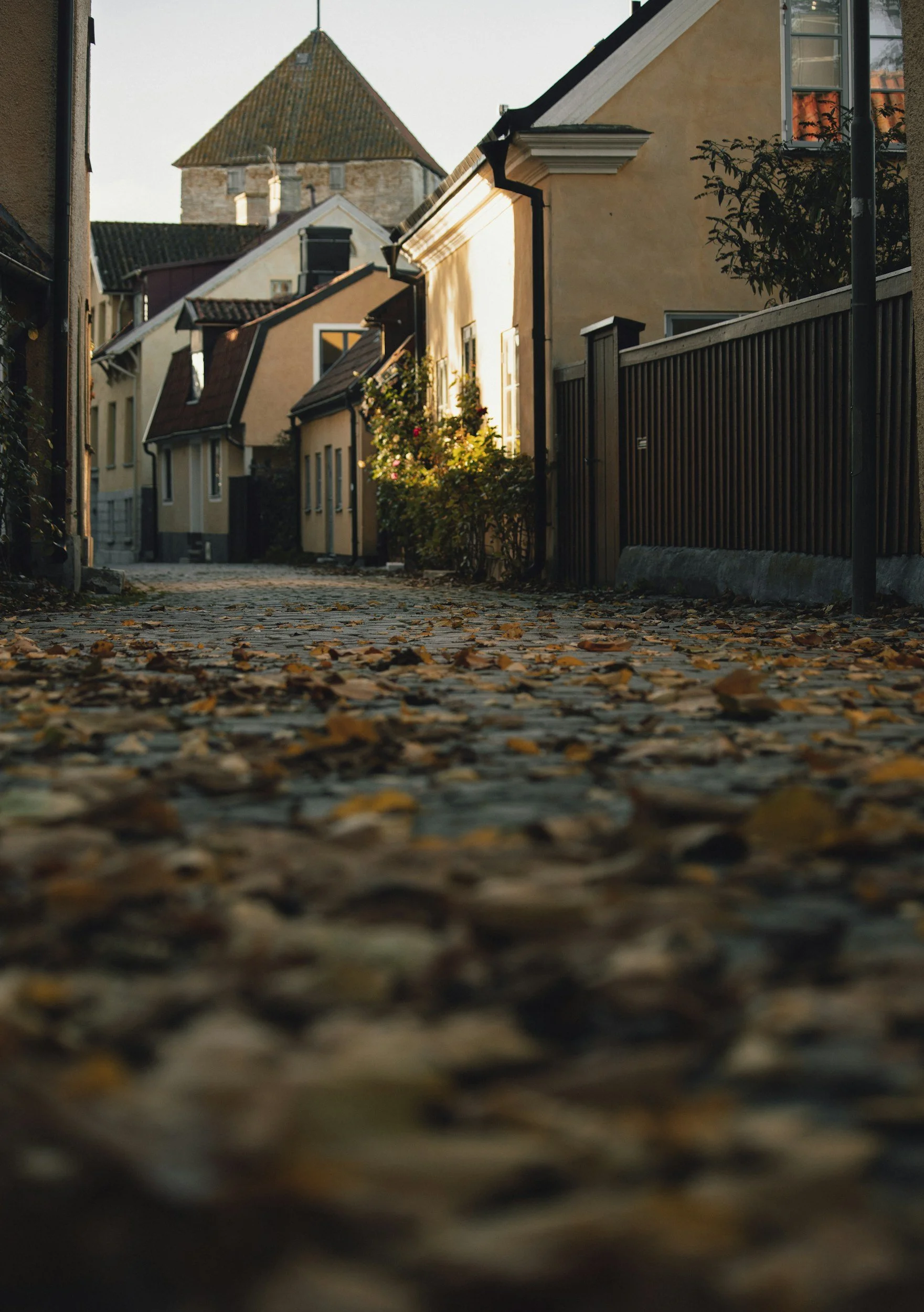

Eksjö… what’s not to love? The streets are quiet and perfect for strolling. You’ll find yourself just wandering around, no rush, stopping for a coffee or popping into one of the local shops that line the cobbled streets. It's the kind of place that makes you forget about the outside world for a while. The peacefulness here makes it feel like time moves at its own pace - exactly what you need when you're looking for an escape from the usual noise of life!
If you’re a fan of history, you’ll appreciate how well the town blends its past with the present. The Eksjö Museum is a great stop for getting to know the local history. It's small but packed with interesting stories that’ll give you a glimpse into what life in this village was like centuries ago. Afterward, you can head out for a walk or a hike in the surrounding nature. Eksjö is surrounded by lush forests and lakes, offering plenty of opportunities for hiking and outdoor exploration. And if you're lucky, you might even spot some of the local wildlife - a moose or deer if you're really fortunate. Trust me, the peaceful countryside here is the kind of place that makes you want to put your phone down and just take in the scenery. Eksjö Travel Guides offer tours around the town, make sure to pre-book if you want to join.
How to get to Eksjö, Småland by train and bus
Getting to Eksjö is not complicated, but it’s not a direct route from most places, so the key is knowing where you change and how the last part works.
If you’re coming by train, you’ll almost always pass through Nässjö. From Stockholm, take an SJ train to Nässjö, which runs frequently and takes around 2 hours. Once you arrive, you switch to a smaller regional train toward Eksjö. These usually leave from a nearby platform, and the connection is often timed so you don’t wait long, but it’s still worth checking in advance because they don’t run as often as the main line.
The train from Nässjö to Eksjö takes about 25 minutes and passes through forest and smaller stops before arriving at Eksjö station. When you get off, you’re not directly in the old town. The station sits slightly outside the centre, so you’ll need to walk about 10–15 minutes. The easiest way is to follow Järnvägsgatan straight ahead, then continue toward Södra Storgatan. You’ll start to notice the change as you get closer, with more wooden houses and narrower streets leading toward Stora Torget.
From Gothenburg, the route is similar but with one extra step. You travel east toward Nässjö, usually changing once in Falköping or Jönköping depending on the train. From Nässjö, it’s the same regional connection to Eksjö. The total travel time is around 2.5 to 3 hours, but what matters more is how the connections line up, so it’s better to choose a route with a shorter transfer rather than focusing only on total duration.
Buses are useful if you’re already in Småland or coming from somewhere that doesn’t connect well by train. From Nässjö, buses to Eksjö run regularly and take about 30 minutes. The main advantage is that the bus stops closer to the centre. You’ll usually arrive near the streets leading directly into the old town, which saves you the short walk from the train station.
If you’re coming from nearby towns like Vetlanda, Mariannelund, or even parts of the surrounding countryside, buses are often the more practical option. They follow local routes and stop in smaller areas that trains don’t reach. The trade-off is that they run less frequently, especially in the evening.
Timing is the one thing to pay attention to. Late afternoon and evening departures are more limited, and if you miss a connection in Nässjö, the next one might not be for a while. It’s worth checking both your arrival and return options before you travel, especially if you’re planning to stay just one night.
Once you arrive in Eksjö, you don’t need any transport. Everything is within walking distance, and the layout makes sense once you’re in it. From Stora Torget, you can move easily through the old wooden streets without needing a map, and most cafés, shops, and smaller places are clustered within a few minutes’ walk of each other.
Where to stay in Eksjö
Where you stay in Eksjö matters more than you might expect, because the town is split quite clearly between the newer areas and the older wooden centre. If you want to experience the part of Eksjö people actually come for, it’s worth staying as close as possible to the old town rather than near the station.
The streets around Stora Torget, Storgatan, and Södra Storgatan are where you want to be. This is the area with the preserved wooden houses, narrow streets, and small shops, and it’s also where everything happens during the day. Staying here means you can walk out in the morning and be at a café or bakery within a few minutes, without needing to plan anything.
Eksjö Stadshotell is the most central option, located directly by Stora Torget. It’s practical rather than special, but the location makes a difference. You step outside and you’re already in the middle of town, which works well if you’re arriving by train or bus and don’t want to think about transport at all. It also makes it easier to adjust to how early things close, since you’re not walking far in the evening.
If you prefer something quieter, it’s better to look just a few streets away from the square rather than staying right on it. Streets like Norra Storgatan or the smaller lanes behind the main square tend to be calmer, especially in the evening. There are a few smaller guesthouses and rooms in older wooden buildings here, often with fewer rooms and a more personal setup. These don’t always stand out when you search, but they’re usually the places that feel more connected to the town itself.
Another option is to stay slightly outside the centre, closer to the lake areas. Around Hunsnäsen, which is within walking distance (about 15–20 minutes from Stora Torget), you’ll find quieter accommodations with more space around them. This area is used by locals for walking and swimming in summer, and staying here gives you a different experience of Eksjö, especially in the evenings when the centre has already slowed down.
If you’re driving, there are also countryside stays outside Eksjö in the direction of Mariannelund or along smaller roads leading out of town. These are usually converted houses or small-scale accommodations rather than hotels, and they offer more space and quiet surroundings. The trade-off is that you’ll need to drive back into Eksjö if you want to eat out or spend time in the centre.
Eksjö is not a place with a large number of hotels, so availability can be limited, especially in summer. Booking something central early makes things easier, particularly if you want to stay within walking distance of everything. Once you’re there, you won’t need to move around much, and that’s when the town starts to feel easy to manage.
Where to eat in Eksjö
Eating in Eksjö is all about staying inside the old town and adjusting to how the day actually works here. If you base yourself around Stora Torget, Storgatan, and the smaller streets just behind them, you won’t need to plan much, but you do need to get the timing right.
In the morning, people don’t sit down for long breakfasts. They stop somewhere briefly, usually on their way to work or errands. Lennarts Konditori, just off Stora Torget, is one of the places that still feels tied to daily routines. If you go around 8:30, you’ll see people stepping in, ordering quickly, and leaving again within a few minutes. Coffee, a cinnamon bun, maybe a simple sandwich. If you arrive later, closer to 10:00, it shifts slightly and you’ll notice more visitors, but earlier than that it’s mostly locals.
By 11:30, everything changes. Lunch starts, and this is when Eksjö makes the most sense food-wise. Places around the square and along Storgatan switch to dagens lunch, usually written outside on a board. Eksjö Stadshotell, right by the square, is one of the easier places to follow this. The menu is short, often just one or two dishes. It can be meatballs with potatoes and lingonberries, fish with dill sauce, or something similar depending on the day. People arrive, eat, have coffee, and leave. If you come at 12:15, you’ll likely wait. If you come at 11:30, you’ll sit down straight away.
A short walk from the centre, along the smaller streets behind Storgatan, Hos Agneta is another option that works well for lunch. It’s slightly more modern in what they serve, but still based on the same structure. It feels more like a place people choose rather than just go to out of habit, which changes the atmosphere a bit without making it formal.
In the afternoon, things spread out again. There’s no fixed fika time, people just stop when it suits them. Cafés around the square fill slowly rather than all at once. Some people sit down, others take coffee to go and keep walking through the wooden streets. You’ll notice that no one treats it as an “activity,” it’s just part of the day.
Dinner is where you need to think ahead. Most kitchens don’t stay open late, and after 20:00 it becomes difficult to find somewhere still serving. Eksjö Stadshotell is one of the more reliable places in the evening, but even there people arrive early, often between 17:30 and 18:30. By the time it reaches 20:00, things are already slowing down.
If you’re staying in Eksjö for more than one night, you’ll probably notice that a lot of people don’t eat out every evening. It’s common to pick something up earlier in the day and eat where you’re staying, especially if you’re in a guesthouse or slightly outside the centre. That’s not because there’s a lack of options, but because the town doesn’t run on late dinners in the same way larger cities do.
Everything is close together, so once you’re in the old town, you’ll pass most places just by walking between streets like Storgatan, Norra Storgatan, and the smaller lanes connecting them.
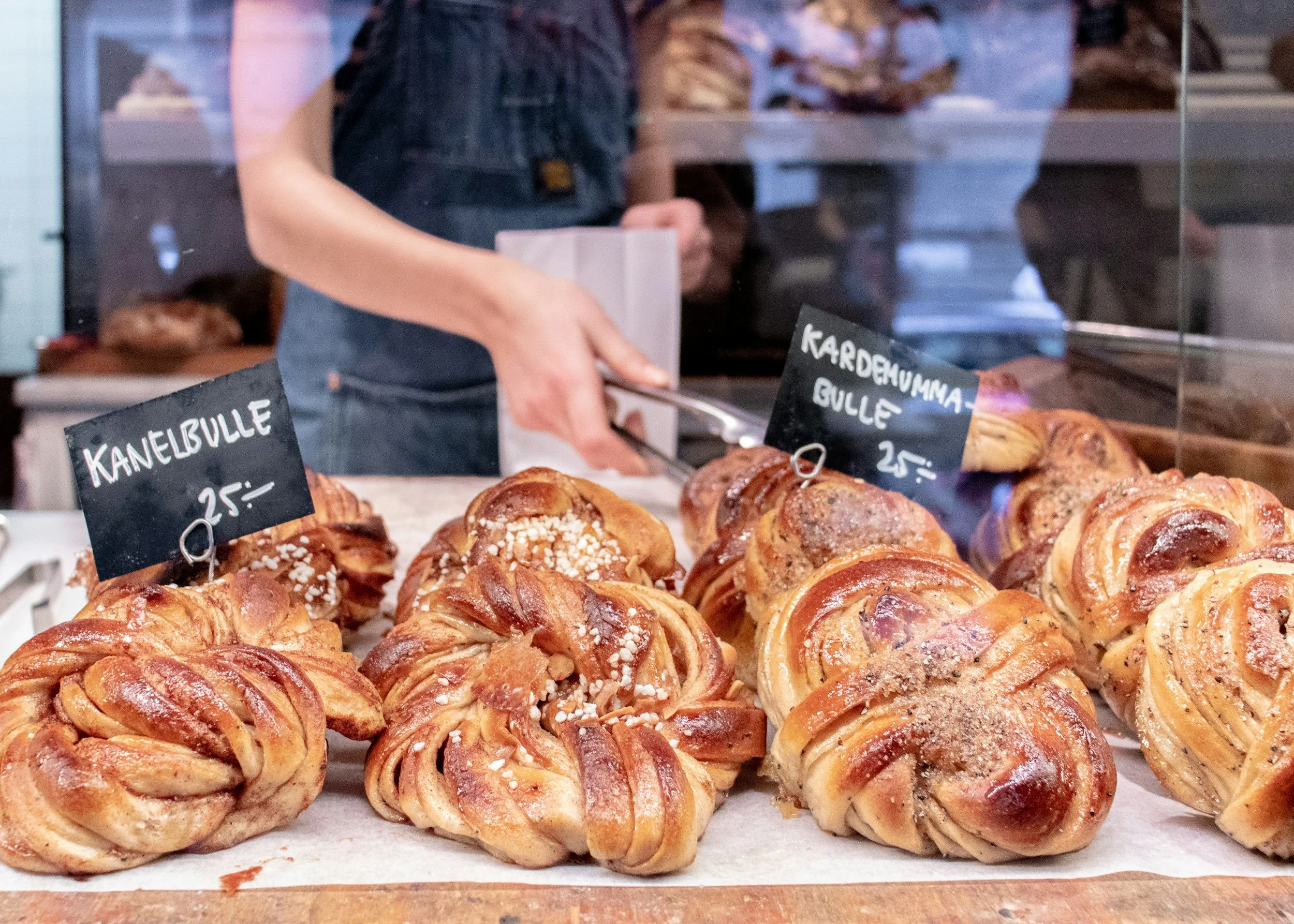
Lennarts Konditori
Mariannelund, Småland: Nature Trails, Wooden Houses & Cozy Cafés
Mariannelund is easy to miss if you’re expecting a clear centre or a list of things to move between. It’s more spread out, and most of the time you’re walking between small stretches rather than one main area.
If you arrive by train, you step off at a small platform and walk straight onto Centralgatan, which is the road everything connects to. From the station, it’s about 3–4 minutes on foot. There’s a supermarket, a couple of smaller shops, and a few places to stop, but nothing is grouped tightly together. It helps to walk the full length of the road once, from the station down toward the lake side, just to see what’s actually there.
Mornings are quiet and slightly uneven depending on what’s open. There isn’t a strong breakfast culture in the village itself, so it often makes more sense to combine a short drive or bike ride with your first stop. Café Kröngården, just outside Mariannelund in the direction of Vimmerby, is one of the places people actually go to rather than just passing. You reach it via a smaller road off the main route, and it’s easy to miss if you’re not looking for it. When it’s open, people tend to stay for a while rather than just stopping quickly, especially if the outdoor seating is in use.
Back in Mariannelund, most of the time is spent walking without a fixed route. From Centralgatan, you can turn off into residential streets like Villagatan or the smaller roads leading toward the lake. The houses are spaced out, with gardens, gravel driveways, and a mix of older wooden buildings and more recent homes. It doesn’t feel arranged or preserved in the same way as Eksjö, which is part of what makes it interesting to walk through.
Lake Svartsjön is the closest place to head if you want to leave the road behind. From Centralgatan, it’s about a 10–15 minute walk depending on where you start. There’s no single entrance point. Instead, you’ll find smaller openings between trees or short paths leading down to the water. In summer, people spread out rather than gathering in one place, so even on warmer days it doesn’t feel crowded. Some areas have small wooden jetties, others are just grass or a patch of sand.
If you keep walking past the lake or follow the smaller roads out of the village, you’ll quickly reach forest tracks. There’s no clear sign telling you that you’ve entered a walking area. The road just becomes narrower, then turns into gravel, and then into a path. These are used daily by people living nearby, which is why they’re easy to follow without being marked as trails.
During the afternoon, things stay slow. If a café is open, people drop in at different times rather than all at once. There’s no clear fika “rush,” and it’s common to just stop wherever you happen to be rather than planning it.
Mariannelund also works well if you’re moving between places rather than staying in one spot all day. Vimmerby is about 20 minutes away by car, and the train line between the two runs a few times per day. The road between them passes through forest and small clearings, and you’ll occasionally see handwritten signs for gårdsbutik or seasonal stands selling strawberries or potatoes. These are usually placed right by the roadside, and you only notice them if you’re not in a hurry.
Evenings are very quiet. Most places close early, and there isn’t much movement after that. If you’re staying overnight, it’s easier to pick up food earlier, either in Mariannelund or in Vimmerby, and eat where you’re staying rather than trying to find something open later.
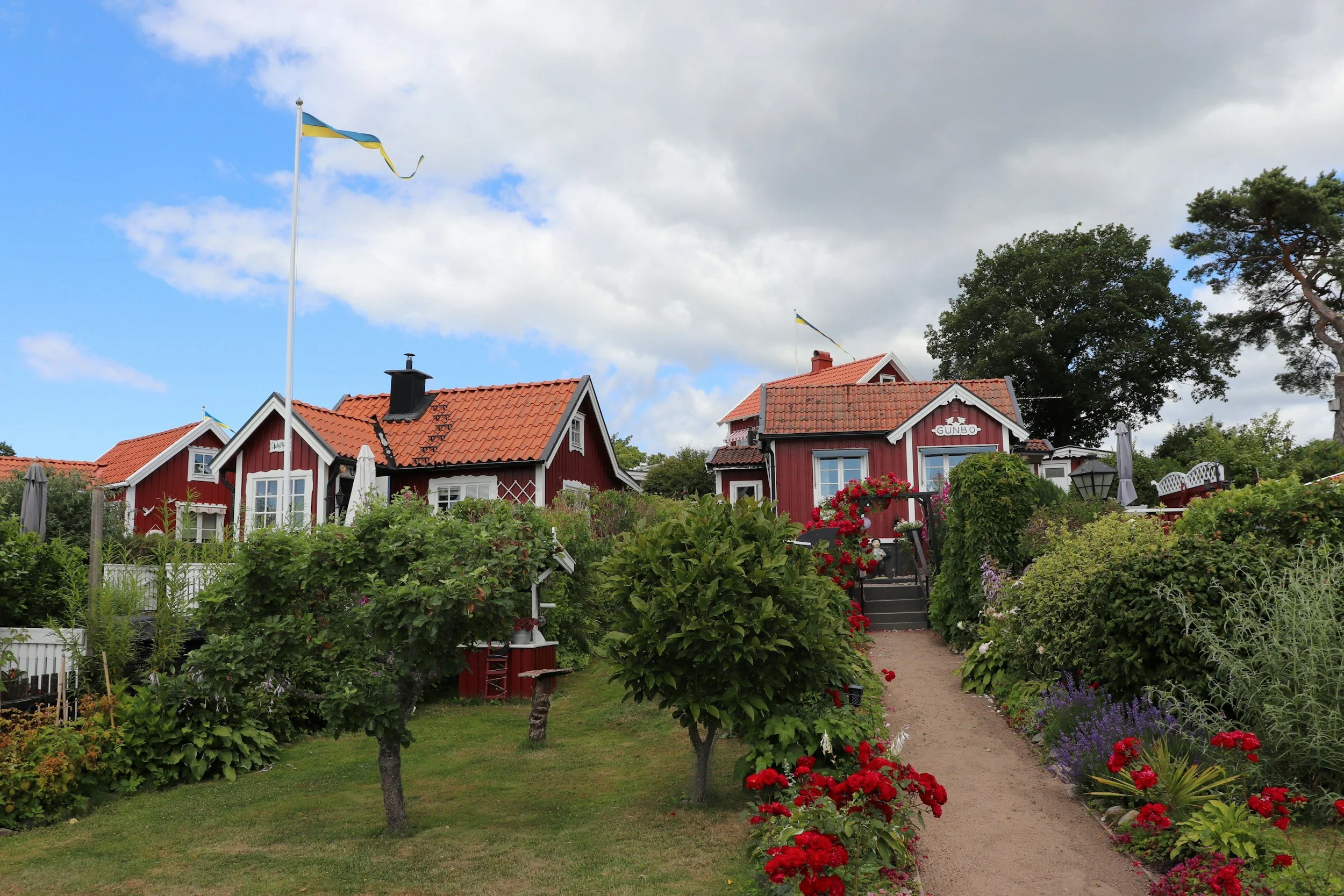
How to get to Mariannelund, Småland
Mariannelund is easily accessible from Växjö, where you can catch a bus directly to the village. The ride takes about 45 minutes, and it’s a beautiful journey through Småland’s countryside. Once you arrive, you won’t need a car to get around. The village is small and everything is within walking distance. You’ll enjoy the cozy strolls through the town, exploring the sights at your own pace.
Where to stay in Mariannelund
Mariannelund doesn’t have a clear centre where everything is gathered, so where you stay changes how your days actually play out. You’re either close to Centralgatan and the station, or you’re slightly outside the village near the lake or in the forest. Those feel very different once you’re there.
If you’re arriving by train and want to keep things simple, staying near Centralgatan works. From the station, it’s a short walk straight onto the main road, and most of what exists in the village sits along this stretch. You can walk to the supermarket, pass a café if it’s open, and get your bearings quickly without needing to plan anything. It’s practical, especially if you’re only staying one night and don’t want to think about transport.
Around Svartsjön, the lake just off the village, you’ll find smaller stays that feel more connected to the area. From Centralgatan, it’s about a 10–15 minute walk depending on where you’re staying. There’s no single “lakefront area,” so accommodations are spread out, often along smaller roads or tucked behind trees. From these places, you can walk down to the water using short paths that locals use rather than marked entrances. Evenings here are quieter, and you’re more likely to stay outside or near the water instead of heading back into the village.
If you have a car, it opens up better options. The road between Mariannelund and Vimmerby, and the smaller routes toward Rumskulla, pass through forest and farmland where you’ll find converted houses and small countryside stays. These don’t sit next to each other or show up clearly unless you’re searching for specific dates. You usually turn off onto a smaller road, sometimes gravel, and then arrive at a place that feels separate from everything else. You won’t walk anywhere from here, but you also won’t need to.
Trakt Forest Hotel sits further out in that direction and works differently from anything in the village. You don’t come here to “stay near Mariannelund.” You come here because you want to be in the forest. The drive out already tells you that, especially the last stretch where the road narrows and turns to gravel. The cabins are spaced apart, so you’re not seeing other guests unless you choose to. Most people don’t go back into Mariannelund once they’ve arrived. Days are spent around the cabin or walking directly from it into the surrounding forest, and meals are usually handled on-site rather than in town. If you’re looking to fully unwind, check out the wood-fired sauna or soak in the outdoor hot tub. And when hunger strikes, head over to Traktköket, the hotel’s restaurant, where everything is made from local, fresh ingredients (many from the family’s own farm).
Closer to Mariannelund, Fredensborgs Herrgård is a more structured option but still small enough to feel manageable. It sits near the lake, a short drive from the village, and you can walk down toward the water from the property. It works if you want something organised but don’t want to stay along the main road.
One thing to keep in mind is that evenings are very quiet here. Mariannelund doesn’t have much open late, and that’s where your choice of stay matters. If you’re in the village, you’ll likely head back early. If you’re by the lake or in the countryside, you’ll probably stay where you are anyway.
Cafés and restaurants in Mariannelund
Mariannelund is not a place where you plan your day around restaurants. There are only a few options, and they don’t all keep the same hours, so it works better to know roughly where things are and adjust as you go.
Most of what exists sits along Centralgatan, which is the main road running through the village. If you walk from the train station and follow it for a few minutes, you’ll pass the supermarket and a couple of smaller spots where people stop during the day. These are not places you book or plan ahead for. You check if they’re open when you pass, and if they are, you go in.
One place people actually make the effort to go to is Café Kröngården, just outside Mariannelund toward Vimmerby. You won’t see it from the main road unless you turn off, and the last part is on a smaller road, so it feels slightly removed from everything else. This is not a quick stop. People sit outside when the weather allows, order something simple, and stay longer than they expected. It works best late morning or mid-afternoon rather than early or late in the day.
Back in the village, lunch is the easiest meal to catch. Around 11:30 to 13:00, if something is being served, that’s when you’ll find it. Menus are short, often just one or two dishes, and once it’s gone or the time passes, that’s it. If you arrive at 14:00 expecting lunch, you’ll likely miss it completely.
Afternoons are quieter again. If a café is open, people come in gradually rather than all at once. Some sit down, others take coffee and leave. There’s no clear peak time, which makes it easy to stop without planning it.
Dinner is where most people get caught out. Mariannelund doesn’t have a strong evening food scene, and after early evening, options are very limited. If you want to eat out, you need to do it earlier than you might be used to. Otherwise, it’s more practical to organise something yourself.
This is why a lot of people staying here either pick up food from the supermarket on Centralgatan during the afternoon or plan to eat where they’re staying. If you’re at a place like Trakt Forest Hotel, you won’t be going back into Mariannelund for dinner. Meals are part of the stay, and once you’re there, it makes more sense to stay there.
Another common approach is to combine Mariannelund with Vimmerby. It’s about 20 minutes by car or a short train ride, and there are more consistent options there throughout the day. It’s normal to have lunch or fika in Vimmerby and return to Mariannelund later rather than trying to find everything in one place.

Småland national parks: trails, forests, and how to get there
Småland doesn’t have a long list of national parks, and that’s useful to know before you start planning. Most people visiting this part of Sweden end up going to one main park and then filling the rest of their time with smaller forest areas and lakes that are closer to where they’re staying.
The one that fits naturally into a trip around Vimmerby or Mariannelund is Norra Kvill National Park. From Vimmerby, it’s about 35 minutes by car if you drive east toward Västervik and then turn inland onto smaller roads. The last stretch is on narrower forest roads where you won’t pass much traffic, and it becomes obvious you’re heading somewhere more remote.
You park at the main entrance and continue on foot from there. There’s no café, no shop, and nothing to buy once you arrive, so it’s worth picking up water or something small to eat beforehand in Vimmerby, for example along Storgatan before leaving town.
Most people follow the loop trail toward Stora Idgölen, which is the dark lake you’ll see in photos. The path starts clearly but becomes more uneven as you go, with exposed roots, rocks, and short sections where you need to watch your footing. It’s not difficult, but it’s not a flat walk either. If you go at a steady pace without rushing, it usually takes around 1.5 hours to complete the loop, longer if you stop by the water.
There are a few simple wooden benches along the way, but nothing built up around them. People sit for a while, eat something they’ve brought, and continue. If you arrive before 10:00 or later in the afternoon, it’s noticeably quieter. Around midday in summer, you’ll meet more people, but it never turns into a crowded place because there’s nothing here that keeps people in one spot.
If you’re based further west, around Eksjö, the national park people usually include is Store Mosse, even though it sits outside the immediate Småland area near Värnamo. From Eksjö, it’s about 1 hour and 30 minutes by car, so it’s something you plan as a half-day rather than adding it in between other things.
The difference is clear as soon as you arrive. Instead of forest, you’re walking out onto open bogland. If you enter via Kävsjön, you park near the visitor area and walk straight onto long wooden boardwalks. There’s no need to look for a trailhead or figure out directions. You just follow the boards out across the landscape.
Distances here are longer, but the walking is easier because the paths are flat. It’s common to spend a few hours here without repeating the same route. There are also birdwatching towers along the way, and people tend to stop there rather than along the path itself.
What most people don’t realise before arriving in Småland is that a lot of the everyday nature experiences don’t sit inside national parks. Around Mariannelund, you can walk out from Centralgatan, pass the residential streets, and within 10–15 minutes be near Svartsjön or on a gravel road leading into the forest. There’s no sign telling you you’ve “arrived.” The road just becomes quieter, then narrower, and then turns into a path.
The same applies around Eksjö, especially near Hunsnäsen, where locals walk, swim, or sit by the water without treating it as a destination. These places don’t appear in the same way as national parks, but they’re often easier to reach and don’t require you to plan your day around them.
Getting to Norra Kvill or Store Mosse without a car is possible but takes more effort. There are no direct train stations at the entrances, and buses don’t run frequently enough to rely on unless you’re planning very carefully. Most people drive, or combine a train to a nearby town with a taxi for the last part.
Further north in Sweden, the pace shifts again, and this Umeå weekend shows what that feels like once you’re properly away from everything. Calm, artsy and full of culture!
Swedish design in Småland: museums, IKEA & glassworks
Småland isn’t just about forests and lakes; it’s also the heart of Swedish design, blending simplicity, function, and beauty. If you’re into design that’s both stylish and practical, you’ll love exploring these gems in the region.
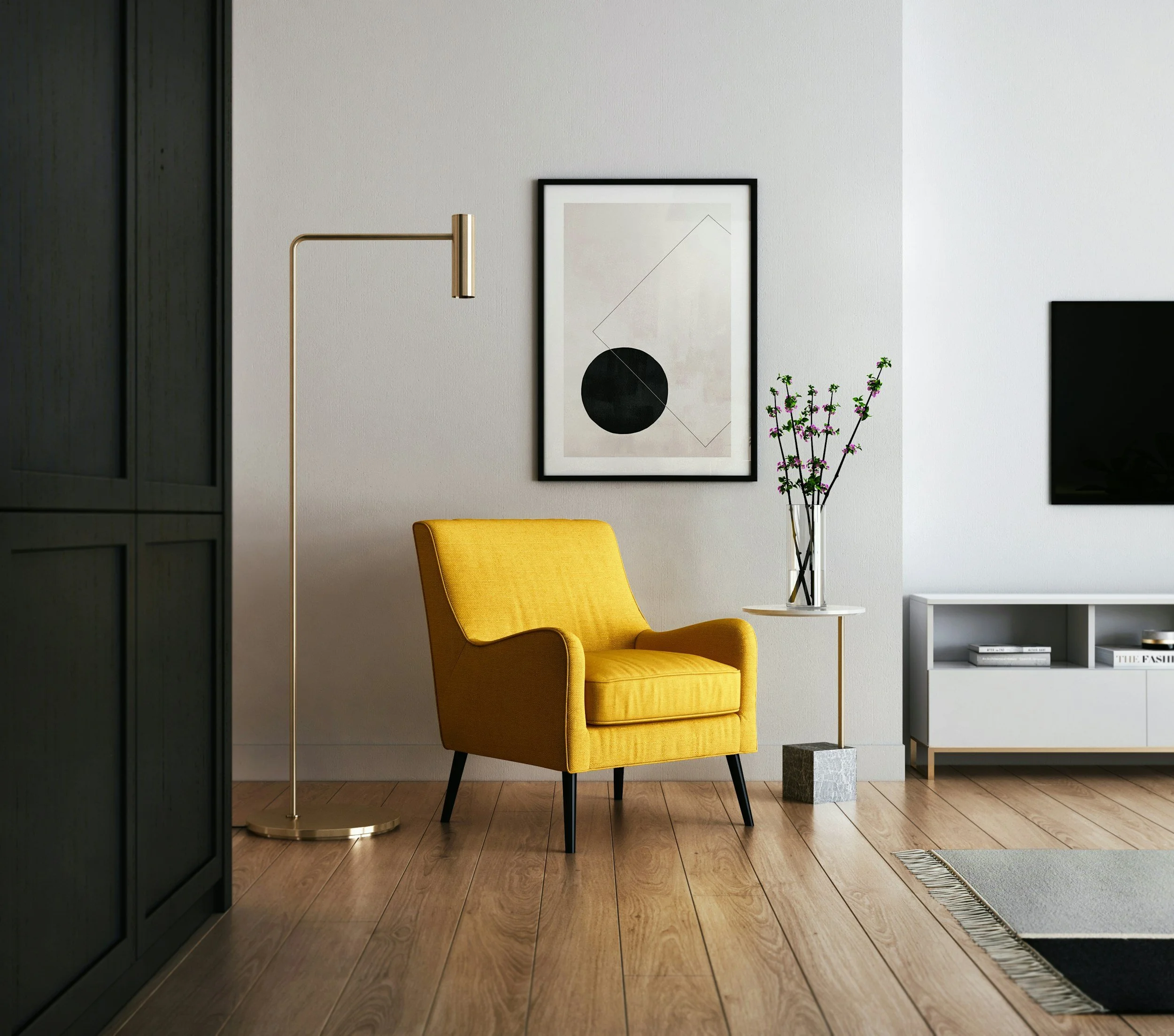
Museum Vandalorum
Vandalorum museum in Värnamo: Swedish art & design
For anyone with an eye for modern design, Vandalorum in Värnamo is a must-visit. It’s a contemporary art and design museum that focuses on Swedish furniture and industrial design, with some international influence as well. The building itself is stunning - sleek, modern, and full of light, making it the perfect place to explore exhibitions on everything from innovative furniture designs to cutting-edge architecture.
The museum hosts rotating exhibitions, so there’s always something fresh to see. It’s not just about looking at design; you get to engage with it, learn about its history, and see how it fits into the modern world. If you’re into minimalist interiors or want to see the best of Swedish design in one spot, this is where you’ll want to be.
IKEA Museum in Småland: A must-visit for Swedish design lovers
IKEA is a global name, but did you know it all started here in Älmhult? The IKEA Museum is located at the original IKEA store, and it’s an essential stop for anyone interested in design. The museum takes you through IKEA’s humble beginnings, showcasing the brand’s early days and how it revolutionized furniture design and home interiors.
It’s fascinating to see the evolution of affordable, functional design, with some of the most iconic pieces ever made. From LACK tables to Billy bookcases, it’s a trip down memory lane for design lovers. Plus, you’ll get a sneak peek behind the scenes of how IKEA collaborates with designers to create pieces that are both stylish and practical.
Kosta Boda glassworks: Swedish glass art in Småland
If you’re into glass art, then Kosta Boda is a must-see. This glassworks factory is part of the Glass Kingdom in Småland, and it’s where some of Sweden’s most beautiful, handcrafted glass is made. You can visit the Kosta Boda Art Gallery to see incredible pieces by some of Sweden’s top glass artists. The work on display ranges from abstract glass sculptures to functional items like vases and bowls, but all of it carries that distinctly Swedish elegance.
The best part? You can watch the artists at work. Seeing the glassblowers shape their pieces right before your eyes is an experience that’s as captivating as the artwork itself. If you’re looking for a unique souvenir or simply want to enjoy some incredible craftsmanship, Kosta Boda is the place to go.

Möbelriket Småland: Swedish furniture design
Möbelriket is where Swedish furniture design truly comes to life. This region in Småland is home to a cluster of small towns famous for their craftsmanship, especially in high-quality, functional furniture. You’ll find a collection of showrooms, workshops, and design centers where local makers showcase their work.
One of the coolest things about Möbelriket is that it’s not just about buying furniture - it’s about experiencing design in a way that feels personal and meaningful. You can meet the designers, see how each piece is crafted, and take home something that’s both beautiful and practical. If you love timeless, handcrafted furniture that’s built to last, this is your design mecca.
Flea markets in Småland: where to actually find them
Flea markets in Småland are not something you “go to” in one place. They’re scattered, and most of the good ones don’t show up clearly unless you’re already nearby. You’ll see them as you move between towns, not when you search for them.
Around Vimmerby, don’t spend too much time looking in the centre. Instead, leave via the smaller roads. If you drive out on the road toward Frödinge (route 40 toward Västervik), you’ll start seeing handwritten “Loppis” signs along the roadside, often just before a turn-off onto a gravel road. Some are easy to miss because they’re small or partly hidden behind trees. When you turn in, you might arrive at a red barn with doors open and tables set up inside, or just a garden with a few racks and boxes.
The same applies if you head from Vimmerby toward Mariannelund along route 23/40. This stretch is one of the better ones if you drive slowly. You’ll pass farmhouses, open fields, and then suddenly a sign pointing into a yard where someone has set up a small sale. Some are only open on weekends, others only when the owner is home. If you see a car parked outside and a sign out, it’s usually open.
In Mariannelund, there’s not much directly on Centralgatan when it comes to flea markets. Instead, you need to leave the village. The roads toward Rumskulla are worth paying attention to, especially in summer. You’ll occasionally pass small, unmanned setups with boxes of books, ceramics, or kitchen items placed right by the road. Payment is often via Swish, with a number written on a piece of paper, or a small cash box if there’s no one there.
Closer to Eksjö, things shift slightly. You’ll still find roadside loppis, but there are also more permanent second-hand shops in and around the town. If you walk just outside the old town, beyond Stora Torget and into the residential streets, you’ll sometimes see signs for smaller indoor shops set up in older buildings. These are usually open more consistently, but still not every day.
One place that’s worth knowing about if you’re in the Eksjö area is the road toward Hult. Along that stretch, especially in summer, there are often multiple signs within a short distance. You might stop at one place and then see another sign just a few minutes further on. It’s not organised, but that’s what makes it work.
What to buy at Småland’s flea markets
What you find at flea markets in Småland depends on where you stop, but there are a few things that show up again and again, especially in barns and older houses along the roads between Vimmerby, Mariannelund, and toward Eksjö.
The most common finds are everyday Swedish household items rather than anything curated. In larger barn setups, you’ll usually see stacks of enamel kitchenware in muted colours, white with blue rims, pale green, sometimes red. These are often placed together on long tables or shelves near the entrance because they’re easy to carry and sell quickly. You’ll also notice glassware, especially from Swedish brands, arranged in mixed sets rather than complete collections. It’s normal to find single pieces rather than full sets, which is how most people buy them.
Wooden furniture appears in bigger locations, usually deeper inside barns or separate rooms. Chairs, small tables, and cabinets are often lined up along the walls rather than styled. If you’re driving, this is where it becomes worth stopping properly, because these pieces are rarely listed anywhere online and prices are often lower than in larger towns.
Textiles are another category you’ll see often. Look for linen tablecloths, woven runners, and hand-embroidered pieces, usually folded into stacks or placed in boxes. These are easy to overlook because they’re not displayed clearly, but they tend to be some of the more local items, especially in smaller setups where people are selling from their own homes.
In roadside stalls and smaller loppis, the focus shifts to lighter things. Books, ceramics, old tins, kitchen tools, and small decorative items are usually placed on tables or in crates near the road. These are the places where you pick up something without planning to, often because it’s easy to carry and priced low enough not to overthink.
One thing that stands out in this part of Småland is how little is separated into categories. You might find kitchenware next to tools, textiles next to books, and nothing is labelled in a structured way. It helps to take your time and actually look through boxes rather than scanning quickly, because items are rarely arranged to be seen at a glance.
If you’re near Eksjö, you’ll sometimes come across slightly more organised antique shops where items are placed in rooms rather than barns. Here, you’re more likely to find older wooden pieces, framed prints, and small antiques arranged in a way that makes them easier to browse. Prices are usually higher than roadside loppis, but still reasonable compared to larger cities.
For something more specific to the region, look for items that feel used rather than decorative. Things like worn wooden stools, older enamel bowls, or simple kitchen tools tend to reflect how people in the area actually lived, rather than pieces brought in to attract visitors.
Most people don’t go out with a list of what to buy. They stop when they see a sign, walk through what’s available, and pick up one or two things that make sense to carry.
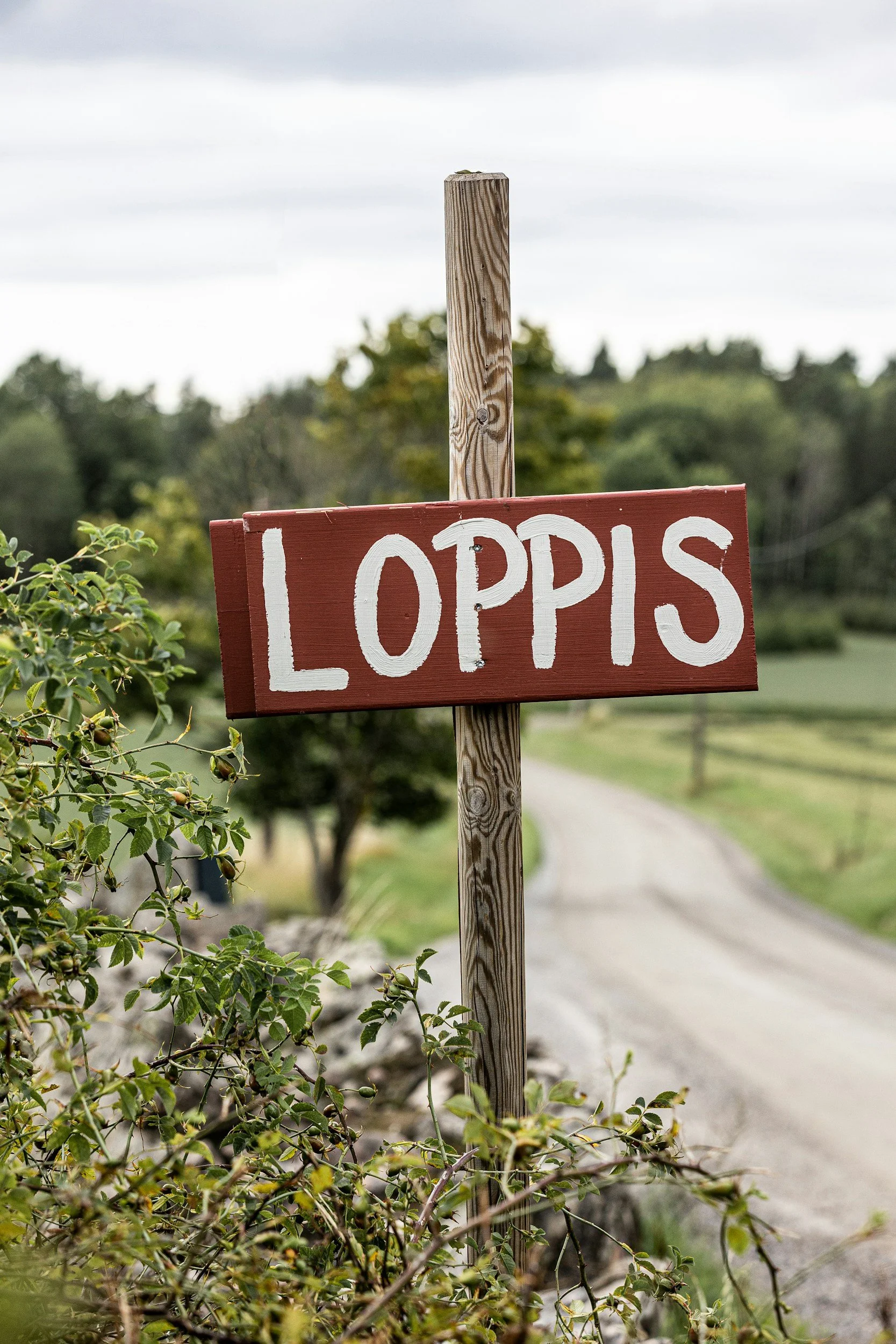
Popular markets to check out in Småland
While the best flea markets are often spontaneous, there are a few regular markets in Småland that are worth planning for if you want to see more organized gatherings:
Vimmerby Antique and Flea Market: This is a great place to find vintage furniture, old books, and unique trinkets. The market happens regularly, and it's one of the best in the region.
Eksjö Flea Market: If you're in Eksjö, don't miss this one. It's held in the town square and offers everything from antiques to local crafts. It’s perfect for picking up something authentic and special.
Kosta Flea Market: Part of the Glass Kingdom, the Kosta Flea Market is where you can find both local antiques and handmade crafts. It’s small, but you can find some seriously cool vintage glass pieces here.
How to plan a few days in Småland without overcomplicating it
If you base yourself in Vimmerby, most of Småland in this part of the region becomes easy to move through without constantly packing and unpacking. Stay somewhere within walking distance of Stora Torget or just off Storgatan, and you can start each day on foot before deciding where to go next.
A typical morning starts early here. Around 8:30, bakeries like Konditori Rendez-vous are already in use, and that’s the best time to step out before things shift later in the day. Pick something up, walk through the centre while it’s still quiet, and then leave town before 10:00. Once you’re out, the smaller roads are where things actually change. If you drive toward Mariannelund, don’t stay on the main route the whole way. Take one of the side roads when you see a turn toward a farm or a sign that doesn’t look like it leads anywhere specific. That’s usually where you start finding stops that aren’t planned.
By late morning, aim to be somewhere that serves lunch. In Vimmerby, that’s along Storgatan. In Eksjö, it’s around Stora Torget and the streets just behind it. In Mariannelund, it depends on what’s open that day, so it’s better to eat before you arrive there or after you leave. The window is short, usually between 11:30 and 13:00, and if you miss it, you’ll notice how quickly options drop.
Afternoons work differently depending on where you are. In Mariannelund, you walk down from Centralgatan toward Svartsjön, following the smaller paths people use rather than looking for a marked entrance. In Eksjö, you stay inside the old town and move between streets like Norra Storgatan and the lanes connecting back to the square. In Vimmerby, you might leave the centre again and follow a road out toward Frödinge, stopping if something looks open along the way.
Dinner is the one part of the day that needs a decision. If you want to eat out, do it earlier than you think, around 17:30–18:30, especially in Eksjö or Vimmerby. If you’re staying somewhere outside town or somewhere like Trakt Forest Hotel, it’s easier to organise food earlier and stay where you are in the evening. Going back out later rarely adds much.
What makes this part of Småland work is how little distance there is between places, but also how different they feel once you arrive.
FAQ: visiting Småland, Sweden (towns, flea markets, food, and nature)
What are the best towns to visit in Småland, Sweden?
Vimmerby, Eksjö, and Mariannelund are the easiest to combine. Vimmerby works well as a base, Eksjö has a preserved wooden old town around Stora Torget, and Mariannelund is smaller with access to lake Svartsjön and nearby forest roads.
Where is Astrid Lindgren’s hometown in Sweden?
Astrid Lindgren grew up in Vimmerby, in Småland. Her childhood home, Näs, is about a 15-minute walk from Stora Torget, just outside the town centre.
How do you get between Vimmerby, Eksjö, and Mariannelund?
You can travel by regional train between Vimmerby and Mariannelund in about 20 minutes. Eksjö requires a change in Nässjö if you’re coming by train. Driving is the easiest option, with distances under one hour between all three.
Do you need a car in Småland, Sweden?
You can visit towns by train, but a car makes a big difference for reaching flea markets, lakes, and countryside stays. Many of the smaller stops sit along roads that aren’t covered by public transport.
Where can you find flea markets (loppis) in Småland?
Most are located along smaller roads between towns rather than in one place. The roads between Vimmerby and Mariannelund, and toward Rumskulla, are some of the most reliable areas, especially in summer.
What time do flea markets open in Småland?
Late morning is the most reliable, usually between 10:30 and 13:30. Many close early in the afternoon, and some only open on weekends or when a sign is placed outside.
What are the best things to buy at a Småland flea market?
Look for enamel kitchenware, glassware, wooden furniture, linen textiles, and small household items. Larger barns tend to have furniture, while roadside stalls focus on smaller items like ceramics and books.
Where can you try traditional Småland food near Vimmerby?
Lunch is the best time. Places along Storgatan in Vimmerby serve dagens lunch with dishes like meatballs, isterband, or fish with potatoes. For ostkaka, Frödinge is about 10 minutes away by car.
What is ostkaka and where can you eat it in Småland?
Ostkaka is a baked dairy dessert, served warm with cream and jam. The most reliable place near Vimmerby is Frödinge, where it’s produced and served on-site.
What time do restaurants close in small towns like Vimmerby and Eksjö?
Most kitchens close between 19:00 and 20:00. Dinner is usually earlier, around 17:30–19:00. After that, options become limited.
Are there national parks near Vimmerby and Eksjö?
Norra Kvill National Park is about 30–40 minutes from Vimmerby, with forest trails and a loop around Stora Idgölen. Store Mosse National Park is further west and known for its long boardwalks across open bogland.
If you’re thinking about taking this kind of trip even further, this Denmark islands gives you a slightly different version of the same idea.
How long should you stay in Småland, Sweden?
2–4 days is enough to cover Vimmerby, Mariannelund, and Eksjö without rushing. Staying in one base and taking short day trips works better than moving between accommodations.
What is the best time of year to visit Småland?
May to September is the easiest period for travel. July has the most flea markets and open cafés, while May, June, and September are quieter but still fully accessible.