
Sweden's High Coast deserves much more attention
The High Coast in northern Sweden sits along the Gulf of Bothnia in Ångermanland, between Sundsvall and Örnsköldsvik. It’s one of the few coastal areas in Scandinavia where you can combine short drives with proper hiking, sea views, and small villages that still function year-round. If you’re planning a trip here, it helps to think of it as a region rather than a single destination, with several access points depending on how you arrive.
The area is listed as a UNESCO World Heritage site because of how clearly you can see the land uplift after the last Ice Age. The ground here continues to rise by almost a centimeter per year, which has shaped the coastline into steep cliffs, exposed rock formations, and a fragmented archipelago. One of the most visited spots is Skuleberget, located just off the E4 between Docksta and Ullånger. From the parking area, it takes around 45–60 minutes to walk up via the main trail, and the view at the top stretches across Skuleskogen National Park and out toward the islands.
Most visitors base themselves somewhere between Docksta, Nordingrå, and the outskirts of Örnsköldsvik. Nordingrå in particular has become a local hub for smaller studios and seasonal exhibitions, often open from late spring through early autumn. Places like Mannaminne, just outside Nordingrå, combine art, architecture, and collections in a way that feels more like a personal project than a formal museum, which gives a clearer sense of how people actually live and work in the area.
Food and drink are more limited than in southern Sweden, but there are a few stops worth planning around. Hernö Gin Distillery offers guided tastings and short tours, and it’s easy to reach if you’re arriving from the south by train or car. Further north, High Coast Whisky Distillery sits right by the Ångermanälven river, about 30 minutes inland from the coast. Both places require advance booking in peak summer, and opening hours can be reduced outside June to August.
Getting around the High Coast without a car is possible but restrictive. Trains run along the coast via Kramfors and Örnsköldsvik, but reaching trailheads, viewpoints, and smaller villages usually requires a rental car or careful bus planning. If you’re arriving by air, Kramfors-Sollefteå Airport is the closest option, about 30–40 minutes from the central High Coast area.
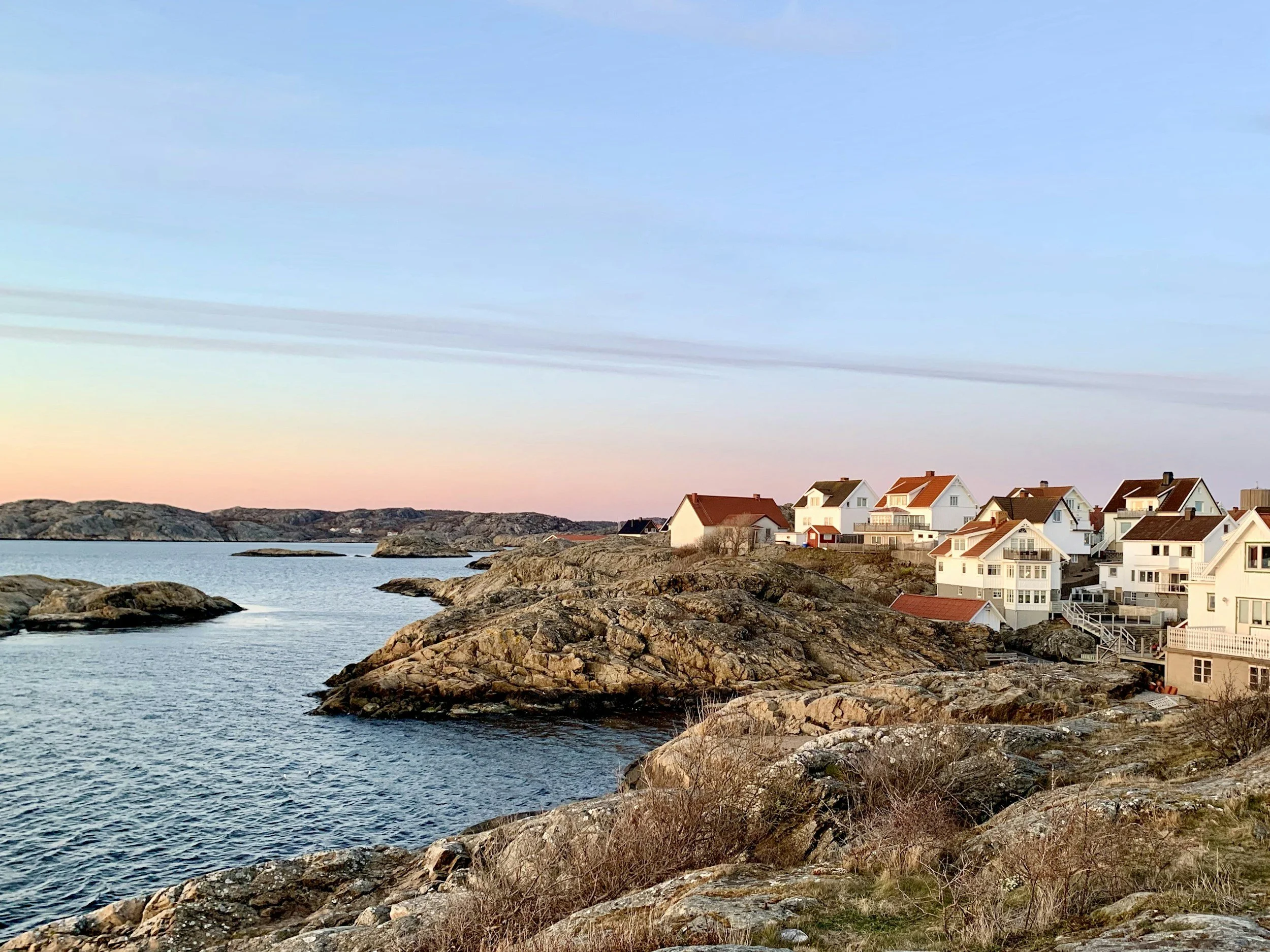
Hiking and kayaking along the High Coast
The High Coast is one of the few places in Sweden where hiking routes and coastal access are closely connected, which makes it practical to combine shorter walks with time on the water. The High Coast Trail (Höga Kustenleden) runs for roughly 129 kilometers between Hornöberget just north of Härnösand and Örnsköldsvik. Instead of walking the full route, most people break it into sections, often starting with the stretch between Ullånger, Docksta, and Skuleskogen where access is easiest and signage is clear.
One of the most reliable starting points is Skuleskogen National Park. If you drive in from the E4 and follow signs to Entré Syd, you’ll find a large gravel parking area with toilets and a clearly marked trailhead. From here, it takes around 2–3 hours to reach Slåttdalsskrevan, the narrow rock passage that cuts through the ridge. The trail passes Tärnättvattnen lakes along the way, where people often stop for a short break before continuing uphill. The terrain shifts between forest paths and exposed rock, and the last section before the fissure involves a steady climb rather than a flat walk.
If you prefer a shorter route, Entré Nord near Näskebodarna is quieter and slightly less visited. From that side, you can reach the coastline faster, including Tärnättholmarna where you get direct views over the islands without committing to a full-day hike. This entrance is about 15 minutes by car from Docksta, and the road in is narrower, so it’s easier to miss if you’re not following directions closely.
Skuleberget sits directly off the E4 near Docksta, and it’s one of the easiest landmarks to navigate to in the region. There’s a clearly marked turnoff with parking just below the mountain. The southern trail to the summit takes around 45–60 minutes and starts just behind the Naturum visitor center. The path is steep in sections, especially the last 15 minutes where you’re walking on exposed rock, but it’s manageable with good shoes. At the top, there’s a plateau with several viewpoints facing out toward Ulvön and the outer archipelago. If you don’t want to hike, the cable car runs from the same area and reaches the top in about 10 minutes, with departures every 15–20 minutes during peak season.
For kayaking, the area around Nordingrå is one of the more practical bases. Kayak rentals are available near Mjällom and around Barsta fishing village, where you launch directly into the archipelago rather than needing transport. Barsta is easy to reach by car via a smaller coastal road from Nordingrå kyrka, and it’s one of the few places where you still see active fishing boats alongside visitor activity. From here, you can paddle toward Högbonden lighthouse on a full-day route, or stay closer to shore and move between smaller islands depending on weather.
Another option is around Köpmanholmen, just south of Örnsköldsvik, where you have access to both the coast and nearby islands like Trysunda if you’re booking a guided trip. The water here is slightly more open, so it’s better suited for calm days. Most rental places will give you a map showing recommended routes based on wind direction, which is worth following rather than planning your own loop.
If you’re trying to combine hiking and kayaking in one day, it works best to stay somewhere between Docksta and Nordingrå. From Docksta, it’s about 10 minutes to Skuleberget, 20 minutes to Skuleskogen Entré Syd, and roughly 25–30 minutes to Barsta. That keeps driving time short and makes it possible to do an early hike, have lunch back near the E4 around Docksta or Ullånger, and head out on the water later in the afternoon when the wind often settles slightly.
For a quieter experience, try visiting early in the morning or later in the afternoon. The views are equally stunning at these times, and the crowds tend to be thinner, giving you more space to truly enjoy the peace and beauty of the area.
If you’re heading further south after this, places in this Småland villages guide give a softer, more lived-in contrast to the coastline.
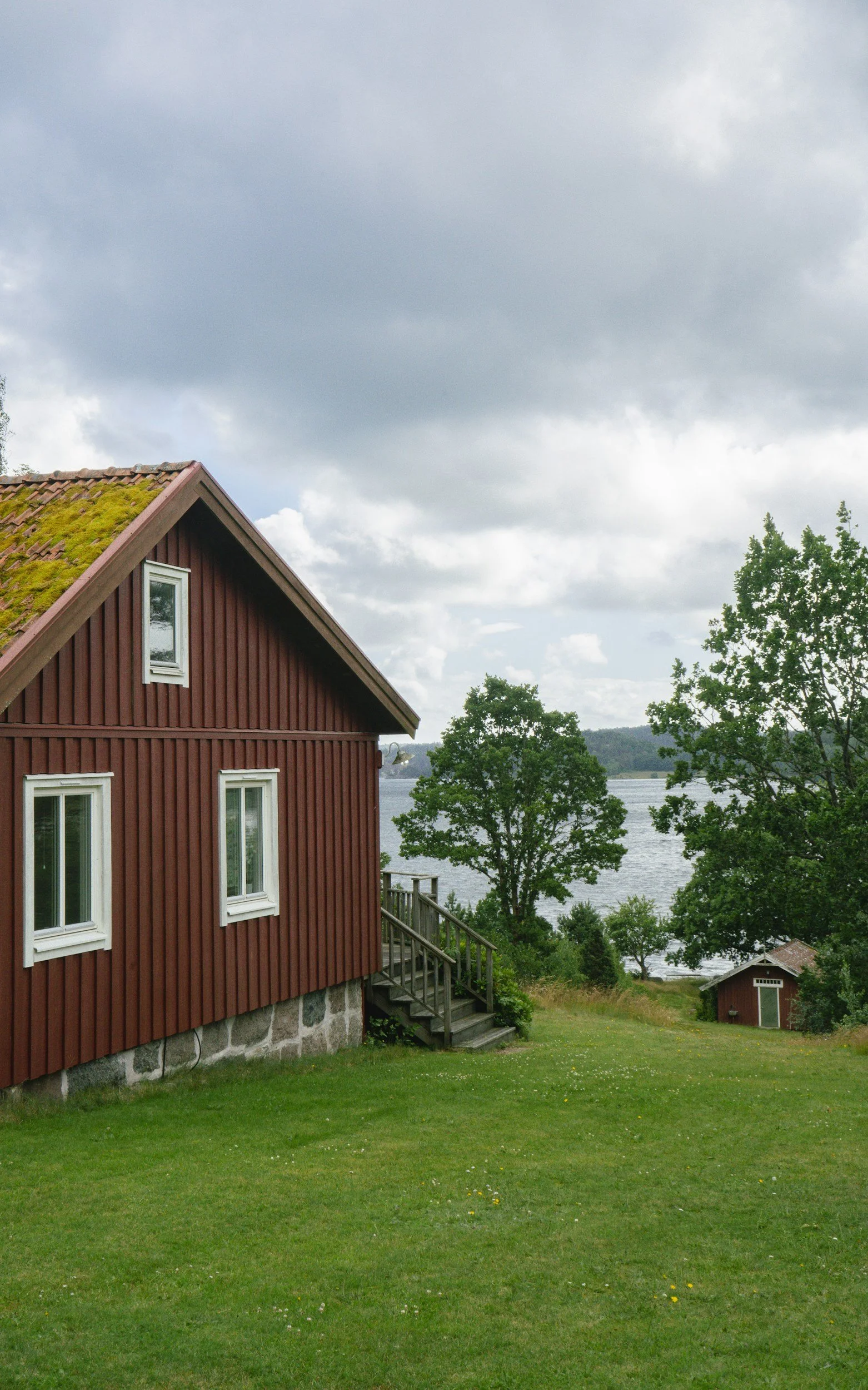
Local viewpoints in the High Coast
Around Nordingrå, several smaller viewpoints give you the same wide coastal views as the more well-known stops, but with shorter walks and easier access from local roads. Själandsklinten and Älgaberget are two of the most straightforward to include if you’re staying anywhere between Nordingrå kyrka, Mjällom, or along the road toward Ullånger. Both can be done in half a day without needing to plan around parking pressure or longer trail sections.
Själandsklinten sits just above the small village of Själand, about 10 minutes by car from Nordingrå kyrka if you follow the signs toward Själand and then continue onto a narrower gravel road. The parking area is small and not always clearly marked, so it’s easy to drive past if you’re not paying attention. From there, the trail starts directly into forest and takes around 20–30 minutes to reach the summit. The ground is mostly packed dirt with some exposed rock toward the top, and the incline is steady rather than steep. At the summit, the trees open up to a wide view across the Nordingrå peninsula, with a mix of forest, lakes, and sections of coastline where the land breaks into smaller islands. You can clearly see how the terrain shifts between inland farmland and the outer archipelago, which is part of what defines this area.
Because the walk is short, Själandsklinten works well as a late afternoon or evening stop. Around 18:00–20:00 in summer, the light sits lower over the landscape and the area is usually quieter than midday. There are no benches or built facilities at the top, just a few flat rock surfaces where people sit, so it’s common to bring something small to eat from Nordingrå beforehand. The closest place to pick that up is the ICA Nära Nordingrå near the church, which stays open later than most cafés in the area.
Älgaberget is located slightly inland, closer to the road that connects Nordingrå with Ullånger, and feels more like a local walking spot than a visitor destination. The parking area is reached via a forest road that branches off the main route, and the start of the trail is less obvious than at Själandsklinten. From the car, it takes around 30–40 minutes to reach the top, following a marked path that gradually climbs through mixed forest. The terrain is a bit more uneven here, with sections of roots and stones, but there are no technical parts or exposed sections.
At the top of Älgaberget, the view opens more toward inland Ångermanland rather than the outer coast. You’re looking over forested hills, smaller lakes, and scattered farmhouses rather than the islands, which gives a different perspective on the region. It tends to be quieter here even in July, partly because it’s not signposted in the same way and doesn’t sit directly along the coastal routes most visitors follow. You’re more likely to pass a few local walkers than larger groups.
If you’re planning to visit both, it makes sense to start with Älgaberget earlier in the day and then head toward Själandsklinten later on. The drive between them takes around 15 minutes, depending on which road you take, and both are within 20–25 minutes of most accommodation in the Nordingrå area. Since there are no facilities at either location, it’s easier to plan your day around Nordingrå kyrka, where you can stop for groceries, fuel, or a simple lunch before heading out.
If you’re in the mood for a longer hike, you can combine your visit to Älgaberget with a stroll through the nearby Nordingrå Nature Reserve, a protected area that boasts scenic trails, wildlife, and unique flora. This way, you get to experience more of the region’s diverse landscapes in one go.
Rotsidan and Berghamn along the High Coast
Rotsidan is located on the outer coast between Nordingrå and Barsta, and it’s one of the easiest places to reach if you want direct access to the shoreline without hiking for hours. From Nordingrå kyrka, it takes about 20 minutes by car following signs toward Barsta and then Rotsidan. The final stretch is a smaller road that leads to a designated parking area close to the water. From there, it’s only a few minutes’ walk before the forest opens up and you step out onto the flat, exposed rock coastline.
The shoreline at Rotsidan is shaped by the land uplift and constant wave movement, which has created long stretches of smooth granite slabs instead of sand. You can walk for quite a distance in either direction without needing to follow a marked trail, but the surface can be uneven and slightly slippery if it has rained. Good shoes make a difference here, even though it looks like an easy walk at first glance. There are a few wind shelters and simple benches near the parking area, but beyond that there are no facilities, so most people bring what they need from Nordingrå.
This is one of the more reliable places along the High Coast to spend time close to the water without crowds, especially outside the middle of the day. Early morning and later evening tend to be quieter, and it’s not unusual to see seals further out in the water if you stay for a while and keep a bit of distance from the shoreline edge. Birdlife is also more noticeable here than inland, particularly along the rocky sections where seabirds gather.
Berghamn sits further south, near Nora and the village of Torrö, and works better as a short stop rather than a full-day destination. From Härnösand, it takes around 25 minutes by car, and slightly longer if you’re coming from the central High Coast area. The road narrows as you get closer, and the harbour appears quite suddenly once you pass through the last stretch of forest.
The harbour itself is small, with a handful of red wooden buildings, boathouses, and a working dock that is still used by local fishermen. It’s not set up as a visitor attraction, which means there are no large signs, structured paths, or organized viewpoints. You walk directly along the harbour edge, past moored boats and storage sheds, and out toward the open water. It’s a place where people come and go rather than stay for long periods, and that’s part of why it still feels unchanged.
There is usually a small seasonal café open during summer months, often with limited opening hours depending on weather and demand, so it’s worth checking in advance or planning to eat elsewhere. Most people combine Berghamn with a visit to Härnösand or a stop along the coast rather than making a separate trip just for the harbour.
If you’re planning to visit both Rotsidan and Berghamn in the same day, it’s easier to start in Berghamn if you’re coming from the south and then continue north toward Nordingrå and Rotsidan. The drive between them takes around 45–50 minutes, depending on route, and gives a clearer sense of how the coastline shifts between more sheltered harbour areas and exposed outer coast.
Art and culture in the High Coast
Art and small-scale cultural spaces are spread out across the High Coast rather than concentrated in one place, so you tend to come across them while driving between villages rather than planning a full day around them. The area around Nordingrå is the most consistent if you want to see several stops in a short distance. From Nordingrå kyrka, you can reach multiple studios and exhibition spaces within 10–20 minutes by car, often along the smaller roads toward Själand, Mjällom, and Barsta.
One of the more established places is Mannaminne, located just outside Häggvik on the road toward Barsta. It’s not a traditional museum, and it doesn’t follow a fixed structure. Instead, it’s a collection of buildings, objects, and artworks assembled over time, including everything from boats and machinery to sculptures and smaller exhibitions. You walk through it at your own pace, usually over 1–2 hours, and most people combine it with a stop in Barsta afterward since it’s only a few minutes further along the same road.
Throughout summer, especially from late June to mid-August, many smaller studios open up across Nordingrå. These are often signposted with simple roadside boards rather than listed online, which means you’ll notice them as you drive. Opening hours can be irregular, but mid-day to early afternoon is usually the safest time to stop. You’ll find ceramics, textiles, and woodwork, often produced on-site, and in many cases you’re buying directly from the person who made it rather than from a shop.
If you’re closer to Örnsköldsvik, the cultural offer shifts slightly toward more structured spaces. The city has a small but active gallery scene, along with seasonal exhibitions and events, particularly during summer. It works well as a contrast to the smaller studios further south, especially if you’re already using Örnsköldsvik as a base or passing through by train.
Craft shops are also spread across the region, but they’re usually tied to individual studios rather than larger retail spaces. In Nordingrå, you’ll find a few clustered near the church area and along the main road, often open during the same months as the studios. These places tend to focus on practical items like ceramics, woven textiles, and small wooden objects rather than decorative souvenirs. Because the selection changes depending on who is working that season, it’s not something you can plan in detail ahead of time, but it’s easy to include a few stops as you move between viewpoints, trailheads, and coastal villages.
If you’re trying to fit this into a day, it works best to treat it as part of your route rather than a separate activity. For example, you can drive from Docksta toward Nordingrå in the late morning, stop at a couple of open studios along the way, visit Mannaminne early afternoon, and then continue toward Barsta or Rotsidan. That way you’re not going out of your way, and you’re seeing how these places actually sit within the landscape rather than visiting them in isolation.
Flea markets and local markets along the High Coast
Flea markets and small local markets are spread out across the High Coast and tend to follow a weekly or seasonal rhythm rather than fixed daily opening hours. You won’t find large, permanent market halls here, but instead a mix of village loppis, summer pop-ups, and occasional weekend markets that are usually announced with roadside signs or handwritten boards near junctions.
Around Nordingrå, it’s common to see “Loppis” signs along the smaller roads toward Själand, Mjällom, and Barsta, especially between late June and early August. These are often set up in barns, garages, or garden spaces, and opening times vary, but most are open between 11:00 and 16:00 on weekends. The selection leans more toward practical and local items rather than curated antiques, with things like enamel kitchenware, woven rugs, wooden furniture, and older household objects that reflect how homes in the area have been used over time.
If you’re closer to Härnösand, there are slightly more structured flea markets and second-hand shops open throughout the week. Härnösands loppmarknad and smaller charity-run shops near the town center are easier to plan around, especially if you’re passing through by train or staying overnight. These tend to have more consistent hours, usually late morning to early afternoon, and a broader mix of items including books, clothing, and small decorative pieces.
During summer, temporary markets also appear in connection with local events or smaller festivals. These are often set up near village centers or harbours, including places like Ullånger or Docksta, and usually run for a few hours rather than a full day. You’ll find a mix of local food producers, simple craft stalls, and second-hand sellers, rather than a polished market setup. Timing matters here, since many start packing up by mid-afternoon.
If you’re trying to include this in your route, it works best to stay flexible and stop when you see signs rather than planning exact locations in advance. Driving between Docksta, Nordingrå, and Barsta gives you the highest chance of passing several smaller setups in one day, especially on a Saturday. Since most places don’t take cards, having some cash makes it easier to buy smaller items without needing to rely on mobile payments.
Art spaces connected to where you stay
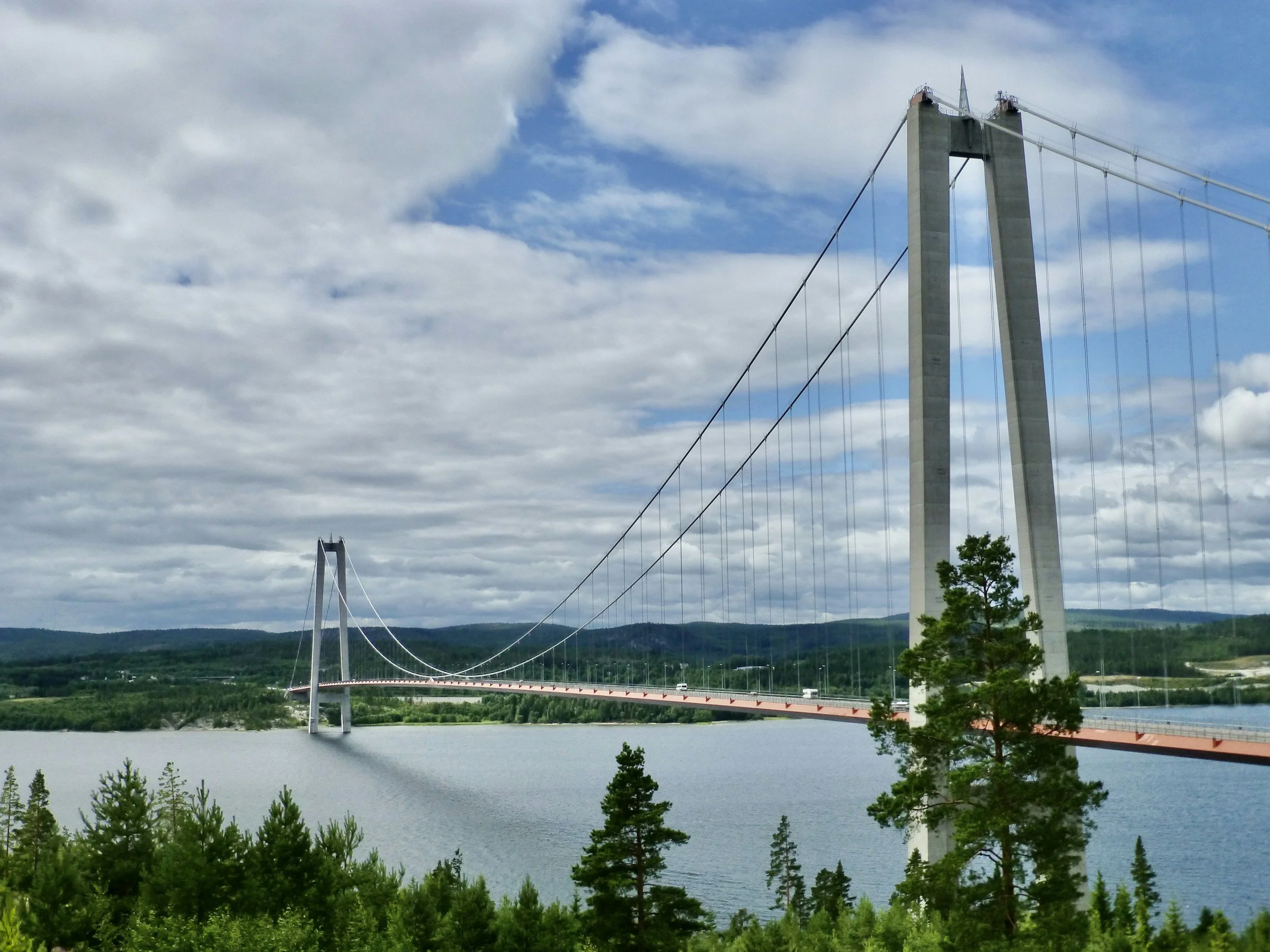
A few places along the High Coast combine accommodation with small-scale exhibitions, but it’s usually subtle rather than something you plan your trip around. The best example is Hotell Höga Kusten, located right next to the High Coast Bridge along the E4. Even if you’re not staying overnight, it works as a stop on the way through since the lobby, restaurant, and lounge areas are open to visitors. The hotel regularly displays work from local artists in these shared spaces, often changing throughout the season. It’s not presented as a formal gallery, but more as part of the interior, so you come across it while checking in, having lunch, or sitting by the windows overlooking the Ångermanälven river.
The location makes it easy to combine with other stops. From here, it’s about 15 minutes to Ullånger, 30 minutes to Docksta, and around 40 minutes up to Skuleskogen’s southern entrance. That means you can stop here for a meal or coffee in between hikes rather than making a separate trip just for the exhibitions. The restaurant usually serves lunch from late morning into the afternoon, with slightly longer hours during summer.
Further north, the visitor center at Skuleberget, known as Naturum Höga Kusten, sometimes includes smaller exhibitions tied to the landscape and local environment. These tend to focus on how the area has been shaped over time, along with occasional displays from regional photographers or artists working with nature-based themes. The building sits directly at the base of Skuleberget, next to the main parking area, so it’s easy to walk through either before or after heading up the mountain.
Opening hours at Naturum vary depending on the season, but during the main summer months it’s typically open from mid-morning until late afternoon. Outside of that period, it can be closed on certain weekdays, so it’s worth checking locally if you’re visiting earlier in the year. Since both locations are already along the main route through the High Coast, they work best as short stops that fit naturally into your day rather than destinations on their own.
Mannaminne: A Hidden World of History and Art in Nordingrå
Tucked away in the peaceful village of Nordingrå, Mannaminne is one of those places you’ll want to visit when you’re craving something different and personal. This quirky, open-air museum is the passion project of Allan Edmundsson, who’s spent years gathering and curating a fascinating collection of artifacts, old buildings, and local history. It’s not just a museum - it’s a journey into the past that feels both intimate and full of stories.
As you wander around Mannaminne, you’ll find yourself walking through old farmhouses, rustic barns, and tiny cottages, each one filled with vintage furniture, tools, and everyday items from a time long gone. It’s like stepping back into a Swedish countryside from another era. Allan’s personal collection brings the region’s past to life, and each corner of Mannaminne feels like a piece of living history! There’s even a room where you can experience how people lived, worked, and interacted with nature.
But Mannaminne isn’t just about history, it’s also a place that celebrates art. Allan himself is an artist, and his love for creating is woven throughout the museum. The collection includes sculptures, paintings, and handcrafted items that showcase the creative spirit of the High Coast. You’ll find works that are both modern and traditional, blending beautifully into the museum’s collection and surroundings.
If you visit, make sure to check out the gardens surrounding the museum. It’s the perfect spot to take a break, sit by the small lake, or just wander through the flowers and peaceful nooks. It’s a hidden gem that makes the experience feel even more special.
Keramik Stina in Nordingrå
Keramik Stina is one of the smaller ceramic studios in the Nordingrå area, and it’s the kind of place you usually come across while driving between villages rather than planning a full visit around. It’s located a short drive from Nordingrå kyrka, typically within 10–15 minutes depending on which road you’re coming from, and like many studios in the area, it’s signposted with a simple roadside board rather than large signage.
Opening hours are seasonal and often limited to late morning through mid-afternoon, especially between late June and August. Outside that period, it may only open on selected days, so it works best as a flexible stop rather than a fixed plan. The studio itself is small, usually set up in or next to the artist’s working space, which means the layout can change depending on what’s currently being produced.
The ceramics here focus on practical pieces rather than decorative items. You’ll find bowls, mugs, plates, and smaller objects that are meant to be used daily, often in neutral tones with simple finishes. The style tends to be consistent across collections, with variations in shape and glazing rather than large shifts in design. Since production is done on-site and in small batches, the selection depends on what has been recently fired, so it won’t look the same from one visit to the next.
Most people stop here briefly while moving between other places in Nordingrå, such as Själandsklinten, Mannaminne, or the road toward Barsta. There’s no café or seating area connected to the studio, so visits are usually short, around 15–20 minutes, before continuing on. Parking is typically informal, either along a gravel driveway or a small designated space nearby.
If you’re planning to include it in your route, it works best to combine it with other stops in the same area rather than driving out specifically for it. The distances are short, and several studios are scattered within a 10–20 minute radius, which makes it easy to include two or three places in the same stretch without adding much extra time.

Where to eat and drink along the High Coast
Food options along the High Coast are spread out and often tied to specific villages, so it helps to plan stops based on where you are during the day rather than expecting to find something everywhere. Around Nordingrå, Docksta, and Ullånger, you’ll find a mix of small cafés, seasonal restaurants, and a few places that combine a shop with simple meals.
Gårdsbutiken i Nordingrå is one of the more reliable stops in the Nordingrå area, located close to Nordingrå kyrka along the main road that runs through the village. It’s easy to reach if you’re moving between Själandsklinten, Mannaminne, or heading out toward Barsta. Parking is straightforward, usually just outside or along the roadside.
During summer, it operates as both a café and a small restaurant, typically open from late morning into the afternoon. The menu is built around local ingredients, and it changes depending on what’s available, but you can usually expect simple lunch dishes, baked goods, and coffee. It’s a practical place to stop after a morning hike or before heading further out toward the coast, since options become more limited once you leave the main village area.
Inside, there’s also a small shop section with local products like cheeses, jams, and bread, most of it produced within the region. The layout is compact, so it can get busy around lunchtime, especially between 12:00 and 14:00 in July. If you want a quieter visit, it’s easier to come earlier in the day or later in the afternoon when most people have already passed through.
If you’re building your day around Nordingrå, this is one of the easier places to include without making a detour. From here, it’s about 10–15 minutes to Själandsklinten, around 20 minutes to Barsta, and roughly 25 minutes back toward Docksta, which makes it a natural stop between activities rather than a destination on its own.
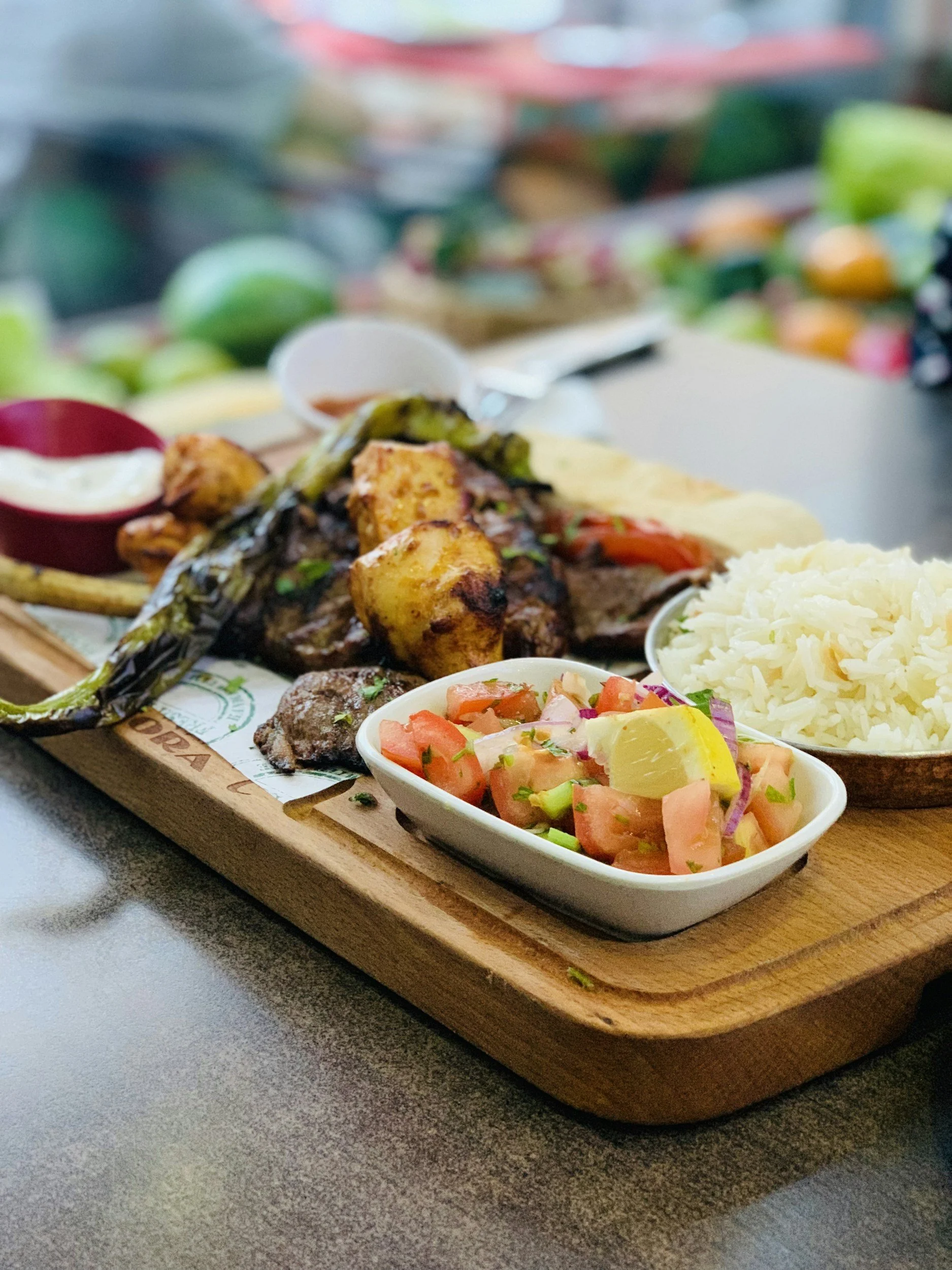
More places to stop for coffee, pastries, and drinks
Pers Goda Bullar is located just off the E4 as you pass through Ullånger, which makes it one of the easiest stops to include if you’re driving between Härnösand, Docksta, and the northern part of the High Coast. It’s a small bakery rather than a full café, and most people come here specifically for takeaway rather than sitting down for a long break. The cinnamon buns are baked fresh in batches throughout the day, so timing affects what’s available. Late morning tends to be the safest window if you want a full selection, while mid-afternoon can be more limited. Parking is simple, usually right outside, and visits are quick, often 10–15 minutes before continuing along the road.
Honungscaféet sits a short drive from Härnösand, closer to the village of Nora, and works better as a slower stop compared to Ullånger. The café is slightly set back from the main road, and you follow smaller signs for the last stretch. During summer, it’s typically open from late morning into the afternoon, with most people arriving between 12:00 and 15:00. The focus here is on baked goods and lighter dishes using locally produced honey, which shows up in everything from cakes to simple lunch options. There’s both indoor seating and a garden area, and the outdoor tables are usually the better choice when the weather allows. Since opening days can vary outside peak season, it’s easier to plan this stop in July or early August when hours are more consistent.
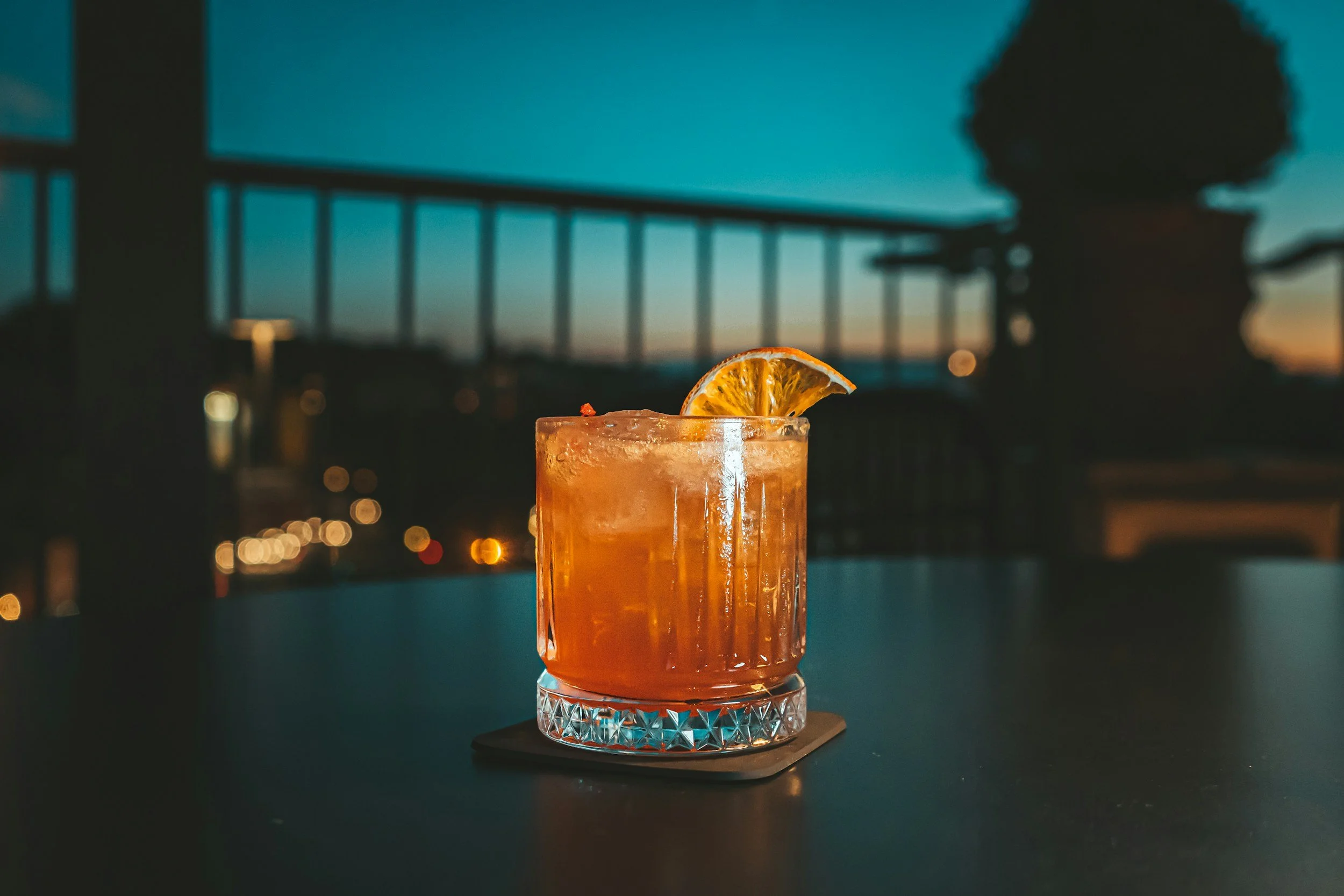
For an evening stop, Hernö Gin Hotel Rooftop Bar is one of the few places in the region that stays open later. It’s located in central Härnösand, within walking distance of the harbour and main square, so it’s easy to reach if you’re staying in town or arriving by train. The rooftop is usually open during the warmer months, with seating facing out toward the water. Drinks are built around locally produced gin, and there’s a small menu of lighter dishes rather than full meals. It’s most active in the early evening, typically between 17:00 and 21:00, and quieter later on. Since this is one of the few places in the area with extended hours, it works well as a final stop after a day spent along the coast before heading back to your accommodation.

Restaurants worth planning around
The restaurant at Hotell Höga Kusten sits directly next to the High Coast Bridge along the E4, which makes it one of the easiest places to include without changing your route. It’s about 30 minutes south of Docksta and works well as a stop if you’re driving between Härnösand and the central High Coast area. Parking is directly outside the hotel, and the restaurant is open to non-guests.
Inside, the dining room is positioned toward the river and bridge, with large windows facing the Ångermanälven. Lunch is usually served from late morning into mid-afternoon, while dinner hours are more limited outside peak summer. The menu changes with the season but typically includes a mix of fish, meat, and vegetarian dishes based on what’s available locally. It’s one of the more structured dining options in the region, so it works better if you want a proper sit-down meal rather than a quick stop. If you’re visiting in July or early August, it’s worth arriving slightly before or after peak lunch hours, as the restaurant can fill up quickly due to its location along the main road.
Further north, Fiskarfänget is located in the harbour at Norrfällsviken, about 25 minutes from Nordingrå and closer to the outer coastline. The drive out involves smaller roads, especially the final stretch toward the harbour, but it’s straightforward if you’re already exploring the Nordingrå peninsula. This is more of a destination stop compared to places along the E4, and most people combine it with time by the water rather than visiting just for the meal.
The restaurant focuses on seafood, with dishes changing depending on what’s available that day. Expect a short menu rather than a wide selection, often including fish soups, fried or grilled fish, and simpler sides. Seating is usually a mix of indoor tables and outdoor spots near the harbour, which are more popular in good weather. Opening hours are seasonal and can be limited outside summer, so it’s easier to plan this stop between late June and early August when service is more consistent.
If you’re building a day around this part of the coast, it works well to visit Norrfällsviken in the afternoon, walk along the harbour or nearby shoreline, and then eat early evening before heading back toward Nordingrå or your accommodation. The area quiets down quickly later in the evening, and there are few alternative dining options nearby, so timing matters a bit more here than in places closer to the main road.
Craft spirits along the High Coast
Two distilleries define the High Coast’s drinks scene, and both are easy to include if you’re already moving along the main route between Härnösand and Kramfors.
Hernö Gin Distillery is located just outside Härnösand, a few minutes’ drive from the town center. If you’re arriving by train, it’s also reachable by taxi in under 10 minutes. Visits are usually structured around guided tours, which need to be booked in advance during summer. These run at set times rather than continuously throughout the day, so it’s worth planning your route around a specific slot.
The distillery itself is compact, and the tour moves through the production space step by step, including the still room and storage areas. Tastings are typically included at the end, with a focus on their core range rather than a long list of variations. Most people spend around 60–90 minutes here in total. Since it sits close to Härnösand, it works well to combine with an overnight stay in town or an evening stop at the harbour or nearby restaurants.
Further inland, High Coast Whisky Distillery is located near the Ångermanälven river, about 30 minutes from Härnösand and 20 minutes from Kramfors. The setting is more open compared to Hernö, with the distillery buildings spread out near the water. It’s directly accessible by car from the main road, and there’s a larger parking area on-site.
Tours here are also scheduled at fixed times and usually take around 90 minutes, often including both production areas and warehouse spaces. There’s a restaurant and bar connected to the distillery, which makes it easier to stay longer and plan a proper stop rather than just a quick visit. Lunch service is more consistent than dinner outside peak season, so mid-day tends to be the most reliable time to visit.
If you’re trying to include both in the same trip, it’s easiest to start in Härnösand with Hernö Gin and then continue north or inland toward High Coast Whisky. The drive between them takes around 30–40 minutes, depending on route, and both sit close enough to the E4 corridor that you don’t need to make major detours. Booking ahead is important in July and early August, as tour spots can fill up quickly, especially in the afternoon.
Planning a trip to the High Coast
The High Coast works best when you keep the plan simple and give yourself time to move between places without trying to cover everything. Distances are short on the map, but the roads are slower, especially once you leave the E4 and head out toward Nordingrå, Barsta, or Norrfällsviken. A typical day might include one longer stop in the morning, a lunch break near Ullånger or Nordingrå, and then a second stop in the afternoon without needing to rush between locations.
Most people arrive either by train to Kramfors or Örnsköldsvik, or by car along the E4. If you’re relying on public transport, it’s possible to reach the main towns, but getting to trailheads, viewpoints, and coastal villages becomes more time-consuming. A rental car makes a noticeable difference here, especially if you want to combine places like Skuleskogen, Nordingrå, and the outer coast in the same trip.
Where you stay shapes the experience more than anything else. Docksta works well if you want quick access to Skuleberget and Skuleskogen, while Nordingrå is better if you’re planning to explore smaller roads, studios, and coastal areas like Rotsidan and Barsta. Härnösand is the most practical base if you’re arriving without a car or want access to restaurants, shops, and evening options.
July is the busiest month, particularly between 11:00 and 15:00 at well-known spots like Skuleberget and Skuleskogen’s southern entrance. Early mornings and later afternoons are noticeably quieter, and it’s easier to move between places without waiting for parking or navigating around groups. Outside peak summer, opening hours for cafés, restaurants, and studios become more limited, so it’s worth checking locally rather than assuming places will be open.
If you’re planning around summer, it’s worth knowing how everything shifts during Swedish midsummer before you lock in dates. Maybe you’ll combine a weekend in Stockholm with a trip up north to the High Coast?
The High Coast isn’t built around one central village or main attraction, which means the experience comes from how you put the pieces together. Short drives between viewpoints, a stop for lunch in Nordingrå, time by the water at Rotsidan, and an evening back near your accommodation tend to work better than trying to fit in too many stops in one day.
Most routes through the High Coast pass near Umeå anyway, and this Umeå weekend helps you decide if it’s worth stopping a night or two.
FAQ about visiting the High Coast in Sweden
How do you get to the High Coast (Höga Kusten) in Sweden?
Most people arrive by car via the E4, which runs directly through Härnösand, Ullånger, Docksta, and Örnsköldsvik. If you’re traveling by train, the closest stations are Kramfors and Örnsköldsvik. From there, you’ll need a rental car, taxi, or bus to reach places like Skuleskogen National Park or Nordingrå. Kramfors-Sollefteå Airport is the nearest airport, about 30–40 minutes from the central High Coast.
Do you need a car in the High Coast Sweden?
Yes, for most trips a car is the easiest way to get around. You can reach towns like Härnösand and Örnsköldsvik by train, but hiking areas, coastal viewpoints, and villages like Nordingrå and Barsta are difficult to reach efficiently without a car. Driving distances are short, usually 10–30 minutes between stops, but public transport connections are limited.
Where should you stay in the High Coast? (Docksta vs Nordingrå vs Härnösand)
Docksta is the most practical base for hiking, with quick access to Skuleberget and Skuleskogen. Nordingrå works better if you want to explore smaller roads, viewpoints, and coastal villages. Härnösand is the easiest option without a car, with restaurants, shops, and train connections. Choosing the right base reduces daily driving and makes the trip more manageable.
Where you stay changes the whole feel here, especially once you’ve seen what’s possible in these sleep stays Sweden.
What are the best things to do in the High Coast Sweden?
Most trips combine hiking, short drives, and coastal stops. Skuleskogen National Park and Skuleberget are the main hiking areas. Rotsidan and Norrfällsviken give direct access to the coastline. Nordingrå is known for viewpoints like Själandsklinten and smaller studios. Many visitors also include a distillery visit or a stop in Härnösand.
Is Skuleskogen National Park worth visiting?
Yes, especially for shorter hikes with clear viewpoints. The walk from Entré Syd to Slåttdalsskrevan takes around 2–3 hours return. Entré Nord is quieter and gives faster access to the coast. Trails are uneven in places, with roots and rock sections, so proper footwear is recommended.
Can you visit Skuleberget without hiking?
Yes. A cable car runs from the base near Docksta and takes about 10 minutes to reach the summit. It operates mainly during summer, with departures every 15–20 minutes. Hiking to the top takes around 45–60 minutes via marked trails.
When is the best time to visit the High Coast Sweden?
Late June to August is the most practical time, with full access to trails, cafés, and activities. July is the busiest, especially mid-day. Late June and early August are quieter while still having good availability. Outside summer, the area is much quieter but many places have limited opening hours.
How many days do you need in the High Coast?
Two to three days is enough for a balanced trip. One day for Skuleskogen and Skuleberget, one for Nordingrå and the coast, and one for Härnösand or distilleries. With one day, it’s better to stay in one area rather than trying to cover the full region.
Are there restaurants and cafés in the High Coast?
Yes, but they are spread out and often seasonal. Ullånger, Docksta, Nordingrå, and Härnösand have the most consistent options. Many cafés close by mid-afternoon, and evening dining is mainly available in Härnösand or larger hotels.
Can you visit Hernö Gin and High Coast Whisky distilleries?
Yes, both offer guided tours and tastings. Hernö Gin is just outside Härnösand, while High Coast Whisky is about 30 minutes inland near the Ångermanälven river. Tours run at fixed times and should be booked in advance during summer.
Are there flea markets (loppis) in the High Coast Sweden?
Yes, especially in summer. Around Nordingrå, Ullånger, and nearby villages, you’ll see roadside “Loppis” signs on weekends, usually open between 11:00 and 16:00. These are small, informal setups rather than large organized markets.
When is the High Coast least crowded?
Early mornings and evenings are quieter throughout summer. For fewer visitors overall, late June and early August are better than mid-July. Outside summer, the region is very quiet but services are limited.