
Before you book a chambre d'hôtes in France, read this
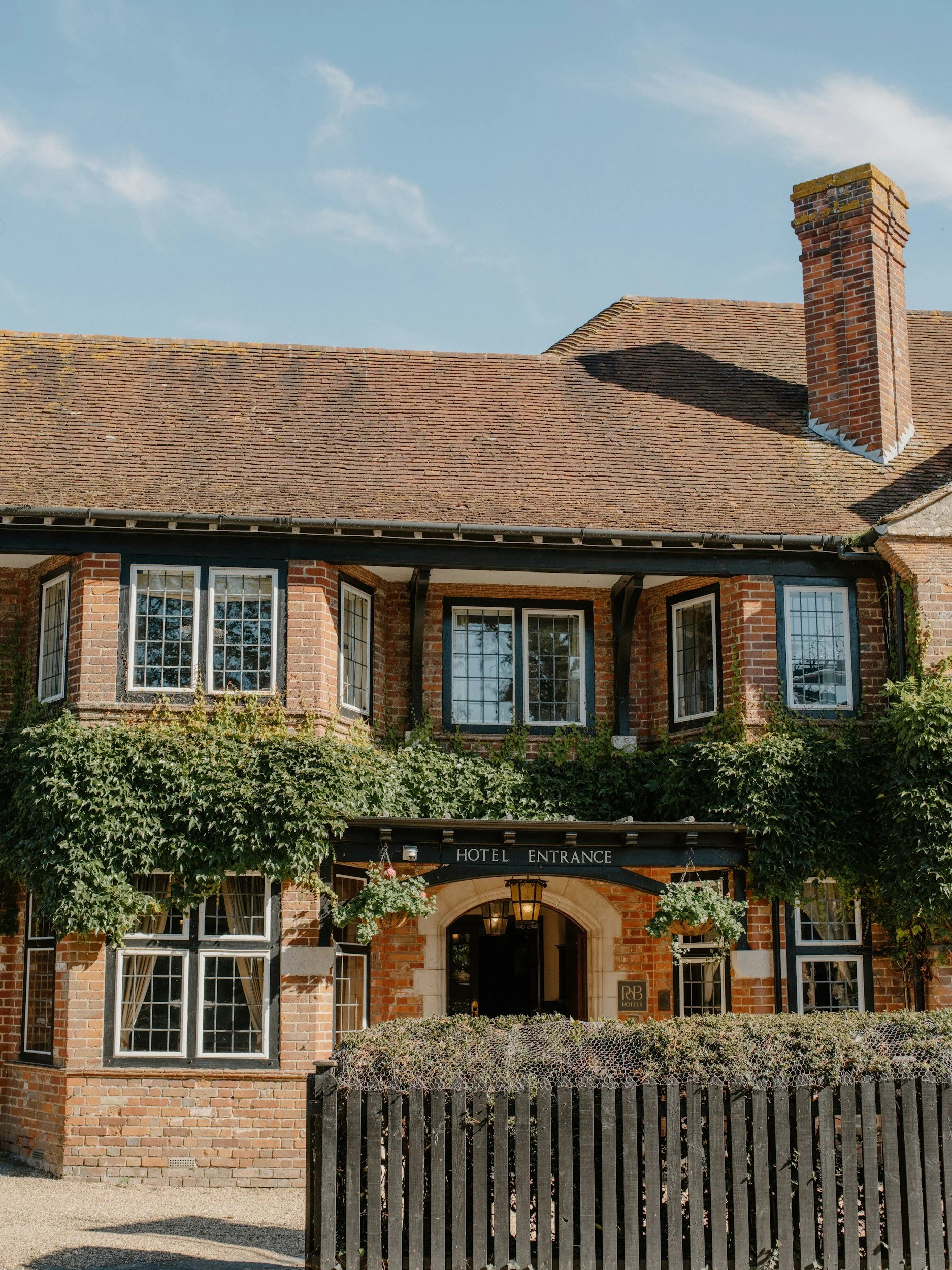
Booking a small guesthouse in rural France isn’t difficult, but it does work differently than most people expect.
At first, it can feel a bit confusing. You’ll find places that don’t show up on Booking.com, calendars that don’t quite match what’s available, and booking processes that feel slower and more personal. That’s not because anything is disorganised. It’s simply how chambres d’hôtes are run.
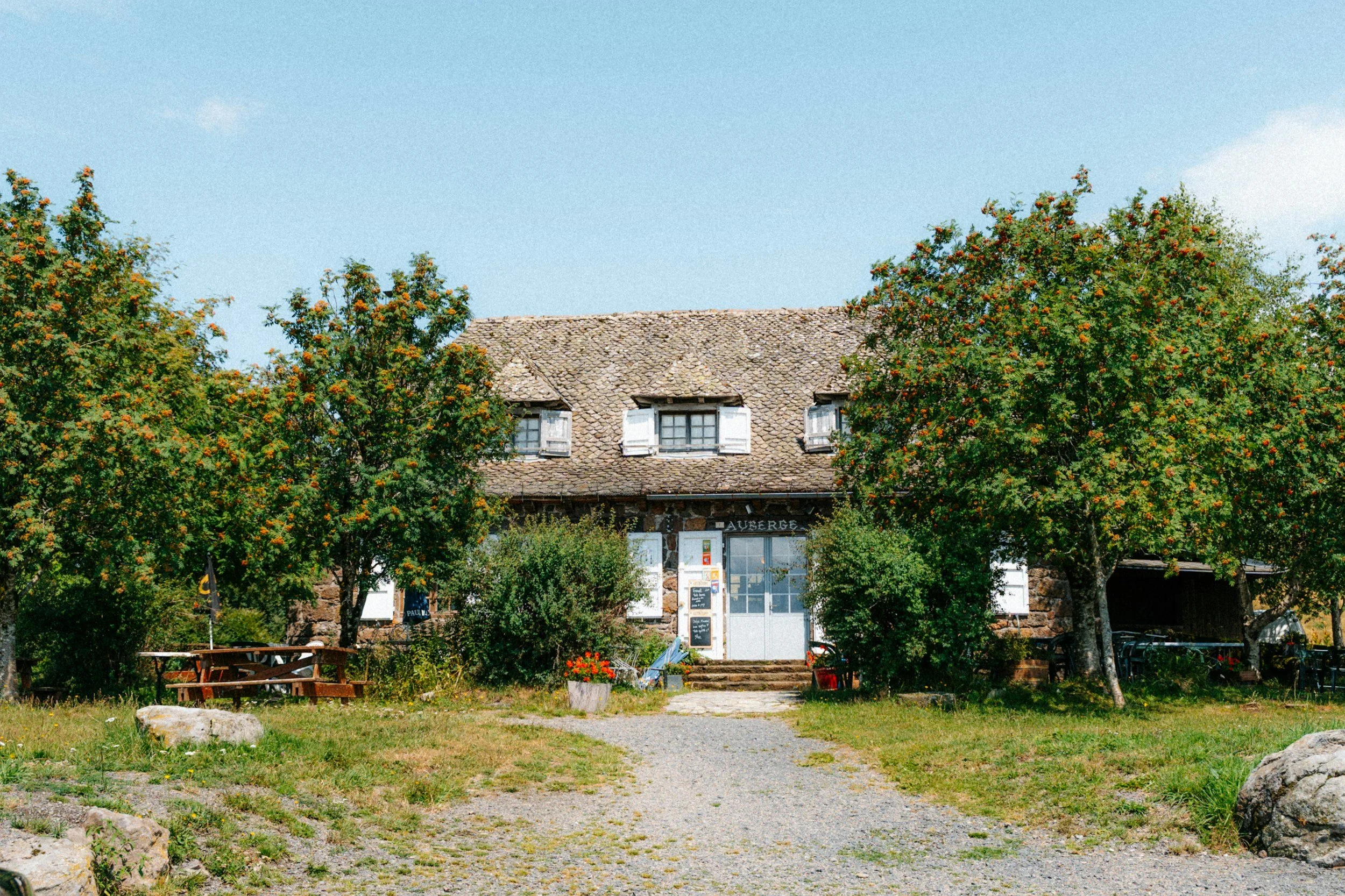
Most of these guesthouses are private homes with just a few rooms, usually three to five, where the owner lives on site and manages everything themselves. There’s no reception desk or automated system behind the scenes. When you book, you’re dealing directly with the person who runs the house, and your stay naturally fits around how they live and work.
That becomes obvious quite quickly once you start searching. Many of the best places aren’t listed on major platforms at all, or they only list one or two rooms while keeping the rest for direct bookings. Instead, they rely on their own websites, email enquiries, or local tourism listings. Availability is often updated manually, so it’s normal to send a message, wait for a reply, and confirm details directly rather than booking instantly.
Arrival is another thing that works a bit differently. Check-in is usually within a set time window, often early evening, and it’s expected that you plan around that. If you’re arriving by train and continuing by car, or driving through smaller villages, it’s worth checking the route in advance. Roads aren’t always clearly marked, and arriving late without a plan can be more stressful than it needs to be.
Breakfast is almost always included, but it’s not set up like a hotel. It’s served at a shared table at a specific time, with whatever has been prepared that morning. In smaller villages, there often aren’t early cafés or bakeries nearby, so it makes sense to plan your morning around this rather than assuming you’ll head out for coffee.
Payment can also be a bit more traditional. Some places accept cards, but it’s still common to pay a deposit by bank transfer and settle the rest in cash when you arrive, especially during the summer season.
Once you understand these details, everything starts to feel much more straightforward. You’re not trying to navigate a complicated system, just a smaller, more personal way of travelling where everything is handled directly by the host.
And that also changes how you search.
Instead of starting with something broad like “rural France guesthouse,” it’s much more effective to search for a specific village or small town together with “chambres d’hôtes.” That immediately brings up places that are actually located there, rather than larger hotels in nearby cities.
Google Maps is one of the easiest ways to do this. Zoom in on an area, search directly within the map, and you’ll often find small guesthouses listed individually, sometimes with just a few photos and a simple website. These are often the places that don’t appear on booking platforms at all.
It also helps to search in French. Terms like “chambres d’hôtes,” “maison d’hôtes,” or “table d’hôtes” if you’re looking for dinner will usually lead to more relevant results, especially since many owners write their websites primarily in French.
Local tourism websites are worth checking as well. They’re often managed at a regional level and can feel a bit outdated, but they tend to include smaller, registered guesthouses that are easy to miss elsewhere.
From there, it becomes quite simple. You find a place that feels right, check the location carefully, and send an email with your dates. It’s normal to contact a few places before finding the one that fits, especially in summer when availability is more limited.
If you’re still deciding where to base yourself, it helps to look at a few better areas for longer stays in France rather than jumping between places too quickly.
What “rural” actually means for location and getting around
When a guesthouse is described as rural in France, it often means it sits outside the village rather than within it. In areas like the Dordogne around Sarlat-la-Canéda, many properties are located along the D46 or smaller connecting roads, with the nearest bakery in a village such as Beynac-et-Cazenac or Saint-André-d’Allas a 10 to 15 minute drive away. Luberon is similar, where guesthouses around Gordes or Ménerbes are usually set among vineyards or olive groves a few kilometres from the centre, often accessed by narrow roads without lighting.
It helps to check the exact address rather than relying on the map preview. A property can be listed under a well-known village but still sit several kilometres outside it. Around Uzès in the Gard, for example, many chambres d’hôtes are technically in the commune but located closer to smaller hamlets like Saint-Siffret or Arpaillargues-et-Aureillac, where there are no shops open in the early morning and limited options for dinner unless you drive back into town.
Walking is rarely practical in these setups, even when distances look short. Roads between villages such as Roussillon and Goult, or between smaller Dordogne hamlets, are often narrow, without pavements, and used by local traffic. During the day it can be manageable for short stretches, but in the evening it is not something most guests rely on.
Arriving by train works best if you choose locations tied to active regional lines. Towns like Avignon, Nîmes, or Agen have regular connections, but from there you still need to cover the last stretch. In the Luberon, a common route is arriving at Avignon TGV and then arranging a 45 to 60 minute transfer to villages like Bonnieux or Lacoste. In the Dordogne, stations such as Sarlat or Souillac are useful, but taxis need to be booked in advance, especially outside July and August when availability drops.
Having a car makes the stay easier to manage. It allows you to plan dinners in nearby villages, visit morning markets in places like Uzès or L’Isle-sur-la-Sorgue, and return to the guesthouse without checking transport times. In regions where table d’hôtes is offered, you can stay in for dinner, but it is still common to drive out during the day for groceries, cafés, or short visits to neighbouring towns.
Parking is usually straightforward but still worth checking. Most properties offer space on site, often in a courtyard or just outside the house, but access can involve tight turns or narrow entrances. In older villages or hillside areas like Gordes, streets can be restricted, so it is useful to confirm where you are expected to park and how far it is from the entrance.
Some of the most memorable stays tend to be smaller, owner-run houses like the ones featured in this guide to cozy accommodations in the south of France, where the experience is shaped just as much by the host as the location.
Searching in French, not English, and accepting slightly broken websites
If you search in English, you mostly get places that are set up to attract international guests and fill rooms through platforms. They’re often bigger houses with slick photos and the same availability widgets everywhere. Switching to French changes the results almost immediately. Searching for “chambres d’hôtes” or “maison d’hôtes” brings up places that have been running quietly for years and mostly host French guests. Their websites are often simple, sometimes a bit clumsy, with a calendar that only works on desktop or a contact page that looks untouched since 2012. But you’ll usually find the details that matter, like how many rooms there are, what time breakfast is served, and whether dinner is even an option. If the site feels slightly unfinished but clearly written by the people who run the house, that’s often a good sign they spend more time hosting than updating webpages.
Looking for “chambres d’hôtes” in specific regions, not regions as a whole
Searching for an entire region usually gives you hundreds of results and mostly shows the places that are already good at being visible online. It gets noisy fast. When you narrow it down to a department or a small area, the results slow down in a useful way. Departments like Lot, Creuse, Aveyron, or Haute-Saône still have plenty of small guesthouses that fill up through repeat guests and local networks. Searching for the department name together with “chambres d’hôtes” often leads to personal websites or old-fashioned directories rather than booking platforms. It also helps later on when you’re looking at a map and trying to work out whether the house is three kilometres from the nearest village or closer to fifteen, which matters a lot if you’re not driving.
Checking the distance to the nearest train station before falling in love with photos
Photos almost never show how isolated a place really is. Before getting attached to a house, it’s worth checking the address against the nearest train station or bus stop. In rural France, ten kilometres can mean a flat road with regular taxis or a narrow route with no pavement and no service after mid-afternoon. If you arrive after 17:00, especially on a weekday, taxis may already be finished for the day. Looking at the actual route between the station and the house, down to the road layout and whether there’s any elevation, tells you far more about what arrival will be like than photos ever will.
Reading Google Maps reviews written by locals, not international guests
Google Maps reviews are most useful when you look at who wrote them and what they mention. Reviews written in French often talk about everyday details, like breakfast being served at 8:30, whether the house is quiet after dinner, or if the hosts are usually around in the afternoon. International reviews tend to stay broad and focus on comfort or atmosphere, which doesn’t tell you much about how the place runs. Mentions of shared tables, set meal times, or how far it is to the nearest village bakery usually give a much clearer picture of what staying there is actually like day to day.
Using regional tourism office sites that still look like they’re from 2008
Many regional tourism offices in rural France still run very simple accommodation pages that haven’t changed much in years. They often look dated, sometimes with tiny photos or PDFs that feel left over from another era, but the listings themselves are usually solid. You’ll often see just a phone number, a short description, and maybe one exterior photo taken on a sunny day. These are usually places that have been open for a long time and operate on a steady routine. They’re more likely to close for a few months in winter than vanish completely, and the notes about opening periods, meals, or language spoken are often more accurate here than on larger booking sites.
Paying attention to check-in times that assume you arrive before dinner
Check-in times in rural guesthouses usually follow the hosts’ own schedule rather than anything designed for late arrivals. Many places expect you between 16:00 and 18:00, and after that the house often shifts into dinner mode or closes up for the evening. If you arrive later, especially after 19:00, you may find that the nearest restaurant is already closed or only opens on certain days. It’s still common for hosts to ask you to call on the day you arrive to confirm your timing, not out of formality, but so they know whether to keep dinner warm, set the table, or lock the gate for the night.
If you’re planning your stay around food, it’s worth choosing a region where you can easily explore nearby producers, like these cheese caves in eastern France, which are often easier to visit when you stay nearby.
Emailing directly and waiting a day or two for a reply, especially outside summer
Emailing directly is still the normal way to book many family-run guesthouses. Replies are not always quick, especially outside summer or during periods like harvest, when the hosts are busy with other work. Waiting a day or two is common and usually means nothing more than someone answering emails in the evening rather than throughout the day. When replies come, they’re often short and to the point, covering dates, price, and what time you should arrive. Once those details are settled, everything tends to move smoothly, even if the first response takes a bit of patience.
Noticing when a place mentions shared breakfast at a fixed hour
When a place mentions breakfast at a fixed hour, it usually tells you quite a lot about how the house runs. A set time often means there are only a few guests and the host prepares everything themselves, sometimes in the same kitchen they use every day. Breakfast might be at 8:30, with everyone seated at one table, and nothing happens before that. If you’re planning an early train or want to leave before breakfast, that detail matters. These notes are often tucked into a short paragraph on the website, but they give a clear sense of how mornings are structured and how flexible, or not, they are.
Cross-checking the address against satellite view to understand how rural it really is
Satellite view often tells you more than the written description ever will. You can see straight away whether the house sits on its own, is surrounded by open fields, or is part of a small cluster of buildings. That makes a big difference if you’re hoping to walk into a village or grab a coffee without getting in a car. A place described as “near the village” can still mean a three-kilometre walk along a road with no pavement or lighting. Satellite view also shows if the house is part of a working farm, which usually means tractors in the morning and some level of activity during the day.
In areas where tourism isn’t only seasonal, like the regions covered in this guide to French countryside destinations, you’ll often find chambres d’hôtes that feel more connected to everyday village life.
Avoiding places that list ten identical rooms with numbers instead of names
When a place lists ten rooms by number, it usually runs more like a small hotel than a family house. In smaller, family-run guesthouses, there are often only a few rooms, and they tend to have names rather than numbers, even if the descriptions are brief. That usually goes hand in hand with hosts who are around during the day, setting the breakfast table themselves or checking in when guests arrive. When every room looks the same and the pricing is fixed across the board, the stay tends to follow a set system, with less flexibility and less sense of how the house actually functions as a home.
Watching for seasonal closure notes tied to hunting season or winter weather
Seasonal closure notes in rural France are often tied to very practical reasons rather than booking levels. Hunting season, winter road conditions, or farm work can all affect when a house opens or closes. These details are usually mentioned briefly, sometimes in a single line at the bottom of a page. It’s easy to miss, but it matters. Turning up in November to find a house closed until spring, or discovering that the nearest restaurant shuts for the season at the same time, is a common enough situation if you don’t check carefully.
Searching village names plus “maison d’hôtes” instead of the nearest town
Searching by village name instead of the nearest town often turns up places you wouldn’t see otherwise. Many small guesthouses are closely tied to their village and don’t bother positioning themselves under a larger, better-known town nearby. They rely on local reputation and repeat guests, not regional visibility. This kind of search also gives you a clearer sense of what’s actually there once you arrive, whether the village has a bakery that opens in the morning, a café that serves lunch, or just a church and a few houses. Those details matter when you’re planning your days and don’t want to drive anywhere.
Markets are also a good reason to stay a few nights rather than pass through. This overview of brocantes and vide-greniers gives a better sense of how to plan around market days and second-hand fairs.
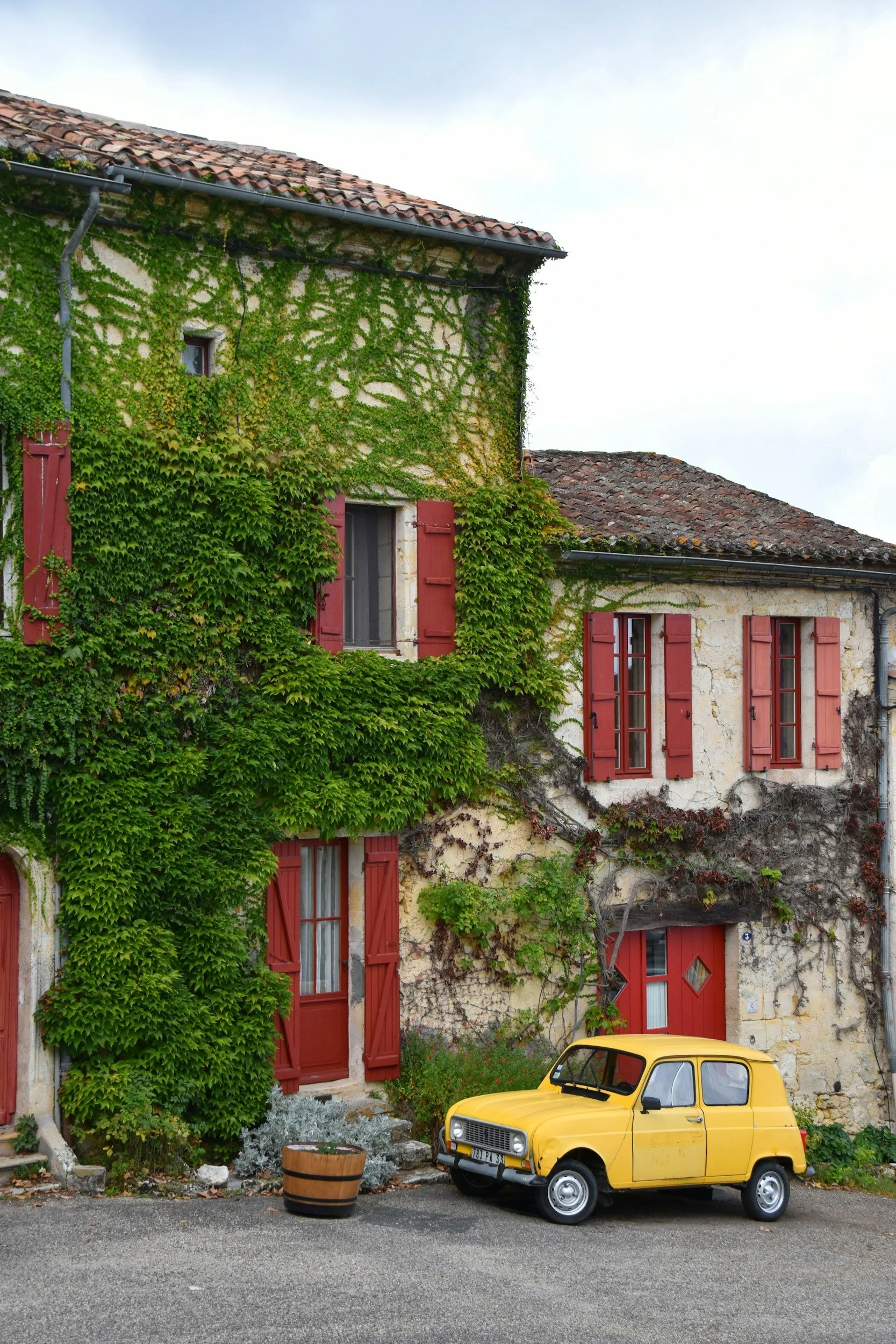
Looking at meal descriptions to see if the hosts actually cook or just serve coffee
Meal descriptions usually give a good idea of how the household works. Some places offer dinner at a fixed time, often the same every evening, while others only mention breakfast and assume you’ll eat elsewhere. When dinner is offered, the wording matters. Details like a set hour, a shared table, or a note about needing to reserve in advance tell you how regular the meals are. If the description stays vague, it often means meals are occasional or depend on who is staying, which makes a difference in areas where the nearest restaurant might be several kilometres away and not open every night.
Planning arrival around limited evening transport in rural departments
Evening transport in rural departments is often very limited. Trains can stop earlier than you expect, and buses may only run in the morning and around lunchtime. Arriving earlier in the day gives you time to get your bearings, pick up food, and reach the house before everything closes. If you arrive after 18:00, it’s common to find shops shut and no transport options left. Most guesthouses assume you’ve planned around local schedules and won’t have a solution if you arrive late.
Accepting that some of the best places won’t have instant confirmation
Instant confirmation is still rare with small, family-run guesthouses. Availability is often handled manually, sometimes written in a notebook rather than updated online. That means you may need to wait for a reply before you can lock anything in. It can slow down planning, but once you hear back, details like arrival time, payment, and length of stay are usually clear, and there’s less back-and-forth once you actually arrive.
Saving phone numbers and being ready to call if email feels slow
Phone contact is still common, especially for arrival details or last-minute questions. Many hosts prefer a quick call to confirm what time you’ll arrive or to explain directions that don’t translate well over email. Having the number saved and being willing to call, even with simple French, often clears things up in a few minutes. These calls are usually short and practical, focused on timing, gates, or which road to take rather than small talk.
Checking if Sunday arrivals are mentioned at all
Sunday arrivals can be tricky in rural France. Some guesthouses don’t accept arrivals at all on Sundays, while others expect you much earlier in the day than on weekdays. If Sunday isn’t mentioned anywhere, it’s best to ask directly rather than assume. Turning up to a closed gate or an empty house is not unusual if you don’t check, and Sundays also affect transport and food options, with many shops and restaurants closed.
Noting when hosts live on-site versus managing multiple properties
Hosts who live on-site tend to be more involved in daily routines and available for practical questions. You’ll often see this mentioned directly, or it shows up in small details, like breakfast being prepared in the same kitchen every morning or the host being around when guests come back in the afternoon. When a guesthouse is one of several properties managed by the same owner, things tend to run on a set system instead. Check-in is more formal, breakfast is handled the same way every day, and questions often go through email rather than a quick chat. Knowing who actually lives there changes what you can expect during your stay.
Paying attention to driveway descriptions and parking notes in the countryside
Access details matter more in the countryside than people often realise. Narrow roads, steep driveways, or loose gravel can change how easy arrival feels, especially in rain or after dark. A short note about parking at the end of a lane or turning around in a farmyard is usually there for a reason. These details are easy to skim past, but they’re especially useful if you’re arriving by taxi or not used to driving on single-track rural roads.
Understanding that “calme” often means no shops within walking distance
When a guesthouse uses the word “calme,” it usually means quiet surroundings rather than easy access to things. In practice, that often means no shops, cafés, or services within walking distance. You might be staying somewhere with open fields around it and the nearest bakery several kilometres away. Knowing this ahead of time helps you plan food and daily routines, especially if you’re arriving by train and don’t have a car to rely on.
Keeping a short list and booking earlier than feels necessary outside cities
Family-run guesthouses often have only a handful of rooms, sometimes three or four, and once those are booked, that’s it. Even outside peak season, availability can disappear faster than expected, especially around local festivals, weddings, or market weekends that don’t show up on big calendars. Keeping a short list and booking as soon as your dates are set saves a lot of back-and-forth. Just because a place isn’t full yet doesn’t mean they’re flexible about arrival days or length of stay, and locking it in earlier makes the rest of the trip easier to plan.
Common mistakes when booking small guesthouses in rural France
One of the most common issues comes from assuming the booking process works the same as a hotel. Many guests confirm dates without checking arrival time properly, and then realise too late that check-in is limited to a specific window. If you are arriving by train into places like
Avignon TGV or Agen in the late afternoon, it is important to factor in the transfer time. A 17:30 train arrival can easily turn into a 19:00 arrival at the property, which is already at the edge of most check-in windows.
Another frequent mistake is not confirming whether dinner is available. In smaller areas, especially around villages like Saint-Siffret near Uzès or the smaller hamlets outside Sarlat, restaurants are not always open every evening, and some close completely outside peak season. If the guesthouse offers table d’hôtes, it usually needs to be reserved in advance, often at the time of booking. Arriving without a plan for dinner can mean having to drive 15 to 20 minutes to find an open restaurant, and even then options may be limited depending on the day.
Payment is another area where assumptions cause problems. It is easy to assume card payment will be accepted, but in many smaller properties this is still not the case. If you are staying in areas like the Luberon or inland Occitanie, the nearest cash machine may be in a larger town rather than the village itself. It is worth confirming payment method before arrival and withdrawing cash on the way, especially if you are arriving in the evening when local services are already closed.
Location is also often misunderstood. A listing may mention a well-known village, but the property itself can be several kilometres away. Around Gordes, for example, many guesthouses are set along smaller roads outside the centre, and walking into the village is not practical, particularly after dark. Checking the exact map location and estimating the driving time to nearby restaurants or markets avoids this mismatch.
Finally, some guests book without checking the basic structure of the stay. Breakfast is usually served at a fixed time, and there is rarely flexibility. If you are planning early departures for markets in towns like Uzès or L’Isle-sur-la-Sorgue, it helps to know whether breakfast timing works with your plans or if you need to adjust your schedule.
How to choose the right guesthouse for your stay
Once you have a shortlist, the difference between options usually comes down to location, how the house is run, and how clearly the information is presented. The first thing to check is the exact setting. A place listed under Uzès can still be 10 minutes outside the centre near Saint-Maximin or Montaren-et-Saint-Médiers, which changes how you plan dinners and morning outings. The same applies around Gordes, where many properties are positioned along the D2 or smaller roads outside the village rather than within walking distance of the centre.
Photos tend to give a more accurate picture than descriptions. Look at where the rooms are positioned in relation to shared areas, whether there is a separate entrance, and how close other guests are likely to be. In smaller houses, rooms often open directly onto a courtyard or a shared hallway, which means mornings start when breakfast is served rather than when you choose. Outdoor spaces are also worth checking carefully. A garden with a few shaded tables is different from a pool area used by all guests throughout the afternoon.
It also helps to read how the host presents practical details. If breakfast time is clearly stated, dinner is mentioned with specific days, and arrival instructions are outlined, it usually means the house is well organised. Around areas like the Dordogne Valley or the Luberon, this level of detail often indicates that the owner is used to managing bookings directly and has a clear routine in place.
Communication before booking is another useful indicator. Sending a short email and seeing how the owner responds gives a sense of how the stay will be managed. A clear reply with confirmed dates, arrival time, and payment details usually reflects how the property operates day to day. If key details are missing or unclear, it often continues in the same way once you arrive.
Finally, check what is available within a short drive. Even if you plan to stay mostly at the property, knowing that there is a village like Uzès, Roussillon, or a smaller market town within 10 to 20 minutes makes a difference for meals and day trips. Choosing a place is less about the room itself and more about how the location and daily structure fit with how you want to spend your time while you are there.
If you’re considering travelling outside peak months, it helps to know which places still feel open and worthwhile. These winter towns in France are useful for understanding where low-season stays make more sense.
And if you want a specific village to compare against broader region searches, this slow travel guide to Montolieu shows the kind of smaller place where guesthouses are often found through direct websites or local listings.
FAQ: book chambres d’hôtes & small guesthouses in rural France
How do you book chambres d’hôtes in France directly?
Most bookings are done by email through the property’s own website. Search using the village or region name together with “chambres d’hôtes,” then contact the owner with your dates. You will usually receive a confirmation email and deposit instructions rather than an instant booking.
Can you book rural guesthouses in France without Booking.com?
Yes, and in many areas this is the standard way. Smaller guesthouses often do not use booking platforms at all, or only list limited availability there. Direct booking gives you access to more rooms and more flexible communication with the owner.
What is the best website to find chambres d’hôtes in France?
There is no single platform that covers everything. Many of the best places only appear on their own websites or local tourism pages. Using Google Maps, regional tourism sites, and searching in French will usually give better results than relying on one booking platform.
Are chambres d’hôtes in France safe to book directly?
Yes. These properties are registered and operate within local regulations. The booking process is more manual, but you will receive written confirmation and clear arrival details before your stay.
Do you need to speak French to book a guesthouse in rural France?
Not necessarily. Many owners can handle simple English for bookings and practical details. Writing short, clear messages works well, and most communication happens by email before arrival.
Do chambres d’hôtes require a deposit when booking?
In most cases, yes. A deposit is usually requested to confirm your stay, especially in summer. This is often paid by bank transfer, with the remaining balance paid on arrival.
Can you pay by card at small guesthouses in rural France?
Sometimes, but not always. Many still prefer cash for the final payment. It is worth checking this before arrival, as smaller villages may not have an ATM nearby.
What time is check-in at chambres d’hôtes in France?
Check-in is usually limited to a set time window, often between 17:00 and 19:00. Owners manage the house themselves, so arrivals outside this time need to be arranged in advance.
Is breakfast included in chambres d’hôtes in France?
Yes, breakfast is included and served at a fixed time, usually in the morning around 08:30 or 09:00. It is prepared by the host and based on what is available locally rather than a menu.
Do rural guesthouses in France offer dinner?
Some offer table d’hôtes, which is a shared dinner cooked by the host. This usually needs to be booked in advance, and it is useful in villages where restaurants are limited or closed in the evening.
How far in advance should you book a rural guesthouse in France?
For summer, booking a few weeks ahead is recommended, especially in regions like Dordogne, Provence, and Occitanie. Outside peak season, availability is wider, but some guesthouses close or reduce rooms.
Are one-night stays allowed in chambres d’hôtes?
Some accept one-night bookings, but many require a minimum stay of two nights, especially during weekends or high season.
How do you find good small guesthouses in rural France?
Use a combination of Google Maps, specific village searches, and local tourism websites. Look at photos, location, and how the owner communicates rather than relying only on star ratings.
What should you check before booking a chambre d’hôte in France?
Confirm arrival time, payment method, breakfast timing, and whether dinner is available. Also check the exact location, as many are outside the village centre and require a car to reach restaurants or shops.