
These French towns are even better in winter
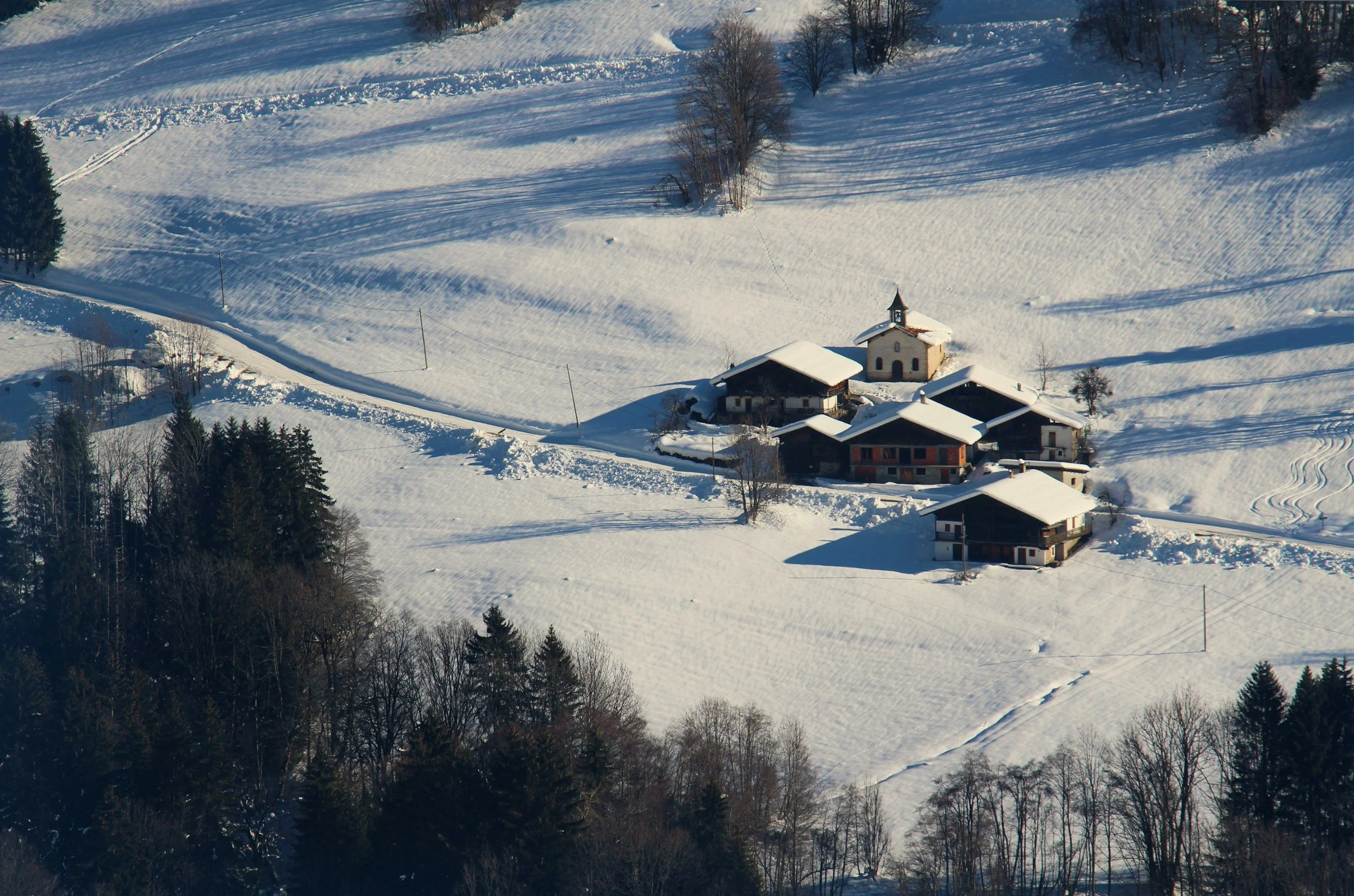
Winter train routes in France that still make sense without a car
Not every train route in France makes sense in winter if you’re arriving without a car and planning to get around on foot. Some lines still run on paper, but once daylight starts disappearing in the afternoon, they stop being practical. The routes that continue to work are the ones people rely on year-round, even when it’s cold, grey, and nothing is set up for visitors anymore.
You can usually see the difference straight away in the timetable. Lines with trains spaced through the middle of the day (late morning, early afternoon) are still tied into everyday life. When a route drops down to one early train and one in the evening, it often means the town has slipped into winter mode.
This is why routes out of Lyon into Burgundy, from Paris toward Champagne or parts of the Loire Valley, or inland from Marseille toward Provence tend to be easier to manage in winter. Trains arrive at usable times, which matters when it’s already getting dark by late afternoon and you’re stepping off into a place you don’t know yet. Delays happen, especially in damp or near-freezing weather, but on these lines a missed connection usually means waiting for the next train, not standing on a platform recalculating the entire day.
Train travel in winter only really works when it stops feeling like the main focus of the trip. You don’t want to plan check-in, meals, and daylight around a single arrival time. When services run often enough, being late is inconvenient rather than disruptive. And in winter, that difference matters more than anywhere else. Forty extra minutes can be the line between arriving while cafés are still open, or walking through town after everything has shut.
If you’re still figuring out how car-free winter travel actually works in practice, this guide on travelling around France in winter without a car goes deeper into trains, timing, and what daily life looks like once you arrive.
Arrival towns where the train station is in the centre of town
Station placement becomes much more noticeable in winter, especially when you arrive on foot with a bag and limited daylight left. In a lot of French towns, particularly those that grew after the 1950s, the station sits on the edge of town near warehouses, ring roads, or empty car parks. The distance might look fine on a map, but walking it in cold air, possibly after sunset, makes it feel longer and less forgiving than you expect.
This is where towns like Uzès, Beaune, and Langres quietly do things right. In Beaune, you leave the station and reach the historic centre in about ten minutes on flat streets that are easy to follow and usually cleared after rain. You pass houses, small hotels, and everyday traffic rather than empty stretches. In Langres, the station sits just below the old town walls. There is an uphill walk, but it’s direct, properly lit, and short enough that you’re not second-guessing whether you should have planned differently.
When the station is already woven into the town, arrival doesn’t feel like a separate stage of the journey. You step off the train, walk a few minutes, and you’re immediately in streets where people live, shop, and eat. In winter, that matters more than scenery. It means less waiting around, less exposure to cold, and fewer decisions to make when you’re already tired from travel.
Short winter daylight and choosing towns where errands fit between 10 and 4
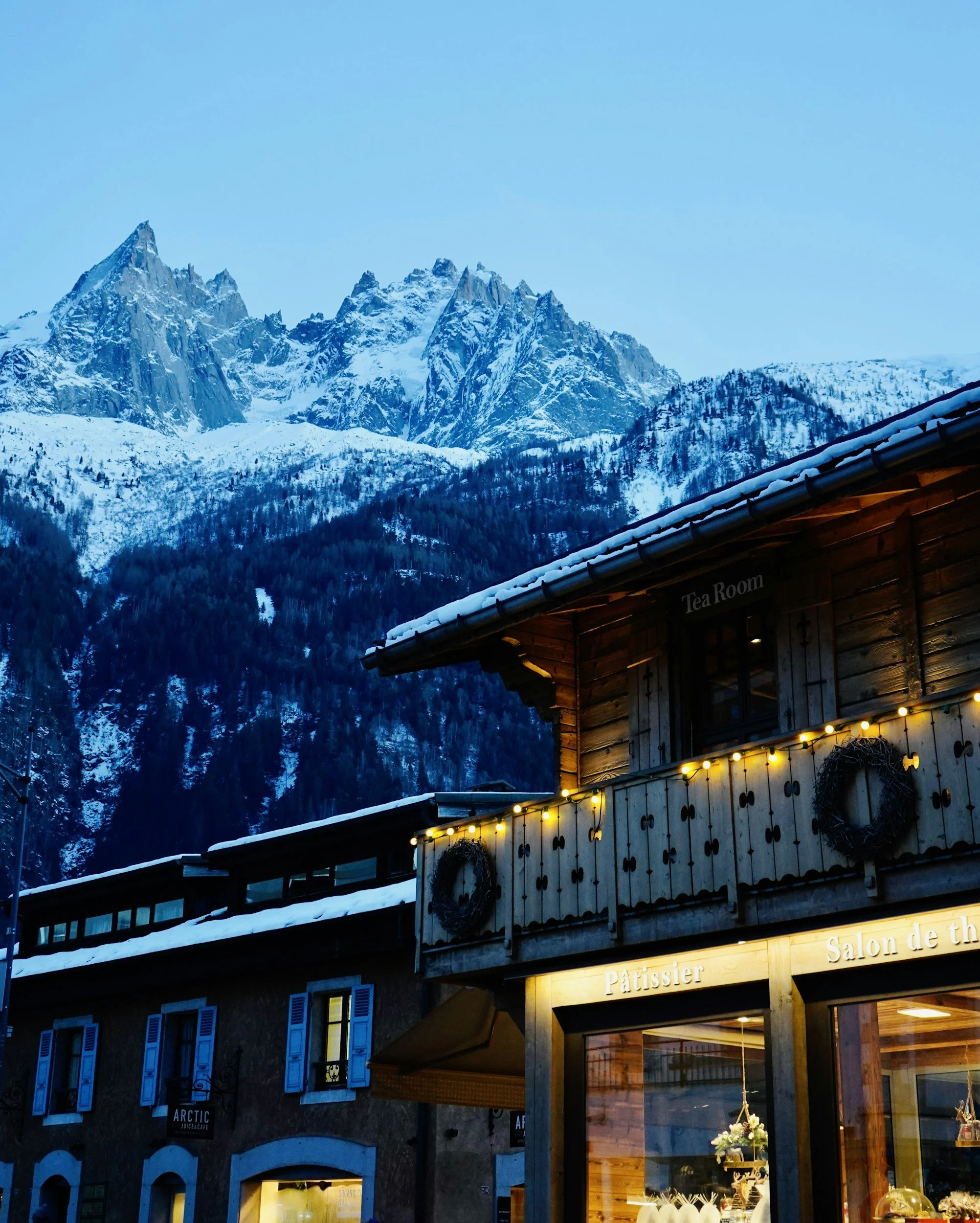
In winter, daylight isn’t something abstract you plan around, it shows up in small, annoying ways. You notice it when you leave the house later than intended and realise you’ve already missed the bakery window, or when you’re halfway through errands and start checking the time because you know things will shut soon. In most of France, there’s a fairly tight window where walking around feels straightforward, roughly late morning to mid-afternoon, and outside of that you start making compromises without really meaning to.
That’s why towns like Autun or Nyons make winter easier in practice. Everything you actually need is close enough that you can do it in one go. You head out around ten, buy bread, do a proper food shop, sit down for a coffee, maybe pass the market if it’s on, and still be home before the light drops. In winter, markets are already packing up by early afternoon, and a lot of smaller shops close for lunch and reopen briefly later, so trying to spread things across the day just doesn’t work.
When distances stay short, the day stops feeling like a series of decisions. You’re not halfway across town wondering if you should turn back because it’s getting dark, and you’re less likely to skip things just because going out again feels like effort. After a day or two, you naturally adjust your routine to the light, and winter stops feeling like something you have to manage all the time.
Streets that stay walkable after rain, frost, or a light dusting of snow
In winter, you stop caring very quickly about how a street looks and start caring about whether you can walk across it without thinking too much. Some towns get awkward fast after rain or frost, especially where the streets are old stone that’s been worn smooth over decades. A light freeze is enough to turn a short walk into something you have to concentrate on, which changes how far you’re willing to go and how often you head out.
That’s where places like Dole quietly make life easier. A lot of the central streets and the paths along the canal are flat, properly drained, and dry out quickly. After rain, you don’t end up hopping around puddles, and ice tends to stick only in shaded corners early in the morning. In Tournus, the centre is also mostly flat, with wide pavements that stay usable even after a few cold, damp days. You can walk at a normal pace without constantly watching your feet.
Hill towns aren’t off the table in winter, but they change the maths. You think twice about going back out once you’re home, and errands start to feel like something you need to batch rather than do casually. When streets stay predictable underfoot, you keep moving through the day without planning it so carefully. That’s usually the difference between a winter town you enjoy walking around and one where you quietly start staying in more than you meant to.
Towns built before cars, where distances stay human even in winter
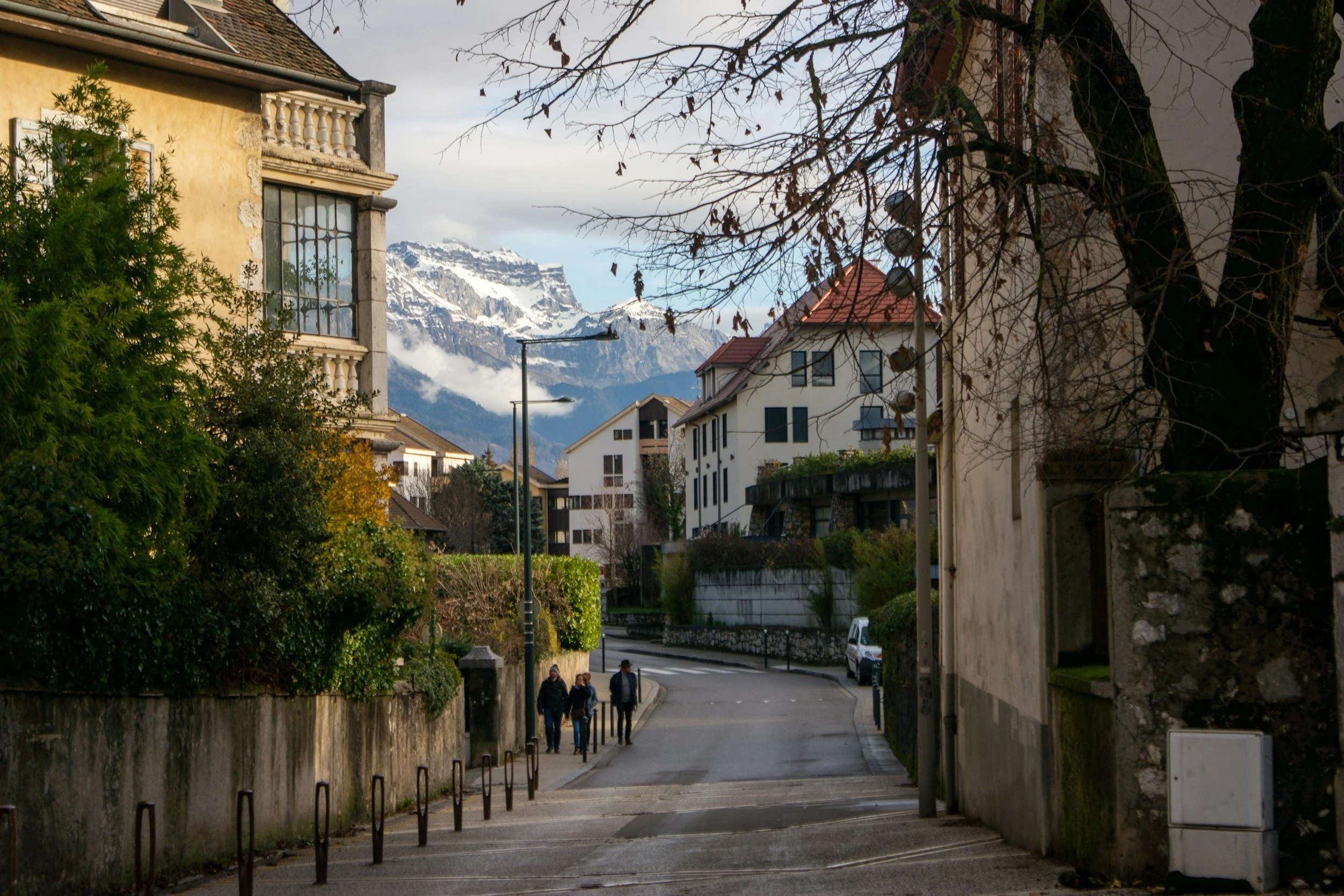
Older towns were laid out for people on foot, and in winter that starts to matter in very practical ways. When most daily distances stay under a kilometre, cold weather doesn’t take over the day, it just becomes something you factor in. You’re not dressing up for a long walk every time you leave the house, and you’re not hesitating because the round trip suddenly feels like too much.
In places like Semur-en-Auxois or Die, the centre, housing, and basic services sit close enough that even the longer walks rarely go past twenty minutes. That changes how often you go out. You’re more likely to step out in the morning for one small thing, come back, and then head out again later without thinking twice about it. Nothing feels far enough to require planning or justification.
That kind of layout quietly shapes the day. You can duck out briefly, warm up again at home, and still go back out in the afternoon without it feeling like a commitment. In winter, that’s often the difference between keeping a normal rhythm and slowly shrinking your days without really noticing it.
Winter markets, bakeries, and cafés that stay open midweek
Winter closures become obvious very quickly in towns that live off visitors. As soon as the season drops, places start closing on odd days, hours change without much warning, and you find yourself checking doors instead of doing what you’d planned. You go out for bread and realise the bakery is shut until tomorrow, or you walk past three cafés before finding one that’s actually open. In towns where people live year-round, things work differently. Even in winter there’s a predictable weekly pattern, and that makes a real difference when you’re getting around on foot and arriving by train.
In Uzès, the weekly market still runs in winter, just on a smaller scale, and it’s usually packing up by early afternoon. Bakeries tend to open every day except for one fixed closing day, which becomes easy to remember after a couple of mornings. Cafés follow everyday routines rather than weekend demand, opening early and closing sometime mid-afternoon. In Beaune, the market hall stays active through the colder months, and the cafés around the centre are clearly serving locals, with regular morning hours and no attempt to stretch into the evening.
That kind of consistency changes how the day feels. You don’t find yourself buying extra food because you’re unsure what will be open tomorrow, and you’re not walking across town only to turn around empty-handed. In winter, when light and energy are already limited, avoiding those small missteps matters more than you expect.
Read more about winter markets in Southern France, and if you’re travelling north we have created a piece on Northern France winter markets as well. Hope you like it!
Town centres where accommodation, food, and daily routines overlap naturally
Winter stays tend to fall apart when where you sleep is separated from where daily life actually happens. You can have a perfectly comfortable place, but if it sits outside the centre, every small outing starts to feel like something you need to plan. In winter, that gap shows up quickly, usually on the first evening when you debate whether it’s worth going back out at all.
In towns like Nyons, smaller hotels and rentals are woven into the centre, close to bakeries, food shops, and cafés. You step out in the morning, pick up breakfast, walk back home, and later head out again without checking the time or the distance. Nothing feels far enough to delay, and you’re not deciding in advance how many times you want to leave the house that day.
When accommodation sits on the edge of town, the maths changes. Even a ten-minute walk feels longer once it’s dark, the streets are quiet, and lighting is uneven. You start grouping errands together, staying out longer than you want to, or skipping things altogether. Staying central keeps movement simple, which is what makes winter days feel workable instead of slightly constrained.
Many of these winter towns follow the same logic as Europe’s best market towns without a car, where everyday errands, cafés, and markets shape the rhythm of the day more than sightseeing ever does.
Timing trains to avoid late arrivals in the dark on quiet platforms
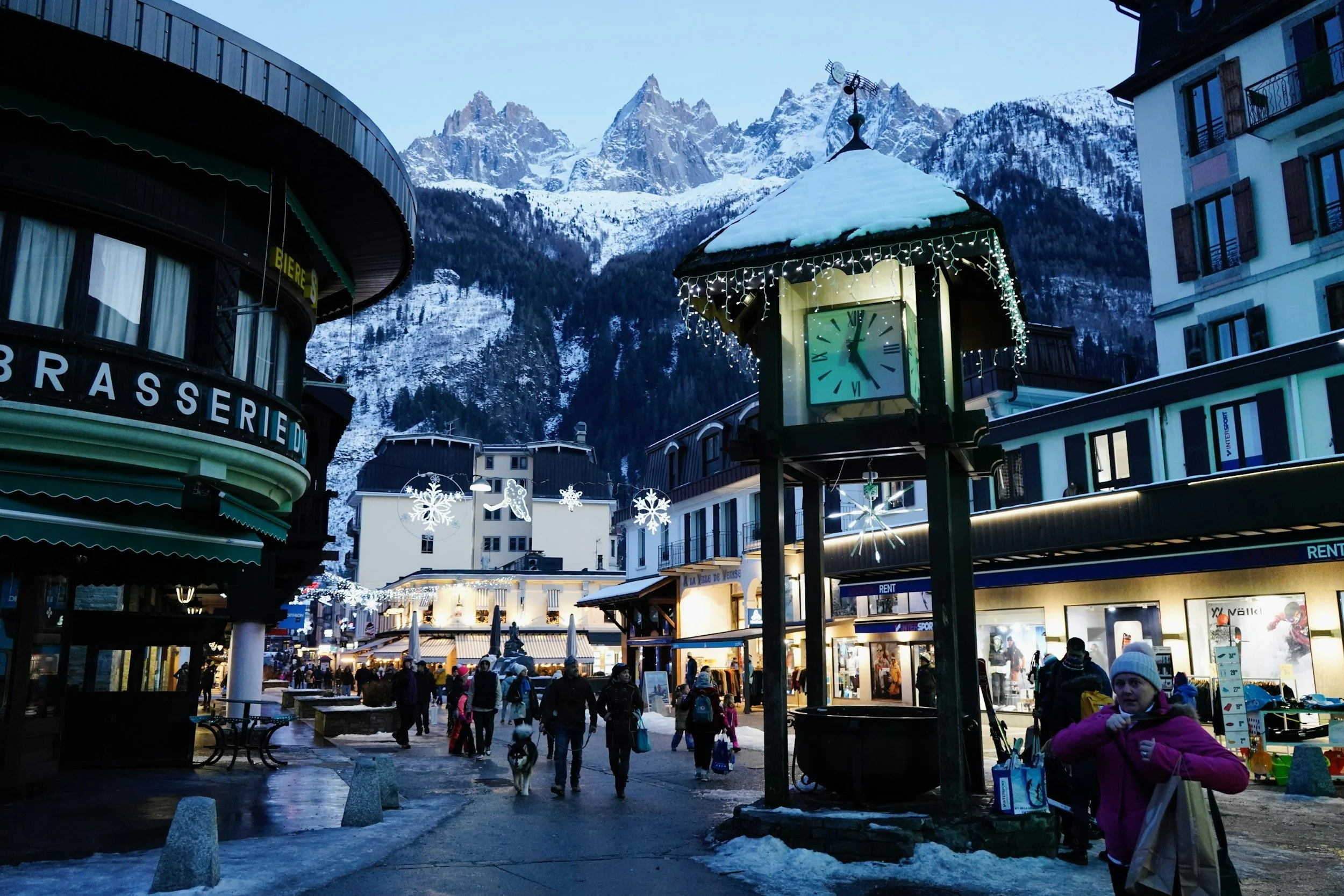
Arrival timing becomes much more noticeable in winter, especially when you’re arriving by train and continuing on foot. Late arrivals are just awkward. Platforms are quiet, there’s often no staff around, and you’re stepping into a town you don’t know with limited light and fewer obvious cues about where to go next.
Arriving mid-morning or early afternoon works better in places like Langres or Autun. You get there while it’s still light, cafés are open, and there’s time to walk around a bit before committing to your accommodation. You can get a coffee, get your bearings, and notice how the town is laid out instead of heading straight indoors because everything feels closed.
That timing also gives you breathing room. If a train is late or a connection doesn’t line up, you’re annoyed rather than stuck. In winter, that margin matters more than you expect, because arriving an hour later than planned can be the difference between moving through the town easily and feeling like the day has already shut down.
Southern winter towns with mild temperatures and dry walking days
Winter in the south behaves differently, and you notice it straight away once you start walking everywhere. The cold is there, but it’s lighter, and rain tends to come through quickly instead of hanging around for days. That changes how much time you actually spend outside, especially when you’re not jumping in and out of a car.
In towns like Uzès and Nyons, winter days are often dry enough that walking feels uncomplicated. You don’t need to layer up heavily just to go out for an hour, and after rain the streets dry fast instead of staying damp and slippery. On clear days, people still sit outside around midday, coats on, coffee in hand, because the sun is doing enough work to make it comfortable.
Evenings drop off quickly, and once the sun goes it gets cold fast, but by then most of what you needed to do is already done. During the day, movement stays easy, and you’re not constantly checking the forecast or rerouting your walk to avoid bad patches. That consistency makes winter feel less like something you’re working around and more like something you can settle into.
Eastern French towns where winter feels colder but movement stays easy
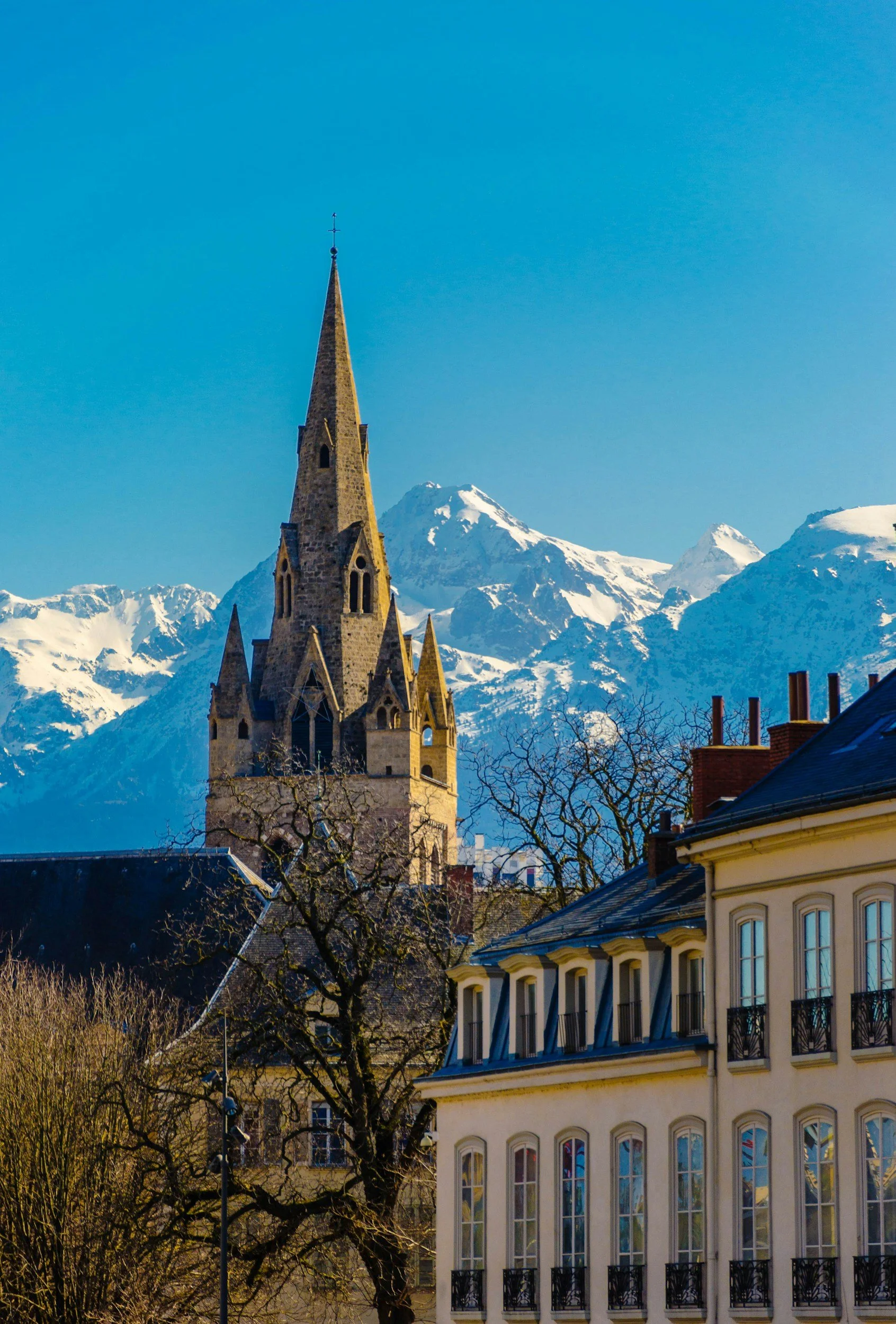
Eastern France is colder in winter, but the temperature on its own isn’t what makes walking difficult. What matters more is how the town is laid out and whether it’s maintained with everyday movement in mind. Cold is manageable. Awkward distances and neglected pavements are what actually wear you down.
In Dole, winter regularly means frost and sub-zero mornings, but getting around stays simple. Distances are short, pavements are kept clear, and most of what you need sits close to the centre. You’re not outside longer than necessary, and you’re rarely forced into long, exposed walks just to do basic errands. Even on colder days, movement feels contained rather than draining.
Langres works in much the same way. It’s colder, often windier, but the town stays compact and predictable. Routes don’t sprawl, and once you know the main paths, there’s very little improvising involved. With decent winter clothing, daily routines carry on more or less as normal, which is what makes these towns workable even when the temperature drops.
If you’re drawn to winter travel for the quieter pace rather than snow sports, this guide to winter travel beyond the Alps explores places that stay lived-in even outside peak season.
Places where one good coat is enough and boots actually matter
Winter walking gets easier once you understand what you’re actually dealing with day to day. In many French towns, especially away from the mountains, winter isn’t dramatic, it’s just repetitive. The same kind of cold mornings, the same damp patches after rain, the same few streets that stay shaded longer than the rest. Once you recognise that pattern, moving around stops feeling uncertain.
In places like Beaune or Tournus, a warm coat and waterproof boots usually cover it. Snow does fall occasionally, but it rarely sticks around, and rain tends to clear rather than settle in for days. The real issue isn’t temperature, it’s traction. Older stone streets can be slick when they’re wet, and that’s what decides how confidently you walk, not how thick your coat is.
Once you’ve figured out what shoes actually work, walking stops being something you think about. You leave the house without checking the ground conditions every time, and short trips don’t require any mental preparation. In winter, that kind of predictability is what turns walking into part of the routine instead of a small daily hurdle.
Stations with luggage storage or flat walks to hotels and guesthouses
Handling luggage on foot feels very different in winter than it does in warmer months. Wet pavements, cold hands, and shorter daylight make even small distances more noticeable, especially if you’ve just arrived and don’t quite know where you’re going yet. Towns that make this part easy tend to take a lot of pressure off those first and last hours.
In Beaune, the walk from the station into the centre is flat and straightforward, which matters more than it sounds when you’re pulling a bag over damp pavement. You’re not navigating hills or awkward crossings, just a direct route that gets you where you need to be without thinking about it. In Dole, the walk follows level paths along the canal, which makes a big difference when it’s cold and you’d rather not wrestle luggage up and down kerbs or uneven streets.
When there’s luggage storage at or near the station, it gives you some breathing room. You can arrive earlier or leave later without dragging a bag around in fading light, which in winter feels like a much bigger ask. That flexibility quietly shapes how relaxed arrival and departure days feel, especially when you’re trying to keep things simple and on foot.
Towns where grocery shopping doesn’t turn into a long uphill walk
Food shopping becomes one of those things you notice much more in winter, especially when you’re walking everywhere. It’s not the shopping itself, it’s the effort around it. Cold air, heavier bags, and damp streets add up quickly, so towns where food shops sit centrally and on level ground make daily life easier.
In Nyons, supermarkets and smaller food shops are clustered close to the main square. You can pick up what you need without turning it into a long walk or thinking about how much you’re willing to carry. In Autun, food shops stay within the historic centre, and you’re not dealing with steep climbs just to buy basics, which makes a difference when it’s cold and you’ve already been out once that day.
When shopping routes stay straightforward, you stop treating food shopping like a task that needs planning. It becomes easier to buy a little at a time and head home without feeling weighed down. In winter, that keeps the day moving gently instead of turning errands into something you postpone until you absolutely have to.
Winter Sundays and knowing in advance what will be closed
Sundays catch people out more often in winter, mostly because more things are closed and the margin for error is smaller. You notice it when you head out thinking you’ll grab bread or a coffee and realise you should have done it the day before. When you’re walking everywhere, that kind of miscalculation usually means an extra loop through town for nothing.
In a lot of places, bakeries open in the morning and shut by early afternoon, if they open at all. Grocery shops are often closed completely, and cafés tend to keep shorter, less predictable hours. In towns like Semur-en-Auxois, Saturday shopping naturally becomes part of the routine. You pick things up knowing Sunday will be quieter, and you plan meals around what you already have rather than what might be open.
Towns that still have at least one dependable option on Sundays are simply easier to live in for a few days. It keeps the day from feeling stalled and saves you from wandering around in the cold just to confirm what’s already closed. In winter, that small bit of continuity helps the week hold together instead of feeling chopped up.
Towns that feel calm at night but not shut down completely
Winter evenings quiet down quickly, and when you’re on foot, you notice straight away which towns handle that well and which ones don’t. Some places go so still after dark that heading back out feels pointless, not because there’s nothing to do, but because everything has already shut and the streets feel abandoned. Other towns keep just enough going to make an evening out feel normal rather than like an exception.
In Beaune, there are usually a few restaurants and cafés open in the evening even in winter. Not many, but enough that you can eat out without having to plan it days in advance or walk across town to find something still serving food. In Uzès, local dining continues year-round, though evenings are shorter and reservations matter more than they do in summer. You learn quickly which places are reliable and which ones close early once the weather turns.
What makes the difference is that the town doesn’t shut down completely. Streets stay lit, routes home are clear, and walking back after dinner feels routine rather than uncertain. When you’re relying on your own two feet, that baseline level of evening life matters more than having lots of options.
Train connections that still run reliably in January and February
In winter, it’s not how many trains there are that matters, it’s whether they turn up when you actually need them. A town can have a busy-looking timetable on paper, but if everything is bunched into commuter hours or drops off after lunchtime, it stops being useful very quickly. Places served by established regional lines tend to be more predictable, which makes staying put for a few days feel possible rather than risky.
Routes serving towns like Dole or Tournus usually keep running at sensible times even in low season. You’re not forced into arriving early in the morning or leaving before lunch just to catch the only train of the day. That makes arrival and departure easier to manage, and it also leaves room for the occasional day trip without having to build the whole day around the timetable.
You still need to check winter schedules, because things do shift, but choosing towns on these kinds of lines lowers the stakes. A missed train is an inconvenience rather than a problem, and you’re much less likely to end up stuck somewhere longer than planned just because the next service isn’t until tomorrow.
Read more about regional train travel in Europe and different ticketss and rail passes here.
Walking loops for slow afternoons without planning routes
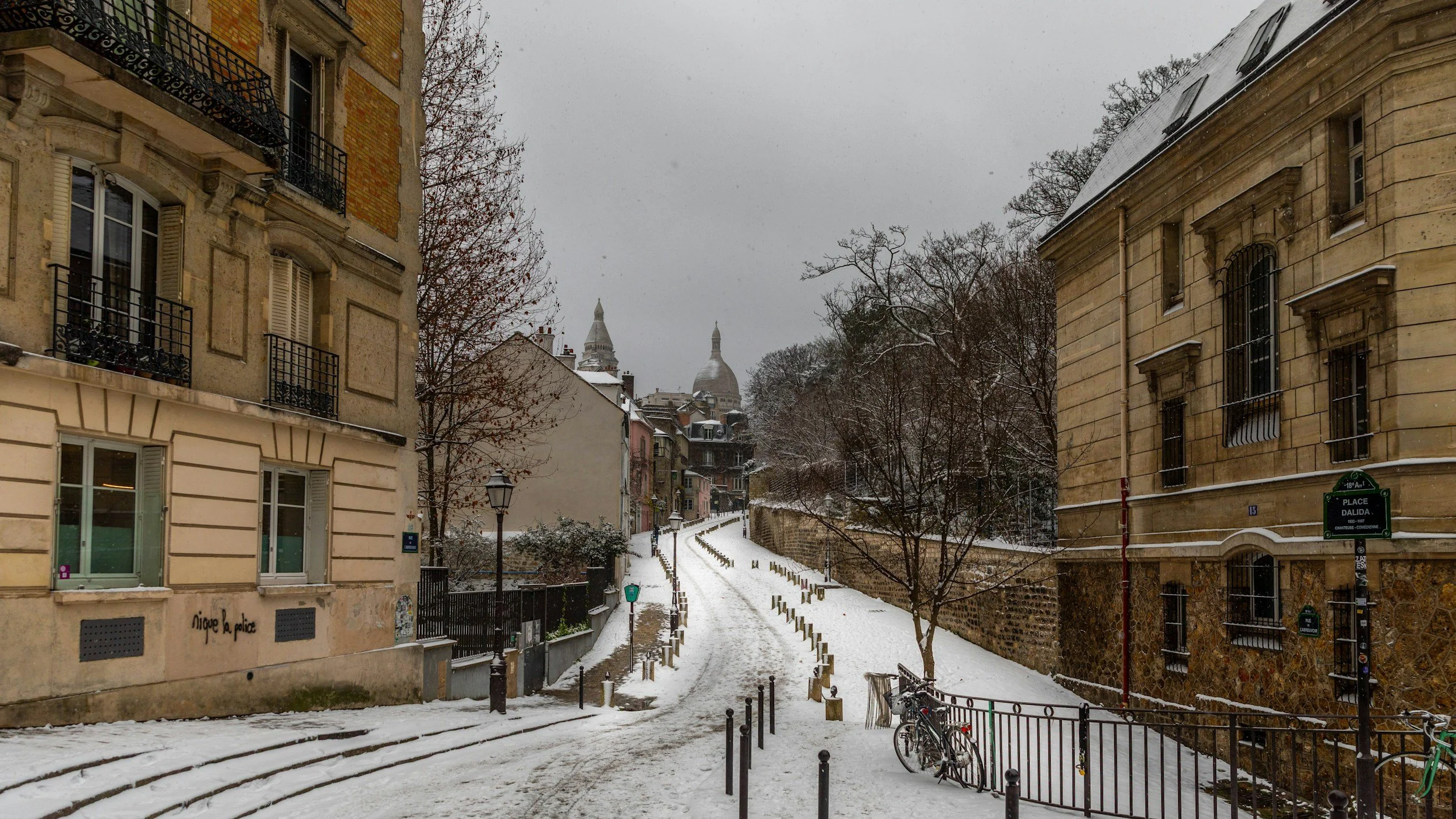
In winter, walking tends to happen in shorter stretches, not long routes you have to think about in advance. You head out because you want some air or movement, not because you’re aiming to get somewhere specific. Towns that have obvious, built-in walking loops make that easy, especially when daylight is short and you don’t want to be checking a map.
In Langres, the ramparts form a clear circuit that you can do without thinking about direction or timing. At an easy pace, it takes well under an hour, which makes it ideal for an afternoon walk when the light is already starting to drop. In Dole, the paths along the canal stay flat and predictable, so you can head out for a short loop and turn back whenever you feel like it.
Those kinds of walks fit naturally into winter days. You don’t have to commit to a long outing, and you’re not caught out by fading light. When energy is lower and the day is shorter, having routes that work on your terms makes walking feel like part of the routine rather than something you need to plan around.
Some travellers start with practical questions like transport and walking, and only later realise they’re really searching for places that feel calm and grounded in winter. This collection of cozy European towns explores that side of winter travel in more detail.
Small French towns where staying put for several days feels natural
Winter travel without a car only works if staying in one town doesn’t start to feel like you’ve run out of options by day two. In some places, once you’ve walked the centre once and done your shopping, there’s nothing left to do without getting back on a train. That’s when winter starts to feel long, not because of the weather, but because the town itself doesn’t support everyday movement.
In towns like Uzès, Beaune, and Nyons, the days don’t need much planning. One day you go to the market in the morning, another day you skip it and walk instead. Some days you’re out early, some days not until late morning. You’re still doing the same basic things, but the timing shifts, which is enough to keep it from feeling repetitive.
That’s what makes staying local workable in winter. You’re not filling time, and you’re not looking for reasons to leave. The town gives you enough to do on foot that staying put feels normal rather than like a compromise.
Practical winter train travel questions people usually ask too late
Is it realistic to rely only on trains in France during winter?
Yes, as long as you are using regional routes that people depend on year-round. Winter reduces frequency on some lines, but it rarely removes service altogether on routes connecting medium-sized towns. The main adjustment is planning arrivals earlier in the day and checking weekday versus Sunday schedules in advance.
Do trains run less often in January and February?
Some do, especially lines aimed at weekend or seasonal travel, but most regional TER routes keep a steady rhythm. What changes more often is the last train of the day, which may run earlier than expected. This matters when planning evening departures or day trips without a car.
Is walking with luggage manageable in winter towns?
It depends on the town layout rather than the weather alone. Flat towns with stations close to the centre make luggage manageable even in cold conditions. Steep towns or stations far from accommodation turn short distances into tiring walks, especially when streets are wet or icy.
Are cafés and bakeries reliably open in winter?
In towns with a permanent population, yes, but hours are shorter and patterns are local. Bakeries often close one or two days per week, and cafés may shut mid-afternoon. Knowing this helps avoid unnecessary walks when everything nearby is already closed.
How much does winter daylight affect daily routines?
More than many people expect. In practice, most errands fit best between late morning and mid-afternoon. Towns where shops and services cluster tightly make this easier, as you can do everything in one outing without crossing town multiple times.
What about Sundays in winter without a car?
Sundays require planning. Many grocery shops close completely, and only a few bakeries open in the morning. Towns where at least one bakery or café stays open on Sundays are easier to manage, especially if you are staying for more than a weekend.
Is snow a major issue for walking in most of France?
Outside mountain areas, snow is usually short-lived. Rain and frost are more common concerns. Boots with good grip matter more than heavy winter gear, particularly on older stone streets that become slippery when wet.
Are winter delays common on French trains?
Delays happen, usually due to weather, but full cancellations are less common on established regional lines. Keeping some buffer time, especially when arriving in the afternoon, reduces stress when connections are tighter.
Does staying longer in one town make winter travel easier?
Yes. Staying several days reduces the need to plan around train schedules and daylight every day. Towns that support daily routines on foot make longer winter stays more practical without feeling confined.
Is winter a bad time to travel without a car in France?
Not inherently. It simply shifts the focus from covering distance to managing routine. When towns, stations, and services line up well, winter travel without a car becomes predictable rather than complicated.