
Some films are better watched outside
When planning a summer trip to Italy, outdoor cinemas are rarely part of the initial plan, but they are easy to include once you know where to look. Across the country, many towns set up open-air screenings between June and September, often in piazzas, courtyards, or small garden spaces that are already part of everyday life.
These cinemas are usually not located in major city centers, but in smaller towns or quieter neighbourhoods where evenings are built around simple routines. Screenings often start after sunset, typically between 21:00 and 22:00, and tickets are either low-cost or sold directly at the entrance. In some places, you’ll find a short program of independent films or Italian classics rather than large international releases.
What makes these outdoor cinemas worth including is how easily they fit into a normal day. You might spend the afternoon visiting a local market, stop for dinner nearby, and then walk to a screening a few minutes away. There’s no need to plan the entire day around it, which makes it a practical addition rather than a separate activity.
If you’re looking for specific places to experience this, there are several towns and regions in Italy where outdoor cinemas are part of the summer season and still feel connected to local life…
Some cities just feel better when you slow down a bit, and once you’ve seen how that works in Parma guide, it’s easier to picture spending an extra evening there.
Cinema in the vineyard at Salvadonica, Tuscany
Salvadonica Borgo del Chianti hosts seasonal outdoor screenings on its estate in the Chianti hills, about 25–30 minutes by car from Florence and around 10 minutes from San Casciano in Val di Pesa. The last part of the drive leaves the main road and follows narrower country roads through vineyards, with clear signs toward the estate. Parking is available just below the main buildings, and from there it’s a short walk uphill to the reception area and restaurant terrace.
Screenings are typically scheduled between June and early September, depending on weather and weekly programming. Start times follow sunset, usually between 21:00 and 21:30 in mid-summer, so most people arrive earlier in the evening. It works well to plan dinner on-site before the film rather than trying to time a separate restaurant nearby, since options in the immediate area are limited once you’re off the main road.
The screening area is set within the estate grounds rather than in a fixed cinema structure. Seating is arranged outdoors with a clear view over the surrounding landscape, and the setup can vary slightly depending on the event. Tickets are sometimes sold in advance for specific evenings, especially in July and August, but there are also nights where you can buy entry on arrival. It’s worth checking the weekly schedule if you’re visiting during peak season, as some evenings are reserved for private events or group bookings.
The film selection usually alternates between Italian titles and well-known international films, often shown in their original language with subtitles. It’s not a large-scale festival program, but rather a curated selection that changes week to week. Because of this, it’s easier to treat it as part of your evening rather than planning your entire trip around a specific screening.
Before the film starts, most people spend time on the terrace or in the garden areas. The estate produces its own wine, and there’s a small bar setup where you can order a glass to take with you to the screening. Service during the film is limited, so it’s best to get everything beforehand. The restaurant focuses on Tuscan dishes using local ingredients, with dinner usually served from early evening until shortly before the screening begins.
If you’re staying in Florence, this works best as a planned evening outing rather than something spontaneous. There are no late public transport options back into the city after the film ends, so you’ll need a car or a pre-booked taxi. If you’re already staying in the Chianti area, it’s easier to include as part of a slower day, especially if you’ve spent the afternoon visiting nearby villages or vineyards.
The overall setup is small-scale and tied closely to the estate itself, which means it feels more like an extension of a dinner evening than a separate event. That’s what makes it easy to include without needing to reorganize your day around it.
The best days don’t always revolve around plans, sometimes it’s just finding somewhere to sit outside, which is exactly the kind of setting you get in these Tuscan vineyards.
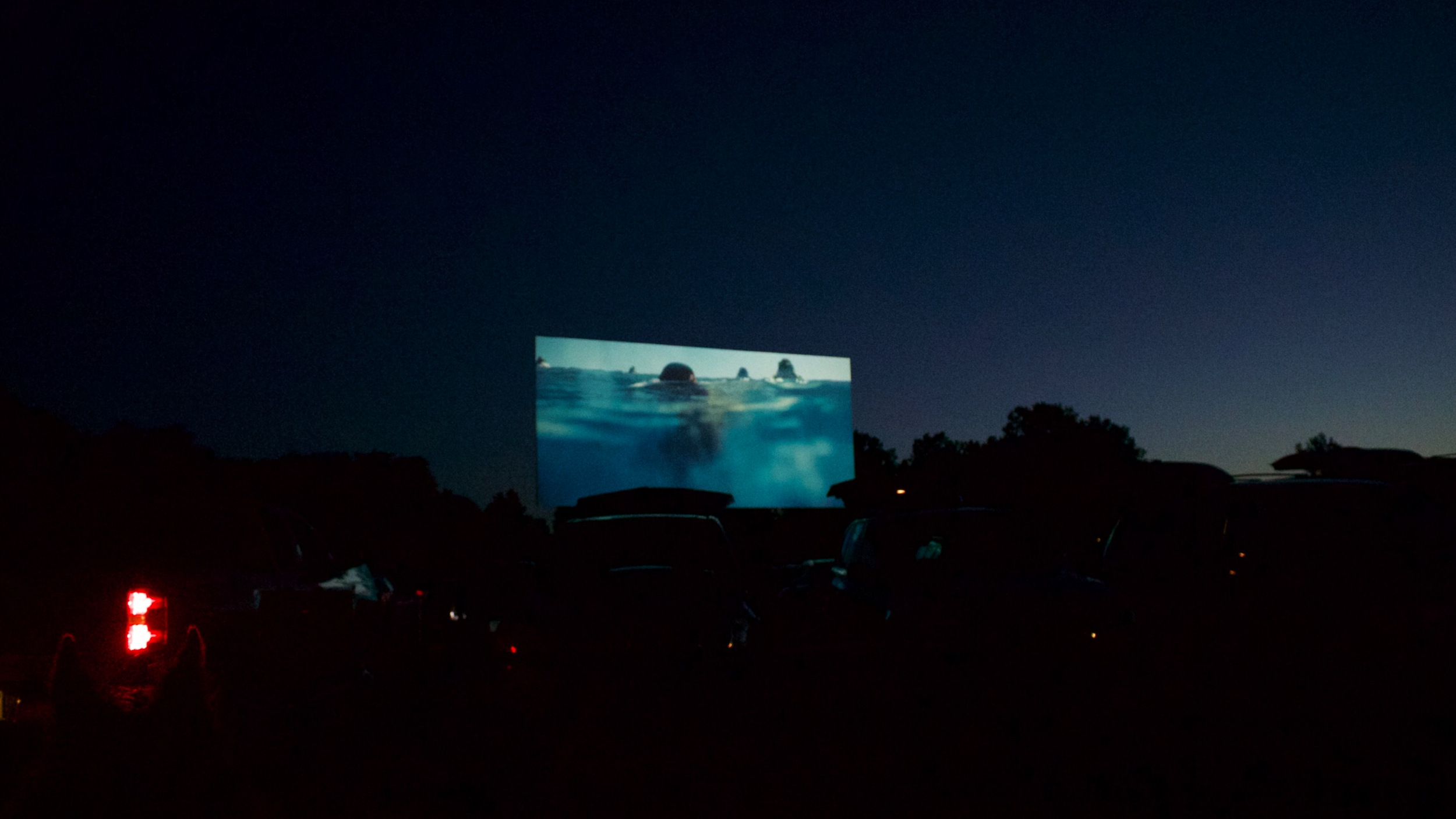
Outdoor cinema at Borgo Castello Panicaglia, Marche
Borgo Castello Panicaglia hosts occasional open-air film nights within its restored hilltop estate, located about 15–20 minutes by car from the town of Cagli in the Marche region. The property sits in a more rural part of inland Marche, so reaching it involves driving on smaller local roads for the final stretch. There’s on-site parking just below the main buildings, followed by a short walk up into the courtyard area where events are usually held.
Screenings are not scheduled daily but instead take place on selected evenings during the summer months, typically between July and August. Because of this, it’s important to check the estate’s current program in advance rather than assuming there will be a screening during your stay. When events are scheduled, they usually begin after sunset, around 21:00–21:30, depending on the time of year.
The setup is informal and built around the courtyard space rather than a fixed cinema layout. Seating often includes a mix of chairs, cushions, and low tables, arranged to face a temporary screen. The number of guests is limited, as many attendees are staying at the property itself or visiting from nearby villages. This means the atmosphere remains quiet, even during peak summer weeks.
Most people arrive early and combine the screening with dinner at the estate. Meals are typically served before the film, often using seasonal ingredients sourced from the surrounding area. Since there are very few alternative dining options nearby in the evening, it’s easier to plan to eat on-site rather than trying to fit in a separate reservation elsewhere.
The film selection varies depending on the evening and tends to focus on a small number of curated titles rather than a full program. Some screenings are organized as part of themed evenings or small cultural events, so the format can change slightly from one night to another.
If you’re staying in Cagli or exploring inland Marche, this works best as a dedicated evening activity rather than something you pass by. The return drive is straightforward but unlit in parts, so it’s worth factoring that in if you’re not familiar with the area. Because of the limited schedule and rural location, it’s more of a planned stop than a flexible addition, but it fits naturally into a slower itinerary where you’re already spending time in this part of the region.
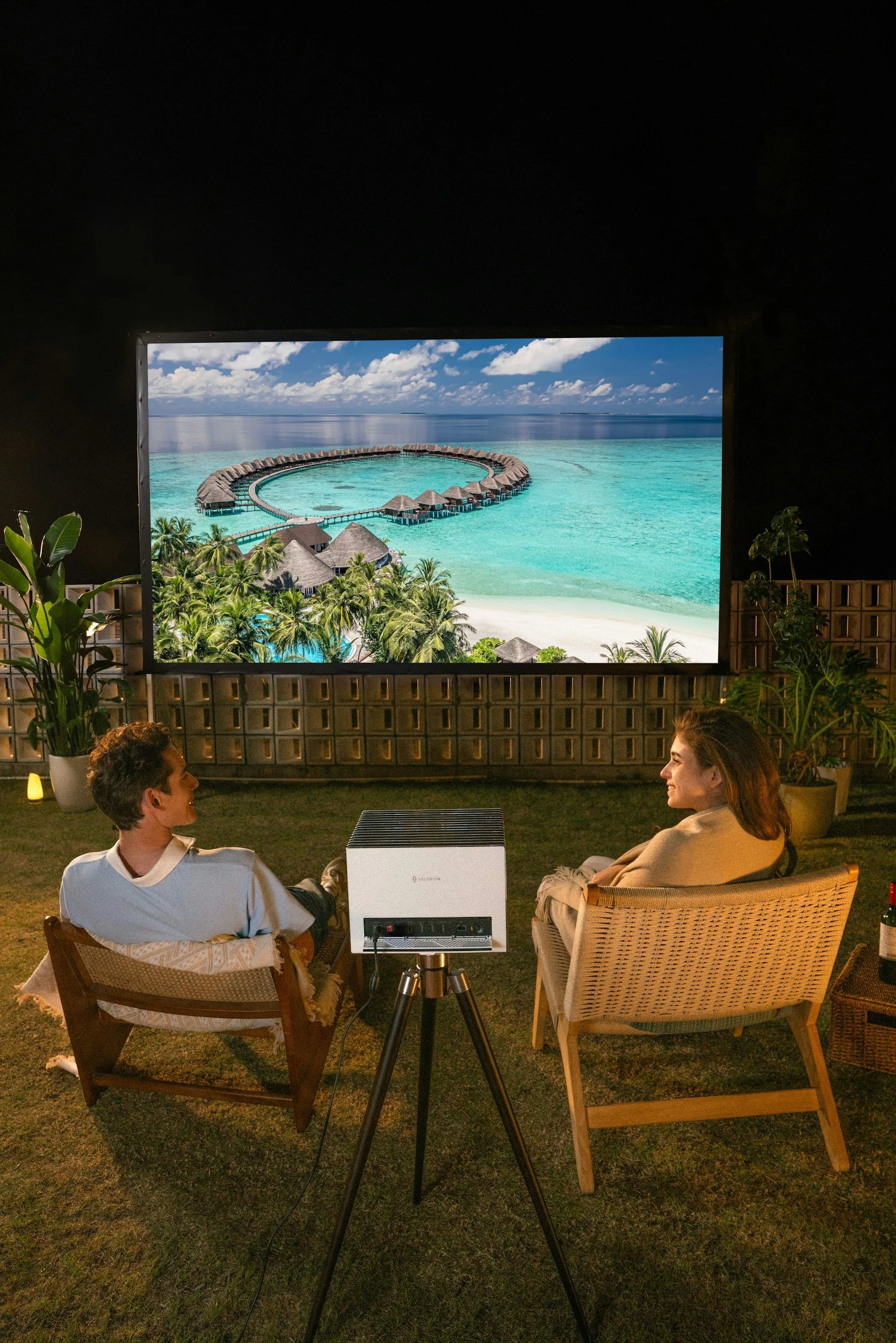
Outdoor cinema at Terre di Baccio, Chianti
Terre di Baccio is set just outside Greve in Chianti, around 40 minutes south of Florence by car. From Greve, it’s a short drive uphill along local roads that pass through vineyards and olive groves, with clear signs toward the estate for the final stretch. Parking is arranged just below the main buildings, and from there you walk up through the grounds to reach the terrace and garden areas where evening events are held.
Outdoor screenings are part of the summer program rather than a daily offering, usually taking place between late June and August on selected evenings. Start times follow sunset, which means around 21:00 in early summer and slightly earlier toward the end of August. Because the schedule changes week to week, it’s easier to check directly with the estate a few days ahead rather than planning too far in advance. Some evenings are also reserved for private groups or guests staying on-site.
The screening area is set within the garden, slightly away from the main dining terrace. Seating is arranged depending on the event, often with a mix of outdoor chairs, loungers, and softer seating closer to the screen. The layout is compact, and the number of people is limited, which keeps the atmosphere quiet even in peak season. There’s no fixed cinema structure, so the setup can shift slightly from one evening to another, but the screen is always positioned to face out toward the hills rather than back toward the buildings.
Most visitors arrive around 19:30–20:00 to have dinner before the screening. The restaurant typically serves a shorter seasonal menu in the evening, focusing on Tuscan dishes prepared with local ingredients. Dinner service usually wraps up shortly before the film begins, and after that the focus shifts fully to the screening. There’s also a small bar where you can order wine from the region, and it’s common to bring a glass with you to your seat before the film starts, since service during the screening is minimal.
If you’re staying in Greve in Chianti, the drive to and from the estate takes around 10 minutes, which makes it easy to include without needing to plan transport in detail. From Florence, it requires more planning, especially for the return journey, as there are no late public transport options. Most visitors either drive or arrange a taxi in advance, particularly since screenings finish late.
This works best as part of a slower day in Chianti. You might spend the afternoon in Greve, visiting the main square and local wine shops, then head out toward the estate in the early evening. Because everything happens in one place once you arrive, there’s no need to move between locations, and the timing stays predictable. The experience is built around the setting and the evening itself, rather than a large or varied film program, which is why it fits more naturally into a relaxed itinerary than a tightly scheduled one.
Gran Paradiso Film Festival in Cogne, Aosta Valley
Gran Paradiso Film Festival takes place each summer in Cogne, a village located inside Gran Paradiso National Park in northwestern Italy. The main program usually runs over several days between late July and early August, with screenings and events spread across different parts of the village rather than a single fixed venue. Cogne sits at around 1,500 meters above sea level, and the drive from Aosta takes about 25–30 minutes along a valley road that gradually climbs into the park. Once you reach the village, most locations are within walking distance.
The festival focuses on environmental and wildlife films, including documentaries, short films, and international entries connected to nature and conservation. Screenings are held both indoors and outdoors depending on the evening and weather. Outdoor screenings are typically set up in central areas such as village squares or open spaces near the main streets, where temporary seating is arranged facing a large screen. You’ll still have some natural light when you arrive, with the surrounding mountains visible until sunset, and then the screenings begin as it gets darker.
Start times are usually between 21:00 and 21:30 in mid-summer. It’s common to arrive earlier, around 19:30–20:00, to have dinner in the village before the film. Restaurants around the main square and along Via Bourgeois tend to stay open later during the festival week, but tables can fill up quickly, so earlier reservations make the evening easier to manage. Once you’ve eaten, you can walk to the screening area within a few minutes, since everything is concentrated within the center of Cogne.
Temperatures drop quickly after sunset due to the altitude, even at the end of July, so bringing an extra layer is necessary. Seating is usually provided but varies by location, often simple chairs rather than fixed rows. Some evenings include introductions, discussions, or short presentations before the main film, which means the overall timing can extend beyond a standard cinema schedule.
During the festival, Cogne becomes more active than usual, but it doesn’t reach the scale of larger Italian events. You’ll notice more people in the evenings, particularly around the screening areas and restaurants, while mornings and afternoons remain relatively quiet. This makes it easy to combine the festival with daytime activities such as walking in Valnontey, visiting the Gran Paradiso National Park visitor center, or taking shorter hikes directly from the village.
If you’re planning to attend more than one screening, it’s easier to stay in Cogne rather than commuting from Aosta each evening. The road into the village is straightforward but unlit in sections, and parking becomes more limited during the festival days. Staying locally means you can move on foot between your accommodation, restaurants, and screening areas without needing to plan transport late at night.
Because the program changes daily and includes multiple screenings, it’s worth checking the schedule once you arrive rather than fixing everything in advance. Some films are shown only once, while others may repeat later in the week. This is one of the few outdoor cinema events in Italy where you can build several evenings around it, rather than treating it as a single stop, which makes it easier to fit into a longer stay in the Aosta Valley.
Cinema sotto le stelle in Bologna, Emilia-Romagna
Cinema sotto le stelle Bologna runs each summer in Piazza Maggiore, the main square in Bologna’s historic center. The program usually takes place between mid-June and early August and is part of the city’s wider cultural calendar. If you’re staying anywhere in central Bologna, you can reach the square on foot within 5–15 minutes, and it’s about a 20-minute walk from Bologna Centrale train station.
The screen is set up directly in front of the Basilica di San Petronio, with rows of chairs arranged across the square. There’s no fixed seating plan, so places are taken as people arrive. On quieter evenings, you can show up closer to the start time, but for well-known films or weekends, it’s common to arrive around 20:30–21:00 to secure a seat. Screenings usually begin between 21:45 and 22:00 once it’s dark enough, and the square gradually fills in during the hour before.
The program changes daily and includes a mix of Italian films, international releases, and restored classics. Some evenings focus on specific directors, while others are tied to festivals or retrospectives. Films are often shown in their original language with subtitles, which makes it accessible even if you don’t speak Italian. Since the screenings are typically free, there’s a steady mix of locals and visitors rather than a purely tourist audience.
Evenings here tend to follow a simple routine. Most people have dinner nearby and then walk into the square afterward. The Quadrilatero area, just a few streets away, is the most practical place to eat beforehand, with short walking distances back to Piazza Maggiore. Streets like Via Pescherie Vecchie and Via degli Orefici stay active into the evening, so it’s easy to find something without booking far in advance, although reservations help during peak weeks.
Once you’re seated, there’s no table service or bar within the screening area, so it’s best to bring water or finish eating beforehand. People tend to stay in place for the duration of the film, and movement across the square is limited once the screening starts. The atmosphere is quiet compared to other large events, even though the space itself is open and central.
If you’re visiting in July, it’s worth checking the schedule one or two days ahead rather than relying on earlier listings, as films can change or be rescheduled. Weather also affects the setup, and screenings may be delayed or moved if conditions aren’t suitable, although most evenings run as planned.
Because everything happens in the center, this is one of the easiest outdoor cinema experiences in Italy to include without extra planning. You don’t need transport, and you don’t need to set aside a full day. It fits naturally into an evening in Bologna, especially if you’re already staying nearby and can return on foot after the film ends.
If your days start to revolve around food as much as film, this Bologna food guide is worth a quick look before you move on.
Apriti Cinema in Florence, Tuscany
Apriti Cinema Florence takes place each summer in the Piazzale degli Uffizi, the open courtyard just outside the Uffizi Gallery in the historic center of Florence. The program typically runs from mid-June to mid-July, with screenings scheduled almost every evening. The location sits between Piazza della Signoria and the Arno River, so it’s within a 5–10 minute walk from most central areas and about 20–25 minutes on foot from Santa Maria Novella station.
The screening area is set up directly in the square with rows of chairs facing a large screen positioned along one side of the courtyard. There is no reserved seating, so places are taken as people arrive. For less popular films, arriving 20–30 minutes before the start is usually enough. On busier evenings, especially Fridays and weekends, it’s more realistic to arrive around 20:30–21:00 to secure a seat. Screenings normally begin between 21:45 and 22:00 once the light has dropped enough.
The program changes daily and is curated in collaboration with several Italian and international film festivals. This means the schedule often includes recent festival films, documentaries, restored classics, and occasional themed evenings. Most films are shown in their original language with Italian subtitles, and sometimes English subtitles depending on the screening. Since entry is generally free, there’s no ticketing system, which keeps the event accessible but also means seating fills up on popular nights.
A typical evening here is straightforward to plan. Most people have dinner nearby and then walk over to the piazzale afterward. Streets like Via dei Neri, Borgo dei Greci, and the area around Piazza della Signoria have a high concentration of restaurants, and many stay open late during the summer period. Because there’s no food or drink service within the seating area, it’s easier to eat beforehand or bring water with you. Once the film starts, movement across the seating area is limited.
The setting is more structured than smaller outdoor cinemas in rural areas, but it still fits easily into a normal evening. You don’t need to plan transport, and there’s no need to arrive hours in advance unless you’re aiming for a specific film. The main adjustment is timing dinner slightly earlier so you can reach the square before it fills up.
If you’re visiting Florence during this period, it works well to include this after a day spent in the city, since you’re already nearby. For example, you might spend the afternoon around the Uffizi or along the river, have dinner in the surrounding streets, and then walk into the piazzale for the screening. Because everything is concentrated within a small area, it doesn’t require any additional planning beyond checking the schedule one or two days ahead.
Weather can affect the program, and screenings may be delayed or moved if conditions change, although most evenings run as planned. Temperatures remain warm even late at night in Florence during this period, so you won’t need more than a light layer, unlike mountain or countryside locations.
A lot of people base themselves in Florence, but staying just outside changes the pace completely, which you’ll see in this stay outside Florence guide where we write about our favourite local neighbourhoods.
What to know before planning around outdoor cinemas in Italy
Outdoor cinemas in Italy aren’t always easy to plan from home, and that’s usually where people get stuck. Many of the smaller ones don’t publish full schedules far in advance, and some only confirm screenings a few days before. Once you’re there, you’ll often see posters in café windows, handwritten boards near the main square, or small signs outside bars with the week’s films listed. Asking at your hotel or even at dinner is often the quickest way to find out what’s actually happening that week.
Evenings need a bit more thought than you’d expect. In smaller towns, kitchens often close around 21:00, which is right when people start heading toward the screenings. It works better to eat earlier than usual, around 19:30 or 20:00, and then walk over afterward. In places like Greve in Chianti or Cagli, you don’t want to be driving around looking for dinner at 21:15 and then trying to make it to a screening at the same time.
Seating is another detail that changes from place to place. In Bologna or Florence, you’ll get rows of chairs set up in a square, but in vineyard or countryside locations, it might be a mix of outdoor chairs, cushions, or loungers placed on gravel or grass. Some people bring a light scarf or something to sit on, especially if the ground is uneven. It sounds minor, but it makes a difference if you’re sitting there for two hours.
Language is worth checking before you go. In bigger cities, films are often shown in original language with subtitles, sometimes in English, sometimes only in Italian. In smaller places, subtitles are more likely to be Italian only. If you care about the film itself, it’s worth double-checking. If not, most people are there for the setting as much as the movie.
One thing that doesn’t show up in most guides is how these evenings actually fit into the day. You’re usually not planning your whole trip around a screening. It’s more that you’ve spent the afternoon walking around Greve, stopped for a drink in Cogne, or driven along the coast near Bologna, and then the film becomes the last thing you do before heading back. That’s why some of the smaller places end up being more memorable than the bigger ones. You’re already there, the pace is slower, and the evening just continues without needing to organize anything complicated.
Not every stop needs to be a bigger city, and these quiet Italian towns show what that shift can feel like. And if you’re trying to keep things simple, it’s actually easier than expected to plan around places like these countryside stays without needing a car.
FAQ about outdoor cinemas in Italy
Are outdoor cinemas in Italy only in big cities or also in small towns?
Both. Bologna and Florence run large, structured programs in central squares, but many of the more distinctive setups are in smaller places like Greve in Chianti, Cagli, or Cogne. In these areas, screenings are often tied to vineyards, hotels, or village courtyards rather than permanent cinemas.
How do you find outdoor cinema screenings in Italy once you’re there?
In smaller towns, the most reliable way is locally. Look for posters near cafés, handwritten boards in the main square, or ask your accommodation. Weekly programs are often not fully published online, especially for vineyard or countryside venues.
What time should you arrive for outdoor cinema in Italy to get a good seat?
In cities like Bologna or Florence, arriving 45–60 minutes before the start gives you better seating, especially for popular films. In smaller venues, 20–30 minutes is usually enough, unless it’s a limited-capacity event at a hotel or vineyard.
What happens if it rains at outdoor cinemas in Italy?
In cities, screenings are sometimes delayed or moved to another evening. In smaller venues, events are often cancelled or rescheduled. Some estate-based locations may move screenings indoors, but this depends on the venue.
Are outdoor cinemas in Italy walkable from town centers?
City screenings are fully walkable, usually within historic centers. In countryside locations like Chianti or Marche, you almost always need a car, as venues are set outside villages with no late public transport.
Can you just show up to outdoor cinemas in Italy or do you need to book?
In Bologna and Florence, you can usually just show up since screenings are free. In smaller venues, especially vineyard or hotel events, booking is often required or strongly recommended due to limited seating.
Are outdoor cinemas in Italy suitable if you don’t speak Italian?
Yes, but it depends on the screening. Films are often in their original language, but subtitles may only be in Italian, especially outside major cities. The setting and experience still work even if you don’t follow every detail of the film.
What’s the difference between city outdoor cinemas and countryside ones in Italy?
City cinemas are larger, more structured, and easier to access, often with daily screenings. Countryside cinemas are smaller, less frequent, and tied to specific venues like vineyards or estates, with fewer people and more limited schedules.
How late do outdoor cinema evenings run in Italy?
Most films start between 21:00 and 22:00 and finish around 23:30 or later. In smaller towns, everything tends to close soon after, while in cities like Bologna, you’ll still find some places open afterward.
Can you bring drinks or snacks to outdoor cinemas in Italy?
In most city settings, people bring water or small snacks, but full meals are not typical during screenings. In vineyard or hotel venues, drinks are usually purchased on-site and brought to your seat before the film starts.
Which areas in Italy have the best outdoor cinema experiences?
For variety and reliability, Bologna and Florence are the strongest. For smaller, quieter settings, Chianti, Marche, and the Aosta Valley offer more local and less structured experiences.
How do you plan a day around an outdoor cinema in Italy?
The easiest approach is to treat it as the last part of your day. Spend the afternoon in the area, have dinner nearby around 19:30–20:00, and walk or drive to the screening afterward. Trying to fit it in between other activities usually doesn’t work as well.