
The Valencia neighbourhoods I'd actually stay in
Most stays in Valencia look good in photos but end up putting you slightly out of sync with how the city actually works. You book something near the City of Arts and Sciences and realise quickly that evenings feel quiet and you’re relying on taxis, or you stay right in Ciutat Vella and spend your mornings navigating narrow streets before anything opens. The difference here is choosing a place that fits your daily routine without needing to plan around it.
Valencia is compact, but the experience shifts a lot depending on where you sleep. In Ruzafa, mornings start early with cafés on Carrer de Cadis and Carrer de Sueca already busy by 8:30, and you can walk to the old town in about 15 minutes without thinking about transport. Around Plaça de la Reina and El Carmen, you’re close to everything on paper, but it’s worth knowing which streets stay active late and which ones quiet down after dinner. Closer to the Turia Gardens, stays near Pont de les Flors or Alameda give you space, wider streets, and an easy walking route both into the centre and toward the coast.
This guide focuses on places that work in practice, not just in photos. That means small hotels where reception is actually present when you arrive late, apartments on streets where you can step out and find a proper breakfast without searching, and locations that make sense for how you’ll move through the city during the day. Each stay is tied to a specific area, with walking distances, nearby streets, and what you’ll realistically find around you so you can choose based on how you want your days in Valencia to feel.
For a bigger city comparison, especially if you’re debating Valencia vs the capital, madrid guide helps you decide which pace fits your trip better.
Caro Hotel Valencia: Boutique stay in a restored palace in the old town
Caro Hotel sits on Carrer de l’Almirall, a narrow street just behind the Cathedral, in a part of Ciutat Vella where you’re close to everything but slightly removed from the busiest pedestrian flow. If you arrive by taxi, it will usually drop you at Plaça de l’Almoina or near Carrer de la Nau, and the last few minutes are on foot through small streets where cars barely pass. From the entrance, it’s less than a two-minute walk to Plaça de la Reina and around five minutes to the Central Market if you cut through Plaça Redona and continue west.
The building itself is a former palace layered with different periods, and that’s not just a design concept but something you notice in the structure. Parts of the Roman wall are integrated into the interior, and some rooms include original stonework or wooden ceilings that haven’t been overly restored. This means layouts vary quite a lot, so room choice matters more here than in a standard hotel. If you want more light and space, it’s worth avoiding the smallest categories facing the inner courtyards and instead asking for a room with street-facing windows or higher ceilings.
The immediate area works well in the morning. Within a three-minute walk, you have several reliable options that open early, including small cafés along Carrer de la Nau and around Plaça del Patriarca, where locals stop for coffee before work. If you prefer something quieter than the main squares, walking east toward the university buildings brings you into a calmer stretch with less foot traffic and more consistent opening hours. For groceries or something simple to bring back to the room, there are smaller shops along Carrer de la Pau and a Mercadona about eight minutes away on foot.
In the evening, the location becomes more active but not overwhelming compared to streets deeper into El Carmen. Restaurants around Plaça de la Reina fill up early, but you’re also close to slightly less obvious spots around Carrer del Mar and Carrer de la Nau, where dinner service tends to feel more local and less rushed. Walking back late works well here because the streets remain lit and active without turning into a nightlife zone.
Getting around from Caro is straightforward without needing transport. The Turia Gardens are about a 10-minute walk east, accessed via Pont del Real, which gives you a direct route for longer walks or cycling if you plan to head toward the coast. If you do want to reach the beach, taxis are easy to find along the main roads near Carrer de la Pau, and the journey to areas like Cabanyal or Malvarrosa usually takes around 15 minutes outside peak hours.
This is the kind of stay that works best if you want to be fully based in the old town but still have a bit of structure to your days. You can step out early, find coffee without searching, walk everywhere without planning routes, and return in the afternoon without needing to cross the entire city. It’s less about the hotel feeling like a destination on its own and more about how easily it connects to the way Valencia actually moves throughout the day.
If you’re trying to figure out where to go when the city starts to feel busy, quiet valencia helps you quickly narrow down which areas actually stay calm.
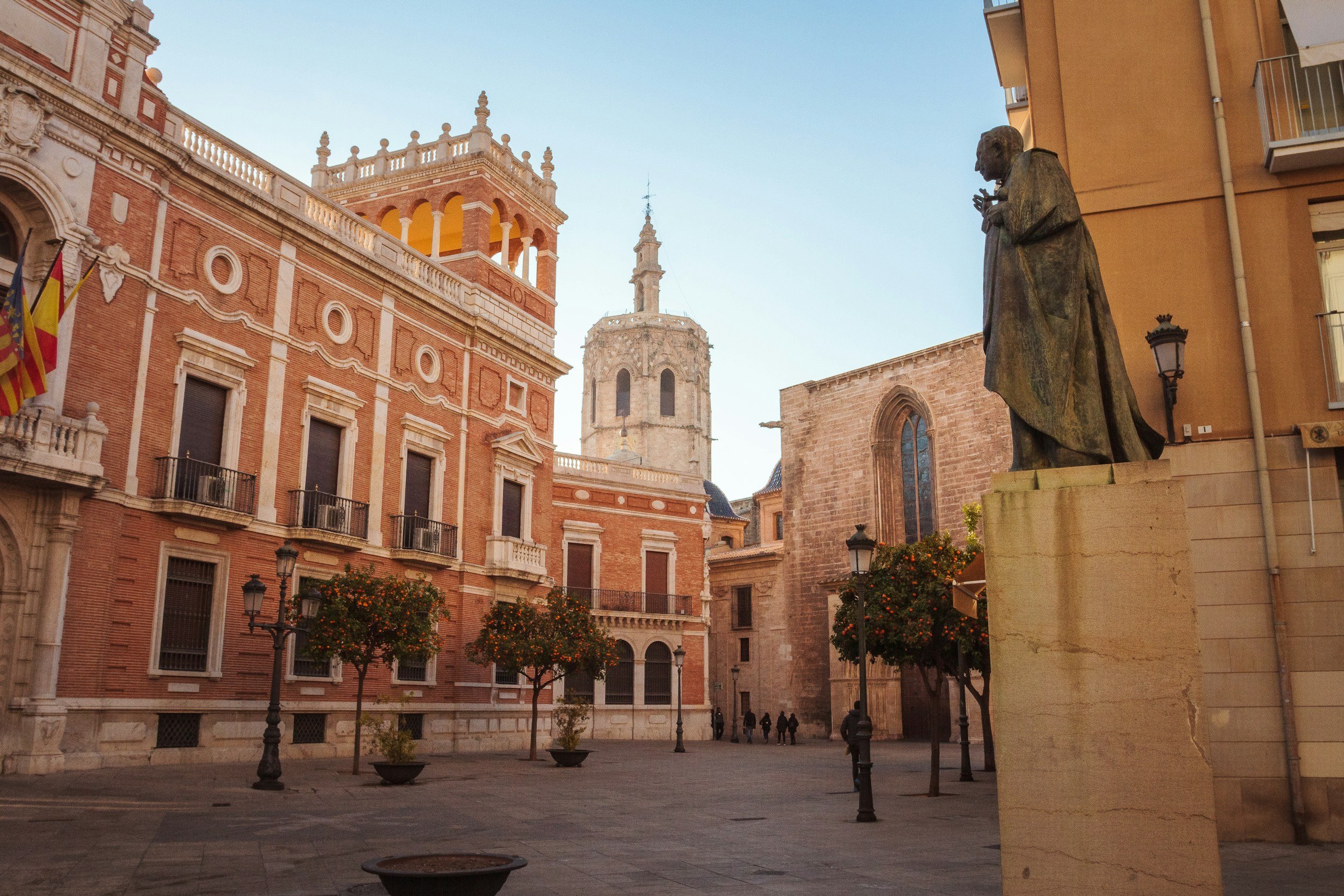
Bubuflats Ruzafa: short-term apartments in Valencia’s Ruzafa district
Bubuflats has several apartments spread across Ruzafa rather than one single building, so the exact street matters, but most are within a few blocks of Carrer de Sueca, Carrer de Cadis, and the area around Mercat de Ruzafa. This part of Valencia runs on a very different daily pattern compared to the old town. Mornings start earlier here, cafés open steadily from around 8:00, and by 9:00 the terraces along Sueca are already full with people stopping on their way to work. Staying here means you can step outside and immediately find a place for coffee without needing to plan where to go.
The apartments themselves are set up for short stays but feel closer to lived-in flats than hotel units. Most are in older residential buildings with high ceilings, tiled floors, and balconies that open directly onto the street. That also means you should expect normal city noise rather than hotel-style insulation, especially in the evenings when Ruzafa is at its busiest. If you prefer something quieter, it’s worth requesting a unit on a higher floor or on one of the smaller side streets rather than directly on Sueca or Cadis.
Location is what makes these apartments work. From most Bubuflats addresses in Ruzafa, you can walk to Estació del Nord in about 10 minutes, which is useful if you’re arriving by train or planning day trips. The edge of the old town is another 10 to 15 minutes on foot, depending on your route, usually via Gran Via de les Germanies or Carrer de Xàtiva. You’re also well placed for everyday errands. Mercat de Ruzafa sits right in the middle of the neighborhood and is open in the mornings for fresh produce, takeaway food, and simple lunch counters. Around it, you’ll find bakeries, small wine shops, and grocery stores that stay open later than in more tourist-focused areas.
Eating out here is easy without needing reservations if you go slightly earlier than the local dinner time. Streets like Carrer de Literat Azorín and Carrer de Cuba have a mix of smaller restaurants and bars that fill up from around 20:30 onwards. If you head out around 19:30 to 20:00, you’ll usually find a table without waiting. For something more low-key, there are plenty of takeaway options and places where you can pick up prepared food and eat back in the apartment, which is often more practical after a long day.
Getting around from Ruzafa is straightforward, but most of the time you won’t need transport. The Turia Gardens are about a 15-minute walk north, and once you’re there, you can follow the park across the city without dealing with traffic. If you plan to visit the beach, buses run regularly from the main roads along Peris y Valero and Gran Via, or a taxi will get you to Cabanyal in around 15 to 20 minutes depending on traffic.
These apartments work best if you want a stay that fits into the neighborhood rather than sitting slightly outside of it. You’re using the same cafés, shops, and routines as people who live here, and everything you need is within a short walk. It’s less structured than a hotel stay, but much easier if you prefer having your own space and being able to move through the city without overthinking logistics.
And if you’re visiting solo and want places that feel easy to spend time in without overplanning, solo valencia gives a clearer sense of how the city works day to day.
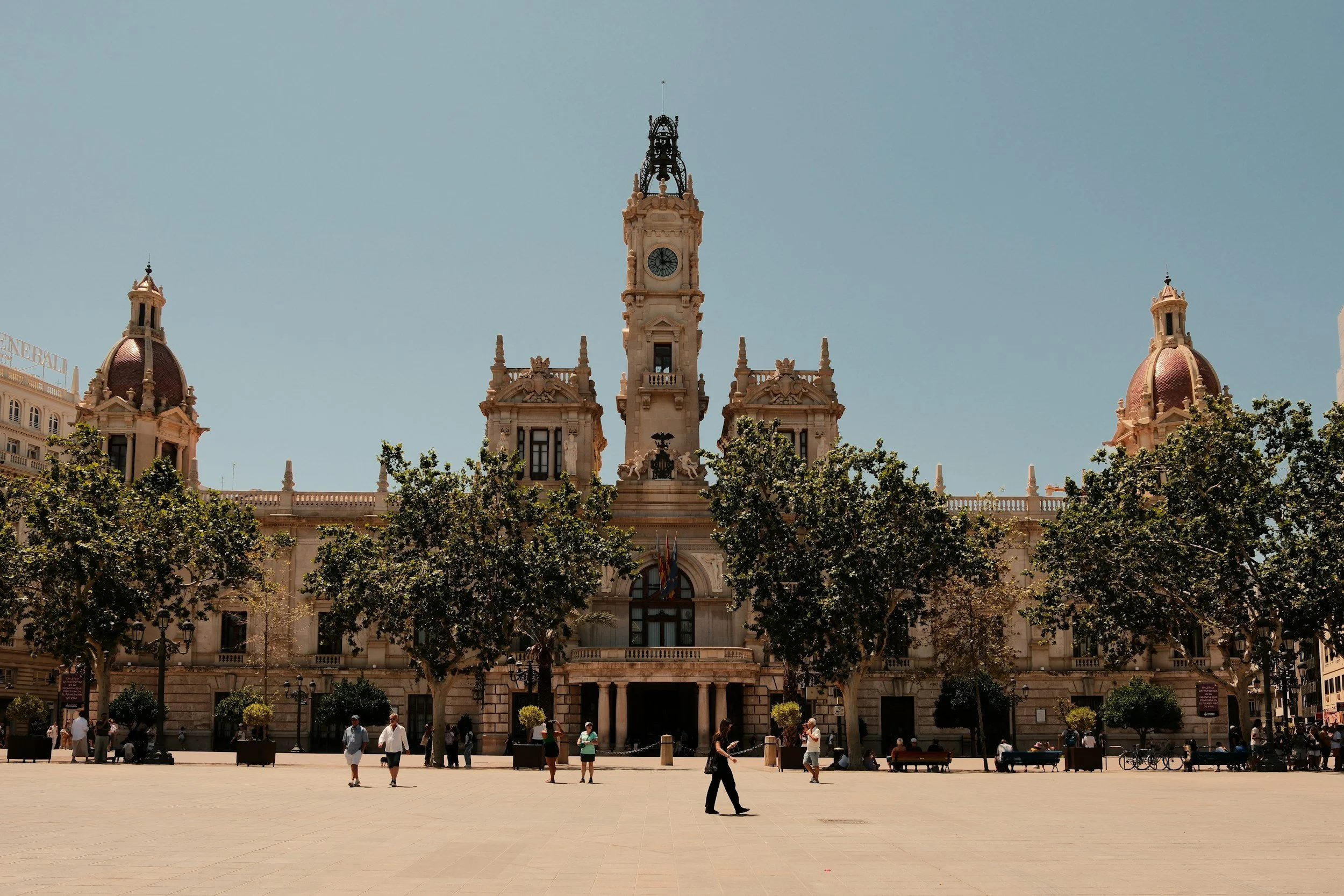
The Valencia Lounge Hostel: central stay near Mercado Central and La Lonja
The Valencia Lounge Hostel is set on Carrer de Cadirers, a small street just off Plaça del Tossal on the edge of El Carmen. It’s a part of Ciutat Vella where streets stay active late but still function well in the morning, which matters if you don’t want to adjust your schedule around nightlife. From the entrance, it’s a four-minute walk to Mercado Central and La Lonja, and about six minutes to Plaça de la Reina if you cut through Carrer dels Cavallers.
This is technically a hostel, but the setup sits closer to a small hotel. Rooms are private rather than dorm-based, with en-suite bathrooms, and the building itself is a restored townhouse with thick walls and a central stair layout. You won’t find large common areas or a social scene in the typical hostel sense, so it works better if you’re looking for a simple, central base rather than somewhere to meet people.
The immediate area is practical throughout the day. In the mornings, Mercado Central opens from around 7:30, and even if you’re not shopping, it’s one of the easiest places to get a quick breakfast that isn’t limited to pastries. Small cafés around Plaça del Tossal and along Carrer de Quart open steadily from 8:00, and you’ll notice a mix of residents and workers rather than only visitors. For something more consistent, there are bakeries along Carrer de Sant Vicent Màrtir about five minutes away, where you can sit down without waiting.
Afternoons in this part of the old town can feel quiet between lunch and early evening, especially on weekdays when shops close for a few hours. This is where the location helps, because you’re close enough to step out toward Carrer de Guillem de Castro or the Turia Gardens in under ten minutes if you want more movement. Walking to the Turia via Torres de Quart gives you a direct route without needing to cross major roads.
Evenings are more active, but the noise level varies a lot by street. Carrer dels Cavallers and Plaça del Tossal attract bars and late-night foot traffic, while Cadirers itself is slightly set back, which makes a noticeable difference if you’re trying to sleep before midnight. If that matters, it’s worth requesting a room that doesn’t face the busiest corners.
Getting to and from the hostel is straightforward without needing a car. The nearest metro access is around ten minutes away near Xàtiva or Àngel Guimerà, depending on your route, and taxis can reach the surrounding streets easily even if they can’t stop directly outside the door. From Estació del Nord, the walk takes about 15 minutes through mostly flat streets, passing through parts of the city that stay open throughout the day.
This is the kind of stay that works when location matters more than facilities. You can walk to the main markets, find food at any time of day without searching, and move around the centre without relying on transport. It keeps things simple, but in a way that fits how Valencia actually works once you’re there.
Hotel Malcom and Barret Valencia: modern stay near Ruzafa and Turia Gardens
Hotel Malcom and Barret is located on Avinguda d’Ausiàs March, just south of Ruzafa, in a part of Valencia that sits between residential streets and wider traffic routes. It’s not central in the way Ciutat Vella is, but it places you within a 10 to 15 minute walk of Ruzafa and around 20 minutes from the old town if you head north via Gran Via de les Germanies. If you prefer not to walk, buses run frequently along the avenue, and taxis to the centre usually take under 10 minutes outside peak hours.
The building itself is a converted industrial structure, and the design leans into that with open spaces, exposed elements, and a more contemporary layout than what you’ll find in the historic centre. Rooms are consistent in size and setup, which makes it easier to know what you’re booking compared to older buildings in Ciutat Vella where layouts vary a lot. If you’re staying for more than a couple of nights or arriving with luggage, the lift access and straightforward entry make a noticeable difference.
This area works differently throughout the day compared to central Valencia. Mornings are quieter, with fewer cafés immediately outside the hotel, so it’s more practical to either have breakfast on-site or walk 10 minutes into Ruzafa, where places along Carrer de Sueca and Carrer de Cadis open early and have a steady flow from around 8:30 onwards. For groceries or anything you need during your stay, there are larger supermarkets along Ausiàs March and nearby streets that stay open longer than smaller shops in the old town.
In the afternoon, the location becomes more useful. From the hotel, you can walk to the Turia Gardens in about 12 minutes via Carrer de Peris y Valero, giving you a direct route into one of the easiest parts of the city to move through on foot or by bike. If you plan to cycle, there are bike rental points along the park, and the flat layout means you can cover long distances without much effort, whether you’re heading toward the City of Arts and Sciences or back toward the historic centre.
Evenings are split between staying local or heading into Ruzafa. The immediate surroundings are mostly residential with a few casual dining spots, so most people walk into Ruzafa for dinner, which takes about 10 minutes. Streets like Literat Azorín and Cuba have a steady mix of restaurants and bars that fill up from around 20:30, but you can still find places earlier without waiting if you arrive before that. Getting back later is simple, as the route is direct and well-lit along the main roads.
This stay works best if you want a more structured, predictable setup than what the old town offers, while still being close enough to walk into areas where you’ll spend most of your time. It’s less about stepping straight into the centre and more about having space, easier access, and a location that connects well to both Ruzafa and the wider city without relying heavily on transport.
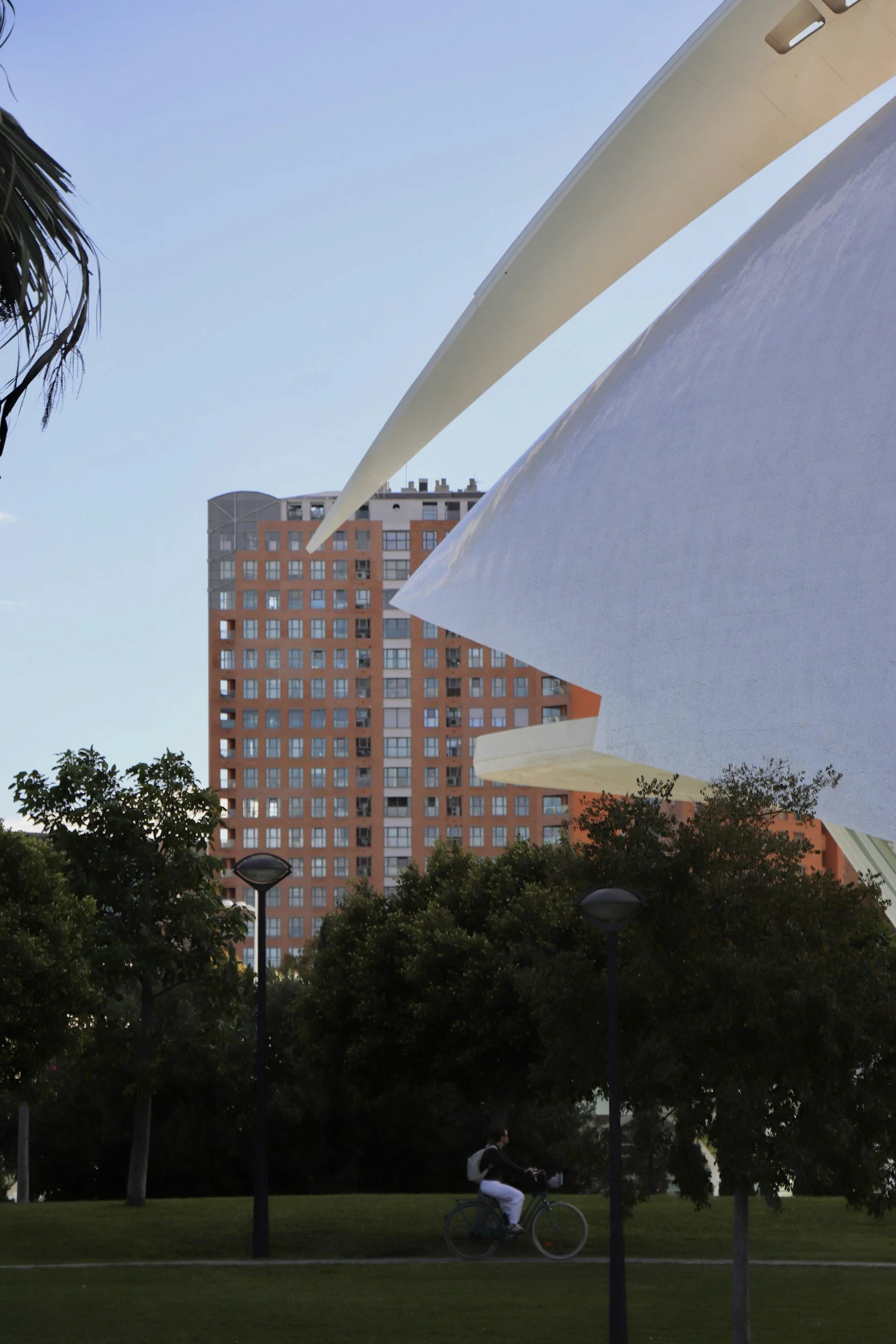
Palacio Santa Clara Valencia: boutique hotel on Carrer de la Pau near Ciutat Vella
Palacio Santa Clara sits on Carrer de la Pau, one of the main streets linking the old town with the Eixample side of the city. This location works differently from deeper parts of Ciutat Vella because you’re not inside the narrow street network, which makes arrival easier and day-to-day movement more straightforward. Taxis can stop directly outside, and from the front door it’s a three to four minute walk to Plaça de la Reina and around the same distance to the edge of Ruzafa if you head south via Carrer de Sant Vicent Màrtir.
The building has historical elements, but the structure functions more like a modern hotel than a converted townhouse. Rooms are laid out in a consistent way, with larger windows than you typically get in the old town, especially on the upper floors facing Carrer de la Pau. If you’re sensitive to noise, it’s worth knowing that this street carries steady traffic during the day, so higher floors or inward-facing rooms tend to be quieter, particularly if you plan to rest in the afternoon.
The immediate area is practical from early morning. Along Carrer de la Pau and the surrounding streets, cafés and bakeries open from around 8:00, and you don’t need to search for somewhere to sit down. Within a five-minute radius, you can reach Plaça del Patriarca and Carrer de la Nau, where there’s a mix of smaller cafés used by locals heading to work or the nearby university buildings. If you prefer something more structured, the hotel’s own breakfast setup is consistent and avoids the need to time your morning around openings.
From here, most of the city centre is walkable without planning routes. Mercado Central is about eight minutes on foot via Plaça de l’Ajuntament, and the Turia Gardens can be reached in 10 to 12 minutes by heading east toward Pont del Real. This gives you a direct path into the park for longer walks or cycling, without needing to cross complicated traffic areas. If you plan to visit the beach, taxis are easy to find along the avenue, and the drive to Cabanyal or Malvarrosa usually takes around 15 minutes depending on traffic.
Evenings are balanced in this part of the city. You’re close enough to the restaurants around Plaça de la Reina and the smaller streets of El Carmen, but you’re not staying directly above them. Streets like Carrer de la Nau and Carrer del Mar offer several dinner options within a short walk, and if you head slightly toward Ruzafa, you’ll reach a wider range of places within 10 to 15 minutes. Returning late works well because Carrer de la Pau stays lit and active without becoming crowded.
This is a good fit if you want a central location without dealing with the constraints of the old town layout. You can move between areas on foot, arrive and leave without navigating pedestrian-only streets, and keep a steady routine throughout the day without adjusting to quieter or more isolated parts of the city.
If you’re comparing Valencia’s café scene with somewhere further south, seville cafés is a useful contrast before you decide where to go. Spain has a lot of really good coffee shops worth exploring!
What to do in Valencia: how to plan your days without overthinking routes
Valencia is easy to move through once you understand how the city is laid out. Most days naturally fall into three areas: the old town (Ciutat Vella), the Turia Gardens, and either Ruzafa or the coast. The key is linking them in a way that avoids unnecessary backtracking, because distances are short but the experience changes quickly between neighborhoods.
Start in the old town early, before the streets fill up. Around Mercado Central, stalls begin opening from 7:30, and by 9:00 it’s fully active with a mix of locals doing daily shopping and small food counters serving simple breakfasts. Enter from the Plaça del Mercat side rather than the main doors if you want to avoid the first wave of visitors. From there, La Lonja de la Seda sits directly opposite, and it’s easiest to visit right when it opens rather than mid-day when groups arrive. The interior takes about 20–30 minutes if you move through it properly without rushing.
From the market area, it’s a short walk toward Plaça de la Reina and the Cathedral, but instead of staying in the busiest streets, cut through Plaça Redona and continue toward Carrer de la Nau. This route brings you into a slightly calmer part of the centre where cafés and smaller shops operate more consistently throughout the day. It also positions you well to continue east toward the Turia Gardens without needing to cross large roads.
The Turia Gardens are less of a “park stop” and more of a route across the city. Access works best via Pont del Real or Pont de la Mar, depending on where you’re coming from. Once inside, you can walk or cycle without interruptions for several kilometres. If you’re heading toward the City of Arts and Sciences, allow around 35–40 minutes on foot from the old town at a steady pace, or about 15 minutes by bike. The complex itself is spread out, so it’s worth approaching it as an outdoor walk rather than planning to go inside every building. The area around L’Umbracle and the water features is usually enough unless you’ve booked a specific exhibition.
Ruzafa works best later in the day. From the old town, the walk takes about 15 minutes via Carrer de Xàtiva or Gran Via de les Germanies. Mornings here are slower than the centre but more consistent once cafés open around 8:30. Streets like Carrer de Sueca, Carrer de Cadis, and Carrer de Literat Azorín have a steady flow of people throughout the day, and Mercat de Ruzafa is open in the morning if you want something more local than Mercado Central. In the evening, this is one of the easiest areas to find dinner without planning far ahead, especially if you go slightly earlier than typical Spanish dinner hours.
For the coast, Malvarrosa and Cabanyal are about 15–20 minutes by taxi from the centre, or reachable by bus from the main roads near Ruzafa and the Turia. The beach itself is wide and open, but the more interesting part is slightly inland in Cabanyal, where older residential streets run parallel to the sea. If you’re planning lunch, it’s better to arrive before 14:00 or after 15:30 to avoid waiting, especially on weekends when local families fill the restaurants.
This way of structuring your time keeps everything within walking distance or a short, direct ride, without needing to plan each movement in advance. Valencia works well when you move between areas in sequence rather than treating each place as a separate trip.
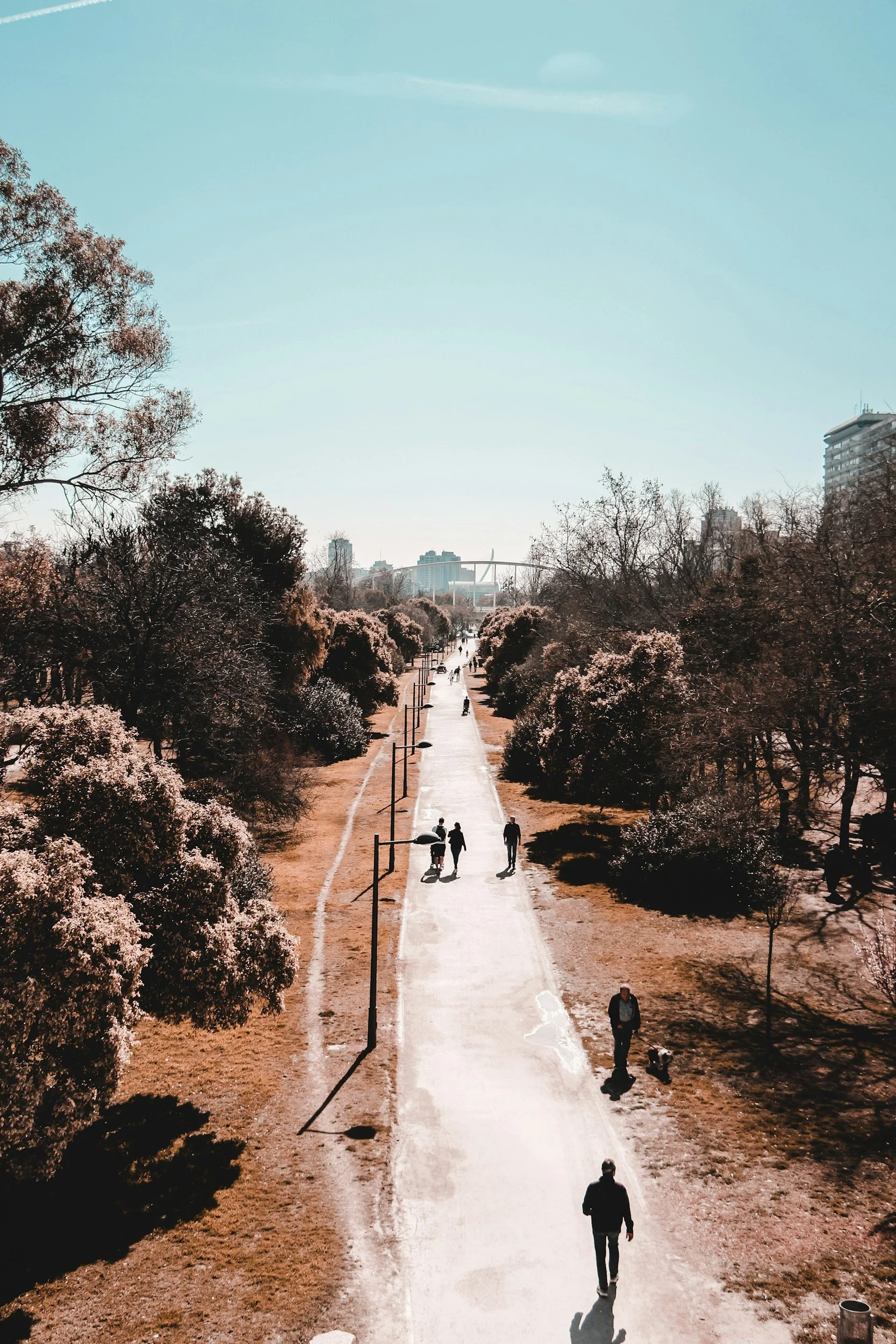

Choosing where to stay in Valencia
One detail that tends to make more difference than expected is how your accommodation handles arrival and timing. In Ciutat Vella, many buildings sit on pedestrian streets, which means taxis stop a few minutes away and you walk the last stretch with luggage. That’s manageable, but it becomes less convenient if you’re arriving late in the evening or during busy hours around Plaça de la Reina. Places on streets like Carrer de la Pau or closer to the edge of the old town remove that friction completely because cars can stop directly outside.
Another practical difference shows up in the morning. In parts of El Carmen, you can step out at 8:30 and still find shutters down, while a few streets over near Carrer de la Nau or in Ruzafa, cafés are already open and running at full pace. If your plan is to head out early without thinking about where to go, that small shift in location changes how your day starts.
It’s also worth checking how the building itself is set up, not just the room. Older properties in the centre often have narrow staircases, limited lift access, or reception hours that don’t match late arrivals. That’s rarely mentioned clearly in listings, but it affects how easy the stay feels once you’re there. In contrast, places slightly outside the historic core, including parts of Ruzafa or near Ausiàs March, tend to have simpler layouts and more predictable access.
If you’re staying more than a couple of nights, think about where you’ll naturally return during the day. Valencia is easy to cross, but going back to your room between morning and evening only works smoothly if you’re not navigating the busiest streets each time. Being within a short walk of the Turia Gardens or along a direct route between neighbourhoods makes that much easier without adding extra planning.
Choosing where to stay here isn’t about finding the most central point on a map. It’s about picking a location that matches how you want your days to be once you’re actually in the city, from the first coffee in the morning to the walk back after dinner.
Can’t get enough of Spain?
If you’re considering adding a coastal stop nearby, sitges stay shows what a smaller seaside base feels like compared to staying in Valencia itself.
For when you start thinking about leaving Valencia altogether, even just for a day or two, spanish villages gives you a few directions that feel completely different.
If northern Spain is already on your radar, santillana del mar helps you picture how that shift in landscape and atmosphere actually feels.
And if you’re deciding when to go rather than just where, northern spain autumn gives a better sense of how timing changes the experience across regions.
If markets are part of how you like to explore a place, quiet markets is a quick way to see where that still feels local rather than busy.
FAQs about where to stay in Valencia
Where is the best area to stay in Valencia without needing transport?
The most practical area sits between Plaça de la Reina, Carrer de la Pau, and the northern edge of Ruzafa. From here, you can walk to Mercado Central in about 5 minutes, reach the Turia Gardens in 10 minutes, and be in Ruzafa in 15 minutes. This zone also gives you access to taxis and wider streets, which makes arrival and day trips easier than staying deeper inside El Carmen.
Is Ruzafa or Ciutat Vella better for staying in Valencia?
Ciutat Vella works better for early mornings and historic sights, especially around Mercado Central and La Lonja, where activity starts from 7:30. Ruzafa is more consistent throughout the day, with cafés along Carrer de Sueca and Cadis opening from around 8:30 and a wider range of restaurants within a few blocks in the evening. Walking between the two takes about 15 minutes via Gran Via de les Germanies or Carrer de Xàtiva.
What area in Valencia is best for boutique hotels?
Most boutique hotels are located in Ciutat Vella, particularly around Carrer de la Pau, Carrer de la Nau, and streets near the Cathedral. This area offers historic buildings with easier access than El Carmen, where narrow streets can make arrival more complicated. It also places you within a short walk of both the Turia Gardens and the main squares.
Are apartments in Ruzafa a good option for a short stay in Valencia?
Yes, especially if you want a more flexible setup. Apartments around Mercat de Ruzafa and streets like Literat Azorín or Carrer de Cuba give you access to groceries, cafés, and takeaway food within a few minutes’ walk. This makes it easier to structure your day without relying on hotel services or fixed meal times.
How far are Valencia hotels from the beach?
From central areas like Ciutat Vella or Ruzafa, Malvarrosa and Cabanyal are usually 15 to 20 minutes by taxi. Buses run from Avinguda del Port and Gran Via de les Germanies, with travel times around 25 to 35 minutes. Cycling through the Turia Gardens and out toward the coast takes around 40 minutes on flat paths.
Is it better to stay near the Turia Gardens in Valencia?
Staying near the Turia, around Alameda or Pont del Real, gives you more space and a direct walking route across the city. You can reach the old town in about 10 to 15 minutes and continue toward the City of Arts and Sciences without needing transport. This area works well if you plan to walk or cycle daily.
What are the quietest areas to stay in Valencia city centre?
Quieter central stays are found near Plaça del Patriarca, Carrer de la Nau, and the edges of Carrer de la Pau rather than deep inside El Carmen. In Ruzafa, choosing a side street instead of Carrer de Sueca or Cadis reduces evening noise while keeping everything within a short walk.
How do you get from Valencia airport to central hotels?
The metro runs directly from the airport to stations like Xàtiva and Colón in about 20 to 25 minutes. From there, most central hotels are within a 5 to 10 minute walk. Taxis take around 15 to 20 minutes and are the easiest option if your accommodation is inside smaller streets in Ciutat Vella.
Is Valencia easy to explore on foot from your hotel?
Yes, if you stay centrally. From Plaça de la Reina, you can walk to Mercado Central in 5 minutes, the Turia Gardens in about 10 minutes, and Ruzafa in 15 minutes. The city is flat, and most routes follow straightforward streets, so you rarely need to plan transport during the day.
How far in advance should you book hotels in Valencia?
Central boutique hotels and well-located apartments in Ruzafa tend to fill up quickly for weekends and summer months. Booking a few weeks in advance is usually enough outside peak periods, but for June to September, earlier booking gives you more choice in the best areas.