
Not sure where to stay in the Azores? Start with the island.
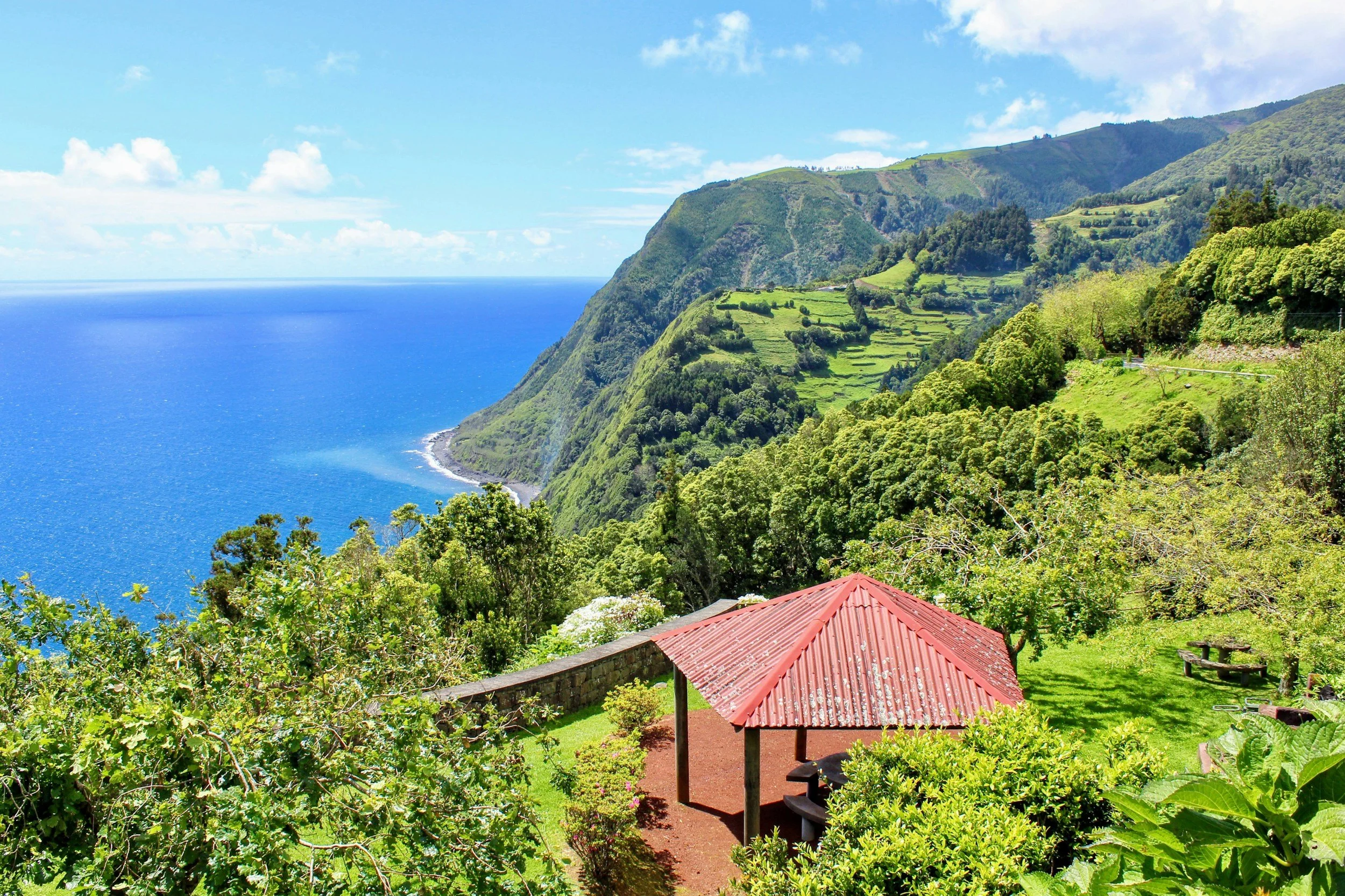
You land on São Miguel, pick up the rental car, and within twenty minutes you’re already second-guessing where to stay. One road leads toward Sete Cidades, another toward Furnas, and suddenly it’s clear that “the Azores” isn’t one place you can base yourself in and see everything from. Distances look short on a map, but the roads wind, the weather shifts quickly, and each part of the island feels completely different once you’re there.
That’s where most Azores hotel guides fall short. They list beautiful stays, but they don’t help you decide where those stays actually make sense.
Because in the Azores, choosing the right hotel isn’t just about design or comfort. It’s about positioning yourself correctly on the island you’re on. Staying near Furnas means early mornings in thermal gardens and evenings that feel quieter once day visitors leave. Staying closer to Ponta Delgada gives you easier access to restaurants and day trips, but a very different atmosphere. And if you’re heading to islands like Pico or Faial, the decision shifts again, because the scale and pace change completely.
This guide is built around that reality. Not just a list of boutique hotels, but a clear look at where each one sits, how it fits into your trip, and what your days will actually look like if you stay there.
So instead of asking “what’s the nicest hotel?”, you can decide what actually works for the kind of trip you’re planning.
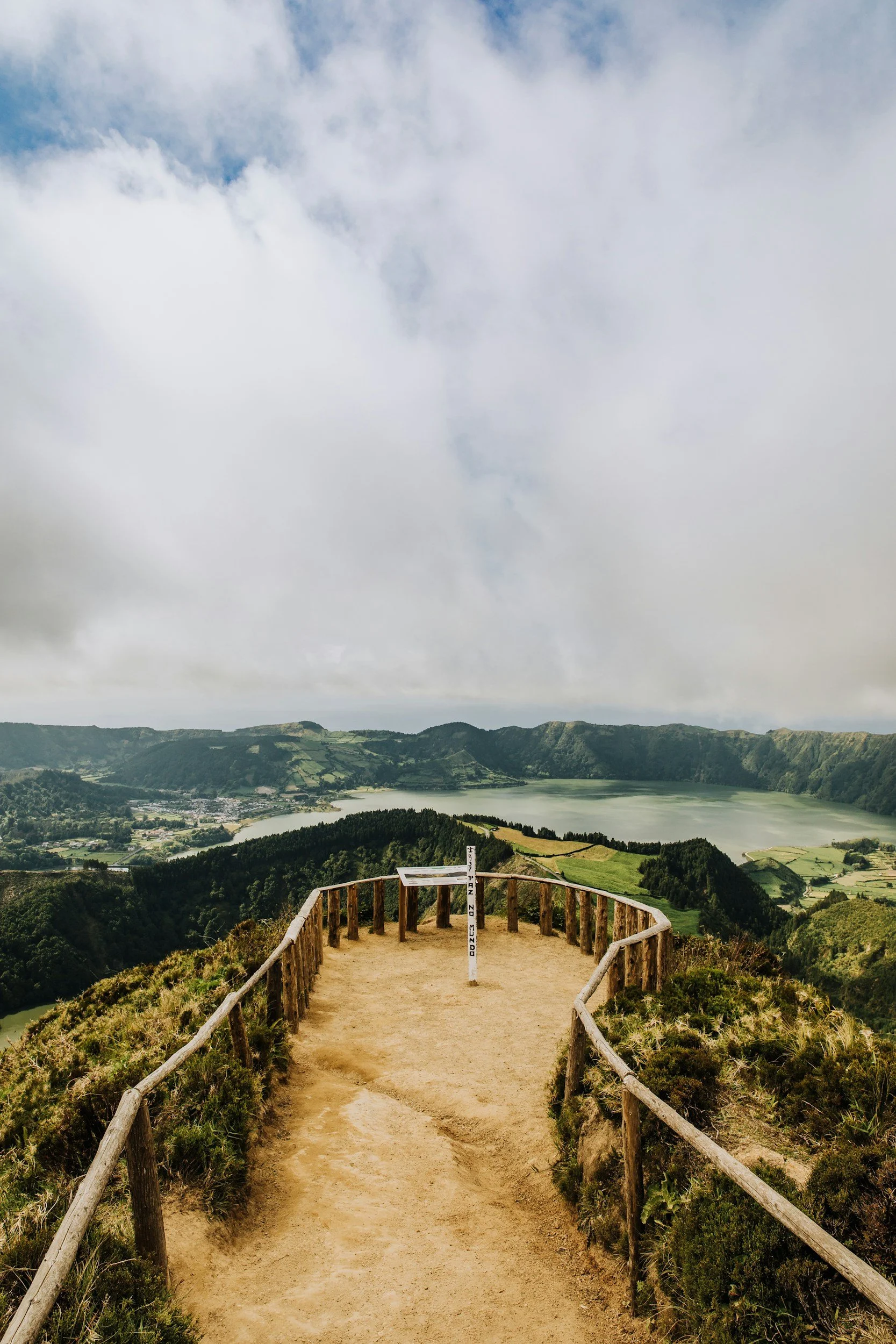
Santa Bárbara Eco-Beach Resort on the north coast of São Miguel
The first thing you notice isn’t the hotel, it’s the coastline. Driving out of Ponta Delgada toward Ribeira Grande, the road feels fairly ordinary until it suddenly doesn’t. One turn and the Atlantic is right there, dark sand, strong surf, and a horizon that feels closer than expected. The turn toward Santa Bárbara Eco-Beach Resort comes up quickly after that, past a few low houses, small cultivated plots, and the kind of everyday details you don’t usually associate with a resort setting.
When you arrive, there isn’t a big entrance or a sense of being “taken into” a hotel. The buildings are low, spread out, and slightly set back from the beach behind a thin line of dunes. You park, walk a short distance, and you’re already in your own space. The layout is more like a small coastal settlement than a single property, with villas placed far enough apart that you don’t feel like you’re sharing the experience unless you choose to.
Inside, everything is straightforward in a way that works well here. The main living space opens directly onto a terrace through large sliding doors, and most of the rooms are positioned so you can see at least a slice of the ocean without having to move around for it. You’ll probably leave those doors open more than you expect, even when the air is cooler, just to keep the sound of the waves in the background. It’s constant, but not loud in an intrusive way. After a few hours, you stop noticing it, and then you notice it again when it suddenly feels quieter somewhere else.
The beach, Praia de Santa Bárbara, is the reason the resort is here in the first place, and it’s not the kind of beach you just wander onto without paying attention. The waves are strong most days, and the current can pull more than you expect, which is why it’s better known for surfing than swimming. Early in the morning, you’ll see locals and a few visitors already in the water, usually entering from the main access points closer to the road. There’s a rhythm to it, people arriving, checking the conditions, going in, coming back out, and then disappearing again.
If you walk north along the sand, you’ll reach the main access area near Ribeira Grande where things feel a bit more social. Just above the beach sits TukáTulá Beach Bar, which is one of those places you end up staying longer than planned without quite deciding to. It’s simple, fresh fish, something cold to drink, people coming and going in a steady flow, but never in a rushed way. Walking south instead feels completely different. The beach stretches out, fewer access points, fewer people, and long sections where you might not see anyone at all.
Back at the resort, the pool area sits slightly higher and feels more protected from the wind, which you start to appreciate after a day or two. The north coast of São Miguel is open to the Atlantic, and that means conditions change quickly. A calm morning can turn into a windy afternoon without much warning, and you’ll notice how people adjust, moving between the beach and the pool depending on what feels better at the time.
What makes this place work particularly well is where it sits on the island. You’re not stuck choosing between being near Ponta Delgada or somewhere more remote. It’s about a 20-minute drive back into town if you want restaurants or a different pace in the evening, but you don’t feel like you’re in the middle of it when you return. Inland, the shift is even more noticeable. Within 20–25 minutes you can be in places like Caldeira Velha, where you’re sitting in warm, iron-rich water surrounded by dense greenery, which feels worlds away from the open, windy coastline you started from.
Driving west takes you toward Sete Cidades, where the road climbs and the views open over the twin lakes, while heading east brings you to Furnas, where the air carries that distinct geothermal smell and the pace slows down again. The point is that you can move in completely different directions each day without it feeling like a long journey, and then come back to the same place in the evening.
That’s usually when the resort makes the most sense. Once the light drops, the beach empties almost completely, and the sound of the waves becomes more noticeable simply because everything else has gone quiet. You’re not deciding between multiple plans. Most people stay on-site, have dinner, and then drift back to their villa without much thought.
It’s not a highly structured resort experience, and that’s part of the appeal. The weather shifts, the ocean is constant, and the layout keeps you connected to it rather than separating you from it. If you’re choosing where to stay on São Miguel, this works well if you want direct access to the coast, space around you, and a base that lets you explore the island without having to keep moving your things every couple of days.
Furnas Lake Villas in Furnas, São Miguel
The road into Furnas doesn’t feel like the rest of the island. You leave the coast behind, drive inland past Ribeira Grande, and the landscape slowly thickens. More trees, heavier air, and then the road drops down into the valley in a series of bends where you suddenly notice the smell, not strong, but there, sulfur drifting in and out depending on the wind. It’s one of those things you stop noticing after a few hours, but at the beginning it’s very clear you’re somewhere different.
Furnas Lake Villas sits just outside the village, closer to Lagoa das Furnas than the center. You don’t pass through shops or cafés on the way in. It’s a quieter stretch of road with a few houses, then a turn, and suddenly it opens up toward the lake. If you arrive in the morning, there’s often a thin layer of mist sitting low over the water, especially on still days.
The villas are spread out across the property in a way that feels intentional without being obvious. You don’t see much of the other units once you’re inside your own space. No corridors, no shared indoor areas, just your door, your terrace, and whatever is happening outside.
Inside, it’s stripped back, but not in a way that feels cold. The bed faces outward toward the greenery, and the glass walls pull your attention in that direction without you thinking about it. You sit down, and you’re already looking outside. There’s no “best corner” to find. It’s already been decided.
The materials are simple, light wood, soft tones, nothing reflective. At night, that matters more than you expect. The glass doesn’t turn into a mirror as much as it would in a brighter space, so you still feel connected to what’s outside, even after dark.
Mornings here tend to start quietly, but not silently. If you wake up early and walk down toward the lake, you’ll see locals already at work near the geothermal fields. Large metal pots are lowered into the ground at specific spots around the shore, marked areas where the heat comes up naturally. By midday, those same pots will be lifted out and taken back into the village for lunch service. It’s not staged or set up for visitors, it’s just part of how things have always been done here.
If you follow the road a bit further, you’ll pass small roadside stalls that don’t always look open until you get closer. Corn cooked over geothermal heat, sometimes sweet bread, sometimes nothing at all depending on the day. You don’t plan to stop, but you end up slowing down anyway.
Back toward the center of Furnas, places like Parque Terra Nostra are close enough that you don’t need to think about timing too much. You might go in for an hour, walk through the gardens, sit in the warm water for a while, then leave again without turning it into a full outing.
You’ll find small restaurants serving cozido that’s been cooked in the ground near the lake, but also quieter spots where people come in, eat, and leave quite quickly.
Back at the villas, the shift is immediate. You close the door, sit down, and it feels slower again. The air is still, the light softer, and the soundscape is completely different from the coast. No waves, no wind pushing through open space, just small, steady background sounds.
Evenings don’t stretch out in the same way they do by the ocean. Once it gets dark, things close down quickly. The village quiets, the roads empty, and you don’t feel like going anywhere else. Most people stay in, eat something simple, and settle into the space without needing to plan anything.
The geothermal activity never fully disappears. You’ll notice it in small ways, warm ground in certain spots, steam rising in the distance, the smell returning briefly and then fading again. It becomes part of the background rather than something you focus on.
Terra Nostra Garden Hotel in Furnas, São Miguel
You feel the difference before you even arrive. The road into Furnas drops into the valley in a series of bends, and somewhere along the way the air changes. It’s warmer, heavier, and there’s that faint sulfur smell that comes and goes depending on where you are. You pass small bakeries, a couple of cafés, people picking up bread or coffee, and then, almost without noticing it, you’re at the entrance to Parque Terra Nostra.
Staying at Terra Nostra Garden Hotel means you’re not visiting the park, you’re inside it. That sounds like a small distinction, but it changes the whole stay. Once you walk through the gates, the village drops away and everything becomes green, dense, and slightly disorienting in a good way. Paths curve instead of running straight, water moves quietly through different sections of the garden, and there isn’t a single obvious direction you’re meant to follow.
The hotel itself sits quietly within all of this. The building has that soft yellow tone you’ll notice once you step back and look at it properly, but most of the time your attention is elsewhere. Inside, the rooms are comfortable and fairly simple, but you don’t spend long in them at first. You put your bag down, maybe open the window, and then you head straight back out into the park.
What makes this place work isn’t the design of the room, it’s the access. Early in the morning, before the gates open to visitors, the park feels completely different. There’s often a light layer of mist sitting low between the trees, especially near the water, and the paths are empty in a way that’s hard to find elsewhere on the island. You hear small streams running, birds moving through the trees, and not much else. It doesn’t feel staged or curated at that hour, it just feels still.
The thermal pool sits right in the middle of the garden, and it’s one of the few places where you can stay longer than you expected without really noticing the time. The water is warm and slightly opaque from the iron content, and people move through it slowly, standing, floating, talking quietly if they talk at all. Later in the day, it fills up with visitors coming in from outside, but early morning or later in the evening, it settles again.
Once you step outside the park, Furnas returns to being very practical and local. Streets like Rua Padre José Jacinto Botelho run through the village with small shops and places where people come in, eat, and leave without lingering. It’s not a place built around browsing or spending hours moving between cafés. You notice how quickly people move through their routines.
A short drive brings you to Lagoa das Furnas, where the geothermal side of the area becomes more visible. Near the lake, you’ll see the marked ground where the cozido is cooked, metal pots lowered into the earth and left there for hours. Around midday, people return to collect them, and there’s a quiet rhythm to it that doesn’t change much day to day. Along the road, there are small stops that are easy to miss, stands selling bolo lêvedo or corn cooked over geothermal heat, places that don’t really advertise themselves but become part of the day if you’re paying attention.
Back at the hotel, everything slows again without you needing to do anything. You move between the garden, the pool, and your room in a way that doesn’t feel planned. You sit down on a bench, then realise you’ve been there longer than you meant to. You walk one path, then another, not because you’re trying to see everything, but because it feels natural to keep going.
Evenings are when the difference becomes most obvious. Once the park closes to visitors, it’s just guests moving through the space. The lighting stays low, the paths are still open, and you can walk for quite a while without seeing anyone else. It feels more contained, but not in a restrictive way, more like everything has settled into itself.
Hotel Alma do Mar near Água de Alto, south coast of São Miguel
The south coast of São Miguel has a different feel, and you notice it somewhere between leaving Ponta Delgada and reaching Água de Alto without a clear moment where it changes. The road runs closer to the ocean, the wind softens compared to the north, and the landscape feels more settled, less exposed. You pass small houses, gardens, a few local cafés where people come and go quickly, and then the road bends slightly and the coastline opens up again.
Hotel Alma do Mar sits just above Praia de Água de Alto in a way that doesn’t try to stand out from what’s around it. There’s no big entrance or sense of arrival, you turn off the road, park, and within a minute you’re inside. It feels more like stepping into someone’s quiet, well-placed house than checking into a hotel.
Because it’s small, everything feels immediate. You’re not navigating hallways or passing through shared spaces to get anywhere. Once you’re in your room, you settle quickly without needing to figure anything out. The bed is already facing the ocean, not in a dramatic, full-glass-wall way, but enough that you can lie down and still see the water without adjusting anything. You open the curtains, maybe leave the door slightly open if there’s a terrace, and the sound of the waves becomes part of the background without taking over the room.
The interiors don’t try to compete with the setting. Light tones, simple materials, nothing overly styled or decorative, and that’s exactly why it works. You’re not drawn to details inside the room, you’re drawn outward, toward the coastline, the changing light, and whatever is happening on the water.
The beach below stretches further than it first appears. In the morning, you’ll often see a few locals walking along the shoreline or heading into the water, something that feels very different from the stronger, more unpredictable conditions on the north coast. If you walk in the direction of Vila Franca do Campo, the beach narrows slightly as you approach the town, and the atmosphere shifts again, a bit more movement, a few more people, small boats in the harbor.
That area is also where you’ll find places like Bar Caloura a short drive along the coast, set right by the water in a way that feels very typical for this part of the island. People come for grilled fish, sit for a while, and leave without turning it into a long, planned experience. It’s the kind of place you stop at once and then end up returning to without thinking too much about it.
What makes staying here practical is how easily you can move between different parts of the island without feeling like you’ve committed to one area. Vila Franca do Campo is about 10 minutes away, Ponta Delgada around 25, and if you head inland, you can reach Furnas in roughly half an hour, where everything shifts again into a greener, more enclosed landscape shaped by geothermal activity. You can spend a few hours in one place, come back, and reset without the day feeling structured.
Back at the hotel, the rhythm stays simple. Breakfast tends to stretch out because there’s no reason to rush, and people move slowly between their rooms and the beach without much planning. As the day goes on, the light softens, the wind drops even more, and the coastline feels calmer than it did earlier.
Evenings here don’t build toward anything in particular. You might walk along the beach for a bit, sit outside, or just stay in your room with the door open. There’s no pressure to go out or find something to do, which is exactly what makes it work.
It’s not a place you choose for variety or activity, and it doesn’t try to be. It works because it’s small, well placed, and easy to settle into without overthinking it. If you’re deciding where to stay on São Miguel and want something that feels grounded, close to the water, and still connected to the rest of the island without long drives, this is one of the places where that balance actually holds up.
Casa das Caldeiras in Biscoitos, Terceira
The north coast of Terceira doesn’t try to impress you, it just stays consistent. Driving out toward Biscoitos, you pass low houses, basalt stone walls, and vineyards laid out in tight rectangular plots called curraletas, built to protect the vines from the wind. The ocean is never far away, even when you can’t see it, you hear it in the background once you step out of the car.
Getting to Casa das Caldeiras feels more like arriving at someone’s house than checking into a hotel. You turn off the main road onto a smaller lane where everything slows down even more, fewer cars, more space between buildings, and then you’re there without any real transition.
From the outside, it doesn’t stand out, and that’s intentional. Dark volcanic stone, low structure, nothing trying to compete with the surroundings. It looks like it belongs to the area rather than being placed there for visitors. Once you step inside, it becomes clearer how much thought has gone into the space, but it doesn’t announce itself.
The rooms are built around the thickness of the walls and the way light enters, not around decoration. Windows are placed where they make sense rather than where they would look best in photos, and during the day you notice how the light moves slowly across the stone and floors instead of flooding the space all at once. It stays cool inside even when it’s warm outside, which you only really notice when you step back out again.
There’s no urge to move around much once you’ve settled. You sit down, maybe near a window or outside if the wind allows, and the place does what it’s supposed to do without you adjusting anything.
A few minutes down the road, you reach Piscinas Naturais dos Biscoitos, and this is where the setting starts to make more sense. The coastline here isn’t sand, it’s black volcanic rock shaped into natural pools that fill with seawater. On calmer days, people move between them slowly, climbing in and out, sitting on the flat rock surfaces to dry off. There’s usually a mix of locals and a few visitors, but it never feels crowded in a forced way.
Right next to the pools, you’ll often see people stopping briefly at the small car park, getting changed quickly, then heading in and out without turning it into a full-day plan. It’s part of everyday life here, not something separated out for visitors.
If you keep driving along the coastal road, you pass more of the vineyard landscape, those same low stone walls repeating over and over, broken up by small houses and occasional roadside stops. Places like Restaurante O Pedro don’t look like much from the outside, but that’s where people actually go. Fresh fish, simple sides, no long menus, and meals that don’t stretch out for hours unless you want them to.
Back at the house, the pace resets almost immediately. You close the door, sit down, and it’s quiet again in a steady way. The wind is always there somewhere in the background, not strong, just constant enough that you notice it when everything else drops away.
Terceira is small enough that nothing feels far, but this part of the island feels particularly self-contained. If you drive toward Angra do Heroísmo, it takes around 25–30 minutes, and the shift is obvious, more structure, more movement, but still not busy in the way larger towns are. Most people go for a few hours, then head back without overthinking it.
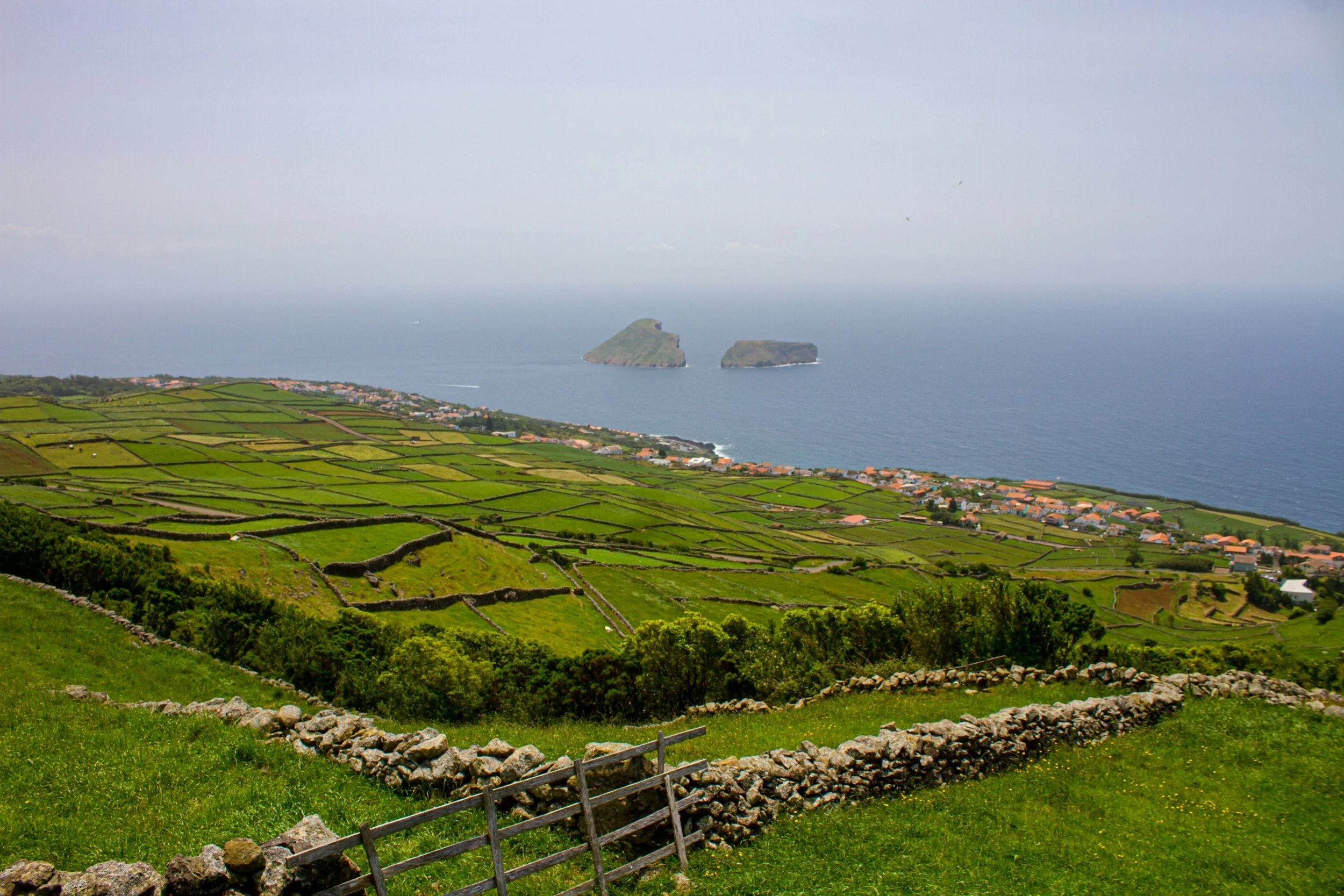
Quinta da Abelheira in Fajã de Baixo, just outside Ponta Delgada
You almost miss the entrance the first time. The road through Fajã de Baixo feels like any other residential street just outside Ponta Delgada, low walls, parked cars, people heading in and out of small shops, and then there’s a gate that doesn’t look like it leads to much. Once you’re through it, everything changes in a way that feels a bit unexpected.
Quinta da Abelheira opens up into a large garden that you don’t really see from the outside. Mature trees, uneven paths, patches of grass that aren’t overly maintained, and enough space that you stop hearing the road within a few minutes. It doesn’t feel like a hotel property that’s been planned out for guests. It feels like an old estate that’s still being lived in, just shared.
The main house sits slightly back, with rooms spread across different parts of the property rather than lined up in one building. You might have a room in the main house or in one of the smaller structures nearby, and that changes how it feels from the start. You’re not stepping into a standard layout where everything is predictable. You’re moving through a place that’s been adapted over time.
Inside, it’s more traditional than most places on São Miguel. Wooden floors that creak slightly, higher ceilings, furniture that feels like it’s been there for a while rather than chosen all at once. It’s not trying to be minimal or design-focused. It’s comfortable in a way that makes you settle quickly without thinking too much about it.
What stays with you is the garden more than the room. In the morning, you walk out without a plan, maybe toward the back of the property where the trees are denser, or along one of the side paths where you notice details you didn’t see the day before. There are fruit trees scattered around, small corners where the light hits differently depending on the time, and spots where you sit down for a minute and end up staying longer.
Step back outside the gates and you’re immediately in everyday life again. Along roads like Rua Direita da Fajã de Baixo or nearby streets, you’ll find small cafés where people come in, order quickly, and leave, bakeries where you queue behind locals picking up bread, and shops that don’t adjust their pace for visitors. It’s not an area you wander through for hours, but it gives you a sense of how the island actually runs day to day.
Within a few minutes’ drive, you’re back in the center of Ponta Delgada, where everything feels more structured. Restaurants along the marina, streets that stay busy later into the evening, and more choice if you want it. The difference is that you don’t have to stay in that pace. You can go in, have dinner, walk a bit, and then come back to something quieter without planning it.
From here, it’s also easy to move around the island without committing to one direction. Head west toward Sete Cidades, north toward Ribeira Grande and the surf beaches, or inland toward Furnas where everything shifts again into something greener and more enclosed. You can do a full day out and still be back in under an hour.
If you’re hesitating between going all-in on the Azores or keeping things on the mainland, algarve off season makes that choice much easier by showing how calm the south can feel outside summer.
If part of you is wondering whether you even need multiple islands to get that Atlantic feeling, figueira da foz is a good reality check on what a simpler coastal stay can look like.
For something that still gives you space, wild coastline, and good design-led stays without flights between islands, alentejo coast helps you see what you’d actually be trading off.
If you’re thinking about adding a stop that’s more about history and small-town atmosphere before or after, tomar guide gives you a completely different pace to balance out the nature-heavy days.
And if your route already goes through Lisbon and you’re unsure whether to stop or just connect straight to the islands, lisbon local spots answers that question quickly without overcomplicating your plan.
Practical tips for visiting the Azores
Getting around the Azores looks easy on a map, but it rarely feels that way once you’re there. Distances are short, but roads are narrow, winding, and often slower than expected, especially inland or around places like Sete Cidades or the descent into Furnas. What looks like a 30-minute drive can easily stretch longer if the weather shifts or you stop along the way, which you probably will.
A rental car isn’t optional on São Miguel if you want to move freely between the different parts of the island. Public transport exists, but it’s limited and not built around short visits. Once you leave Ponta Delgada, buses run infrequently and don’t always connect the places you actually want to combine in a day.
Weather is the one thing you don’t control here, and it changes quickly. It’s common to have sun on one side of the island and low cloud on the other at the same time. If you wake up to fog around Lagoa das Furnas, it doesn’t mean the whole day is lost. Driving 20–30 minutes in another direction can give you completely different conditions. It’s worth staying flexible rather than fixing plans too tightly.
Timing matters more than people expect, especially at popular viewpoints. Places like Vista do Rei above Sete Cidades can feel quiet early in the morning, then fill up quickly by mid-morning once tour buses arrive. Going earlier or later in the day makes a noticeable difference, not just for crowds, but for how the place feels.
Food on the island follows a more local rhythm. Restaurants don’t stay open all day, and many close between lunch and dinner. In smaller places, especially around Furnas or along the north coast, you’ll notice that people come in, eat, and leave without stretching meals out. It’s not a culture built around long, drawn-out dining unless you’re in larger towns.
If you’re planning to try cozido in Furnas, it’s worth knowing that it’s usually prepared earlier in the day and served at lunchtime. Turning up late in the afternoon and expecting to order it doesn’t always work. The same applies to some smaller local spots where menus are shorter than expected.
Pack for changeable conditions, even if you’re visiting in summer. It might feel warm and calm in Água de Alto in the morning, then cooler and windier by the coast near Ribeira Grande in the afternoon. Layers matter more than seasons here.
If you’re staying in more remote areas or smaller accommodations, it’s also worth picking up basics in advance. Supermarkets are easy to find in Ponta Delgada and larger towns, but once you’re out toward places like Furnas or Sete Cidades, options become more limited.
Finally, don’t try to cover everything in one trip. São Miguel alone has enough variation that moving between a couple of key areas works better than trying to see the entire island in a few days. Staying in one place for at least a few nights lets you adjust to the weather and the pace, which is what makes the Azores feel different from more predictable destinations.
For a full guide on the Azores and all our best tips for a trip, read this exclusive guide.

FAQ: where to stay in the Azores (boutique hotels + best areas)
Where should you stay in the Azores if you don’t want to move hotels?
If you prefer staying in one place, base yourself near Ponta Delgada or along the south coast (like Água de Alto). You’ll have the easiest access to restaurants and can reach places like Sete Cidades and Furnas within 30–45 minutes.
Is it better to stay in Ponta Delgada or somewhere quieter?
Ponta Delgada works if you want flexibility and evening options. Quieter areas like Furnas or the north coast feel more local and slower, but you’ll rely more on driving and have fewer places open at night.
Is it worth staying in Furnas in the Azores?
Yes, especially for 1–2 nights. Staying in Furnas means you can access thermal gardens like Parque Terra Nostra early morning and evening when it’s quiet, which completely changes the experience.
Do you need to stay in multiple places on São Miguel?
You don’t have to, but it makes the trip easier. Splitting your stay between the coast and Furnas reduces driving time and gives you two very different experiences of the island.
How many days do you need in the Azores?
For São Miguel, 4–5 days is a realistic minimum. If you add islands like Pico or Terceira, plan at least 7–10 days to avoid rushing.
Do you need a car in the Azores?
Yes. Public transport doesn’t connect most viewpoints, lakes, or coastal areas in a practical way. Having a car also lets you adjust plans when weather changes between regions.
What is the best area in São Miguel for boutique hotels?
The north coast near Ribeira Grande has more design-focused stays close to the ocean, while Furnas offers more secluded, nature-focused properties. The south coast around Água de Alto is the most balanced location for access and calm conditions.
Are boutique hotels in the Azores expensive?
Compared to mainland Europe, they’re often good value. Prices increase in summer, but you generally get more space and better surroundings for the price than in major European destinations.
What’s the biggest mistake when booking hotels in the Azores?
Choosing based on photos instead of location. Where you stay affects your entire trip because of driving times, weather differences, and how each area feels in the evening.
When is the best time to visit the Azores for good weather?
May to October is the most stable period, but weather changes quickly year-round. It’s common to have sun in one area and fog in another on the same day.