
These boutique hotels are reason enough to visit Germany's smaller towns
Planning a short hotel stay in Germany is usually less about finding somewhere impressive and more about choosing a place that works without effort once you arrive. Distances are short, train connections are reliable, and most of the locations in this guide can be reached within a few hours from cities like Munich or Frankfurt without needing a car. The difference is what happens after check-in.
Some hotels sit directly in a town where you can step outside and walk to everything, like in Leipzig or central Frankfurt. Others are set slightly outside, where the last few kilometers are quieter and the pace changes as soon as you arrive, such as in Klais above Mittenwald or in Mitteltal in the Black Forest. In those cases, you rely on one short taxi ride at the end, but after that, you don’t need to move again unless you want to.
What these places have in common is that they’re easy to settle into. Breakfast runs long enough that you don’t need to plan your morning around it. Spa areas or walking routes start directly from the hotel rather than requiring transport. Evenings are already structured, either through on-site dining or a few nearby options within walking distance. You’re not filling time. You’re using what’s already there.
This guide focuses on hotels that support that kind of stay. Each one is placed somewhere that makes sense for a short trip, whether that’s a five-minute walk from a station or a quiet plateau where the only decision is whether to go for a walk or stay in. The goal isn’t to cover as many places as possible, but to show where the setup actually works when you only have a couple of days.
Das Kranzbach – boutique mountain hotel in Bavaria’s Alps
Das Kranzbach sits above the small village of Klais, on a plateau between Garmisch-Partenkirchen and Mittenwald. You’re not arriving into a town here. The last stretch is a quiet uphill road through forest, and then it opens up into wide meadows with the hotel sitting slightly set back from everything else.
If you’re coming by train, take the regional line from Munich to Klais. The journey takes just under two hours, and trains run regularly. From Klais station, it’s about 4 km up to the hotel. There’s no bus for that part, so you’ll need a taxi, and it’s worth booking it ahead because there are usually only a few cars in the area. The drive takes around ten minutes. If you’re driving yourself, the road is narrow in parts but easy to follow, just slower in winter when there’s snow on the edges.
The setting is very open. You’re surrounded by fields and walking paths rather than streets or buildings, and you can see straight toward the Wetterstein mountains when the weather is clear. If you step out in the morning and walk a few minutes away from the main entrance, you’ll notice how quiet it is compared to the valley below. There’s no through-traffic here, just the occasional car heading to Elmau or back down toward Klais.
The hotel is split between an older manor house and newer buildings, but what matters more is where your room sits in relation to everything else. The newer sections are closer to the spa and pools, which makes a difference if you’re moving back and forth a few times a day. In colder months especially, it’s easier not having to walk outside between buildings in a robe. The older part has a slightly different feel, but for a short stay, proximity tends to matter more than style.
Most people stay on half board, and that makes sense here because there’s nowhere to just walk out for dinner. Breakfast runs over a longer window in the morning, so you don’t have to rush. You’ll find breads from nearby bakeries in Mittenwald, local cheeses, eggs, and a mix of things that change slightly each day. People tend to sit for a while rather than treat it like a quick hotel breakfast. Dinner is more structured, with assigned tables and set times, so it’s worth checking your slot when you arrive if you don’t want to end up eating earlier or later than planned.
The spa is spread out rather than compact, which actually works well once you figure out the layout. There’s a larger sauna with mountain views, but also smaller rooms that stay quieter, especially during peak hours in the afternoon. The outdoor pool sits slightly below the main building, and you reach it by walking down a short path. In winter, stepping out into the cold air before getting into the water is part of the routine, and most people rotate between the pool and the indoor relaxation areas rather than staying in one place.
If you want to leave the hotel for a bit, there are a few simple routes that don’t require much planning. Walking toward Elmauer Alm takes around 40–50 minutes across open ground. It’s an easy route to follow, and depending on the season, the hut is open for simple food like pancakes or soup. Another option is walking toward Schloss Elmau, which takes a similar amount of time but feels slightly more forested. Both routes give you a better sense of how the plateau is laid out.
You can walk down to Klais, but it takes longer, closer to an hour and a half, and the terrain is uneven in parts. It’s easier to treat it as a one-way walk if you really want to stretch your legs, then arrange a taxi back up. Klais itself is very small, just a train stop and a few houses, so it’s not somewhere you go for much more than a quick stop.
If you want a proper town for a few hours, Mittenwald is the closest option, about fifteen minutes by car. The center around Obermarkt has painted houses, a few cafés, and small shops, and it’s easy to walk without needing a plan. Garmisch-Partenkirchen is a bit further and more practical if you need something specific like a pharmacy or larger store, but it changes the feel of the trip and pulls you away from the setting you came for.
The time of year changes how the stay works. In winter, cross-country ski tracks run directly across the fields near the hotel, so you can start without going anywhere. Snow tends to stay longer here than in the valley, which makes the whole area feel more contained. In summer, people use the same areas for walking and cycling, and you’ll see more movement outside during the day. If you want it quieter, midweek stays are noticeably calmer than weekends, when more guests come down from Munich.
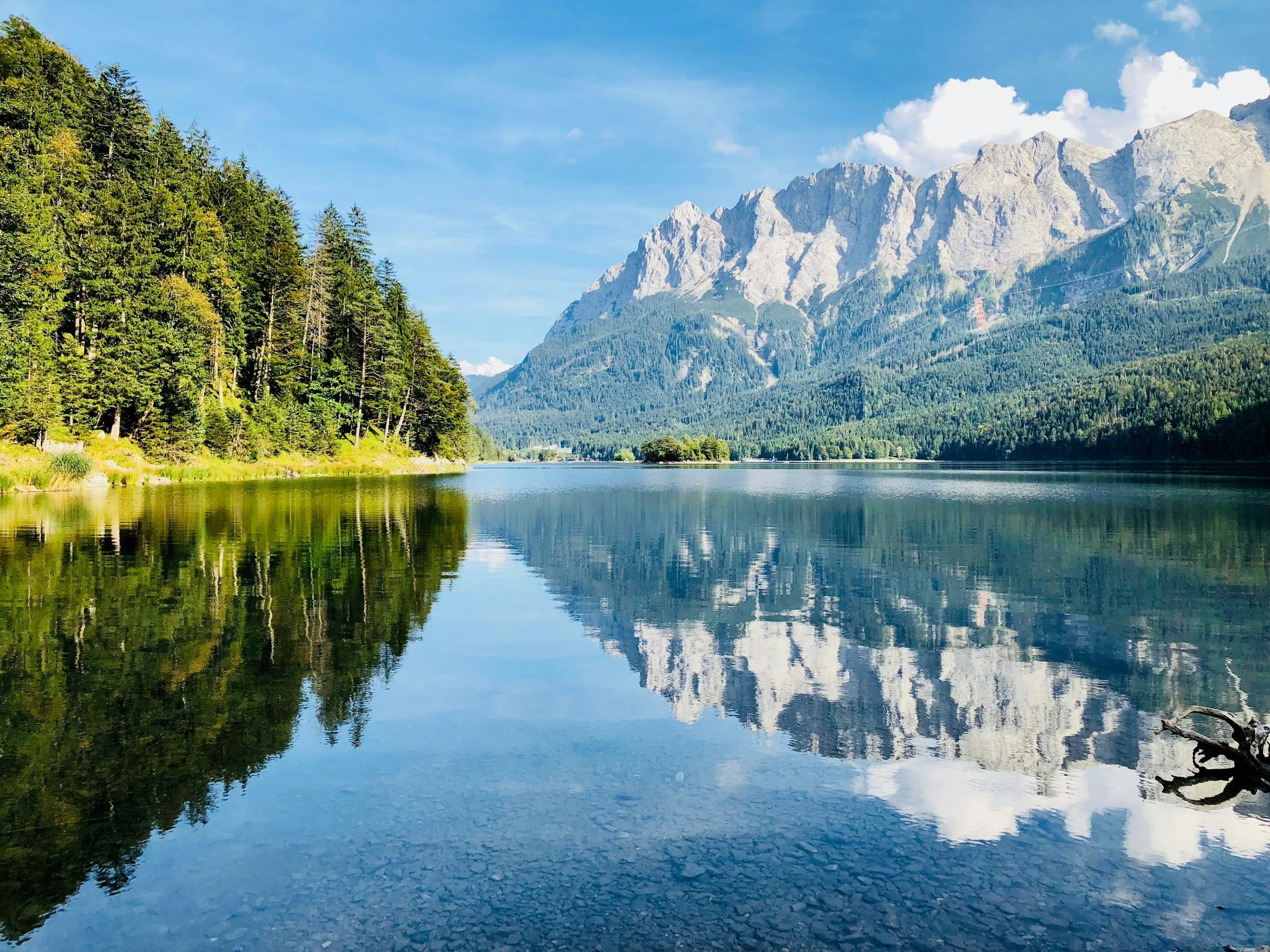
Hotel Bareiss – luxury boutique hotel in the Black Forest
Hotel Bareiss is in Mitteltal, one of the smaller sections of Baiersbronn in the northern Black Forest. You don’t arrive to a defined town center. The main road, Tonbachstraße, runs through the valley with houses, guesthouses, and a few local spots spread out along it, and the hotel sits slightly set back from that road behind its own grounds.
If you’re coming by train, the easiest route is via Karlsruhe or Stuttgart to Freudenstadt, then the local line down to Baiersbronn. From there, it’s about a ten-minute taxi ride to Mitteltal. Some connections stop closer, but not all trains do, so it’s worth checking that in advance. Once you’re there, you don’t really need a car for short stays. Most of what makes the area work is within walking distance or a short drive.
The setting feels lived-in rather than remote. You’ll notice it straight away when you arrive, with locals walking along the road, cars coming and going, and a few small places open during the day. But within minutes, you can step off the road and into the forest. Trails start very close to the hotel, and they’re clearly marked with the typical Black Forest signage, so you don’t need to plan routes in detail to get started.
Inside the hotel, everything is connected in a way that makes moving around easy. You can go from your room to the spa to the dining rooms without stepping outside, which matters more than you think, especially in colder months or when it rains. Rooms vary quite a bit depending on which part of the building you’re in. If you’re staying for a shorter trip, it’s worth asking for something closer to the main spa corridor. Otherwise, you’ll find yourself walking longer distances through the hotel several times a day.
Meals are a big part of the stay here, but they’re handled in a way that feels structured rather than overdone. Breakfast runs over a long window, and people don’t rush it. You’ll see breads from bakeries in Baiersbronn and Freudenstadt, local butter and cheeses, eggs cooked to order, and simple things that are done properly rather than trying to offer everything. Many guests come down early, then return later for another coffee, which tells you how the pace works.
In the afternoon, there’s a quieter shift where people come back from walks and stop for something small. You’ll notice cakes and light dishes being served, often around the same time each day. Dinner is more formal in structure, with set seating and a multi-course menu, but once you’ve been there one evening, you understand how it runs. Staff tend to stay consistent, so over a few days it becomes familiar rather than feeling like a new setup every night.
The spa is large but spread out enough that you don’t feel stuck in one area. There are indoor pools, smaller sauna rooms that stay quieter, and a larger outdoor pool that opens toward the garden. In warmer months, people move outside between sauna sessions, while in colder weather most guests rotate between indoor areas and shorter visits outside. If you want a quieter time, mornings before breakfast or the early afternoon period during lunch service tend to be the least busy.
What makes this place easy to settle into is how simple it is to step outside and walk without needing to think too much about it. One of the most practical routes from the hotel is toward Sankenbachsee. It takes about an hour at a steady pace, starting on a forest path that gradually climbs before opening out near the lake. If you continue a bit further, you reach the Sankenbach Waterfalls, which are set slightly above the lake and require a short uphill section. It’s a straightforward route, but going early in the morning makes a difference, especially on weekends.
Another option is walking toward Tonbach, which follows the valley in the opposite direction. This route stays lower and is easier if you don’t want to climb much. You’ll pass traditional Black Forest houses, small farms, and a few guesthouses along the way. It’s not a dramatic walk, but it gives you a clearer sense of how the area actually works day to day.
If you want to leave Mitteltal for a few hours, Baiersbronn center is about ten minutes by car. It’s not somewhere you need to plan time around, but it’s useful if you want a change of setting. There are a few cafés, bakeries, and practical shops along Rosenplatz, and it feels more like a functional village than a destination. Freudenstadt is about twenty minutes away and has a larger square, Marktplatz, with more shops and places to sit for coffee, but it shifts the pace slightly away from the hotel.
Season matters here, but not in a dramatic way. In autumn, the forest paths around Mitteltal are busier during the middle of the day, especially on weekends, but early mornings stay quiet. In winter, higher trails can be affected by snow, but lower routes along the valley remain usable, and most guests spend more time inside the hotel. Spring and early summer are usually the easiest if you want to combine walking with time outside without running into heavier weekend traffic.
For a short stay, it works better to keep things simple rather than trying to plan too much. Arrive early enough to settle in and use the spa on the first day, plan one proper walk the next morning, and leave the rest of your time open around meals and the hotel itself.
If you’re choosing between staying somewhere forested and secluded or closer to a spa town, black forest stays give a clearer sense of what that Baden-Baden setting actually feels like day to day.
Kempinski Hotel Berchtesgaden – modern alpine spa retreat in Bavaria
Kempinski Hotel Berchtesgaden sits above the town on the Obersalzberg plateau, around 1,000 meters above sea level. You don’t arrive into a village here. The road climbs steadily from Berchtesgaden center, passing through forest and a few scattered buildings before reaching a more open area where the hotel is set back from the road with wide views across the valley.
If you’re coming by train, the closest station is Berchtesgaden Hauptbahnhof. Most routes run via Salzburg, which is about 30 minutes away by train, or via Munich, which takes around 2.5 hours in total. From Berchtesgaden station, it’s a 10–15 minute drive up to the hotel. Taxis are easy to find at the station, but if you’re arriving later in the evening, it’s worth booking ahead. There is also a local bus up to Obersalzberg, but it doesn’t stop directly at the hotel, so you’ll still have a short walk or taxi transfer for the final stretch.
The setting is more open than you might expect. Unlike some alpine hotels that sit tightly within a village, this one is positioned on its own, with forest behind and long views out toward the Watzmann and surrounding peaks when the weather is clear. You notice it immediately when you step outside, especially in the morning before day visitors start arriving in the wider area.
Inside, the hotel is modern and laid out in a way that keeps everything close together. Rooms, spa, and dining areas are connected, so you’re not moving between separate buildings. If you’re staying for a shorter trip, it’s worth choosing a room with a mountain-facing view, as that’s where you’ll get the most out of the location, especially early in the day when the light is clearer.
Breakfast runs over a long window and is usually taken slowly. You’ll find a mix of standard options and regional details, with breads, cheeses, and hot dishes prepared to order. Most guests don’t rush out straight after, which tells you how the stay is structured. Dinner is more flexible than in some traditional alpine hotels, with a few different dining options on-site, but it still helps to reserve ahead if you’re visiting on a weekend.
The spa is one of the main reasons people stay here. It’s compact compared to some larger resorts, but everything is easy to access. There’s an indoor pool that looks out toward the mountains, a heated outdoor pool, and several sauna rooms. In colder months, the outdoor pool becomes the focal point, with guests moving between the warmth of the water and the colder air outside. If you want a quieter experience, early mornings or the period during dinner service tend to be less busy.
What makes this location practical is how easy it is to combine the hotel with short outings without overcomplicating things. One of the closest places to visit is the Obersalzberg Documentation Center, which is about a five-minute drive or a longer walk from the hotel. From there, buses run further up toward Kehlsteinhaus (Eagle’s Nest) during the season, although access depends on weather and time of year.
For a more relaxed outing, heading down into Berchtesgaden town works well. The center around Marktplatz has a few cafés, bakeries, and small shops, and it’s easy to spend a couple of hours there without needing a plan. If you’re looking for something specific, Café Forstner is a reliable stop for coffee and pastries, and it’s located right in the center, making it easy to find.
Königssee is one of the main draws in the area, about a 10–15 minute drive from the hotel. If you go, it’s worth arriving early in the morning to avoid queues for the boats that cross the lake. The system is well organized, but it gets busy quickly, especially on weekends. If you prefer something quieter, Hintersee is a better option, around 20 minutes by car, with a walking path around the lake that takes about an hour and stays relatively calm even in peak periods.
Seasonality has a clear impact here. In winter, snow changes access slightly, and the hotel becomes more of a self-contained stay, with guests spending most of their time inside or on shorter walks nearby. In summer, the area sees more visitors, especially around Königssee, so timing your outings early in the day makes a difference. Spring and autumn tend to be more balanced, with fewer visitors and easier access to most areas.
For a short stay, the simplest approach works best. Arrive early enough to use the spa on your first day, plan one outing either to Königssee or into Berchtesgaden town the next morning, and leave the rest of the time open.
And if your trip is happening outside summer, especially later in the year, winter forest route in Bavaria gives a much better sense of how these boutique stays change with the season.
Hotel Fregehaus Leipzig in the old town on Katharinenstraße
Hotel Fregehaus is right on Katharinenstraße, one of the narrower streets just off Markt in Leipzig’s old center. It’s the kind of street you can walk past without noticing the entrance at first, because most of the buildings are old merchant houses with small doorways and inner courtyards. The hotel sits inside one of these, so you usually step through a short passage before reaching reception rather than walking straight in from the street.
If you’re arriving by train, Leipzig Hauptbahnhof is about a ten-minute walk. You can leave the station onto Nikolaistraße, walk straight down toward Markt, then turn into Katharinenstraße. It’s an easy route with no need for transport unless you’re carrying a lot. The whole center is compact, and once you’ve done that walk once, you won’t need directions again.
The location is what makes this place work. Within a couple of minutes, you’re at Markt with the Old Town Hall, and from there you can move through the network of passages Leipzig is known for. Mädler-Passage is just around the corner, and even if it’s busy, it’s worth walking through once to understand how the city is laid out. If you prefer something a bit quieter, Specks Hof is nearby and usually has fewer people moving through it, with small shops and a calmer feel.
Rooms follow the structure of the building, so they’re not uniform. Some are larger with higher ceilings and street-facing windows, while others are smaller and look into the courtyard. If you want it quieter, a courtyard room is the better option, especially on weekends when people are moving through the street below. There’s no big lobby or shared lounge area, so the hotel feels more like a place you return to rather than somewhere you spend long stretches during the day.
Breakfast is simple and done in a smaller room inside the building. You’ll find fresh bread, cheese, cold cuts, and a few hot options. Most people eat and head out fairly quickly. If you want a slower start, there are better options just outside. Café Maître on Nikolaistraße opens early and works well for coffee and something small, and Kandler at Markt is known locally for Leipziger Lerche if you want to try something specific to the city.
Once you step outside, everything you need is within walking distance. Thomaskirche is about five minutes away, and the streets around it feel slightly calmer than Markt. If you head the other way toward Brühl and the station, it gets busier and more practical, with shops and larger stores, but it’s not where you’ll want to spend most of your time.
If you want to go a bit further, Plagwitz is an easy tram ride from Markt. Trams run frequently, and you’ll be on Karl-Heine-Straße in about 15 minutes. That area has a different feel, with cafés, smaller shops, and paths along the canal. It’s a good option if you’re staying more than a night or two and want to see another side of Leipzig without planning a full day out.
Evenings around Katharinenstraße stay active but not overwhelming. There are restaurants nearby, but it’s worth stepping just slightly off the main streets if you want something more relaxed. Auerbachs Keller in Mädler-Passage is close and easy, but it gets busy, so timing matters. Earlier or later works better than peak dinner hours.
Weekends bring more people into the center, especially around Markt, and you’ll notice it straight away. Mornings are quieter, and late evenings tend to settle down again. During the week, the whole area feels easier to move through, especially early in the day before shops open fully.
For a short stay, you don’t need to plan much. You can arrive, walk to the hotel, and cover most of what you want on foot. One longer walk through the passages and toward Thomaskirche, a few stops for coffee, and time to wander the smaller streets nearby is usually enough.
For something completely different, especially if you’re considering a coastal hotel, north sea islands show what a slower, more remote stay looks like along Germany’s northern edge.
The Pure Frankfurt near the main station
The Pure is on Niddastraße, one block west of Frankfurt Hauptbahnhof. It’s a straight, five-minute walk from the platforms: out through the main hall, across the forecourt, then down Düsseldorfer Straße and left into Niddastraße. If you arrive late, that route is still the simplest. The area around the station is mixed, with hotels, small supermarkets, late-night takeaways, and offices, but the immediate stretch where The Pure sits is quieter than the streets directly in front of the station.
What works here is how easy everything is once you’ve checked in. The S-Bahn runs under the station with direct lines to the airport in about 12–15 minutes, so if you’re in Frankfurt for one night or a short stop, you don’t need to think about transport at all. Trams run along Düsseldorfer Straße and Karlstraße, which means you can reach the river or the west side of the city in a few stops, but most central areas are walkable.
Rooms are simple and consistent in layout, with light walls, clean lines, and very little decoration. That’s deliberate rather than minimal for the sake of it, and it makes the rooms easy to use for a short stay when you don’t want to spend time figuring things out. If you want a quieter night, it’s worth asking for a room facing the inner courtyard, as street-facing rooms can pick up some noise from passing traffic and people moving between the station and nearby hotels.
Breakfast is served downstairs in a compact room that doubles as a lounge later in the day. It’s not a large buffet, but you’ll find fresh bread, cheeses, fruit, and a few hot options. Most guests come down early, eat, and leave, especially during the week. If you want something slower or more local, Kaffeewerk Espressionist on Münchener Straße is about five minutes away and opens early, with good coffee and simple breakfast options. For something quick before a train, there are bakeries inside the station itself, including branches near the main concourse that open from early morning.
Once you step outside, the easiest direction to walk is toward the river. From Niddastraße, you can head south via Taunusstraße or Weserstraße, cross the tram lines, and reach the Main in about ten minutes. The stretch between Untermainbrücke and Holbeinsteg is a good place to walk, especially in the early evening when people gather along the water but it doesn’t feel crowded. From there, you can cross into Sachsenhausen and follow the riverbank paths, or head back toward the Altstadt side.
If you want to spend a couple of hours in the old center, Römerberg is about a 15-minute walk from the hotel. The route is simple: follow the river east, then head up toward the square. It’s a compact area with restored buildings, small shops, and a few cafés where you can sit without needing a reservation if you avoid peak times. The Kleinmarkthalle is also within walking distance, just beyond Zeil, and works well for a casual lunch if you’re in the city during the day.
Closer to the hotel, Münchener Straße and Kaiserstraße have a mix of casual restaurants and takeaway spots that stay open later than most parts of the city. It’s not where you go for a long dinner, but it’s practical if you arrive late or don’t want to walk far. For something slightly more relaxed, walking ten minutes west toward the Westend area changes the atmosphere, with quieter streets and more residential cafés.
During the day, the station area is busy but manageable, with people moving through quickly rather than staying. Late evenings can feel less comfortable if you’re not used to the area, so it’s worth knowing your route back to the hotel rather than wandering. Early mornings are usually the calmest, especially if you’re heading out for a walk or to catch a train.
Schlosshotel Fiss above the village in Tyrol
Schlosshotel Fiss sits above the village of Fiss on a wide terrace that looks out across the upper Inn valley. You don’t arrive into a compact center here. The road climbs up through Serfaus and then levels out near Fiss, with the hotel positioned slightly above the main village streets. From the parking area and entrance, you’re already looking straight across toward the Samnaun and Ötztal ranges on clear days.
If you’re coming by train, the closest major stop is Landeck-Zams. From there, it’s about 25–30 minutes by car up the Serfaus–Fiss–Ladis road. Buses run regularly from Landeck to Fiss Dorfbahn, which is the main stop in the village, and from there it’s a short taxi ride or a longer uphill walk to the hotel depending on how much luggage you have. In winter, it’s worth checking timing in advance, as arrivals tend to cluster around ski transfer hours.
The setting is more structured than it looks at first. Fiss is a working alpine village, with houses, small hotels, and a few shops along the main road, but the hotel sits above that, slightly removed from day-to-day movement. Within a few minutes on foot, you can reach the village center around Obere Dorfstraße, where you’ll find a bakery, a couple of small grocery shops, and places open during the day. At night, most of the activity stays within hotels rather than spreading out across the village.
Inside, the hotel is larger than expected, but everything is connected in a way that makes it easy to move around. Rooms, spa areas, and dining spaces are all linked indoors, which matters during colder months when you don’t want to step outside between facilities. Room categories vary, but for a short stay it’s worth choosing something with a valley-facing balcony, as that’s where you actually notice the location, especially early in the morning or just before sunset.
Meals follow a set structure, and most guests stay on half board. Breakfast runs over a longer window and includes breads from local bakeries, cheeses from the region, eggs cooked to order, and a mix of standard options. People tend to sit for a while rather than rushing through it. In the afternoon, there’s a lighter offering with snacks and cakes, which many guests use as a late lunch after being outside. Dinner is a multi-course setup with assigned seating, and once you’ve been through it one evening, you understand the timing and flow for the rest of your stay.
The spa is one of the main reasons people come here, and it’s spread across several levels rather than concentrated in one place. There are indoor pools, quieter relaxation rooms, and a series of saunas, including some that stay noticeably calmer in the late afternoon. The outdoor pool sits along the edge of the terrace, facing the valley, and becomes a regular part of the day rather than something you visit once. In colder months, most people move between indoor and outdoor areas in shorter intervals, while in summer, the outdoor spaces are used more consistently.
What makes this location easy to use is how close you are to the main lifts and walking routes. The Fiss cable cars, including Schönjochbahn and Möseralmbahn, are about a five to ten-minute walk downhill from the hotel. In winter, you can connect directly to the Serfaus–Fiss–Ladis ski area from there without needing a car. In summer, the same lifts take you up to higher walking areas, which saves time compared to starting from the village.
If you prefer to stay lower, there are simpler routes starting from Fiss itself. Walking toward Ladis takes around an hour along a relatively even path, and it gives you a view back toward the plateau and surrounding peaks. Another option is heading in the opposite direction toward Serfaus, which is slightly busier but has more places open during the day if you want to stop for coffee or a quick lunch.
Fiss itself is small but functional. Around Obere Dorfstraße and Untere Dorfstraße, you’ll find a bakery for early mornings, a couple of shops, and a few places where you can sit during the day. It’s not somewhere you need to plan time around, but it’s useful if you want to step out of the hotel for a couple of hours without going far. Serfaus, about ten minutes away by car or bus, has a bit more activity and a wider choice of cafés and restaurants, but it also brings in more visitors, especially in peak season.
Seasonality changes how you use the area. In winter, most movement is focused around skiing, and the hotel becomes more of a base with guests returning in the afternoon and staying in for the rest of the day. In summer, walking and cycling routes are used more actively, and the lifts run regularly, so it’s easier to combine time outside with time back at the hotel. Autumn tends to be quieter, especially midweek, and the whole area slows down, with fewer people moving between villages.
For a short stay, it works best to keep things simple. Arrive early enough to settle in and use the spa on your first day, plan either a lift up to Schönjoch or a walk between Fiss and Ladis the next morning, and leave the rest of your time open around meals and the hotel itself.
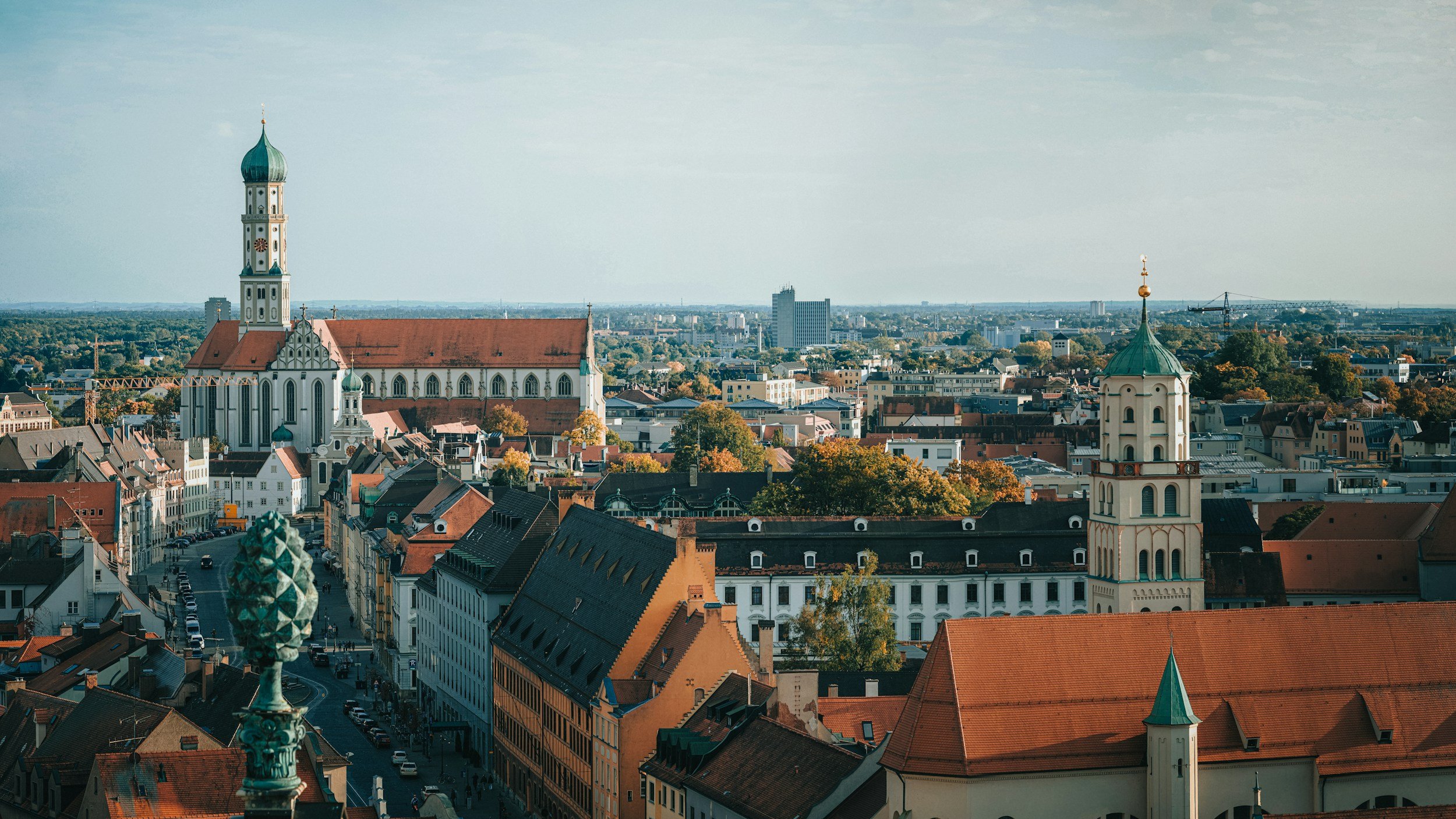
How to plan a boutique hotel stay in Germany without overcomplicating it
Getting to these places is usually the easy part. From Munich, you can take a direct train to Klais for Das Kranzbach and then a short taxi up the hill. Berchtesgaden is just as straightforward, either via Salzburg or Munich, followed by a 10–15 minute drive to Obersalzberg. In Frankfurt, The Pure is a five-minute walk from the station, so you can step off the train and be checked in shortly after. For Hotel Bareiss, the route is typically via Karlsruhe or Stuttgart to Baiersbronn, then a short taxi into Mitteltal. Leipzig works the same way. You arrive at the main station and walk ten minutes to Fregehaus without needing anything else.
Where it often goes wrong is trying to plan too much once you’re there. These hotels aren’t set up for full days out. It’s easier to think in smaller blocks. Arrive early, check in, use the spa or go for a short walk nearby, then have dinner on site. The next day, pick one thing and keep the rest of the time open.
At Kranzbach, that usually means walking toward Elmauer Alm and coming back in time for the afternoon. In Berchtesgaden, it’s either an early trip to Königssee or a slower morning in town around Marktplatz, not both. In Baiersbronn, a walk to Sankenbachsee already takes up most of the morning once you include the return. In Leipzig, you don’t need a plan at all. You step outside and move through the passages, stop for coffee, and head back when you’re done.
Meals also shape the day more than you might expect. Breakfast tends to run for a few hours, and people use that time. Dinner usually has a fixed structure, especially in places like Bareiss or Schlosshotel Fiss, so it naturally pulls you back in the evening. In between, there’s often an afternoon offering, which replaces the need to go out looking for lunch.
If you’re thinking about combining places, it’s easier to keep it regional. Munich works well with Kranzbach or Berchtesgaden. Frankfurt connects easily to Leipzig or the Black Forest. Trying to fit in too many stops just adds travel time and breaks the flow of the stay.
If you’re drawn to smaller, storybook-style towns rather than resort areas, monschau guide helps you picture how that kind of setting actually works for a weekend.
And in cse you’re trying to figure out whether a boutique stay in the Eifel region makes sense logistically, eifel in 24h breaks down what you can realistically do in a short stay.
For a slightly broader view of where these kinds of hotels tend to be located, fairy tale towns gives a helpful overview before you commit to one area.
If you’re comparing eastern Germany to the more classic southern routes, görlitz stay shows how different the atmosphere feels once you head towards Saxony.

FAQ: boutique hotel stays in Germany
How do you get to Das Kranzbach from Munich without a car?
Take a regional train from Munich Hauptbahnhof to Klais (around 1 hour 50 minutes). From Klais station, it’s about 4 km uphill to the hotel, which takes 10 minutes by taxi. There is no direct shuttle, so it’s best to book a taxi in advance, especially for evening arrivals.
Is it easy to visit Berchtesgaden and Königssee from a hotel stay?
Yes, but it works best if you choose one main outing. From Kempinski Berchtesgaden, Königssee is about 10–15 minutes by car. Boats across the lake run frequently, but queues build quickly after mid-morning, so arriving early makes a noticeable difference.
What’s the easiest way to reach Hotel Bareiss in the Black Forest by train?
Travel via Karlsruhe or Stuttgart to Freudenstadt or Baiersbronn, then continue to Baiersbronn station. From there, it’s a 10-minute taxi to Mitteltal. The final stretch isn’t walkable with luggage, so planning that transfer ahead saves time.
Can you stay at The Pure Frankfurt without needing transport?
Yes. The hotel is about a five-minute walk from Frankfurt Hauptbahnhof. You can reach the river in around 10 minutes on foot and Römerberg in about 15 minutes. The airport is directly connected via S-Bahn in roughly 12–15 minutes.
Is Leipzig’s old town walkable if you stay at Hotel Fregehaus?
Everything is within walking distance. From Fregehaus on Katharinenstraße, it’s 2–3 minutes to Markt, 5 minutes to Thomaskirche, and under 10 minutes to Leipzig Hauptbahnhof. You don’t need public transport unless you plan to visit areas like Plagwitz.
How far is Schlosshotel Fiss from the lifts and village center?
The Schönjochbahn and Möseralmbahn lifts are about a 5–10 minute walk downhill from the hotel. The village center around Obere Dorfstraße is also within walking distance, with a bakery, small shops, and a few daytime cafés.
Is two nights enough for a boutique hotel stay in Germany?
Yes, two nights is usually the right length. It gives you one full day to use the spa and do a single outing, such as a walk near Kranzbach, a visit to Königssee, or a route to Sankenbachsee in Baiersbronn.
Do you need to leave the hotel for meals in places like Bareiss or Fiss?
Not really. Both hotels are structured around half board, with breakfast, afternoon snacks, and dinner included. Once you arrive, most guests stay on site rather than going out to find restaurants.
When is the best time to visit these hotels for fewer people?
Midweek stays are noticeably quieter than weekends, especially in spa hotels near Munich. Early mornings and lunch hours are also the least busy times in spa areas.
Should you combine multiple boutique hotels in one trip?
Only if they’re in the same region. Munich works well with Kranzbach or Berchtesgaden, and Frankfurt connects easily to Leipzig or the Black Forest. Trying to combine too many stops usually adds unnecessary travel time.