Looking for an island near Rome? I'd choose Ponza.
Most people looking for an Italian island end up in the same places. Capri, the Amalfi Coast, maybe Ischia if they’ve done a bit of research. And yes, they’re beautiful. But they’re also busy, expensive, and often feel more like a scene than somewhere you can actually relax. If you’re trying to avoid that kind of travel altogether, there are actually plenty of peaceful coastal towns across Europe worth considering that feel much more relaxed.
Ponza sits quietly out in the Tyrrhenian Sea, about 50 km off the coast of Lazio, and it feels completely different. Ferries arrive into a curved harbor lined with pastel buildings, small fishing boats, and a handful of low-key restaurants along Via Banchina Nuova. No designer boutiques, no rush. Just people going about their day.
This is where many Romans go when they want a proper break, especially outside peak summer. Late May, early June, and September are when the island feels at its best. You’ll notice it in the mornings, when locals stop by Panificio Aprea for fresh bread and cornetti, and the port is still quiet except for a few early boats heading out.
What makes Ponza stand out isn’t one big attraction. It’s how easy it is to settle into the place. You swim off smooth white rocks at Cala Feola, take a small boat around the island to reach Chiaia di Luna (when access is open), and end the day with something simple like grilled fish or spaghetti alle vongole at a harbor-side table.
It’s also surprisingly easy to reach. From Rome, you can take a train to Anzio and hop on a ferry, or go via Terracina for a slightly shorter crossing. Within a few hours, you’re somewhere that feels far removed from the mainland.
This guide focuses on what actually matters when planning a trip to Ponza: where to swim, where to eat, how to get around, and when to go if you want to experience the island at its best.
How to Get to Ponza, Italy: Stress-Free Ferry & Train Routes
Reaching Ponza isn’t complicated, but it does require a couple of steps - which is exactly why it’s stayed under the radar. From Rome Termini, take a regional train to Formia-Gaeta (about 1 hour 15 minutes). The walk from the station to the port takes around 10 minutes. From there, ferries run with Laziomar or SNAV.
In May and June, there are usually several sailings a day, but it’s worth booking online at least a day ahead - especially if you want a mid-morning departure to make the most of your arrival. The fast ferry takes about 1 hour, the regular ferry about 2.5 hours.
If you can, choose a morning sailing on a clear day. Sit outside at the back of the boat! The view as Ponza’s pastel harbor comes into sight is something you’ll remember long after the trip ends. Such a pretty view!
Ponza is surprisingly easy to reach from Rome, especially if you’re already planning a trip through Italy. If you like traveling this way, combining it with a weekend train trip through Italy makes the whole journey feel smoother and less rushed.
Best Places to Stay in Ponza, Italy
Where you stay in Ponza really changes the feel of your whole trip. It’s not one of those islands where everything blends together. The port and Le Forna feel like two completely different versions of the same place.
If you stay down by the port, around Via Banchina Nuova and up along Corso Carlo Pisacane, you’ll be right where things happen. Ferries come and go throughout the day, locals sit along the harbor wall in the evenings, and most restaurants are within a few minutes’ walk. It’s not loud in a chaotic way, but there’s always a bit of movement. You step out in the evening and you don’t really need a plan, you just follow the lights along the water and find somewhere that looks good.
That said, it can feel busy in the middle of summer, especially late afternoon when day-trippers are still around. If you’re here in May, June, or September, it’s a different story. Slower, more local, and honestly when the port feels at its best.
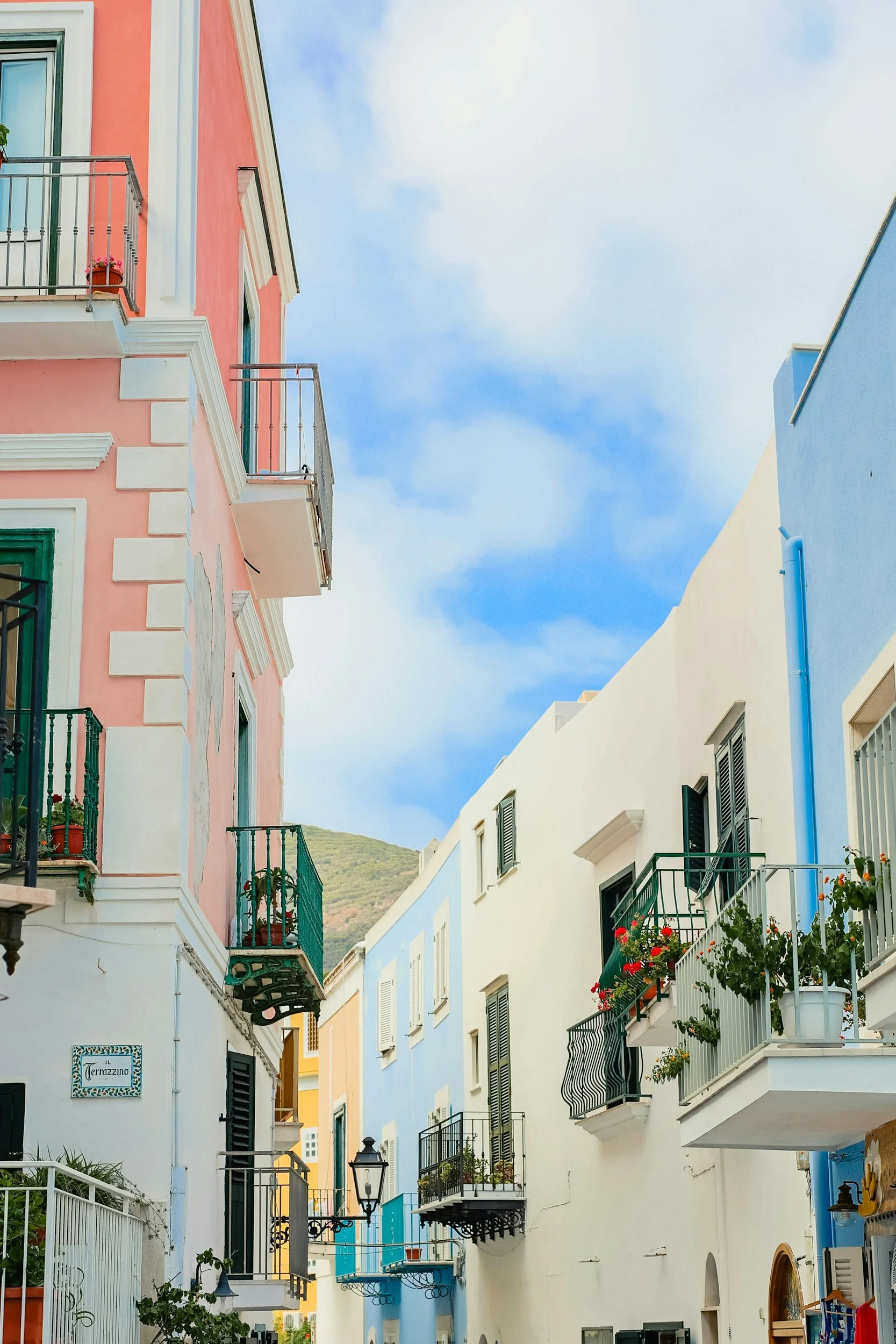
Villa Laetitia Ponza is one of those places that works really well if you want to stay central without feeling like you’re in the middle of everything. It’s set just slightly above the port, maybe a 5-minute walk down, which makes a bigger difference than you’d think. You still get the view over the water, but you’re not hearing every conversation from the restaurants below. Rooms are simple, light, and most have balconies where you can sit with coffee in the morning before heading down. It feels easy to stay here, nothing overdone.
Il Gabbiano B&B sits a bit higher up again, so you’ll either walk uphill (it’s a proper one) or take a scooter/taxi. But once you’re up there, it’s noticeably quieter. The terrace is the main thing here. Wide open sea views, a bit of breeze even on hot days, and a slower start to the morning. This is more for someone who doesn’t mind being slightly removed from the port in exchange for space and quiet.
Then you have Le Forna, which feels like a different island altogether. It’s about 10–15 minutes by bus from the port, and buses run regularly, but you’ll want to be okay with a bit more planning. There are fewer restaurants, fewer shops, and evenings are much quieter. But this is where you’re closer to the water in a completely different way.
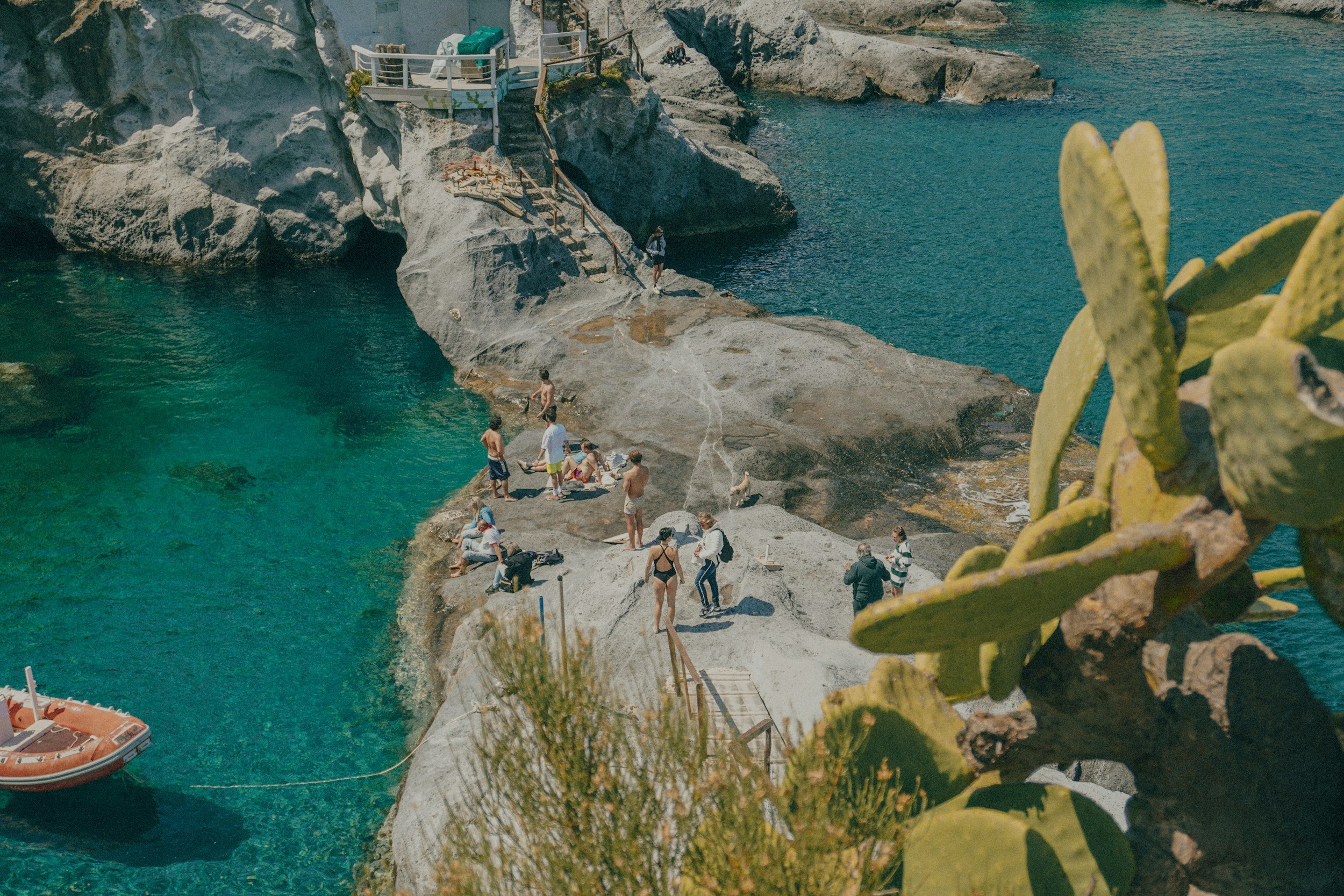
If you stay here, look for apartments near Cala Feola or within walking distance of Piscine Naturali. These are some of the easiest places to swim on the island, with flat rocks, clear water, and ladders going straight into the sea. In the mornings, especially before 10, it can feel almost empty. You walk down with a towel, maybe stop for a coffee at one of the small bars nearby, and just slip into the water before it gets warm.
Le Forna works best if you like having your own space. A terrace, a kitchen, somewhere to come back to in the afternoon when the sun is strongest. It’s less about going out in the evening and more about enjoying where you are. Picking up a few things from a local shop, opening a bottle of wine, and staying in.
If it’s your first time in Ponza and you don’t want to think too much about logistics, stay near the port. It’s easier, more flexible, and you can always explore the rest of the island during the day.
If you’re planning to explore more of the coast, Ponza pairs well with places like the Cilento Coast in southern Italy, which has a similar laid-back feel but a very different landscape.
Or if you prefer something further north, Levanto in Liguria is another good base near the sea, especially if you’re traveling by train.
Villa Laetitia Ponza
Slow Mornings in Ponza: Cafés, Walks & Where to Start the Day
Mornings in Ponza tend to start quietly, even in summer. The first ferries haven’t arrived yet, chairs are still being set out along the port, and the light hits the buildings in that soft, slightly faded way that makes everything look warmer than it is.
Bar Tripoli is one of the easiest places to begin. It sits right along the harbor, and if you get there early enough, you’ll see fishermen coming in with small boats, unloading boxes by hand while a few locals stand nearby chatting. Order a simple espresso at the counter or sit down if you feel like staying a bit longer.
A few minutes along, Bar Gelateria Maga Circe is good if you want something colder, especially on warmer mornings. Their lemon granita is sharp and not overly sweet, the kind that actually wakes you up. People drift in and out, some heading to catch a boat, others just starting their day slowly.
If you feel like walking, follow the road out of the port toward Chiaia di Luna. The Roman tunnel down to the beach has been closed for a while, but the walk itself is still worth it. The road curves along the cliffs, and you get a clear view of the bay opening up below. Early in the morning, it’s quiet enough that you mostly hear the sea and the occasional scooter passing by. There’s wild thyme growing along parts of the path, and when the sun starts to warm it, you can actually smell it in the air.
On the way back, Antica Pasticceria Gildo is a good stop for something warm. Their cornetti are usually still fresh in the morning, slightly crisp on the outside and soft in the middle. Take one to go, walk back down toward the harbor, and find a spot along the edge of the port where people sit with their coffee facing the water.
If you’re traveling with friends or planning a slower-paced trip, there are also peaceful Italian towns that work well for small group getaways where the focus is more on time together than ticking off places.
For a completely different side of Italy, somewhere like Ascoli Piceno offers a quieter inland experience with beautiful architecture and fewer visitors.
Best Swimming Spots in Ponza: Where to Swim in Clear Water & Quiet Coves
If you’re looking for the best beaches in Ponza, it helps to know that most of them aren’t beaches in the traditional sense. You’re not laying on sand here. You’re swimming off rocks, ladders, and tucked-away coves where the water is the main focus.
Piscine Naturali is one of the easiest places to swim in Ponza, especially if you’re staying in Le Forna. It’s a natural rock pool with flat areas to sit on and metal ladders going straight into the sea. The water is usually calm here, even when other parts of the island feel more exposed. There’s a small bar just above the rocks, so you can stay for a few hours without needing to leave.
Go before 10:30 if you want it quiet. By midday in summer, it fills up quickly.
A few minutes away, Cala Feola is one of the only spots in Ponza where you get something closer to a beach setup. There are sunbeds, a couple of relaxed restaurants, and easier access into the water. It’s a good place if you want a longer, more comfortable swim without climbing down rocks. That said, it’s also one of the first places to get busy in peak season, so earlier or later in the day makes a big difference.
To really see Ponza properly, you need to get on the water. Small boats leave throughout the morning from the port along Via Banchina Nuova, and even a short trip changes what you can reach. You’ll pass cliffs that drop straight into deep blue water and stop at coves that aren’t accessible on foot.
Seeing Chiaia di Luna from the water is one of those moments. The beach itself is often closed from land due to rockfall risk, but from a boat you get the full view of the curved cliff and pale sand below.
If you’d rather stay on land but avoid the busiest spots, walk toward Cala dell’Acqua from Le Forna. It’s less obvious, which keeps the crowds down. The path takes you past everyday island life: small gardens, scooters parked in the shade, laundry moving in the breeze. The water here is clear and usually still, with fewer people around even in summer.
Most swimming spots in Ponza are rock or pebble, so water shoes make things easier, especially when getting in and out. And if you’re planning to stay for a while, bring what you need with you. Outside of a few places like Cala Feola, there’s very little built-up around the coves.
Evenings in Ponza: Where to Eat, Drink & Watch the Sunset
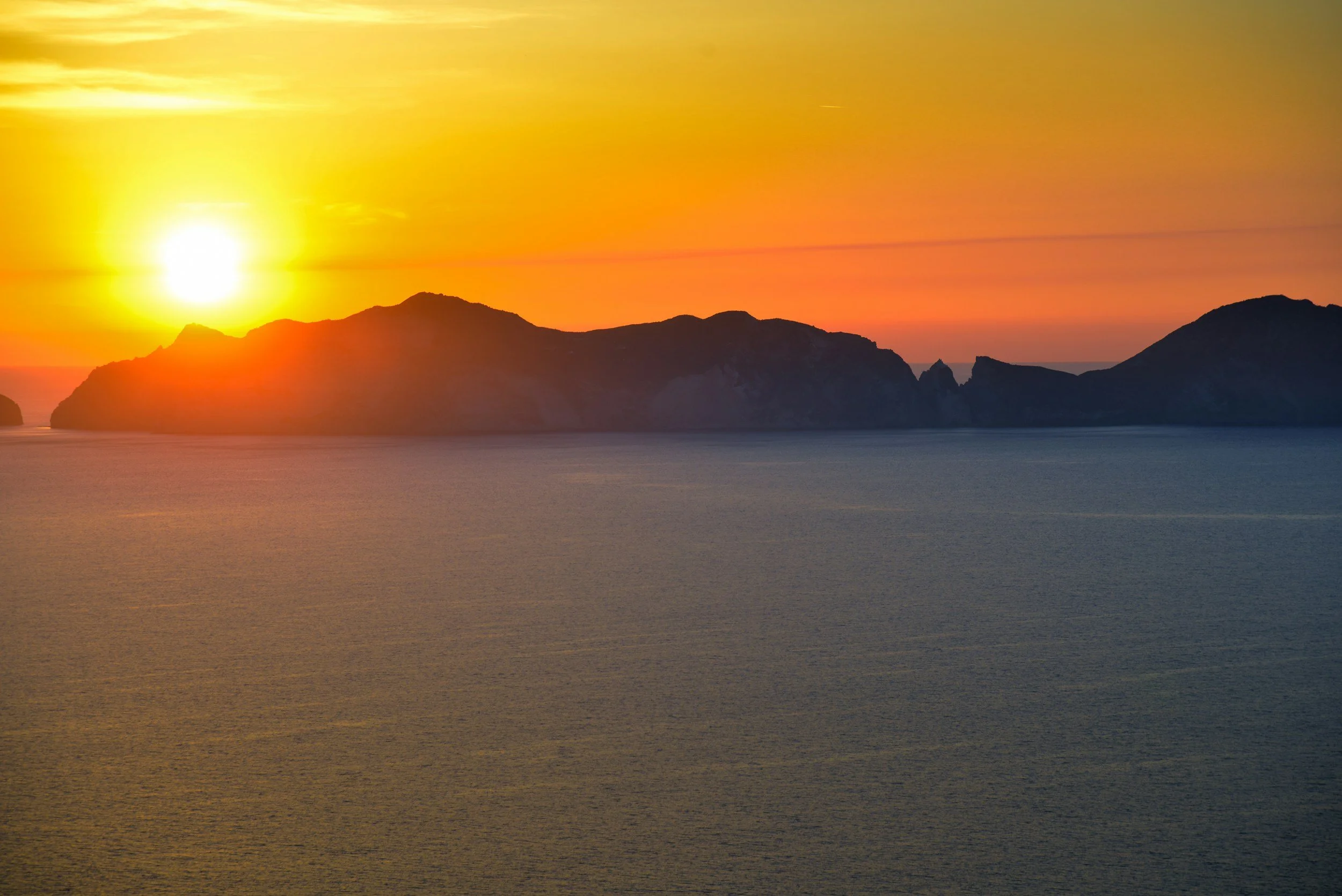
Evenings in Ponza don’t start early. Around 6–7 pm, the island shifts a bit. Day-trippers have already left, boats are back in the harbor, and people start getting ready for dinner rather than rushing anywhere.
Restaurants usually open around 7:30 or even closer to 8, so there’s a natural gap before that. Most people fill it the same way, with a drink by the water and no real plan.
Down by the port, along Via Banchina Nuova, tables begin to fill slowly rather than all at once. You’ll see people ordering a spritz or a glass of white wine, something simple with a small plate of olives or chips. If you can, take a seat facing the boats. It’s the easiest place to spend an hour without noticing time pass.
When it comes to dinner, Da Enzo al Frontone is one of those places people return to more than once. It’s just above the port, slightly tucked away, so it feels a bit calmer than the main strip. The menu changes depending on what’s come in that day, but you’ll usually find grilled fish, spaghetti alle vongole, and fried seafood done properly, not heavy or greasy. It’s worth booking in high season, or going a bit earlier if you want a table without waiting.
Up in Le Forna, evenings are quieter and more spread out. Ristorante La Marina sits higher up, and the terrace looks out over the water in a completely different way than the port. You’ll need to plan a bit to get there, either by bus, taxi, or scooter, but it’s the kind of place where you stay for a while once you arrive. The food is straightforward and consistent. If they have stuffed squid on the menu, it’s usually a good choice, especially with a simple local white wine.
If you don’t feel like a full dinner right away, it’s easy to keep things lighter. A drink first, something small to eat, and then deciding later tends to work better here than booking everything in advance.
For dessert, it’s worth leaving the restaurant and walking back toward the port. Oresteria Gelateria is a go-to for something cold, especially their lemon sorbet, which is sharp rather than overly sweet. A few minutes away, Pasticceria Napoletana usually has trays of sfogliatelle in the evening, still crisp on the outside.
If you’re still out after that, Bar Tripoli stays open late. It’s a good last stop without turning into a full night out. Order something simple, sit outside, and you’ll hear the small details more than anything else. Boats shifting slightly in the water, ropes tapping against metal, quiet conversations carrying across the harbor.
That’s about as busy as Ponza gets at night.
If food is part of why you travel, you might also want to look into lesser-known vineyards in Tuscany or spend a few days eating your way through Bologna’s food scene.
To understand what’s actually in season when you visit, this guide to Italian food seasons by region is helpful, especially if you’re planning around markets.
And if you enjoy local food markets, there are several Italian markets worth visiting outside peak summer that feel much more local.
Where to Eat in Ponza: Simple Seafood, Local Spots & What to Expect
Food in Ponza is straightforward in the best way. You’re not coming here for long menus or trendy concepts. Most places focus on a handful of dishes done well, usually built around whatever was caught that day.
Around the port, especially along Via Banchina Nuova, you’ll find the highest concentration of restaurants. It’s the easiest place to eat without planning too much. You can walk along the harbor, look at what’s coming out of the kitchen, and decide on the spot.
Ristorante Acqua Pazza is one of the more well-known spots on the island, right by the water. It’s slightly more refined than most places nearby, but still relaxed. Good for a longer dinner if you want something that feels a bit more special without being formal.
If you want something more low-key, Trattoria Monte Guardia sits a little away from the busiest stretch. It’s the kind of place where locals go for simple pasta and seafood without much fuss. Nothing overly styled, just consistent and well-cooked food.
For a quick, casual meal during the day, Il Rifugio dei Naviganti works well. It’s close to the port and easy to drop into after a swim or before heading back out on a boat. Think simple plates, quick service, and no need to overthink it.
Up in Le Forna, options are fewer, but that’s part of the appeal. A place like Da Ciro feels more local and less visited by people just passing through for the day. It’s a good choice if you’re staying nearby and don’t feel like heading back down to the port in the evening.
One thing that makes Ponza different is that not every good place is easy to find online. Some of the better meals happen when you just walk, look, and choose based on what feels right in the moment.
A couple of things worth knowing:
Many places don’t open before 7:30–8 pm
The best tables are usually the simplest ones by the water
If a place looks busy with Italians, it’s usually a safe choice
You don’t need to over-research where to eat in Ponza. If a place looks good and smells like fresh seafood, it usually is.
Shopping Small in Ponza: What to Bring Home
Shopping in Ponza is more something you do in between things, not something you plan your day around. Most of it happens around the port, especially along Corso Carlo Pisacane, where small shops sit right next to cafés and gelaterias.
You’ll notice a few clothing shops with linen pieces hanging outside, usually in soft blues, off-white, or faded stripes. Light dresses, loose shirts, simple trousers. The kind of things that actually make sense in the heat here. Some places let you try things on in the back with just a curtain and a mirror, nothing polished about it.
There are also a couple of ceramic shops tucked into the side streets behind the port. Plates and bowls stacked up, often hand-painted with fish, octopus, or wavy blue patterns. Some pieces feel more like souvenirs, but others are simple enough to use at home. Smaller bowls or espresso cups are the easiest to carry if you’re travelling light.
For food, walk into one of the small delis near the harbor, especially along Via Banchina Nuova. You’ll usually see tins of tuna, jars, and wine bottles lined up near the entrance. Look for preserved tuna in olive oil (a local thing here), bottles of Lazio white wine, or finocchietto, which has that slightly herbal, fennel taste. If you ask, they’ll often tell you what locals actually buy.
On Thursdays, there’s a small market set up close to where the ferries come in. A few stalls with fruit, vegetables, and sometimes cheese or bread. It’s not a big market, but it’s enough to pick up tomatoes, peaches, maybe a piece of cheese, and put together something simple if you’re staying in an apartment.
When to Visit Ponza: Best Time for Warm Water, Fewer Crowds & Local Atmosphere
Ponza changes a lot depending on when you go. It’s not just about weather, it’s about how the island feels day to day.
Late May to mid-June is one of the best times to visit if you want a quieter version of the island. Ferries are running regularly, restaurants are open, but it hasn’t filled up yet. You can still get a table without booking, and places like Piscine Naturali or Cala Feola are calm in the mornings. The water is cool but swimmable, especially on warmer days.
July and August are peak season, mostly with Italian visitors. The island feels busier, especially around the port in the afternoons and evenings. Beach spots fill up quicker, restaurants need reservations, and ferries can be crowded. That said, the atmosphere is more social, and everything is open. If you go during this time, early mornings and late swims make a big difference.
September is often the sweet spot. The sea is at its warmest after the summer heat, but the crowds start to thin out. You still get long evenings, open restaurants, and a more relaxed pace overall. It’s a good time if swimming is a priority but you don’t want the busiest months.
By October, things begin to wind down. Some restaurants close, ferry schedules reduce, and the island starts to feel quieter in a different way. It can still be beautiful, but it requires a bit more planning.
If your main focus is swimming, aim for June through September. If you care more about space, quieter mornings, and a more local feel, late May or September are the easiest times to enjoy Ponza.
From here, it’s easy to continue north toward the Prosecco Hills or explore Italian lake towns you can visit without a car if you want to stay on a similar pace.
Ponza works best when you keep things simple and don’t try to plan every hour.
It’s worth sorting your stay in advance if you’re coming in summer, especially if you want to be near the port. Ferries from Anzio or Terracina can get busy, so checking times ahead of time makes things easier, rather than figuring it out last minute.
Once you’re there, you don’t need to rush around. One or two swimming spots in a day is usually enough. Getting between the port and Le Forna takes a bit longer than it looks on a map, especially if you’re waiting on buses, so it helps to keep your plans loose.
If you’re unsure whether to take a boat out, it’s worth doing at least once. Seeing the island from the water gives you access to places you won’t reach otherwise, and it changes how everything feels.
For food, it’s easier to decide as you go. Walk around, see what looks good, and book something the same day if needed. That tends to work better here than having everything mapped out in advance.
And if you can, start your day a little earlier. The island is quieter, the water is calmer, and places like Piscine Naturali or Cala Feola feel completely different before more people arrive.
It’s not a complicated place, but small choices like these make the whole trip feel smoother.
FAQ: Ponza, Italy Travel Tips
Is Ponza worth visiting or is it overrated?
Ponza is worth visiting if you care more about swimming, food, and atmosphere than sightseeing. There aren’t many “must-see” attractions, but the water is some of the clearest in Italy and the island feels much less built-up than places like Capri. If you’re expecting big landmarks or a lot to do, it might feel quiet. If you want a few good spots and time to enjoy them properly, it works very well.
How do you get to Ponza from Rome (step by step)?
Take a train from Rome Termini to Anzio (just over 1 hour). From Anzio port, ferries and hydrofoils run to Ponza, taking between 1.5 and 2.5 hours depending on the boat.
You can also go via Terracina, which has slightly shorter crossings, but it’s less straightforward to reach from Rome. Booking ferry tickets in advance during summer is recommended.
Where is the best area to stay in Ponza?
If it’s your first time, stay near the port around Via Banchina Nuova. It’s easier for restaurants, ferries, and getting around.
If you prefer something quieter and closer to swimming spots, stay in Le Forna, near places like Cala Feola or Piscine Naturali. It’s more residential and requires a bit more planning.
How many days do you need in Ponza?
Two to three days is enough for most trips. That gives you time for a couple of swimming spots, one boat trip, and relaxed evenings by the port. If you want a slower pace or to stay in Le Forna, adding an extra night makes it easier.
What are the best beaches and swimming spots in Ponza?
Ponza is mostly rock and pebble rather than sand. The best-known places to swim are Piscine Naturali, Cala Feola, and coves around Chiaia di Luna (best accessed by boat). Many of the clearest spots aren’t reachable on foot, which is why even a short boat trip is worth it.
When is the best time to visit Ponza, Italy?
Late May, June, and September are the easiest months to visit. The weather is warm, the sea is swimmable, and it’s less crowded than July and August. Peak summer has more energy but also more people, especially around the port.
Is Ponza expensive compared to other Italian islands?
It’s generally less expensive than Capri but still not cheap in peak season. Accommodation prices rise quickly in July and August, and waterfront restaurants are priced accordingly. Staying in Le Forna or visiting in June or September helps keep costs more reasonable.
Do you need a car or scooter in Ponza?
You don’t need a car, but getting around takes time. Buses connect the port and Le Forna, but they can be crowded in summer. Renting a scooter for a day or two makes it easier to reach swimming spots and move around on your own schedule.
Can you swim in Ponza in May and September?
Yes. In May, the water is still cool but swimmable on warm days, especially in sheltered areas like Piscine Naturali. In September, the sea is warmer after the summer heat and usually more comfortable for longer swims.
Want more slow island escapes like this? Sign up for our newsletter: Trippers Terminal is your go-to for quiet places, thoughtful travel, and soulful European getaways.