These Catalan towns are reason enough to leave Barcelona for the day
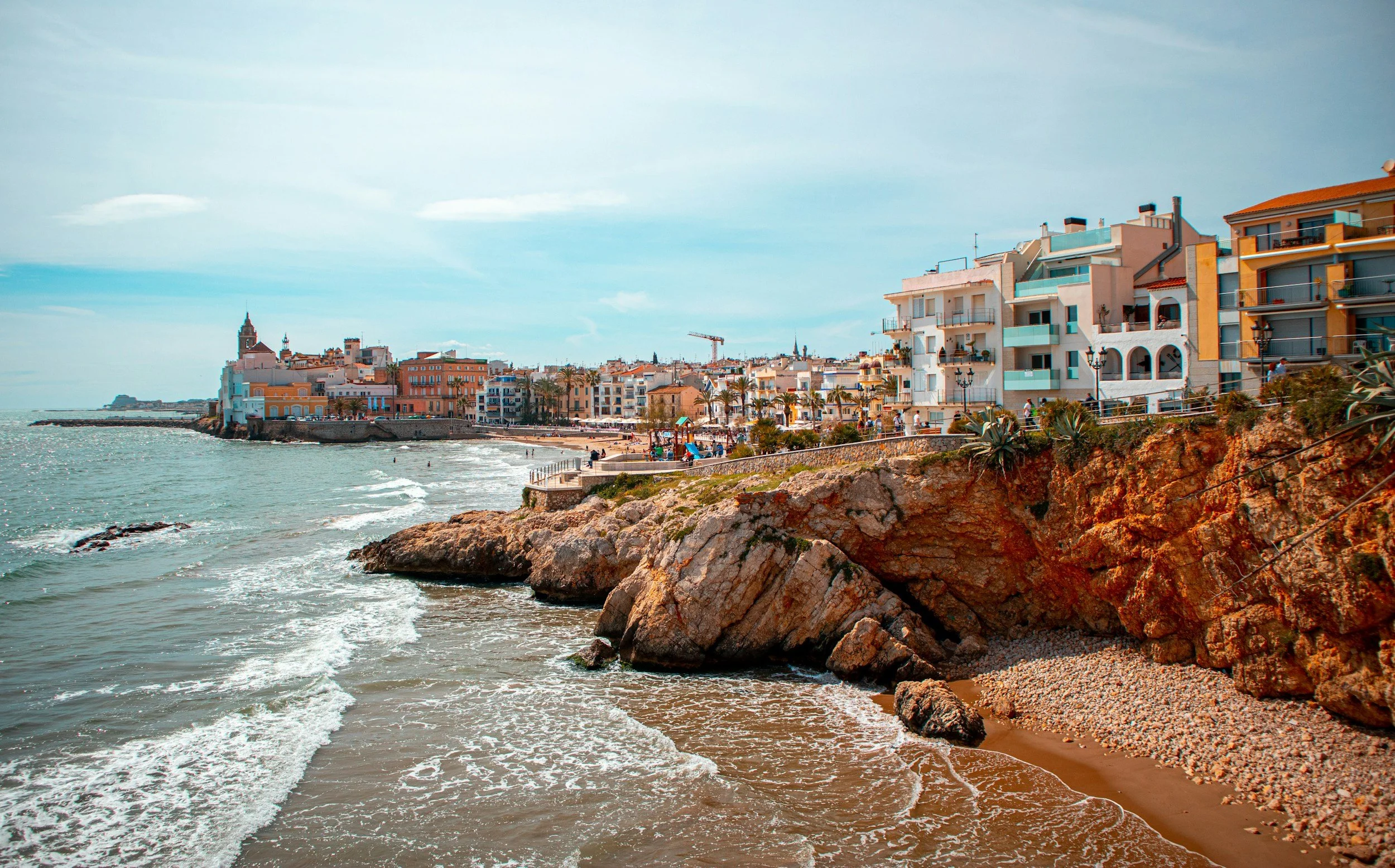
A lot of people land in Barcelona, spend a few days there, then start looking for somewhere smaller without really wanting to deal with renting a car. That’s usually where Catalonia gets confusing online. You’ll find endless lists of “beautiful towns,” but very little about which places actually work well by train once you factor in station locations, Sunday closures, luggage, or whether there’s still any atmosphere after 6 pm.
Some towns are far easier than they look. Sitges is one of them. You step off the train and you’re basically already in town. Girona works surprisingly well too, especially if you stay a few nights instead of trying to cram everything into one rushed day trip. Other places sound convenient on paper but become tiring fast once you’re dragging a suitcase uphill through old streets or realizing the last decent dinner spot closed between lunch and evening service.
Catalonia also changes quickly once you leave Barcelona behind. The coast south toward Tarragona feels brighter, flatter, and more Mediterranean. North toward Girona, things become greener and steeper, especially in cooler months. Inland towns like Vic feel completely different again, particularly on market mornings when local farmers arrive before most visitors are even awake.
The train journeys themselves are part of why these places work so well. The coastal line south of Barcelona runs beside the sea for long stretches. The fast AVE north to Girona gets you out of the city in under 40 minutes. Even slower regional trains tend to feel manageable here compared to other parts of Spain.
This guide focuses on the towns that genuinely make sense without a car. Not just places you can reach by train, but places where arriving by train still leaves you with a trip that feels easy, grounded, and enjoyable once you actually get there.
Where Catalonia is
Catalonia is in the northeastern part of Spain, right along the Mediterranean coast near the French border. Barcelona is the main gateway into the region, but once you leave the city, things change faster than many people expect.
Heading north toward Girona, the landscape becomes greener and hillier, especially once you get closer to the Costa Brava. South toward Tarragona, the coast feels flatter and more open, with beach towns, seafood restaurants, and train tracks running close to the sea for long stretches. Inland towns like Vic feel completely different again, especially in winter when mornings can be foggy and noticeably colder than Barcelona.
One thing worth knowing before traveling around here is that Catalonia does not feel like one single type of destination. A coastal weekend in Sitges feels very different from staying in Vic or Girona, even though the train journeys from Barcelona are fairly short.
You’ll also notice Catalan everywhere, not just Spanish. Station signs, bakery menus, market stalls, local newspapers. In smaller towns especially, Catalan tends to dominate daily life more naturally.
For train travel, Barcelona is what makes the whole region easy to explore. Most towns in this guide are between 40 minutes and two hours away depending on the route and whether you’re taking a slower regional train or one of the faster AVE services.
Girona is usually where people start once they realize how easy it is to leave Barcelona behind without renting a car. The fast train north takes less than 40 minutes, but the atmosphere feels completely different by the time you walk across the river into the old town.
If slower café culture is part of the reason you travel, these Seville cafés have the same kind of long-morning atmosphere people tend to love in Girona and Sitges.
Girona
Girona is one of those places where people often arrive thinking they’ll stay one night, then quietly start looking at train times back to Barcelona and wondering if they should cancel them.
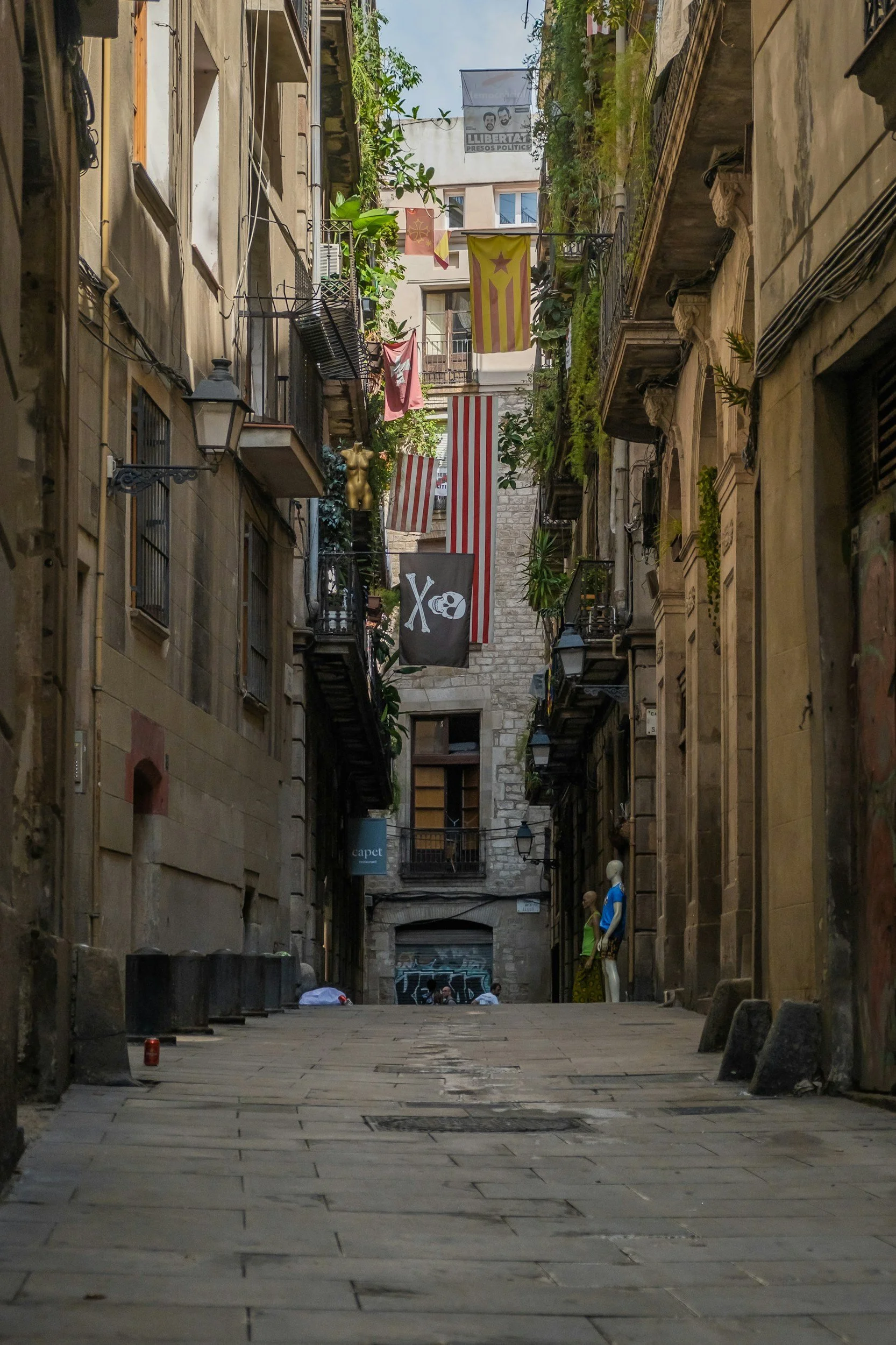
Part of it is how easy the city feels from the moment you arrive. The AVE from Barcelona Sants takes around 38 minutes, and Girona station is close enough to the center that you can walk into town with luggage without it becoming miserable. You leave the station, pass apartment buildings and cafés around Carrer de Barcelona, cross over the Onyar River near Pont de Pedra, and suddenly the pastel-colored houses hanging above the water start appearing in front of you.
Most people head straight uphill toward the cathedral, but the lower part of Girona is where daily life actually happens. Around Rambla de la Llibertat in the mornings, older locals stop for coffee and pastries under the arcades while small delivery vans squeeze through streets that barely look wide enough for them. The bakery windows along Carrer de les Hortes start filling early with xuixos, Girona’s cream-filled pastry that locals take surprisingly seriously.
One mistake visitors make is staying too high up in the old town. The streets around Pujada de Sant Domènec and the cathedral are beautiful, especially late at night when the stone walls start glowing slightly under the lamps, but hauling luggage uphill through those steep cobbled streets gets old very quickly. Staying somewhere closer to Plaça Catalunya or near the Mercadal side of the river usually makes the entire trip smoother.
The medieval part of Girona is obviously what pulls people in first. Carrer de la Força cuts through the old Jewish Quarter, and if you go early enough in the morning before tour groups arrive, the narrow stone alleys still feel almost silent apart from café shutters opening and footsteps echoing uphill. The Arab Baths and cathedral area get busy by late morning, especially during spring and autumn weekends, but Girona never feels difficult to escape. You turn one corner and suddenly you’re back on quieter residential streets where laundry hangs between balconies and neighbors lean out talking to each other.
Food is a huge reason people end up loving Girona more than expected.
A lot of visitors know about El Celler de Can Roca outside the center, but honestly, Girona works better when you mix smaller everyday places with one longer meal somewhere special. Restaurant Normal near Plaça de l’Oli has become one of the hardest tables in town now, but the surrounding streets are full of smaller places where people spend hours over lunch. Brots de Vi near the river stays busy in the evenings for wine and small plates, and Casa Marieta on Plaça de la Independència has been serving traditional Catalan dishes since the 1800s.
For breakfast or slower mornings, the café scene around the newer part of Girona feels more interesting than many people expect. La Fabrica helped put Girona on the map for cyclists years ago and still fills early with espresso, pastries, and people in cycling gear heading into the hills around Les Gavarres. Espresso Mafia nearby feels smaller and less polished, especially on weekday mornings when students sit there for hours working quietly.
And honestly, some of the nicest parts of Girona are not the obvious landmarks people photograph constantly.
The walk along the old city walls near Jardins dels Alemanys just before sunset. The tiny side streets behind Plaça de Sant Domènec where hardly anyone seems to stop. Sitting beside the Onyar River late in the evening after dinner when the crowds around the cathedral have disappeared completely.
Girona also changes a lot depending on season and timing. Summer afternoons can feel heavy and hot inside the old stone streets, especially uphill near the cathedral where barely any breeze reaches. But autumn is probably when the city feels best. Cooler mornings, long lunches spilling onto terraces around Plaça de la Independència, markets full of mushrooms and local produce, and enough visitors to keep the atmosphere lively without Barcelona-level crowds.
Winter works here too, which is not true for every smaller town in Catalonia. January mornings can be cold and foggy near the river, but Girona still feels alive because people actually live here year-round. Markets stay busy. Students fill cafés. Local shops stay open.
And that’s probably the biggest difference between Girona and some smaller pretty towns nearby. It still feels like a real city once you stop looking at it through sightseeing mode.
A lot of people combine Girona with the Costa Brava without realizing how different the atmosphere becomes once you leave the bigger beach towns behind, and this Pals guide makes that difference very clear.
Tarragona
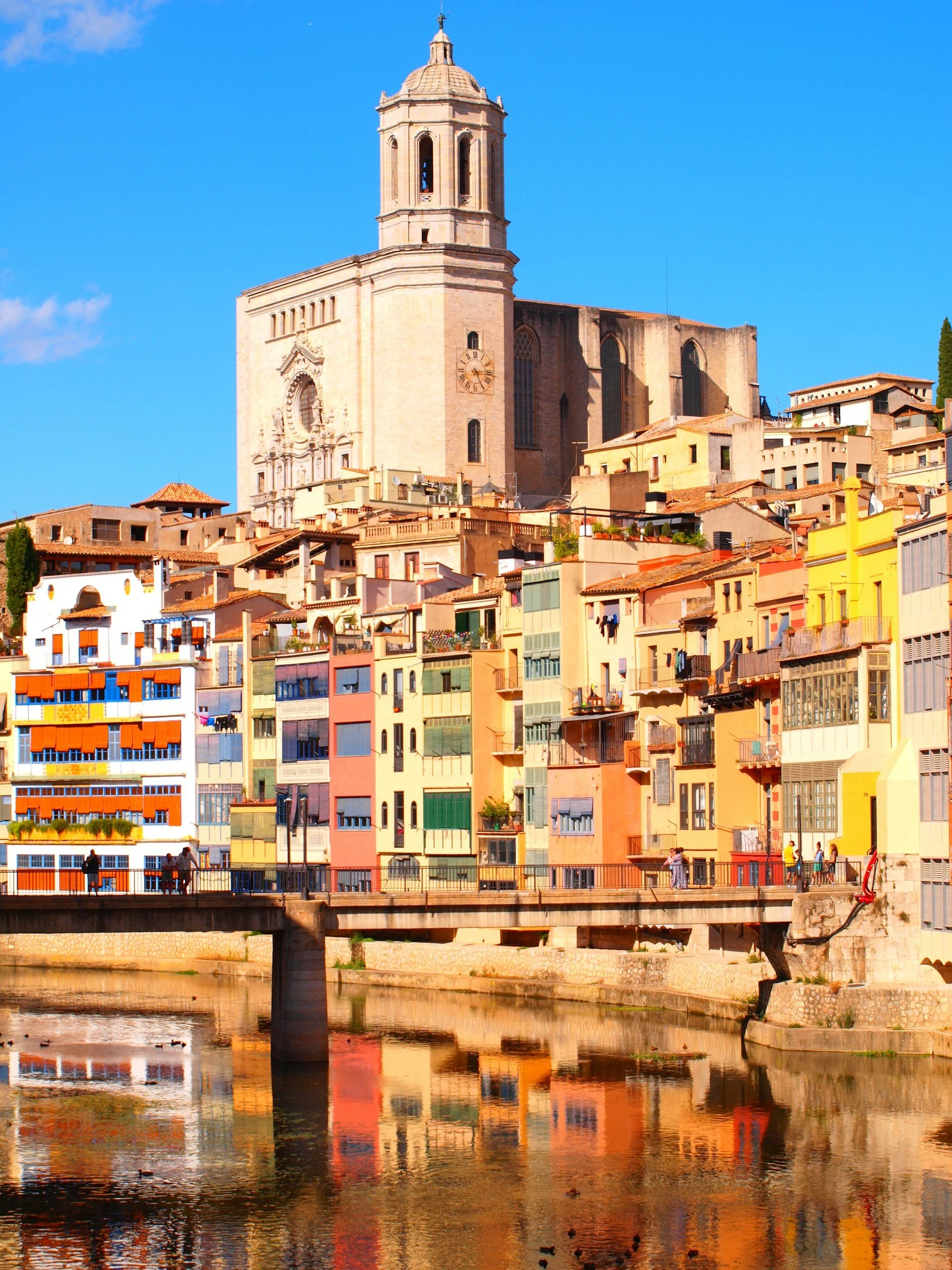
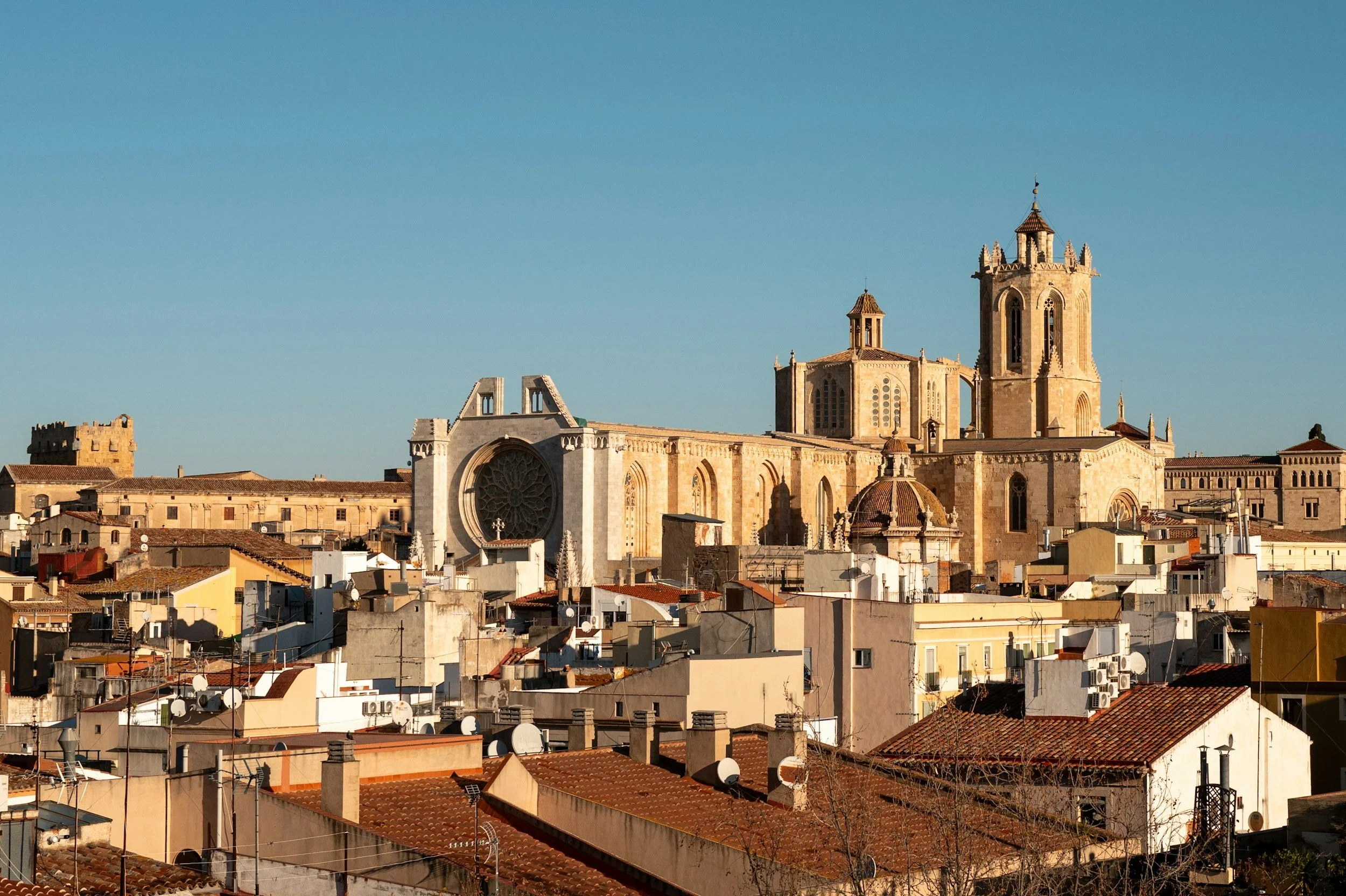
Tarragona tends to catch people slightly off guard because it doesn’t really fit the polished Mediterranean image many expect before arriving. Parts of the city are beautiful in the obvious way, especially around the old Roman walls and the sea-facing amphitheater, but other parts feel worn, local, and completely unconcerned with trying to impress visitors, which honestly is part of why staying here for a few days feels so much better than rushing through on a day trip from Barcelona.
Getting here is simple enough that it barely needs planning, which is one of the reasons Tarragona works so well for a train-based Catalonia trip. Regional trains leave regularly from Barcelona Sants and usually take just over an hour, and the route itself is worth paying attention to because much of it runs beside the coast after Sitges, passing marinas, beaches, old apartment blocks facing the sea, and little stations that look like they haven’t changed much in years.
One important thing that people constantly get wrong though is the station situation. Tarragona station is the one you actually want because it sits near the marina and lower town within walking distance of the center, while Camp de Tarragona, which sounds almost identical when booking tickets, is the high-speed AVE station stranded outside the city near highways and dry countryside. Arriving there without realizing the difference is a frustrating way to start the trip.
Once you leave Tarragona station and begin walking uphill toward Part Alta, the older part of the city, the atmosphere changes block by block. Near Rambla Nova things feel broader and more modern, with local shops, pharmacies, students sitting outside cafés, families walking slowly in the evenings, and people stopping for quick coffees around Plaça Corsini before work. But once you move further uphill into the older streets around Carrer Major, Carrer de la Merceria, and the cathedral area, Tarragona starts feeling older, narrower, and far more textured.
And unlike some smaller Spanish cities that feel almost too preserved, Tarragona still feels completely lived in. Laundry hangs above stone alleyways, tiny grocery stores sit beside Roman ruins, old men drag plastic chairs into patches of shade outside neighborhood bars, and some of the best meals in the city happen in places you could easily walk past without noticing.
A lot of visitors obviously come for the Roman history first, and the amphitheater overlooking the sea is genuinely impressive, especially later in the afternoon once the light softens over the water, but the city becomes much more interesting once you stop moving between landmarks and start paying attention to how people actually use Tarragona day to day.
The area around Plaça del Fòrum is especially good for this in the evenings because people spill slowly into the streets rather than all at once. Small vermouth bars fill first, then restaurants around Plaça de la Font start dragging tables further into the square while families walk through on their way to dinner surprisingly late by northern European standards.
Food is a huge part of why Tarragona stays memorable after a few days, particularly if you enjoy seafood, markets, and long Mediterranean lunches that stretch halfway into the afternoon. Mercat Central near Plaça Corsini is still very much a real working market rather than something designed mainly for tourism, so earlier in the day you’ll see locals buying seafood, arguing over produce prices, stopping for quick beers or coffees inside the market itself before heading back to work.
For restaurants, El Llagut near Plaça del Rei is well known for rice dishes and local seafood, while AQ feels more modern without becoming stiff or overly formal. Around Carrer dels Cavallers and the smaller streets nearby, there are also plenty of wine bars and lower-key restaurants where people settle in for hours over vermouth, anchovies, grilled squid, fried artichokes, and bottles of wine that somehow keep getting replaced without anyone really deciding to order another one.
One of the nicest things to do here, especially if you stay longer than a single night, is honestly just walking without much structure. Early mornings near Passeig Arqueològic beside the Roman walls feel completely different from the city later in the day, especially before the heat settles into the stone streets. The quieter residential lanes behind the cathedral are good for wandering aimlessly, and toward sunset a lot of people drift down toward Balcó del Mediterrani where the city opens out above the sea and the railway tracks below.
The beaches are also much closer to the center than people usually expect. Platja del Miracle sits directly below the city beside the railway line, while Platja de l’Arrabassada further north feels calmer and less connected to the city itself, especially outside peak summer when locals start arriving later in the afternoon after work once the heat drops slightly.
Tarragona changes a lot depending on the season too. August afternoons can feel heavy and crowded inside the old quarter, particularly uphill near the cathedral where barely any breeze reaches, while September and October are probably the point where the city feels best overall because the sea stays warm, terraces stay busy late into the evening, and the crowds thin out enough that the city starts feeling more local again.
Tarragona usually grows on people somewhere between the second vermouth and the late evening walk back through Part Alta after dinner. Girona pulls people in immediately. Tarragona takes a little longer, but once you spend a couple of days here, the city starts feeling much richer than the quick amphitheater stop most visitors see from the train.
If market mornings are part of why you’re traveling through Catalonia in the first place, these summer markets are much calmer and more local than the larger tourist-heavy ones along the coast.
Sitges
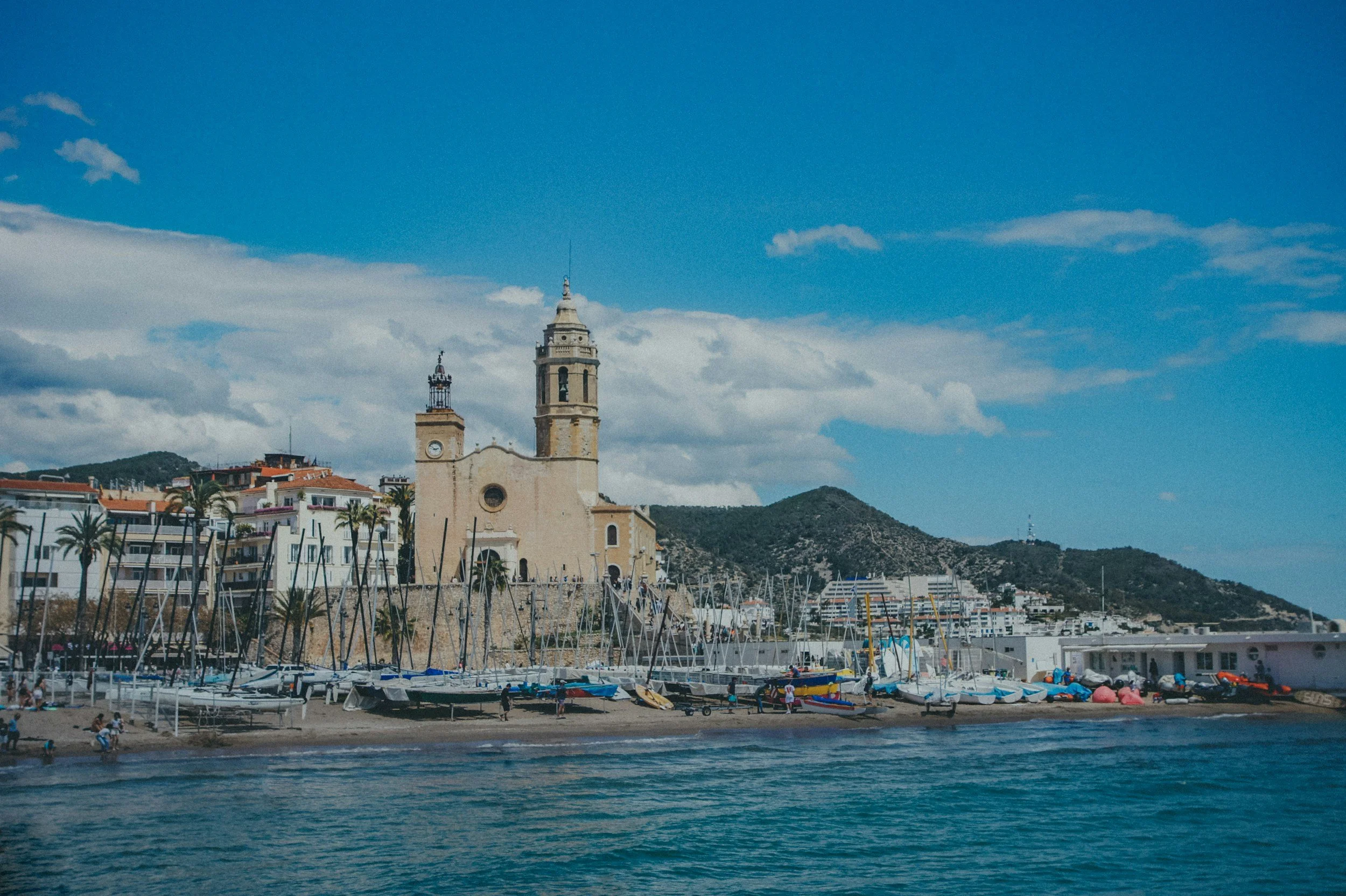
Sitges is easy. You arrive from Barcelona expecting a quick coastal stop, maybe a night or two near the sea before continuing somewhere else, and then suddenly your days start stretching out longer than planned because the town is simply easy to settle into.
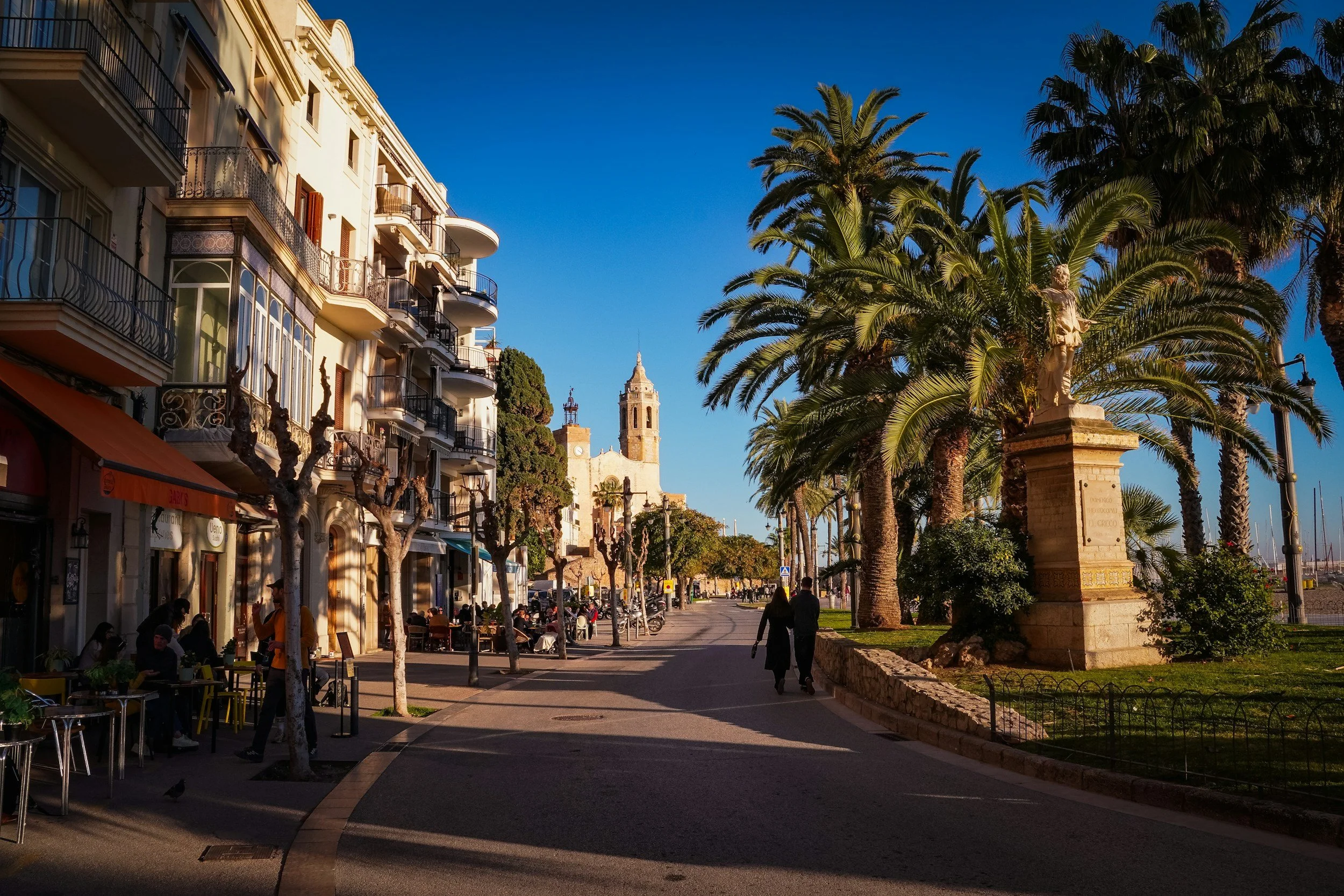
The train ride helps. Regional trains leave constantly from Barcelona Sants, and less than 40 minutes later you’re stepping out right into the middle of town. No awkward arrival, no station stranded outside the center, no taxi negotiations in the heat. You walk down Carrer Espalter with cafés opening around you, people picking up bread for the morning, little clothing stores dragging racks outside onto the pavement, and before you’ve really adjusted to being somewhere new you can already see the sea at the end of the street.
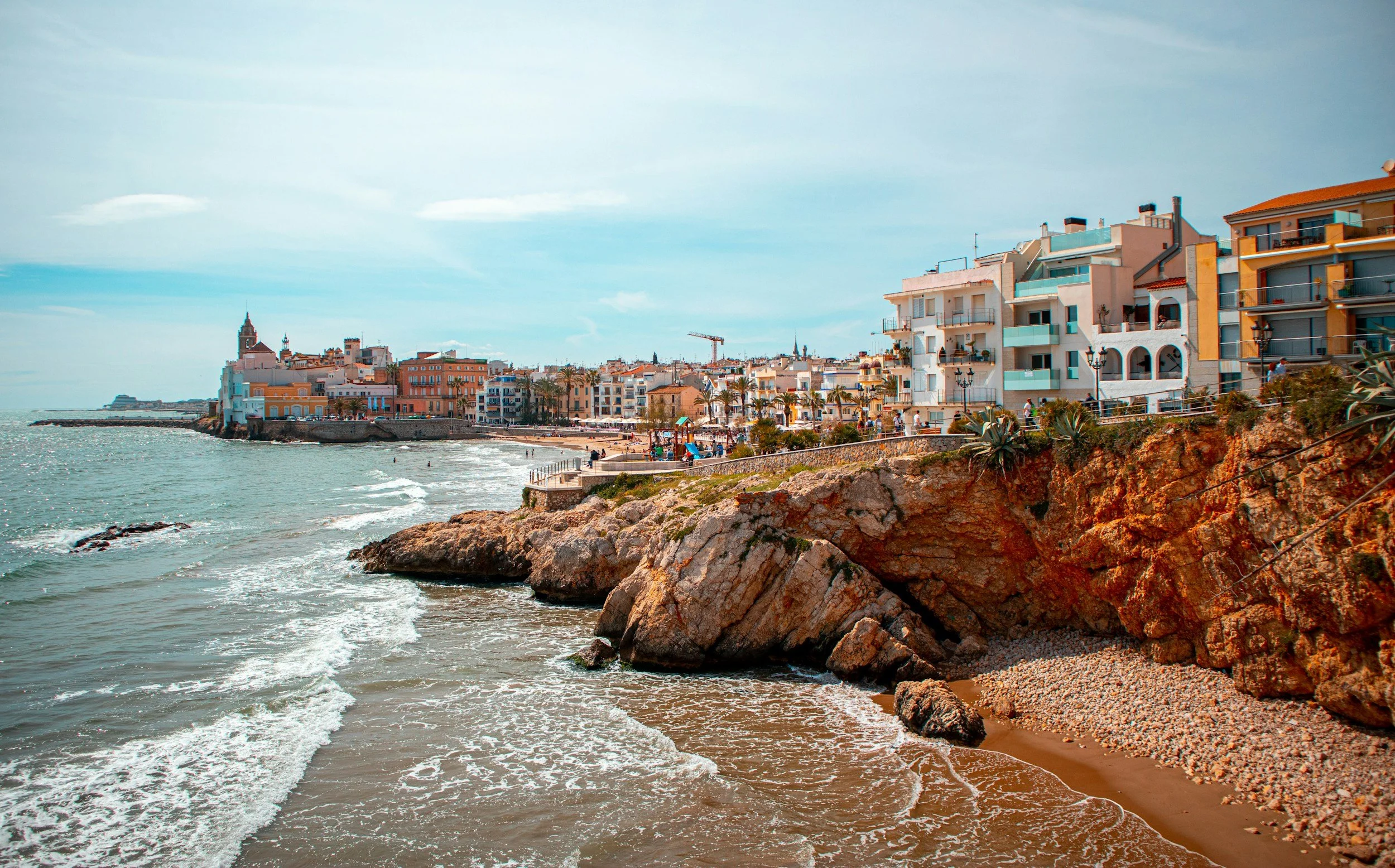
What makes Sitges feel different from many beach towns near Barcelona is that it still feels lived in underneath the holiday version of itself. Yes, the promenade fills up in summer and the central beaches get crowded on weekends, especially when people come down from Barcelona for the day, but a few streets inland things become much quieter and softer almost immediately. Around Carrer d’en Bosc, Carrer Major, and the small lanes behind the church near Plaça de l’Ajuntament, the atmosphere changes completely. Laundry hanging overhead, tiny bars opening slowly for vermouth, older locals sitting outside with coffee while delivery scooters squeeze through streets barely wide enough for them.
The nicest time to walk around Sitges is usually earlier in the morning before the beaches fully wake up. Around Cap de la Vila and Carrer Sant Francesc, bakery windows fill with pastries while people stop for coffee on their way to work, and down near Platja de Sant Sebastià the promenade still feels almost local before the later crowds arrive. Forns Enrich is one of those places people return to repeatedly for pastries and coffee without really planning to. The same thing happens at El Cable later in the day once vermouth hour starts properly and everyone begins spilling outside onto the street with anchovies, bomba potatoes, olives, and tiny beers balancing on crowded tables.
And honestly, Sitges works best when you stop trying to organize every hour of the day. It’s not really a place built around major sightseeing. The days that feel best here usually revolve around smaller routines instead. Swimming before lunch. Wandering through the old center while shops are still opening. Sitting too long somewhere shady near Plaça de la Indústria and accidentally turning one drink into an entire afternoon.
Sitges works especially well at the beginning or end of a Barcelona trip, and this Sitges breakdown helps with where to stay, which beaches feel calmer, and what the town is actually like outside day-trip hours.
The food scene is also much stronger than many people expect this close to Barcelona. Some waterfront restaurants near Passeig de la Ribera are obviously touristy, especially during peak summer, but there are plenty of places slightly inland where evenings feel completely different. Factor Vi near Carrer Bonaire draws people in for natural wines and small plates without becoming overly polished about it, while seafood restaurants around the church area start filling slowly later in the evening once the heat finally drops out of the streets.
The beaches themselves shift in atmosphere depending on where you go. Platja de la Ribera stays busiest because it sits directly beside the center, while Platja de Sant Sebastià feels calmer and slightly older in mood, especially outside August. If you continue walking further toward the Terramar end of town, the promenade widens, the villas become larger, and things quiet down noticeably beneath the palm trees.
Sitges also changes completely depending on the season. In August, parts of the center can feel packed and overheated by midday, especially on weekends. But in late September or early October, the town settles into a version of itself that many people end up preferring. The sea is still warm enough for swimming, restaurants become easier to get into, and evenings stretch out slowly with people lingering outside long after dinner. Even winter feels surprisingly pleasant here compared to many coastal towns nearby because Sitges doesn’t shut down once summer ends. Cafés remain busy, locals still fill the markets and bakeries in the mornings, and on sunny January afternoons people sit outside near Cap de la Vila as if it were spring already.
There’s also a creative history here that still quietly shapes the town beneath the beach destination reputation. Cau Ferrat, the former home of artist Santiago Rusiñol, and the Museu Maricel beside it help explain why Sitges became associated with artists, writers, and musicians long before weekend tourism from Barcelona exploded. But truth is, late dinners, the sea air drifting through narrow streets at night, the feeling of walking everywhere without ever really needing to think about transport again once you arrive.
If Sitges feels a little too busy during peak summer weekends, this quieter version helps you decide whether Tarragona might suit you better instead.
Vic
Vic feels very different from the Catalonia most visitors picture before arriving.
No sea. No palm trees. No beach promenade full of tourists eating paella at 2 pm. The train from Barcelona heads inland through flatter farmland and smaller industrial towns, and during autumn and winter the landscape around Vic often sits under low fog while Barcelona is still sunny by the coast.
The regional train from Barcelona Sants or Plaça Catalunya usually takes around 1 hour 20 minutes, and when you arrive, the station drops you into the newer part of town rather than directly inside the old center. The walk into the historic area takes maybe 10 minutes and passes ordinary apartment buildings, local cafés, bakeries, phone repair shops, students from the university smoking outside bars before class. Vic doesn’t immediately reveal itself the way Girona does.
And honestly, that’s part of why it feels more genuine once you spend time there.
The entire town revolves around Plaça Major, one of the largest squares in Catalonia, and the atmosphere changes completely depending on the day and weather. Tuesday and Saturday mornings are when Vic makes the most sense because the market takes over the square properly. Farmers arrive early from villages around Osona county with vegetables, cheeses, flowers, mushrooms during autumn, cured meats, clothing stalls, kitchen goods, basically everything.
By 9 am, the cafés around the edges of the square are already packed.
People stop for coffee and pastries at places like Barmutet or El Jardinet before doing their shopping, and locals move between market stalls carrying giant bags full of produce and fuet sausages. It still feels like a market built for people who actually live here rather than something recreated for visitors.
And Vic is absolutely a food town!
You notice it immediately from the number of charcuterie shops around the center. Casa Riera Ordeix near Carrer de Verdaguer is the most famous for long-cured fuet and salchichón, and the smell from inside the shop drifts into the street before you even reach the door. Even if you’re not especially interested in cured meats, this part of Catalan food culture is difficult to ignore here.
Around Carrer de la Riera and the little streets behind Plaça Major, there are tiny bakeries selling coca pastries, cheese shops, wine stores, and older bars where people stand at the counter drinking small beers before lunch.
Also, this is not the kind of town where people grab something quickly and continue sightseeing. Restaurants fill slowly around 1:30 pm and people stay for hours, especially during colder months. Les Clarisses inside an old convent building does traditional Catalan cooking in a setting that feels much calmer than the busier terraces around the square. Ca l’U is another long-standing local favorite for regional dishes and heavier inland Catalan food.
The town itself feels compact but layered once you wander properly. Small stone streets branch away from Plaça Major toward hidden little squares, old archways, quiet residential lanes, and churches that suddenly appear between apartment buildings. Around Carrer de Sant Miquel dels Sants, laundry hangs above narrow alleyways while students and older locals move through the same streets at completely different rhythms.
One thing people underestimate before coming here is the weather.
Vic can feel genuinely cold compared to Barcelona, especially from November through February. Fog settles heavily over the town during the mornings and sometimes doesn’t fully disappear until midday. But honestly, that atmosphere suits Vic. Warm cafés with steamed-up windows, people lingering over long lunches while it’s freezing outside, market stalls selling mushrooms and roasted chestnuts during autumn.
And unlike Girona or Sitges, Vic becomes extremely quiet on Sunday afternoons once lunch finishes. Shops close, streets empty quickly, and parts of the center almost feel abandoned by early evening. If you are staying overnight, arriving Friday or Saturday works much better than Sunday.
The Episcopal Museum near the cathedral is worth seeing too, especially if they enjoy medieval art and Romanesque collections without huge crowds. But most people who end up loving Vic remember smaller things instead. The smell of bakeries around Plaça Major in the morning. Fog lifting slowly from the square while market vendors unpack boxes. Long lunches that somehow stretch halfway into the afternoon while nobody seems remotely interested in rushing anywhere.
And because relatively few international visitors sleep here compared to Girona or Sitges, the town still feels mostly untouched by the polished version of Catalonia that dominates social media and travel guides.
If you’re drawn more toward inland Spain after places like Vic, this Soria guide gives a completely different side of the country that most train travelers never end up seeing.
Figueres
Most people arrive in Figueres thinking almost entirely about Dalí, which means they usually experience the town in the most rushed and least interesting way possible. They take the fast train from Barcelona, photograph the museum roof with the giant eggs on top, maybe eat lunch somewhere around La Rambla, then leave again before the town even starts feeling like itself.
And Figueres actually feels much better once you stop treating it like a museum stop and start treating it like northern Catalonia.
The train journey from Barcelona changes depending on which service you take. The AVE gets here in under an hour, but the arrival at Figueres Vilafant can feel strangely underwhelming because the station sits outside town surrounded by roads, parking lots, chain hotels, and newer apartment blocks. If you want a more atmospheric arrival, the slower regional trains into the central station are actually nicer despite taking longer because you walk directly into everyday Figueres instead of starting the trip beside a highway.
Within a few minutes of leaving the central station, you’re already passing bakeries, old tobacco shops, pharmacies with faded signs, tiny bars serving coffee and beer side-by-side before noon, and streets where locals still seem far more noticeable than visitors. Around Carrer Nou and Carrer de Girona, people stop for pastries at places like Pastisseria Parc Bosch before work, while older men sit outside cafés reading newspapers beneath the plane trees lining La Rambla.
And La Rambla really is the spine of the town.
Not in the dramatic Barcelona sense, but in the way daily life keeps folding into it throughout the day. School students crossing through after class, older couples stopping for aperitifs, people carrying shopping bags back from the market. Café Astoria still has that old-school Catalan café atmosphere where nobody seems remotely interested in turning tables quickly, while nearby terraces slowly fill toward lunchtime with people ordering vermouth, olives, anchovies, and wine long before dinner even becomes a thought.
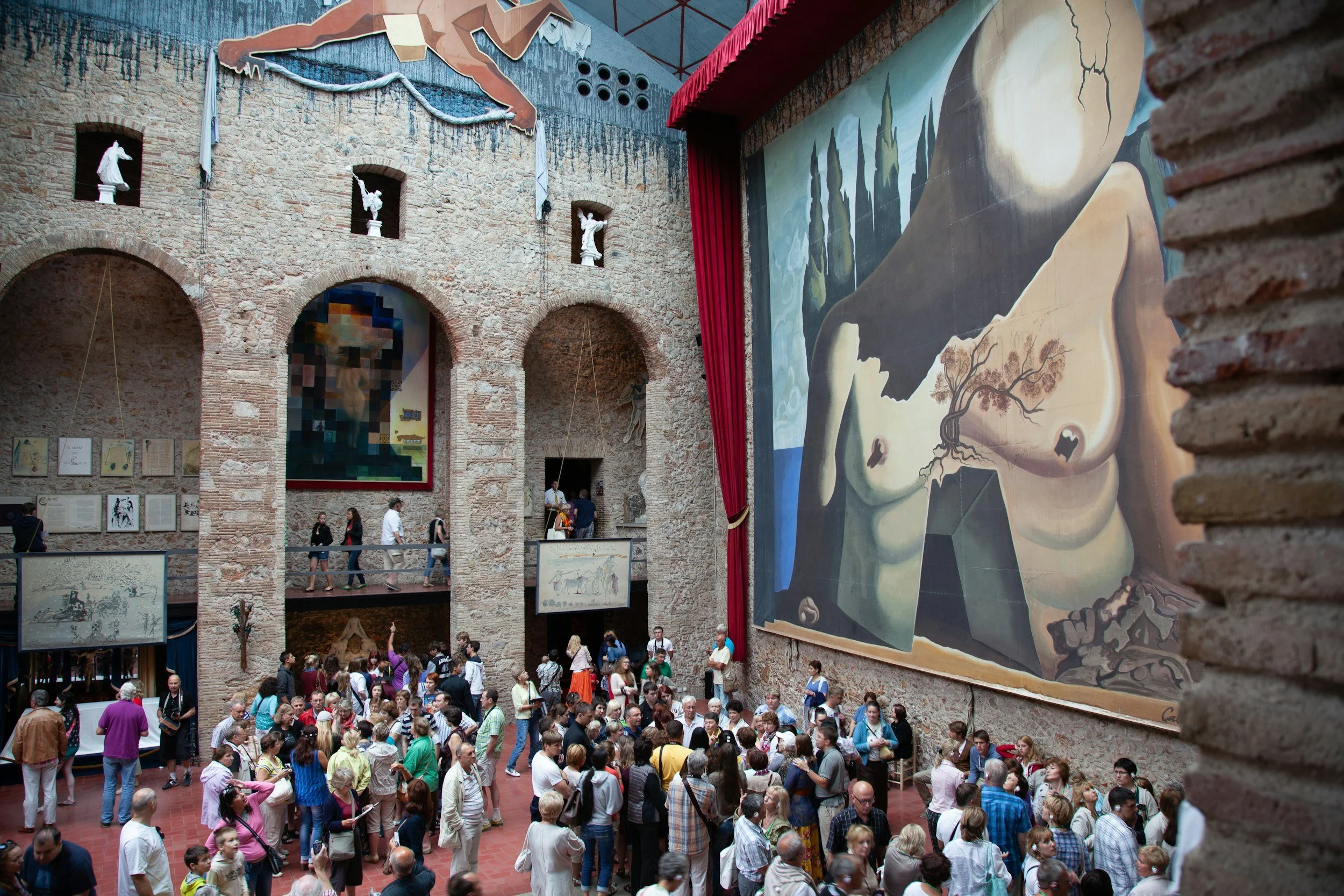
The Dalí Theatre-Museum obviously dominates the center visually, and yes, it’s worth seeing properly rather than rushing through in an hour, especially because the building itself is as much part of the experience as the artwork inside. Early mornings are by far the best time to go before the larger groups arrive from Barcelona and the Costa Brava. But honestly, some of the nicest parts of Figueres happen once you move away from the museum crowds completely.
The smaller streets around Plaça de les Patates and Carrer de Jonquera feel especially good later in the afternoon after the heat drops and shops reopen following lunch. Little wine bars spill onto the sidewalks, bakeries put out fresh pastries again, and grocery stores fill with locals shopping for dinner. The atmosphere feels much more grounded than Girona or Sitges, slightly rougher around the edges in a way that makes the town feel lived in rather than polished for tourism.
And the food here feels different from Barcelona almost immediately.
Northern Catalonia leans heavier, richer, and slightly more French once you get this close to the border. Restaurant Duran, where Dalí himself used to spend long lunches, still feels wonderfully old-fashioned with white tablecloths, seafood stews, older waiters, and dining rooms where people settle in for entire afternoons rather than quick meals. Around Carrer de la Jonquera there are also smaller local places serving grilled meats, empordà wines, and menu del día lunches that feel completely disconnected from tourism.
If you enjoy markets and regional food culture, Mercat de la Plaça del Gra is probably one of the strongest reasons to stay overnight instead of rushing back to Barcelona the same day. Earlier in the morning the place still feels entirely local, with fishmongers shouting prices across counters, people queuing for olives and cheese, seasonal mushrooms appearing during autumn, and older women discussing produce with the seriousness of political negotiations.
The surrounding Empordà region also quietly shapes the atmosphere of Figueres more than many visitors realize. Wine from nearby vineyards appears on almost every menu, local olive oils are sold throughout the center, and bakeries stock regional pastries that feel completely different from the coastal café culture closer to Barcelona.
One thing people underestimate before coming here is the weather and landscape around the town itself. The Tramuntana wind can be intense, especially during winter and spring, pushing hard through the streets and giving Figueres a completely different mood from the softer Mediterranean atmosphere further south. On some days café umbrellas shake violently while people walk faster with jackets pulled tightly around them, and honestly, that slightly dramatic weather suits the town.
And Figueres becomes much more useful once you stay long enough to use it as a base rather than an attraction.
Regional trains continue north toward Portbou near the French border, where the coastline becomes rockier and wilder, while buses toward Cadaqués leave regularly from the station area. Staying overnight makes those day trips far more realistic without turning the entire trip into exhausting logistics from Barcelona.
The atmosphere changes completely once the museum closes too. Around early evening, the larger tour groups disappear, terraces around La Rambla start filling more slowly with locals, and the town suddenly feels much calmer and far more personal. People stop for vermouth before dinner, browse bakery windows on their evening walks, sit outside bars talking loudly while scooters cut through the narrow streets.
Figueres isn’t conventionally pretty in the same way Girona is, and it doesn’t immediately try to charm people either. But after a couple of days, the town starts revealing all the things rushed visitors never really notice in the first place.
How these towns actually work together by train
A lot of people try to fit too many places into one Catalonia trip because the map makes everything look incredibly close together. And technically, it is. But once you start factoring in train times, station locations, slower regional services, luggage, café opening hours, and the fact that some towns go almost completely quiet after lunch on Sundays, the trip can start feeling way more tiring than expected.
Catalonia usually works better when you slow the whole thing down slightly instead of trying to “cover” everything.
Girona and Tarragona are probably the strongest combination if you want two completely different atmospheres without needing a car. Girona feels greener, more compact, more food-focused. You spend evenings wandering between little wine bars and stone streets, mornings at Mercat del Lleó, maybe taking slower day trips north toward Figueres or Portbou. Tarragona feels warmer and more spread out, with seafood lunches, beach walks, vermouth bars, and evenings that somehow start late and stretch even later around Plaça de la Font and Part Alta.
Sitges fits differently into the trip.
Most people don’t really use it as a “base” in the same way because it sits so close to Barcelona. It works better either right after your flight when you want somewhere easy for a few days without complicated logistics, or at the end of the trip when you’re tired of moving around and just want sea air, swims, wine bars, and somewhere you can walk everywhere from the station.
Vic needs a little more planning than the others because the atmosphere changes massively depending on timing. Tuesday and Saturday mornings are the days to come because of the market in Plaça Major. Arriving on a Sunday evening instead can feel strangely flat since a lot of places close after lunch and the town gets very quiet surprisingly early.
And Figueres honestly makes much more sense once you stay overnight instead of doing the rushed Dalí museum version most people do from Barcelona. The mornings around the market, slower lunches near La Rambla, and train connections north toward Portbou or the French border feel much more manageable once you stop trying to cram everything into one day.
The train system itself is pretty straightforward once you use it a couple of times, but there are still a few things worth knowing beforehand because they catch people constantly.
In Tarragona, you want Tarragona station near the marina, not Camp de Tarragona out beside the highways. In Figueres, the older central station feels much nicer to arrive into than Figueres Vilafant. And if you’re taking the coastal regional trains toward Sitges or Tarragona on Friday afternoons during summer, expect them to be packed with people leaving Barcelona for the weekend.
One thing that also changes these trips a lot is how Barcelona starts feeling after several days there.
The noise, the crowds, the constant movement. Coming back from somewhere like Girona in the evening suddenly makes Barcelona feel louder than you remembered that morning. Even Tarragona, which is still a proper city, feels calmer once you’ve spent time there.
And honestly, the best Catalonia trips usually happen once you stop treating every train ride like something to optimize. Leave room for long lunches, market mornings, slower evenings, extra coffee stops, wandering without a plan. Those are usually the parts people remember afterwards anyway.
A lot of readers deciding between Barcelona and somewhere less intense end up considering Valencia too, and this Valencia guide explains the difference far better than most generic Spain itineraries do.
A few things that genuinely make train travel around Catalonia easier
Catalonia changes a lot depending on the hour.
Girona at 8:30 in the morning feels completely different from Girona at 2 pm in July. Early on, people are buying pastries around Carrer de les Hortes, cafés near Rambla de la Llibertat are just opening, and Mercat del Lleó is full of locals buying fish and vegetables before work. Later in the day, the streets uphill near the cathedral get much busier and hotter once the Barcelona trains arrive.
Tarragona sort of empties and refills throughout the day. Around lunchtime, bars near Mercat Central and Plaça Corsini are packed with people drinking vermouth before eating, then around 5 pm parts of the city suddenly go quiet for a while before everyone comes back out later in the evening. By night, the streets around Plaça del Fòrum and Carrer Major are full again with people sitting outside for hours while kids run through the squares.
Vic depends heavily on the day you go.
Tuesday and Saturday mornings are completely different from the rest of the week because Plaça Major fills with market stalls, flower sellers, farmers, cheese stands, and people arriving from nearby villages carrying giant shopping bags back to their cars. Sunday evenings can feel almost strangely empty by comparison. A lot of places close after lunch and the center quiets down fast.
And Sitges changes block by block. Around the church and Passeig de la Ribera, evenings stay lively much longer, especially during summer weekends, while the streets closer to Platja de Sant Sebastià feel calmer in the mornings when people are walking back from bakeries carrying coffee and warm bread before the beaches fill up.
After a few train rides, even the stations start becoming familiar in their own way. The smell of coffee drifting through Girona station early in the day. The sea air when you step off the train in Tarragona. The packed commuter platforms at Plaça Catalunya before the Vic trains leave in the morning. The slightly chaotic feeling around Figueres Vilafant whenever several AVE trains arrive close together.
A lot of the nicest parts of these trips happen in between the obvious things people plan for.
Walking through Girona late at night once the old town finally quiets down. Sitting outside El Cable in Sitges while people slowly gather for vermouth. Watching market vendors in Vic start packing away flowers and vegetables while someone nearby orders one last coffee before catching the train home.
After a few days, you also stop moving through the towns the same way. You start noticing which bakery has the morning queue, which square fills first in the evening, where people actually go after the market closes, how different Tarragona feels after sunset compared to lunchtime.
That’s usually the point where the trip starts feeling less like moving between destinations and more like spending time inside the region properly.
People who end up loving Girona or Vic usually also enjoy this solo travel roundup because the towns have a very similar atmosphere once you stay a few nights instead of rushing through.
FAQ: Small towns in Catalonia a short train ride from Barcelona
Which small town near Barcelona is best for a weekend without a car?
Girona is usually the strongest all-round choice if you want cafés, markets, good restaurants, walkable streets, and enough atmosphere for several days without constantly needing transport. The AVE from Barcelona Sants takes around 38 minutes, and the station sits close enough to the center that you can walk into town easily.
Sitges works better for beach days and slower coastal weekends, while Tarragona feels more Mediterranean and spread out, especially if you enjoy seafood, Roman history, and longer evenings outside.
Which Catalonia towns can you walk to directly from the train station?
Sitges is probably the easiest overall because the station sits directly inside town, only a few minutes from the old center and beaches.
Girona is also very manageable on foot from the station, though the older streets near the cathedral become steep once you start climbing uphill.
Tarragona station sits near the marina and around a 10–15 minute uphill walk from Part Alta depending on where you stay. Vic station is around 10 minutes from Plaça Major, while Figueres feels easiest if you arrive at the central regional station rather than Figueres Vilafant outside town.
Is Girona walkable from the train station?
Yes. Girona station sits on the newer side of the city near cafés, shops, and apartment blocks around Carrer de Barcelona and Carrer de Santa Clara. Most people reach the old center within about 15 minutes on foot.
The only thing that catches people off guard is the uphill climb once you move deeper into the old town near the cathedral and Carrer de la Força, especially during summer heat with luggage.
Should you stay in Girona or Tarragona without a car?
They work very differently.
Girona feels more compact, greener, and more food-focused, with wine bars, smaller streets, local markets, and easy day trips north toward Figueres or Portbou.
Tarragona feels broader and warmer, with beaches close to the center, long seafood lunches, Roman ruins beside the sea, and evenings that stay lively around Part Alta and Plaça de la Font.
For many people, combining both gives a much better sense of Catalonia than staying only in Barcelona.
Can you visit Sitges without renting a car?
Very easily.
Regional trains run constantly from Barcelona Sants and Passeig de Gràcia, usually taking around 35–40 minutes, and the station sits directly inside town. You can walk to the beaches, old center, restaurants, and most hotels within minutes of arriving.
That convenience is part of why Sitges works so well for shorter coastal trips from Barcelona.
Is Tarragona worth staying overnight?
Yes, especially because the atmosphere changes once the Barcelona day-trippers leave in the evening.
Around sunset, the streets near Plaça del Fòrum, Carrer Major, and Plaça de la Font start filling with locals eating dinner outside while the sea breeze moves through the old quarter. Staying overnight also gives you time to experience the city beyond the amphitheater and cathedral area, including Mercat Central, the vermouth bars near Plaça Corsini, and the beaches north of the center.
Which town near Barcelona feels the least touristy?
Vic feels the most local overall, especially outside market mornings.
Compared to Girona or Sitges, far fewer international visitors stay overnight there, and much of the town still revolves around local life, university students, food markets, bakeries, and regional Catalan culture rather than tourism.
Sunday afternoons can feel extremely quiet though because many places close after lunch.
Is Vic worth visiting on a non-market day?
Yes, but the atmosphere changes quite a bit.
Tuesday and Saturday mornings are when Vic feels busiest because Plaça Major fills with market stalls, flower sellers, produce stands, and people arriving from villages around the Osona region. On quieter weekdays, the town feels calmer and slower, especially during winter when fog hangs over the square through the morning.
If market culture is part of the reason for visiting, it’s worth planning around those days specifically.
What is the prettiest train ride from Barcelona in Catalonia?
The coastal regional train south toward Tarragona is one of the nicest because large parts of the journey run beside the sea after Sitges.
The route north toward Girona becomes greener and hillier instead, especially closer to the Costa Brava region. The train toward Vic feels completely different again, with farmland, foggy winter landscapes, and inland Catalonia replacing the Mediterranean coastline.
Which station should you book for Tarragona?
You usually want Tarragona station near the marina and old town, not Camp de Tarragona.
Camp de Tarragona is the high-speed AVE station outside the city near the AP-7 highway and usually requires a taxi or shuttle bus into town. Tarragona station is walkable to Rambla Nova, the amphitheater, and Part Alta.
Is Figueres worth more than a day trip?
Usually yes.
Most people only visit the Dalí Theatre-Museum, walk around for a few hours, then leave again before the town settles down later in the afternoon. Staying overnight gives you time for the market near Plaça del Gra, slower lunches around La Rambla, and train or bus connections toward Portbou, Cadaqués, and the northern Costa Brava without trying to rush everything into one day.
Can you do the Costa Brava without a car?
Partly, yes.
Girona and Figueres both work well as train bases for reaching parts of the Costa Brava by bus. Places like Cadaqués, Begur, Calella de Palafrugell, and L’Escala usually require bus connections because much of the coastline does not have direct train service.
Trying to move hotels constantly along the Costa Brava without a car can become tiring fairly quickly, so staying in one base for several nights usually works better.
Are trains in Catalonia easy for tourists?
Mostly yes, especially compared to many other parts of southern Europe.
The AVE high-speed trains between Barcelona, Girona, and Figueres are comfortable and straightforward, while the Rodalies regional trains give more flexibility for places like Sitges, Tarragona, and Vic.
The main confusion usually comes from station names rather than the trains themselves, particularly in Tarragona and Figueres where the high-speed stations sit outside the city centers.
How late do trains run back to Barcelona from Sitges and Tarragona?
Sitges usually has frequent evening trains back to Barcelona until fairly late, especially during summer and weekends.
Tarragona also has regular evening services, though fewer late-night departures compared to Sitges. It’s worth checking schedules in advance on Sundays and outside peak season because regional services can become less frequent later in the evening.
How many days do you need for a Catalonia train trip from Barcelona?
Around 5–8 days usually feels comfortable if you want Barcelona plus two smaller towns without constantly repacking and changing trains.
A common mistake is trying to fit Girona, Tarragona, Sitges, Vic, and Figueres all into one short trip. Catalonia feels much better when there’s enough time for market mornings, slower lunches, beach afternoons, and evenings that aren’t spent inside stations with luggage.