The Dolomite villages I'd stay in after a day on the trails
You arrive in Belluno just before dinner, park somewhere near Via Mezzaterra, and within a few minutes you’re walking towards Piazza dei Martiri without really needing directions. There’s a bakery still open, a few people standing at the bar with an espresso, and the mountains already visible at the end of the street if the light is clear. It doesn’t feel like the start of a “Dolomites trip” yet, and that’s the point. You haven’t had to deal with narrow passes, parking chaos, or crowded viewpoints. You’ve just arrived and settled in.
Most people skip this step and drive straight past towns like Belluno on the way to Cortina d’Ampezzo or Val Gardena. On paper, it saves time. In reality, it often means arriving late, circling for parking, and starting the trip slightly rushed. Breaking it up changes that. Staying here first, then moving on to Alleghe the next day, and continuing up towards Passo Giau gives you a much smoother start without adding extra distance.
This guide follows that exact route. Not a full Dolomites overview, but a sequence that works in real time. Where to stop after a short drive, where to walk without needing a plan, where to sit down for lunch without rushing, and when it actually makes sense to move on. You’ll see how each place connects to the next, how long to stay without overthinking it, and what to do once you arrive so the days don’t end up feeling repetitive.
If you’re thinking about coming outside peak months, this look at winter beyond the Alps helps you see what shifts once the main season ends.
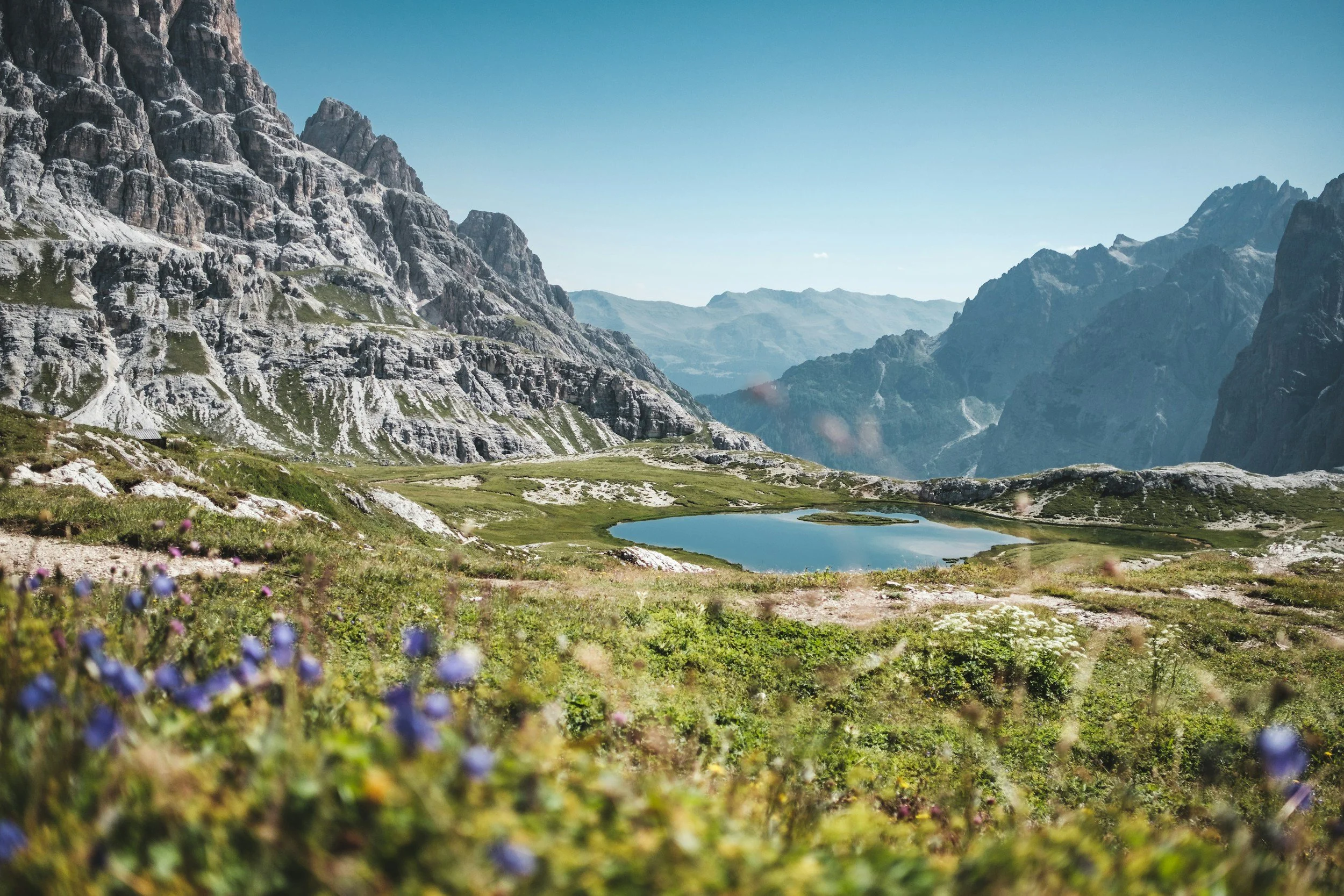
Azzano di Belluno
How to get to the Dolomites
Reaching the Dolomites is straightforward once you decide which part of the range you want to base yourself in, as there isn’t a single central arrival point. Most trips begin from one of the larger cities on the edge of the mountains, and from there the final stretch is always by train, bus, or car into the valleys.
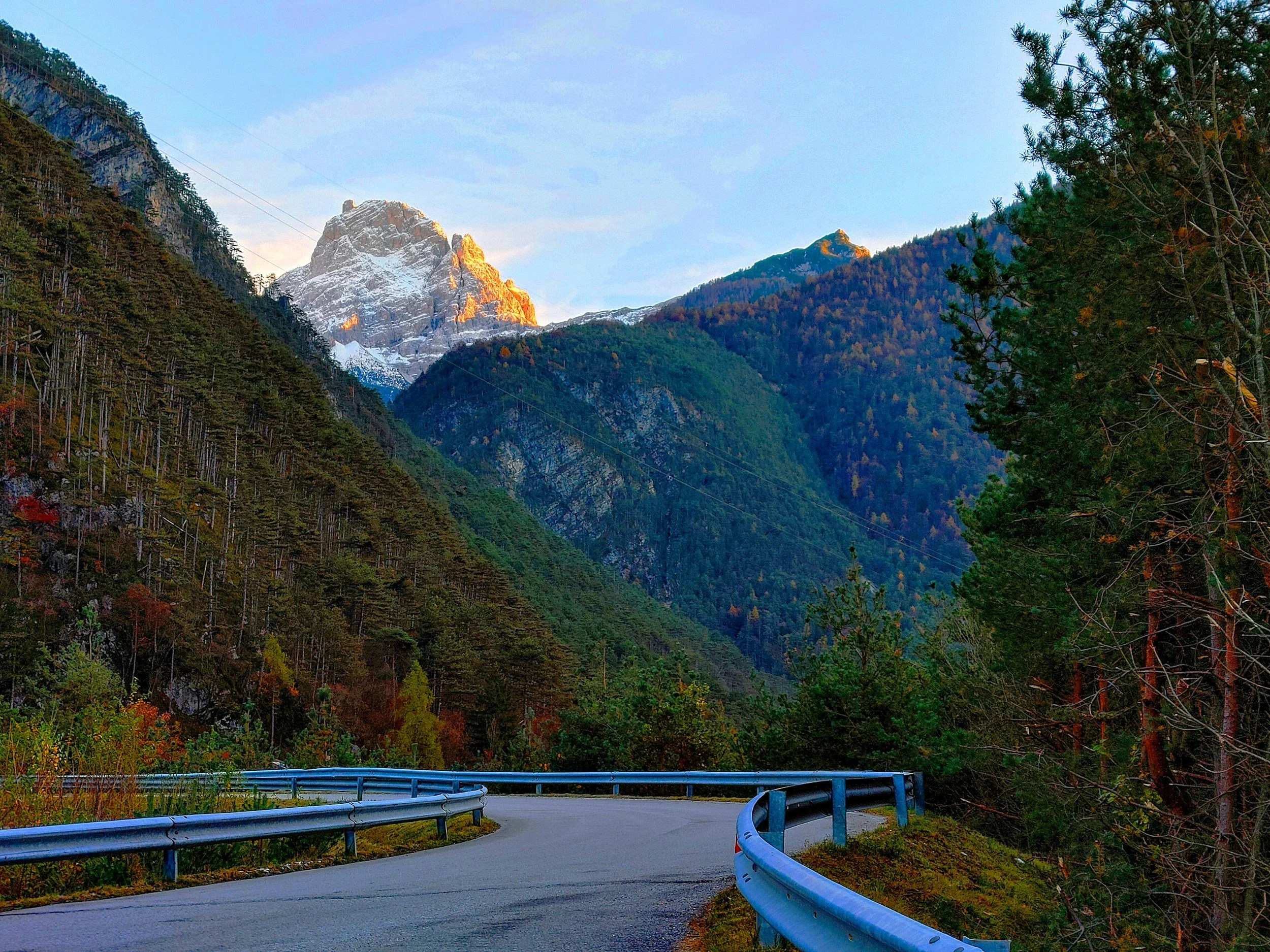
If you are flying in, the closest airports are Innsbruck Airport, Venice Marco Polo Airport, and Verona Airport. Innsbruck works well for the northern valleys and places closer to the Austrian border, while Venice and Verona are more practical if you are heading towards South Tyrol or the eastern Dolomites. From Venice, the drive into the mountains usually takes around 2.5 to 3 hours depending on your final stop, with the road gradually narrowing as you move away from the main highways.
For train travel, the most useful stations are Bolzano railway station, Bressanone railway station, and Brunico railway station. These are all on the main north–south line between Verona and Innsbruck, and they connect easily with regional buses that continue into smaller villages. From Bolzano, buses leave regularly towards Val Gardena, Alpe di Siusi, and Val d’Ega, while Brunico is a good starting point for Val Badia and the eastern side of the range. The bus connections are reliable, but it is worth checking the last departure of the day, especially if you arrive in the evening, as services thin out after around 19:00.
If you prefer to drive, renting a car gives you more flexibility once you are in the mountains, particularly if you plan to move between valleys or start walks early in the morning. Roads are generally well maintained, but they can be narrow and winding, especially on the final approach into smaller villages. In summer, parking is regulated in many areas, and some high-altitude roads or trailheads require early arrival before 09:00 to secure a space.
Without a car, it is still very manageable to get around. South Tyrol’s integrated transport system means that local buses connect even smaller villages with the main valleys, and many accommodations provide guest cards that cover regional transport. In practice, this means you can base yourself in one village and plan walks directly from there or reach nearby trailheads within 20–40 minutes by bus.
A lot of people overplan this part, but looking at Italy by train makes it easier to keep things simple and still move between regions.
When planning your arrival, it helps to think in terms of valleys rather than the Dolomites as a whole. Choosing whether you are heading towards Val Gardena, Val Badia, or the area around Cortina d’Ampezzo will make the journey much clearer, and it avoids unnecessary transfers once you are already in the mountains.
If you like the idea of this but want something a bit less well-known, this guide to Valle Maira shows a quieter version of northern Italy.
Belluno as a base: where to stay, eat, and walk before heading into the Dolomites
Belluno is one of those places people pass without stopping on the way further into the Dolomites, which makes it a practical first base if you want to arrive without dealing with busy resort towns straight away. It sits just south of the main mountain valleys, where the terrain starts to shift from flat Veneto countryside into steeper forested slopes. You’re still connected to the rail network and main roads, but already close enough to start walking and exploring without long transfers.
If you’re arriving by train, you’ll come into Belluno railway station, which is about a 10–15 minute walk from the historic center. The route goes uphill along Viale Fantuzzi and then into smaller streets, so if you have a suitcase it’s easier to take a taxi from outside the station. By car, Belluno is reached via the SS51 or SR50, and traffic is usually light compared to the northern Dolomites, even in summer
The center is compact and easy to navigate on foot. You can start around Piazza dei Martiri, which runs along a long open square with views towards the mountains on clear days. In the morning, most places are open by 07:30–08:00, but it stays quiet, with locals stopping briefly rather than sitting for long. From here, it’s a short walk into smaller streets like Via Mezzaterra, where you’ll find bakeries, wine shops, and everyday stores rather than souvenir shops.
Start your day at Pasticceria Bellunese Caffetteria, which, let me tell you, serves some of the best coffee in town. It’s tucked away in Piazza Marconi, right in the heart of Belluno, and if you grab a seat outside, you can sip your espresso while soaking in the laid-back vibe of the place. Seriously, it’s the perfect spot to start your day. Their pastries are also delicious: fresh, flaky, and just sweet enough to balance out that strong coffee.
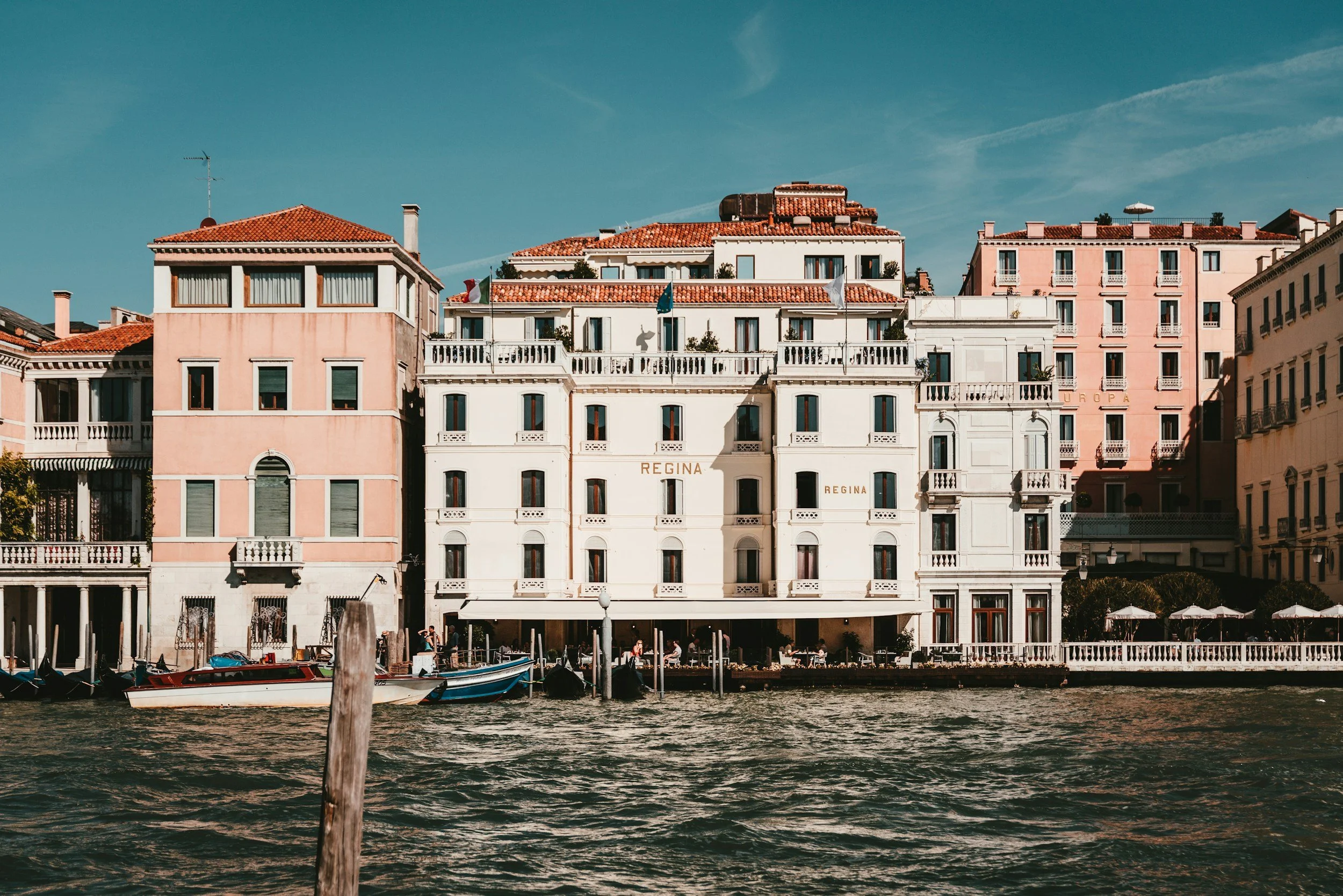
From there, everything is within a short walking distance. The Duomo is just a few minutes away, set slightly above street level, and works as a quick stop rather than something to plan around. What matters more is how the town moves through the day. Shops close for a few hours in the middle of the day, and by late afternoon people start returning to cafés and bars, especially around Piazza dei Martiri and the smaller side streets.
If you want to get out into nature without committing to a full-day hike, you don’t need to go far. The edge of Parco Nazionale delle Dolomiti Bellunesi is reachable in about 20–30 minutes by car, depending on where you enter, or just over an hour by local bus. Trailheads are less structured than in the northern valleys, so it helps to decide on a starting point in advance rather than expecting clear signage everywhere. This part of the Dolomites is more forested, with fewer built viewpoints and more continuous walking through woodland and open clearings.
Monte Serva is the closest option if you want something directly from Belluno. The trail starts near the edge of town and climbs steadily, with the first open views appearing after about 45–60 minutes. You don’t need to go all the way to the summit to make it worthwhile. A shorter walk up and back in the early morning or late afternoon is often enough, especially if you’re arriving the same day.
Belluno works best as a one- or two-night stop at the beginning of your trip. You can arrive, settle in, adjust to the area, and then continue further into the Dolomites without rushing. From here, buses and roads connect easily towards Agordo, Alleghe, and Cortina d’Ampezzo, which makes it a practical place to pause before moving deeper into the mountains.
Staying in Alleghe: lakeside walks, boat rentals, and where to eat
From Belluno, Alleghe is close enough that you don’t need to treat it as a full travel day. By car, it’s about 50–60 minutes following the SR203 north through Agordo, with the road narrowing slightly as you move deeper into the valley. If you’re on public transport, buses run the same route and usually take around 1 hour 20 minutes. The arrival is straightforward. You come down towards the village and the lake appears directly on your right, with most of Alleghe stretched along that shoreline.
The village sits right beside Lago di Alleghe, and almost everything you’ll need is within a short walking distance. The main road, Corso Italia, runs just behind the lake, with small hotels, a few grocery stores, and casual places to eat. From there, you can step onto the lakeside path in under a minute. A full walk around the lake takes about 45 minutes to an hour, and it’s completely flat, so it works just as well early in the morning as it does in the evening.
If you arrive around midday, it’s worth dropping your bags and going straight out rather than waiting until later. The stretch between the central boat dock and the southern end of the lake is usually the quietest, especially between 13:00 and 16:00 when most people are either eating or resting indoors. You’ll pass a few wooden jetties and benches where locals sit for short breaks rather than staying long.
Mornings in Alleghe are very simple. Most cafés open around 08:00, but the village is already active before that with people heading out early. If you walk along the lake before breakfast, you’ll likely have long sections to yourself. The light reaches the water a bit later here because of the surrounding peaks, so it stays cooler in the early hours, even in summer.
For lunch or dinner, make sure to check out Ristorante La Cambra, set slightly above the lake with a clear view across the water. This place has a cozy, intimate feel, and the food is incredible. It’s the kind of spot where you can enjoy hearty, traditional dishes in a welcoming atmosphere. The polenta con funghi (polenta with wild mushrooms) is a must-try, and if you’re feeling like a real treat, their homemade pasta dishes are out of this world.
If you want to spend time on the water, small rowboats are available to rent from the lakeside near the center of the village. They usually open mid-morning and stay available until early evening, depending on weather. An hour is enough to move away from the shore and see the full outline of the village with the mountains behind it. Earlier in the day is easier, as the water is calmer and there’s less movement from other boats.
You don’t need to plan structured walks here unless you want to. The lake loop is enough for most people on a short stay, but if you feel like extending it, there are paths leading slightly uphill on the western side where you get a wider view back over Alleghe and the valley. These aren’t heavily marked routes, so it’s more about walking and turning back when it feels right rather than following a fixed trail.
Alleghe works well as a short stop of one or two nights. You can arrive, settle into a simple routine, and spend most of your time on foot without thinking about transport. From here, it’s easy to continue further north towards Cortina d’Ampezzo or east towards smaller valleys, but staying here briefly breaks up the journey and gives you time to adjust before moving into busier or higher-altitude areas.
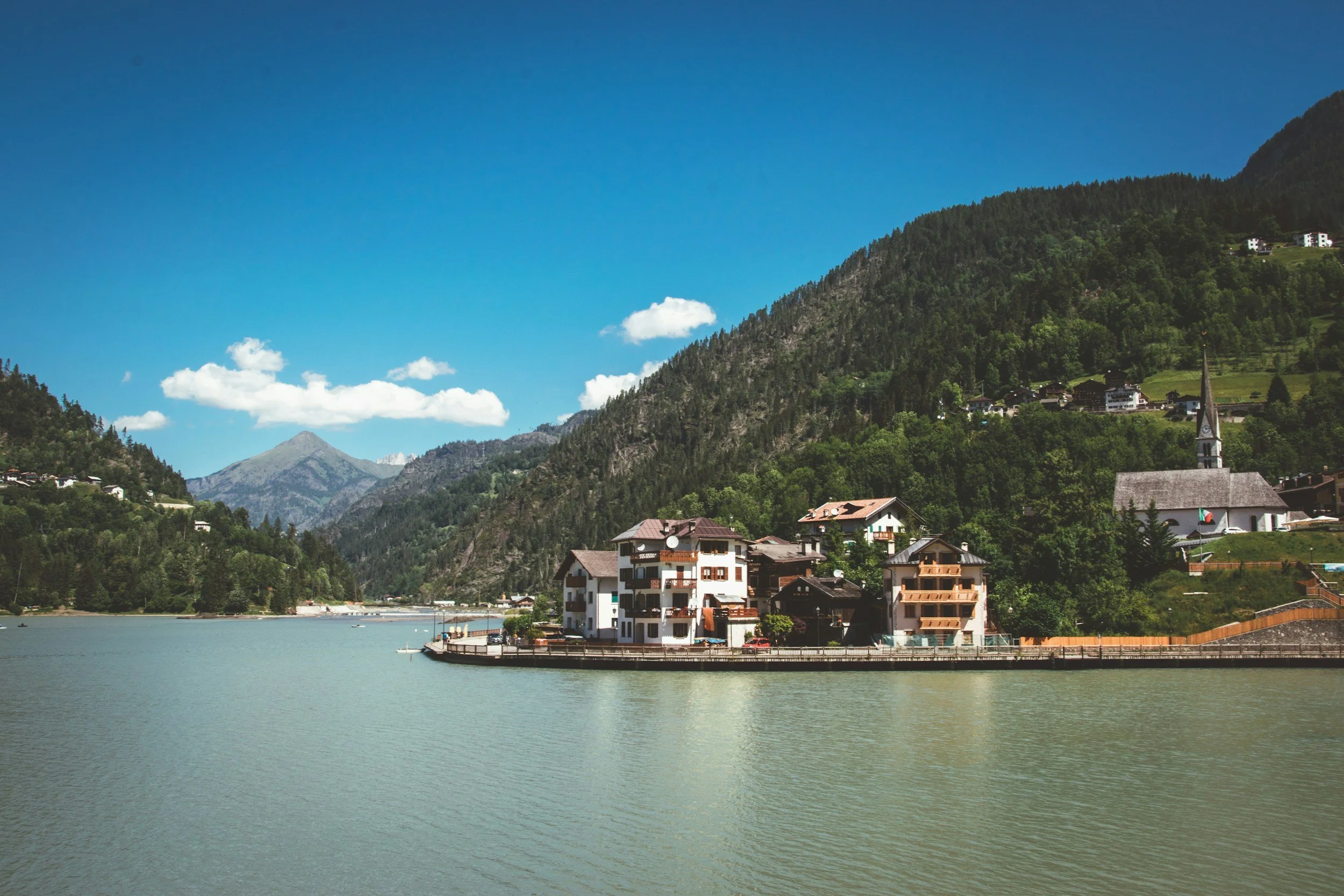
Lago di Alleghe
Stopping at Passo Giau: where to park, walk, and sit down for lunch at Averau
The drive from Alleghe up to Passo Giau is short, but it changes quickly once you leave the lake behind. After Selva di Cadore, the road starts climbing in tight bends, and you’ll notice more cyclists on this stretch, especially late morning. It’s not a difficult drive, but you won’t be moving fast. If you leave before 09:30, you’ll avoid most of the traffic coming up from the other side.
At the top, the parking area is open and unstructured. Cars are spread out rather than lined up neatly, and by midday it fills unevenly, with people circling slowly looking for space. If you arrive earlier or later in the afternoon, you can usually park closer to the path without waiting. There’s no real “centre” point here, just the road cutting through and paths leading off in different directions.
The walk up to Rifugio Averau starts just above the pass on a wide gravel track. The first 10 minutes feel easy, then it gradually becomes more of a steady climb. You’ll pass a couple of signposts pointing towards Averau and Cinque Torri, but most people simply follow the main path. About halfway up, there’s a natural pause point where people tend to stop, turn around, and look back towards the pass before continuing.
By the time you reach the rifugio, the noise from the road has disappeared completely. The terrace is slightly raised, with tables set close together but angled towards the view rather than towards each other. If you arrive before 12:00, you can usually choose where to sit. After that, it becomes more about waiting for a table to free up, especially outside.
Lunch here stretches out without you really noticing. Orders take time, and the pace is slow in a way that feels normal for this setting. Most people go for something simple like pasta or polenta, and you’ll see the same dishes coming out repeatedly rather than a wide mix of orders. If you sit outside, you’ll notice people staying long after they’ve finished eating, especially when the weather holds.
One thing that catches people off guard is how quickly the weather shifts! Clear skies can turn into low cloud within an hour, and the temperature drops slightly when it does. Having a light layer with you makes a difference, even in summer. When the clouds move in, the terrace empties a bit and the indoor tables fill instead.
After eating, most people either sit longer or walk a bit further without checking a map. The path towards Cinque Torri is the most obvious continuation, taking around 30–40 minutes at a steady pace. If you don’t feel like extending it that far, you can take a slightly different route back down towards the pass and it still feels like a new walk rather than retracing your steps.
If you only stop at Passo Giau for a quick look, it feels like a viewpoint, but walking up, sitting down, and staying for a while changes it into a proper stop in the day instead of something you pass through.
From here, it’s about 25 minutes down to Cortina d’Ampezzo if you’re continuing, or you can head back towards Alleghe. Either way, this is one of the few places where it’s worth slowing down rather than trying to fit more in.
Food can be a bit unpredictable in smaller mountain villages, so checking Italian market timing beforehand makes it easier to plan your days around what’s actually open.
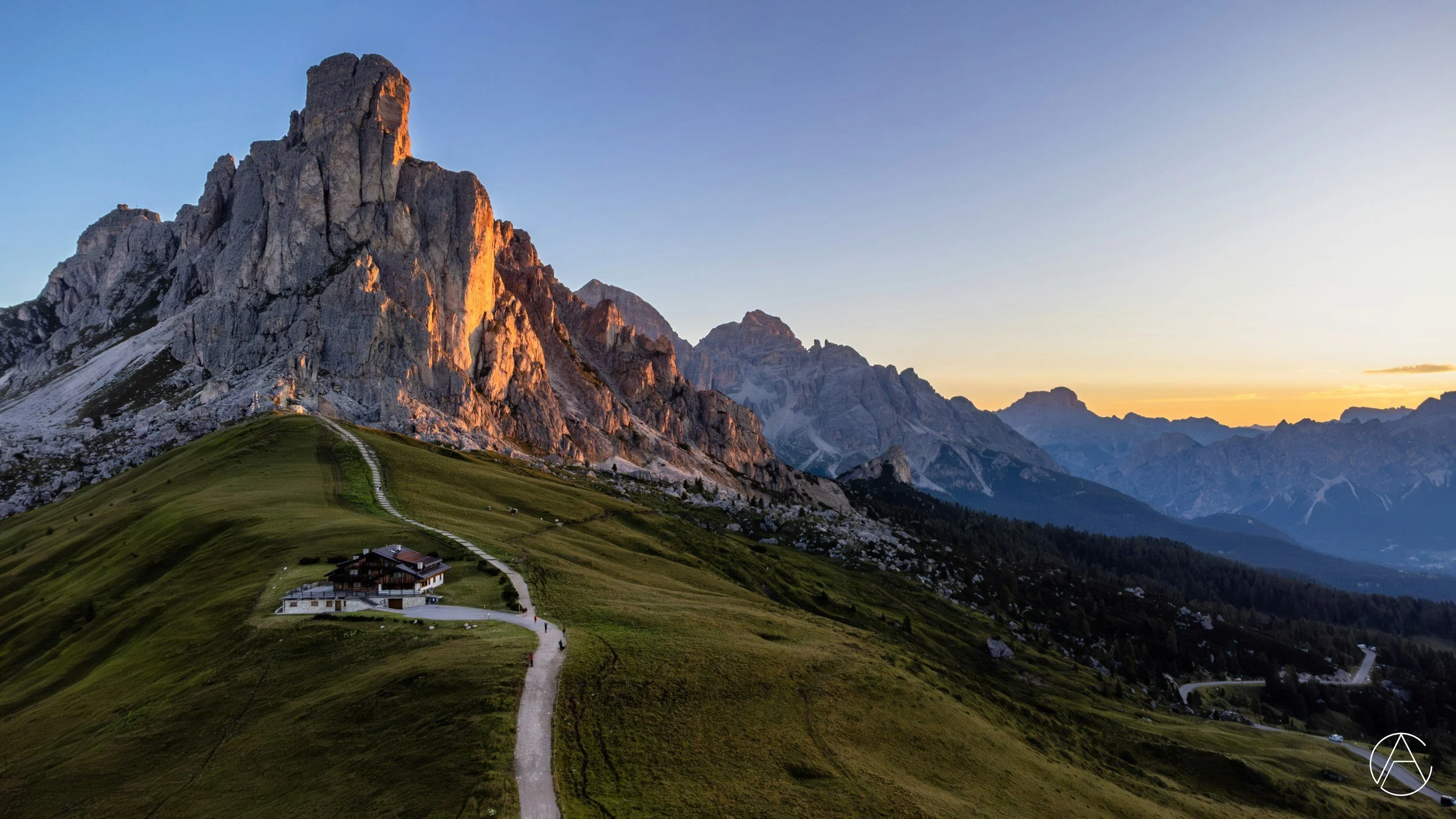
Views
Staying in Val di Fassa: which villages to choose and how to spend your days
From Passo Giau, the route into Val di Fassa takes around 1 hour 15 minutes by car, depending on traffic and how many stops you make along the way. You drop down towards Cortina d’Ampezzo, then follow the SR48 west through Arabba and over Passo Pordoi before descending into the valley. It’s a longer stretch, but it breaks naturally into sections, and there are places to stop if you don’t want to drive it all in one go.
Val di Fassa isn’t one single village, but a chain of small towns connected by the main road. Canazei sits at the northern end and tends to be the busiest, while places like Pozza di Fassa and Vigo di Fassa feel more settled and easier to base yourself in if you want a quieter stay. Everything is linked by regular buses, so once you’re here, you can move between villages without needing to drive each time.
If you’re arriving in the afternoon, it’s worth checking in and heading straight out rather than waiting until the next day. The walking paths along the valley floor are easy to access and don’t require planning. A good place to start is the riverside path that runs alongside the Avisio river, especially around Pozza and Vigo. It’s flat, well maintained, and used by locals for short walks in the early evening rather than long hikes.
Mornings here feel different from Alleghe. There’s more movement, especially in Canazei, but if you stay slightly outside the centre, it settles down quickly. Cafés open around 07:30–08:00, and most people stop briefly before heading out. If you want somewhere quieter, it’s better to avoid the main squares and look for smaller spots along side streets, where you’ll see more regulars than visitors.
For a walk that doesn’t require a full day, heading up towards the area below Catinaccio is one of the easier options. From Vigo, you can take the cable car part of the way up, but if you prefer to stay on foot, there are lower trails that still give you open views without needing to commit to a long climb. The paths are well marked, but it’s still easier to decide on a rough direction rather than a fixed route.
Food in Val di Fassa is more varied than in the smaller stops earlier in the trip, but it helps to keep expectations simple. Restaurants tend to follow a similar structure, with a mix of pasta, meat dishes, and local specialities. Booking for dinner is often necessary in Canazei, especially between 19:30 and 21:00, while in Pozza or Vigo you’ll have more flexibility if you arrive slightly earlier.
One thing that works well here is keeping your days less structured than you might expect. You don’t need to plan a full itinerary. It’s enough to choose one direction in the morning, walk for a few hours, stop for lunch, and return in the afternoon. The valley is set up in a way that supports that kind of movement without needing to organise transport constantly.
Staying two or three nights in Val di Fassa gives you time to see more than one part of the valley without packing up each day. From here, you can move further west towards Ortisei or head back south depending on how you’re planning the rest of your route, but this is one of the easier places to pause for a bit longer and explore without overplanning.
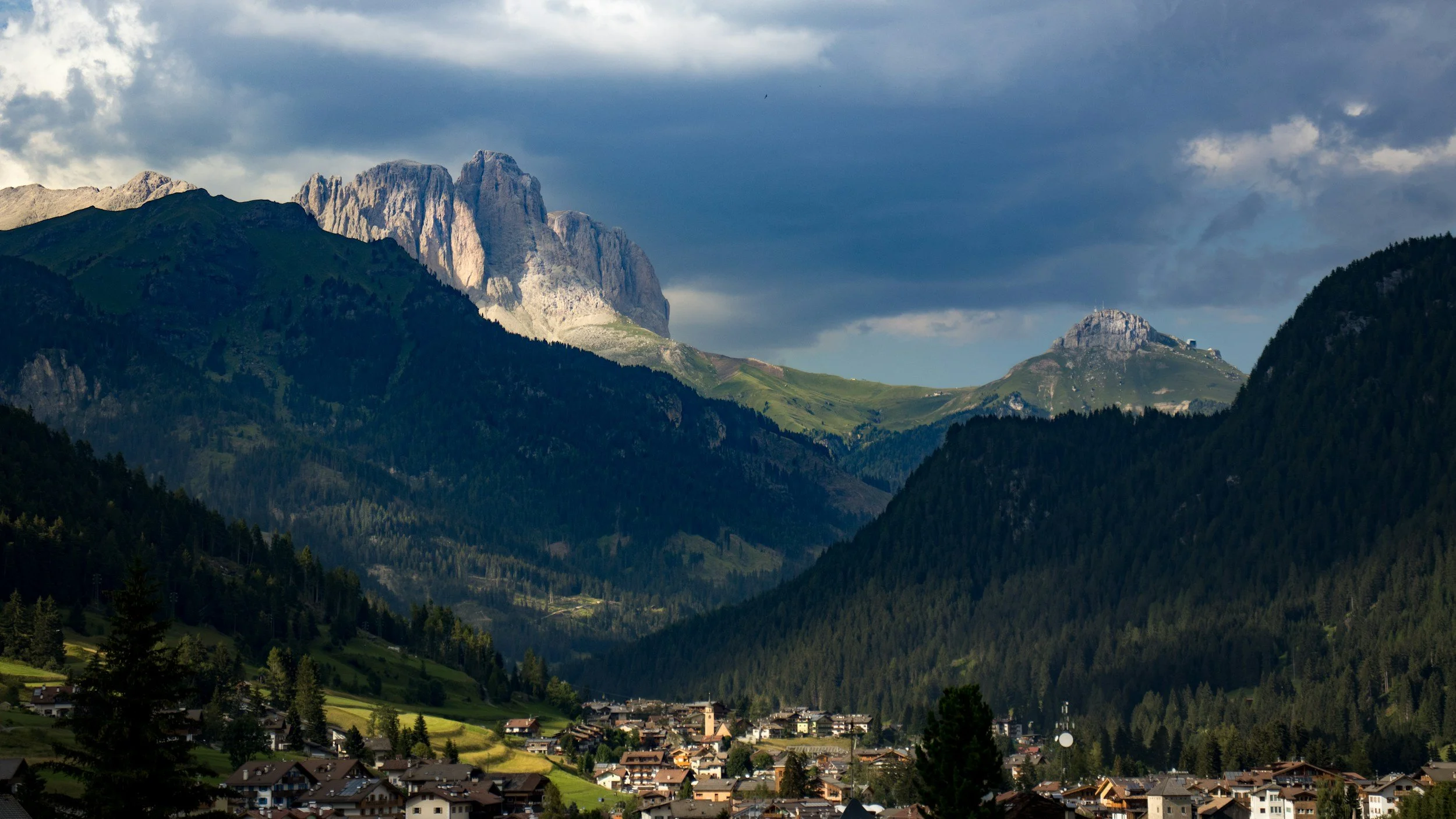
How to choose the right base
Before looking at specific places to stay, it helps to decide where you actually want to wake up each morning. In the Dolomites, that matters more than the hotel itself. Distances between valleys aren’t huge on a map, but in reality you’re driving over passes, stopping behind cyclists, and taking longer routes than expected. Staying in the right spot saves you from spending too much time in the car.
Most people end up choosing between a few types of villages. Smaller places like Alleghe or Vigo di Fassa are easy to settle into straight away. You can walk to a café in the morning, head out along a path without planning much, and come back in the afternoon without thinking about transport. Everything sits close together, and you don’t need to organise your day in advance.
Larger bases like Canazei or Cortina d’Ampezzo give you more options, but they also come with more movement. There are more restaurants, more hotels, and more people arriving and leaving throughout the day. If you’re staying here, it’s worth choosing a place slightly outside the centre rather than directly on the main street. Even a five-minute walk away makes a difference in the evening.
If you’re travelling without a car, your choice becomes more practical. Staying near a bus stop or along the main valley road makes everything easier, especially in places like Val di Fassa where buses run regularly between villages. Once you move into smaller or higher areas, the schedule becomes more limited, particularly later in the day. It’s not complicated, but it does shape how far you can go without needing to think about getting back.
Arrival is another detail that’s easy to overlook. A lot of smaller hotels and guesthouses don’t have someone at reception all day. Check-in is usually between mid-afternoon and early evening, and outside those hours you’ll need to let them know in advance. It’s a small thing, but it avoids standing outside with your bags after a long drive.
Parking tends to be simple, but not always directly outside your door. In villages with narrow streets, you’ll often leave the car in a shared parking area and walk the last few minutes. It’s normal here, but worth knowing so you’re not surprised when you arrive.
You’ll also notice that many places offer half-board, especially in quieter villages. That means dinner is served at the property in the evening, usually at a set time. It works well if you don’t want to go out again after a full day, but if you prefer choosing different restaurants each night, it’s better to book somewhere with just breakfast.
For most trips, staying in one place for at least two nights makes everything easier. You can get used to the area, walk directly from your accommodation, and adjust your plans depending on the weather instead of packing up every morning. The Dolomites are easier to enjoy when you don’t move too fast between stops.
Once the location is right, the rest tends to fall into place. A simple guesthouse in a good spot usually works better than something more polished that’s harder to get in and out of each day.
Some people end up comparing this with hill towns further south, and places like Ascoli Piceno give a completely different kind of stay if you’re not set on the mountains.
Where to stay in Val di Fassa: Campitello, Soraga, and what to expect
Staying in Val di Fassa gives you access to more than just one village. The valley runs through several small towns, each with a slightly different feel, but all connected by the same main road and bus line. You can base yourself in one place and still move easily between Campitello di Fassa, Pozza di Fassa, Soraga, and Canazei without needing to change accommodation.
Campitello sits just before Canazei and tends to feel a bit more settled, especially in the evenings. Hotel Gran Paradis is located slightly above the main road, so you’re not directly in the flow of traffic. From the hotel, it’s a short walk down into the village centre, where you’ll find a few restaurants, a bakery, and access to the Col Rodella cable car. In the morning, you can walk out within a few minutes rather than driving to a starting point, which makes a difference if you want to keep the day simple.
Soraga, on the other hand, sits closer to Moena and feels quieter overall. Hotel Des Alpes is positioned along Strada de Palua, just off the main road, which keeps it accessible without being busy. From here, you can walk towards the Avisio river path in under 10 minutes, which is useful if you want something flat and easy at the start or end of the day. The village itself doesn’t have the same level of movement as Canazei, so evenings are slower, with fewer places open late.
Both of these stays work well if you want a base where you don’t need to plan every detail. You can step outside, walk for a few hours, come back, and not feel like you’ve spent the day moving between locations. At the same time, if you do want to explore further, buses run regularly along the valley, and driving between villages usually takes no more than 10–20 minutes depending on where you’re heading.
This part of the Dolomites also has a strong Ladin identity, which shows up in small ways during your stay. You’ll notice it in the language used on menus, in local dishes that appear alongside more familiar Italian options, and in how hotels are run. It’s less about planned cultural stops and more about the everyday details that come with staying in one place for a few days.
Where to stay around Passo Giau: high-altitude stays and mountain refuges
Staying near Passo Giau is very different from staying in a village. There isn’t a town here in the usual sense. You’re choosing to stay directly on or near the pass, which means fewer options, higher altitude, and less flexibility once you’ve arrived. It works best if you want to slow things down and stay in one place rather than move around in the evening.
Hotel Ristorante Passo Giau sits directly along the road near the top of the pass. You arrive, park outside, and you’re already at your base. There’s no walking into a centre or heading out to find dinner elsewhere. The restaurant is part of the stay, and most people eat here in the evening since there aren’t other nearby options within walking distance. During the day, the area shifts constantly depending on weather and traffic, but in the early morning and later in the evening, it becomes noticeably quieter once day visitors leave.
Rifugio Averau is a different type of stay. You can’t drive directly to the door. Instead, you park at the pass and walk up, usually around 20–30 minutes depending on your pace and what you’re carrying. The path is the same one used during the day, but arriving later in the afternoon or early evening changes the experience. Once the last hikers head back down, the area becomes still, and you’re left with a much smaller group of overnight guests.
Staying here means adjusting slightly to how mountain refuges operate. Dinner is served at a set time, often shared across guests, and the menu is fixed or limited compared to a hotel. You don’t come here for choice, you come for the setting and the experience of staying at this altitude. After dinner, there’s not much to do other than step outside, walk a short distance, and then head back in. That’s part of the appeal, but it’s worth knowing in advance.
Both options work best if you treat them as a one-night stop rather than a longer base. You arrive, settle in, experience the pass in the evening and early morning, and then continue on the next day. Staying longer can feel restrictive unless you’re planning longer hikes directly from the area.
Where to stay in Alleghe: lakeside hotels and quieter edges of the village
The village runs along Lago di Alleghe, with the main road just behind it, so the difference between being right in the centre and slightly outside it is noticeable, especially in the evening.
Hotel Centrale sits close to the middle of the village along Corso Italia, which means you can step out and be by the lake in under a minute. You’re near the small grocery store, a few cafés, and the main stretch where people walk in the evening. It’s practical if you want everything within a short distance and don’t want to think about moving the car once you’ve arrived. Mornings here start early, with a bit more movement from deliveries and people heading out, but it settles again quickly.
Hotel La Maison Wellness & Spa is set slightly away from the busiest part of the centre, which makes it quieter without feeling remote. From here, it’s still an easy walk down towards the lake, usually around 5–10 minutes depending on your pace. The setting works well if you want to come back in the afternoon and stay in rather than heading out again. Most guests use the wellness area later in the day, especially after walking, so the rhythm naturally shifts towards slower evenings.
Naturae Lodge sits further out, closer to the edge of the village rather than along the main stretch. You’re not stepping directly into the centre here, but that’s part of the appeal. The surroundings are more open, and you’re closer to the forested edges rather than the road. You’ll likely need the car or a longer walk to reach restaurants in the evening, but during the day you can start walks directly from the property without going through the village first.
Across all three, the practical details are similar. Parking is usually on-site or very close by, but not always directly outside your room. Most places include breakfast, while dinner depends on whether the hotel has its own restaurant or if you plan to eat out. In Alleghe, it’s worth deciding that in advance, as options are limited compared to larger Dolomite towns and some places require booking in the evening.
Choosing between them comes down to how you want your time in Alleghe to feel. Staying central makes everything easy and walkable. Staying slightly outside gives you more quiet in the evenings and a bit more space around you during the day.
Where to stay in Belluno: central streets or a quieter edge of town
In Belluno, the choice is less about the hotel itself and more about where you place yourself for your first night or two. The historic centre sits slightly above the newer part of town, and once you’re up there, everything is within a short walk. If you stay outside it, you’ll notice straight away that you’re moving in and out by car instead.
Albergo Cappello e Cadore is set right in the middle of the old town, a few minutes from Piazza dei Martiri and along the streets that lead into Via Mezzaterra. When you step outside, you’re already in the part of Belluno where people walk, stop for coffee, and run errands during the day. In the morning, you can be at a café within two or three minutes without thinking about it. In the evening, there’s still some movement around the square, but it quiets down earlier than in larger towns.
Hotel Europa Belluno is also central, but set just far enough back that it feels a bit more removed once you’re inside. You can walk to Piazza dei Martiri or the Duomo in under 5 minutes, but you’re not directly on the main pedestrian flow. It’s a small difference, but you notice it when you come back in the afternoon and everything feels slightly calmer compared to the streets closer to the square.
Park Hotel Villa Carpenada sits outside the centre along Via Mier, on the edge of town as the road starts to lead towards the mountains. Getting into the historic centre from here takes about 5–10 minutes by car, depending on traffic, or a longer uphill walk if you don’t mind the distance. Staying here feels more self-contained. You’re not stepping out into cafés or shops in the same way, and most people tend to stay at the hotel in the evening rather than heading back into town.
Parking is one of the things that usually decides it. In the centre, you’ll often leave the car in a nearby public space or a small hotel lot and walk the last few minutes. Streets are narrow, and you won’t always be able to stop directly outside. Outside the centre, parking is simpler and usually right next to the building.
Belluno itself doesn’t run late. Most restaurants start filling up around 19:00, and by 21:00 things are already slowing down. If you’re staying centrally, it’s easy to walk out for dinner and back again without planning. If you’re outside the centre, it’s worth deciding in advance whether you’ll eat at the hotel or drive back in.
For a short stay, being in the centre makes everything easier. You arrive, drop your bags, and you’re already where you need to be. If you prefer a quieter evening and an easier exit the next morning, staying just outside works better, especially if you’re continuing further into the Dolomites.
Before you leave the Dolomites
The last day is usually where the trip starts to slip a bit. Not because of the place, but because of how it’s timed. Most people check out early, load the car, and start driving while everything is still busy. You see it straight away on the road down from Passo Giau or coming through Canazei, with cars pulling out at the same time and traffic building in sections where the road narrows.
If you can, don’t leave first thing. Keep the room for one more night and use that final morning properly. Even a short walk before breakfast changes the pace. In Alleghe, that can just be the lakeside path before 08:30, when it’s still quiet and the water is flat. In Val di Fassa, you can step onto the path along the Avisio river from places like Pozza di Fassa or Vigo di Fassa without needing to plan anything. You’re back within an hour, have breakfast, and leave without feeling like the day has already started in the car.
The drive out feels different if you leave a bit later. Around 10:30–11:30, the early wave has already gone, and you’re not stuck behind constant traffic on the bends. It’s a small shift, but it makes the descent smoother, especially on roads where overtaking isn’t really an option.
One thing that helps is not packing everything away the night before. Keep a small bag separate so you can still go out in the morning without reopening your suitcase. Most places will let you leave luggage for a few hours after check-out, which gives you time for one last stop on the way out without carrying everything with you.
If you’re heading back towards Belluno, it’s worth stopping again rather than driving straight through. Even just walking once more through Piazza dei Martiri or along Via Mezzaterra gives you a different feel of the town compared to when you first arrived. It turns the last day into part of the trip rather than just the way home.
FAQ: planning a quieter Dolomites route
Where should I stay in the Dolomites to avoid crowds but still have good access?
Start in Belluno for your first night, then move to Alleghe or a smaller village in Val di Fassa like Vigo di Fassa or Pozza di Fassa. These places are easier to manage day-to-day and don’t require driving long distances just to start a walk.
Is Alleghe a good base in the Dolomites or just a quick stop?
It works better as a base than most people expect. Staying near Lago di Alleghe means you can walk straight from your accommodation in the morning or evening, when it’s noticeably quieter than during the middle of the day.
Can you drive to Passo Giau and is parking difficult?
You can drive directly to Passo Giau and park at the top. The parking area is large but fills unevenly between 11:00 and 14:00 in summer. Arriving before 10:00 or later in the afternoon makes it much easier.
Do you need to hike to visit Rifugio Averau?
Yes, but it’s a short walk. From Passo Giau, it takes around 20–30 minutes on a wide gravel path to reach Rifugio Averau. You don’t need hiking gear beyond good shoes.
Which is better to stay in: Canazei, Campitello, or Vigo di Fassa?
Canazei has the most restaurants and transport but feels busier. Campitello di Fassa is slightly quieter with easy access to lifts and walking routes. Vigo di Fassa and Pozza di Fassa feel more settled and are easier if you want a calmer base.
Is Val di Fassa easy to explore without a car?
Yes, if you stay along the main valley. Buses run between Canazei, Campitello di Fassa, Pozza di Fassa, and Vigo di Fassa. Just check the last evening bus so you’re not relying on a late return that doesn’t run.
How many days do you need for Belluno, Alleghe, Passo Giau, and Val di Fassa?
4–6 days works well. One night in Belluno, one or two in Alleghe, a half-day around Passo Giau, and two nights in Val di Fassa gives you time to move without rushing.
What time of day is best for walking in the Dolomites in summer?
Early morning, ideally before 09:00. You avoid both heat and parking issues. Late afternoon can also work, but weather changes are more common later in the day.
Do you need to book restaurants in the Dolomites in advance?
In smaller places like Alleghe, yes for dinner. In Val di Fassa, it depends on the village. Canazei often requires booking, while Soraga or Pozza are easier if you go earlier in the evening.
Is it better to stay in one place or move between areas in the Dolomites?
For this route, changing base once or twice works better. Staying only in one place means longer drives each day, especially between Alleghe, Passo Giau, and Val di Fassa.
What’s the best way to leave the Dolomites without traffic?
Avoid leaving early in the morning. Roads coming down from places like Passo Giau get busy between 08:30 and 10:30. Leaving closer to 11:00 usually feels much smoother.