
The winter markets in northern France I'd happily plan a weekend around
In northern France, winter markets don’t exist to keep a tradition going for its own sake. In the towns where they still matter, they are simply part of how people do their food shopping, even when the weather is dull and uncomfortable. You notice it straight away. People arrive with wheeled shopping bags or thick canvas totes, already knowing which stalls they’re heading for. They queue at the fish stall, pick up cheese they buy every week, and move on without lingering. Conversations are short and practical. The market isn’t something to pass time at, it’s somewhere to get things done.
Once the Christmas lights come down and visitors stop showing up, the difference between markets becomes obvious. Some fade quickly, with fewer stalls and little sense of routine. Others continue almost unchanged. The same vendors are there each week. Bread is gone by late morning. Regular customers recognise one another without making a point of it. These markets aren’t busy in any obvious way, but they are reliable. They open on the same day, at the same hour, because people plan their week around them. That regularity is what keeps them going through winter, long after the idea of a market as something to look at has stopped being relevant.
Northern France in winter: cold mornings, grey light, and towns that keep moving
Winter in northern France is mostly uneventful in the best possible way. It’s cold without being extreme, usually a few degrees above zero, with a lot of damp air, steady rain, and the odd frosty morning. Snow is rare and, when it does appear, it rarely lasts. Mornings stay dark well into the day, and markets that open around eight are often setting up under streetlights rather than daylight. This doesn’t slow towns down. Schools still start on time, buses keep their usual schedules, and people fit their shopping in before work or during a short lunch break.
That normality is exactly why some markets make it through winter and others don’t. The markets that last are the ones that slot neatly into these routines. People know they can stop by quickly, buy what they need, and carry on with the rest of their day. Once the weather makes standing around unpleasant, any market that relies on wandering or lingering loses its purpose. In the towns where markets remain useful, nothing about daily life changes just because it’s winter. People still need groceries midweek, still cook at home, and still show up, whether or not anyone else is paying attention.
If you’ve spent time at markets further south, the contrast is quite clear. In Provence, for example, the market still plays the same practical role, but the climate changes everything around it. These quiet Provence market towns show how weekly shopping continues even when winter feels lighter and people stay out a little longer.
The difference between a market locals rely on and one that’s just still “open”
A market can technically be on the calendar and still be irrelevant. Winter makes that difference very clear. In markets people actually rely on, the essential stalls don’t disappear when temperatures drop. The fishmonger is still there early, unloading crates and setting up quickly. The butcher keeps the same corner spot. The cheese stall opens its shutters without any attempt to dress things up. There may be fewer stalls overall, but the ones that matter show up every week, on time, and in the same place, because people expect them to.
Markets that are only still open feel different almost immediately. Stalls tend to be spaced out, often selling the same jars, sweets, or packaged items regardless of season. Customers drift through slowly, if they come at all, and there’s a sense of waiting rather than shopping. In markets locals depend on, people move with purpose. They queue briefly, exchange a few practical words, pay, and leave with full bags. Even a short line at a bread or fish stall says more about a market’s relevance than the total number of vendors. It shows that people still plan meals around what’s sold there, rather than treating the market as something to look at while passing through.
Arriving on a winter market day when nothing is set up for visitors
Winter market mornings in northern France aren’t designed to ease you in. There’s usually no signage pointing you in the right direction, no banners, and often no open tourist office to ask. Cafés near the market square tend to open later, once the morning rush has passed, so arriving early often means walking through quiet streets with shutters still down and pavements slick from overnight rain. If you come by train, the station area can feel especially flat and unremarkable, with nothing suggesting that a market is even happening.
This is completely normal. These markets aren’t treated as events, so there’s no effort to explain them or draw attention to them. Locals already know where they’re going and when they need to be there. You either follow the flow of people carrying shopping bags or ask someone who is clearly on their way to do their groceries. Timing matters much more in winter. Many markets start early and wind down quickly, and arriving an hour later than planned often means half the stalls are already packing up. There’s little margin for error, which is part of why these markets continue to work quietly in the background, without adapting themselves for anyone who wasn’t already planning to be there.
Season makes a big difference too. In the southwest, autumn markets follow a completely different logic, tied more to harvest timing than temperature. The autumn markets in Dordogne are a good example of how food, routines, and market days shift when people are buying to store rather than to get through the cold.
Market days that don’t shift just because it’s January
Markets that still work in winter don’t start reshuffling their schedules once the calendar turns. A Tuesday market stays on Tuesday, and it opens at the same hour whether it’s June or mid-January. That reliability is what allows people to keep shopping the same way all year. Residents know exactly which morning they can pick up fish or fresh bread, and they don’t need to check a website or noticeboard to see if anything has changed.
In towns where markets are treated as flexible or seasonal, winter attendance drops quickly. If opening times shift or days are quietly cancelled, people stop planning around them and find other routines instead. In northern France, where weekly food shopping tends to be steady across the year, consistency matters more than size. A compact market that opens on time every week, even with fewer stalls, remains useful. A larger market that becomes unpredictable once the weather turns usually doesn’t.
What’s actually on the stalls in winter in Hauts-de-France and Normandy
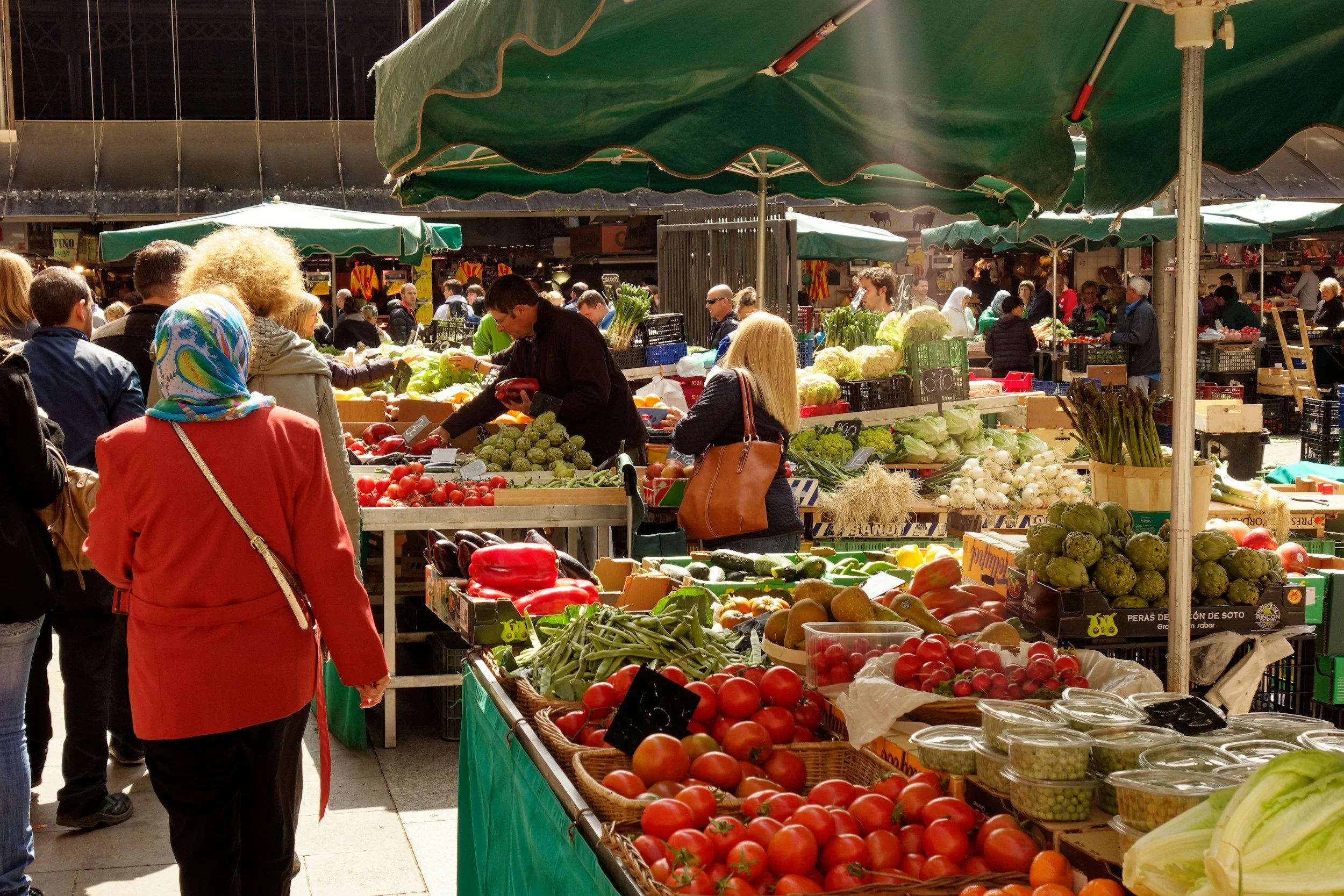
Winter markets in Hauts-de-France and Normandy are very straightforward. The stalls look practical rather than varied, and you can tell quickly that everything on display is there for a reason. Potatoes fill whole tables, often in a few different varieties, stacked in sacks or shallow crates. Leeks are everywhere, still a bit muddy, usually sold in big bunches. Carrots, onions, cabbage, and squash take up most of the space. Soft greens and tomatoes are either missing or sitting off to the side in small quantities that hardly anyone seems interested in.
Fruit is mostly apples and pears that have been stored since autumn. Nothing looks dressed up or explained. People already know what they’re buying and how they’ll use it. These stalls reflect what people actually cook at home in winter, simple meals that get repeated week after week. Markets that stay useful don’t try to make winter look like summer. They stick to food that keeps well and makes sense when it’s cold.
Fish, cheese, meat, and bread carrying the market when vegetables are limited
Once winter settles in, the market is really held together by a few key stalls. In coastal towns and places not far from the sea, the fish stall is usually the busiest spot. Regular customers line up early, often buying the same fish they buy every week, with very little small talk. Inland, that role shifts to the butcher and the cheese seller. Cuts for stews and slow cooking sell steadily, and familiar cheeses appear week after week without much change.
Bread stalls quietly set the rhythm of the market. People often start there or finish there, picking up loaves that will last several days. When the bread is gone, the market tends to thin out quickly. These stalls keep the market grounded in routine. People aren’t wandering around looking for something new. They’re there because these are the things they still need, even in January.
Indoor market halls that matter once the weather turns
Once winter settles in, indoor market halls stop being a nice extra and start being the reason a market still works at all. In towns that have them, you feel the difference immediately. You step inside and it’s warmer, drier, and slightly noisy in a familiar way. Floors are often worn smooth, stalls are permanent or semi-permanent, and vendors don’t bother rearranging anything for the season. The fish stall smells the same in January as it does in October. The cheese counter is exactly where it always is. People come in, do one or two quick loops, and leave with full bags.
These halls are usually right in the centre, close enough that people can stop by on the way to work or after another errand. No one treats them like an outing. They’re functional spaces, built for regular use, and that’s why they stay active when the weather gets miserable. In winter, it becomes obvious which towns rely on these halls and which ones just happen to have them. If the hall is busy on a wet weekday morning, the market still has a purpose. If it’s half-lit and quiet, it usually never did.
Open-air markets that continue despite wind and drizzle
Open-air markets that last through winter do so without pretending it’s pleasant. There’s no attempt to make them inviting. Stalls are closer together, tables are smaller, and everything is wrapped in plastic or weighed down so it doesn’t blow away. Vendors keep their setups minimal and efficient, often selling fewer items but selling them faster. You’ll see people shopping with gloves on, bags already open, transactions finished in seconds.
Customers come dressed for the weather, waterproof shoes, thick coats, bags that can handle getting damp. No one stops to chat unless they already know the vendor well. People arrive, buy what they need, and head straight home. These markets feel compressed and purposeful, almost stripped down to their basics. They continue because people are used to them and because they still fit into weekly routines, not because anyone enjoys standing outside in cold wind waiting for change.
Towns where the market is for groceries, not wandering
In towns where the winter market still matters, it’s very clear what it’s for. People aren’t there to wander around or kill time. They arrive, go straight to the stalls they need, and leave again. There’s usually no space designed for lingering, and if there are benches, they’re empty. Conversations are brief and practical, often limited to quantities or prices. You’ll see the same faces week after week, moving through the market with a kind of efficiency that comes from habit.
This can make these markets feel slightly closed off if you’re not used to them. There’s no sense that anyone is trying to make it pleasant or welcoming in a general way. But that’s also the reason they keep going through winter. The market exists because people depend on it for groceries, not because it’s somewhere to spend a slow morning. Once you see it that way, the lack of atmosphere starts to make sense.
Walking from the station to the market in winter coats and wet pavements
Getting from the station to the market matters much more in winter than it does in warmer months. A ten-minute walk can feel long when it’s raining, the pavement is slick, and you’re carrying bags on the way back. Towns where the market sits close to the station, along flat streets and through the centre, tend to keep their markets busy even in January. People can step off the train, shop, and head home without much effort.
When the station is far out or the walk involves hills, narrow roads, or exposed stretches, winter attendance drops quickly. What feels manageable in summer becomes a deterrent once the weather turns. In many towns, this practical detail explains more about a market’s winter survival than anything else. If getting there is easy in bad weather, people keep coming. If it isn’t, they quietly change their routines.

Early market hours when locals shop quickly and leave
In winter, markets don’t stretch themselves out over the morning. Most of the action happens early, often as soon as the stalls are properly set up. People come in before work or in between other errands, buy what they need, and head off again. By the time late morning rolls around, you’ll often see crates stacked back up and vendors starting to thin out.
That early rush is expected. Stallholders know what sells and bring just enough of it. If you turn up late, the choice is usually smaller and some of the key stalls may already be gone. Markets that still function in winter are built around this pattern. They don’t try to look busy for longer than they need to. Once the regulars are done, the day is basically over.
Heading south in winter doesn’t mean markets suddenly become more relaxed. They just change shape. The winter markets in southern France in January and February still revolve around everyday shopping, but the stalls, timing, and pace feel noticeably different from the north.
Cafés that open early enough to catch the market crowd
The cafés that matter in winter are the ones that open early, sometimes before eight, and keep things simple. People stop in for a quick coffee before heading to the market or straight after, often without taking their coat off. Most stand at the bar, drink fast, and move on.
Places that open later tend to miss this crowd completely. By the time they’re ready, the market has already wound down and the regular shoppers are gone. In winter, café hours usually line up closely with market hours. If a café is busy early in the morning, it’s a good sign the market is still part of everyday life.
Weather that quietly shape how long people stay
Weather really decides how winter markets are used. If it’s raining hard or the wind is sharp, no one hangs around longer than they have to. People turn up knowing exactly what they need, keep their gloves on, and move quickly from stall to stall. You see bags already open, cash ready, and very little second-guessing. Standing still just makes you colder, so everything happens fast.
Markets that still work in winter are set up for this. Stalls are close together, displays are simple, and nothing needs a long explanation. Vendors stick to what sells easily and pack away as soon as things slow down. Cold and rain don’t usually stop a market from happening, but they do set a clear limit on how long anyone wants to be there. Towns that accept that let the market stay practical. The ones that try to force a slower, more social feel usually end up with people walking straight through without stopping.
Coastal winter markets versus inland towns in the cold months
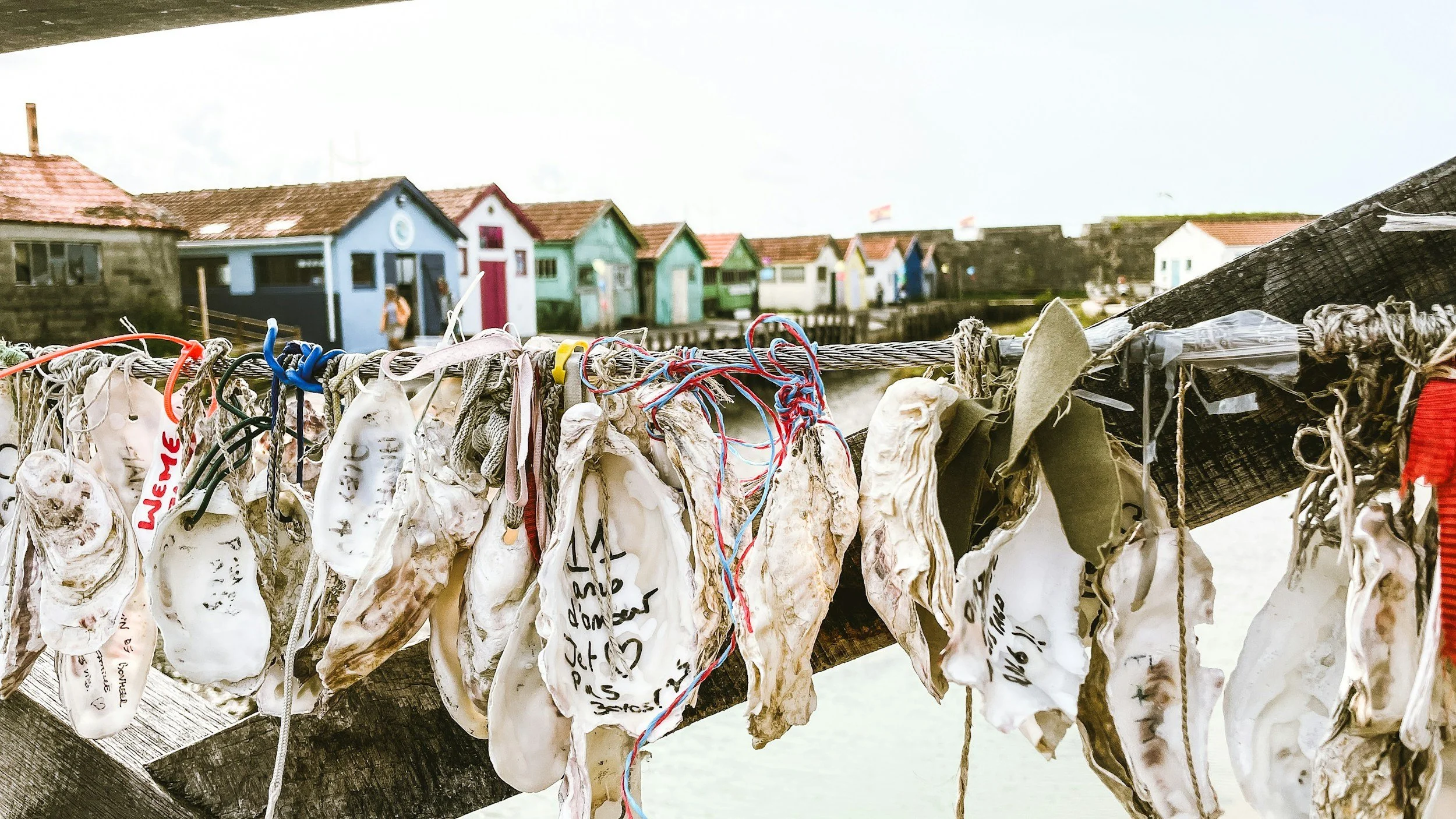
Coastal markets often feel steadier in winter, even when everything else gets quiet. Fishing carries on, and people who live near the sea are used to buying fish all year. The fish stall is usually the first place to get busy, with people checking what came in that morning and adjusting dinner plans around it. There’s a sense of routine mixed with flexibility. You buy what’s good that day and move on.
Inland markets feel different. They’re more repetitive, but in a good way. The same vendors turn up every week, selling the same core items, and the same customers follow the same paths through the market. It can feel very quiet if you’re not used to it, but nothing about it is uncertain. Coastal markets change with the catch. Inland markets stick to habit. Both make sense once you’ve spent enough cold mornings standing there, watching how people actually shop.
Markets also make more sense once you look at the wider places they sit within. That’s especially true in winter, when travel patterns change. Exploring regions covered in winter travel beyond the Alps in France and Italy helps explain why some towns stay active while others quiet down completely.
How markets fit into weekly routines outside the tourist season
In winter, markets aren’t treated like something special. They’re just part of the week. People know which day they go, often without checking anything, and they plan food around that. Fish on market day, something simple the next day, soup or stew built from whatever vegetables were available. You see people buying enough to last, filling bags properly, because there’s no point coming back again before the next market.
This really shows in smaller towns, where options are limited once winter sets in. Shops close earlier, there’s no late-night supermarket, and choice drops off fast. The market fills that gap without trying to replace anything else. It’s simply where certain things are bought. Markets that keep going through winter do so because they slot neatly into these routines. They’re reliable and easy to plan around, which is often all people want when it’s cold.
The overlap between market shopping and small town food shops in winter
Market shopping in winter usually blends straight into the rest of the food errands. People leave the market with vegetables and bread, then cross the street to the butcher or pop into the small grocery for milk or basics. It all happens in one loop, without much thinking involved.
This works best in towns where everything is close together. The market square, bakery, cheese shop, and grocery are usually within a few minutes’ walk, so people just follow the same path every week. In towns where shops are scattered or pushed out to the edges, that routine breaks down in winter. Where things stay compact, the market keeps its place as part of a very normal, very repeatable weekly habit.
Markets that feel quieter but never feel empty
Winter markets can look almost empty at first glance, especially if you’re expecting any kind of buzz. But if you stand there for a few minutes, you start to notice the pattern. One person finishes at the cheese stall, another steps up. Someone leaves with a full bag just as someone else arrives. There’s no rush, but there’s no pause either. It’s a slow, steady turnover rather than a crowd.
Vendors clearly know who they’re dealing with. Sometimes there’s a quick nod or a short “the usual?” and that’s it. No one hangs around longer than they need to, and that’s exactly why the market keeps working. It’s easy to mistake this for decline if you’re passing through, but for the people using it, everything is running as it should.
Timing a visit around local habits rather than convenience
Winter markets don’t really adapt to visitors, and that shows most in the timing. Turning up late in the morning often means walking into a market that already feels half-finished. Some stalls are gone, others are packing up, and it can seem like you missed something.
Arriving earlier changes the whole picture. Early mornings are when these markets make sense, especially on weekdays. People come through quickly, buying what they need before heading off to work or home. If you match your visit to this fact, the market feels active and purposeful. If you don’t, it can feel flat for reasons that have nothing to do with the market itself.
Carrying food home in the cold rather than eating on the go
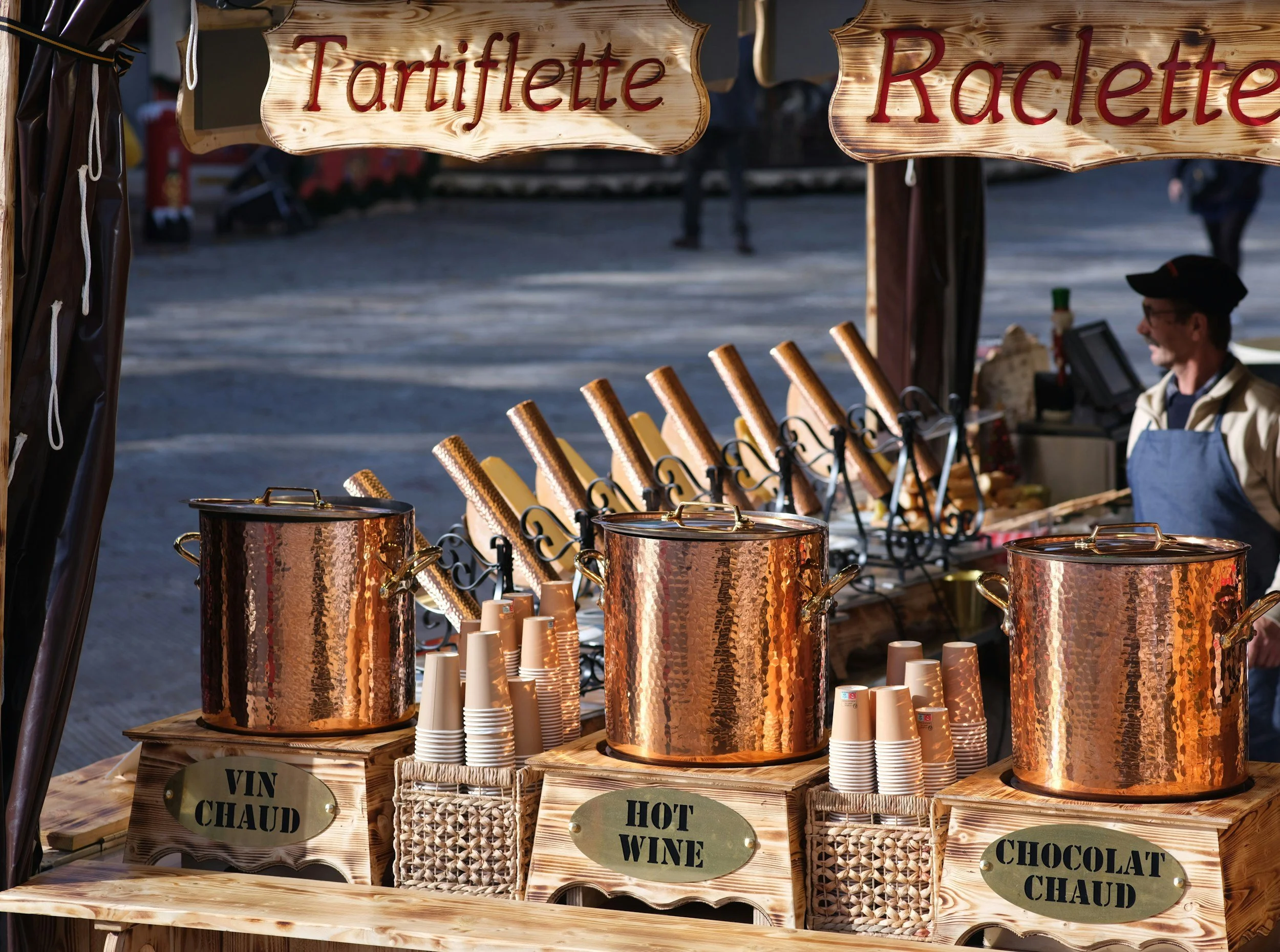
In winter, market shopping is about getting things home, not hanging around. Most people arrive with bags that can take some weight and a bit of rain, fill them carefully, and leave. You don’t see many people eating at the market. Hot food stalls are rare, and even when they exist, they’re usually ignored. Standing outside with food just isn’t very appealing once it’s cold. Instead, people focus on packing things so nothing gets crushed, adjusting bags halfway across the square, and keeping one hand free because it’s colder than they expected.
That changes how the market feels. There’s very little stopping to chat and no sense that it’s somewhere you’re meant to spend time. It feels closer to a practical errand than anything social. The markets that still work in winter don’t fight that. They sell food people are happy to carry home and cook, and they accept that most people want to be indoors again as soon as possible.
Regional trains in winter and how they affect market access
Train schedules don’t usually change much in winter, but timing suddenly matters more. When a market is really only active for a few hours in the morning, a delayed train can mean you’ve missed it completely. In towns with frequent regional trains, this isn’t such a big issue. If one train runs late, there’s often another soon enough that people can still shop.
In places with fewer connections, winter travel feels more fragile. One delay can throw off the whole plan, especially if you don’t have a car. Over time, that quietly changes who uses the market. The markets that stay easy to reach by train tend to keep a mix of people coming through all winter. The others slowly become something only nearby residents can rely on, simply because getting there becomes too unpredictable.
And if you’re travelling without a car, access becomes part of the equation. Some towns are simply easier to live in during winter than others. These French winter towns you can visit without a car give a clearer idea of how transport, walkability, and daily errands fit together once the season turns.
Markets that work best as part of a slow winter day, not the whole plan
Winter markets don’t really fill a day, and they’re not trying to. Most people treat them as one stop among others. Shop, go home, maybe cook lunch, maybe do something else. Once the bags are full, the market part of the day is over.
If you arrive expecting the market to carry the whole morning, it can feel flat. But that’s not what these markets are for. The ones that make sense in winter fit easily into everyday routines. They don’t need attention or time set aside for them. They just stay useful, week after week, which is enough.
Subtle signs you’re in a market meant for residents, not visitors
You usually notice it in small, practical ways. Conversations are short and to the point. People don’t ask questions unless they need to, and vendors don’t explain much because they don’t have to. Prices are written once, often badly, and never repeated. There’s no signage telling you what the market is or how it works. Everyone already knows.
The same vendors show up in the same spots each week, and the same customers move through without stopping to look around. Transactions happen quickly, sometimes without more than a few words exchanged. Nothing is laid out to be looked at for long, and nothing is framed as an experience. It’s not that the market is trying to keep anyone out. It’s just doing what it’s always done, quietly fitting into daily life without needing to explain itself to anyone passing through.
Winter market questions about northern France
Are markets in northern France open during winter?
Yes, many are, but not all of them. The ones that stay open tend to be the markets people actually use for food shopping, not the ones aimed at visitors. In winter, some markets shrink or lose a few stalls, but if a town relies on the market for fish, meat, bread, or vegetables, it usually continues year-round. Checking the regular weekly market day rather than seasonal listings gives a much clearer picture.
What time do winter markets start in northern France?
Most winter markets start early, often between 7:30 and 8:30 in the morning. That early start matters more in winter than in summer because the busiest period is usually over by late morning. If you arrive around midday, you might find stalls already packing up, especially on cold or wet days.
Are winter markets in France worth visiting if you’re not a local?
They can be, but only if you adjust expectations. Winter markets aren’t about browsing or atmosphere. They’re practical, quick, and focused on groceries. If you visit with that in mind and arrive early, they offer a very honest look at how people actually shop. If you’re expecting something lively or decorative, winter isn’t the right season.
What food is sold at French markets in winter?
Winter markets focus on food that people cook with regularly. Expect potatoes, leeks, onions, carrots, cabbage, apples, and pears, along with cheese, meat, bread, and fish where available. Soft fruit and summer vegetables are limited or absent. The selection reflects what stores well and makes sense to cook in colder months.
Do French markets run all day in winter?
Usually not. In winter, markets tend to be busiest in the early morning and start winding down by late morning. Vendors plan for a shorter day because fewer people want to stand outside for long. If you want to see the market at its most active, early is always better.
Are there indoor markets in northern France for winter?
Yes, and they matter a lot in winter. Towns with covered market halls tend to keep stronger markets year-round because people can shop without dealing with wind or rain. These halls are usually central and used by locals throughout the week, not just on market days.
Can you reach winter markets in northern France by train?
In many towns, yes, especially where regional trains run frequently. Timing matters more in winter because markets operate in a shorter window. A delayed train can mean missing the market entirely. Towns with regular connections tend to keep their markets more accessible for people without cars.
Are winter markets in northern France crowded?
Not usually. Winter markets are quieter, but that doesn’t mean they’re empty. People come and go steadily rather than all at once. If you stay for a few minutes, you’ll see the rhythm. It’s less about crowds and more about regular use.
What’s the best day of the week to visit a winter market in France?
The regular weekly market day is always the best option, whatever day that happens to be. Markets that work in winter keep the same day year-round. Midweek markets often feel more local than weekend ones, especially outside tourist areas.
Is it common to eat at French markets in winter?
Not really. In winter, markets are mainly for shopping, not eating. Prepared food stalls are limited, and most people take everything home to cook. If you’re looking to eat out, cafés and restaurants usually come before or after the market, not during it.