
These are the hotels where I'd leave the curtains open all night

f you’ve ever looked up at the night sky and thought I’d stay out here if it was actually comfortable, this is that version of the trip.
Not camping. Not a busy “glamping” field with people a few meters away. Places where you can lie in bed, look straight up, and the sky is the main thing you see.
Across parts of Europe where light pollution is low, northern Sweden, inland Portugal, sections of the French countryside, the Dolomites, small stays have been built around that exact idea. Cabins with glass roofs positioned away from roads. Domes set far enough apart that you don’t hear anyone else. Rooms where the bed is placed toward the window, not the wall.
What makes these places work isn’t just the design. It’s where they are. You’re outside towns, often 15–40 minutes from the nearest village, with no street lighting nearby and very little passing traffic at night. On clear evenings, you’ll see far more than you would anywhere near a city, and on darker moon phases, the sky becomes the reason you stay in.
There’s also a practical side that most guides skip. You don’t need perfect conditions for it to feel worth it, but timing matters. Late autumn through early spring gives you longer nights in northern Europe, while places like Alentejo in Portugal or rural Provence work better in late summer when skies stay clear but temperatures are still comfortable. If there’s a full moon, the stars are less visible. If clouds roll in, the experience shifts completely. These stays don’t hide that, they’re built around it.
This guide focuses on places where that setup actually holds up once you’re there. Where the room is positioned for the sky, the surroundings stay quiet after dark, and you don’t need to step outside to make it work.
The 7th Room at Treehotel in Harads, Swedish Lapland
Where: Harads, Swedish Lapland
How to get there: Fly to Luleå, then drive or arrange transfer (~1.5 hours)
You don’t walk straight into the 7th Room. You arrive at Treehotel, leave your car by the small reception building, and then head into the forest with your bag. It’s quiet in a very normal way at first, just trees and a path, nothing staged about it. Then you look up and spot it, not fully, just a corner of it between the pines. The rest only makes sense once you start climbing.
The staircase is long enough that you feel it, not physically, but mentally. You’re leaving the ground behind step by step. Halfway up, most people turn around without thinking. The forest already looks different. Flatter. Further away. By the time you reach the top platform, you’re not “in” the forest anymore, you’re level with it.
From below, the building almost disappears. The underside is printed to look like the forest floor, so when you walk back under it later, it blends in more than you expect. It’s not something you think about before arriving, but once you see it, you realise how intentional that choice is.
Inside, it doesn’t feel like a typical hotel room at all. It’s more like a compact cabin that’s been carefully thought through. There’s a main open area and then two smaller sleeping rooms tucked behind sliding panels. If you’re staying with someone, you don’t feel on top of each other, which matters more here than it would in a normal hotel.
Everything is wood, but not in a heavy, cabin way. Lighter tones, soft edges, nothing glossy. You don’t walk in and start noticing design details one by one. You notice the windows. That’s where your attention goes immediately.
The bed is already facing the view. No need to move anything, no second-guessing. You lie down, and you’re looking straight out into the trees and the sky beyond them. During the day, it’s just forest and shifting light. In the evening, it slowly turns into something else.
There’s no glass ceiling, which surprises some people. You’re not looking straight up. You’re looking out, through the trees, into darkness. It sounds like a small difference, but it changes how the sky feels. Less like something above you, more like something you’re looking into.
The net in the middle of the room is impossible to ignore. It replaces part of the floor, so you walk over it whether you plan to or not. The first step is careful. The second one isn’t. In winter, you’ll see straight down to the snow, and if you’re there in the morning, you might notice fresh tracks from animals that passed through overnight.
Lighting is low, almost instinctively so. You don’t switch everything on. You turn on one light, maybe two, and leave the rest. After a while, your eyes adjust, and the outside becomes clearer. If you make it too bright inside, the windows turn into mirrors, and you lose everything. It’s something you figure out quickly without anyone telling you.
The bathroom sits quietly at the back. Heated floors, simple fixtures, nothing oversized. It does what it needs to do without pulling attention away from the rest of the space.
Winter changes how you use the room. You come back in from the cold, cheeks still freezing, and within a minute you’ve forgotten about it. The warmth is steady, not something you need to adjust. You sit down, look out, and that’s it.
If you’re deciding between something grounded or a bit more elevated, tree hotels show what it’s like to sleep above the forest canopy rather than right in it.
Attrap’Rêves near Allauch, just outside Marseille
Where: Multiple rural locations in southeastern France
Best time to visit: April to October
Sleeping in a bubble sounds like it could go either way. Either it feels like something you try once for the novelty, or it actually holds up for a full evening. At Attrap’Rêves, it leans toward the second, but it helps to know what you’re getting into before you arrive.
You’re not in deep countryside. From Marseille, it’s about 20–30 minutes by car, heading inland toward Allauch. The last stretch winds up through low hills where the vegetation turns dry and sparse, pine trees, scrub, dusty ground, and those pale stone houses that blend into the landscape. It feels residential at first, then more open as you get closer.
When you arrive, there’s no big check-in moment. It’s quiet, a bit informal. You’re shown to your bubble along narrow paths that cut through the trees, sometimes uneven, often covered in pine needles that soften your steps. The smell of resin is strong in warm weather, especially in late afternoon when the heat has been sitting on the ground all day.
The bubbles are spaced out more than you expect. You don’t see much of the other guests once you’re inside, but you’re still aware that this isn’t a completely isolated stay. It’s private, just not in a “villa with walls” kind of way.
Each bubble has the same basic structure, a transparent dome fixed onto a small wooden platform, with a proper bed, simple furniture, and not much else competing for attention. No heavy decor, no attempt to make it feel like a traditional hotel room. The space is built around one idea, and everything else stays secondary.
During the day, the transparency is more noticeable. You see the trees, the sky, the light shifting across the plastic surface. It can feel slightly exposed at first, even though no one is actually looking in. Most people spend that time outside or keep the interior minimal until evening.
As the light drops, the whole thing starts to make more sense. Reflections disappear, the sky becomes clearer, and you stop noticing the structure itself. You lie down and the ceiling fades into the background. It’s not perfect transparency, but it’s enough that you forget about it after a while.
There’s a small rhythm most people fall into without planning it. Sitting outside while it’s still warm, maybe with a drink, then moving inside once it gets darker. After that, you don’t really go anywhere. There’s nowhere else to go, and that’s part of why it works.
Conditions matter more here than in most places. If the sky is clear, you get exactly what you came for. If it’s cloudy, the experience shifts completely. You’re still in the bubble, but it becomes more about the setting than the sky itself.
Temperature is something you notice too. The bubbles are climate-controlled, but they react to the outside. In summer, it can feel warm during the late afternoon until the air cools down. By evening, it’s usually comfortable. In cooler months, the interior stays warm, but you’re still aware of the difference when you step outside.
Bathrooms are separate from the bubble. You usually have a private or semi-private one a short walk away. During the day, it’s not something you think about. At night, you’re more aware of the distance, especially if you wake up and have to step outside.
If you leave during the day, Allauch is close enough for a short visit. It’s a small village with narrow streets, a few cafés, and local life that feels unchanged rather than curated. You can sit for a coffee, walk a bit, then head back without turning it into a full outing. If you go further into Marseille, areas like Le Panier or the Old Port give you a completely different pace, but most people don’t stay out too long before returning.
If you’re looking at southern France but unsure where skies stay dark enough, marseille towns helps you quickly figure out which areas are worth heading inland for clearer stargazing.
For something more personal and locally run, especially if you prefer small-scale stays over designed hotels, rural guesthouses show how these experiences often come with quieter surroundings and less light pollution.
Bergaliv Loft House above Ljusdal, Hälsingland
Where: Vallsta, Hälsingland, central Sweden
Best time to visit: Year-round, but autumn is especially atmospheric
The last part of the drive is where it starts to click. You leave Ljusdal, follow smaller roads past a few farms and long stretches of forest, and then the landscape slowly opens up as you climb. There’s no dramatic viewpoint or sign saying you’ve arrived somewhere special. It just gets wider, quieter, and a bit more exposed the higher you go.
When you reach Bergaliv Loft House, there’s no check-in desk or welcome area. You park, walk a few steps, and you’re already at the house. It sits on the ridge in a way that feels very deliberate, like it’s been placed exactly where someone stood and thought, “this is the line you want to look at.”
From the outside, it’s very clean and minimal. Dark exterior, straight lines, and that large glass front that you’ve probably seen in photos. Up close, it doesn’t feel cold though. It just feels quiet and very resolved, like nothing has been added that didn’t need to be there.
Inside, you don’t spend time figuring things out. The main space is open, but not empty, and the bed is already facing the glass wall. You walk in, drop your bag, sit down or lie down, and that’s it. There isn’t a better spot somewhere else in the room, so you don’t move around testing it.
The loft gives you another level to use during the day, especially if you want a slightly different angle over the trees, but most people drift back down again later. The main level is where the view feels strongest, and that’s where you end up in the evening.
Everything inside is kept simple on purpose. Wood, darker finishes, soft lighting that doesn’t reflect too much in the glass. At night, that makes a difference. If the room is too bright, you lose the view completely, so you naturally keep things dim without thinking about it.
The glass wall is what holds everything together. It’s not just big, it’s placed so there’s nothing right in front of you. No trees blocking the view, no buildings, just a wide stretch of forest and open land that shifts slowly as the light changes. During the day, you catch small things, shadows moving, clouds rolling in, weather changing in a way you’d probably miss somewhere else.
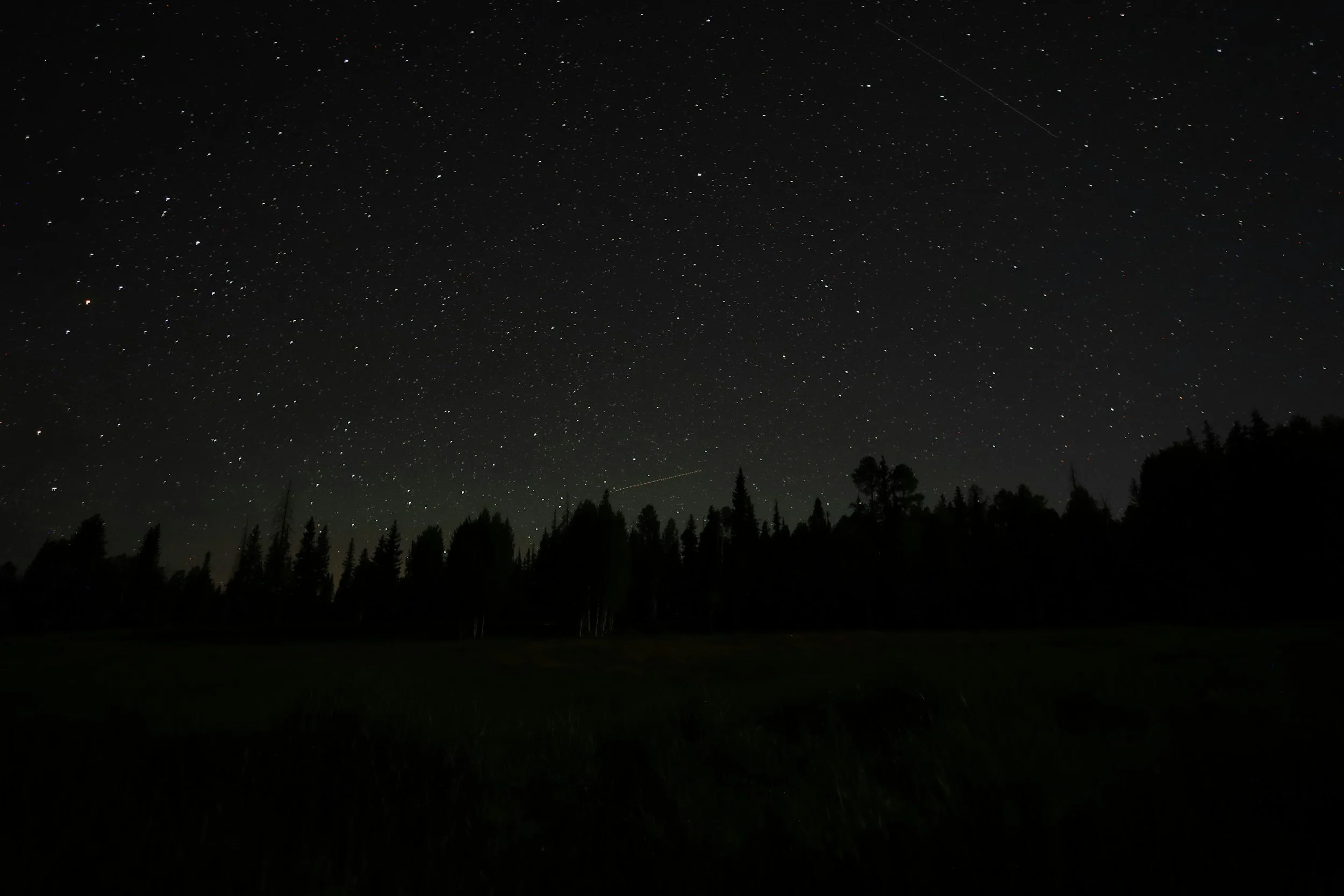
At night, it becomes much simpler. If the sky is clear, you see stars spread out in front of you rather than directly above. It feels wider, less contained than a glass roof or dome.
You don’t have to go outside, but most people do anyway. Just stepping out for a minute changes things. The air feels colder than you expect, everything is sharper, and when you go back in, the room feels even more defined.
The kitchen is small but enough for a proper meal, which matters because you’re not heading out for dinner once you’re up there. Most people bring food with them, cook something simple, and stay in for the evening. It’s that kind of place.
The bathroom follows the same idea and is clean, simple, heated floors… nothing oversized or distracting. It’s there, it works, and then you forget about it again.
During the day, you can walk around the area, but it’s not about following marked trails or covering distance. It’s more about stepping outside, taking a short walk, then going back in. If you drive down again toward Ljusdal, you’ll find shops and a few cafés, but it feels like a separate part of the trip. Most people don’t stay long before heading back up.
For a more minimalist, Nordic-style version of this kind of stay, sweden cabins gives a better sense of how these quiet, design-led spaces actually feel at night.
Finca de Arrieta near Tabayesco, Lanzarote
Where: Arrieta, northern coast of Lanzarote
Best time to visit: October to April for cooler temps and clear skies
You feel where you are before you even arrive. Leaving Arrecife, the road north passes through dry volcanic ground where everything is either black, rust-colored, or sun-bleached white. There aren’t many trees, just low stone walls and wind-shaped plants that barely move even when the air is constant. As you get closer to Tabayesco, the road tightens slightly, and you start seeing small clusters of houses built low against the hills, all facing away from the wind.
Finca de Arrieta sits just above the coast, not directly on it, which makes a difference. You’re close enough to hear the Atlantic on quieter nights, but far enough up that the space feels more protected. When you arrive, it doesn’t read as a hotel at all. It’s a loose collection of structures, yurts, small eco-houses, and stone cottages, spread out across uneven ground, connected by gravel paths and patches of volcanic rock.
Each unit feels slightly separate. You’re aware other people are there, but you don’t really see them unless you cross paths near the pool or shared kitchen area. The layout gives you space without trying to isolate you completely.
If you’re staying in one of the yurts, you notice the structure straight away. It’s solid, not temporary or lightweight. Inside, it’s simple but comfortable, a proper bed, low lighting, textiles that soften the space, but you’re still connected to what’s happening outside. At night, you hear the wind move around the structure, not loud, just constant. It becomes part of the background rather than something you focus on.
Step outside after dark and the difference is immediate. There’s very little artificial light here, just a few low lamps along the paths, so once your eyes adjust, the sky opens up more than you expect for an island that isn’t completely remote. It’s not the same darkness you’d get in northern Sweden, but it’s enough that you stop noticing the ground and start looking upward instead.
If you’re in one of the stone cottages, the experience shifts slightly. The walls are thicker, the interior cooler during the day, and the outdoor space becomes more important. Small terraces with low seating areas, often sheltered from the wind, are where you end up spending most of your time before and after sunset.
During the day, the location makes it easy to move around without long drives. Arrieta is just a few minutes down the hill, with a small beach and a couple of simple restaurants along the water. Places like Casa de la Playa serve fresh fish right by the sea, the kind of place where you sit for longer than planned because there’s nowhere else you need to be.
If you keep driving north, you reach Mirador del Río, where the island drops off toward La Graciosa. The view there is wide and exposed, very different from the more contained feeling at the finca. On the way, you’ll pass through Haría, one of the few greener areas on the island, with palm trees and a slightly softer landscape that stands out against everything else.
Lofoten Glass Igloos in Haukland, Lofoten Islands
Where: Lofoten Islands, northern Norway
Best time to visit: September to April for Northern Lights; June to August for midnight sun
The drive out to Haukland is already part of the experience, even if you weren’t planning for it. You leave Leknes and within minutes the landscape shifts into something that feels almost exaggerated. The road curves between steep mountains and open water, and it never really settles into one view for long. You come through a short tunnel, round a bend, and suddenly Haukland Beach opens up in front of you, wide, pale sand, sharp peaks behind it, and water that can look turquoise or steel grey depending on the light.
The igloos sit slightly back from the main beach area, just far enough that once you’ve parked and walked over, the day visitors feel like they belong to a different place. During the afternoon, you’ll still see people down on the sand or cars coming and going along the roadside, but that fades quickly once the light starts to drop. By evening, it’s noticeably quieter, and the whole area shifts.
Each igloo is set with just enough distance between them that you’re not looking straight into someone else’s space, which matters more here than you’d think. From the outside, they look simple, a curved glass front facing outward, a more solid back, and not much else trying to stand out.
Inside, there’s not much to figure out. You step in, close the door behind you, and the room makes sense immediately. The bed faces the glass, and everything else is arranged around that. You don’t walk around testing different angles or rearranging anything. You sit down, look out, and that becomes the way you use the space.
During the day, the view keeps changing without you doing anything. Clouds move fast in Lofoten, and you’ll see entire weather systems pass through while you’re sitting inside. One minute it’s clear and sharp, the next it’s misty and soft, and then it opens up again. You don’t need to go anywhere to notice it.
Most people head down to the beach at some point, usually just for a short walk. The sand at Haukland is wide and flat, and if you follow the path over toward Uttakleiv Beach, the landscape changes again, rockier, more exposed, and often even quieter. It’s not a long walk, but it feels like you’ve moved further than you have.
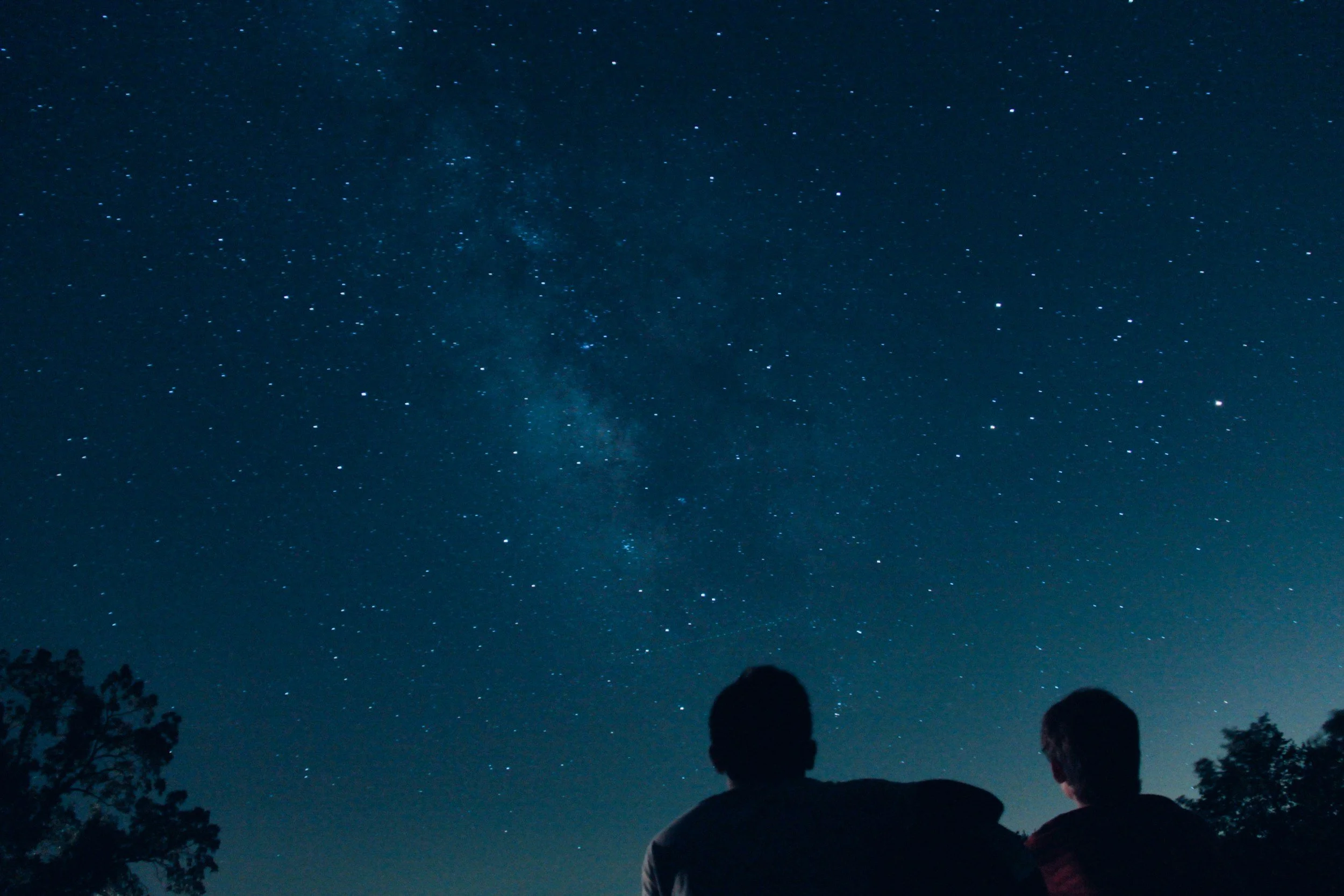
Back at the igloo, the shift into evening is slow but obvious. The light drops, reflections in the glass disappear, and the outside starts to feel closer. If the sky is clear, you’ll see stars without needing to move, just lying there and looking out.
In winter, this is also one of those places where the northern lights can show up without warning. You might see them faintly at first, then stronger, then gone again. It’s not something you control, and most people end up staying awake longer than planned just in case.
Even though you don’t need to go outside, most people do anyway. Just stepping out for a minute changes how everything looks. The air feels sharper, colder, and the sky feels bigger without the layer of glass. You go back in quickly at first, then stay out a bit longer the next time.
One thing worth knowing is that the bathrooms aren’t inside the igloos. They’re in a separate building nearby, which isn’t a problem during the day, but something you’re more aware of at night, especially in winter.
And if you’re timing your trip around long northern nights or unusual light conditions, lofoten nights gives context on how the experience shifts depending on the season.
A more honest way to think about stargazing stays in Europe
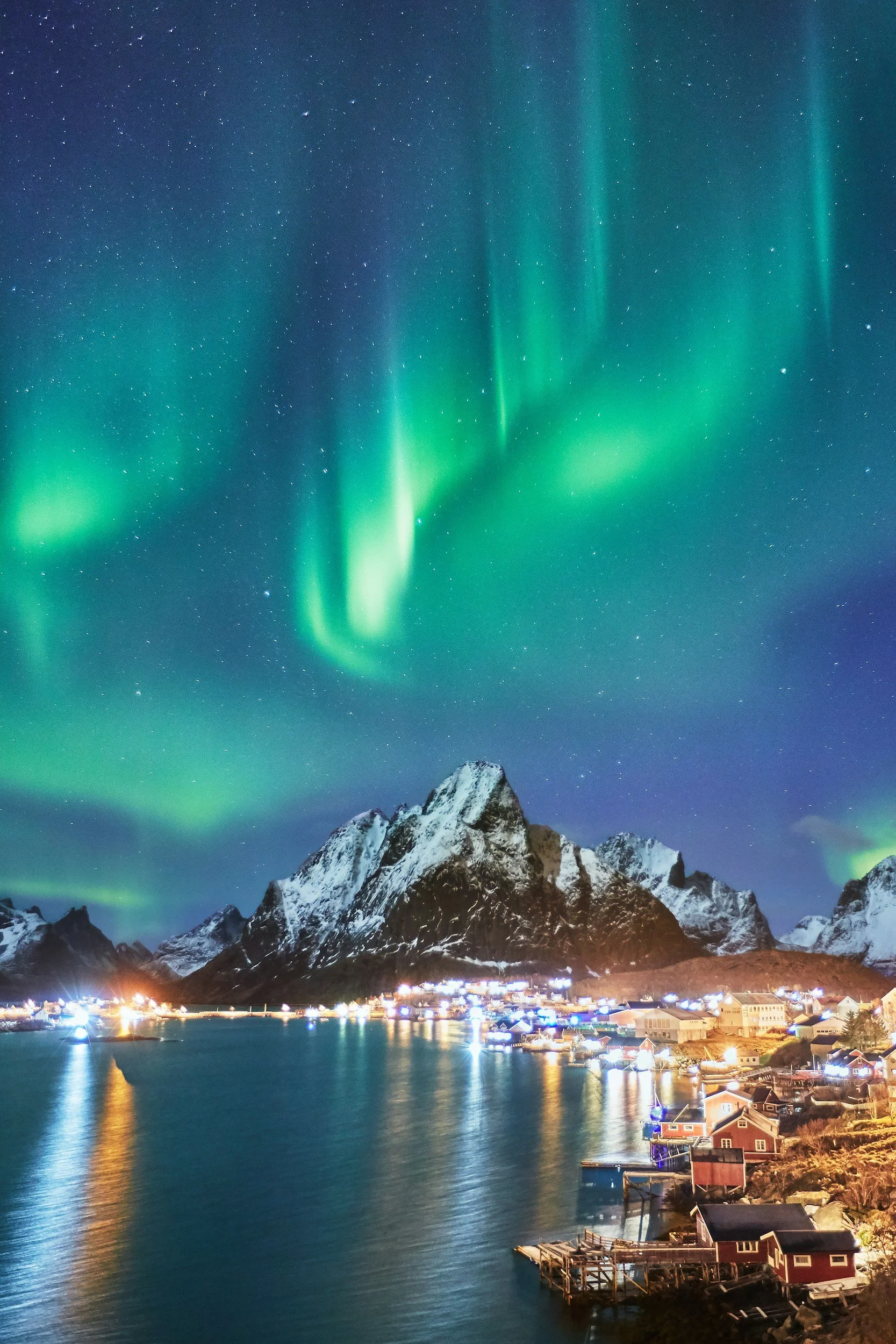
Most of these places look incredible online. Glass ceilings, domes, cabins in the middle of nowhere. And they can be exactly that, but only under the right conditions.
If the sky is clear, everything works. You lie in bed, look up or out, and it feels simple in the best way. If it’s cloudy, there’s nothing to “fix.” You’re still in the same place, just without the sky you were hoping for. That’s part of it, whether people mention it or not.
What changes between these stays is how they handle that. In northern Sweden or Lofoten, you get real darkness and long nights, but you’re also dealing with weather that shifts quickly. In places like Provence or Lanzarote, it’s easier to access and often milder, but you won’t get that same depth of sky. It’s a trade-off, not a hierarchy.
The design matters more than people expect. A dome feels different from a cabin. Looking straight up through a ceiling isn’t the same as looking out across a horizon. You notice it once you’re there, even if it’s hard to explain beforehand.
The other thing is how little you actually do. You don’t plan evenings the same way. You eat, settle in, and then you just keep glancing at the sky. Sometimes you wait longer than you meant to. Sometimes you go to bed earlier because nothing is happening. Both are normal.
If you’re booking something like this, it’s worth staying at least two nights. Not for more activities, just to give yourself a second chance if the first evening doesn’t work out.
FAQ: stargazing stays in Europe (sleep under the stars)
Where can you sleep under the stars in Europe without camping?
You can stay in glass cabins, igloos, or domes in places with low light pollution like northern Sweden, the Lofoten Islands, inland Provence near Allauch, and quieter parts of Lanzarote. These stays are designed so you can see the sky directly from your bed.
Which country in Europe is best for stargazing stays?
For the darkest skies, northern Sweden and Norway are the strongest options, especially in winter. If you want something easier to reach with milder weather, Lanzarote and southern France are more reliable but with slightly more light in the sky.
Are stargazing hotels in Europe actually worth it?
They are when the sky is clear. That’s the honest answer. If it’s cloudy, you won’t see stars or northern lights, and the experience becomes more about the setting than the sky itself.
What is the best time of year for stargazing stays in Europe?
Late autumn to early spring (November to March) is best for northern Europe because nights are long and dark. Summer doesn’t work in places like Sweden or Norway since it never gets fully dark.
How many nights should you book for a stargazing stay?
At least two nights. One clear evening can be enough, but weather changes quickly, and it’s common to have one night with no visibility at all.
Can you see the northern lights from these stays?
Yes, in places like Harads and the Lofoten Islands during winter. But it’s never guaranteed, so you need clear skies and some luck.
What’s better for stargazing: glass igloos or bubble hotels?
Glass igloos and cabins feel more stable and private, with better insulation in colder climates. Bubble hotels feel more open but can be more exposed to temperature and outside conditions.
Do you need a car for stargazing stays in Europe?
In most cases, yes. These places are usually outside towns with little or no public transport access, especially in Sweden, Norway, and rural France.
Do stargazing hotels have private bathrooms?
Not always. Some glass igloos and bubble stays have separate bathroom buildings a short walk away, which is something to check before booking, especially in colder regions.
What ruins a stargazing stay?
Cloud cover is the biggest factor. A full moon can also reduce how many stars you see. Wind and rain don’t stop the stay, but they change the experience.
Want More Quiet, Cozy Escapes?
If you love the idea of sleeping under the stars but want it without the crowds, bugs, or campground chaos - stick with us.
We share places like these (and the stories behind them) every month!