
Loire Valley towns where the market is still the highlight of the week
Most people come to the Loire Valley for the big château names and vineyard stops, but some of the best places to spend time here are the quieter towns in between. The kind with weekly markets, riverside walks, old stone streets, and cafés where nobody seems in a hurry.
That’s the side of the Loire Valley this guide focuses on. Not the packed castle circuit, but three towns that feel more lived-in and easier to enjoy at a slower pace: Saumur, Montargis, and Château-Renault. Each one offers something slightly different, from wine country and riverside views to canal walks and local market mornings.
If you’re looking for peaceful Loire Valley towns where you can slow down, eat well, browse a market, and actually enjoy the place instead of rushing through it, these are a very good place to start.
Where these quieter Loire Valley towns are
These towns sit in different parts of the wider Loire region, which is one reason the trip feels varied. Saumur lies along the Loire itself and is closely tied to vineyards, limestone architecture, and the river landscape that most people picture when they think of the Loire Valley. Château-Renault sits in Touraine, north of Tours, while Montargis is further east in Loiret, on the edge of the Gâtinais area. Together, they show a quieter side of central France that doesn’t rely on major sights to be worth the stop.
If you enjoy towns that feel a little slower and more lived-in, you might also like Montolieu in southern France, a tiny village known for its bookshops and quiet café terraces.
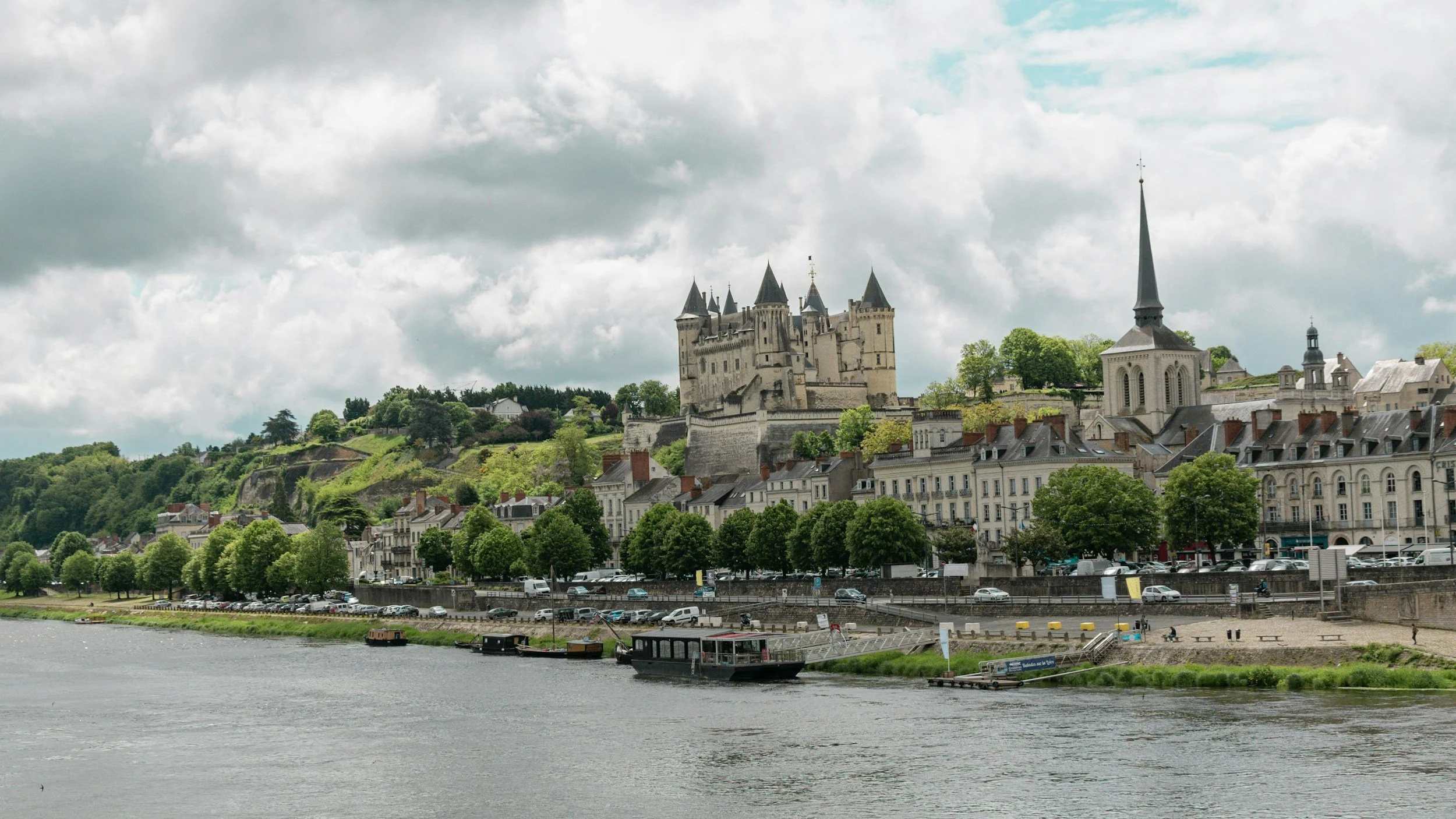
Saumur: A Quiet Loire Town for Markets, Wine, and River Walks
Nestled gracefully on the banks of the Loire River, Saumur is a town that often slips under the radar when compared to the region's more iconic destinations. But for those who prefer their travels at a slower pace, Saumur offers an unparalleled blend of charm, history, and authenticity that is perfect for a tranquil, immersive escape. While it may be known for its magnificent château and its connection to the renowned Saumur wine appellation, it’s the unassuming beauty and relaxed atmosphere that make Saumur a true local gem.
Saumur sits on the Loire and is one of the easier towns in the region to explore without rushing. The old town is built in pale tuffeau stone, and between the château, the riverbank, and the wine cellars nearby, it has enough to fill a full day without feeling overplanned.
What Makes Saumur Special:
Saumur is one of those Loire towns that feels easy to enjoy without much planning. Yes, the château is beautiful, sitting above the river and visible from different parts of town, but Saumur doesn’t feel dominated by one major sight. What makes it work so well is the overall atmosphere: pale tuffeau-stone buildings, quieter streets, little squares, and the Loire running alongside it all.
It also sits right in the middle of one of the Loire’s best wine areas, surrounded by vineyards known for Saumur-Champigny reds and crisp Chenin Blanc wines. But even if you’re not planning a wine-focused trip, Saumur still has a lot going for it. The market, the riverside walks, the old town, and the slower everyday feel make it a very good place to spend a day or two without rushing.
If this kind of travel speaks to you, there are actually quite a few small villages in southern France where life still revolves around markets, cafés, and local routines.
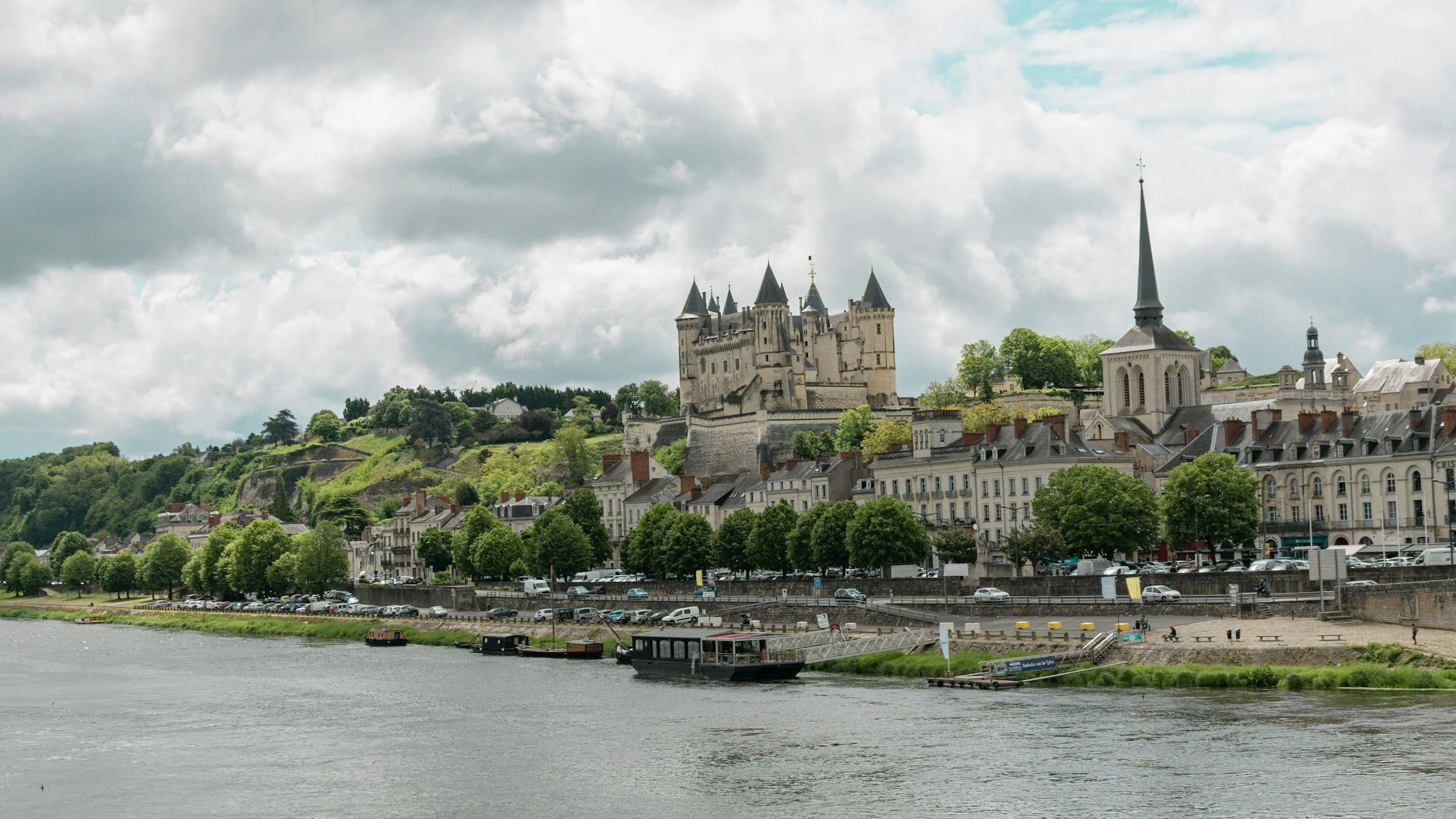
Saumur’s Art & Cultural Scene
While the town’s château and vineyards draw attention, Saumur has an increasingly vibrant art scene that deserves to be explored. One standout is the Musée des Beaux-Arts de Saumur, located just a short walk from the town center. This small but impressive art gallery showcases a collection of local and regional art, with an emphasis on 19th-century works as well as contemporary exhibitions. The museum’s intimate setting makes it a perfect stop for art lovers who appreciate a quieter, more personal experience.
For those who are keen to explore the town’s more artistic side, don’t miss the Atelier de la Tapisserie, a unique workshop where local artisans still handcraft tapestries. Here, you can watch skilled weavers at work and even pick up a piece to bring home. It’s an art form that’s both fascinating and timeless, and it gives you a deeper connection to the culture of the area.
The Local Coffee Spots in Samur
After soaking in the town’s sights, there’s no better way to relax than by sipping a freshly brewed cup of coffee at one of Saumur’s best spots. Le Café de la Gare is a local favorite, with its cozy atmosphere and warm service. It’s the perfect place to settle in with a book or people-watch as the town moves at a slow, pleasant pace. The café serves locally sourced coffee, and their freshly baked pastries are an irresistible treat.
Saumur Market: A Morning Worth Planning Around
If you happen to be in Saumur on a market day, it’s easily one of the nicest ways to experience the town. The main market spreads through parts of the old center on Thursday and Saturday mornings, and it feels much more local than polished. Farmers arrive with crates of vegetables, bakers stack fresh bread and pastries on long tables, and cheese vendors happily offer tastes while chatting with regular customers.
It’s the kind of market where you can slowly wander between stalls without feeling rushed. Pick up a slice of local goat cheese, a baguette still warm from the oven, maybe a few strawberries in spring, and suddenly you have the beginnings of a perfect picnic.
You’ll also notice how closely the market connects to the surrounding countryside. Many of the wines you see here come from nearby vineyards in the Saumur-Champigny appellation, and vendors are usually happy to explain what makes their bottles different.
Even if you’re not buying much, it’s worth taking your time here. Grab a coffee from a nearby café, wander the stalls, and people-watch.
Another region that feels very similar in spirit is the Drôme Provençale, especially if the idea of staying in a countryside cottage surrounded by vineyards and small villages sounds appealing.

Scenic Route Along the Loire: Saumur to Montsoreau
If you want to see the Loire Valley beyond the towns themselves, one of the nicest short routes starts just outside Saumur. The road between Saumur and Montsoreau follows the Loire River for about 15 minutes and passes vineyards, quiet riverbanks, and a few small villages along the way.
It’s an easy stretch to explore slowly. Many travelers cycle this part of the Loire à Vélo route, which runs along the river and connects several towns in the area. The path is flat and scenic, with long views across the Loire and rows of vineyards climbing the nearby hillsides.
Montsoreau is the perfect place to pause. The village sits right on the river and is known for its pale stone houses and riverside château. You’ll also find a few small cafés, wine bars, and one of the prettiest village settings in this part of the Loire. If you arrive on a Sunday morning, the local market along the river is especially worth a stop.
Even if you’re only driving through, this short stretch between Saumur and Montsoreau is one of the easiest ways to experience the Loire Valley at a gentler pace.
And if wine towns like Saumur interest you, the Champagne region is another fascinating place to explore slowly, especially the smaller villages between the famous houses.
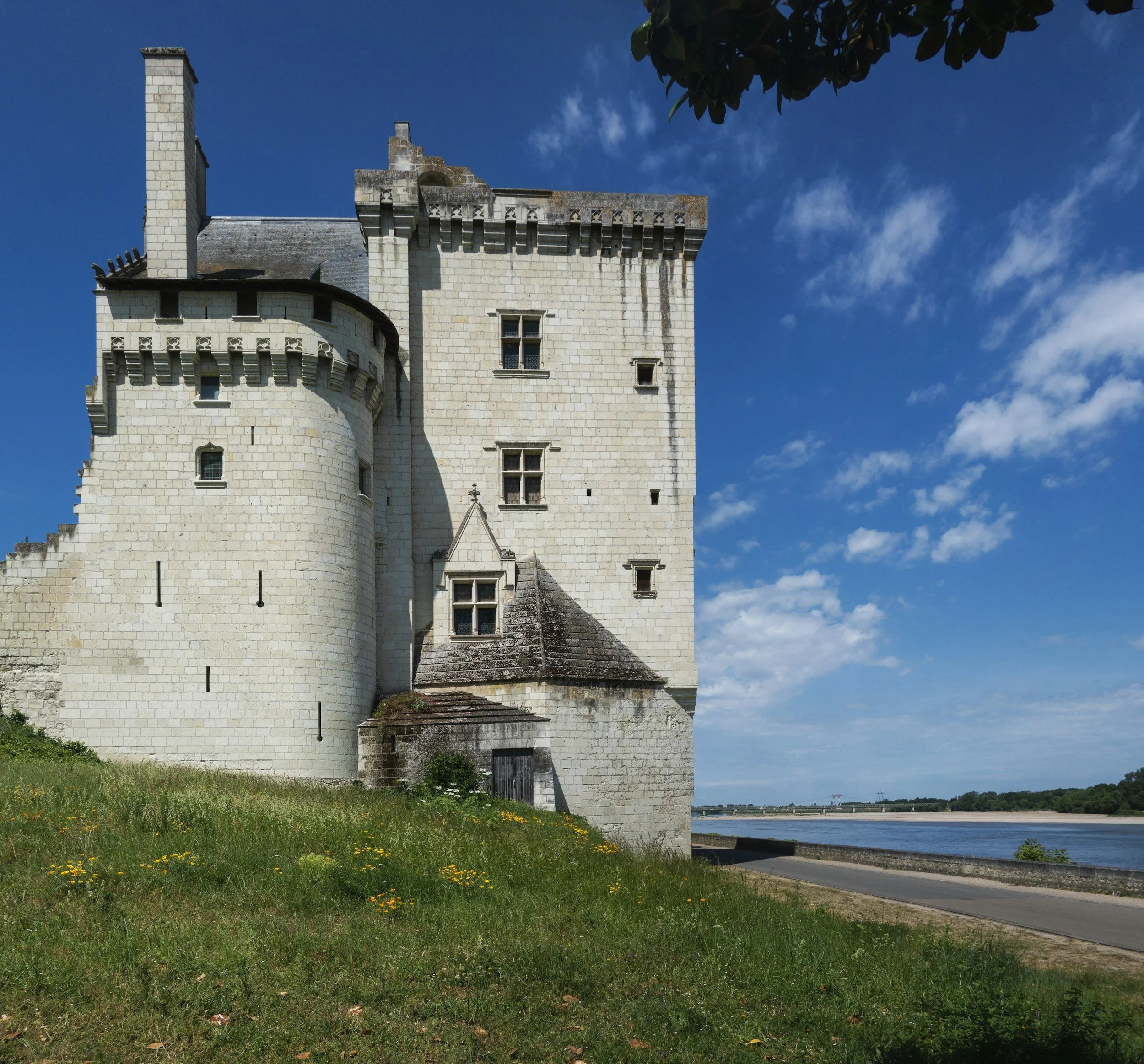
Montsoreau
Loire River Boat Trips from Saumur
Another calm way to see the Loire landscape is from the water itself. Small boat trips depart from Saumur’s riverfront during the warmer months and follow gentle stretches of the Loire where sandbanks, birdlife, and wide open views define the scenery.
Unlike big river cruises elsewhere in France, these are usually smaller traditional boats, often called “toue cabanée”, designed specifically for the shallow Loire waters. The trips move slowly along the river, passing limestone cliffs, vineyards, and quiet islands in the middle of the Loire.
It’s a simple experience rather than a sightseeing spectacle, but that’s exactly the appeal. Sitting on the water for an hour, watching the light shift over the riverbanks, gives you a very different perspective of the Loire Valley.
A Slow Day in Saumur
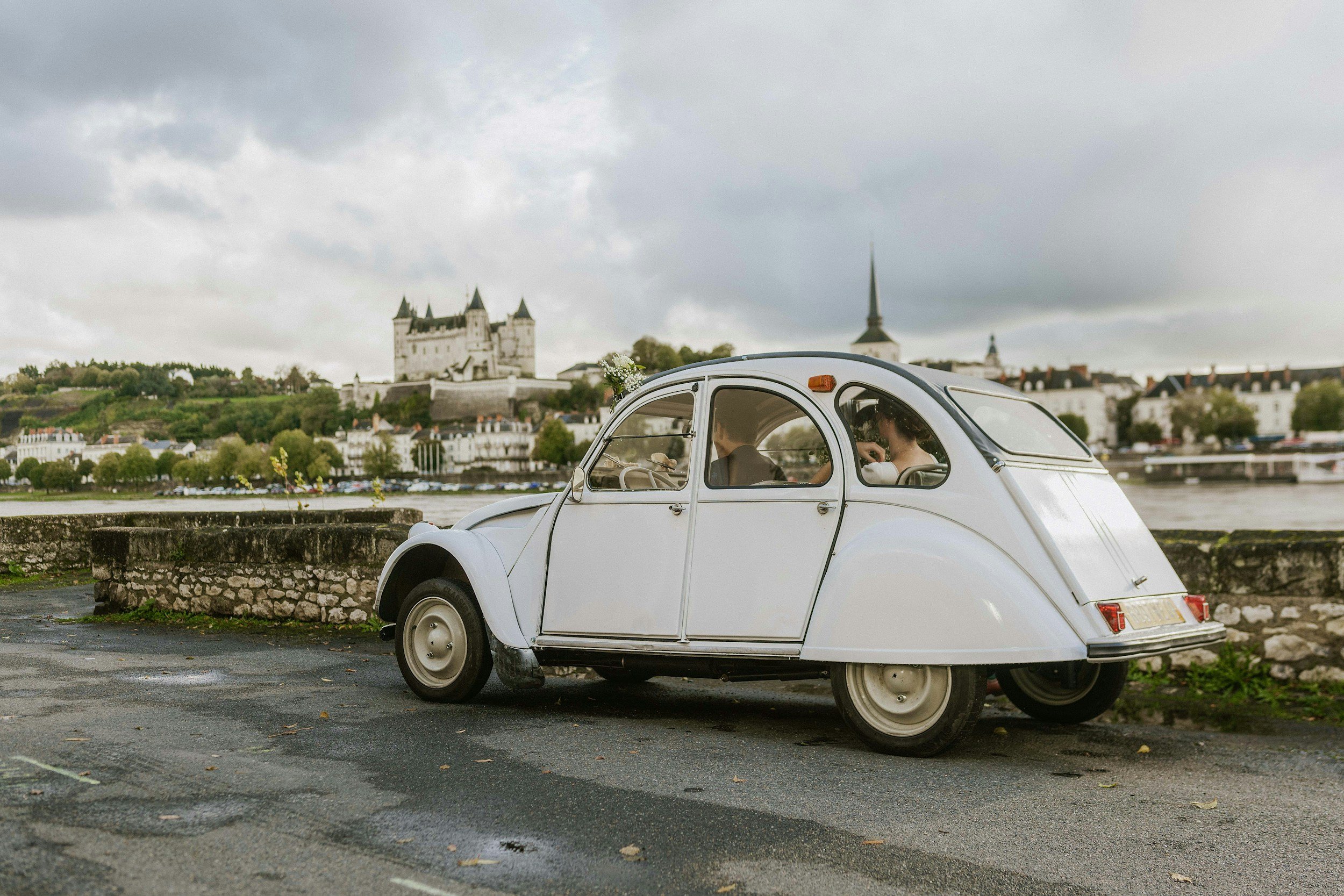
One of the nice things about Saumur is that you don’t need much of a plan. If you happen to be there on a Thursday or Saturday morning, start at the market. Wander the stalls, grab a piece of goat cheese, some fresh bread, maybe a few strawberries, then find a nearby café and sit down with a coffee while the town slowly wakes up.
After that, just explore the old streets for a while. Saumur is full of pale limestone buildings, small squares, and little views of the Loire that appear when you least expect them. At some point, make your way up to Saumur Château. Even if you don’t go inside, the view over the river and the vineyards around town is worth the walk.
Later in the afternoon, you can leave town for a bit and follow the road along the Loire toward Montsoreau, one of the prettiest villages nearby. Or simply stay in Saumur and stop at a small wine bar to try a glass of Saumur-Champigny, the local Cabernet Franc that the region is known for.
By evening the pace slows down again, the light softens over the river, and the town becomes quiet. That’s usually when Saumur feels at its best.
How to Get to Saumur
Saumur sits in the western part of the Loire Valley, between Tours and Angers, and it’s surprisingly easy to reach by train. Direct trains from Paris Montparnasse to Saumur usually take around 2 hours and run several times a day.
If you’re exploring the Loire Valley by car, Saumur also makes a convenient base. The town is about 1 hour from Tours, 40 minutes from Angers, and only 15 minutes from Montsoreau, one of the prettiest villages along the Loire River.
Once you arrive, most of the town is easy to explore on foot. The market, the château, cafés, and the riverfront are all within walking distance, which is one of the reasons Saumur works so well for a slower kind of trip.
If you want to explore the surrounding countryside, cycling is popular here too. The Loire à Vélo route passes directly through Saumur and connects the town to vineyards, small villages, and quiet stretches of river further along the valley.
Looking for more peaceful, off-the-beaten-path escapes? Check out our guide to a mindful weekend in Germany’s Fairytale Towns, where you can discover the charm of Monschau and other serene gems for slow travelers.
Montargis: The Venice of the Gâtinais
Montargis is one of those towns many travelers never think to visit, which is part of the reason it still feels calm and local. Located about 1.5 hours south of Paris in the Loiret region, the town is built around a network of canals and small bridges that wind quietly through the historic center.
Because of these waterways, Montargis is often called “the Venice of the Gâtinais.” The comparison isn’t about grandeur. It’s about atmosphere. The canals pass between old stone houses, tree-lined paths, and little streets where life still moves at an easy pace.
Walking here is simple and unhurried. You cross one bridge, turn down a quieter street, and suddenly you’re following a canal where reflections of old buildings ripple gently in the water. Flower boxes hang from balconies, small bakeries appear around corners, and there’s rarely much noise beyond the occasional café terrace.
Unlike many towns in the Loire region, Montargis isn’t built around a single major sight. The appeal is the town itself: the canals, the market mornings, and the feeling that you’ve stumbled into a place that still belongs mostly to the people who live there.
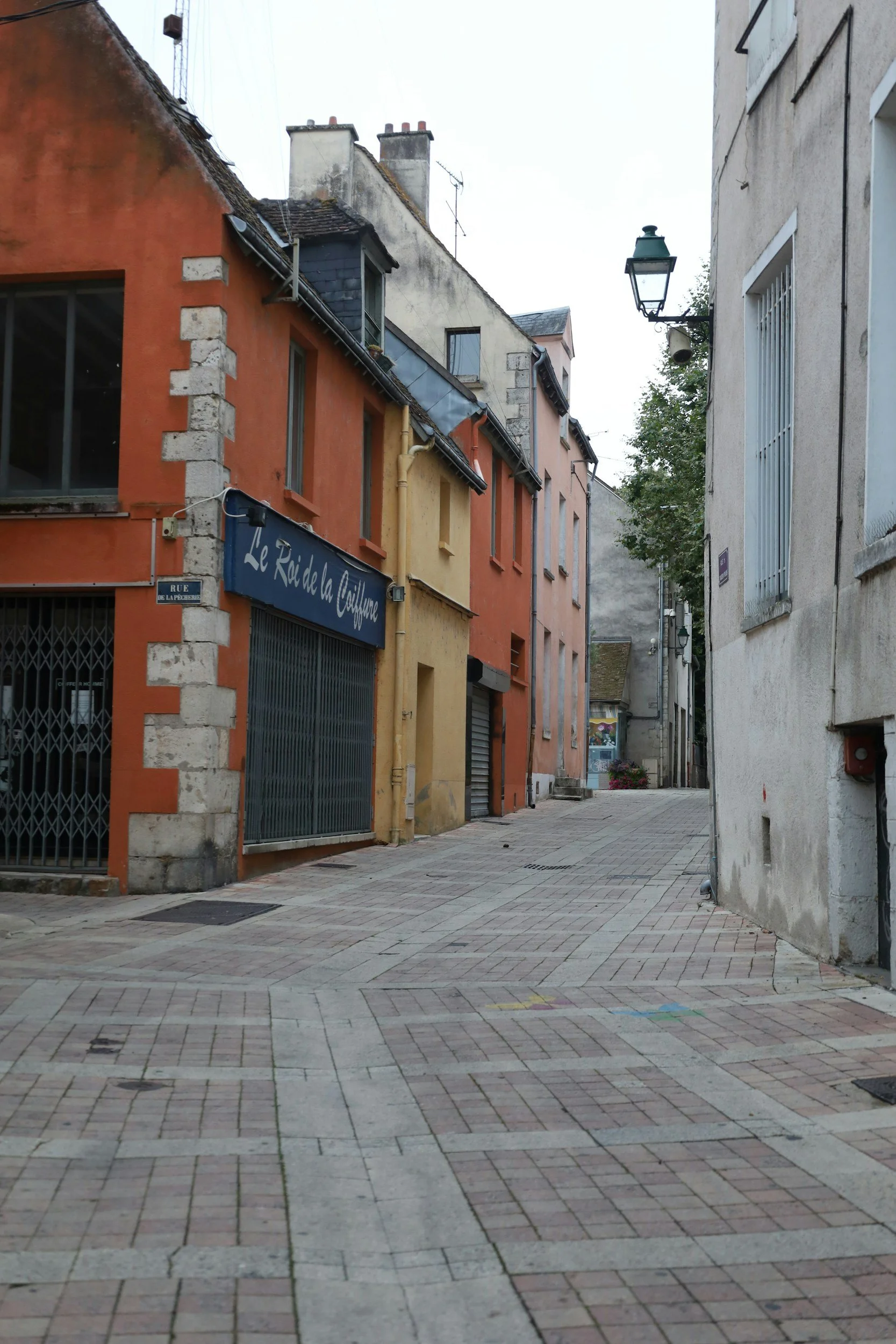
Jean de La Fontaine’s Legacy:
Montargis also holds a special place in French literary history as the birthplace of Jean de La Fontaine, one of France’s greatest fable writers. His timeless works, which have been translated into numerous languages, are woven into the fabric of Montargis’s cultural identity. You’ll find references to La Fontaine’s life and work throughout the town, from statues in the main square to inscriptions on the walls of various buildings.
To delve deeper into the life of this literary genius, a visit to the La Fontaine Museum is a must! Located in the heart of Montargis, the museum offers a fascinating glimpse into his upbringing in this quiet town, as well as his impact on French literature. The museum’s collection includes original manuscripts, portraits, and exhibits dedicated to his most famous fables, giving you a deeper connection to this legendary writer as you explore his hometown.
Montargis: Market Mornings and Everyday Life
Even though Montargis is small, the town comes alive around its market days. The main square and surrounding streets fill with stalls selling fruit, vegetables, bread, cheese, flowers, and all the everyday things locals come to buy during the week.
It’s the kind of market where people stop to talk rather than rush through. Bakers chat with regular customers, farmers arrange piles of seasonal produce, and you’ll often see people leaving with baskets full of vegetables, fresh bread, and local honey.
Walking through the market is one of the easiest ways to understand the vibe and lifestyle of the town. You might not buy much, but it’s a good place to wander slowly, pick up a small snack, and just enjoy France.
Travelers who enjoy river valleys like the Loire often end up loving the Lot Valley as well - a beautiful part of southwest France filled with medieval villages and quiet countryside roads.
Montargis Market: A Classic French Market Morning
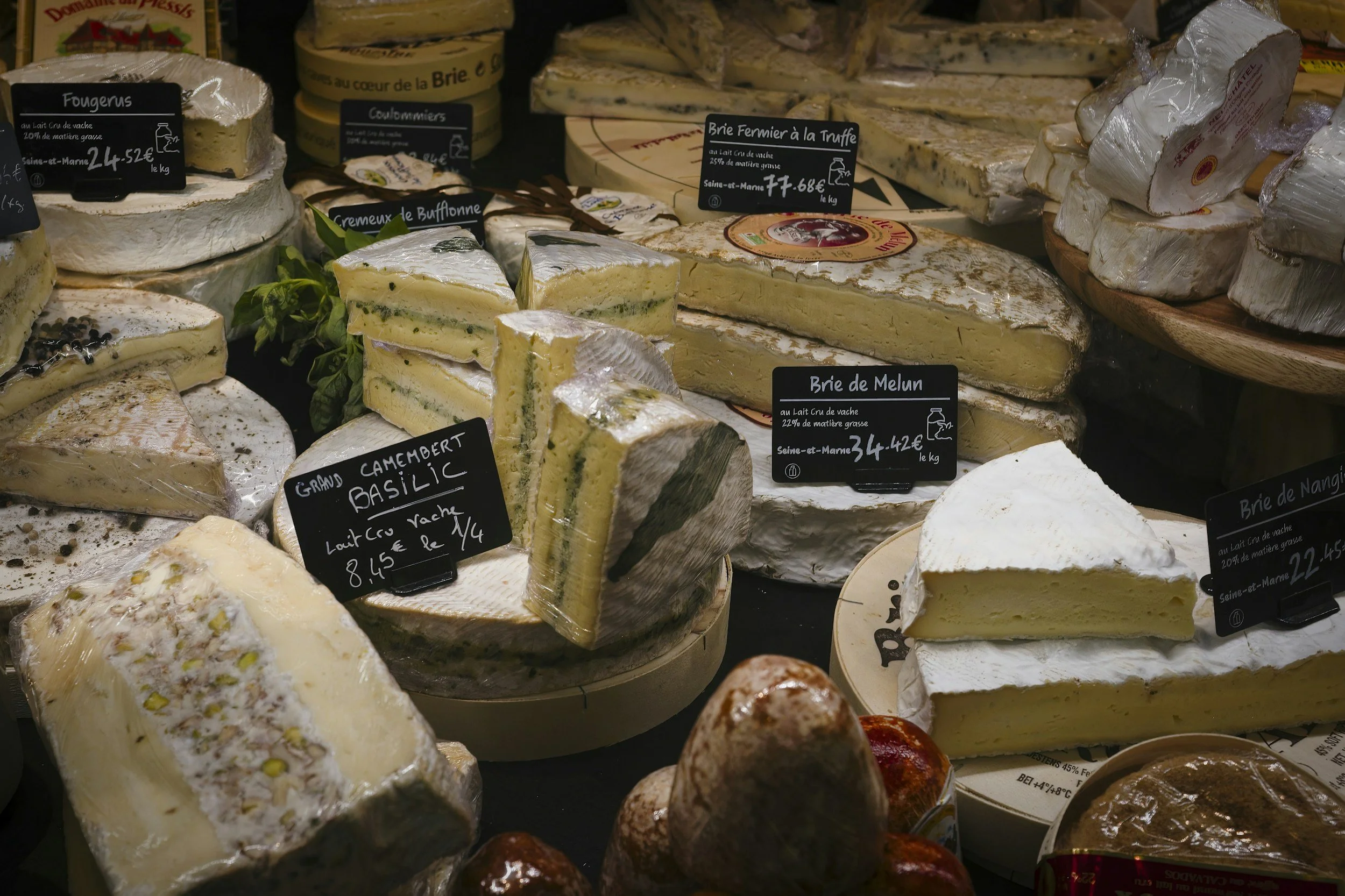
One of the nicest times to see Montargis at its most local is on market day. The town market takes place Wednesday and Saturday mornings, spreading through the streets around the center with stalls selling fruit, vegetables, bread, cheese, flowers, and everyday regional products.
It’s not a market designed for visitors. Most people here are locals doing their weekly shopping, stopping to talk with vendors they know while filling baskets with fresh produce and bread for the week ahead.
As you wander between the stalls you’ll see piles of seasonal fruit, wheels of goat cheese from nearby farms, jars of honey, fresh herbs, and sometimes small stands selling wooden kitchenware or handmade goods.
Montargis is also known for its pralines, caramelized almonds that have been made in the town since the 17th century. One of the best places to try them is Maison Mazet, a historic confectionery near the center that has been producing them for generations. Pick up a small bag and enjoy them with a coffee after the market.
Even if you’re not planning to buy much, it’s worth walking through slowly. Markets like this are where small towns like Montargis feel most alive.
The Best Coffee in Montargis
For coffee lovers, Montargis has a handful of cozy spots to enjoy a rich, flavorful brew. One standout is Café de la Paix, a charming café located near the main square. With its vintage décor, intimate atmosphere, and friendly staff, it’s the perfect place to settle in with a cup of coffee and people-watch. Pair your coffee with a freshly baked pastry for the full experience. It’s a great spot to soak up the town’s relaxed energy and get lost in a good book.
If you're looking for something more hidden away, La Fabrique à Café is a small, artisanal coffee roastery and café located slightly off the beaten path. Here, you'll be treated to expertly brewed coffee from locally roasted beans, and the staff can even give you a quick coffee tasting session if you're interested in learning more about French coffee culture.
Quiet Drives Around Montargis: Exploring the Gâtinais Countryside
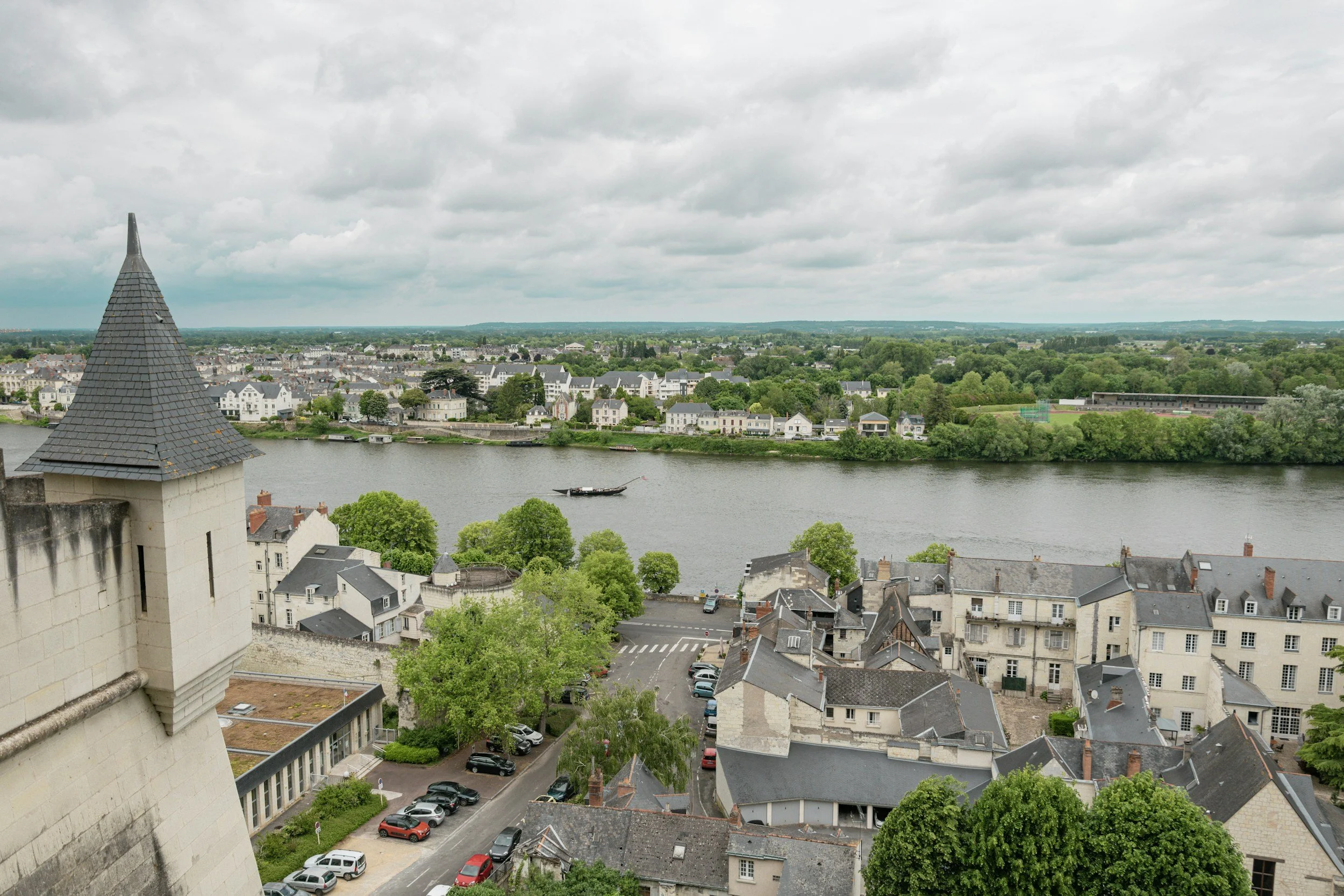
One of the best things about staying in Montargis is how quickly the town gives way to countryside. Within a few minutes of leaving the center, the roads start passing small farms, fields, and quiet villages scattered across the Gâtinais region of Loiret.
This part of central France feels noticeably calmer than the better-known areas of the Loire Valley. The landscape is gentle rather than dramatic, with open farmland, patches of woodland, and narrow country roads that are easy to explore without much planning.
If you enjoy slow drives, simply heading out toward the surrounding villages is part of the experience. Small bakeries, farm stands, and village squares appear unexpectedly along the way, and it’s easy to stop whenever something catches your attention.
For a deeper escape into nature, the Forêt d'Orléans sits less than an hour from Montargis and is one of the largest forests in mainland France. The forest has long walking and cycling trails, quiet lakes, and wide sandy paths that wind through pine and oak woodland. It’s a peaceful place to spend a few hours walking or simply enjoying the quiet countryside.
Château-Renault: A Quiet Market Town in the Loire Valley
Château-Renault sits north of Tours in the Indre-et-Loire countryside, and it’s the kind of place many travelers pass without realizing it’s there. The town is small and unhurried, with a weekly market, quiet streets, and a local rhythm that feels very different from the château circuit further along the Loire.
Historically, Château-Renault was known for its leather and tanning industry, and you can still see traces of that past around town today. But what makes it pleasant to visit isn’t one major sight. It’s the everyday atmosphere: a walk through the market square, a coffee on a terrace, and the feeling of being somewhere that still belongs mostly to locals.
A Walk Through Château-Renault’s Historic Center
Château-Renault is a small town in Indre-et-Loire, about 30 minutes north of Tours, and it’s the kind of place many travelers pass without realizing it’s there. The remains of the Château de Château-Renault, originally built in the 16th century, still overlook part of the town and hint at the area’s older role as a small regional stronghold.
Today the castle grounds are quiet and easy to wander through, with views over the town and the surrounding countryside. It’s not a grand sightseeing stop, but it gives you a sense of the town’s history and how life here once revolved around the château.
The center of Château-Renault feels relaxed and very local. Around Place Jean Jaurès, you’ll find cafés, bakeries, and small shops where daily life continues much as it always has. On market mornings the square fills with stalls selling bread, cheese, fruit, and flowers.
What makes Château-Renault enjoyable isn’t one big attraction. It’s the slower atmosphere - walking the streets for a while, stopping for coffee, browsing the market, and getting a glimpse of everyday life in this quieter corner of the Loire Valley.
A Bit of Local History in Château-Renault
One of the things that makes Château-Renault a little different from other towns in the Loire Valley is its connection to leather and tanning. For centuries the town was known for its tanneries, and this craft played a big role in shaping the local economy and identity.
You can still see traces of that history today. The Musée du Cuir et de la Tannerie, set inside a former tannery workshop, explains how leather was produced here and why the industry became so important to the town. It’s a small museum, but it offers a surprisingly interesting glimpse into a side of the Loire Valley that many visitors never think about.
Beyond the museum, the town itself tells the story. Old industrial buildings, quiet streets, and the slower pace of daily life all hint at the working-town past that once defined Château-Renault.
It’s a reminder that places like this weren’t built for tourism…they grew out of real trades and local traditions, which is part of what makes visiting them feel a little more genuine.
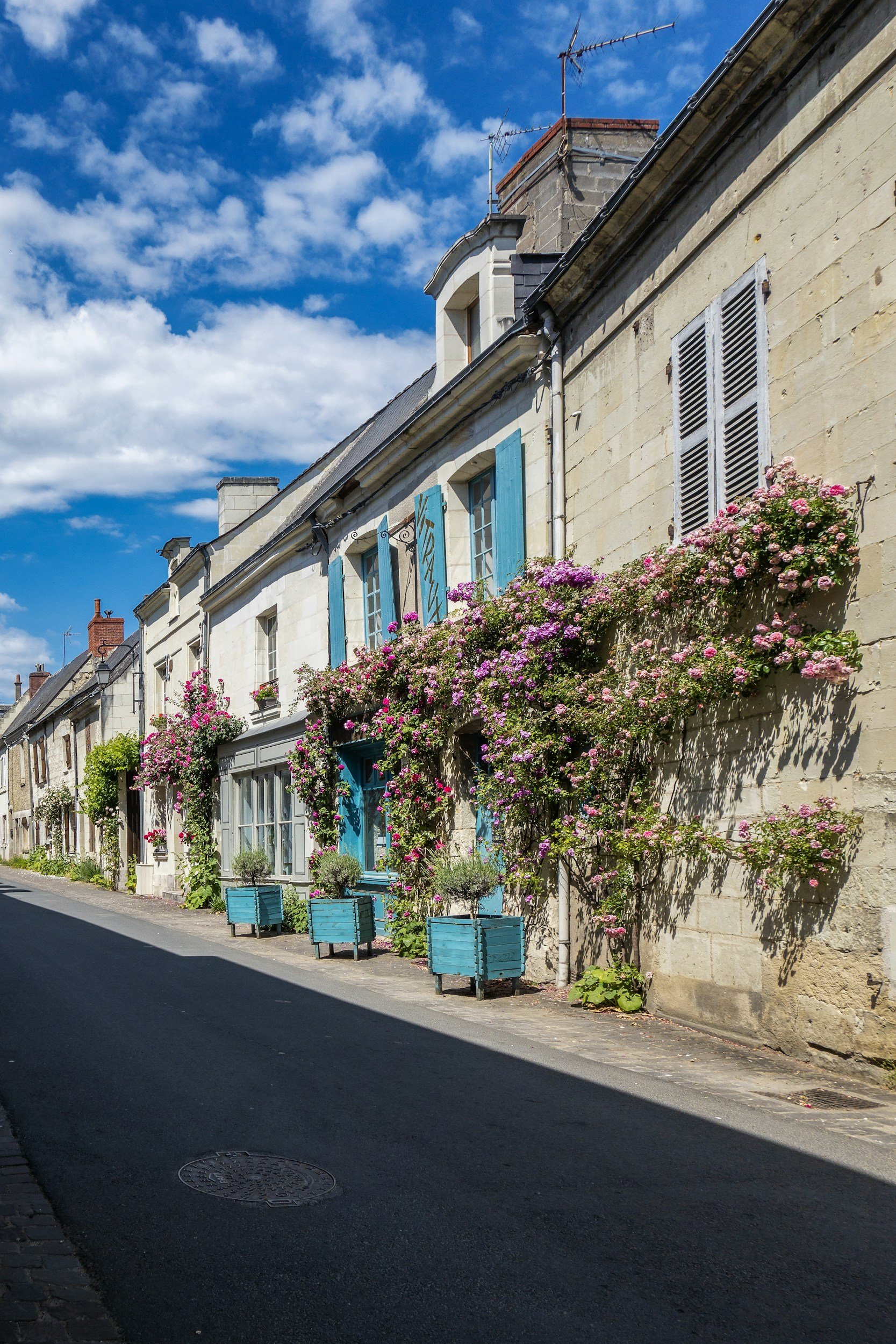
Market Food and Local Wine in Château-Renault
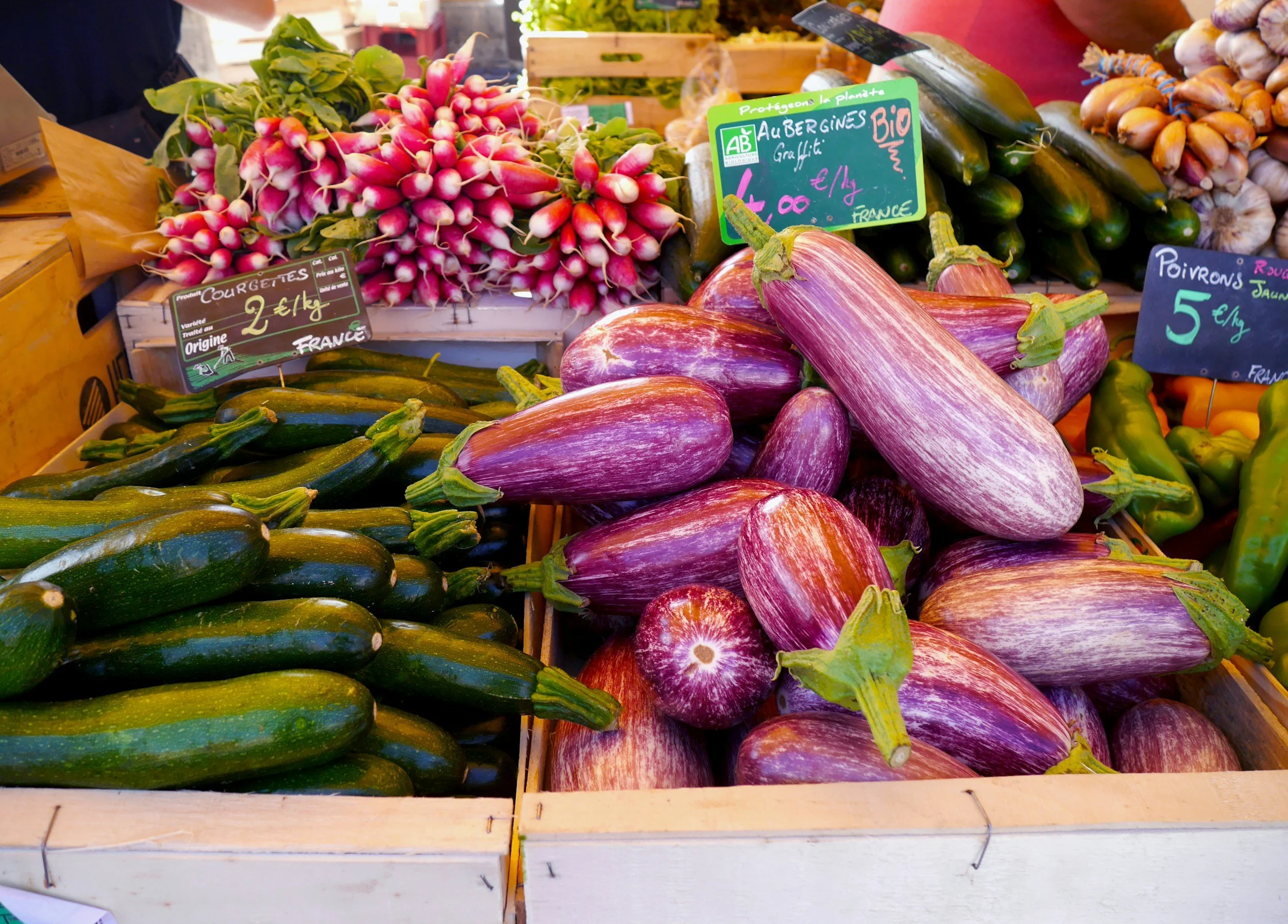
One of the best times to experience Château-Renault is market morning, when the town square fills with stalls selling fruit, vegetables, bread, cheese, and other everyday local products. It’s a relaxed market where most people are simply doing their weekly shopping, which makes it feel very local.
You’ll often see vendors selling rillettes, a regional specialty made from slow-cooked pork or duck that’s usually spread onto fresh baguette. It’s simple, rich, and one of the most traditional foods in this part of the Loire Valley.
If you’re putting together a small picnic, it’s also worth picking up a bottle of Vouvray, the white wine produced nearby along the Loire River. Made from Chenin Blanc grapes, Vouvray can range from crisp and dry to lightly sweet, and it pairs well with local cheeses or a simple baguette from the market.
Even if you’re not planning a full picnic, walking through the stalls and sampling a few things is one of the nicest ways to spend a slow morning in town.
If markets and small Provençal towns are your thing, the Drôme Provençale is another region that’s incredibly rewarding to explore, especially for its hilltop villages and weekly markets.
Coffee and a Quiet Lunch in Château-Renault
After wandering the market for a while, it’s nice to sit down somewhere nearby. Café de la Place, right on the town square, is an easy stop for coffee. The terrace faces the square, so you can sit with an espresso or café crème and watch the morning unfold.
It’s simple, local, and exactly the kind of place people stop during their regular routines. On sunny days the terrace fills slowly with locals chatting over coffee and pastries from the bakery next door.
If you’re ready for something to eat, Le Bistrot du Château sits just behind the château. It’s a small, relaxed bistro serving easy dishes like croque monsieur, salads, and glasses of Loire Valley wine. Nothing fancy - just a comfortable place to sit for lunch before heading back out to explore.
Friday Market Morning in Château-Renault
The Friday morning market is when Château-Renault feels most alive. Stalls fill the square with vegetables, fruit, bread, cheese, and flowers, and locals come through with baskets to pick up what they need for the weekend.
You’ll often see vendors selling rillettes, a classic Loire specialty made from slow-cooked pork or duck that’s usually spread onto fresh baguette. It’s one of the simplest things to try here, and also one of the most local.
The atmosphere stays relaxed. People stop to chat, wander between the stalls, and take their time. Even if you’re just walking through, market morning is a good moment to see everyday life in this part of the Loire Valley.
Quiet Drives Around Château-Renault
One of the nice things about staying in Château-Renault is how quickly the town gives way to countryside. Within minutes you’re on small rural roads passing farms, vineyards, and quiet villages scattered across this part of Touraine in the Loire Valley.
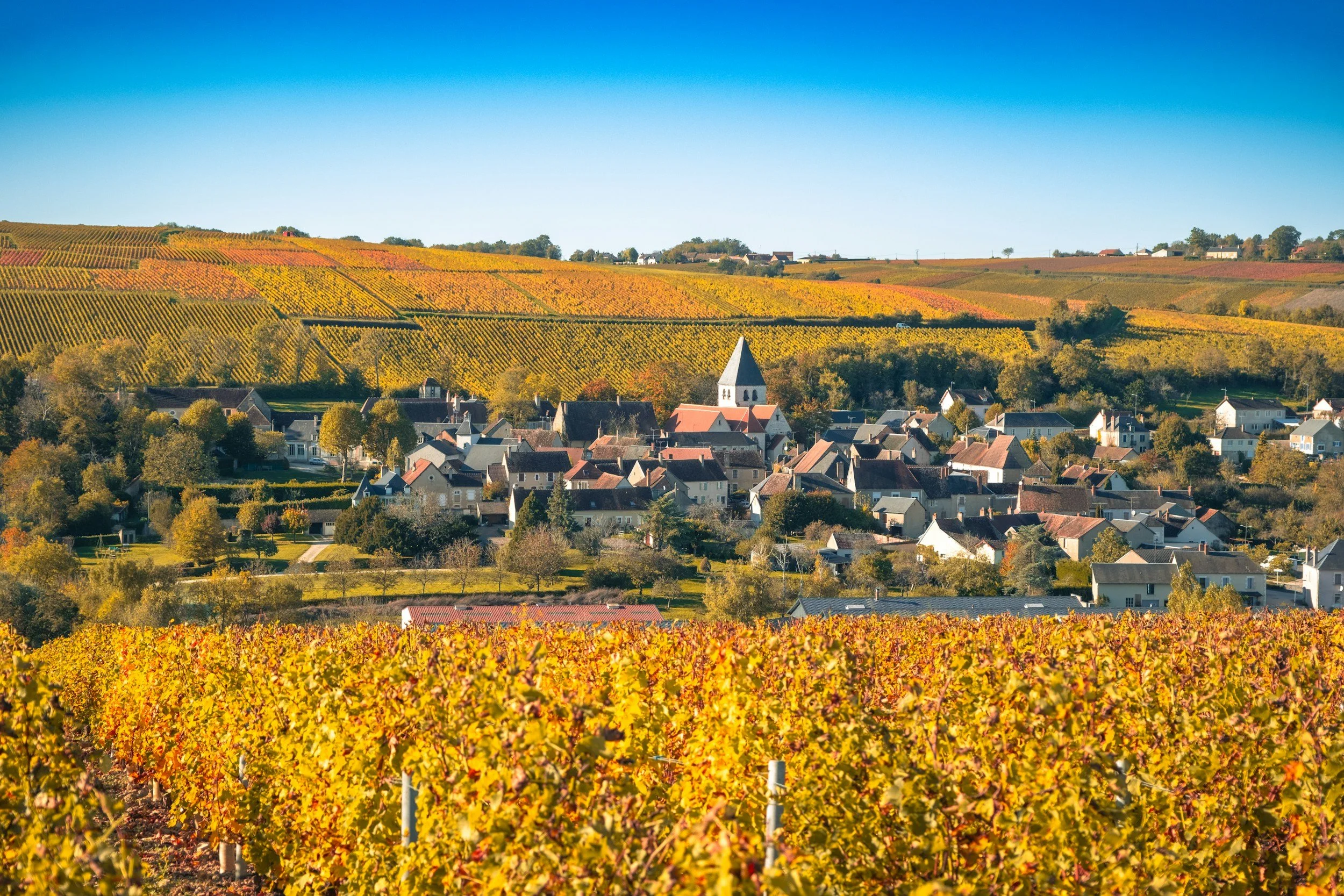
A good direction to explore is Vouvray, about 30 minutes away by car. This small wine town sits just outside Tours and is known for its white wines made from Chenin Blanc. The drive there takes you through vineyard-covered hillsides and villages built from the pale limestone that defines much of the Loire Valley. Many wineries here welcome visitors for informal tastings, and several cellars are carved directly into the rock - something the region is famous for.
If you’d rather spend time outdoors, the nearby Forêt d’Amboise offers quiet trails for walking and cycling beneath oak and pine trees. It’s an easy place to escape the busier château towns and enjoy a slower afternoon surrounded by nature.
Château-Renault itself is often overlooked on Loire Valley itineraries, but that’s part of what makes it appealing. It’s a comfortable base for exploring the countryside, visiting local markets, and seeing a quieter side of the Loire that many travelers miss.
A Different Way to Experience the Loire Valley
Most people visit the Loire Valley for famous château towns like Amboise or Chambord. But if you spend a little time exploring beyond those stops, you’ll find smaller towns that show a different side of the region.
Places like Saumur, Montargis, and Château-Renault are easy to add to a Loire Valley itinerary and each has its own character. Saumur sits along the Loire River with a hilltop château and a strong wine culture. Montargis, further north, is built around canals and small bridges and is known for its lively market days. Château-Renault, set in the countryside of Touraine, is quieter and surrounded by farmland and vineyards.
Spending time in towns like these means slower mornings at local markets, coffee on small town squares, and wandering streets that aren’t built around tourism. They offer a different perspective on the Loire Valley, one that feels closer to how people actually live in the region.
If you’re planning a trip through the Loire Valley, adding a few smaller towns alongside the famous castles can make the journey far more interesting.
FAQ: Visiting the Loire Valley
What are the best quiet towns in the Loire Valley?
Saumur is one of the best known, especially if you want wine and river views, while Château-Renault offers a quieter inland stop in Touraine. Montargis sits further east, but it works well for travelers looking for canal walks and market-town atmosphere.
Which Loire Valley town is best for markets?
Saumur is one of the strongest picks if you want a proper market morning with local produce, bread, cheese, and wine nearby. Montsoreau also makes a good add-on if you’re in the Saumur area on a Sunday.
Is Saumur worth visiting beyond the château?
Yes. Saumur works well even if you’re not planning a château-focused stop because the town itself is attractive, walkable, and tied closely to wine, markets, and the Loire riverfront.
What makes Château-Renault different from other Loire towns?
Its leather and tanning history gives it a more grounded identity than many nearby towns. That makes it feel less polished, but also more local and a bit more interesting if you want somewhere different.
Looking for more local gems similar to the Loire Valley? Download our most popular Summer Market Guide for 12 authentic market towns across Europe, and get inspired to plan your next slow travel adventure!