
The Eastern European cities I'd choose for a long weekend
A good weekend away isn’t about seeing as much as possible. It’s about whether the place actually lets you slow down.
Can you sit in a café for a while without being rushed?
Can you walk into a bookshop and find something you’d actually read?
Can you get around easily without spending half the day figuring things out?
Some cities make that easier than others.
Kraków, Budapest, and Brno are three of the best in Eastern Europe if you want a slower kind of trip. They’re compact, easy to walk, and have enough cafés, bookshops, and quieter streets to fill a weekend without needing much of a plan.
Kraków works well if you stay around Kazimierz and the Old Town, where you can move between cafés and second-hand bookshops without going far. Budapest has a mix of older cafés and quieter streets if you stay just outside the busiest areas. Brno is smaller and less visited, which makes it easier to find places where you can sit for a while without feeling rushed.
This guide focuses on places that actually work for that kind of weekend. Cafés where you can stay longer, bookshops worth stepping into, and quieter places to stay so you’re not right in the middle of everything.
And if you're into quieter, slower destinations in general, check out the Introvert’s Guide to Traveling Europe - it covers more places with that same slower pace.
And if you’re planning more trips like this, Copenhagen is great for the same kind of slower weekend, especially in spring.

Kraków, Poland: Cafés, Bookshops, and Corners You’ll Want to Stay In
Kraków is easy in a way a lot of cities aren’t. You arrive, walk ten minutes from the station, and you’re already somewhere you’d sit down. No planning needed.
The Old Town gets busy, especially around Rynek Główny, but it’s a different place early in the morning. Before 9, when the cafés are just opening and the square hasn’t filled yet, you can walk across it without weaving through people. That’s when it actually feels like somewhere you’d want to spend time, not just pass through.
If you follow Floriańska for a bit and then drift off into the side streets, you’ll come across smaller bookshops that feel slightly worn-in, not styled. The kind where you go in for a quick look and end up checking a few shelves properly before leaving.
Kazimierz is where it becomes easier to stay put. It’s about a 10-minute walk, but the shift is obvious. Józefa and Meiselsa are the streets you’ll keep coming back to without meaning to. Cafés here aren’t trying to turn tables. People sit for a long time, laptops open, books half-finished, nobody checking how long they’ve been there.
Massolit Books & Café is one of the few places where you can actually settle in with a book. The front room fills up quickly, but if you walk through to the back, there are a few quieter tables where people sit for hours. It’s slightly creaky, a bit uneven, and that’s what makes it feel real. Karma Coffee on Krupnicza is another one that works if you want something calmer, especially mid-morning before it gets busier.
When you’ve had enough of sitting inside, Planty Park is right there. It loops around the Old Town, and you don’t need to think about where to go. Just follow it until you find a bench that isn’t too close to anyone else and sit for a while.


Massolit Books & Café: Kraków’s Top English-Language Bookshop and Reading Spot
Address: Felicjanek 4, Kraków
Nearest tram stop: Teatr Bagatela (Lines 4, 8, 24)
Hours: Vary seasonally; generally 10:00–19:00 (earlier closing on Sundays)
Massolit Books & Café is where many travelers start their literary weekend in Kraków, and for good reason. From the street, it looks like a small secondhand shop, but step inside and you’ll find a warren of rooms, each lined with floor-to-ceiling shelves. The English-language selection is unmatched in the city, with an emphasis on Central and Eastern European history, feminist theory, and literature in translation.
The back of the shop opens into a cozy café with old armchairs, sturdy tables, and a laid-back atmosphere that makes it easy to stay for hours. The menu has good coffee, teas, and homemade cakes, with oat and soy milk available for non-dairy drinkers.
Some tips for Massolit:
On rainy autumn afternoons, it fills quickly with students and writers - go early afternoon to find a quiet spot.
Ask if the small back garden is open in warmer months; it’s one of the calmest reading spots in central Kraków.
The shop also sells Polish literature in translation, making it a great place to pick up something by Olga Tokarczuk or Wisława Szymborska in English.
Kazimierz District: Best Area in Kraków for Strolling and Indie Cafés
Kazimierz is about a 10–15 minute walk from the Old Town, but you feel the difference almost straight away. The streets are narrower, a bit uneven underfoot, and it’s quieter in a way that makes you slow down without thinking about it.
You’ll end up on Józefa sooner or later. A few galleries, some second-hand shops, and cafés that don’t look like they’ve changed much. You walk a bit, stop somewhere, then keep going.
Lokator Café on Mostowa is easy to miss if you’re not looking for it. From the outside, it just looks like a small café, but inside it’s stacked with books from their own small press. Most are in Polish, but people still stand there flipping through them, mostly because the covers are so well done. The space is a little tight, wooden tables close together, and it’s completely normal to sit alone with a coffee for a while without anyone bothering you.
Cheder, just around the corner on Józefa, has a different feel. The front room is dimmer, a bit quieter, and smells slightly of spices and coffee. They serve Middle Eastern coffee and tea, and if you sit long enough you’ll notice people coming in for short meetings or staying with a book for an hour or two. There’s usually something going on here in the evenings, but during the day it’s low-key.
Mornings in Kazimierz are the best time to be here. Before 10, it’s mostly locals. People walking dogs, someone unlocking a shop, trays of pastries being carried out to the front. Around Plac Nowy, a few cafés start putting tables outside, and it’s easy to find a spot without thinking about it. Sit down, order a coffee, read a few pages, and figure out the rest of the day later.
One small thing that’s useful to know: in most of the smaller cafés here, you order and pay at the counter first. And if you want takeaway, you need to say it clearly… otherwise they’ll assume you’re staying.
Where to Stay in Kraków (Best Areas for a Quieter Weekend)
If you’re staying a couple of nights, Kazimierz or Stradom are the easiest places to base yourself. You’re close enough to walk into the Old Town in about 10–15 minutes, but far enough away that evenings feel different. Once you’re back from dinner, it’s noticeably quieter. Fewer people, less movement, more of a local pace.
Kazimierz works especially well if you want things close without planning ahead. You step outside and within a few minutes there’s somewhere for coffee, somewhere to sit, somewhere to come back to later. You don’t need to think about it.
Miodosytnia Aparthotel on Szeroka is right in the middle of Kazimierz, but it doesn’t feel busy once you’re inside. The rooms are larger than expected, with high ceilings and wooden floors that make it feel more like an apartment than a hotel. There’s a small inner courtyard where breakfast is served when the weather allows. Nothing overcomplicated, just fresh bread, cheese, something sweet, and coffee that actually does its job.
Getting there is simple. From Kraków Główny, it’s about 10 minutes by tram. Lines 3, 19, and 24 all go in that direction, and they run often. If you’re travelling light, it’s also an easy 20-minute walk. Tickets are straightforward from the machines at the stop, or through the Jakdojade app, which is worth downloading anyway.
Staying in this part of the city makes everything easier. You’re close to where you want to be, but not right in the middle of the busiest streets, which is exactly what you want for this kind of trip.

Kazimierz
Budapest, Hungary: Grand Cafés, Modern Coffee Spots, and Bookish Hideaways
Budapest looks spread out on a map, but once you’re there, it’s easier than you expect. Most of the places you’ll end up in sit on the Pest side, and they’re close enough that you can move between them without thinking too much about distance.
You don’t really plan your days here. You walk a bit, stop somewhere, and then move on when you feel like it.
The larger cafés are part of the city, but they work best early. Café Párisi, inside Párisi Udvar, is one of those places you go when it opens. Before it fills up, before people start taking photos, when it’s still quiet enough to actually sit down and take it in. High ceilings, a bit over the top, but worth seeing once.
After that, it’s easier to settle somewhere smaller. Fekete, just behind Astoria, has a courtyard at the back that people tend to stay in longer than they planned. Mid-morning is best, before it gets busy. You order inside, carry your coffee out, and once you’re seated, nobody’s checking how long you’ve been there.
Massolit has a small space in Budapest too, with the same feel as in Kraków. English-language books, slightly uneven shelves, people actually reading instead of just passing through. It’s easy to lose time there.
Later in the day, walking along the Danube works without needing a destination. The stretch between Elisabeth Bridge and the Parliament side is simple and open, with benches along the water where people sit with coffee or just watch what’s going on around them.
If you like Budapest but want something with a similar feel and fewer people, this is a good alternative to consider.

Café Párisi: The Most Beautiful Literary Café in Budapest
Address: Andrássy út 39
Closest metro stop: Opera (M1 line)
Café Párisi is pure drama in the best way. Think gold leaf, chandeliers, and huge frescoes overhead that make you feel like you’ve stepped into an old European film set. It used to be part of a massive bookstore, but now it’s just the café - which means you’ll need to bring your own book.
Best time to go? Mid-morning on a weekday, when it’s quiet enough to hear the clink of coffee cups and the soft shuffle of people finding seats. Order something small (a cappuccino or a slice of cake) and make the most of your seat by the tall windows.
Avoid Saturdays if you want it peaceful; it’s a popular brunch stop for locals and tourists alike.
Fekete: Minimalist Coffeehouse in Budapest for Reading and Writing
Address: Múzeum körút 5
Closest metro stop: Kálvin tér (M3 line)
Fekete is the opposite of Café Párisi. No gold, no chandeliers - just clean white walls, sunlight, and really good coffee. It’s tucked into a courtyard you could walk right past if you weren’t looking for it. Inside, there’s a quiet hum from people working or reading, and outside you’ve got courtyard tables that catch the morning light.
They do a simple but solid breakfast, the homemade granola with yogurt is worth showing up for early. If you’re planning a long reading session, get there before 9:30 to snag a good table.
Other Bookish Stops in Budapest Worth Visiting
If you want to stretch your literary weekend a little further:
Keleti Károly Street bookshops (District II) have a few indie stores with English-language shelves.
Könyvtárellátó Könyvesbolt (Révay utca 16) is small but has a smart selection of Hungarian authors in translation.
Where to Stay in Budapest (Best Areas for a Quieter Stay)
Most people book somewhere in Pest, usually around the 7th district, and that’s where it gets loud at night. Bars stay open late, people spill out onto the streets, and even on weekdays it doesn’t really quiet down.
If you want to sleep properly, it’s worth looking across the river. Buda feels different straight away. Streets are calmer, especially in the evening, and once you’re back for the night, there’s very little noise from outside.
Krisztinaváros and Rózsadomb are two areas that work well. You’ll find smaller guesthouses and apartments in older buildings, often with thick walls and staircases that echo slightly when you walk up. In the morning, it’s mostly locals heading out, a bakery opening, someone walking a dog, nothing rushed.
If you’d rather stay on the Pest side but still avoid the noise, Kapital Inn on Aradi utca is a good middle ground. It’s close enough to walk to cafés and main areas, but just far enough from the busiest streets that evenings are a lot quieter. The rooms are simple but comfortable, and there’s a small rooftop terrace where people tend to sit for a while at the end of the day.
Getting around is easy either way. If you’re staying in Buda, tram 19 runs along the river and connects you to most central areas without needing to think about routes. It’s also one of the calmer ways to move through the city, especially outside peak hours.
Brno, Czech Republic: Creative Coffeehouses and Calm Spaces for Readers
Brno doesn’t take long to figure out. You arrive, walk into the centre, and within a few minutes you’ve already passed two or three places you could stop in.
It’s smaller than Prague, but that’s what makes it work. You’re not moving between big sights or planning your day around distances. Everything sits close together, and most of the time you’re just walking from one place to the next without thinking about it.
Around Moravské náměstí is where it starts to come together. From there, you can drift into smaller streets where things feel a bit quieter. Fewer people moving through, more places where it’s normal to sit for a while without being rushed.
Skog is one of the easiest places to settle into. It’s minimal, a bit stripped back, and quiet enough that you notice how still it is compared to outside. If you go mid-morning, it’s usually calm, with people sitting alone or working for a few hours at a time.
Industra is different. It’s set in a converted industrial space a bit outside the centre, so you have to make a small effort to get there. But once you do, it’s easy to stay longer than planned. High ceilings, a lot of space, and people spread out rather than packed in.
If you keep walking through the centre, you’ll come across smaller cafés that aren’t marked out on maps or lists. The kind of places where you sit down without checking reviews first and realise after a while you haven’t looked at your phone once.
If Brno ends up being your favourite from this list, you might want to go a bit deeper. There’s more to the city than you notice on a first visit.
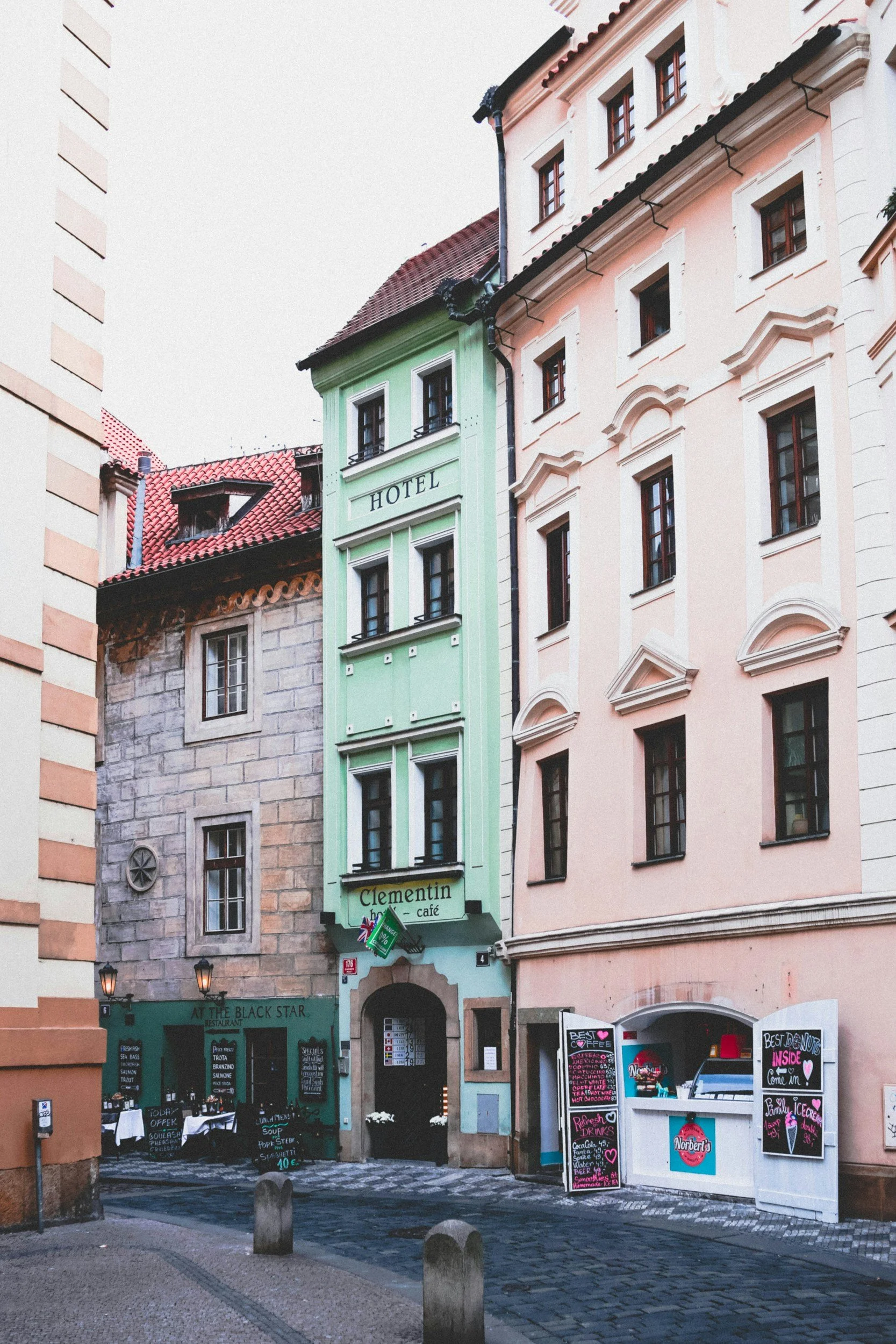
Skog Urban Hub: Brno’s Most Popular Creative Café
Address: Dominikánské náměstí 5
Nearest tram stop: Zelný trh
Skog Urban Hub is the kind of café that makes you want to stay put. The space blends industrial touches with plenty of plants and natural light. Mornings tend to be a mix of freelancers setting up laptops, friends chatting over flat whites, and the odd traveler camped out with a novel.
The coffee is reliably excellent, but it’s the little details that keep people coming back - like the housemade cakes, rotating art on the walls, and a playlist that’s present but not distracting.
When to go: Late morning if you want a quieter vibe, or early afternoon to catch more of the local crowd.
Industra Coffee: Brno’s Industrial-Style Café and Cultural Hub
Address: Masná 9 (inside an old factory complex)
Getting there: About 10 minutes by tram from the center; take tram 8 to Masná.
Industra Coffee is part café, part creative hub. It’s tucked inside a repurposed factory building, which means you’ll need to make a small effort to find it - but that’s part of the charm. Inside, it’s all high ceilings, open space, and serious coffee roasting equipment.
They often host art exhibitions, small talks, and even pop-up literary events, so it’s worth checking their calendar before you go. If you want somewhere to read or write without distractions, grab a table near the back and settle in.
The space can feel a little chilly in winter, so bring a sweater if you’re planning a long stay.
Where to Stay in Brno (Best Areas for a Slower, Quieter Weekend)
If you want a calmer base in Brno, it’s worth skipping the bigger hotels and looking at apartments instead. The centre is small enough that you don’t need to stay right in it.
Veveří is usually the easiest choice. It has a slightly student feel, but in a good way. Independent shops, cafés that stay open later, and streets where there’s still a bit of life without it getting noisy. You can walk into the centre in about 10–15 minutes, or just take a tram if you don’t feel like it.
Černá Pole is quieter. More residential, fewer cafés directly outside your door, but a lot more stillness, especially in the evenings. If you’re planning to spend time reading or working, it’s the kind of area where you actually notice the quiet once you’re back.
Internesto Apartments are a good option if you want something simple that still feels considered. Clean spaces, local art on the walls, and enough room to actually sit comfortably rather than just sleep and leave. It feels more like staying in someone’s flat than a hotel.
Getting around is easy from both areas. Trams run frequently and late into the evening, and most stops are within a few minutes’ walk. Tickets are cheap and easy to buy at the machines or through the DPMB app, which is worth downloading if you’re there for a few days.
Where you stay in Brno doesn’t need to be central to work well. In fact, it’s better if it isn’t. A slightly quieter neighbourhood makes it easier to slow down properly, especially in the evenings.
How to Plan a Bookish Weekend in Eastern Europe
The part most people get wrong isn’t where to go, it’s how they move through the day.
In cities like Kraków, Budapest, and Brno, it’s better to stay within a small area and repeat places rather than constantly trying new ones. Go back to the same café twice. You’ll get a better seat, recognise the space, and settle in faster the second time.
Seating matters more than the café itself. Corners, window seats, or back rooms are usually quieter and more comfortable if you’re planning to read for a while. If a place looks busy at the front, it’s worth stepping inside anyway - a lot of cafés have quieter spaces further in.
Cash can still be useful. Most places take cards, but smaller cafés or bookshops sometimes don’t, especially in Brno or parts of Kraków.
If you’re carrying a book, bring something small. Tables are often smaller than they look, especially in older cafés, and you’ll usually have coffee, water, and maybe something to eat on the table at the same time.
And one small thing that makes a difference: notice how long people stay before you sit down. If everyone’s finishing quickly and leaving, it’s probably not the place to settle in for an hour or two.
If you’re drawn to quieter cities in general, this weekend guide to Umeå has a similar pace, just in a completely different setting.
For more city break ideas and slow travel tips, explore our Travel guides. You’ll find more places where the coffee is good, the streets are walkable, and you can actually hear yourself think.
If you’re planning a longer trip and want more slow, quiet destinations, take a look at our guide to Drome Provence cottage stays for rural inspiration, or our list of quiet Spanish towns for peaceful escapes further west.

FAQ: Bookish Weekend Trips in Eastern Europe
Which Eastern European city is best for a quiet weekend?
Kraków, Budapest, and Brno are all good options, but they feel slightly different. Kraków is the easiest to navigate with lots of cafés and bookshops close together. Budapest has more variety, with both grand historic cafés and smaller modern ones. Brno is quieter overall and less visited, which makes it easier to find calm places to sit and read.
Is Kraków good for bookshops and cafés?
Yes. Kraków has a strong café culture and several independent bookshops, especially around the Old Town and Kazimierz. Places like Massolit Books & Café make it easy to spend a few hours reading without feeling rushed.
Where should I stay in Budapest for a quieter trip?
If you want quieter nights, stay on the Buda side or just outside the busiest areas of Pest. Neighbourhoods like Krisztinaváros or Rózsadomb are calmer, while still being easy to reach by tram.
Is Brno worth visiting instead of Prague?
Yes, especially if you want something less crowded. Brno has a strong café scene, a compact city centre, and a more local feel. It’s easier to find quiet spaces compared to Prague.
What is the best time to visit cafés in Eastern Europe?
Late morning is usually the best time if you want to sit for a while. Early mornings are quieter but shorter, while afternoons tend to be busier. Weekday mornings are the calmest overall.
Can you work or read for a long time in cafés in these cities?
Yes, especially in Kraków and Brno. Many cafés are used to people staying for a while with a book or laptop. It’s still good to order something occasionally, but you generally won’t be rushed.
How do you plan a slow weekend trip in Europe?
Stay in one area, limit how many places you try to visit each day, and leave space for unplanned stops. It works better to return to the same café than to move around too much.
Are these cities easy to get around without a car?
Yes. All three cities are walkable and have reliable public transport. Trams and buses are frequent, affordable, and easy to use.
Do cafés in Eastern Europe accept card payments?
Most do, but it’s still useful to carry some cash, especially in smaller cafés or independent bookshops.
Want more thoughtful travel guides like this?
Sign up for the Trippers Terminal newsletter. We’ll send you slow travel tips, hidden gems, and cozy inspiration straight to your inbox - perfect for the curious, creative, and quietly adventurous.