
European towns that are simply enjoyable to spend time in
Not every place in Europe is easy to enjoy once you arrive. Some look great on a map, then end up crowded, overpriced, and harder to settle into than expected.
These are the opposite.
This list focuses on European towns and smaller cities where you can actually spend time, not just pass through. Places where you can walk without a plan, find a good café without thinking too much about it, and let a day unfold on its own.
You’ll find a mix of coastal towns, inland spots, and a few smaller cities that still feel manageable. Some are well known, but easier to enjoy if you approach them differently. Others are less obvious, but that’s exactly why they work.
If you’re looking for places in Europe where you can slow down, eat well, and not feel rushed from one thing to the next, these are a good place to start.
Monschau, Germany
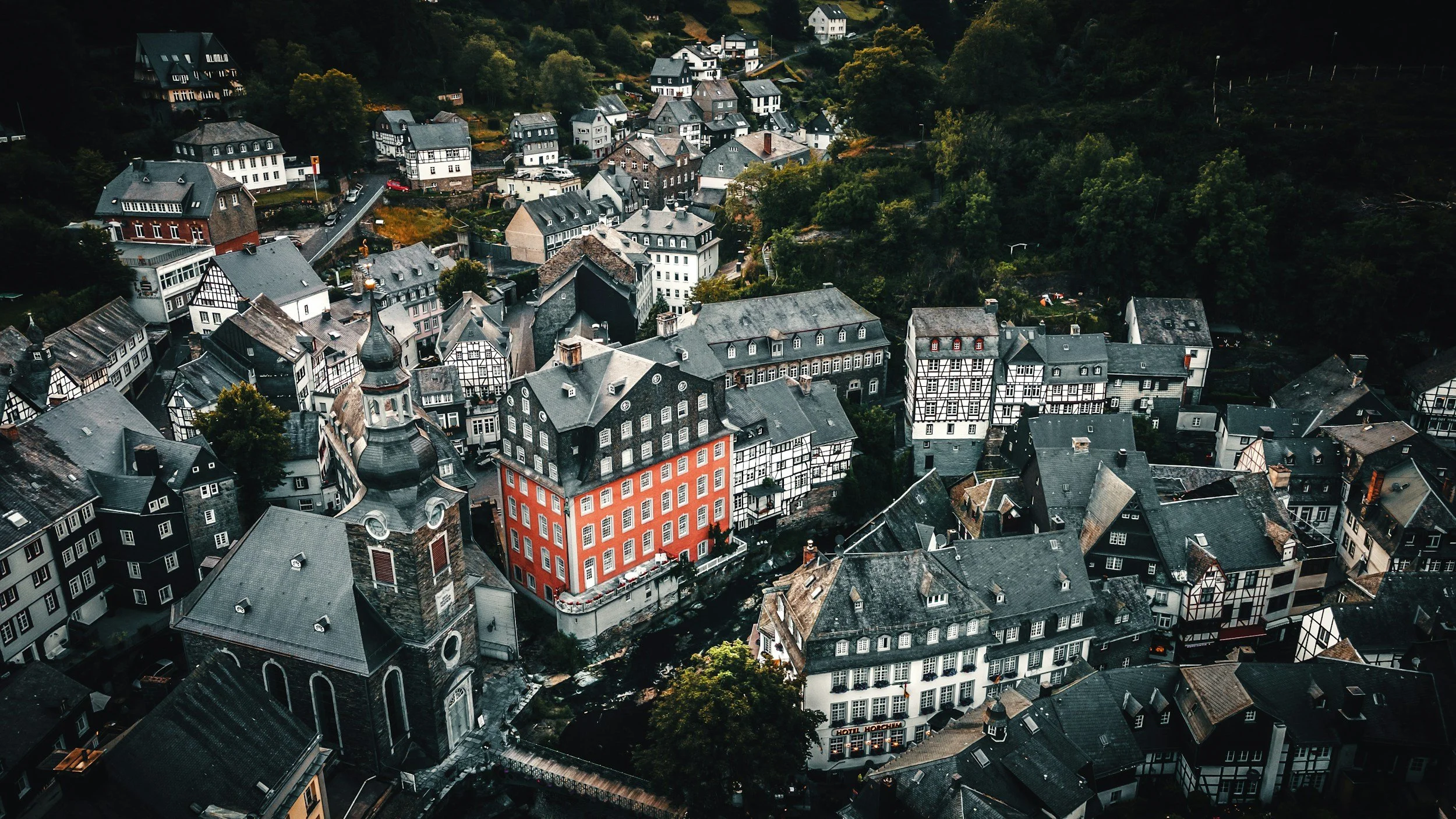
Monschau sits deep in the Eifel region, close to the Belgian border, and you feel that distance on the way in. The road narrows, the forests close in, and then the town appears all at once in the valley, with the Rur River running straight through it.
Most people arrive by car, park just outside the center, and walk in. Within a few minutes, everything slows down. The streets are narrow and uneven, lined with dark timber-framed houses that lean slightly over the water. Around Laufenstraße and the small bridges crossing the river, it’s quiet enough in the morning that you mostly hear footsteps and the sound of the water moving past.
Early in the day is when Monschau feels best. A few cafés open their doors, tables are set outside, and there’s usually the smell of fresh bread or pastries coming from somewhere nearby. It’s easy to fall into a simple rhythm here. Walk for a bit, stop for coffee, keep going without really deciding where.
If you follow the river out of the center, the town fades quickly into forest. The edge of Eifel National Park is right there, with marked trails that start almost immediately. Some are short and easy, others lead further into the hills with wide views over the valley. Even a one-hour walk is enough to feel completely away from everything.
Back in town, evenings are low-key. A few restaurants fill up, lights come on in the windows, and the streets quiet down again. This is where you sit down for something simple. Sauerbraten, sausages, or whatever’s on the menu that day, usually with a glass of Riesling from the Ahr region.
If you want something more than just walking, the Red House (Rotes Haus) is worth stepping into. It’s right in the center and still furnished from when Monschau was a textile town, with narrow staircases and rooms that feel almost untouched.
Monschau isn’t somewhere you come to do a lot. It’s somewhere you come when you don’t need to.
If you feel this place might be THE place for your next trip, here’ s another article about the Eifel region you may enjoy:
Tinos, Greece
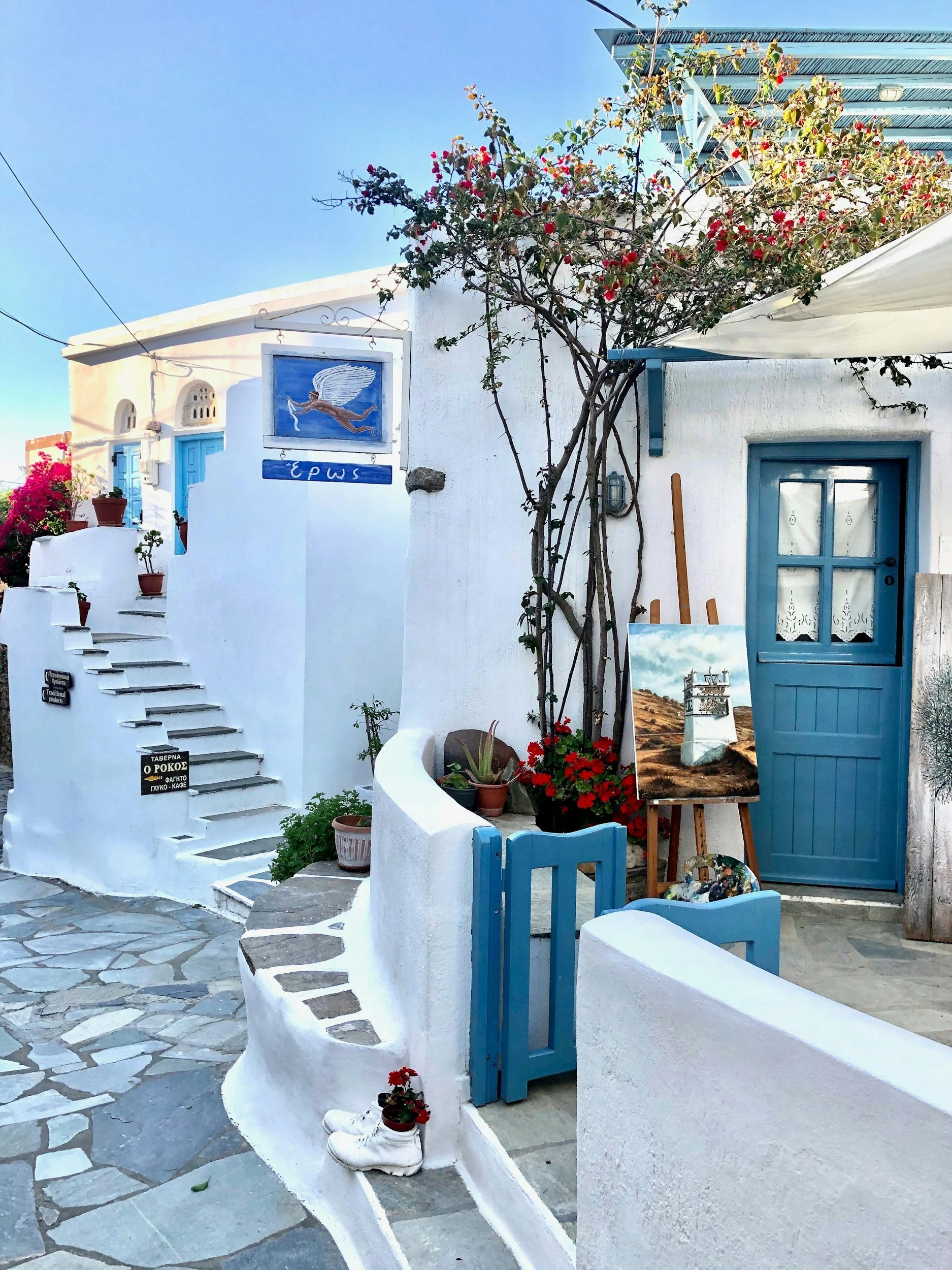
Tinos is only a short ferry from Mykonos, but it feels completely different as soon as you arrive. Fewer people, less noise, and no pressure to fill your day.
Most people stay near Tinos Town, but the island starts to make sense once you get out of it. The drive up to Pyrgos takes about 30 minutes and cuts through dry hills, stone terraces, and small villages that feel unchanged. Pyrgos itself is built almost entirely from marble. Benches, fountains, doorframes. Even the bus stop. There’s a main square with a few cafés like Platanos, where people sit under the trees with a coffee or something cold and stay for a while.
You don’t need much of a plan here. You follow the main road, then turn off when something catches your eye. A small church, a bakery, a village with no one around. Roads like the one between Kardiani and Isternia are worth slowing down for, especially later in the day when the light hits the hills and the sea at the same time.
The beaches are just as easy. Agios Fokas runs along the coast just outside Tinos Town and works well for a quick swim. Kolymbithra, on the north side, is more open and a bit wilder. Two bays, usually some wind, and a handful of low-key spots for food and drinks. Even in July, it’s nothing like Mykonos.
Food is simple and local. Grilled fish, louza, soft cheeses, tomatoes that actually taste like something. Places like Thalassaki, right by the water near Isternia, are worth the drive. You sit close to the sea, order a few plates, maybe a glass of Assyrtiko, and stay longer than you planned.
Do you need more reasons why you need to explore Tinos? Well okay then:
Is This the Quietest Island in Europe? A Soulful Summer on Tinos, Greece
Copenhagen, Denmark
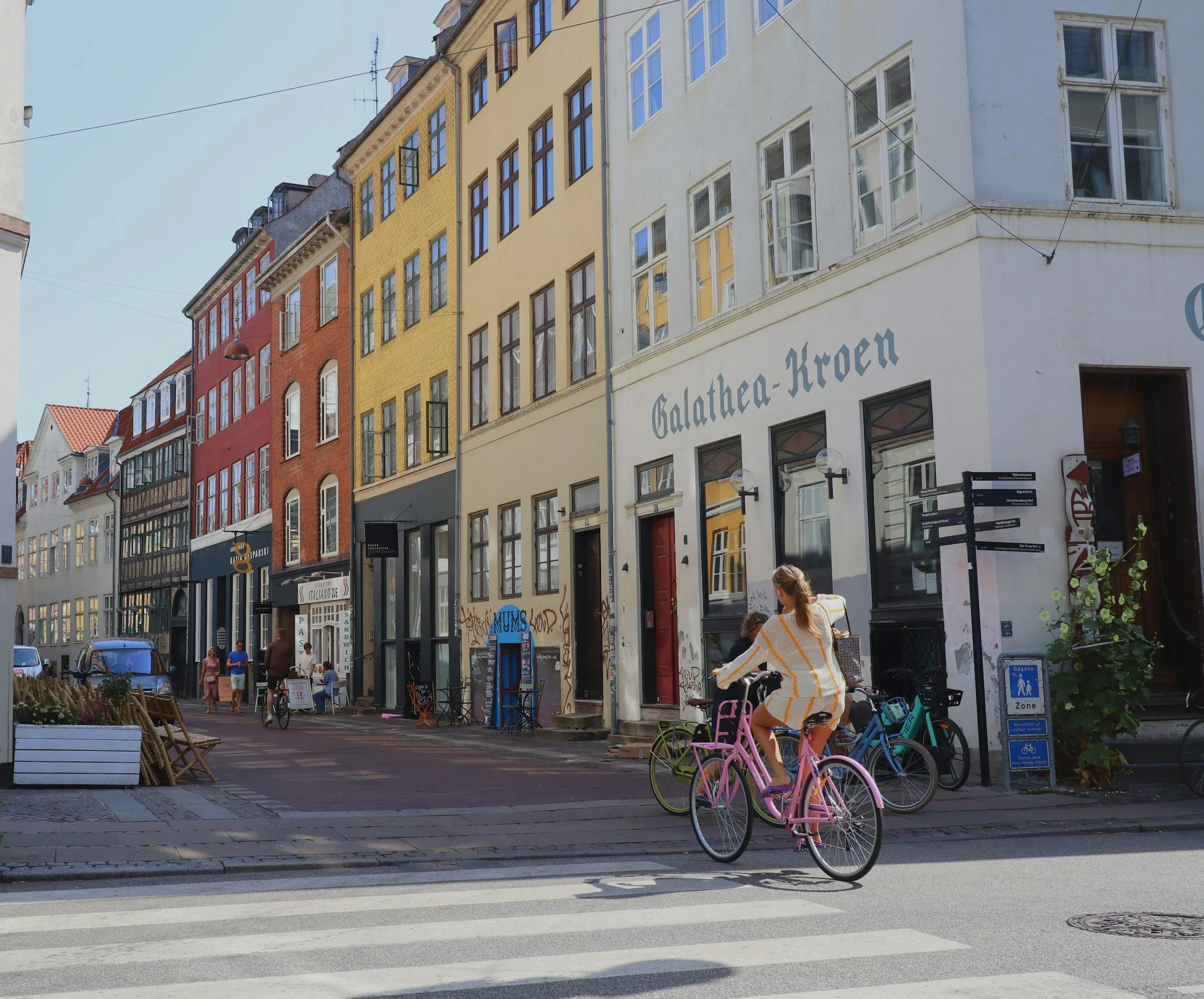
Copenhagen isn’t a city you have to figure out. It’s easy to move through, and that’s what makes it work for a slower kind of trip. You can walk most places, the streets are wide and calm, and there’s no pressure to pack your day.
Start around Nørreport and walk into the Botanical Garden early, before it fills up. It’s free, and the paths are quiet in the morning. The palm house is the main draw, but it’s the smaller corners and benches that make it worth it. Just outside, Democratic Coffee is an easy first stop. Small space, good coffee, and almond croissants that tend to sell out if you go too late. If you want more breakfast spots like this, there’s a full guide here.
From there, walk towards the lakes. The stretch between Dronning Louises Bro and Østerbro is one of the easiest routes in the city. People sit along the water, walk slowly, or just stop without really going anywhere. It’s one of those places where you don’t need a plan.
For something indoors, Glyptoteket is a good reset, especially on Tuesdays when it’s free. The winter garden, with palm trees under a glass dome, is where most people end up staying longer than expected.
If you want more space, Amager Strandpark is about 15 minutes by metro from the center. Long wooden walkways, open water, and enough room to feel like you’ve left the city for a bit. Closer in, King’s Garden works if you just want somewhere to sit for a while.
Christianshavn is worth a slow walk later in the day. The canals feel more residential, less busy. Stop at Andersen & Maillard for coffee or something small, then keep walking without much direction. That area works best when you don’t rush it.
Are you passionate about danish design? Then we think you’ll enjoy this read:
Zadar, Croatia
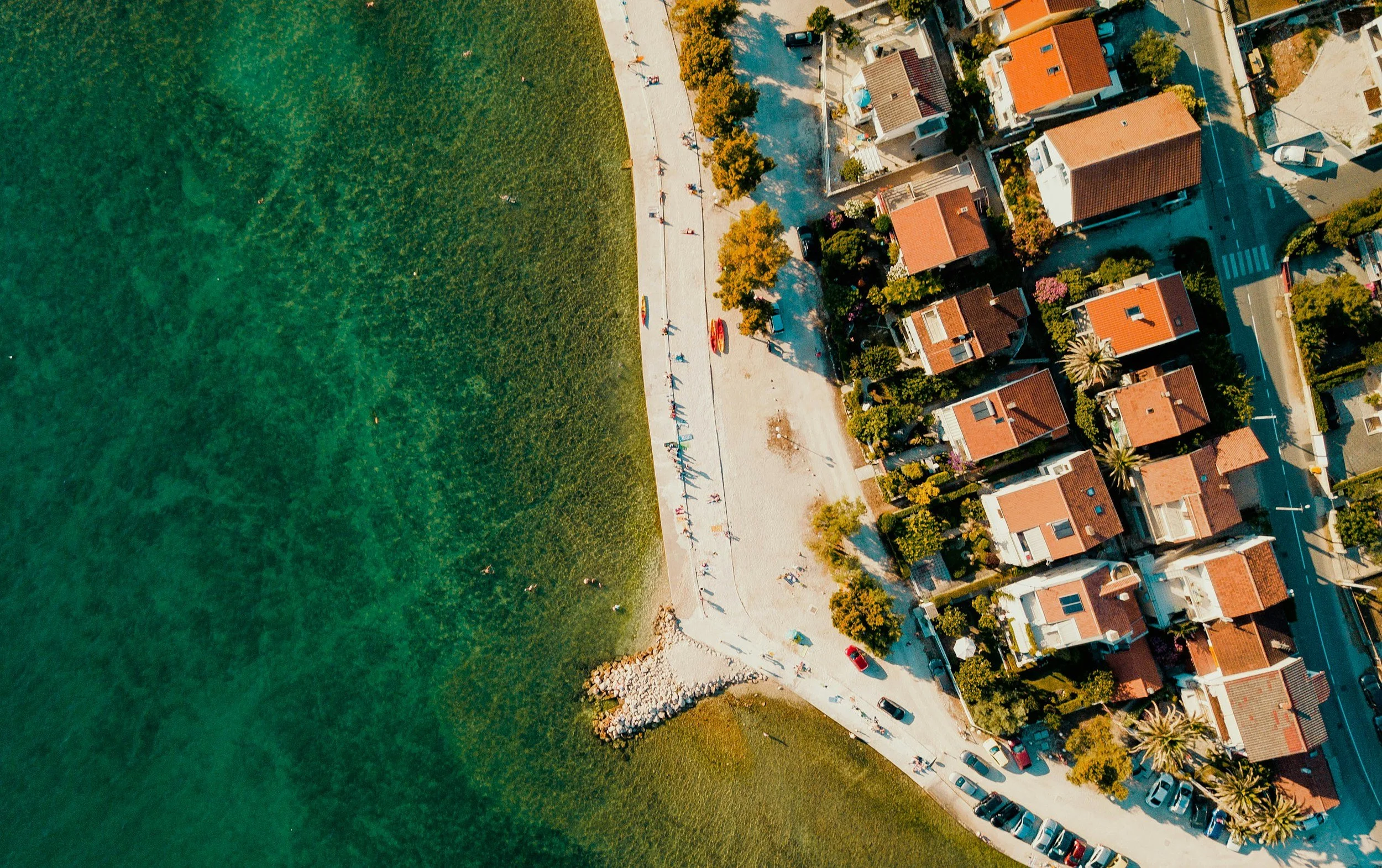
Zadar sits on Croatia’s northern Dalmatian coast and feels noticeably calmer than Split or Dubrovnik. The old town is set on a small peninsula, surrounded by water on almost all sides, which makes it easy to walk without thinking too much about where you’re going.
Start early, before the day heats up, and walk along the old city walls from Land Gate towards the seafront. The streets are still quiet at that time, especially around the smaller alleys just off Široka ulica. Near the harbor, bakeries like Pekara Zara open early. Grab something simple and eat it by the water before the crowds start to build.
The Sea Organ sits along the western edge of the old town. Stone steps built into the shoreline that turn the movement of the waves into low, shifting sounds. It works best when it’s quiet. Early morning or just before sunset, when people gather but don’t talk much, just sit and listen.
Right next to it, the Sun Salutation lights up after dark. It’s more subtle than expected, but worth passing by if you’re already there in the evening.
If you want to leave the city for a few hours, ferries to Ugljan leave regularly from the port. The crossing takes around 20 minutes. On the other side, it’s noticeably quieter. Small villages, simple waterfront paths, and beaches where you can stop without planning anything. Preko is the easiest place to start, but it’s worth walking a bit further out.
Back in Zadar, evenings are straightforward. The Riva fills up slowly, people walk along the water, and restaurants open up around the edges of the old town.
If you’re someone who prefers slow mornings, quiet cafés, and empty coastal paths, this one’s for you:
Puglia, Italy (off-season)
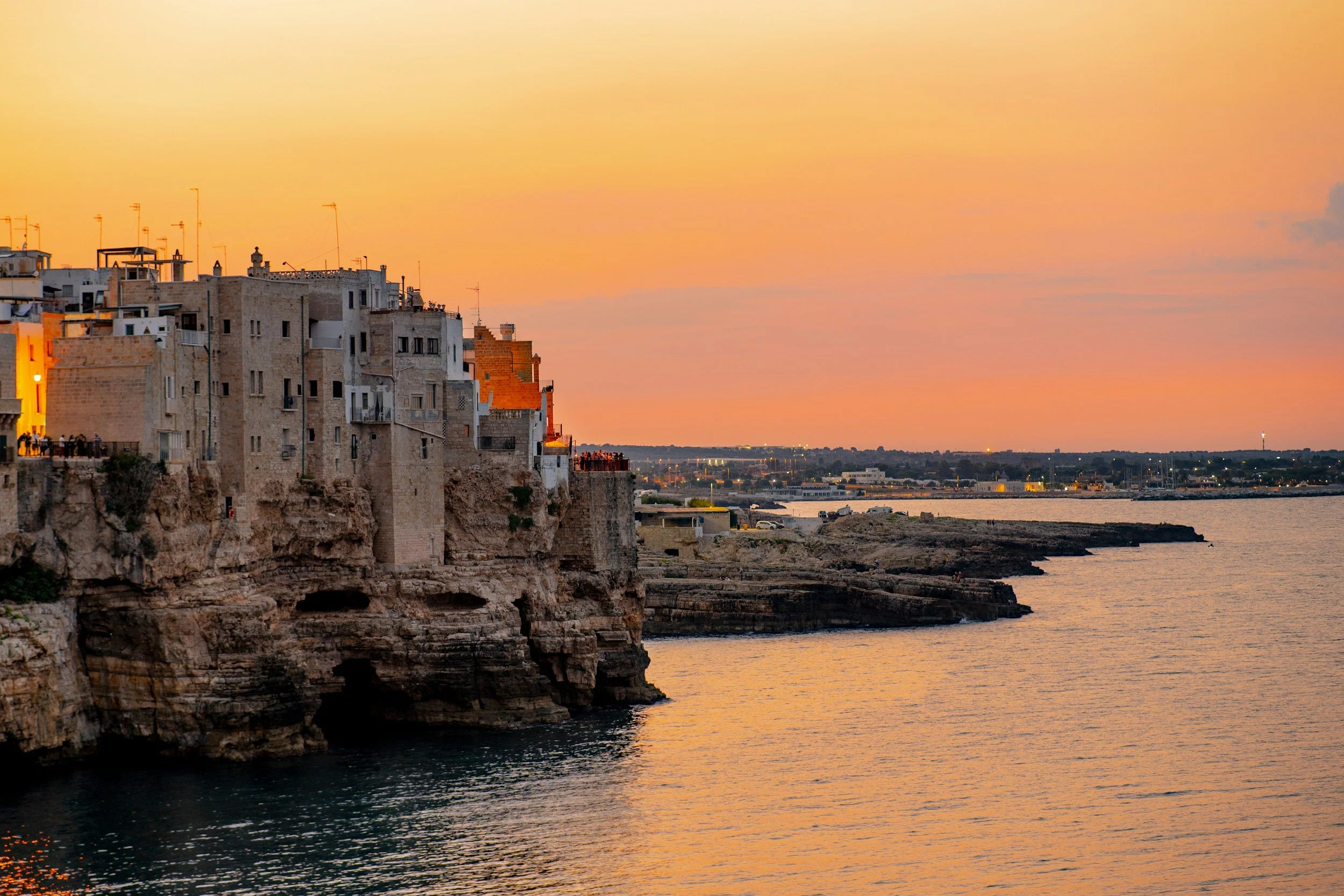
Puglia sits in the heel of Italy and stretches along the Adriatic for hundreds of kilometers, but it’s easier to think of it as a series of small towns connected by country roads. The pace depends a lot on when you go. In July and August, it fills up. Outside of that, it’s much quieter and easier to move through.
Ostuni is usually where people start. You see it from a distance first, white buildings stacked on a hill above olive groves that run all the way to the sea. Park just outside the old town and walk in. The streets narrow quickly, and it’s easy to lose your sense of direction, especially around Via Cattedrale and the smaller lanes that branch off it.
Late morning is a good time to stop for food. Simple places serve orecchiette with cime di rapa, bread, and a glass of something local. Nothing complicated, just done properly.
From there, it’s worth driving inland or along the coast rather than staying in one place. The roads between towns like Locorotondo, Martina Franca, and Alberobello cut through olive groves and low stone walls, with small farms and masserie spread out along the way. Some of these are still working farms, others have been turned into places to stay or eat.
Polignano a Mare is one of the busier spots, but it’s still worth seeing if you go early or later in the day. The old town sits right above the water, with narrow lanes that lead to viewpoints over Lama Monachile beach. It’s a place to walk through slowly, not rush.
If you have time, Matera is about an hour and a half away and easy to combine with Puglia. The sassi, cave dwellings carved into the rock, are spread across the hillside. It’s best in the evening, when the light softens and most people have left for the day.
Spring and early autumn are the easiest times to be here. Warm enough to swim, but without the crowds. You’ll need a car for most of this region, but that’s part of it. You drive, stop when something looks interesting, and build the day as you go.
Getting around Puglia is easiest by car, but if you’re mixing in other parts of Italy, this train-based route is a good place to start.
Bergen, Norway
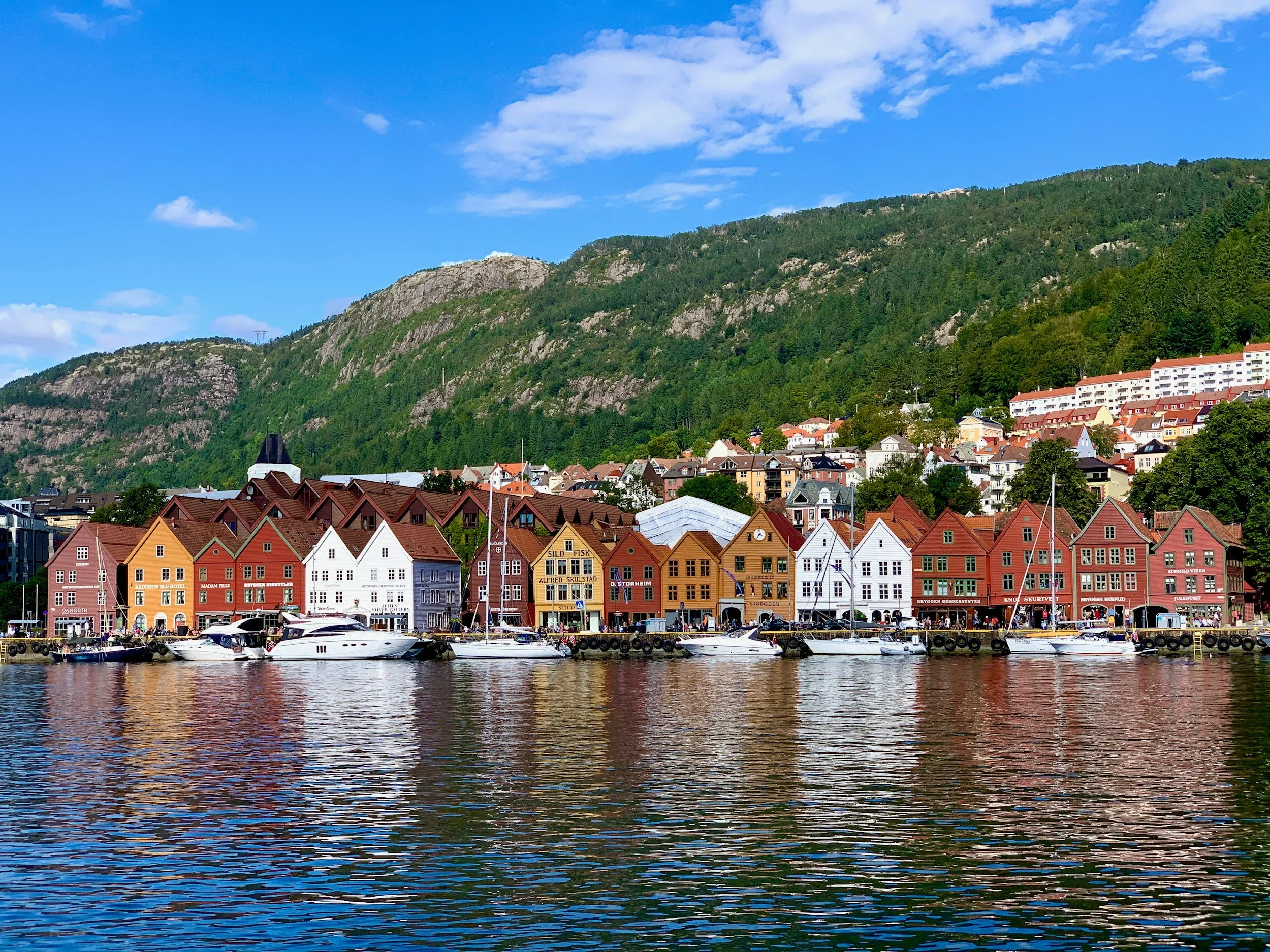
Bergen sits on Norway’s west coast, surrounded by mountains and water, and it’s easy to settle into from the start. The center is compact, everything leads back to the harbor, and you don’t really need a plan to move through it. If you’re building a slower route through this part of Europe, this broader Scandinavia guide is a good place to start.
Bryggen is where most people begin. The wooden buildings along the waterfront are busy in the middle of the day, but go early or later in the evening and it’s much quieter. Walk behind the front row into the narrow wooden passageways. Small shops, uneven floors, and corners that feel a bit removed from the main flow.
From there, it’s a short walk to the Fløibanen funicular. It takes a few minutes to reach the top of Mount Fløyen, but most people stop at the first viewpoint and don’t go further. If you keep walking, the paths lead straight into forest, and within ten minutes it’s noticeably quieter. There are small lakes, gravel paths, and plenty of places to stop without needing to go far.
Mount Ulriken is more exposed and a bit more physical. The cable car runs regularly, and from the top you can either stay for the views or hike down. It’s usually less crowded than Fløyen, especially outside peak hours.
Back down by the water, the harbor pulls you in again. The fish market sits right in the center. It’s more active during the day, but still worth passing through for something simple like fish soup or grilled salmon. If you’d rather sit somewhere quieter, there are smaller cafés and restaurants tucked just off the main square. If views matter, this guide to scenic spots across Scandinavia is worth a look.
If you have time for a day trip, boats leave directly from the harbor into the fjords. Routes like the one towards Mostraumen take you through narrow waterways, past waterfalls and steep rock faces, and within an hour the city feels far away.
Bergen is easy in that way. You don’t need to see everything. Walk along the harbor, head up into the hills, come back down, and stop somewhere without planning it too much.
Looking for more cozy getaways? Then you should read this: Quiet Spring Getaways in Europe
Ghent, Belgium
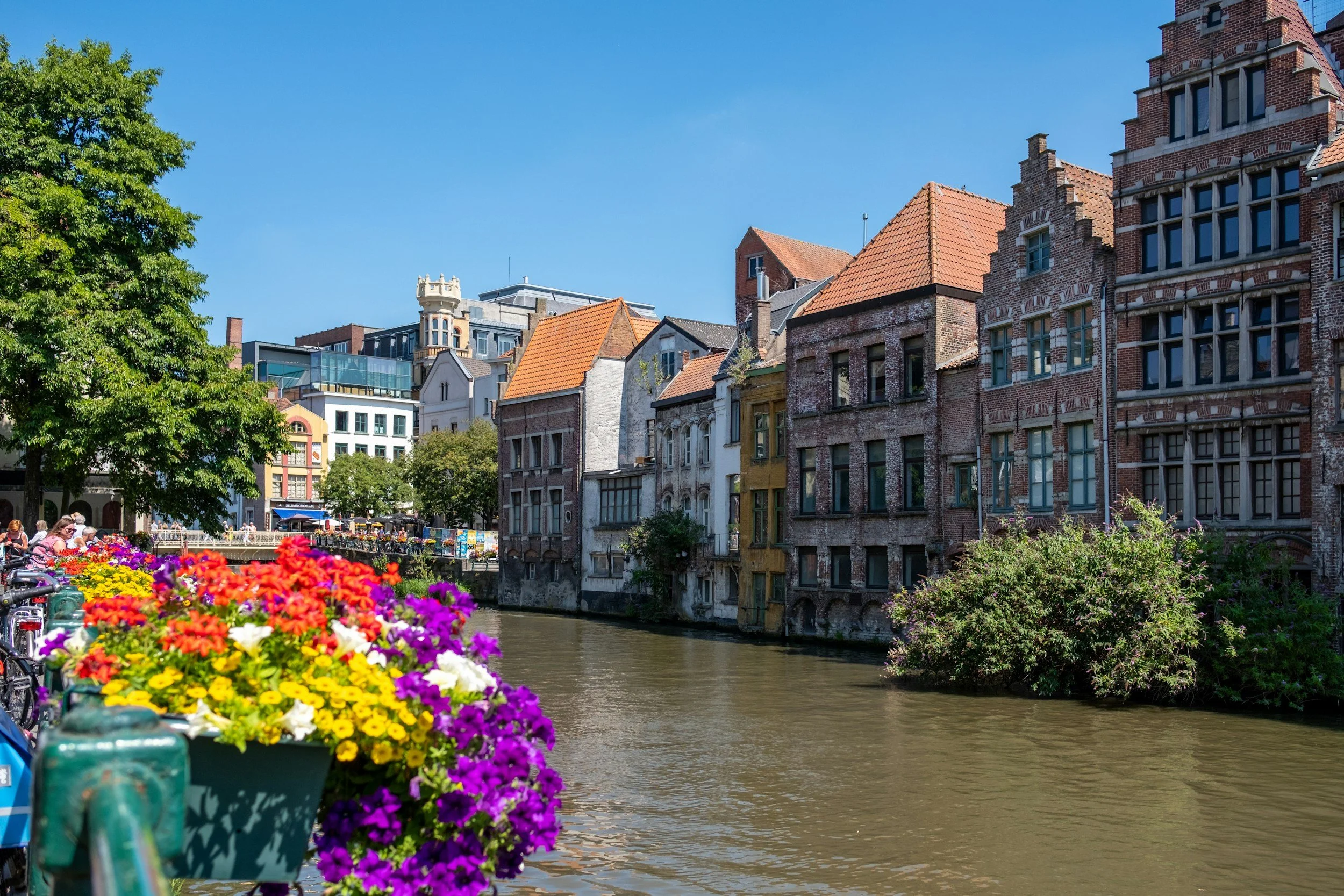
Ghent sits between Brussels and Bruges, but it feels noticeably less crowded once you’re there. Trains run in about 30–40 minutes from either city, and when you arrive at Gent-Sint-Pieters, it’s a short tram ride or a 25-minute walk into the center.
Most people pass through for a few hours, but it works better if you stay longer. Early in the morning, the area around Graslei and Korenlei is still quiet. Café chairs are being set out, delivery bikes move through the streets, and the canal is almost still. It’s one of the few times the center feels completely open.
Gravensteen Castle sits right in the middle of everything. You don’t really have to look for it. Walk a few minutes from the canal and it’s there, surrounded by smaller streets and bridges. If you go up, you get a clear view over the rooftops and the layout of the old town, which helps make sense of where you are.
Saint Bavo’s Cathedral is close by and easy to step into without planning. The Adoration of the Mystic Lamb is inside, but even without focusing on that, the space itself is worth seeing. High ceilings, filtered light, and a constant low hum of people moving through.
From there, it’s best to move without a route. Streets like Burgstraat and the smaller lanes behind Vrijdagmarkt are good to wander through. Less polished, more everyday. Small bakeries, local shops, and cafés that aren’t trying too hard.
Food is straightforward. Frites stands like Frituur Jozef or De Frietketel are easy to find, usually with a short line. Most people take them down to the canal and sit on the stone edges near Graslei. It’s the kind of place where you end up staying longer than planned without doing much.
If you want a café stop, places like Mokabon or OR Coffee are easy to drop into without making a detour. Nothing formal, just somewhere to sit for a bit before heading back out.
If you’re already in Belgium, there are smaller towns nearby that feel even quieter and slower.
Sintra, Portugal
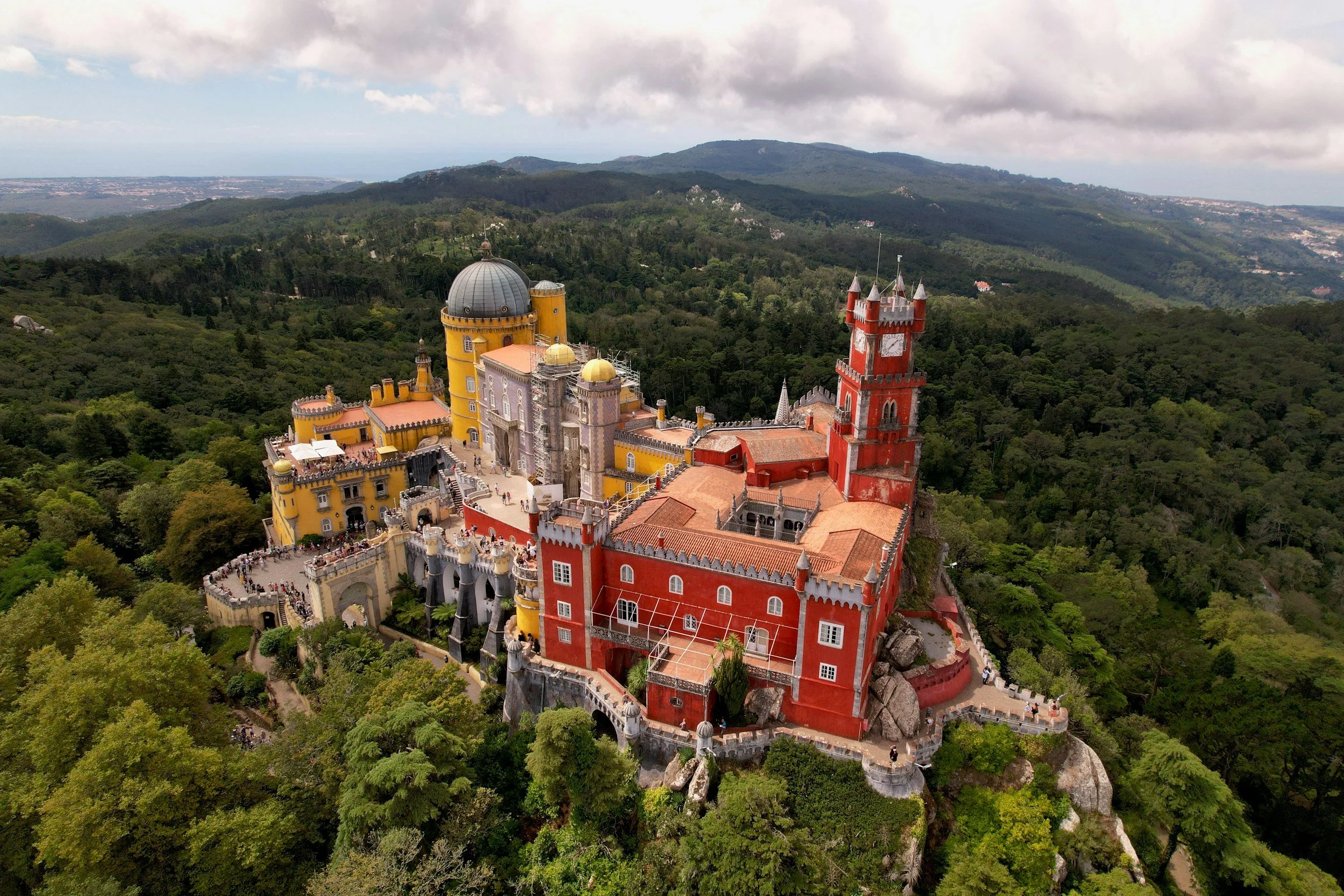
Sintra is about 40 minutes from Lisbon by train from Rossio station, which makes it one of the easiest day trips in Portugal. Trains run frequently, and once you arrive, everything shifts quickly. The air is cooler, the streets are quieter in the morning, and the hills are covered in dense forest instead of city blocks.
Most people head straight for Pena Palace, but it’s worth slowing that down. Start in the town center and walk uphill rather than taking the bus right away. The streets narrow quickly, especially around Rua das Padarias, with small bakeries and cafés opening early. It’s a good place to stop before heading further up.
The path to the Moorish Castle is one of the best walks in Sintra. It’s a steady climb through forest, mostly shaded, with occasional openings that look out over the hills and coastline. It takes around 45–60 minutes on foot from the center, depending on your pace. Early in the day, it’s quiet enough that you mostly hear birds and the wind through the trees.
Quinta da Regaleira sits closer to town and is easy to reach on foot in about 10–15 minutes. The grounds are more spread out than they look on a map. Stone paths, small towers, underground tunnels, and the Initiation Well, which you reach by a narrow spiral staircase that leads down into the garden. It’s easy to spend a couple of hours here without following a route.
If you stay longer, it’s worth moving beyond the main sights. The forest around Parque Natural de Sintra-Cascais has walking paths that connect different viewpoints and feel much less visited, especially midweek.
Sintra does get busy, but timing makes a big difference. Early mornings and late afternoons are noticeably quieter, especially outside peak summer months. Even on a day trip, you can avoid most of the crowds if you start early and stay a bit later.
Vis, Croatia
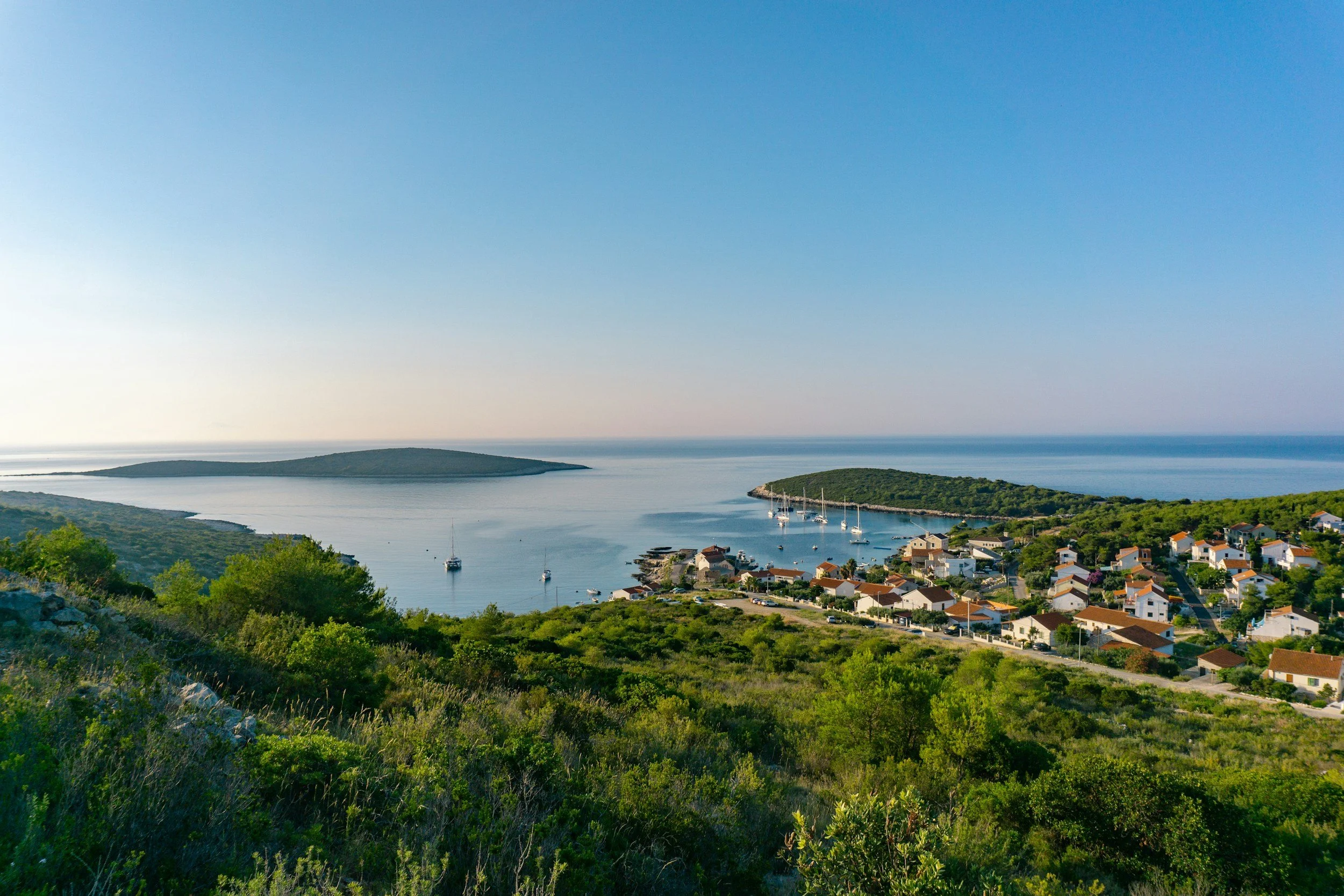
Vis sits further out than most Croatian islands, about 2 hours and 20 minutes by ferry from Split, and that distance makes a difference. Fewer day-trippers, less movement, and a slower pace once you arrive.
Most people stay in Vis Town or Komiža. Vis Town is quieter and more spread out, with a harbor lined with small boats and low-key cafés. Komiža, on the other side of the island, feels more compact, with narrow streets and a slightly more local rhythm, especially in the mornings.
In Vis Town, it’s easy to fall into a routine. Coffee by the water, a swim, then something simple to eat later on. Places like Pojoda or a small konoba near the harbor serve straightforward food: grilled fish, local wine, bread, olive oil. Nothing complicated, but done well.
Beaches are scattered around the island, and getting to them usually means a short drive or a boat. Stiniva is the most well-known. You can hike down in about 20 minutes or arrive by boat. It’s best early in the day, before it fills up. The cove is narrow, surrounded by steep rock, and once you’re down there, it feels cut off from everything else.
For something easier, beaches like Srebrna or Stončica are more open and less crowded, with space to stay for a few hours without needing to move.
The Blue Cave on Biševo is one of the few places that draws more people. Boats leave regularly from Komiža, and the timing depends on the light, usually late morning to midday. It’s quick once you’re inside, but still worth seeing if you go early or with a smaller group.
Getting around the island is easiest with a car or scooter. The roads cut through dry hills, vineyards, and small villages, and distances are short enough that you can stop whenever something looks worth it.
Vis works best when you don’t try to cover everything. Pick a place, stay a while, move on when you feel like it.
If your ideal version of travel involves sun-warmed herbs, handwritten menus, and quiet countryside villages where time stretches out between meals - Istria, Croatia is for you:
Where the Wild Herbs Grow: A Slow Food Journey Through Istria, Croatia
Sighişoara, Romania
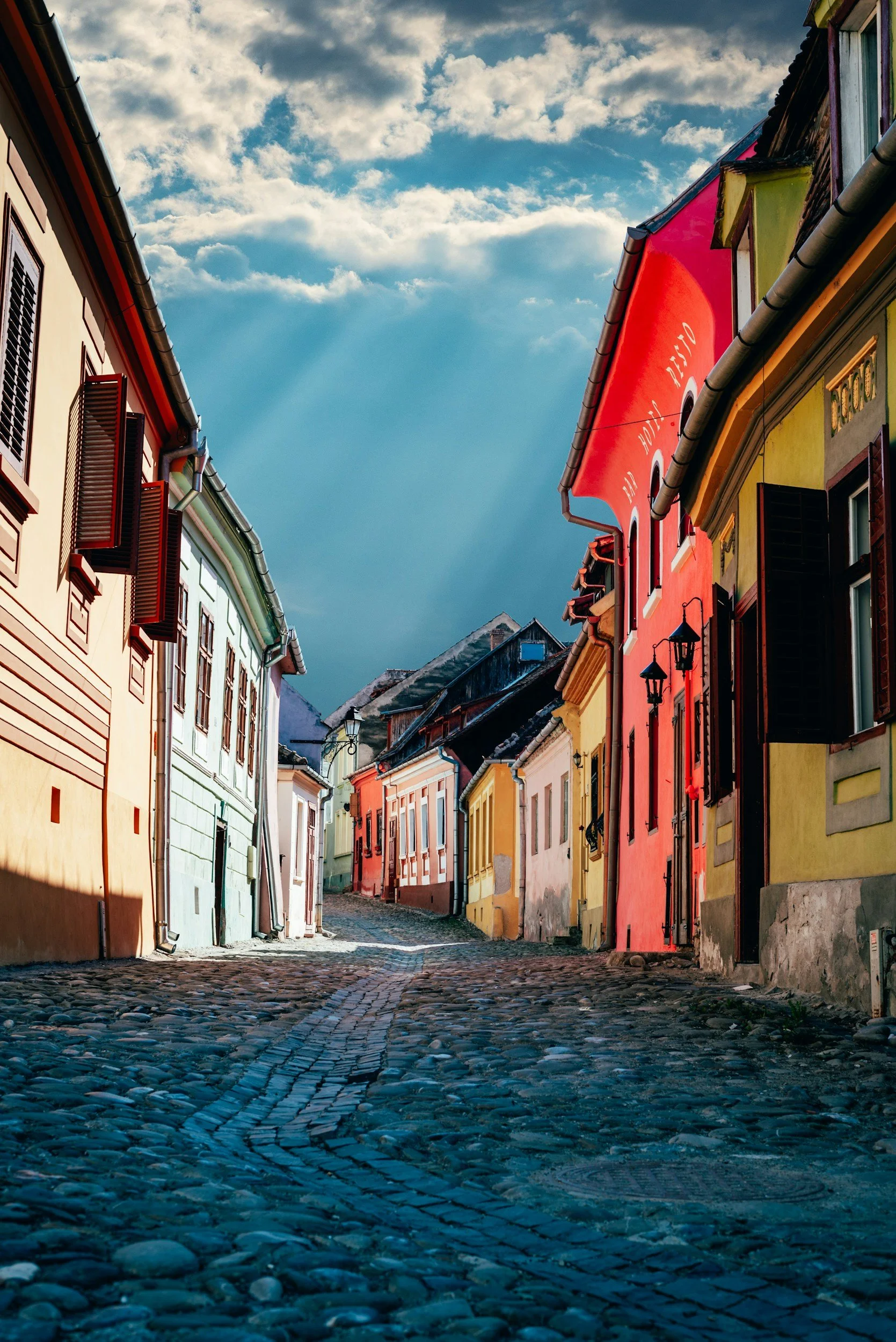
If you’ve ever wanted to step into a storybook without elbowing through crowds, Sighișoara might be your spot. Tucked away in the heart of Transylvania, this small Romanian town is one of Europe’s best-kept medieval secrets. Think narrow cobbled lanes, pastel houses, and quiet little squares where life hasn’t changed all that much over the centuries.
It’s a UNESCO World Heritage site, but it doesn’t feel touristy. The old town is walkable and peaceful, with small cafés, artisan shops, and cozy corners that invite you to slow down. You can spend the morning just wandering (past clock towers, old churches, and houses painted in soft yellows and pinks) and still feel like you’ve only scratched the surface.
You’ll hear whispers of Dracula here (this is the birthplace of Vlad the Impaler), but the real charm is in how lived-in it all feels. People still hang laundry out on balconies. There’s a calm rhythm to the streets, especially in the early morning or late afternoon when the day-trippers have gone.
Don’t miss climbing the wooden staircase to the Church on the Hill! It’s quiet, with great views over the rooftops. And take your time in Citadel Square. Grab a coffee, sit outside, and just watch the town go by. Sighișoara isn’t flashy. It’s slow, warm, and full of small details that make it easy to fall in love with.