The European stargazing destinations I'd return to again and again
Most stargazing holidays don’t turn out the way people expect. You book somewhere that looks remote, arrive, and realise the sky still feels washed out. Too many nearby lights, the wrong kind of location, or just not knowing where to position yourself once it gets dark.
Seeing a proper night sky in Europe isn’t about going as far as possible. It’s about choosing the right areas and staying somewhere that gives you easy access to real darkness. That usually means places slightly outside villages, near open land, or along quieter roads where artificial light drops off quickly after sunset.
This guide focuses on exactly that. Not just “beautiful destinations,” but specific regions and setups that actually work for stargazing. Areas like the Cévennes around Mont Lozère, the valleys above Torla in the Pyrenees, and the western side of the Lake District near Wasdale Head aren’t just scenic during the day. They’re places where, on a clear night, you can step outside and see the sky properly.
You’ll find where to go, where to stay, and what to pay attention to once you’re there. The small details make the biggest difference here, and getting those right is what turns this from a nice idea into something that actually feels worth the trip.

How to choose the right stargazing destination
Choosing where to go for stargazing in Europe isn’t really about finding the most remote place on the map. It’s about understanding what actually affects the sky once you’re there. Two places can look equally quiet online and feel completely different at night.
The first thing to pay attention to is light pollution, but not just in a general sense. You don’t need to analyse maps in detail, just zoom out and look at what’s nearby. Large cities like Nîmes, Zaragoza, or Manchester will affect the sky much further out than people expect. Even if you’re staying in the countryside, being within 30–50 km of a bigger city can still create a faint glow on the horizon.
This is why areas like Mont Lozère in the Cévennes or the valleys above Torla in the Pyrenees work so well. They’re not just rural, they’re positioned far enough away from major light sources, and often slightly elevated, which makes a noticeable difference once it gets dark.
The second thing people often overlook is where exactly they’re staying within a region. Being in a national park or a dark sky reserve helps, but it’s not enough on its own. Staying in the centre of a village, even a small one, usually means streetlights, passing cars, and ambient light that affects your night vision.
A better approach is to look just outside the main village. For example, instead of staying directly in Florac, look towards the roads leading up to Mont Lozère like the D20. In the Lake District, instead of Ambleside or Windermere, focus on areas around Wasdale Head or Ennerdale Bridge. These small shifts often make a bigger difference than changing countries entirely.
Another factor is landscape shape, which doesn’t get talked about enough. Valleys can feel dark, but they also block parts of the sky. If you’re surrounded by high slopes, your field of view is limited. This is why plateaus, open hills, or slightly elevated areas tend to work better. Places like Col de Finiels in France or the higher roads above Àger in Spain give you a wider sky without needing any equipment.
Then there’s altitude and air clarity. You don’t need to be high in the mountains, but even a few hundred metres of elevation can reduce haze and improve visibility. This is especially noticeable in the Pyrenees compared to lower regions nearby.
Weather plays a bigger role than people expect too. Coastal areas or regions with high humidity can soften the sky even if light pollution is low. That’s why inland areas like the Cévennes or parts of northern Spain often give clearer conditions than places that look equally remote near the coast.
Finally, think about access at night. The best stargazing destinations are the ones where you don’t have to drive around in the dark trying to find a spot. If you can step outside your accommodation and already be in low light conditions, you’re far more likely to actually spend time outside.
That’s also why glamping and small rural stays tend to work well. They’re often set slightly outside villages, on farmland or open land, where light is limited by default.
If you get these few things right, distance, positioning, openness, and access, you don’t need anything complicated. You don’t need equipment or perfect conditions. You just need to be in the kind of place where the sky is allowed to show up properly.
If you want more ideas beyond the obvious places, this list of quiet stargazing spots in Europe gives you more locations where the skies are genuinely dark.
Best time for stargazing in Europe
Timing makes a bigger difference than most people expect. You can be in the perfect location, far from any light pollution, and still feel underwhelmed if you’re there at the wrong time of year or even just the wrong time of night.
The biggest factor is how dark it actually gets.
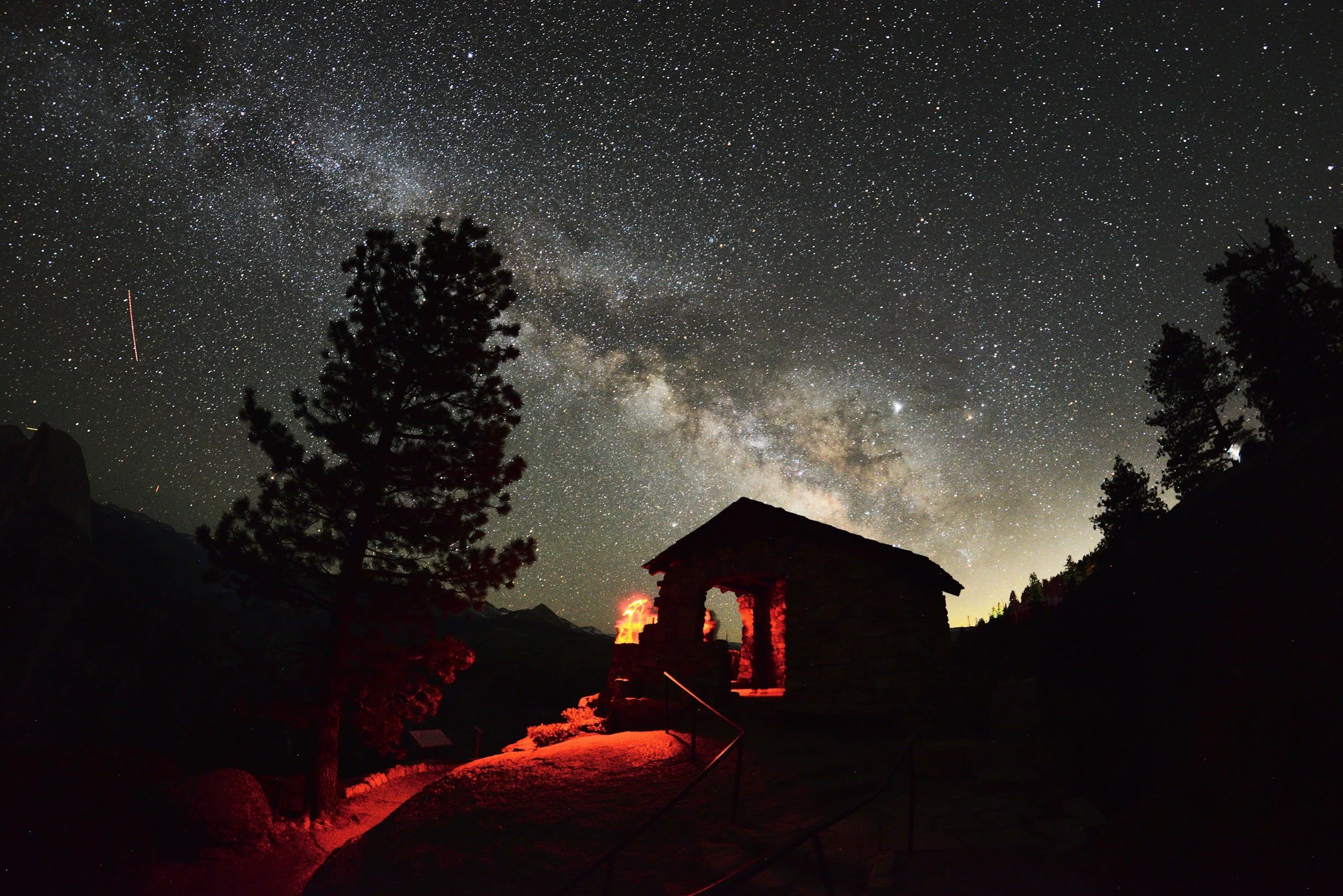
In northern and central Europe, especially places like the Lake District or even parts of France, summer evenings stay light for a long time. In June and early July, it often doesn’t get properly dark until around 23:00–00:00. If you head outside at 21:30, the sky will still feel quite flat, even in a dark sky area. This is where a lot of people think the location “isn’t that good,” when it’s really just timing.
Late August into September is usually the best balance. You still have relatively mild evenings, but darkness arrives earlier, often around 21:00–22:00 depending on where you are. In places like the Cévennes around Mont Lozère or the Pyrenees near Torla, this is when the sky starts to feel noticeably deeper without needing to stay up too late.
October can be even better in terms of darkness. Nights are longer, and the air is often clearer, especially in inland areas. If you’re somewhere like the Spanish Pyrenees or southern France, it’s still comfortable enough to sit outside for a while. In the UK, it can work well too, but weather becomes more unpredictable.
Winter is a bit different. On a clear night, visibility can be incredible. The air is sharper, and darkness comes early. But you’re relying more on luck with weather conditions. In places like the Lake District or northern Spain, cloud cover can be frequent, so it’s less consistent unless you’re staying multiple nights.
Then there’s meteor shower timing, which people often plan around. The Perseids in mid-August are the easiest to catch, especially in places like the Cévennes plateau or the Pyrenees. But even then, you don’t need to hit the exact peak night. Being there within a few days of it is usually enough, as long as the sky is clear.
Another detail that makes a difference is moon phases. A bright full moon can wash out a lot of the sky, even in very dark areas. If you’re planning specifically around stargazing, it’s worth checking that you’re not travelling during a full moon week. New moon periods, when the sky is naturally darker, make a noticeable difference.
And finally, time of night still matters, even in the right season. The sky tends to be at its darkest later in the evening and into the early hours. You don’t need to stay up all night, but giving it that extra hour or so after it first gets dark changes what you’ll see.
If you want to keep it simple:
Late August to early October, away from full moon dates, and staying outside a bit longer than you initially planned is usually where everything starts to come together.
For trips that mix night skies with slow days and cozy cafés, these cozy European towns are a good match for that kind of travel.
Where to stay for stargazing (glamping focus)
Where you stay matters just as much as where you go. You can pick the right region, time it well, and still end up with a disappointing sky if your accommodation is too close to light or not positioned well.
This is where glamping tends to work better than hotels.
Most hotels are placed in or near town centres, which means street lighting, car movement, and ambient light that never fully disappears. Even in smaller places like Florac in the Cévennes or Ambleside in the Lake District, that background light is enough to affect what you see once your eyes adjust.
Glamping setups, on the other hand, are often placed slightly outside villages, on farmland or open land where there’s less infrastructure. That alone makes a noticeable difference. You don’t need to plan a late-night drive or search for a “spot.” You just step outside and you’re already in the right conditions.
In southern France, around the Cévennes, many of the better stays sit just beyond the last streetlights rather than deep in the villages. Along roads like the D20 heading up towards Mont Lozère, you’ll find small-scale setups where the surroundings stay quiet after sunset. These aren’t always heavily marketed, but they’re often the ones that work best.
In the Pyrenees, places just outside Torla or along the HU-631 towards the Bujaruelo Valley tend to have the right positioning. Even moving 10–15 minutes away from the centre makes a difference. Around Aínsa and Labuerda, smaller farm stays and eco-cabins are often set back from the main roads, which helps reduce light and noise at night.
In the Lake District, the same pattern applies. Instead of staying in Windermere or Ambleside, look towards quieter areas like Eskdale, Wasdale Head, or the edges of Ullswater. Glamping pods or cabins in these areas are often placed with more space around them, which gives you better access to darker skies without needing to go anywhere.
Another thing to pay attention to is how the accommodation is set up. Some glamping sites are designed more like small villages, with lighting paths, shared areas, and close spacing between units. Others are more spread out, with minimal lighting and direct access to open land. For stargazing, the second option always works better.
It’s also worth checking simple details before booking:
Are there outdoor lights that stay on all night?
Is the accommodation facing open land or surrounded by trees/buildings?
Can you step outside and move a few metres away from light easily?
These are small things, but they’re what determine whether you actually spend time outside at night or just look up briefly and go back in.
Price-wise, most glamping stays in these kinds of areas fall between €60 and €150 per night depending on the season. Simpler setups like bell tents or farm stays tend to sit at the lower end, while domes or more designed cabins are slightly higher. But you don’t need to spend more to get a better sky. In many cases, the simpler places are positioned better.
The goal isn’t to find the most unique accommodation. It’s to find somewhere that makes it easy to step outside, stay outside, and actually experience the sky without effort.
Dark sky reserves in Europe: where stargazing actually works
“Dark sky reserve” sounds like something you need to research properly before it makes sense, but in reality, it’s quite simple. These are areas where light pollution is actively controlled, which means you’re not just relying on luck or “it looks remote on Google Maps.” You’re going somewhere that’s been protected for this exact reason.
But here’s the part most guides don’t explain: being inside a dark sky reserve doesn’t automatically mean you’ll get the best view. Where you stay within that area matters more than the label itself.
Take Cévennes National Park. A lot of people stay in Florac or Le Pont-de-Montvert because they’re easy to reach. And they’re nice, but you’ll still have streetlights, parked cars, and a bit of evening movement. If you drive 20 minutes up towards Mont Lozère, especially along the D20 between Le Pont-de-Montvert and Col de Finiels, everything changes. There are long, open stretches with no visible light at all. If you stop near the Col de Finiels parking area and just step a little away from the road, it gets properly dark within minutes. You don’t need to “find a spot.” That’s the spot.
Same thing in northern England. Northumberland International Dark Sky Park is often mentioned, but people base themselves too far south. Around Hexham, it still feels quite lit. If you go further up towards Kielder, especially near Kielder Water or along Lakeside Way, it’s noticeably darker. Even small details help here. If you park near Tower Knowe and walk a short distance away from the main road lights, your view improves straight away.
In Spain, Montsec Astronomical Park is one of those places that doesn’t get as much attention, but it should. Most people stay around Àger, which is a good base, but if you want a clearer sky, look slightly above the village. Roads climbing up towards the Serra del Montsec ridge give you a wider horizon and less ground-level light. It doesn’t feel like a big move when you’re driving, but once you’re outside at night, it’s obvious.
There are a few things that make a bigger difference than people expect:
First, time of night. In summer, especially June and July, it doesn’t get properly dark until late. If you go out at 21:30, you’ll think the sky is “fine.” If you stay out until 23:00–00:00, it’s completely different. This is especially noticeable in places like Mont Lozère or the Pyrenees.
Second, your surroundings at ground level. You don’t need to go somewhere dramatic. Just stepping away from a building, turning your back to a road, or moving a few metres away from a parked car with lights can make a big difference. In quieter areas like the Cévennes or Montsec, these small adjustments are often enough.
Third, elevation and openness. Valleys can feel dark, but they also block parts of the sky. That’s why places like Col de Finiels or higher ground above Àger work so well. You get a wider view without needing any special equipment.
If you’re planning a trip around this, don’t just search for “dark sky reserve” and book the first place that comes up. Look at the smaller details. Is it near a main road? Are you in the centre of a village? Is there open land nearby where you can step outside easily?
That’s also why glamping tends to work well in these areas. A lot of the setups are placed just outside villages or on farmland where there’s less light to begin with. You don’t have to drive anywhere late at night. You just step outside your tent or cabin and you’re already in the right conditions.
If you’re based in Berlin or passing through, the Westhavelland Dark Sky Reserve is one of the easiest places to reach for proper night skies without a car.
Observatory Tours: Get Closer to the Stars
Observatory visits can sound a bit serious, but they’re actually one of the easiest ways to make stargazing feel more real. Instead of standing outside wondering what you’re looking at, you get someone pointing things out, adjusting the telescope, and explaining it in a way that actually sticks.
The difference compared to regular stargazing is simple: you leave knowing what you’re looking at, not just that it looked nice.
In southern France, Observatoire du Mont Aigoual is a good example of this done well. It sits high up above the Cévennes, and just getting there is part of it. The drive up along the D986 from Valleraugue is narrow and winding, especially the last stretch near the summit. Most people arrive before sunset, stay for the evening session, and then head back down slowly once it’s fully dark. If you step just a few metres away from the building itself, the sky already feels clearer than anything lower down around Florac or Anduze.
In Spain, Parc Astronòmic del Montsec is one of the most complete setups you’ll find without it feeling overly staged. It’s just outside Àger, along the LV-9047 road, and you’ll notice how quiet it gets as you drive up. Their night sessions usually start with a short indoor explanation, then move outside to the telescopes. What makes it work is that you’re not rushed. You actually get time to look, ask questions, and adjust to the dark properly.
If you’re in the UK, Kielder Observatory is worth planning around in advance. It’s deep inside Kielder Forest, and the last part of the drive off the B6357 is completely unlit. If you’ve never driven there before, it’s much easier to arrive before it gets dark. Once you’re there, the setup is relaxed. Small groups, lots of time outside, and people moving between telescopes rather than sitting through something formal.
A few small things that make a big difference, and that people don’t always think about:
Try to book the later evening sessions, especially in summer. Earlier slots can still have a bit of light in the sky, which affects what you see through the telescope.
Give yourself time outside before the session starts. If you go straight from a lit car park into a bright indoor room, your eyes never fully adjust. Even just standing outside for 10–15 minutes first makes a difference.
And don’t expect everything to happen through the telescope. A lot of the value is in learning where to look. Once someone shows you how to find a constellation or a planet, you’ll start noticing it again later when you’re back at your accommodation, whether that’s a tent in the Cévennes or a cabin in the Pyrenees.
Observatory visits aren’t something you need to build your whole trip around, but they add a different layer to it. You go from just looking up at the sky to actually recognising parts of it, and that changes the experience more than you’d expect.
Meteor shower viewing: when and where it’s actually worth planning around
Meteor showers sound like something you build a whole trip around, but most of the time, expectations are a bit off. It’s rarely constant streaks across the sky. It’s slower, quieter, and much more about patience. But when you’re in the right place, at the right time, it’s one of the few stargazing experiences that genuinely feels different from a normal night.
The most reliable one in Europe is the Perseid meteor shower in mid-August. You don’t need to overthink the exact date, just aim for roughly 10–14 August. The real difference comes from where you watch it.
In southern France, areas around Mont Lozère work particularly well because of the open plateau. If you’re staying near Pont-de-Montvert, it’s worth driving up the D20 towards Col de Finiels after sunset. There are a few informal pull-off areas along the road where people stop, but if you walk even slightly away from the road, it gets noticeably darker. The elevation also gives you a wider view of the sky, which matters more for meteor showers than for regular stargazing.
In Spain, the valleys above Torla near Parque Nacional de Ordesa y Monte Perdido are another good option. The HU-631 road towards the Bujaruelo Valley is quiet late at night, and once you’re a bit outside the village, there’s very little light. You don’t need to hike anywhere. Just being in the right area, away from buildings, is enough.
If you’re in the UK, you’re more dependent on weather, but places like Kielder or the western side of the Lake District (Wasdale, Ennerdale) can still work well. The key is flexibility. If the forecast looks clear, go for it. If not, it’s better to adjust rather than force it.
A few things that make a bigger difference than people expect:
You don’t need to “look for” meteors in a specific spot. In fact, it’s better not to. Find a wide, open view of the sky and just let your eyes wander. Meteors can appear anywhere, and the wider your field of vision, the more you’ll catch.
Avoid using your phone. Even checking it briefly resets your night vision more than you realise. If you’re staying somewhere like a glamping site, it’s worth setting things up so you can stay outside comfortably without needing to go back and forth.
Timing matters, but not in a complicated way. The best window is usually after midnight into the early hours, when the sky is darkest and the Earth is rotating into the stream of debris. But even earlier in the night, you’ll still see activity if conditions are good.
And one thing that’s rarely mentioned: don’t plan this as a one-night experience if you can avoid it. Even staying two or three nights increases your chances massively, especially in places where weather can change quickly, like the Lake District or the Pyrenees.
Meteor showers aren’t constant, and they’re not guaranteed. But when you’re somewhere properly dark, lying back outside your accommodation, and one cuts across the sky unexpectedly, it’s enough to make the whole trip feel worth it.
Mistakes people make when planning a stargazing trip
This is one of those things that looks simple on paper (find a dark place, look up) but in reality, small decisions can completely change the experience. These are the mistakes that come up again and again, especially in Europe where light pollution, terrain, and timing matter more than people expect.
Choosing the “right place” but the wrong exact spot
A lot of people book a stay in a well-known dark sky area and assume that’s enough. But within the same region, the difference can be huge.
Take Exmoor National Park for example. Staying in the village of Dulverton still means streetlights, passing cars, and light spill from nearby houses. Drive 10–15 minutes out toward Porlock Common or the higher moorland roads near Simonsbath, and suddenly the sky opens up completely.
Same in Montsec Astronomical Park: the official viewpoint near the observatory is good, but if you follow the small road past Àger toward Coll d’Ares, you’ll find quieter pull-offs with less foot traffic and a clearer horizon.
It’s not just about the destination… it’s about the exact positioning once you’re there.
Not checking the moon phase (this ruins more trips than weather)
People obsess over cloud forecasts but forget the moon.
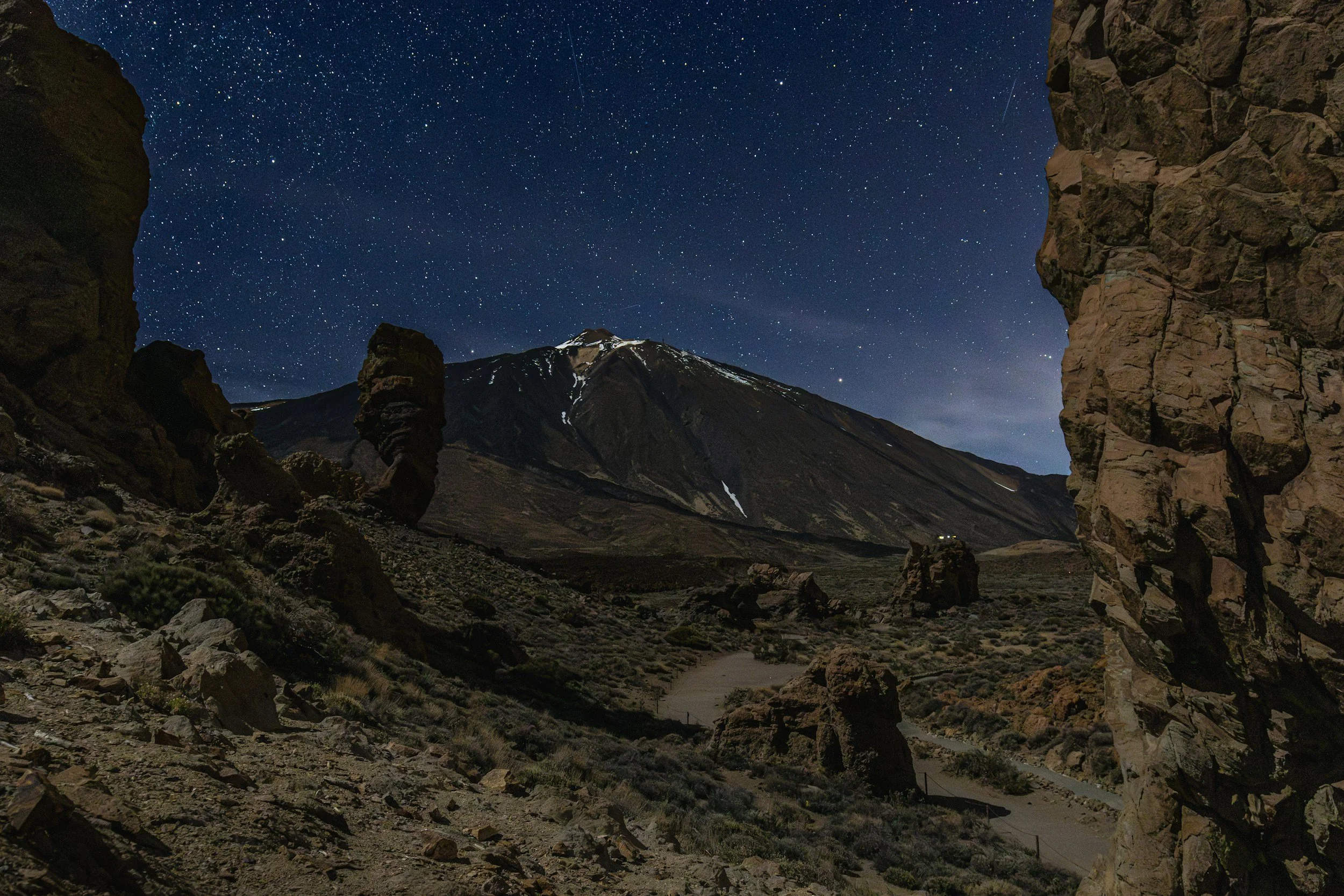
A bright full moon will wash out most stars, especially in places that aren’t completely remote. Even in areas like Cévennes National Park, a full moon can make the sky feel flat and disappointing.
New moon or the days just before/after are what you want. It’s the difference between seeing a handful of stars and seeing the Milky Way clearly.
Arriving too early and leaving too soon
This happens constantly. People go out around 9 or 10 pm, don’t see much, and assume the conditions aren’t good.
In southern Europe, especially in summer, true darkness doesn’t settle until much later. Around Alqueva Dark Sky Reserve, the sky often isn’t fully dark until after 11 pm. And the best visibility usually comes between midnight and 2 am.
That window is when the sky feels deeper, quieter, and far more detailed. Leaving too early means missing the entire point of the experience.
Staying somewhere that looks remote… but isn’t dark
This one catches a lot of people off guard.
A countryside hotel surrounded by fields doesn’t automatically mean dark skies. Light pollution travels far, especially in flatter landscapes.
In regions like Provence, for example, you can be in a beautiful rural setting and still get glow from nearby towns like Avignon or Orange. Moving slightly north into areas closer to the Cévennes foothills makes a noticeable difference.
This is where glamping sites often do better! Many are intentionally placed further from light sources, and some are specifically designed for night sky visibility.
Overplanning the experience
People often treat stargazing like a checklist: arrive, take photos, tick it off.
The reality is slower. Your eyes need 20–30 minutes to fully adjust. The sky changes gradually. Constellations shift, satellites pass, shooting stars appear when you’re not expecting them.
The best experiences usually come from staying in one spot longer than planned, like sitting quietly, letting the darkness settle, and not constantly checking your phone or camera.
Focusing too much on photos instead of the actual experience
It’s tempting to try to capture everything, especially if you’ve seen incredible images online.
But most of those photos are long exposures or edited. What you see with your eyes is different… softer, more subtle, but also more real.
Spending the entire time adjusting camera settings often means missing the atmosphere completely. The silence, the scale, the feeling of being somewhere truly dark . that’s the part people remember, not the photo.
Not preparing for temperature drops
Even in summer, nights in open landscapes can get surprisingly cold.
Places like Aoraki Mackenzie Dark Sky Reserve are known for dramatic temperature shifts, but the same applies across Europe. Especially in elevated areas like the Cévennes or inland Spain.
Being slightly cold might not sound like a big deal, but it shortens how long you stay outside. And since stargazing is all about time and patience, that matters more than people think.
Expecting constant “wow” moments
This is a quiet one, but important.
Stargazing isn’t a constant stream of dramatic moments. It’s slow, subtle, and often quiet. There might be long stretches where nothing “happens” - and then suddenly a shooting star crosses the sky.
People who go in expecting something cinematic every second often leave disappointed. The ones who enjoy it most are the ones who settle into the stillness and just relax.
FAQ: stargazing holidays and astronomy travel in Europe
Where are the best places for stargazing in Europe with low light pollution?
The best places are areas officially recognised for dark skies, but the exact spot you choose still matters. In Alqueva Dark Sky Reserve, even a short drive outside Monsaraz toward smaller rural roads will give you a completely open sky with almost no artificial light. In Cévennes National Park, higher points near Mont Aigoual tend to offer clearer visibility than valley villages. Montsec Astronomical Park is another reliable area, especially along the road between Àger and Coll d’Ares where you can pull over and step straight into darkness.
Can you see the Milky Way in Europe with the naked eye?
Yes, but only in very dark conditions. In places like Alqueva Dark Sky Reserve and parts of the Cévennes, the Milky Way is visible during summer nights with no moon. It appears as a soft, cloud-like band rather than a bright, detailed image. Timing is everything here. Clear skies and a new moon make a much bigger difference than the country you are in.
When is the best time for stargazing in Europe?
The best time is around the new moon, not a specific month. Even in peak summer, a full moon will reduce what you can see. For the clearest skies, aim for May to October with dry, stable weather. Winter can also be excellent, especially in southern Europe, where colder air often means sharper visibility.
What is the best time of night to see stars clearly?
The best time is usually between 11 pm and 2 am in summer. In autumn and winter, it can start earlier. In places like Exmoor National Park, the sky may look dark at 9 pm, but the real clarity often comes closer to midnight when your eyes have fully adjusted and surrounding light feels less noticeable.
How dark does it need to be for proper stargazing?
Darker than most people expect. If you can clearly see the ground around you without a flashlight, it is not fully dark. Even small villages can create enough light glow to reduce visibility. The best conditions are when the landscape around you fades into shadow and the sky becomes the brightest thing you see.
Can you go stargazing in Europe without a car?
Yes, but your options are more limited. Some areas in Cévennes National Park or near Exmoor National Park allow you to stay within walking distance of darker areas. That said, having a car makes a big difference. It allows you to move away from light sources and adjust your location if conditions change.
Is stargazing in Europe worth it compared to places like Iceland or New Zealand?
Yes, if you choose your location carefully. While places like Aoraki Mackenzie Dark Sky Reserve are known for extreme darkness, parts of southern Europe can offer very similar visibility. The advantage in Europe is accessibility. You can reach high-quality stargazing spots without long-distance travel if you plan well.
Why can’t I see as many stars as in photos?
Because most photos use long exposure. The human eye sees fewer stars, but with more depth and movement. What makes the experience special is not the brightness, but the way the sky slowly reveals more detail the longer you stay outside.
How long should you stay outside to see more stars?
At least 30 minutes. Your eyes need time to adjust fully. Many people leave too early and miss the moment when the sky becomes noticeably clearer. The longer you stay, the more stars you will begin to notice.
Do I need equipment for stargazing on holiday?
No. Most of the experience comes from being in a truly dark place. Binoculars can help you see more detail, but they are not necessary. If you visit places like Montsec Astronomical Park, guided sessions often include telescopes, so you do not need to bring anything yourself.
What should I bring for a stargazing trip?
Warm layers are essential, even in summer. Temperatures drop quickly after sunset, especially in open landscapes. A blanket or reclining chair makes it easier to stay outside longer. A red-light flashlight helps preserve your night vision. Comfort matters more than equipment.
Is it better to go stargazing in the mountains or by the coast?
Both can work well. Mountains often provide clearer air and wider views, especially above tree lines. Coastal areas like Alentejo can feel more open, but humidity can sometimes soften visibility. Distance from artificial light matters more than whether you are inland or by the sea.
What are the most common mistakes people make when planning a stargazing trip?
The biggest mistakes are not checking the moon phase, choosing a place that is not actually dark, and leaving too early in the evening. Many people also underestimate how long it takes for their eyes to adjust. Small changes in timing and location usually have a bigger impact than anything else.