
Winter might be my favourite season in Portugal's Alentejo
You arrive in Évora just before dusk, when the streets start to empty and most day visitors have already left for Lisbon. The temperature drops quickly in winter, and the centre settles into a quieter rhythm that is very different from the warmer months. Cafés along Rua 5 de Outubro stay open, but without the daytime queues, and places like Livraria Nazareth or the smaller bookshops near Praça do Giraldo feel unhurried in a way that is hard to find elsewhere in Portugal.
This is the version of Alentejo that tends to be overlooked. Winter here is not about events or seasonal highlights, but about how the towns actually function outside peak travel periods. In Évora, Estremoz, and Vila Viçosa, daily life continues at a steady pace, with local bakeries opening early, lunch still served on a fixed schedule, and evenings centred around a small number of restaurants that stay open year-round. It is easy to move between these towns by car, usually within 30 to 45 minutes, and the distances are short enough to plan days without rushing.
The focus of this guide is not on covering the region broadly, but on showing how to spend a winter stay in Alentejo in a way that works in practice. That means knowing which towns remain active in the off-season, where to find cafés that are open in the afternoon, how bookshops and small cultural spaces fit into a slower itinerary, and what to expect when planning your days around shorter opening hours.
What Alentejo is actually like in winter
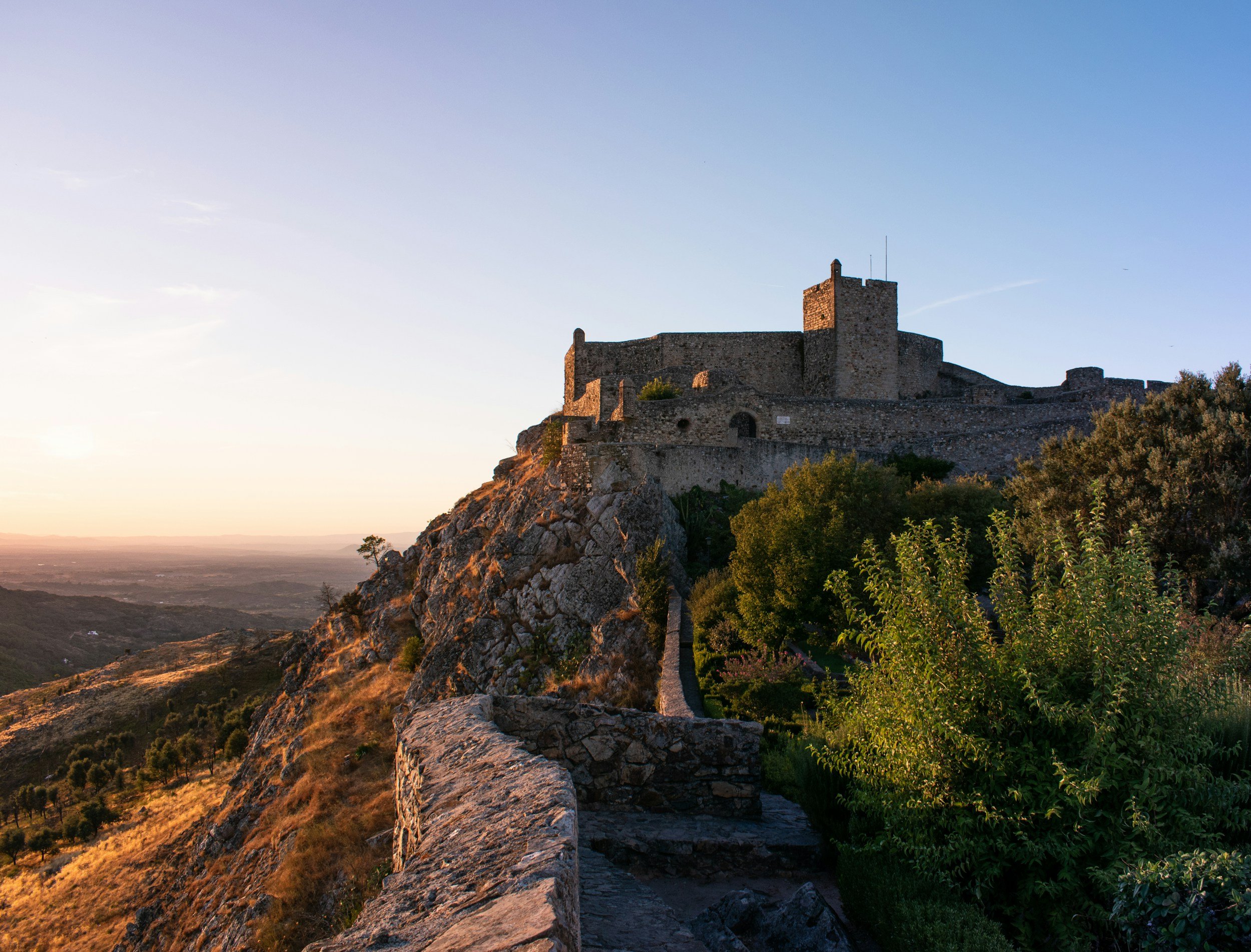
Alentejo changes quite noticeably once you are outside the warmer months, and most of what people associate with the region in summer no longer applies. You are not dealing with heat, long outdoor lunches, or the same volume of visitors moving between towns like Évora, Monsaraz, and the coast. Instead, the focus shifts to how these places function on a normal week in January or February, when shops follow regular opening hours and cafés are used by locals rather than day visitors.
In Évora, mornings start early but quietly. Bakeries such as Pastelaria Conventual Pão de Rala on Rua Cândido dos Reis open before 08:00, and by 09:00 most of the movement is concentrated around people running errands rather than sightseeing. By mid-morning, streets like Rua 5 de Outubro are open, but without the constant foot traffic you see later in the year. Smaller bookshops and stationery stores near Praça do Giraldo open gradually, often closing for a longer lunch break between 13:00 and 15:00, which shapes how you plan your day if you want to move between cafés and shops without finding doors closed.
Lunch timing becomes more structured in winter. In towns like Estremoz, restaurants in the centre around Rossio Marquês de Pombal tend to open from around 12:30 to 14:30, and kitchens close promptly. Places serving traditional dishes such as açorda or migas do not stretch service into the afternoon, so arriving outside that window usually means waiting until dinner. This is different from summer, when some restaurants extend hours due to higher demand.
Afternoons are slower and more limited in terms of what is open. In Vila Viçosa, for example, cafés around Praça da República remain open, but many smaller shops close for several hours. This is when places like Museu do Mármore or the Ducal Palace become more relevant, as they maintain fixed visiting hours even in the off-season. It also means that if you are planning to visit multiple towns in one day, it is easier to treat the afternoon as a time for one main stop rather than trying to fit in several smaller ones.
Evenings are one of the clearest differences compared to summer. In Évora, restaurants are still open, but the number of options is reduced, and reservations are less about availability and more about knowing which places are operating that week. Around Praça do Giraldo and the surrounding streets, a handful of restaurants stay open consistently, while others close for parts of the winter season. In smaller towns like Monsaraz, many places shut entirely outside peak months, and the village becomes very quiet after sunset, with only a few lights on and limited dining options unless you are staying somewhere that offers dinner.
Driving between towns is more straightforward in winter. Roads like the N4 between Évora and Estremoz or the smaller connections toward Vila Viçosa have less traffic, and parking is easier once you arrive. In Évora, for example, spaces outside the historic centre near Porta Velha or along Avenida São Sebastião are usually available, which makes it easier to come and go during the day without needing to circle for a spot.
What becomes clear after a day or two is that winter in Alentejo is less about planning around highlights and more about understanding the timing of each place. You move between towns knowing when cafés open, when kitchens close, and which areas remain active throughout the day. That structure replaces the more flexible, extended rhythm of summer, and once you adjust to it, the region becomes easier to navigate and more consistent from one day to the next.
Arriving in Alentejo: why Évora works best as a base
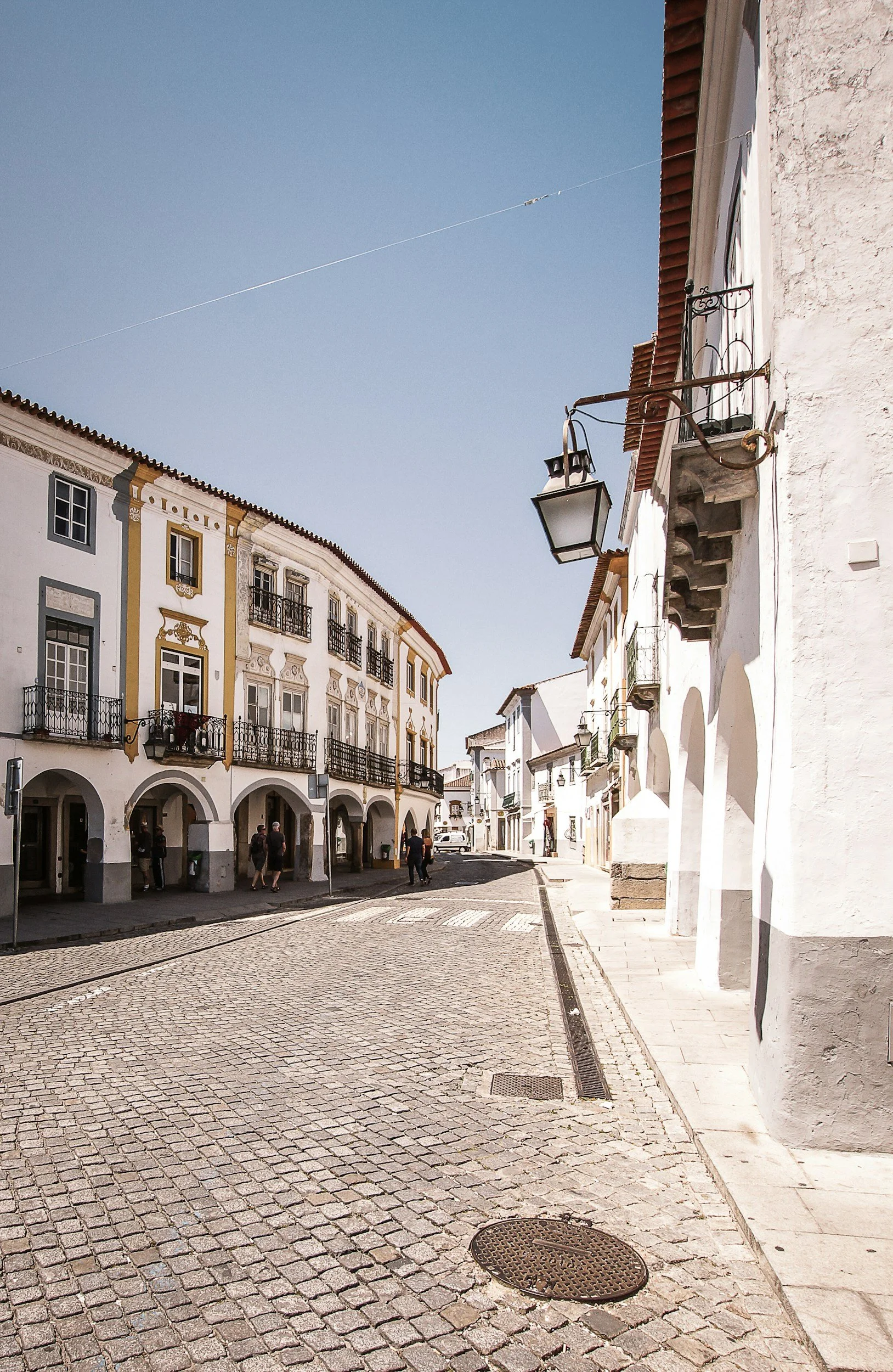
Most trips into Alentejo start from Lisbon, and Évora is the easiest place to anchor yourself without needing to plan too much around connections. The drive from Lisbon takes around 1 hour and 20 minutes via the A6, and it is a straightforward route once you are out of the city. After crossing the Ponte 25 de Abril, traffic usually clears quickly, and from there it is mostly motorway driving until the final stretch into Évora.
If you are arriving by train, the line from Lisboa Oriente to Évora runs a few times per day and takes around 1 hour and 30 minutes. The station in Évora is not directly in the historic centre, but it is a manageable 15 to 20 minute walk, or a short taxi ride if you have luggage. Taxis are usually available at the station, but it is worth having a number saved or arranging one in advance if you are arriving later in the day.
Driving gives you more flexibility once you are there, especially in winter when you are likely to move between towns. Parking in Évora is relatively simple compared to most historic centres. You cannot drive inside the old town freely, but there are reliable areas just outside the walls. Avenida São Sebastião is one of the easiest options, with marked spaces and a short walk through Porta Velha into the centre. Another practical spot is near Largo da Porta de Moura, depending on where you are staying.
What makes Évora work well as a base is how everything is structured once you arrive. The historic centre is compact enough to cross on foot in about 10 to 15 minutes, so you are not relying on transport within the town itself. At the same time, roads out toward Estremoz, Vila Viçosa, and Monsaraz are direct, and most drives fall within a 30 to 45 minute range. That makes it realistic to visit one or two places during the day and return before evening without feeling rushed.
It also holds up better than smaller towns in winter. Cafés around Praça do Giraldo stay open throughout the day, bakeries operate on regular hours, and there is enough choice for dinner without needing to check which places are closed that week. In smaller villages, this can be more limited, which is why starting in Évora tends to simplify the first part of the trip. Once you have a sense of distances and timing, it becomes easier to decide if you want to stay elsewhere for a night or continue using Évora as your base.
Where to stay, and why it matters more in winter
In winter, where you stay in Alentejo affects how each day actually works. Shorter daylight hours and more limited opening times mean you rely more on what is within walking distance or a short drive, especially in the morning and evening. Choosing a place based only on photos or setting often leads to unnecessary driving or finding that cafés and restaurants nearby are closed.
In Évora, staying inside the walls or just outside one of the main gates changes the entire experience. Streets around Praça do Giraldo, Rua 5 de Outubro, and the smaller lanes leading toward Sé de Évora have cafés and bakeries that open consistently even in January. You can walk from Giraldo to the cathedral in under 10 minutes, passing places that are actually used throughout the day rather than only during peak hours. Mouraria and the area closer to Porta de Moura are slightly quieter but still within a short walk of everything you need, which makes evenings simpler when you don’t want to move the car again.
If you prefer staying outside the walls, areas near Avenida São Sebastião or along the stretch between Porta Velha and Porta de Aviz work well. From here, you are usually a 5 to 8 minute walk into the centre, and parking is more straightforward. Along Avenida São Sebastião, you’ll find marked parking areas that are used year-round, and from there it is a direct walk through the gates into the historic centre without needing to navigate smaller inner streets.
In Estremoz, staying close to Rossio Marquês de Pombal makes a noticeable difference in winter. This is where most of the cafés and restaurants remain active, and it’s also where the Saturday market takes place. If you stay up in the castle area around Pousada Castelo de Estremoz, the setting is quieter, but in the evening you will likely be walking or driving down toward the lower town for dinner, as most options are concentrated around the square.
In Vila Viçosa, the area around Praça da República and along Avenida Bento de Jesus Caraça is the most practical. From here, you are within a short walk of cafés, a few restaurants, and the Ducal Palace. Staying further out means relying on the car for every small movement, as the town spreads out more than it appears on a map and shops close earlier in winter.
Rural stays near Arraiolos, Redondo, or along the smaller roads between Évora and Monsaraz offer more space, but they require a different setup. Properties are often located a few kilometres outside the nearest village, sometimes along roads like the N4 or smaller connecting routes. In these cases, dinner either needs to be arranged at the property or planned in advance in a nearby town. Driving 15 to 25 minutes for an evening meal is common, and in winter it makes a difference to know which restaurants are open before setting out.
Heating is another detail that becomes relevant at this time of year. Older buildings in Alentejo are designed for summer conditions, which means thick walls and limited insulation for colder months. In guesthouses and smaller hotels in Évora and surrounding towns, rooms usually have modern heating or air conditioning units, but this is worth confirming when booking, especially in more rural properties where heating can vary between rooms.
Cafés in Alentejo, in winter
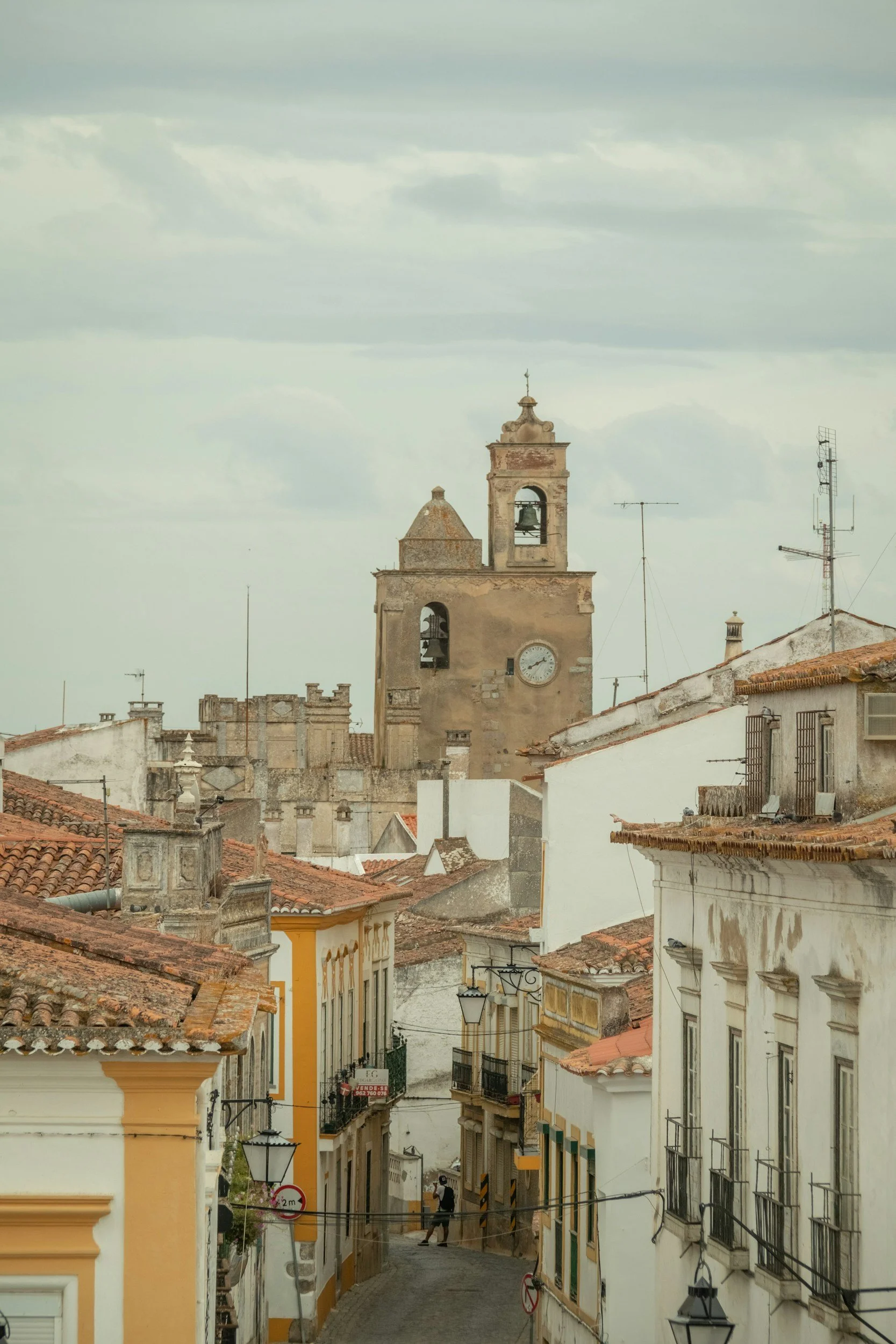
Cafés in Alentejo follow a clear daily pattern in winter, and once you understand the timing, it becomes easier to plan your day around them. Most open early, often between 07:30 and 08:00, and by 09:00 they are already in use for quick stops rather than longer visits. In Évora, the first wave of activity is concentrated around people stopping on their way to work, particularly along Rua da República and the streets feeding into Praça do Giraldo.
In Évora, the most consistent cluster is still around Giraldo and Rua 5 de Outubro. Pastelaria Conventual Pão de Rala on Rua Cândido dos Reis opens early and is already active by 08:30, with people stopping briefly rather than staying. Nearby, Pastelaria Académica on Rua 5 de Outubro is another reliable option that stays open through the day, with steady movement from mid-morning onward. A short walk toward Praça do Giraldo, Café Arcada remains one of the places that stays open later than most, which makes it useful if you are looking for somewhere in the afternoon when other cafés have already closed. Nataria Nacional, just off the main square, is also open consistently and works well for a mid-morning stop rather than later in the day.
If you move slightly away from the centre in Évora, for example toward Porta de Moura or along the streets leading out to Porta Velha, cafés are more local in feel and often close earlier. In these areas, smaller places open early but may shut between 15:00 and 17:00 and not reopen. This is where staying closer to Giraldo makes a practical difference in winter.
In Estremoz, cafés around Rossio Marquês de Pombal open early and are busiest mid-morning, particularly on market days. Café Alentejano on the square is one of the more consistent options, opening early and staying active through lunch. Pastelaria Rainha Santa Isabel is another place that tends to follow regular hours, with a steady flow during the morning. On Saturdays, when the market is on, these cafés fill up earlier and remain open longer, but during the week the rhythm is more limited, and some places close mid-afternoon.
Vila Viçosa follows a similar structure but on a smaller scale. Cafés around Praça da República and along Avenida Bento de Jesus Caraça open in the morning and stay active through lunch. Café Restaurante Florbela Espanca, close to the main square, is one of the places that remains open consistently during the day, while smaller cafés nearby may close earlier depending on the day. The spacing between cafés is also more noticeable here, so you are less likely to move between multiple places once you have sat down.
Another detail that becomes more noticeable in winter is how service is structured. Ordering is usually done at the counter, even if you sit down, and it is common to pay immediately rather than at the end. Tables are used briefly, and it is rare to see people staying for extended periods, especially in smaller towns. If you are planning to sit with a book or spend more time, cafés like Café Arcada or the ones directly on Praça do Giraldo are the most practical, as they have a steadier flow and remain open longer.
Knowing this helps avoid the situation where you arrive somewhere mid-afternoon expecting to stop for coffee and find everything closed. In winter, cafés are part of the daily routine of each town, and once that routine slows down, options become limited until the next morning.
If you’re coming down from the north, you could break the drive with a night by the sea, and Figueira da Foz is one of those places that’s easy to pass through but actually worth stopping in, particularly in the off-season.
Bookshops and other places to go inside
In winter, you need a few places you can go when everything else pauses for a few hours. Between around 14:30 and 17:00, a lot of smaller shops close, especially outside Évora, so having one or two indoor stops planned makes the day flow much easier.
In Évora, bookshops are easy to work into a short walking loop. Livraria Nazareth on Rua de Aviz is slightly outside the busiest part of town, about a 6 to 7 minute walk from Praça do Giraldo if you go past the cathedral. It’s the kind of place you stop into on the way somewhere else rather than plan around, and it stays open when nearby streets start to quiet down. From there, you can walk back toward Porta de Moura in a few minutes, where there are usually still a couple of cafés open even in the late afternoon.
Closer to the centre, Livraria Fonte de Letras on Rua da República is easier to combine with everything else. This street between Giraldo and Sé de Évora is one of the few that stays active most of the day in winter, so if you’re moving between a café and a short walk through town, this is where it makes sense to stay.
For something that takes a bit more time, Museu Nacional Frei Manuel do Cenáculo is right next to the cathedral, so you can step in without changing your route. It usually closes for lunch and reopens in the afternoon, which actually fits well with how the day is structured. Igreja de São Francisco, with the Capela dos Ossos, is on the other side of the centre near Jardim Público. It’s about a 5 minute walk from Giraldo along wider streets, so it works well if you’re moving in that direction anyway.
In Estremoz, you need to be a bit more deliberate. Most of the activity is around Rossio Marquês de Pombal, but the main indoor stop is up in the castle area. Museu Berardo is located there, and getting to it means a steady 10 to 15 minute walk uphill through quieter streets. In winter, the upper part of town can feel quite still in the afternoon, so it’s better to treat it as one clear stop rather than trying to combine it with several others.
Vila Viçosa is similar but even more spread out. Paço Ducal sits along Terreiro do Paço, about a 10 minute walk from Praça da República. Once you head there, that becomes the focus for that part of the day. There aren’t many smaller indoor places to move between, and cafés nearby may already be closing by the time you finish.
If you’re driving between towns, Arraiolos is an easy stop to add. The Centro Interpretativo do Tapete de Arraiolos is right near the centre, and you can park close by and walk through the village in a few minutes. It gives you somewhere to go indoors without needing to adjust your route much if you’re moving between Évora and Estremoz.
In winter, it works better to think in terms of one or two indoor places per day, not a full list. You stop at a café, walk a short distance, spend some time inside somewhere that’s actually open, and then move on. Trying to fit in too many stops usually means arriving when doors are already closed.
If you’ve been looking at the Algarve as well, it helps to see the difference properly, because the Algarve in winter feels calmer, but still more structured than Alentejo, especially around the bigger towns.
Walking without deciding where you’re going
In winter, walking around these towns feels different because you don’t really need a plan. You can just head out and see what’s open, turn when a street looks interesting, and loop back without thinking too much about it. The distances are short enough that nothing feels like a commitment.
In Évora, this works best inside the walls. From Praça do Giraldo, you can walk up Rua 5 de Outubro and reach the cathedral in about 4–5 minutes. From there, instead of turning around, it’s easy to keep going a bit further into the smaller streets behind it. Around Largo do Conde de Vila Flor and Rua do Cano, it gets noticeably quieter, especially in the afternoon, and you can walk a full loop back toward Rua de Aviz or down to Porta de Moura without really checking where you’re going.
Another easy direction is from Giraldo toward Jardim Público. You pass Igreja de São Francisco on the way, and within a few minutes the streets open up a bit. From there, you can drift back through Rua da República or take one of the smaller side streets and end up back near the square without retracing your steps. Everything sits within 10 minutes of each other, which is why it works so well without planning.
The difference in winter is how quickly things calm down once you leave the main streets. Around Giraldo and Rua da República there’s still some movement, but if you head toward Mouraria or in the direction of Porta Velha, it gets quieter almost immediately. Some places close in the afternoon, but that doesn’t really affect the walk, you just keep moving.
In Estremoz, it helps to think in one direction at a time. Starting at Rossio Marquês de Pombal, you can take a street like Rua Direita and walk up toward the castle. It’s about a 10–15 minute uphill walk, and there aren’t many stops along the way in winter, so you usually just continue all the way up. At the top, near the castle and the pousada, it’s much quieter, and you can take a different street back down to the square instead of going the same way.
Vila Viçosa is more straightforward. From Praça da República, you mostly follow Avenida Bento de Jesus Caraça toward Terreiro do Paço. It takes around 10 minutes, and there aren’t many side streets that lead anywhere specific, so you just walk through, stop if something is open, and keep going.
If you’re not sure whether to keep everything in Alentejo or add another stop, Tomar fits in easily without turning the trip into something complicated, and it gives you a completely different setting with the convent and river right in town.
Eating out in Alentejo
Eating out in Alentejo in winter is mostly about timing and knowing where to go, rather than choosing between a long list of options. Kitchens follow a clear schedule, and once you understand it, it becomes much easier to plan your day around meals instead of trying to fit them in last minute.
Lunch is the main meal, and most restaurants open between 12:30 and 14:30. In Évora, the most reliable area is still around Praça do Giraldo and the streets leading toward Sé de Évora. Botequim da Mouraria, tucked into the smaller lanes about a 5 minute walk from the square, fills up quickly even on weekdays, so arriving closer to 12:30 makes a difference. Taberna Típica Quarta-Feira on Rua do Raimundo is another place that keeps regular hours and is slightly easier to get into if you arrive early. Fialho, located a bit further out toward Avenida Combatentes da Grande Guerra, runs on a steady schedule year-round but often requires booking ahead, even in winter.
If you want something simpler, Adega da Cartuxa just outside the centre works well for a shorter stop, especially if you are moving in or out of town by car. It’s about a 10 minute walk from Giraldo or a quick drive, and easier to fit in without planning too far ahead.
In Estremoz, most of the activity is around Rossio Marquês de Pombal. Mercearia Gadanha is one of the more consistent options and sits directly on the square, which makes it easy to combine with a walk through the town. A Venda Azul, a short walk from the centre, is more local in feel and follows a strict lunch schedule, so arriving before 14:00 is important. On Saturdays, when the market is on, the whole area around the Rossio becomes busier earlier in the day, and restaurants tend to fill up before 13:30.
Dinner is more limited and usually starts around 19:30 or 20:00. In Évora, you still have enough choice that you don’t need to overplan, but it helps to stick close to the centre. Restaurante Dom Joaquim, located just outside the walls near Porta de Aviz, is one of the places that stays open consistently and is easy to reach if you are staying nearby. Around Giraldo, a handful of restaurants remain open each evening, but not everything you see will be operating in winter, so it’s worth checking the same day.
In Vila Viçosa, options are fewer and more spread out. Around Praça da República, Restaurante Florbela Espanca is one of the more reliable choices and sits within walking distance of most central stays. Outside that area, you will usually need to drive, and it’s common for kitchens to close earlier if there is little demand.
Monsaraz works differently in winter. During the day, you can still find a place for lunch inside the village walls, but in the evening many restaurants close entirely outside peak months. If you plan to stay or arrive late, it is better to arrange dinner at your accommodation or eat before driving up, as the road into Monsaraz is dark and there are no alternative options nearby once places close.
One thing that becomes clear quickly is that meals follow a fixed structure. Lunch happens within a defined window, the afternoon is quiet, and dinner is more limited than in summer. Outside those times, finding food is less predictable, especially once you leave Évora.
If food is an important part of how you understand a place, but you prefer it woven into daily life, you’ll find similar region-first approaches in the Local Flavours section of Trippers Terminal.
Evenings in Alentejo
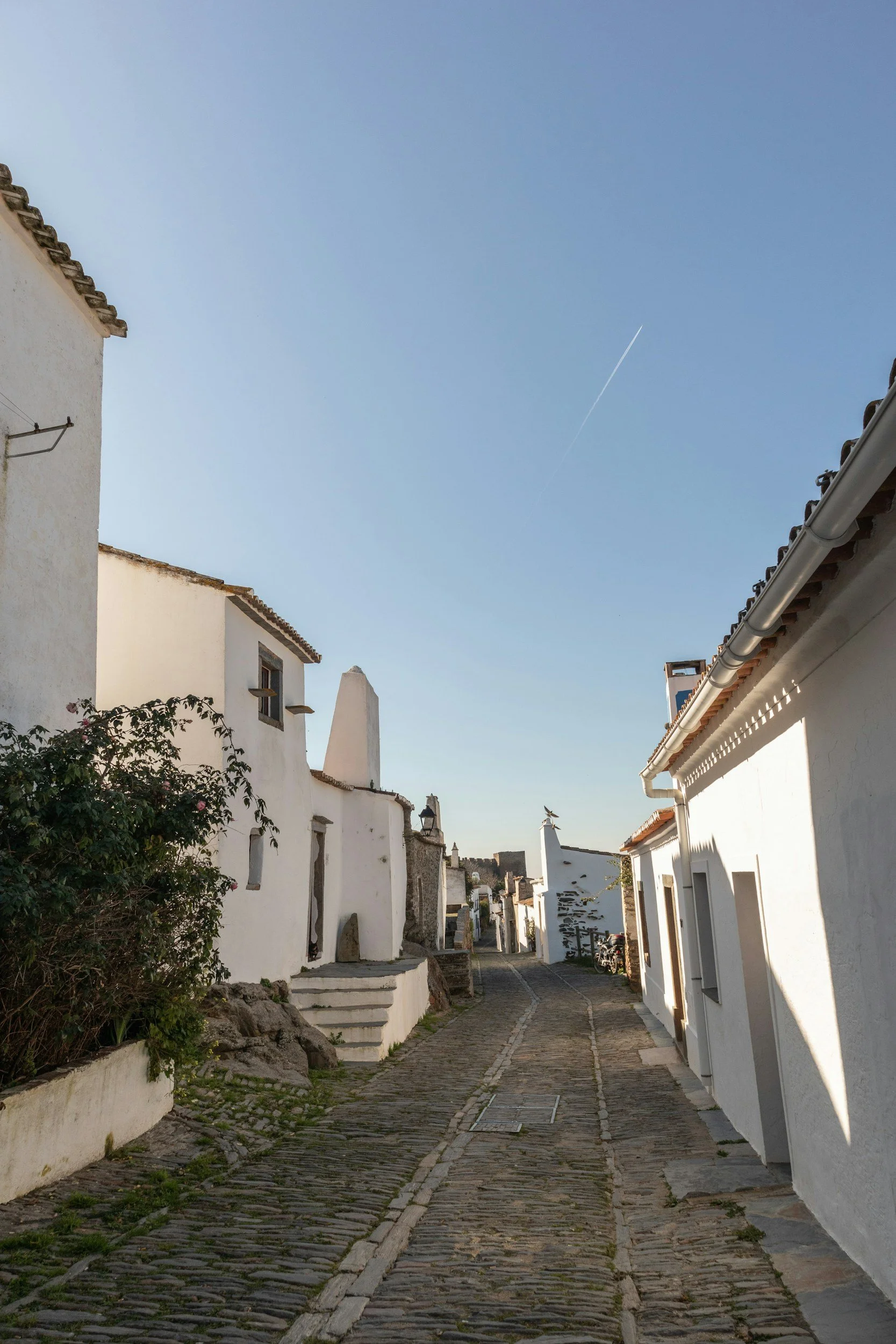
Evenings in Alentejo in winter settle earlier than most people expect. By around 18:00, streets start to empty, especially outside Évora, and the focus shifts to a small number of places that are actually open rather than everything you pass during the day.
In Évora, Praça do Giraldo is still the easiest reference point. From there, you’re within a 3 to 5 minute walk of most restaurants that stay open in winter. Streets like Rua da República and the stretch up toward Sé de Évora remain active a bit longer, but even here, not every place is operating. Botequim da Mouraria, set a few minutes into the smaller streets, is often busy even in winter and works well if you arrive early in the evening. Restaurante Dom Joaquim, just outside Porta de Aviz, is another reliable option and easier to reach if you’re staying near Avenida São Sebastião.
If you’re staying near Porta Velha or Porta de Moura, the walk back after dinner is simple and short. From Giraldo, it takes about 5 to 8 minutes to reach either gate, and you pass through streets that are quiet but still easy to navigate. By 21:30 or 22:00, most cafés are closed, and the centre becomes noticeably still, with only a few restaurant tables left occupied.
In Estremoz, evenings are more concentrated. Around Rossio Marquês de Pombal, you’ll usually find one or two restaurants open for dinner, such as Mercearia Gadanha, which sits directly on the square and keeps a consistent schedule. A Venda Azul, slightly outside the immediate centre, also opens in the evening but follows a stricter timetable, so arriving on time matters. Once you leave the Rossio, the town quiets quickly. The upper area near the castle, including the streets around Pousada Castelo de Estremoz, has very little activity after dark.
Vila Viçosa is even more limited. Around Praça da República and along Avenida Bento de Jesus Caraça, a small number of restaurants remain open, with Restaurante Florbela Espanca being one of the more consistent options. From the square, it’s about a 5 to 10 minute walk to most places, but once you step outside that central area, there is very little open, and it’s common to head back after dinner rather than continue the evening elsewhere.
Monsaraz works differently in winter. During the day, you can still find a place for lunch inside the village walls, but in the evening many restaurants close entirely outside peak months. If you arrive after sunset, the village is mostly dark, with only a few lights on along the main street. If you’re staying nearby, it’s important to have dinner arranged in advance, either at your accommodation or before driving up, as there are no alternative options once you’re there.
Driving between towns in the evening is straightforward but feels slower than during the day. Roads like the N4 between Évora and Estremoz or the routes toward Vila Viçosa are not heavily lit, and once you leave the town, there is very little traffic or signage. A drive that takes 30 minutes in daylight feels longer at night, especially on smaller connecting roads.
If you’re thinking of staying closer to the coast instead of inland Alentejo, these quieter places along the Alentejo coast give you a completely different kind of winter stay, with more light, more ocean, and less structure.
FAQ: visiting Alentejo in winter
Is Alentejo worth visiting in winter?
Yes, especially if you want to see towns like Évora and Estremoz outside peak season. In winter, you’re visiting for everyday life rather than events. Cafés, restaurants, and museums are open, but on a smaller scale and with shorter hours.
What is Alentejo like in winter compared to summer?
Winter is quieter and more structured. Lunch is served within a fixed window (around 12:30–14:30), afternoons are slower with some closures, and evenings are limited to a few restaurants. Travel between towns is easier due to less traffic.
Where should you stay in Alentejo in winter?
Évora is the most practical base. Staying near Praça do Giraldo or just outside the walls near Porta Velha or Avenida São Sebastião keeps cafés, restaurants, and shops within a 5–10 minute walk.
Can you visit Alentejo in winter without a car?
Yes, if you stay in Évora. You can reach it by train from Lisbon in about 1 hour 30 minutes and walk around the town easily. Visiting smaller towns like Estremoz, Vila Viçosa, or Monsaraz without a car is difficult due to limited transport.
How do you get from Lisbon to Alentejo?
Driving from Lisbon to Évora via the A6 takes around 1 hour 20 minutes. Trains from Lisboa Oriente to Évora run a few times daily and take about 1 hour 30 minutes. From the station, it’s a 15–20 minute walk or short taxi ride to the centre.
If your flight goes through Lisbon, it’s worth deciding in advance how much time to give it, because it’s easy for Lisbon to take over the whole trip if you don’t keep it focused.
What are the best towns to visit in Alentejo in winter?
Évora works best as a base. Estremoz is good for a half-day or lunch stop around Rossio Marquês de Pombal. Vila Viçosa is quieter but still active around Praça da República. Monsaraz is best visited during the day due to limited evening options.
Are restaurants open in Alentejo in winter?
Yes, but fewer than in summer. Lunch is typically 12:30–14:30, and dinner starts around 19:30. In Évora, several restaurants are open each day. In smaller towns, there may only be one or two options in the evening.
Do you need to book restaurants in Évora in winter?
For places like Botequim da Mouraria or Fialho, booking is still recommended, especially for dinner. In smaller towns, booking helps because fewer restaurants are open, even if they are not full.
What time do things close in Alentejo in winter?
Shops often close between 13:00 and 15:00. Cafés outside Évora may close by 17:00 or 18:00. Restaurants close after lunch and reopen for dinner, with evenings ending earlier than in larger cities.
Are cafés open in Alentejo in winter?
In Évora, cafés around Praça do Giraldo and Rua da República stay open most of the day. In Estremoz and Vila Viçosa, cafés are mainly open in the morning and early afternoon, with fewer options later.
What can you do in Alentejo in winter afternoons?
Afternoons are best spent in places that stay open, such as Livraria Nazareth or Fonte de Letras in Évora, or museums like Museu Nacional Frei Manuel do Cenáculo. In smaller towns, it’s better to plan one main stop rather than several.
Is Alentejo cold in winter?
Temperatures are mild, but buildings can feel cold indoors. Many older houses are built for summer, so it’s important to check that your accommodation has proper heating.
Is Monsaraz worth visiting in winter?
Yes, but mainly during the day. In winter, most restaurants close in the evening, and the village becomes very quiet after sunset. It works best as a day trip from Évora.
How many days do you need in Alentejo in winter?
2 to 3 days works well. You can stay in Évora and visit nearby towns like Estremoz or Vila Viçosa, which are usually 30–45 minutes away by car.
What should you plan ahead for a winter trip to Alentejo?
Check restaurant opening days, confirm dinner plans in smaller towns, and plan arrival times so you reach your accommodation before dark. Knowing where you’ll eat and how you’ll get around makes a big difference.