There’s something particularly enjoyable about visiting an Italian town when there’s a market on, especially one where you never quite know what you’ll find. In Vicenza, the monthly antiques and vintage market, Non ho l’età, takes over several squares in the historic centre, with stalls set against some of the city’s most beautiful architecture.
It’s the sort of market where you can happily spend a morning looking through old books, vintage pieces and unusual collectables without necessarily buying a thing. And with Vicenza’s lovely streets, cafés and grand old buildings just around the corner, there’s plenty to enjoy once you’ve finished browsing.
If you can, I’d make a weekend of it. Arrive on Saturday, spend the afternoon getting to know the old town and leave Sunday morning for the market, which takes place on the second Sunday of most months. You could easily visit from Venice, Padua or Verona for the day, but staying overnight gives you a little more time to enjoy Vicenza itself.
When is Vicenza’s antiques market?
The Non ho l’età antiques market takes place on the second Sunday of each month, from September to July, with a break in August. The market generally starts around 8:30 am and continues into the afternoon, although opening hours can vary depending on the season.
Admission is free, and most editions take place across several squares in Vicenza’s historic centre. July is a little different, with the market usually moving to Campo Marzo.
As it's an outdoor event, it's worth checking the official Non ho l’età website for the exact hours, location and any weather-related changes before making plans.
What you’ll find at Vicenza’s antiques market
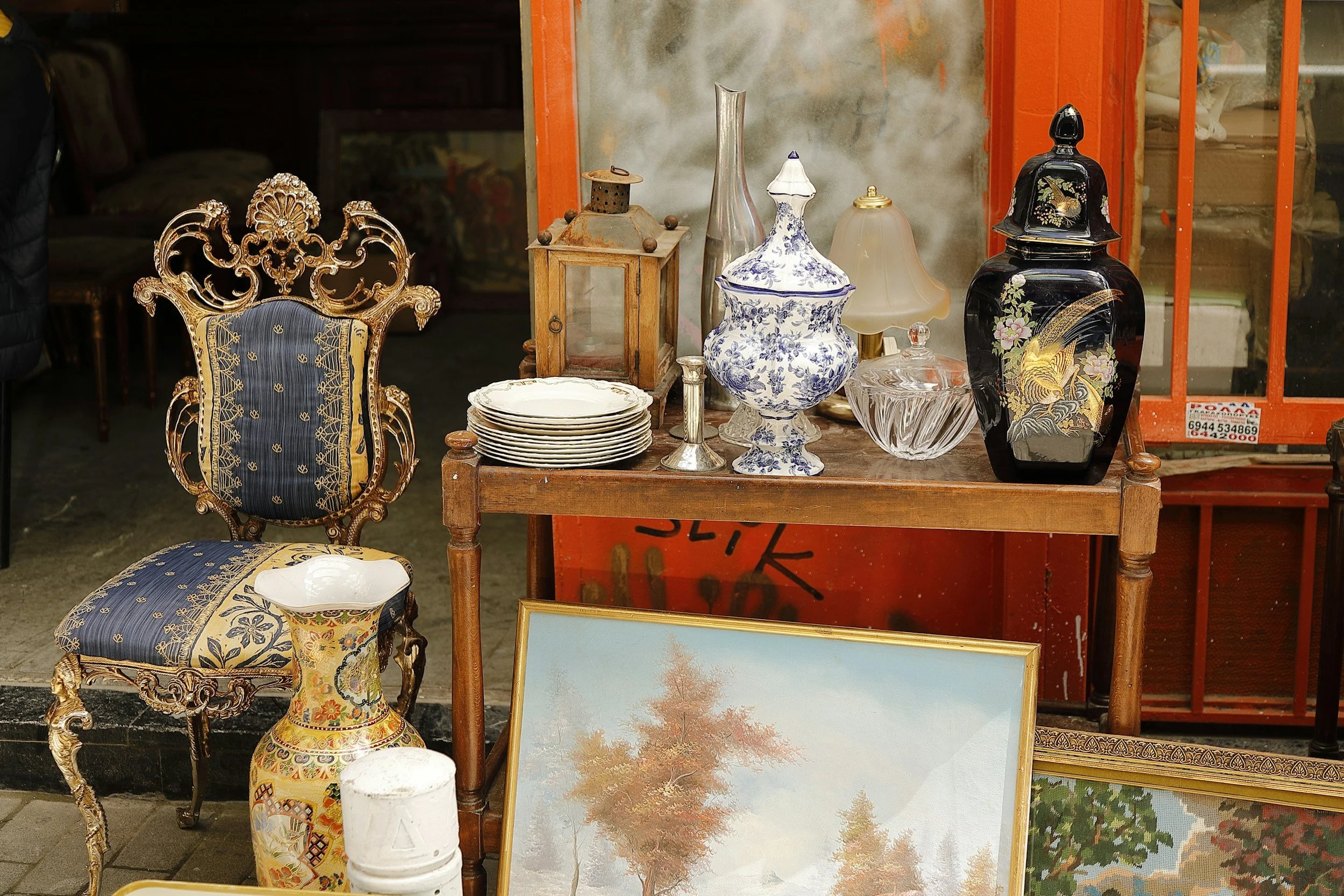
Don't be put off by the word antiques if you're not in the market for a large piece of furniture. Non ho l’età has a much broader mix, bringing together established antiques dealers and smaller hobby sellers. Furniture and decorative antiques are certainly part of it, but so are vintage clothing, ceramics, old books, postcards, records and all sorts of collectables.
For me, the smaller things are what make a market like this interesting. An old Italian postcard, a vintage photograph or a piece of pottery can be just as lovely to come across as something much more valuable. There's also something enjoyable about looking through objects that have been kept, collected and passed around for decades, particularly when you have no idea what you'll find!
The different sellers bring their own interests and specialities, so the selection will naturally vary from one market to the next. I'd allow a couple of hours to browse properly, especially if you enjoy looking through books, vintage accessories or pieces for the home.
And if you're travelling with hand luggage, there's still plenty of reason to browse. Books, postcards and smaller vintage pieces are more realistic purchases than furniture, although you'll want to think about packing anything fragile. It's also worth bringing a tote bag and some cash, as payment options depend on the individual seller.
Where the market spreads through the old town
The nice thing about Non ho l’età is that browsing the market also takes you through much of Vicenza's historic centre. Rather than gathering all the stalls in one place, the market stretches across several squares and streets, from the area near the railway station to the beautiful Piazza dei Signori.
If you're arriving by train, you can start almost straight away along Viale Roma, before continuing towards Piazza Castello. This western part of the market is generally associated with vintage finds, household pieces and smaller independent sellers. From there, make your way towards Piazza Duomo, where the usual mix leans more towards decorative antiques, lace and accessories.
You don't have to follow a particular route, though, and I wouldn't worry about covering every single stall. Part of the pleasure is wandering between the different squares, taking a look down the smaller streets and stopping wherever something catches your attention. Piazzale De Gasperi is another area worth including if you want to see more of the market.
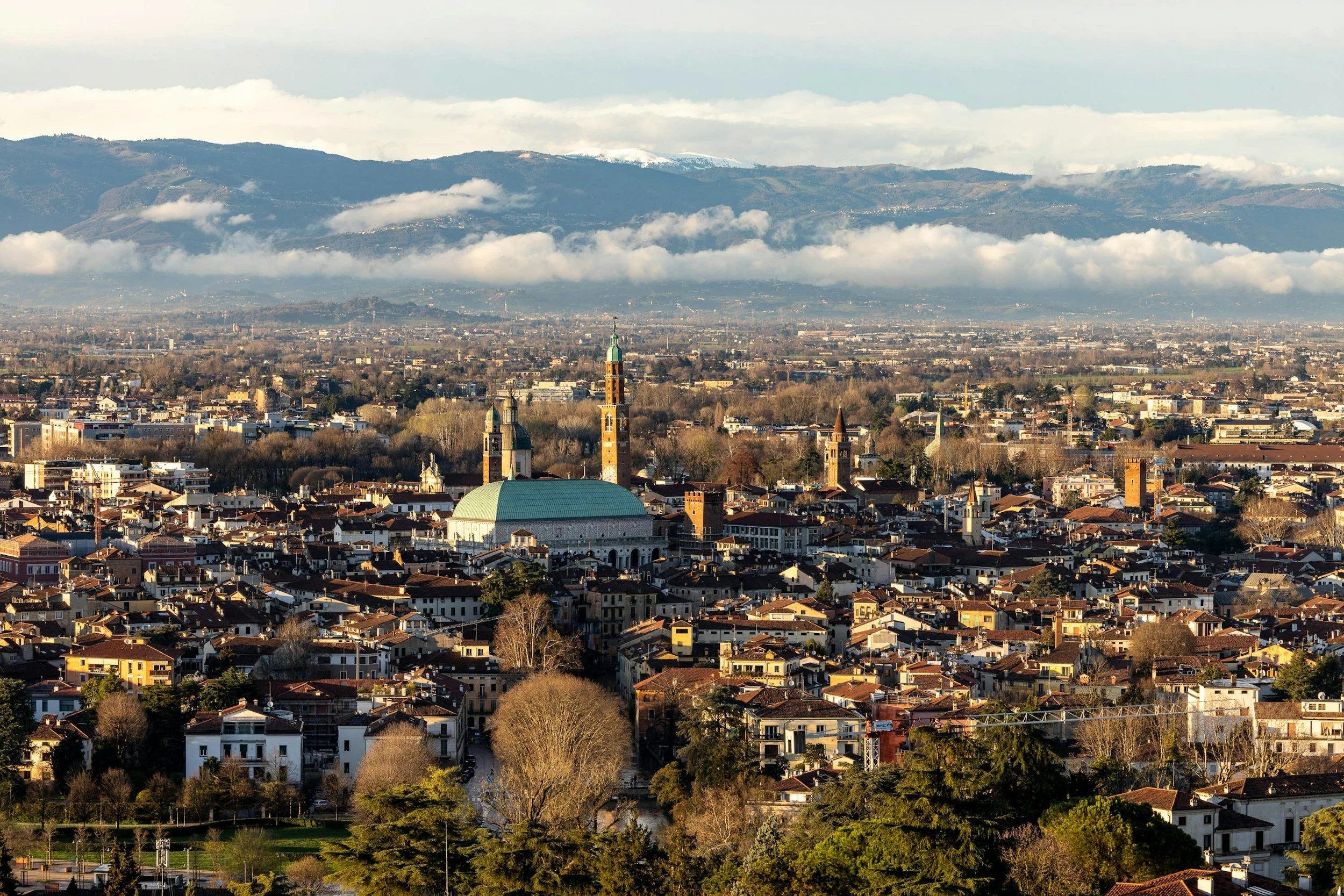
I'd definitely make time for the stalls around Piazzetta Palladio and Piazza dei Signori. This is where you'll generally find more established antiques and design dealers, and it's also one of the prettiest parts of Vicenza. The Basilica Palladiana dominates the square with its elegant arcades, while the surrounding buildings make it easy to forget you're supposed to be shopping.
Allow around two to three hours if you enjoy browsing properly, perhaps longer if you're particularly interested in antiques. And if you're staying in the old town, simply start wherever is closest rather than walking all the way to the station first.
You can use the official Non ho l’età market map to get a better idea of where everything is, but bear in mind that the stall locations may change from one market to the next.
Why arriving on Saturday makes sense
I'd be tempted to stay in Vicenza for the night rather than arrive on Sunday and head straight home again. The antiques market is a lovely excuse to visit, but there's enough to enjoy in the old town to make a Saturday afternoon here feel well spent.
You could arrive after lunch and take a walk along Corso Palladio, where some of the city's grandest palazzi sit alongside the shops and cafés. From Piazza dei Signori, it's only a short walk into Contrà Porti, a street lined with historic buildings that's worth exploring even if you have no particular destination in mind. There's also the Palladio Museum if you'd like to spend an hour getting to know the architecture a little better. Otherwise, I'd simply enjoy the afternoon, find somewhere good for dinner and save the market for Sunday.
I'd choose somewhere in the historic centre to stay, particularly if you're arriving by train. You'll have the old town within walking distance and can head out for the market the next morning without having to think about transport.
If you're already staying in Venice, Padua or Verona, though, I'd simply come to Vicenza for the day. There's plenty of time to browse the market, enjoy a proper Sunday lunch and have a look around the old town before catching the train back. Staying overnight is nicer if you'd like to explore Vicenza beyond the market itself.
Still deciding where to stay? I've compared a few options in my guide to the best places to base yourself in Veneto without a car.
Leave time for Sunday lunch
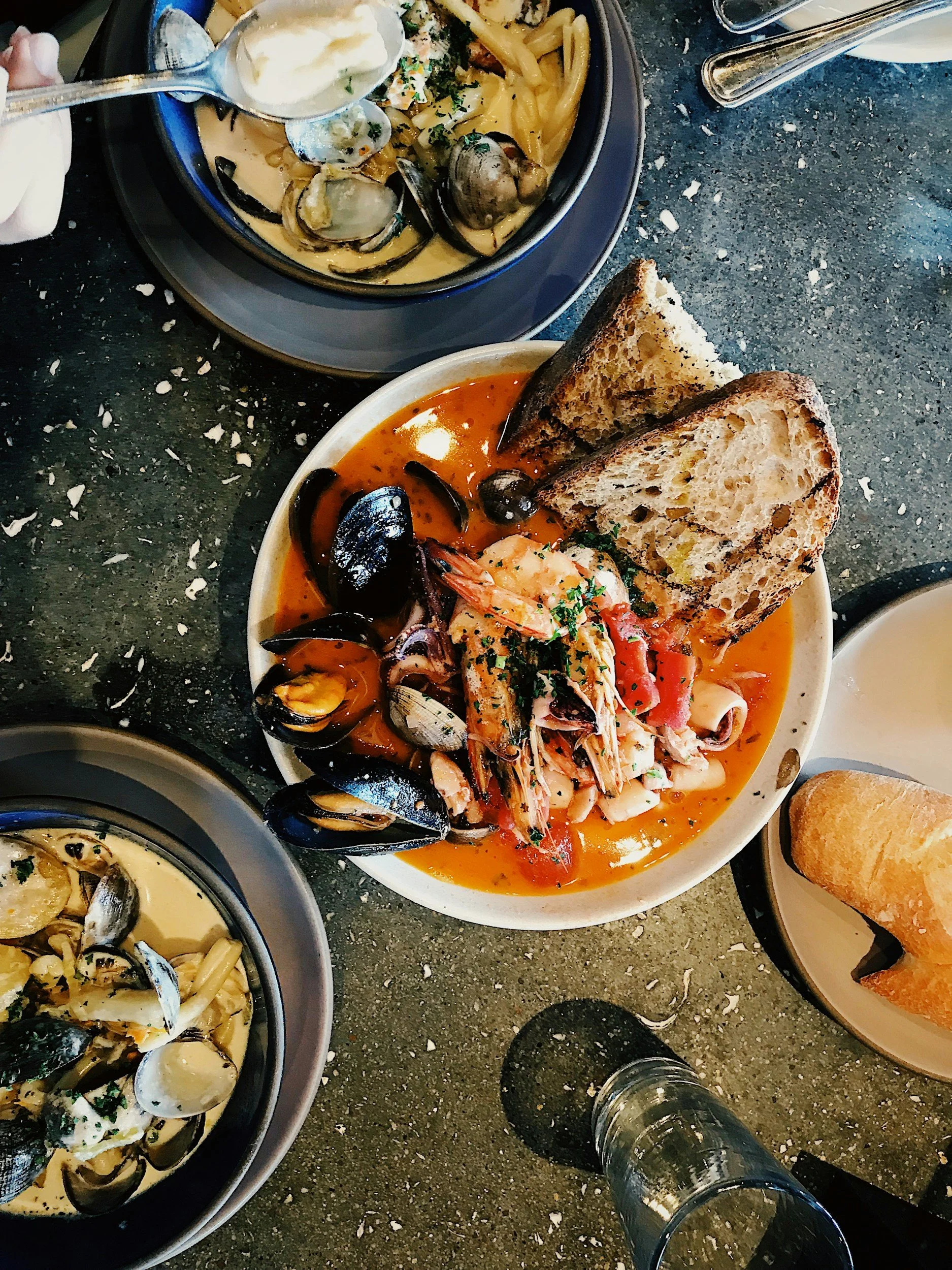
While you're in Vicenza, it's worth making time for some of the local food, especially if you've spent the morning wandering around the antiques market. Il Ceppo, on Corso Andrea Palladio, would be my choice for lunch. It's a traditional gastronomy shop with its own bistro, so there's a little more to it than simply stopping at a restaurant.
One of the dishes to look out for is bacalà alla vicentina, a speciality that's closely associated with the city. It's made from dried stockfish that's cooked slowly with milk, onions and olive oil, usually served with polenta. It might not be the first thing that comes to mind when you think of Italian food, but that's partly why it's interesting to try something so particular to this part of Veneto.
Il Ceppo is right in the centre, making it easy to stop for lunch after exploring the market around Piazza dei Signori. I'd book a table for around 12:30 or 1 pm and enjoy a proper lunch before deciding what to do with the rest of the afternoon.
The bistro welcomes guests on Sundays, although it's best to confirm lunch service when reserving. You can find contact details on the Il Ceppo website.
A short walk around Palladio’s Vicenza
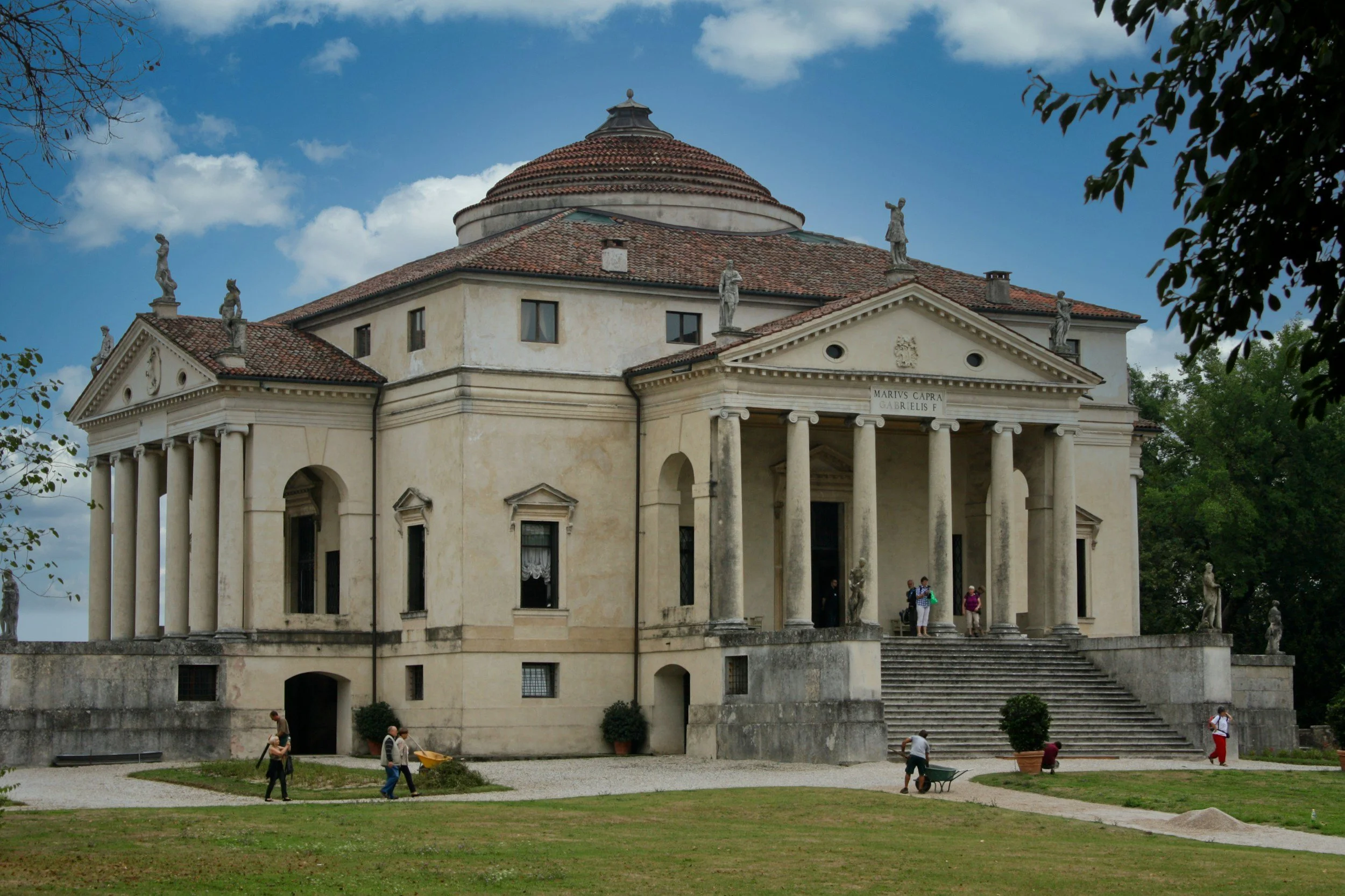
It's hard to spend much time in Vicenza without coming across the work of Andrea Palladio. The Renaissance architect designed some of the city's best-known buildings, and you can see several of them within a few minutes of each other in the old town.
The Basilica Palladiana in Piazza dei Signori is probably the one you'll notice first. Despite the name, it was never a church. It was the city's medieval civic building, which Palladio gave a remarkable new exterior of arches and columns. If you look closely, you'll see that each large arch sits between smaller rectangular openings. It's a clever piece of design, especially when you consider that Palladio was working around a building that was already there.
Just across the square is the Loggia del Capitaniato, with its enormous columns and richly decorated façade. I think the contrast between the two buildings is particularly interesting. They were designed by the same architect, yet look surprisingly different. Take a look around the side facing Contrà del Monte as well, where the decoration changes again.
For anyone who enjoys architecture, I'd also consider the Palladio Museum on Contrà Porti. It's housed in Palazzo Barbaran da Porto, another of Palladio's buildings, and gives you a closer look at his designs and ideas. Admission is €8, and it's normally open Wednesday to Sunday, from 10 am to 6 pm.
You could spend 45 minutes to an hour simply walking around this part of Vicenza, without going inside anything. I'd save the museum for Saturday if you're staying overnight, and leave Sunday free for the antiques market.
Vicenza is just one of several places in Italy where I'd happily plan a visit around the market. I've included a few more in my guide to Italian markets worth travelling for.
Getting to the market by train
Vicenza is an easy place to visit without a car, particularly if you're already travelling around Veneto. It sits on the railway line between Venice, Padua and Verona, so you can comfortably plan a Sunday visit without having to change accommodation.
The railway station is just south of the historic centre, around 500 metres from the pedestrian area. Even better, the antiques market usually extends towards Viale Roma, opposite the station, so you may come across the first stalls almost as soon as you arrive. From there, you can make your way into the old town and towards the main market squares.
Regional trains connect Vicenza with the surrounding cities, although it's worth checking Sunday departures and return journeys for your particular date. You can compare trains and book tickets through Trenitalia.
I'd aim to arrive during the morning rather than later in the day, giving yourself plenty of time to browse before lunch. With the station so close to the centre, you won't need a taxi or local transport to enjoy the market.
If you enjoy planning trips around antiques markets, Vicenza is certainly worth adding to your Italian travel plans. And for another weekend where browsing is half the pleasure, have a look at L’Isle-sur-la-Sorgue in Provence, a town known for its antiques dealers and Sunday market.